Star Trek: A 50th Anniversary Celebration, Part One

original Star Trek cast

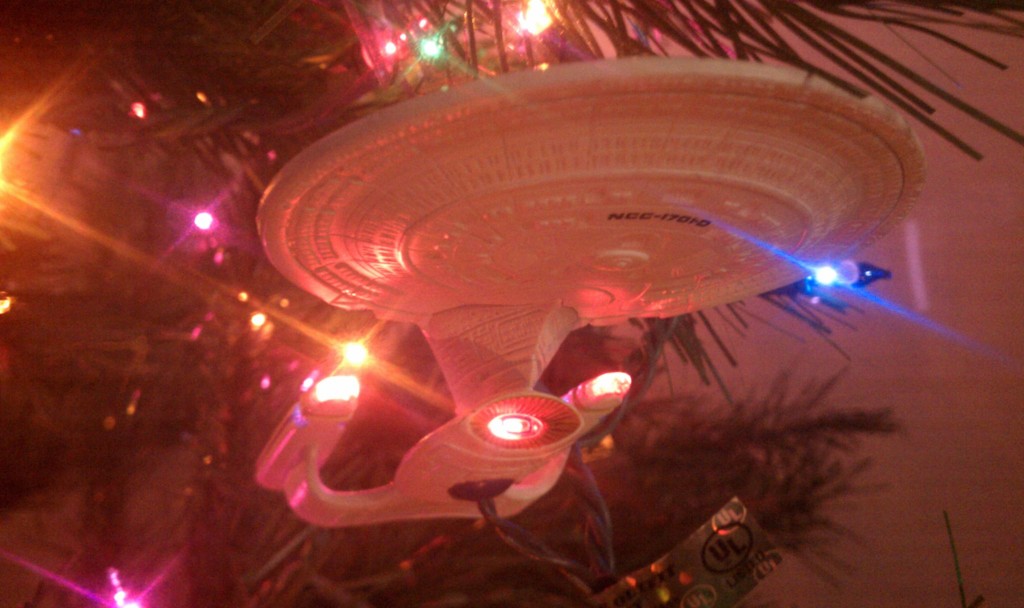
Star Trek turns 50 this year. Think about it. One of the greatest sci-fi franchises is now half a century old. While there are countless other sci-fi properties that are older than Star Trek, very few will match the popularity, relevance and staying power of Gene Roddenberry’s TV creation. As with other properties, Star Trek has had its highs and lows, but it has had a positive impact in our culture and society. That is why we are celebrating Star Trek’s 50th anniversary. Many of us will take this figure for granted but diehard fans know too well that Star Trek has often been on a touch and go basis, especially in its early years.

Noble, But Rocky Beginnings

From its inception Star Trek faced an uphill battle. The pilot episode “The Cage” was rejected by the network NBC for being too cerebral and having then-outrageous concepts like a woman in a leadership position and a character who looked like the devil. But Star Trek’s creator, Gene Roddenberry, would not give up and fortunately, others recognized its potential.

Star Trek, the actual series, debuted on September 8, 1966 with the episode “The Man Trap”. Following the cold opening, a starfield filled TV screens, wistful music played, the iconic and majestic Enterprise spaceship appeared and William Shatner’s bold voiceover announced that we were witnessing the voyages of the starship Enterprise and its crew with a mission to explore space and “to boldly go where no man has gone before.”

the Man TrapAt first glance, it looked like another schlocky monster-of-the-week episode that defined most sci-fi fare at that time. But this being Star Trek, there was more to the episode than some ugly monster that had to be destroyed. It had a moral dilemma for one of the show’s main characters, Dr. McCoy (DeForest Kelley), in that the monster took the shape of a former lover and he had to confront it. Then there was the morality of killing off an endangered species versus the threat of the creature to the crew of the starship Enterprise.

Other episodes also had even more intriguing and smart plots and multilayered characters that made Star Trek stand out from most genre efforts. A huge factor in the show’s appeal was not just its imaginative and provocative scripts but its characters. The suave and confident Captain James T. Kirk (Shatner), the stoic and collected Mr. Spock (Leonard Nimoy) and the opinionated Dr. “Bones” McCoy formed the perfect triumvirate as they explored new worlds. These were complicated people with strengths and weaknesses, and we identified with them. In fact, most of us wanted to be in their place as they explored the unknown.

At the same time, the show had wild imagery for its time. Star Trek technology impacts our livesThink of the time a giant hand appeared in space and grabbed hold of the Enterprise. Or when Abraham Lincoln showed up without warning or when ancient Roman soldiers donned firearms. Matching the imagery and action scenes were the fantastic plots that often dared viewers to think. Star Trek wasn’t afraid to make veiled social commentary and broke cultural and racial taboos. In the futuristic world of Star Trek, it was commonplace (as it is now) to see non-whites and women in prominent positions. We take it for granted now but this was groundbreaking for TV at the time and fortunately Gene Roddenberry’s hopeful vision of the future was validated as our society began to catch up to his vision. We’re still not there yet, but we’re making progress.

For all these reasons, the show caught on with fans, who could enjoy it on many levels, but it wasn’t enough. After three seasons the show was killed due to low ratings, however, it would not stay dead.

Comebacks & Striking Gold Again

Fervent fandom kept the memory of the show alive as it dominated syndicated runs after cancellation. During the ’70s Star Trek increased its presence in the public consciousness thanks to the reruns, merchandising and a short-lived animated show. It wasn’t long (though it was long enough for fans) before Star Trek returned in the form of a successful film series starting with Star Trek: The Motion Picture in 1979.

Star Trek TMP

By the time the franchise celebrated its 20th anniversary, Gene Roddenberry was given the chance to strike gold again. He returned to TV and created the first of many Trek spinoffs Star Trek: The Next Generation. When the show first aired in 1987, it had many detractors who complained that basically it wasn’t the old Star Trek because of undeveloped characters and dull and preachy scripts.

But ultimately the spinoff succeeded as the writing improved and the characters were allowed to grow. Now that Roddenberry had more of a free reign with his show, he indulged in creating his version of a more perfect futuristic society where no one squabbled over pettiness. Whether or not this utopian view is viable is besides the question. Being that humanity had evolved in Roddenberry’s viewpoint, the human conflicts were gone, which led to problems with the scripts that needed conflict.

Gone were the bombastic space captains and cantankerous frontier doctors. In some ways it was as if the stoic character of Mr. Spock was replicated many times over with most of the new characters. That is an exaggeration of course, but Captain Jean-Luc Picard (Patrick Stewart) was the anti-Kirk in that he was more level headed, collected and cerebral than the swaggering Kirk we all love.

The Next Generation of Star Trek

Over time Picard and his crew won over new fans who saw the spinoff’s merits. People saw the value of creating a show that was decidedly different than its predecessor. Gene Roddenberry passed away in 1991, but left behind a timeless legacy that was in competent hands (such as executives Rick Berman, Michael Piller, Ron Moore and others) who ensured that his vision remained intact. On the whole, Star Trek was reinvigorated since the original cast were obviously much older and passed the torch to the new generation. Meaning, that Star Trek: The Next Generation concluded its successful run in 1994 and the cast were graduated to the big screen starting with Star Trek Generations in the same year.

Trek At Its Peak

In the same time period of the early to mid ‘90s, Star Trek could be considered to be at its peak creatively and in popularity. Two more spinoffs debuted, Star Trek: Deep Space Nine and Star Trek: Voyager and the Next Generation crew were promoted to the film series.

Star Trek: Deep Space Nine, which premiered in 1993, set out to be the most distinct Star Trek show of all time. It didn’t take place on a spaceship, most of the main characters weren’t even human and its lead character was an African-American. Incredibly enough, back then there wasn’t much hoopla made about having the lead character be a non-white person and it shouldn’t have. The showmakers bravely let the character of Ben Sisko and the actor (Avery Brooks) sell the character who stood apart from Kirk and Picard as being more of a military commander with his own doubts but a similar thirst for knowledge and exploration. From the start, most viewers forgot about Sisko’s race when he was surrounded by a bunch of non-humans.

Star Trek Deep Space Nine cast

But Star Trek: Deep Space Nine had its detractors who complained they wanted to old familiar shtick of a spaceship-based show and that it was too dark. In reality, this darkness birthed many of Star Trek’s best and most complex episodes and is why Star Trek: Deep Space Nine is very highly regarded by many today who recognize its merits. In fact, it can be argued that it was the best of the Star Trek shows, but that is for history and fans to decide.

As a further sign of the strength of Star Trek’s brand, Paramount Studios decided to produce yet another spinoff  which would be used to kickoff its new network UPN in 1995. Star Trek: Voyager premiered to a lot of hoopla and fanfare. This was due to the fact that the lead character was a woman named Captain Kathryn Janeway (Kate Mulgrew), a first for Star Trek. However, while the franchise was at its zenith at the time of its 30th anniversary, the first signs of problems began to seep in as it started to feel tired creatively. But like any solid property, Star Trek would weather the setbacks as it did in the past. Each time the franchise would find a way to reinvent itself and move beyond Gene Roddenberry’s vision of Wagon Train To The Stars.

José Soto

To Be Continued…

Top Ten Greatest Star Trek Captain Moments

All Star Trek captainsWhat made Star Trek and its spinoffs so outstanding and memorable had to do with the shows’ captains. It makes sense being that the starship captains were the core of their shows and had many plum moments. Those instances revealed many thought-provoking insights into the captains and their lonely dilemmas, which revealed them as complex characters. In many ways, these moments are the reason why we celebrate Star Trek’s 50th anniversary.

10. Jonathan Archer’s Speech in “Terra Prime”:  The penultimate episode of Star Trek: Enterprise featured the fragile beginnings of the United Federation of Planets and how it nearly wasn’t due to a xenophobic human terrorist group. After the group was defeated, a conference on Earth made up of humans and aliens was salvaged thanks to Captain Jonathan Archer’s speech.

Archer Terra Prime

He implored the attendees to look past humanity’s faults and to see that everyone shared the peaceful desire to gain knowledge. Or as he summed up “the most profound discoveries are not necessarily beyond the next star, they’re within us.” And so, Archer helped give birth to the Federation and secured his place in history.

9. Kathryn Janeway Turns the Tables in “Counterpoint”:  In this episode of Star Trek: Voyager, the Starfleet vessel is forced to go through a region of space ruled by the Devore, a despotic anti-telepathic race, while harboring fugitive telepaths. Captain Kathryn Janeway gets involved with Kashyk, a Devore officer seeking asylum. The two are a near perfect couple but in the end the romance was a ruse by Kashyk who wanted to flush out Janeway by pretending to be sympathetic.

Janeway in Counterpoint

But it turned out Janeway was just as devious and cunning as the Devore. She tricked Kashyk and gave  the refugee telepaths time to escape Devore space. This episode demonstrates how her guile and determination have kept her crew alive as they journeyed home through hostile space.

8. Jean-Luc Picard Sees Four Lights in “Chain of Command, Part II”:  In this two-part story of Star Trek: The Next Generation, Captain Jean-Luc Picard is captured by Cardassians and tortured by one particularly sadistic Cardassian named Madred. The Cardassian delighted in humiliating his human prisoner and tried to break the noble Picard. Throughout the episode he attempted to get Picard to admit that there were five lights in Madred’s office, when in reality there were only four. Madred did this to break Picard’s free will.

there are four lights

But Captain Picard would not give up his inner dignity and demonstrated the measure of his steely resolve. He steadfastly refused to admit there were five lights despite the torture and never broke even though he came close. Picard’s action set an example of relying on one’s inner strength and core beliefs to get through difficult ordeals.

7. Jean-Luc PIcard’s Rant and Recovery in Star Trek: First Contact: Captain Jean-Luc Picard had been forcibly assimilated by the cybernetic Borg. In this Star Trek film, when the Borg returned to threaten Earth, Picard’s emotions and painful memories resurfaced. Picard became obsessed, too obsessed in defeating the Borg as they tried to take over his ship, the Enterprise. He became callous about the deaths and assimilations of his crew and insisted on fighting a losing battle against the Borg.

Picard Rant in Star Trek First Contact

When finally confronted by Lily Sloane over his fanatical behavior, Picard finally lets his emotions get the better of him. He erupted into an epic, savage rant about how he will make the Borg pay for what they did to him. After this catharsis, Picard was able to regain his senses and realized his duty to protecting his crew.

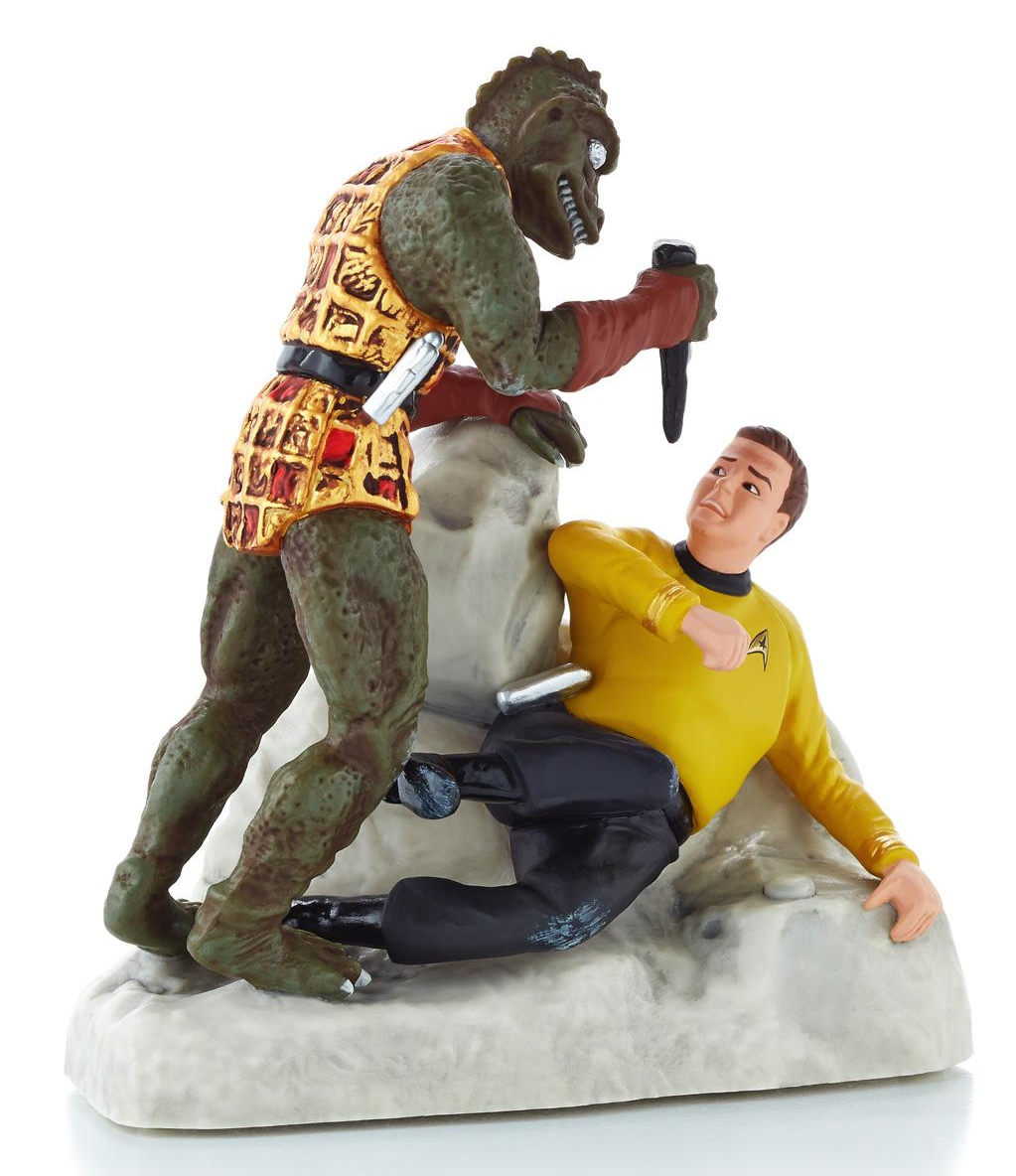
6. James T. Kirk Shows Mercy in “Arena”: Captain James T. Kirk and a Gorn captain are transported to a barren planet by advanced aliens and forced to fight each other to the death for the lives of their crew. This classic episode of Star Trek, while exciting to watch, ended on a morale message, which is what made the original show so revered.

Arena Gorn defeated

After defeating the Gorn, Kirk refuses to kill it. Then one of the advanced aliens appears and proposes to kill the Gorn for Kirk. The captain of the Enterprise turns down the offer and suggests that his defeated enemy be spared. This act of mercy surprised the alien who opined that there is something special about humanity since mercy is an advanced trait.

5. Ben Sisko’s Self-Confession During “In The Pale Moonlight”: During this episode of Star Trek: Deep Space Nine the Federation is losing a war against the evil Dominion. Captain Benjamin Sisko is at the forefront of the war in the space station Deep Space Nine and sees firsthand the effect of the grueling war. He knows he has to do something to save the Federation and what he concocted disturbs not just viewers but himself.

Sisko in the Pale Moonlight

Sisko conspired to fabricate evidence that the Dominion will attack the Romulan Star Empire. He hoped that this falsehood will bring the Romulan into the war on the Federation’s side and it works. The only cost for this duplicity is Sisko’s conscience. But Sisko has to admit to himself that saving countless lives in the Alpha Quadrant justified his actions. A sobering thought, which put Sisko in a different, grey light.

4. Jean-Luc Picard Defends Data in “The Measure of a Man”: In this intellectually charged episode of Star Trek: The Next Generation, a court hearing is convened to determine if the android officer, Data, can be considered sentient. At stake is his artificial life and whether or not he is entitled to equal rights.

Picard in Measure of a Man

Despite a blistering argument against Data, his commanding officer, Captain Jean-Luc Picard defended Data. At first, Picard is typically level headed and uses logic and reason to argue that Data is sentient. Then as his argument continued Picard grew more impassioned and was able to convince everyone not only of Data’s self-awareness but of his inalienable rights, which echo one of Star Trek’s core messages about equality, tolerance and mutual respect.

3. Ben Sisko Explains Time Through Baseball in “Emissary”: The pilot episode of Star Trek: Deep Space Nine set this Star Trek spinoff radically apart from other Star Trek shows. But one of the few things that stayed constant was the need for exploring the unknown. In this case a wormhole that Commander Benjamin Sisko discovered near the planet Bajor.

Sisko explains baseball

Upon entering the wormhole, he meets noncorporeal aliens who have difficulty understanding linear time. Sisko cleverly used baseball to explain the cause and effect nature of time. Thanks to queries from the aliens (who took the shape of people he knew), Sisko realized that he is emotionally trapped in the past because of his wife’s death. This epiphany allowed him to come to grips with her death and move on with his life as a Starfleet officer.

2. James T. Kirk admits he feels young in Star Trek II: The Wrath of Khan: At the start of this classic film, Kirk is downtrodden over his growing old. Compounding his mood are his deskbound duties and his birthday. As Star Trek II progresses, James Kirk takes command of his beloved Enterprise and is reborn as he confronts his greatest enemy–Khan Noonien Singh.

Kirk says I feel young

Even though in the end of Star Trek II: The Wrath of Khan, Kirk defeats Khan, he loses his best friend, Spock and is once again forced to face his mortality. However, recent events, while emotionally taxing, have reinvigorated James T. Kirk and his spirits have been rekindled. His personal arc perfectly encapsulated the film’s theme about growing old with dignity and spiritual rebirth, which was expressed with his bittersweet confession that “I feel young.”

1. James T. Kirk’s Soliloquy in “The Naked Time”: Captain James T. Kirk, or rather his original performer, William Shatner, was prone to speechifying in Star Trek. Often these addresses were bombastic and self important and were deservedly parodied. But early in the show’s run with the classic episode “The Naked Time” Kirk gave one of the first of these speeches and for one of the few times, his words were exceptionally heartfelt.

James Kirk in Naked Time

He was infected with a virus that loosened his inhibitions. When this happened his innermost thoughts and frustrations came to the surface. We saw Kirk as vulnerable, lonely and deeply committed to his duty as a starship captain. He lamented over the fact that his duty prevented him from enjoying a normal life or even having someone to love. The speech summed up the extent of the personal sacrifice James T. Kirk, and any other worthy starship captain, make in order to serve a higher cause.

José Soto

Second Trailer For Rogue One: A Star Wars Story Shows Promise

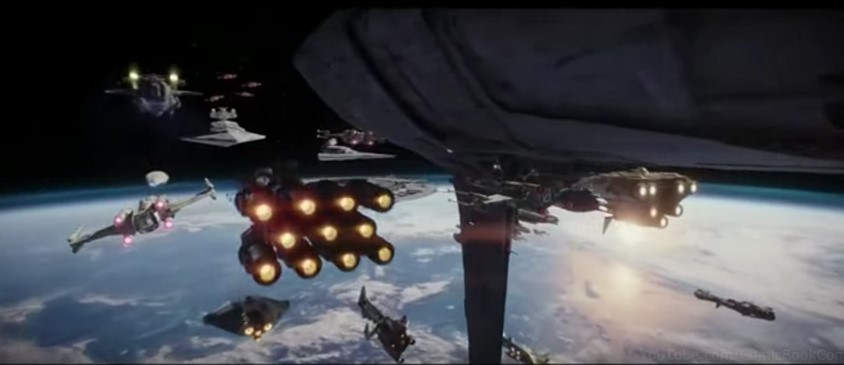
Star-Destroyer-by-Death-Star-in-Rogue-One-A-Star-Wars-Story

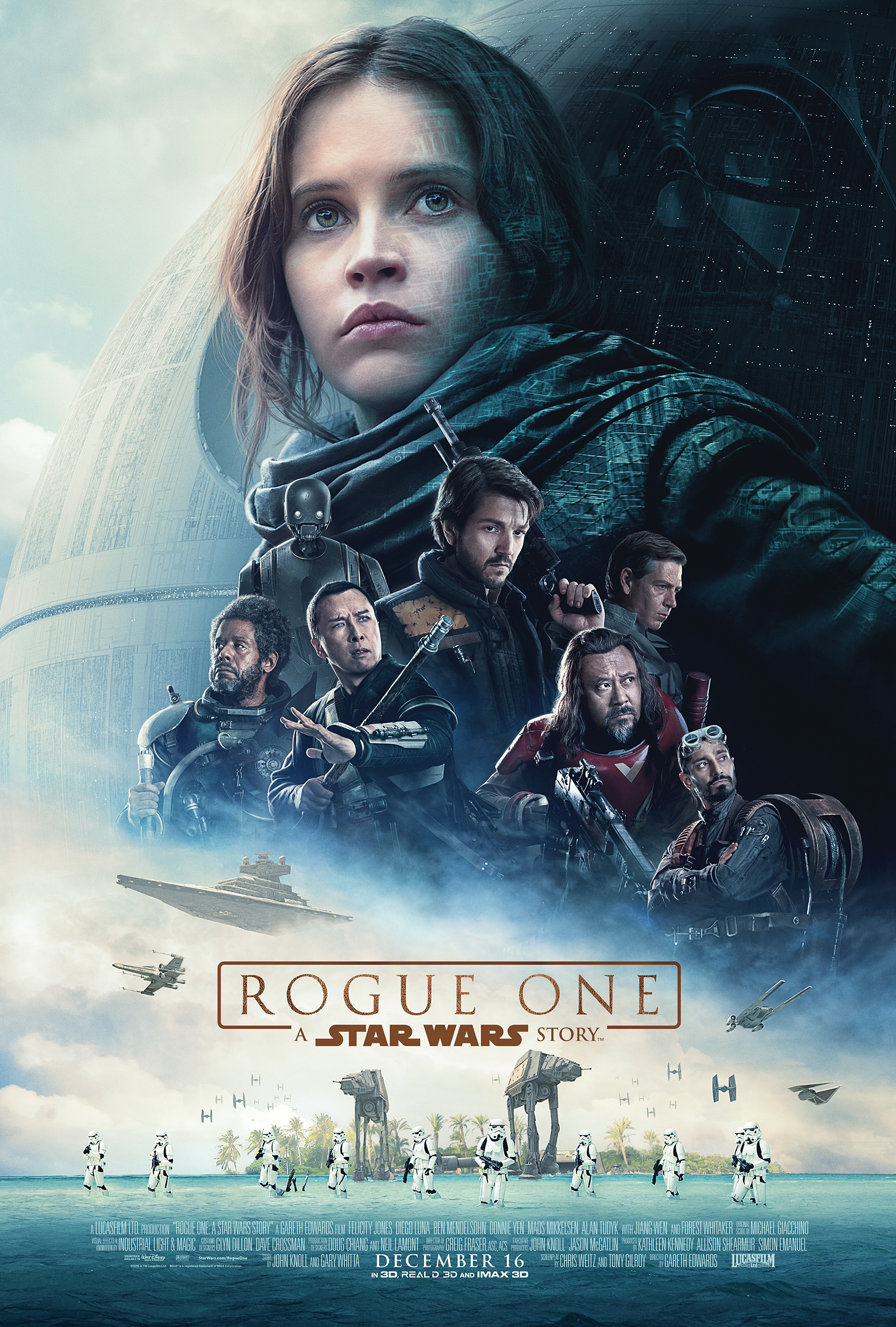
Finally got around to watching the new trailer for Rogue One: A Star Wars Story and let me say I was quite impressed!

Backing up here, I have to admit I wasn’t enthusiastic about the film when I heard about it. OK, a spinoff Star Wars film, sounds good on paper but it reeked of Disney milking the Star Wars cash cow. Not that I blame them they spent a few billion to get the property so they want their money’s worth. But after seeing Star Wars Episode VII: The Force Awakens I wasn’t thrilled about new Star Wars films.

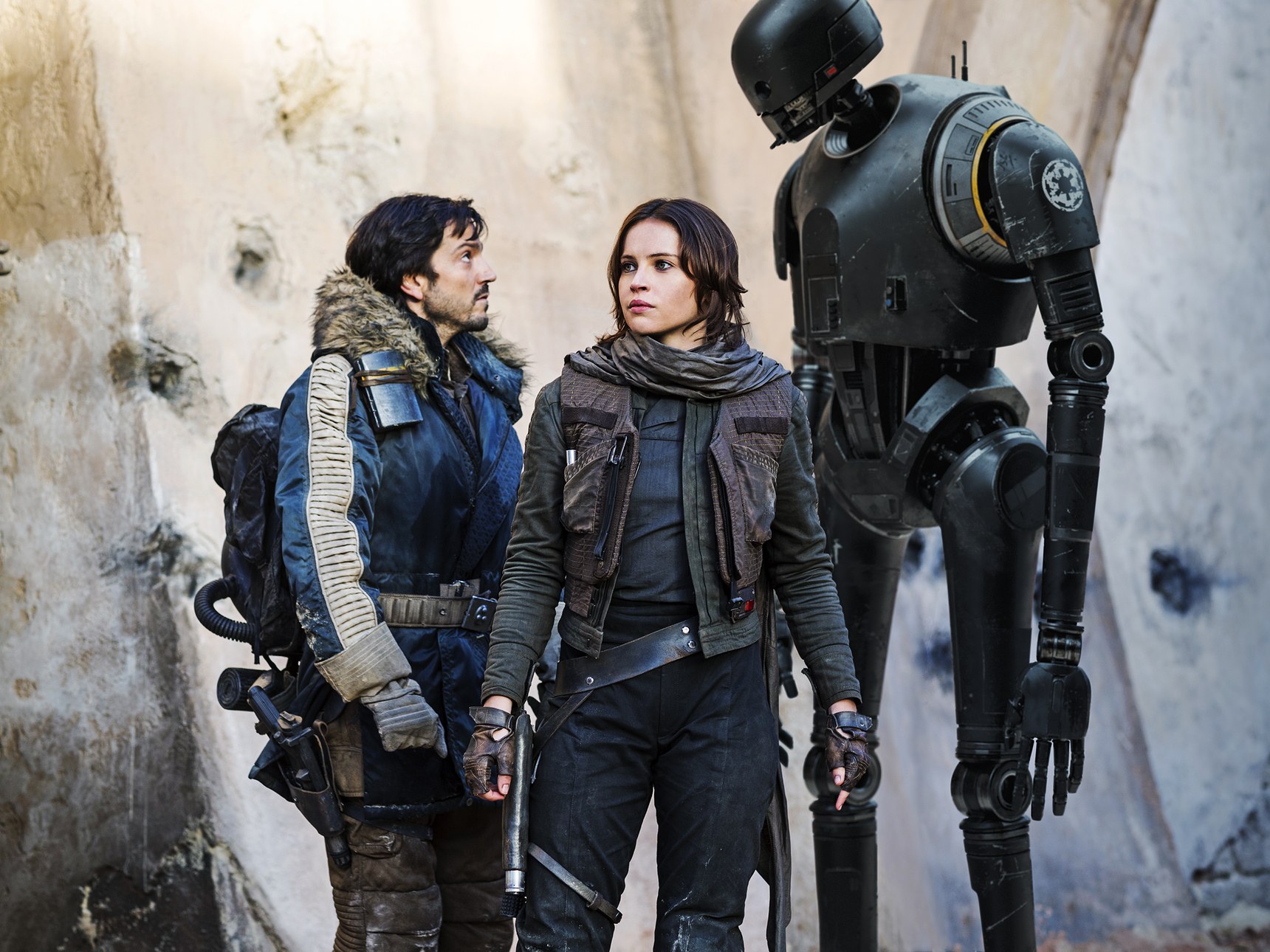
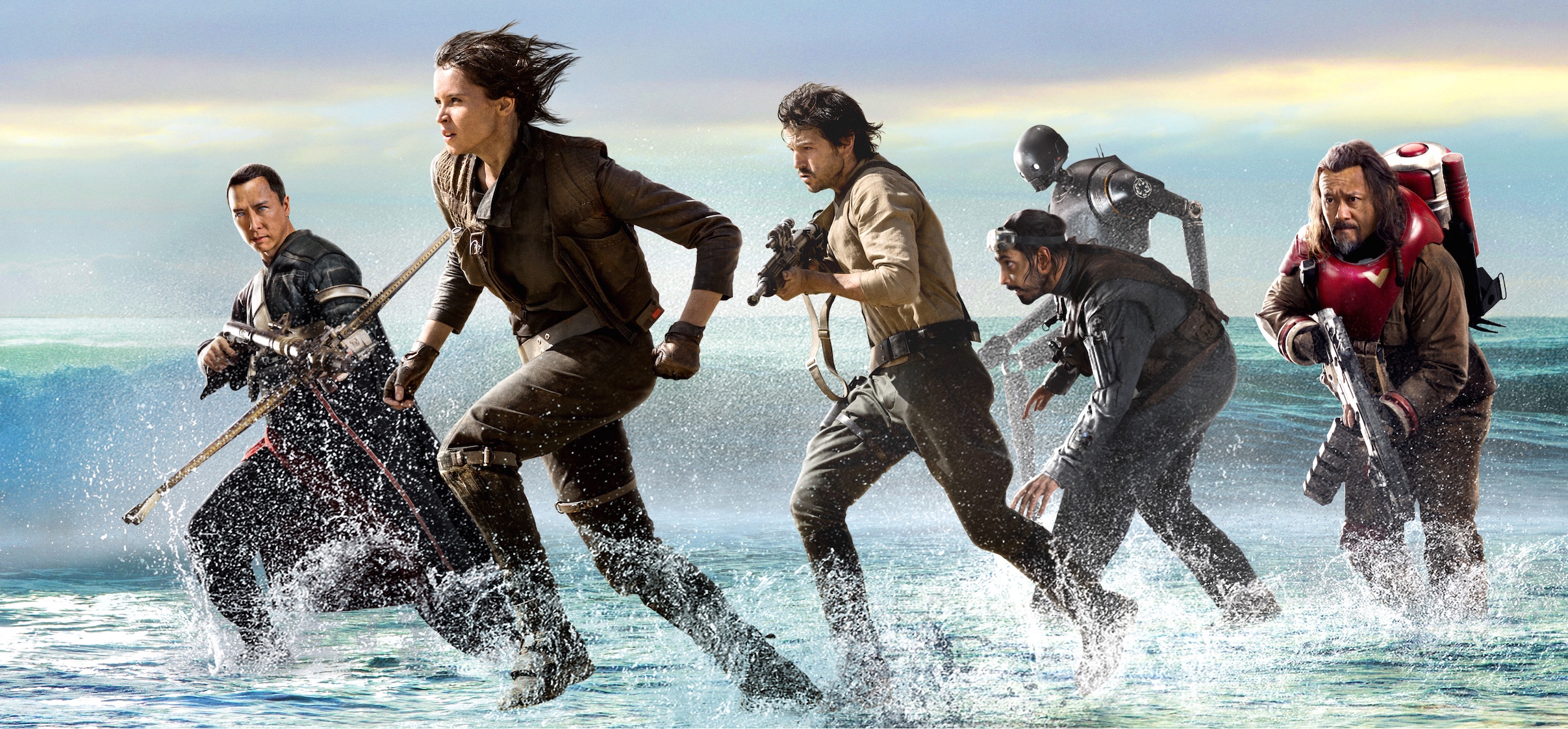
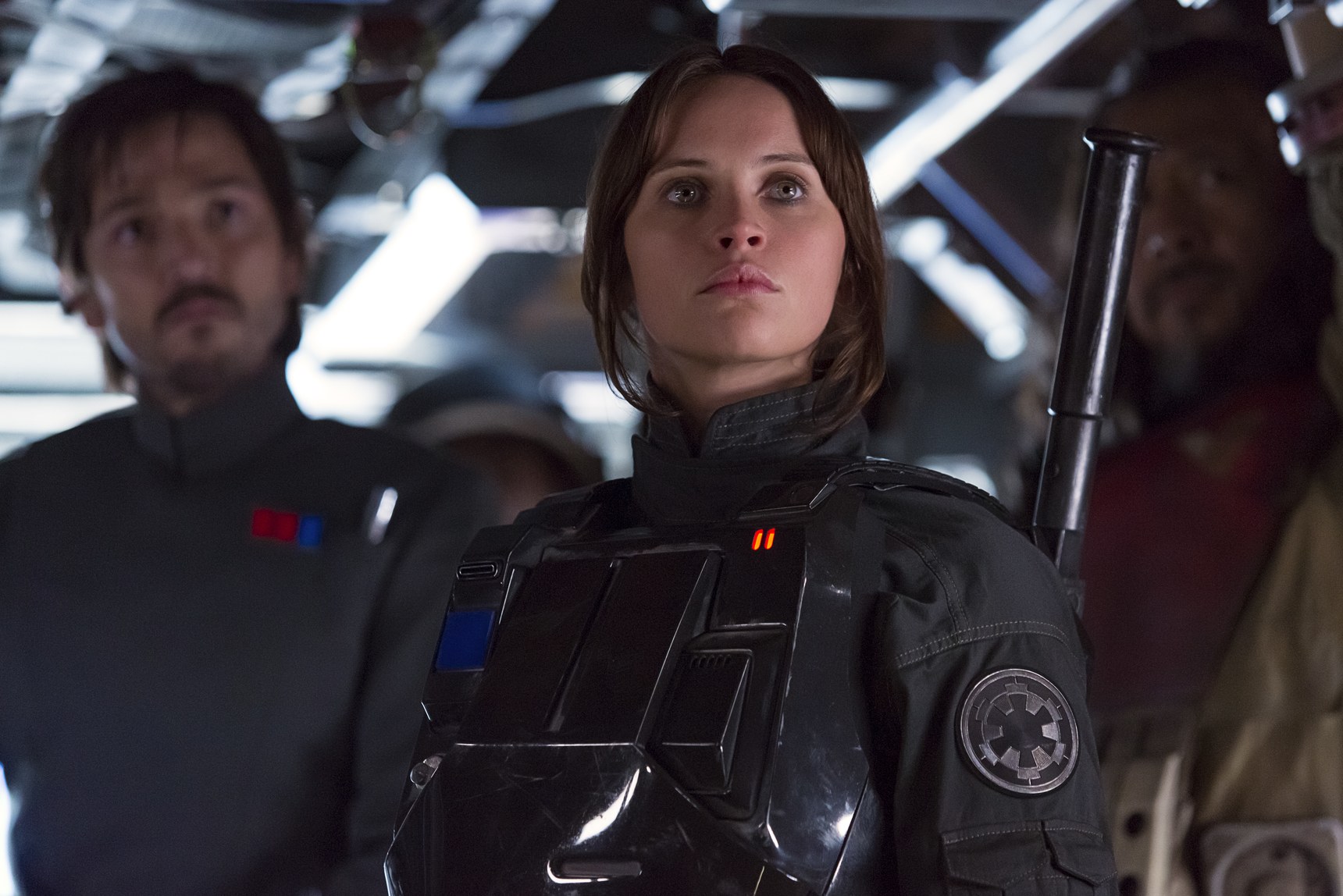
Rogue One A Star Wars Story rebels

The only thing going for Rogue One: A Star Wars Story was that it was a prequel that didn’t have to do with the main characters. No Skywalkers, no cute droids or Jedi. Then again Gareth Edwards is directing this, the guy who made a Godzilla movie dull. OK that last taunt there is an exaggeration, but Godzilla was kind of disappointing and went downhill after Bryan Cranston’s character was killed off.

Getting back to Rogue One: A Star Wars Story, I was neutral about the first spinoff film. Not even the teaser did anything to change my mind. Then I saw the new trailer today, and boy have my eyes been opened.

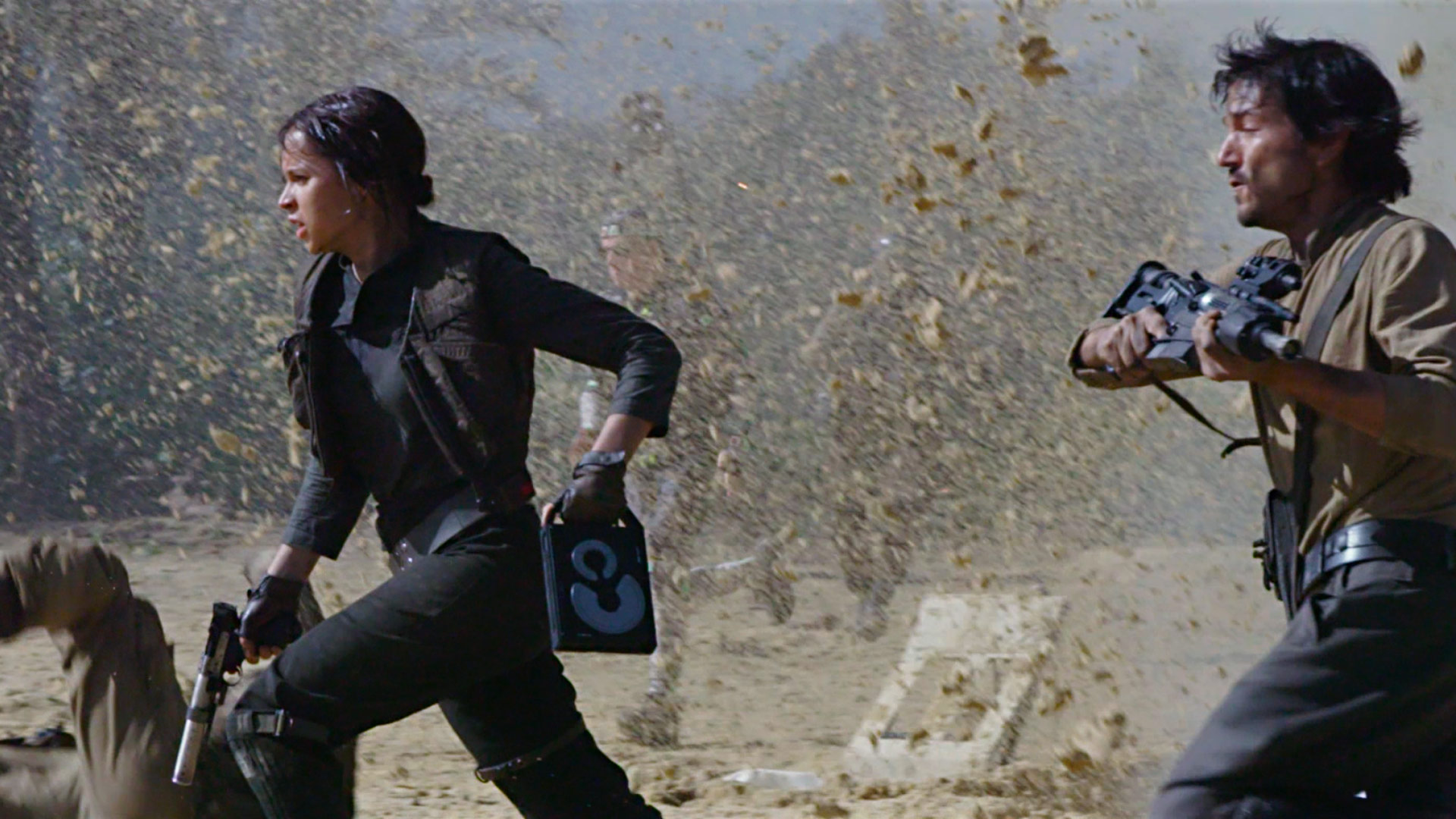
What is so great about this trailer is that it emphasizes the war aspect of Star Wars. It looks gritty and grounded while taking place in the beloved Star Wars universe. The characters look badass, especially the older blind man who seems to be Force adept. And they seem interesting, one of them, Saw Gerrera (Forest Whitaker), is a cool Easter egg for fans of Star Wars: The Clone Wars since it proves once and for all that the animated series is canon. Now if only that grand admiral shown had blue skin. LOL But he still looks like someone not to mess with.

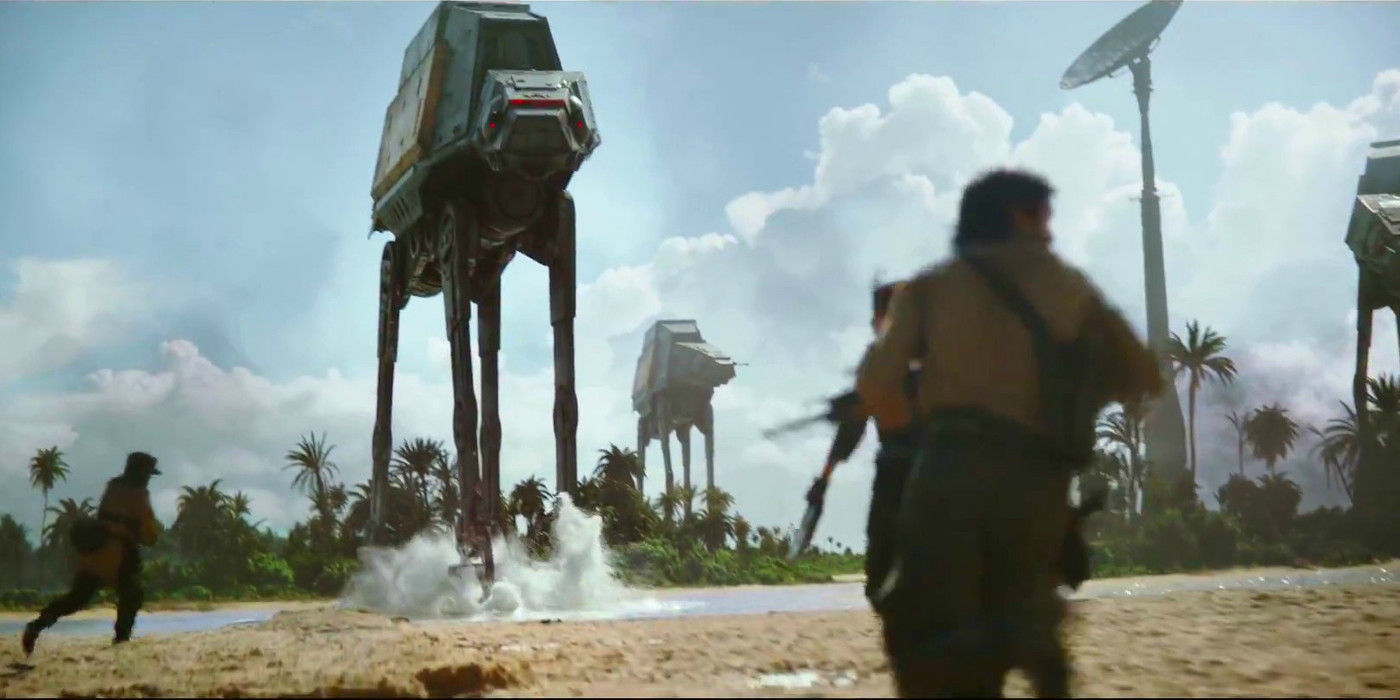
JynnWhat else? The ships, the fighting, the desperation, it feels so great watching all the classic ships and hardware being used in Star Wars again, plus some new stuff (hear that Force Awakens? It’s OK to use different hardware and ships) that fits well in this universe. But one thing that stands out is that for the first time since the original Star Wars, we witness the harsh, despotic nature of the Galactic Empire. The Empire looks imposing, threatening, not at all like the cardboard cut outs who can’t shoot straight. As far as this film is concerned, the Galactic Empire is at its height of power and dominion. Also, apart from the Darth Vader teaser at the end, this trailer shows that it is a true spinoff that does not rely on the usual characters or recycles stories.

So, now I’m hyped up for Rogue One: A Star Wars Story, which is terrific because so many films this year have been disappointing. If this film delivers, hopefully the other Star Wars spinoffs will be of the same caliber.

T. Rod Jones


Suicide Squad: An Energetically Wild Entry In The DCEU

Suicide-Squad-movie-2016-poster

Suicide Squad is the latest DC Extended Universe (DCEU) film and continues the story of a world coming to terms with people possessing extraordinary powers or meta humans as they are called. The U.S. government responds to Superman’s status (not going there with spoilers!)  by creating a task force of super criminals to combat any paranormal events that team suicide squadoccur with meta humans at the root of it. This task force led by government official Amanda Waller (played well by Viola Davis) is sent to combat a group of creatures created by a mystical witch named Enchantress (Cara Delevingne) who double crosses the government as she was meant to be a part of the squad. We follow this group as they trek across Midway City, which is under attack by these beings. During their journey, we see their motivations and interactions with each other, which I found to be enjoyable.

As the latest DCEU entry, this film is much different in tone than Batman v Superman: Dawn of Justice with its energetic visuals and soundtrack. Also, it focuses on a large number of characters who are villains in the DC universe. What this movie shares with its predecessor is negative reviews from film critics, but as with Batman v Superman: Dawn of Justice, I think these reviewers are off base.

Margot Robbie as Harley Quinn


Suicide Squad works in showcasing the crazy side of the DCEU, with fan favorites like Harley Quinn, who is played very well by Margot Robbie as a psychotic bad girl. She is the Joker’s girlfriend, but also carries her own weight as a truly crazy villain that is also highly unpredictable. Speaking of the Joker, while his screen time is on the short side, Jared Leto does a great job as a Joker who is a sadistic gangster determined to get his girl out of prison and back on his side. The glimpses we get of him will definitely whet the appetite of fans and create a big anticipation for his next appearance in the DCEU, which will hopefully be in the forthcoming Batman solo movie. Other well known characters include Batman villain Killer Croc (Adewale Akinnuoye-Agbaje) and Deadshot (Will Smith), who emerges as the de facto leader of the group. Rounding out the group are Captain Boomerang (Jai Courtney), who has an encounter with The Flash which was nice to see, and Diablo (Jay Hernandez) who plays a pivotal role in the group later in the film. Non-Squad characters include U.S. Special Forces agent Rick Flag (Joel Kinnaman), who escorts the villains on their mission and ensures their loyalty, and his bodyguard Katana (Karen Fukuhara).

Suicide Squad

We see in interesting flashbacks the background of each of the villains and how they ended up in prison . The best one featured Harley and the Joker being chased by Batman (Ben Affleck), which is something that fans have wanted to experience on the big screen for ages. Batman’s brief encounter with Deadshot is also a thrill and serves to show an expanding shared universe that these movies are creating. While the action scenes can get hectic, the movie also doesn’t take itself too seriously with musical montages appearing when different characters get their screen time. This is also different from the somewhat somber tone of both Man of Steel and Batman v Superman: Dawn of Justice, and it is not a bad thing. While I enjoyed the serious take on superhero stories from the previous films, the fact that this universe also has an irreverent side to it makes it seem larger and more varied which is just like the real world. Different places have different people and will not feel the same. This should be the case in a shared universe as well.

Jared Leto as JokerI would like to have seen more of the Joker and what he was doing while the Suicide Squad was rampaging through the city. Leto’s performance was that good, comparable to Heath Ledger’s take of the Clown Prince of Crime. He was advertised a lot for the film and is the most interesting of all the DC villains. Interesting enough, he displayed more affection for Harley Quinn than he did in the animated series. I also wanted to see some interaction between Killer Croc and Batman, but the two did not cross paths in this movie. It is mentioned that Batman chased Croc out of Gotham but sadly that is not shown. I think they may be saving all of this for Batman’s solo film, which is rumored to take place in Arkham Asylum and include all of the Caped Crusader’s foes.

Suicide Squad lineup

Overall, I had a good time watching this film and would definitely like to see a followup that expands on this group of DC baddies taking on whatever is thrown their way. The ending does seem to imply that their adventures will continue in some fashion, and the mid-credits scene helps to set up the Justice League movie as well as hint that the two groups will have some interaction in the future. Here’s hoping that will happen. Regardless, Suicide Squad is another solid entry in the growing DCEU lineup and I continue to look forward to the next films coming out next year. They include Wonder Woman and Justice League, both of which had interesting trailers in Comic-Con and will hopefully add more pieces to the DC movie universe. Suicide Squad is indeed a unique piece of it.

C.S. Link

Top Ten Star Trek Enemy Races and Groups

 Star Trek has a rich trove of enemy alien races and organizations that have plagued our heroes throughout the many films and TV shows. Aside from being formidable, many of the opponents featured in the beloved sci-fi franchise were actually more complex and layered, which is why they resonate so much with fandom. These are the best of the lot and hopefully we’ll see some of them again when Star Trek: Discovery premieres next year.

The Breen with the Dominion

10. The Breen Confederacy: Little is known about this warlike, enigmatic race who wear fully enclosed refrigeration suits. Even their speech is undecipherable. Often mentioned in Star Trek shows they never appeared until the Star Trek: Deep Space Nine episode “Indiscretion” and later allied with the Dominion in the war against the Federation, Klingons and Romulans. This resulted in a Breen attack on Earth that destroyed Starfleet headquarters and set back the Federation war effort against the Dominion. This alone proved the Breen are a deadly adversary to be reckoned with.

Species 8472

9. Species 8472: The nearly undefeatable Borg met their match and then some when they tried assimilating Species 8472. In their first appearance in “Scorpion, Part I” (Star Trek: Voyager), the three-legged aliens shocked viewers when they easily wiped out entire Borg cubes. As one of the most alien-looking enemies featured in Star Trek, Species 8472  stand out due to their weird physiology and use of biotechnology; plus the fact that they kicked the Borg’s collective butts.

8. The Xindi: Made up of five distinct races, the Xindi inflicted a 9/11-type of attack on Earth in the Star Trek: Enterprise episode “The Expanse”. The crew of the Enterprise entered Xindi space in a season-long storyline to prevent the race from destroying the Earth.

3 Xindi racesThe Xindi can be thought of as a prototype of the Federation due to the diverse makeup of their member races: reptilian, aquatic, insectoid, primate and arboreal. Eventually, we learned that they are just as diverse in their beliefs in that some factions are more warlike while others are more reasonable. This enabled Captain Archer and  the Enterprise crew to win over some Xindi members. But others continued with their final attack on Earth and had to be stopped.

7. Terra Prime: An unfortunate fact is that even in the near-paradise future of Star Trek the worst enemy is us, humanity. Many Star Trek stories dwelled on evil humans and organizations, whose antagonistic belief system ran counter to the more enlightened humans in Star Trek. Out of the many nefarious examples like Section 31, the Mirror Universe inhabitants, and rogue Starfleet officers the worst of the bunch is Terra Prime.

John Paxton and Terra Prime

Led by John Frederick Paxton, they are a xenophobic terrorist group in the 22nd century that wanted to isolate Earth and humanity from the galaxy and keep out all alien influences…sounds familiar? Terra Prime only appeared in “Demons” and “Terra Prime”, which were among the final episodes of Star Trek: Enterprise. If the show had continued they would have made a perfect adversary as Earth began its first steps towards forming the diverse Federation.

6. The Vidiian Sodality: If anything the Vidiians are the grossest looking enemy aliens to appear in any Star Trek. We never saw much of them in Star Trek: Voyager. but they were still unforgettable when they did show up. First introduced in the episode “Phage” the Vidiians are a race suffering from a deadly disease that ravages their bodies. In order to stay alive they graft onto themselves body parts from other races, which explains their hodgepodge look.

Vidiians

What makes them so scary is that they just see other races, including us, as resources to cull. Most of them do not think twice as they carve up their victims and distribute their body parts to other members of their race. To them, the fact that they are saving other Vidiians easily justifies their actions while it horrifies everyone else.

5. The Romulan Star Empire: On the whole, the Romulan Star Empire are the go-to totalitarian enemy in Star Trek. Stories dealing with them are basically commentaries about the Cold War in that the Romulans are bitter rivals of the Federation. An uneasy stalemate existed between the two powers as both were equally matched, but there is something more about this race of Vulcan offshoots.

Romulans in Star Trek: Nemesis

This was seen in their very first appearance (“Balance of Terror”, Star Trek), as we met an unnamed Romulan commander who played a cat-and-mouse game with Kirk and the Enterprise. He was Kirk’s equal in terms of cunning, but was sympathetic due to his weariness about war and devotion to duty. Throughout their many appearances in the Star Trek shows, the best episodes about them were the ones that had them as fully fleshed out people who weren’t quite evil but happened to be on the other side.

4. The Cardassian Union: Once highly enlightened and cultured, the Cardassians became militaristic and harsh in order to survive. Their totalitarian ways led to conflicts with other space-faring powers like the Federation. Their prejudiced beliefs about other races also justified their brutal occupation of the planet Bajor as they stripped that planet and its people of its resources.

Cardassian in Star Trek Deep Space Nine

Although they first appeared in Star Trek: The Next Generation (“The Wounded”), the Cardassians were fully developed in Star Trek: Deep Space Nine as one of the main adversaries. What set them apart from other villains was their love of intrigue and desire to regain lost glory, as well as their distinct look with grey and scaly skin. That show’s best stories showed that Cardassians had deep, nuanced and complicated viewpoints as they struggled to find their place in the galaxy.

3. The Klingon Empire: Arguably, the most popular alien race in Star Trek, the Klingons are the perfect antagonistic foil for the peaceful Federation. They first appeared in the classic Star Trek episode “Errand of Mercy” and like the Romulans, they are supposed to represent the West’s Cold War rivals. Known for their harsh and warlike demeanor, the Klingons actually have a complex code of honor and a rich culture. Backing up their brutish reputation, the Klingons are a militaristic match for the Federation with a fearsome fleet of warships and they are all too eager to prove their mettle against anyone.

Klingons

Even though they were the opposite of the Federation, the Klingons eventually became solid allies by the time Star Trek: The Next Generation came along. In the Star Trek spinoffs, more aspects about these noble savages were explored and we realized there was more to them than their love for fighting. That is why they have become so popular to the point that a real-life subculture has emerged that emulates the Klingons.

2. The Dominion: In many ways the Dominion can be considered the dark version of the Federation. They are composed of several different races, the most prominent being the shapeshifting Founders, the deceitful bureaucratic Vorta and the battle-hungry Jem’ Hadar–the thuggish muscle of the Dominion. But unlike the benevolent Federation, the Dominion are brutal conquerors, who only see other races as adversaries to defeat.

dominion

Their presence was alluded to in early episodes of Star Trek: Deep Space Nine as the Federation began exploring the distant Gamma Quadrant. This raised interest among viewers as to who they were, and they got their answer in the episode “The Jem’Hadar”. From the start the Dominion (represented at first by the reptilian-like shock troopers) demonstrated their ruthlessness and mantra to win at all costs. The Dominion soon proved that they were superior to Starfleet in battle tactics and weapons. When war eventually broke out, the Dominion decimated both the Federation and the Klingons. The fact that they came so close to nearly conquering the Federation is why the Dominion rate so highly on this list.

1. The Borg Collective: Ever since the cybernetic race first appeared in the Star Trek: The Next Generation episode “Q Who?” they have thrilled and terrified fans. What is so frightening about them is their cold, adaptable nature. They forcibly assimilated other races they encounter and add their distinctiveness to their collective in a goal of achieving biological and technological perfection.

Borg

The Borg made an instant impact in their first appearance in how they quickly outmatched the Enterprise and would have assimilated the crew if not for the fact that Capt. Picard had to eat crow to get Q to save them. They are a relentless threat and what makes them more terrifying apart from the other Star Trek races is encountering them means a loss of one’s identity. Whenever they assimilate their victims and forcibly graft cybernetic parts onto them all traces of their personality are gone. By transforming victims into mindless zombies, the Borg turn anyone against their former friends and colleagues. This is something that the Enterprise crew grappled with when Captain Picard was assimilated and used Starfleet’s tactics against the Enterprise and the Federation.

Waldermann Rivera

.