Star Trek: A 50th Anniversary Celebration, Part One

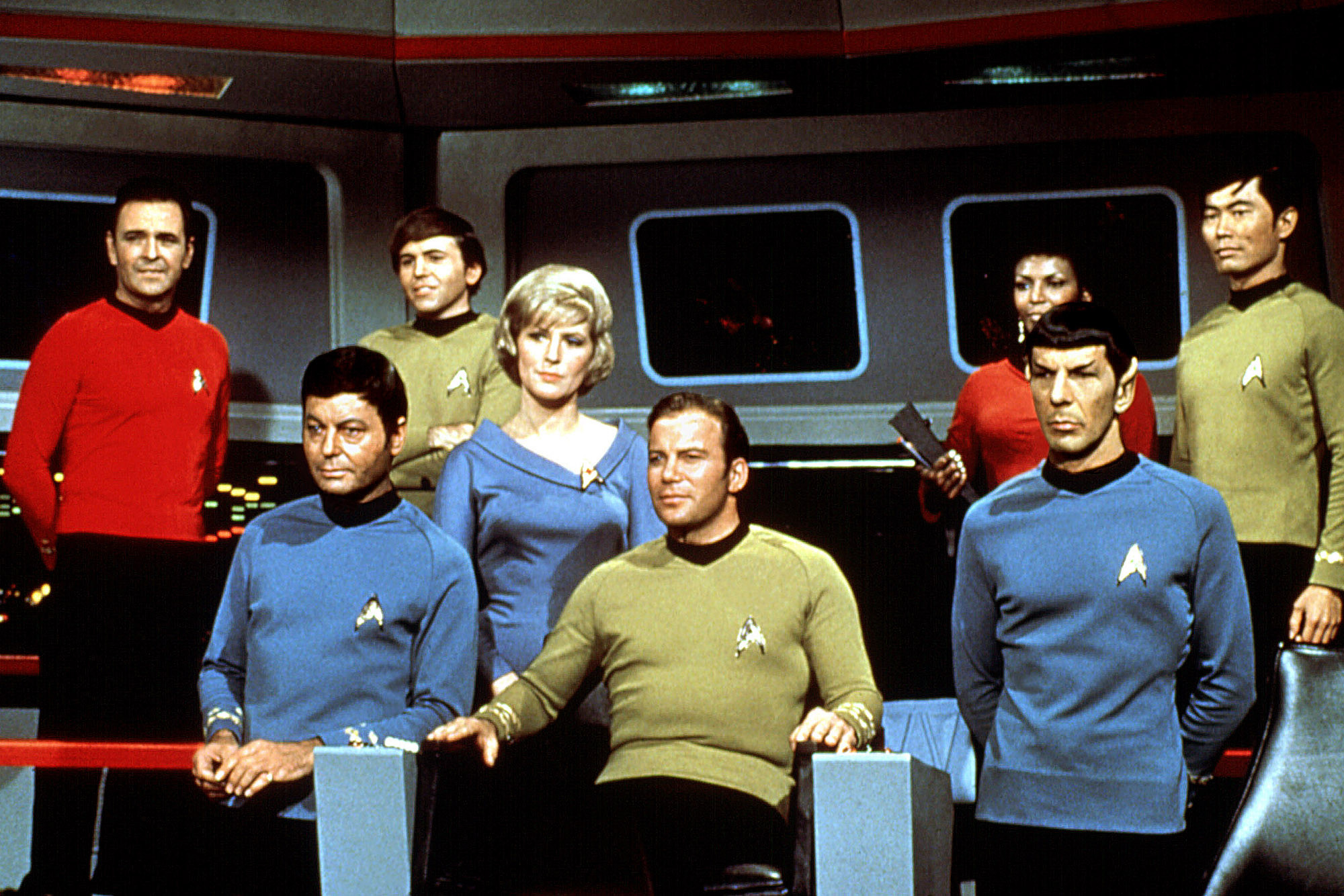
original Star Trek cast

Star Trek turns 50 this year. Think about it. One of the greatest sci-fi franchises is now half a century old. While there are countless other sci-fi properties that are older than Star Trek, very few will match the popularity, relevance and staying power of Gene Roddenberry’s TV creation. As with other properties, Star Trek has had its highs and lows, but it has had a positive impact in our culture and society. That is why we are celebrating Star Trek’s 50th anniversary. Many of us will take this figure for granted but diehard fans know too well that Star Trek has often been on a touch and go basis, especially in its early years.

Noble, But Rocky Beginnings

From its inception Star Trek faced an uphill battle. The pilot episode “The Cage” was rejected by the network NBC for being too cerebral and having then-outrageous concepts like a woman in a leadership position and a character who looked like the devil. But Star Trek’s creator, Gene Roddenberry, would not give up and fortunately, others recognized its potential.

Star Trek, the actual series, debuted on September 8, 1966 with the episode “The Man Trap”. Following the cold opening, a starfield filled TV screens, wistful music played, the iconic and majestic Enterprise spaceship appeared and William Shatner’s bold voiceover announced that we were witnessing the voyages of the starship Enterprise and its crew with a mission to explore space and “to boldly go where no man has gone before.”
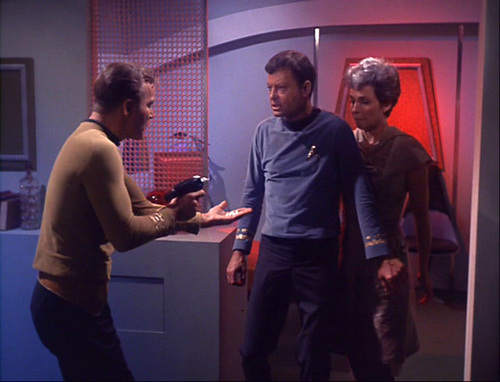
the Man TrapAt first glance, it looked like another schlocky monster-of-the-week episode that defined most sci-fi fare at that time. But this being Star Trek, there was more to the episode than some ugly monster that had to be destroyed. It had a moral dilemma for one of the show’s main characters, Dr. McCoy (DeForest Kelley), in that the monster took the shape of a former lover and he had to confront it. Then there was the morality of killing off an endangered species versus the threat of the creature to the crew of the starship Enterprise.

Other episodes also had even more intriguing and smart plots and multilayered characters that made Star Trek stand out from most genre efforts. A huge factor in the show’s appeal was not just its imaginative and provocative scripts but its characters. The suave and confident Captain James T. Kirk (Shatner), the stoic and collected Mr. Spock (Leonard Nimoy) and the opinionated Dr. “Bones” McCoy formed the perfect triumvirate as they explored new worlds. These were complicated people with strengths and weaknesses, and we identified with them. In fact, most of us wanted to be in their place as they explored the unknown.

At the same time, the show had wild imagery for its time. Star Trek technology impacts our livesThink of the time a giant hand appeared in space and grabbed hold of the Enterprise. Or when Abraham Lincoln showed up without warning or when ancient Roman soldiers donned firearms. Matching the imagery and action scenes were the fantastic plots that often dared viewers to think. Star Trek wasn’t afraid to make veiled social commentary and broke cultural and racial taboos. In the futuristic world of Star Trek, it was commonplace (as it is now) to see non-whites and women in prominent positions. We take it for granted now but this was groundbreaking for TV at the time and fortunately Gene Roddenberry’s hopeful vision of the future was validated as our society began to catch up to his vision. We’re still not there yet, but we’re making progress.
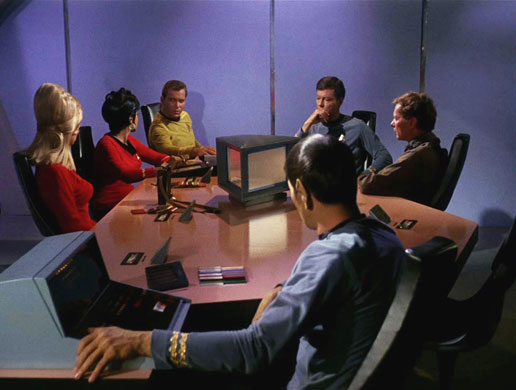
For all these reasons, the show caught on with fans, who could enjoy it on many levels, but it wasn’t enough. After three seasons the show was killed due to low ratings, however, it would not stay dead.

Comebacks & Striking Gold Again

Fervent fandom kept the memory of the show alive as it dominated syndicated runs after cancellation. During the ’70s Star Trek increased its presence in the public consciousness thanks to the reruns, merchandising and a short-lived animated show. It wasn’t long (though it was long enough for fans) before Star Trek returned in the form of a successful film series starting with Star Trek: The Motion Picture in 1979.
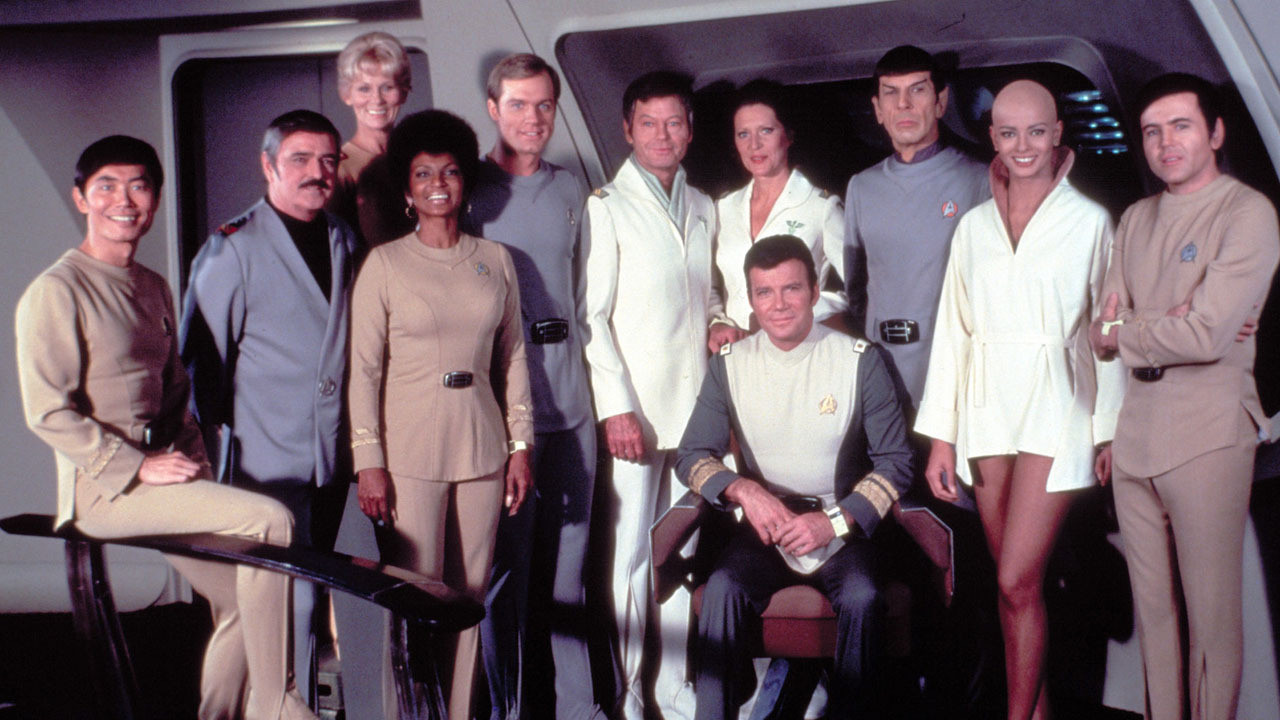
Star Trek TMP

By the time the franchise celebrated its 20th anniversary, Gene Roddenberry was given the chance to strike gold again. He returned to TV and created the first of many Trek spinoffs Star Trek: The Next Generation. When the show first aired in 1987, it had many detractors who complained that basically it wasn’t the old Star Trek because of undeveloped characters and dull and preachy scripts.

But ultimately the spinoff succeeded as the writing improved and the characters were allowed to grow. Now that Roddenberry had more of a free reign with his show, he indulged in creating his version of a more perfect futuristic society where no one squabbled over pettiness. Whether or not this utopian view is viable is besides the question. Being that humanity had evolved in Roddenberry’s viewpoint, the human conflicts were gone, which led to problems with the scripts that needed conflict.

Gone were the bombastic space captains and cantankerous frontier doctors. In some ways it was as if the stoic character of Mr. Spock was replicated many times over with most of the new characters. That is an exaggeration of course, but Captain Jean-Luc Picard (Patrick Stewart) was the anti-Kirk in that he was more level headed, collected and cerebral than the swaggering Kirk we all love.
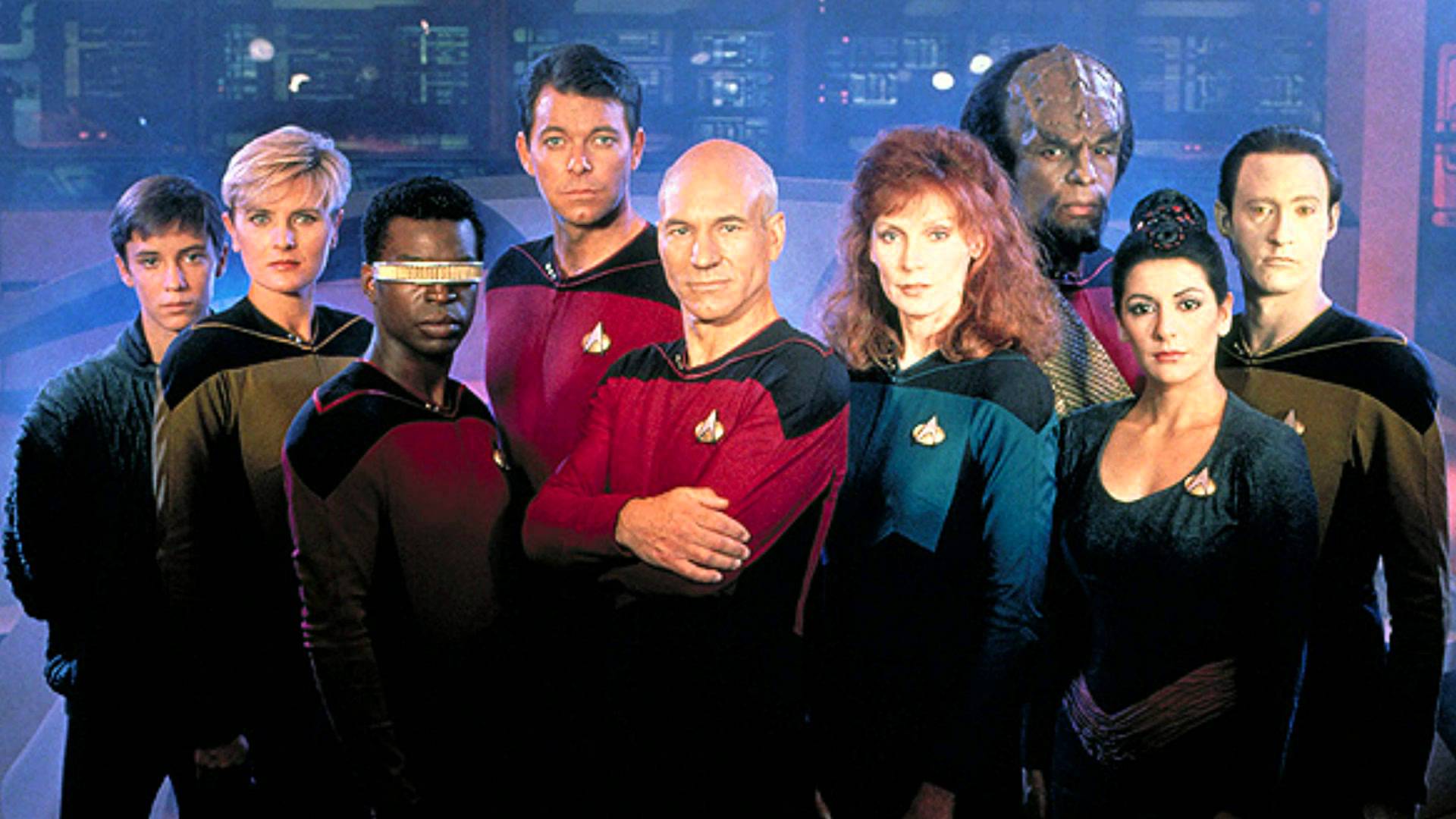
The Next Generation of Star Trek

Over time Picard and his crew won over new fans who saw the spinoff’s merits. People saw the value of creating a show that was decidedly different than its predecessor. Gene Roddenberry passed away in 1991, but left behind a timeless legacy that was in competent hands (such as executives Rick Berman, Michael Piller, Ron Moore and others) who ensured that his vision remained intact. On the whole, Star Trek was reinvigorated since the original cast were obviously much older and passed the torch to the new generation. Meaning, that Star Trek: The Next Generation concluded its successful run in 1994 and the cast were graduated to the big screen starting with Star Trek Generations in the same year.

Trek At Its Peak

In the same time period of the early to mid ‘90s, Star Trek could be considered to be at its peak creatively and in popularity. Two more spinoffs debuted, Star Trek: Deep Space Nine and Star Trek: Voyager and the Next Generation crew were promoted to the film series.

Star Trek: Deep Space Nine, which premiered in 1993, set out to be the most distinct Star Trek show of all time. It didn’t take place on a spaceship, most of the main characters weren’t even human and its lead character was an African-American. Incredibly enough, back then there wasn’t much hoopla made about having the lead character be a non-white person and it shouldn’t have. The showmakers bravely let the character of Ben Sisko and the actor (Avery Brooks) sell the character who stood apart from Kirk and Picard as being more of a military commander with his own doubts but a similar thirst for knowledge and exploration. From the start, most viewers forgot about Sisko’s race when he was surrounded by a bunch of non-humans.
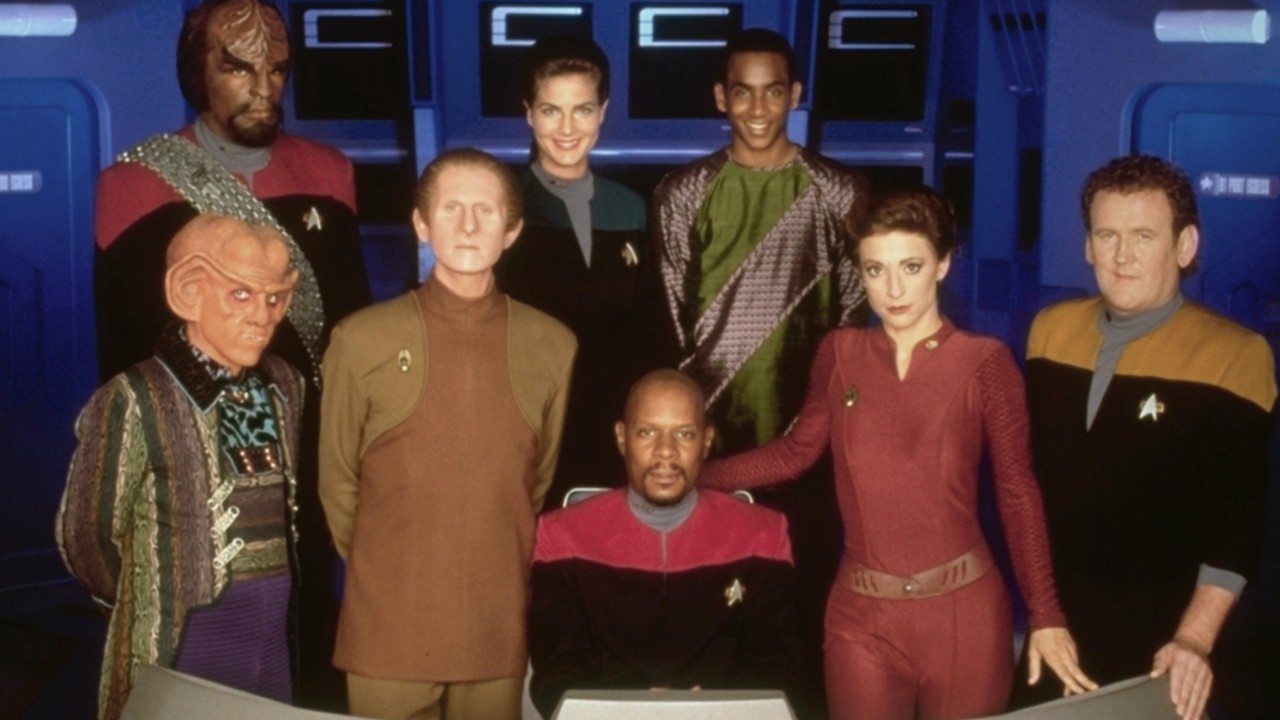
Star Trek Deep Space Nine cast

But Star Trek: Deep Space Nine had its detractors who complained they wanted to old familiar shtick of a spaceship-based show and that it was too dark. In reality, this darkness birthed many of Star Trek’s best and most complex episodes and is why Star Trek: Deep Space Nine is very highly regarded by many today who recognize its merits. In fact, it can be argued that it was the best of the Star Trek shows, but that is for history and fans to decide.

As a further sign of the strength of Star Trek’s brand, Paramount Studios decided to produce yet another spinoff  which would be used to kickoff its new network UPN in 1995. Star Trek: Voyager premiered to a lot of hoopla and fanfare. This was due to the fact that the lead character was a woman named Captain Kathryn Janeway (Kate Mulgrew), a first for Star Trek. However, while the franchise was at its zenith at the time of its 30th anniversary, the first signs of problems began to seep in as it started to feel tired creatively. But like any solid property, Star Trek would weather the setbacks as it did in the past. Each time the franchise would find a way to reinvent itself and move beyond Gene Roddenberry’s vision of Wagon Train To The Stars.

José Soto

To Be Continued…
Aliens: Looking Back At The Sci-Fi Action Classic

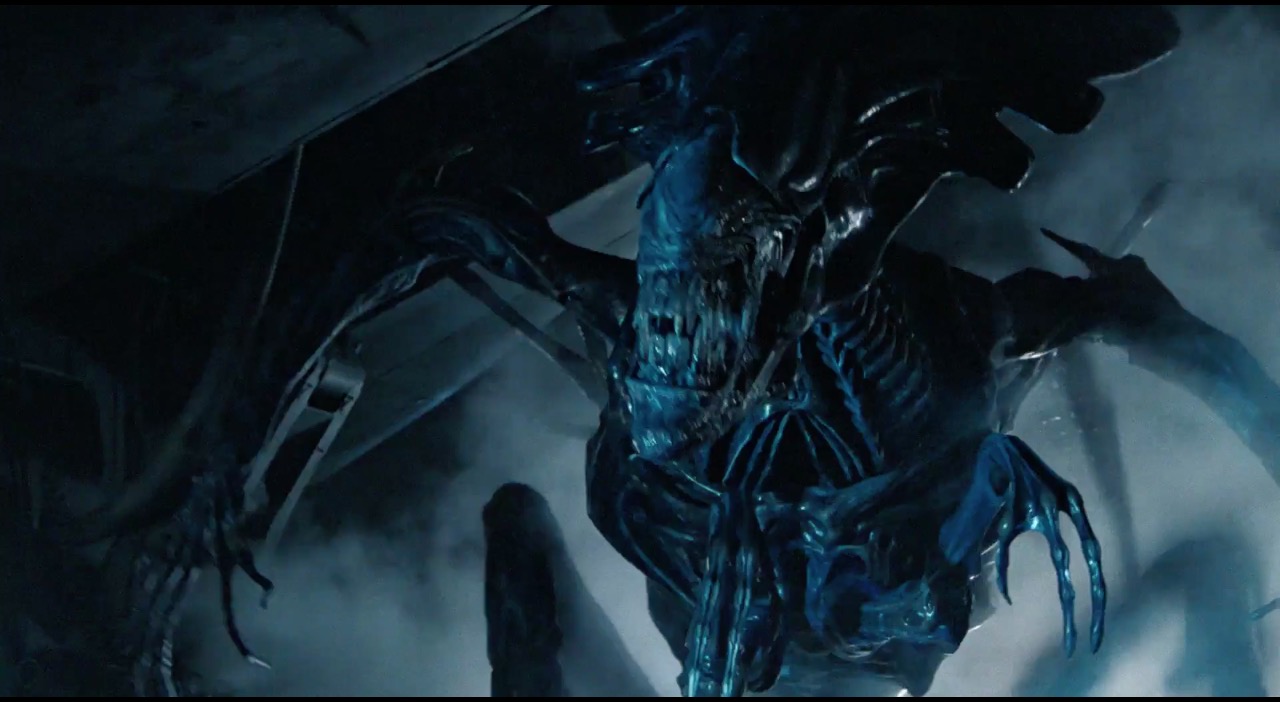
alien queen 2

When James Cameron’s classic Aliens was releases 30 years ago, it was instantly regarded as one of the best sci-fi films of all time. It is a fantastic blend of action, futuristic war, as well as a followup to another genre favorite, Ridley Scott’s Alien. The strengths of this sequel comes in many forms.

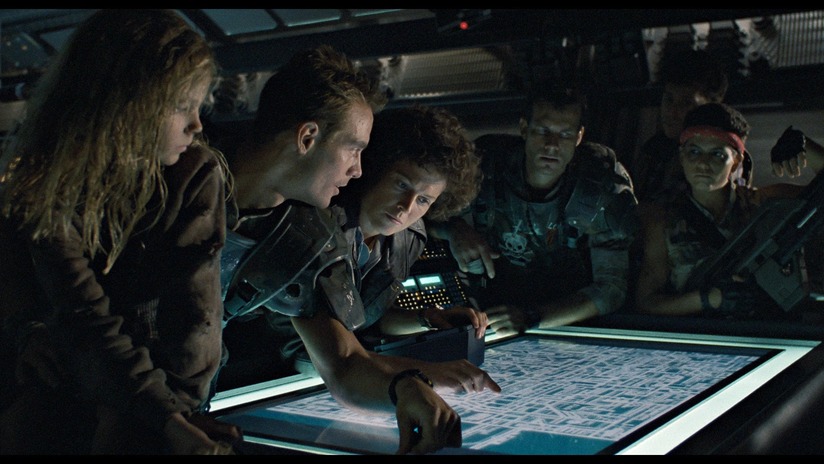
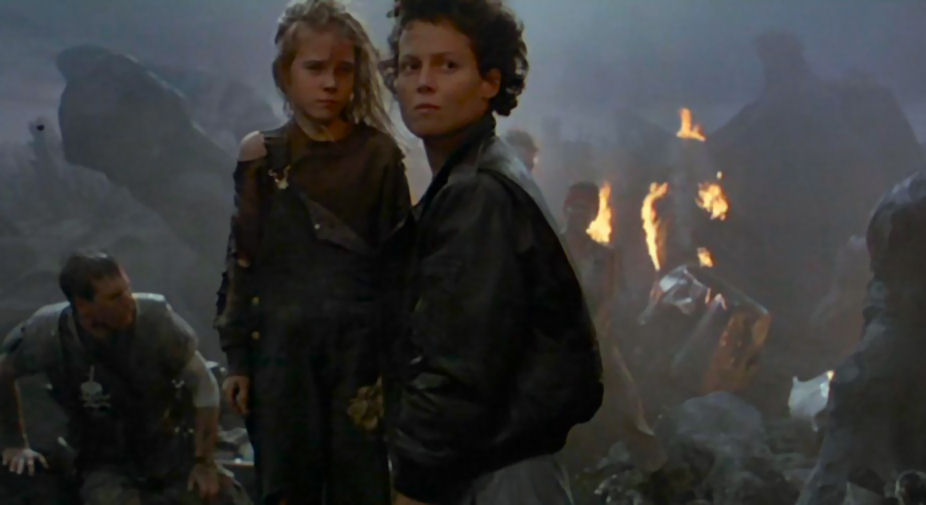
First is the continuation of having many interesting and aliens marinesiconic characters that inhabit this universe. The most famous is of course the only returning character from the first film, Ellen Ripley played to perfection by Sigourney Weaver. Her portrayal of Ripley as strong and reliable is balanced by her affection for the little girl Newt who is the only survivor of a distant colony overrun by the horrific Xenomorph aliens. Michael Biehn from Terminator fame plays the stoic colonial marine Corporal Hicks, and is a great counterpart to Ripley. The strong cast also includes Bill Paxton as the brash but somewhat bumbling Hudson, Paul Reiser as the slimy company man Burke and Lance Hendriksen as the android Bishop, someone Ripley hates and distrusts at first but later comes to see as an ally. This group of loud and tough space marines contrasts to Ripley’s apprehension and fear of what is coming when they travel to the colony Hadley’s Hope to investigate why contact was lost. Cameron’s depiction of futuristic soldiers was highly influential and has resulted in countless imitations in movies and video games that continues to this day. Everything from Doom to Halo and the film version of Starship Troopers all owe some debt to this film.

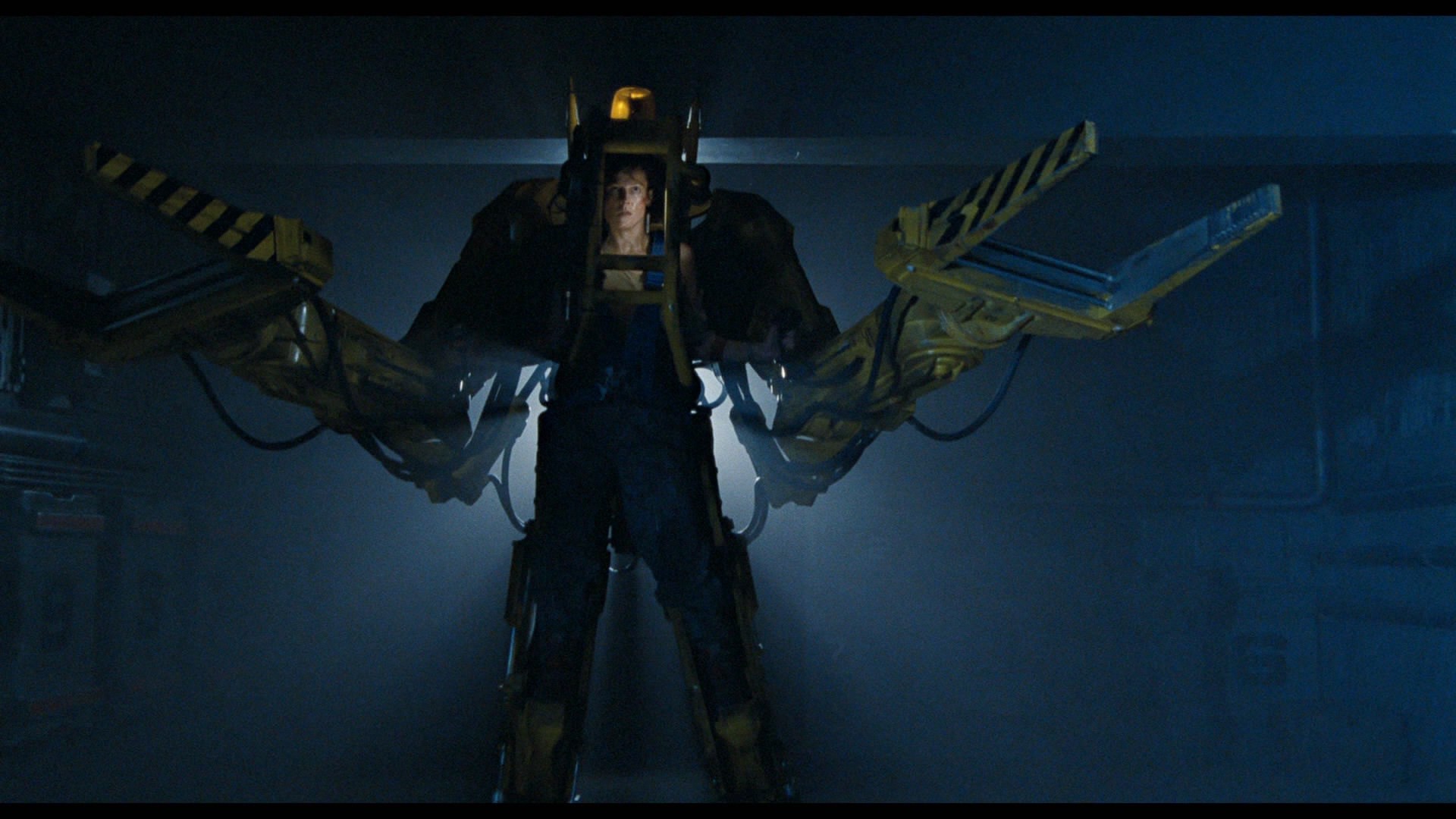
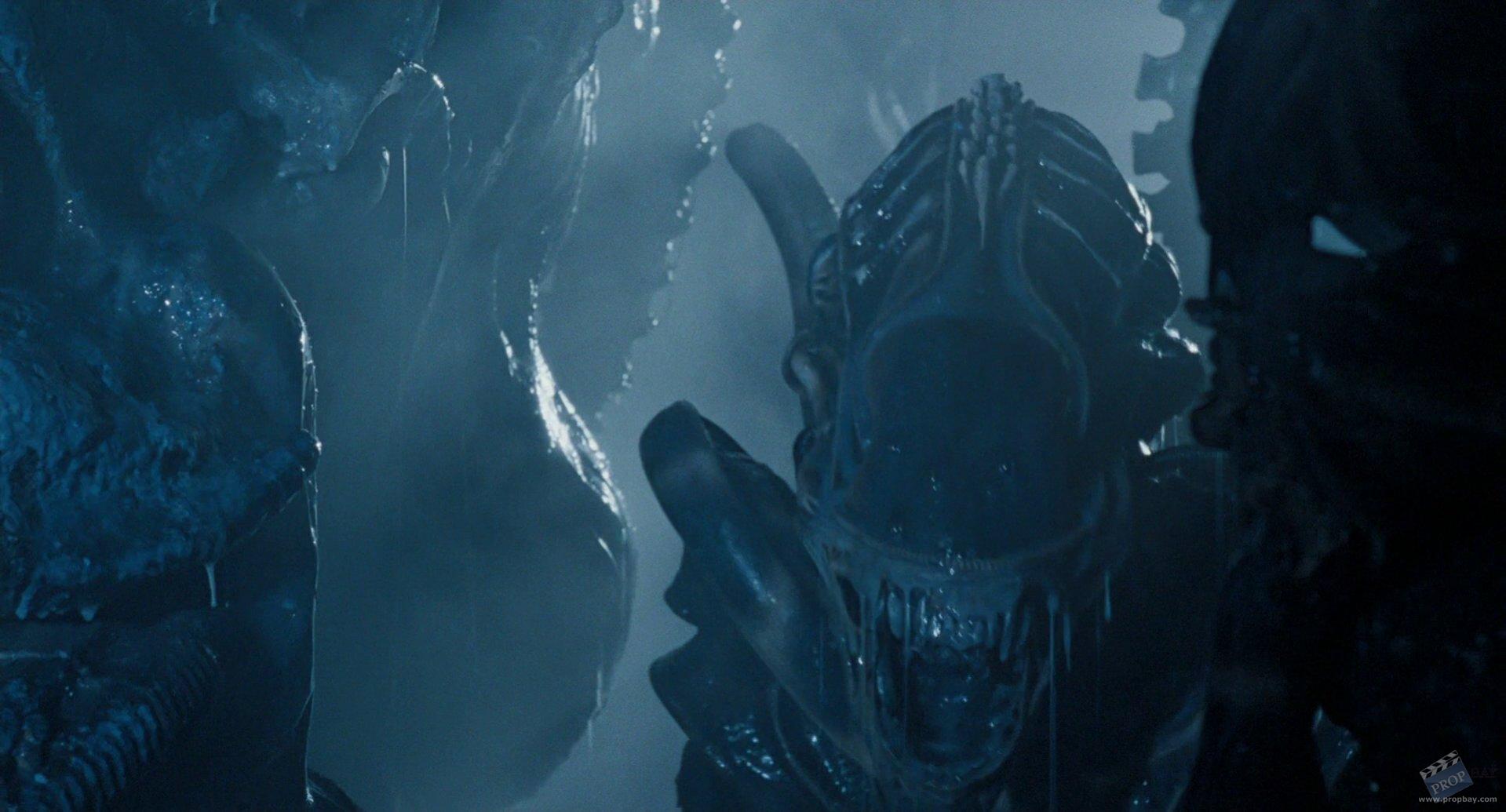
ripley and newtAnother brilliant aspect of the film is its perfect blend of action and horror. While Aliens is much more action packed when compared to its predecessor, it still has moments of tension and fear, especially when the marines first land on the colony and try to find any signs of life. The audience (as well as Ripley) already know what happened to everyone there, and the anticipation of finally seeing the deadly creatures definitely raises the tension level. When the aliens do make their appearance, an all out battle ensues with the marines suffering greatly despite their enormous firepower. The movie can go from quiet and nervous to chaotic and hectic in a flash, and yet it all works. Later in the film after another big battle between the marines and aliens, the film ripley and loadersuddenly takes on another scary tone when Newt is kidnapped and Ripley has to journey into the Alien Queen’s lair to rescue her. This foreshadows the epic climax when she fights the Alien Queen in a souped-up power armor/construction device while onboard the ship after the colony is vaporized after a pulse pounding countdown to its destruction. Ripley’s victory against the creature helped to cement her as one of sci-fi’s best heroines and added to her characterization as the ultimate survivor and great example of human ingenuity succeeding despite all odds. The quiet note on which the film ends again parallels the first movie and seemed to set up future adventures with Ripley and her new surrogate family of Newt and Hicks. Unfortunately this didn’t happen with the next film taking on a different direction.

alien creature

All of this is set against the backdrop of the fascinating Alien universe that has kept audiences coming back and not just in films. Many books, games and comics have explored this  world and perhaps the star attraction of it all is the alien creature itself. H.R. Giger’s unparalleled design that is both disgusting and captivating has kept fans always anticipating new adventures set in this universe. A universe of bleak distant worlds, corporate intrigue, and insidious alien beings that are perhaps the most deadly ever seen on film. Aliens was the first time that so many of these creatures were seen at once. Dozens of them swarming all over the place was terrifying and a sight to behold. The design of the Alien Queen was also new and the size of it was simply staggering. None of the subsequent films in the franchise have yet attained the level set by Aliens, but with a new Alien film by Neill Blomkamp on the horizon that is supposed to be a direct followup, hopefully another sci-fi epic will continue the story of Ripley, Hicks and Newt. Regardless, Aliens will always be seen as an absolute high point of the genre, one of James Cameron’s best films, and will be well remembered even 30 years from now.

C.S. Link


Captain America: 75 Years As A Living Legend

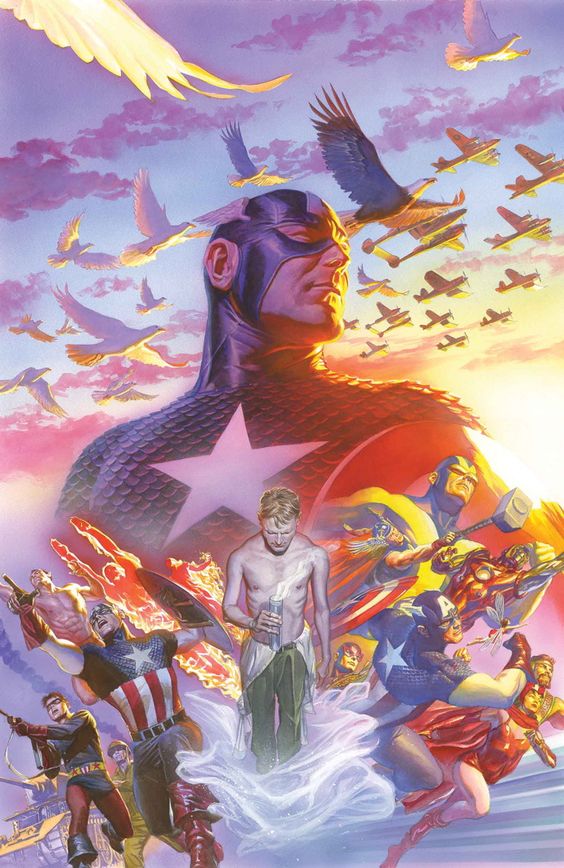
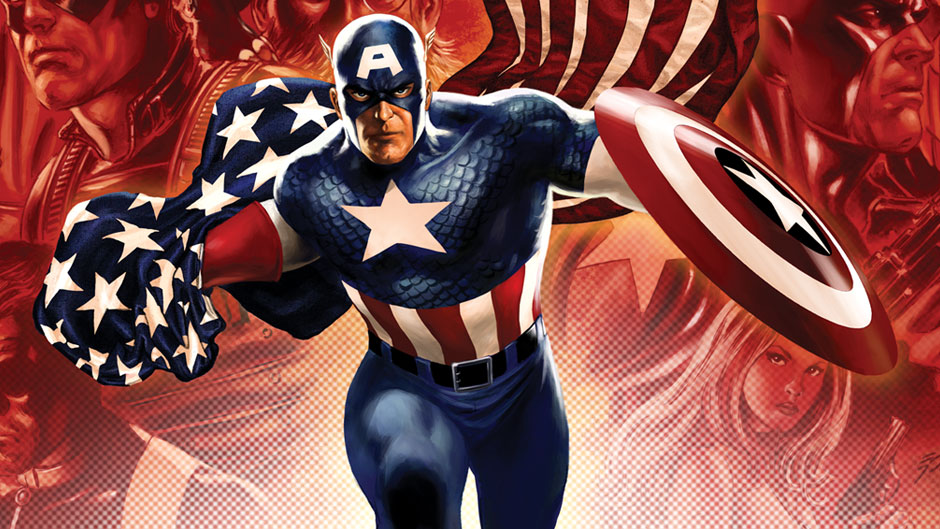
Alex Ross Captain America art

This year is a true landmark for Marvel Comics’ Star-Spangled Sentinel of Liberty. It’s not just because Captain America is the star of the biggest movie of the year (to date) Captain America: Civil War, but most importantly because this is the year Marvel is celebrating his seventy-fifth anniversary.

Imagine that number, three quarters of a century old and up there with the likes of modern-day legends like Superman and Batman. Unlike those two icons, Captain America didn’t always enjoy a high level of popularity. There are many reasons which reflected the mood of the times and the character’s level of development.

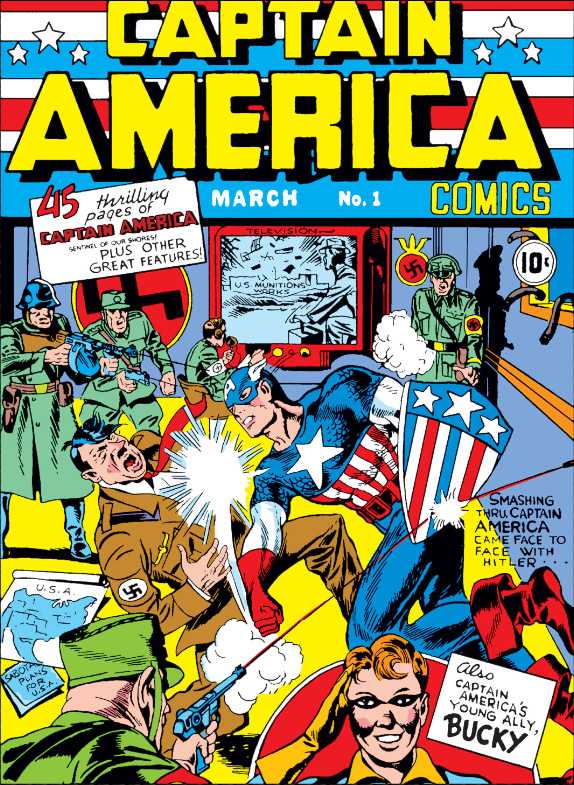
Unlike Batman and Superman, Captain America was undeniably a byproduct of the World War II era. When he made his debut in Captain America Comics #1 in 1941 World War II was occurring.

War-Born Hero

The U.S. was not involved in the war but Captain America Comics #1 coversooner or later the country would be and this left U.S. citizens with frayed nerves. It was the right time for a morale booster in the comic book pages. Comic book creators Joe Simon and Jack Kirby, both of whom were Jewish and particularly alarmed by Adolf Hitler’s undisguised anti-Semitism, wanted to bring to life an American counterpart to the so-called German Aryan super race. Keeping that in mind they created Steve Rogers, a weakling who wanted to serve his country and was transformed into the super-soldier Captain America.

To their shock, almost immediately after his debut, Captain America became a sensation with the American public. But after the war ended, interest in the Sentinel of Liberty waned. The public was ready to move on from its war footing and Captain America was too ingrained in the World War II era to seem relevant in a post-war America. Even an attempt to modernize him in the 1950s as a “Commie Smasher” failed to reignite interest and before long his title was canceled. It seemed as if he would be relegated to the dustpan of comic book history. Or so it seemed.

Legendary Rebirth

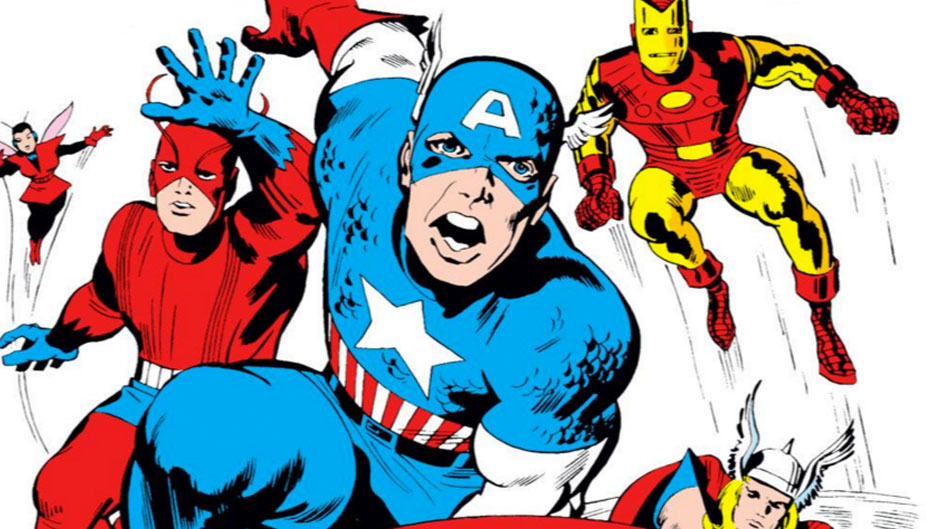
Thanks to the efforts of Stan Lee and Jack Kirby in the 1960s, the good captain was resurrected as part of the new wave of comic book superheroes that took the nation by storm. Due to the ingenuity of Lee and Kirby, Captain America was brought back into the limelight after being found frozen in the landmark comic book The Avengers #4. This plot twist was ingenious in that it brought back the same character without having to pull an Earth-2 introduction of a new character with the same name. At the same time, the man-out-of-time twist added a lot of pathos to Captain America, who now struggled to find a place in a new world and find a sense of relevance. Of course, what helped the captain’s newfound popularity were the exciting stories that placed him in the middle of the Avengers’ battles. From these early tales it was obvious that Captain America was a born leader and the other team members gravitated towards him and treated him as such. It wasn’t long before he became the actual leader of the Avengers and led the team into higher levels of greatness.

Captain America lives again

At the same time, he was rewarded with his own comic book that featured many interesting supporting characters and villains, among them a resurrected Red Skull–his greatest enemy during World War II.  But what kept the stories interesting was the character development of how he struggled to fit in and overcompensated by throwing himself into his work of saving the world.

This came to a head in the 1970s during the Watergate era when he lost faith in the U.S. government and actually gave up the Captain America identity. This theme would be revisited time and time again in several stories in the following decades that coincided when the nation was plagued with self doubt.

The Heart of America

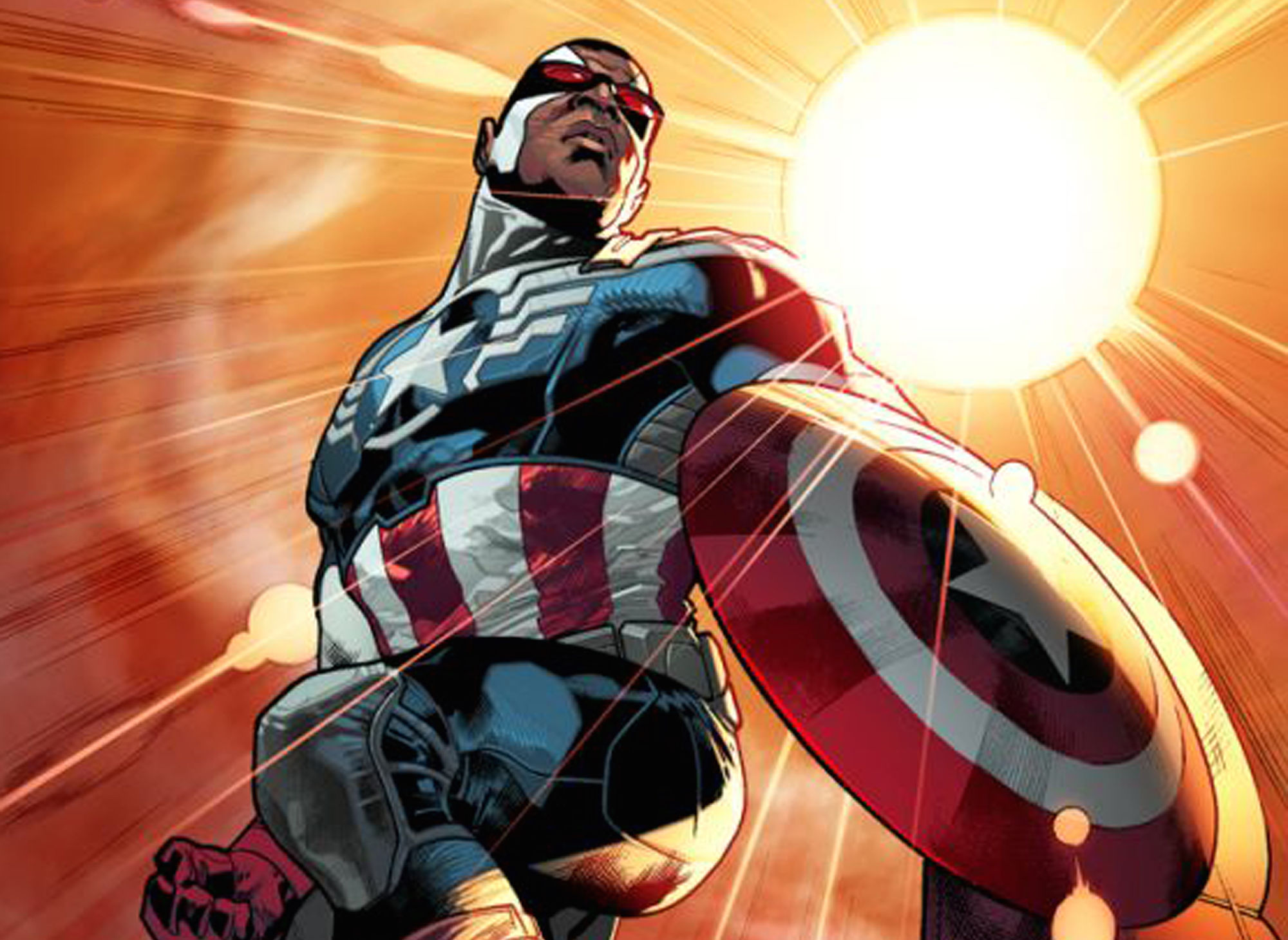
Sam Wilson: Captain AmericaDuring these events other heroes have taken up the mantle of Captain America and provided fresh new outlooks on what it is to be the iconic hero. Most readers know that currently Sam Wilson,  who was Captain America’s partner the Falcon, is the new Captain America. The twist here being that Wilson is  African-American, but it feels natural because who else but Steve Rogers former partner is worthy enough to wield the shield and honor of being Captain America? It is a testament that the role of Captain America is larger than any one person.

Fans of the more traditional Captain America should not fret. As these cyclical stories go, eventually the original hero will reclaim the mantle. Steve Rogers has done it in the past, most famously after he was supposedly assassinated in Ed Brubaker’s acclaimed run of the title last decade. Keep that in mind with the current absurd plot twist that Steve Rogers is a Hydra sleeper agent. This is just a sales gimmick and it too shall pass.

With Sam Wilson as Captain America now, this development illustrates the universal appeal of the superhero. Despite his bright costume, Captain America isn’t some jingoistic right wing ideologue who sprouts platitudes about making America great. He is more than that, he is a symbol for what this country represents and strives for: freedom, justice, perseverance, hope, and decency. He doesn’t go around boasting about the U.S., he just fights for what is universally right. It is part of his core belief and why he resonates with people from all walks of life.

Another reason for his success is because given his situation, it would be natural if he wallowed in self pity, but he doesn’t. Of course, he does have regrets and doubts, but Captain America just plows ahead and adapts to any situation.

Reaching Legendary Status Through Film

These days, seeing how popular he is in our culture, it is hard to believe that some had doubts about his widespread appeal, especially overseas. It’s why his first film Captain America: The First Avenger was called simply The First Avenger in Russia, South Korea and Ukraine, while other countries were given the choice of dropping the name Captain America, but kept it anyway.

Chris Evans as Captain America


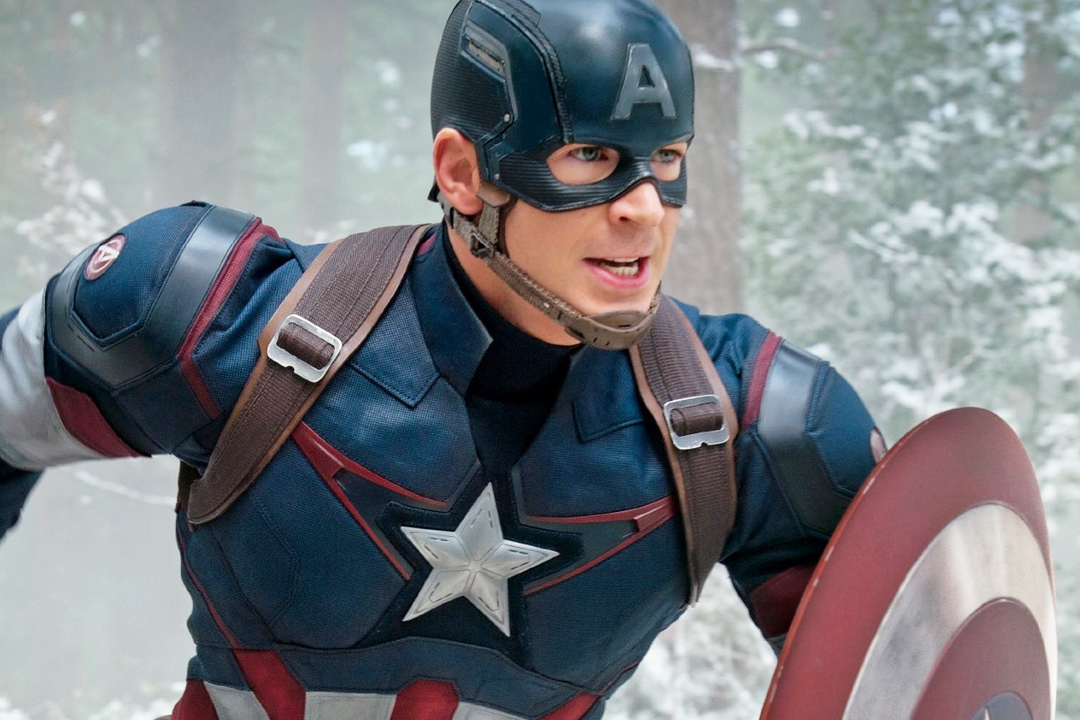
That film and its sequels turned him into a A list superhero that has in many ways eclipse Marvel Studios’ most popular superhero Iron Man. Much of the credit is due to the smart writing and direction that delivered exciting and thought provoking films. Of course, the casting of Chris Evans was truly inspired. Marvel Studios could have gone the easy route and hired some square-jawed hunk but went with Evans. His portrayal of Steve Rogers/Captain America feels natural and he emotes a sense of empathy and iron will that quickly won over audiences. Just like with Robert Downey, Jr. or Hugh Jackman it is difficult to imagine who can take over the iconic role.

Captain America patriotIt is clear that the superhero is more revered these days because of the films but it is more than that. Captain America has a special quality that is sometimes hard to pinpoint but he evokes an ideal of who we all should be, not just Americans but everyone. That is why we are all celebrating his 75th anniversary.

José Soto

Independence Day 4Ever

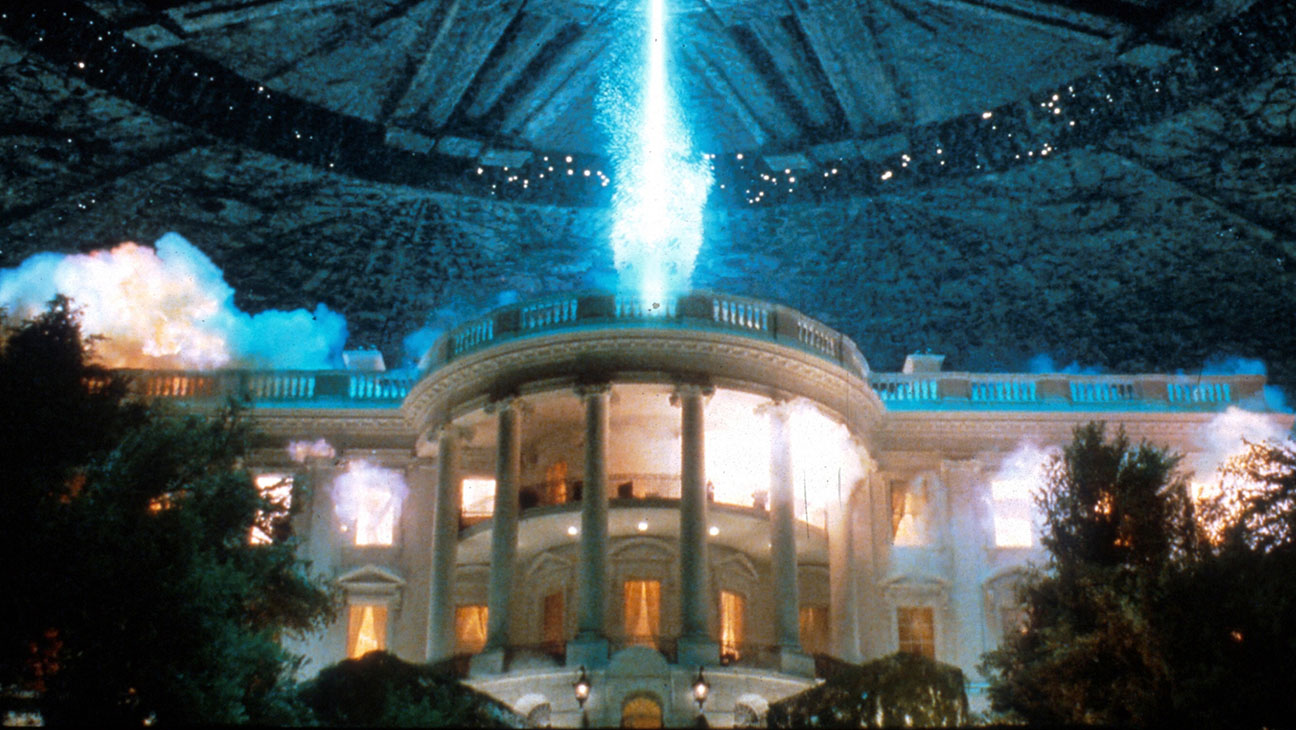
White House destroyed in ID4

When I went to see Independence Day: Resurgence recently I couldn’t help but be disappointed with the film. It lacks so much of what made the original Independence Day so great. That film still resonates today for many good reasons.

Independence Day had something for everyone. It was a true epic that was funny, suspenseful, exciting and full of drama. But most importantly the original film had a simple core message about how we all had to come together and put aside our petty differences. All these elements were packed together in one movie and it meshed well. This all went to how Roland Emmerich and his partner Dean Devlin came up with the inspired idea for Independence Day.

Shortly after the success of their film Stargate, Emmerich was asked about alien life and he stated that if alien spaceships would suddenly show up he would be paralyzed with fear. This got the two filmmakers thinking about an idea that would become Independence Day.

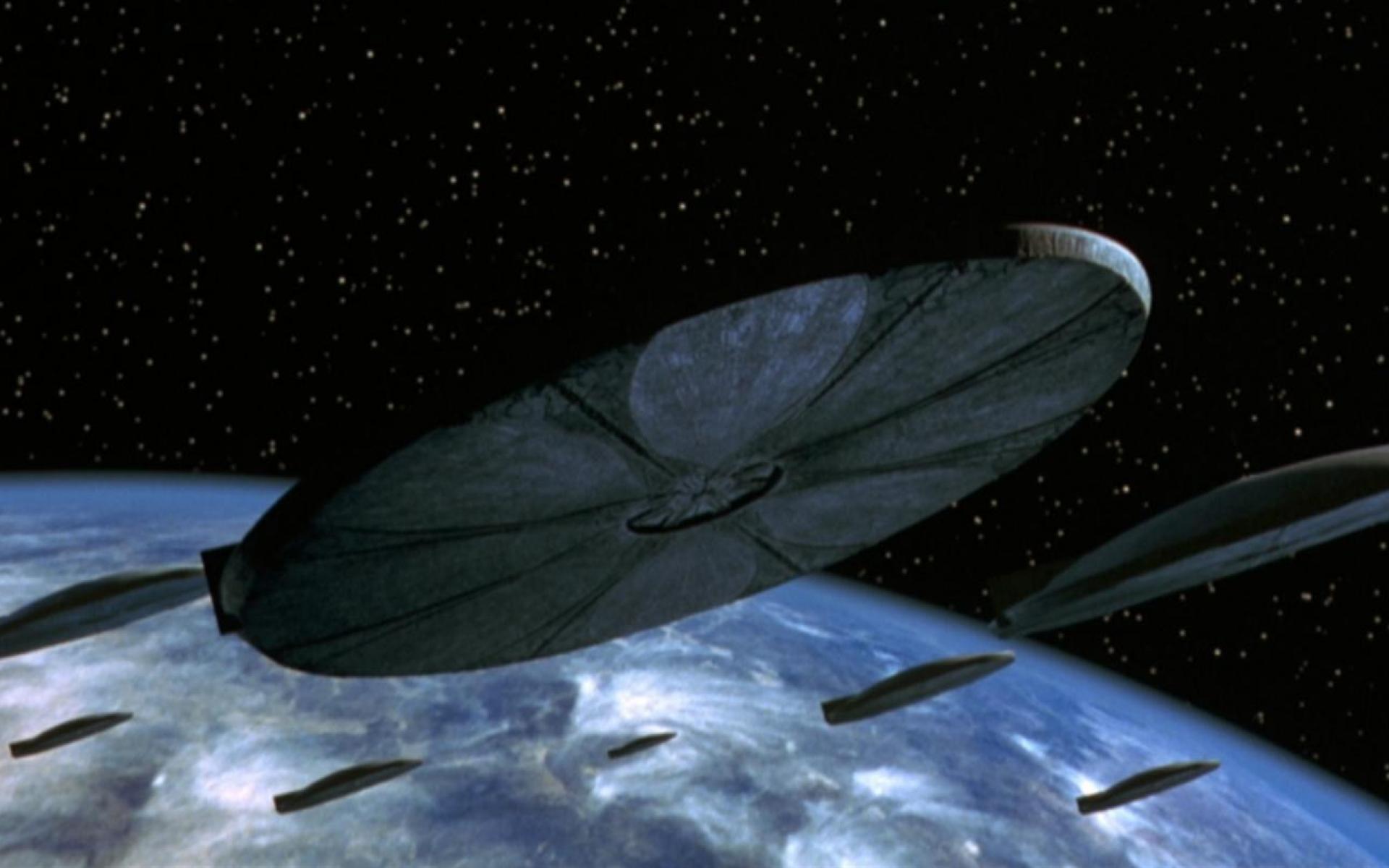
ID4 aliens arrive

Alien invasion movies have been around since the 1950s and they wanted to try something different. They melded that genre with the tired one of the disaster film, which had their heyday back in the 1970s. What they did was very smart, they took two distinct genres to make one great film that had the best elements of both genres. For instance, let’s look at the cast. The two main stars of Independence Day were Will Smith and Jeff Goldblum. Emmerich and Devlin filled the cast with lots of terrific character actors like Robert Loggia, Judd Hirsch, Margaret Colin, Mary McDonnell and Vivica A. Fox. That was something directly inspired by the all-star casts of those old epic disaster films like The Poseidon Adventure, Earthquake and The Towering Inferno.

Another element they took from the disaster film genre which is related to the diverse cast is having several different characters with their own distinct stories and backgrounds that were scattered across the country. Their stories were actually interesting, especially Smith’s character who had to battle the aliens and was concerned about his girlfriend.

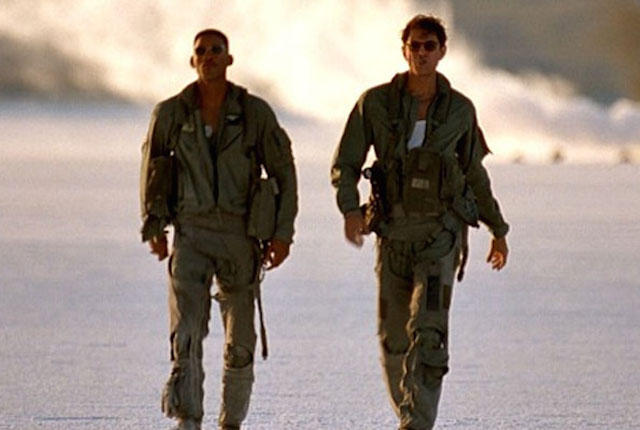
Smith and Goldblum triumphant

Meanwhile, she and the First Lady, who were completely different were reduced to equal terms as they struggled to survive the alien attack. The arc of Goldblum’s character was great also since he played the likeable nerd who saved the day in the end. Another story that worked was the one with Randy Quaid’s character who was seen as a kook by his family and society, but is redeemed by his heroic sacrifice.

The film made a point that these characters with their own strengths and flaws couldn’t defeat the aliens on their own. But when they finally converged, they pooled their efforts and beat the aliens.

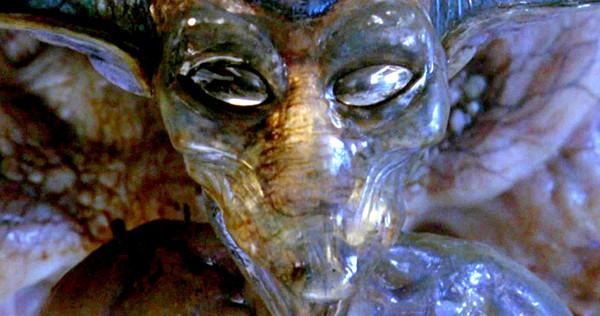
id4 alienAs for the aliens themselves, they were among the most stunning movie aliens ever created. Originally, Emmerich wanted to use the standard grey aliens with the big heads but add something different to the look. Creature designer Patrick Tatopoulos came up with two different concepts, one of them was putting a new spin on the traditional grey aliens and one that was gigantic. Emmerich liked both concepts and so he decided to use both of them. This is how we got the small alien in the living exo-suit with the tentacles.

What is really amazing is that the aliens, like the rest of the film’s effects, were done largely with practical effects. In fact, Independence Day is the last, big-budget epic to use practical effects with models and puppets. Very little CG was used for the film unlike Independence Day: Resurgence and every other blockbuster these days. What the special effects and production team accomplished is incredible being that what they did largely holds up today, twenty years after the movie was released.

Thinking about Independence Day’s ID4 speechsuccess is that it wasn’t done by Lucas, Spielberg or Disney. Yet this film holds its own even now twenty years later, which is something that cannot be said for Independence Day: Resurgence. Some snobby critics have argued that the movie appealed to the lowest common denominator but seriously who cares? The bottom line for me is that I leave the theater happy and satisfied. Independence Day did that for me and that is all that matters. What added to that feeling of joy was the triumphant score by David Arnold that was the best John Williams soundtrack he never made.

Independence Day had so many great ingredients that were salutes to other films like War of the Worlds, with the virus that defeats the aliens being a computer virus, the final battle echoing a Star Wars space battle and the final triumphant scene in the desert that was taken from the Chuck Yeager moments in The Right Stuff. But most of all Independence Day resonated because of its simple message of mutual cooperation to defeat a powerful threat. That message is still valid today and will carry on for a very long time .

Steven L. Walterson

A Brief Look At Star Trek: The Animated Series

trek animated

Back in the mid ’70s, the Star Trek animated series was literally one of the few outlets that Star Trek fans had when they were in need of new Trek content. This may seem odd given all the video games, books and whatnot that exists today for Star Trek, but in those times the animated series was the closest thing to new Trek. After all, it was executive produced by the original show’s creator Gene Roddenberry, written by many of the original show’s writers and voiced by most of the original actors.

It may seem easy to dismiss the cartoon today by some elitists who criticize the crude animation and simplistic story lines. But there was a bit more to the cartoon than what was on kzinthe surface. Remember these cartoons aired on Saturday mornings and were under strict parental guidelines. Yet, despite the limitations the series stood out. It even won a Daytime Emmy award for “Best Children’s Series”. Many of the scripts were penned by noted sci-fi writers like Larry Niven (who introduced his warlike aliens the Kzinti in the episode “The Slaver Weapon”), David Gerrold, and D.C. Fontana. Even Walter Koenig wrote one script for the series. In many instances, the series followed up with favorite characters like Harry Mudd and situations like the tribbles coming back to infest the Enterprise.

But more importantly, the animated series was  true to the spirit of Star Trek. Amid the children-oriented trappings of the episodes were morality tales and interesting sci-fi concepts. For example, the final episode “The Counter-Clock Incident” dealt with the value of old people and how they can still make a difference. In the episode “Yesteryear”, considered by many to be the best episode, the story examined the reality of losing a pet, which is traumatic to children.

yesteryear

One issue with the series is about whether or not it is considered canon in the Star Trek lore. For years, Gene Roddenberry and other insiders expressed the belief that the cartoon was not canon. However, elements of the show did make their way into Star Trek-related works and even episodes of spinoff shows. For example, a lot of background information about Vulcan and Spock’s youth that was introduced in “Yesteryear” have resurfaced in other Star Trek shows and books like the Star Trek Encyclopedia. Even James Kirk’s middle name, Tiberius, was first revealed in the cartoon and later confirmed in Star Trek VI: The Undiscovered Country. So, certain features of the animated show were considered canon by Paramount Studios.

Finally, in 2007, the Star Trek official website declared that the show is officially canon. Reinforcing this are statements from Gerrold and Fontana that the show represented the fourth year in the Enterprise’s five-year mission. Think of it this way, the episodes were just simplistic retellings of what actually happened to Kirk and the Enterprise crew during the fourth year.

kirk magicIt is hard to believe that over forty years later, the Star Trek animated series is still looked on fondly by fans. Just like its parent series that it is based on, the Star Trek animated series was more than just a children’s show. At the same time, before the film series and the spinoff TV shows, the animated series was something for fans to treasure and relive the Star Trek viewing experience. It’s regrettable that a new animated show based on Star Trek has not been produced since then. The rich lore of the Star Trek universe will provide so much material for new animated adventures and help keep the fandom thriving much in the same way that Star Wars: The Clone Wars and Star Wars Rebels has done for the other big sci-fi franchise. This is something for CBS Studios to think about in the 50th anniversary of Star Trek.

Lewis T. Grove