Usually the third film in a trilogy is considered the weakest entry even it it is a solid effort. The latest Spider-Man film in the Marvel Cinematic Universe (MCU), Spider-Man: No Way Home, proves otherwise and is actually the strongest entry.
Given the content of the film, it will be nearly impossible to discuss it without going into not just spoilers, but heavy spoilers. So, to be fair to anyone who has not seen this instant classic, this review will only cover broad generalities with more in-depth analysis to follow some other time. There will be some spoilers but only in the broad sense and covers what was revealed in the trailers.
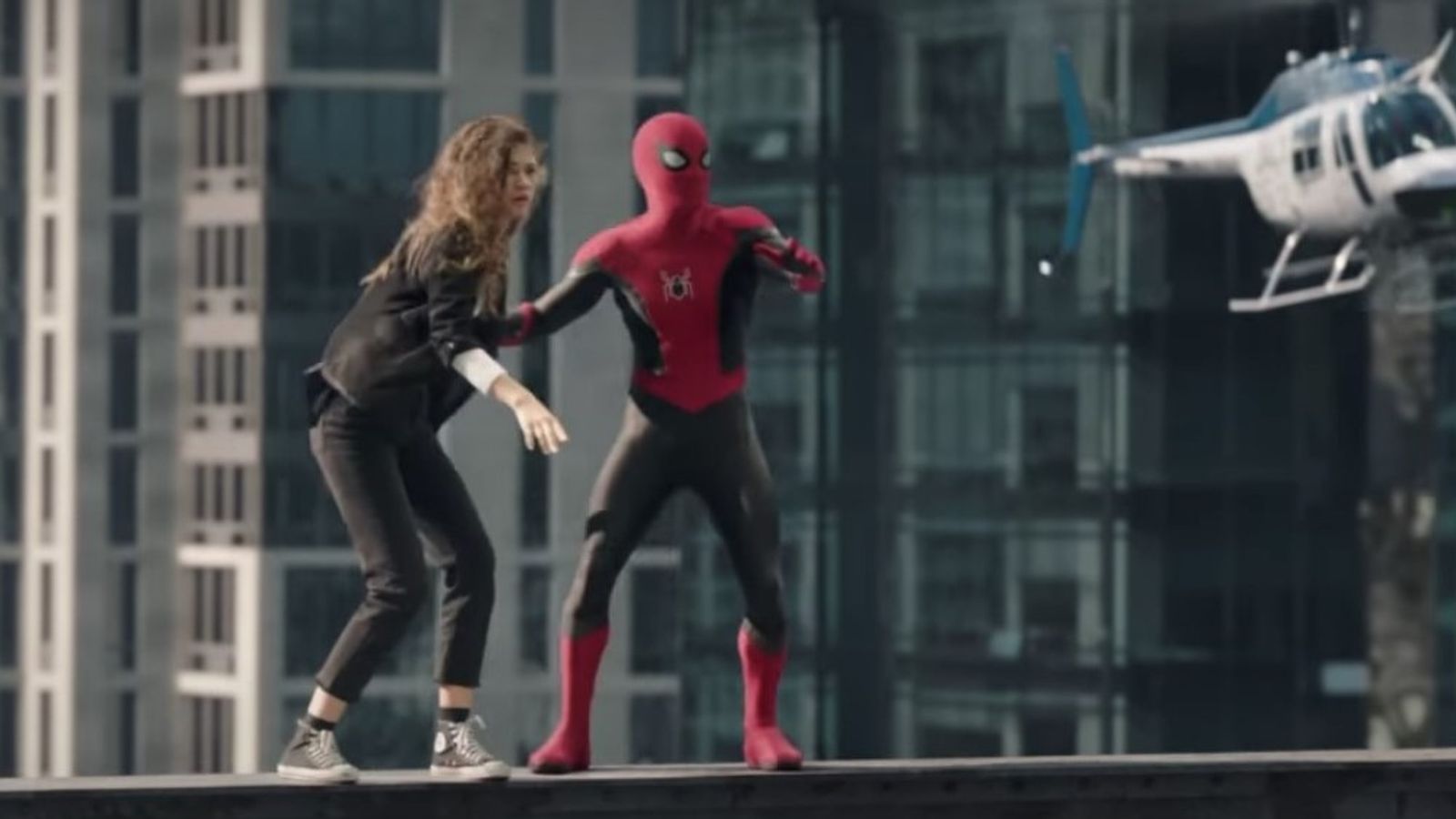
Spider-Man: No Way Home picks ups immediately after the end of the previous MCU Spider-Man film, Spider-Man: Far From Home where Spider-Man’s (Tom Holland) secret identity of Peter Parker was revealed to the world. The aftermath of the revelation is devastating to Peter and those closest to him like his girlfriend, MJ (Zendaya), his best friend Ned (Jacob Batalon), and Peter’s Aunt May (Marisa Tomei).
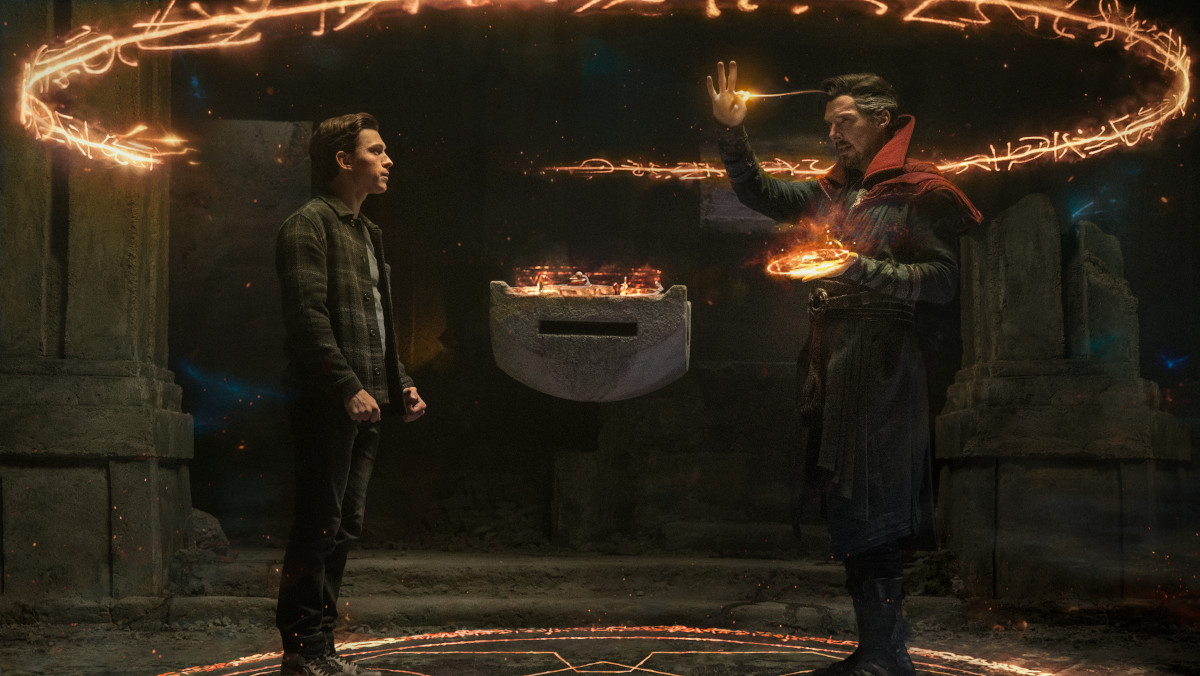
The loss of privacy and the intrusive nature of the outside world eventually drives Peter to seek magical help from the sorcerer Doctor Stephen Strange (Benedict Cumberbatch). He asks Doctor Strange to cast a spell to make the world forget that he is Spider-Man, and the sorcerer agrees to do it. However, during the casting of the spell, Peter distracts Doctor Strange, which causes the spell to be corrupted.
The result is that Spider-Man villains from alternate film universes are brought to the MCU, in other words, the foes from the earlier, non-MCU Spider-Man films. These include Doctor Otto Octavius, aka Doctor Octopus (Alfred Molina), Green Goblin/Norman Osborn (Willem Dafoe), Electro/Max Dillon (Jamie Foxx), the Sandman/Flint Marko (Thomas Haden Church), and the Lizard/Dr. Curt Connors (Rhys Ifans).
Spider-Man quickly finds out that tackling with the not-quite Sinister Six and his decisions comes with severe consequences that not only imperil him and those around him, but the fabric of the multiverse itself. These developments force him to recognize that with great power comes great responsibility…and sacrifice.
The first two Sam Raimi-directed Spider-Man films are still considered classic superhero films that helped put Marvel Entertainment on the Hollywood map of superhero films.
Then there is Spider-Man 3.
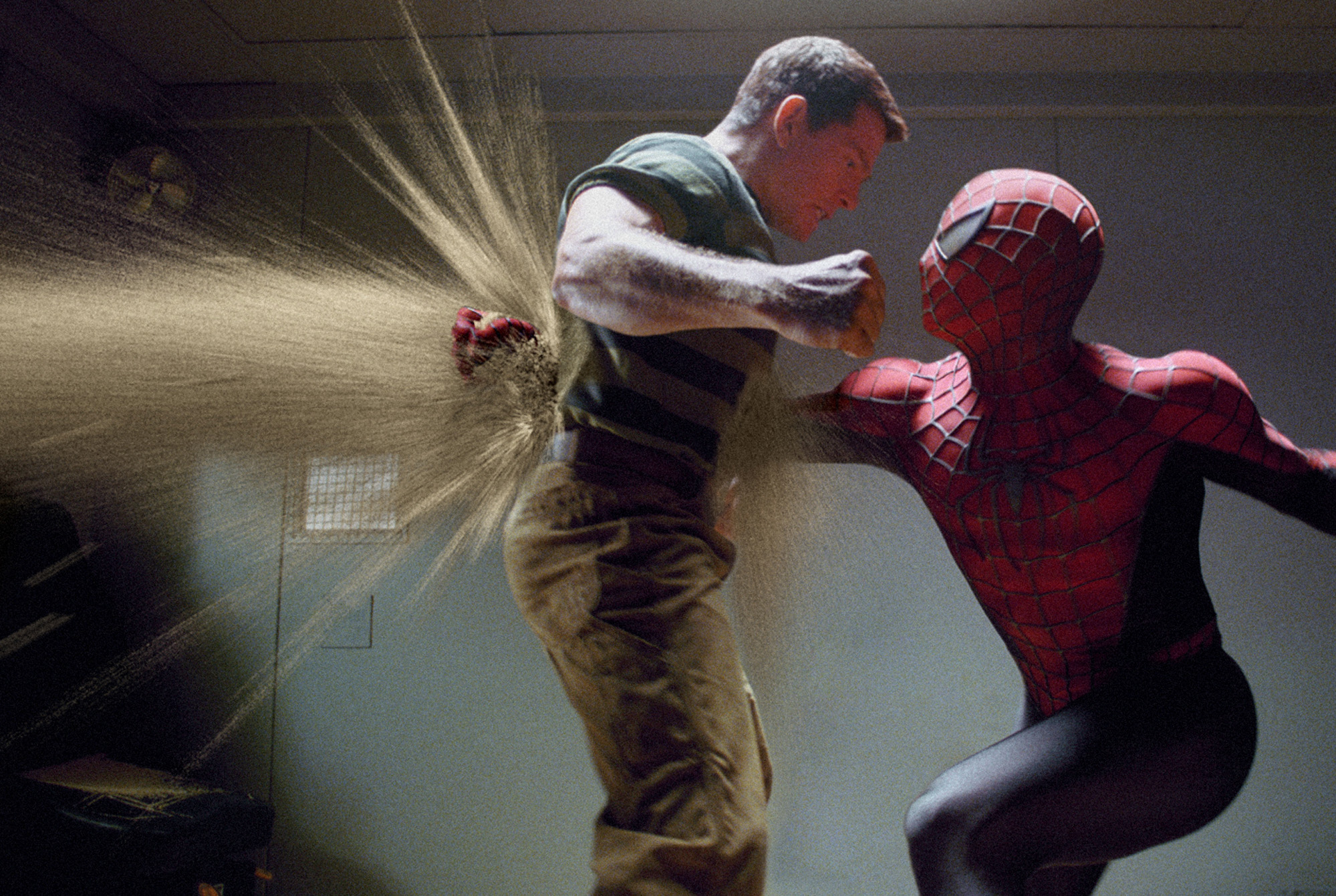
Honestly, the film is not all bad, though it does a lot to earn its infamous reputation, but it is hardly the trainwreck many critics make it out to be. It certainly is not the worse Spider-Man film…that dubious dishonor goes to The Amazing Spider-Man 2. What is frustrating for fans is that Spider-Man 3 has so many elements that would have made a great Spider-Man film, but it is so cluttered thanks to studio interference. Let’s take a look at it’s messy plotline to see for ourselves. Spoilers are ahead.
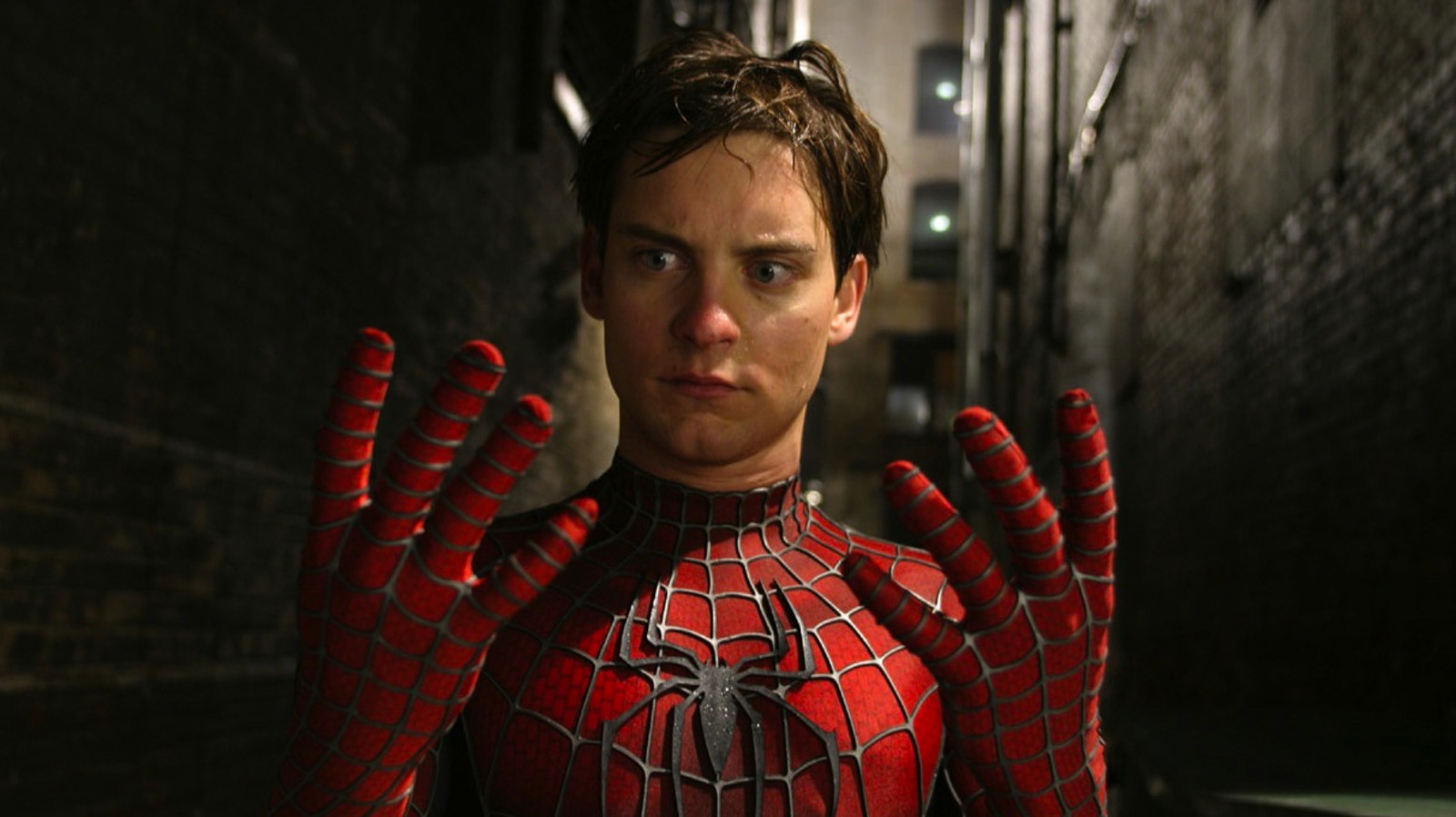
Spider-Man 3 begins with Peter Parker (Tobey Maguire) reveling in his dual role as the masked superhero Spider-Man. He is on top of his game as New York City, his home base, showers him with praise and cheers. Meanwhile, his girlfriend Mary Jane Watson (Kirsten Dunst), once a rising star of an actress and model, is suffering a career slump. She gets fired from a starring role in a Broadway musical and is eventually forced to work as a singing waitress in a jazz club. Peter thinks little of Mary Jane’s plight and tells her everything will be fine. On one such occasion, the couple are out stargazing in a park and a meteor crashes nearby without either noticing it. From the meteorite, an extra-terrestrial shapeless mass emerges and hitches a ride onto Peter’s moped when Peter and Mary Jane leave the park. Later, the alien life form stays hidden in Peter’s apartment waiting for the right moment.
After Peter decides to propose to Mary Jane, he is attacked by his former best friend Harry Osborn (James Franco). In the previous films, their friendship drifted apart because Harry blamed Spider-Man for the death of his father, the original Green Goblin. After discovering his father’s weapons at the end of Spider-Man 2, Harry modified the weapons and assumed a new identity as the New Goblin. During the fight, Peter, who never changed into his Spider-Man suit, defeats Harry and then takes him to a hospital to be treated for his injuries. During his recovery, Harry has short-term memory loss, but soon regains them and with his hatred of Peter renewed, Harry begins plotting revenge against his former friend.
While this went on, a common thief called Flint Marko (Thomas Haden Church) escaped from jail and tried to evade the police by hiding at a sandy testing site for a particle accelerator. The device is activated with Marko inside it and the criminal’s body is altered as it is fused with the surrounding sand. Marko is only motivated to use his powers as the Sandman to steal money to help pay for his young daughter’s medical bills. This activity soon puts him at odds with Spider-Man.
The superhero by now is suffering several setbacks in his life. He faces new competition in his profession as a freelance photographer for The Daily Bugle newspaper from photographer Eddie Brock (Topher Grace) and his superior photos of Spider-Man. Peter also learns that Marko was actually responsible for the death of his Uncle Ben in the first Spider-Man film and becomes obsessed with finding him. At the same time, tensions grow between him and Mary Jane who feels Peter is not supportive enough. She eventually leaves him after concluding Peter is flirting with a fellow college student, Gwen Stacy (Bryce Dallas Howard). But what Peter does not know is that Harry Osborn forced Mary Jane to break up with him as part of his schemes of vengeance.
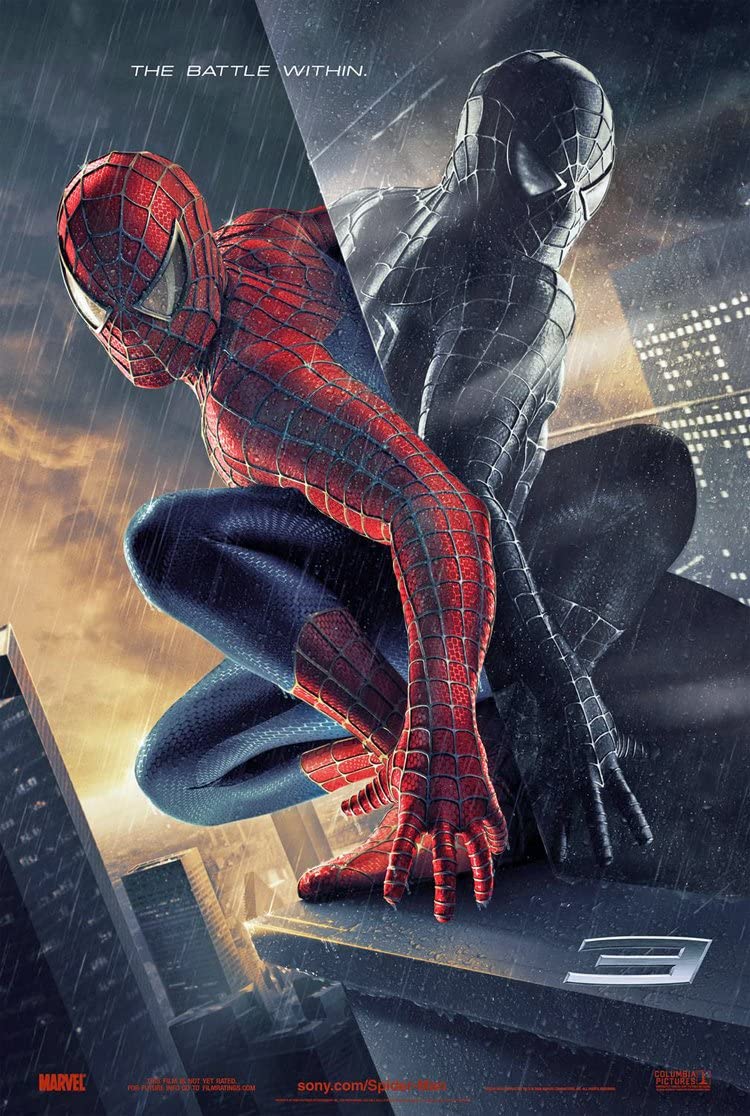
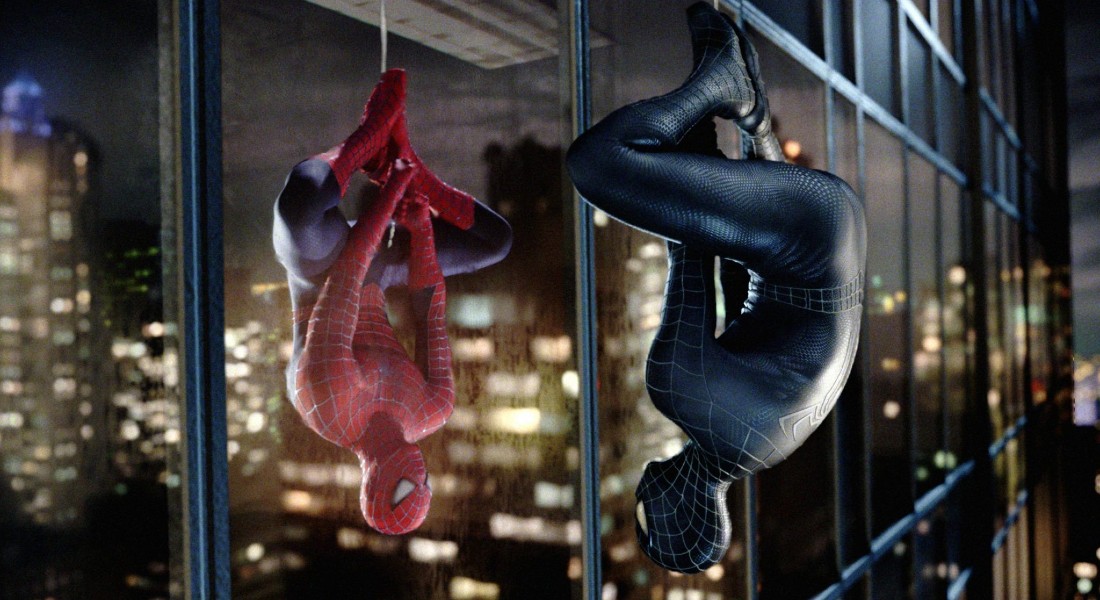
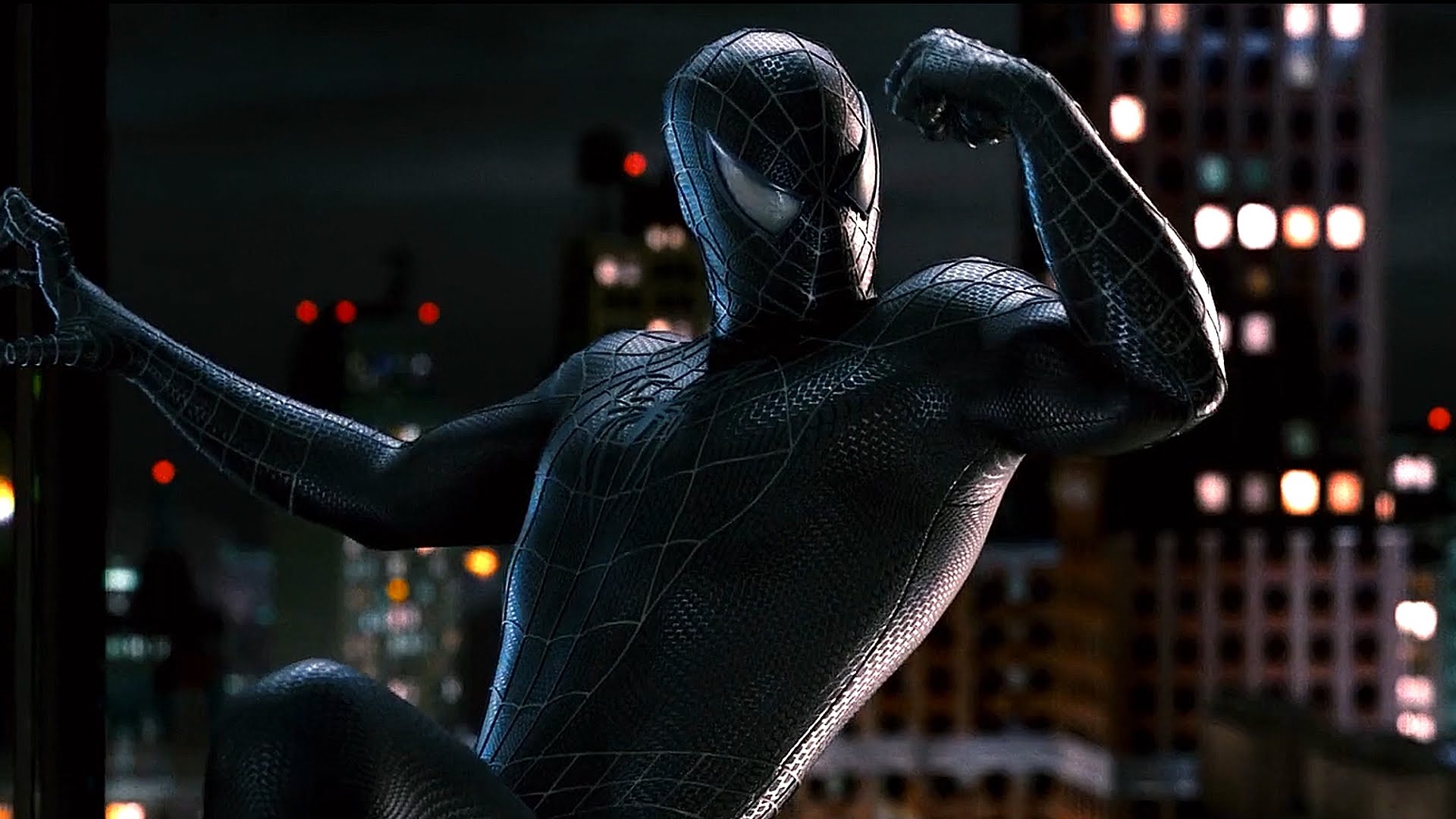
Making matters worse is that the alien mass bonds to Peter while he is sleeping in his apartment and forms a black version of his Spider-Man suit, It’s revealed that the alien organism is actually a symbiote that enhances Spider-Man’s strength and…his aggression. Peter quickly adopts a new cocky and hostile attitude that alienates him from everyone as his enemies close in on him.
Finch, originally titled BIOS, is a post-apocalytpic film that was supposed to be released last year and is finally able on Apple TV+. The film is about a dying man (the title character Finch played byTom Hanks) in a barren world, who builds a robot to care for his dog after he dies.
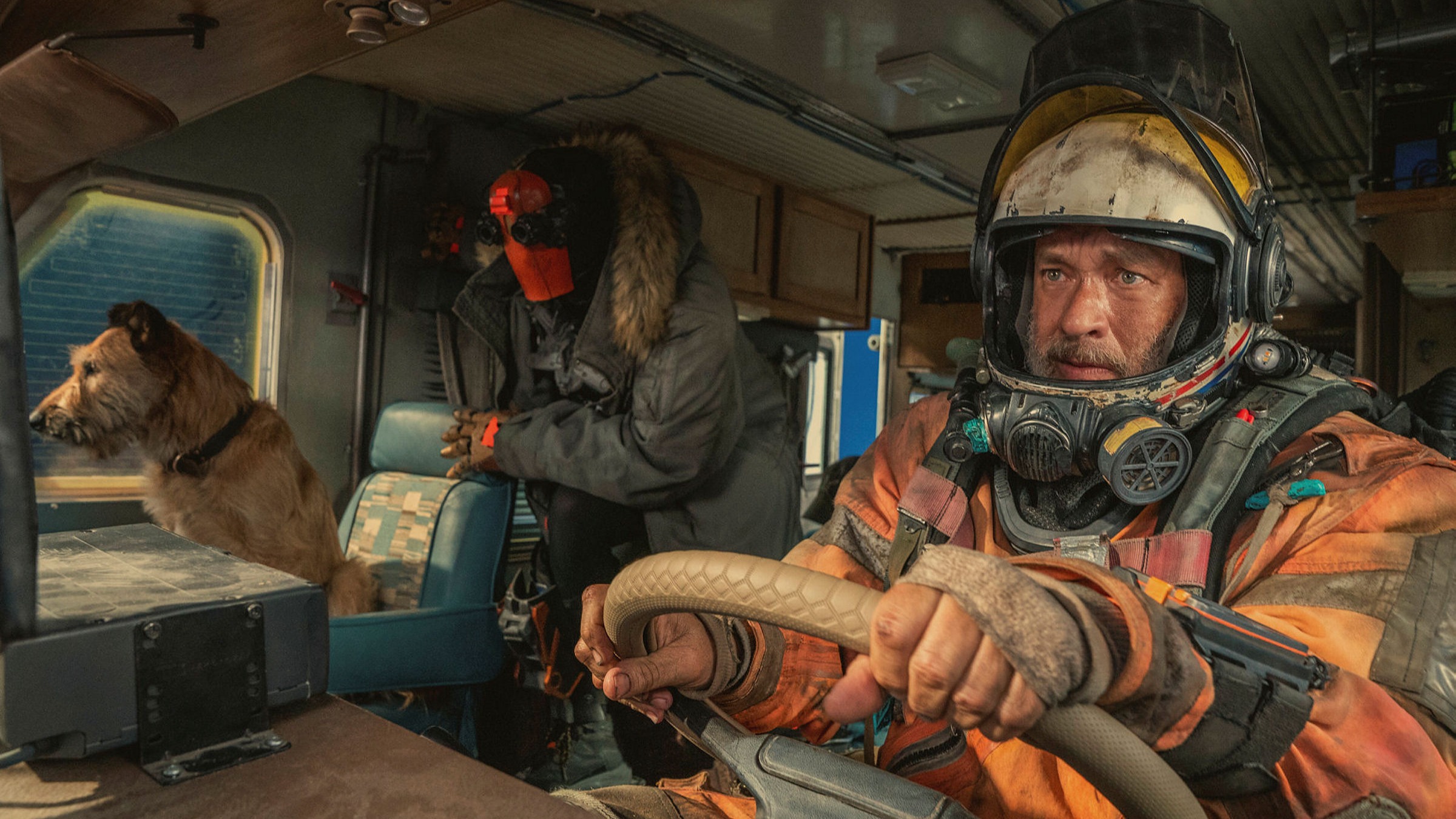
Several years earlier in Finch, the Earth was devastated by a solar flare that shredded the ozone layer and blanketed the world with deadly ultraviolet radiation that killed most life. Finch Weinberg is a lonely robotics engineer in an abandoned and dust-covered St. Louis. He ventures out into the world with his UV suit just to scrounch for food and supplies for himself and his dog Goodyear (played by Seamus the dog). His only other companion is a small robot called Duey that has limited capabilities. Finch has a terminal illness (it’s not made clear in the film but it could be radiation poisoning or cancer) and wants Goodyear protected, so he builds an anthropomorphic robot that he names Jeff (Caleb Landry Jones).
Finch is not able to fully program Jeff because a devastating storm is approaching St. Louis that will last for weeks. The scientist already planned to move to the west coast of North America and so decides to head out early in his recreational vehicle with Goodyear and his two robots, even though Finch is not fully programmed. This means that as they set out on their road trip, Finch has to teach Jeff how to care for his dog and survive after he is gone. During their trip, the two grow a friendly bond as Jeff learns about humanity and experiencing life, while Finch has to trust that the robot will carry out his task. This is difficult for Finch because during his ordeal as a survivor he lost faith in others.
Directed by Miguel Sapochnik and written by Craig Luck and Ivor Powell, Finch is heartwarming film, though it does not have a deep plot. It has many aspects of post-apocalyptic and survival films like WALL-E and even Hanks’ own Cast Away. Still, the film knows just how to tug at the viewer’s heart and there are many moments in the film that require a box of tissues. One instance is the moment when Finch recalls how he came to adopt Goodyear, which led him to find a measure of atonement, culminating in the creation of Jeff.. The film has many beautiful and reflective moments of experiencing the simple joys in life that are buttressed by gorgeous cinematography by Jo Willems.
The dog Goodyear is not some kind of super smart animal with quirky personality traits that is seen in many dog-centric films and it’s clear to see how much Finch is attached to the animal. Be that as it may, being that the driving force is that Jeff must learn to care for Goodyear, the dog is not the main character. Those are Finch and Jeff. The robot is not fully developed emotionally and has an inquisitive nature that is humorous but never annoying, At the same time, this defect is a liability that could endanger his biological companions. However, Jeff has noble intentions and takes initiatives throughout the film that earns his creator’s trust and allows him to grow into the caretaker he was meant to be. The role was well performed and captured as the robot seems realistic thanks to his clumsy nature and a clunky look, which is how a cobbled-together robot would appear.
Of course, the main draw of the film is Tom Hanks, who proves once again why he is such a beloved acting icon. His heartfelt performance is the emotional core of the film. It is so easy to relate to Finch as Hanks injects a noble and gentle everyman demeanor. One cannot help but feel for him and his dog whenever he starts coughing blood or just see them playing a simple game of catch. Throughout the film Hanks delivers a quiet and thoughtful performance that helps keep the film grounded and endearing.
Some will argue that Finch may be emotionally manipulative and simplistic and that is a valid point. Given the film’s premise it can be easy to predict how the film will end up. However, in the end it works as it is easy to get emotionally invested in the characters and wonder what will come next for them. Just as important, despite its pathos, Finch never feels sentimental or cloy.
It is a bit of a shame Finch can only be seen on Apple TV+ since not many people have that streaming app. The film deserves to be seen in wider venues such as full theatrical releases and the powers that be should have waited a bit longer to do so. Hopefully, Finch may find an audience later on in additional venues because it is one of the better genre films for the year.
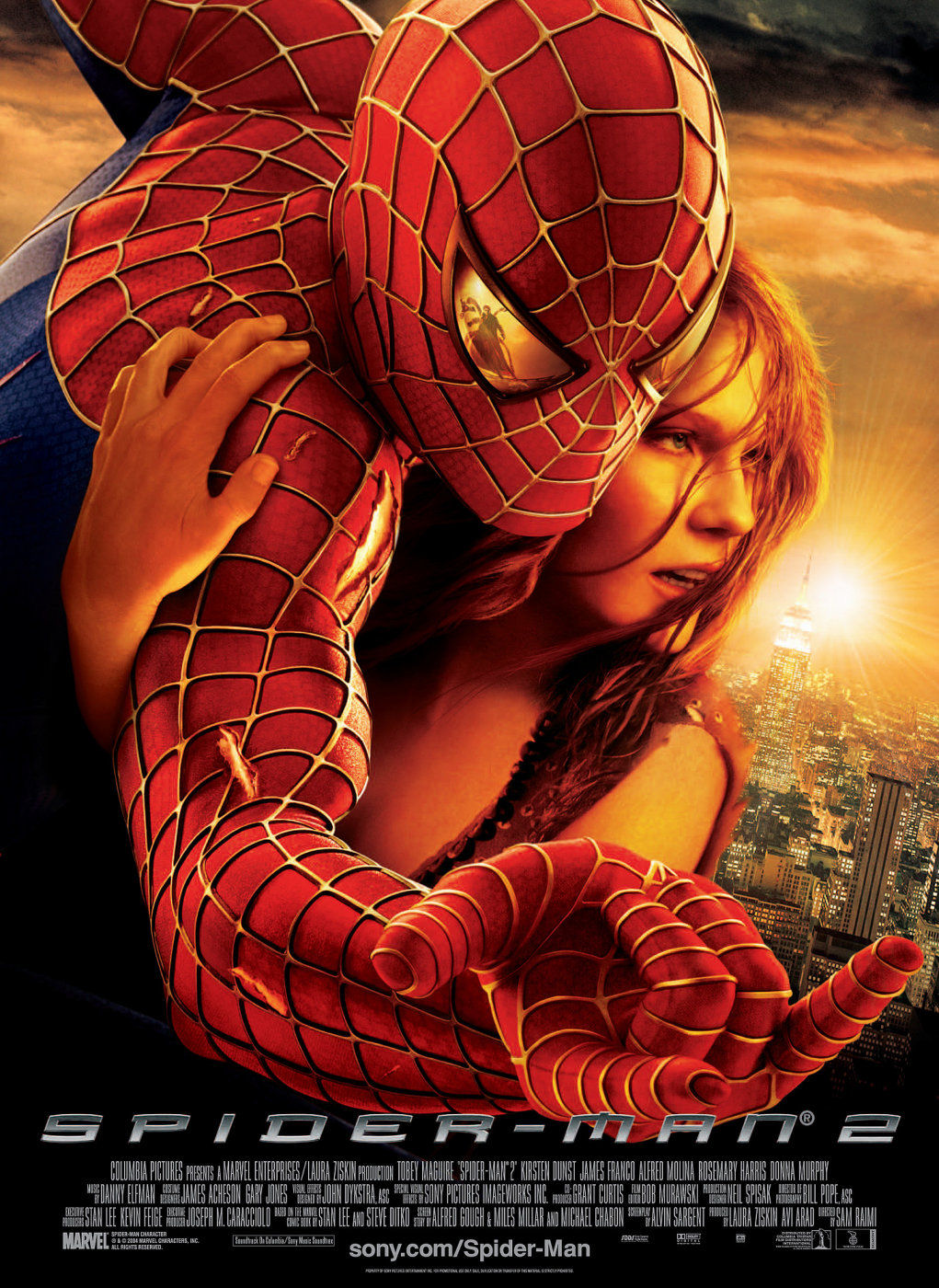
As the countdown continues for Spider-Man: No Way Home and we wait anxiously for the second trailer to drop (which will supposedly feature the return of Tobey Maguire as Spider-Man), it is time to take a look back at Sam Raimi’s Spider-Man 2. The second Spider-Man film is well loved for many reasons but one of the standouts was its villain Doctor Octopus (Alfred Molina), who will return in Spider-Man: No Way Home,
When Spider-Man 2 begins, we see that Peter Parker (Maguire) is still a lovable loser who is struggling desperately to balance his civilian life with his superhero antics as Spider-Man. Being the costumed adventurer is clearly interfering with his private life to the point that it gets him fired from a delivery person job, threatens his academic career in college and even late for his own birthday party. Peter is constantly broke and unhappy over how his responsibilities keep him from getting romantically involved with his friend Mary Jane Watson (Kirsten Dunst). She is now a successful model and Broadway actress and has feelings for Peter but his inability to admit their mutual feelings for one another keeps her away. Eventually she gets engaged even though she still loves Peter, which crushes him.
The dilemma of leading a double life eventually gets to Peter. He begins to lose his powers for pscyhosomatic reasons and he decides to give up his Spider-Man identity. While this decision brings him momentary happiness, the love of his life is still engaged to someone else, he is still struggling to make ends meet, crime and other mishaps in New York City continue, and a new supervillain soon enters his life.
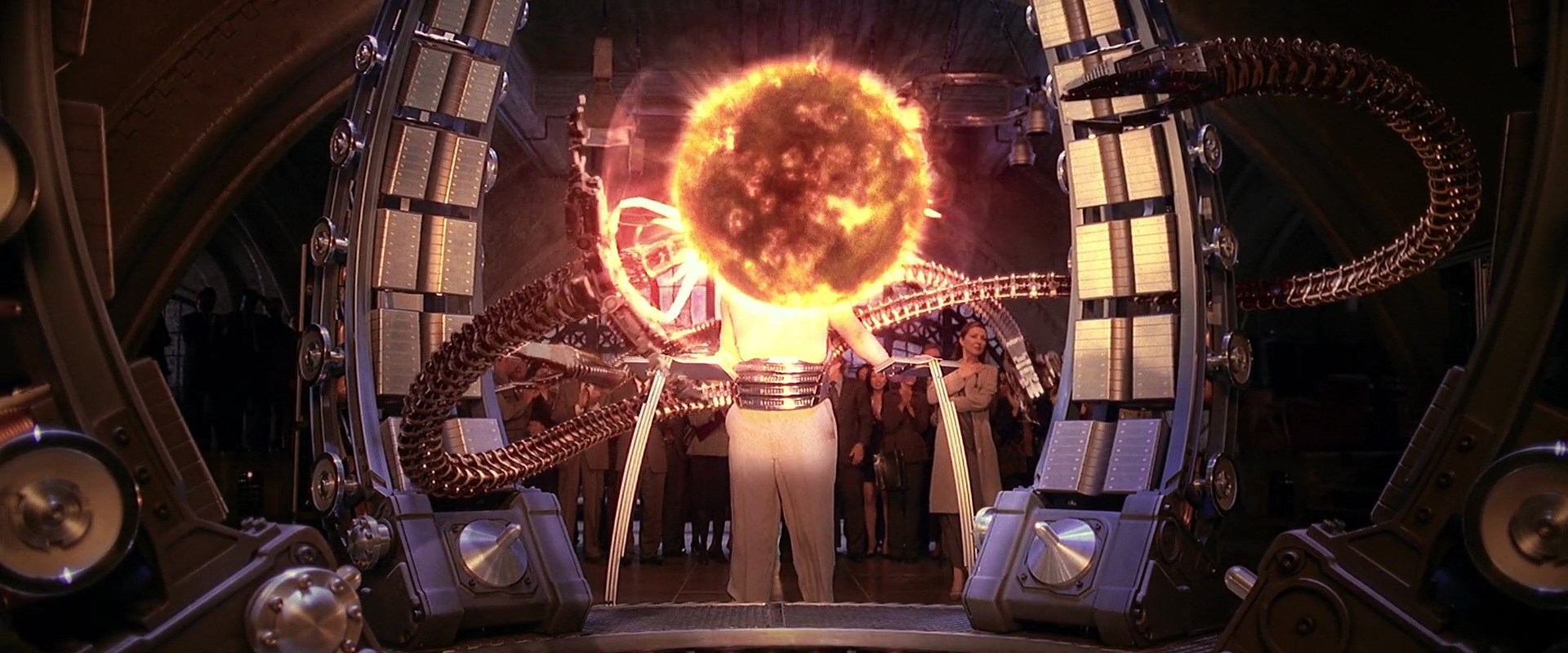
Dr. Otto Octavius (Molina) is a brilliant nuclear scientist working for Oscorp, the company that Peter Parker’s best friend, Harry Osborn (James Franco), runs. Harry took over the company after his father, who was secretly the villainous Green Goblin in the first Spider-Man film, was killed in battle with Spider-Man. Dr. Octavius is working on a way to create fusion to supply a cheap energy source. During a live demonstration attended by Peter, Harry and Octavius’ wife Rosalie (Donna Murphy), the scientist unveils these robotic arms that he invented to help him handle hazardous materials in his fusion reactor project. He cybernetically attaches the arms to his spinal column to control them mentally. Dr. Octavius informs his audience that the arms have a form of artificial intelligence to help him but he maintains control with an inhibitor chip implanted on the arms.
Not long after the scientist begins his fusion demonstration, the experiment gets out of control because of an energy spike. The fusion reactor threatens everyone but Peter switches to his Spider-Man identity and shuts down the reactor. However, before he does this Rosalie is killed and Dr. Octavius is caught in an explosion that permamently fuses the arms to his spine and destroys the inhibitor chip. Later in a hospital, the AI took control of his robotic arms killed the doctors who attempted to remove them from Dr. Octravius. After he escaped from the hospital, it is clear that the AI took control of the scientist and goad him to rebuild the fusion reactor regardless of the danger. This leads “Doctor Octopus”, as the press dubbed him, to go on a criminal spree to get the funds and materials to complete his work, and in direct conflict with Spider-Man.
Dune is a classic science fiction novel written by Frank Herbert in 1965 that tells the story of a young man in the far future who leads a desert planet people to freedom. It’s a very complicated tale that has a deep back story that has been difficult to translate to film due to its complexity. The first film adaptation directed by David Lynch in 1984 was met with a mixed reception. It was a lavish production that looked and felt like Dune, but also took liberties with the story and was edited and cut out much of Herbert’s vision. The Sci-Fi Channel released a mini-series in 2000 that was more faithful to the book and was longer than Lynch’s film, but was made on a limited TV budget that was sometimes evident with painted backgrounds and weird costumes.
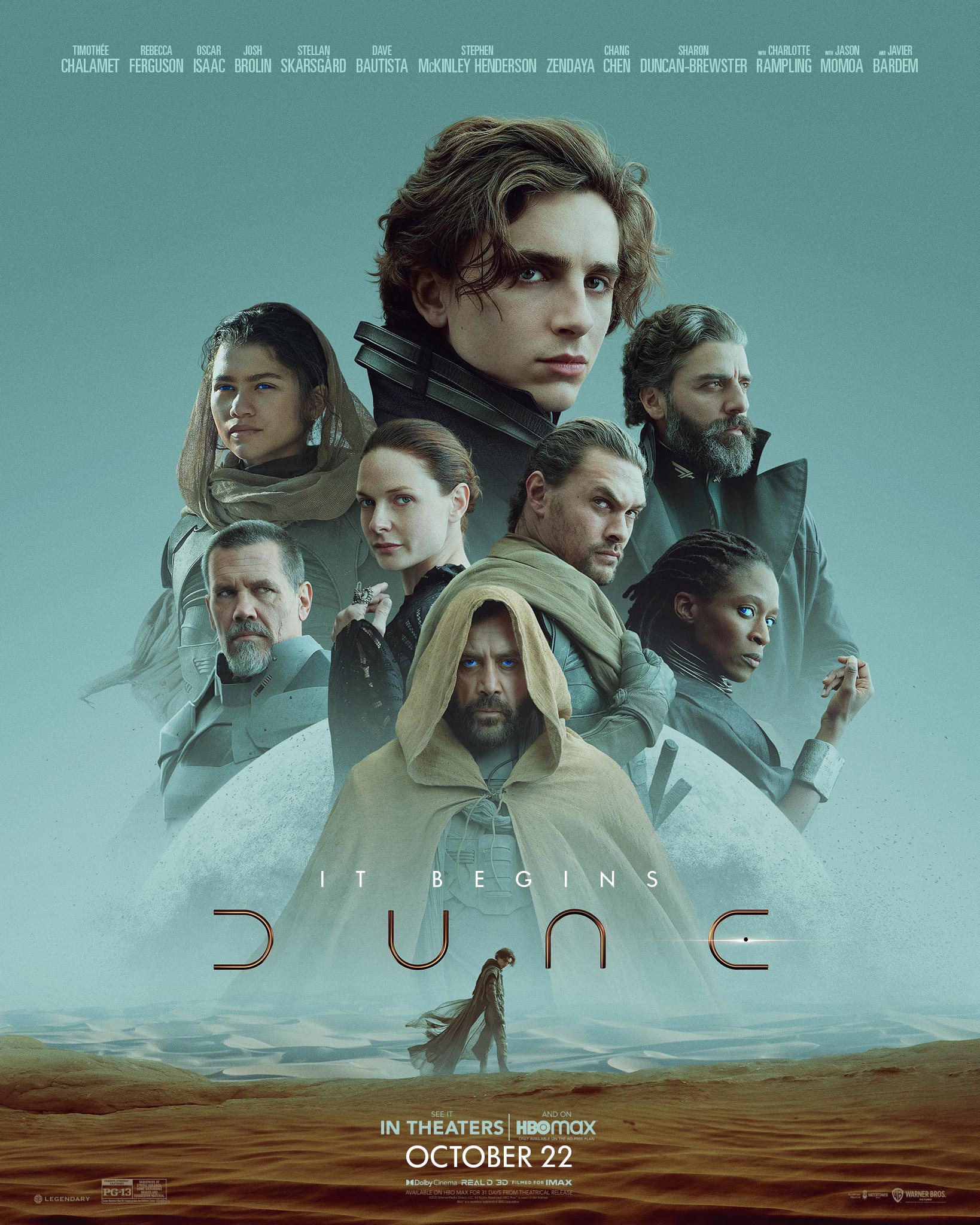
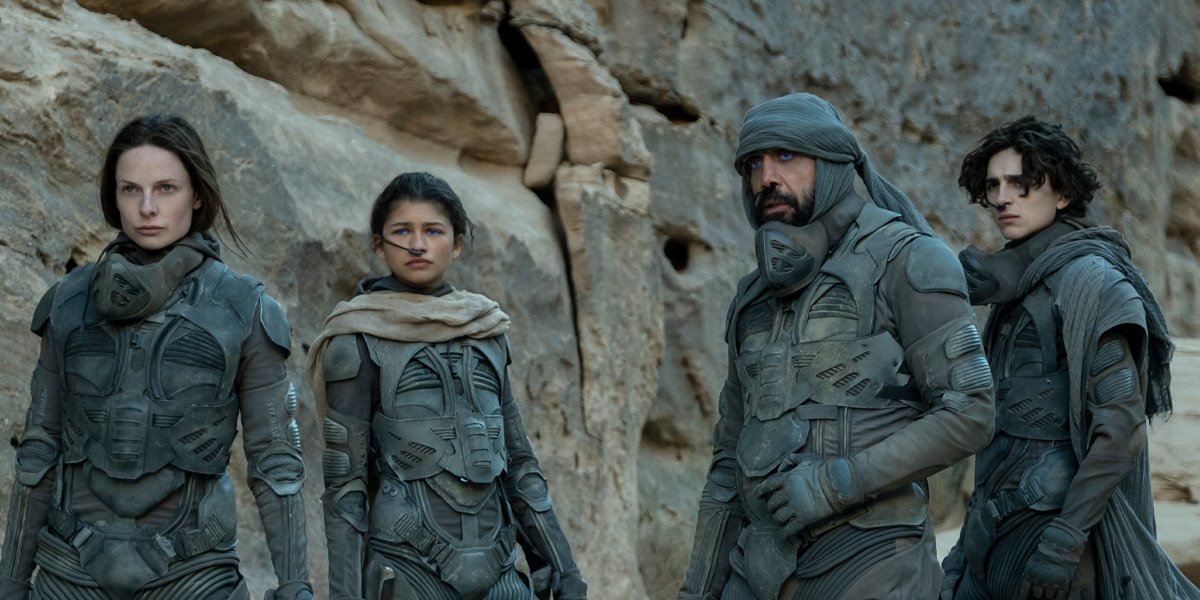
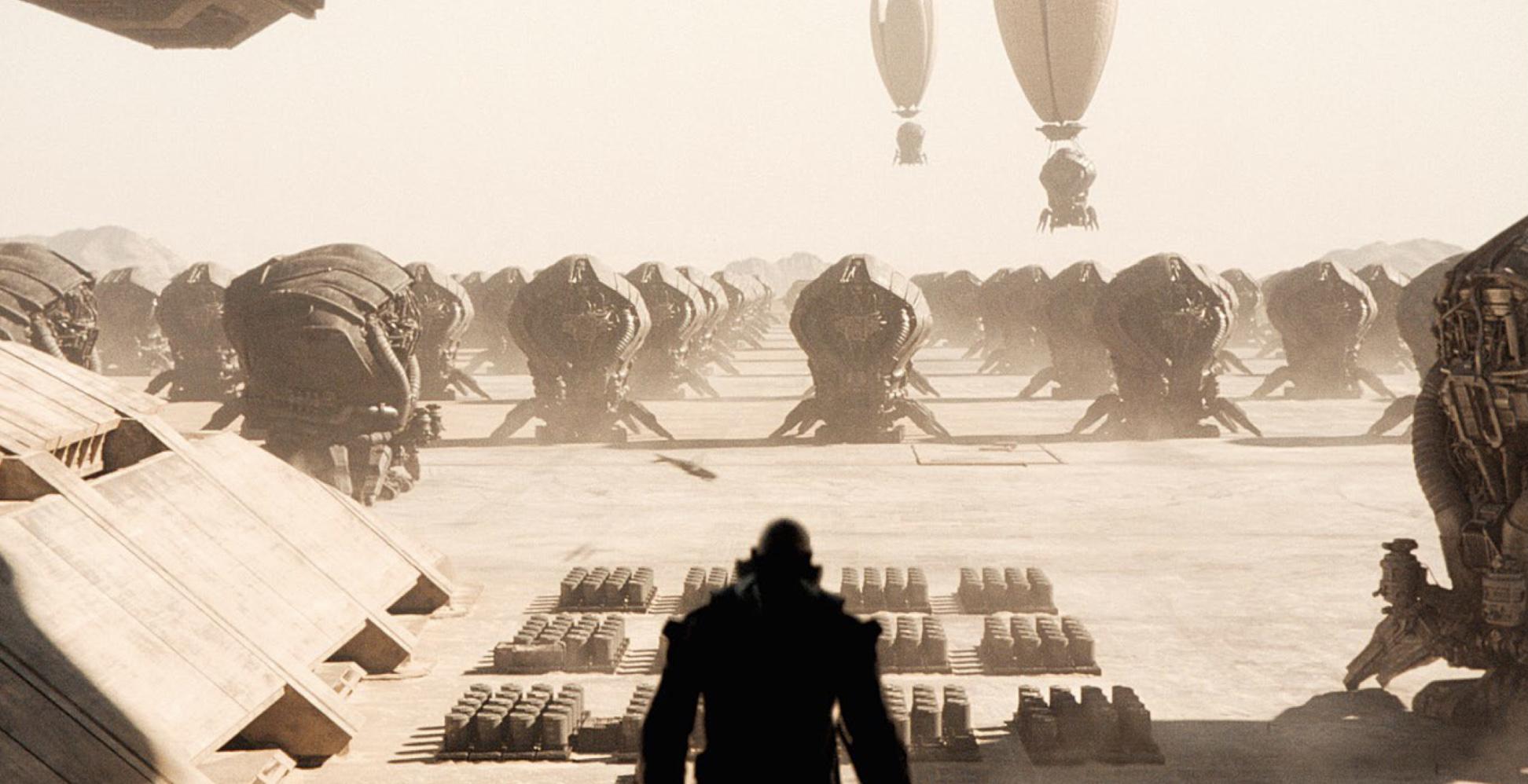
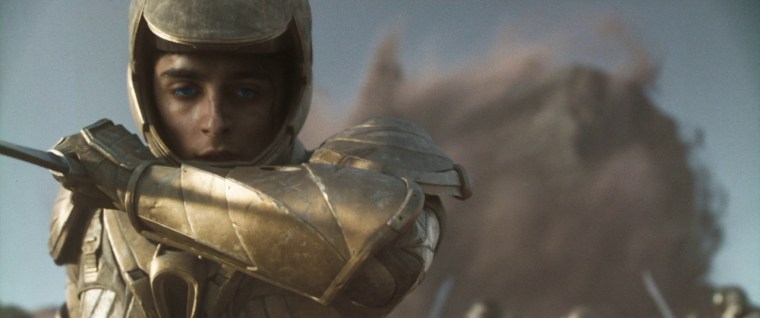
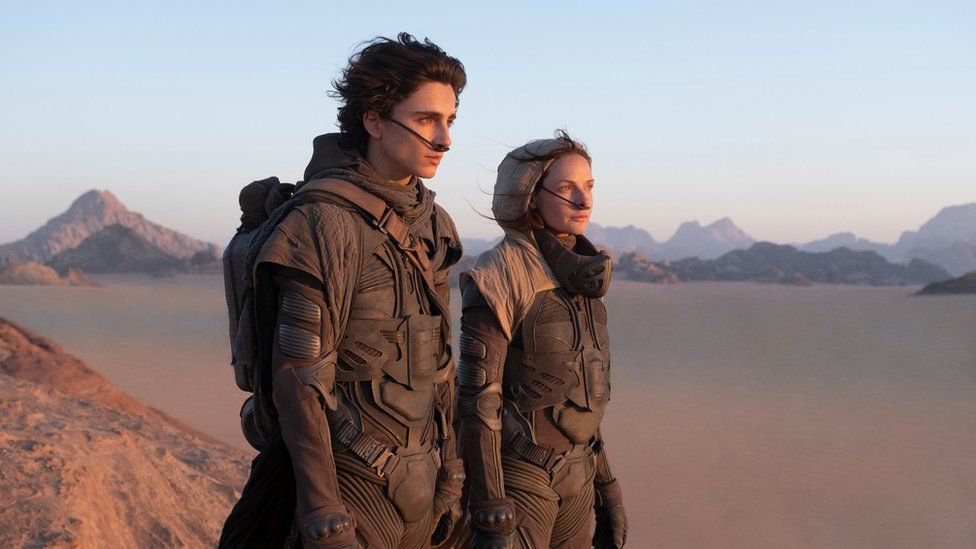
Denis Villenueve’s Dune is the latest adaption of this epic tale that takes place in the far future. Humanity has spread to the whole galaxy and is ruled by the Padisha Emperor, and that empire is controlled by an addictive substance known as spice that extends life, enables interstellar space travel, and allows some to see into the future. This precious resource is only found on one planet, Arrakis, also know as Dune, which is populated by a nomadic group of people known as the Fremen. They have a prophecy that a man from off world will lead them to glory and freedom. This man is young Paul Atreides (Timothée Chalamet), the son of Duke Leto Atreides (Oscar Isaac), who is gifted control of the planet by the emperor. This gift, however is a double edged sword, with plots against the Atreides hatched by the emperor and House Atreides’ sworn enemies, House Harkonnen. These machinations force Paul to embrace not just his future but the the destiny of the galaxy.
Villenueve’s take on the material is excellent and shows a great respect for the essence of the story. The movie has the best elements of previous adaptions, with the right look and feel of the 1984 film, along with the faithfulness of the mini-series. The new movie takes it time in telling the story which is the right way, since it is a deep and complex story of prescience, politics, and ecology to name a few things that make Dune a book that is still enjoyed and admired decades after its publication. Paul’s frequent visions of his future with the Fremen and his future lover Chani (Zendaya) are shown in an interesting and mysterious way, and the appearance and mannerisms of the different factions of the Dune universe are also a highlight. From Mentats making calculations with their human computer minds to the emperor’s Sardarkaur troops speaking in a weird, guttural language, this feels like a different time and place, as it should since it takes place over 10,000 years into the future.
Paul’s journey from son of a Duke to the head of his family is done in a convincing way, with good performances from a great cast. Timothée Chalamet shows the conflicted nature of Paul, who can see his future and is reluctant to make it happen, yet feels obligated to continue his father’s work. Oscar Isaac, as his father Duke Leto, also does well as the heroic leader of House Atreides, who knows that the gift of Arrakis to his family is a trap, yet also feels the pull of duty to go forward in taking control of the spice while warning his son of what is to come. Paul’s mother, Lady Jessica is well portrayed by Rebecca Ferguson, who shows the agony of a mother giving her son over to a possible death at the hands of the Bene Gesserit Sisterhood, a group that has plans on genetically breeding a super human who can transcend time and space and see Paul as that potential being. The well-rounded cast includes other such names as Jason Momoa, Zendaya, Javier Bardem and Stellan Skarsgard as the Baron Harkonnen. All of which provide excellent interpretations of these iconic characters.
One issue I had with the movie, is that because of the strong focus on Paul Atreides and his mother, there are some characters that do not show up at all, such as Princess Irulan, Feyd Rathua Harkonnen, and Emperor Shaddam IV. These are important characters to the story, but due to the obvious time constraints in a two-and-a-half hour movie and the needs of a very complicated story, this is a consequence. Speaking of which, the title of the movie at the beginning says “Dune, Part 1”. Villenueve chose to make the movie based on the first half of the book. I think this was the only choice, since trying to cram the whole book into one film will lead to issues that can happen in film adaptations of books, where much of the plot can be lost or rushed. I would have liked to have seen perhaps a three-hour version, so that these missing characters could show up, and that the villainous Harkonnens could have more of the limelight. Having said that, it is still better to have a Dune film that lets the story unfold, which this one does. I have heard complaints about the ending of the movie, that it is supposedly abrupt, but I didn’t see it that way. It feels like a good ending point for that part of the journey, where Paul and Jessica embark on a new phase of their lives with the Fremen, and the Harkonnens still lurking as a major threat. Early indications are that the film is doing well and hopefully this will lead to the expected part 2 that will finish the tale of Paul Atreides’ rise to power, and the establishment of the legendary Dune universe.