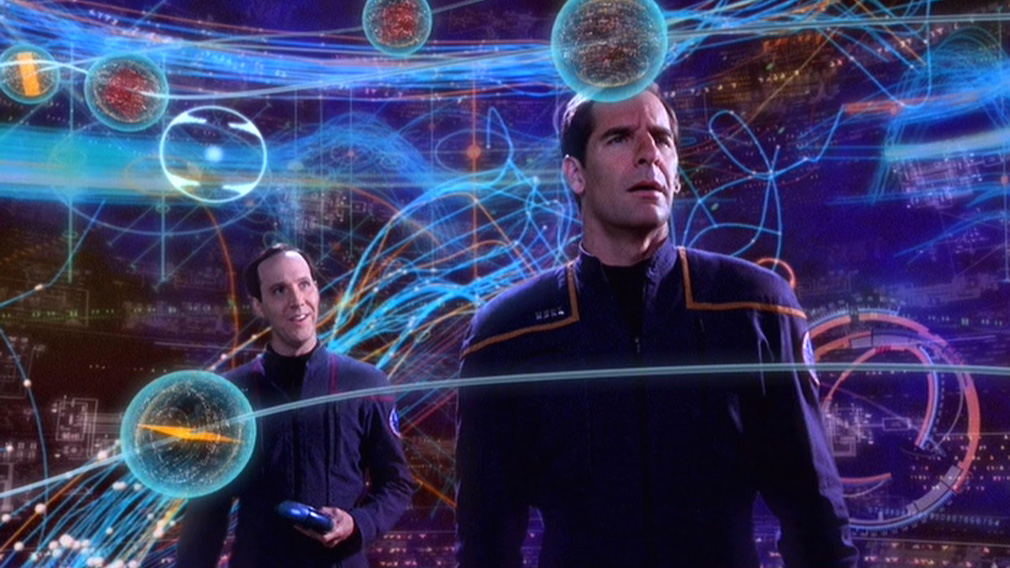
Star Trek’s Many Timelines

By now Star Trek fans acknowledge that the official canon timelines of the Star Trek franchise is daunting. Being that Star Trek is 57 years old there are bound to be continuity problems but what has been more glaring are contradictions with the timeline and the more “modern” look of current-day Star Trek that clashes with older series.

There have been pretzel-twisting explanations in the TV shows and films to explain the contradictions, but they tend to fall apart on closer examination or are just ridiculous. More and more, fans have to accept the fact that either modern Trek is a soft reboot of the franchise or it represents new timelines that branched off the original Trek ages ago.
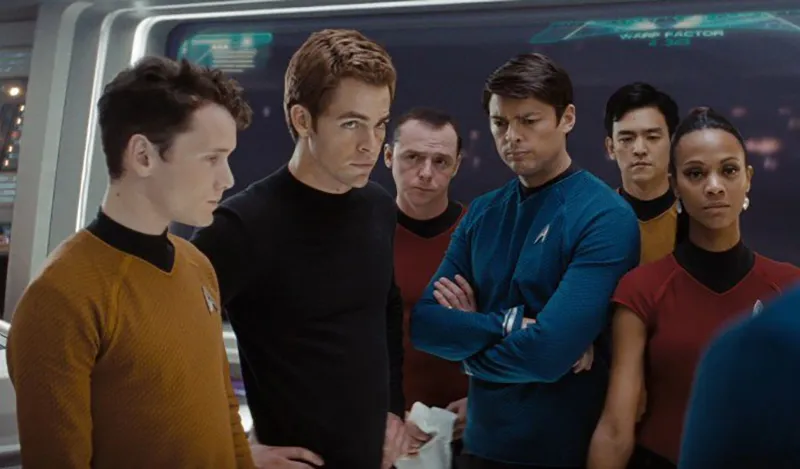
When Star Trek was relaunched in 2009 with the film Star Trek it was a good vehicle to reboot the franchise but the filmmakers did not want to completely alienate many fans. So an explanation was given that the events of Star Trek took place in an alternate reality that was created when the film’s Romulan bad guys time traveled to a time before the original series and changed the timeline.

However, this was not the first time that an alternate timeline was created in Star Trek. Actually this has happened many times in previous Star Trek TV shows starting with the original.
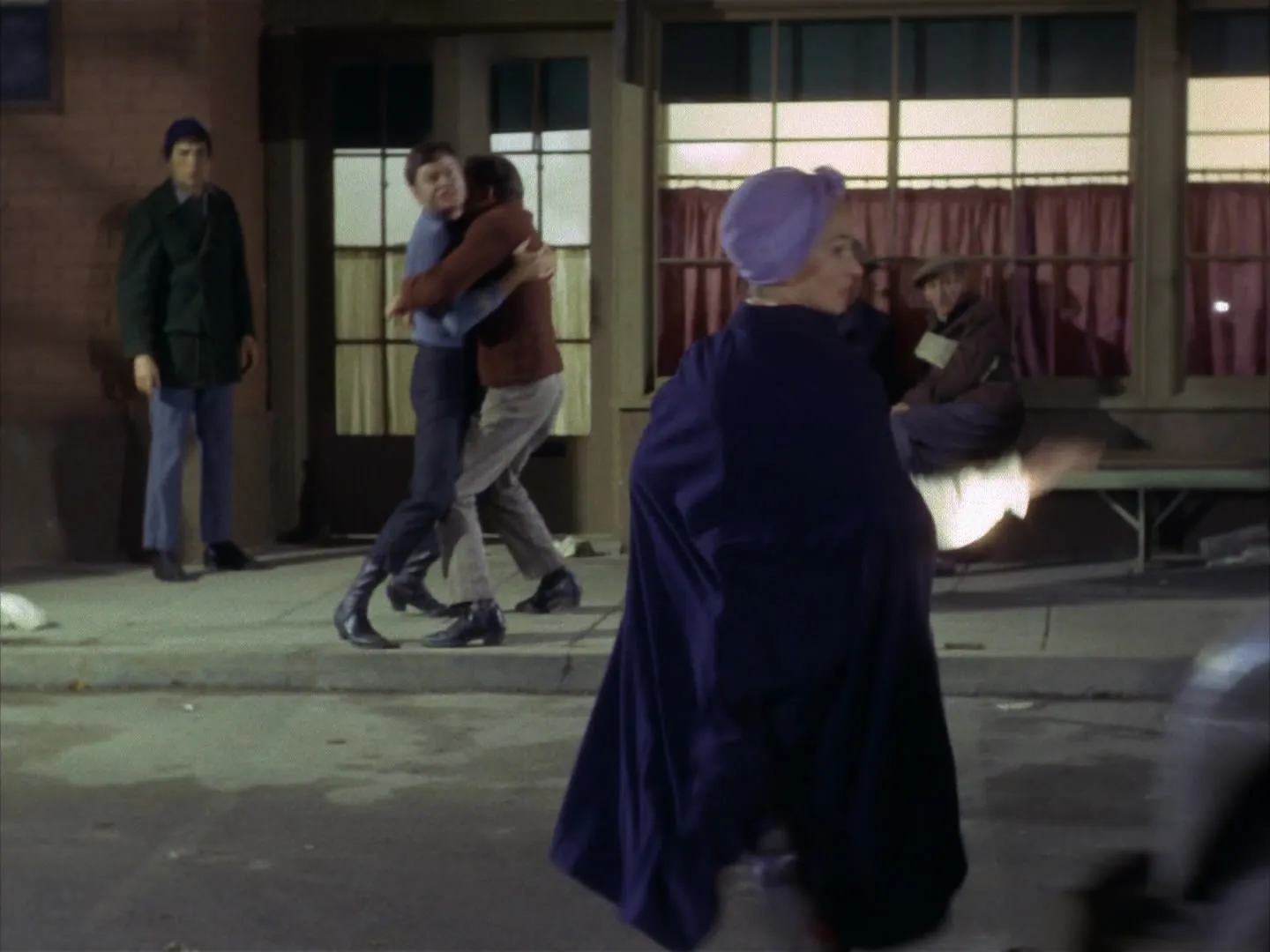
In the classic episode, “City on the Edge of Forever” a new timeline was created when Dr. McCoy went back in time and changed history so that the United States never entered World War II. This created a timeline where presumably the United Federation of Planets or Starfleet did not exist. Supposedly, the original timeline was restored when Kirk and Spock went back in time themselves and prevented McCoy from altering history. Or did they? The timeline McCoy created would still exist simply because he traveled to that pre-World War II period. Remember the scene where the hobo steals McCoy’s phaser and accidently kills himself? That created a new timeline where that man no longer existed. Even if that man never amounted to anything, his erasure would create a small ripple in time and this was never corrected by the end of the episode.
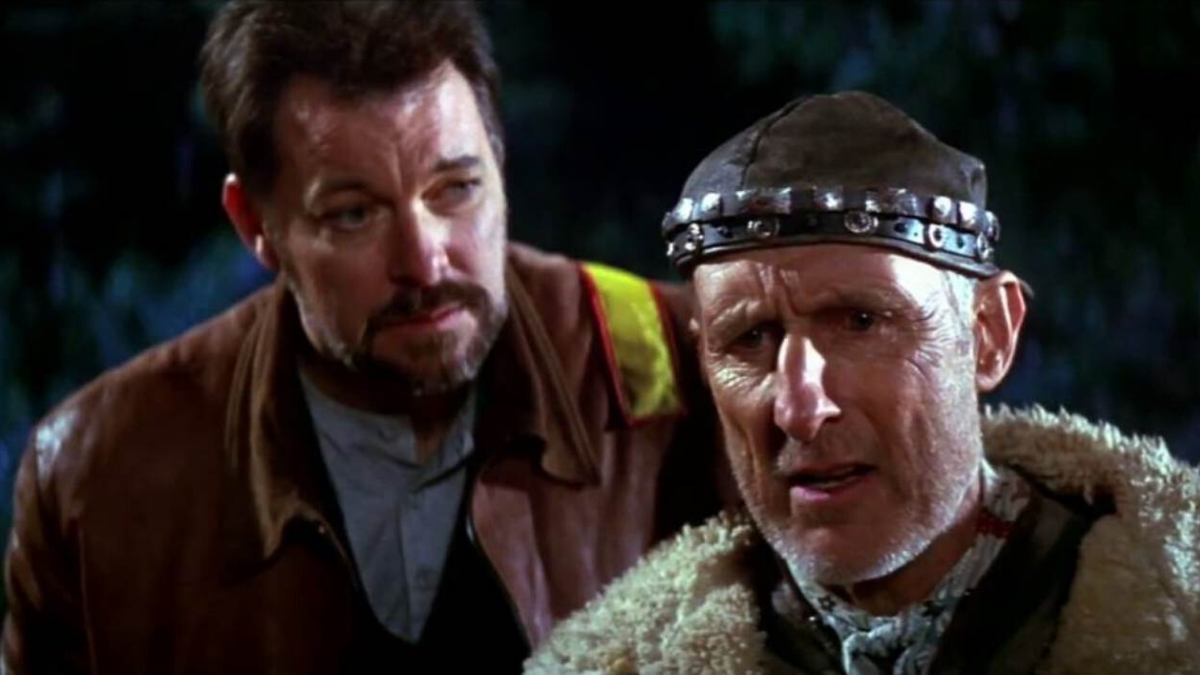
Here are some more examples: In Star Trek: First Contact, the crew of the Enterprise-E journey back to the mid-21st century to prevent the Borg from assimilating Earth. The Borg’s actions wound up killing many people who were involved with humanity’s first faster-than-light voyage. Even Riker and La Forge joined Zefram Cochrane to pilot the Phoenix, the first human-made warp ship. This created a new timeline even though the Enterprise-E crew stopped the Borg and the people the Borg killed remained dead. The crew interacted with people in the past including Cochrane, who was now aware of his destiny and this certainly had an impact on how he acted.

In Star Trek: Enterprise, a major arc involved the aliens called the Xindii who attacked Earth in the 22nd century, but it was revealed that such an attack never took place in the original timeline. More importantly, this attack was never undone when the story arc ended and was now part of the established canon timeline. It was stated that these incidents were part of a so-called Temporal Cold War that took place centuries in the future.
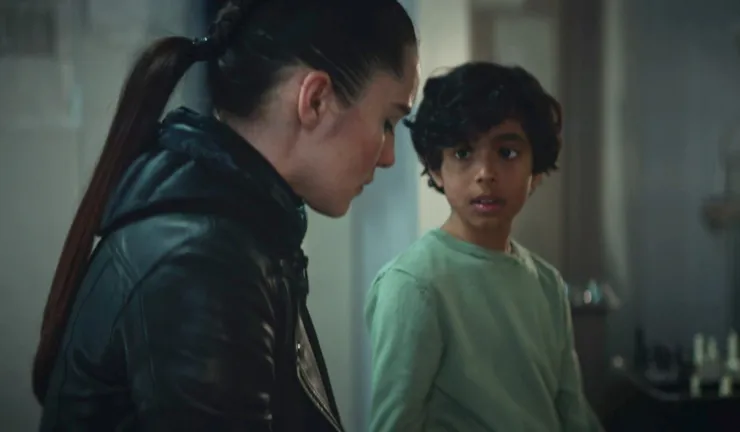
Another instance of the Star Trek timeline being changed was in the Star Trek: Strange New Worlds episode “Tomorrow and Tomorrow and Tomorrow”. In that episode those pesky Romulans are revealed to have changed the original Trek timeline in that they prevented the rise of Khan and the outbreak of World War III from the original time of the 1990s. Now these events are supposed to take place in the middle of the 21st century and evidence of this change was shown in Star Trek: First Contact when it was mentioned that the war took place in the mid-21st century.

There are many other instances of permanently changed timelines throughout Star Trek but in the end it does not matter too much. The real-world reason for these changes are to keep Trek relevant with our times. After all, it would be strange to keep saying that the Eugenics Wars and World War III took place in the 1990s or that the dated look of the original TV show with buttons on consoles is supposed to represent a realistic future for humanity. There have been non-canon efforts such as novels to try to explain this away but the results are nonsensical.

The best advice is to just accept that the Star Trek timelines are very fluicdic. Do not give it too much thought and enjoy the stories.
Disney + Has Damaged Pixar, Star Wars & Marvel

When it was announced that the streaming app Disney + would feature exclusive content for their purchased intellectual properties Star Wars and Marvel, most fans were understandably excited. In the closing years of the 2010s both properties were riding high, especially Marvel with its Marvel Cinematic Universe (MCU). The people running Disney + promised that subscribers would have access to a vast video library of its properties and that the exclusive content would be top-of-the-line when it came to quality. At first, this seemed to be the case. At first.

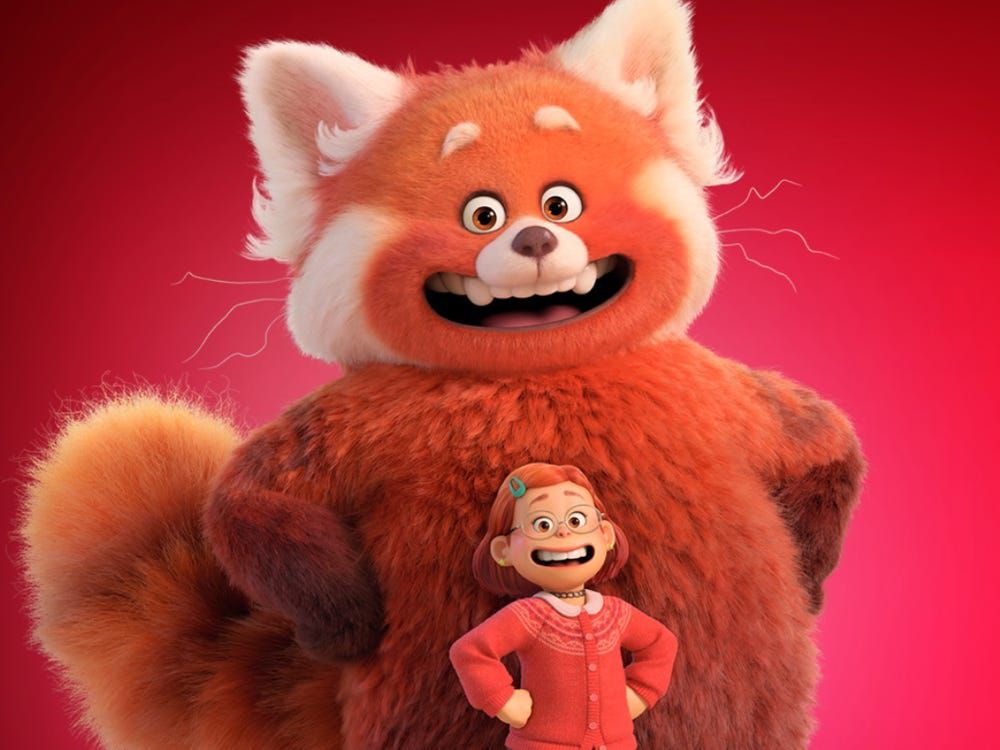
Shortly after Disney + became available, the COVID-19 pandemic hit, which shut down theaters and the streaming platform became the only medium available to get new content based on Disney IP, Pixar, Star Wars and the MCU. Due to the pandemic many films were delayed and this happened with the Pixar films scheduled for release. At the same time, Disney was desperate to generate streaming traffic for Disney + and to gain subscribers, new product had to be available. The easiest solution was to take the delayed films like Soul and premiere them exclusively on Disney +.

For a short while, this tactic worked, but unlike the other MCU films that were released exclusively in theaters, Disney kept debuting other Pixar films like Luca and Turning Red on the streaming app. This gave the impression that the Pixar films were inferior in quality, because people began thinking that these films were not good enough for theatrical releases. Also, when the Pixar films Lightyear and Elemental actually premiered in theaters, viewers were conditioned to wait for them to come out weeks later on Disney + and save some money. To be fair other streaming apps like HBO Max did this as well, but this tactic was abandoned soon after studios realized they were losing revenue. It took Disney some time to forego premiering some of their films on the app.

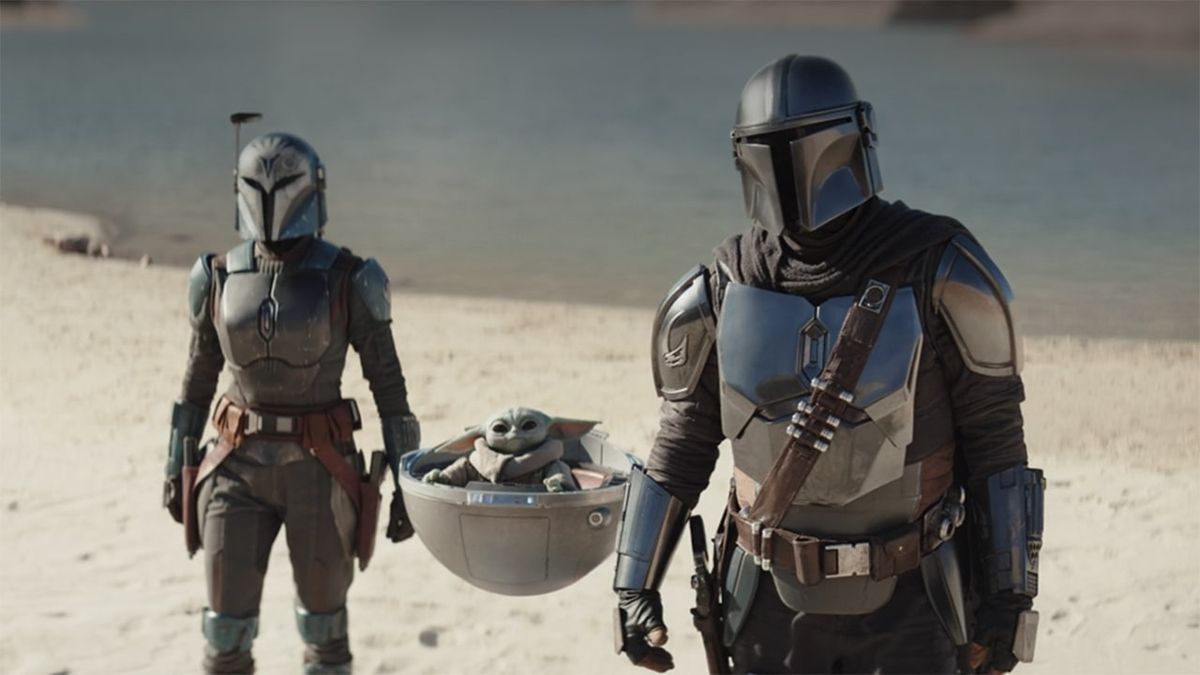
The app premiered with The Mandalorian, the hit TV show set in the Star Wars universe about a Clint Eastwoodish, intergalactic bounty hunter and his infant alien ward. The Mandalorian became a huge hit and actually helped keep the Star Wars brand alive. Actually, for a couple of years it was the only Star Wars-related property for fans to watch. Obviously, Disney had to put out more Star Wars content and last year more Star Wars-related TV shows streamed on Disney +, which included The Book of Boba Fett, Obi-Wan Kenobi, Andor, and now Ahoska. While some of the TV shows were well received and even earned Emmy nominations, the Boba Fett show was a huge misfire with its unfocused scripts. Unfortunately, these same problems bled into the third season of The Mandalorian, and Ahsoka is receiving criticisms, as well. It is clear with The Mandalorian, The Book of Boba Fett and Ahsoka that Disney wants to create a more integrated universe with a part of Star Wars history: the period of time after the fall of the Galactic Empire. Reportedly the goal is to have the TV shows lead to a film that ties all the elements together. While it is ambitious and echoes what happened with the MCU, there are problems in that the Star Wars universe is becoming too convoluted. Viewers are forced to watch other shows and even animated programs like Star Wars: Rebels to fully understand what is going on with many of the Star Wars TV shows. With interest in the Star Wars brand waning, this development could not have happened at a worst time.

The problem with the scripts for some of the Star Wars TV shows also plagued the MCU TV shows. What was worse was that the production values for many MCU TV shows was shockingly poor. The MCU, like Star Wars, got off to a promising start on Disney + with TV shows like WandaVision and The Falcon and the Winter Soldier. But the quality of the MCU TV shows soon began to falter and it became more and more obvious that budget limitations were impacting the shows. For example, with the time travel TV show Loki, even though it was well acted and written, it seemed as if there was a lot of talking instead of showing. Instead of time traveling to pivotal events in the MCU, the main characters traveled to mundane time periods.

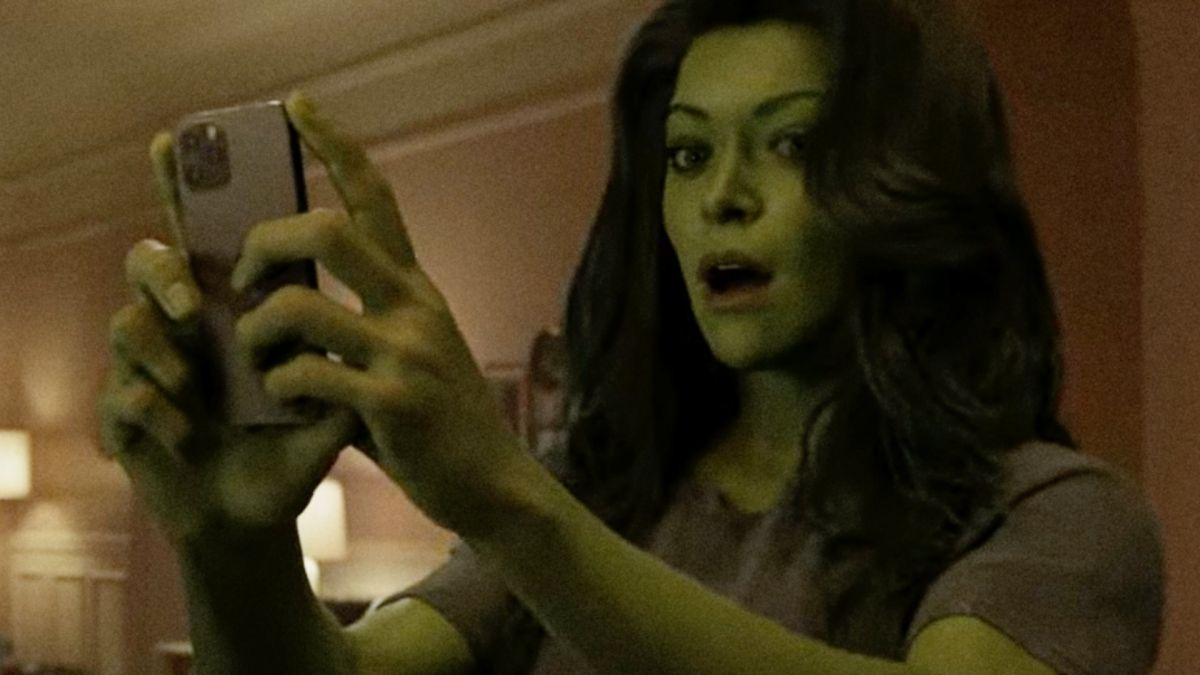
The problem with limited budgets affected some of the effects work on later TV shows. This was best seen with Ms. Marvel, She-Hulk: Attorney at Law and Secret Invasion. With She-Hulk, the limited special effects was fatal for the show because its poor, unfinished special effects left She-Hulk looking like a SIM character. The same budget limitations has severely affected Secret Invasion, which has a lot of talking scenes about world events with limited action scenes. What is even more unbelievable is that the budget for the TV show was about $200 million. Where did that money go? The budget for Secrect Invasion is not the main reason for its poor execution, it is actually due to the scripts which make the show feel small scale. This also went on with many other MCU TV shows that should have had great payoffs. This even happened with WandaVision. For the most part that show was terrific with clever scripts and acting. But the payoff at the final episode felt like a letdown with the scope of the confrontations between characters.

Disney CEO Bob Iger recently said that the market was oversaturated with Star Wars and Marvel TV shows and films, and he is correct. There was a lot of pressure for the Disney + app to have new and original content, which meant that there had to be a lot of content about two of its most popular IPs. Unfortunately, the demand stretched the capability to keep up the quality of the products in order to meet scheduling deadlines. The result was that many fans were disappointed with the finished TV shows as the brands became diluted. To correct this, the brands need to pull back and Disney is doing this as per Iger’s orders. They are giving their properties the time needed to produce quality over quantity. However, there will be more inferior TV shows until the better-produced TV shows come out.

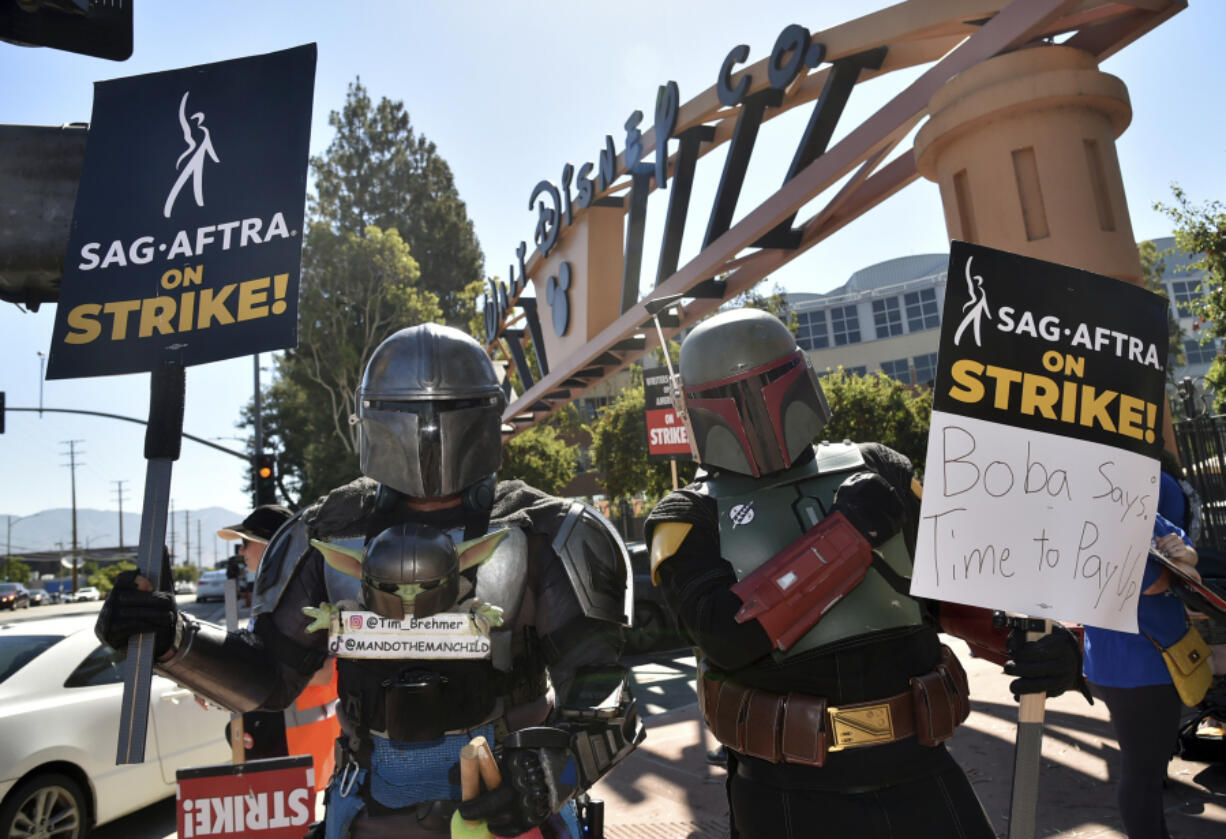
Disney and other studios are facing a new problem with their inability to provide new content thanks to the crippling writer and acting strikes which have shut down productions for film and TV studios. As content dries up and films and TV shows get delayed again or canceled, there will be increased demand. Will the studios make the same mistakes they did earlier this decade and force creators to pump out products before they are ready? Probably, so it is up to the studios to learn from their missteps regarding their streaming platforms.

Blue Beetle Is A Charmingly Fun Intro To The New DCU

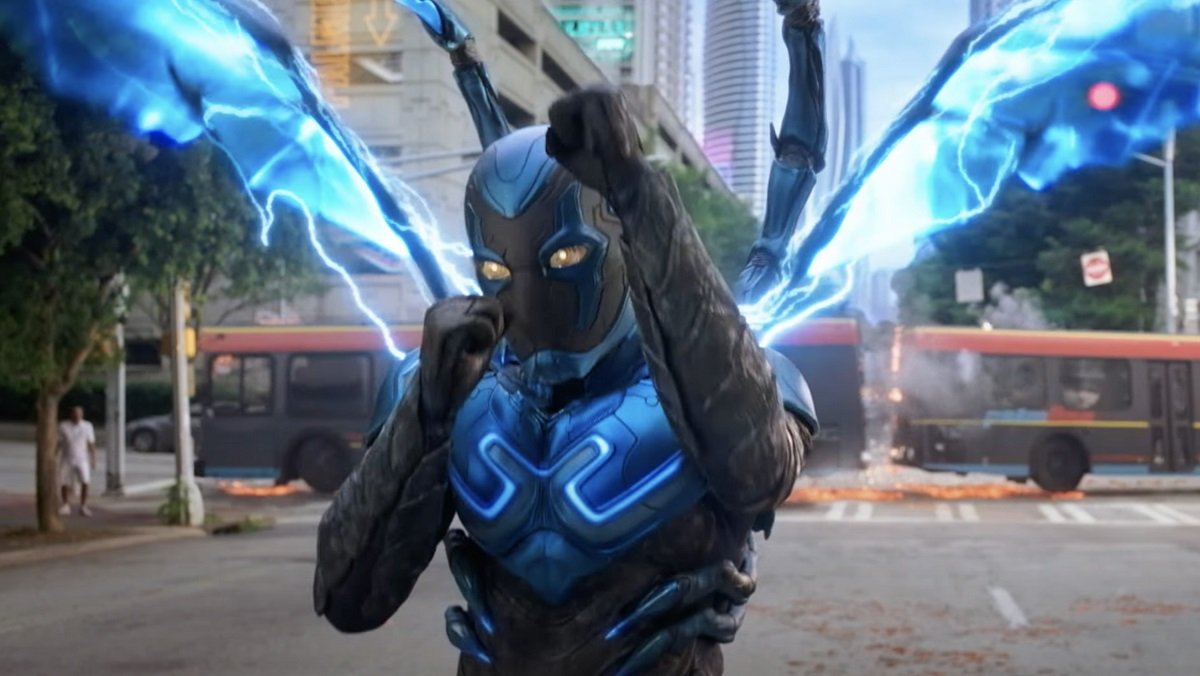
Blue Beetle, the latest live-action film based on a DC Comics superhero, is a fun and charming adventure that could not have come at a better time for DC films.

The track record for DC films has been troubled for several years now. Most of them have not been well received by fans or critics and performed poorly in the box office. Sadly, Blue Beetle will not rake in the big bucks while it’s in theaters (it was just released yesterday in late August, a dumping ground for films). But whether or not it flops, it does signal a return to form for DC films not centered on Batman.

Blue Beetle stars Xolo Maridueña as Jaime Reyes, a recent college graduate who returns to his lower-class home in the hope of finding a good job to help his family. He goes to Kord Industries in Palmera City to meet with Jenny Kord (Bruna Marquezine) for a job opportunity and gets involved in corporate espionage. Jenny steals a strange object shaped like a blue scarab from her company and entrusts it to Jaime.  She does this because she does not trust her aunt, Victoria Kord (Susan Sarandon), the CEO of Kord Industries, because Victoria is focused on trying to create exo-skeletal armored suits called O.M.A.C.s (One Man Army Corps) by using the scarab.

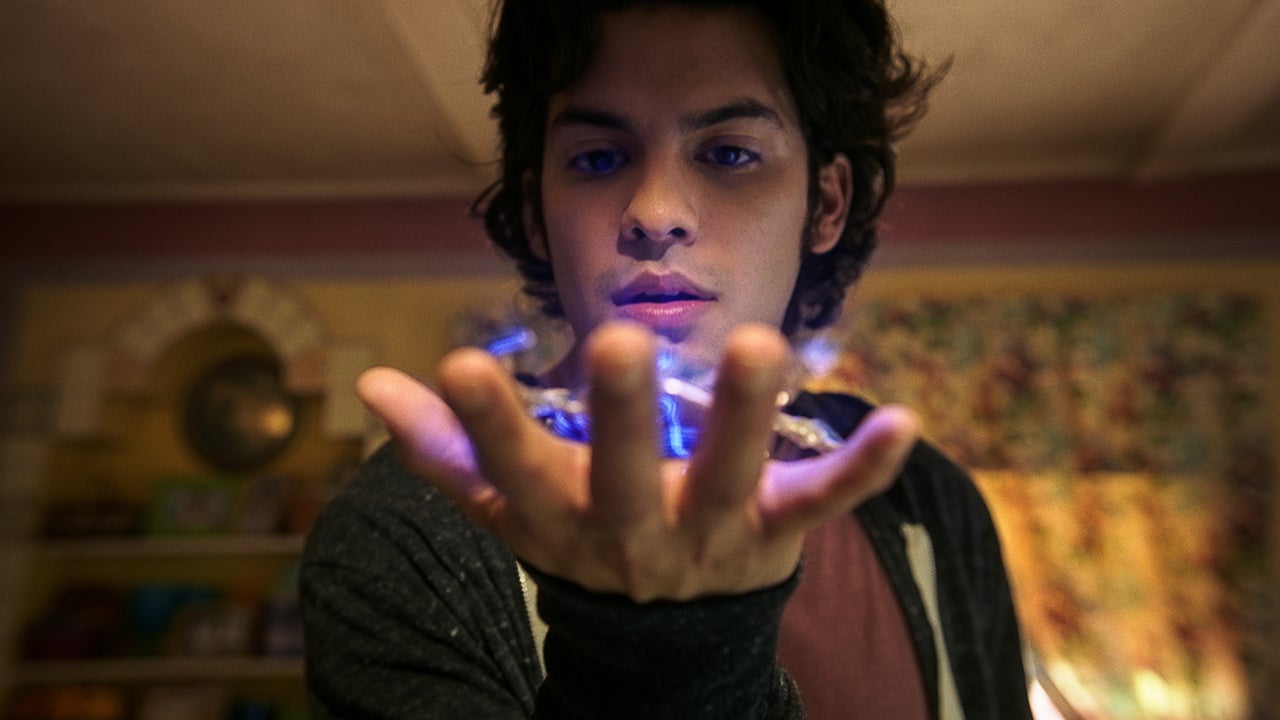
After Jaime brings the scarab home, it activates itself and attaches to Jaime’s spinal cord. The scarab then forms a blue exo-skeletal armor around Jaime complete with futuristic nano weaponry. It’s revealed that the scarab is extra-terrestrial, sentient, and forming a symbiotic relationship with Jaime as its reluctant host.

Before long, Victoria learns that Jaime has the scarab and sends her forces led by her bodyguard Carapax (Raoul Max Trujillo) in his own O.M.A.C. suit to find Jaime and obtain the scarab at any cost. This not only endangers Jaime but his family and Jenny, as well, and it is up to them to confront Victoria and her forces.

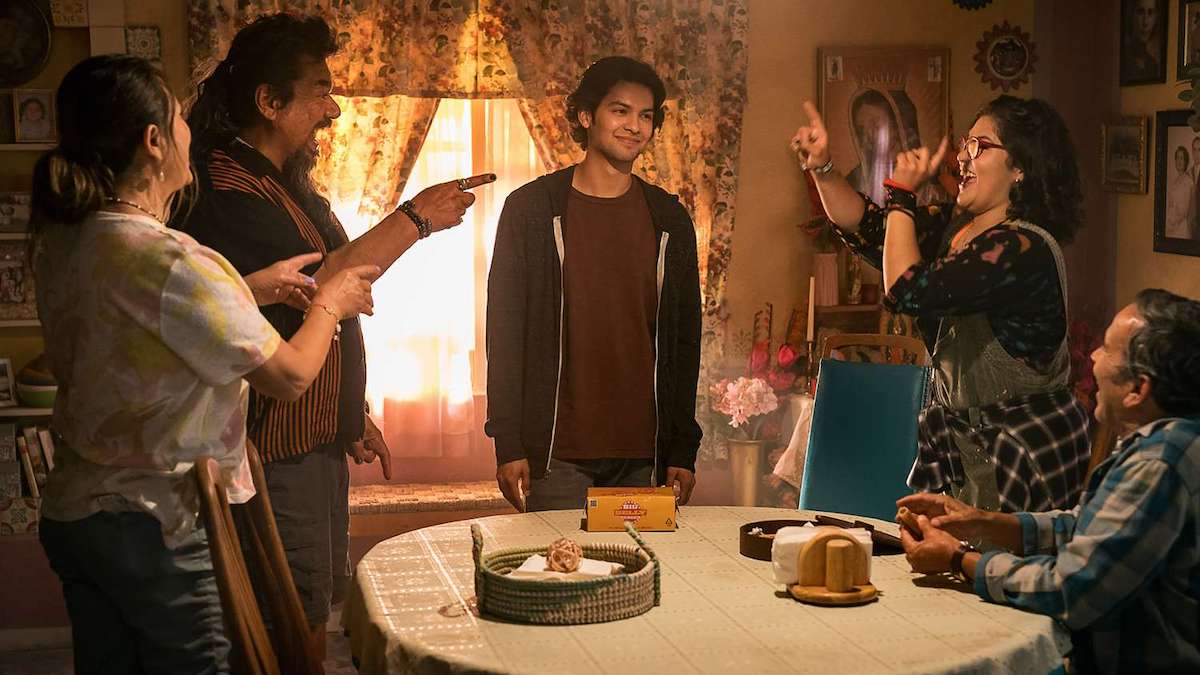
On paper, Blue Beetle sounds like your typical superhero origin film and to an extent that is true. Much of what is seen in Blue Beetle we have seen before in other films like Iron Man, Venom, Black Panther, and so on. But it stands out in many ways. It is largely centered on Jaime’s Latino family and their interactions are one of the best parts of the film. Thanks to the performances of the actors like George Lopez, Adriana Barraza, and Belissa Escobedo the family dynamic is humorous and endearing. It is clear that they are a close-knit family who care about each other and will go through any length to support each other. Also being that the main character is Latino and his culture is represented in the film, it actually helps the film stand out from other superhero films.

What also makes Blue Beetle so winning is the charming performance by Xolo Maridueña who perfectly pulls off the reluctant young hero who only wants to do what is right. He is the core of the film and his journey was quite engaging as he learns to embrace his new role as a superhero. The film itself has some terrific action scenes and moves briskly. What is even more amazing is that the film’s budget is around $100 million and its special effects are more impressive than some of the recent superhero films that boasted larger budgets. Its director Angel Manuel Soto should be commended for delivering an enjoyable and fun superhero film.

Of course, the familiar superhero tropes are a drawback to the film. They include the theme of the hard-luck everyman type who reluctantly has to deal with the life-changing aspect of becoming a superhero. This aspect also comes complete with pep talks by trusted family figures that help him on his emotional journey. Another gripe is that the villains, especially Sarandon’s Victoria Kord, are one dimensional, although Carapax has an interesting revelation at the end. As much fun as Blue Beetle was, it was very goofy and silly at times, especially with the scenes where his grandmother starts blasting away goons with a futuristic Gatling gun. Still, Blue Beetle on the whole is a fun viewing experience that exceeds expectations.

Thankfully, James Gunn, the head honcho of the DC films has already announced that Maridueña and his character will be part of the new DC Universe (DCU) films that will replace the troubled DC Extended Universe (DCEU) films. Blue Beetle was made while the DCEU was still in existence but it barely acknowledges that it is part of any film universe aside from a couple of throwaway lines to a handful of DC superheroes. This was a wise move since it is not clear which universe Blue Beetle takes place in. It could be part of another universe altogether like The Batman is for all we know. But even if the film does not make a lot of money, the characters in this film deserve to return and be part of the DCU. While Gunn keeps claiming that the upcoming Superman: Legacy will be the official start of the DCU, given how winning and charming Blue Beetle is, it should be given that honor instead.

José Soto

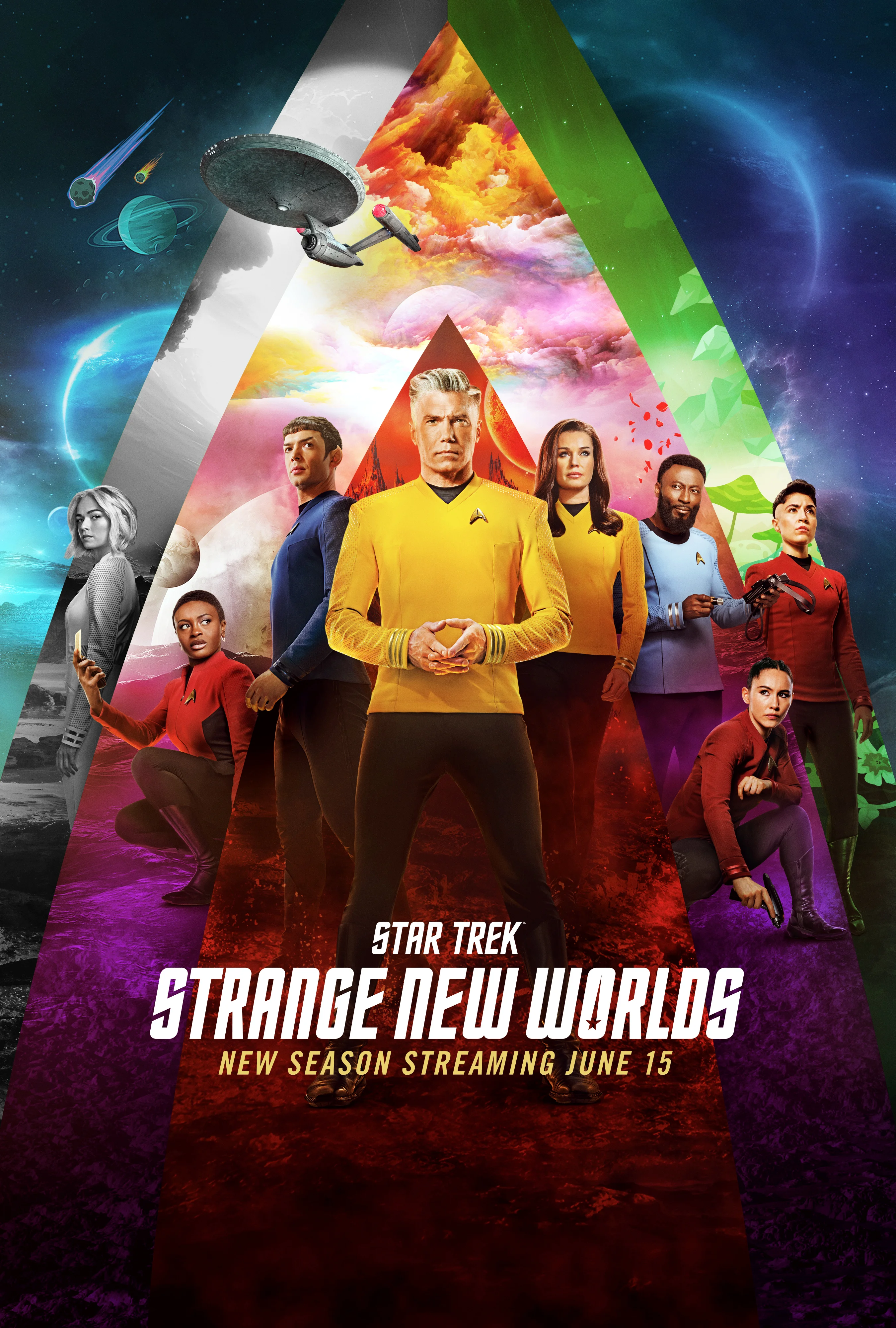
Star Trek: Strange New Worlds Has A Soaring Second Season

Yes, yes, those who have seen the second season finale of Star Trek: Strange New Worlds must be going insane and for good reason. The episode “Hegemony” ends in a cliffhanger! What’s worse is the fact that the production of the third season of the TV show has come to a complete halt because of the ongoing writers and actors strike. So it’s anyone’s guess as to when we’ll get to see the conclusion of the second season finale. However, “Hegemony” is the final proof that the second season of Star Trek: Strange New Worlds has been a soaring triumph.

It was critical for Star Trek: Strange New Worlds to have a successful second season to keep up the praise it received with its inaugural season and to measure up with the triumphant final season of Star Trek: Picard. After all, Star Trek: Strange New Worlds streamed mere weeks after Star Trek: Picard concluded and it had to at least be competent unlike Star Trek: Discovery. Thankfully, the second season was able to pull it off and deliver exceptionally well executed standalone episodes. Not every episode was a homerun but they were fantastic, and even pushed the creative envelope. The two episodes that best exemplify this were “Subspace Rhapsody” and “Those Old Scientists”.

“Subspace Rhapsody” had the audacity to be a musical and it was actually entertaining and provided interesting character insights, such as Uhura’s (Celia Rose) loneliness, La’an’s (Christina Chong) willingness to face her emotions, and Spock (Ethan Peck) and Christine Chapel’s (Jess Bush) doomed relationship.

Meanwhile, “Those Old Scientists” demonstrated that unlike the uneven comedic attempts in the first season, Star Trek: Strange New Worlds was able to deliver very humorous episodes. At the same time, the episode was a truly great crossover with the animated Star Trek: Lower Decks as Brad Boimler (Jack Quaid) and Mariner Beckett (Tawny Newsome) made their live-action debuts. They also served as representatives of fans by the way they kept gushing over the OG Star Trek characters.

The best episodes in the season however, were “Under the Cloak of War”, “Tomorrow and Tomorrow and Tomorrow” and the previously mentioned “Hegemony”. The episodes were your more traditional Star Trek yarns, but they were exceptional.

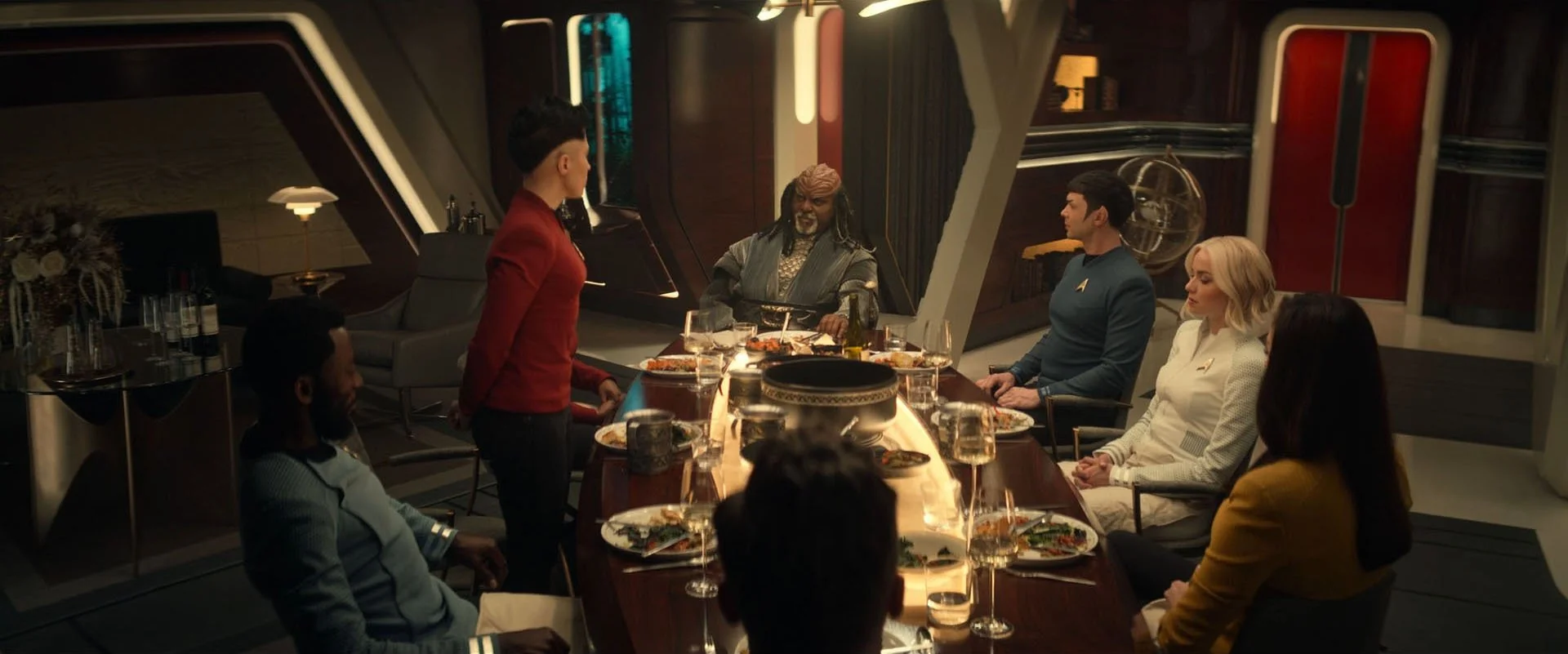
“Under the Cloak of War” offered a sobering look at the impact the Klingon War had with Dr. M’Benga (Babs Olusanmokun) and Christine Chapel as they had to interact with a notorious Klingon general (Robert Wisdom) who defected to the Federation. While the two dealt with their emotions in the present day, intense flashbacks of their time during the Klingon War were vivid and evoked Star Trek: Deep Space Nine’s Dominion episodes.

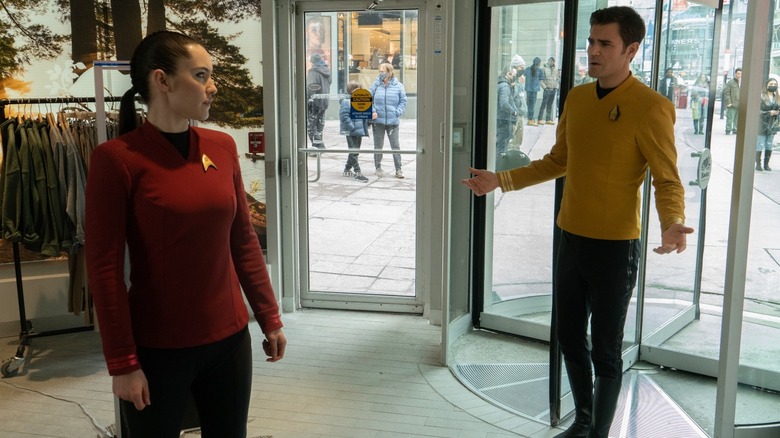
“Tomorrow and Tomorrow and Tomorrow” was an above average Star Trek time travel episode as La’an, along with an alternate version of James T. Kirk (Paul Wesley), wind up in Toronto during the mid-21st century. What made the episode stand out was the chemistry between the two and La’an’s dilemma as she faced her ancestral history (she is a descendant of the infamous Khan Noonien Singh).

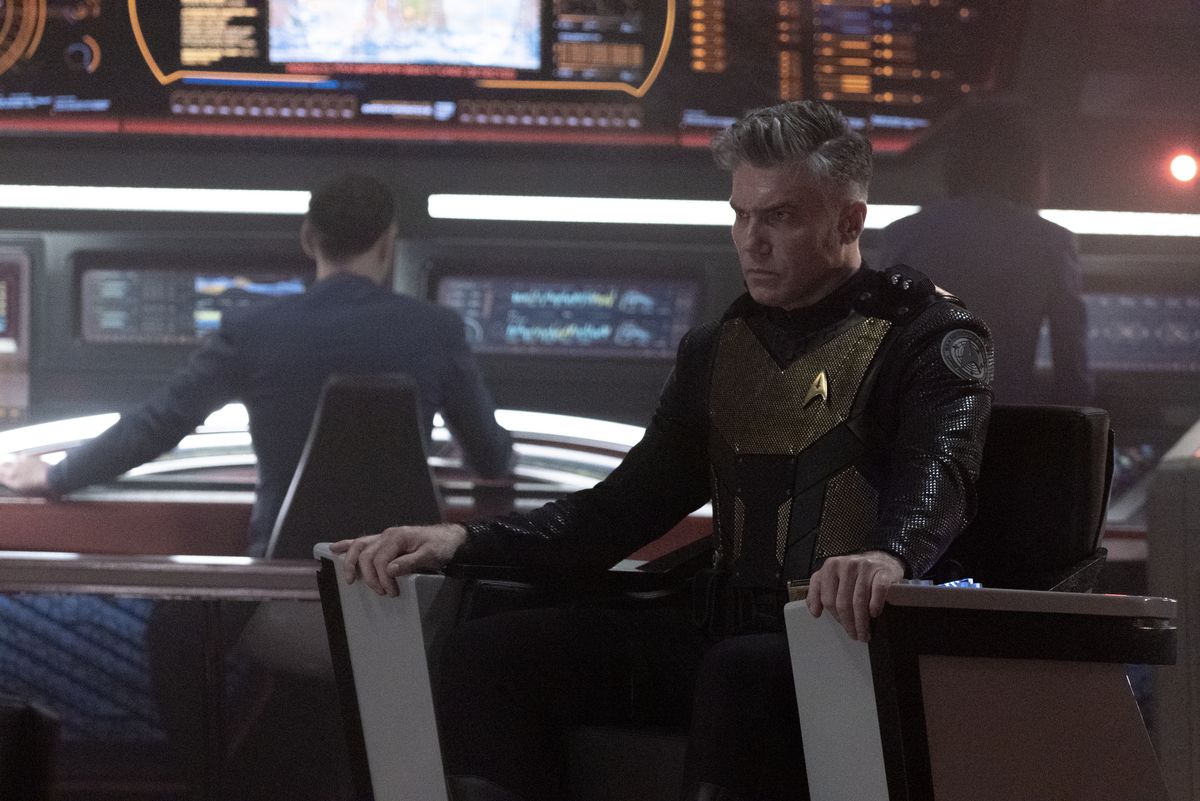
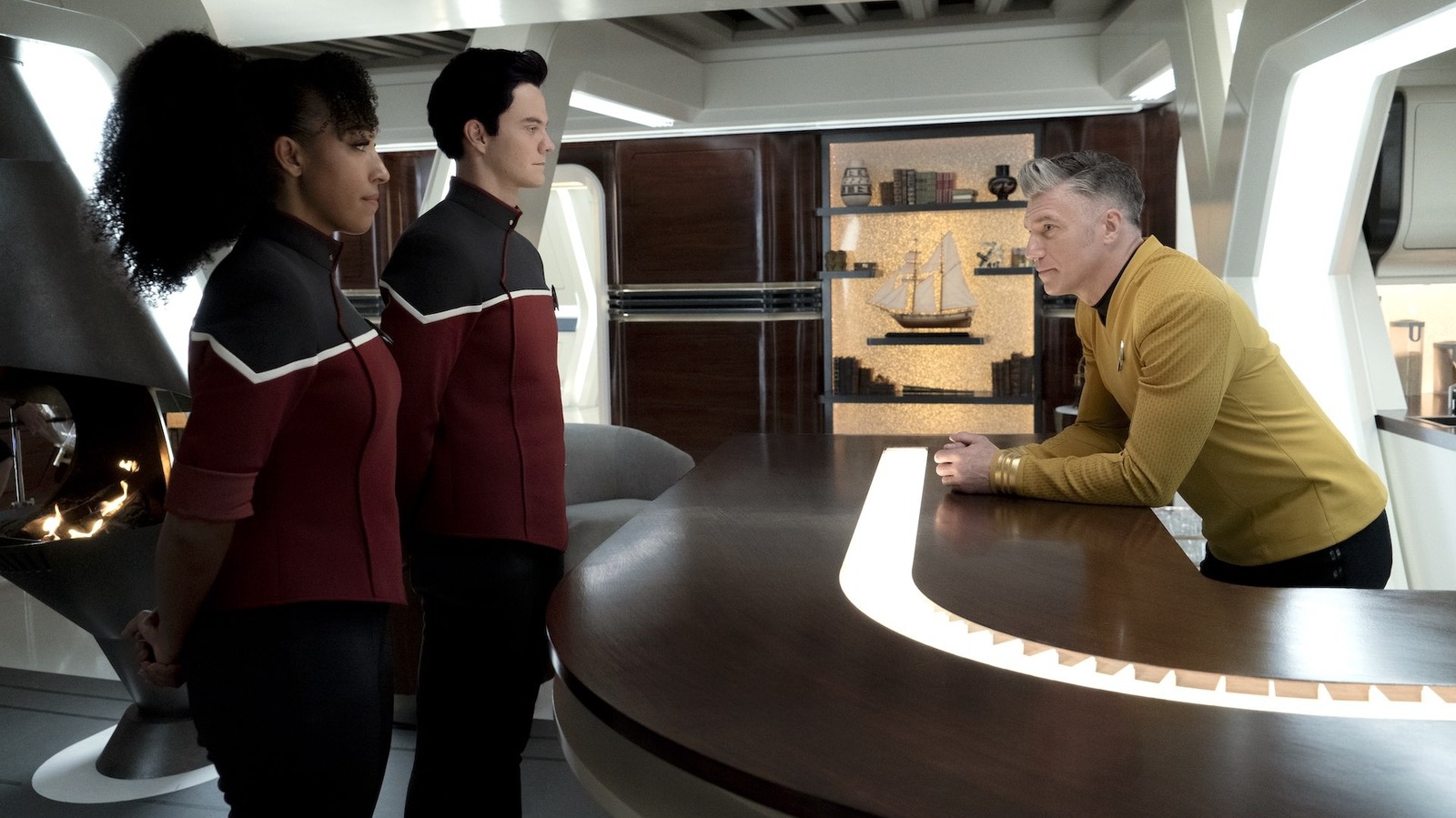
 “Hegemony” brought back the Gorn, the reptilian enemy race of the the Federation, and they were as deadly and frightening as ever. Captain Christopher Pike (Anson Mount) had to find a way to evacuate colonists off a world that has been claimed by the Gorn. The mood of the episode was chilling and foreboding as it had elements of Alien, and as a bonus we get to meet the new version of the future miracle worker, Montgomery Scott (Martin Quinn). The actor perfectly captured the essence of Scotty without seeming like a parody.  But as mentioned at the start of this review, the episode ends on a cliffhanger. Nuts! Come on you mega-rich studio execs, find a way to properly compensate the writers and actors who are the backbone of your products!

Continue reading

A Disappointing Secret Invasion

The six-part Secret Invasion TV series on Disney + streamed its final episode last night and unfortunately it was as mid as the rest of the series. To go into why it was so mediocre and par for the course with the recent TV shows set in the Marvel Cinematic Universe (MCU) there will be major spoilers from this point on.

Secret Invasion had a lot to admire, notably Samuel L. Jackson as former S.H.I.E.L.D. director Nick Fury, Olivia Colman as British secret agent Sonya Falsworth, and some terrific dialouge. There was one riveting moment where Fury explained, using his childhood memories in the segragated south, why humanity would never accept alien beings living on Earth. But the overall feeling of the series feels underwhelming and done on the cheap, which is surprising given that it supposedly had a large budget.

Like every comic-book adaptation, Secret Invasion was very loosely based on the Marvel Comics mini-series of the same name in that it only adapted the basic premise that alien shape shifters called Skrulls infiltrated Earth’s human populace. Unlike the comic books there weren’t any Skrulls impersonating superheroes except for Col. James “Rhodey” Rhodes aka War Machine (Don Cheadle). There aren’t any epic battles between superheroes and their alien counterparts, and there is a lack of paranoia about who was a Skrull like in the comic books where readers were shocked that several superheroes were impersonated by Skrulls for years.

Yes, there was Rhodey, but that was it, and by the way he acted at the start of the series it was fairly obvious that he was a Skrull. There were a few other revelations but they lacked any dramatic punch because most of these people never appeared before in the MCU. The TV series was just begging for appearances from many established characters, yet that never happened. Sure, it was unrealistic to expect Chris Hemsworth or Paul Rudd to show up, but the MCU has so many distinctive minor characters that could have appeared to play into the paranoia by revelations that they were Skrulls. What is it, they ran out of money to pay these actors? Did the showrunners seriously expected viewers to be shocked when it was revealed that the prime minister of the United Kingdom was a Skrull? Big deal! This faux prime minister did not even do anything!

The storyline followed Nick Fury as he learned that a million Skrulls are living as refugees on Earth disguised as humans. One of them, Gravik (KIngsley Ben-Adir) was a former spy who worked with Fury and is now a terrorist intent on turning Earth into a new homeworld for his race. To do this, Gravik planned to start World War III by using his clandestine Skrull army to instigate a conflict between the United States and Russia. With limited resources, except the help of his Skrull friend Talos (Ben Mendelsohn). Fury has to muster all his connections and skills to stop Gravik and his followers.

What could have been an intense and paranoid political thriller came off as underwhelming aside from a few bright moments throughout the show. Many elements of the storyline do not make sense. For instance, Skrulls were immune to radiation, which is why Gravik wanted to start a third world war. He reasoned that when humanity was wiped out by the fallout radiation the remaining Skrulls would inherit the Earth. But did he stop to consider that Skrulls would be just as vulnerable to the shockwaves and firestorms from the nuclear explosions? What about the biosphere of Earth, could the Skrulls survive on a poisoned planet with no food available and destroyed infrastructures?

Then there were the attempts to assasinate the president of the United States (Dermot Mulroney). There was a sequence in the fifth episode where the president’s motorcade in England was attacked by Gravik’s forces. It was exciting, but it was nagging to see how lightly protected the motorcade was or how it was put into a vulnerable position in the first place. Some lines of dialogue that the Secret Service was severely compromised would have helped here. The poor lines of defense are even more noticeable in scenes were the president was in a British hospital with very few people around him. He should have had an army surrounding him after the motorcade attack and most likely the Secret Service would have whisked him off to Air Force One. Instead we are expected to believe that Fury was able to slink into the hospital without any serious opposition.

There were these cheap dramatic moments of Fury facing off with the Rhodey Skrull. Every time the Skrull would get the upper hand because he was disguised as Rhodey. So why didn’t Fury do what Falsworth did in other scenes when dealing with Skrulls and just shoot him? She showed that injuring a Skrull would have revealed that their blood was a different color and boom, the fake Rhodey would have been exposed.

Continue reading