Toy Story: The Animated Masterpiece That Changed Animated Films

Thirty years ago, Toy Story was released in theaters by Pixar, which at that time was its own independent company owned by Steve Jobs. The animated masterpiece instantly caught everyone’s attention with its revolutionary 3D animation that changed animated films forever.

3D or computer animation existed before Toy Story, of course, but the film about toys that come to life whenever their owners are not around, was the first feature-length film to exclusively use this kind of animation. The use of computers in animated films had been going on for years since the 1980s and 1990s. Disney used computers on a wider scale with its traditional animated classics like Aladdin and Beauty and the Beast, but those films were still two-dimensional and by the mid-90s that kind of animation had reached its peak in what could be done with it as an art form. The world of animation was ripe for new approaches.
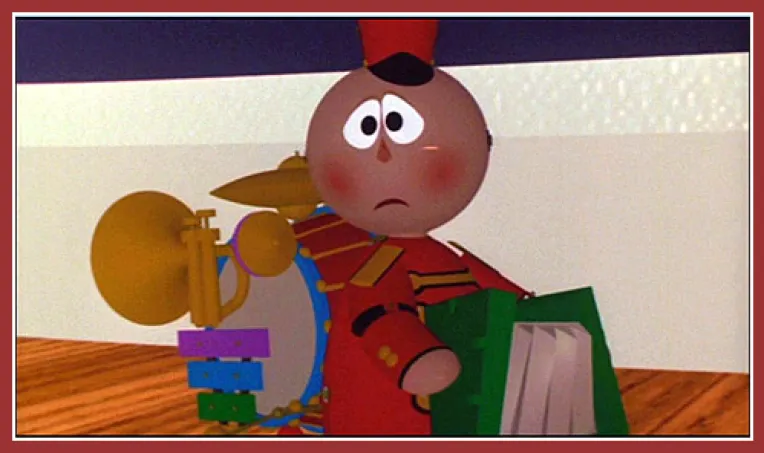
Enter John Lasseter, the creative genius behind Pixar. Working with a team of innovative artists and computer technicians, Lasseter experimented with 3D animated film shorts that caught the eyes of many film studios, especially Disney. Some of the films like Tin Toy, Knick Knack and Luxo, Jr. stood out with the pioneering use of 3D animation. In fact, Tin Toy won the Academy Award for Best Animated Short Film, the first 3D-animated film to do so. As Pixar created and released these shorts, they prepared themselves to produce a full-length animated film, which turned out to be Toy Story. At this time, Disney was eager to work with Lasseter and proposed that he create a feature-length film that Disney would distribute, to which Pixar agreed.

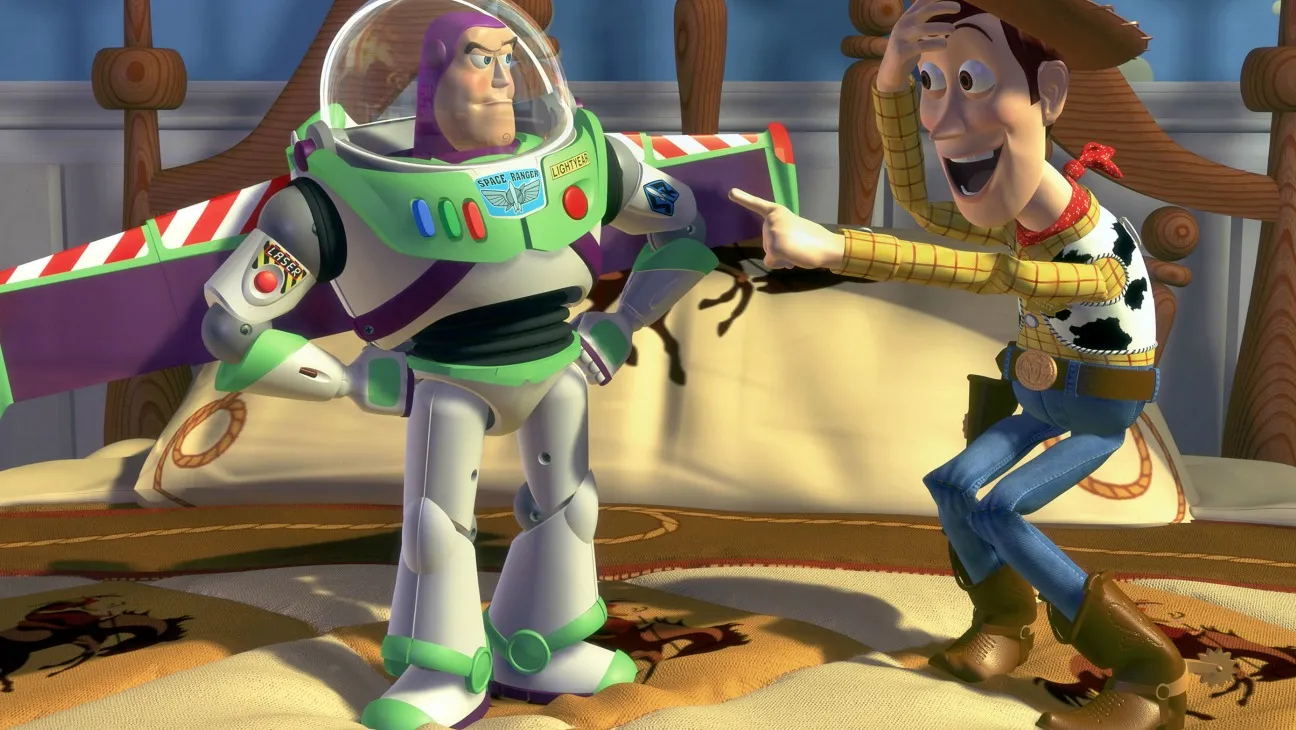
At first, Pixar’s first animated film was supposed to be a sequel to Tin Toy and would have featured the title character and his dummy companiion trying to find their way into the hands of children. But Disney was not happy with the script and after much retooling, the Tin Toy characters were replaced with the original creations Woody the cowboy doll and Buzz Lightyear the high-tech electronic doll. They had clashing personalities which generated genuine laughs, but had to work together to find their way to their child owner.
Turning Toy Story into an animated buddy film with two completely different characters sparring with each other then becoming great friends was an inspired decision. This development injected a lot of heart and humor into the script and gave the two lead characters distinct personalities that most viewers could relate to. For instance, Woody was the leader of the toys owned by the child, Andy. His status is threatened with the arrival of Buzz Lightyear, the new hot toy on the block that quickly becomes Andy’s favorite toy. Woody is jealous and resentful towards Buzz as he lost his status and his actions cause both he and Buzz to be lost and the two have to find a way back to Andy’s home. What also helped tremendously was the casting of vocal actors Tom Hanks and Tim Allen to play Woody and Buzz. Both actors had great vocal chemistry with each other and comedic timing that rivaled many classic comedy duos.

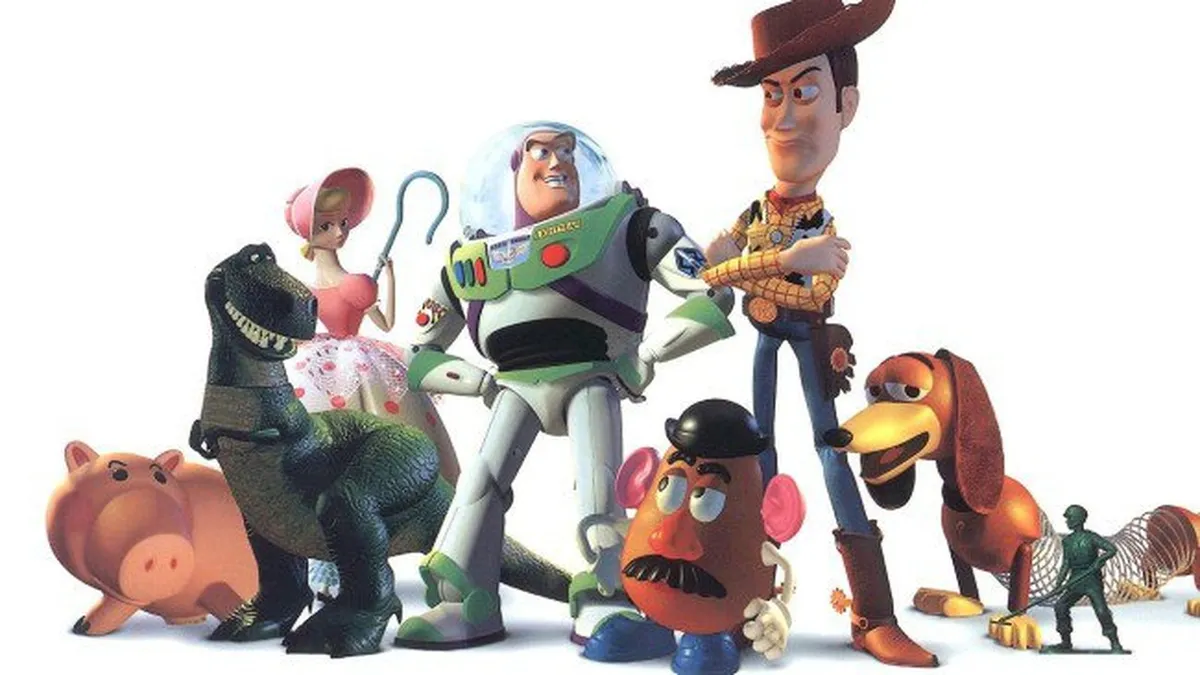
The film featured many other memorable characters voiced by great actors that embedded the toys with a lot of personalities. Take for instance the legendary comedian Don Rickles who played Mr. Potato Head or R. Lee Ermey as Sargeant, the no-nonsense military leader of the tiny green plastic army men. Seeing many classic and real-world toys appearing in the film was a hysterical and brought back many memories for adults and joy to children. A large part of the film’s appeal was that both adults and children could equally enjoy it, and this became one of Pixar’s strongest selling points with their future films.
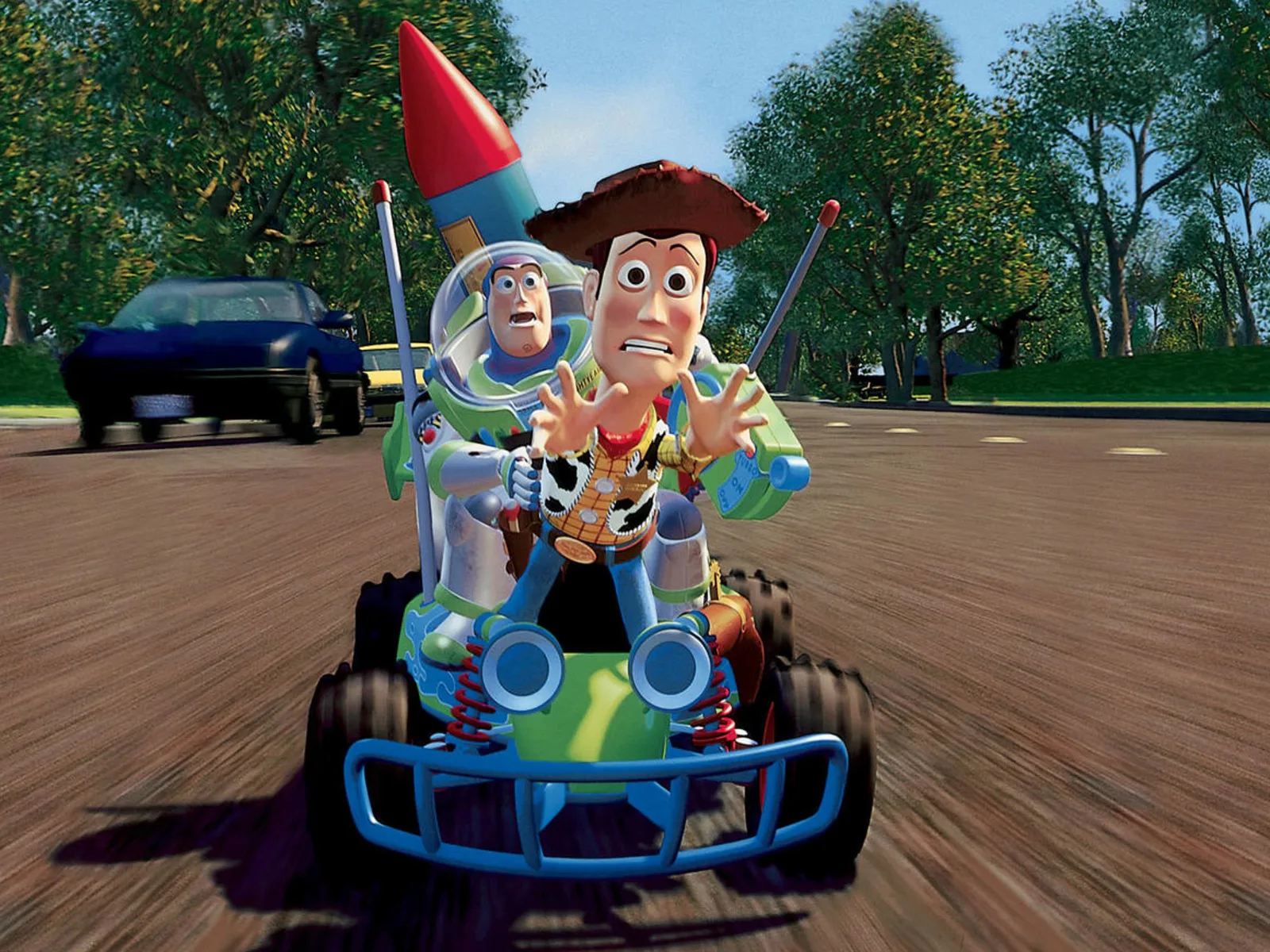
Toy Story was an instant hit and a bonafide classic when it was released in theaters on November 22, 1995 as it caught the imagination of viewers. While the computer animation was a distinct selling point, what made the film so beloved was its script, direction and characters who are still relevant to this day. There is even a Toy Story 5 that will be released next year. That is fortunate because while the 3D animation was revolutionary for its time, some of the animation does look a bit dated, especially when it came to depictions of humans.

Of course, the success of Toy Story inspired many film studios to rush out with their own computer animated films to varying degrees of success. Some like Dreamworks and Illumination produced their own classic films but few could capture the magic and whimsy of Toy Story. Still, regardless of quality, the early computer animated films crowded out traditional 2D-animated films and even Disney jumped on the bandwagon with their own 3D-animated films. But it would take Disney some time to create their own films that rivaled Pixar’s in terms of quality. Unfortunately, the success of Toy Story spelled the end of traditional 2D-animated films, at least with American films. The last traditional animated film that Disney released was The Princes and the Frog in 2009. It’s true that there are many advantages with 3D animation, but it is a mistake to completely discard two-dimensional animation. What these studios have failed to realized is that the success of Toy Story and other quality Pixar films, including the Toy Story sequels, was not solely due to its animated technique but because of the story and characters. Hopefully one day, a visionary creator at a major studio will be able to produce a quality two-dimensional animated feature length film that will be successful.
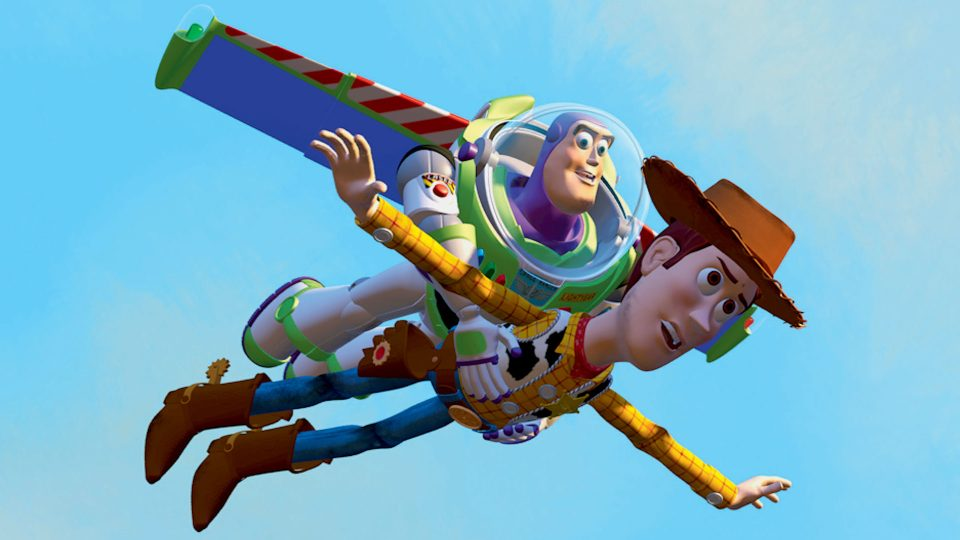
Much like Snow White and the Seven Dwarves was revolutionary in its day and changed films by introducing the concept of full-length animated films, so did Toy Story. It is not an exaggeration to say that Toy Story revolutionized animated films when it premiered 30 years ago as we are still feeling the impact of the classic film that is just as enjoyable as when it was released 30 years ago.

The Wild Robot’s Emotional Story Almost Overwhelmed My CPU

It’s no hot take that DreamWorks Animation (DreamWorks) always knocks it out of the park when it comes to adapting beloved books into unforgettable movies, and The Wild Robot is no exception. Every single decision that led to the finished product was nearly perfect and it really feels like the people behind this movie’s creation, such as director Chris Sanders (who directed Lilo & Stitch and How to Train Your Dragon), poured their whole hearts and souls into developing this film, which makes sense since this is sadly the last in-house animated film for DreamWorks. I highly recommend The Wild Robot to everyone who reads this review to go out there and see it in theaters because it deserves the love and the theater experience for this one was definitely unique. This review will be split into 4 parts.

STORY

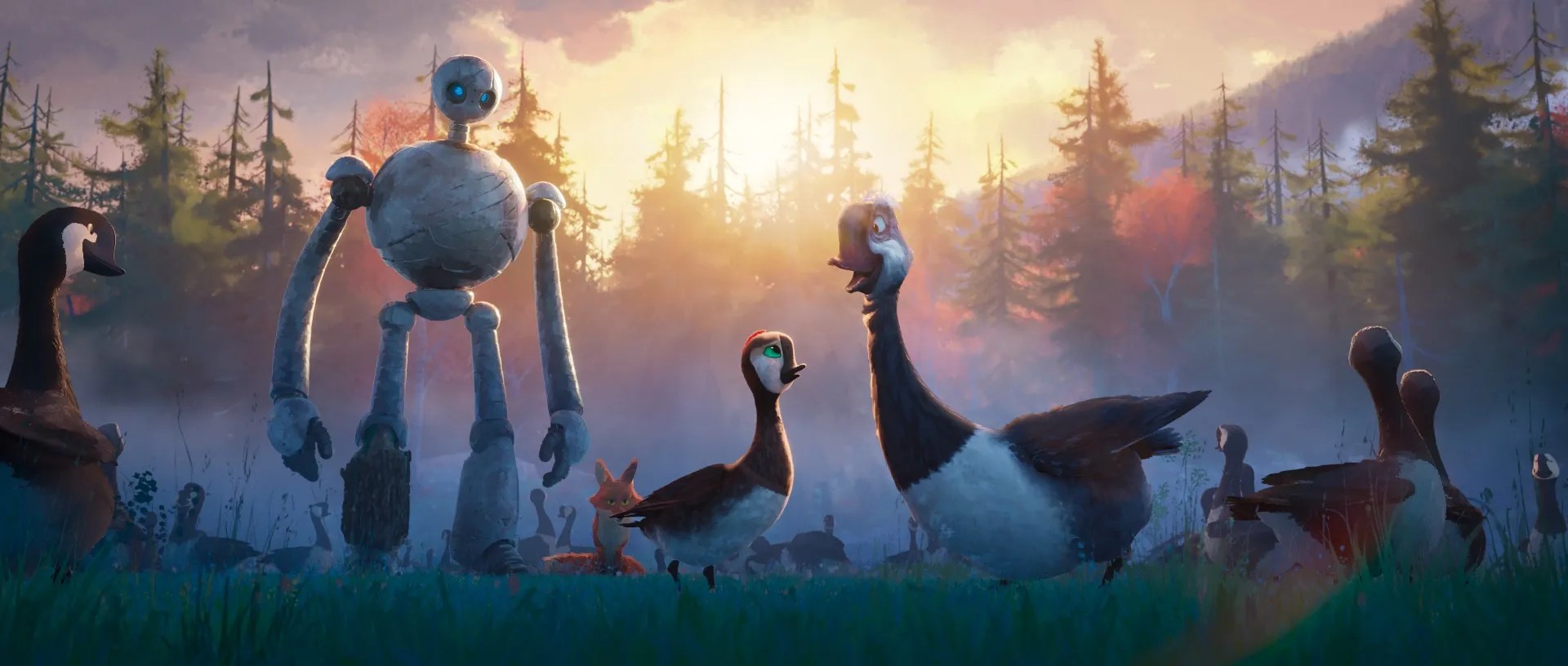
The story follows a lost robot named ROZZUM Unit 7134 (“Roz”, voiced by Lupita Nyong’o) as she finds her way around an island entirely inhabited by wild animals. She is programmed to be an aide and seeks to offer her services to the animals as part of her pre-programmed goals before she can activate a beacon to be picked up by her manufacturers. As Roz explores the island, it becomes clear that she is unable to communicate with the animals, so she spends months listening in on their conversations and is eventually able to hear and speak in their tongue.

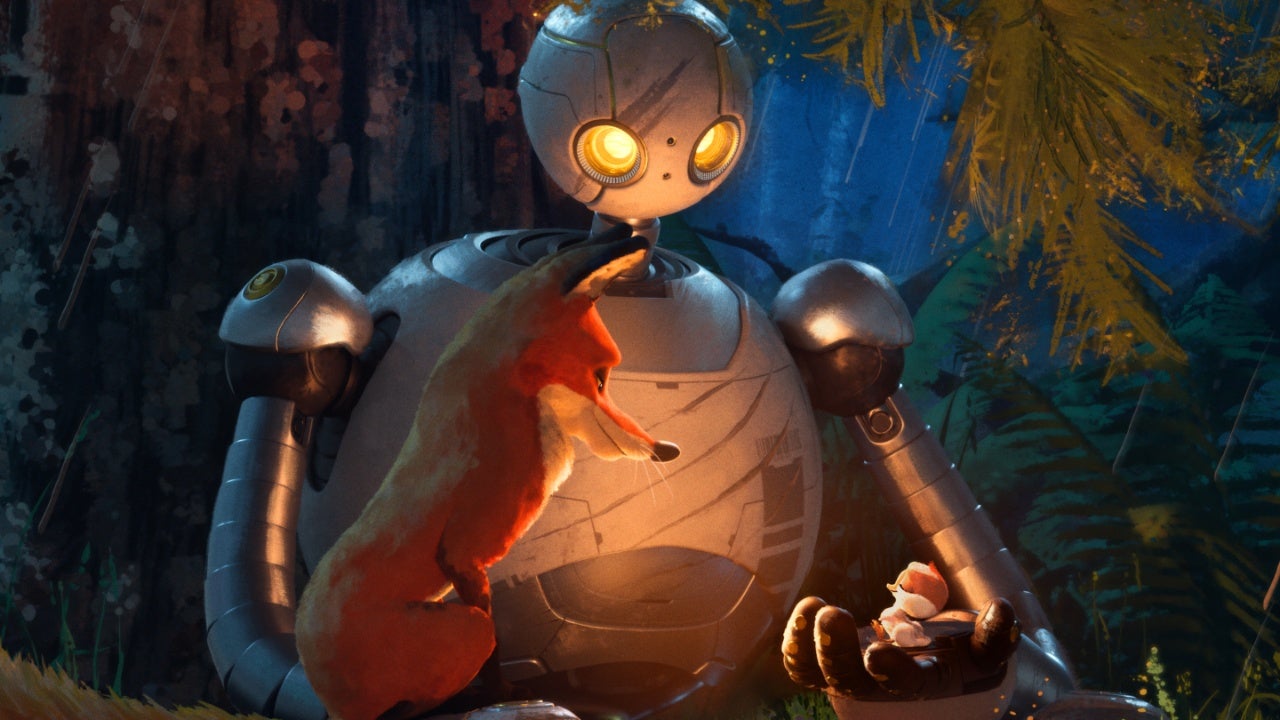
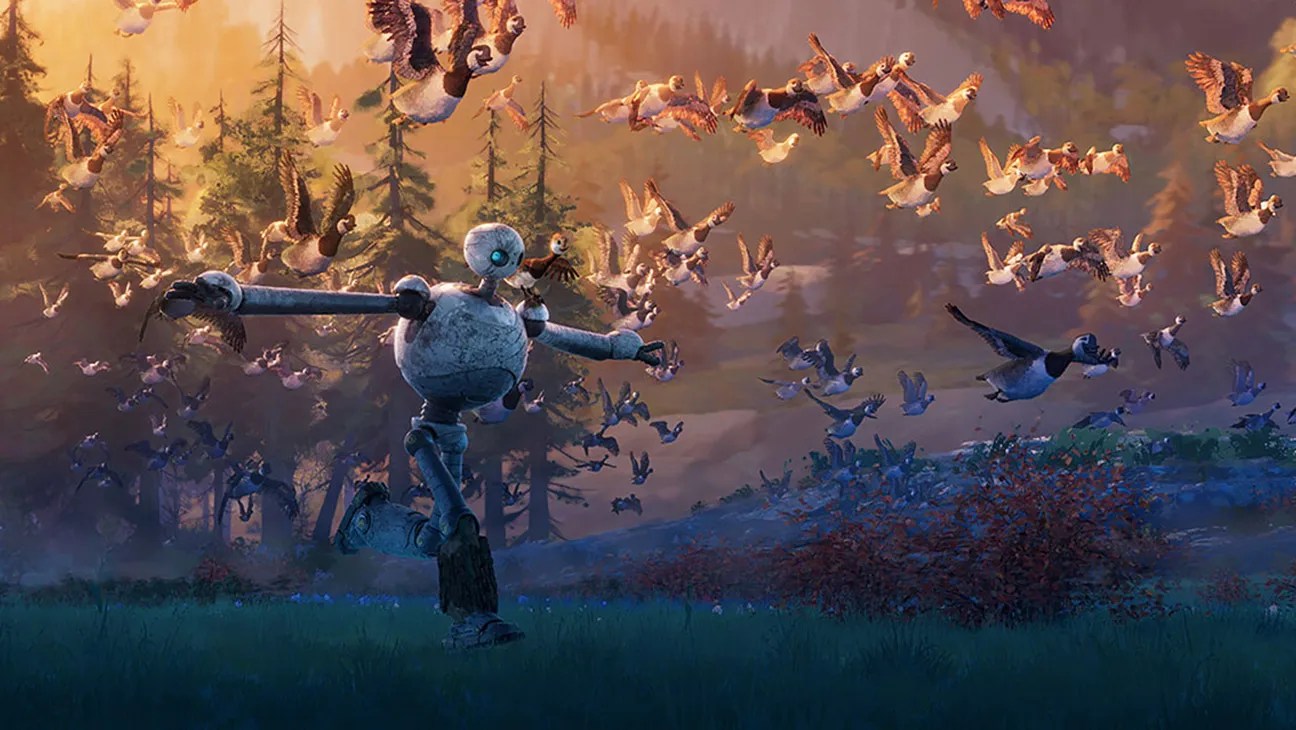
Along the way, she unofficially adopts a baby gosling named Brightbill (Kit Connor) after she accidently kills his family. Having a new purpose, Roz must help raise the gosling to be prepared for the upcoming winter season when the geese migrate off the island. During their time together, Brightbill sees Roz has his mother while Roz begins to develop genuine emotions and is conflicted with her protocol to leave the island after her task of raising Brightbill is completed.

This movie’s story is genuinely amazing and almost made me tear up 3 separate times in only the first two acts. DreamWorks did such a phenomenal job at delivering a heartfelt story that is so emotionally rich that you feel somewhat of a bond with the characters in this film. My only issue, if I absolutely had to have one, was that the pacing was very quick, like whiplash quick. But surprisingly, unlike many other films with fast pacing, this film somehow made it work and it didn’t feel too off-putting. Every plotline progressed off the previous one and every scene felt more action packed and engaging than the last.

CHARACTERS

The characters are well written in The Wild Robot. To start, Roz is a complex character and is able to feel emotions that robots shouldn’t; she is instantly one of my favorite DreamWorks protagonists. She has a heart of steel that comes from her programming where she is unable to harm other living things despite what they think of her. She is unyielding in whatever task has been assigned to her and refuses to give up even in the most impossible scenarios.

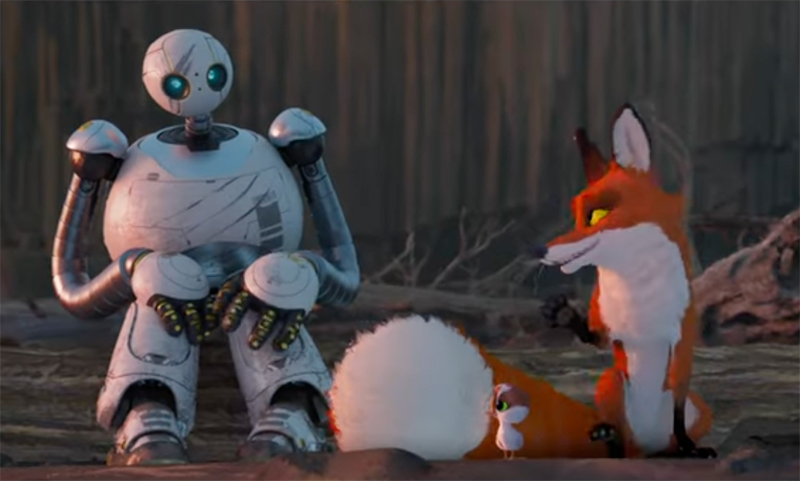
Throughout the film, Roz is accompanied by a mischievous and unpopular local fox named Fink (Pedro Pascal) who is sly and has no problem with lying but is also willing to help others who are mentally and physically vulnerable. He is also a really funny supporting character and has great chemistry with both Roz and Brightbill. As the adopted child of Roz, Brightbill is an adorable and inspiring goose that overcomes all odds against him. We get to see him grow from baby to young adult in mere moments, but it feels as if we were with the family every step of the way.

Brightbill’s journey was more difficult than it was for those around him because he is a runt and had an unusual upbringing, but he proved everyone who doubted, and even bullied him, wrong. There are many other supporting characters that played

into their roles really well, such as the stoic and tough owl, Thunderbolt (Ving Rhames), who helps teach Brightbill how to fly, the gentle and wise Longneck (Bill Nighy), the leader of the island geese who welcomes Brightbill into his flock, and a crusty but helpful beaver named Paddler (Matt Berry). These and other minor characters get their moments to shine throughout the film and add to the rich tapestry of characters throughout the film.

SOUND DESIGN

The sound design in The Wild Robot is stellar and every voice actor knocked it out of the park. To start with the soundtrack, it included very strong and epic music that complimented certain key scenes very well, adding onto the layers of immersion this film has. The two original songs featured in this film are amazing and I recommend listening to both of them (“Kiss the Sky” and “Even When I’m Not” by Marren Morris). The voice acting is phenomenal and every character’s actors were chosen perfectly.

My personal favorites were Lupita Nyong’o as Roz, Kit Connor as Brightbill, Pedro Pascal as Fink, and Bill Nighy as Longneck. The original score only amplifies the experience of watching this movie, as it makes every scene either emotional, casual, or heart-pounding.

ART AND ANIMATION

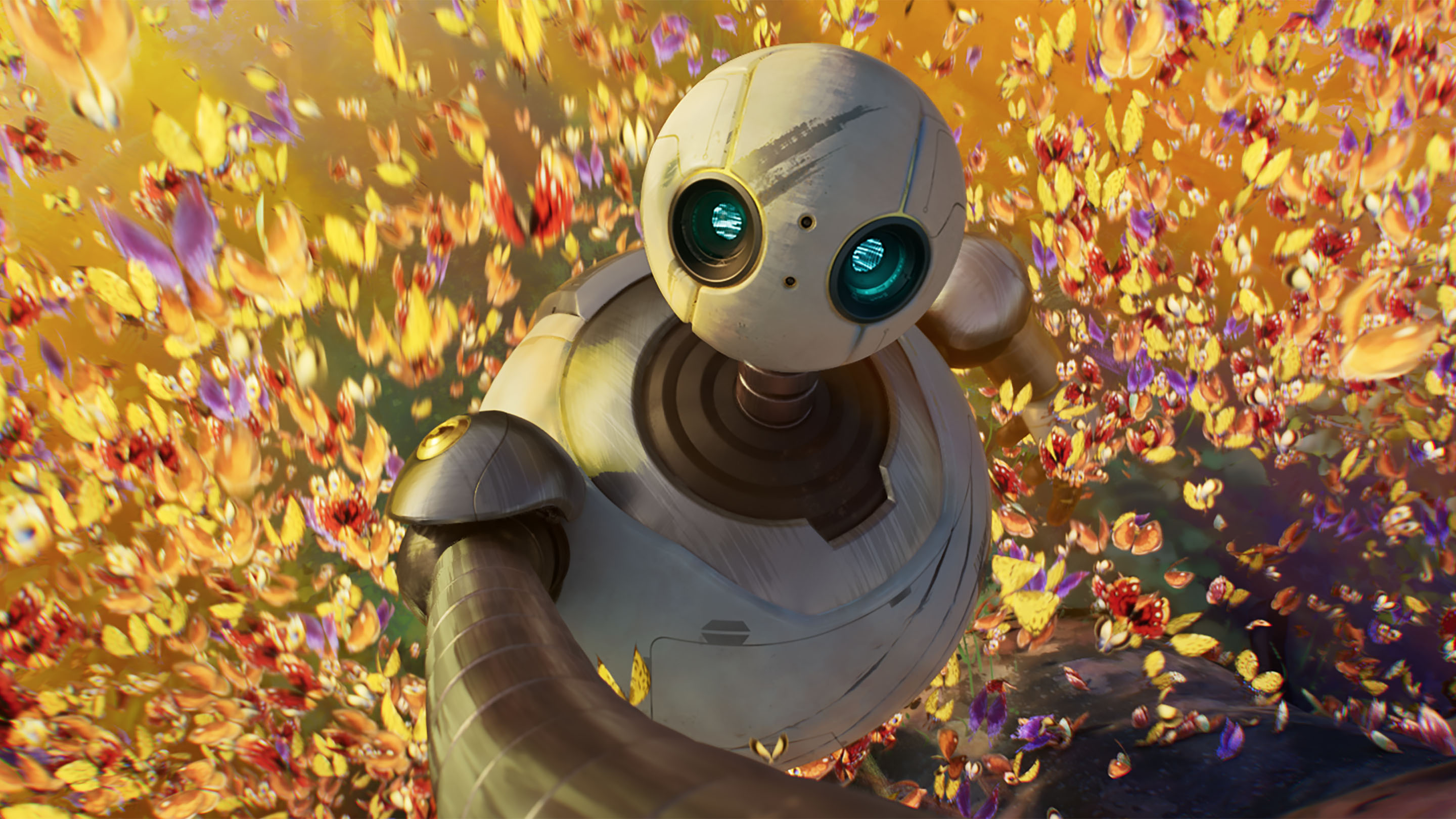
The only word to describe the art style of this movie is gorgeous; this is without a doubt one of the best-looking animated movies ever made. The art style is a mixture of natural landscapes, watercolor strokes, and the wonderous joy of storybook pages. Every character looks so high quality that I wanted to personally thank every person in charge of developing this fantastic identity. The animation is astonishingly brilliant and it’s so good that every frame of animation could by captured as a photo and used for marketing material. The people who worked so hard to animate Roz’s fluidic, yet robotic movements deserve so much praise. The backgrounds and landscaping are also beautiful; there is this one shot that involves Roz being in front of a giant moon in the background that I cannot stop thinking about because it was such an amazing shot. I am probably rambling on about the art and probably sound like a broken record, but that’s how much I genuinely love the work put into making this movie shine so visually.

CONCLUSION

The Wild Robot is an unforgettable and story-rich adventure that no one will want to miss. Its story is unique, the characters are lovable, the sound design is elite, and the animation is easily one of the best of this decade so far. This DreamWorks movie is one of its best and it is a shame that this marks the end of in-house animated movies for the company. I am usually not one to advocate for sequels, especially in an age where they get more and more mediocre, but I really would not be opposed to seeing another two movies based on the other books in the Wild Robot trilogy by author Peter Brown. Be sure to watch The Wild Robot, out now in theaters!

Angelo Soto