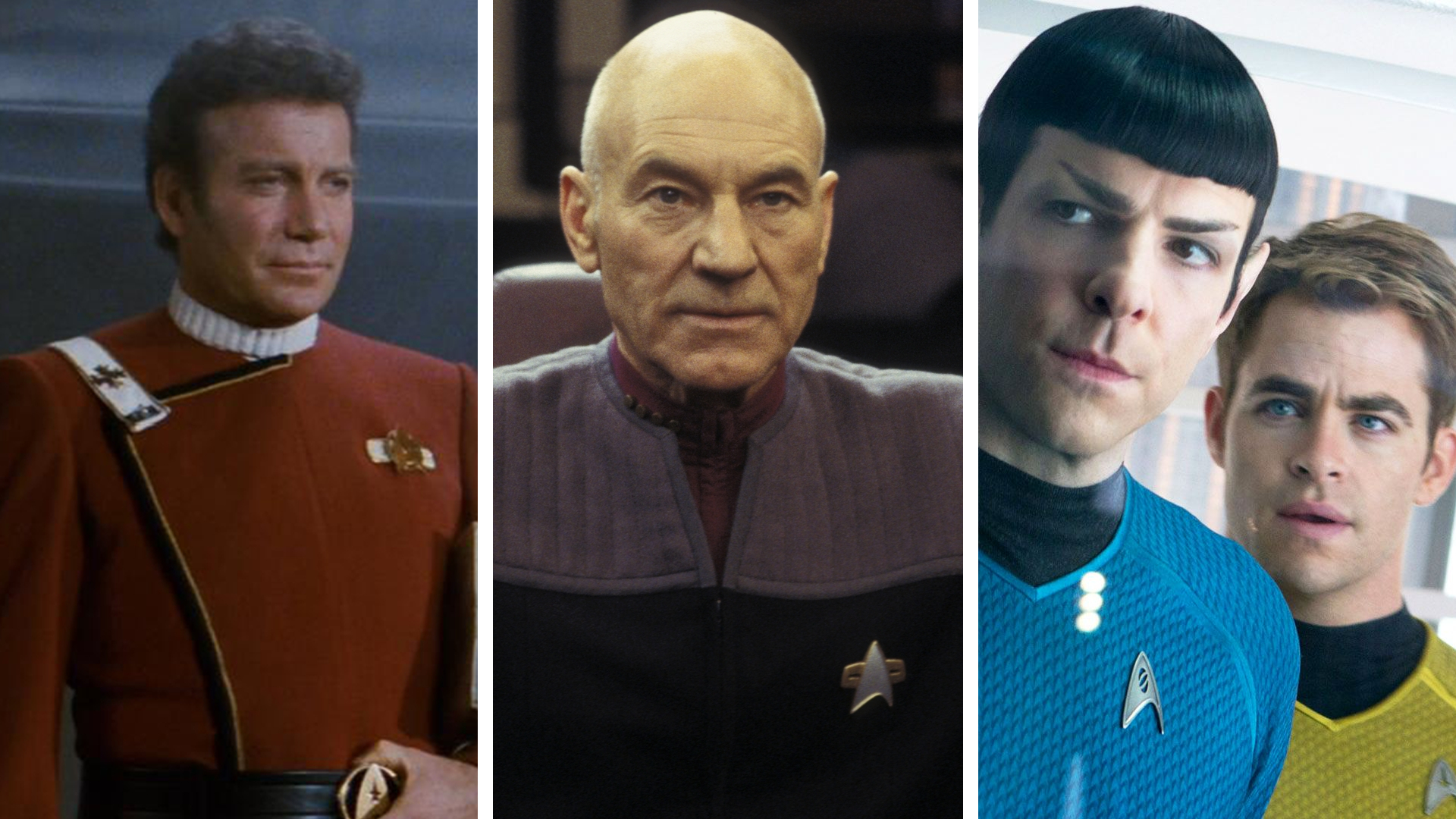
As the Star Trek franchise approaches its 60th anniversary in just a few months, and one takes a look at what is going on with it, it is clear that Star Trek is at one of its lowest points, it’s in a twilight phase, which we last saw in 2005.
Filming concluded for the two current Star Trek shows, Star Trek: Strange New Worlds (SNW) and Star Trek: Starfleet Academy, and as of now there are no Star Trek TV shows in production or active development. Supposedly, the franchise’s owner, Paramount Skydance, is reassessing the property and might shift focus to new Star Trek films, and though a reboot was announced a few months ago, we haven’t heard any news. Thus, the latest film project will probably be shelved and the reason for this pessimism is because Star Trek films have not been able to be greenlit since the last decade.
Star Trek has had its ups and downs throughout its existence, and there have been definite dark periods, such as during most of the 1970s when the original TV show was cancelled in 1969 and what kept the franchise relevant in the following decade were an animated TV show and a dedicated fan base that refused to let Star Trek slip into oblivion.
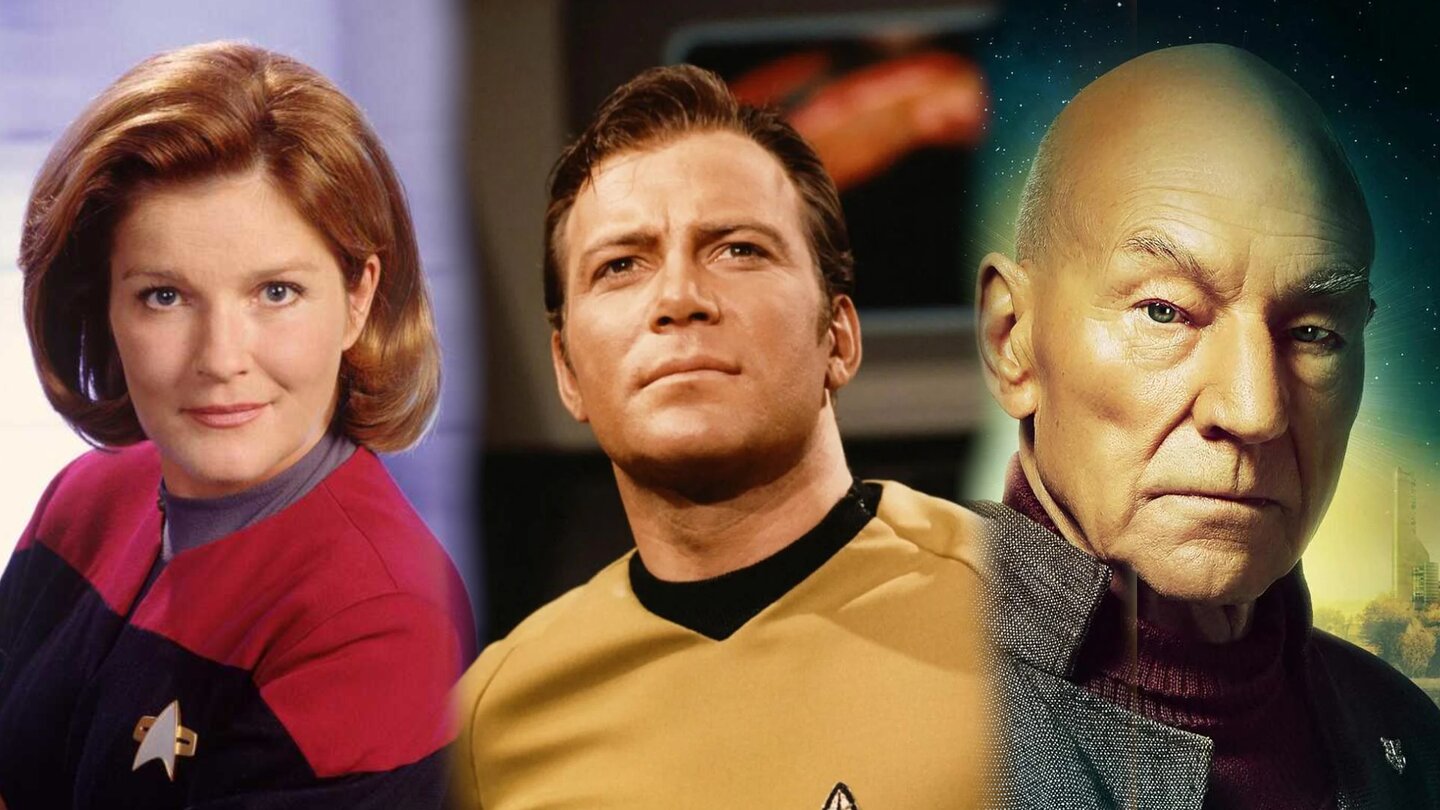
The film era jumpstarted the franchise in 1979 and reunited the original cast of the original Star Trek and delighted fans as many of the films are still considered to be among the best Trek offerings. However, during the peak of Star Trek’s renewed popularity, a new TV show was created that featured an all-new cast of characters. There was a mix of optimism and dread when Star Trek: The Next Generation (TNG) debuted because it did not feature the original cast and many of the early episodes were quite dull and/or bad. But TNG found its footing and heralded the greatest period for Star Trek in the 1990s. Two additional TV shows, Star Trek: Deep Space Nine (DS9) and Star Trek: Voyager, were launched and are beloved to this day with many fans arguing that DS9 was the best Star Trek TV show ever. Also during this decade the TNG cast graduated into their own film series.
Unfortunately, the well began to run dry in the 2000s as those shows ended and the TV series Star Trek: Enterprise showed a decline in quality and interest began to die off. After Star Trek: Enterprise was cancelled in 2005 and the last TNG film, Star Trek: Nemesis, flopped at the box office, the TV franchise went into a dormant period that lasted a decade. Paramount veered back into the films with a reboot that recast the original characters in 2009. This reboot was at first very successful, but it had its detractors who pointed out how dumbed down the new films were because they focused more on action than story. By the time, the third and final reboot film, Star Trek Beyond, premiered the film series came to an abrupt halt as the film failed at the box office.
Amid mergers and other business dealings, Star Trek was ignored at least as a TV series until 2016. During this time period, fandom produced unofficial short films about Star Trek. Unlike in the past, many of these shorts were very well made and even featured the actors from the TV shows with many shorts that served as sequels to past episodes and one of these unofficial series, Star Trek Continues, actually concluded the original five-year mission of the original Star Trek and led into the original film era. It was a golden age for Trek fandom as the fans took the show for themselves and did what the corporate owners were unwilling to do. The best known of these and arguably the most professional-looking short film was Prelude to Axanar, which was told in the format of a documentary feature in the Star Trek universe that chronicled a war with the Klingon Empire. As the short film achieved acclaim, plans were set into motion to create a feature-length amateur film, Axanar, which would have been about this war. Then Paramount got involved.
Of course, good things like this couldn’t last and naturally the corporate owners feared they were being upstaged by fans and even more importantly did not like the fact that the people behind Axanar were actually trying to make a profit from their endeavor. Enter the studio lawyers. On November 2015, the makers of Axanar and many other amateur Trek film makers were slapped with cease-and-desist demands from Paramount’s lawyers, which marred the celebration of Star Trek’s 50th anniversary. Not even the announcement of a new TV show could erase the ill will Paramount created with their lawsuits. Paramount’s position was that they did not want anyone else trying to profit from their franchise or taking attention away from their upcoming TV show. Eventually the film studios and the amateur filmmakers settled and the result was quite severe for fans. They were given very strict guidelines that made it impossible to produce quality films. For example, they could not hire actors who appeared in official Trek TV shows or films, the films’ lengths were limited to about 15 minutes and not be longer than two parts, the word Star Trek could not appear on the film titles and the filmmakers had to use official merchandise and could not profit in any manner from their efforts.
After a good amount of fandom were slighted, Star Trek: Discovery premiered on the streaming app CBS All Access (later renamed Paramount +), and it sharply divided fans. Sure, the production design was gorgeous and rivaled anything seen on film, but the stories and characters were lacking. But more importantly, Star Trek: Discovery did not feel like Star Trek with its cynical characters, the non-stop swearing and focus on dark storylines. Still, it was successful enough to encourage the creation of more Star Trek TV shows, which led to a new age for the TV shows. The quality of the subsequent TV shows varied from great to meh with some series like Star Trek: Picard, Star Trek: Prodigy, Star Trek: Lower Decks, and SNW having both great and mediocre episodes. Eventually, the TV shows came to an end with the last ones being SNW and Starfleet Academy, which have both being cancelled, and nothing certain to follow up.
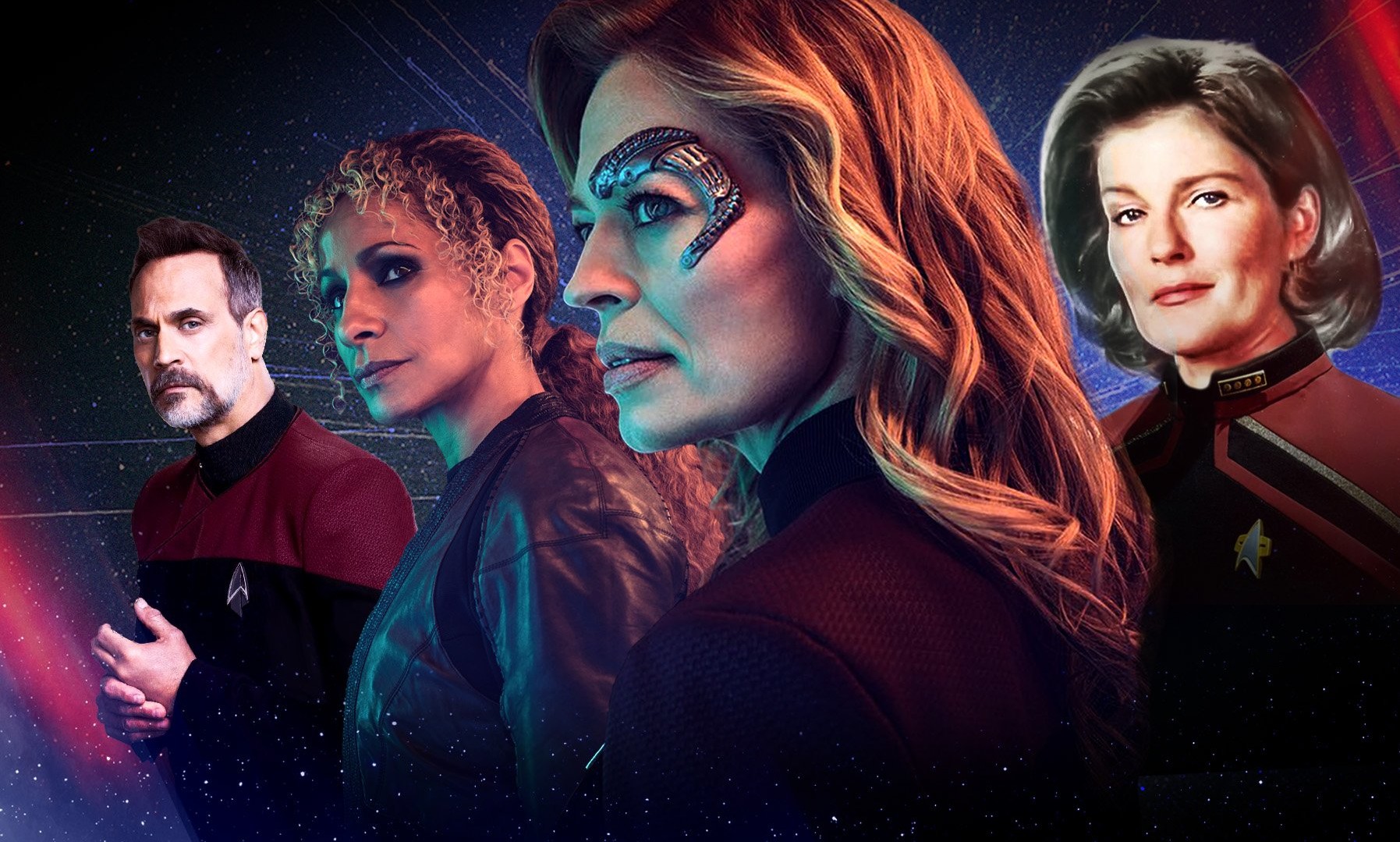
There are talks about a proposed Star Trek: Year One, which would be about the adventures of a young James T. Kirk during the early days of the Enterprise’s five-year mission, but most fans have their hearts set on a potential show called Star Trek: Legacy. This would be a sequel to Star Trek: Picard, which was very well received in its final season thanks to showrunner Terry Matalas, who understood what made Star Trek work. But for whatever reason, Paramount refuses to consider this even though the reception from fans to Star Trek: Year One has been very lukewarm. The fans have been very vocal that they do not want another series focused on the early days of Starfleet and Captain Kirk, or a series set in the unpopular distant future of Starfleet Academy and Discovery. Instead they want a series set immediately after the TNG/DS9/Voyager era.
Many fans point the blame for the franchise’s current twilight to showrunner Alex Kurtzman. He helped shaped Star Trek: Discovery and is the current executive in charge of Star Trek TV shows. Many of them feel that he does not understand what made Star Trek so beloved in the first place and want a new showrunner for the franchise.
That could come very soon since Kurtzman’s contract will expire in August 2026 and there are rumors that his contract may not be renewed. There are many reasons why Paramount Skydance would not want to renew the contract and it is not necessarily because Kurtzman made Star Trek “woke”. Right-wing critics of current Trek should note that the franchise has usually been progressive ever since the original show. Star Trek famously featured an integrated multiracial crew with people of color in command positions, it’s just that this is the kind of thing that is taken for granted today, but back in the 1960s this was revolutionary. No, the reason for not renewing Kurtzman’s contract and moving away from future TV shows could be blamed on the cost. The current TV shows have topnotch special effects which means they are expensive to produce. The cost would be justified if the ratings for the shows were high, but they are not, Star Trek: Starfleet Academy did not do well ratings well and it was too expensive to continue making it. Perhaps the film studio believes that another mastermind could come in and bring fresh ideas and more importantly be more economical. So who could they hire? Here are some possibilities:
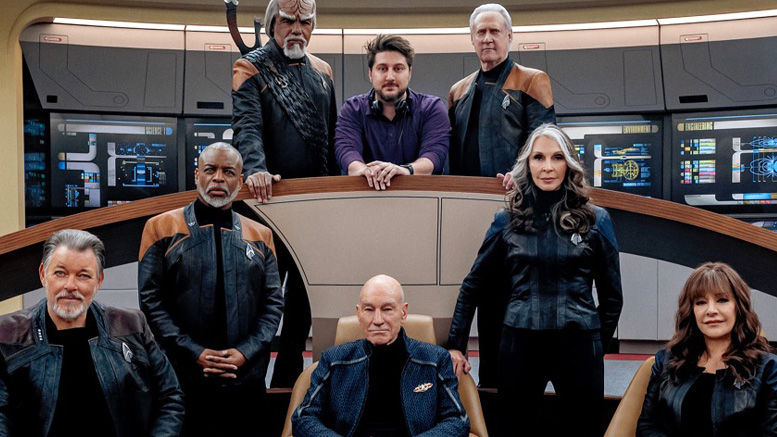
Terry Matalas:The showrunner of the third and best season of Star Trek: Picard is a fan of the franchise and knows how to create great stories and characters. He’s had experience executive producing other sci-fi shows like 12 Monkeys and is currently producing VisionQuest. So depending on how VisionQuest is received (and gets renewed), he may be too busy to tackle Star Trek: Legacy or any other Trek show, but he still must be strongly considered.
Manny Coto: Another executive producer who nearly pulled off a miracle and produced the best season of Star Trek: Enterprise. Sadly the show was cancelled just as Coto helped breath new life into it and he had interesting ideas for future seasons. It’s been a long time since he was involved with Star Trek but his efforts with Star Trek: Enterprise earns him a shot a bringing in a bold new approach to the franchise that respects its core essence.
Jonathan Frakes: The former TNG actor has had a prolific career as a director and executive producer. He directed many acclaimed Trek shows during the 90s and current era and certainly has a handle on crafting compelling stories and characters. His deep Trek background and behind-the-scenes experience should make Frakes a strong contender to take over the Star Trek franchise.
Ronald D. Moore: The legendary showrunner of the popular Battlestar Galactica reboot and the current series, For All Mankind and Outlander, got his start with the TNG era of Star Trek. As executive producer for TNG, Moore wrote some of that show’s best episodes which were grounded yet adhered to Trek’s unique nature. Moore is a fan favorite and his taking over of the franchise would bring back many who have given up on it.
Seth MacFarlane: The prolific writer, producer and actor for all intents and purposes created his own version of Star Trek with The Orville. This show is clearly patterned after Star Trek, but it does not just ape the show but demonstrated that a modern Star Trek show could successfully tell stories that evoke the best aspects of the older Star Trek shows with modern production values and solid scripts and characters.
Mike McMahan: He had great success with the animated Trek comedy Star Trek: Lower Decks, a show which wound up being a love letter to all things Trek. The only drawback is that his show was comedic and the studio heads may hesitate to promote someone with this background to more serious TV shows.
Mike Sussman: This former writer from Star Trek: Enterprise helped conceive a new political Trek drama starring Scott Bakula that would serve as a sequel to Star Trek: Enterprise and focus on its lead character’s time serving as president of the United Federation of Planets. If the show is successful, it could help move Star Trek away from its current concept of starship crews exploring space.
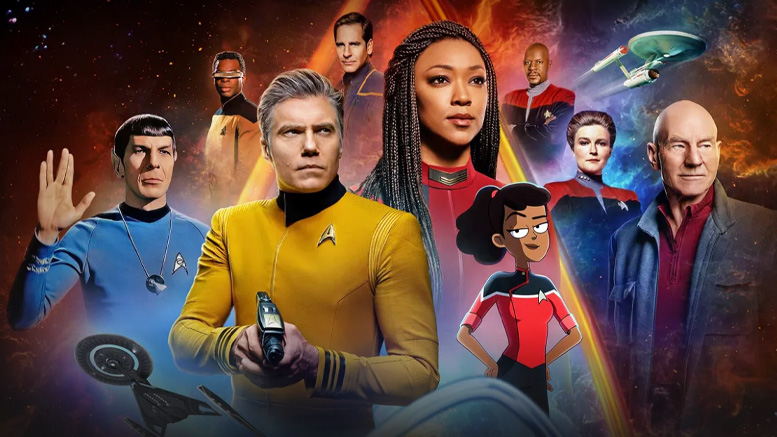
While Star Trek seems to be in its twilight, fans should not despair. The franchise has reached the end of a period and will have to undergo a process of rest to create demand. This period should be used to reflect on how to reinvent the franchise with bold new approaches, stories and characters that will bring back the fans. Fans should keep in mind that Star Trek has had its dormant periods but always bounced back reinvigorated. It’s just a matter of knowing when this will happen. Fingers crossed that we won’t have to wait too long.
José Soto
 Starloggers