
Given that the Alien franchise has been around for nearly 50 years, it was surprising that until Alien: Earth, no TV show was made about the famous sci-fi horror IP. One would think that more effort would have gone into making the first Alien TV show much better than it turned out.
Alien: Earth was created by Noah Hawley (the writer and producer of Legion and Fargo) and takes place a couple of years before the first Alien film, around 2120. It expands upon the universe created in Alien by showcasing life on Earth and answering many questions about this universe while raising many more questions.
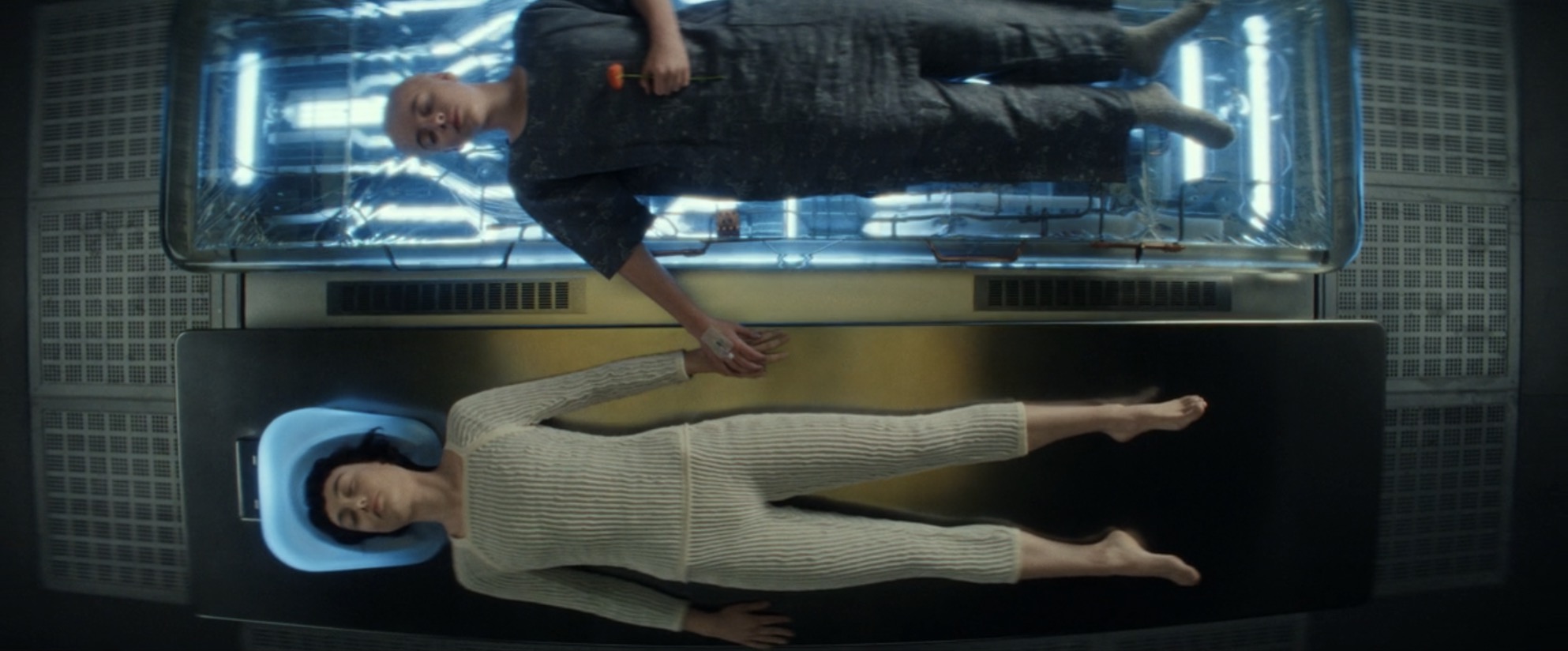
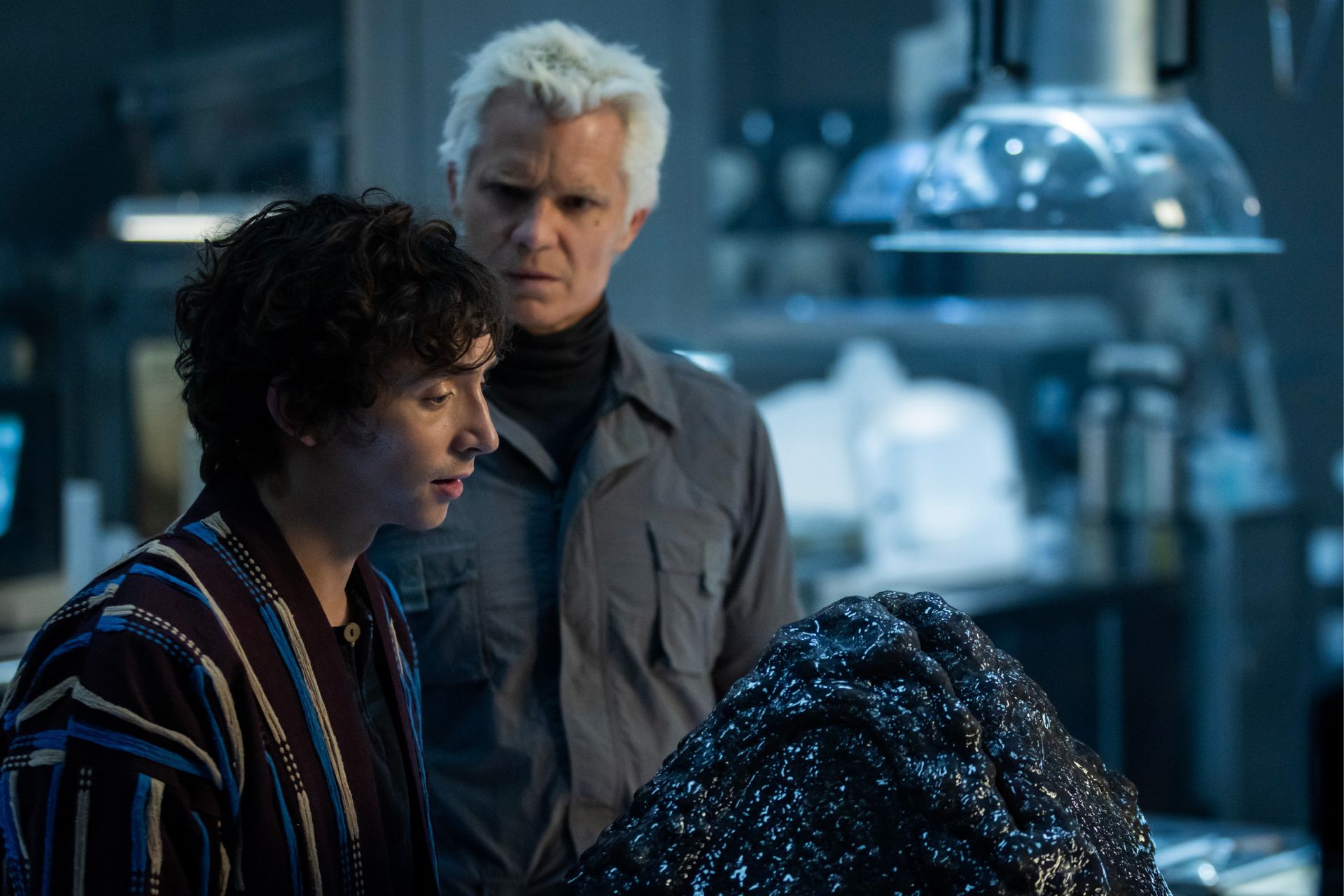
The TV show focuses on Wendy (Sydney Chandler), a prototype hybrid and her evolution. She and other hybrids (nicknamed the Lost Boys after Peter Pan) differ from the synthetic people shown in other Alien films in that originally they were dying children whose consciousness were transferred into synthetic human bodies, which makes them in essence immortal. Wendy and the Lost Boys were created by the corporation called Prodigy, which is based in Asia, and is owned by a douchey trillionaire tech bro called Boy Kavalier (Samuel Blenkin).
Kavalier covets the extraterrestrial biological specimens collected in a spaceship owned by rival company Weyland-Yutani and he arranges for the spaceship to crash land in Prodigy territory on Earth so his corporation could claim the specimens as salvage. As it turns out, one of the dangerous organisms is the famous xenomorph that made the franchise so revered.
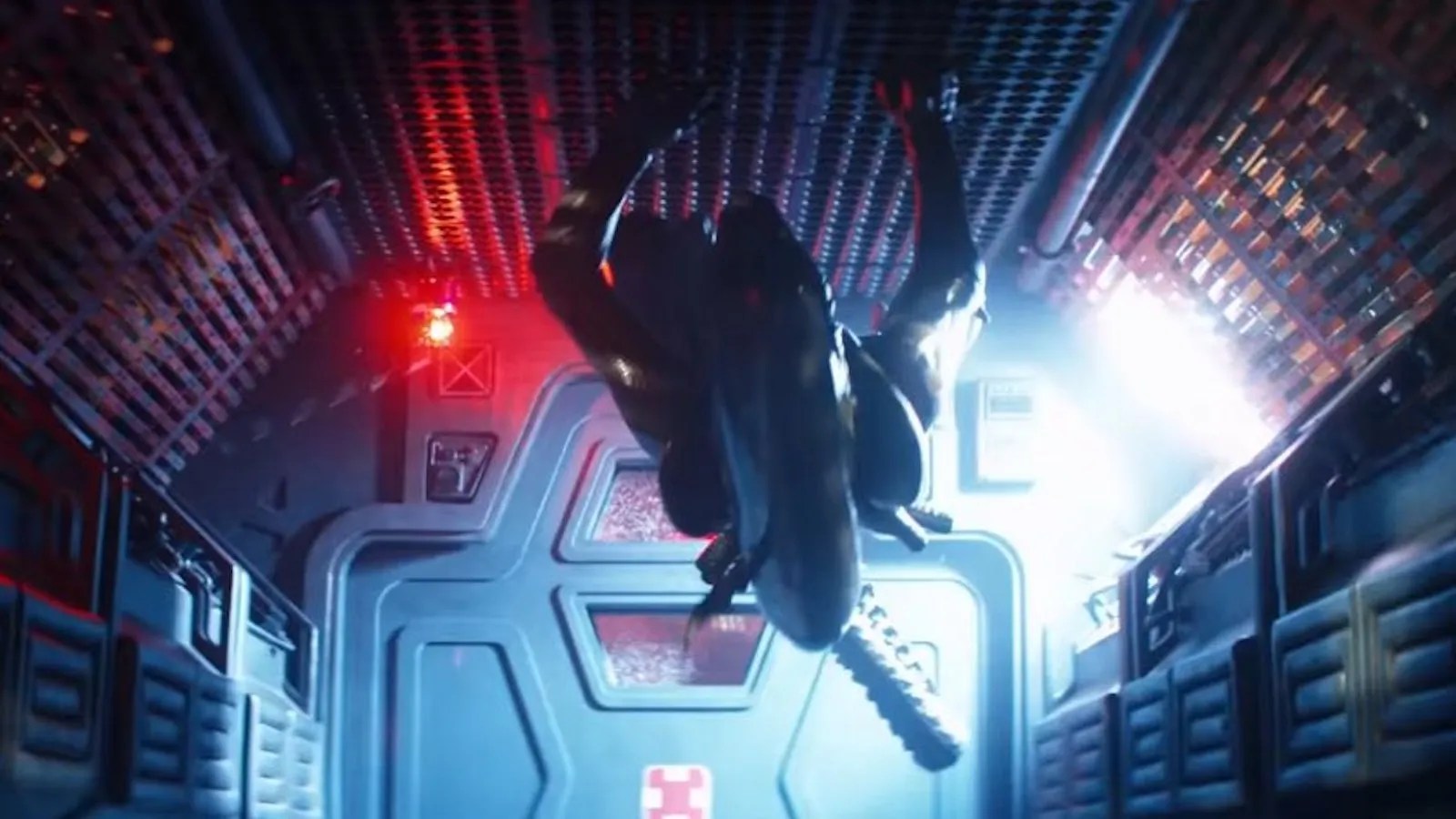
When the Weyland-Yutani spaceship crashed in the Prodigy city New Siam, one of the first responders to arrive at the scene was Wendy’s brother Joe Hermit (Alex Lawther), who is soon endangered by a xenomorph that is now loose in the crash site. After Wendy learns of this, she volunteers to go to the crash site to help collect the alien specimens with Prodigy soldiers and rescue her brother. Once Hermit is rescued and the aliens are captured, Kavalier has the alien creatures brought to his private Neverland Island, where Wendy and the Lost Boys are based, to study the creatures. Of course, as things go in Alien stories, things get out of hand as the xenomorph and other alien creatures break loose from captivity and imperil not just the people on the island but the entire planet. Meanwhile, Wendy and the other hybrids go through existential crises as they struggle to find meaning in their new lives as hybrids.
There are many great and promising elements in Alien: Earth, such as the fact that it feels like it is part of the franchise and captures the mood and atmosphere of the films. The special effects are truly outstanding, as well as the production design. More importantly, Alien: Earth truly fleshes out the universe it takes place in with new characters, explaining the overall makeup of the Alien universe, and by introducing new kinds of synthetics and aliens.
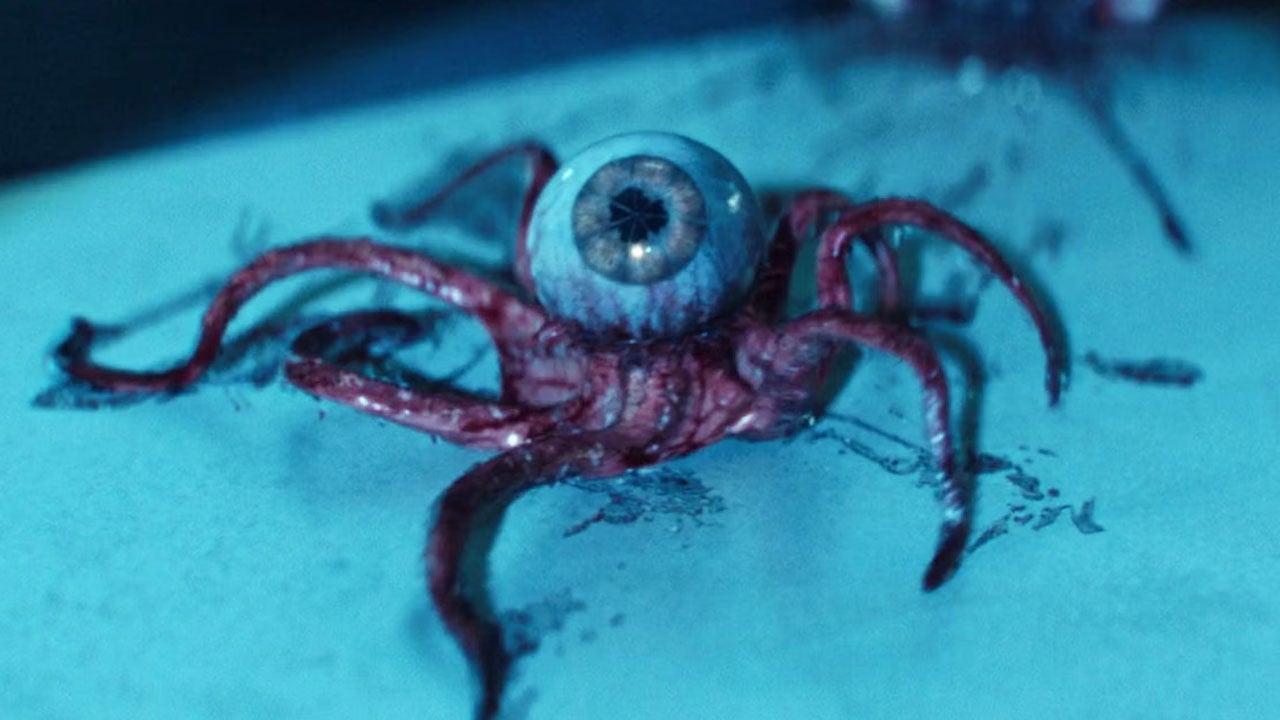
The TV show introduced unique and terrifying alien creatures that rival the xenomorphs for deadliness and reinforce how hostile space is to humanity. The most terrifying creature is something called the trypanohyncha ocellus, a tentacled eyeball that kills its victims and takes over their bodies by forcibly burrowing itself into the victims’ eye socket. What was more disturbing by this cyclopean horror was that it clearly displayed a high level of intelligence and helped created the chaos throughout the show.
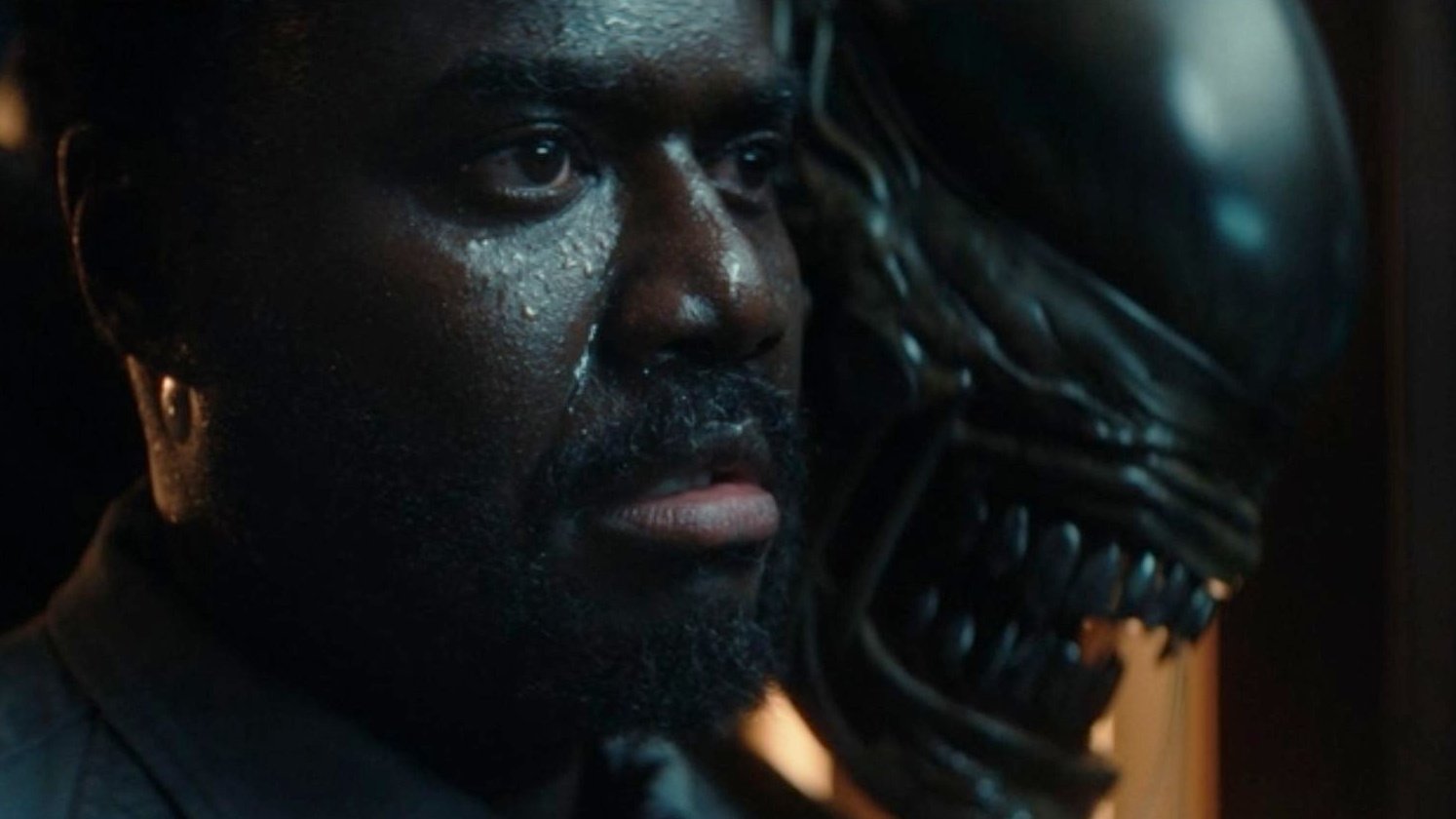
As for the synthetic beings, the most interesting ones were Kirsh (Timothy Oliphant), a classic synthetic who is naturally distant and dismissive towards humans, and operates as one of Prodigy’s chief scientists and Wendy’s trainer. Another is Morrow (Babou Ceesay), who is actually a cyborg, meaning that he is technically human but with cybernetic implants. He was the only survivor from the crashed Weyland-Yutani spaceship and has a rather tragic backstory Morrow only exists to complete his mission of bringing the specimens to his company and he will stop at nothing to achieve his goal. The episode “In Space, No One…” was a flashback episode that showcased Morrow’s time onboard the spaceship before it crashed and gave us much of his backstory. Being that the episode was in essence a remake of Alien and emulated the look and feel of the classic film, it was easily the best episode of the season.
While all this sounds promising, the payoff was ultimately disappointing, which is regrettable since there is a lot to commend about Alien: Earth.
There are glaring problems with the show, namely with the scripts were characters behave stupidly and there are enough plot holes to drive the Nostromo through them. Here is just one example: the xenomorph is now bulletproof no matter how many times it’s shot. Many characters are poorly written with some being downright irritating. The worst offender is Kavalier, who is so annoying with his one-dimensional nature and dirty bare feet. There was this scientist who does not seem to notice that her husband had gone missing (he was killed by a facehugger in an episode) and never mentions him.
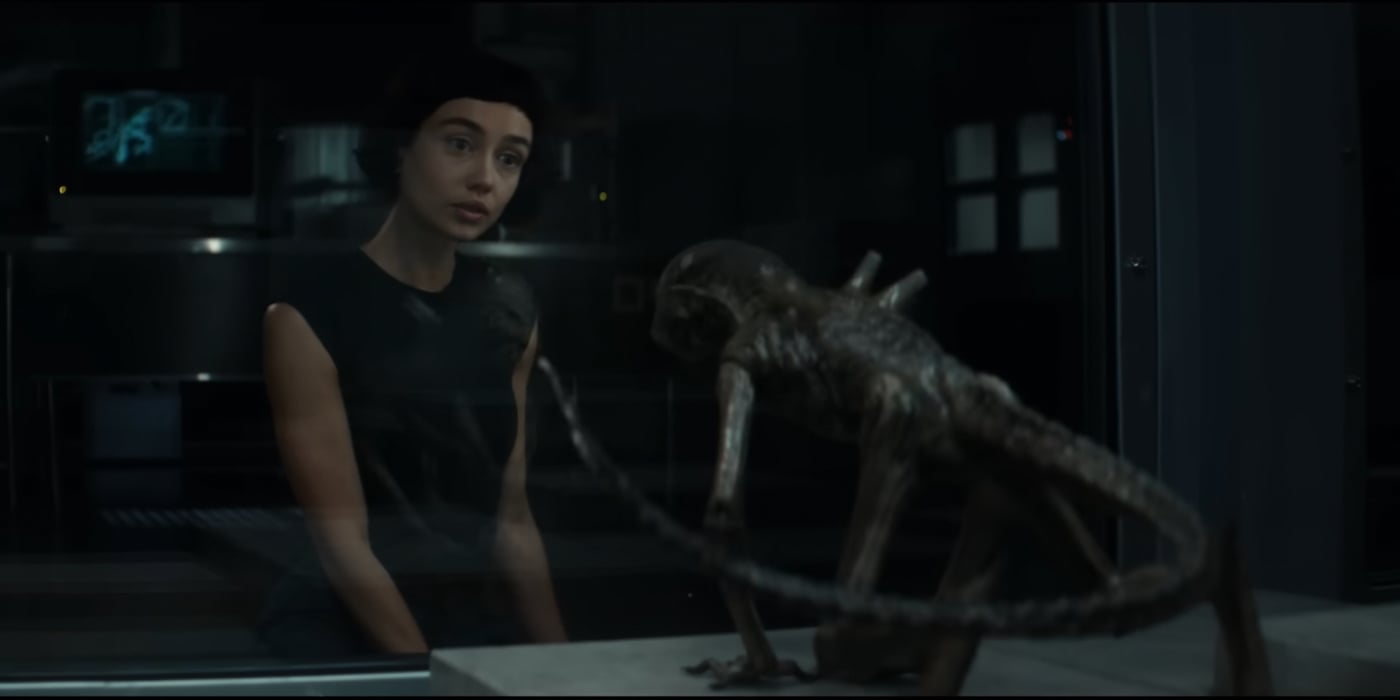
It seems as if Hawley is more interested in exploring the synthetic beings instead of focusing on the alien creatures, which is puzzling since the show is supposed to be about aliens and it left us with many questions about the xenomorphs and other aliens. The thing is that the exploration of artificial beings has been done better many times in other TV shows. There are too many Lost Boys who are thinly developed with heavy-handed references to Peter Pan and frankly their immature behavior got irritating after a while. Wendy’s motivations were all over the place. First she is confused about whether or not she is human, then she’s trying to discover who she is, then she is disdainful of humanity. Her arc was very inconsistent, then to make matters worst, the show turned her into some kind of God-level being by giving her the ability to control all electronics and then the xenomorphs themselves. For some reason, Wendy is able to communicate with the aliens (in many dumb looking scenes where she opens her mouth and chitters at the creatures) and turns the xenomorphs into her pets. This robs the xenomorph of its infamous savagery and deadly nature. During scenes where a xenomorph follows her commands it appears far less threatening than in the films and the way these scenes were shot in bright light did not help either.
Alien: Earth starts off with much promise and has genuine moments of creepiness and intensity, but it starts to lag in pace midway through its too short season. It created many situations that were not fully developed and the payoff by its final episode “The Real Monsters” was lacking as the show crashed back to Earth. What sucks even more is that many questions were unanswered and we will probably have to wait for at least two years before we get any answers, that is if Alien: Earth is renewed, but few will care by that point.
José Soto
 Starloggers