Good Boy and Other Pets In Horror Films and TV Shows

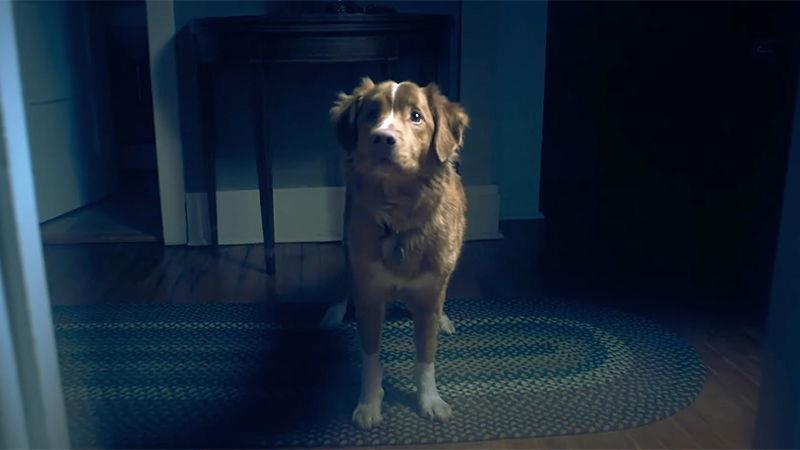
Indy, the canine star of the horror film Good Boy, brings attention to the presence of beloved pets in various horror films and TV shows. It can be said their inclusion is way to raise the stakes of the terror faced by the film’s main characters, as with Good Boy. But these animals can have more complex roles in horror films and TV shows.
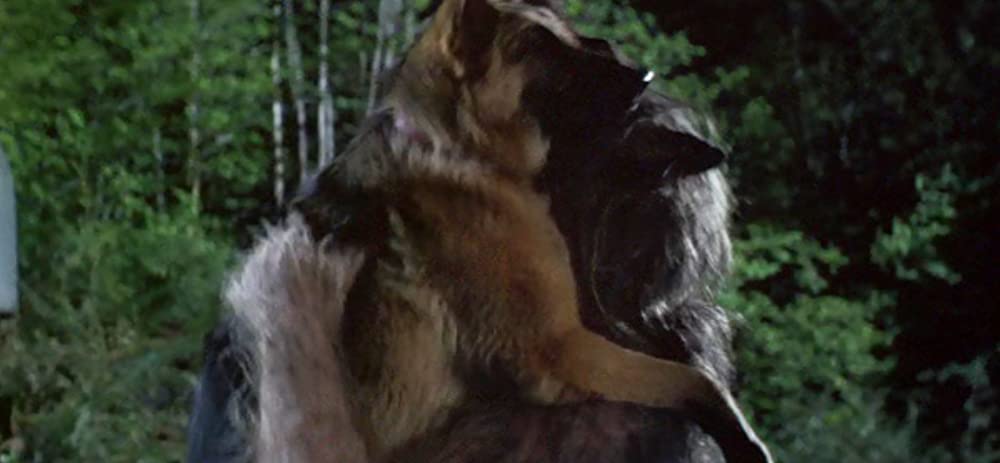
Other times, the animals wind up playing a pivotal or even a heroic role as with Nanook, the malamute that helps his owner fight off the title vampires in The Lost Boys. In Nanook’s case, his crow-pleasing moment came when he pushed a vampire into a tub full of holy water and garlic. Another example is the dog Thor in Bad Moon. It’s another horror film told from the POV of a dog, in this case, Thor faces off against a werewolf, who tragically was his owner when in human form. Then there is the title character in Frankenweenie, a dead dog who was revived by his grieving owner. Also, let’s not forget Kojak (formerly “Big Steve”), a retriever featured in The Stand who wound up playing an important role late in the TV mini-series when he helped care for the main character Stu Redman after he was badly injured.

These pets are often imperiled by the supernatural forces that threaten the main characters, and sadly these beloved animals wind up becoming victims. There are too many to go into here, but some standouts include Tank, the terrier, from V/H/S 2, Churchill, the cat in Pet Semetary, and Samantha, the German shepherd in I Am Legend, who gave her life defending her owner against mutants before she had to be put down when she began to mutate.
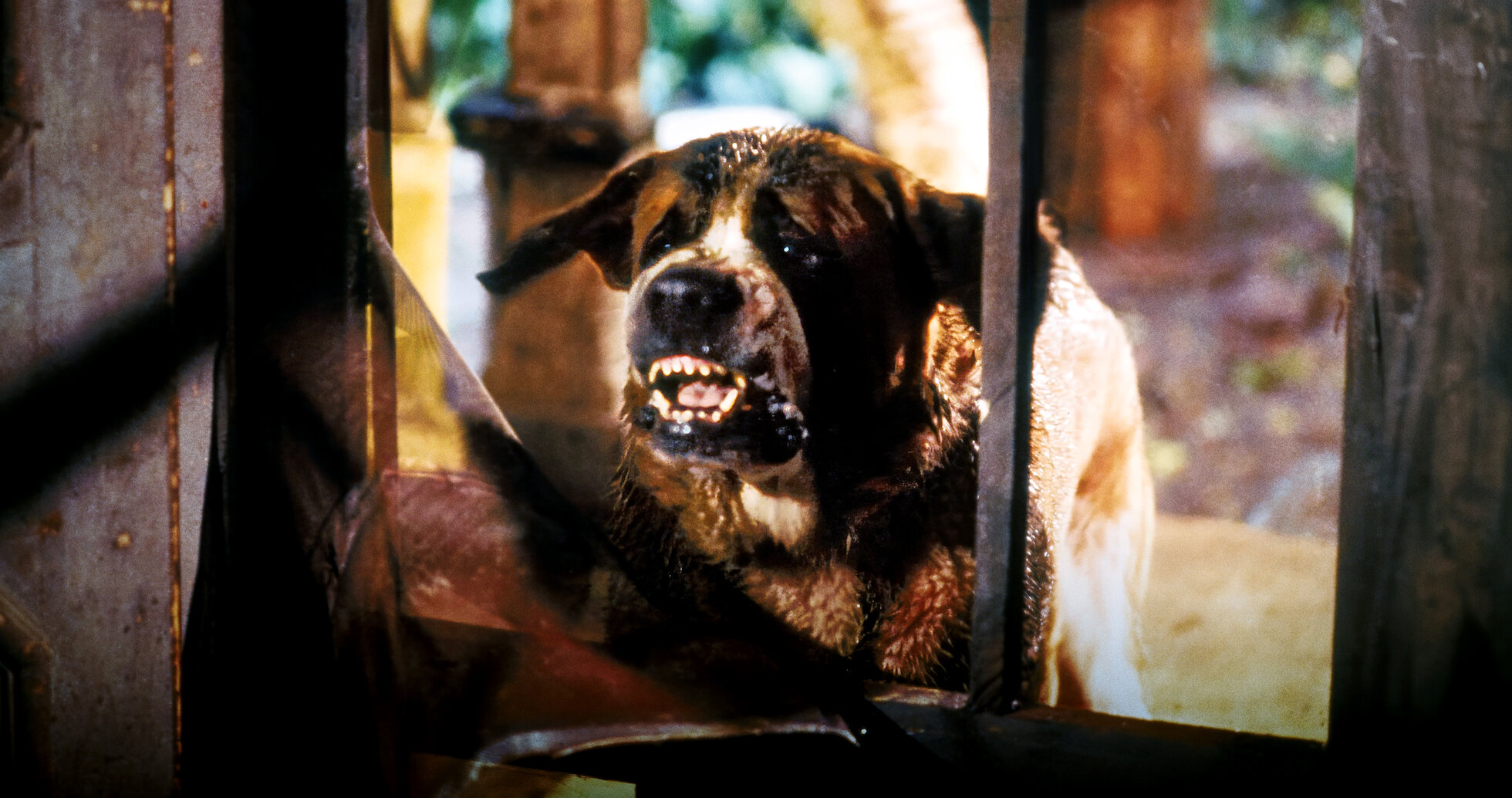
On the other hand, there are many horror films and TV shows where the beloved family pet becomes a source of danger to humans. The best example of this is with Cujo, where a docile St. Bernard becomes a vicious killer that threatens his owner and her child. Other examples include several dogs in Day of the Animals, various pets in the TV show Zoo, and the title dog in Man’s Best Friend.

We get very alarmed and feel uneasy whenever beloved pets put themselves at risk to defend their human families. It is second nature for dogs to act as guardians for us even though they are at risk whenever tackling the supernatural. This was very prevalent in Good Boy as Indy tries his best to protect his owner Todd from a malevolent spiritual force that haunts Todd. It must be mentioned that the animals’ ability to sense the supernatural before the humans could make them more vulnerable to looming threats.  What was even more distressing in Good Boy was that only Indy was aware of this evil force and was unable to communicate this danger to Todd unlike another human.
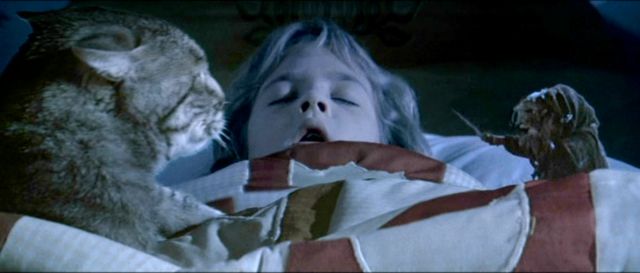
The inability to adequately communicate with humans is part of what makes the animals’ dilemma so engaging. Another example of this was in the film Cat’s Eye, where a stray cat is involved in three separate stories, and becomes the hero in the last segment. In that story, the cat (now named “General”) defends a young girl from an evil troll trying to steal her soul. What made General’s job more difficult was that he was the only one who sensed the troll’s presence, and he could not communicate to the girl’s parents about her imperilment.  

What made Good Boy such a standout from your standard haunted house story was that the film was told from the POV of Indy. We are able to empathize with Indy not just because he was a loveable dog but because of how his worldview was presented. We never fully see the faces of the human characters or hear their dialogue clearly; Indy is also able to get into the dark corners of his owner’s home to get more details about the otherworldly threat, which a person could never do. Essentially, through Indy’s eyes, we get a better sense of the ghostly presence haunting Indy’s owner.
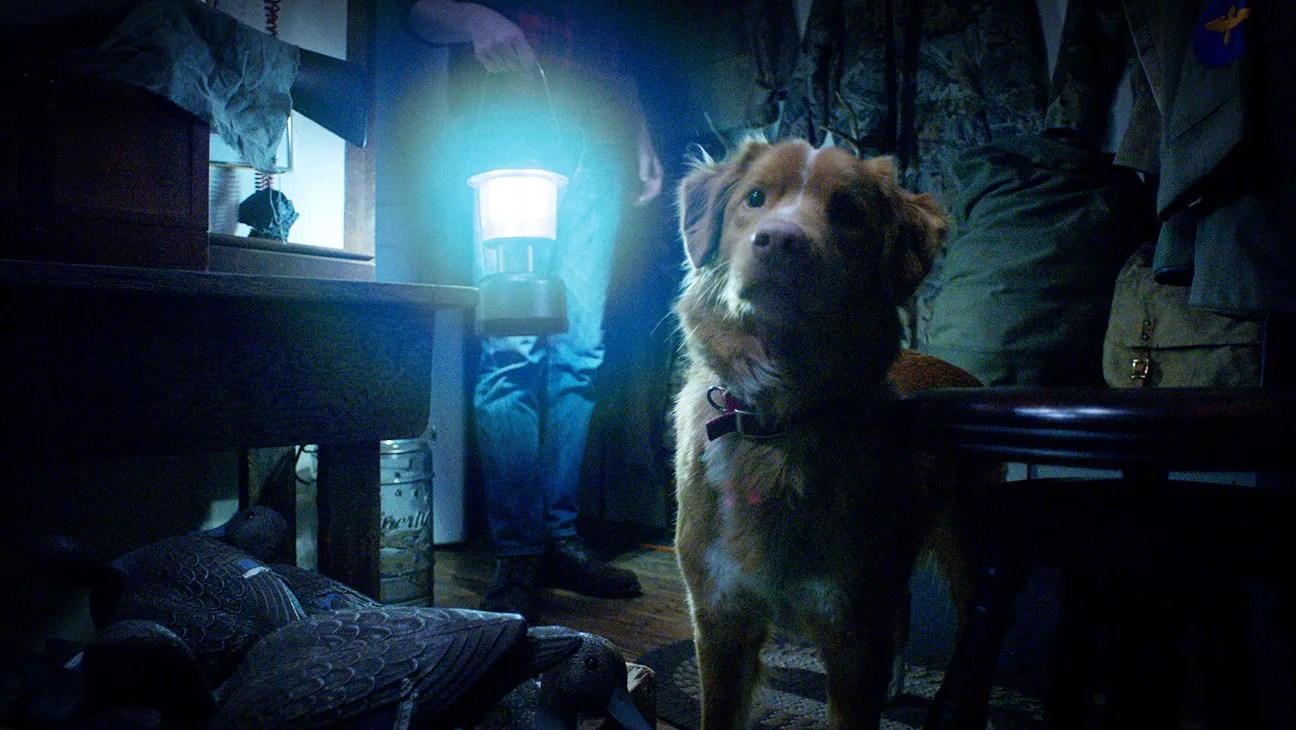
Also, the stakes of danger are raised since Indy is more vulnerable to the supernatural presence. Unlike a human who could find out how to combat the supernatural threat and use tools, Indy and other animals only have their own instinct and natural abilities to combat the threat. Sometimes that is not enough. That is why films and TV shows featuring pets like Good Boy are so captivating.
The Indiana Jones Films Ranked

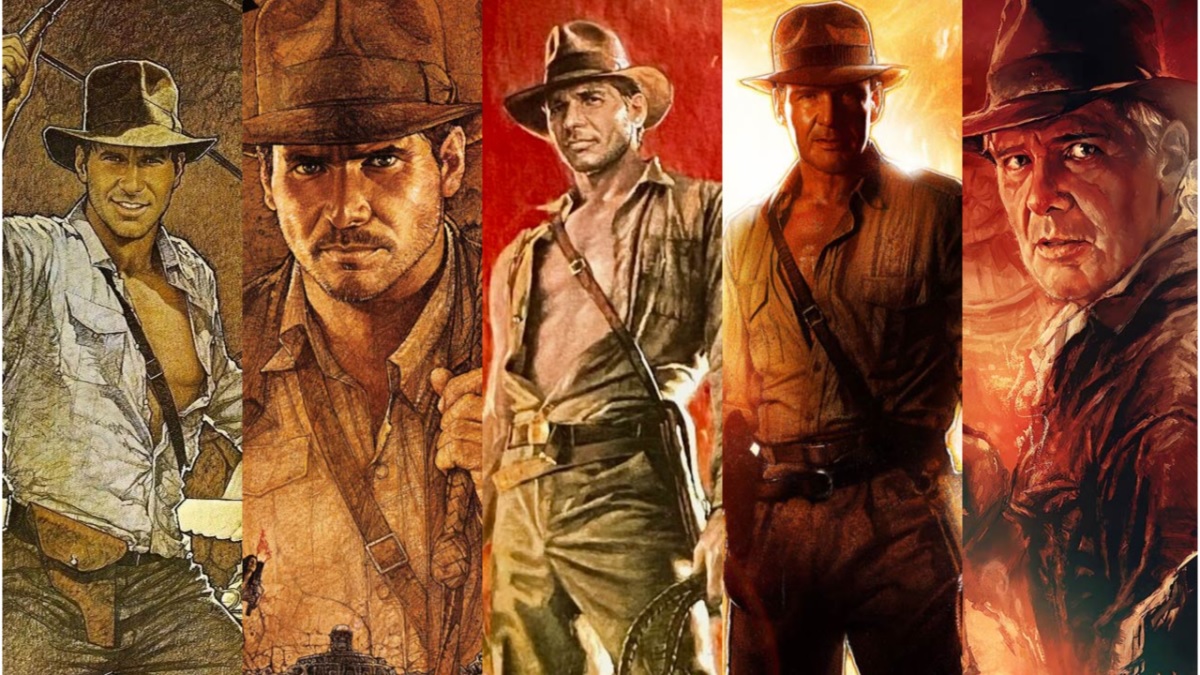
Now that Indiana Jones and the Dial of Destiny has been released, the Indiana Jones film franchise is complete and we can rank all five films.

The quality of these films are generally high, some of which are genuine masterpieces. Even the films that rank at the bottom are entertaining with their own merits, but have their flaws, of course.

Here are the Indiana Jones films ranked from least to best. Be aware of spoilers ahead and feel free to drop a comment about your own preferences!

5. Indiana Jones and the Kingdom of the Crystal Skull

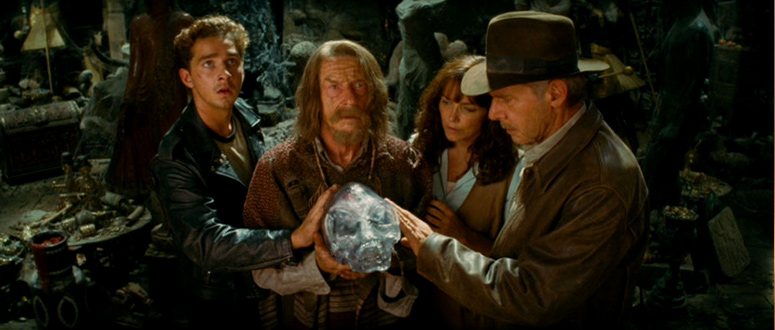
It had been nearly twenty years since Indiana Jones and the Last Crusade came out in theaters when the fourth film premiered. This was the best they could come up with? This was the film that gave us the infamous phrase nuke the fridge because Indy survived a nuclear explosion by hiding in a refrigerator. Our favorite archaeologist deals with the 1950s as he searches for the lost city of Ankakor in South America.  Among the 1950s tropes Indy grapples with include the red scare, bug-eyed aliens, and a greaser who turned out to be his son.

It was great seeing Harrison Ford reprising his role as Indiana Jones and how the adventurer functioned in a different decade. Some of the images from director Steven Spielberg were jaw dropping such as Indiana witnessing an atomic mushroom cloud or a great motorcycle chase on a college campus. But more often than not it felt like many of the filmmakers were phoning it in and taking the easy route. The film is riddled with obvious and needless CG images and stunts, and most of it looked fake. There was little sense of danger in many scenes.

Despite the fact that the script had been worked on forever, it still needed work as the motivations of characters did not make sense. The camaraderie between Indiana and his son was undeveloped and paled when compared to that of Indy and his father in the previous film.

4. Indiana Jones and the Temple of Doom

As the franchise’s only prequel the second Indiana Jones film turned out to be the darkest in the franchise due to personal issues regarding divorces that creators Spielberg and George Lucas were going through at the time. The result was that the film feels mean spirited at times and dated with its misogyny and questionable depictions of other cultures.

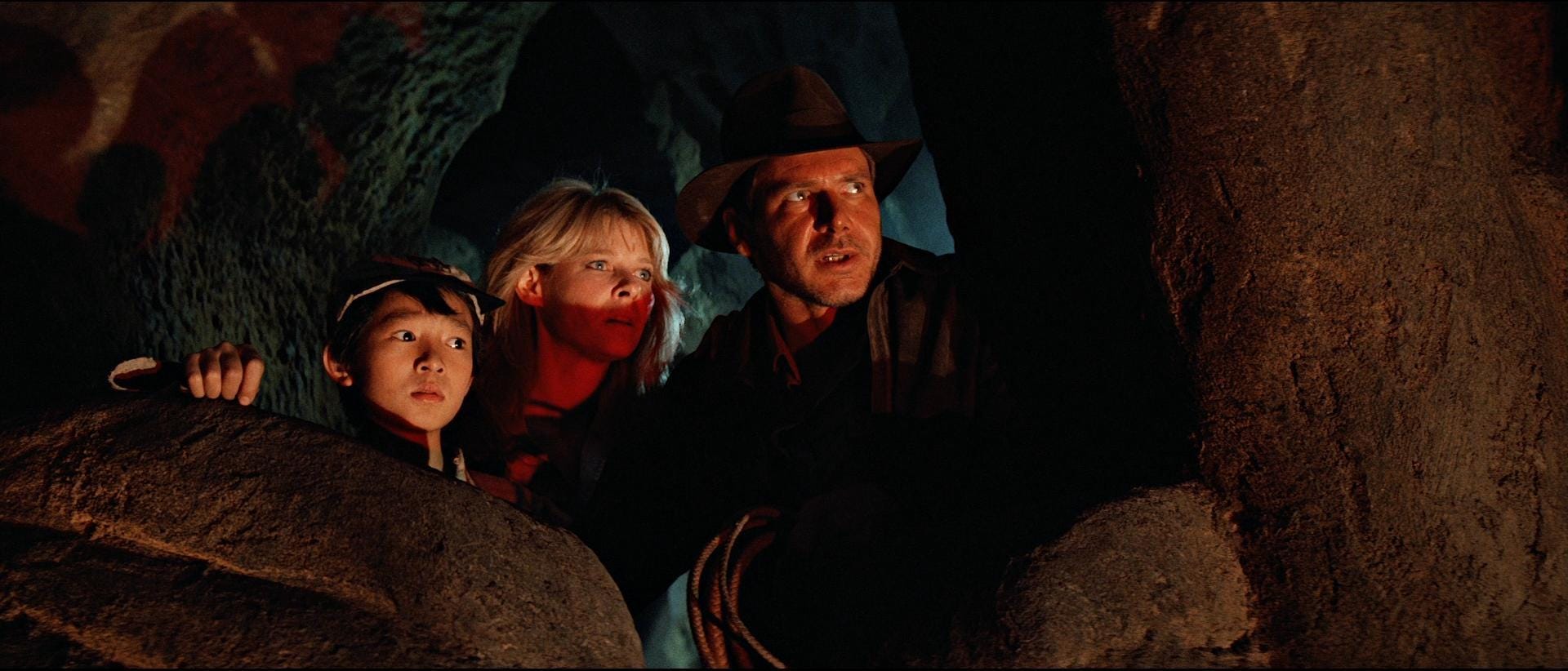
It lacked the epic scale of Raiders of the Lost Ark and the filmmakers reveled too much in trying to gross out audiences and with trying too hard to be different from the first film. At times, Indiana Jones and the Temple of Doom felt more like a romantic comedy instead of an adventure film. Also, the MacGuffin Indy hunted for was far less impressive when compared to the Holy Grail or the Ark of the Covenant. What exactly do the Sankara Stones do except glow? The characters were annoying and unlikeable especially Willie Scott. She was supposed to be a sharp contrast to the tough-as-nails Marion Ravenwood from the previous film. But by trying to make Willie the opposite of Marion, the filmmakers turned her into a stereotypical screaming damsel in distress who lacked any substance.

Despite its faults, Indiana Jones and the Temple of Doom has some of the franchise’s greatest action scenes that still hold up to today and are iconic. Ford was great as always, as was the production design and score by John Williams.

3. Indiana Jones and the Dial of Destiny

The fifth and final Indiana Jones film has had a mixed reaction from fans. It will take some time to see how it holds up, but for now this is the rank it has earned. There was a lot of trepidation over the film since Spielberg did not direct it and many questioned how an old Ford could believably play a swashbuckling treasure hunter. But the film is an enjoyable send off to the franchise.

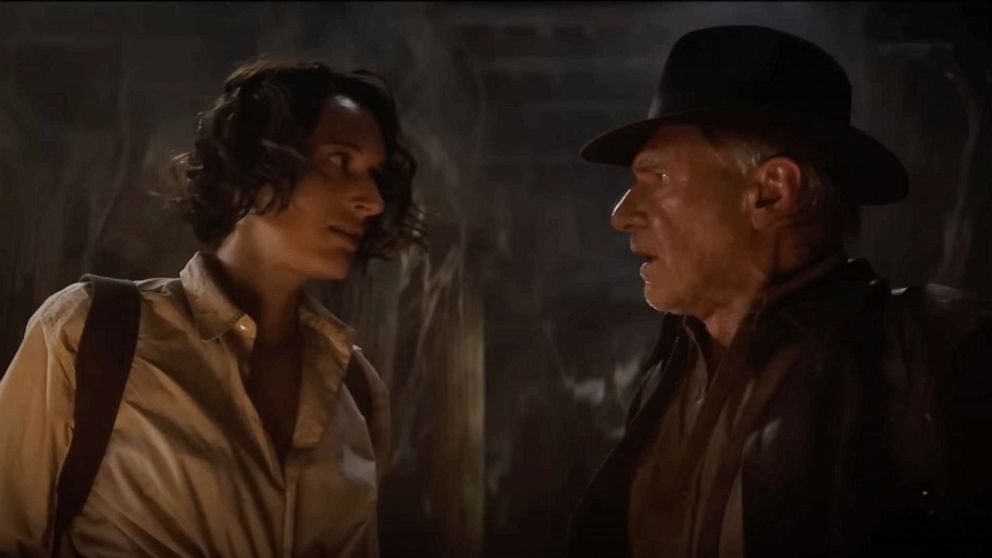
Even though Indiana Jones and the Dial of Destiny lacks a lot of Spielberg’s visual flair, director James Mangold does a fine job with this look at Indiana Jones as a senior citizen in the late 1960s. Embittered over the death of his son which destroyed his marriage and facing retirement, Indiana carries out one final treasure hunt with his goddaughter, which involves time traveling to ancient Syracuse and meeting Archimedes.  Harrison Ford Is Too Old for This Shit – Rolling Stone

There are some issues with the plot mechanics and its credibility (something that the other films suffer from, such as characters using life rafts to jump from an airplane and other feats that would have killed them). But Ford has some good chemistry with Phoebe Waller-Bridge, who plays his goddaughter and the film has some exciting moments, especially during a flashback scene set in World War II and an intense tuk-tuk chase sequence. Anyone hesitant about the film because of Spielberg’s absence should put doubts aside and see Indiana Jones in his last great cinematic adventure.

2. Indiana Jones and the Last Crusade

After the mixed reaction to Indiana Jones and the Temple of Doom, Spielberg and Lucas went back to basics and delivered a rousing adventure that is nearly as great as the first film. It is also the funniest film in the franchise.

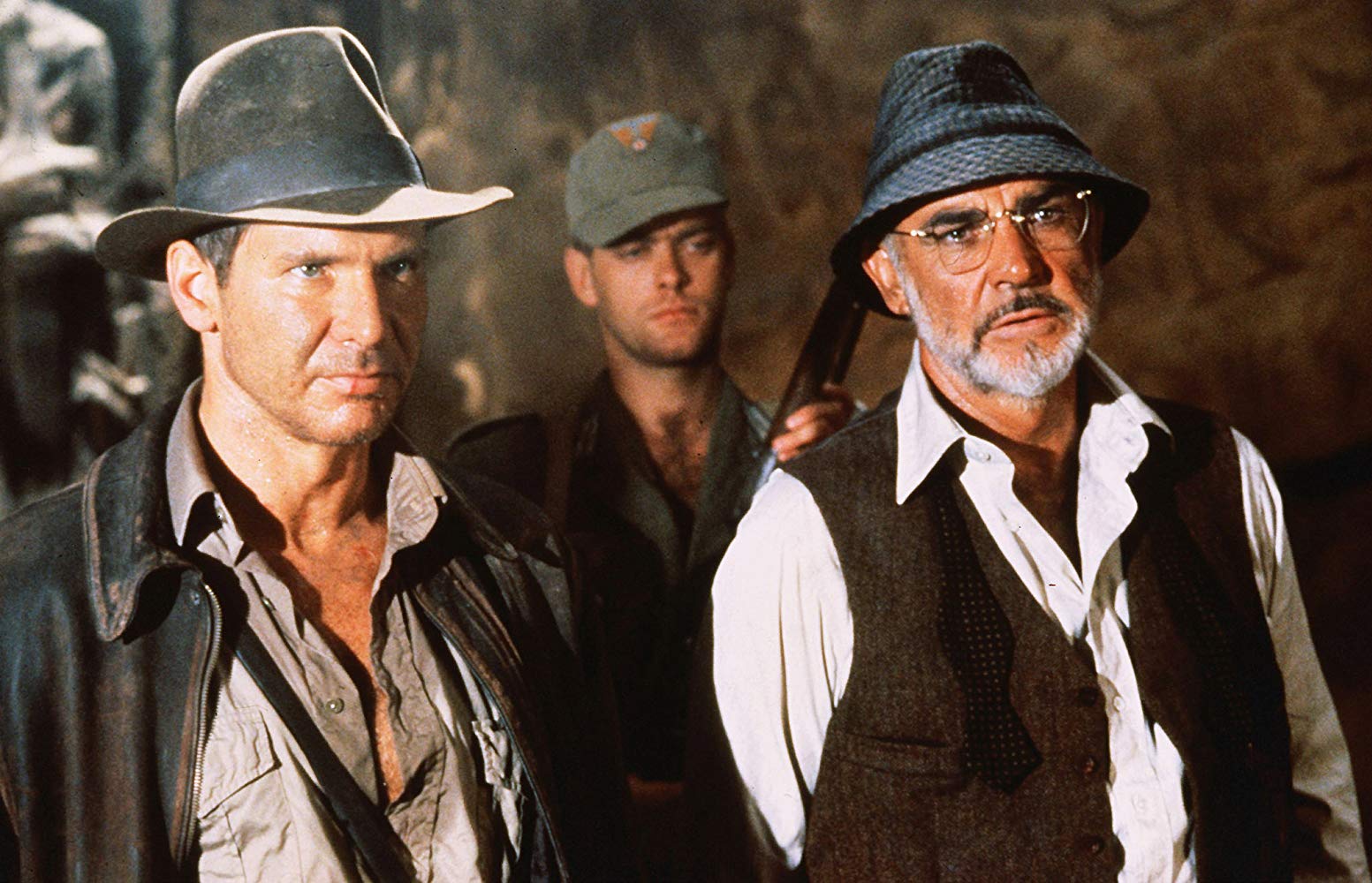
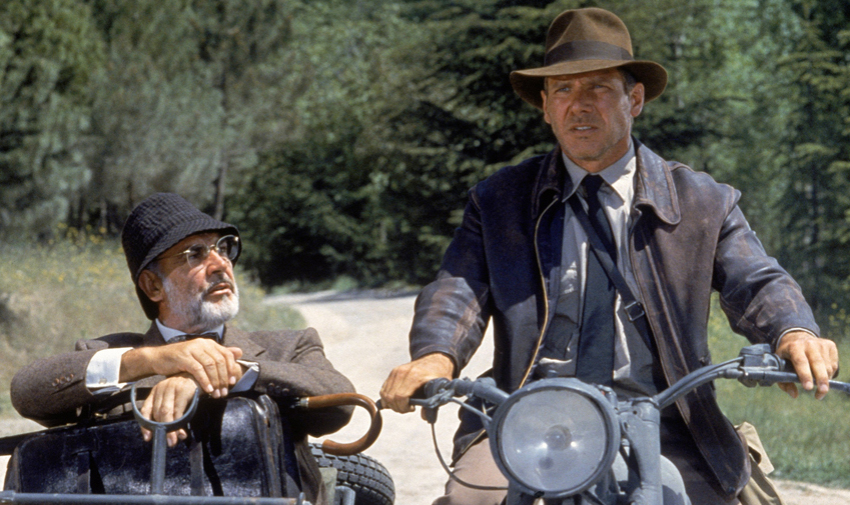
The film opens with a rousing flashback to 1912 which features River Phoenix as a teenaged Indy. After we find out why he fears snakes and how he got his famous fedora hat, the film jumps forward to 1938. Indiana travels to a pre-World War II Europe to find his missing father, who he has not spoken to in some time. Sean Connery was magnificent as Indiana’s father and the two actors share some of the best moments in the franchise thanks to their incredible chemistry.

Indiana Jones and the Last Crusade follows some of the same beats as Raiders of the Lost Ark, such as Nazis, intense chases, epic scenery and spine-tingling explorations of ancient sites. Thanks to Spielberg’s skills, a great script and inspired acting, the third film is definitely classic cinema. Oh, be sure to watch the film to the end as it features one of the most beautiful ending scenes ever filmed as Indiana Jones and his companions ride off into the sunset.

1. Raiders of the Lost Ark

Also known as Indiana Jones and the Raiders of the Lost Ark, this is the first and still greatest Indiana Jones film. When thinking about the recent Martin Scorsese “This is Cinema” meme, Raiders of the Lost Ark certainly applies to that phrase!

Set in 1936, Raiders of the Lost Ark introduces us to Indiana Jones, a two-fisted, globe-trotting archaeologist who hunts ancient treasures. Inspired by the movie serials of the 1930s and 1940s, Raider of the Lost Ark elevated that kind of cinema into the greatest action-adventure film of all time. This was due to the groundbreaking collaboration between George Lucas and Steven Spielberg who wanted to do his version of James Bond. Here’s a bit of trivia, Lucas initially called the hero Indiana Smith and we’re glad the name was changed to Jones since it flows much better!

Spielberg was at his best when directing this monumental film. It featured many of his trademark visual touches like his God light on characters and inventive composition of shadows and silhouettes to showcase characters. Of course, none of this would mean much without a great script, which is what the film thankfully had from Lawrence Kasdan. Each shot was nearly perfect as the level of excitement and mystery increased with each passing second. Raiders of the Lost Ark is true cinematic treasure that has endured through the years and set a standard with adventure films that is difficult to match. That is why it is the best of the Indiana Jones films.

NOTEWORTHY MENTION

Young Indiana Jones and the Mystery of the Blues

During the 1990s, ABC aired The Young Indiana Jones Chronicles, which were historical dramas about Indy when he was a child and a young adult. The episodes had opening and closing segments that starred George Hall as an old Indiana Jones in his 90s telling tales of his youth. In one episode, “Young Indiana Jones and the Mystery of the Blues”, Harrison Ford reprised the role as a bearded Indiana in 1950 who told a story about himself in Chicago in 1920. This episode has been recut into a television film with the same title, but honestly the best part of the episode involved the two segments with Ford.

José Soto

Raiders of the Lost Ark Turns 40

It’s hard to believe 40 years has gone by for this priceless treasure of a movie. Raiders of the Lost Ark, which was great then, as it is now. 

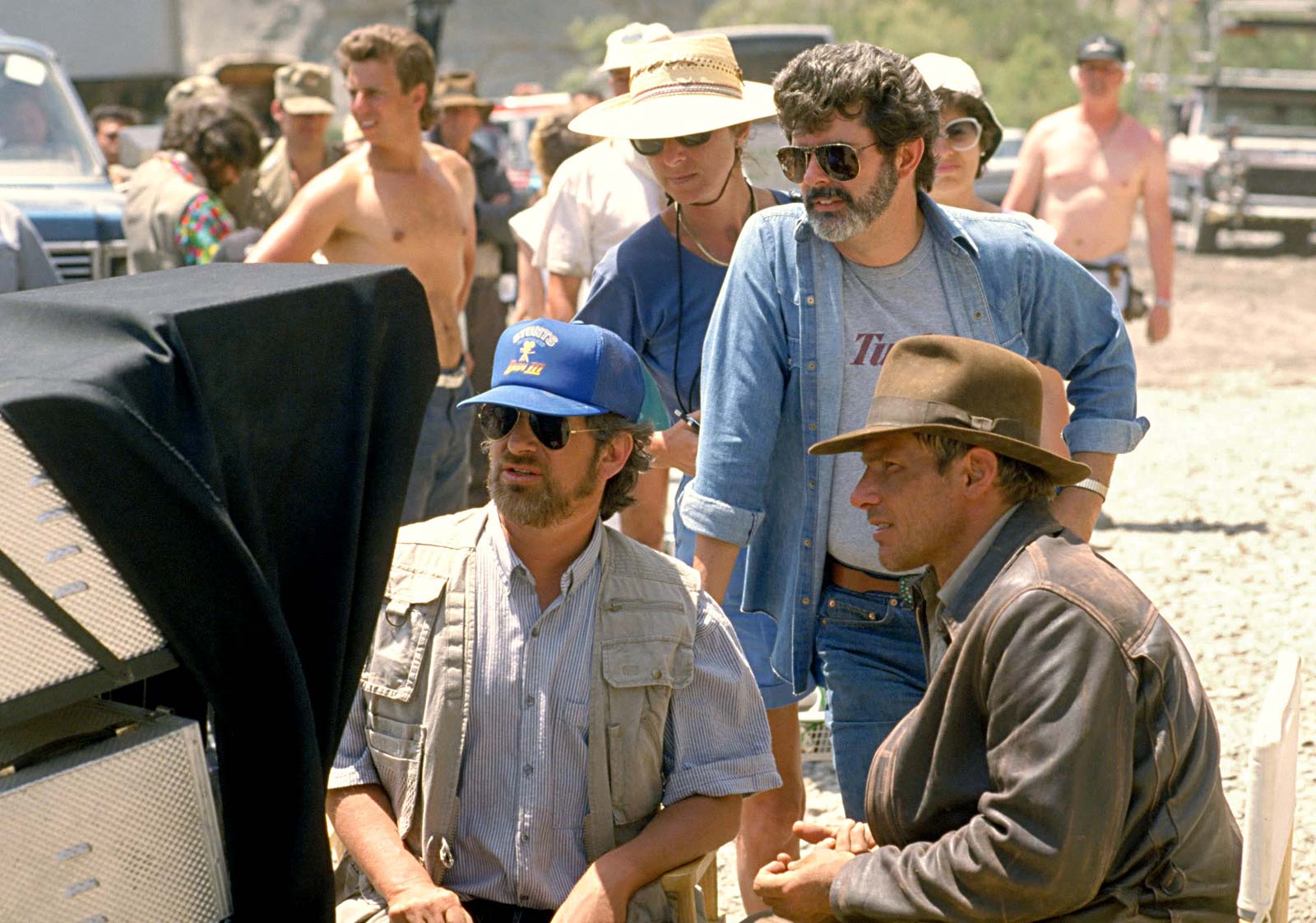
Raiders of the Lost Ark was conceived by Steven Spielberg and George Lucas while the two were on vacation at the time Star Wars was released in theaters in May 1977. The two filmmakers wanted to collaborate on a project. Spielberg wanted to do a James Bond film, but that did not pan out. Instead, he and Lucas decided to create their own hero and over time, Phil Kaufman helped flesh out Lucas’ story, and later Lawrence Kasdan wrote the screenplay.

When Raiders of the Lost Ark debuted June 12, 1981, it made us realize that Hollywood did not make movies like this anymore. Directed by Steven Spielberg and executive produced by George Lucas, the film was a tribute to the old black and white adventure serials (often done by Republic Pictures) that appeared in cinemas back in the early days of film.  

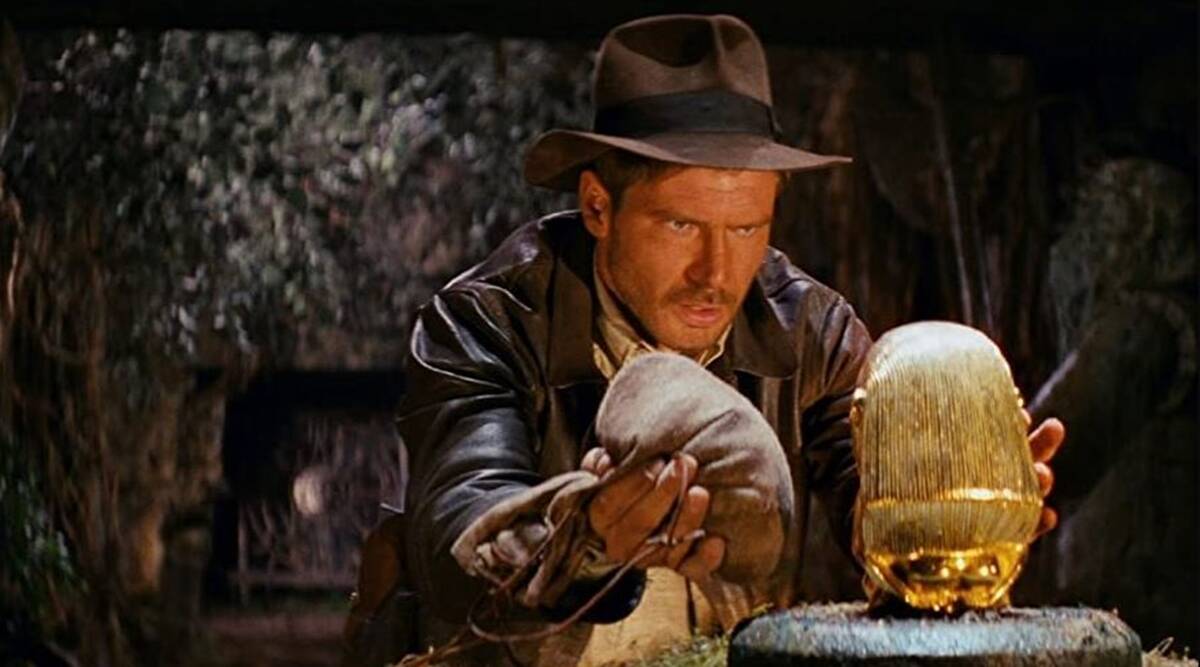
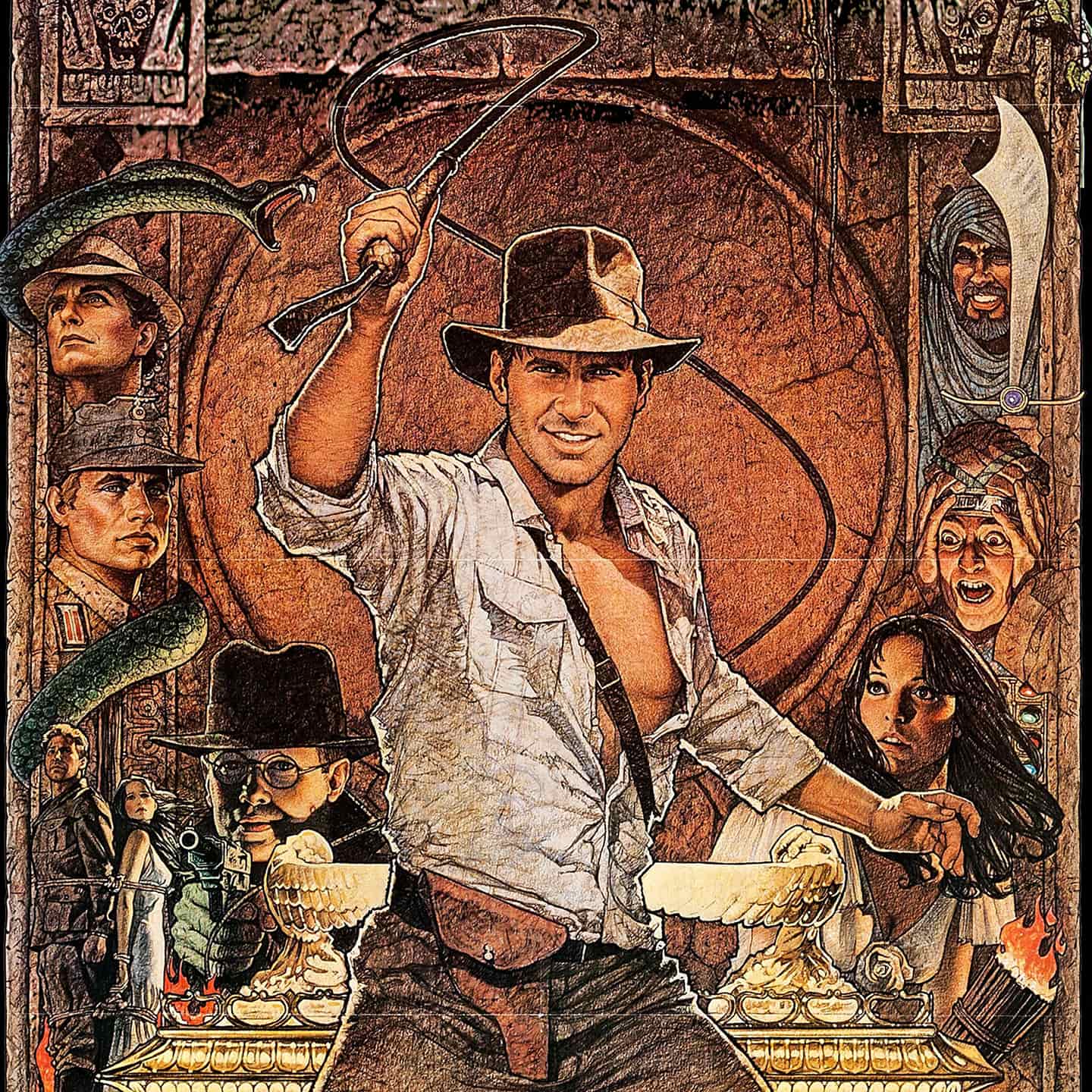
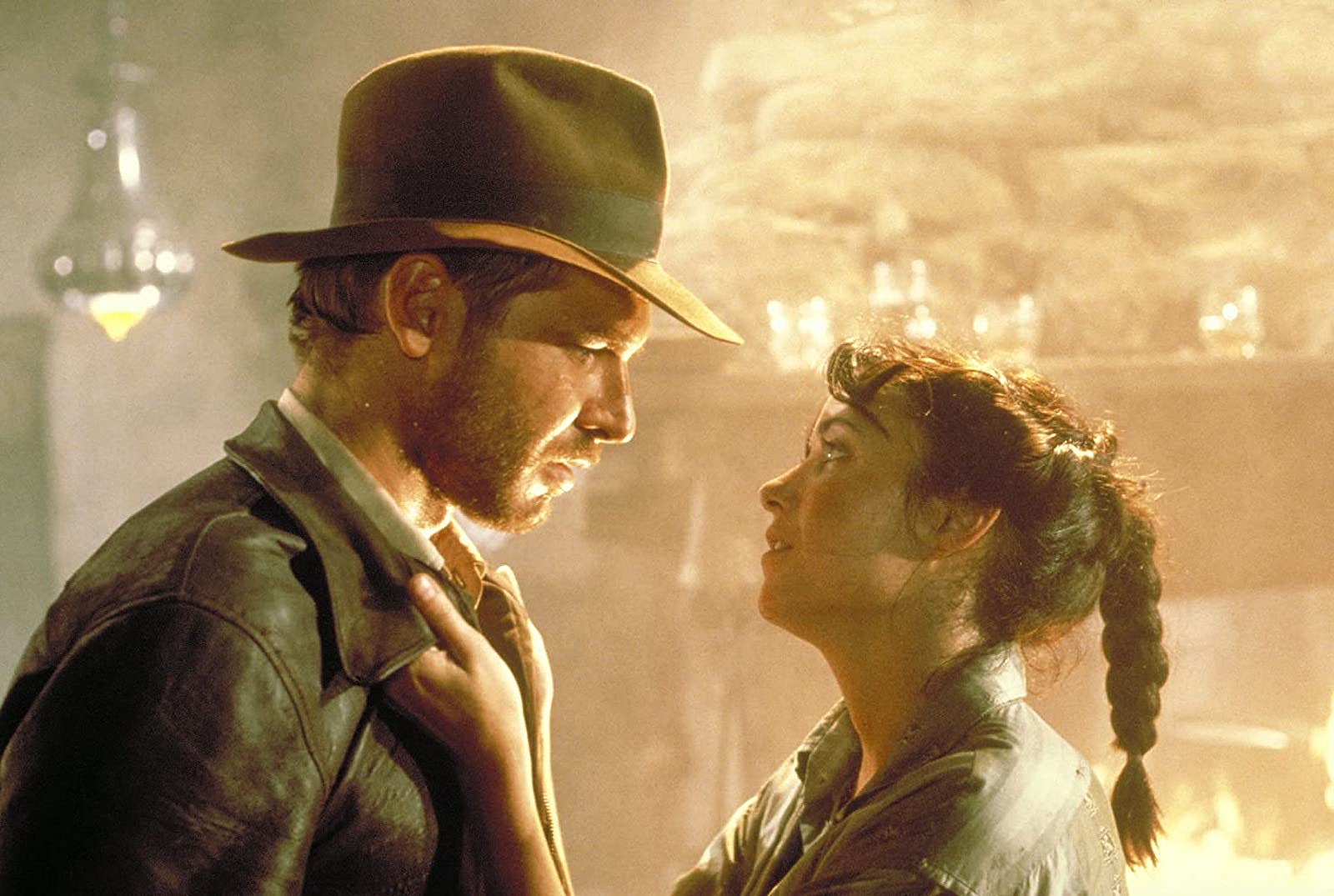
It was an adventure movie set in the 1930s with a touch of the religious and otherworldly—namely the mystical artifact, the Ark of the Covenant, which was sought after throughout the world by the archeologist Indiana “Indy” Jones (Harrison Ford, who was never more dashing) and Nazis led by Indy’s dastardly rival archeologist Rene Belloq (Paul Freeman). The film boasted a handsome and rugged hero, a beautiful, but tough, female lead (Karen Allen), smarts, spunk and pulse-pounding action. It’s why many moviegoers still consider Raiders of the Lost Ark to be the all-time greatest action movie.

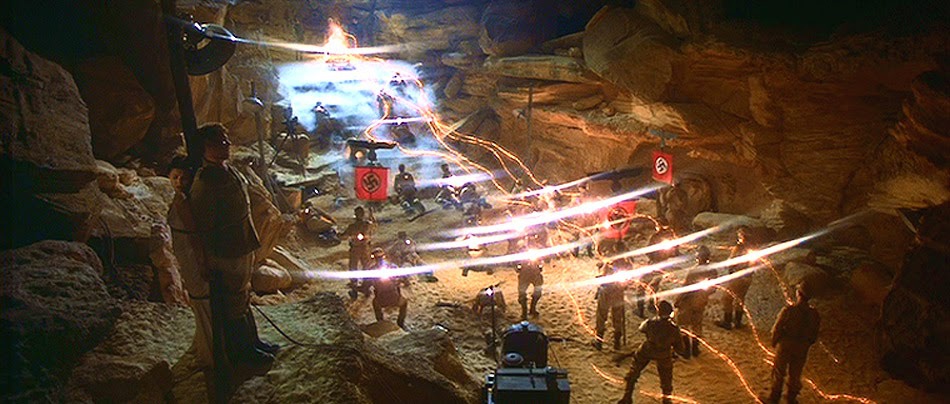
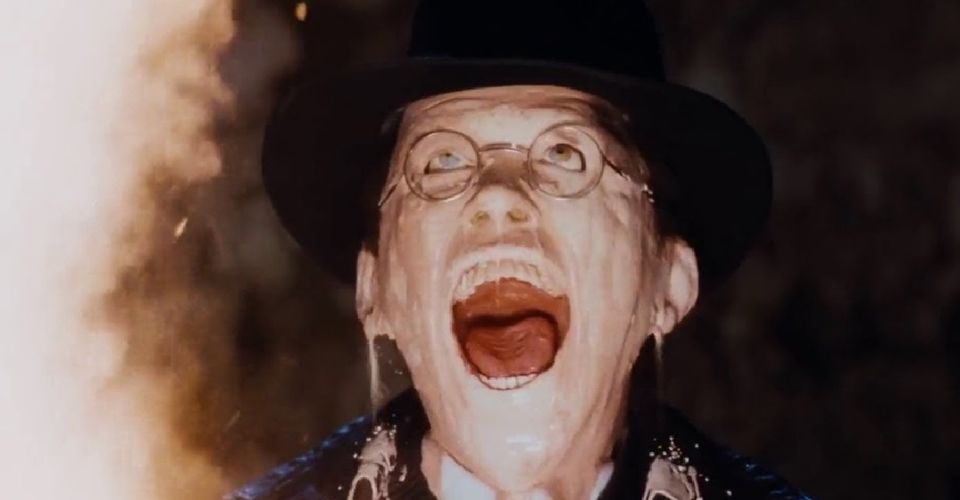
What helped Raiders stand out from other action films were Spielberg’s directing which injected so much passion and energy into each scene and the hint of the supernatural when the Ark was finally opened. Basically the film was a Republic serial on a steroid budget as it boasted topnotch production values and effects, which consisted of blue screens and miniatures. One chilling effect that was unique at that time was that of one of the villain’s face melting off when the Ark was opened. The effects crew constructed a mold using a stone skull and gelatin that was melted between two propane heaters. It took about ten minutes for the face to melt, which of course, was sped up in the film to a gruesome effect.

Another star of the film was the film’s composer, John Williams. Already famous for his memorable scores for Jaws, Star Wars, and Close Encounters of the Third Kind, Williams was picked for Raiders thanks to his association with both filmmakers. Originally, Williams had two distinct themes for the film, and Spielberg suggested he combine the two and viola, that is how we got the famous Raiders March that evokes a feeling of grand adventure and thrills.

The film was wildly beloved when it burst into the scene that summer. Later in 1982, it won five Oscars and was even nominated for best director and best movie of the year, though as usual the Academy Awards voters chose to bestow those honors to less deserving winners (Warren Beatty for his overstuffed Reds, and Chariots of Fire, a real yawn fest of a film that is largely forgotten). As noted before, Raiders of the Lost Ark was based on cheaply made serials, yet it was made on a budget of less than $20 million. However, the film grossed almost $400 million (very high for its time), which proved that audiences still liked good old-fashioned adventures.

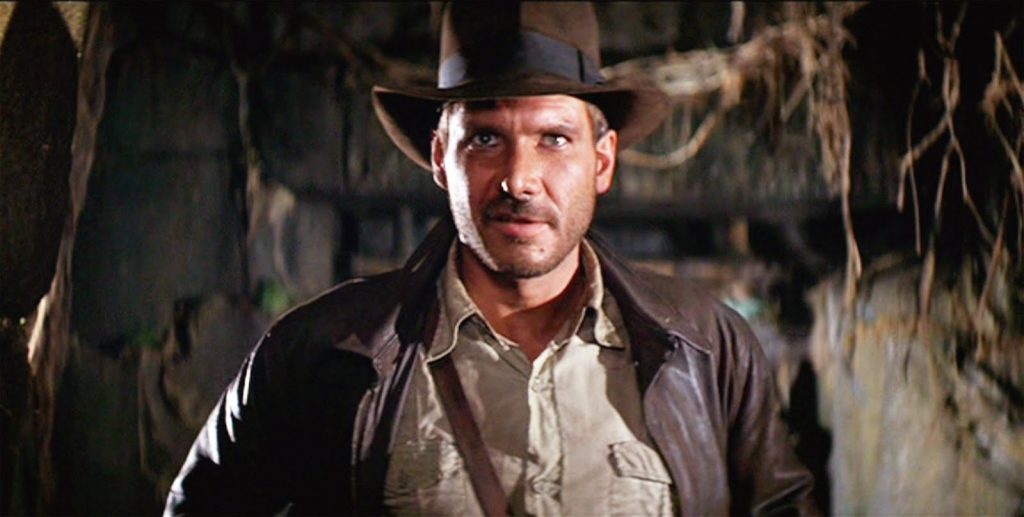
American actor Harrison Ford on the set of “Raiders of the Lost Ark”. (Photo by Sunset Boulevard/Corbis via Getty Images)

Raiders of the Lost Ark and the followup Indiana Jones films dispelled any doubt that Harrison Ford could only be a box office draw for the Star Wars movies. Ford stood out so clearly with his iconic wardrobe, bullwhip and tough-as-nails demeanor, except when it came to snakes! After his role in Indy, Ford went on to become one of the top earning action stars of the ’80s.

At the same time, Raiders helped disprove that George Lucas was a one-trick pony, since he is best known for his Star Wars films, while it cemented Steven Spielberg’s deserved status as one of our greatest film directors.

The sequels were well received for the most part with exceptions. The first sequel, or rather prequel (since it takes place before Raiders), Indiana Jones and the Temple of Doom was criticized for being too violent and helped inspire the PG-13 movie rating. The third film, Indiana Jones and the Last Crusade was considered by some as the best of the Indy films, though most still think that forty years later, the first one is the best. Unfortunately, the last one, Indiana Jones and the Kingdom of the Crystal Skull, which came out in 2008, is considered to be the weakest film, thanks to the obvious use of CG, clumsy antics and Shia LeBeouf, who played Indy’s son, but it still has some terrific moments.

Thankfully, that film will not be the last we have seen of Professor Jones as a new adventure is being filmed for release next year. But given Harrison Ford’s advanced age (he is 78), it is hard to see how the film will convince us he is still a man of action. It’s too bad, there were not more Indiana Jones movies made when Ford was in his prime, otherwise we would not have this dilemma. But keep in mind that the actor wanted to branch out and do other films, plus Spielberg and Lucas were also busy with other projects, which meant that all three getting together to do more Indy films was a logistical nightmare and it still is, as seen by the fact that Steven Spielberg is not directing the fifth film; James Mangold has taken over for the directing duties.

With three sequels released and a fourth sequel currently filming we should take a moment to consider the appeal and influence of Indiana Jones.

The concept of Indy being an outdoor adventurer looking for things of importance no doubt influenced Tomb RaiderUncharted, the Temple Run video game franchise, the Jumanji films, Brendan Fraser’s The Mummy, and even Dora the Explorer. Lesser known properties inspired by Indy’s film adventures include the cult classic The Rocketeer, the fairly recent Journey to the Center of the Earth movies with Brendan Fraser and The Rock, and TV shows like Tales of the Golden Monkey. There was even an Indy- themed episode of Magnum P.I. starring Spielberg and Lucas’ first choice to play Indiana Jones—Tom Selleck. The actor almost got the part, but had to bow out due to contractual obligations with his TV show.

Raiders of the Lost Ark is so influential that any imagery in media showing a person or people exploring the jungle, with table cards flashing a bold logo is no doubt influenced by Indiana Jones. It even re-popularized the fedora hat that Indy often wore along with his leather jacket. These are just some of the reasons why we celebrate Raiders of the Lost Ark forty years after its release. Simply put, it still holds up as an exciting, innovative and lavish adventure yarn that is timeless.  To paraphrase Belloc, who mentioned in the film that if he buried a cheap watch in a thousand years it would become priceless, well in a thousand years we sense that this movie will still be priceless!

Walter L. Stevenson