
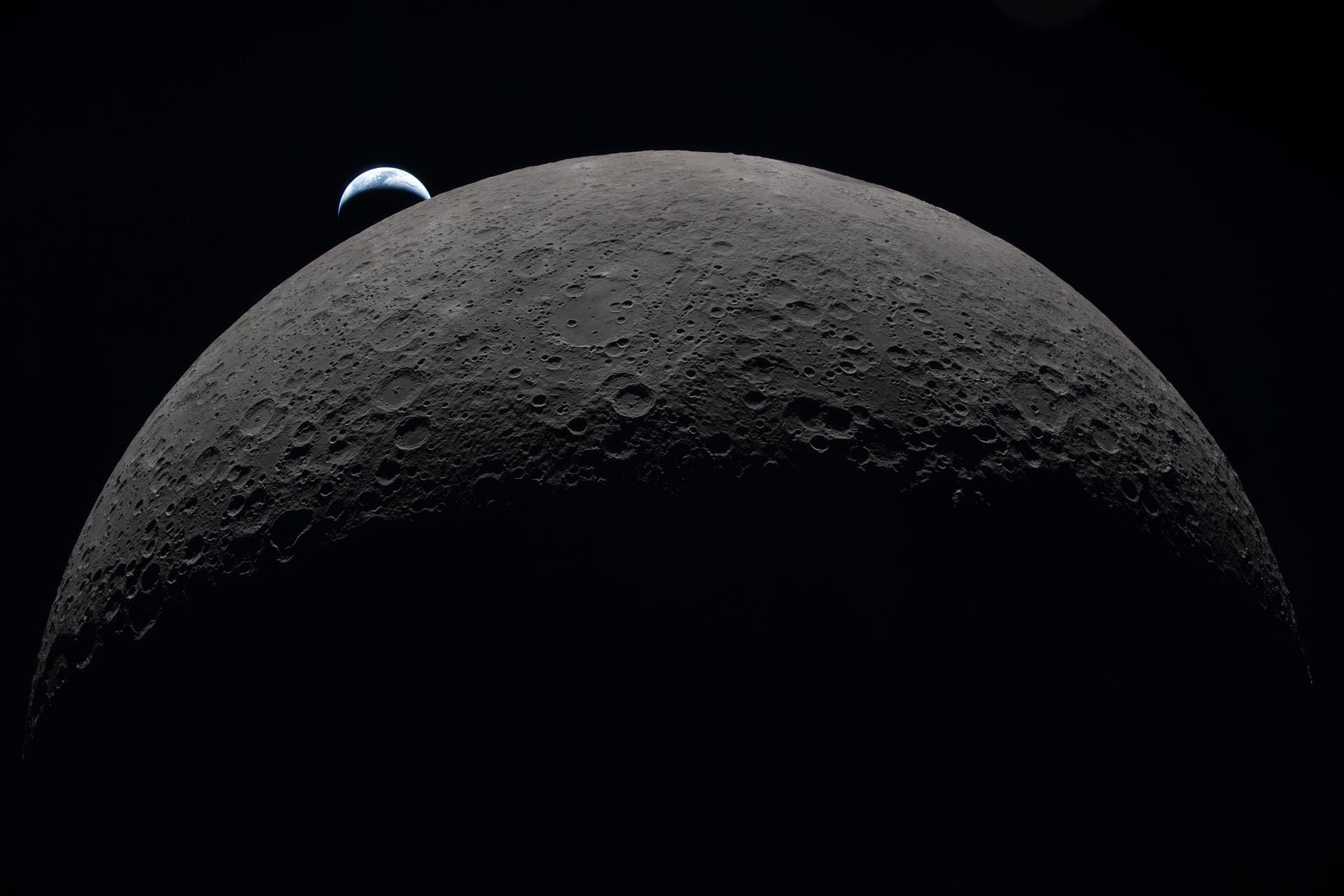
As a kid growing up in the ‘70s, there were few things cooler than knowing that we landed on the moon. It was a whirlwind era of excitement for kids as we waited for the next moon landing. We had other obsessions in that time like Mego action toys, G.I. Joe figures and TV shows like the Six Million Dollar Man and Space: 1999. But right in the mix was something even bigger: the moon missions-until one day, I noticed we weren’t sending anymore astronauts to the moon.
What happened a few years ago for me at the time was beginning to be a thing of a distant past. IN 1972, the Apollo space missions ended. A lot of us thought they were merely on hiatus. By 1976, we celebrated the nation’s bicentennial but without any further lunar missions as the number of lunar missions that year was a big zero. At a family trip to Cape Kennedy (which had since been renamed by Cape Canaveral, its original name) and the Kennedy Space Center, I remember the experience in awe. They had rockets everywhere and spaceships that sent people to the moon. But what dampened the experience for me was that in my visit, the Apollo era had ended.
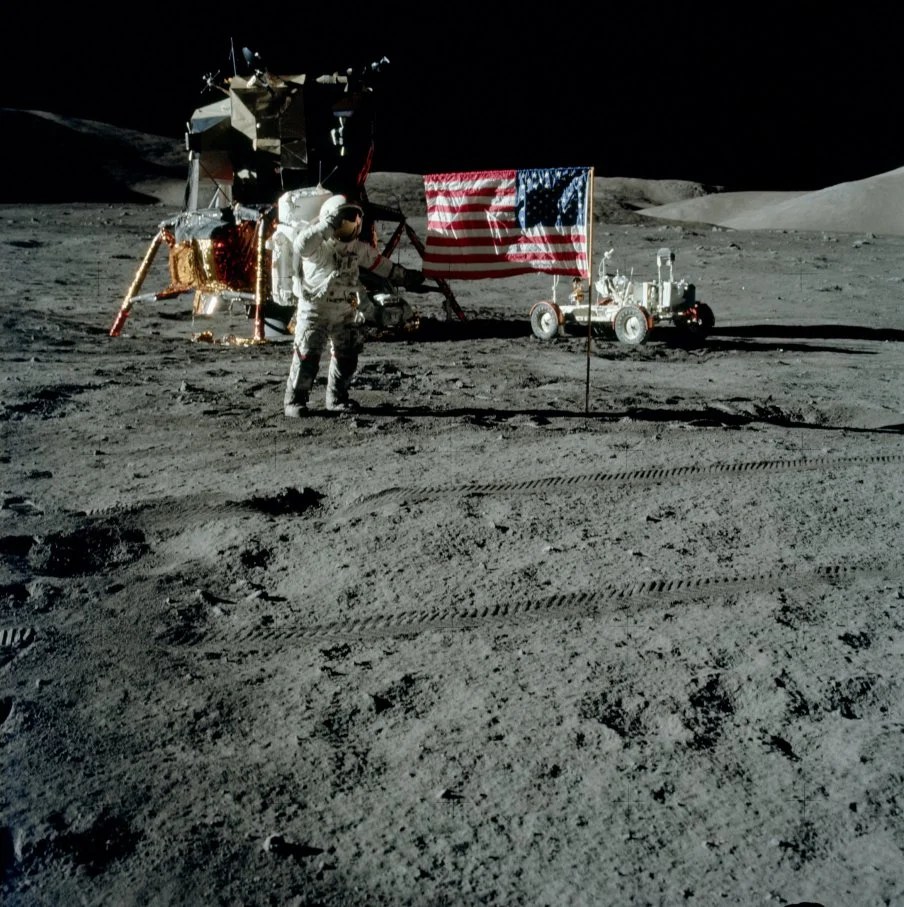
Over the years we’ve been through a long stretch of futurist speculations and promises seen on the covers of magazines such as Popular Science and Omni, and sci-fi TV shows. We’ve had robotic missions to nearby planets that captured our imaginations and the space shuttles missions which helped construct the International Space Station. But these suborbital missions did not really captivate us like the Apollo missions since it did not seem like we were advancing towards a permanent presence on the moon and beyond. Setbacks like the Challenger disaster and political squabbles over NASA’s budget didn’t help either. Yes, we made advances with satellites and robotic missions but they seemed uneventful for most of us.
That all changed 54 years after the last Apollo mission when the Artemis II mission reignited that wonder with its 10-day journeyed around the moon and farther out in space than any human has journeyed, which captured sights unseen since time began.
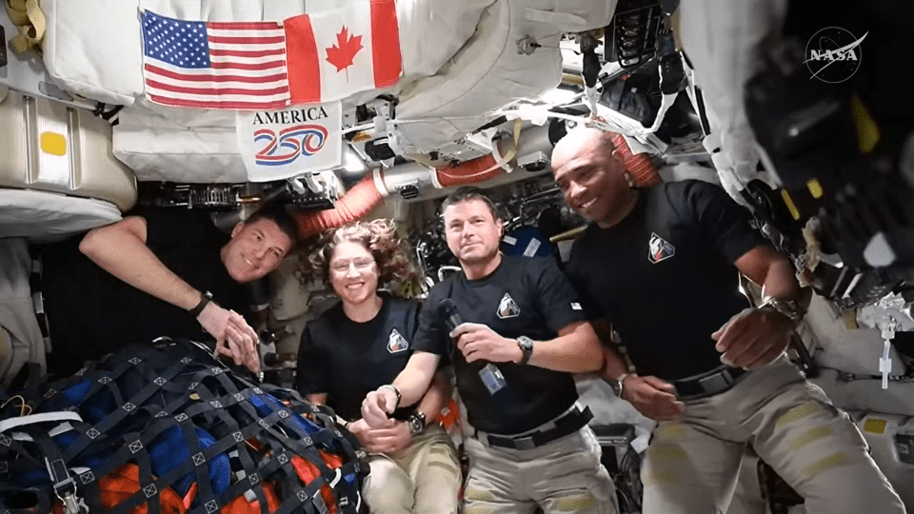
It all started on April 1, 2026 when astronauts Reid Wiseman, Victor Glover, Christina Koch and Jeremy Hensen launched onboard the Orion spacecraft called Integrity to the moon. In addition to this being the first time humanity left near Earth orbit since the early 70s, the mission established many historic firsts: the first multinational crew to go to the moon, the first woman, the first person of color, the first non-U.S. cititzen and more importantly the furthest out into space that any human has journeyed. This happened during the climax of the trip when the Artemis II astronauts headed out past the dark side of the moon and captured spectacular images that will certainly inspire future generations. Their journey unexpectedly captivated the world as this peaceful mission showed the best of humanity thanks to the personable messages and images the Artemis II crew conveyed to the world from the cramped Integrity. Their voyage provided us with much needed relief and renewed hope for humanity as it is embroiled in needless wars, pandemics, crumbling economies and criminal political leaders. There may be some hope for us, yet.
Now that the Artemis II crew returned safely to Earth, their mission was more than just a historic event—it’s our return to the dreams our generation grew up with, and hope to have again. Just like the Apollo heroes, the Artemis II crew are paving the way of something even bigger—our next leap into space exploration. Alongside our childhood nostalgia, what truly fuels the Artemis II mission is how far we’ve come.
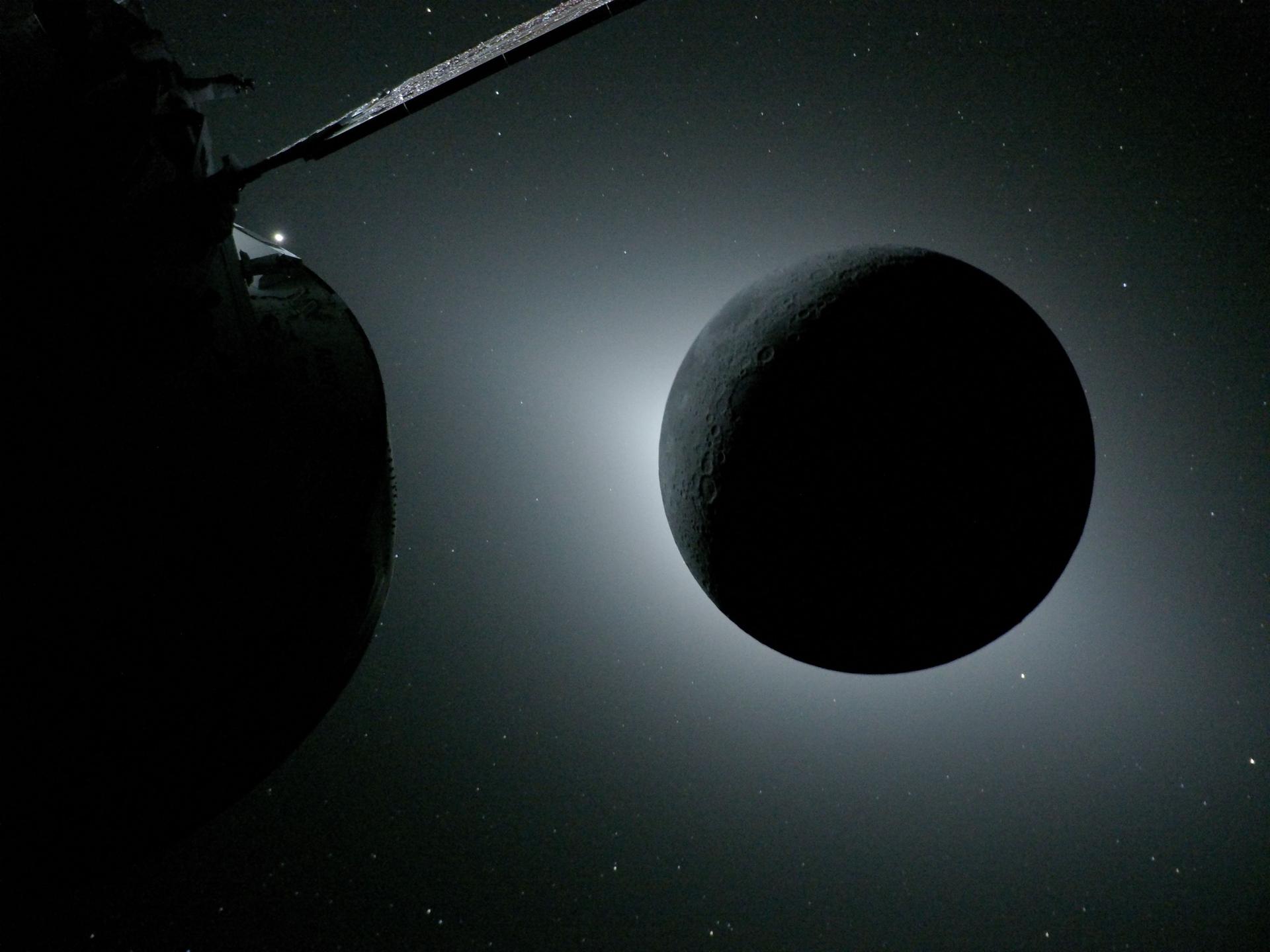
The privatization of space, with players like SpaceX, Boeing and Blue Origin, has opened up competition and innovation with space. Advances in computing, AI, and engineering, plus what we learned from past missions have reignited a new era for space exploration. This will include a lunar landing in 2028 and hopefully the establisment of a moon base in 2030. From there we can start to seriously conisder missions to Mars and beyond within the next few decades. What once was paused after the Apollo misisons ended, have been rekindled as humanity races back to the moon…and goes beyond.
Steven L. Walterson
 Starloggers