Top Ten Space Films

Given all the recent and renewed attention to space travel thanks to the Artemis II mission and the popular film Project Hail Mary, let’s list the top ten best space exploration films to date. Keep in mind, this list will focus on films with more realistic space travel and exploring instead of fantastical fare like Star Wars, Star Trek or Alien that are more oriented towards action/adventure or horror. Feel free to drop a comment with your ideas, and now…

10. Europa Report
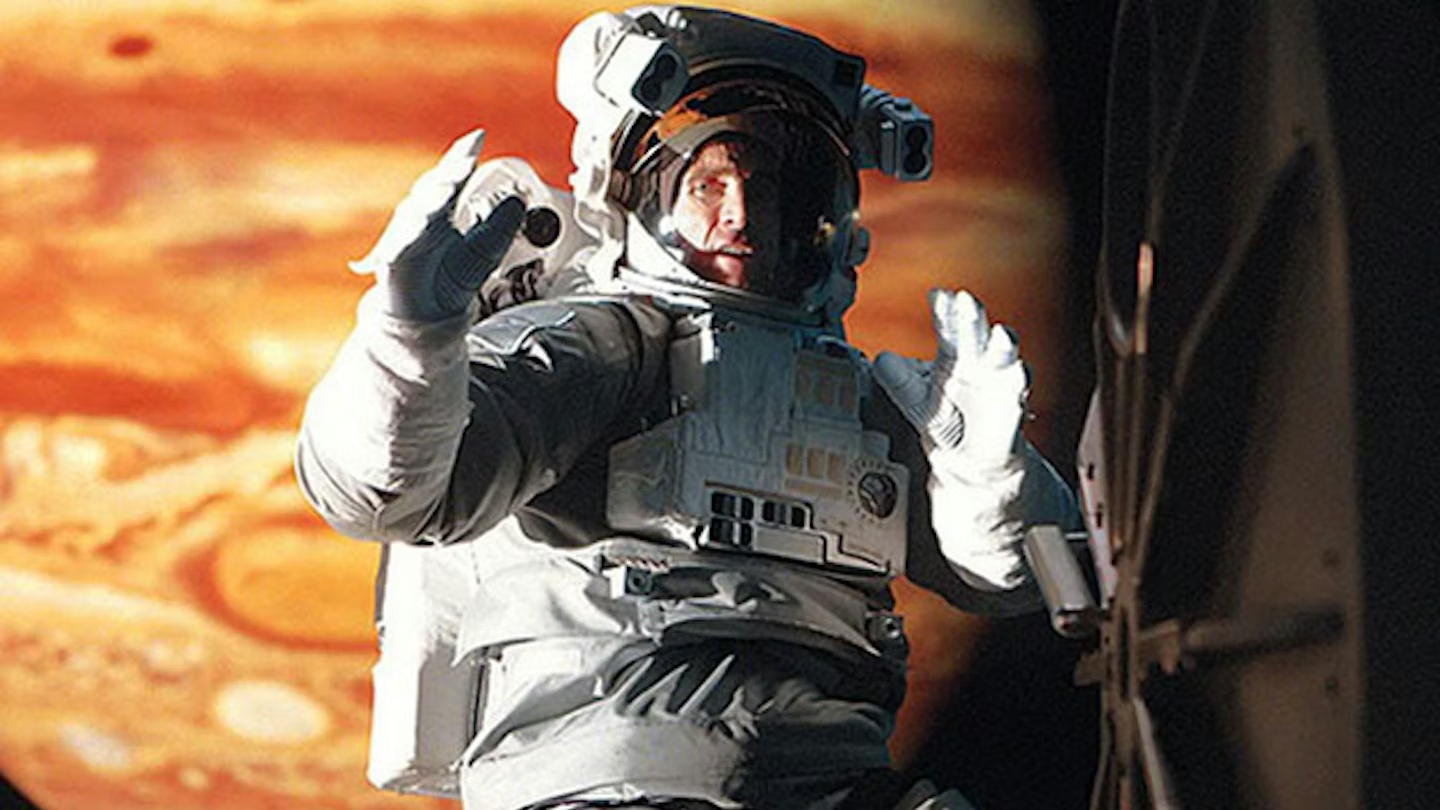
This film is unique in that it is a found-footage tale about a doomed human mission to Jupiter’s moon, Europa. The premise was well presented and underlined the film’s tension with the format of using a series of video diaries from the astronauts chronicling their voyage to Europa in search of life and what they find. This was a great example of a found-footage film done correctly with some solid performances and editing that heightened the film’s tension.

9. Ad Astra
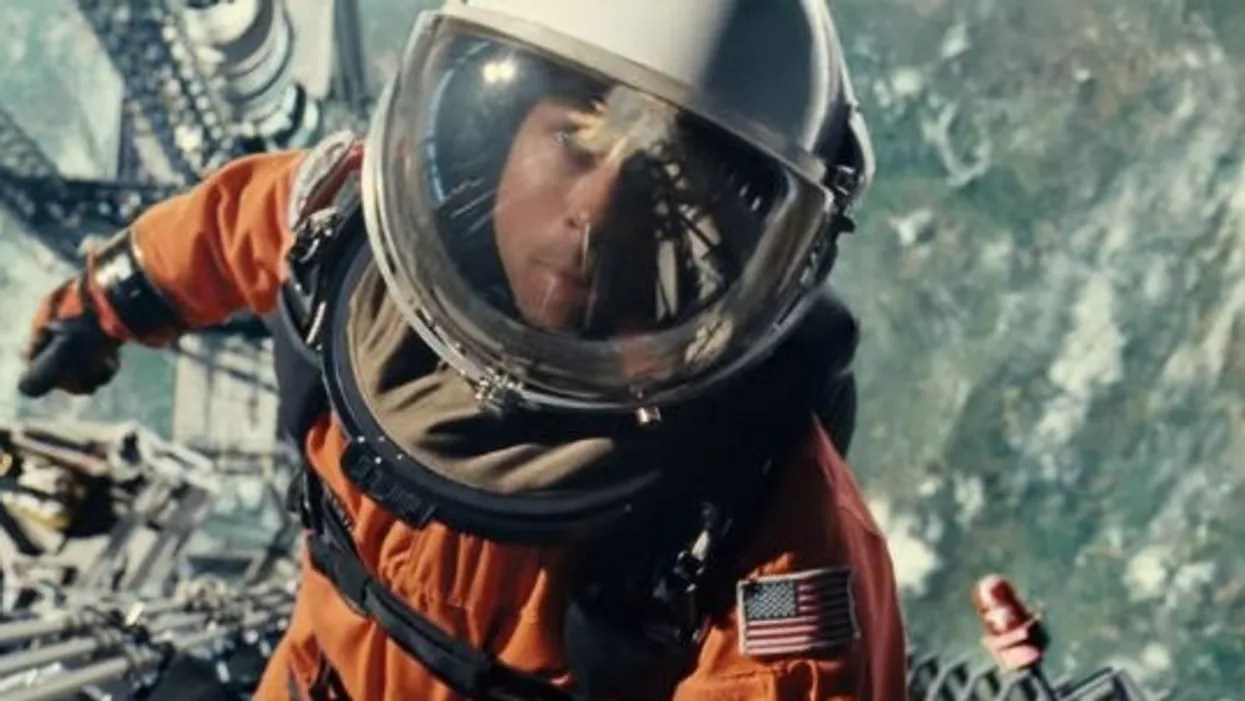
Brad Pitt turns in a great performance in a sci-fi version of Heart of Darkness as McBride, a jaded astronaut who must journey to the edge of our solar system to find out what is causing devastating surges of cosmic rays and what happened to his father (Tommy Lee Jones). Along the way, as he makes stops in colonies on the Moon and Mars, he questions his lost emotional connections with his former wife and his estranged relationship with his father in this more grounded look at future space travel.

8. Silent Running
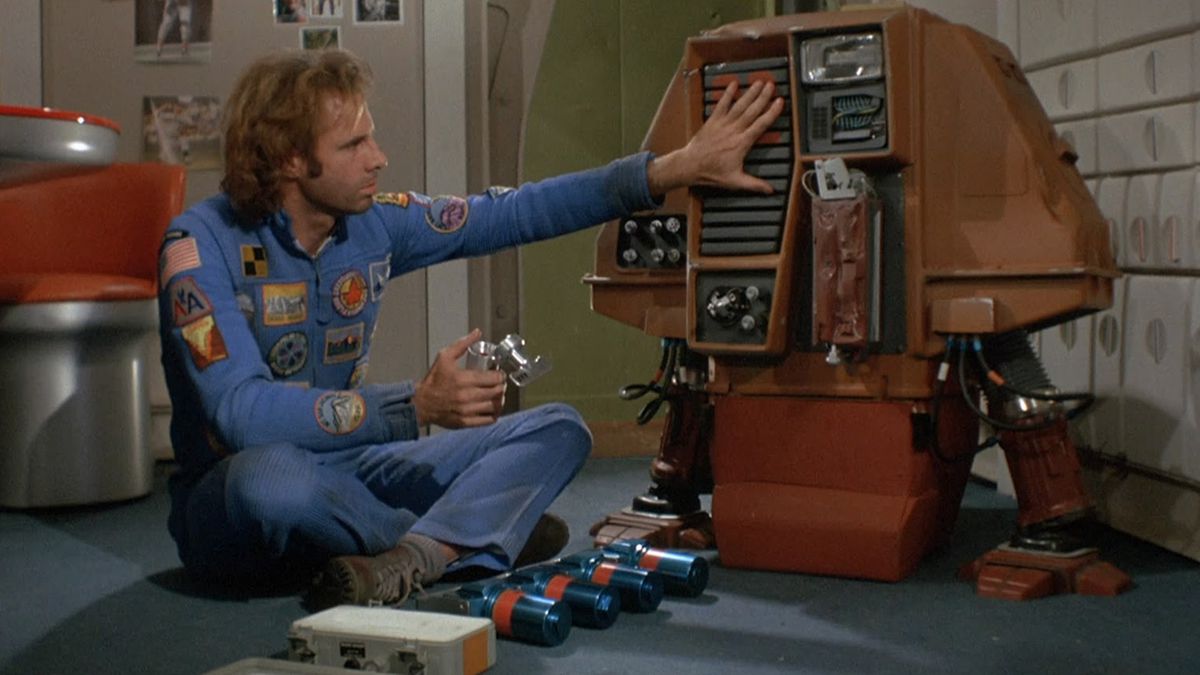
The strong environmental messages in this film can be over-the-top but still relevant in the pensive and quietly somber story of Freeman Lowell (Bruce Dern). Charged with taking care of Earth’s last remaining natural biomes in a massive spaceship, Lowell goes rogue after he is ordered to destroy the biomes and return to Earth. With a team of silent drones named Huey, Dewey and Louie, Lowell sets off on a lonely and emotional quest in the spaceship to preserve what is left of nature.

7. 2001: A Space Odyssey
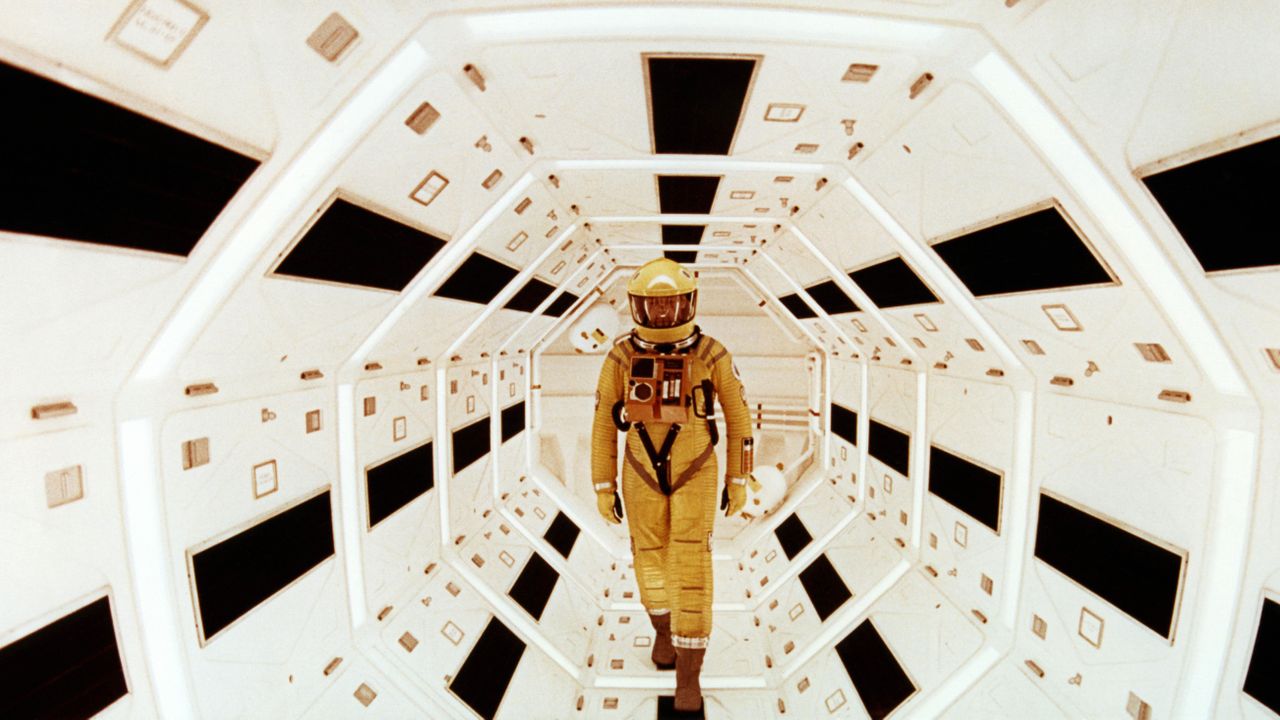
This will be an unpopular opinion, but the film is quite dull and slow moving despite all the praise it receives for being so visionary. That may be true, as the film boasts then-revolutionary special effects that hold up nearly 60 years later and many iconic moments such as the murderous AI and a trippy sequence as astronaut David Bowman approaches an alien monolith. However, the film has a deliberately slow pace and dull characters. Nonetheless, for its impact on films it belongs on this list.

6. The Martian

Based on Andy Weir’s book, Matt Damon stars as Mark Watney, an astronaut left stranded on Mars after his fellow astronauts believed him to be dead. By himself and with limited resources, Watney has to use his ingenuity to find a way to survive on the red planet and make contact with Earth. The use of real science to emphasize the difficulty of surviving on Mars and the logistics needed to rescue him were one of The Martian’s best highlights, though it could have used less of an annoying disco soundtrack and some missplaced humor.

5. Apollo 13
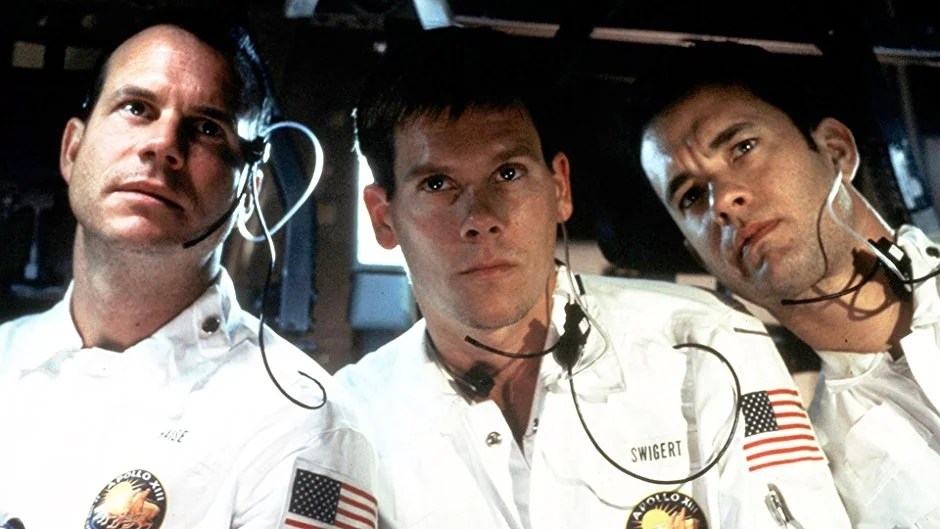
The true story of the heroic efforts to return the crew of the Apollo 13 lunar mission back to Earth was one of director Ron Howard’s most riveting and exciting films. Apollo 13 was buoyed by strong performances from Tom Hanks, Kevin Bacon, Bill Paxton and Ed Harris and brilliant directing by Howard. The director also cleverly used a technique of filming on a plane flying in a parabolic pattern to realistically create zero gravity in scenes onboard the space capsule, which was a great highlight.

4. Sunshine

Director Danny Boyle helmed this great sci-fi thriller about the desperate voyage of the Icarus II to our dying sun in order to restart it. Sunshine would have rated higher on the list if not for a bizarre left turn in the film’s third act but the ending was one of the most spiritual and awe-inspiring moments ever filmed for a sci-fi film. What made Sunshine stand out was its focus on the logistics of space travel, the increasing tension with the main characters who made the ultimate sacrifice to save our world, inspired imagery and terrific performances from the likes of Cillian Murphy, Michelle Yeoh and Chris Evans.

3. Project Hail Mary

Amaze! Amaze! Amaze! The most recent entry is one of the best space films ever made. Based on the book of the same name by Andy Weir, the film tells the story of Dr. Grace (Ryan Gosling), a former scientist turned science teacher sent on a mission to the solar system Tau Ceti to find out why the Earth’s sun and nearby stars are dying. Once there, Grace meets an alien he names Rocky and the two form a collaboration that turns into a genuine friendship as they try to find a way to save their worlds. This is Gosling’s best role and the film is bursting with real heart and emotion through the interactions with Rocky thanks to inspired direcing by Phil Lord and Christopher Miller.

2. Gravity
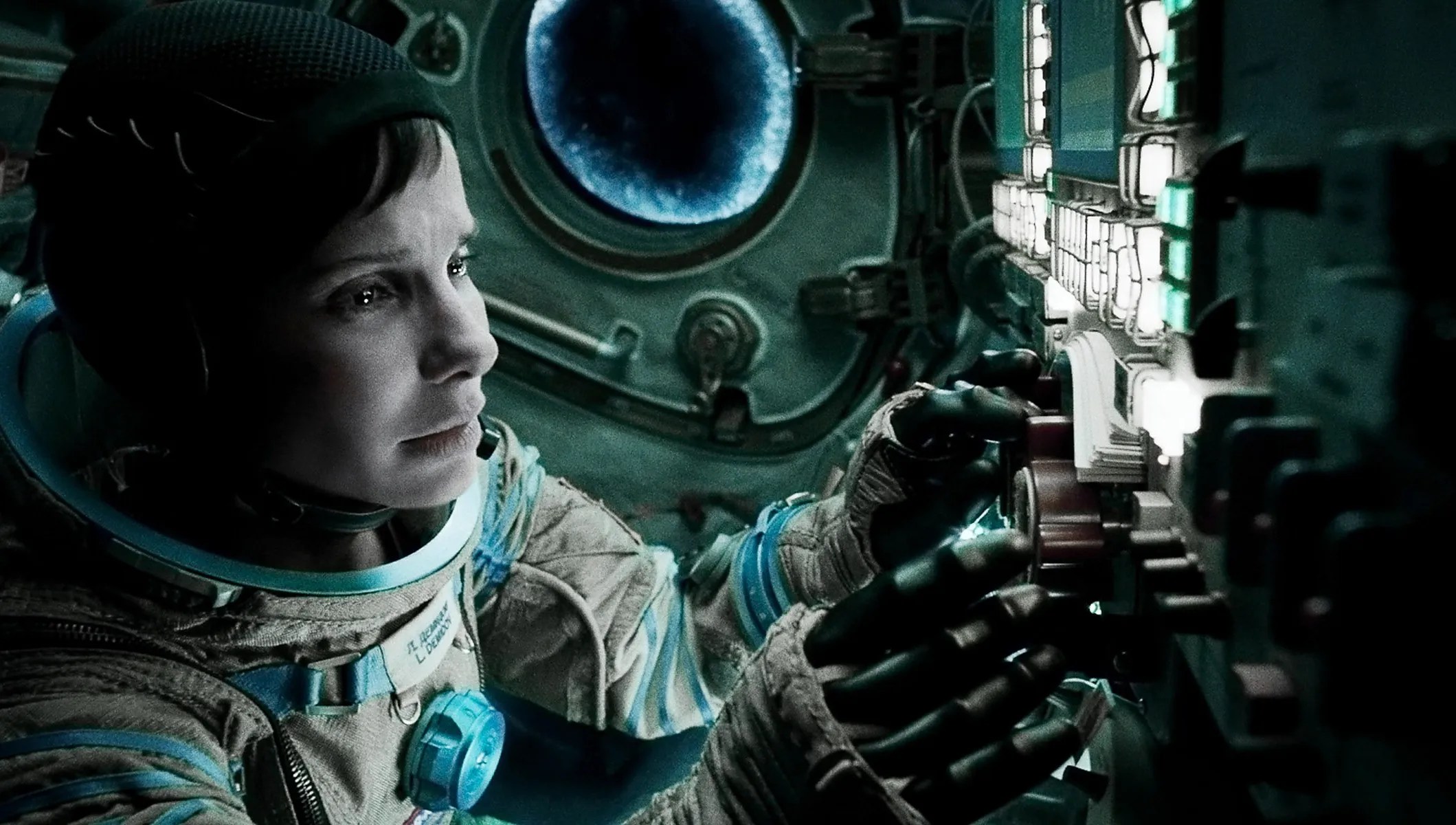
Gravity is an intense and at time terrifying look at the dangers of space travel that is grounded and heightened by a exemplary special effects and editing. Director Alfonso Cuarón deservedly won an Academy Award for directing this classic story of the sole survivor of a space shuttle mission trying to stay alive in near-Earth orbit after her ship is destroyed by space debris. Using continuous shots, silence and riveting music, Gravity paints a too-accurate and unnerving look at how perilous space travel is for those who choose to work in the inhospitable environment. Sandra Bullock truly excelled in one of her best performances as Dr Ryan Stone whose survival instincts propel her to stay alive during the harrowing ordeal.

1. Interstellar
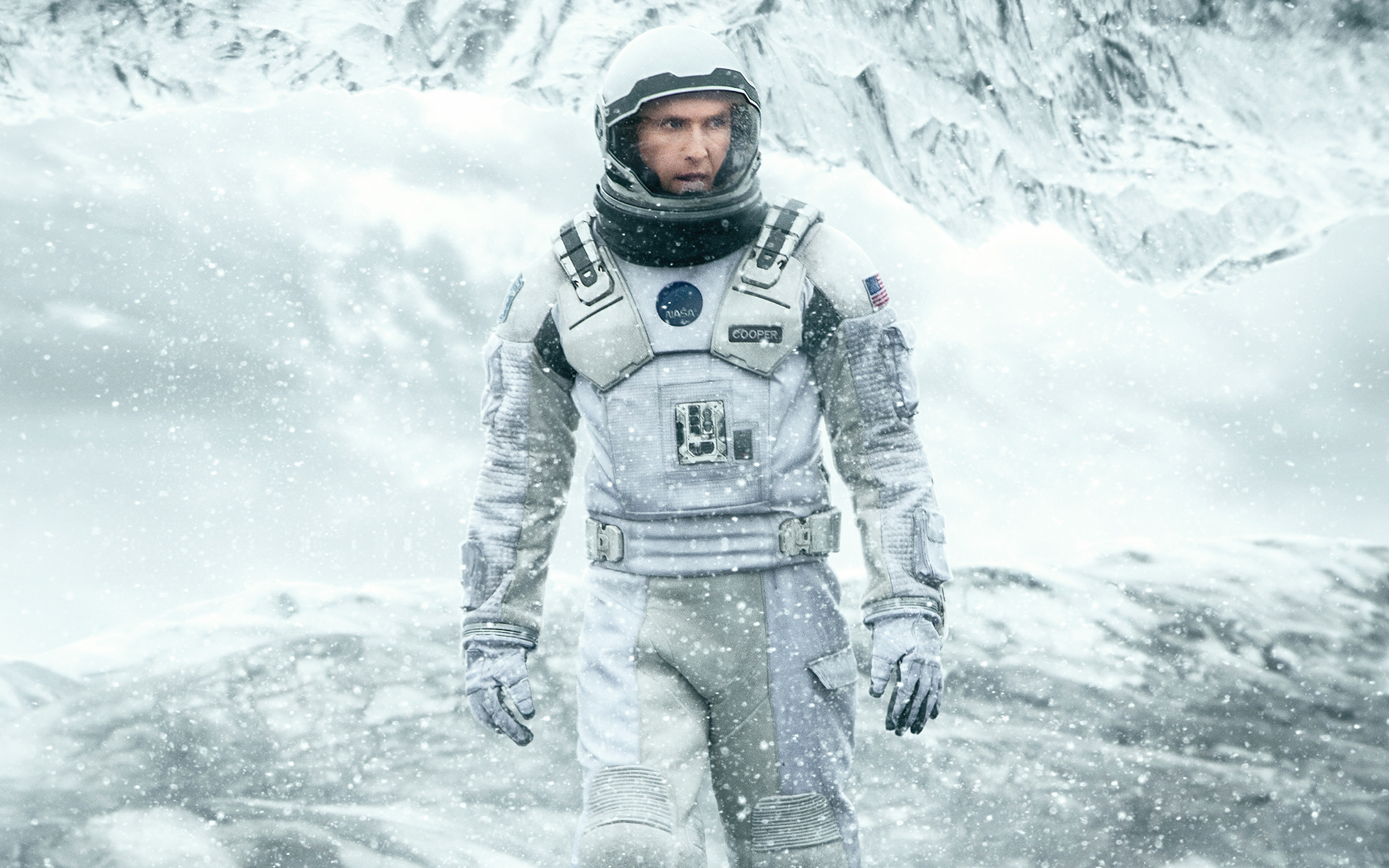
Director Christopher Nolan’s masterpiece that uses real science to present a captivating sci-fi story about a father, Joseph Cooper (Mathhew McConaughey), who sets off on a last-ditch effort onboard the spaceship Endurance to save humanity by finding a new habitable world. The film utilized actual science to accurately depict a black hole, silent space, time dilation and intiguing sci-fi concepts such as temporal paradoxes and wormholes. More importantly, unlike some other sci-fi films that get carried away with cold concepts, eye-popping effects and forget to dwell on emotion, Interstellar keeps its focus on its characters, especially Cooper, and the emotional impact space travel has on them, which can be both terrifying and wondrous.

Honorable Mentions:

2010; The Black Hole; Capsule; Contact; Destination Moon; First Man; A Million Miles Away; The Midnight Sky; Moon; The Right Stuff; Robinson Crusoe on Mars; Solaris; Space Cowboys; Spaceman; WALL-E

José Soto
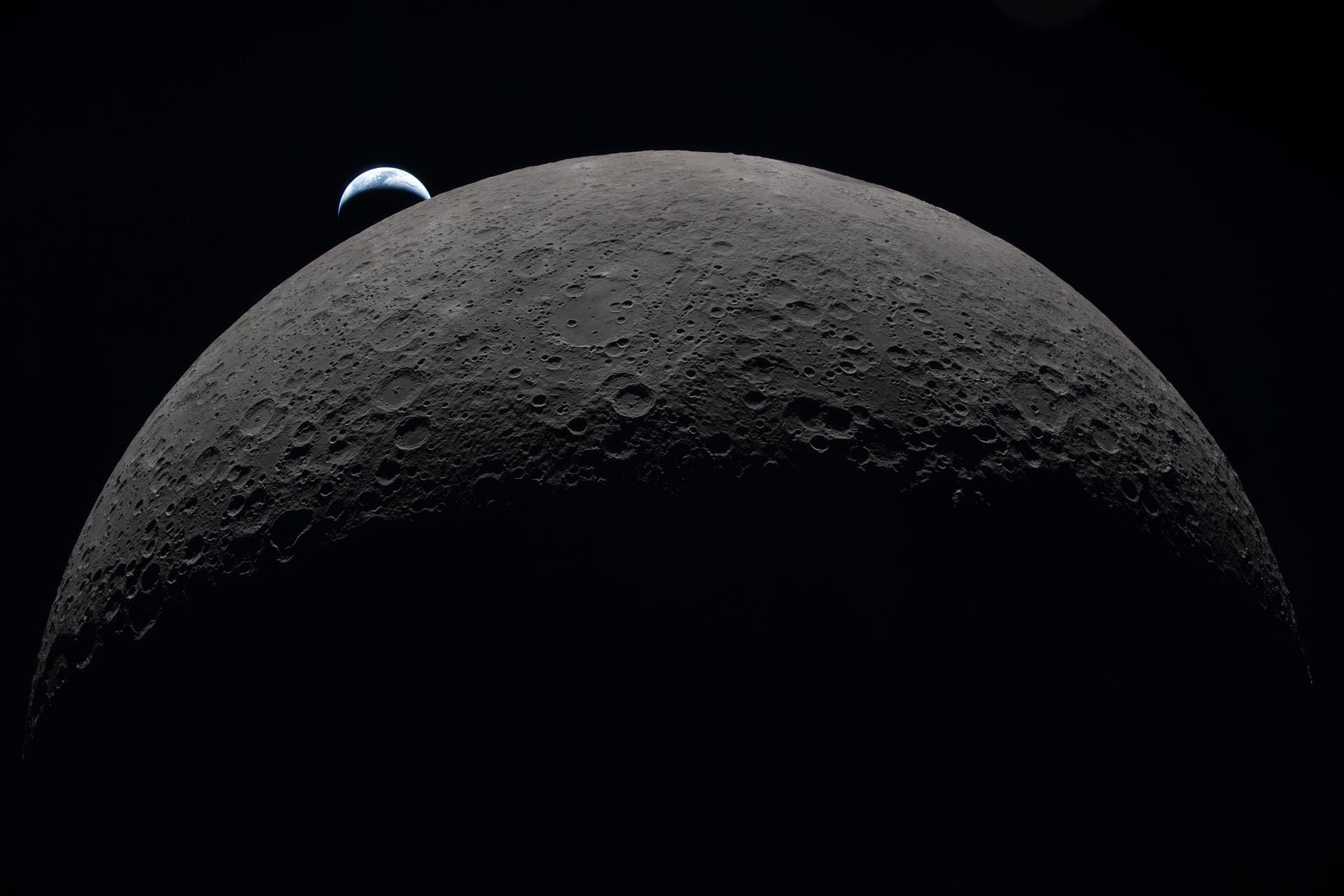
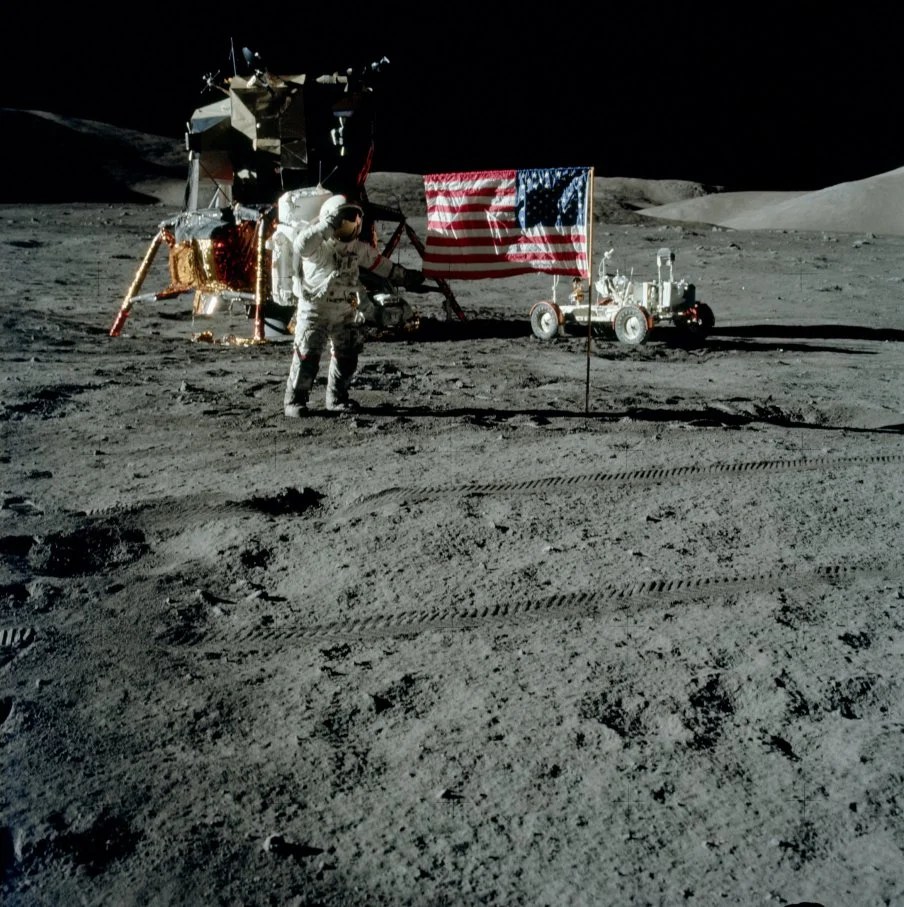
Artemis II Heralds Resumed Moon Missions With The Promise Of More Space Exploration

As a kid growing up in the ‘70s, there were few things cooler than knowing that we landed on the moon. It was a whirlwind era of excitement for kids as we waited for the next moon landing. We had other obsessions in that time like Mego action toys, G.I. Joe figures and TV shows like the Six Million Dollar Man and Space: 1999. But right in the mix was something even bigger: the moon missions-until one day, I noticed we weren’t sending anymore astronauts to the moon.

What happened a few years ago for me at the time was beginning to be a thing of a distant past. IN 1972, the Apollo space missions ended. A lot of us thought they were merely on hiatus. By 1976, we celebrated the nation’s bicentennial but without any further lunar missions as the number of lunar missions that year was a big zero. At a family trip to Cape Kennedy (which had since been renamed by Cape Canaveral, its original name) and the Kennedy Space Center, I remember the experience in awe. They had rockets everywhere and spaceships that sent people to the moon. But what dampened the experience for me was that in my visit, the Apollo era had ended.

Over the years we’ve been through a long stretch of futurist speculations and promises seen on the covers of magazines such as Popular Science and Omni, and sci-fi TV shows. We’ve had robotic missions to nearby planets that captured our imaginations and the space shuttles missions which helped construct the International Space Station. But these suborbital missions did not really captivate us like the Apollo missions since it did not seem like we were advancing towards a permanent presence on the moon and beyond. Setbacks like the Challenger disaster and political squabbles over NASA’s budget didn’t help either. Yes, we made advances with satellites and robotic missions but they seemed uneventful for most of us.

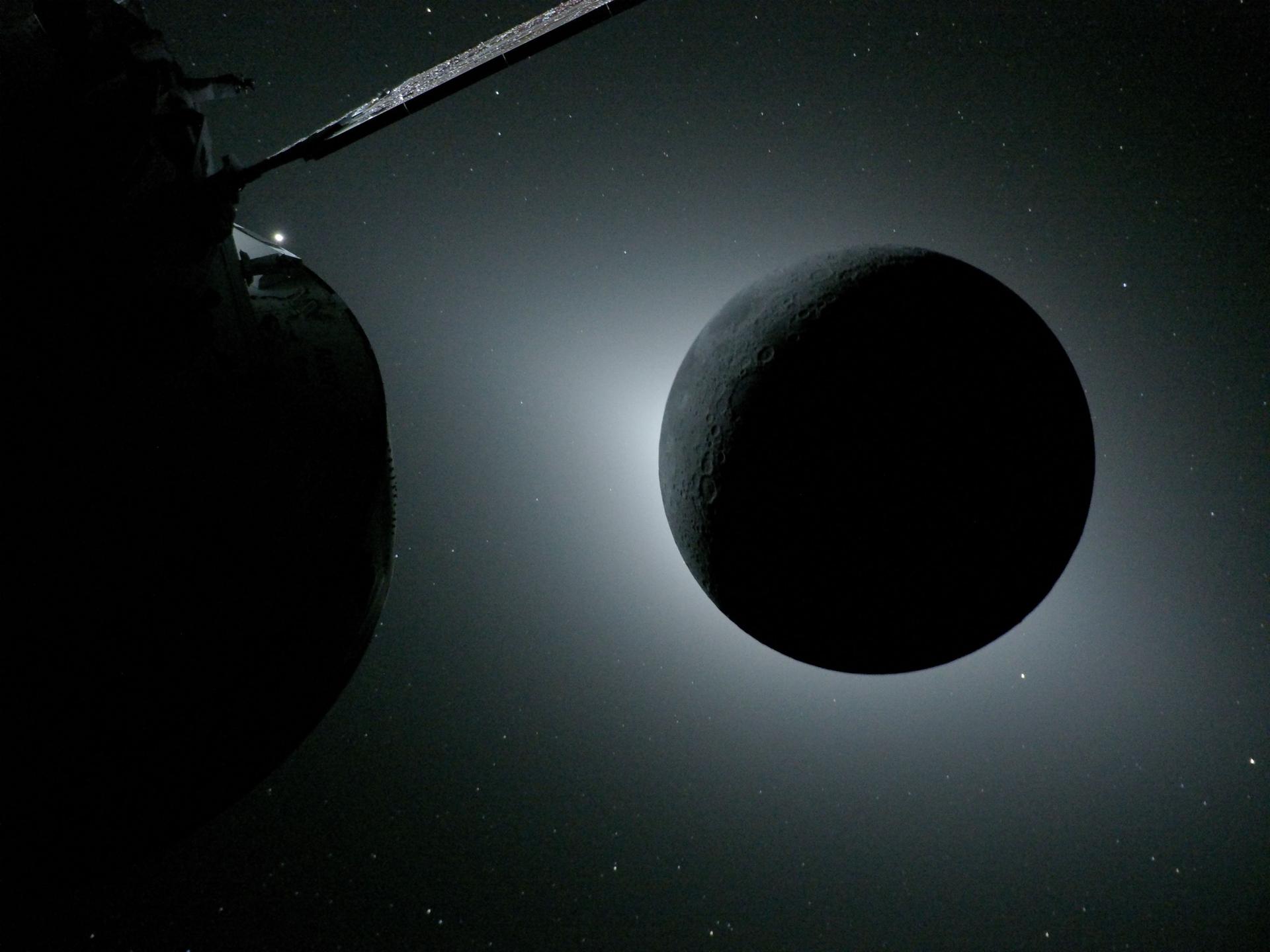
That all changed 54 years after the last Apollo mission when the Artemis II mission reignited that wonder with its 10-day journeyed around the moon and farther out in space than any human has journeyed, which captured sights unseen since time began.

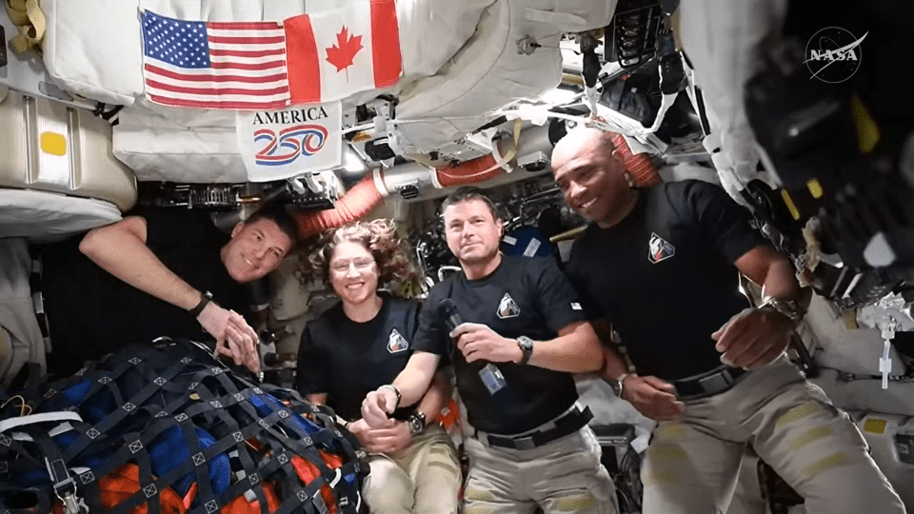
It all started on April 1, 2026 when astronauts Reid Wiseman, Victor Glover, Christina Koch and Jeremy Hensen launched onboard the Orion spacecraft called Integrity to the moon. In addition to this being the first time humanity left near Earth orbit since the early 70s, the mission established many historic firsts: the first multinational crew to go to the moon, the first woman, the first person of color, the first non-U.S. cititzen and more importantly the furthest out into space that any human has journeyed. This happened during the climax of the trip when the Artemis II astronauts headed out past the dark side of the moon and captured spectacular images that will certainly inspire future generations. Their journey unexpectedly captivated the world as this peaceful mission showed the best of humanity thanks to the personable messages and images the Artemis II crew conveyed to the world from the cramped Integrity. Their voyage provided us with much needed relief and renewed hope for humanity as it is embroiled in needless wars, pandemics, crumbling economies and criminal political leaders. There may be some hope for us, yet.

Now that the Artemis II crew returned safely to Earth, their mission was more than just a historic event—it’s our return to the dreams our generation grew up with, and hope to have again. Just like the Apollo heroes, the Artemis II crew are paving the way of something even bigger—our next leap into space exploration. Alongside our childhood nostalgia, what truly fuels the Artemis II mission is how far we’ve come.

The privatization of space, with players like SpaceX, Boeing and Blue Origin, has opened up competition and innovation with space. Advances in computing, AI, and engineering, plus what we learned from past missions have reignited a new era for space exploration. This will include a lunar landing in 2028 and hopefully the establisment of a moon base in 2030. From there we can start to seriously conisder missions to Mars and beyond within the next few decades. What once was paused after the Apollo misisons ended, have been rekindled as humanity races back to the moon…and goes beyond.

Steven L. Walterson

For All Mankind Looks Ahead By Going To The Past

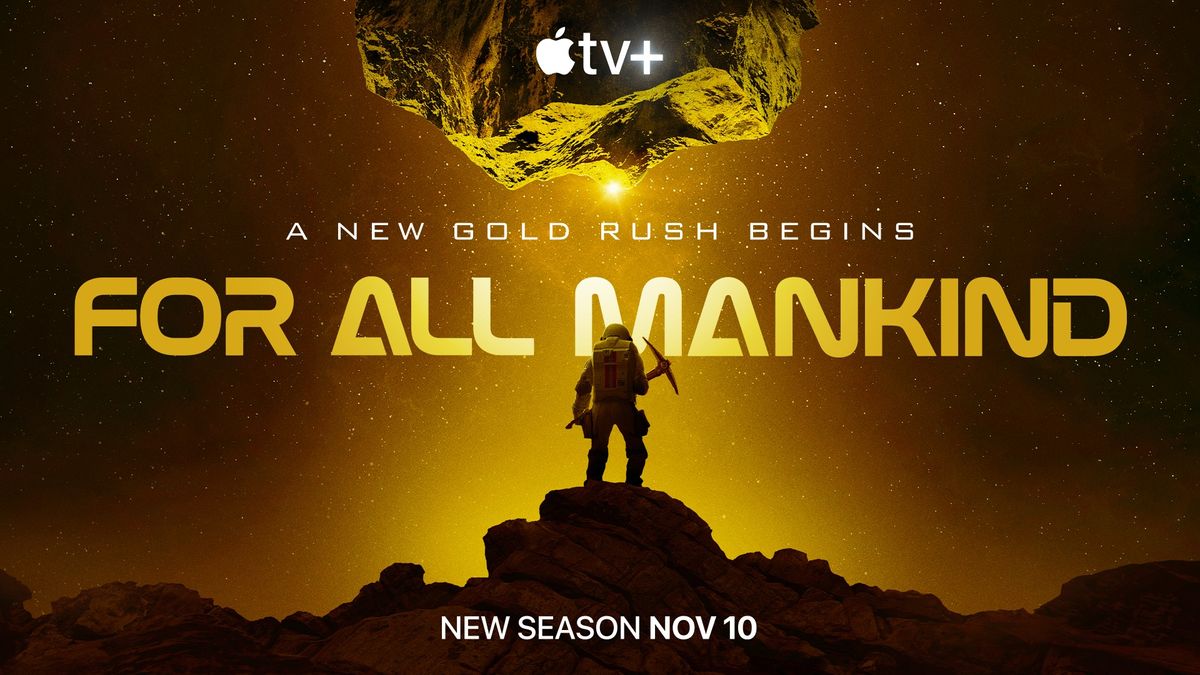
The fourth season of the alternate history TV series, For All Mankind, just concluded with a typical speculative flourish that defines the program.

Streaming on Apple TV +, For All Mankind was co-created by Ronald D. Moore and explores a reality where the Soviets reached the moon before the United States could. Instead of stagnating as in our reality, in this alternate world, the United States is inspired to keep pushing the boundaries in space exploration. In each subsequent season, the series jumps ahead roughly every decade and we see how much of an impact the Soviet moon landing has in the world. A lunar station is established in the 1970s, which further fuels the space race between the world powers of the Soviet Union and the United States. Naturally, this also fuels the Cold War which now extended into outer space as seen in season two when the two world powers nearly went to war on the moon during the 1980s.

By the third season, tensions cooled between the two powers in the 1990s. A new space race to reach Mars and the struggles of those who reached the red planet were the focus of the third season. This brings us to the fourth season which just concluded. Taking place in the early 2000s, the fourth season of For All Mankind presents a world where Al Gore is the U.S. president, the Soviet Union continues to exist, John Lennon is still alive and there are only three Star Trek TV shows (!), but as with the previous seasons, the TV show focuses on several characters affected by the alternate space race.

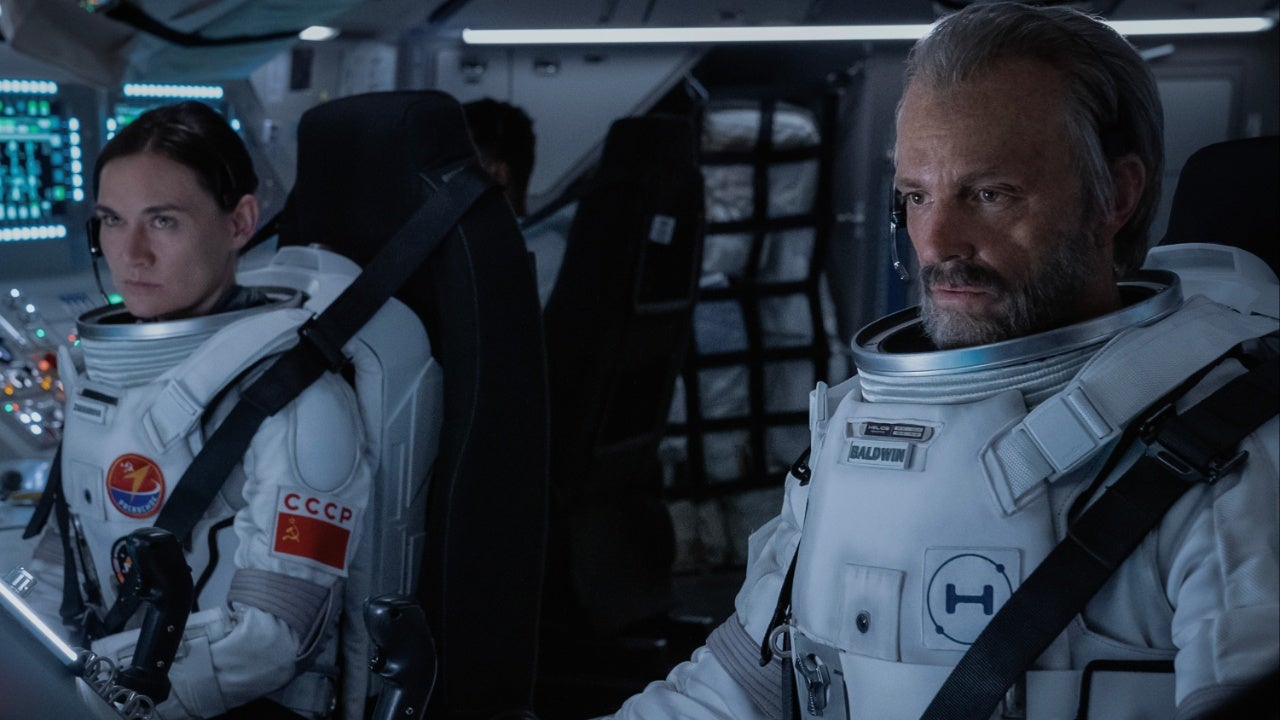
The heart of For All Mankind is the aging astronaut Ed Baldwin (Joel Kinnaman). In the first season, Baldwin had the opportunity to land on the moon on Apollo 10 before the Soviets, but never took it, much to his regret as Alexei Leonov landed on the moon shortly after Baldwin’s mission. Baldwin winds up involved in crititcal points in NASA’s space exploratory efforts such as being commander of the Jamestown lunar station, helping to defuse tensions with the Soviets in the second season during a space shuttle flight, and as the commander of the commercial mission to land on Mars and establish a colony there in the third and fourth season. Despite his many achievements, Baldwin struggles to find meaning in his life, to adapt to a quickly changing world and he does not even want to return to Earth after spending many years on Mars. By the fourth season, Baldwin is facing his twilight years and determined to make a difference. He does this by latching onto the quest to keep the human Martian colony from withering out.

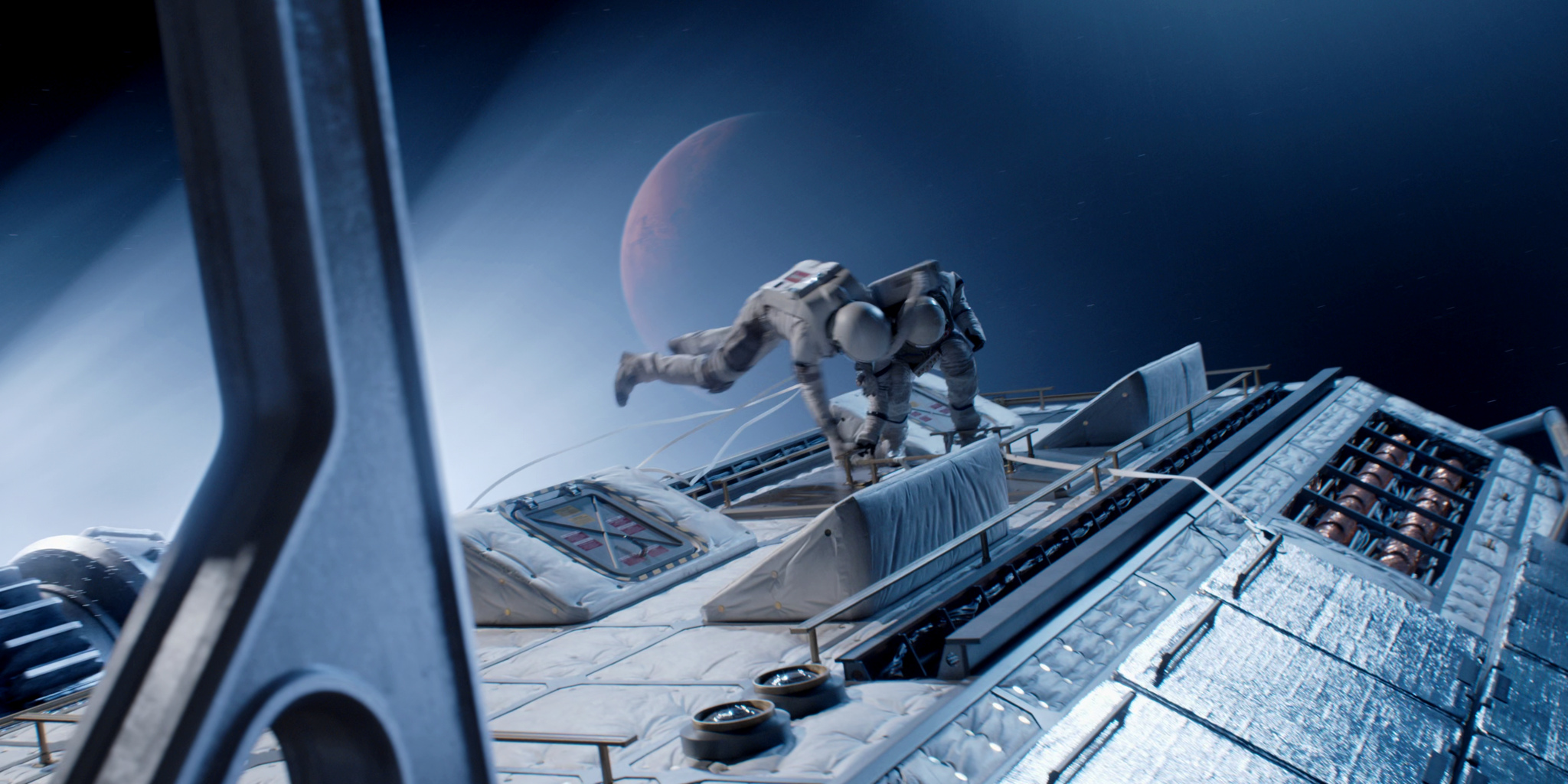
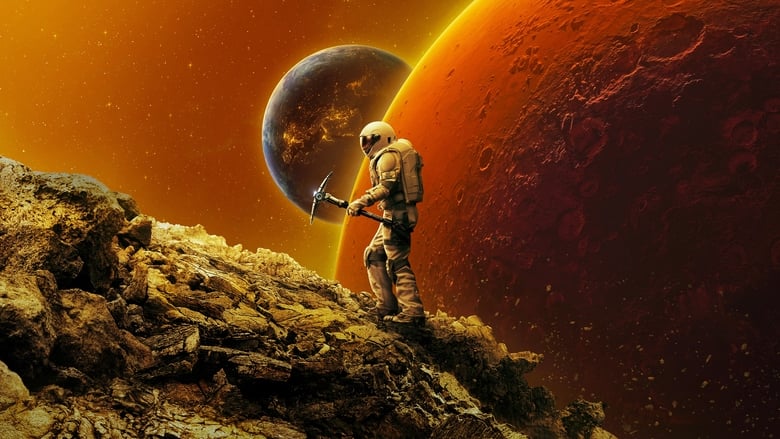
In the fourth season, a large asteroid, called Goldilocks, is discovered drifting towards Mars that is rich in iridium. After a lot of deliberation, the M-7, a conglomeration of seven world powers, including the U.S. and the Soviets, decided to have the asteroid diverted into Earth orbit for immediate rewards and riches. Dev Ayesa (Edi Gathegi), an Elon Musk-type and owner of the corporation Helios Aerospace, has a vision of humanity expanding into the solar system and beyond. He realizes that if the Goldilocks asteroid is diverted to Earth that any interest in developing Mars and exploring space will wither and die as the world powers will be busy enriching themselves with the asteroid in Earth orbit. He comes up with a plan to essentially hijack the asteroid and have it orbit Mars instead in order to force Earth to keep investing in the red planet.

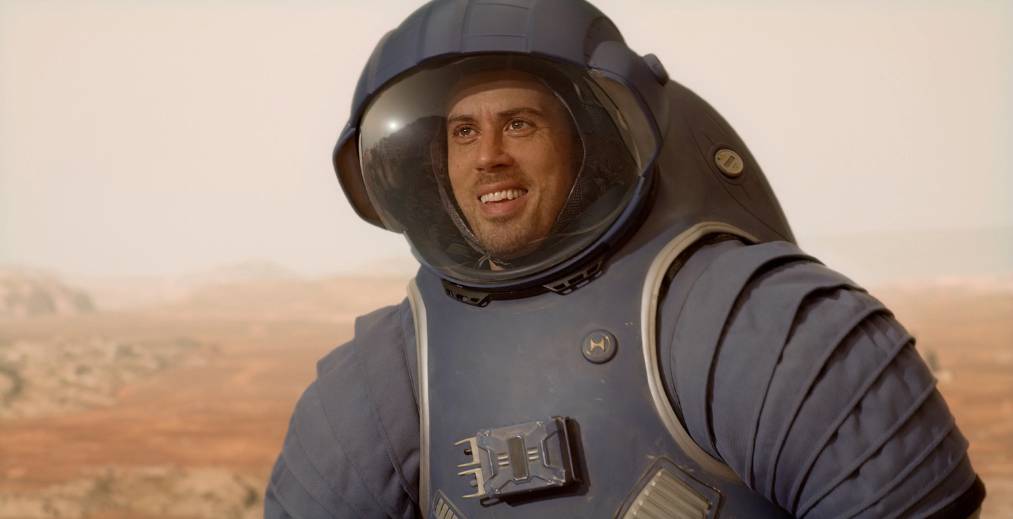
As this is going on, there is a labor struggle in the Martian colony best represented by Miles Dale (Tobey Kebbel), a former oil platform worker turned Martian laborer. In the reality of the TV show, fossil fuels have been phased out of use in the world as new energy technologies made them obsolete. While this may be great for the environment, many workers in the fossil fuel field had to find new means of employment. Dale relocated to Mars for a new opportunity, but the realities and frugality of Helios forced him to run a black market operation in the colony. Underlining these labor struggles is the fact that many of the laborers including Baldwin see Mars as their home not Earth, which means this could be the beginning of Mars eventually becoming an independent world.

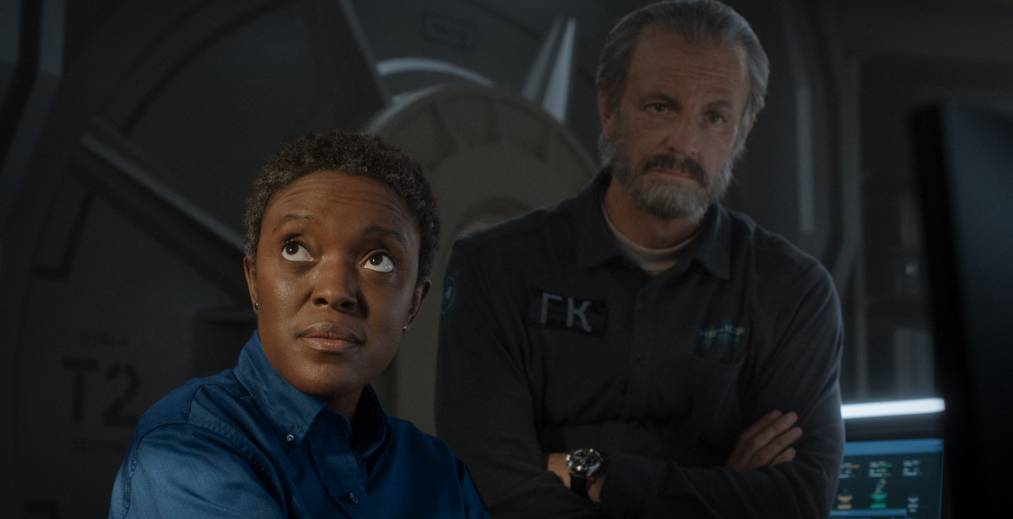
Trying to keep the Martian colony running smoothly is Commander Danielle Poole (Krys Marshall), a Black woman who was one of the first woman astronauts for NASA in the 1970s. As Baldwin is the rebellious heart of For All Mankind, Poole is the soul of the show as we see from her POV how radically different this reality is from our own since women and people of color were able to advance in society much more quickly compared to our own. Like Baldwin, Poole is very relatable but for different reasons. While Baldwin is a sympathetic relic struggling to fit into the new order, Poole is an empathic and level-headed, by-the-book leader who is the moral center of the show. As these situations go, Poole is brought out of retirement to command the Martian colony and becomes embroiled in the labor struggle that morphs into a revolution of sorts on Mars.

In the backdrop of the fomenting Martian revolution, we also follow the stories of several NASA personnel. The most interesting is Margo Madison (Wrenn Schmidt), the first woman to be mission controller of NASA. During the TV show she was forced to work for the Soviets and commit treason by providing them with the secrets of American space technology. In the just-concluded season, Margo, who was believed to have been killed in a domestic terrorist bombing, comes out of hiding from the Soviet Union and has to decide what she will do with her life and how she can contribute to humanity’s space efforts. Her situation brings her into conflict with her protogee, Aleida Rosales (Coral Peña), who also is a woman of prominence in NASA.

What makes For All Mankind so captivating to watch is how it balances interesting personal stories with wider geopolical developments in this world that is distinctly different than ours. We see the impact of how a Soviet moon landing further accelerates society and technology. It’s obvious that we have the capability to have advanced in space exploration but our society lacks the drive to take us there. It’s disheartening that while there is a thriving colony on Mars in the TV show, real-life efforts show how far behind we are. We cannot even manage to return to the moon as we learned recently when the Artemis mission was delayed, yet again.

In some ways, even though we see that this is not a perfect society, it seems to be a better world than our own. Many issues have been addressed much earlier in this timeline such as the struggles of people of color , women, and members of the LGBTQ+ community. Advances in techonolgy are casually noted such as the use of the Internet and cell phones which began in the 1980s, and the rapid development of alternatives to fossil fuels. On the other hand, this altered world has its own problems such as it seems as if socialism/communism has spread throughout the world thanks to the continued exitence of a despotic Soviet Union (in the fourth season of the TV show, Gorbachev was overthrown by hard-line communists). One simple but intriguing tool the TV show uses is that of the montage. At the start of each season, a montage quickly brings viewers up to date on developments of the world, such as the results of presidential elections and pop culture news.

These developments would be meaningless if For All Mankind never presented how these events affected its characters. We see the wonders and struggles of this altered world through their eyes and react accordingly. One of the show’s strengths is that is able to smoothly introduce new characters while moving away from older characters as the show jumps ahead in time. It’s unknown if Baldwin and some other older characters like Poole will continue to be a part of the series though it’s unlikely. In a flashforward tease shown in the season finale, we find ourselves in 2012 without any indication if Baldwin and the others are still alive or active. With regards to the fourth season, For All Mankind continued to soar with its look at a past that is more futuristic than our own. Many episodes and plot lines were fascinating and built up to an intense and cathartic season finale.

At this time, it is unknown if For All Mankind has been renewed for a fifth season, though it is one of the more popular TV shows on Apple TV +. Not only would it be great if we’re given a fifth season taking place in the 2010s but a sixth season that takes place in this decade and beyond. Who knows, maybe we’ll see the Jovian system being colonized or perhaps of the first steps to faster-than-light travel as humanity begins to contemplate traveling to other star systems. If all goes well Ronald D. Moore and his colleagues will be able to conclude this captivating look at an alternate world of true space exploration.

José Soto