Top Ten Space Films

Given all the recent and renewed attention to space travel thanks to the Artemis II mission and the popular film Project Hail Mary, let’s list the top ten best space exploration films to date. Keep in mind, this list will focus on films with more realistic space travel and exploring instead of fantastical fare like Star Wars, Star Trek or Alien that are more oriented towards action/adventure or horror. Feel free to drop a comment with your ideas, and now…

10. Europa Report
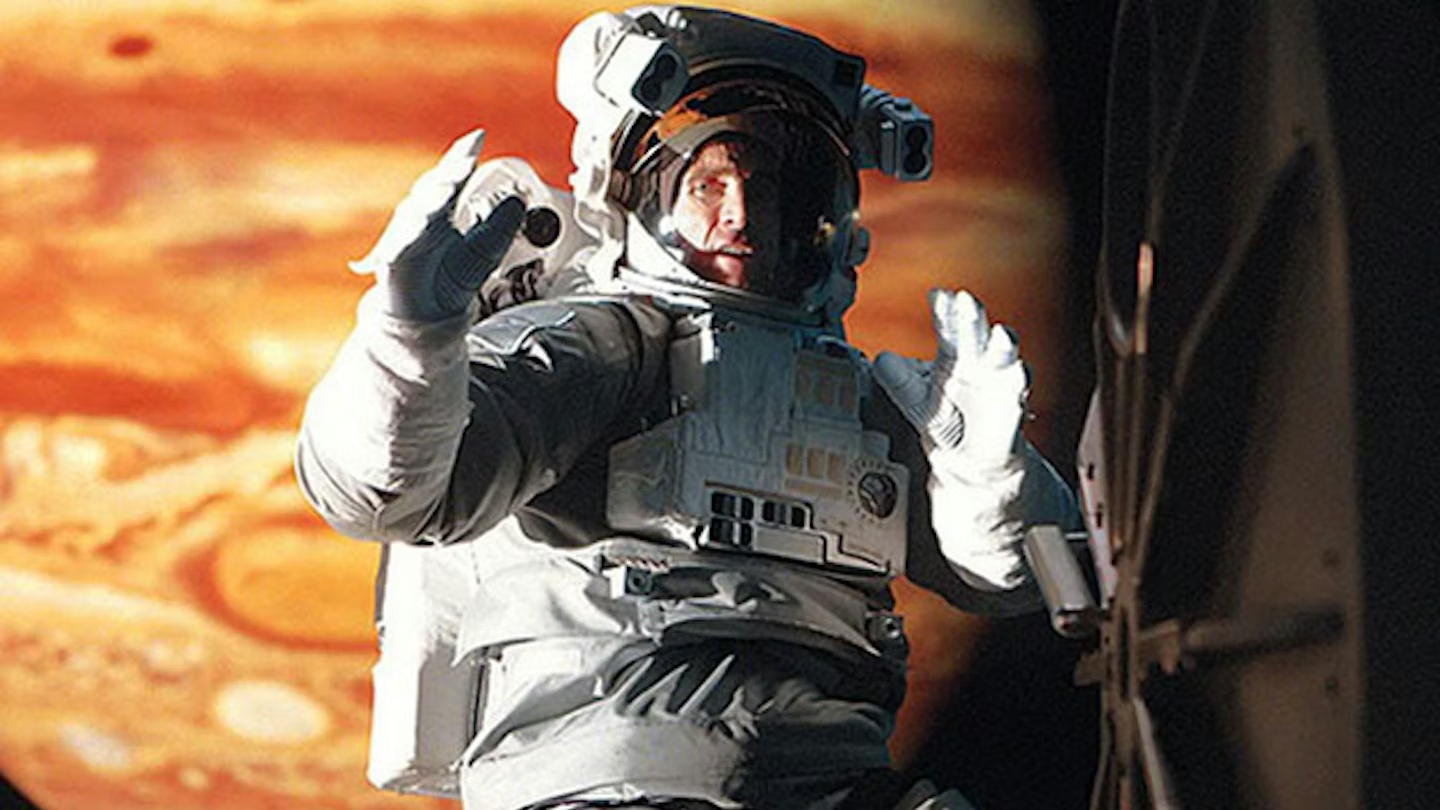
This film is unique in that it is a found-footage tale about a doomed human mission to Jupiter’s moon, Europa. The premise was well presented and underlined the film’s tension with the format of using a series of video diaries from the astronauts chronicling their voyage to Europa in search of life and what they find. This was a great example of a found-footage film done correctly with some solid performances and editing that heightened the film’s tension.

9. Ad Astra
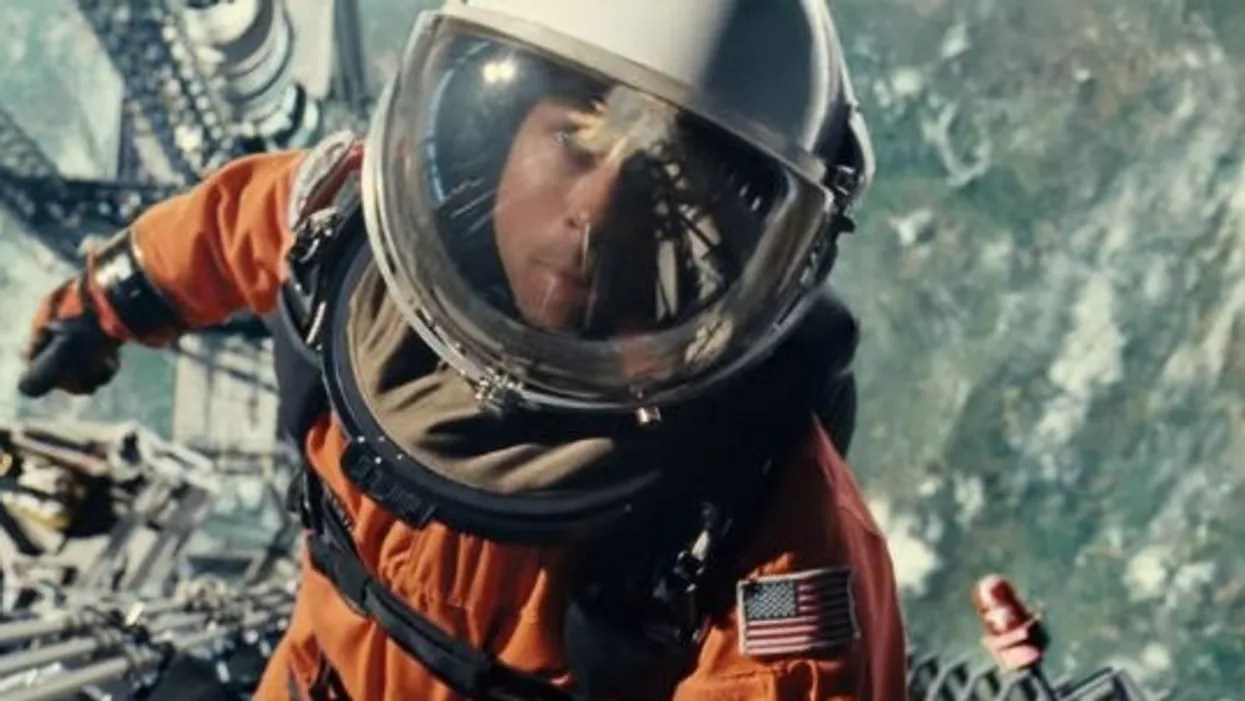
Brad Pitt turns in a great performance in a sci-fi version of Heart of Darkness as McBride, a jaded astronaut who must journey to the edge of our solar system to find out what is causing devastating surges of cosmic rays and what happened to his father (Tommy Lee Jones). Along the way, as he makes stops in colonies on the Moon and Mars, he questions his lost emotional connections with his former wife and his estranged relationship with his father in this more grounded look at future space travel.

8. Silent Running
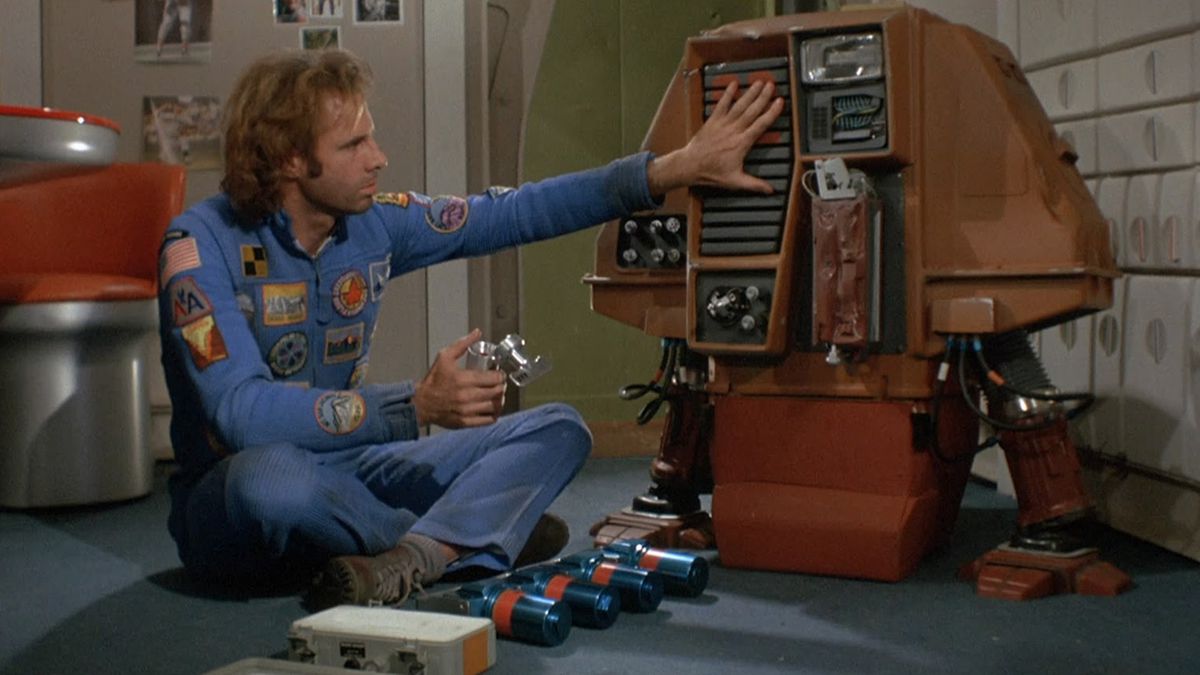
The strong environmental messages in this film can be over-the-top but still relevant in the pensive and quietly somber story of Freeman Lowell (Bruce Dern). Charged with taking care of Earth’s last remaining natural biomes in a massive spaceship, Lowell goes rogue after he is ordered to destroy the biomes and return to Earth. With a team of silent drones named Huey, Dewey and Louie, Lowell sets off on a lonely and emotional quest in the spaceship to preserve what is left of nature.

7. 2001: A Space Odyssey
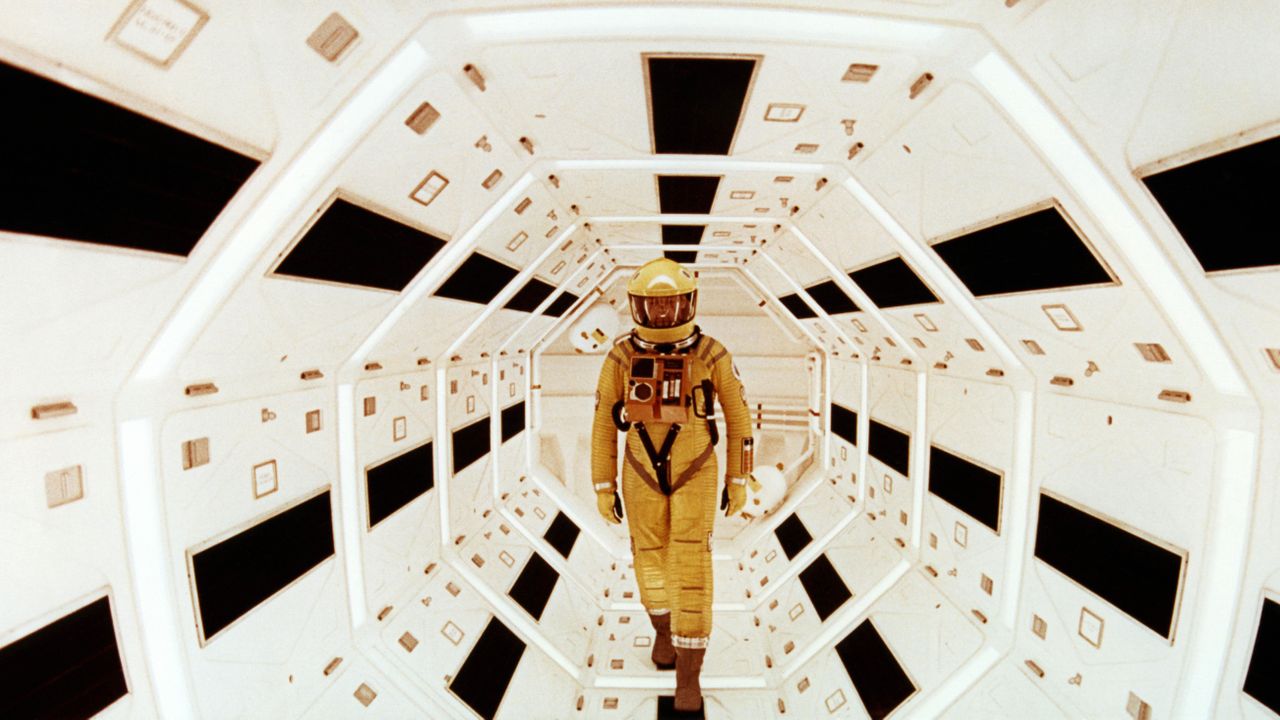
This will be an unpopular opinion, but the film is quite dull and slow moving despite all the praise it receives for being so visionary. That may be true, as the film boasts then-revolutionary special effects that hold up nearly 60 years later and many iconic moments such as the murderous AI and a trippy sequence as astronaut David Bowman approaches an alien monolith. However, the film has a deliberately slow pace and dull characters. Nonetheless, for its impact on films it belongs on this list.

6. The Martian
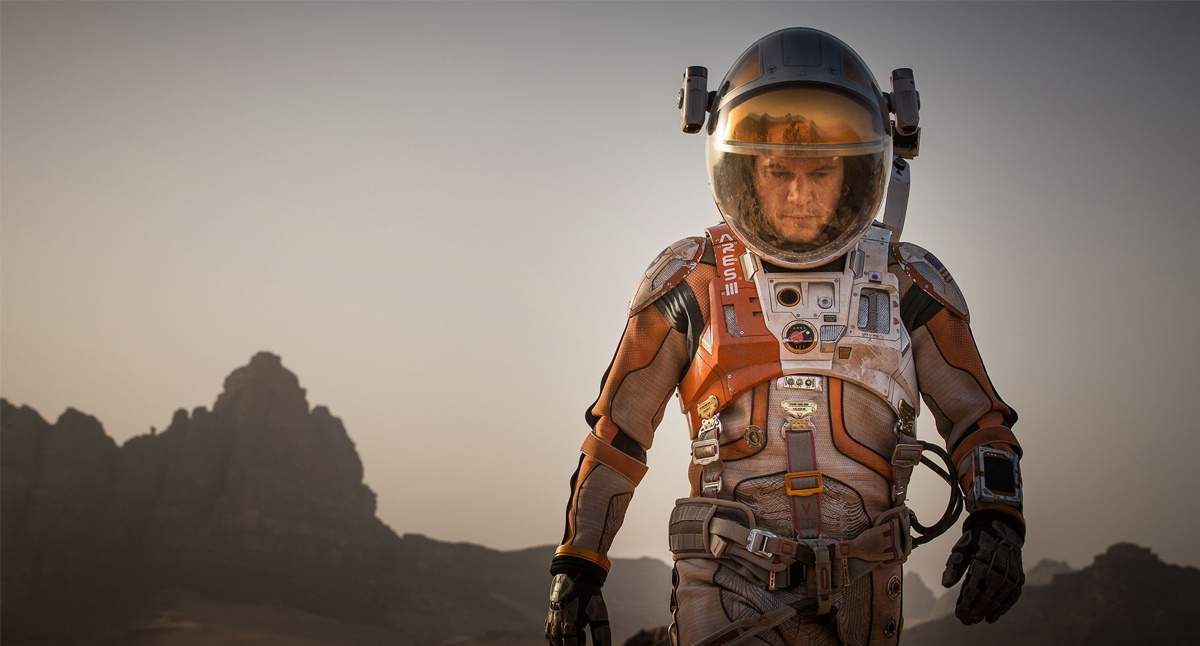
Based on Andy Weir’s book, Matt Damon stars as Mark Watney, an astronaut left stranded on Mars after his fellow astronauts believed him to be dead. By himself and with limited resources, Watney has to use his ingenuity to find a way to survive on the red planet and make contact with Earth. The use of real science to emphasize the difficulty of surviving on Mars and the logistics needed to rescue him were one of The Martian’s best highlights, though it could have used less of an annoying disco soundtrack and some missplaced humor.

5. Apollo 13
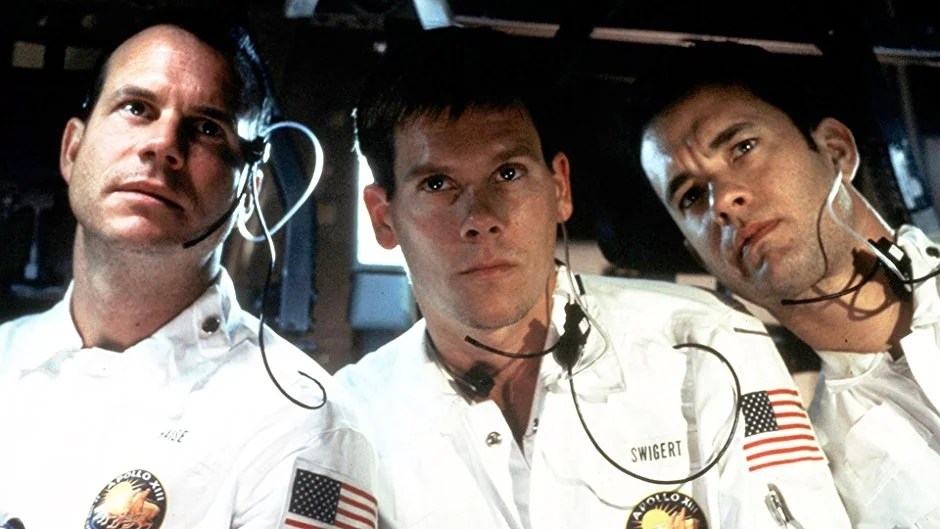
The true story of the heroic efforts to return the crew of the Apollo 13 lunar mission back to Earth was one of director Ron Howard’s most riveting and exciting films. Apollo 13 was buoyed by strong performances from Tom Hanks, Kevin Bacon, Bill Paxton and Ed Harris and brilliant directing by Howard. The director also cleverly used a technique of filming on a plane flying in a parabolic pattern to realistically create zero gravity in scenes onboard the space capsule, which was a great highlight.

4. Sunshine
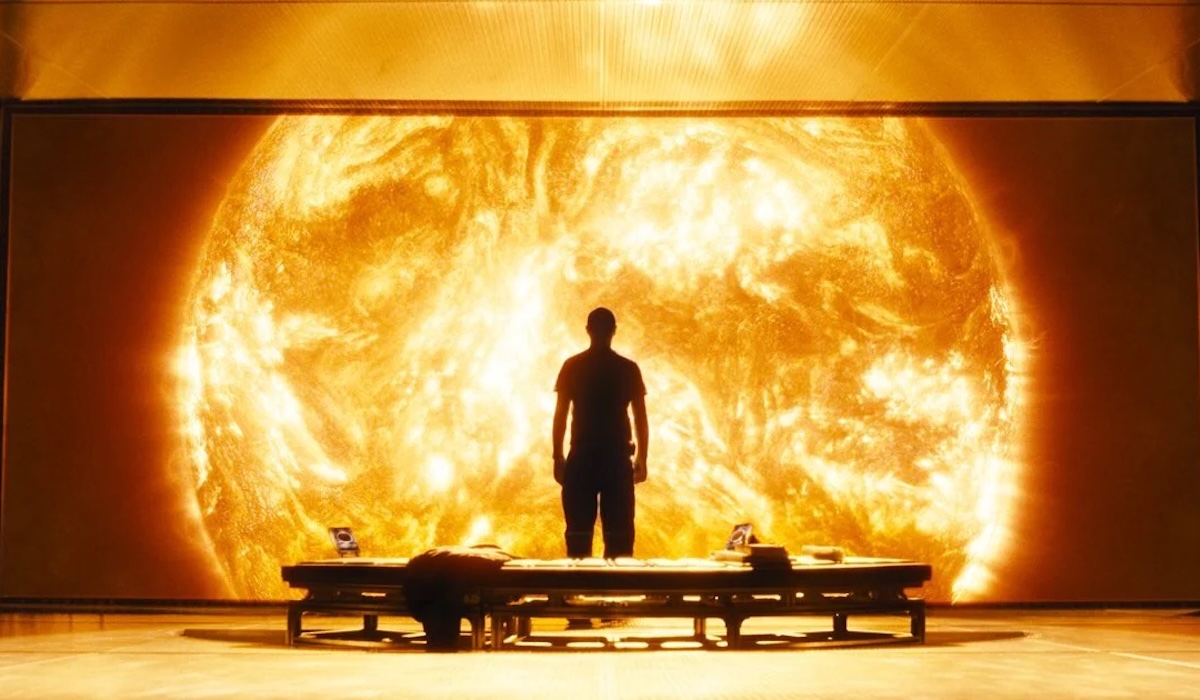
Director Danny Boyle helmed this great sci-fi thriller about the desperate voyage of the Icarus II to our dying sun in order to restart it. Sunshine would have rated higher on the list if not for a bizarre left turn in the film’s third act but the ending was one of the most spiritual and awe-inspiring moments ever filmed for a sci-fi film. What made Sunshine stand out was its focus on the logistics of space travel, the increasing tension with the main characters who made the ultimate sacrifice to save our world, inspired imagery and terrific performances from the likes of Cillian Murphy, Michelle Yeoh and Chris Evans.

3. Project Hail Mary
Amaze! Amaze! Amaze! The most recent entry is one of the best space films ever made. Based on the book of the same name by Andy Weir, the film tells the story of Dr. Grace (Ryan Gosling), a former scientist turned science teacher sent on a mission to the solar system Tau Ceti to find out why the Earth’s sun and nearby stars are dying. Once there, Grace meets an alien he names Rocky and the two form a collaboration that turns into a genuine friendship as they try to find a way to save their worlds. This is Gosling’s best role and the film is bursting with real heart and emotion through the interactions with Rocky thanks to inspired direcing by Phil Lord and Christopher Miller.

2. Gravity
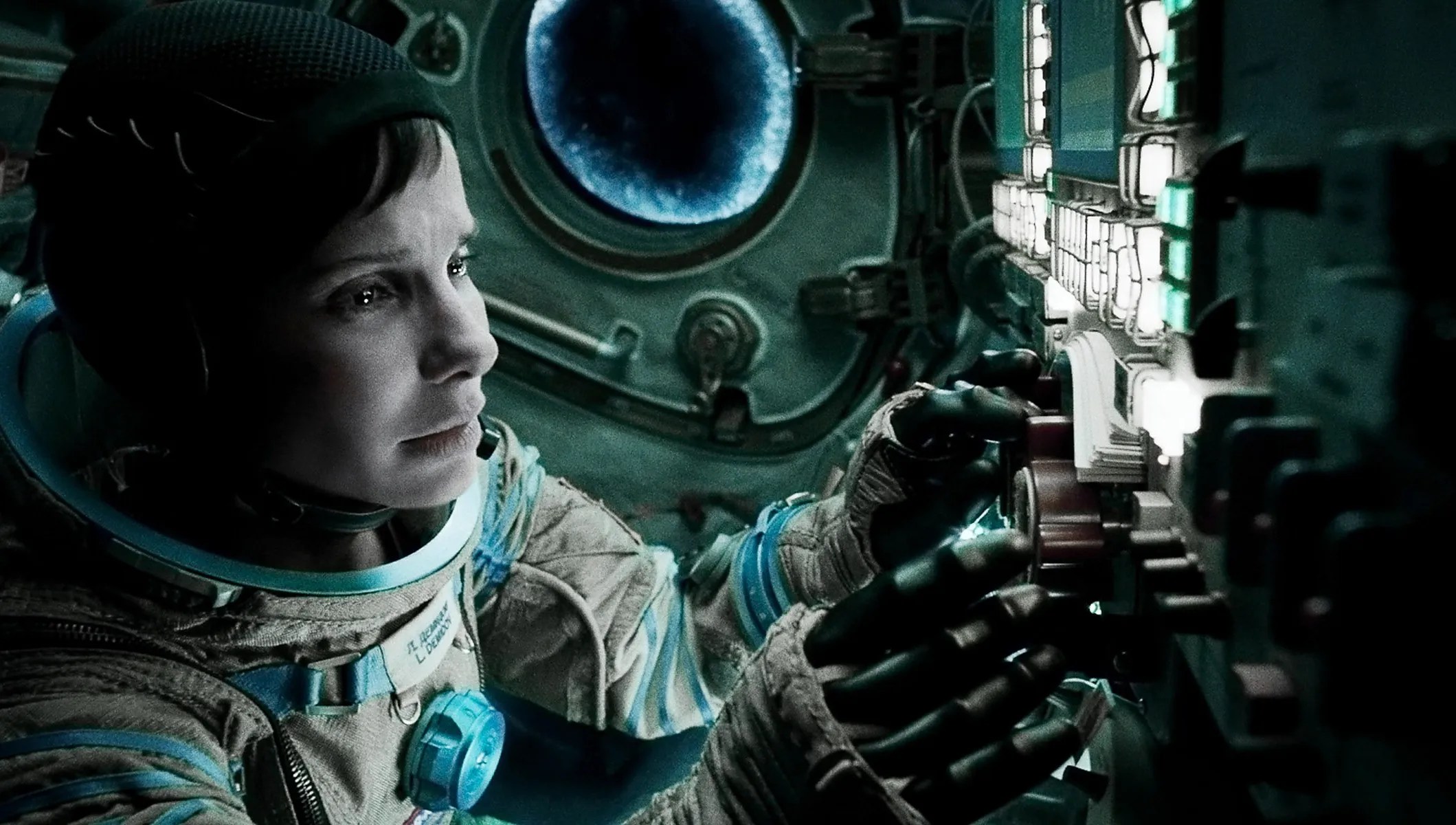
Gravity is an intense and at time terrifying look at the dangers of space travel that is grounded and heightened by a exemplary special effects and editing. Director Alfonso Cuarón deservedly won an Academy Award for directing this classic story of the sole survivor of a space shuttle mission trying to stay alive in near-Earth orbit after her ship is destroyed by space debris. Using continuous shots, silence and riveting music, Gravity paints a too-accurate and unnerving look at how perilous space travel is for those who choose to work in the inhospitable environment. Sandra Bullock truly excelled in one of her best performances as Dr Ryan Stone whose survival instincts propel her to stay alive during the harrowing ordeal.

1. Interstellar
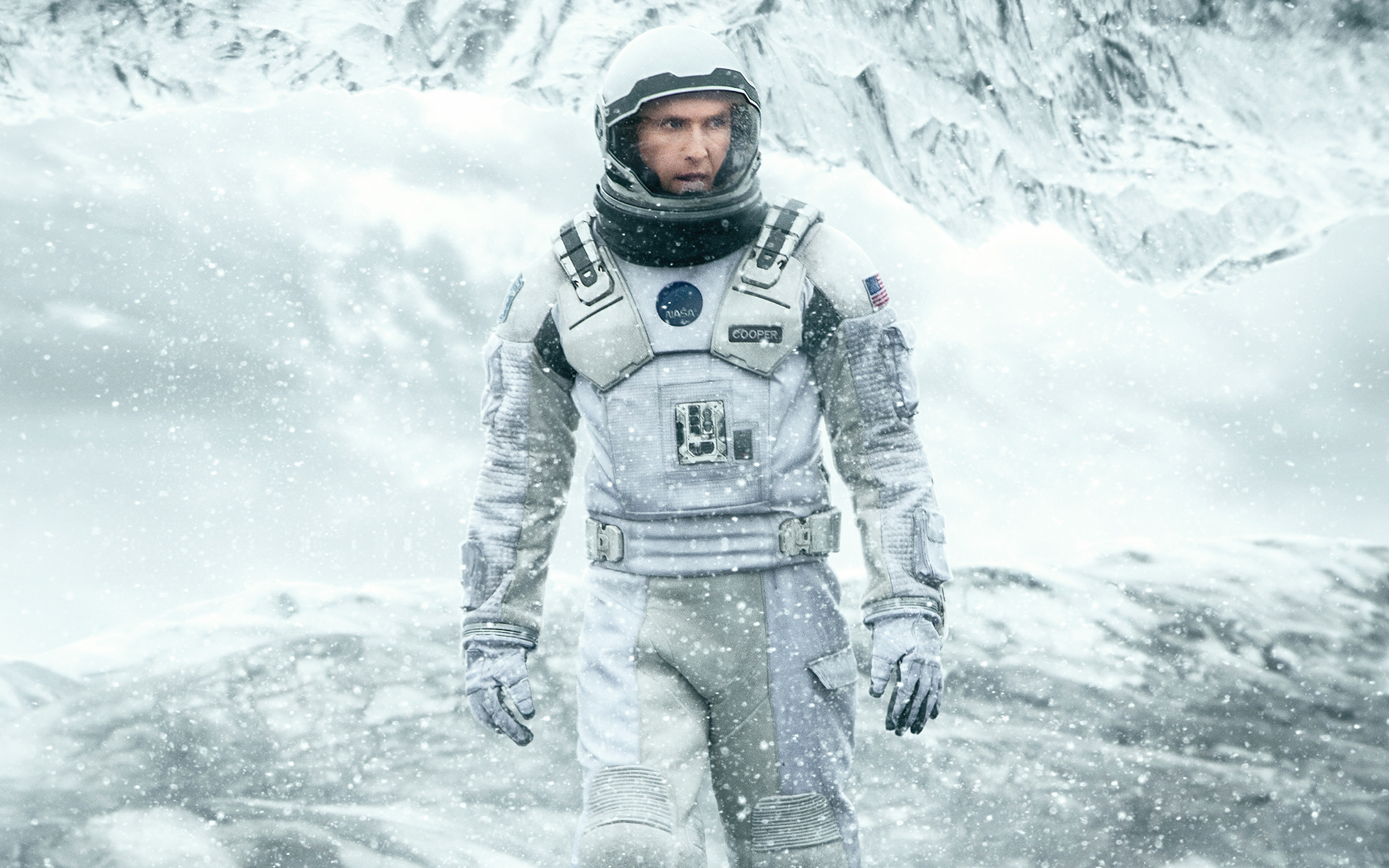
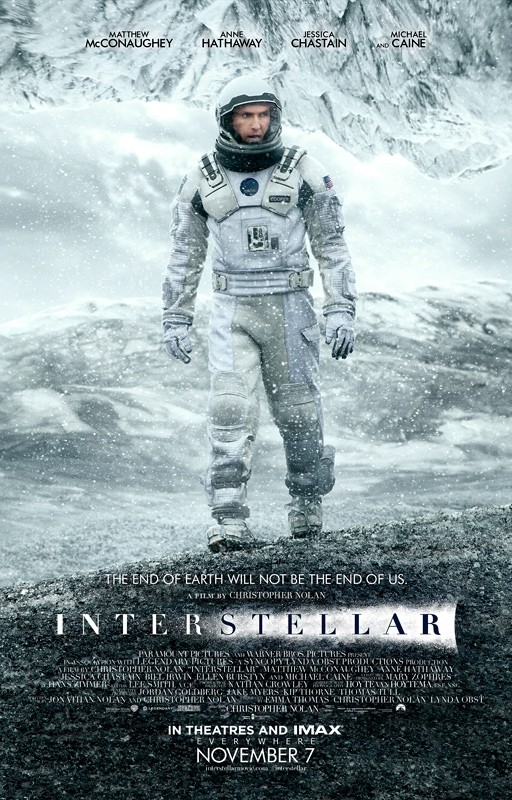
Director Christopher Nolan’s masterpiece that uses real science to present a captivating sci-fi story about a father, Joseph Cooper (Mathhew McConaughey), who sets off on a last-ditch effort onboard the spaceship Endurance to save humanity by finding a new habitable world. The film utilized actual science to accurately depict a black hole, silent space, time dilation and intiguing sci-fi concepts such as temporal paradoxes and wormholes. More importantly, unlike some other sci-fi films that get carried away with cold concepts, eye-popping effects and forget to dwell on emotion, Interstellar keeps its focus on its characters, especially Cooper, and the emotional impact space travel has on them, which can be both terrifying and wondrous.

Honorable Mentions:

2010; The Black Hole; Capsule; Contact; Destination Moon; First Man; A Million Miles Away; The Midnight Sky; Moon; The Right Stuff; Robinson Crusoe on Mars; Solaris; Space Cowboys; Spaceman; WALL-E
José Soto
Top Ten Space Exploration Films

10 destination moonScience fiction has been noted for its many subgenres, one of the most popular that of exploring space. And why not? Space as Captain Kirk once famously said, is the final frontier. It represents the unknown and humanity’s quest to push beyond the horizon has captivated us for ages, it’s part of our driving force. Exploring space is dealing with the true unknown which is both frightening and enthralling. These sci-fi films dealing with the space exploration theme are the best ones ever made.

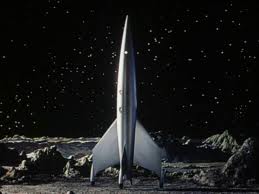
10. Destination Moon: One of legendary filmmaker George Pal’s earliest films attempts to portray a credible scenario of how mankind would land on the moon. Even though the film got many aspects of a moon landing incorrect, it still conveys a sense of danger and adventure.

9. The Black Hole: First of all, The Black Hole 9 black holeis wildly scientifically inaccurate, but it’s very entertaining. A deep-space exploration crew comes across a black hole and a presumed-lost starship orbiting it. Onboard that ship they meet an insane scientist who wants to go into the black hole. Amidst all the laser firefights with robots the film touches upon metaphysical concepts with its final scenes.

8 first men in the moon

8. First Men in the Moon: Ray Harryhausen, famous for his fantasy creations, actually produced and did the effects for this adaptation of Jules Verne’s classic tale of British explorers landing on the moon at the turn of the century. Imaginative and thrilling, it is also a rare, early example of the steampunk genre on film.

stargate portal

7. Stargate: Before the long-running TV series and its spinoffs there was the original film that spawned them. Stargate had the novel approach of an expeditionary force using a wormhole-creating machine to travel to another planet in another galaxy. Borrowing elements from Chariots of the Gods? with its ancient astronauts angle, the film was a rousing adventure.

6 20106. 2010: This sequel to 2001: A Space Odyssey suffers solely because of unfair comparisons to the original classic. Director Peter Hyams wisely chose not to copy the style of the original film and instead used 2010 (adapted from Arthur C. Clarke’s book) to explain what happened in the original and move the story further. By going in another direction, 2010 is a grittier, more grounded film that feels scientifically accurate and plausible. This underrated gem is a true sequel.

contact 3

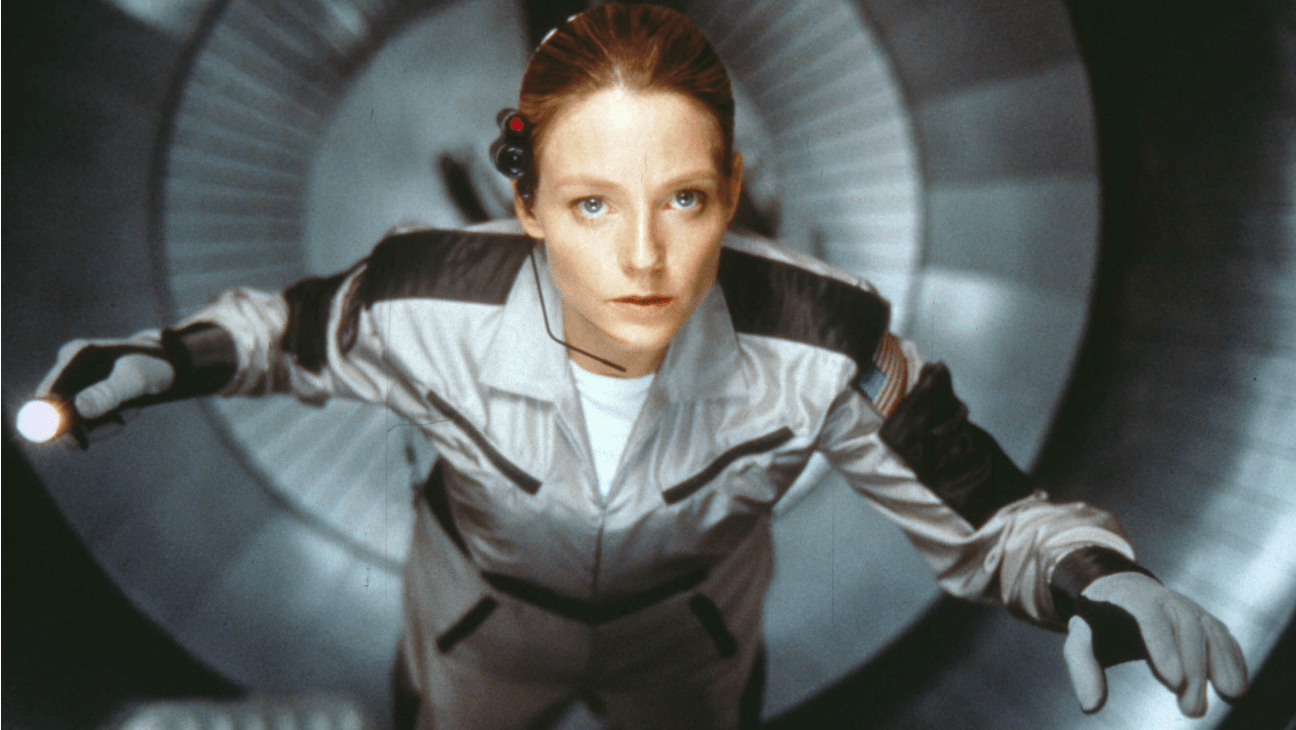
5. Contact: This Robert Zemeckis film adapts Carl Sagan’s novel about what would happen if we received an extraterrestrial radio signal. The full socio-political ramifications are presented when humanity learns that we are not alone and it leads up to the building of a machine (based on alien-sent instructions) for an unknown purpose. Jodi Foster does some of her best acting as a scientist who uses the machine to ultimately travel through a wormhole and initiate first contact with alien life.

4. Europa Report: A surprisingly effective found-4 europa reportfootage film documents the last days of a doomed manned expedition to Jupiter’s moon Europa. Six astronauts embark on a journey to Europa to find signs of life. A series of technical mishaps and hazards impede the mission, but the brave crew refuse to be deterred and carry on even in the face of death. Europa Report is unexpectedly captivating since the archival footage of the astronauts’ transmissions create a feeling of intimacy and immediacy.

3 20013. 2001: A Space Odyssey: Stanley Kubrick’s sci-fi masterpiece not only rewrote how sci-fi films are made but how they are perceived by the general public. From our distant prehistoric past to the then-future, 2001: A Space Odyssey is a genuine tour de force. Astronaut Dave Bowman (Keir Dullea) leads a mission to Jupiter to investigate an alien monolith there. What he ultimately discovers set the standard for mind-blowing and abstract concepts and imagery that still holds up today, though many critics point out the film’s dull pace and cold nature.

INTERSTELLAR

2. Interstellar: In many ways, Interstellar is a spiritual, more emotional cousin to 2001: A Space Odyssey thanks to superb visuals and its adherence to scientific accuracy. Christopher Nolan’s film about a team of astronauts using a wormhole to find a new world for colonization explores cutting edge scientific theories with mind-bending results. However, as fanciful as Interstellar gets with weird physics, the film is sincerely heartfelt as it examines notion that compassion and love are the greatest driving forces in the universe in the face of the harshness of space.

forbidden planet 2

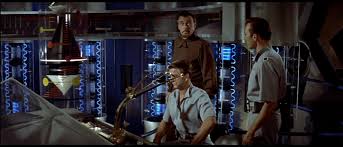
1. Forbidden Planet: A space age retelling of Shakespeare’s The Tempest, Forbidden Planet is one of the best sci-fi films ever made and one can see how it influenced Star Trek. In the 23rd century a starship crew journeys to Altair IV to forbidden planet 3investigate an earlier expedition sent to that planet. What they discover is a long-dead alien city and two remaining human survivors from the expedition, Dr. Morbius (Walter Pidgeon) and his daughter Altaira (Anne Francis). The crew’s investigation of the Altair IV and the advanced lost civilization soon becomes threatened by an unleashed evil entity. The core of Forbidden Planet was the exploration of the alien civilization and its surrounding mystery. Adding to its virtue is the film’s callback to pulpy, adventurous sci-fi tales and excellent production values.

Lewis T. Grove


Interstellar & Its Emotional Core

interstellar poster

Interstellar may be director Christopher Nolan’s most ambitious work to date. Is it his best? Maybe, it truly depends on any viewer’s taste. Regardless of one’s viewpoint, Interstellar is probably Nolan’s most emotional film rivaling The Dark Knight.

One criticism of Christopher Nolan as a director is that sometimes his films feel emotionally distant even though he tries very hard to connect audiences with his characters. This time, Nolan is able to make that connection thanks in large part to Matthew McConaughy’s sincere performance. Playing Cooper, a former astronaut turned corn farmer, McConaughy’s work is gripping and deep and he is able to keep his scenes from being too kitschy. The emotions he displays strike a perfect note.


INTERSTELLARIn an unspecified future, the Earth is slowly dying. Various crops like wheat and okra have gone extinct as pervasive dust strangles the world. As crops die off, humanity spirals towards extinction with dust invading everything. Dreams are long gone, replaced by a practical need to grow more food and to just survive. As a widowed farmer, Cooper longs for the days when humanity strived for the stars and a sense of adventure.

Eventually he meets an old colleague, Prof. Brand (Michael Caine) and his daughter Amelia (Anne Hathaway). They are part of the remnants of NASA and a secret mission to return INTERSTELLARto the stars. Fifty years earlier, a wormhole appeared near Saturn and several manned missions were sent into the wormhole since the wormhole leads to other habitable worlds. Brand hopes that these worlds can be colonized in order to save humanity. Cooper is recruited to join Amelia and other astronauts to voyage through the wormhole and follow up on data provided by earlier explorers on three potential worlds for colonization.

In the run up to Cooper leaving Earth and his children, Interstellar is the typical well-plotted-though-a bit-distant Nolan film. Yes, there are the teary scenes from his daughter Murphy (Mackenzie Foy) and subtle disparaging remarks from his father-in-law (John Lithgow) about Cooper leaving his children behind without a guarantee of returning. These scenes do work but one has to wonder how Steven Spielberg (who was attached to the film originally) would’ve handled them. They probably would’ve had more emotional punch or they might’ve been overly sentimental.

INTERSTELLAR

Interstellar does pick up in leaps and bounds the moment Cooper and the crew of the spaceship Endurance first plunge into the wormhole. These moments are gasp inducing and afterwards a sense of danger and wonder is felt throughout the rest of the film. Nolan is also able to inject a feeling of moroseness and loss, especially when the effects of time dilation are noticed. Even more ominous are the moments when the Endurance crew explore two worlds. They seem genuinely alien and uninviting, and add a feeling of foreboding and lost time. Meanwhile, in the short time that he’s exploring, Cooper’s children have grown into adulthood and Murphy (now played by Jessica Chastain) has joined the project by assisting Prof. Brand as the old man struggles with a gravitational equation to allow humanity to leave Earth. As this is going on, the film engages the viewers even more and more.  Moments of high tension and eye-popping wonder fill the theater screen. The only drawbacks to Interstellar at this point are some pacing and narrative issues, as well as expository dialogue that flies by quickly. It dares audiences to keep up with  verbal examinations of quantum physics and other modern scientific concepts. The payoff though is huge.

black holeThat is because final part of Interstellar is unforgettable and daringly thought-provoking with mind-twisting moments. Nolan skillfully presents some far out concepts of physics and the nature of time and other dimensions that calls to mind Kubrick’s work in 2001: A Space Odyssey. But Nolan departs from Kubrick in that while he is as analytical as Kubrick, the core of this film isn’t stark nor cold. Rather, Interstellar embraces human emotion as it rails against the cold, harsh nature of science and physics. Not only that, the film goes beyond and explores some ethical and philosophical concepts about species survival, love and the human connection. As a sci-fi epic, Interstellar is a sweeping, magnificent, though flawed, endeavor that pushes boundaries.

José Soto