
By now Star Trek fans acknowledge that the official canon timelines of the Star Trek franchise is daunting. Being that Star Trek is 57 years old there are bound to be continuity problems but what has been more glaring are contradictions with the timeline and the more “modern” look of current-day Star Trek that clashes with older series.
There have been pretzel-twisting explanations in the TV shows and films to explain the contradictions, but they tend to fall apart on closer examination or are just ridiculous. More and more, fans have to accept the fact that either modern Trek is a soft reboot of the franchise or it represents new timelines that branched off the original Trek ages ago.
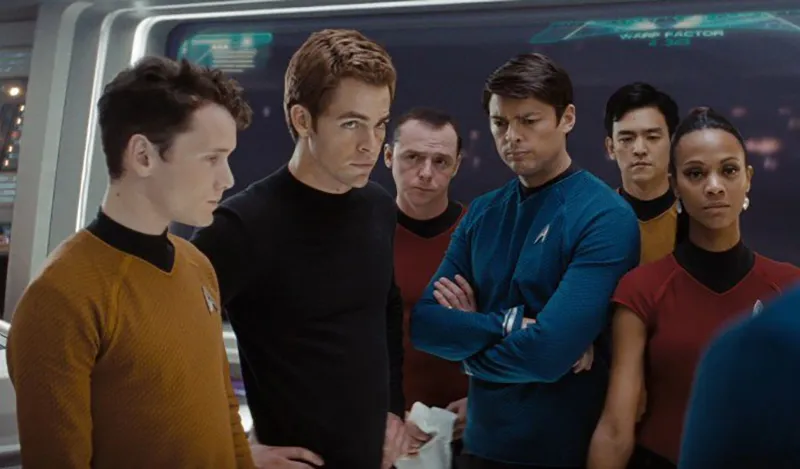
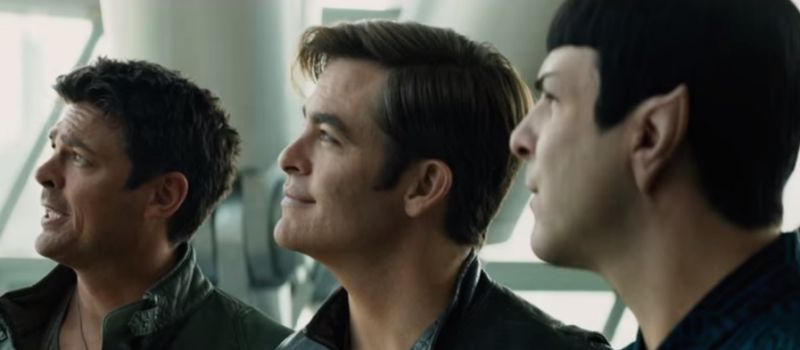
When Star Trek was relaunched in 2009 with the film Star Trek it was a good vehicle to reboot the franchise but the filmmakers did not want to completely alienate many fans. So an explanation was given that the events of Star Trek took place in an alternate reality that was created when the film’s Romulan bad guys time traveled to a time before the original series and changed the timeline.
However, this was not the first time that an alternate timeline was created in Star Trek. Actually this has happened many times in previous Star Trek TV shows starting with the original.
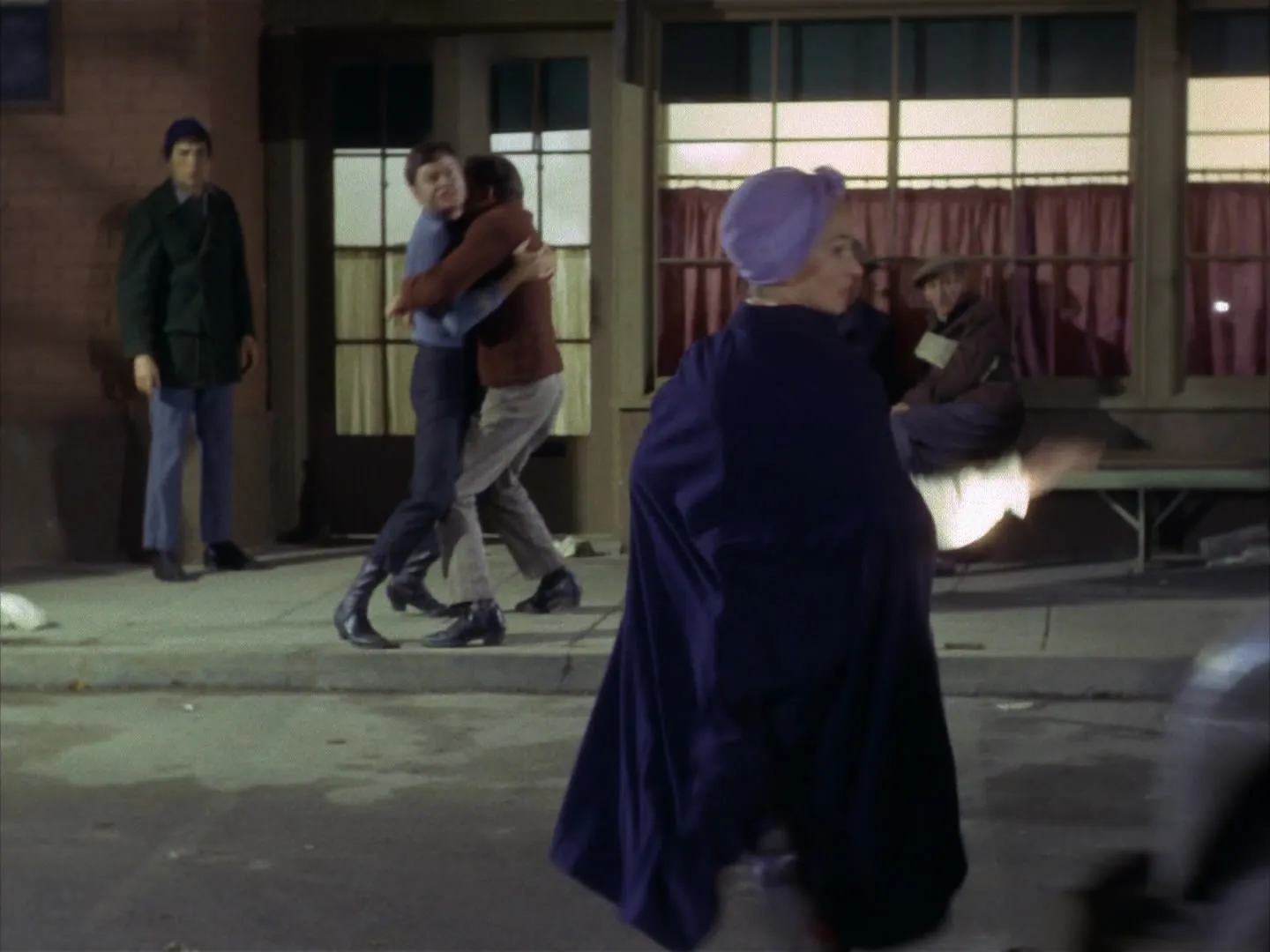
In the classic episode, “City on the Edge of Forever” a new timeline was created when Dr. McCoy went back in time and changed history so that the United States never entered World War II. This created a timeline where presumably the United Federation of Planets or Starfleet did not exist. Supposedly, the original timeline was restored when Kirk and Spock went back in time themselves and prevented McCoy from altering history. Or did they? The timeline McCoy created would still exist simply because he traveled to that pre-World War II period. Remember the scene where the hobo steals McCoy’s phaser and accidently kills himself? That created a new timeline where that man no longer existed. Even if that man never amounted to anything, his erasure would create a small ripple in time and this was never corrected by the end of the episode.
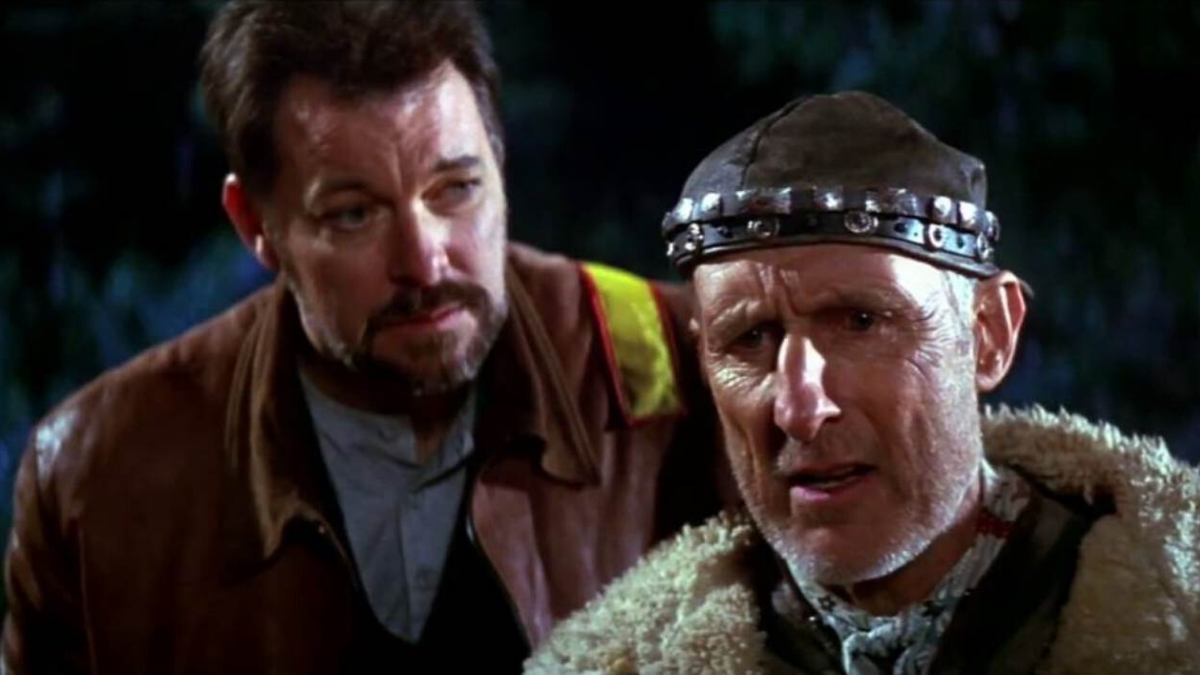
Here are some more examples: In Star Trek: First Contact, the crew of the Enterprise-E journey back to the mid-21st century to prevent the Borg from assimilating Earth. The Borg’s actions wound up killing many people who were involved with humanity’s first faster-than-light voyage. Even Riker and La Forge joined Zefram Cochrane to pilot the Phoenix, the first human-made warp ship. This created a new timeline even though the Enterprise-E crew stopped the Borg and the people the Borg killed remained dead. The crew interacted with people in the past including Cochrane, who was now aware of his destiny and this certainly had an impact on how he acted.
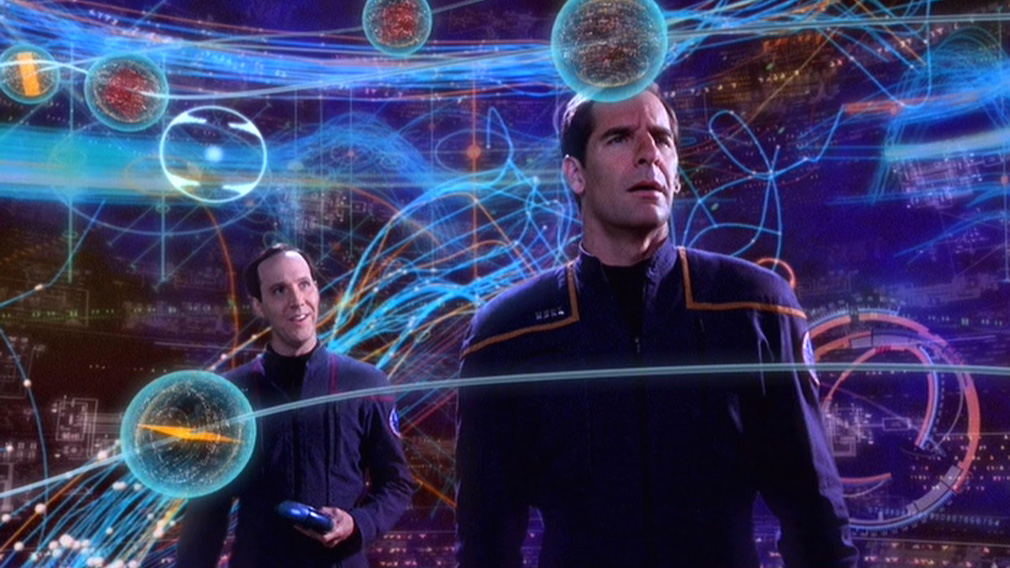
In Star Trek: Enterprise, a major arc involved the aliens called the Xindii who attacked Earth in the 22nd century, but it was revealed that such an attack never took place in the original timeline. More importantly, this attack was never undone when the story arc ended and was now part of the established canon timeline. It was stated that these incidents were part of a so-called Temporal Cold War that took place centuries in the future.
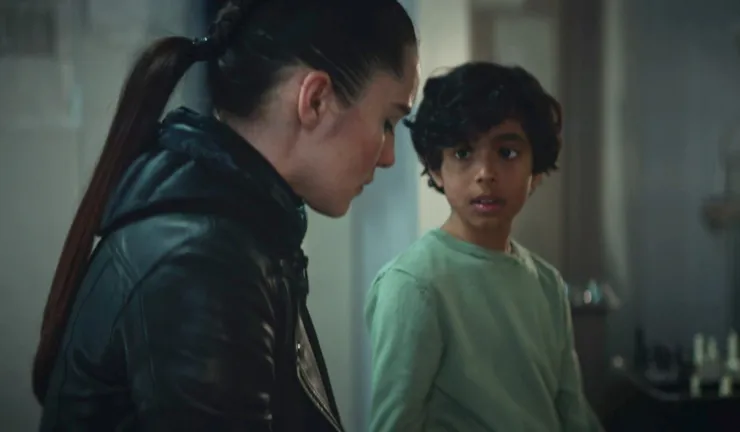
Another instance of the Star Trek timeline being changed was in the Star Trek: Strange New Worlds episode “Tomorrow and Tomorrow and Tomorrow”. In that episode those pesky Romulans are revealed to have changed the original Trek timeline in that they prevented the rise of Khan and the outbreak of World War III from the original time of the 1990s. Now these events are supposed to take place in the middle of the 21st century and evidence of this change was shown in Star Trek: First Contact when it was mentioned that the war took place in the mid-21st century.
There are many other instances of permanently changed timelines throughout Star Trek but in the end it does not matter too much. The real-world reason for these changes are to keep Trek relevant with our times. After all, it would be strange to keep saying that the Eugenics Wars and World War III took place in the 1990s or that the dated look of the original TV show with buttons on consoles is supposed to represent a realistic future for humanity. There have been non-canon efforts such as novels to try to explain this away but the results are nonsensical.
The best advice is to just accept that the Star Trek timelines are very fluicdic. Do not give it too much thought and enjoy the stories.













 Starloggers