Top Ten Worst Star Trek Captains

We’ve celebrated Star Trek’s legendary starship captains, but for every Kirk, Picard or Sisko there are some truly horrendous captains that appeared in the Star Trek television shows and films. Here are the worst Star Trek captains in the history of Starfleet.  

10. Captain Liam Shaw (Star Trek: Picard Season Three)

Command: U.S.S. Titan-A, NCC-80102-A
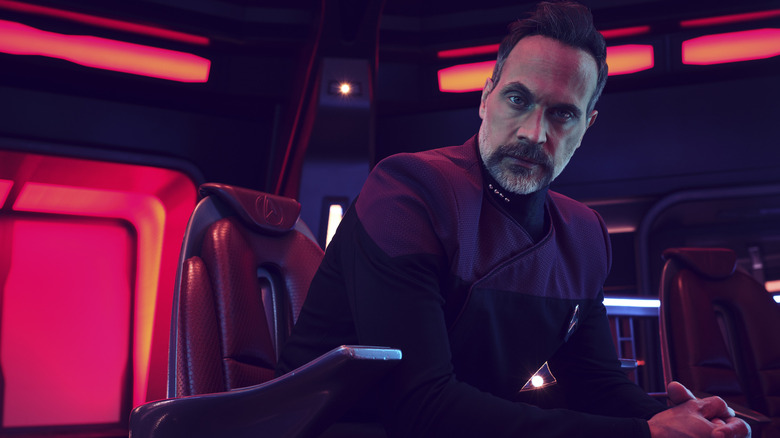
This guy is certainly the best of the worst. Shaw is abrasive, rude, risk-averse and an all-around jerk. But what cements Liam Shaw’s place on this list was how he dumped command of his ship, the Titan A, onto Will Riker, instead of acting like a real captain and getting the Titan out of danger. Still, many times during Star Trek: Picard, Shaw was the voice of reason and he was not afraid to say “Wait a minute, should we be doing this?” whenever our heroes ran off to danger. Also, he often was a scene stealer thanks to Todd Stashwick’s acting skills, especially once we learned he was a survivor of the Battle of Wolf 359.

9. Captain J.T. Esteban (Star Trek III: The Search for Spock)

Command: U.S.S. Grissom, NCC-638
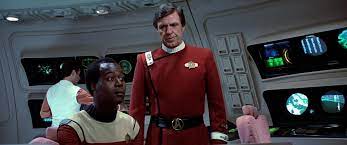
The list has many risk-averse commanding officers and J.T. Esteban is great example of this trait. During his brief appearance in the film, Esteban came off as an unyielding, by-the-book type who refused to listen to reason. What was even worse with Esteban was that he was too slow to react to sudden developments and this cost him his life, along with the crew of the Grissom when the Klingons destroyed his ship.

8. Captain John Harriman (Star Trek Generations)

Command: U.S.S. Enterprise-B, NCC-1701-B
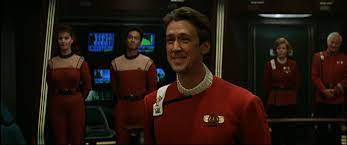
“It won’t be installed until Tuesday!” was the infamous catchphrase from this hapless captain. Harriman had the unenviable task of following up the legendary James T. Kirk as he assumed command of the Enterprise B during the opening scenes of Star Trek Generations. Right away, Harriman was in over his head and was frozen with indecision as he tried to command the Enterprise literally under the shadow of Kirk.

7. Captain Lawrence Styles (Star Trek III: The Search for Spock)

Command: U.S.S. Excelsior, NX-2000
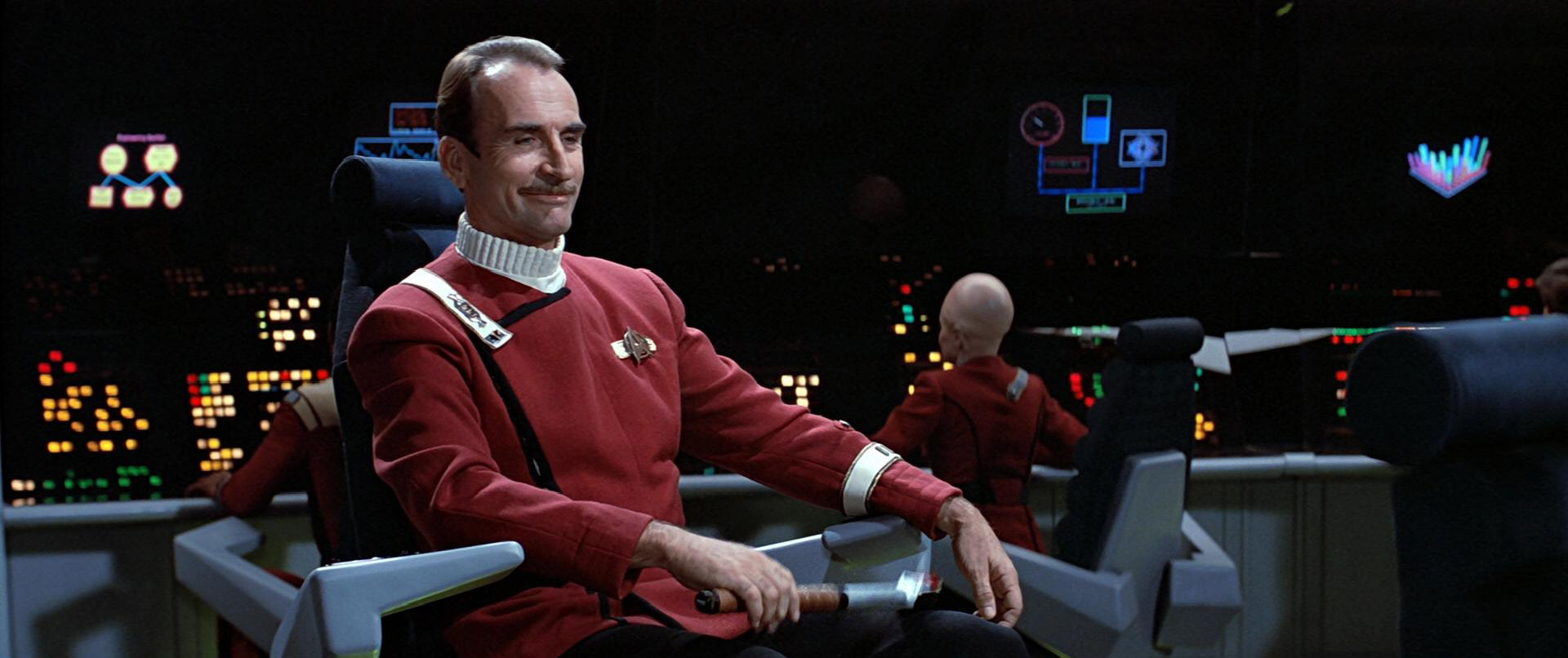
Styles was a pompous, egotistical jerk who had the audacity to think his shiny new Excelsior was superior to the original Enterprise. Yes, the Excelsior was new with the latest tech, but that does not mean it becomes a legend. The minute he was introduced in the film and displayed a dismissive attitude towards the Enterprise and the original crew, fans instantly disliked him and for good reason. One of the best moments in the film was when he saw his beloved ship suffer an epic malfunction as it tried to pursue the Enterprise as it took off on its last voyage.

6. Captain Gabriel Lorca (Star Trek: Discovery Season One)

Command: U.S.S. Discovery, NCC-1031
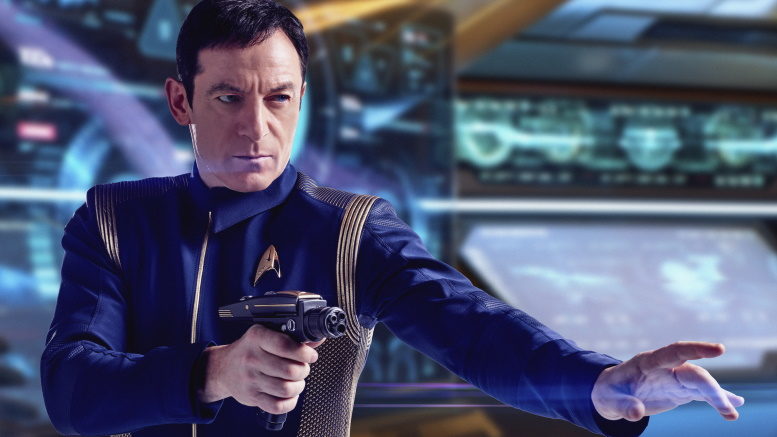
The captain of the Discovery was popular when he was first introduced due to his no-nonsense and stern attitude that was a more realistic portrayal of a commanding officer. He even gave the disgraced Michael Burnham a chance to redeem herself by posting her on the ship. However, once it was revealed that Lorca was actually a manipulative wannabe despot from the Mirror Universe, he earned a permanent spot on this list. It’s too bad Lorca turned out to be such a dick, for a while, he was the best character on the show.

5. Captain Ben Maxwell (Star Trek: The Next Generation “The Wounded”)

Command: U.S.S. Phoenix, NCC-65420
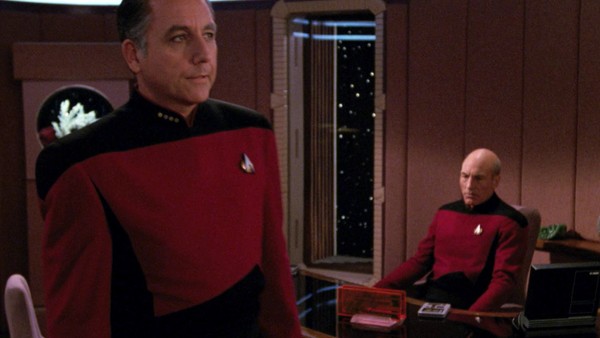
The ends clearly do not justify the means with this starship captain. He has a tragic backstory where his family was killed by Cardassians during a war. In the episode “The Wounded”, Maxwell took it upon himself to launch preemptive attacks on Cardassians with his starship, the Phoenix, because he was convinced the Cardassians violated a treaty with the United Federation of Planets and were rearming themselves against the Federation. Even though in the end he was correct, his actions nearly sparked a war between the Federation and the Cardassians that the Federation was not in the condition to fight after Starfleet was decimated by the Borg earlier in the season.

4. Captain Ronald Tracey (Star Trek “The Omega Glory”)

Command: U.S.S. Exeter, NCC-1672
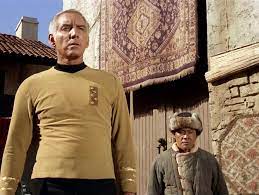
How this lunatic ever passed Starfleet Academy is anyone’s guess. First, he got his crew killed when he led a landing party on one of those parallel worlds and contracted a virus that killed everyone on his ship, the Exeter. Then, he openly violated the Prime Directive by taking sides in a local war on the planet. This he did to supposedly provide immortality to humanity. Finally, he tried to get the locals to kill Kirk, Spock and McCoy by exploiting their superstitious beliefs. Great job there, Tracey.

3. Captain Rudy Ransom (Star Trek: Voyager “Equinox, Part I and II”)

Command: U.S.S. Equinox, NCC-72381
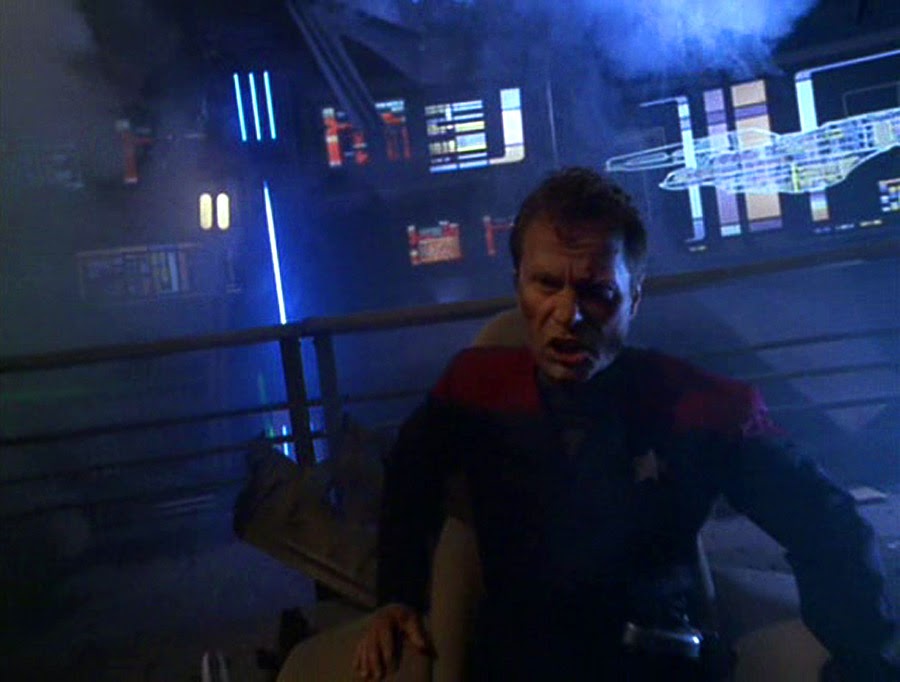
Here is another fallen Starfleet captain who flagrantly violated the Prime Directive. Stranded in the distant Delta Quadrant, Ransom and his ship, the Equinox, had suffered numerous calamities. Desperate for fuel to get home faster, Ransom’s crew discovered that dimensional beings generated a power source for the Equinox, but the beings had to be murdered for the fuel.  This led to a disastrous conflict with the Voyager and its crew. Special dishonor also has to go to Ransom’s first officer, Maxwell Burke, for taking command of the Equinox from Ransom after the captain began to see the error of his ways.  

2. “Captain” Tim Watters (Star Trek: Deep Space Nine “Valiant”)

Command: U.S.S. Valiant, NCC-74210
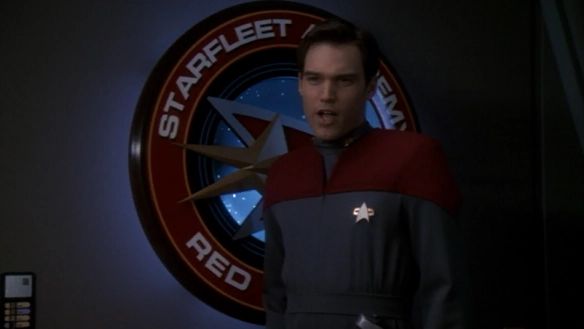
This insufferable snot-nosed punk deserved to be killed for his arrogance. He gets the title of captain in quotes because he was just an elite cadet who wound up in command of the Valiant when the ship’s crew was killed. So, he doesn’t even deserve to be called a captain. Anyway, during his dictatorial command he refused to listen to reason, threw people who disagreed with him in the brig, and let his arrogance kill the remaining crew of the Valiant when he foolishly led a doomed attack on a Jem’Hadar battlecruiser. In the words of Nog, who was one of the few survivors, “in the end, he was a bad captain.”

1. Captain Edward Jellico (Star Trek: The Next Generation “Chain of Command, Part I and II”)

Command: U.S.S. Cairo, NCC-42136 and U.S.S. Enterprise-D, NCC-1701-D
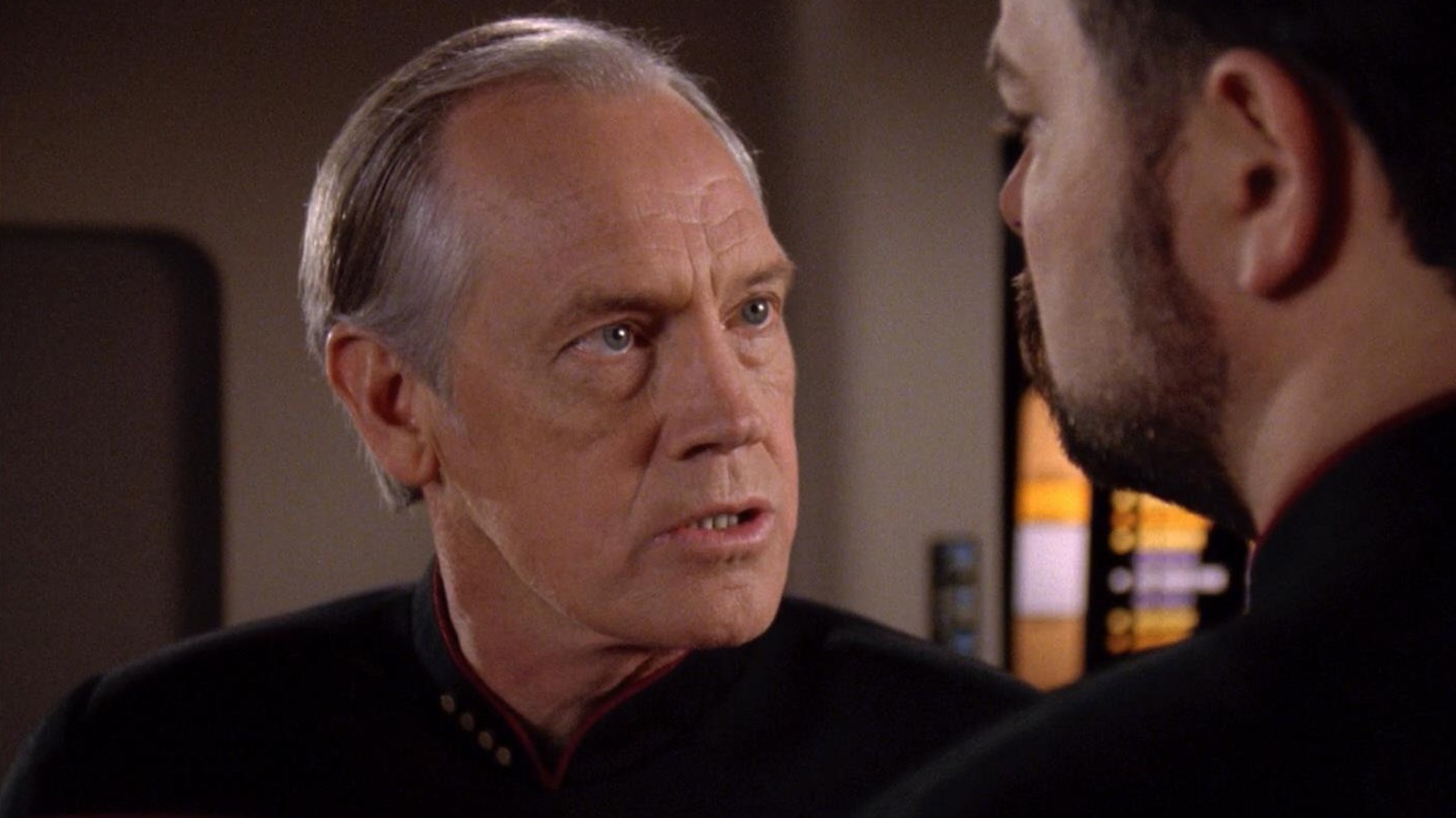
Man, was this guy a raging A-hole! Super strict, authoritarian, obtuse, antagonistic, unwilling to listen to others, Jellico just rubbed people the wrong way. After taking command of the Enterprise D from Jean-Luc Picard, Jellico quickly alienated the ship’s command officers with his brusque, My-Way-Or-The-Highway style of command. Sure, his manner of running things was effective, and arguably realistic according to those with military experience, but he had everyone so wound up that morale plummeted badly on the ship. It was no wonder that we cheered when Riker finally told him off. Unfortunately, this jerkwad was eventually promoted to an admiral as seen in Star Trek: Prodigy, and he has not changed a bit.

Anyone has a different list of captains that should be mentioned? Feel free to leave a comment!

José Soto
Where Are the Star Trek: Deep Space Nine Followups?

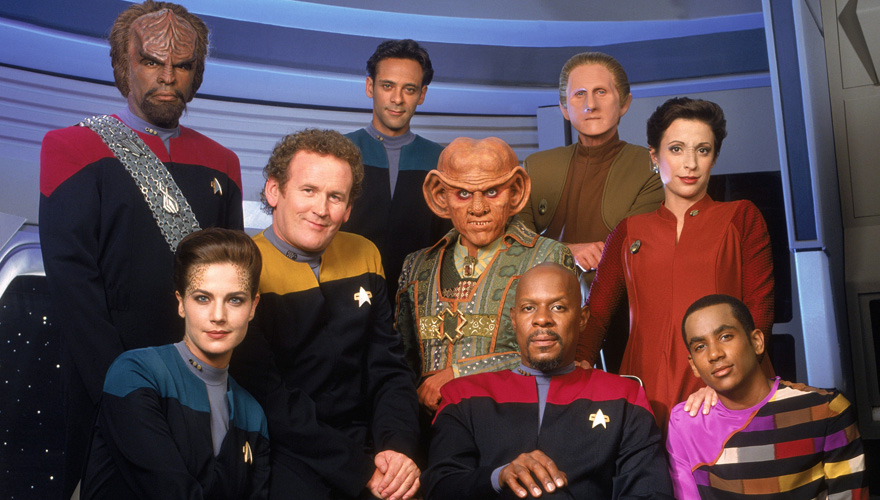
As we get ready for the second season of Star Trek: Picard to stream in a few short days and we have seen Kathryn Janeway (Kate Mulgrew), or rather her hologram, appear as a one of the main characters in Star Trek: Prodigy, these developments begs the following question. Where are the Star Trek: Deep Space Nine (DS9) followups?

Ever since DS9 aired its final episode back in 1999, we have yet to see any meaningful followup or sequel to the show. Its reputation has increased significantly over the years as fans have come to appreciate how innovative and unique DS9 was compared to other Star Trek shows.

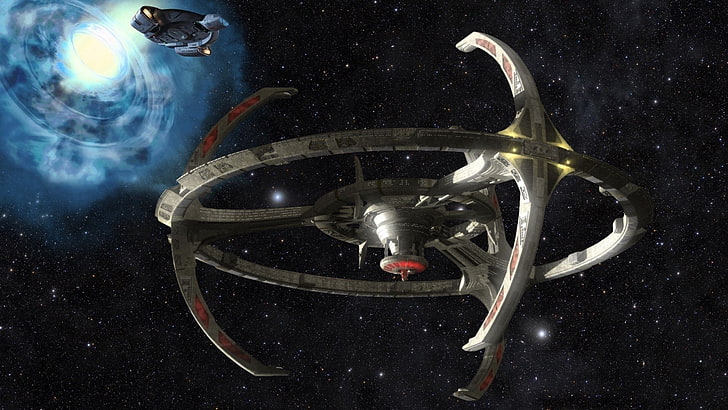
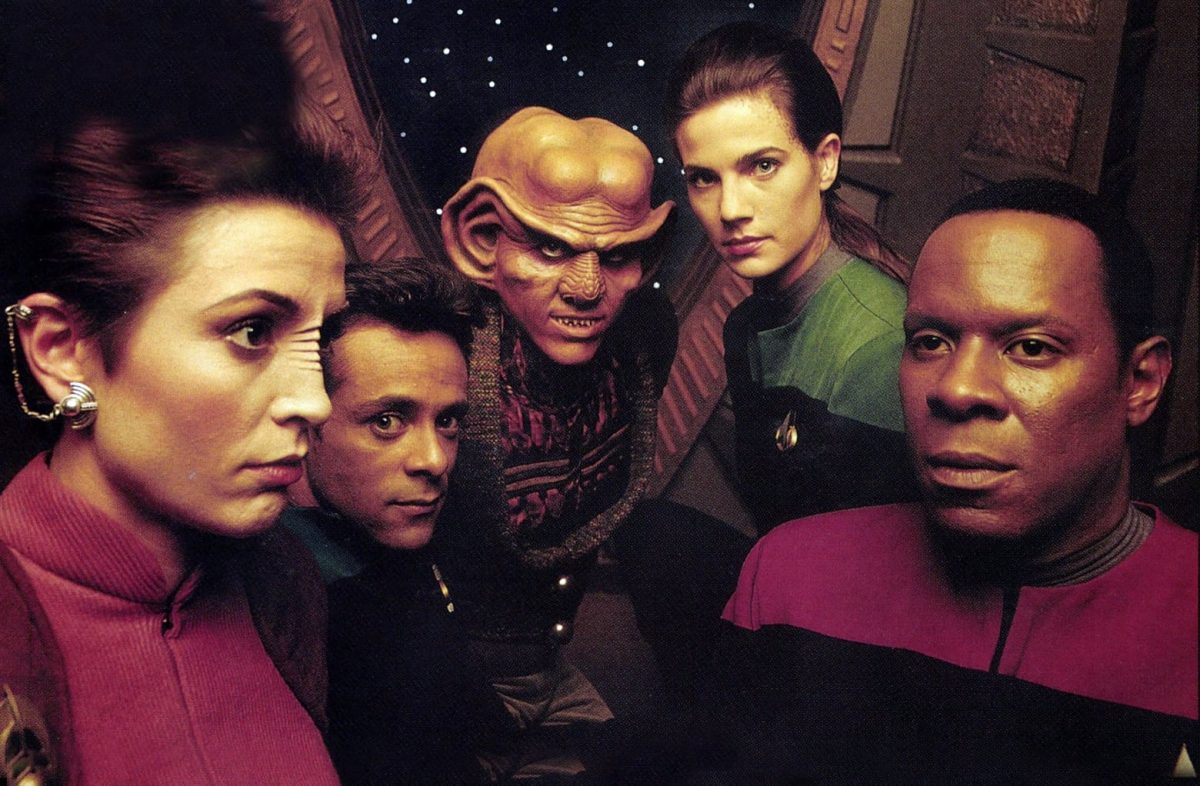
What set Star Trek: Deep Space Nine apart were several factors. Start with its premise, it took place on a space station, not a starship. This helped develop long-running arcs and storylines over several episodes and seasons that explored the socio-political landscape of Star Trek. What was interesting was that this predated the current model of TV shows with their season-long arcs. What also set DS9 apart from other Trek shows (at least, until recently) was that it had a darker, grittier tone with more mature and grounded stories and characters. No one was purely good or evil, not even its main character Benjamim Sisko (Avery Brooks), who suffered from PTSD over a Borg attack that killed his wife. In one infamous episode “In the Pale Moonlight” he manufactured evidence to entice the Romulans to enter the Federation’s war against the Dominion. The show was riddled with anti-heroes such as Quark (Armin Shimerman), the greedy Ferengi bartender, and Garak (Andrew J. Robinson), a former Cardassian spy with a nebulous past. Many of the characters like Major Kira (Nana Visitor) struggled to adjust to a new life. In her case, Kira was a former terrorist/freedom fighter who found herself as Sisko’s second in command and operating under Federation rules. Star Trek: Deep Space Nine explored controversial issues such as racism, religion, and the impact of war. In fact, DS9 was noted for running a long storyline where the Federation was at war with the Dominion and many of its related stories had clear anti-war messages.

Even though Star Trek: Deep Space Nine was a success, it was not as well regarded by fans and critics because it deviated too much from traditional Star Trek tropes. However, over the years, more and more people have come to appreciated DS9 for its unique merits and is now considered one of the best, if not the best, Star Trek TV shows.

But, ever since “What You Leave Behind”, the final episode of DS9, aired there has not been any meaningful followup or sequels to the show, aside from other media like books and comics. There have been some minor references to the show in other Star Trek TV shows and film over the years. The most notable one was an appearance of Odo (René Auberjonois) as a holographic character in the Star Trek: Prodigy holodeck-centric episode “Kobayashi”. Meanwhile, Star Trek: The Next Generation continues in Star Trek: Picard, characters from Star Trek: Voyager such as Janeway and Seven of Nine (Jeri Ryan) are currently appearing in Star Trek: Picard and Star Trek: Prodigy, respectively.

So, why hasn’t DS9 been revisited? A full reunion is not possible anymore since Auberjonois and a couple of other DS9 actors have passed away, and Brooks is no longer actively acting. Still, it would be great if several DS9 characters could reappear in current Star Trek TV shows or have some episodes or films take place in the DS9 station or nearby locales. There are many lingering questions about Star Trek: Deep Space Nine that fans want answered. Will the Dominion return to threaten Earth and the Federation? What happened to the planet Bajor? Did it ever join the Federation? What happened to the Cardassians after they were defeated in the war? Will Sisko return after joining the Prophets in their non-linear plane of existence? Being that he now exists outside of time and space, he can in theory return to our existence at any time, including the current Star Trek shows.

OK, showrunners. We the fans of Star Trek: Deep Space Nine have been very patient. We are waiting to revisit this innovative and novel corner of the Star Trek universe. Let’s make this happen.

Star Trek Turns 55

Yes, the classic sci-fi TV show that started the unbelievable Star Trek phenomenon turned double nickels this year. At 55, Star Trek continues to captivate untold numbers of fans. As any Trekker knows, the show has spun off into nearly a dozen TV shows (which includes Short Treks and the original animated TV show from the ’70s) and thirteen films.

There are many reasons for the enduring appeal and success of the Star Trek franchise. They include the captivating story lines and characters that serve as allegories for our current situation or are at least imaginative. The stories also offer a beacon of hope for humankind, that we will overcome our strife and spread out into the stars. Whatever the reason, Star Trek, despite its ups and downs, will continue to entrance fans and be a part of our culture for a long time.

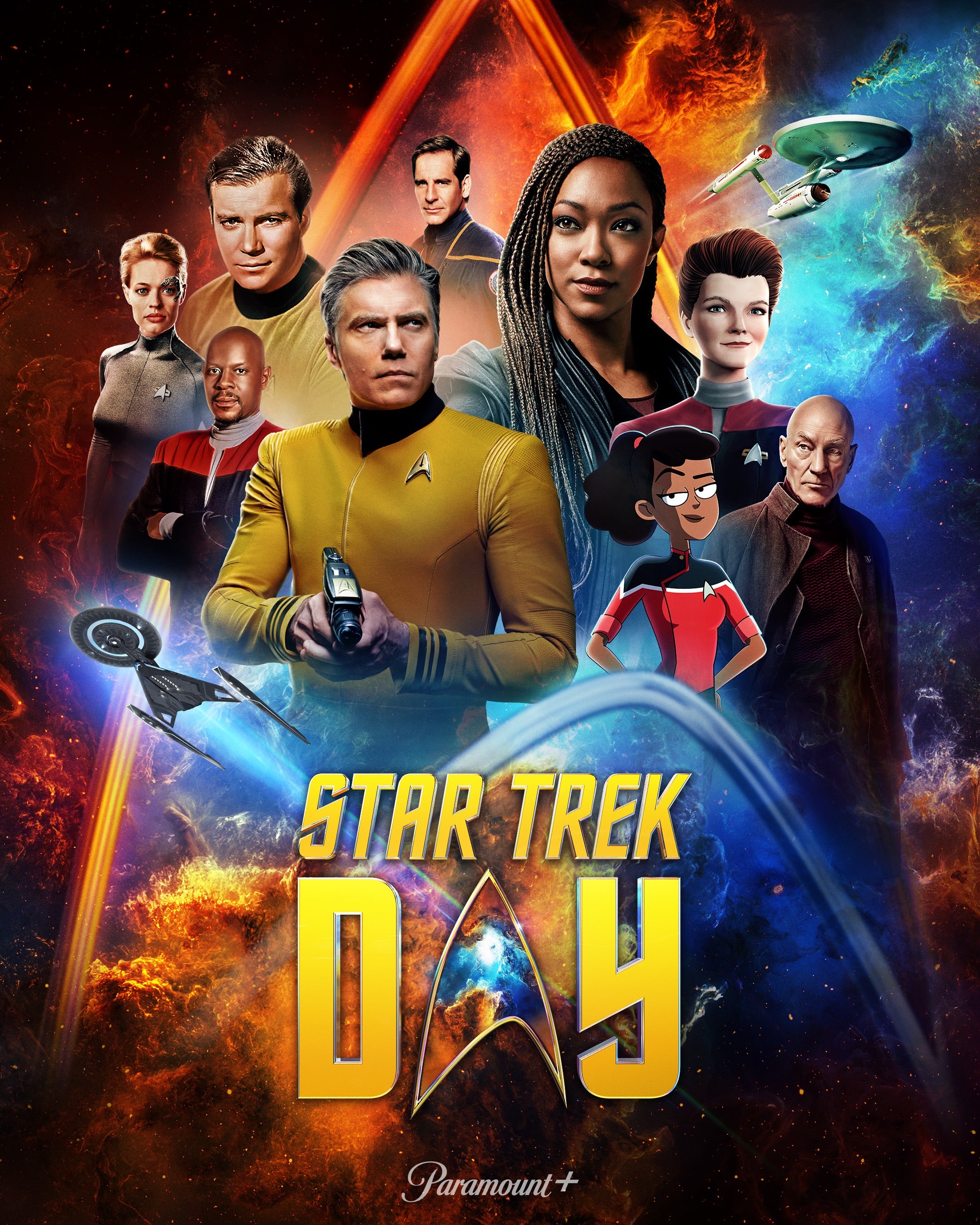
To help celebrate the 55th anniversary of Star Trek, the streaming app Paramount+ presented a live celebration of the show and its spinoffs on September 8. This day is now known as Star Trek Day because the original TV show debuted on September 8, 1966. The Star Trek Day celebration featured many cast members and showrunners from previous, current and upcoming productions dedicated to Star Trek. The panel presentations featured actors from previous Star Trek shows who reminded the audience of the significance contributions their shows made to the franchise. These were followed up by beautifully performed live scores of each Star Trek show by Jeff Russo and his orchestra.

Probably the most anticipated highlight of the Star Trek Day event were the presentations of upcoming Star Trek TV shows such as Star Trek: Discovery, Star Trek: Prodigy, Star Trek: Strange New Worlds (which revealed its full crew lineup that includes Nyota Uhura, Christine Chapel and new characters), Star Trek: Lower Decks and Star Trek: Picard. The trailer for Star Trek: Picard unveiled that the second season will be time travel romp that partially takes place in modern times and was a delightful callback to Star Trek IV: The Voyage Home as the characters struggled to blend in with our times, Good luck with that, many of us are also struggling! It was announced that Star Trek: Picard has been renewed for a third season and premiere dates were given for a few of the shows.

But the most insightful panel was a celebration of the 100th birthday of Gene Roddenberry, the creator of Star Trek and Star Trek: The Next Generation. The panel, hosted by Wil Wheaton, featured Rod Roddenberry, George Takei, LeVar Burton and Gates McFadden. They all shared their personal stories of meeting Gene Roddenberry and how they worked with him. It was an excellent and heartfelt commemoration of Gene Roddenberry and his impact on Star Trek and our culture.

Even though the current Star Trek shows have their issues, their best aspects were highlighted and it was clear that the people involved with the shows were passionate about their work. It was heartening to see during the Star Trek Day event that the show that started 55 years ago continues to shine which is remarkable considering that most TV shows from that long-gone era have been forgotten. This includes TV shows that garnered more ratings than the original Star Trek.

The celebration was a welcome reminder that Star Trek will continue to live long and prosper.

José Soto

Top Ten Films & TV Shows Of 2020

2020 has certainly been a strange and troubling year with the COVID-19 pandemic disrupting the entertainment industry.

As the film studios and theaters suffered greatly from the mass closures for public safety, the television arm of the entertainment industry saw a boon since they had literal captive audiences eager for any new content.

Films

Even though many films scheduled for 2020 were postponed for the year, there were many other films that either had limited theatrical releases or managed to come out in the early months of the year before COVID-19 created the lockdowns. Hopefully as the now-availalbe vaccines are administered throughout the population, 2021 will see more of a return to normalcy as theaters will be able to safely re-open.

Please note many films that were released solely digitally or through streaming platforms were not considered for this list; a film had to have some kind of theatrical release even if it debuted in few theaters at the same time they were released digitally. Here are the ten best theatrical films of 2020.

10. Onward

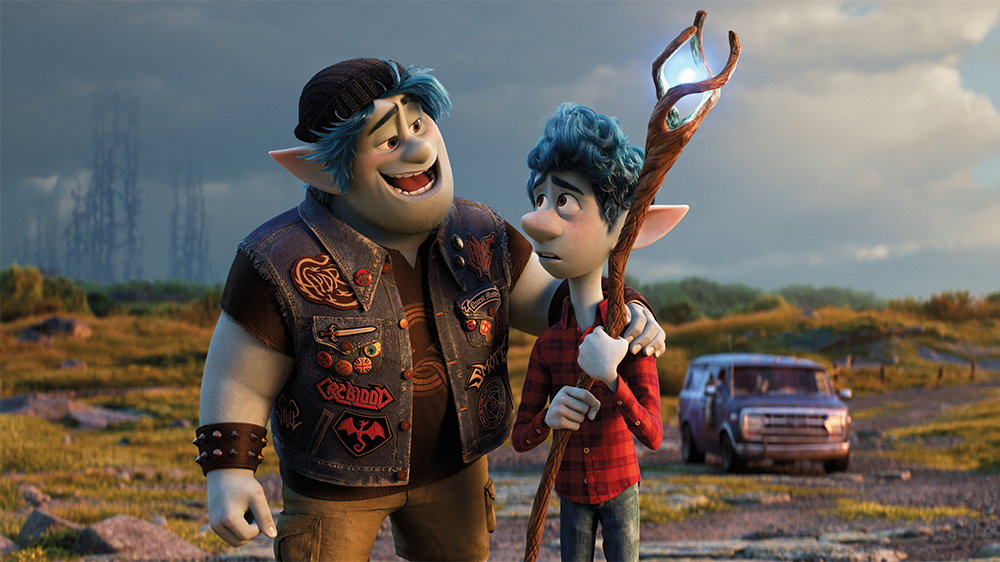
Pixar’s other animated cinematic offering for 2020 was an uplifting and fun adventure that took place in a world where mythical and magical beings and creatures exist today. In the film, two elf brothers set out on a road trip across the country to temporarily resurrect their deceased father. As with most Pixar films, the characters and their emotions took center stage as the two realized their brotherly love for one another. 

9. The New Mutants

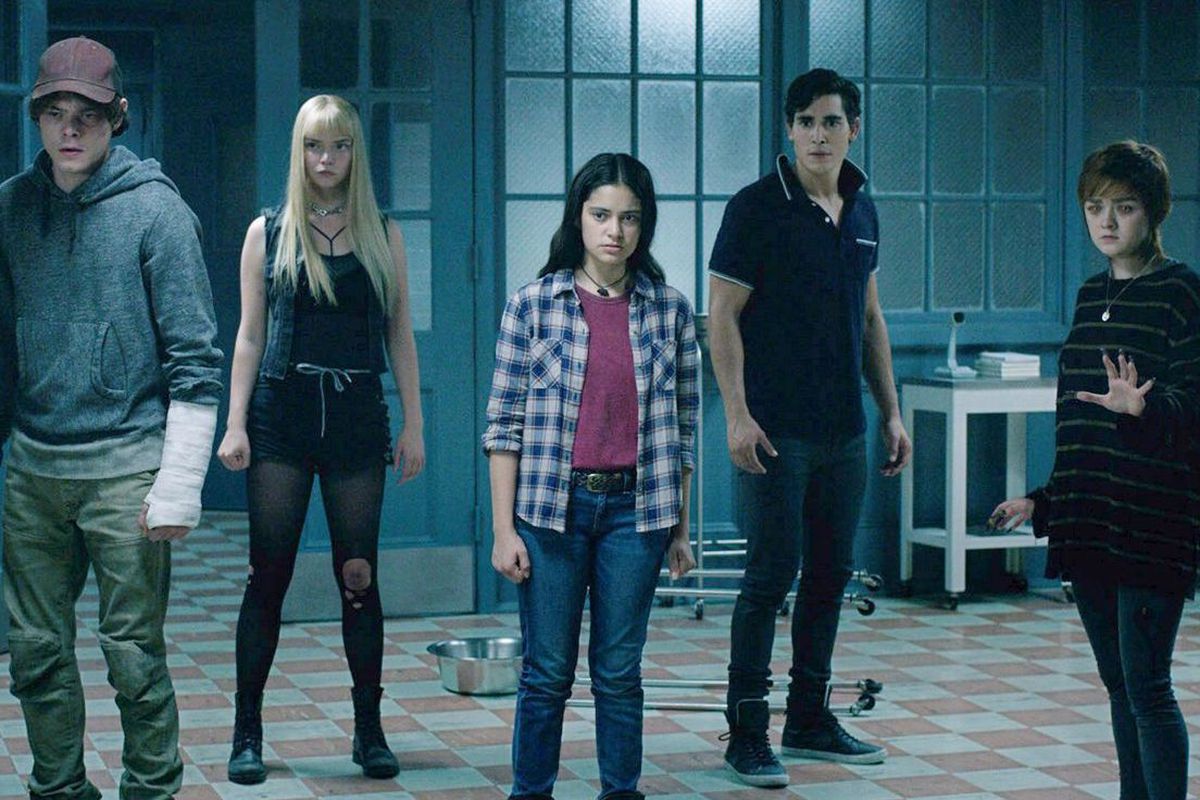
The sole Marvel film of 2020 turned out to be the coda of the Fox X-Men films, which was a surprise given it has been delayed so many times. Fortunately, The New Mutants turned out to be a decent superhero film about teenagers coming to grips with their superpowers and life as the film was tinged with chilling horror elements.

alone at the midnight sky

8. The Midnight Sky

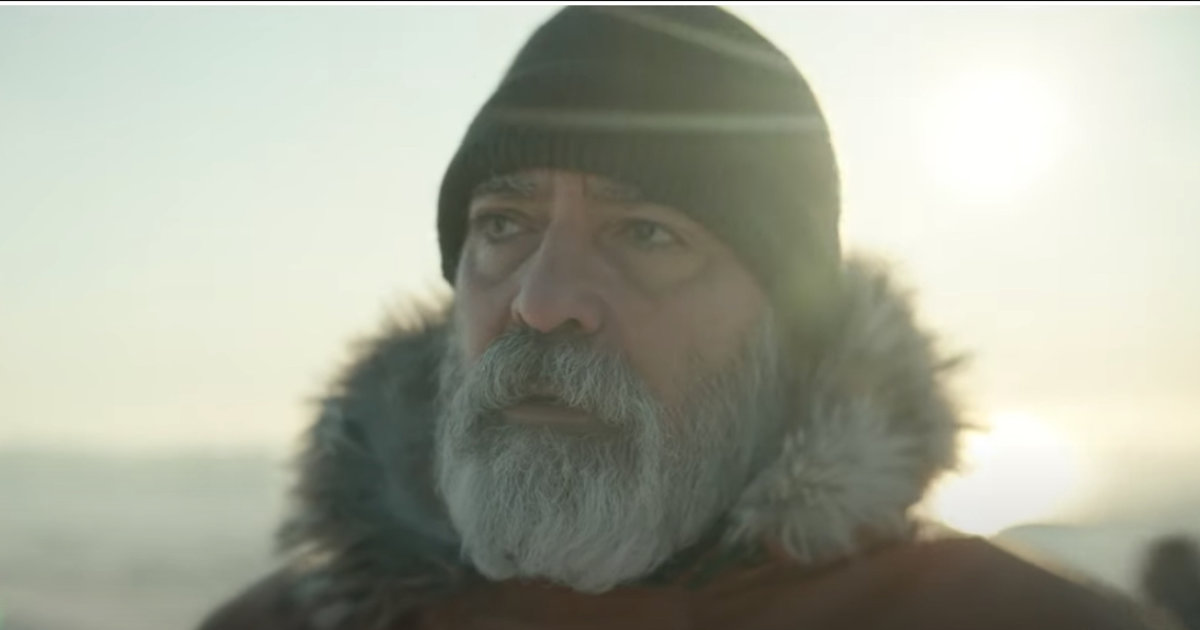
George Clooney directed and starred in this introspective sci-fi film based on a book by Lily Brooks-Dalton. Clooney played a lone scientist in an arctic outpost who tries to warn the crew of a returning spacecraft not to come to Earth because it has undergone an extinction-level event. The film was a quiet and captivating character study of the scientist and the spacecraft crew as they struggled to survive in their hostile environments.

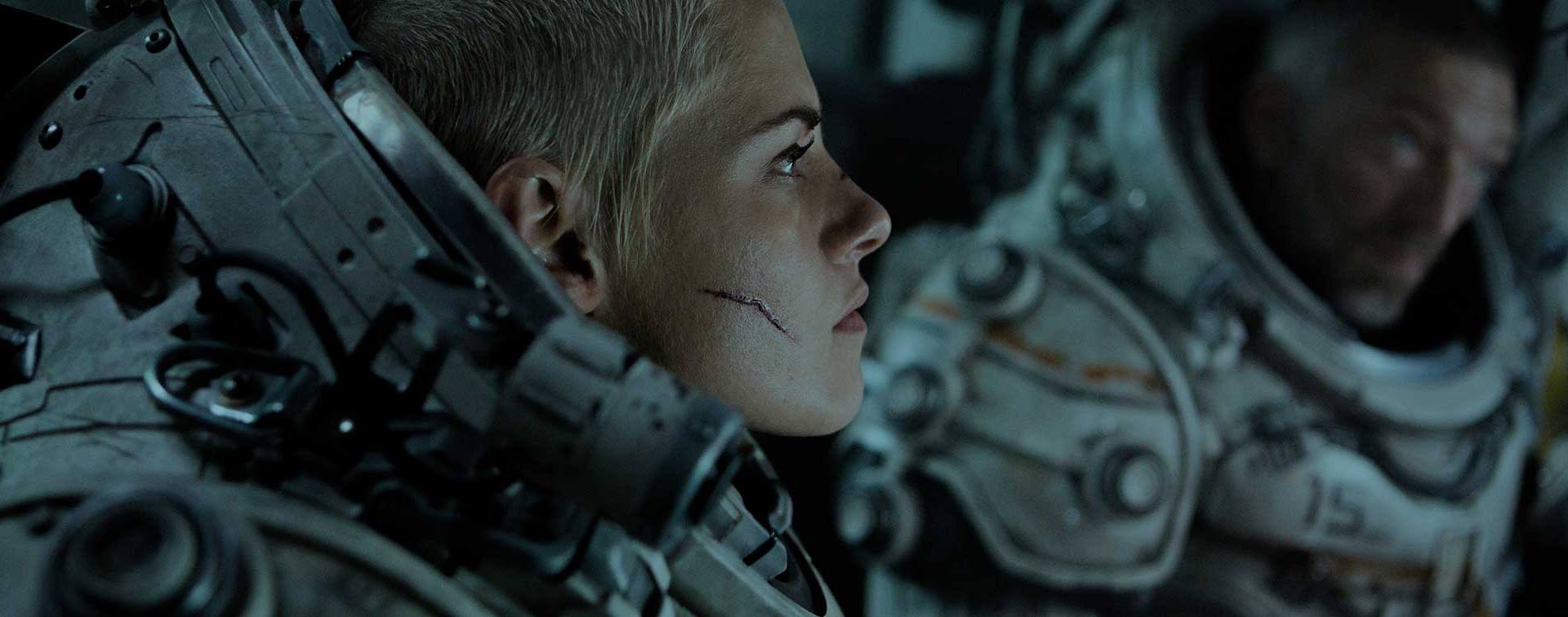
7. Underwater

Director William Eubanks is perhaps the most underrated director of sci-fi films today and his latest film continued to demonstrate this. Underwater may be filled with the usual tropes of a crew in an underwater research station being hunted by unknown, Lovecraftian creatures, but it was well crafted, claustrophobic and had the right amount of jump scares and unexpected character studies which elevated this film. 

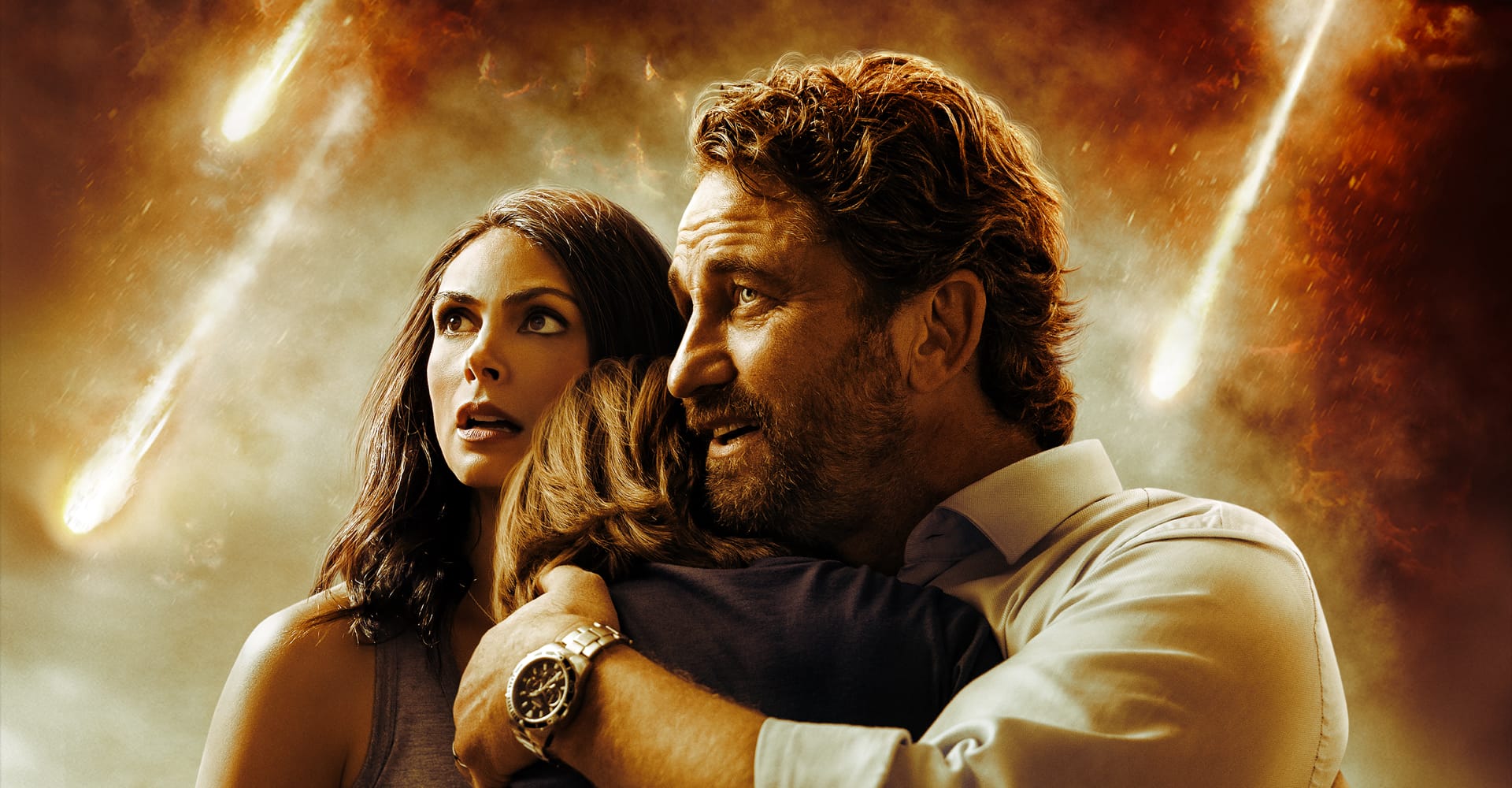
6. Greenland

Gerard Butler starred in a surprisingly effective disaster film that smartly focused on a single family when cometary fragments crashed into the Earth. By staying with the family as they tried to make their way to safety, Greenland was able to directly show how the catastrophic event affected the family as they grappled with fear, uncertainty and confusion. 

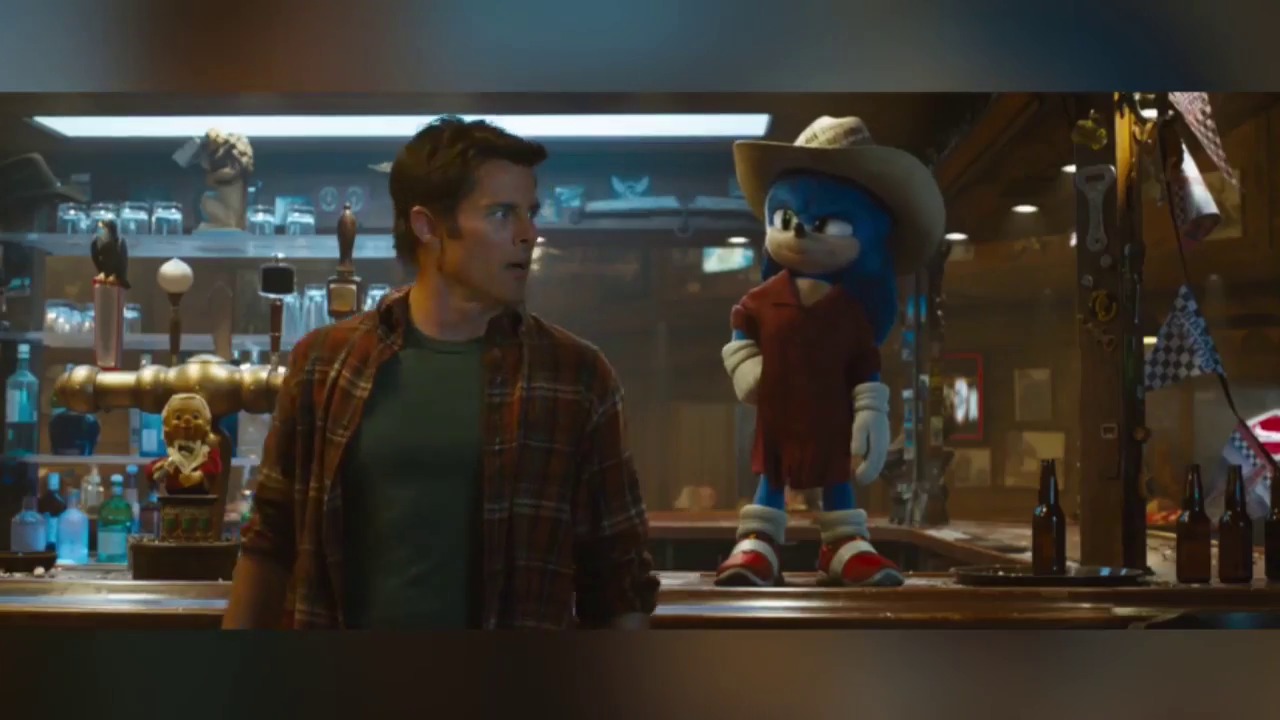
5. Sonic the Hedgehog

Who would have thought that 2020 would have given us a winning film based on a popular video game character? It is more remarkable given the negative reaction to the first trailer which led to Sonic being radically re-designed more to fans’ liking. The effort paid off as Sonic the Hedgehog was a fun and endearing road trip/buddy film that delighted many viewers and not just fans. The road trip/buddy aspect of the film may be familiar but it worked as Sonic, the cartoonish alien, experiences life on Earth for the first time. 

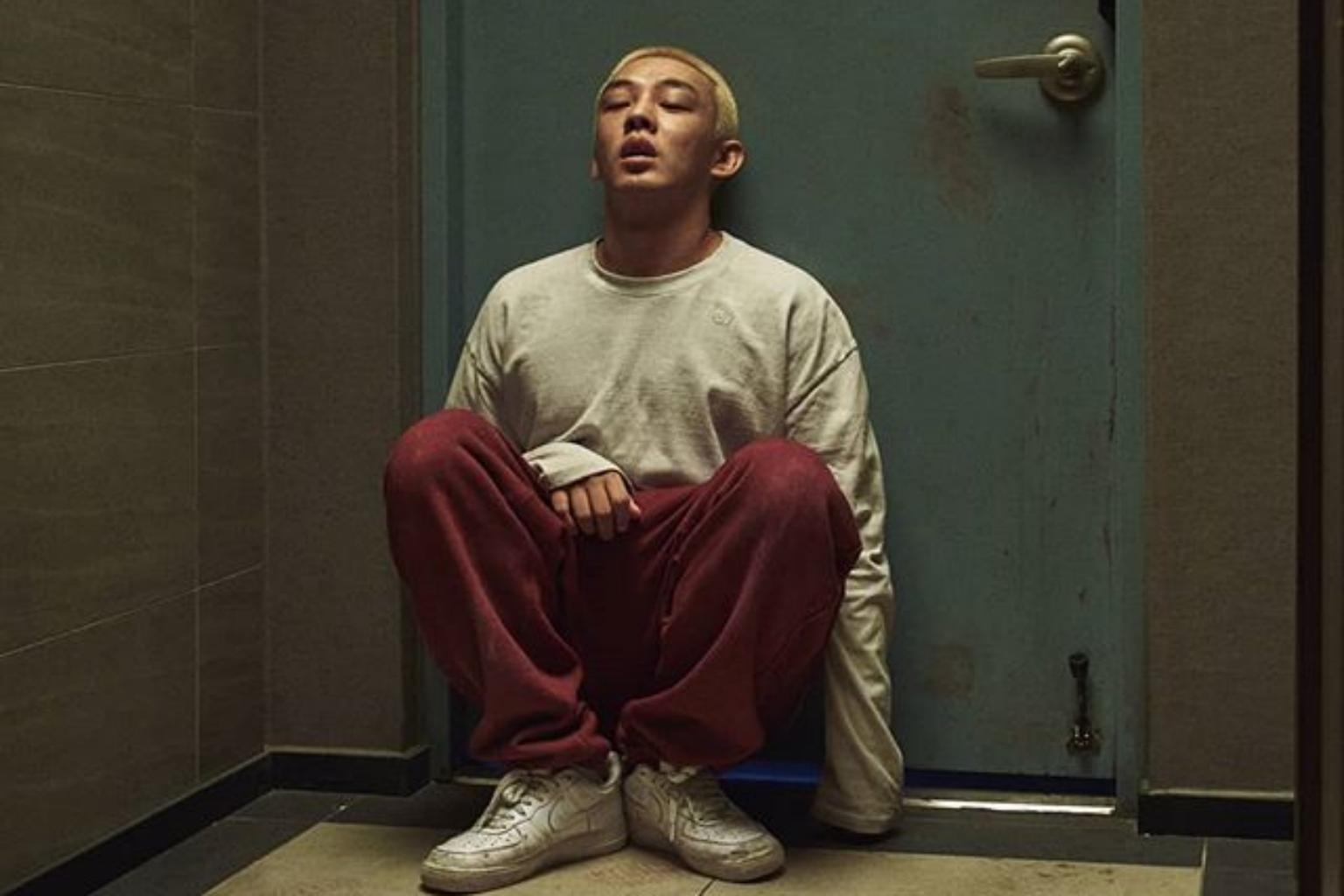
4. #Alive

This South Korean film took a tired zombie/survival trope and reinvigorated it. In the film a young adult gamer is trapped in his apartment during a zombie apocalypse and as he undergoes bouts of loneliness and struggles to keep his sanity, he learns about survival and finding one’s inner strength. This character study made the film very engaging as we found ourselves rooting for the young gamer.


3. Color Out of Space

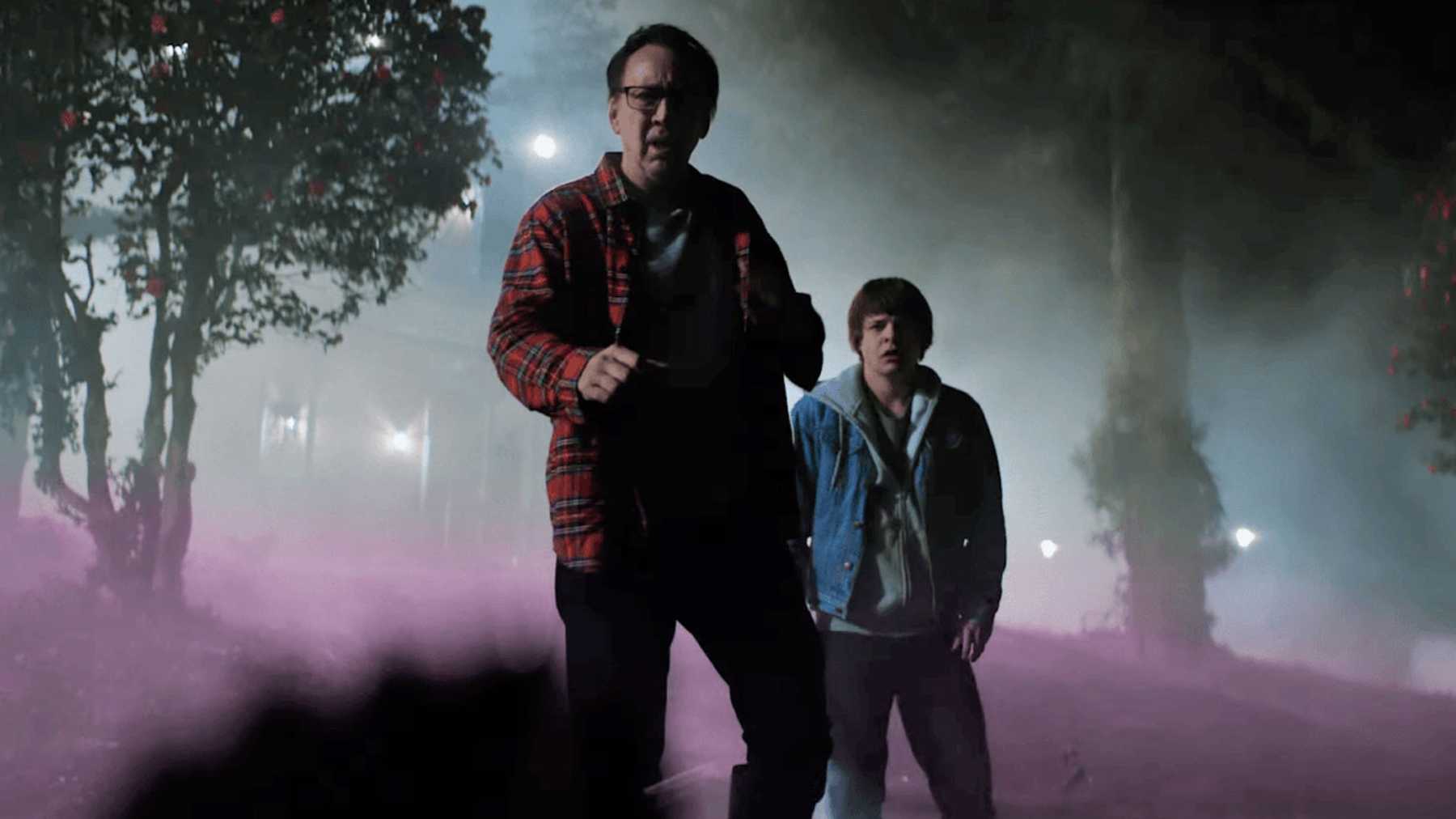
Nicolas Cage was in rare form in this macabre adaptation of the H.P. Lovecraft short story. This horror/sci-fi yarn was quite unsettling in its first half which told the story of a crashed meteor’s unearthly physical effect in a nearby farm. By the second half, Color Out of Space metamorphized into a vivid and disturbing body-horror ordeal that was literally mind bending and shattering as the meteor’s alien influence transformed all life surrounding it, including the hapless farmer and his family. 

love and monsters dog

2. Love and Monsters

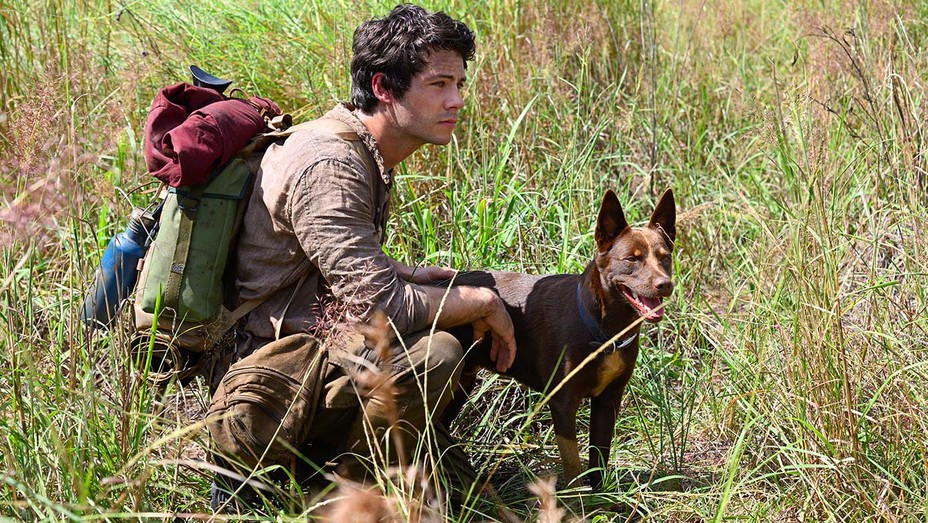
This exciting and more light-hearted post-apocalyptic film was a actually a coming-of-age story about a young man who learned to believe in himself as he set out across the ruined landscape of the U.S. to find his supposed true love. Sometimes it is compared to Zombieland, though that is not entirely accurate. In truth, Love and Monsters focused less on laughs and more on its endearing characters and imaginative, giant mutated animals that the film’s hero and his companion dog had to face during his difficult journey.

1. Soul

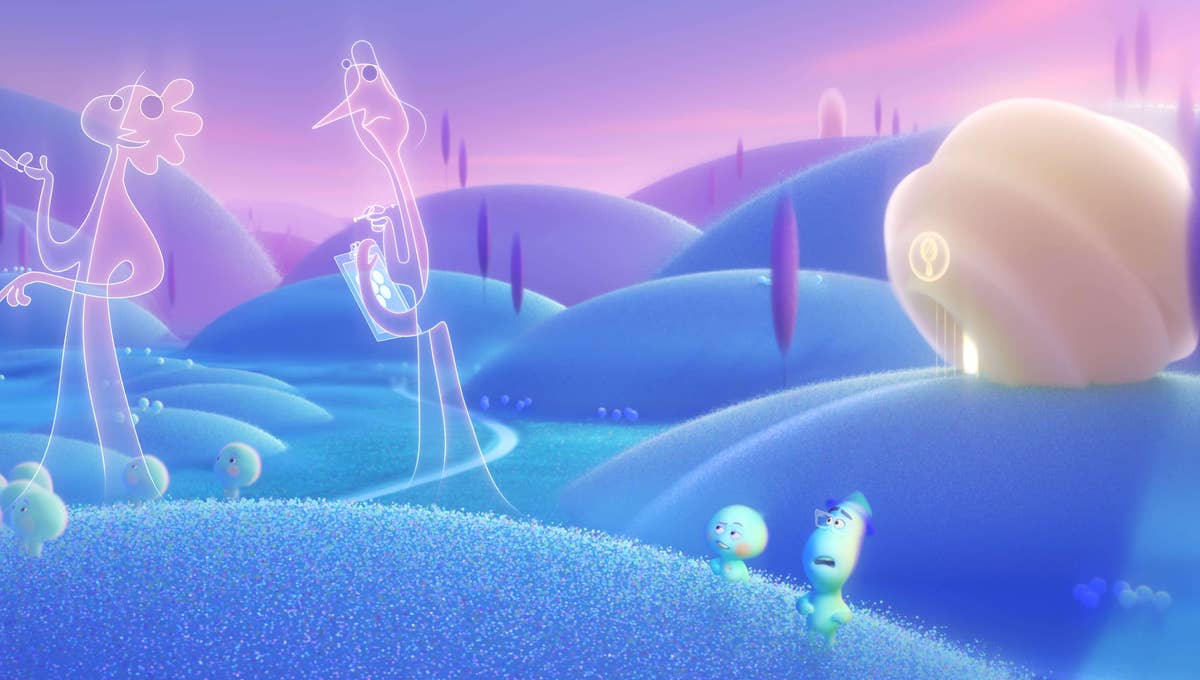
Two big films were released on streaming platforms (and had very limited theatrical releases), even though one of them (Wonder Woman 1984) had much more buzz and attention, Soul was not only the better of the two films but the best film of the year. The underlying themes may go over the heads of the younger viewers, though they and everyone else will be delighted by the film’s plot of Joe Gardner (Jamie Foxx), as a struggling musician who dies and refuses to go to heaven. From there, he sets off on a spiritual and metaphysical quest to return to life filled with solid characters and relationships. 

Not only is Soul perfectly animated and chock full of visual delights, but like the best of Pixar, it examines the larger questions in life and its script is unexpected. At its heart, Soul is about…life and what one makes of it. However, it also forces the viewer to contemplate and appreciate the simpler and most relevant aspects of life, and in this tumultous year, this may be the most important message of all. 

Honorable Mentions:

Bill & Ted Face the Music, Birds of Prey (and the Fantabulous Emancipation of One Harley Quinn), The Invisible Man, Peninsula, Possessor, Vivarium

Continue reading →

Star Trek: Picard – A Season In Review

second picard poster

The first season of Star Trek: Picard has just concluded and it’s time to take a look at the season and the show itself. There will be many spoilers coming up, so if anyone has not seen the show streaming on CBS All Access or Amazon Prime then turn back. Otherwise, read on!

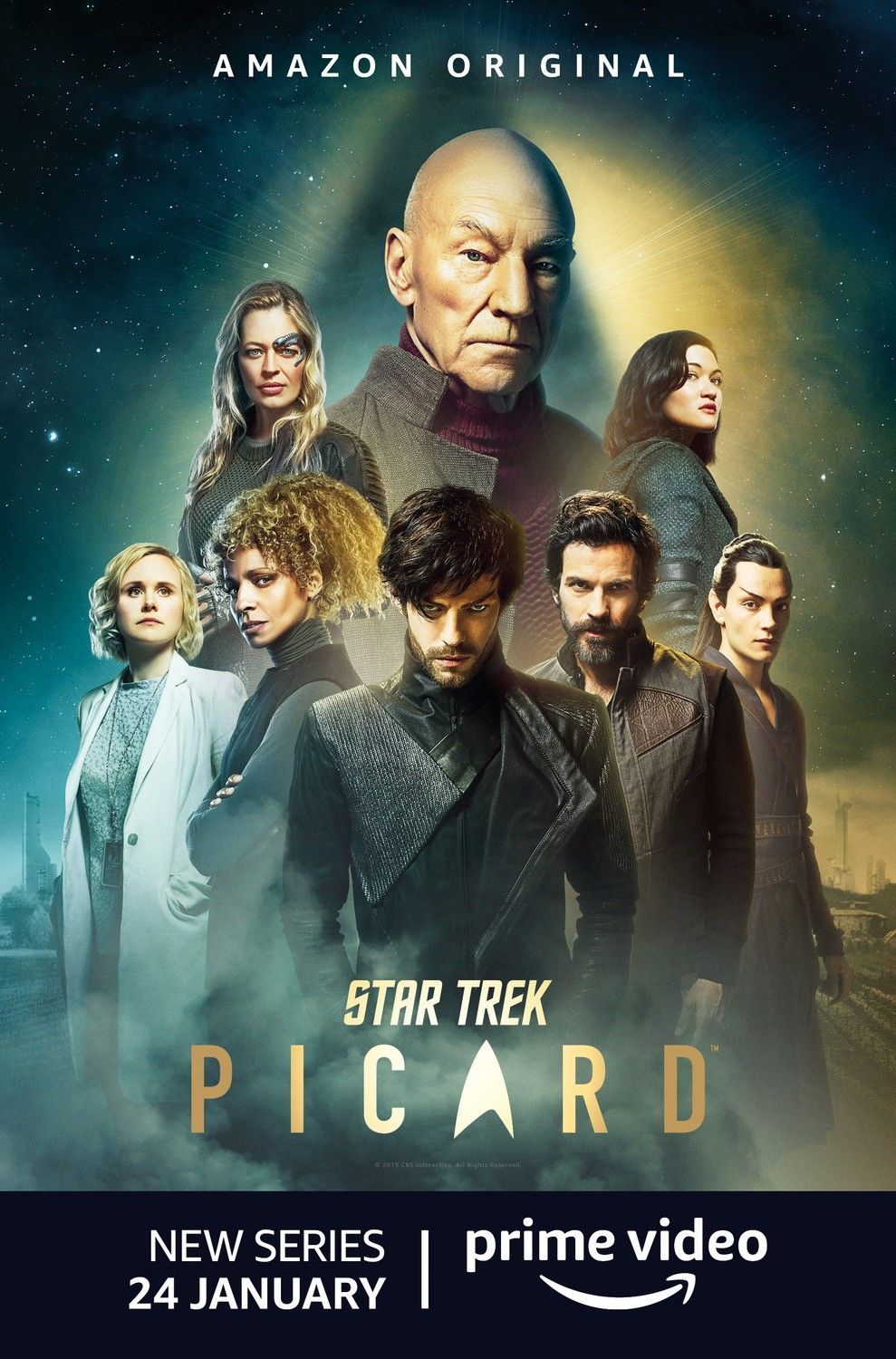
Star Trek: Picard naturally centers on the ongoing story of Admiral (retired) Jean-Luc Picard (Patrick Stewart) as he left behind a tranquil existence at his French vineyard for one more grand adventure/mission which will reshape the galaxy.

The show takes place in 2399, twenty years after the film, Star Trek: Nemesis, and the death of the android Starfleet officer Data (Brent Spiner). Jean-Luc Picard angrily resigned from Starfleet fourteen years earlier and tends to his vineyard along with his Romulan employees, Zhaban (Jamie McShane) and Laris (Orla Brady). Picard meets Soji Asha (Isa Briones), a young woman who turned out to be a synthetic person and Data’s daughter. She is killed by Romulan secret agents but Picard learned that Soji had a twin sister, Dahj, and sets out to rescue her before the Romulans get to her. It turns out that Dahj is working in a deactivated Borg cube operated by Romulans and ex-Borg drones.

During his sojourn to find Dahj and protect her from the Romulan agents, a team forms around Picard who come in and out of his story. They include Dr. Agnes Jurati (Alison Pill), a cyberneticist; Seven of Nine (Jeri Ryan), a former Borg last seen nearly twenty years ago in Star Trek: Voyager, and is now a space vigilante; Picard’s former crewmate Raffi Musiker (Michelle Hurd) who has a bit of an addiction problem; Elnor (Evan Evagora), a noble Romulan warrior devoted to protecting Picard; and Chris Rios (Santiago Cabrera), a former Starfleet commander who pilots his own private spaceship La Sirena and is a roguish space pirate in the Han Solo/Malcolm Reynolds mode.

sirena and old romulan ship

The Romulans secret agents are after Dahj because they believe her to be the fulfillment of an ancient prophesy that spells doom for all organic life in the galaxy. They hope to learn from her the location of her homeworld in order to obliterate it and prevent the prophesy. Obviously it is up to the nonagenarian Picard to get back into the captain’s chair and save Dahj and the galaxy before time runs out.

Star Trek: PIcard is another welcome Star Trek spinoff that effortlessly picks up the story of Star Trek after the events in Star Trek: Nemesis and parts of the Star Trek reboot. Doing this gives weight and meaning to the Star Trek Prime universe by exploring the ramifications of the destruction of the Romulan homeworld shown in the Star Trek reboot and the subsequent refugee status of many Romulans though their overall status of their government was unclear.It also gives a well balanced exploration of the Romulans themselves; something most of the other shows and films failed to do. Not all of them are one-dimensional, sneering villains.

The show is undeniably a sincere tribute to fans of the Star Trek Prime universe and of course, Star Trek: The Next Generation. Some may complain that it’s too much of a tribute with its numerous references, Easter eggs and cameo appearances, but they’re all just background layering for the uninitiated while rewarding for fans.

The show is clearly a Star Trek show, yet it isn’t. How can that be? Well, the show is not focused on current Starfleet personnel but on civilians and former officers. Freed from regulations and decorum the characters give us a feel for how life is like in the Federation and nearby regions for non-Starfleet people. The vaunted Federation is not as revered or as noble as presented in other Star Trek shows. In fact, there is an underlying notion that the Federation may be entering a period of decay; that it’s best times are past. Hence, one of the reasons why Picard walked away from Starfleet. Star Trek: Picard is edgier than the typical Star Trek show; there is a lot of cursing including F bombs. Most of the characters are deeply flawed including the humans, which goes vehemently against the idealistic and ultimately unrealistic Roddenberry future utopia where humanity is completely without fault. This will make some fans uncomfortable but it helps make the show more real and relatable to most viewers.

What we’re left with is a show that feels a bit like Firefly in that it stars roguish types who disdain authority. These are some truly interesting characters with their own complex back stories. Standouts include Rios and Raffie, who are both broken souls with troubled pasts and unwittingly gain redemption by joining Picard’s quest. It doesn’t hurt that both characters are well performed. Other characters like Elnor seek a just cause or for something to believe in. And holding the group dynamic is Picard himself, the moral glue that holds them together.

It goes without saying that Patrick Stewart puts in a bravura performance in the role that made him famous. As always, he eloquently portrays the bitter and defeated old man who finds a real reason to go out and make a difference in the galaxy. Stewart is so comfortable and elegant playing Jean-Luc Picard, it truly is a shame he has not done the role in so long. But at least he is back to usher in a new era of the Star Trek Prime universe.

Unlike most Star Trek shows, Star Trek: Picard follows a serialized format that is essentially a mystery. The payoff in the final episodes (“Et in Arcadia Ego, Parts I and II”) felt a bit predictable but it had its fist-pumping moments with cinema-quality effects and cinematography; one of those standouts was when Admiral William Riker (Jonathan Frakes, who also turned up in the season’s best episode “Napenthe”) literally shows up with the cavalry. Still, the payoff wasn’t as invigorating or as intense as “Such Sweet Sorrow” the second season finale of Star Trek: Discovery. Coming way from the finale its realized that certain plot elements were unresolved, which was annoying. Mother bit of a copout was how the show resolved the personal journey of Jean-Luc Picard. Without giving anything away, it was an interesting twist but it robbed much of the emotional impact of the fate of the former Starfleet admiral. Let’s leave it at that.

picard takes charge

Star Trek: Picard is a welcome return to the classic heyday of the uplifting era of Star Trek: The Next Generation and its immediate spinoffs. In these times, the show provides a much-needed reminder of the wonderful potential of humankind and what we should aspire to.

José Soto