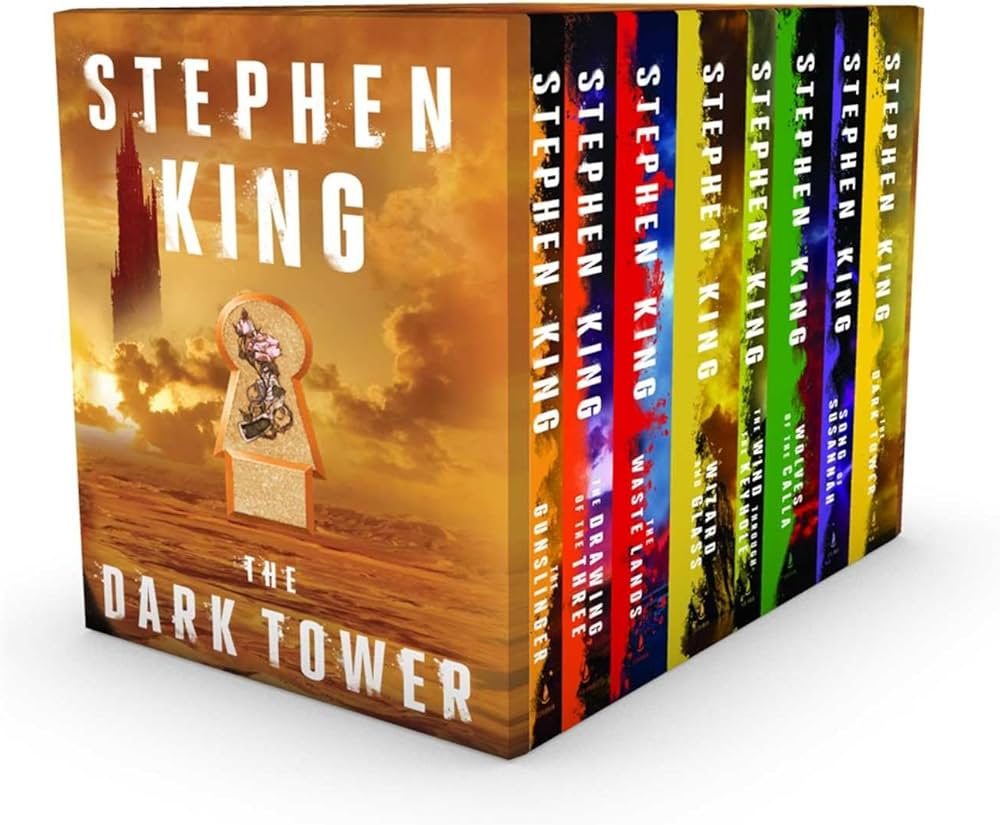
Adapt Stephen King’s Dark Tower Saga!

Given the success of the recent live-action adaptation of author Stephen King’s literary works. It is time to consider bringing his magnum opus, the Dark Tower Saga, to life on screen or TV.
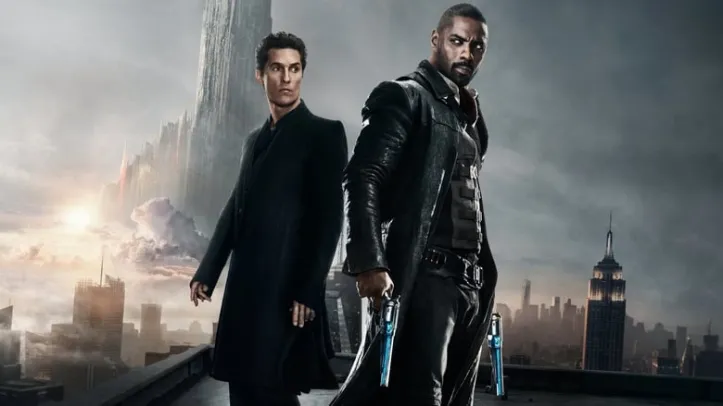
Adapting the Dark Tower Saga has been attempted several times over the years at different film studios with topnotch filmmakers attached to such projects such as J.J. Abrams and Ron Howard. However, those efforts did not succeed until the film The Dark Tower, which came out in 2017. The film was directed by Nikolaj Arcel with Ron Howard co-producing and starred Idris Elba as the lead characer Roland Deschain and Matthew McConaughey as the Man in Black. It was intended to be the first part of a multi-epic saga that would expand into television as well as more films. Well that was the intention, as most King fans know the film was poorly received and did not do well in its release. So plans for any followups quietly faded away.

There are many reasons why The Dark Tower failed to click with audiences and critics but it mostly had to do with the truncated script that loosely adapted elements from the first Dark Tower book, The Gunslinger, and the third book, The Waste Lands. Being that the books are quite expansive with imagery and scenes that can be hard to adapt, it was inevitable that the screenwriters condensed the story and threw out many elements, characters and story beats that in the end displeased everyone. Simply put the film lacked the epic scale of the books, was hard to understand, and was largely unfaithful to the Dark Tower Saga.
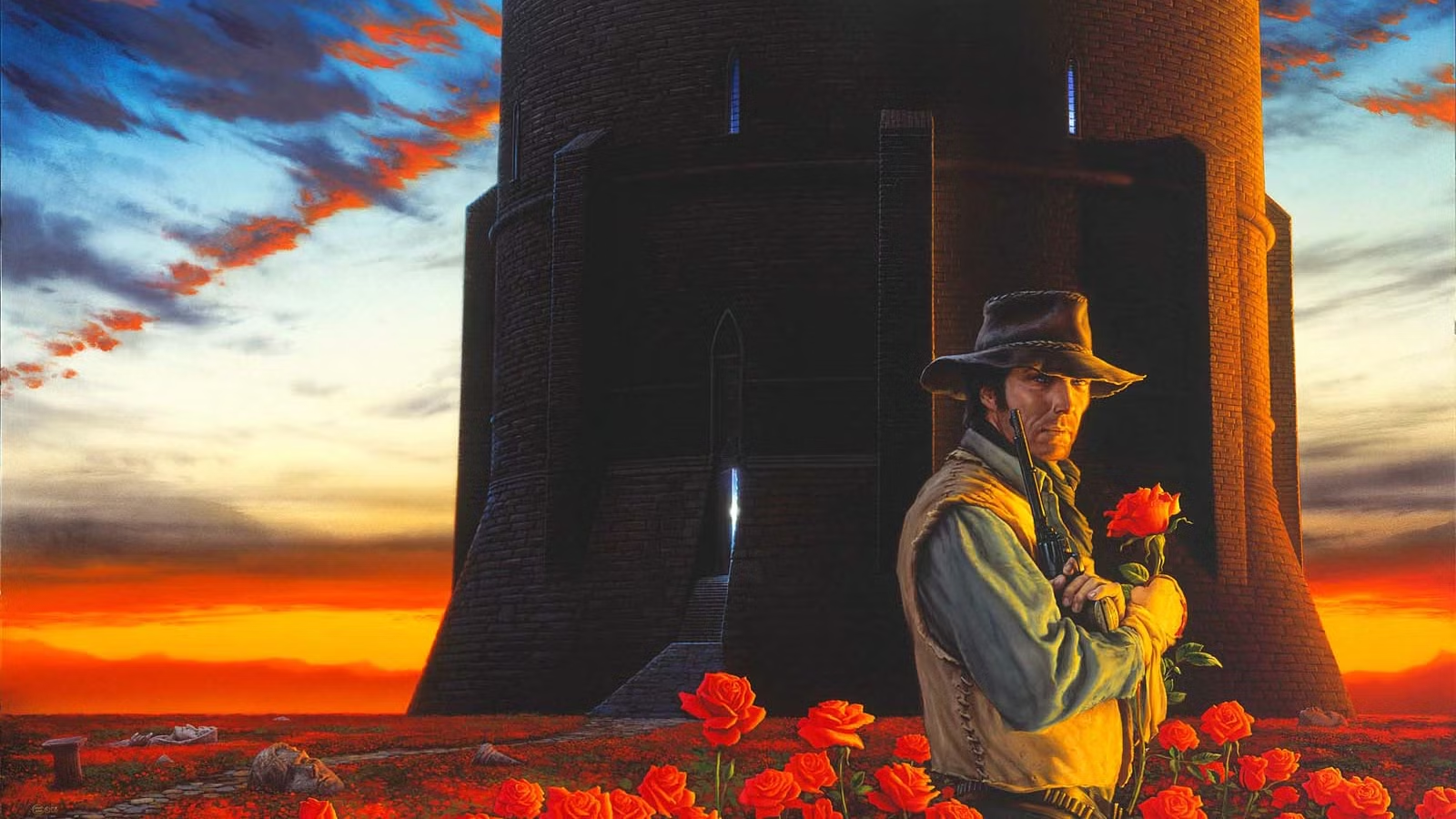
Since the failure of the film, Amazon acquired the rights and tried to produce a new adaptation of the books without success. It’s really a shame because the rich storyline about a mythical gunslinger trying to save the multiverse as he travels through many worlds, including ours, is too good of a saga to pass up.

Recently, many dense properties that were thought to be too difficult to adapt like Dune, The Lord of the Rings, Foundation and even King’s mammoth novel It have been successfully adapted. What happened was that the right screenwriters, directors, producers and actors were able to create memorable adaptations of the sci-fi/fantasy epics. So there is precedent for creating great adaptations that are either faithful to the books or can successfully adapt the essence of those books.
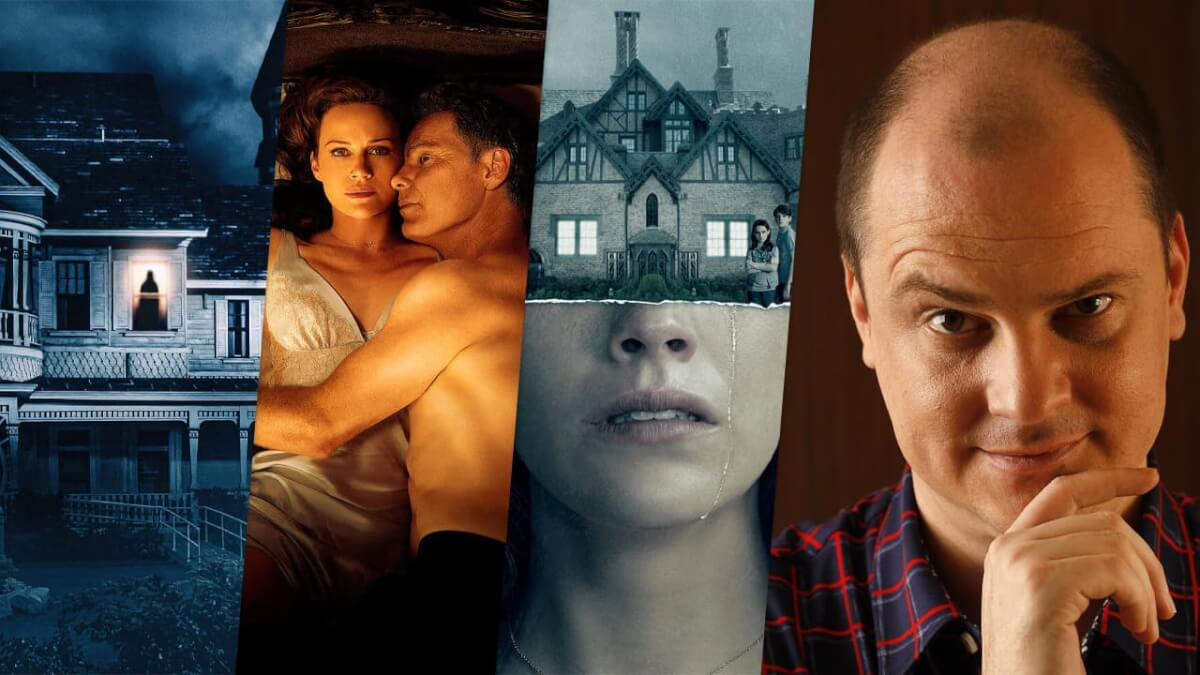
As of now, the latest filmmaker attached to a potential film adaptation is Mike Flanagan. He has received praise for his directing of other Stephen King works Gerald’s Game, The Life of Chuck, and Doctor Sleep, and for his original horror TV series Midnight Mass. Flanagan intends to develop a television series based on the Dark Tower Saga and honestly, this is the best way to go given the sprawling nature of the books. One thing to consider about adapting the books is that they are multiuniversal and feature characters and elements from other King books such as The Stand, It, Insomnia and ‘Salem’s Lot. Right now, Flanagan has the television rights to the books but if he wants to include characters from It for instance, then the TV show would have to be produced by Warner Bros. since they own the rights to It and other King works (which are referenced in the TV show It: Welcome to Derry). Flanagan would face similar headaches with other King books whose rights are held by other studios.
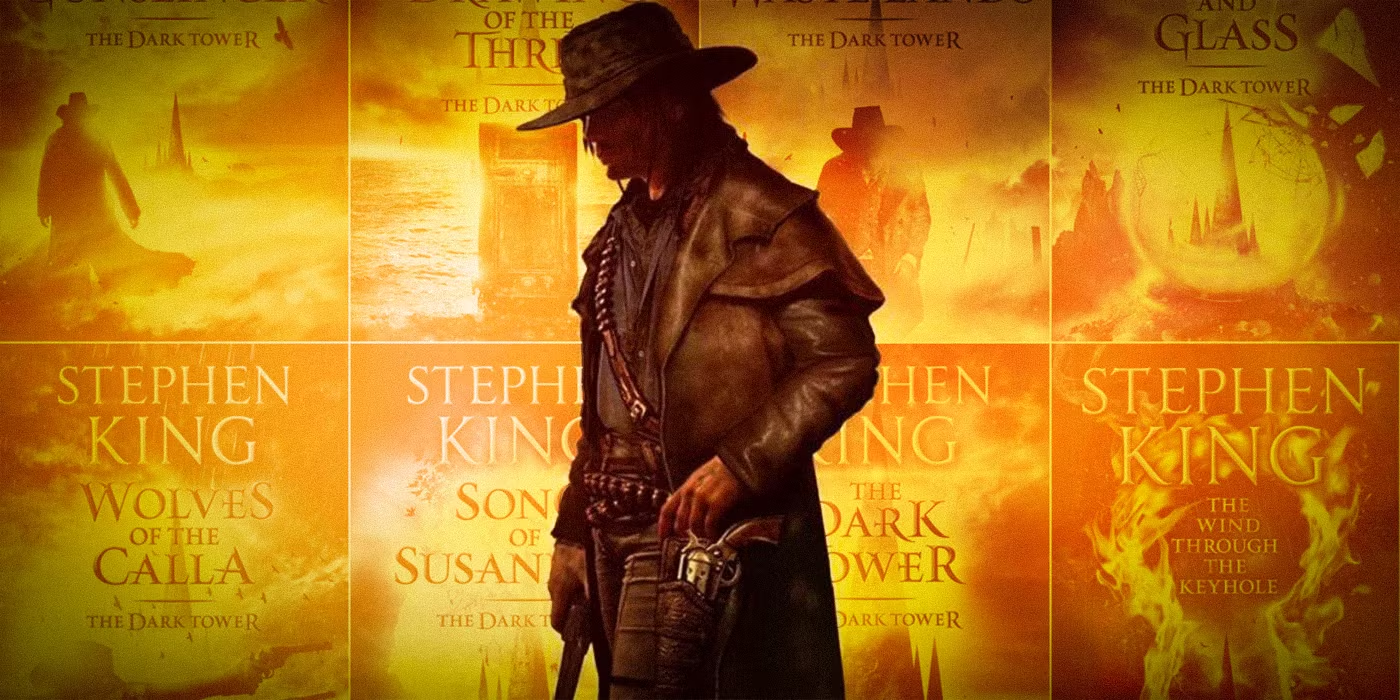
It’s only a matter of time before the right person(s) come along and are able to craft a faithful adaptation of the Dark Tower Saga. The question is when will this happen. Perhaps soon if It: Welcome to Derry continues to impress audiences and critics as it wraps up its first season. Then film and TV studios wanting to put out the next Stephen King epic can seriously consider the adventures of Roland Deschain and his epic quest to find the Dark Tower and save creation.
Making The Perfect Stephen King Adaptation

One would think that adapting any of acclaimed author Stephen King’s literary works into a top-tier film or television production would be fairly simple. But it’s not. So, why is it so difficult to successfully adapt a Stephen King work? There are a few that can be considered, but it basically boils down to these two reasons.

Translation to Screen

While King is the master of prose when it comes to horror, fantasy, sci-fi, and non-genre subjects like crime, it is not easy to translate what he writes into a visual medium. Sometimes the dialogue which flows like water on page can come off as stilted and clumsy, especially if a character goes off on a rant. A narrative tool that King uses a lot is internal dialogue and narration to convey the characters’ thoughts. This technique is hard to pull off in visual medium where showing is prefered to telling.

Other times the prose is let’s just say a bit too much for a visual story. IOW, given the amount of screen time available in a film, putting TV aside, there is only so much material that can be adapted. Many of King’s best known works like It, The Stand or the Dark Tower books run over thousands of pages. Turning epic novels like those into two-hour plus films is nearly impossible. It is one of the main reasons why attempts to turn his classic novels like The Stand failed to make it out of the gate as a film despite many attempts because there was so much material to cut out that the result would be a poor adaptation of the source material. Just look at The Dark Tower film that came and went a few years ago. To most, the film was an ill-conceived attempt to adapt the multi-book epic about the Gunslinger Roland and his mythic quest across worlds and realities. What The Dark Tower did was give viewers a truncated sprinkling of Roland’s quest that left many feeling dissatisfied with an unfinished story.

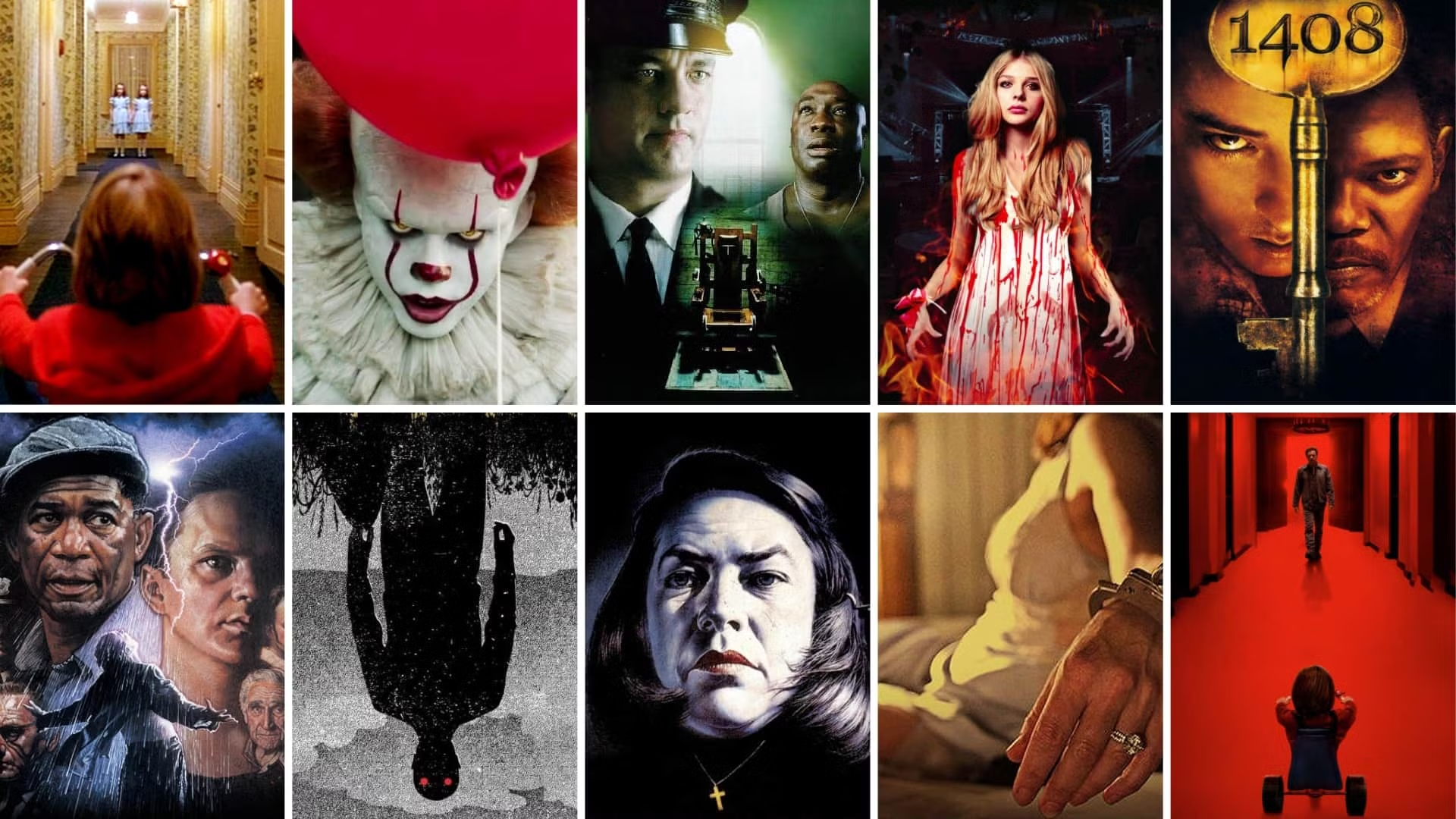
The more successful adaptations like The Shining, Carrie, The Dead Zone, Cujo, Stand By Me (adapted from The Body), The Shawshank Redemption and The Mist were based on more typical novels that were just a few hundred pages. Also, in the case of The Mist, Stand By Me and The Shawshank Redemption, those were based on novellas which seem to be the perfect amount of story to translate into screen.

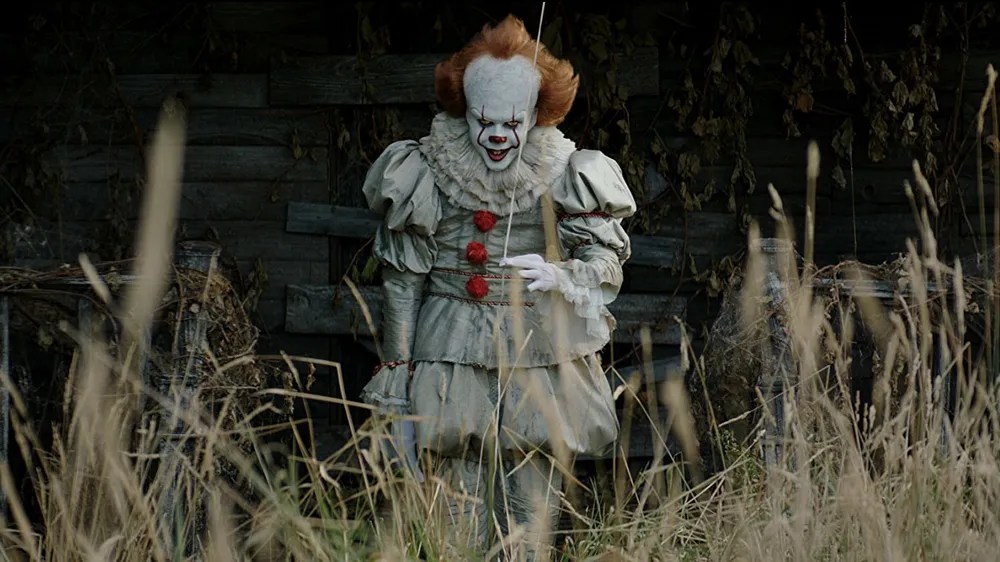
One viable option is to adapt mammoth epic novels into two-part films as was done with It. While the film versions of It differed in structure, the adaptations more or less captured the essence of the novel with the first film focusing exclusively on the main characters when they were children while the second film picked up the characters as adults when they confronted the evil entity Pennywise. This approach would work best for The Dark Tower Saga or any of King’s narrative which can be quite long and involving.

The other obvious option, which has been done to some success, is to adapt his works into television mini-series or shows. Some of the best examples include ‘Salem’s Lot, The Stand, 11/22/63, The Outsider and Nightmares & Dreamscapes. Adapting The Dark Tower Saga into this format is honestly the only viable way to present the expansive storyline and do it well.

The Skill of the Translators

One important reason as to why it is so hard to adapt Stephen King works is due to the quality and skill of the filmmakers and showrunners and scriptwriters. While many gifted behind-the-scenes creators successfully adapted King’s works like Stanley Kubrick, John Carpenter, Frank Darabont, Rob Reiner and Andy Muschietti, far too many inferior creators took a hand into mangling and ruining King’s classics. It is lamentable that someone like Steven Spielberg or Christopher Nolan or Scott Derrickson never helmed a Stephen King film (there were reports that years ago, Spielberg was involved in an adaptation of The Talisman, but that never came to be). Just think of how something like Under the Dome, Cell, and The Girl Who Loved Tom Gordon would have turned out if James Wan or Robert Eggers or Ari Aster were at the director’s chair with the projects.

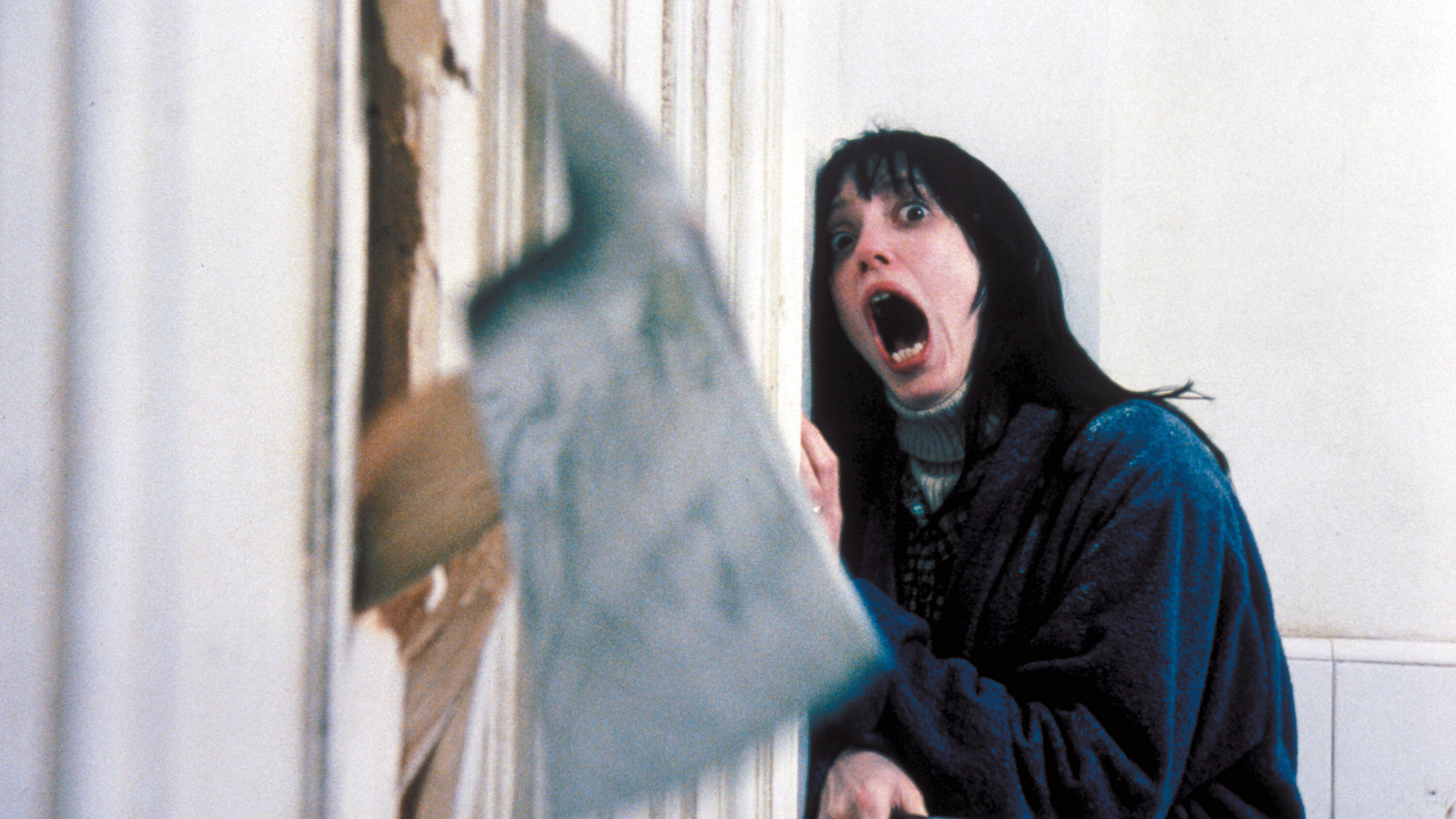
But sadly as we know all to well, it is very difficult to line up the best writer, director, producer or actor to fit in with a King work of art. Reasons for this are all over the place and tend to be due to timing and budget. These days it is not likely that a studio can afford to hire Spielberg to take on a King book. There is also the possibility of dueling visions. A more high-profile director can and will take liberties with the source material much to King’s detriment. The most famous example was Kubrick’s version of The Shining, which King detested even though it is considered not only one of the best King adaptations but a classic horror film.

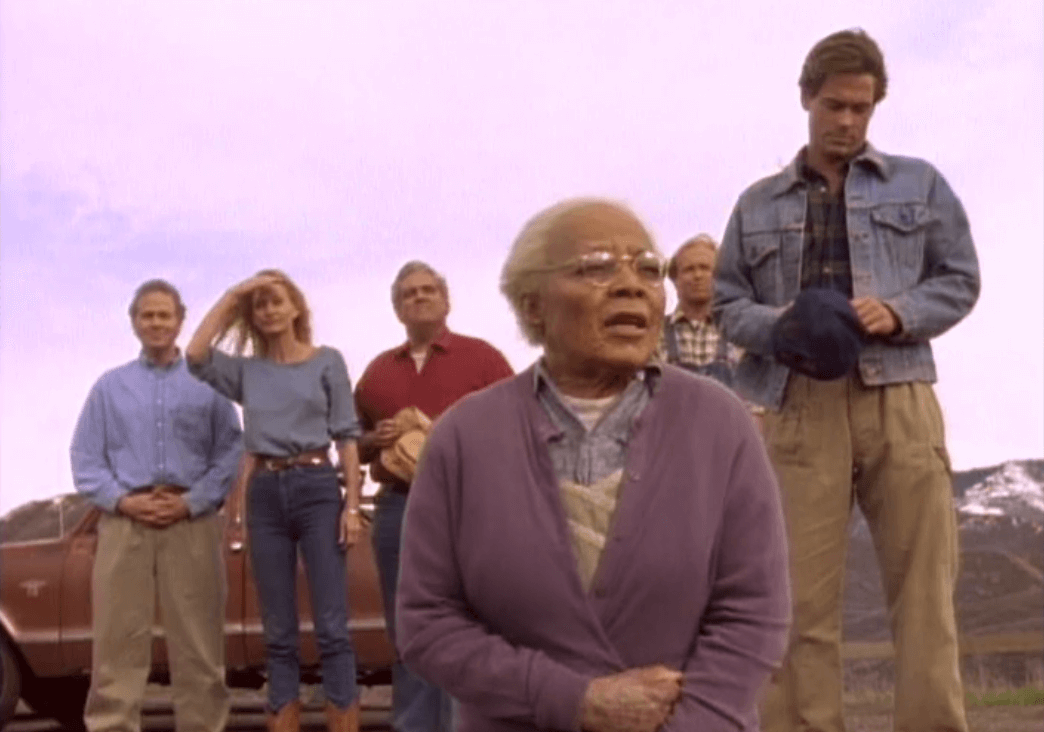
The same goes for television productions. All too often King’s works whether they’re long-form epics or short stories wind up becoming inferior TV shows or limited series. During the ’90s, the heyday of King TV adaptations, many of his more famous stories became big event TV mini-series with mixed results, but hardly any of them stood out as masterpieces. The best adaptations were for The Stand, although that limited series had its issues, ‘Salem’s Lot, which came out in the ’70s, It, and original productions like Storm of the Century. Other works like the more faithful adaptation of The Shining and The Langoliers failed to impress viewers. If only someone like Vince Gilligan or Terry Matalas could spearhead a proper TV adaptation of The Stand or The Dark Tower Saga.

Despite many failed attempts, the versatility and durability of Stephen King’s stories guarantee that eventually the right team will come along and created the best version of his works. This happened with the It films which were immediately better than the original TV mini-series and may happen later this fall when the second film version of The Running Man is released (being that is directed by Edgar Wright, there’s a decent chance it will outshine the original film). It has been possible to get cinematic masterpieces based on King’s works and it has happened, so it will continue to happen.

José Soto