
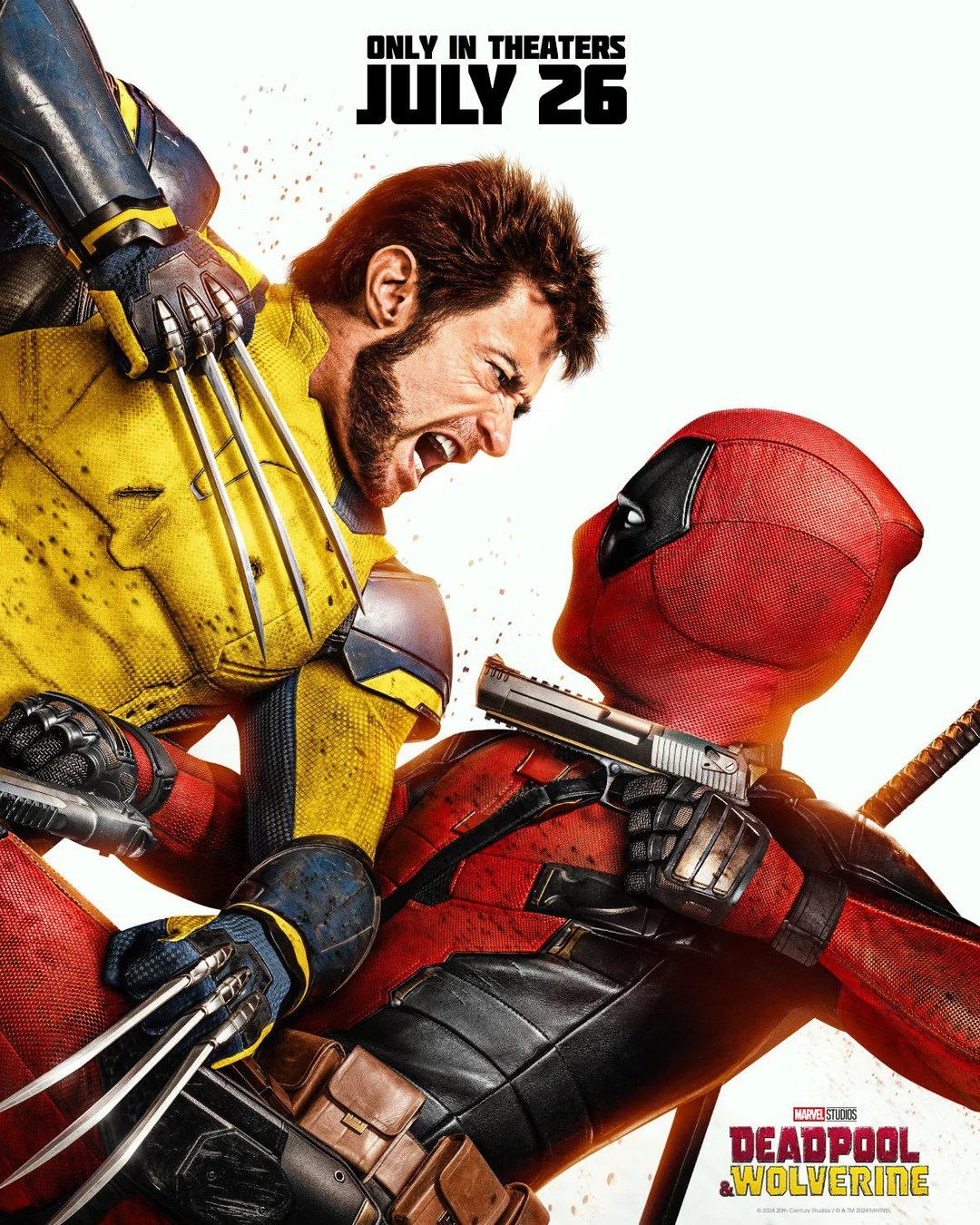
The only film from Marvel Studios this year, Deadpool & Wolverine, introduces the film characters based on Marvel Comics before the Marvel Cinematic Universe (MCU) was created and the Fox X-Men films into the vast MCU with a gory and wild flourish.
Ryan Reynolds and Hugh Jackman return to the superhero roles that made them famous, and even though it’s been several years since they donned their costumes, they fit easily into the roles as if they last played the roles yesterday. Frankly, it was great seeing the two actors interacting with one another as they had instant chemistry in what amounts to a reluctant buddy film. The last time they appeared in film together was with the abominable X-Men Origins: Wolverine, which was a low point for the Fox X-Men films. Now, the two actors reunite to salvage the MCU, which is currently undergoing its own rough patch. Some spoilers will follow.
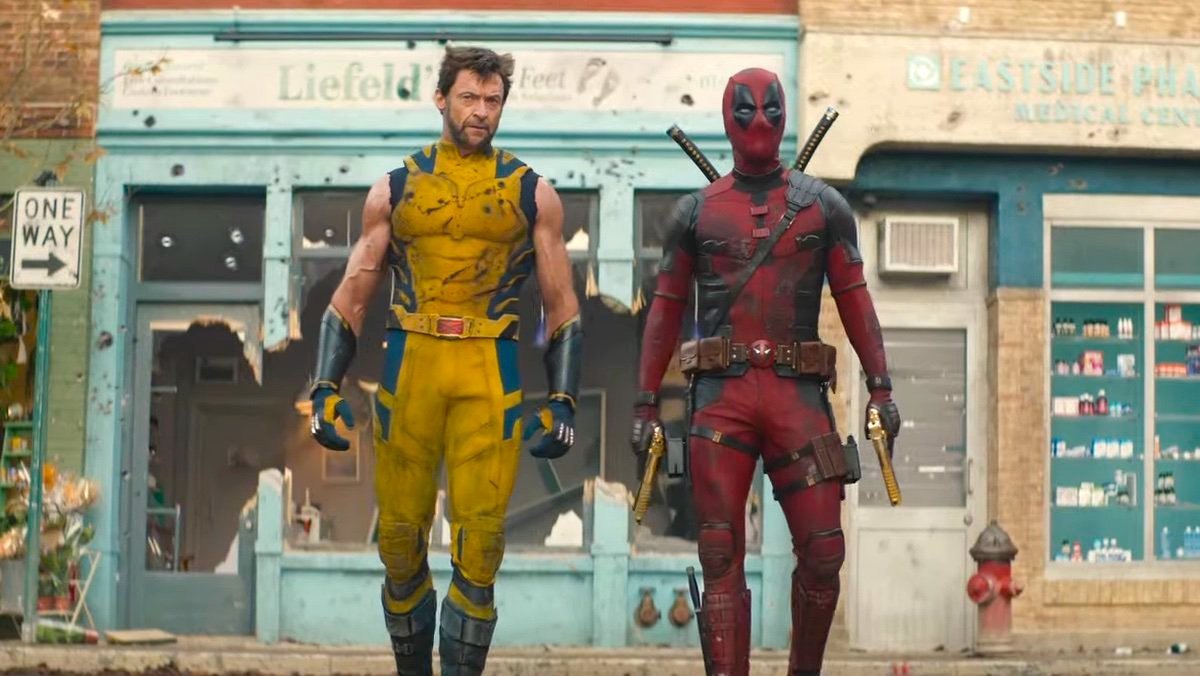
Deadpool & Wolverine begins with everyone’s favorite mercenary, who has the power to instantly heal, exhuming the remains of Wolverine/Logan who died at the end of Logan. His mission ends when he finds out the hard way that this version of Wolverine is not coming back from the dead and he is forced to find another version of Wolverine to save his world.
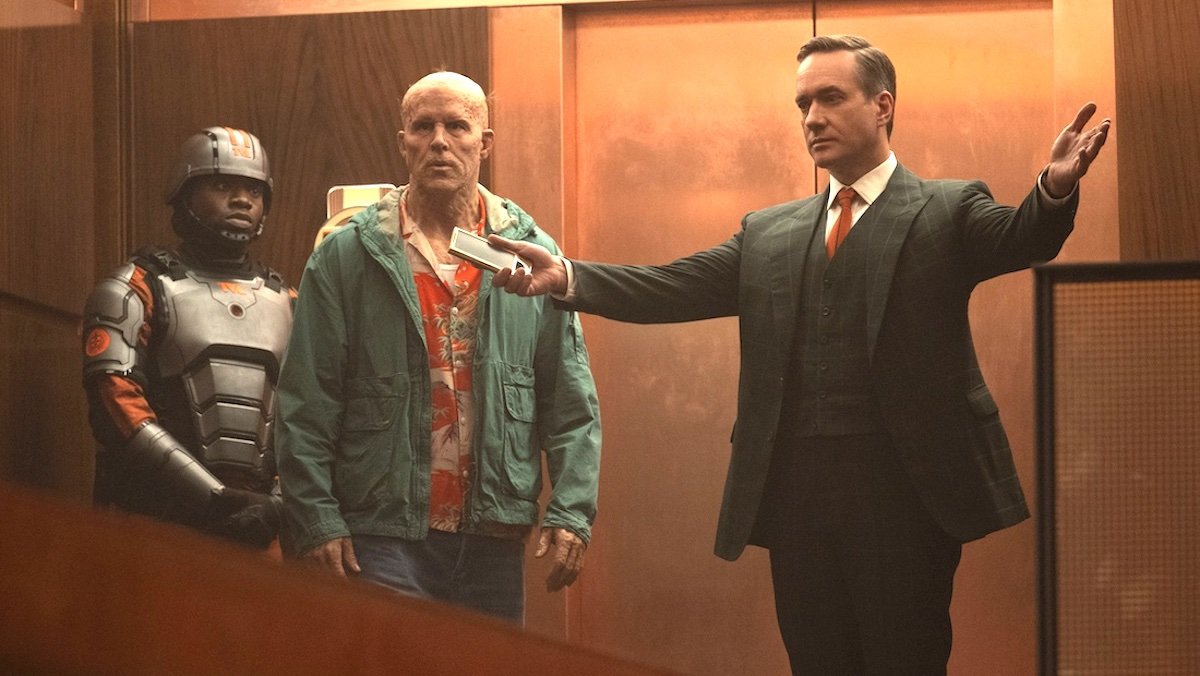
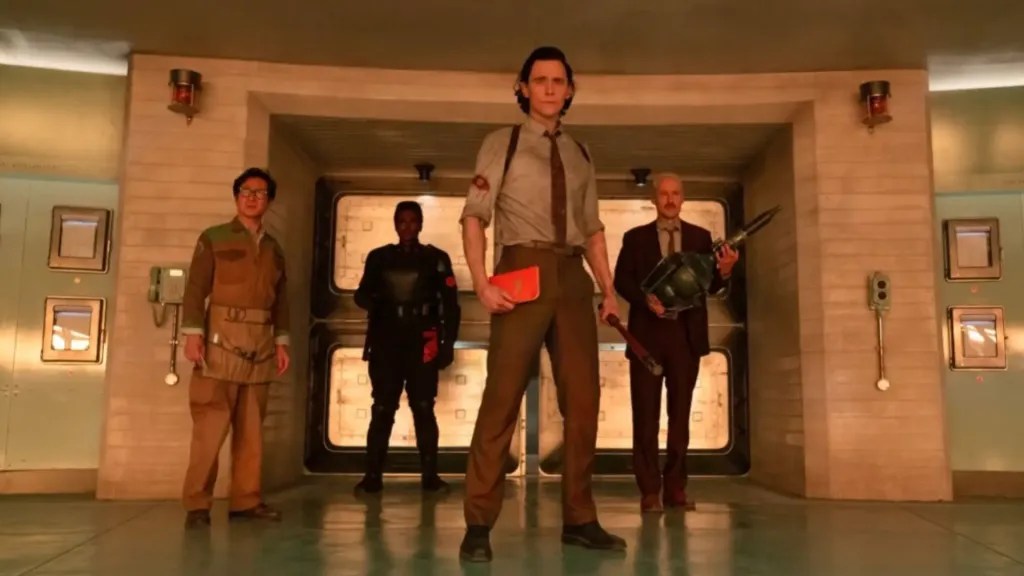
An extended flashback reveals that Deadpool aka Wade Wilson is now retired from being a mercenary and living a meaningless and lonely life as a used-car salesman. He is soon captured by agents from the interdimensional Time Variance Authority (the TVA featured in the series Loki). At the TVA headquarters, Deadpool meets Mr. Paradox (Matthew Macfadyen), who informs him that his timeline is dying because Wolverine is an anchor being in his timeline who kept the timeline intact. But because he died in Logan, the timeline is becoming unstable and will cease to exist. In order to move up the corporate TVA ladder, Mr. Paradox plans to destroy Deadpool’s timeline with the Time Ripper, a machine that can quickly destroy timelines as a form of “mercy”. He offers Deadpool the opportunity to live in the MCU’s Sacred Timeline and actually lead a meaningful life, but the retired mercenary steals a time traveling device and explores various universes to find a Wolverine variant to fill in the role of his timeline’s anchor being.
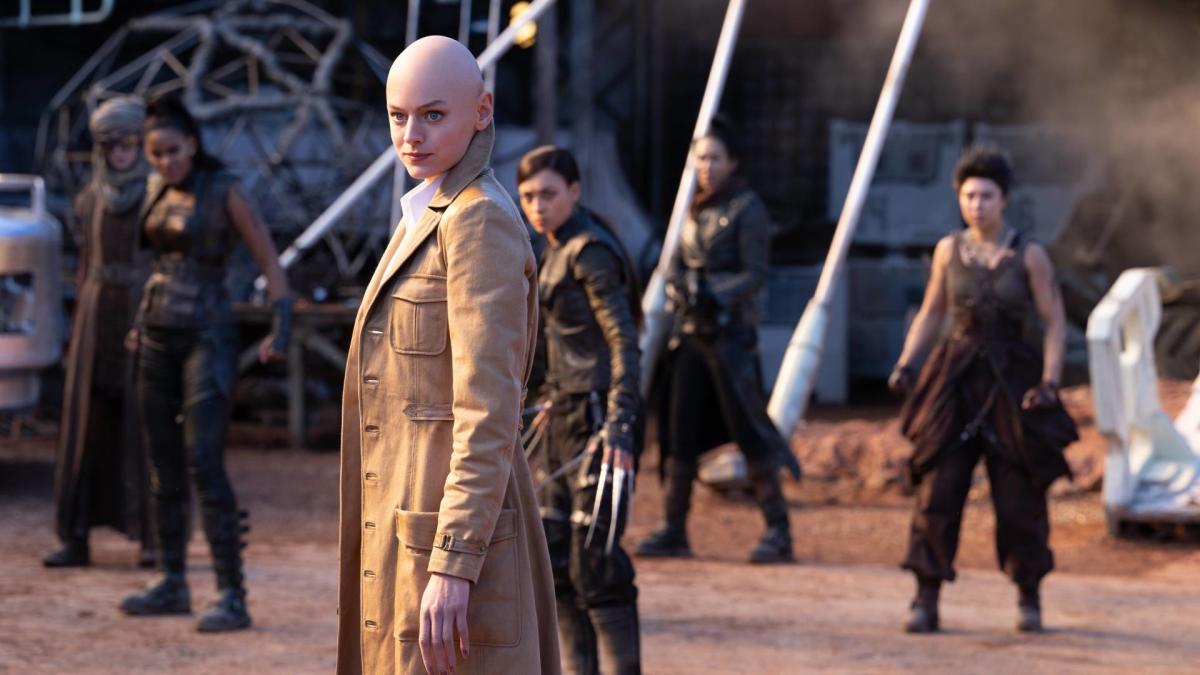
Deadpool eventually encounters a surly and bitter version of Wolverine that is considered the worst Wolverine and Deadpool manages to subdue him. However, once back at the TVA with the Wolverine variant, Mr. Paradox banishes Deadpool and Wolverine into the Void, a realm outside of time. Amidst their bickering, the duo come across many variants of characters we last saw in the Fox X-Men films and Marvel films before the MCU was created, implying that their timelines were destroyed. One of these characters is Cassandra Nova (Emma Corrinn), an evil twin sister of the powerful mutant telepath, Charles Xavier, and the ruler of the Void. Nova plans to take control of the Time Ripper and intends to use it to destroy all timelines. Now Deadpool not only has to save his own timeline but every other as well, and he has to find a way to convince the gruff Wolverine to help him.
Deadpool and Wolverine serves as another raucous return to form for Deadpool that revels in over-the-top profanity and violence. It is definitely the most violent Deadpool film, but the violence is so cartoony and sick that one can’t help but laugh at the outlandish nature of the violence. This film certainly earns its R rating from its sexual innuendo to its graphic violence and exaggerated profanity. Of course, parents SHOULD NOT allow young children to see the film, but everyone else will have a blast watching Deadpool and Wolverine savagely ripping through their enemies while swearing up a storm, and laughing at all the meta jokes.
The film has its flaws, namely with its pacing at times and the script needed more polishing. This is most likely due to last year’s writers’ strike that prevented any revisions of the script, which is regrettable because there are a few plot holes and threads that are not resolved. As for its dark humor, while the film is quite hilarious at times, not every joke lands and some of it may become dated with its topical references. Let’s be honest, Disney, Marvel Studios and the MCU needed to be roasted for their missteps and familiar tropes, and the film doesn’t hold back on riffing on Marvel and the MCU. Seriously, it’s amazing that the film was allowed to go above and beyond with its humor which was very raunchy and with MCU (and Disney) often being the butt of the jokes.
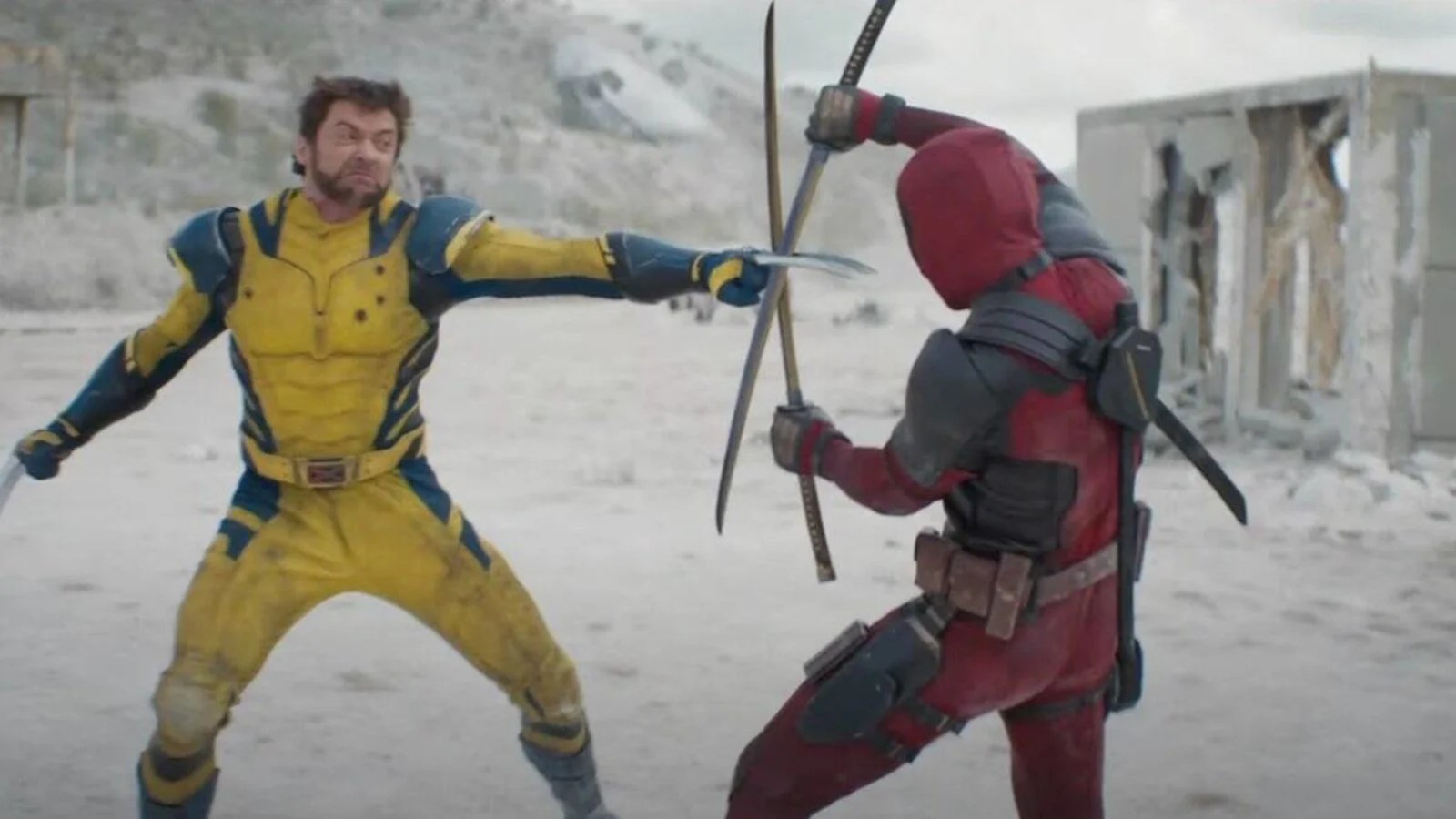
But Deadpool & Wolverine more than makes up for its faults with witty energy and great banter between Ryan Reynolds and Hugh Jackman. It goes without saying that it was a joy not just seeing Jackman playing the wild mutant again but in wearing for the first time a comic book-accurate costume. Plus, the action scenes are very inventive and are some of the best featured in the MCU, especially one bloody and claustrophobic fight that takes place inside a minivan. Then there are the numerous cameos, some of which will make jaws drop since they were unexpected. Not every character or actor or reference that can be imagined shows up. But nearly every character introduction steals the scenes and are welcome not just for returning characters but those we never got to see before.
Saying that Deadpool & Wolverine saves the MCU is not a small exaggeration. At this point in time and given its recent missteps, the MCU needed a win which is provided by this hysterically gory and fun romp that should be seen multiple times to take in all of its jokes and references.
José Soto
 Starloggers