Zombies Refuse To Die!

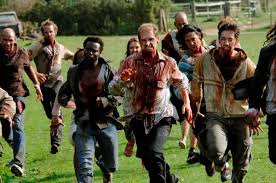
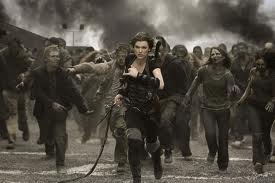
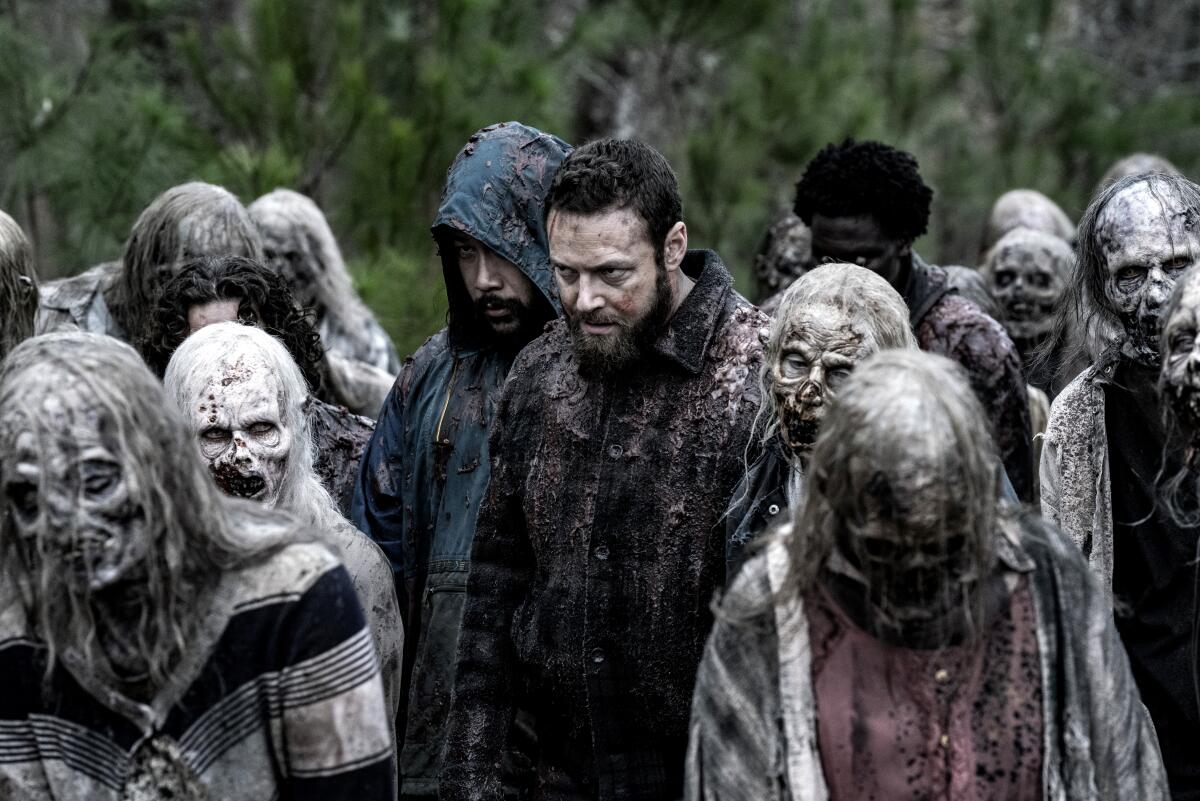
It is all too easy to write off the zombie sub-genre as being dead and buried. After all, zombies have fallen out of favor with the public ever since The Walking Dead TV show was cancelled years ago. Before its cancellation, The Walking Dead and zombies in general were at their zenith in the 2010s. There were zombie TV shows, films, comics, novels, etc. all over the place. But inevitably the popularity of zombies declined as too much product was put out and the quality and uniqueness of the zombies faded. Casual critics were ready to write off the zombie sub-genre and move on to their next target, but somehow, the zombies refused to die.
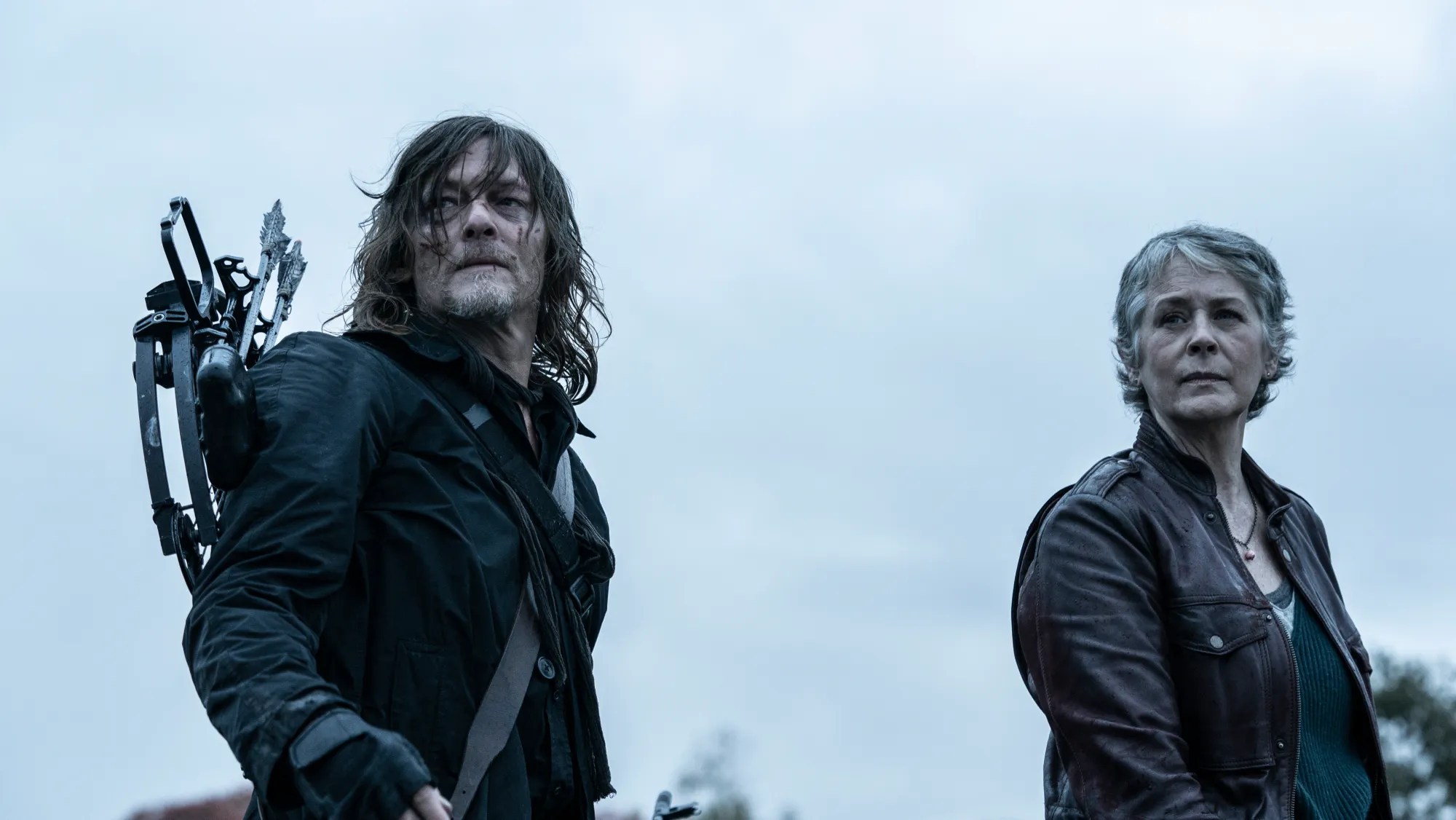
Yes, The Walking Dead TV show and the comic book series that inspired it are both long gone, but there are many TV spinoffs of The Walking Dead like The Walking Dead: Daryl Dixon and The Walking Dead: The Ones Who Live that are still around and slowly gathering buzz about their quality. These shows wisely chose to focus on popular characters like Daryl Dixon and Rick Grimes and even the villainous Negan, which partly explains why the shows have done well. Of course, these TV shows have not reached the numbers and heights of popularity as The Walking Dead did in its heyday, but they have their devoted followers and are doing well enough.

Other zombie-related TV shows, films, comics and more are still coming out strong and many are very popular. Just take a look at the slate of current and upcoming projects that are related to zombies. The most recent examples were The Last of Us (technically not about zombies but the infected humans behave just like zombies) and the animated TV show Marvel Zombies, which was based on the Marvel Comics mini-series (and currently has a new mini-series Marvel Zombies: Red Band out in stores and digital platforms) and was a spinoff from the animated What If…? TV show.
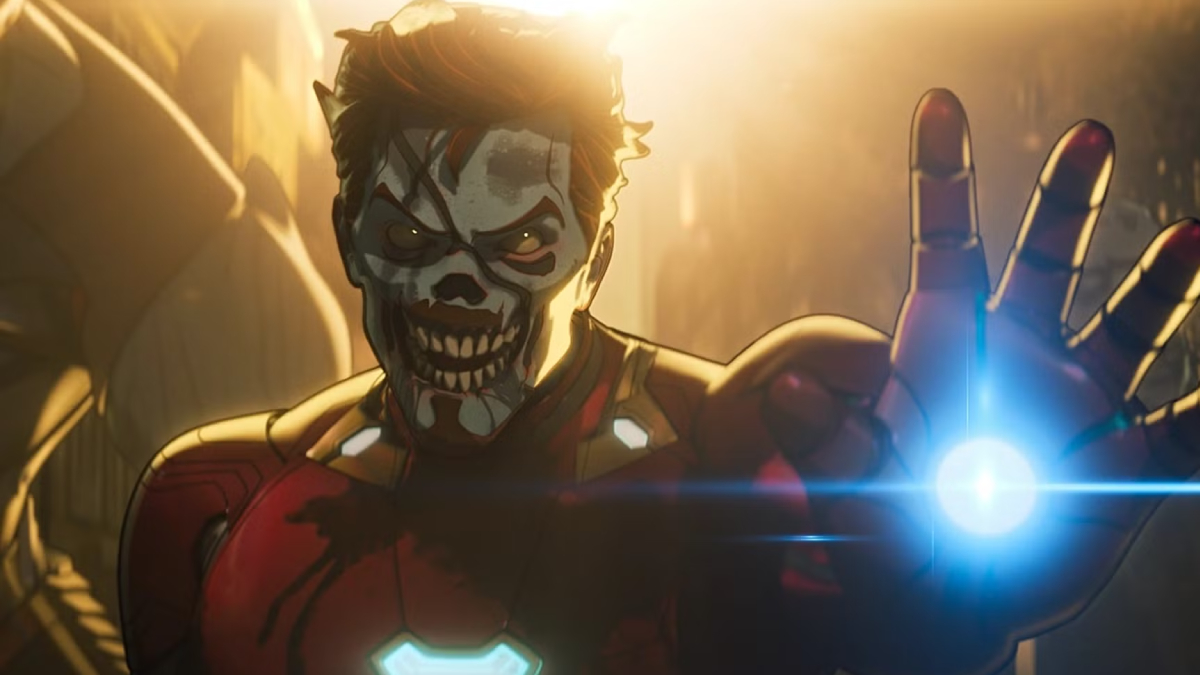
The Marvel Zombies comics are still going strong with its many limited series and the TV show was well received with talks of a new season underway; hopefully that will happen given how the last episode left us with a cliffhanger. Not to be outdone, DC came out with its own comic books starring undead versions of its DC heroes and villains, DCeased. No word yet if DC Studios will make an animated version of DCeased but they should consider it. Also even though the comic book series ended years ago, The Walking Dead are still in comic form with the color reprints The Walking Dead: Deluxe.

Meanwhile, there are many high-profile zombie films and TV shows on the horizon, such as 28 Years Later: The Bone Temple (a direct sequel to this years’ 28 Years Later), We Bury the Dead, Twilight of the Dead, which will conclude the George Romero zombie film saga, Return of the Living Dead, and an American remake of the classic Korean zombie film, Train to Busan. How well received they will be is anyone’s guess, but they demonstrate how popular the zombie genre is.
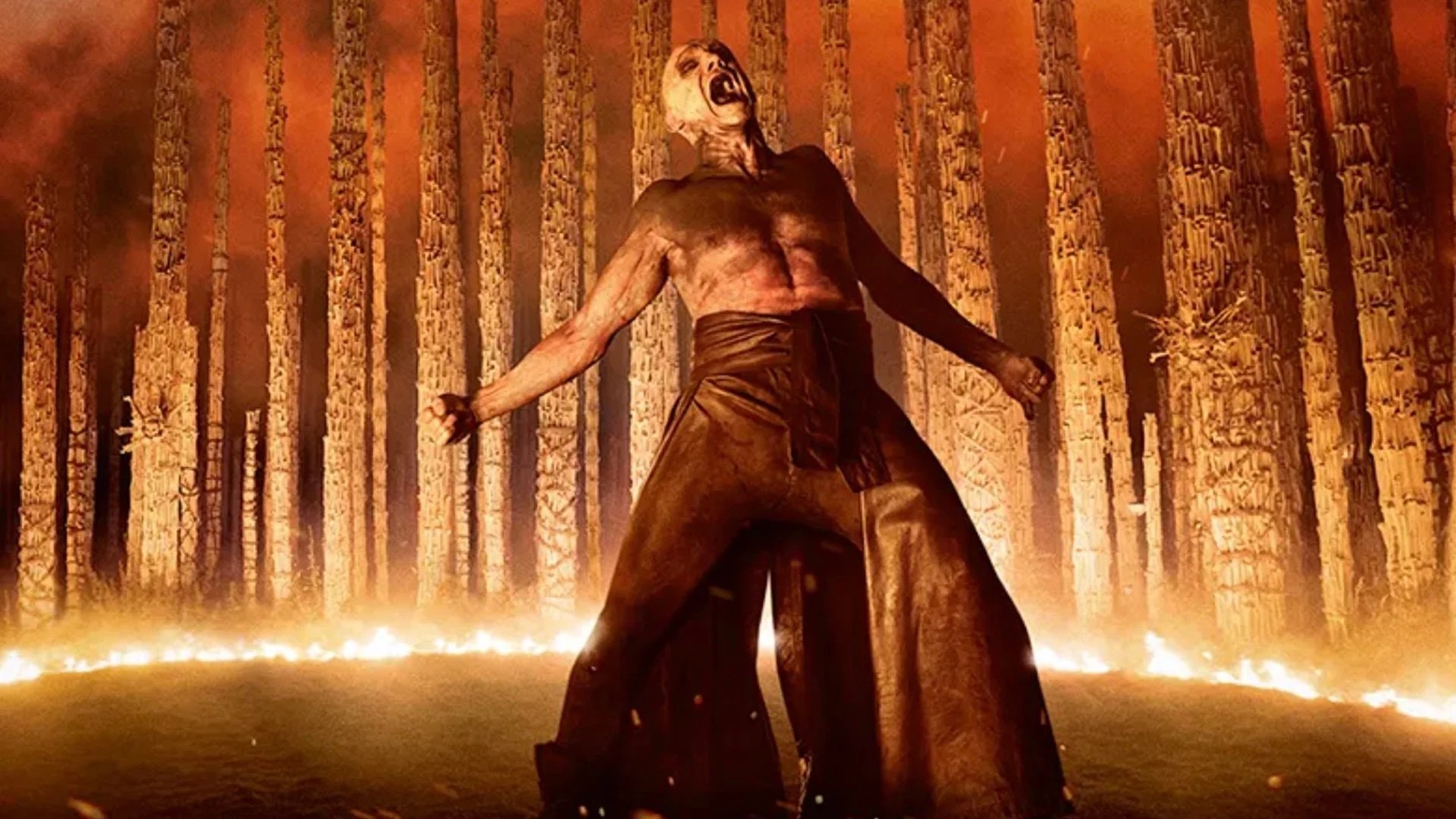
So, why does the zombie sub-genre refuse to die? There are many reasons. For one, many zombie properties go hand-in-hand with our fascination with post-apocalyptic/survival stories, which fit in well with zombies. These zombie stories also engage us as we face our fear of death and decay and more recently with infection. We like to watch and read these zombie yarns and wonder how we would behave in a zombie apocalypse. Most of us would probably be zombie food minutes into the apocalypse, but its still fun imagining ourselves turning into stoic and heroic warriors like Daryl Dixon, who in his life before the zombie apocalypse was a nobody.

The sub-genre also helps engage with unexpected human dramas that test our notion of family and friendship. Examples of this include the films Maggie, Cargo and Warm Bodies. While the latter film was an offbeat romance with a zombie twist, the first two films dealt with the main characters facing the inevitable. Maggie featured a father coping with the fact that his teenage daughter would soon turn into a zombie and his agony about having to kill her. Cargo was an agonizing film about a doomed father who was desperately trying to find someone to care for his infant before he turned into a zombie.
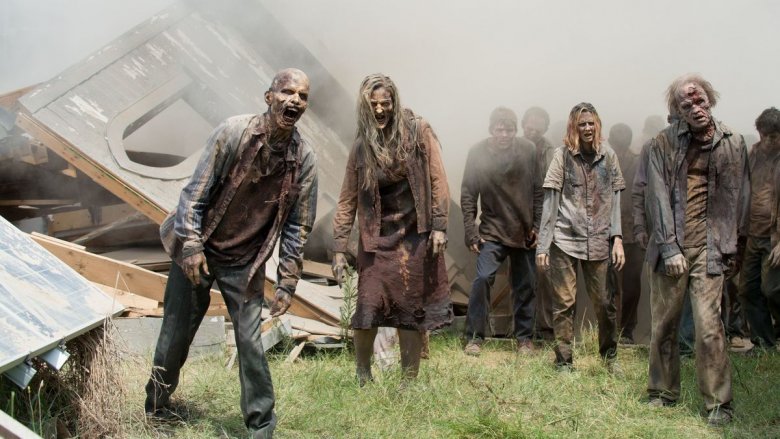
It can be said that on the surface the zombie sub-genre appears to be limited in story, but can be quite versatile. As long as the zombie story whether on film, video game or on print, is presented well, the quality will stand out and keep us engaged. That is why the zombies refuse to die.
Zombies Impossible

securing-yard

Ever since George Romero popularized flesh-eating zombies in his masterpiece Night Of The Living Dead, the creatures’ popularity have grown. Undoubtedly, zombies are the most popular monsters today, beating out the ubiquitous vampires.

The thought of a deceased loved one, reanimating into a decaying ghoul that only wants to consume you is a terrifying idea. It cuts down to our primal fears of being eaten alive by predators. Zombies have also come to symbolizes the supposed coming apocalyptic breakdown of civilization. As dreadful as all that sounds, we have to ask ourselves how likely is it that the dead will rise up and eat us?

From a scientific standpoint, there isn’t any way that will happen. Let’s think about the concept and go into the logistics.

When a person dies, all their bodily functions cease to function. No blood is being pumped, the brain doesn’t send any signals via nerves to tell the body what to do and so on. Now when zombies are reanimated in these films and other media, a point is made that the zombies are immune to bodily harm. Shoot them, stab them,more brains they keep on coming. Remember that scene in Day Of The Dead when that loony scientist was reporting that the organs in a zombie weren’t working, yet the creatures were animated and hungry. Along the way in these stories, it’s stated that something in the brain is keeping the dead body going, which is why you have to shoot or bludgeon the undead in the head. This was seen in The Walking Dead episode “TS-19” where CDC scientist Dr. Edwin Jenner reported this fact to the show’s main characters.

On the surface it makes sense. Something, a virus, radiation, chemicals, nanobots, and or something else have taken over a dead person’s brain and are sending signals to the body to move and consume flesh. Cut off or destroy the brain and the problem is solved.

The problem is that taking over the brain isn’t enough. The mind needs a system to send out messages, hence the nervous system. A zombie’s brain has to be able to send signals throughout the body, via the spinal cord. Once a message is received, the body still needs energy and the means to move. That is where muscles and blood come in. The heart is the organ that pumps blood throughout the body and the blood transports nutrients and oxygen to mobilize the muscles enabling movement. So a zombie needs a functioning circulatory and nervous system. Therefore, humans should be able to shoot zombies in the heart and elsewhere to kill them.

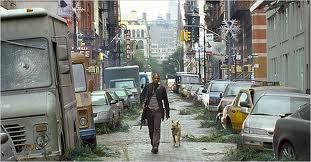
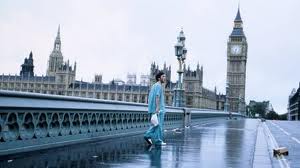
28 weeks laterA more realistic look at zombies are the creatures seen in films like I Am Legend and 28 Days Later. Deadly viruses are to blame for people being transformed into deadly killers, yet they never actually die, but instead mutate. And they can be killed through normal means. That would explain why the infected are able to run after their victims, unlike the lumbering undead in Night Of The Living Dead. In fact, in 28 Weeks Later (the sequel to 28 Days Later) humanity just waited for the infected humans in Great Britain to starve to death before attempting to resettle the decimated country.

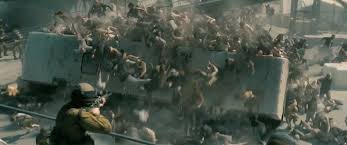
But one thing that doesn’t ring true in those films is how fast the virus mutates a person. Anyone who was infected in 28 Days Later would transform in seconds. This was also seen to varying degree with the walkers in The Walking Dead, the film version of World War Z and other zombie stories. Viruses can’t work that fast. It takes time for the invading viruses to replicate, travel throughout the body and infect the brain. Depending on where a victim was bitten, that person would have a few hours before transforming into a monster.

bicycle-woman[1]Now let’s look at their diets. Why would a zombie eat? To get energy that is needed by the body. This suggests that a zombie would need a working digestive system to break down and process the meat. We go back to the zombie’s body needing circulating blood to help in the process. Yet in these stories, people point out that the zombies aren’t processing the consumed flesh. If that is so, where does the flesh go? If they’re not processed the meat would just collect in the stomach until that organ would burst. We never see any zombies with bloated bellies, do we?

world war z

Of course, the conclusion is that zombies are something that belong strictly in the fantasy/horror realm. George Romero’s films and other works like Dark Horse Comics’ Zombie World speculate or flat out state that the dead are reanimating due to supernatural means. In other words,  magic spells, curses, demonic possessions, pick your poison. Based on how our reality works, zombies can’t exist except in the fervent imaginations of creators and fans. So anyone watching the latest episode of The Walking Dead or playing Resident Evil can relax…for now.

Lewis T. Grove

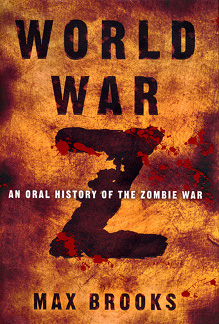
The Must-Read Book For The Summer: Max Brook’s World War Z


world war z coverTrends come in cycles. Recently the popular culture has seen the return of an old and familiar staple, the zombie. The Hollywood ghouls started out in the spooky black and white classics of the 30s and 40s, but they were branded into the baby boomer consciousness via George Romero’s 1968 classic Night of the Living Dead. To be fair, they’ve never been away much since, thanks to Living Dead‘s various sequels, semi-sequels, and remakes. But in 2002 British film wunderkind Danny Boyle gave the genre a shot of adrenalin with 28 Days Later, about a deadly virus ravaging London and turning survivors into hyperkinetic, psychotic killers. For zombie fans, the die was cast.

In 2003 writer Max Brooks – son of Mel Brooks and Anne Bancroft – wrote The Zombie Survival Guide (TZSG), a tongue-in-cheek “how-to” on surviving a zombie onslaught as society breaks down. TZSG was a New York Times best –seller thanks to its dark humor and occasional light tone. The book’s characteristics, however, did not mask the fact that underneath the surface it contained some very useful survival information, and it’s easy to see that Brooks did his research. His work must have fuelled a thirst somewhere, because a month later Image Comics began publishing Robert Kirkman’s The Walking Dead (now a hit TV series on the AMC cable network), describing the adventures of survivors of a zombie apocalypse.  The undead were officially back in style.

Not to be outdone, Brooks took zombies one step further and in 2006 came out with World War Z (WWZ), describing the entire history of a massive, deadly zombie onslaught – a war, basically between humans and the undead (“Z” for zombie, if you haven’t yet figured that out). The zombies are the same as those in TZSG, making the book a follow-up of sorts.  According to Brooks, zombies are humans re-animated by an incurable disease, spread by a zombie bite or having open pores exposed to zombie tissue. Taking a page from Romero’s model, they are slow, brainless creatures completely devoid of intelligence, whose sole instinct is to eat live flesh. They are incapable of tiring, cannot drown, and can only be killed by a blow to the head.

Other than that, WWZ is very different in style and tone than its slim predecessor. Patterned in structure after Studs Terkel’s classic oral history of WW2, The Good War, WWZ is not one story per se like Kirkman’s comic but rather a series of individual accounts telling the story from the initial sudden outbreak to mankind’s victory and the sad, weary aftermath.  The book’s narrator (in whose voice Brooks writes), a member of the (fictional) United Nations Post War Committee, is commissioned to interview survivors from mankind’s war against zombies.  Like a twisted travelogue, Brooks shuttles around the world, as survivors running the gamut from military, clergy, health services, government officials, security, and ultimately the average citizen describe their experience and the ghastly horrors they witnessed.

In a chilling opener, the story begins quickly but methodically. In a remote, rural province in China, a young boy goes diving for sunken booty with his father. His father is pulled down by something unknown and the boy escapes but is nipped on the heel.  The poor infected lad becomes “patient zero”, infecting others and kickstarting the zombie pandemic. Once the infection goes beyond the village, it acts as an out-of-whack Rube Goldberg contraption, setting in motion a chain of events that will change the world.  Infected Chinese refugees begin streaming across the border into Central Asia. Others fly out to Europe, bringing the infection to the continent. The Chinese government feverishly tries to halt the spread and invents a military crisis involving Taiwan to mask their armed build up and activities.  Only after hitting the poor South African ghetto townships does the world begin to take notice, calling it the “African Rabies”.  Israel is one of the first to respond, imposing a national quarantine, granting entry only to uninfected Jews and Palestinians, and calling out the Israel Defense Forces for border security.

Through the illegal organ trade, the infection reaches Brazil and once in Mundus Novus it begins to wreak havoc.  Zombies rip through an unprepared United States, as corruption, government incompetence, and overconfidence result in some heavy bungling and widespread deaths. Millions all over the world begin fleeing their homes for safety, as the “Great Panic” begins. At a major, decisive battle in Yonkers, New York, American soldiers fight a massive and frightening wave of undead as if they were fighting living soldiers. Using inappropriate techniques against an undead army – such as attempting to “demoralize them” – they fail miserably and the American forces are brutally defeated on live TV. Other countries encounter similar disastrous results and world civilization as we know it begins to crumble. Continue reading

2012 Doomsday Scenarios: Month Ten

Among the many well-known apocalyptic worries, the idea of supernatural creatures rising up and destroying our world, while hardly unlikely, captivates many people.

Doomsday Scenario No. 3: Vampires, Zombies & Monsters, Oh My!

Supernatural monsters have been a mainstay in many cultures going back centuries. They were convenient scapegoats for things that went wrong and filled in the dark void of the shadows. These monsters either won so that a moral could be learned or were vanquished by the forces of good. Lately, stories have appeared where the monsters have triumphed and defeated humanity en masse. Certain monsters are more popular than others and fit into a doomsday scenario more easily than others. Of course, these supernatural monsters are impossible, right? Well science fiction has found ways to make them plausible.

Vampires In The Blood

The stylish and grotesque vampires have populated many blood curdling tales for centuries. As true creatures of the night, vampires arose from their coffins after sunset to prey on the living. The way to become a vampire isn’t to just die but to be bitten by one. That suggests that these creatures probably transmit a virus that transforms a living person into a vampire.

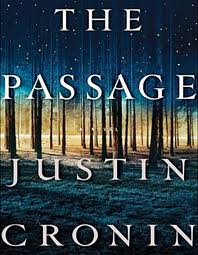
Richard Matheson’s classic novel I Am Legend has a vampiric virus decimating humanity and resurrecting them as vampires and taking over the world. The book and the films based on it (The Last Man On Earth, The Omega Man and most recently I Am Legend) presented us with an empty, decimated world with a sole human survivor and his desperate fight not just against countless vampires but to develop a cure.  There are other works about viruses that turns people into vampires and imperils the world. Two books that come to mind are The Strain by Guillermo Del Toro and Chuck Hogan and The Passage by Justin Cronin. The Passage is set in the near future where a virus quickly transforms most of humanity into vampire-like creatures who take over the world. The anthology novel Under The Fang features several short stories about humanity conquered by vampires.

As for films about vampires ruling the world, in addition to I Am Legend, there was Daybreakers, which took place a few years after a virus turned most of humanity into bloodsucking creatures. Daybreakers showed a world literally turned upside down as the vampire denizens populated major cities, but lived underground away from the sun and basically carried on with their lives. They just needed to farm the few remaining humans for nourishment. A variant of the vampire virus is the sci-fi film Lifeforce, which was based on the book The Space Vampires by Colin Wilson. This time vampire-like aliens were brought back to Earth by astronauts and it wasn’t blood that the aliens fed on. It was the titular lifeforce of people. As an added bonus, many of their victims also became vampiric and hunted humans for their lifeforce.

Zombie Apocalypse

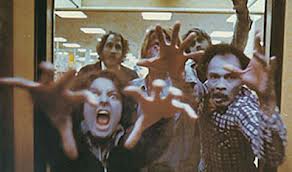
The undead flesh eaters are undeniably the most popular monsters to use for post-apocalyptic tales. Look no further than the hit AMC series The Walking Dead. It wasn’t always so, until the late 1960s zombies were relegated to stale horror yarns usually dealing with voodoo. Then George Romero came along and changed the sub-genre forever. His classic film Night Of The Living Dead gave us a world on the brink of a societal breakdown as undead corpses roamed the countryside and feasted on the living.

Romero directed sequels that were very popular but the zombie apocalypse genre didn’t reach maturation until around the millennium, which coincided nicely with all the jitters about the coming apocalypse. Video games like Resident Evil, comic books like The Walking Dead, books like World War Z and films like 28 Days Later (not technically about zombies but it follows the same route) reinvigorated and amped up the zombie genre. The zombie apocalypse is so prevalent in pop culture that even the CDC put out  a comic book detailing how they would deal with such an event. Zombies are perfect metaphors for the chaos and decay that will follow the fall of civilization as humans are displaced as the apex predators. Also these stories are useful for illustrating how we would behave during the downfall of society. Will we return to our savage ways? Will we use our pluck and ingenuity to survive? How much stress can we withstand before we break down completely? And how will we find that perfect Twinkie? (Note: see Zombieland for more on that last question.)

Monsters, Etc.

Humanity has always feared monsters as seen in various mythologies. This morbid fascination continued well into modern times with countless books, stories and movies about monsters both large and small terrorizing the world. An often used motif is that of an ancient, slumbering giant that is awoken by modern humans and then wrecks destruction across the world. Godzilla is an excellent example and best personifies the Japanese kaiju films. But Godzilla had predecessors that need to be mentioned. One of the earliest modern imprisoned monsters is the famous Cthulhu first written about in H.P. Lovecraft’s short story “The Call Of The Cthulhu”.  An ancient entity described as part human, part dragon and part octopus, the Cthulhu had a cult that wanted to unleash the giant monster onto our world. This entity has been alluded to in other works by Lovecraft.

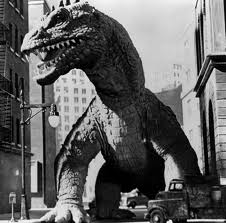
In film, the very first giant monster to be unleashed was the fictional rhedosaurus in The Beast From 20,000 Fathoms. Loosely based on Ray Bradbury’s short story “The Fog Horn”, the rhedosaurus was a dinosaur woken up by a nuclear blast and thus threatened the world not just with its destructive path but by its radioactive emissions. Destructive monsters have since plagued the silver screen with the Japanese kaiju films and American works like Q, Gremlins, John Carpenter’s In The Mouth Of Madness, Reign Of Fire, Cloverfield, The Cabin In the Woods and the upcoming Pacific Rim. In these films, the giants were mysterious and awakened inadvertently by humanity. Once unleashed they outmatched our military might and upended civilization as they destroyed cities and killed many people. Often entire cities and famous landscapes are decimated as seen in Cloverfield. And sometimes it was shown that the monsters won as the misshapen horrors from In The Mouth Of Madness  or the dragons in Reign Of Fire overran the world.

Why The Resident Evil Movies Are Popular

With the release of the fifth Resident Evil movie Resident Evil: Retribution coming up soon, the question has been asked, why are these movies popular enough to warrant so many sequels? Here are some ideas I have.

The Resident Evil movies are based on the phenomenal video game series of the same name that has players fighting all types of zombies created from a bioengineered virus. They are really the only big budget adaptations of video games out there that have been successful. Most of the other video game movies that have been released have been low budget and not well received. Examples include super Mario Bros., Bloodrayne, Doom and Double Dragon. The only other franchise I can think of that had some success was Tomb Raider with Angelina Jolie. But that franchise only lasted two movies since the second one was not as successful or well received as the previous movie.

Director Paul W.S. Anderson, who directed the first Resident Evil movie and the fourth and fifth one, is another reason for the movie franchise’s success. While not a great director Anderson is at least competent in what he does, making good action movies. I think his other movies have been well done like Event Horizon and the first Alien Vs. Predator. They are certainly better than those Michael Bay movies that are basically loud, mindless and difficult to follow in terms of action (the Transformers movies come to mind).  Having his wife Milla Jovovich starring as Alice in these films doesn’t hurt either. Plus, while he didn’t direct the second and third movies, he has written and produced all five of them, which kept him involved with the series.

Another point is that the movies loosely follow the games and have branched off to have their own storylines. So what happens next is a surprise to long-time players of the games.  Lastly, the Resident Evil movies continue to be made probably because the video games themselves are still very popular. This fall, Resident Evil 6 will be released for the PS3 and Xbox 360. And the previous games in the series have all been huge sellers. Capcom, the company that makes the games, has also released CG animated movies and continues to do so. In short, Resident Evil continues to be relevant, which keeps the movies highly anticipated with fans of the horror/sci-fi franchise.

C.S. Link