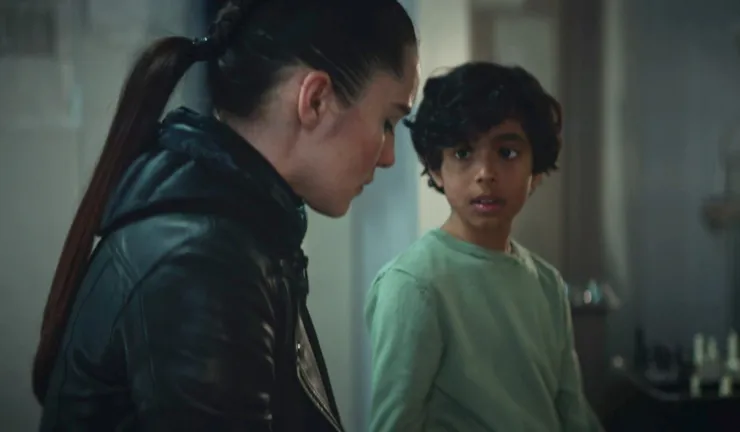
The X-Files: The Truth Is Still Out There 30 Years Later

The X-Files is celebrating 30 years and is regarded as one of the most influential sci-fi TV shows of all time. It was in September 1993 that audiences were introduced to now-iconic FBI investigators Fox Mulder (David Duchovny) and Dana Scully (Gillian Anderson). Mulder was obsessed with finding out what happened to his sister who was abducted by aliens when he was just a boy. This passion launched his lifetime pursuit of investigating the UFO phenomenon and other paranormal events. His bosses at the FBI were wary of his quest and partnered him with sceptical FBI agent Scully, who always tried to reign in Mulder’s forays into the unknown. Their evolving relationship and investigations into weird events, such as alien bounty hunters and cryptid creatures, endeared them to fans worldwide and made Mulder and Scully household names.

The plots of the episodes over the original 9 seasons consisted of either the conspiracy storyline that featured sinister govt. agents and alien forces conspiring to take over the world, or “monsters of the week”, where the duo investigated other strange events having to do with unexplained phenomena, such as psychic powers in the episode “Beyond the Sea” or sea serpents in the episode “Quagmire”, among other bizarre events. The conspiracy episodes became increasingly convoluted as the series progressed with the storyline involving an alien plan to colonize the Earth, and the aliens were assisted by covert government forces led by the villain of the series, the Cigarette Smoking Man (William B. Davis), the nemesis of both Mulder and Scully, who always attempted to untangle to web of lies they faced with each case. They’re helped by various allies during the show, such as their boss Walter Skinner (Mitch Pileggi) who shielded them from attempts to have the X-Files section of the bureau shut down at great risk to himself, as well as the Lone Gunmen (Dean Haglund, Tom Braidwood, and Bruce Harwood), fellow conspiracy buffs who assisted Mulder from time to time in solving cases.
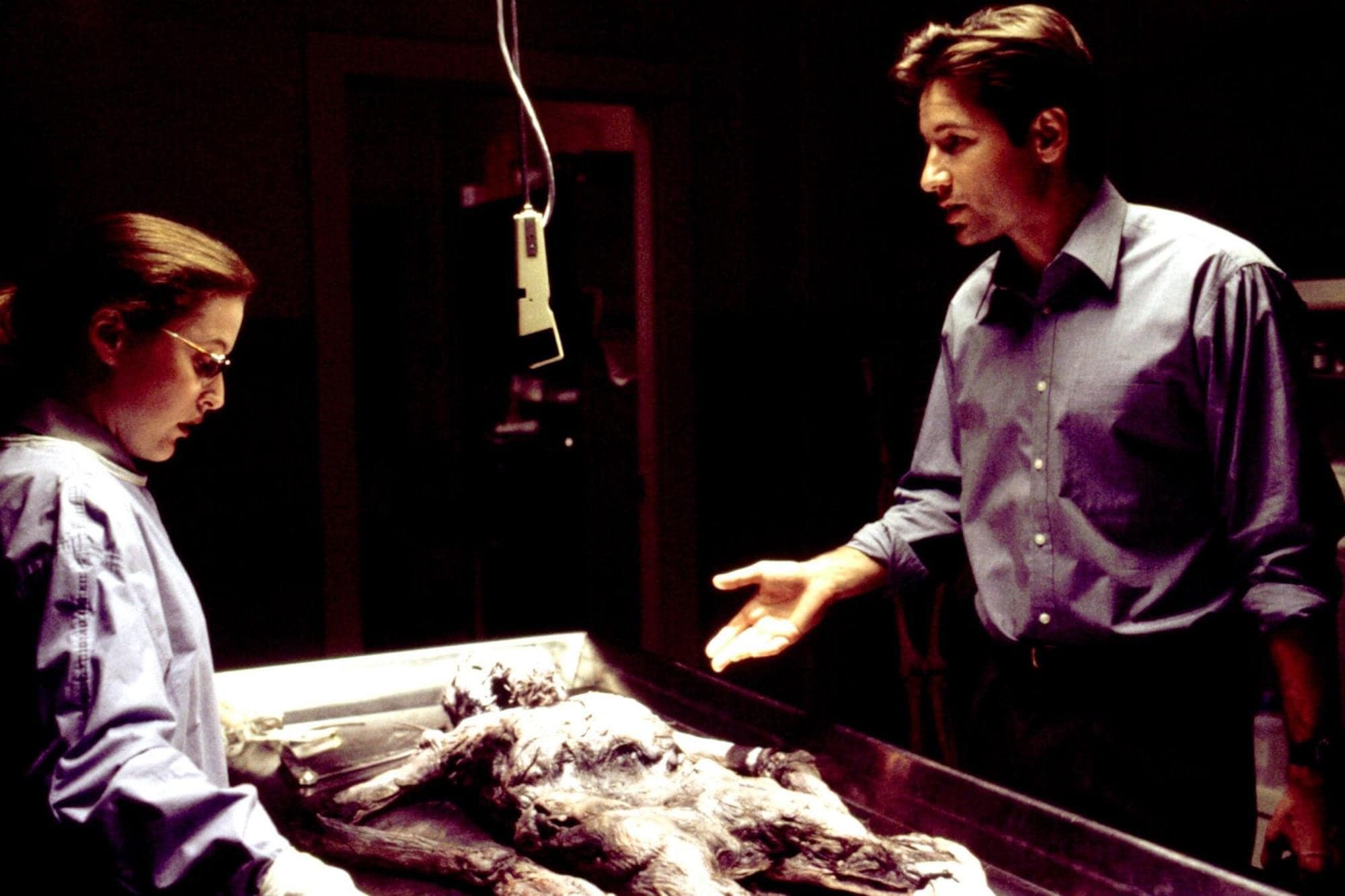
The influence of The X-files can’t be overstated as it led to many other shows involving alien conspiracies or other kinds of surreal mysteries that would have a complex story unfold over several seasons. Such shows that followed quickly after The X-Files debuted were Dark Skies, and spinoffs Millennium and The Lone Gunmen.  Even well after The X-files aired, in the 2000s, other shows appeared that followed in the footsteps of characters dealing with weird circumstances or events like Lost, Fringe and Supernatural, all of which are regarded as offspring of The X-Files, the first show that had mass appeal showcasing bizarre and unexplained phenomenon.

As for what inspired The X-Files itself, this would have to be the great but short-lived Kolchak: The Night Stalker starring Darrin McGavin, which aired in 1974-75 and is credited by X-Files creator Chris Carter as a huge influence on The X-Files. That show had a bumbling investigative reporter Karl Kolchak seeking answers to unexplained phenomenon very similar to what Mulder and Scully would take on 20 years later. McGavin even guest starred in two episodes of The X-Files portraying a character seen as the father of the FBI’s X-Files division, a tribute to Kolchak’s influence on the show.

The X-Files returned for two more seasons in 2016 and 2018 after a long hiatus and two theatrical films, which again showcased Mulder and Scully trying to unravel more alien and government plots, and finding the whereabouts of their child William. Overall, the show has become an icon in the TV and cultural landscape and has legions of devoted followers. It arrived at a time when the idea of UFOs and aliens were emerging in the mainstream as a serious topic and the show further pushed these conversations into the mainstream. The X-Files is still highly regarded 30 years later and will still be seen and imitated for many years to come.

C.S. Link

Top Ten Star Wars Live-Action Animals

Star Wars is famous and groundbreaking for many reasons including the depiction of unusual and captivating alien animals. The most recent and memorable examples were the magnificent purrgils that appeared in Ahsoka. Whether they’re reliable beasts-of-burdens or savage wildlife, here are the ten best Star Wars animals to appear on live-action films and TV shows. If there are any other Star Wars animals that deserve to be on the list be sure to comment below.

10. Mudhorn (The Mandalorian):

Resembling a giant wooly rhino, the mudhorn earned a lot of sympathy from fans despite its ferocious demeanor. Even though the fierce animal inspired the sigil of Din Djarinn, it was only protecting its egg, which made its death at the hands of Djarinn and Grogu much more disturbing.

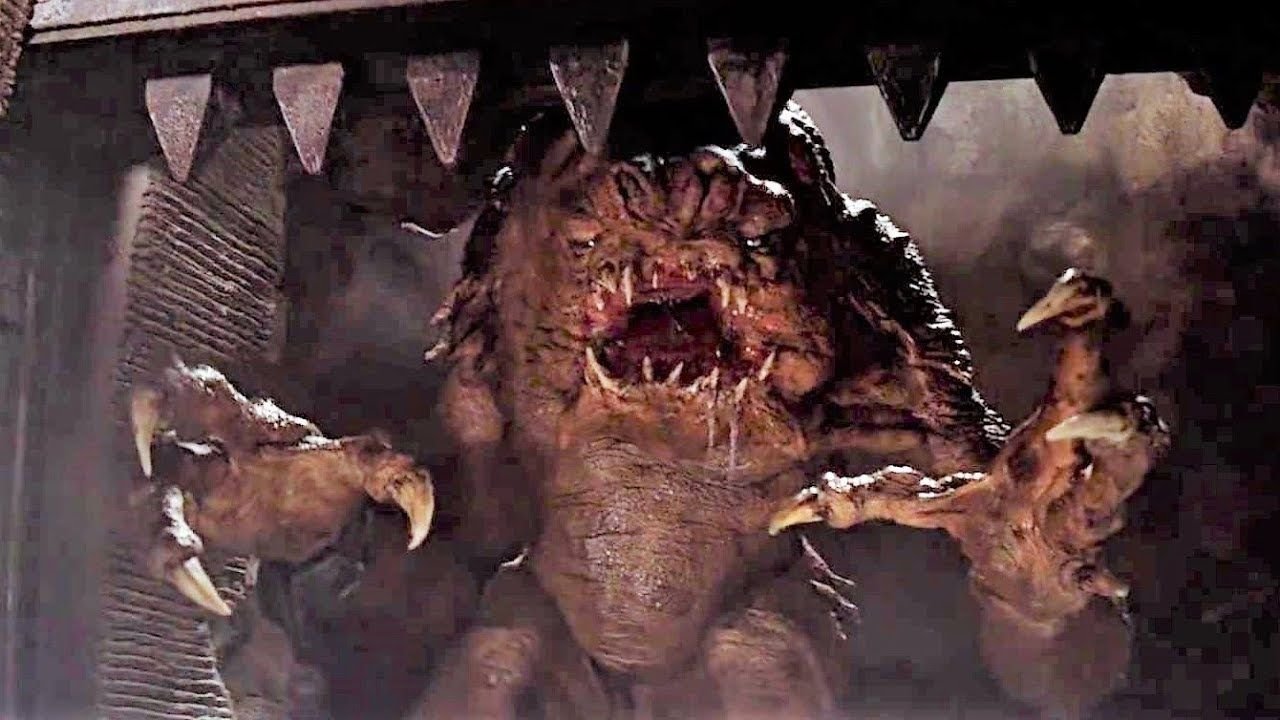
9. Rancor (Star Wars Episode VI: Return of the Jedi):

Caged and forced to eat its victims, the gigantic rancor was a fearsome beast that tried to make a meal out of Luke Skywalker. The rancor also had a scene-stealing appearance in The Book of Boba Fett as Boba rode the animal and used it to stop his enemies.

8. Kowakian Monkey-Lizard (Star Wars Episode VI: Return of the Jedi):

Jabba the Hutt’s cackling pet creature was a hilarious standout during the first act of Return of the Jedi by the way it parroted the sadistic laughter of the sinister gangster. Salacious Crumb, the name of the animal, also displayed a malicious side thanks to its vile owner.

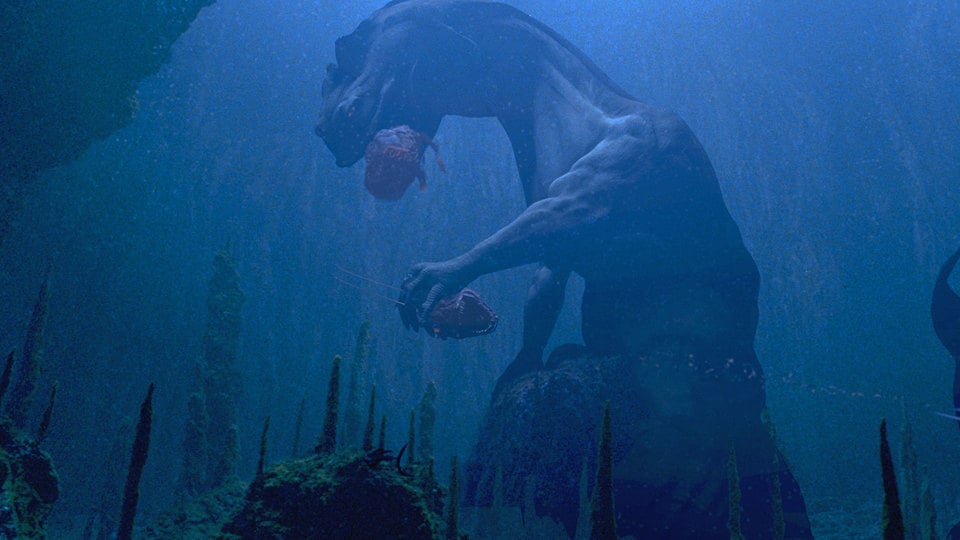
7. Exogorth (Star Wars Episode V: The Empire Strikes Back):

Talk about being in the belly of the whale! This behemoth produced many gasps after it was revealed that Han Solo actually landed his ship inside of the spaceborne slug instead of a cave in an asteroid. Han’s escape from the exogorth’s closing jaws was one of the film’s most thrilling moments.

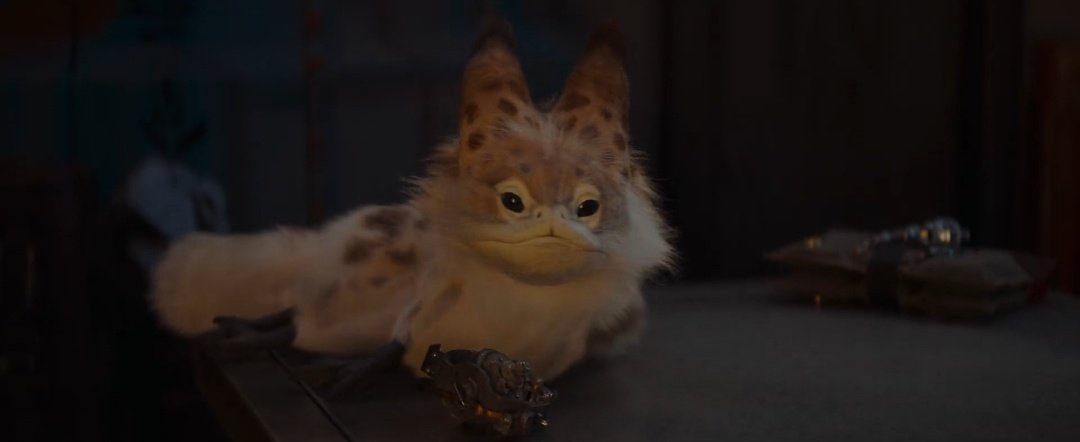
6. Loth-Cat (Ahsoka):

When the loth-cat made its live-action debut in Ahsoka, its appearance captured viewers’ eye with the accuracy of its appearance and charm from Star Wars: Rebels. Can’t wait to see how the loth-wolf is eventually depicted.

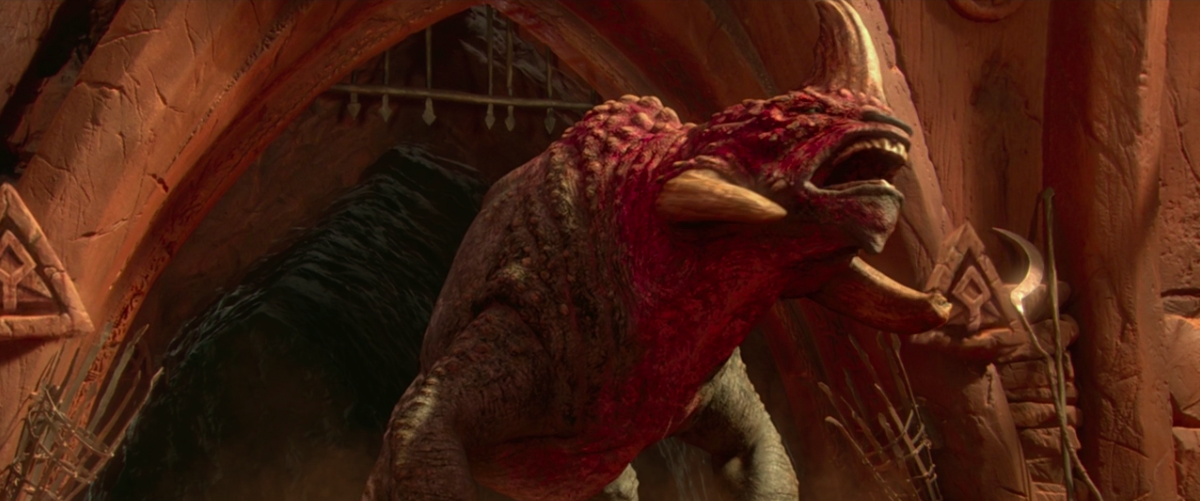
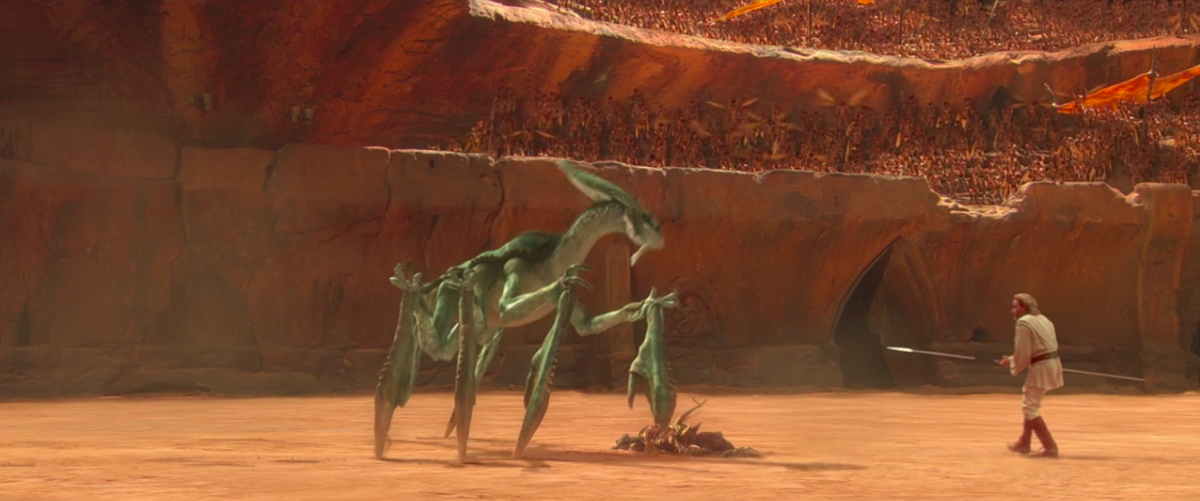
5. Reek and Acklay (Star Wars Episode II: Attack of the Clones):

These two giant animals that were dispatched in the Geonosian arena to kill Anakin Skywalker, Obi-Wan Kenobi and Senator Padmé Amidalla were two unique and deadly creatures that harkened back to the giant animals featured in a Ray Harryhausen epic.

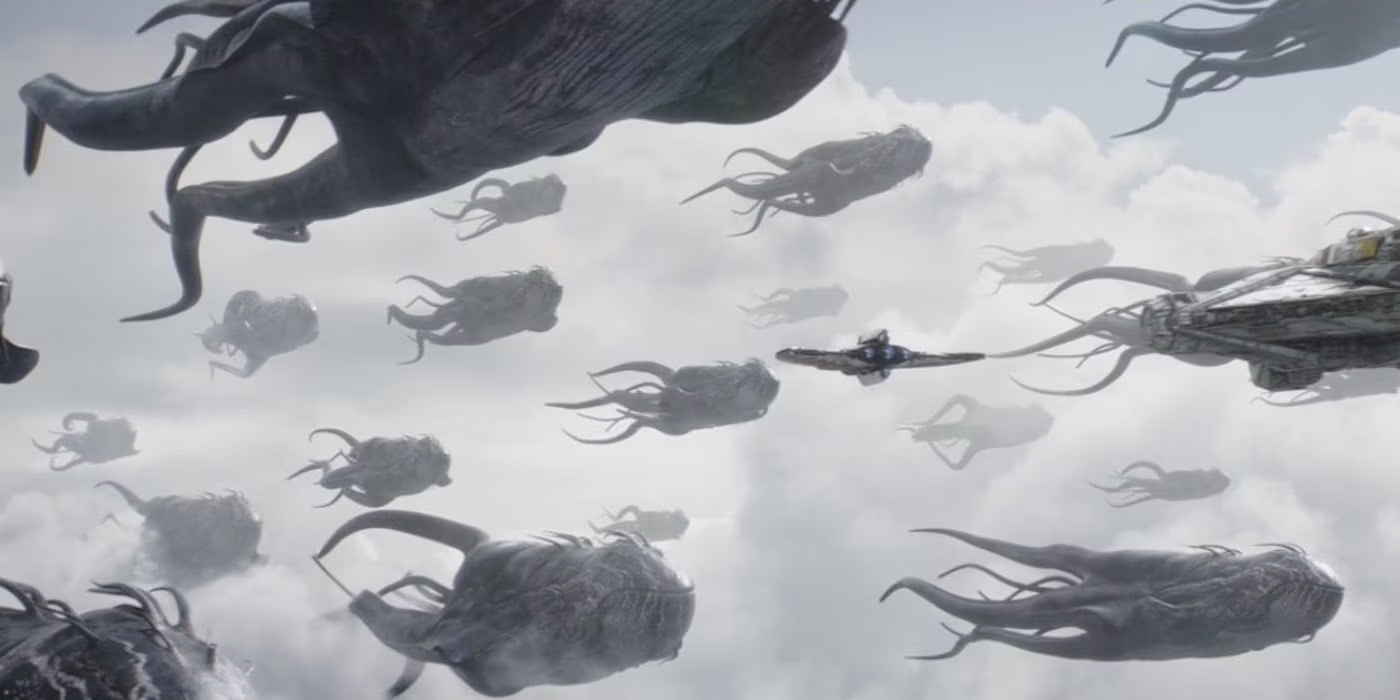
4. Purrgil (Ahsoka):

The gentle space-faring whale and squid-like creatures were a truly impressive sight when they made their live-action appearance in Ahsoka. Even more impressive and inspiring was when the peaceful giants demonstrated their ability to travel into hyperspace.

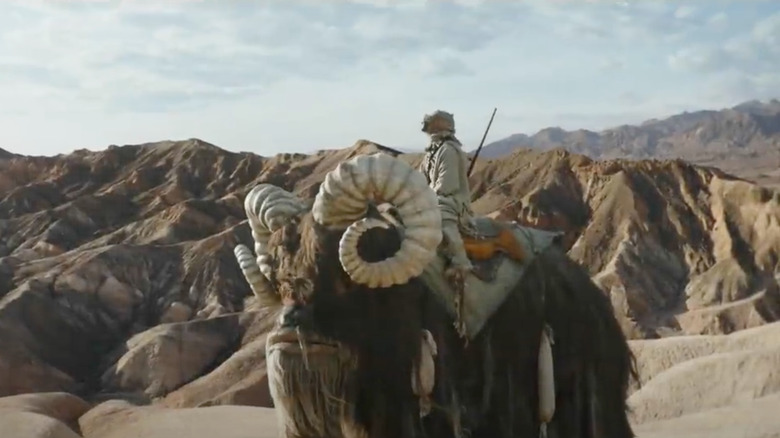
3. Bantha (Star Wars Episode IV: A New Hope):

As one of the first animals featured in the Star Wars franchise these mammoth-like creatures with huge ram horns helped give the planet Tatooine a naturalistic and live-in look. Their further appearances in other films and TV shows cemented their status as the planet’s unofficial mascot.

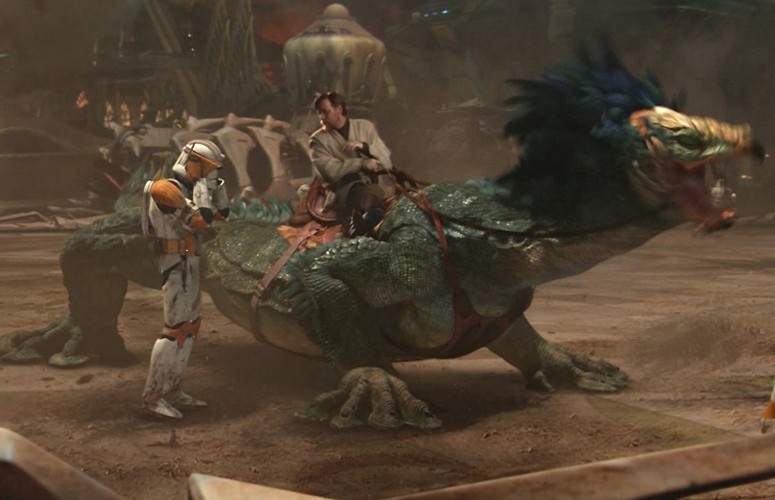
2. Varactyl (Boga) (Star Wars Episode III: Revenge of the Sith):

There have been many notable beastly mounts in the Star Wars films but Boga, the long iguana-like varactyl ridden by Obi-Wan, rode stood out with its loyal and spirited nature. Even though it and its rider were fired upon, Boga faithfully obeyed Obi-Wan and kept him from harm while emitting truly unique animal sounds.

1. Tauntaun (Star Wars Episode V: The Empire Strikes Back):

This two-legged beast-of-burden was so eye-catching it was even featured prominently in posters for the film. Looking like a hairy theropod with ram horns, the tauntaun was a hardy mount ridden by Luke Skywalker and Han Solo. The way it was brought to life (at the time of the film’s release) through go-motion and puppetry made the animal realistic thanks to small touches like strange animal sounds and a frosty breath.

Noteworthy Mentions:

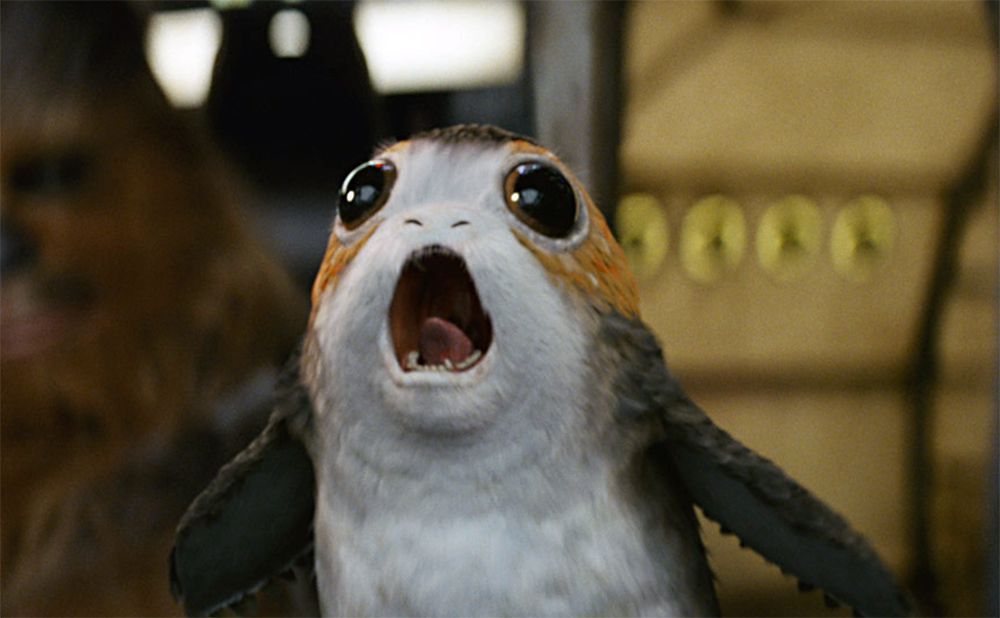
Blurrg, Colo Claw Fish, Dewback, Corellian Hound, Dianoga, Eopie, Fathier, Frog-Dog, Kaadu, Krayt Dragon, Luggabeast, Mynock, Opee Sea Killer, Orbak, Porg, Rathtar, Ronto (they taste great!), Sando, Sarlacc, Shaak,  Vexis Snake, Vulptex, Wampa

In Celebration of Star Trek: Prodigy

During the recent official celebrations for the 57th anniversary of Star Trek, its many spinoffs, and the 50th anniversary celebration of the original Star Trek animated TV show, it was noticed by many how the powers-that-be conveniently failed to mention Star Trek: Prodigy. It was so glaring because in the Paramount + Star Trek Day special and related promo material, even though all the Star Trek TV shows were noted, the animated TV show, Star Trek: Prodigy, was absent as if it never existed.

This is peculiar because until a few months ago, Star Trek: Prodigy was streaming on Paramount + until it was yanked out of the schedule and cancelled. This was part of a wider cost-cutting move by Paramount Pictures with its streaming platform that saw the cancellation of many projects. The sudden cancellation of Star Trek: Prodigy was unusual because a second season was already under production and the TV show was removed from the platform mere days after the cancellation announcement.

Honestly, this move by Paramount was disrespectful to the Star Trek franchise and its fans that were only starting to discover Star Trek: Prodigy. This action only reminds fans of how the studio is disdainful of its franchise.

Star Trek: Prodigy was met with a skeptical eye from many fans when it was first announced. Many automatically dismissed it as a kid’s TV show and what did not help was the prominent Nickelodeon logo plastered on top of the TV show’s logo and the announcements in promo materials that it was aimed at children.

While this reaction was understandable many missed out on how unexpectedly solid Star Trek: Prodigy turned out. Yes, it was not as complex as some other Star Trek shows but its stories were imaginative and embraced the Star Trek lore. It actually felt like it was part of Star Trek thanks to its stories, themes and characters. It also boasted beautiful 3D animation that showcased truly unique aliens and landscapes, while being grounded in the Star Trek Universe.

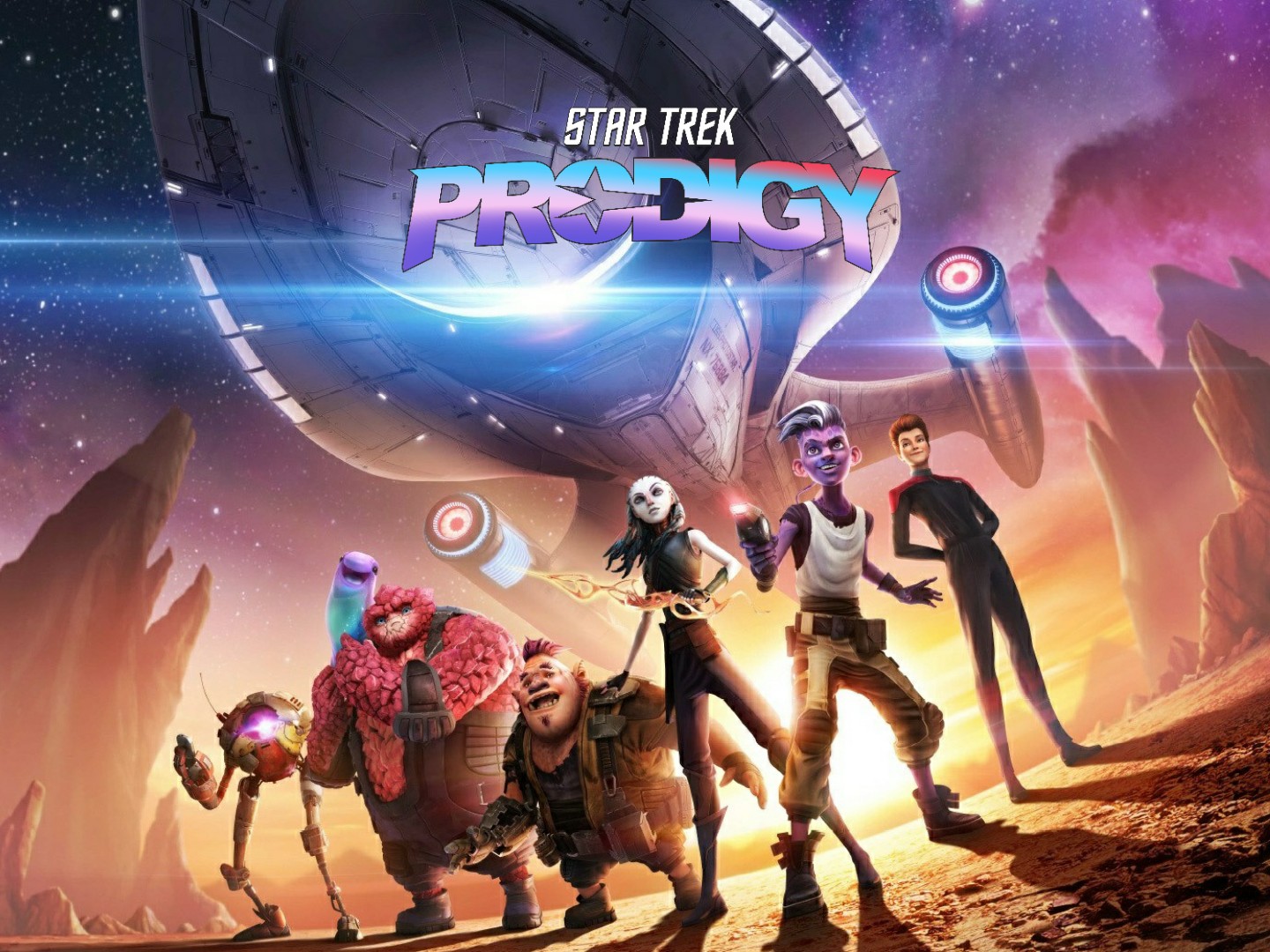
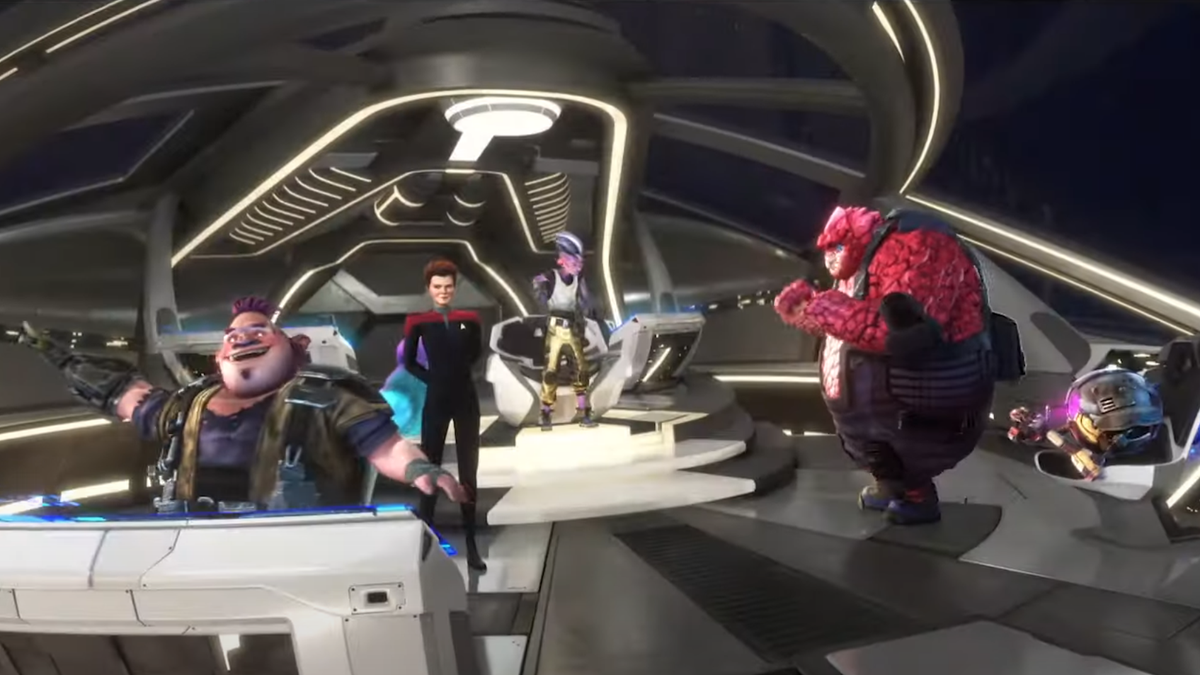
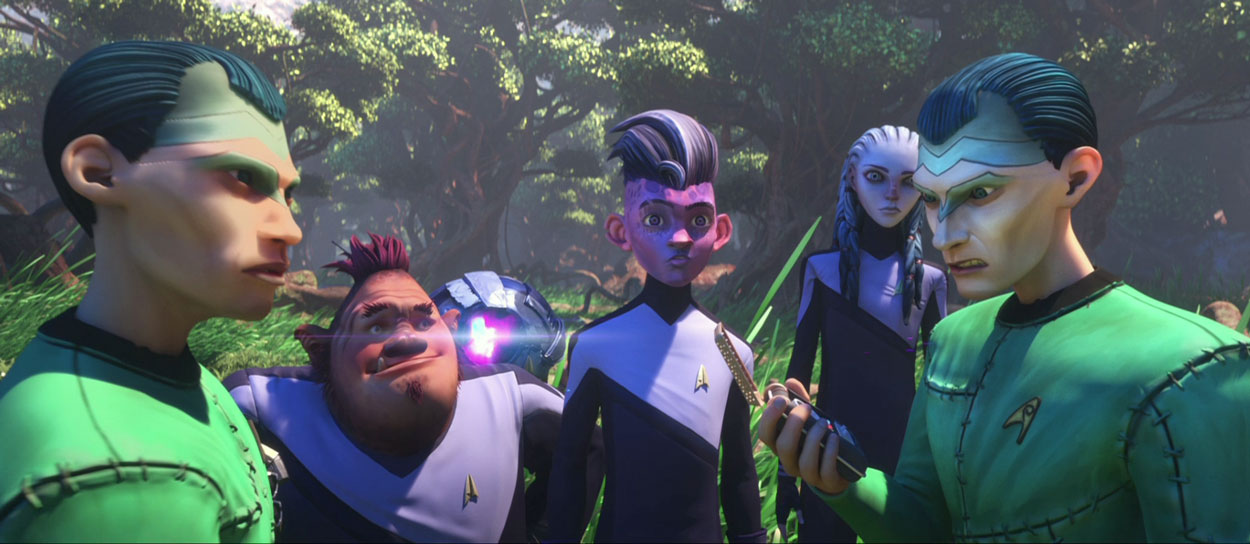
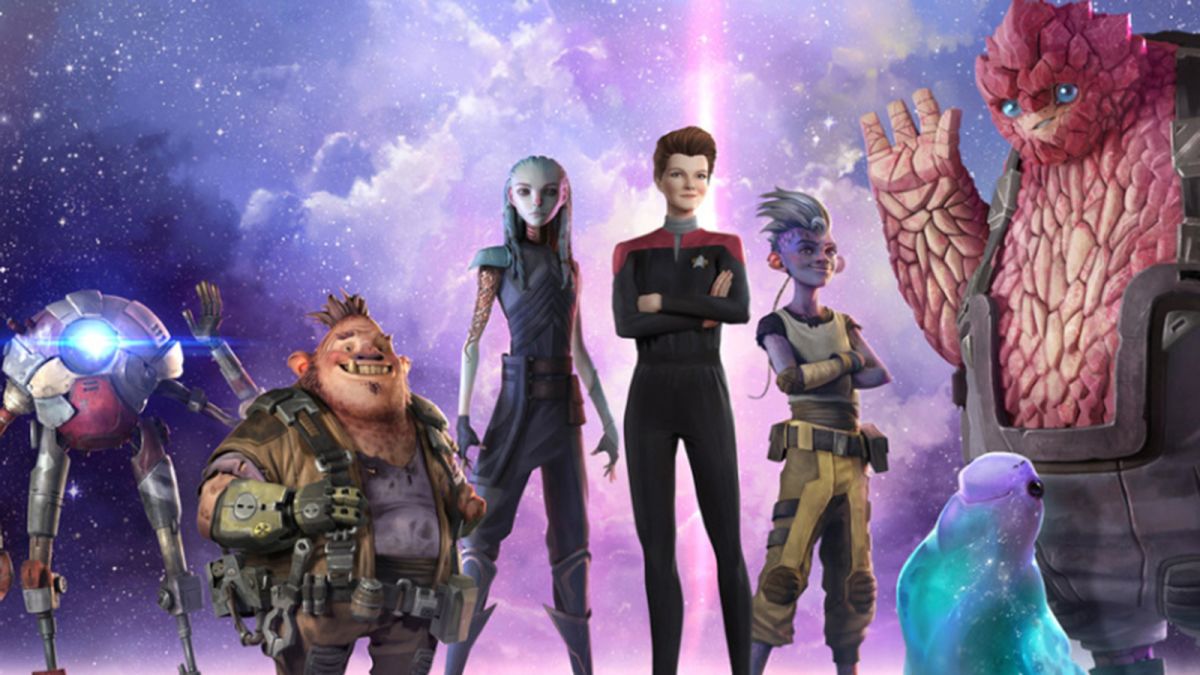
Star Trek: Prodigy takes place in the distant Delta Quadrant at a prison mining colony where a young alien prisoner named Dal R’El (Brett Gray) discovers in a mine an abandoned Starfleet ship called the Protostar. He activates the ship and escapes the colony with his companions who include Gwyndala (Ella Purnell), the daughter of the show’s antagonist, Jankom Pog (Jason Mantzoukas), a young Tellarite mechanic, Zero (Angus Imrie), a Medusan in a floating containment suit, Rok-Tahk (Rylee Alazraqui), a huge rock-like alien who is actually a brilliant young girl, and a gelatinous alien called Murf (Dee Bradley Baker). On the Protostar, they meet a training hologram that is patterned after Kathryn Janeway (Kate Mulgrew). She helps them run the ship and mentors Dal and the others on becoming Starfleet officers. The motley crew decides to embark on a voyage to return the Protostar to the Alpha Quadrant and the United Federation of Planets. Along the way they carry on with the Starfleet mission of exploring new worlds and civilizations in the hope they can become Starfleet officers once they return the ship.

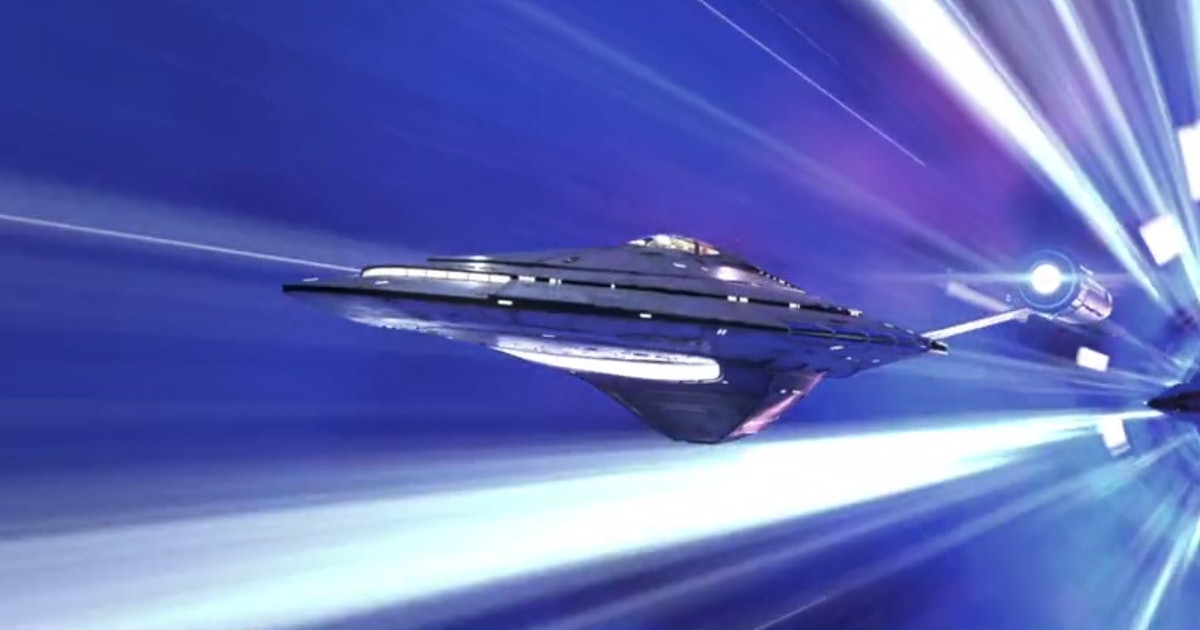
The Protostar is an experimental starship that actually changes its shape to travel at tremendous speeds in warp space. The starship and its new crew are hunted across the galaxy by Gwyndalla’s father, the Diviner (John Noble), who rules the prison colony and has a personal vendetta against the Federation and its Starfleet. He covets the Protostar to use it as a Trojan Horse to decimate the Federation.

Also pursuing the Protostar is the real Janeway, who is now a Starfleet admiral commanding another Starfleet ship. Years ago, the Protostar was lost in the Delta Quadrant along with its crew, which was commanded by her former first officer, Chakotay (Robert Beltran).

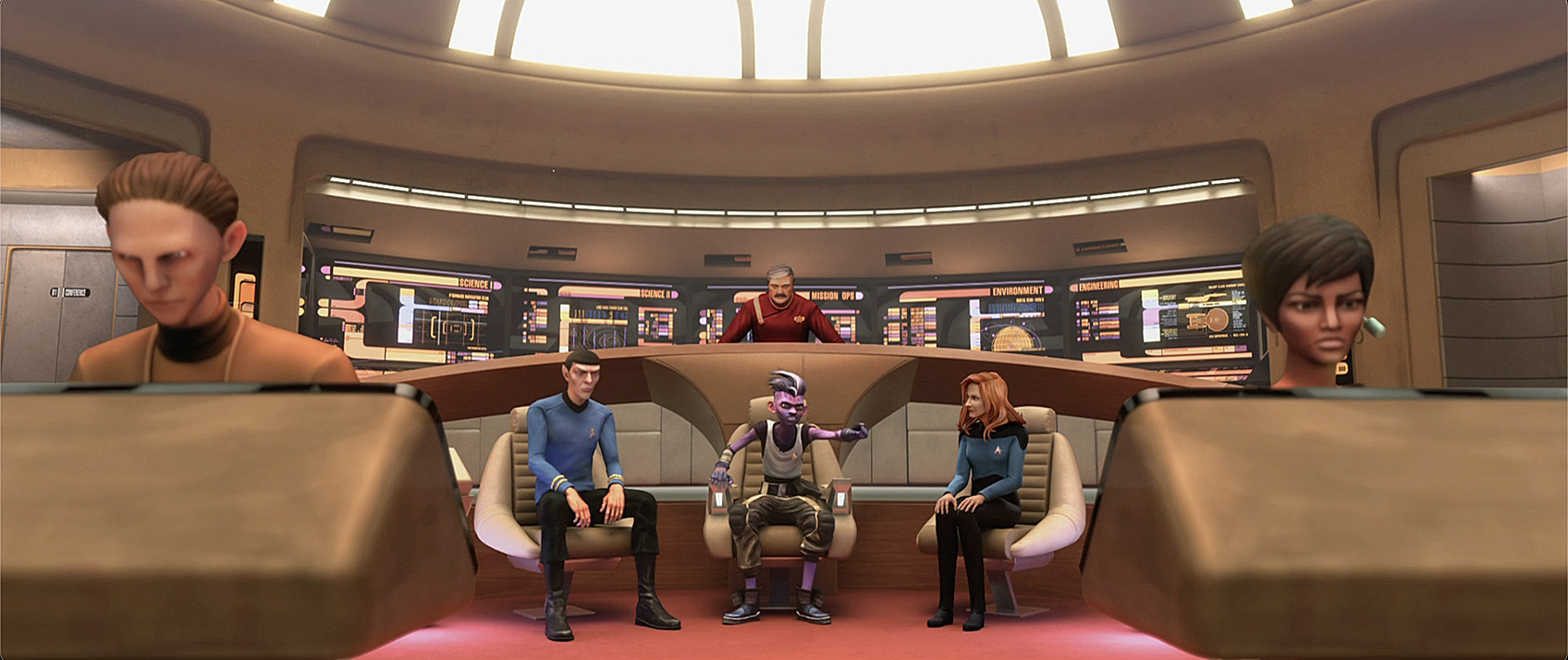
For a TV show supposedly oriented towards children Star Trek: Prodigy has a surprising amount of depth considering that many episodes featured character arcs that fully developed the characters. Throughout the first season we see Dal change from an impulsive and rebellious teenager into a responsible and mature person who had the qualities for a Starfleet officer. The best episode that illustrates his development was “Kobayashi”. Dal activates a holo-training program that is the famous Kobayashi Maru test given to Starfleet cadets where they hopelessly try to rescue a freighter from Klingons. Making up his crew in the simulation are popular Trek characters like Spock (Leonard Nimoy) from the original Star Trek and Scotty (James Doohan) from the original Star Trek films. As Dal tries to win the test’s no-win scenario and learns some hard lessons about command, he interacts with these characters, which was amazing since some of the actors voicing the roles are no longer alive. It was a nice way to give tribute to the franchise.

Most of the other characters saw significant development, as well. Gwyndala fought an inner battle within herself as she was at first hostile towards Dal and the others but gradually formed a deep bond with them. In the episode “Time Amok” Rok and the others are trapped in different temporal loops. Being that in Rok’s loop time runs at the slowest rate she uses this as a chance to learn to become a scientist and save the crew. Many of the others have tragic backgrounds and this journey on the Protostar serves as a means to give them some meaning in their lives.

The best way to think of Star Trek: Prodigy is to compare it to Star Wars: The Clone Wars or Star Wars: Rebels. On the surface both TV shows were apparently made for children, but before long they evolved and became more complex and appealing to adults who otherwise might have been turned off by them. I’m pretty sure that if Star Trek: Prodigy was not cancelled and allowed to fully tell its story, which included the search for Chakotay, the show would have reached the same level of admiration that the animated Star Wars TV shows has received.

Cancelling Star Trek: Prodigy was one thing, but to remove it from Paramount + and having it unavailable to easily view elsewhere was a foolish decision. Even though it was not a massive hit it still would have found an audience. Right now the only way to see Star Trek: Prodigy is to buy it through Amazon Prime, Vudu or other video on demand services or to actually purchase it on physical media. It’s certainly worth buying and will help hold us over until season two is ready. As of this writing, post-production of season two of Star Trek: Prodigy is underway and the show’s producers are finding another place to air it. Given the way the actors and writers strikes have ground film and TV productions to a halt Paramount should reconsider its decision and bring back Star Trek: Prodigy to its streaming platform to at least let the fans see the final season.

José Soto

Star Trek’s Many Timelines

By now Star Trek fans acknowledge that the official canon timelines of the Star Trek franchise is daunting. Being that Star Trek is 57 years old there are bound to be continuity problems but what has been more glaring are contradictions with the timeline and the more “modern” look of current-day Star Trek that clashes with older series.

There have been pretzel-twisting explanations in the TV shows and films to explain the contradictions, but they tend to fall apart on closer examination or are just ridiculous. More and more, fans have to accept the fact that either modern Trek is a soft reboot of the franchise or it represents new timelines that branched off the original Trek ages ago.

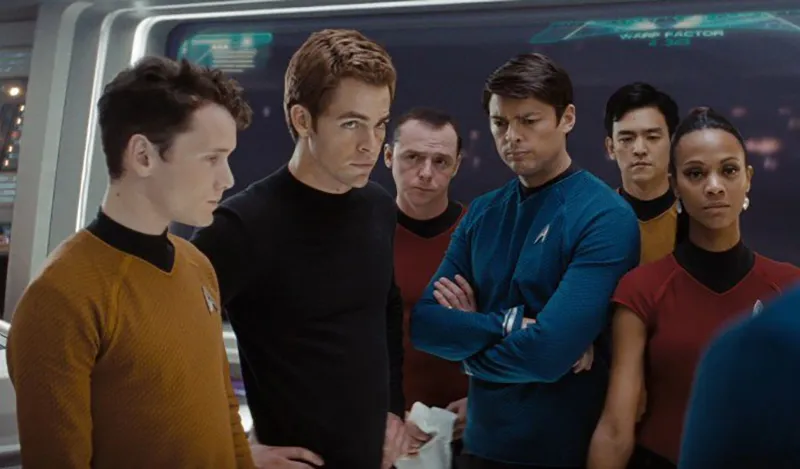
When Star Trek was relaunched in 2009 with the film Star Trek it was a good vehicle to reboot the franchise but the filmmakers did not want to completely alienate many fans. So an explanation was given that the events of Star Trek took place in an alternate reality that was created when the film’s Romulan bad guys time traveled to a time before the original series and changed the timeline.

However, this was not the first time that an alternate timeline was created in Star Trek. Actually this has happened many times in previous Star Trek TV shows starting with the original.

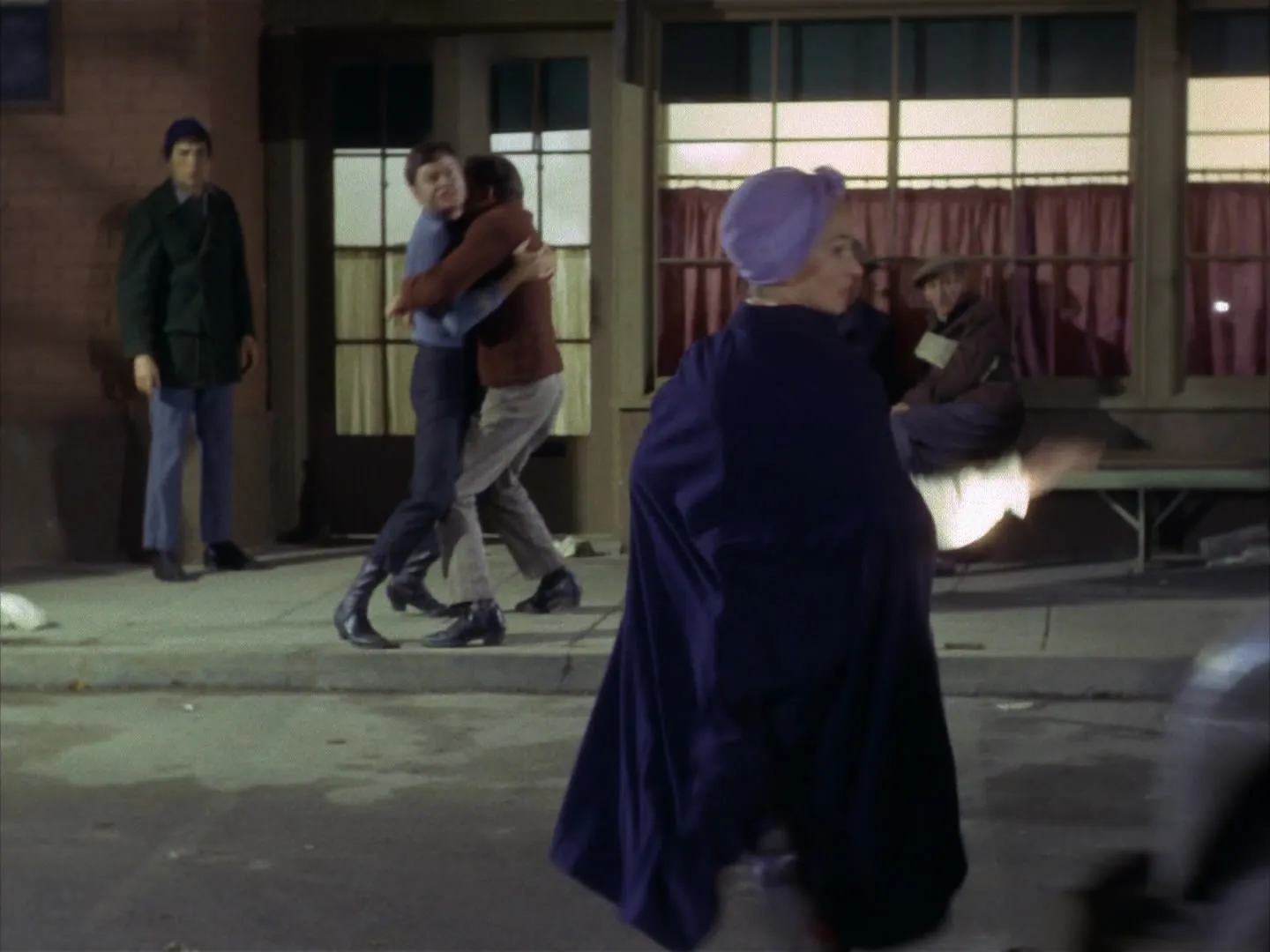
In the classic episode, “City on the Edge of Forever” a new timeline was created when Dr. McCoy went back in time and changed history so that the United States never entered World War II. This created a timeline where presumably the United Federation of Planets or Starfleet did not exist. Supposedly, the original timeline was restored when Kirk and Spock went back in time themselves and prevented McCoy from altering history. Or did they? The timeline McCoy created would still exist simply because he traveled to that pre-World War II period. Remember the scene where the hobo steals McCoy’s phaser and accidently kills himself? That created a new timeline where that man no longer existed. Even if that man never amounted to anything, his erasure would create a small ripple in time and this was never corrected by the end of the episode.

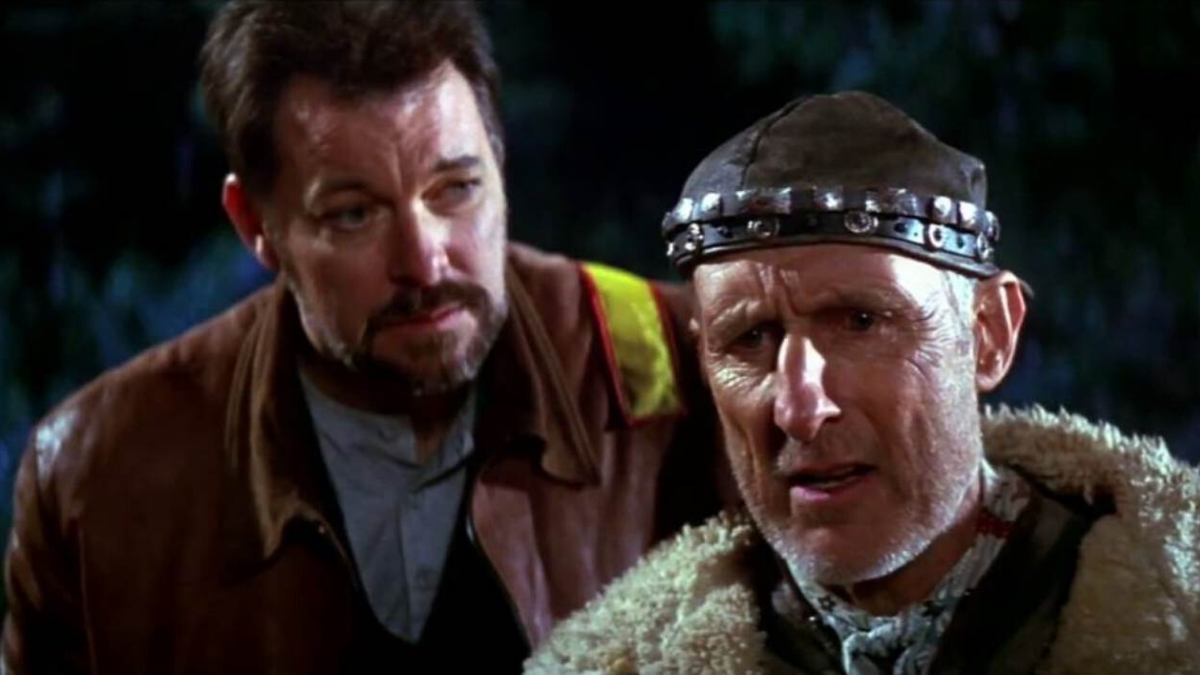
Here are some more examples: In Star Trek: First Contact, the crew of the Enterprise-E journey back to the mid-21st century to prevent the Borg from assimilating Earth. The Borg’s actions wound up killing many people who were involved with humanity’s first faster-than-light voyage. Even Riker and La Forge joined Zefram Cochrane to pilot the Phoenix, the first human-made warp ship. This created a new timeline even though the Enterprise-E crew stopped the Borg and the people the Borg killed remained dead. The crew interacted with people in the past including Cochrane, who was now aware of his destiny and this certainly had an impact on how he acted.

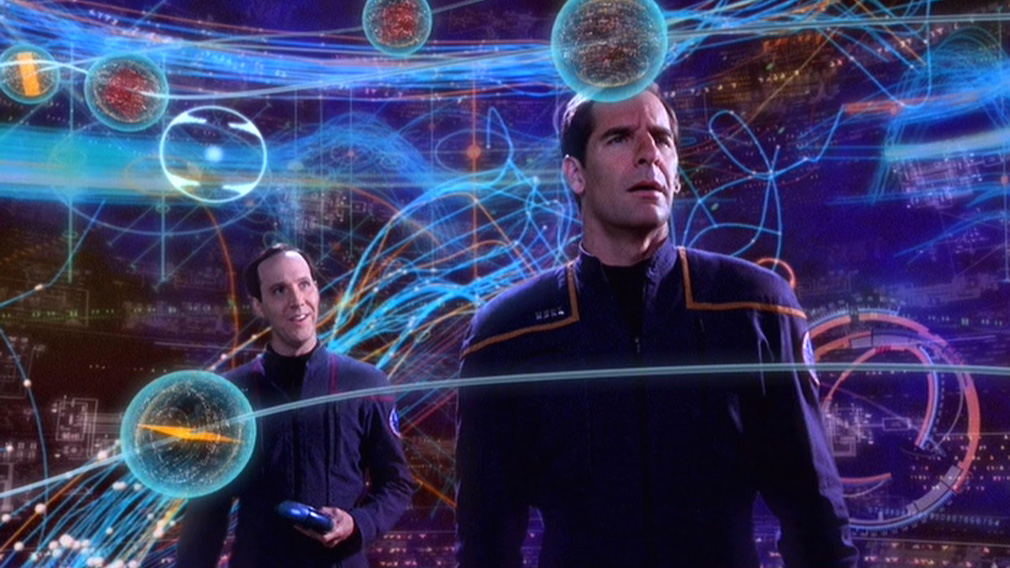
In Star Trek: Enterprise, a major arc involved the aliens called the Xindii who attacked Earth in the 22nd century, but it was revealed that such an attack never took place in the original timeline. More importantly, this attack was never undone when the story arc ended and was now part of the established canon timeline. It was stated that these incidents were part of a so-called Temporal Cold War that took place centuries in the future.

Another instance of the Star Trek timeline being changed was in the Star Trek: Strange New Worlds episode “Tomorrow and Tomorrow and Tomorrow”. In that episode those pesky Romulans are revealed to have changed the original Trek timeline in that they prevented the rise of Khan and the outbreak of World War III from the original time of the 1990s. Now these events are supposed to take place in the middle of the 21st century and evidence of this change was shown in Star Trek: First Contact when it was mentioned that the war took place in the mid-21st century.

There are many other instances of permanently changed timelines throughout Star Trek but in the end it does not matter too much. The real-world reason for these changes are to keep Trek relevant with our times. After all, it would be strange to keep saying that the Eugenics Wars and World War III took place in the 1990s or that the dated look of the original TV show with buttons on consoles is supposed to represent a realistic future for humanity. There have been non-canon efforts such as novels to try to explain this away but the results are nonsensical.

The best advice is to just accept that the Star Trek timelines are very fluicdic. Do not give it too much thought and enjoy the stories.