DC Wins The TV War…For Now, Part One

 old DC

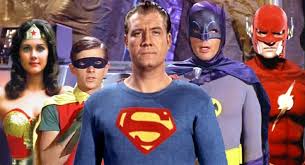
One of the great corporate rivalries is the one between the comic book giants Marvel Comics and DC Comics. It’s a competition that has spilled over to other media. When it comes to films, Marvel has won the war on that front due to the monumental successes of their Marvel Cinematic Universe (MCU) films. However, take a quick glance at the current TV schedule. From looking at that and television history, it’s obvious that DC has won the TV War…for now.

Head Start

In reality, DC had the war won for decades now. This goes way back to the 1950s with the success of the first TV show based on Superman. That would be, of course, the landmark series Adventures of Superman, which starred George Reeves. It’s well known that the series was very popular and helped cement Superman’s legendary status in pop culture. Marvel at that time period didn’t even exist, nor did their most popular heroes because the company was concentrating on non-superhero comic books.

Following the cancellation of Adventures of Superman, the next DC superhero to bask in the television spotlight was Batman. Beginning in 1966, Batman was an instant hit and a genuine pop culture phenomenon. Starring Adam West and Burt Ward as Batman and Robin, the show was a decidedly goofy sendup of comic books and introduced characters like the Joker and Catwoman to non-comic book readers. Although, it was and is still popular, many decried the way Batman belittled the Caped Crusader and comic books in general.

wonder woman

In the 1970s, there were a few TV shows and specials based on DC Comics superheroes. The best known was Wonder Woman, starring Lynda Carter and it aired from 1975 to 1979. The show wasn’t as cheesy as Batman, nor as popular, but it was noted for its pro-feminist stance since the title character was a superhuman woman. The women’s lib messages obviously went over the heads of most younger viewers, who were enamored with Lynda Carter and her skimpy outfit.

Other TV shows airing in the 1970s were strictly aimed at children like Shazam! and The Secrets of Isis. In fact, these half-hour programs only aired on Saturday mornings and had limited appeal.

Around this time period, Marvel got into the hulk showact with the premieres of TV shows and TV films based on their characters. The first superhero to make a live-action appearance was Spider-Man, who made non-speaking appearances on The Electric Company. Some of the Marvel TV films and shows were truly awful like Captain America and The Amazing Spider-Man, which thankfully did not last long as a series. But a couple were actually decent like Doctor Strange and Marvel’s biggest hit on TV The Incredible Hulk. Airing in November 1977 and starring Bill Bixby and Lou Ferrigno, the TV film was a big hit and led to a successful TV series the following year.

Second Wind

superboyThe decade that followed, the 1980s, was slow for comic book properties on TV. After The Incredible Hulk was cancelled in 1982 there wouldn’t be another superhero TV show until the syndicated program Superboy debuted in 1988. Coming after the film disaster Superman IV: The Quest for Peace, Superboy was a welcome respite for fans who just wanted to see good, old-fashioned superheroics and teenage angst. Plus, Superboy was a competent place holder until DC and its parent company Warner Bros. could bring out another Superman TV series or film.

On a side note, there were a trio of TV films that continued the Hulk’s adventures and the first two introduced live-action versions of Thor and Daredevil. The Hulk and his alter ego David Banner actually died at the end of the third film, but there were plans to do more TV films. However, those ended after Bixby’s untimely death in 1993.

The humongous success of the film Batman in 1989 helped jumpstart new DC-based TV shows in the 1990s. Not wanting to rest with the success of Superboy, Swamp Thing: The Series premiered on the basic cable channel USA Network in 1990, while a show based on the comic book Human Target aired briefly on ABC in 1992.

old flashThere were two shows that made the largest impact in that decade. They were The Flash and Lois & Clark: The New Adventures of Superman. The Flash, starring John Wesley Shipp, premiered in the fall of 1990 fresh off the success of Batman and seemed to copy the stylistic direction of the Tim Burton film. Even though it only lasted one season, the show is revered by fans because of its fun stories, dazzling effects, and character work. Lois & Clark: The New Adventures of Superman, which aired on ABC, was targeted more towards women since it concentrated more on the relationship between Lois Lane (Teri Hatcher) and Clark Kent (Dean Cain). The superhero aspects of Superman took a back seat to the romantic shenanigans and it was laden with light humor. Of course, this displeased some fans, but it was still a successful program.

As for Marvel, the 1990s was a decade best left forgotten. There were DOA pilots based on Power Pack, Generation X and Nick Fury. As for the syndicated show Night Man, the less said about it the better.

Animation Dominion

young justiceAs DC dominated the television medium, there was another TV venue that it conquered. That was with their animated TV shows. Since the 1960s, there have been numerous TV shows that aired on Saturday mornings and on syndication based on DC’s superheroes. DC enjoyed early successes like Superfriends in the 1970s, but their animated shows weren’t acclaimed until Batman: The Animated Series premiered in 1992. Boasting memorable characters, villains and plots, the show was a huge hit and led to other superior animated gems like Batman Beyond, Superman: The Animated Series and Justice League. DC’s animated renaissance probably culminated with the recent Young Justice. It just lasted two seasons, but its smartly written scripts, mature themes, and complex character development won wide appraisals from fans and critics.

In this venue, Marvel actually presented itself as a viable counterpart to DC since the 1960s with series based on Spider-Man, the Hulk, the Avengers and other stalwarts. The results were quite admirable in many instances, but DC on the whole produced more noteworthy animated TV shows.

New Century, New Renaissance

As DC celebrated their animated successes in the 1990s, the live-action field was stagnant after the cancellation of Lois & Clark in 1997. There was an infamous pilot made for the Justice League that thankfully never made it into a series. It can be found on Youtube for anyone that is curious.

The live-action drought ended a few years later in 2001 with Smallville. This long-running show starred Tom Welling as Clark Kent in his teenage years and early twenties. It ran on The WB and later The CW networks and explored many aspects of the Superman mythos while concentrating on Clark’s emotional development and how he came to be Superman. It had its faults like the producers’ insistence of “no tights, no flights”, which meant Clark never put on his iconic Superman suit. (The final episode doesn’t count since he was never fully shown wearing it.) This was strange because many other superheroes featured on Smallville like Green Arrow, the Justice Society and Supergirl were allowed to fully embrace their comic-book roots. The Warner Bros. network tried to capitalize on the success of Smallville with other programs, but weren’t successful. Efforts included the short-lived Birds of Prey in 2002 and a pilot for Aquaman.

Around the time that Smallville came to an end, the superhero genre exploded in theaters. Super hits like The Dark Knight, Iron Man, and The Avengers cemented the permanence of arrowsuperhero films. As it goes, whenever there is a mammoth box office hit, TV executives take notice and follow suit. Warner Bros. and DC took advantage of the heightened interest in superheroes and produced many TV shows. Not all of them bore fruit like pilots for Aquaman and Wonder Woman, or another iteration of Human Target, but others blossomed and are now hit shows. These include Arrow, The Flash, Gotham and to a lesser extent Constantine. And that is just the beginning.

José Soto and Lewis T. Grove

To Be Continued

Star Wars Returns With New Rebels

Star Wars is back with the long awaited premiere of the pilot for the animated show Star Wars: Rebels on Disney Channel.

Right off the bat the action kicks off with the introduction of the main character, a Jedi in hiding called Kanan Jarrus (voiced by Freddie Prinze, Jr.), who leads a crew of rebels on a ship called the Ghost in stealing weapons on a remote outer rim world Lothal. On the planet the crew encounters a young thief named Ezra (voiced by Taylor Gray), who is also strong in the Force.  This sets off a chain of events that lead them on a rescue mission to free wookie slaves on the spice world of Kessel. The show displays classic Star Wars action with a speeder chase right out of Return Of The Jedi, gun battles with imperial stormtroopers, who still have lousy aim, and dog fights in outer space with the iconic TIE fighters echoing scenes from A New Hope.

speederAll of this sets up the series nicely as a return to the Original Trilogy era, as this show is set between events in Star Wars Episode III: Revenge of the Sith and the original film Star Wars Episode IV: A New Hope.  The tyranny of the Empire is on display as well, the episode starts with an agent from the Imperial Security Bureau harassing citizens of the planet Lothal, and later wookies are being shipped to certain death as forced slave labor. As much as I liked the prequel era and Star Wars: The Clone Wars series, it is great to see a return to this time in the Star Wars universe.  But I hada few nitpicks with the pilot episode. Take the way Kanan reveals himself as a Jedi to the imperial forces in the end of the episode. It did seem somewhat sudden, as was the quickness that Ezra accepts Kanan’s offer to be trained as a Jedi. ezra lightsaberI thought that their identity as Force sensitive people would have been kept under wraps for a while and be gradually brought up as the series went on, but by the conclusion of the pilot, they basically lay their cards out on the table. This brings them to the attention of the next big Star Wars villain, the Inquisitor, who seems like a sinister character even though his screen time is only a few seconds. Having said that, it was nice to see some exciting lightsaber action, as was seeing our heroes help their fellow man. Whether it was feeding starving outcasts on Lothar or helping Wookie slaves escape from Imperial clutches.

ghost battleThis series is being executive produced by Dave Filoni, who oversaw the excellent Clone Wars  show and it will be interesting to see how Rebels develops in comparison. Star Wars: The Clone Wars had familiar characters and settings while Star Wars: Rebels is kind of in new territory with new characters (and a cameo by one of the beloved Star Wars characters) and a setting that has to bridge the gap between the trilogies.   Overall, this pilot gets the series off to a good start. The characters seem to have a good rapport with each other and have a history as a crew that will hopefully be explored in the coming episodes. It will be fun to see how they will fit into the overall story of the rebellion and hopefully we will see classic Star Wars characters interacting with the crew of the Ghost.

C.S. Link


Top Ten Space Adventure Films

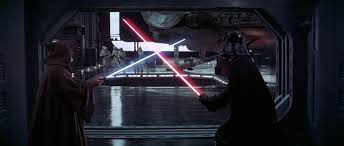
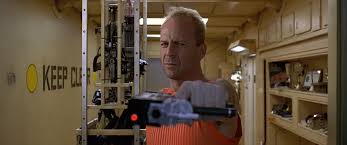
obi wan vs vader korben dallas

Ever since the very first Star Wars film made its debut, sci-fi cinema has seen its fair share of space adventure or space opera films. Boasting brash heroes, larger-than-life villains, cool spaceships, exotic worlds, strange aliens and grand adventures, these films tried to recapture the magic of Star Wars. Admittedly, many of these were just poorly executed Star Wars knockoffs. But there are many gems that were nifty, exciting and had a lot of heart or were just so goofy that they’re fun to watch.

10. Battle Beyond The Stars: Despite its bargain-basement production values and other flaws, this film is arguably the best of the early grade-z Star Wars ripoffs. The script (by John Sayles) is an battle beyondouter space reworking of Seven Samurai with young Shad (Richard Thomas) setting out in a sentient ship (with a front shaped like a woman’s breasts!) to search for mercenaries to defend the peaceful planet Akir. The film features special effects done by James Cameron (yes, that James Cameron) and a score by James Horner that predates his work on Star Trek II.

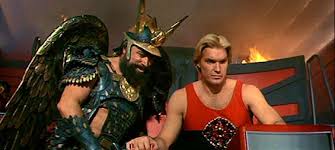
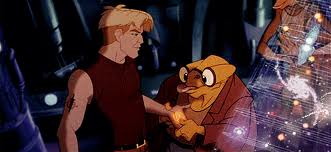
9. Flash Gordon: This attempt to cash in on the Star Wars craze by dusting off the famous Alex Raymond comic strip character is a campy delight. Football player Flash Gordon (Sam J. Jones) is hijacked to the planet Mongo and has to stop the planet’s ruler Ming the Merciless (Max Von Sydow) from destroying the Earth. The film doesn’t take itself seriously and it shouldn’t since its ladled with gaudy sets and costumes, cheesy special effects and a script with lines like “No! Not the bore worms!” Still, Flash Gordon is a great guilty pleasure to watch.

flash gordon and vultan

8. The Fifth Element: Bruce Willis is your not-so-average Brooklyn taxicab driver in the 23rd century who is burdened with the responsibility to protect a beautiful but kooky damsel (Milla Jovovich) that is fated to save the Earth. The Fifth Element like so many of these films has a silly but infectious quality while being a thrilling joy ride chock full of weird aliens and a scene-stealing, out-of-left-field comedic performance by Chris Tucker. He plays a flamboyant talk show host that gets caught up in the pyrotechnic mayhem and his screaming adds to the laughs!

titan27. Titan A.E.: There are many animated space adventure films, but Titan A.E. is the best of them. This Don Bluth animated film takes place fifteen years after Earth was destroyed by aliens in the 31st century and humanity now lives as ragtag refugees in space. Salvager Cale Tucker (voiced by Matt Damon) sets out on a quest with his friends to find the Titan, a humongous starship that holds the key to humanity’s survival. Titan A.E. is energetic and awe-inspiring with eye-catching galactic visuals, which is why it’s an underrated animated classic.

6. The Last Starfighter: Alex Rogan (Lance Guest) is your typical teenager looking for some excitement in his life. He gets it when he is unexpectedly whisked to the planet Rylos to join its Star League and defend it from enemy aliens. At the time of its release, one of The Last Starfighter’s selling points was its then-revolutionary CGI effects, which are woefully dated. It resonates to this day because of its heartfelt performances, sincere execution, and a central theme about a nobody filled with wanderlust who makes a difference.

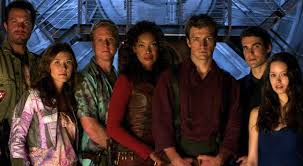
5. Serenity: Joss Whedon’s directorial debut is a sequel to his cult TV show Firefly. Serenity reunites that show’s serenity moviecast and continues the adventures of quick-witted space cowboy Mal Reynolds (Nathan Fillion) and his quirky crew onboard the space freighter Serenity as they stay one step ahead of the law in the ‘verse, the hated Alliance. The film carries on with the same endearing traits from the show such as witty banter, appealing characters with nuanced histories, and a believable and detailed ‘verse filled with high-tech and backwards colony worlds.

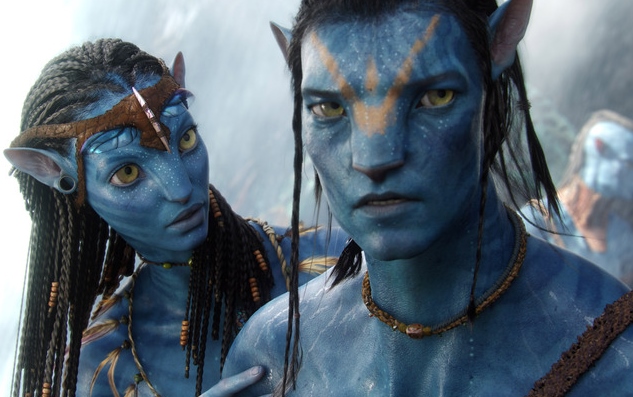
4. Avatar: Filmmaker James Cameron’s labor of love is a visually stunning and grand space epic with an imaginative and well-conceived Avataralien world populated with exotic aliens, flora and fauna. The planet Pandora looks like what it’s supposed to be: an alien world. This impression is sold thanks to its floating mountains, giant six-legged creatures and translucent forests. The story updates the standard sci-fi pulp adventure and follows Jake Scully (Sam Worthington), a paraplegic who integrates himself with the planet’s Na’vi population via an artificially grown Na’vi body. Over time, he becomes their greatest protector and the stuff of legendary sci-fi space heroes.

3. John Carter: It’s too bad Disney dropped the ball in promoting this terrific adaptation of Edgar Rice Burroughs’ John Carter books. Taylor Kitsch plays the title john carter 2character who is a Civil War veteran that is transported to Mars (or Barsoom as the natives call it) and gets entangled in a grand adventure to save a beautiful princess (Lynn Collins) from a rival kingdom. John Carter was the quintessential space adventure film with haunting and wild alien locales, thrilling scenes, great special effects and a dashing hero. It captured the swashbuckling tone of Burroughs’ works perfectly, and although it died in the box office, it deservedly has its legions of fans.

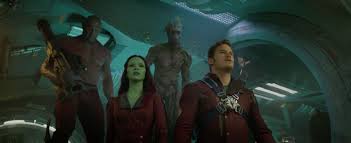
guardians of G2. Guardians Of The Galaxy: Marvel Studios’ entry into the space adventure sub-genre is an exciting and fun-filled romp with very endearing heroes that captured our hearts. Peter Quill (Chris Pratt) a.k.a. Star-Lord, the legendary outlaw (in his mind at least), teams up with a group of misfit alien thugs and killers to prevent an evil alien from using a power-enhancing stone to destroy the peaceful planet Xandar. Guardians Of The Galaxy perfectly balances drama, action and humor while displaying lovingly detailed out-of-this-world places from the pristine and futuristic Xandar to the seedy and raucous criminal outpost Knowhere. But most of all, the film has a sense of wonder and pulp-inspired fun.

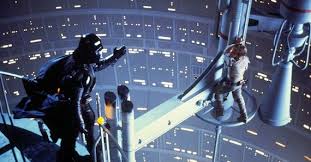
darth and luke

1. Star Wars films: Starting from the very first film (Episode IV: A New Hope or just plain Star Wars) in 1977 and continuing with the new installments coming our way, the Star Wars films are the epitome of space adventure/space opera epics. Even the flawed entries like Episode I: The Phantom Menace presented audiences with richly detailed and imaginative worlds and characters. star wars 3 shipsCapturing and enhancing the excitement from early sci-fi movie serials, they’re a tribute to those blustering sci-fi pulp adventures on film and print. More importantly, the Star Wars film changed the sci-fi film landscape forever thanks to eye-popping special effects, fast-moving, cliffhanger-laced stories and most of all, unforgettable characters like the Skywalker family, Han Solo, Yoda and Obi-Wan Kenobi.

Lewis T. Grove

Top Ten Episodes Of Avatar: The Last Airbender

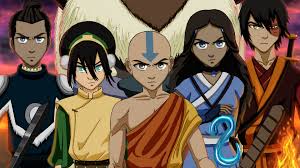
cast airbender

Few animated series have been as rich and complex as Avatar: The Last Airbender. Showcasing emotionally deep characters and thrilling story arcs, the show was beloved by many and has spawned the popular sequel The Legend Of Korra (its new season airs June 27), plus an ill-received live-action film. The following are ten of the best episodes from Avatar: The Last Airbender.

10 winter solstice part 1

10. “The Spirit World (Winter Solstice, Part 1)” While the early episodes were entertaining it was this first season story that really began embellishing the show’s mythos with airbender Aang’s spiritual meeting with the previous Avatar.

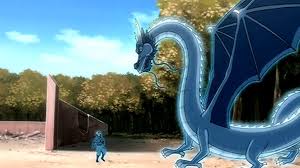
9. “The Blue Spirit” Aang’s primary antagonist for the first season was exiled Prince Zuko who was wracked with anger and confusion. While previous episodes in the first season showed Zuko’s ambiguous nature, this one had him assume more of an anti-heroic role.

9 blue spirit

8. “The Southern Raiders” By the time this third-season show aired, Zuko had reformed and joined Aang’s quest to defeat his own father and bring peace to the four elemental nations. While Aang had accepted Zuko, his companion and love interest Katarra had not. She hated the Fire Nation (Zuko’s tribe) for killing her mother and took it out on Zuko. In this episode she confronts her feelings and we learn about what happened to her mother.

7. “Appa’s Lost Days” Aang’s beloved flying bison Appa was stolen during the second season. This episode shows what happened to Appa after he was abducted by the sandbenders. Add extra points if you are an animal lover and hate seeing animal cruelty.

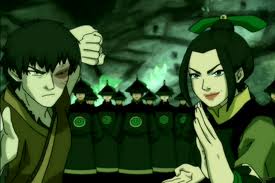
zuko and evil sister6. “The Crossroads Of Destiny” The final episode of Avatar: The Last Airbender’s second season brings Aang and his companions to their most imperiled state. Their mission to protect the Earth Kingdom city of Ba Sing Se from the Fire Nation fails, Aang is mortally wounded by Zuko’s evil sister and Zuko does a heartbreaking about face and strays from his redemptive path by throwing his lot with his father’s forces.

5. “Sozin’s Comet, Part 2: The Old Masters” The second episode in the show’s final four-part arc has several popular characters encountered by Aang and friends throughout the series meet up with our heroes to defeat the Fire Nation. What really drove this episode were Zuko’s reunion with his kind Uncle Iroh and Aang’s torment over the idea that he has to kill Fire Lord Ozai in order to bring peace and freedom to his world. His spiritual meetings with previous Avatars were very illuminating into his nature.

4 black sun part 24. “The Day Of Black Sun, Part 2: The Eclipse” In the show, there was a prophecy that the Fire Lord would be weakest during an eclipse (because firebenders derive their power from the sun). Aang, his companions and allies make an ill-fated attempt to attack the Fire Lord and his forces in this third-season episode. This one also marks the point where Zuko completely turns against his father and decides to aid Aang.

3. “Zuko Alone” Aang and his companions do not appear in this second-season episode which seems a lot like a western. By himself, Zuko arrives in an Earth Kingdom village as a mysterious stranger and assumes a heroic, lone gunfighter type of role against thuggish soldiers. Viewers also see flashbacks to his younger days and see his troubled family life. Though revered by villagers, the episode’s outcome is rather depressing for this anti-hero.

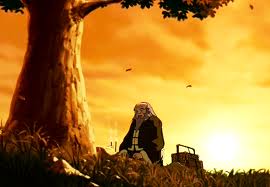
2 iroh2. “Tales Of Ba Sing Se” This second-season episode is really a series of vignettes about each major character. While the stories were amusing and presented interesting looks at the characters during quiet moments, the standout was Uncle Iroh’s tale. Throughout the series Iroh is shown to be a gentle, light-hearted, wise man who counsels Zuko and teaches his nephew right from wrong. In the story, Iroh travels solo around the city and humorously interacts with several citizens. At the end of the story, the mood changes dramatically as Iroh tearfully sings a song for his dead son during the anniversary of his son’s birthday.

1. “Sozin’s Comet, Part 4: Avatar Aang” This is the final episode of Avatar: The Last Airbender and it goes out in a blazing glory. Aang and his friends have a final battle with the avatar aangFire Nation and Fire Lord Ozai. The airbender embraces his destiny and mission and becomes a fully realized Avatar during his fateful, spectacular battle with Ozai. The animation was amazing, awe-inspiring and a bit frightening as viewers witnessed the true nature of an Avatar’s powers. Also many of the other characters confronted their enemies and most plot points were resolved except for one -what happened to Zuko’s mother; this seemed to tease viewers of another story (which was alluded to in the first episode of The Legend of Korra), which has yet to be told.

Waldermann Rivera

Star Wars: The Clone Wars Unveils Its Final Episodes

yoda anakin mace

The sixth and last season of Star Wars: The Clone Wars, entitled “The Lost Missions”, just premiered on Netflix. As the final season of the excellent series it’s a shortened one with 13 episodes as opposed to the usual 22. The purchase by Disney brought about the cancellation of the series and the creative team led by Dave Filoni has moved onto the upcoming series called Star Wars Rebels.

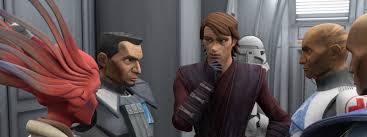
This sixth season has four story arcs which begin with a very interesting storyline about a clone trooper named Tup that suddenly attacks and kills his commanding Jedi general. His fellow clone trooper named Fives (Dee Bradley Baker) investigates anakinwhat caused this violent behavior and uncovers a conspiracy going back to the creation of the clone army in their birthplace planet Kamino and the Sith Lord Darth Sidious (Tim Curry). This story, as well as others in this season, lead directly to events in Star Wars Episode III: Revenge Of the Sith, which makes this season a very good send off for the show.

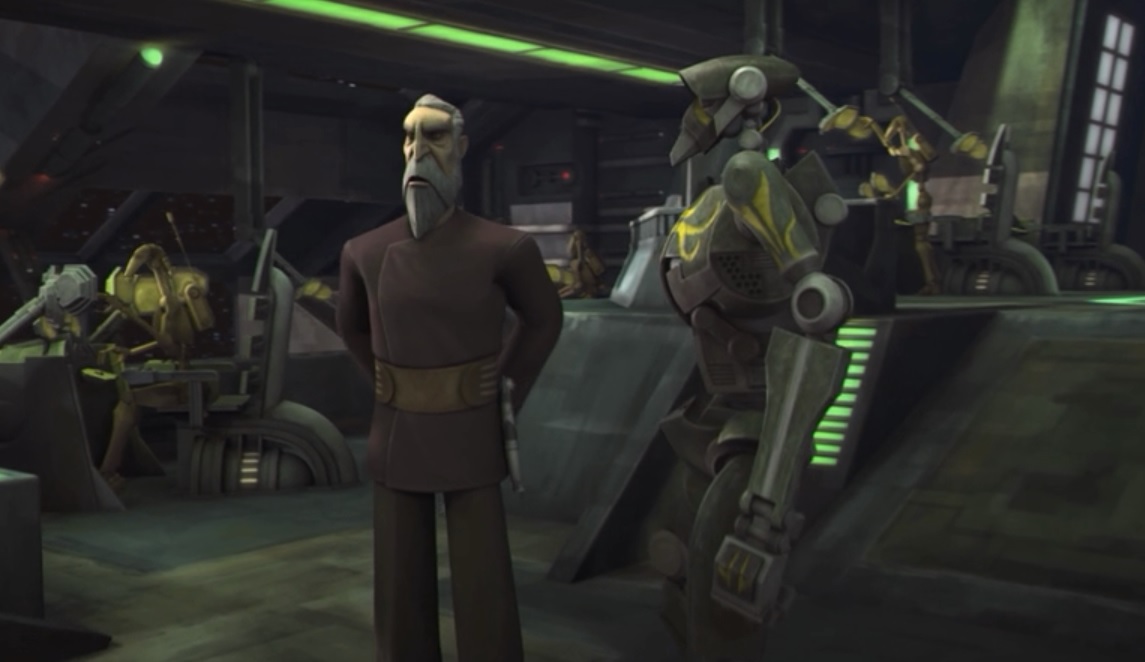
The next story arc involves Senator Padme Amidala (Catherine Taber) and an old flame named Clovis who gets involved with political intrigue involving the Banking Clan as well as Sith Lords Sidious and Count Dooku (Corey Burton). While this may not sound very exciting, these episodes actually show how Palpatine further consolidated his control over the Republic and also have both Anakin Skywalker (Matt Lanter) and Padme questioning the nature of their secret marriage.

dooku

The third story arc features everyone’s favorite Gungan Jar Jar Binks (Ahmed Best) and Jedi Knight Mace Windu (Terence ‘T.C.’ Carson) trying to solve a mystery involving a planet where its spiritual leaders are disappearing and dealing with a prophecy about darkness taking over the galaxy. These two episodes were good although not quite as significant to the overall story of the Clone Wars as compared to the other arcs.

The last batch of episodes deals with the Jedi trying to find out about the murdered Jedi Sifo-Dyas and Yoda (Tom Kane) being contacted from beyond the grave by Qui-Gon Jinn (Liam Neeson), who shows him how he can continue to exist after death. Qui-Gon has him travel to a world that is the origin of the Force itself and face his worst fears. This references a scene in Revenge of the Sith where Yoda tells Obi-Wan Kenobi that he has discovered the secret of existing in the Force after death. It is a great way for Star Wars: The Clone Wars to end, with Yoda knowing that while the Clone Wars may end badly, there will be a way for the Jedi to continue on.

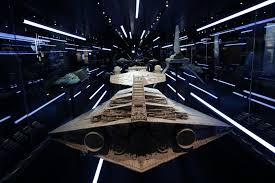
destroyerStar Wars: The Clone Wars was in the middle of production when it was cancelled, but the last season is one of the strongest in the series. The quality of these episodes shows that even at the end the writers still came up with very interesting ideas and perhaps the shortened run prevented any weaker episodes from coming up. Overall, Star Wars: The Clone Wars will go down as first rate Star Wars action and drama that did justice to its cinematic counterparts. Hopefully the upcoming Star Wars Rebels series will continue this trend.

C.S. Link