


Despite the success of the New 52 comic books from DC Entertainment’s DC Comics division, I’m still not seeing an ability by TPTB to consolidate their superhero properties into one source material. I’m a lifelong comic book fan, with a professional background in branding and licensing. I look at superhero properties not only as a fan but also as a brand manager. Here are a few problems I still see superhero companies like Marvel and DC struggling with:
1) Superhero properties must be cross referenced and cross compatible. There isn’t one clear, solid mass consolidation of the characters across all major media- film, TV, video games, animated series and their related merchandising ventures. This goes for DC, Marvel and, to a certain degree, other comic book companies who overextend their properties. I think they’re taking the wrong approach. This is brand management failure in the making. By that I mean that there are too many versions and variants of characters and their costumes and storylines and it dilutes the core characters. At DC, they have a big problem: Why isn’t Superman’s costume and storyline from the regular comic books seamlessly tied into the 90’s Superman Animated Series, the CW’s Smallvile, DC Universe Online game and the new upcoming Superman movie? BTW, the next Superman movie has no relation with the past films, and is being produced as a relaunch/remake because Superman Returns wasn’t a big hit. Noticing how The Dark Knight made more money, Warner Bros. want the new Superman movie to be “darker.” Unfortunately, they are all standalone, independent works with no consideration on how any one of these iterations relate to each other.
Footnote: DC Comics editorial, Superman writer Geoff Johns and artist Gary Frank superbly consolidated elements of the Superman movies and his past comic book iterations. Frank was allowed to illustrate Superman in the likeness of the late Christopher Reeve; the crystalline Krypton- designed for director Richard Donner’s Superman by brilliant production designer John Barry, was incorporated into comic book Kyptonian architecture. The movie’s three Kryptonian villains (General Zod, Ursa and Non) finally appeared in the comic books. While General Zod originated in the ’50s comics, Ursa and Non were created for the movies. It was Johns’ inspired idea to suggest they include all Kryptonian costumes designed by all comic book artists from the ’40s to present time, explaining that Krypton’s fashion was as diverse as Earth’s and what Kryptonians wore depended on their guild. Kryptonian fashion illustrated by John Byrne, Curt Swan, Gene Ha and from the films were all finally intermixed successfully. With the relaunch it’s unknown if they’ll keep that Kryptonian integration.
2) Too many %^$#**&$@ iterations of one character. Marvel suffers from this with all their properties. How many Wolverine comics are out there? There’s a title called Dark Wolverine and it’s not even the regular version of the character.  And Logan once a proud loner is now in a whole bunch of teams! (Previously, he joined only the X-Men, that was the charm of it!) My question is: How does the comic book relate to the ’90s X-Men animated series, or 20th Century Fox’s X-Men movies, multiple X-Men video games, and other animated series? And now that’s happened with Spider-Man (the underdog loner) and all his different costumes. And let’s not forget there are two different Marvel Universes- the mainstream Marvel Universe and the Ultimate Universe. I know the reason behind it- sales and profits. Spider-Man and Wolverine are fan favorites. Marketing execs must love these infinite variations of the popular Marvel character since they can sell more comic books and toys, but it is confusing and turns away new readers.
3) Cost prohibitive and time prohibitive story lines. I go across comic book aisles and see special event comics and multiple tie-ins and special issues (Blackest Night, Secret Invasion, DC’s numerous Crisis events and tie ins) and it turns me away. It’s unaffordable! It seems as if the larger companies are targeting upper middle class and upper class readers because the average fan cannot afford to buy so many comics just to get a complete story.
4) DC needs to scale back the amount of comics even more per month. Until the New 52, each month DC put out 52 regular titles, plus many four- and twelve- issue miniseries, and event comics for the tie ins and TBPs. Now they relaunced the DC Universe and cut back the number of monthly comic books to just 52. But it’s still too many comics to afford at $2.99 or $3.99 for each comic book. To read the full interrelaed story, the average buyer needs to spend $150 a month, and that’s for the New 52 comics alone! What about your favorite comics from Marvel, Dark Horse, IDW, or Dynamite? But even if the prices were lower the bottom line is that the average fan doesn’t have time to read every single monthly comic book that comes out per month. It’s impossible. We have to pick and choose what we read and often it feels like we aren’t getting the full experience because no one is picking up every single tie-in. This was a problem when the comic book companies flooded the marketplace with too many titles and eventually everything imploded as a backlash from the speculator boom and the industry still hasn’t recovered from that. Back in the ’60s Marvel had a very manageable lineup with about twelve titles per month. It was easy for readers to jump aboard, experience the full Marvel Universe and not feel overwhelmed. Remember the adage, less is more!
5) Superhero costumes need to be consistent to maintain strong branding. Getting back to the New 52, one big example of this problem is the Superman outfit. In Zach Snyder’s upcoming film, the colors are way off; it looks 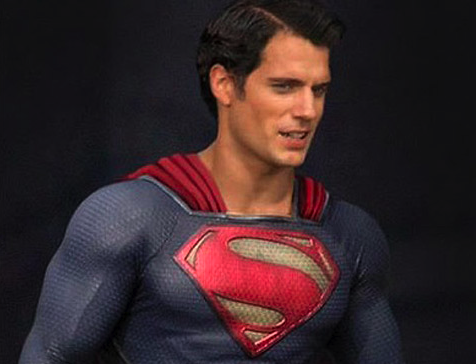 bluish grey with red violet and no red trunks. In the New 52 comic books, the costume has the right red and blue colors, but no red trunks, just a red belt. And a collar, which seems to be a superhero prerequisite in DC’s New 52. Superman’s outfit is still not consistent from one medium to another. Unfortunately the producers of the new Superman movie, and DC Entertainment clearly didn’t want the classic costume meaning the costume differs from the one Supes wears in the New 52. The result is that already many fans aren’t happy. The same thing happened with Green Lantern. They made a choice with the film to have the costume appear organic and that was fine, it worked. But they should’ve used that costume when they rebooted the New 52 Green Lantern comic book. As a matter of fact, many fans expected they would do that, and were disappointed. DC had the perfect chance and pretext last month with the relaunches to do this but they didn’t. They need to realize that the movie medium is the strongest medium and should be the strongest point of reference.
6) Superhero Genre: We need to understand that superheroes aren’t a medium they are a genre that spans several media. This was proven back in the ’40s when Superman became a radio star and ceased to be confined to the comic book medium. What should be done is to just pick the version that is most popular, whether they be the movie version or the comic book version. In other words, all media should be cross-referenced to be compatible, with the highest priority given to the look of the costumes. This doesn’t mean that story isn’t important but comic books are more of a visual medium so the costume and visuals can’t be screwed up.
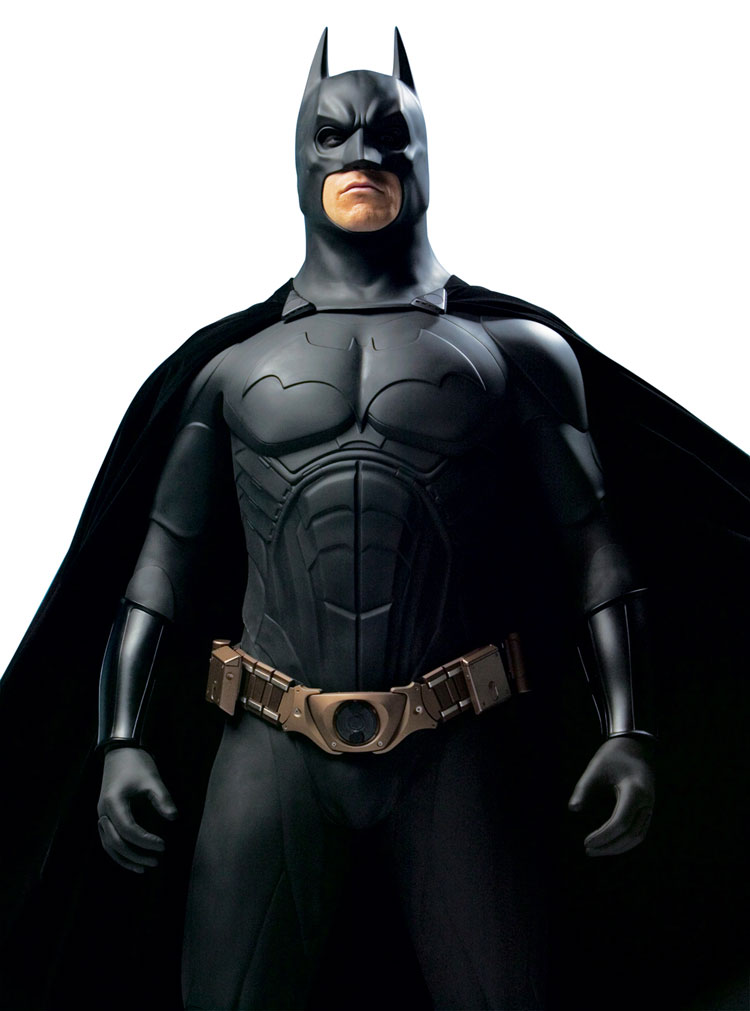
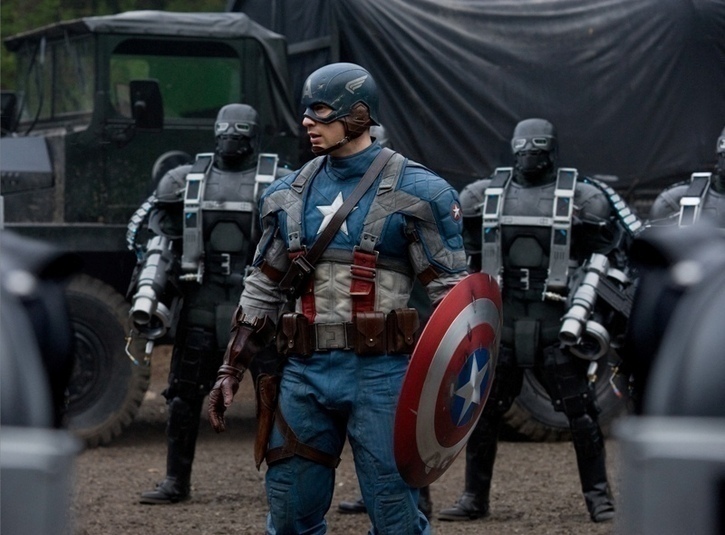
7) Executive-level decision mass consolidation of the characters and stories across all major mediums. This has to come from the top execs of WB and Disney sending directives to DC Entertainment and Marvel respectively. For example, the likeness of an actor portraying the superhero or villain should be used in the comics, toys, etc. This can be expensive in terms of royalty but it just means they need to better negotiate this when coming up with the contract.
8 )Power to the (fans and consumer) people! Another thing the companies can do is have some kind of fan base council (with power and influence) that report to the big guns as to what is popular and what isn’t based on direct feedback from fans who can provide comments or answer polls. This will help bring about the highest level of consumer satisfaction.
9) Price and online incentives: The price of a paper copy New 52 comic is the same as it is with the digital copy. The digital copy has no enhanced features. Why not? DC is missing out on a huge online opportunity: Incentives for digital comics could be online content like official character websites, commentary, videos, etc. Senior level direction is needed to map out where everything is in terms of the characters’ bios. Online charts and maps should be provided to help new readers understand what is going on, draw them in and appreciate any character’s rich history.
Conclusion:
There has to be one pure version of the property, and looking at this from a branding perspective, the property is still muddled. The standalone, independent business model that superhero companies are following is a bad idea. Their properties must be cross-referenced and cross compatible for all mediums, and whichever company has the guts to carry out this properly will win in the long run.
GEO
Visit GEO’s websites:
http://geo-designs.deviantart.com/
and
http://www.coroflot.com/geodesigns






 Starloggers