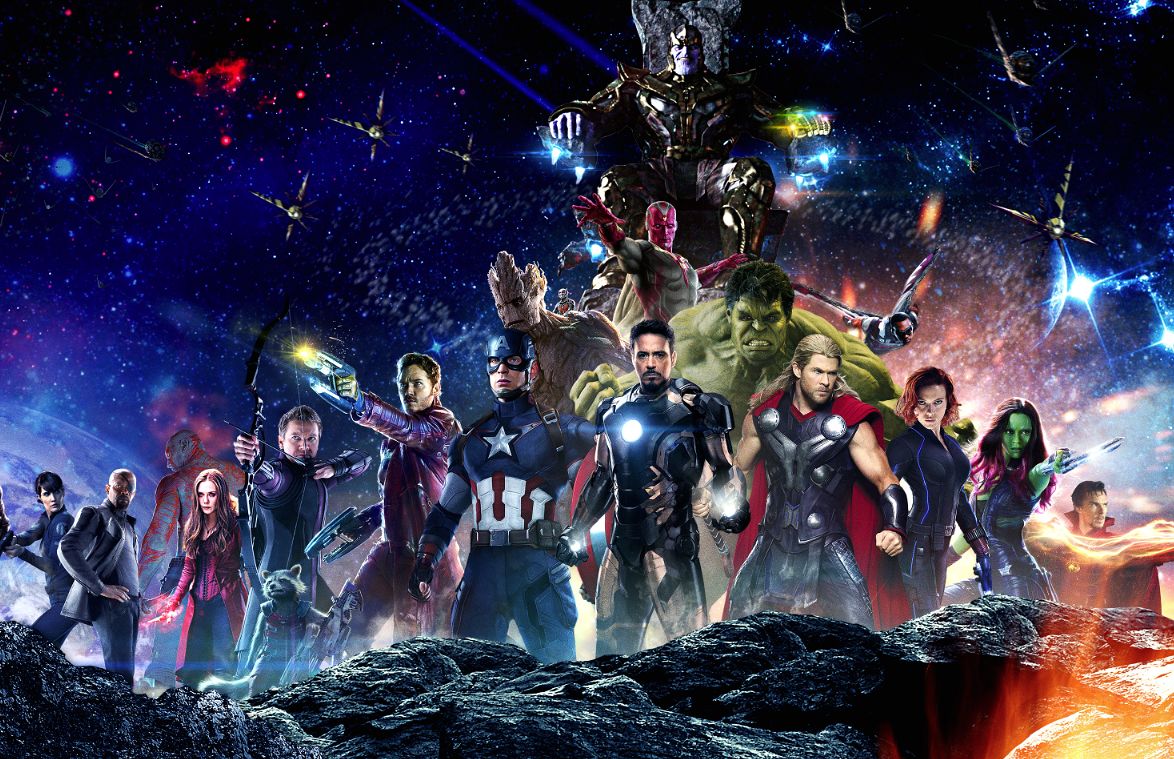
10 MCU Films To See Before Avengers: Infinity War

We’re all excited to see Avengers: Infinity War, the culmination of the ten-year-old Marvel Cinematic Universe (MCU). But some of us haven’t seen all the films, or are dragging along a significant other to the theater who doesn’t know Iron Man from Captain America.

The dilemma? There are 18 MCU films and so little time to see them all before Avengers: Infinity War premieres. So which films do we need to watch before seeing Avengers: Infinity War? After all, not all the MCU films are relevant to the coming epic film.
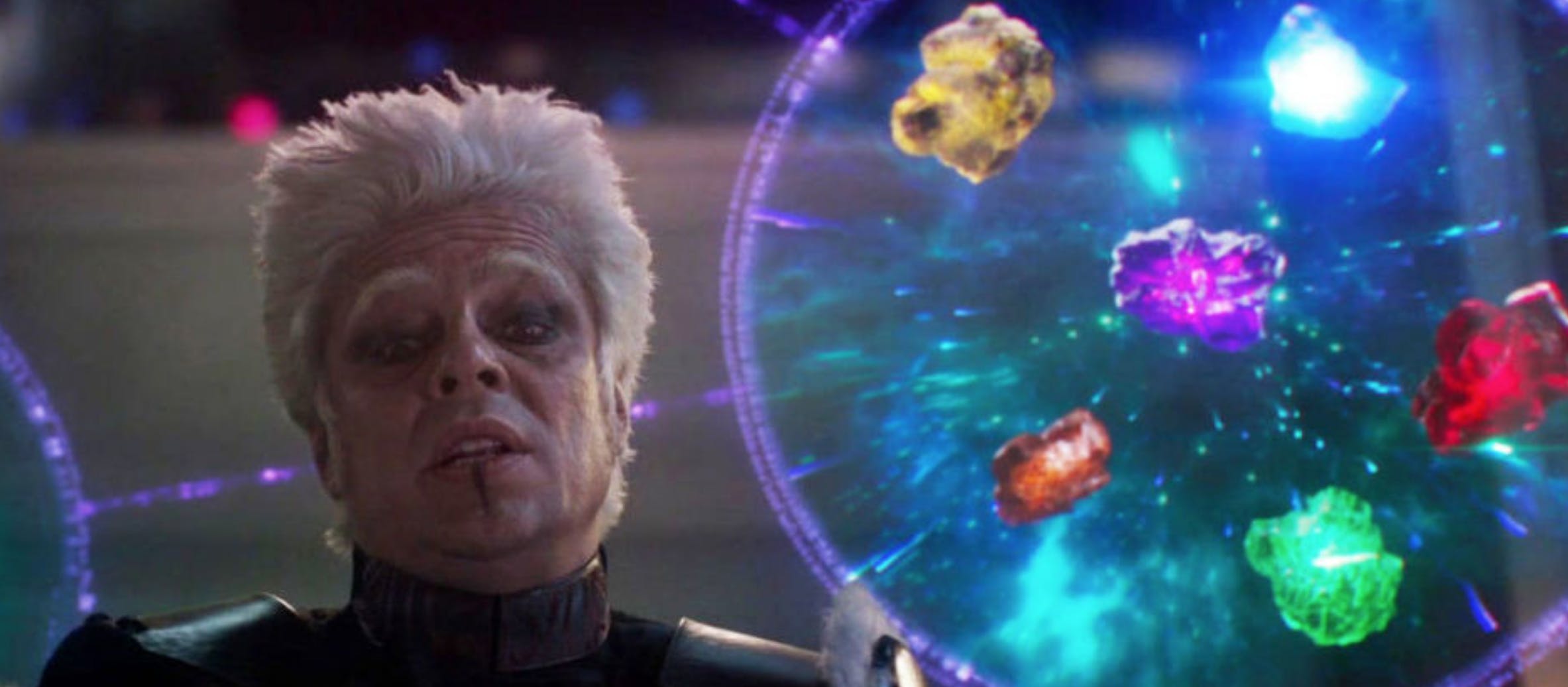
collector and stones

Listed below in alphabetical order are ten MCU films to see before Avengers: Infinity War that are essential for understanding the film-spanning saga. Keep in mind that not all the films are the best in quality but have important ties to the Infinity War saga. Some spoilers follow.
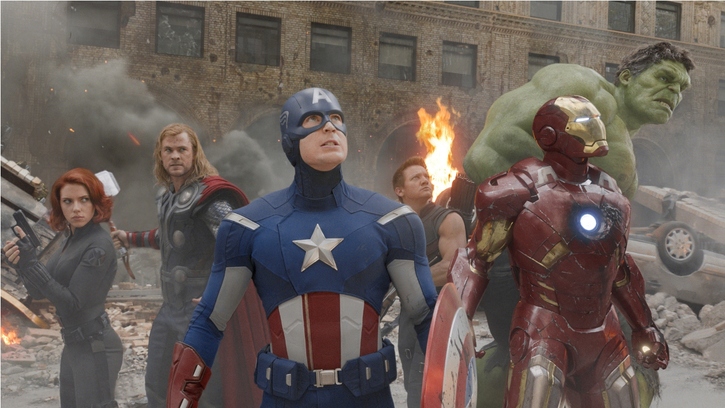
Avengers

The Avengers (2012):

It makes sense to see the very first Avengers film. The superhero team gathers together for the first time to combat Loki, who threatened the world. The Avengers has the first appearance of the Mind Stone, one of the Infinity Stones, which was used by Loki. It also prominently features the Tesseract, aka the Space Stone, also used by Loki to transport invading alien armies to Earth.

More importantly, the post-credits scene of The Avengers introduces us to Thanos, the looming threat throughout the MCU from that point on. Overall, the first Avengers film takes the first steps to set up Phase Two and Three of the MCU, which culminates with Avengers: Infinity War.

Avengers: Age of Ultron (2015):

The sequel to The Avengers was somewhat disappointing with one of its flaws being its shoehorned tie-ins to the Infinity War saga. Two of the Avengers (Thor and Iron Man) have prophetic visions about the Infinity Stones and Earth being imperiled.

This leads to Thor leaving the team (and Earth) to learn more about the Stones while Iron Man becomes even more obsessed with protecting the world. His actions from that point are responsible for creating the film’s villain, Ultron, and the newest Avenger, Vision, one of the major characters in the third Avengers film. The Mind Stone, which was in Loki’s staff from The Avengers, is later imbedded into Vision.
black panther at wakanda

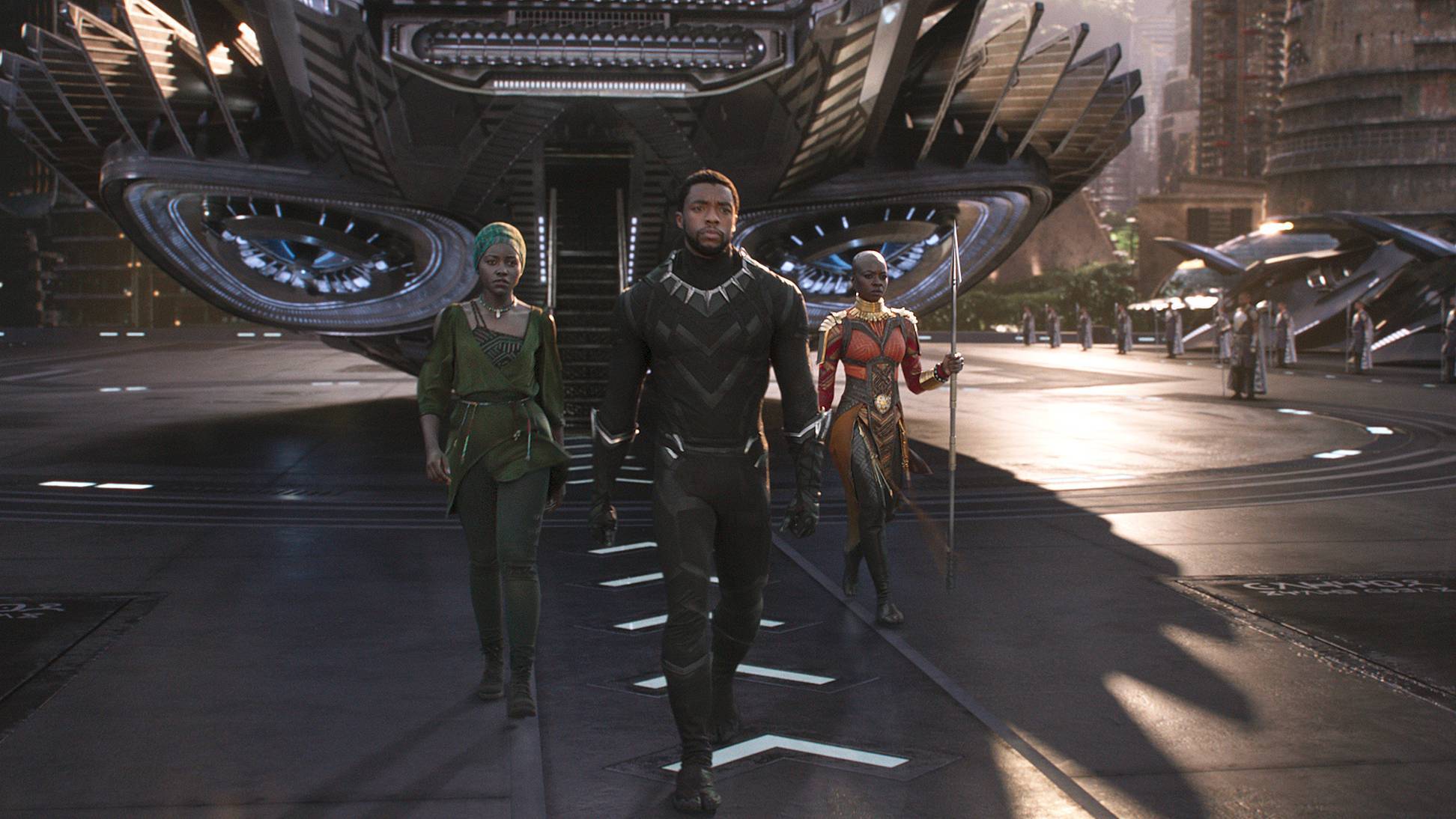
Black Panther (2018):

No Infinity Stones are seen or mentioned in the recent box-office phenomenon, but Black Panther properly introduces audiences to the wondrous African kingdom of Wakanda, a major setting in Avengers: Infinity War. As we have seen in the trailers for the film, it appears that the climax takes place in Wakanda as our heroes take a last stand against Thanos and his forces.

Black Panther also introduces us to major players in Avengers: Infinity War, namely Shuri and Okoye. Shuri with her technical prowess and Okoye being a mighty warrior have been shown in the trailers to being essential to the film’s story.
Captain america civil war team cap

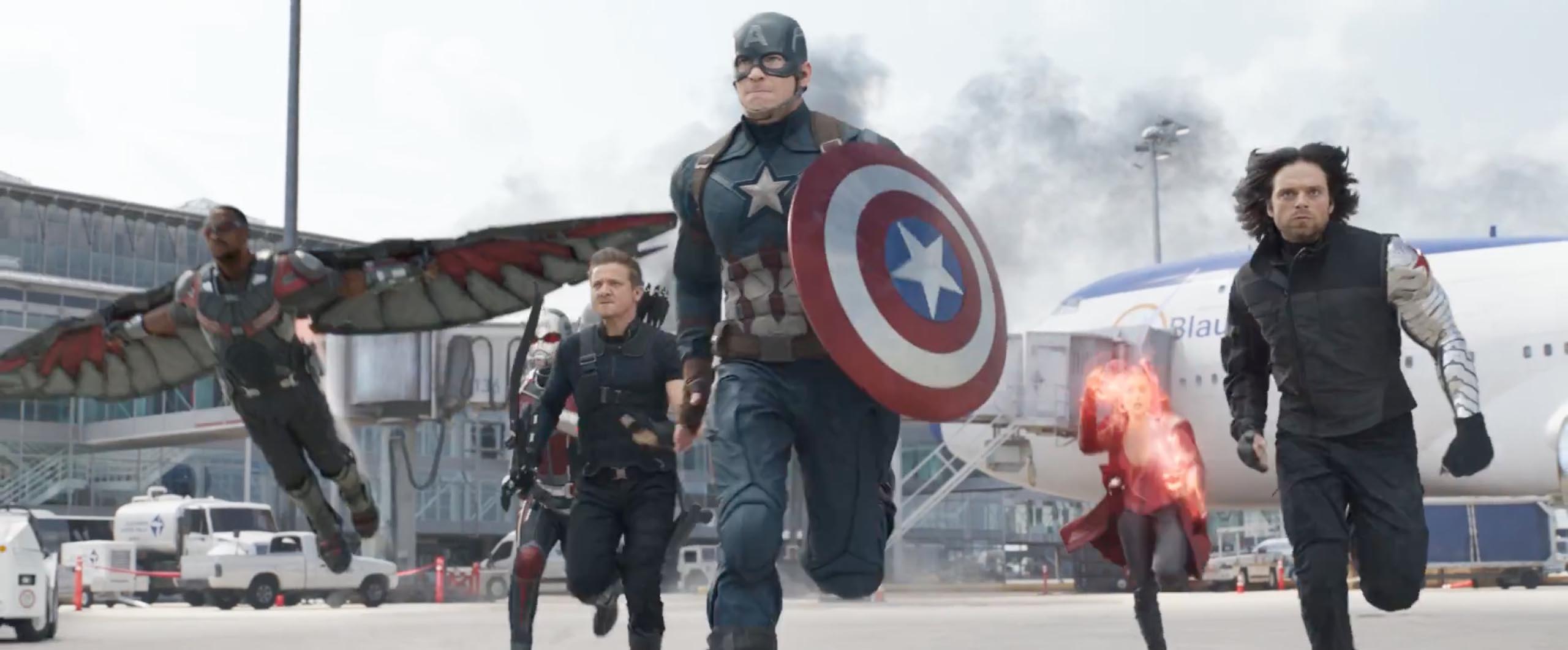
Captain America: Civil War (2016):

As with Black Panther, the third Captain America film does not feature the Infinity Stones, but is very important to the Infinity War saga. Chiefly, it sets up the characters’ situations for Avengers: Infinity War. The Avengers break apart due to the events in Captain America: Civil War, which leaves the team(s) weakened and Earth vulnerable.

The third Captain America film (sometimes described as Avengers 2.5 with all the appearances of the Avengers) also introduces two important characters in the MCU and the Infinity War saga, Black Panther and Spider-Man. These new breakout heroes could also be seen as the ones to carry the torch for new versions of the Avengers after the dust settles in Avengers: Infinity War.
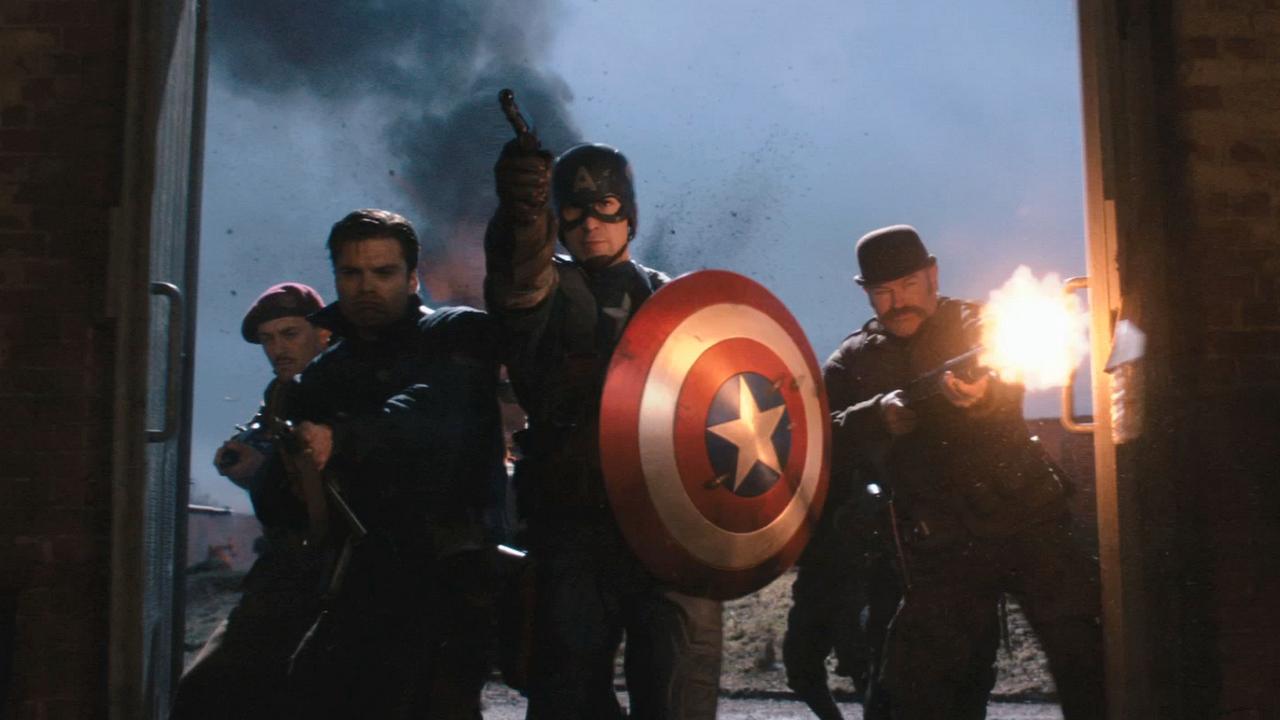
Captain America: The First Avenger (2011):

The first solo film of the MCU’s most popular superhero not only introduces the star-spangled Avenger, but the first Infinity Stone onscreen: the Space Stone, which is inside the cubical Tesseract. Technically, the Tesseract was first seen briefly in a post-credit scene in Thor, but here the object is fully fleshed out.

It was used by the Red Skull to wreck havoc in Europe during World War II. In the first appearance of an Infinity Stone, it was also the first time that these stones were weaponized. Its true power was barely tapped in Captain America: The First Avenger as its full potential was shown in The Avengers.
Continue reading

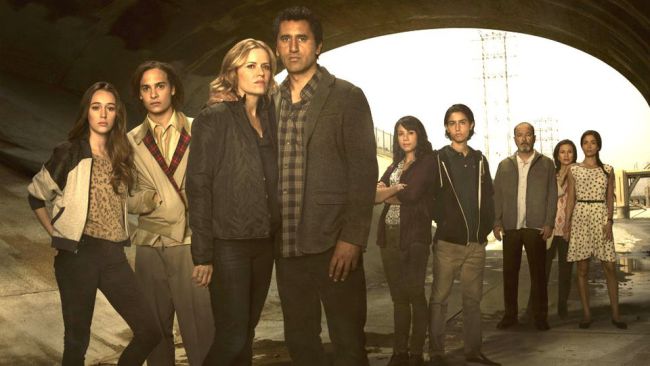
One Reason Why Fear The Walking Dead Failed

The bloom is off the rose for The Walking Dead as a franchise while ratings continue to slide. But the franchise is in even more dire straits when considering its spinoff, Fear the Walking Dead, which is a failure. The fourth season begins this weekend and the marketing is hyping up that it will feature a crossover with the addition of Morgan (Lennie James) from The Walking Dead. Ages ago, that would have created intense online activity among fans, but there is hardly any buzz going on about the show and its latest developments. The ratings are anemic, especially when compared to its sister series.

There are many reasons for why the spinoff has been poorly received and they are valid. They include unlikeable characters, uninteresting scripts and a failure to reproduce the tension and thrills of the classic seasons of The Walking Dead. Keeping that in mind, there is one main reason why Fear the Walking Dead does not work and it is because it fails as a proper prequel.

The justification for prequels is that they are supposed to help explain the story and characters of the main source. They go into the background of established characters and embellish them and their world.  Like them or not, the Star Wars prequels are excellent examples. Sure they’re derided but they accomplished the goal of delving into the history of Darth Vader and the fall of the Galactic Republic, which were events not shown in the original trilogy.

When it was first announced, it was accepted that Fear the Walking Dead would not examine the backgrounds of the famous characters in The Walking Dead. So Daryl Dixon’s mysterious backstory would remain obscure and any insights into the main characters would only exist as flashback sequences. Instead the prequel would focus on all-new characters in a different locale in a different time.

When Fear the Walking Dead first premiered, there was hope that an explanation would be given for why the dead were reanimating into mindless flesheaters. People wanted to see how civilization actually collapsed, which had already occurred by the time Rick Grimes woke up from his coma and met Morgan in the pilot of The Walking Dead.

But that did not happen with this prequel series. After some dull early episodes that did not give us any answers about the walkers, the show took a time jump to a point where society already disappeared. This left the show looking too much like The Walking Dead as it copied its premise: a bunch of survivors in a post-apocalyptic world full of the undead, only badly done.

Frankly, we get that already in The Walking Dead. Why bother watching Fear the Walking Dead if it only offers the same thing, but less compelling? The prequel is not different enough to justify its existence, which is why it has largely been abandoned by the dwindling fans. Thinking about it, the prequel’s existence can be thought of when the original show started its decline. It could have gone another route if creator Robert Kirkman allowed some kind of explanation for the walker outbreak. But that is not going to happen and despite Morgan’s addition to the castt, it is probably too late to salvage it and the showrunners should concentrate on the original show.


The Golden Age of Sci-Fi TV

In the previous post, a review of Altered Carbon, it was stated that we are living through the Golden Age of Sci-Fi TV. That may be a bit of hyperbole to some, but with all the quality science fiction TV shows out now or coming soon, it cannot be denied.

Not too long ago, sci-fi TV shows were the laughing stock of television land. Of course, there were the few classic nuggets like Star Trek and The Twilight Zone, which showed the potential of high-quality science fiction tales in the TV medium. However, most sci-fi TV shows were at best pedestrian or at worst embarrassing. Galactica 1980, anyone? Most of these shows had zero budgets, which made them look cheap and amateurish. Having a high budget is critical for many sci-fi programs, but not vital. What crippled many of these shows were the lack of faith from networks and the showrunners themselves who treated their shows like children’s fare and did not take them seriously.

Whenever a science fiction TV show that showed promise debuted, TV networks living by the ratings dogma were too quick to cancel them. The television graveyard of stillborn TV shows is littered with diamonds-in-the-rough like the original Battlestar Galactica, Alien Nation, and Space: Above and Beyond. It was an anomaly to see a genuinely good sci-fi TV show thrive in the competitive television landscape.

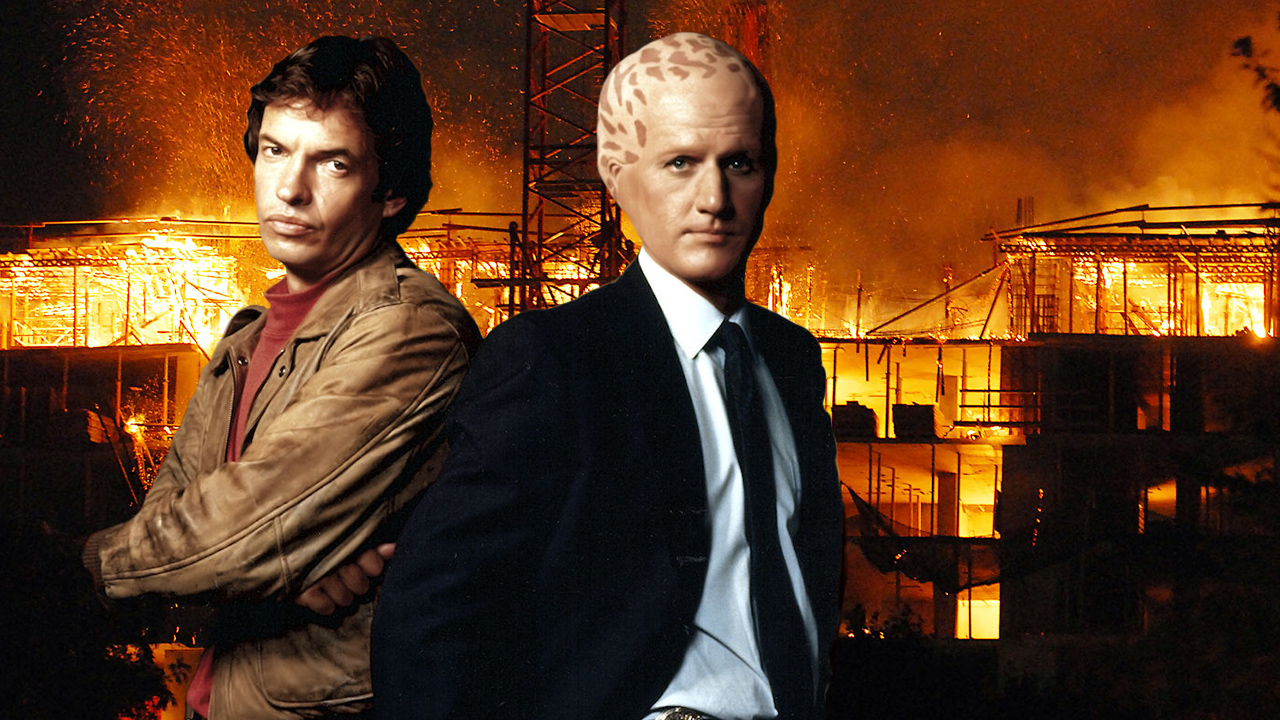
alien nationEven with the Sci-Fi Channel (now known as Syfy), high-quality science fiction TV shows could barely be found. Think about that, a cable network supposedly dedicated to this genre had a spotty record for airing good, original sci-fi television. Yes, the channel did air re-runs of past classics, but when it came to original programming, Syfy usually failed. In short, the genre was not respected by studios and the general public.

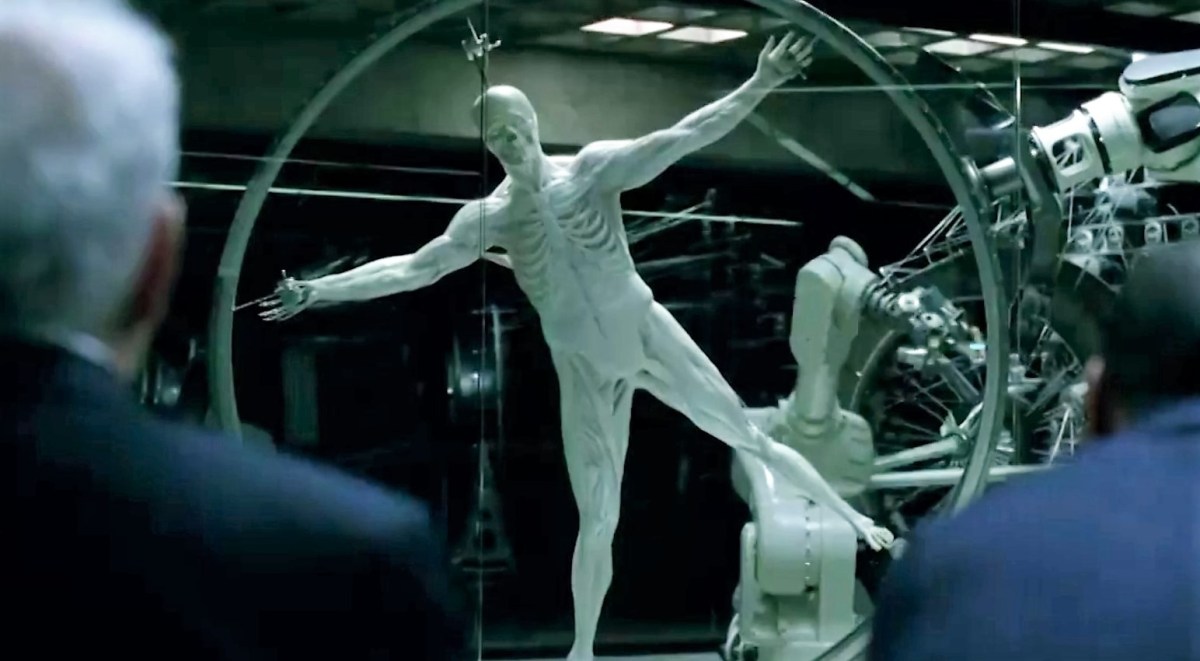
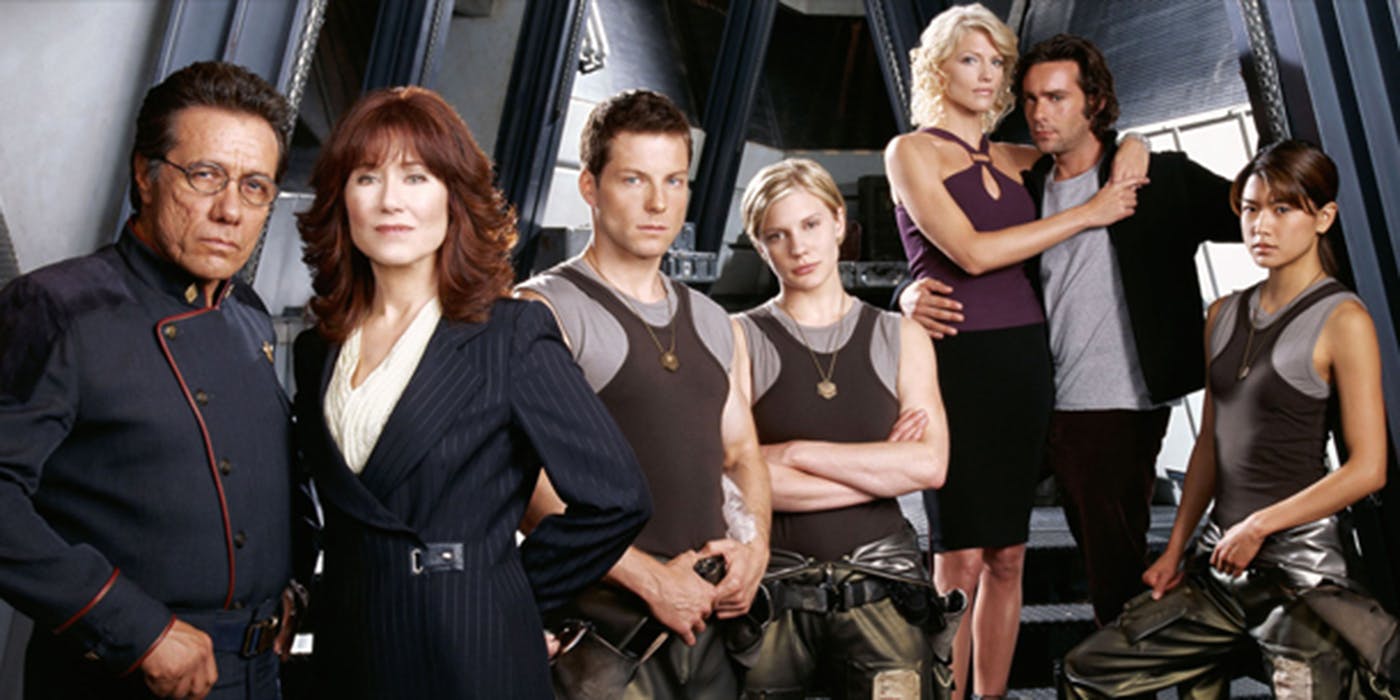
Thankfully, all that has changed. It didn’t happen overnight and it was a series of baby steps, but now science fiction is a viable and respected genre in television. This turnaround came with the success of the Star Trek spinoffs. Then in the 1990s, The X-Files, the paranormal thriller about aliens and other ghoulies became a bonafide hit and a cultural phenomenon. Other shows in the 1990s and the 2000s made their impact like Babylon 5, Syfy’s Battlestar Galactica reboot, Farscape, Doctor Who (which came back after being cancelled in the 1980s), Fringe and Lost (which won an Emmy for Outstanding Drama Series).Battlestar-Galactica-2003-Cast-PictureToday, there are more and more science fiction TV shows competing for our attention and ratings. There are still the goofy TV shows and guilty pleasures but it has gotten to the point that we can pick and choose what to watch as the threshold for quality has increased tenfold. Just look at what is coming out next month: The Expanse (in its third season), the critically acclaimed Westworld, a new version of Lost in Space that looks stunning, and The Handmaid’s Tale. The latter show also won the Primetime Emmy Award for Outstanding Drama Series, and as much as we complain about science fiction films not ever winning an Oscar for Best Picture (though The Shape of Water can be arguably science fiction), it is refreshing to see the genre recognized for excellence. What has brought about this reverence has been the stellar quality of the scripts, production design, directing, FX and acting.Handmaid's TaleThe success and acclaim for Westworld and The Handmaid’s Tale, among others, shows how respected science fiction has become on TV. These TV shows like The Handmaid’s Tale are resonating with viewers who can relate to the themes and characters that shine through the fantastical trappings. This is why we fans are living through a Golden Age of Sci-Fi TV , let’s hope it lasts for a long time.

Lewis T. Grove


The State Of Two Cinematic Universes: MCU & DCEU

This past week the news involving the two big superhero film universes perfectly illustrated their states. For the Marvel Cinematic Universe (MCU) it seems clear that they can do no wrong. This is based solely on the astronomic success of its latest film Black Panther. Meanwhile, over at the DC Extended Universe (DCEU), the woes continues with the latest news that Joss Whedon is no longer involved with a proposed Batgirl film.

So why are the states of both cinematic universes so vastly different? Both have popular superheroes and their films have tremendous talent creating the films. But why is the MCU so popular while the DCEU is looking more and more like the JV squad? Well, it’s not easy to pinpoint the success and failures of both universes but there are some factors. Let’s go over them.

MCU

One advantage Marvel Studios and the MCU had over Warner Bros. and DC was simply a head start. The MCU began in earnest ten years ago with Iron Man. That film featured a well known, but not very popular, superhero. Marvel Studios did not have the luxury of having their early films star Marvel Comics’ headliners like Spider-Man and the X-Men. With this handicap, Marvel Studios was forced to focus on the character of Iron Man and it worked. But that was not all, at the end of the film, there was the famous Nick Fury tease that signaled the existence in the film of a larger universe. This excited fans and set the groundwork for a viable cinematic universe.

Each film in the MCU has organic (usually) references to other Marvel properties that helped create excitement for future films even if the current one was a disappointment. It also helped that each film in the MCU is distinctly different (for the most part) from the other. They ranged from standard science-based superhero yarns (the Iron Man films, The Incredible Hulk), political thrillers (Captain America: The Winter Soldier), period pieces (Captain America: The First Avenger), Star Wars-like space adventures (Guardians of the Galaxy), quirky, comical heist capers (Ant-Man), supernatural tales (Doctor Strange), stories set in fantastic locations (the Thor films), cultural milestones (Black Panther), and good ol’ superhero epics (the Avengers films). By being so versatile the MCU never seems to run out steam or stories to tell. Granted, the films have their faults like subpar villains, which are just dark versions of the main heroes, but the focus on character and stories made the MCU so successful.

Black Panther and MCU

There is also one other important factor that the MCU has and that is Kevin Feige, the head of Marvel Studios and the filmmaking version of Phil Jackson. He masterfully and carefully guided each film to tremendous success. His vision for the MCU and ability to carry it out is a big reason for the upbeat state of the MCU. Will they falter? Of course, in fact, the MCU has had some genuine stinkers like Iron Man 2, but it has been able to quickly recover. Right now, Marvel is on a hot streak that has been going on for several years now and the future looks terrific with upcoming and hotly awaited films like Avengers: Infinity War, Ant-Man and the Wasp, Captain Marvel and of course a sequel to Black Panther. Hopefully this streak will last for years to come.

Continue reading

Star Trek: Discovery – A First Season Review

Ordinarily, when reviewing TV shows, I would watch 4 to 6 episodes to get a good feel for the program. With Star Trek: Discovery, I decided to wait until it concluded its first season before doing a review because I honestly could not decide how I felt about it. This latest Star Trek spinoff has been the most difficult to form an opinion about. It has many commendable features, yet there are so many aspects about it that misfires so badly, that we have to wonder if the creators behind this spinoff understand Star Trek at all. Major spoilers will follow.

Star Trek: Discovery takes place in the 2250s, which makes it a prequel to the original Star Trek. Then again it does not feel like a prequel but more like a remake. Naturally, it does not recreate the mood and production of the original because it would have been laughed off and this is part of the reason why it is so controversial with fans. Overall, this show has to be accepted as a remake rather than a reboot because there are many attempts to stick to canon and some elements established in the original Prime timeline, such as numerous Easter eggs, references and sound effects. On the other hand, they’re not always consistent with sticking to canon, which can be irritating. But once you put aside these feelings about this latest Star Trek spinoff, it becomes easier to watch.

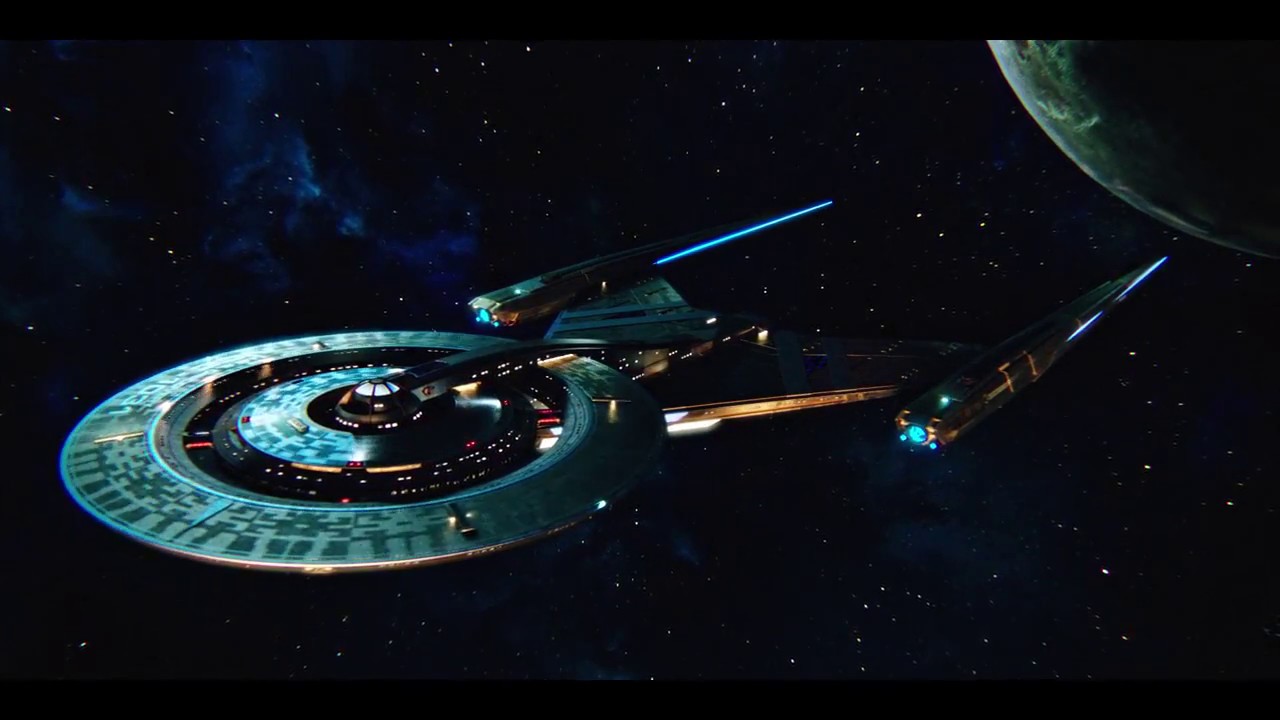
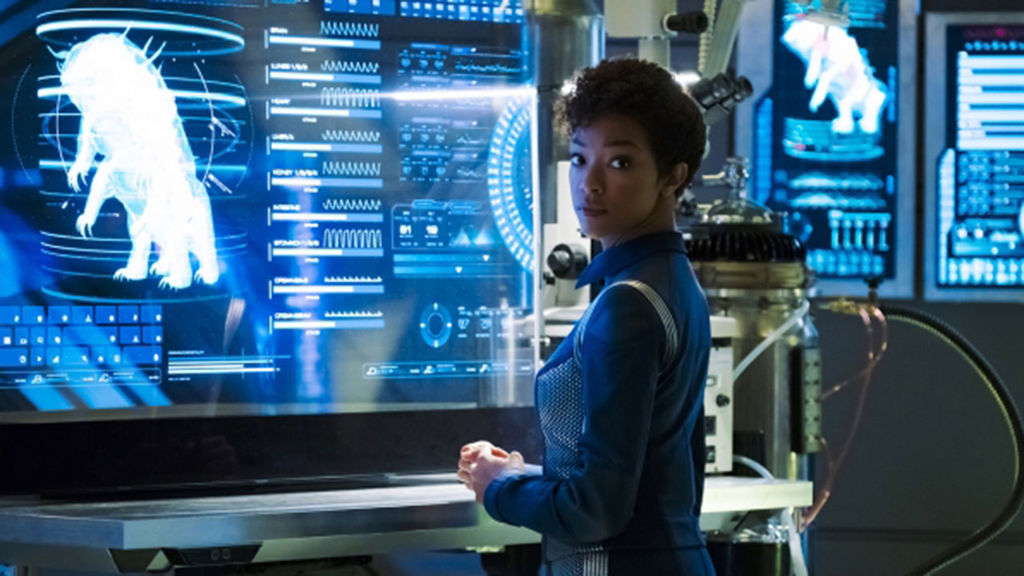
Star Trek: Discovery is updated to today’s standards in terms of special effects, set design and writing. The entire show is beautifully executed and each episode feels more like a feature-length film than a TV show. While this is welcome, at times the creators went too far in reimagining Gene Roddenberry’s futuristic universe. A case in point is the unnecessary re-do of the Klingons, the show’s main enemy race. The poor actors portraying the Klingons seem to be drowning under all the heavy makeup and wardrobe and we have to wonder why the showrunners thought this was an improvement over the perfected Klingon look seen in the other spinoffs and films. Be that as it may, the subtle updating of other alien races like the Andorians and the Tellarites are executed well.

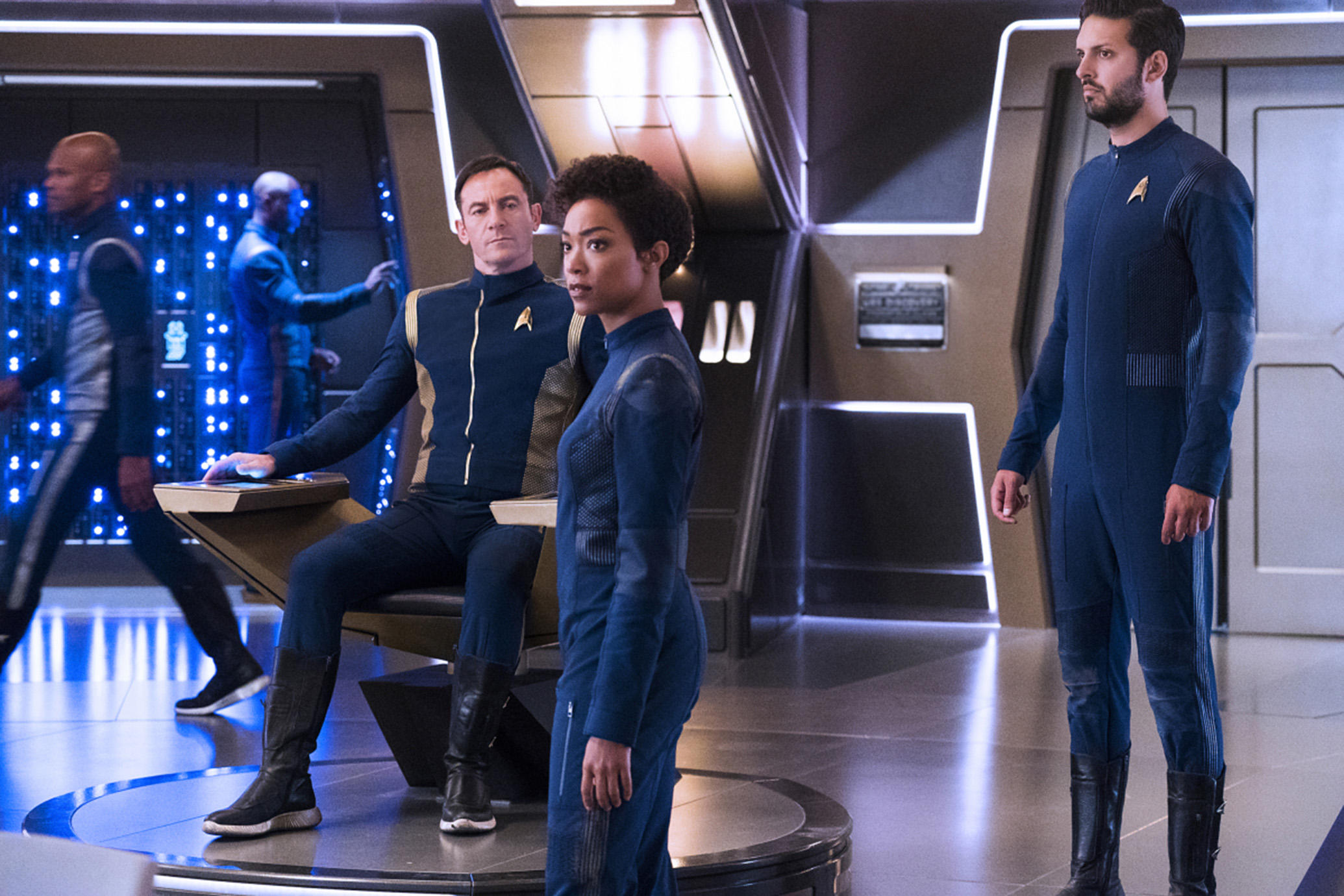
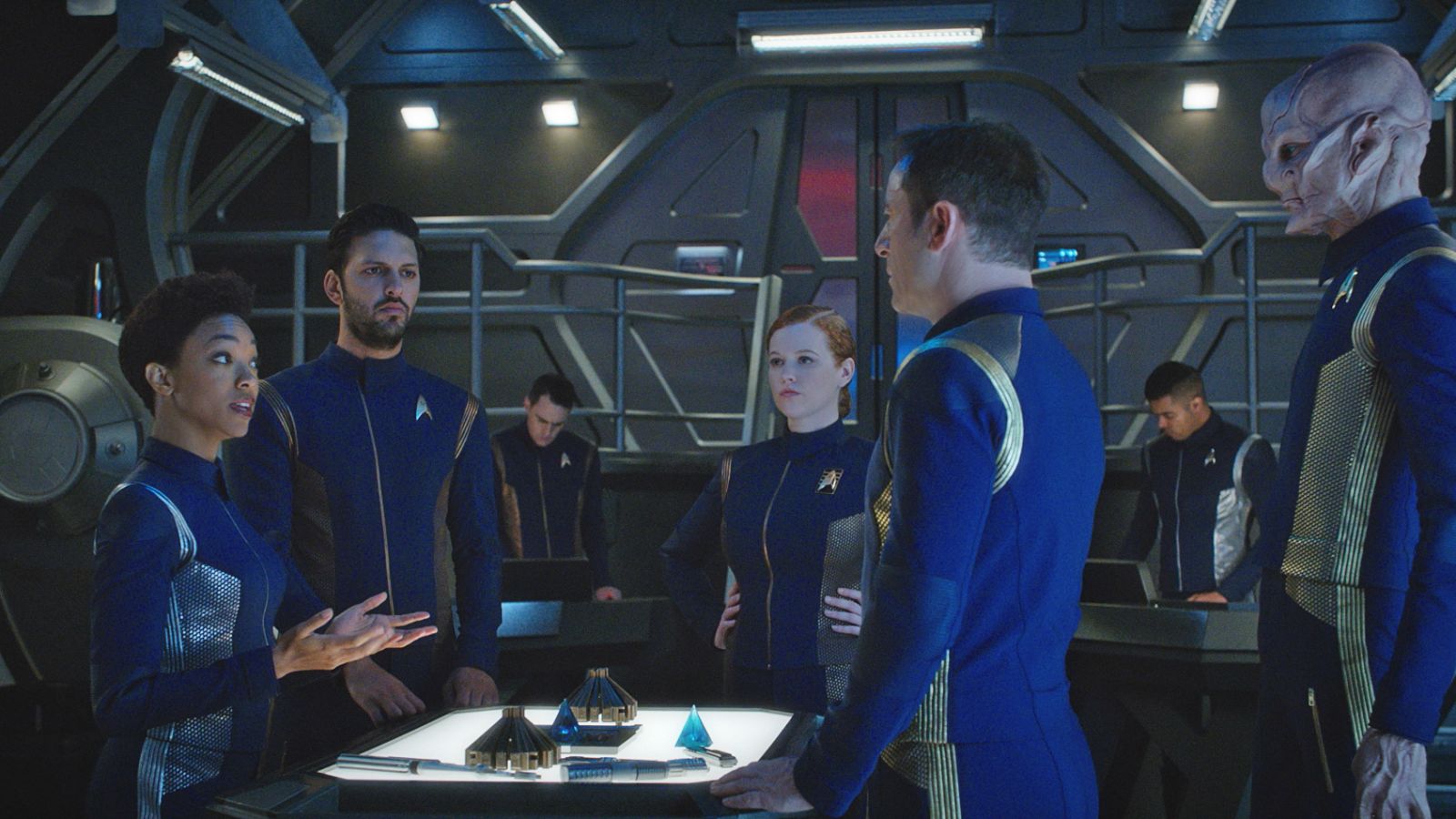
The Star Trek spinoff follows the story of Michael Burnham (Sonequa Martin-Green), a former first officer who mutinied against her captain and was jailed. Her actions helped spark a war between the Klingons and the United Federation of Planets and most of the first season is devoted to this storyline and her redemption. Burnham is freed by the captain of the U.S.S. Discovery, Gabriel Lorca (Jason Isaacs), and enlists her to his crew for some ulterior motive. He assigns her to aid the ship’s science officer Lt. Paul Stamets (Anthony Rapp) and find a way to utilize an experimental spore drive being tested on the Discovery to win the war against the Klingons. Eventually this results in Stamets using himself as a conduit for the spore drive, which allows the ship to instantaneously travel anywhere.Even though Burnham is the main protagonist, Lorca has emerged as the most fascinating character thanks in part to Isaacs’ exemplary acting and the way he is written. Lorca was introduced as a mysterious, and unusually brutal commander who was obsessed with winning the war. He was not above tossing aside ethics to get the job done, and pushing people beyond their limit, yet he was a capable commander. But in the second half of the season, the Discovery wound up in the Mirror Universe where humans are evil and it was revealed that Lorca himself came from this reality. This confirmed many suspicions that fans had but in the end, this development was a disservice to Lorca who became a moustache-twirling villain and unremarkable. Hopefully, some way can be found to return some version of Lorca in the second season.Therein lies the fault and strength of Star Trek: Discovery and this is typical of its conflicting nature. Some characters are compelling and well developed like First Officer Saru (Doug Jones), a lanky and fastidious alien, Sylvia Tilly (Mary Wiseman), a bubbly young cadet, and Ash Tyler (Shazad Latif), a Starfleet officer who is actually a Klingon that was surgically altered into a human in order to infiltrate Starfleet. While others are interesting background bridge crewmembers  that  the show largely ignores. I’m not even sure what their names are, I just know them as the cyborg lady, or the woman with the metal implant on her skull. They barely have any dialogue and are begging to be examined more closely.

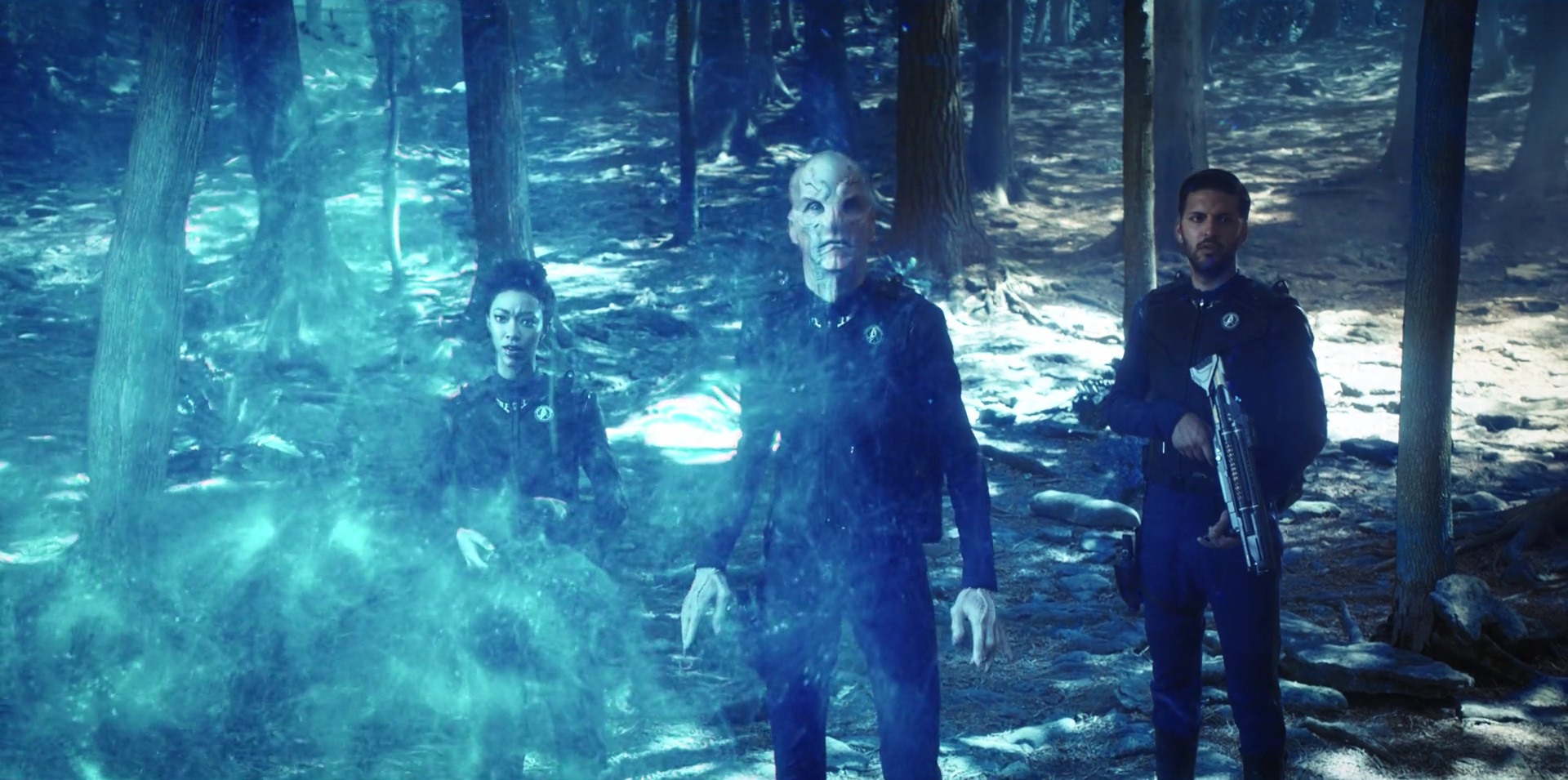
The stories themselves are also just as uneven. Some episodes are genuine classics and belong up there with the great Star Trek episodes. These include “The Wolf Inside”, “Despite Yourself” (two fantastic Mirror Universe tales), “Lethe”, “Choose Your Pain”, and “Into the Forest I Go”. As great as those were, Star Trek: Discovery is also weighed down with some downright clunkers that are poorly plotted and clumsily executed. One example is the first episode that aired for free on CBS, “The Vulcan Hello”, which needed to be great to entice people to subscribe to the CBS All Access app that streamed the rest of the episodes. Unfortunately, the season also ended on a less-than-thrilling note with a two-episode storyline that ended the war too quickly and unsatisfactory. However, the final shot of the last episode “Will You Take My Hand?” brought a thrill when a sparkling and graceful Enterprise appeared on the screen.Despite these faults, I have to admit that I genuinely enjoy Star Trek: Discovery. As far as first season Star Trek shows go, this is the best one since the original Star Trek. Unlike some other Star Trek spinoffs that first started out, this show is rarely dull and takes some genuine risks, even if they do not pay off. Of course, the criticism is valid that unlike its predecessors there isn’t any exploring done. This is something that is a vital essence of Star Trek, but it does push the envelope, chiefly with its characters and focus. The captain is not the main hero but a broken and disgraced former officer. Many of the characters are out to prove themselves and most of them do, which is why they are so easy to watch and root for.Another thing to note is that putting aside all the action and eye-popping visuals (seeing the Discovery spin its saucer while it goes into spore drive never gets dull), certain elemental truths about Star Trek are still there. We just have to recognize them: accepting diversity, seeking diplomatic solutions, and bettering yourself. As Alexander Courage’s iconic theme played during the end credits of the season finale, I found myself eagerly waiting to see more from Star Trek: Discovery, and for that reason the show is a success.

José Soto