Favorite Comic Book Movie Adaptations

These days, a lot of the hype is about movies being developed based on comic books. No need to mention them, just see what’s playing theaters.

Well, back in the day there were many comic books based on movies. The best examples were the Star Wars adaptations when the first Star Wars film came out that led to continuing stories past the movies.

Before our mobile devices could stream/download through Netflix, iTunes, Amazon, etc. growing up back in the 70 to the 80s- the only way you can hold a hit movie in your hands were either photonovels or hand-drawn comic book adaptations, based on the movies.

Part of my collection growing up then included one-shot comic book adaptation of movies. For some movies- the comic books were part of the tie-in merchandise. Some comic book adaptations were great, others not too great. If the art the subject were good, I purchased it. I’m a big fan of these well-drawn adaptations of films – even if the movie was not the best.

There were many, but here are my favorites in no particular order:

2001: A Space Odyssey- by Jack Kirby. Printed in oversized tabloid form, it was pure Kirby epic as he saw it.  This movie was meant for Kirby


2010: The Year We Make Contact– the sequel to the 2001 movie, was drawn by Tom Palmer, whom I like to think of as a really good understudy of John Buscema. Palmer took advantage of dozens of photographic references supplied to him by MGM.

Raiders of the Lost Ark– art by John Buscema, inked by Klaus Janson. Buscema was one of the founding Marvel Comics 1960s artists who took over many books after Kirby left. Janson, for those who may not know, was the inker of The Dark Knight Returns. The Raiders comic book did not have many photographic references, but it was still masterfully executed.

The Empire Strikes Back and Return of the Jedi– art by Al Williamson and Carlos Garzon. Williamson, the long time #1 Flash Gordon artist had a good partner with Garzon- tons of photo references and great storytelling that set the standard for Star Wars comics.

Blade Runner– art again by Al Williamson and Carlos Garzon. Their art was so stunning that even in black and white it stands above their competition. They also drew scenes that were in the script, but didn’t make it into the movie.

Flash Gordon (1980)– art by Al Williamson, naturally.

* Batman (1989)– art by Jerry Ordway. He had tons of photo reference and has solid storytelling skills, which helped make this adaptation stand out from the rest.

The Wizard of Oz– Marvel Comics and DC Comics with art by John Buscema- I haven’t seen the movie in ages, but Busema’s art is always good and this was the first collaboration between the giant comic book companies.

Conan the Barbarian and Conan the Destroyer– Marvel Comics- art by Buscema. John Buscema was one of the greatest superhero artists, but he liked Conan more than superheroes- he did really great work on Conan comics for years, so for who would pencil the movie adaptation- Buscema was an obvious choice.

Meteor– bad movie, even if it starred Sean Connery, but great artwork for the adaptation. Artist Gene Colan, another important Marvel 60s founding artist, had no photographic reference for the movie, but the story he was given had extra scenes that were not in the movie.

Creature from the Black Lagoon– artwork by Art Adams- the hyper detailed animated style is something you gotta see.

Bram Stoker’s Dracula– art by Mike Mignola- I’ve seen many of the Dracula movies-Bela Lugosi, Christopher Lee, Luke Evans- and although I am personally partial to Frank Langela’s 1979 Dracula with John Williams (brilliant as usual) theme song, Francis Ford Coppola’s Dracula seems more authentic to the book and Mignola was given a lot of photo references and mixed the references with his dark style to create a unique work of art. The adaptation was published by Topps usually known for trading cards and was Mignola at the top of his game.

Logan’s Run-artwork by George Perez. A few years before he became famous for his run on Teen Titans and 10 years before Crisis of Infinite Earths, you could tell George Perez was a superstar artist. This was a really good adaptation done in the Marvel Comics style.

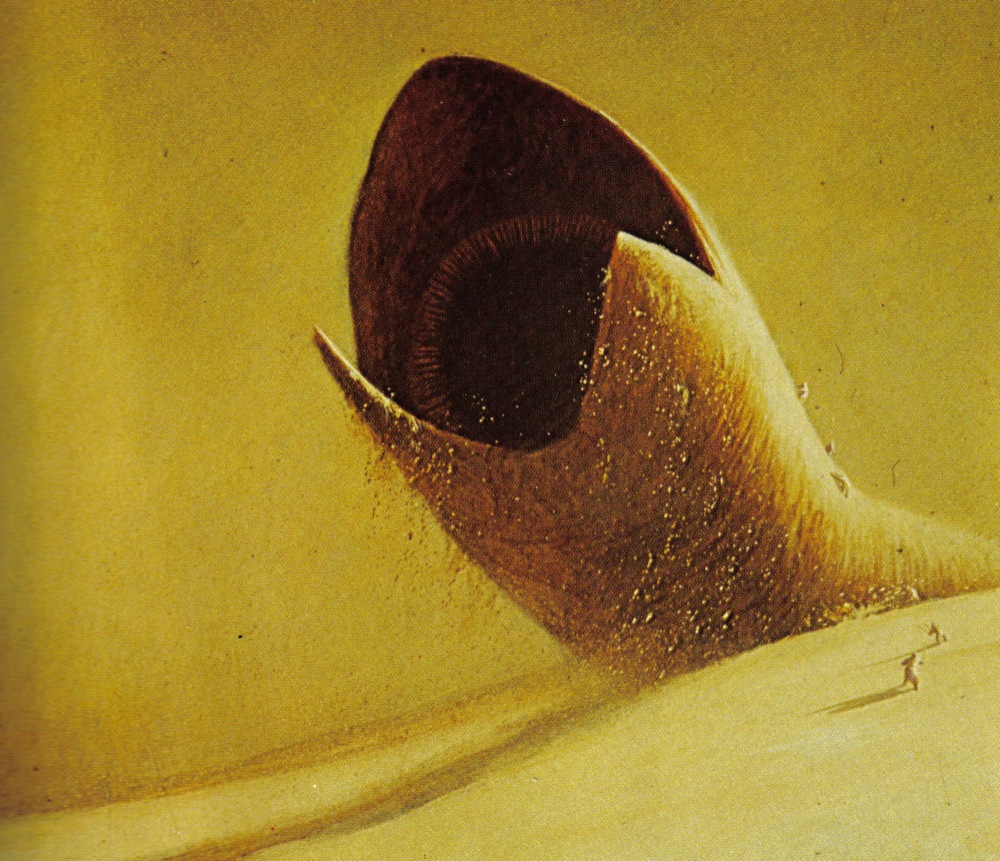
Duneart by Bill Sienkiewicz. If there ever was a marriage between a movie and an artist, this would be it (along with Mignola’s Dracula). The Dune movie was really weird and  director David Lynch butchered the source. It was kind of hard to adapt Dune from book to movie to comic book, but Bill and his eclectic style was perfect for the comic book adaptation.

Well, there it is. That’s my list and though I do enjoy iTunes and Netflix, I still enjoy traditional hand-drawn, hard copy adaptations of movies.

Steven L. Walterson
Guardians of the Galaxy, Vol. 2 and Its Similarities To The Empire Strikes Back

GOTGV2 as Empire Strikes Back

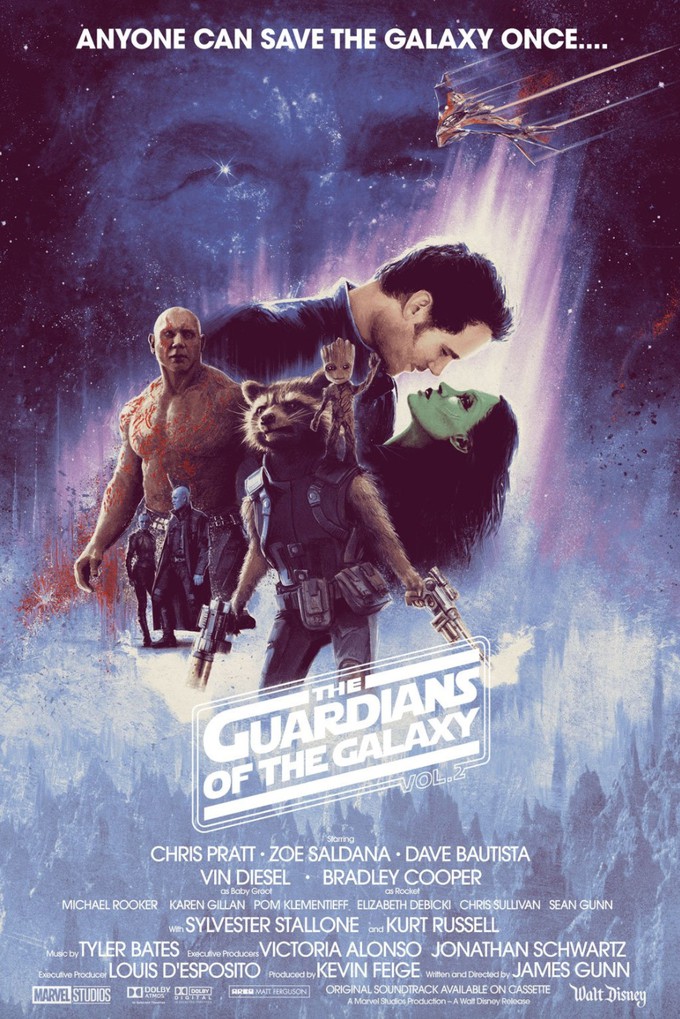
Many people who have seen Guardians of the Galaxy, Vol. 2 (GOTGV2) have noted that the film, whether they enjoyed it or not, has a different tone than the original film. Some have even gone so far as to claim this sequel is to the first Guardians of the Galaxy film as The Empire Strikes Back was to the first Star Wars film. The reason for this opinion has to do with the more adult and darker mood oozing throughout Guardians of the Galaxy, Vol. 2 despite all the jokes and action. Is this a valid way to look at the movie? Consider the following and it goes without saying that major spoilers will be revealed…

Separate Ways

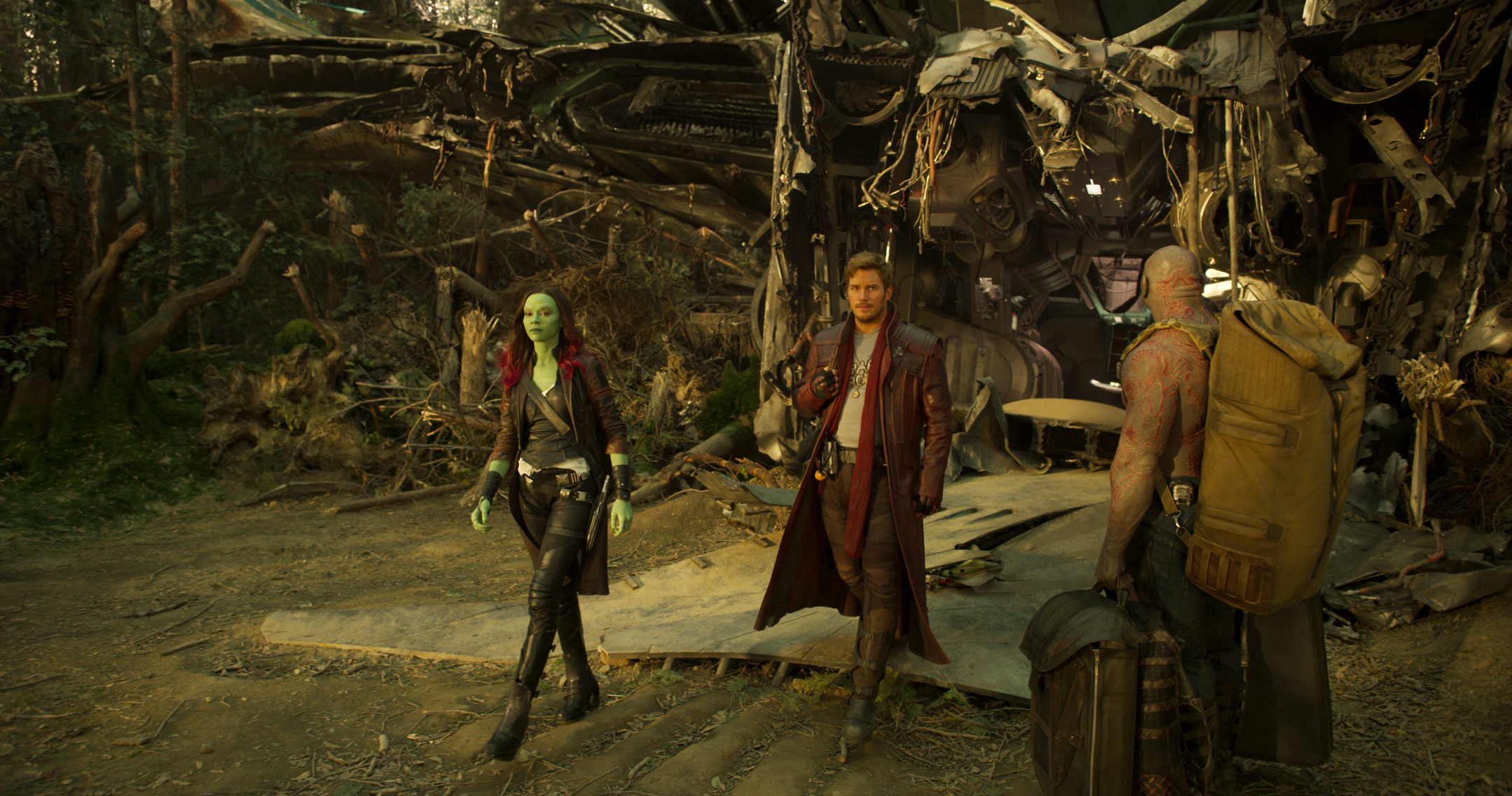
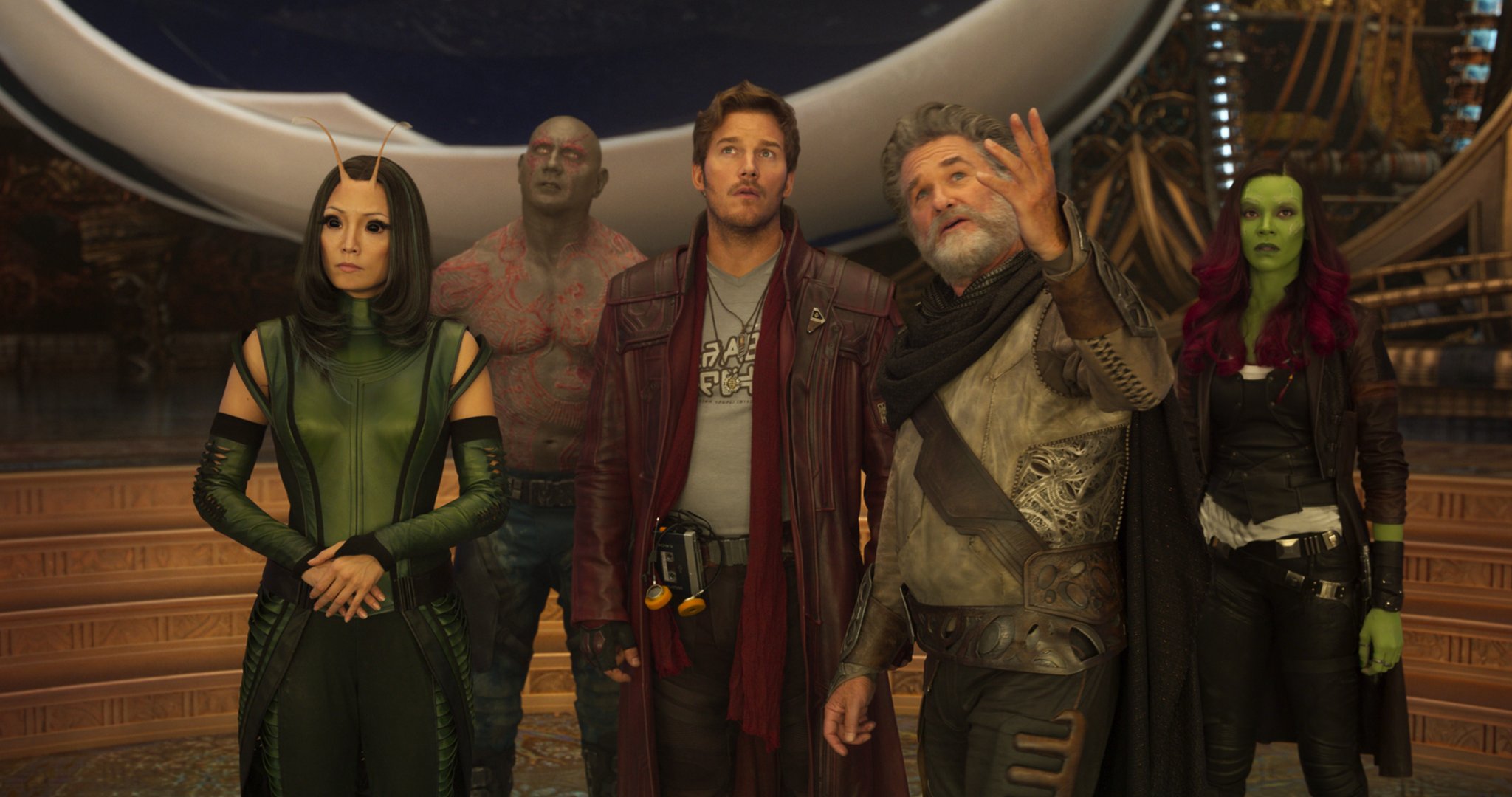
In the second Guardians film, the title characters split up and go off on their own separate adventures in smaller groups and meet other people. Peter Quill, aka Star-Lord takes off with Gamora and Drax to join his newly found father Ego and later meets Mantis. When they leave with Peter’s father, Rocket Raccoon and Baby Groot are left with Gamora’s sister Nebula (who is at this point a prisoner instead of a full-fledged Guardian). The remaining trio then meet up with Yondu and his Ravagers. This encounter leads to Yondu’s powerful story arc, while Peter learns about his heritage.

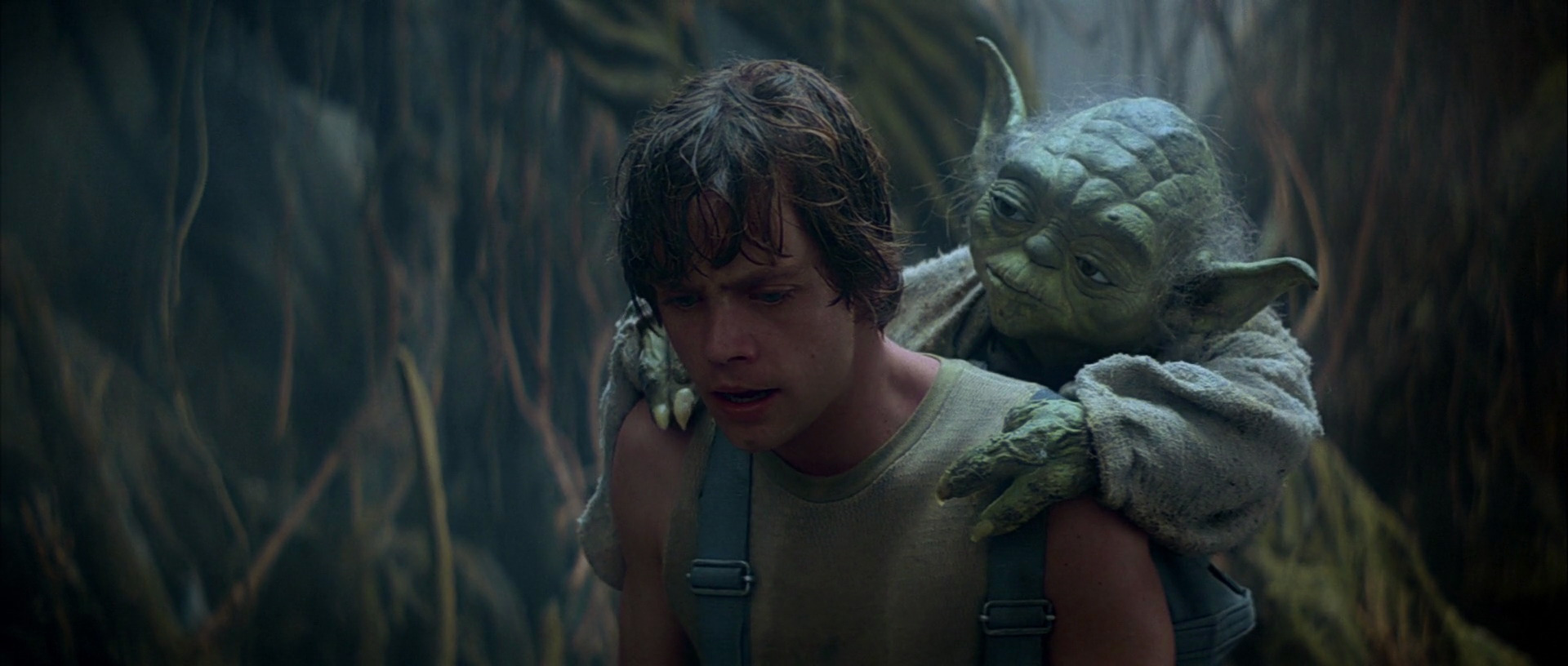
A similar plot device was used in The Empire Strikes Back where after abandoning the Rebel base on Hoth, Luke Skywalker and R2-D2 go to Dagobah and meet the Jedi Master Yoda. As this happens, Han Solo, Princess Leia Organa, Chewbacca and C-3P0 spend most of the film evading Darth Vader and his imperial forces. Eventually they meet up with Han’s old friend Lando Calrissian. Both groups are changed forever by their separate adventures just like in GOTGV2.

Deeper Characters

Even though some people have issues with Guardians of the Galaxy, Vol. 2, these critics agree with fans that the second film does a better job of exploring the characters. Writer and director James Gunn took time to delve deeper into what makes the core group and the supporting characters tick. By the time the film finishes we understand the Guardians and their associates much more than in the original film. They are no longer stock character types. Instead, they are more rounded and we know how and why they act and feel like they do. This leaves us with more relatable and believable characters who enhanced our enjoyment of the film.

The same thing occurs in The Empire Strikes Back. Everyone loves the second Star Wars film for its focus on the characters and making us care more about them. From joining Luke in his painful spiritual journey to understand the Force and the ways of the Jedi, to observing the growing love Han and Leia have for each other. In both films, while the dazzling special effects and sounds are out of this world, what we take away from the viewing experience is our love of the characters.

Fathers and Sons

The main character and story arc in GOTGV2 is Peter Quill’s relationship with Ego. Before meeting him, Peter and the audience did not have any idea of who his father was. When the two men meet it’s a joyful reunion as Ego fills in Peter about where he came from. Naturally, Star-Lord is excited to learn that he is a demigod. But sadly, the occasion turns sour when Peter and his friends discover Ego’s true nature and plans. The man is actually a monster who murdered not just his own children, but Peter’s mother. To make matters worse, Ego has plans to massacre countless people throughout the galaxy in order to spread his seeds.

Ego and Guardians

Continue reading

Star Wars: The Last Jedi Teaser Is Finally Unleashed

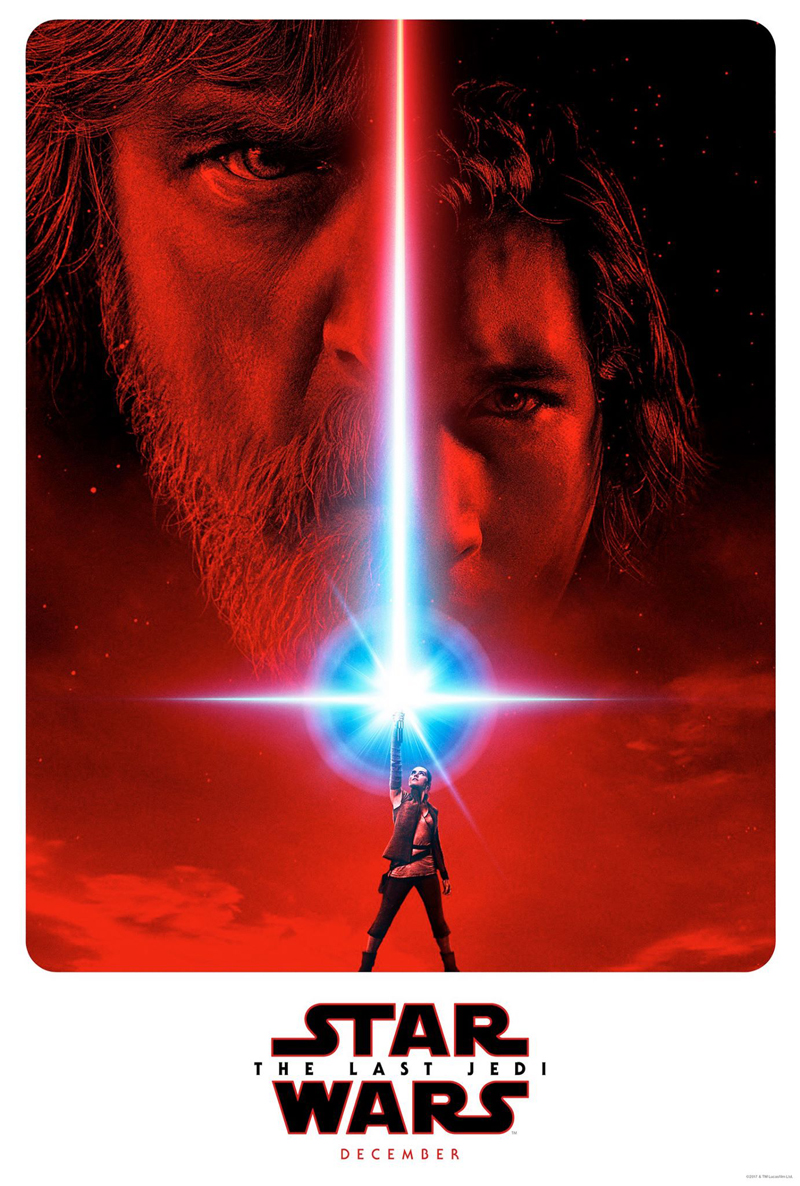
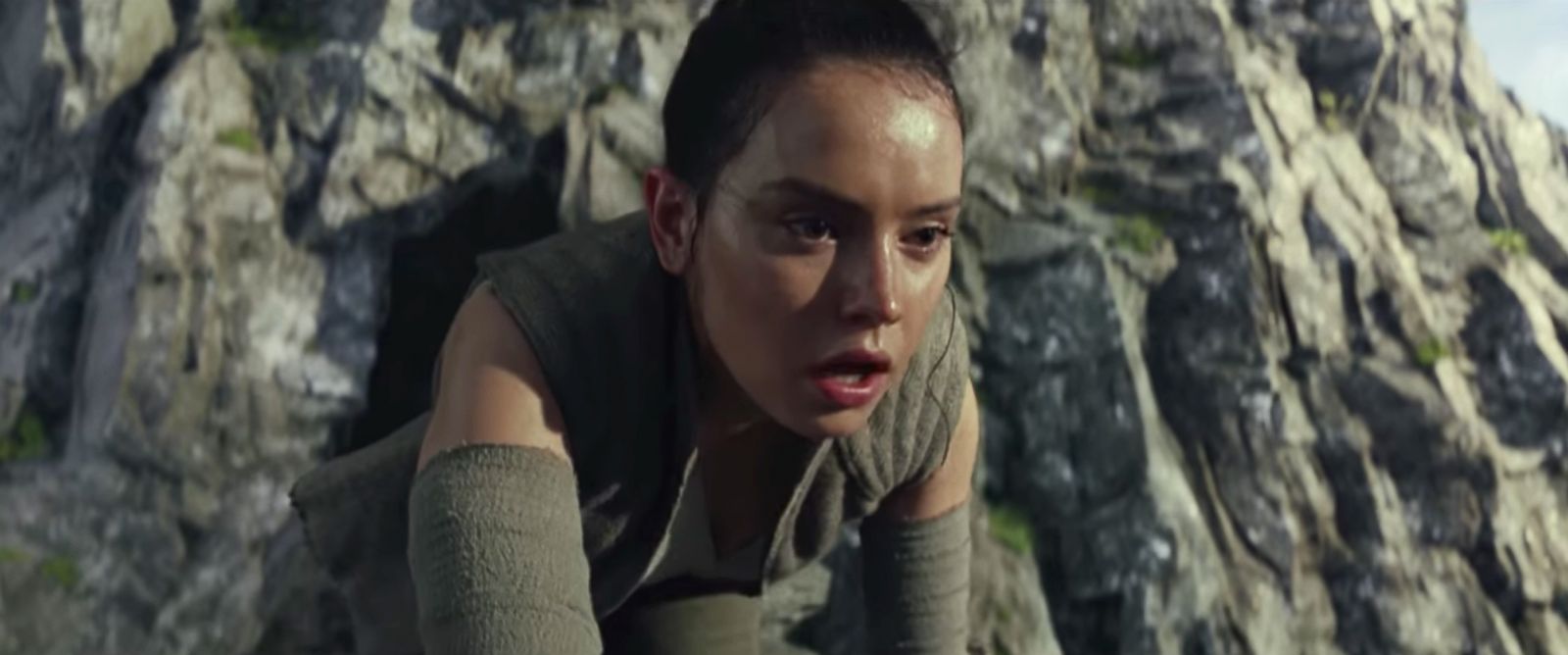
After much anticipation and wait, the teaser trailer for Star Wars: The Last Jedi is finally here and is about two minutes or so in length, longer than usual teasers. It starts with glimpses of Rey on an island being trained by Luke Skywalker similar to his own training from Yoda in The Empire Strikes Back.  Not much happens for the first minute or so, besides a shot of General Leia (from behind), until the second minute when we see fast cuts of space battles which look very nice and shots of new landspeeder-type vehicles in a snow-covered desert environment. We also see Finn in some kind of stasis, but we don’t know why.  Maybe he’s still healing from the wounds he received from Kylo Ren.


We also see Poe Dameron in action with his custom black X-Wing caught in an explosion inside a hangar potentially putting him in harm’s way. The trailer finally leaves us with a tantalizing plot point at the very end of it when Luke Skywalker states that he knows that the Jedi must end. This is an interesting idea that maybe Luke is disillusioned from the seemingly endless battles between the light and dark side of the Force, which always leads to suffering for the whole galaxy. Perhaps seeing his nephew and former protégé Kylo Ren succumb to the dark side finally pushed him over the edge. This may lead to an inevitable confrontation with Ren as is hinted with the teaser poster showing both Luke and Ren divided by a lightsaber. How this will affect Luke’s relationship with Rey is to be seen and should be something to look out for.

rey the last jedi

Overall, this first look at Star Wars: The Last Jedi has some intriguing bits but was a bit lacking in action. Nevertheless, it should keep Star Wars fans satisfied until the next trailer surfaces in a few months. Hopefully some of the new characters  played by Benicio Del Toro and Laura Dern will appear along with a clearer picture as to the plot of the movie. This is usually what full length theatrical trailers are for and should be something to look forward to. Take a look down below and leave a comment or two on your thoughts of the teaser for Star Wars: The Last Jedi.

C.S. Link

The MCU Disconnect

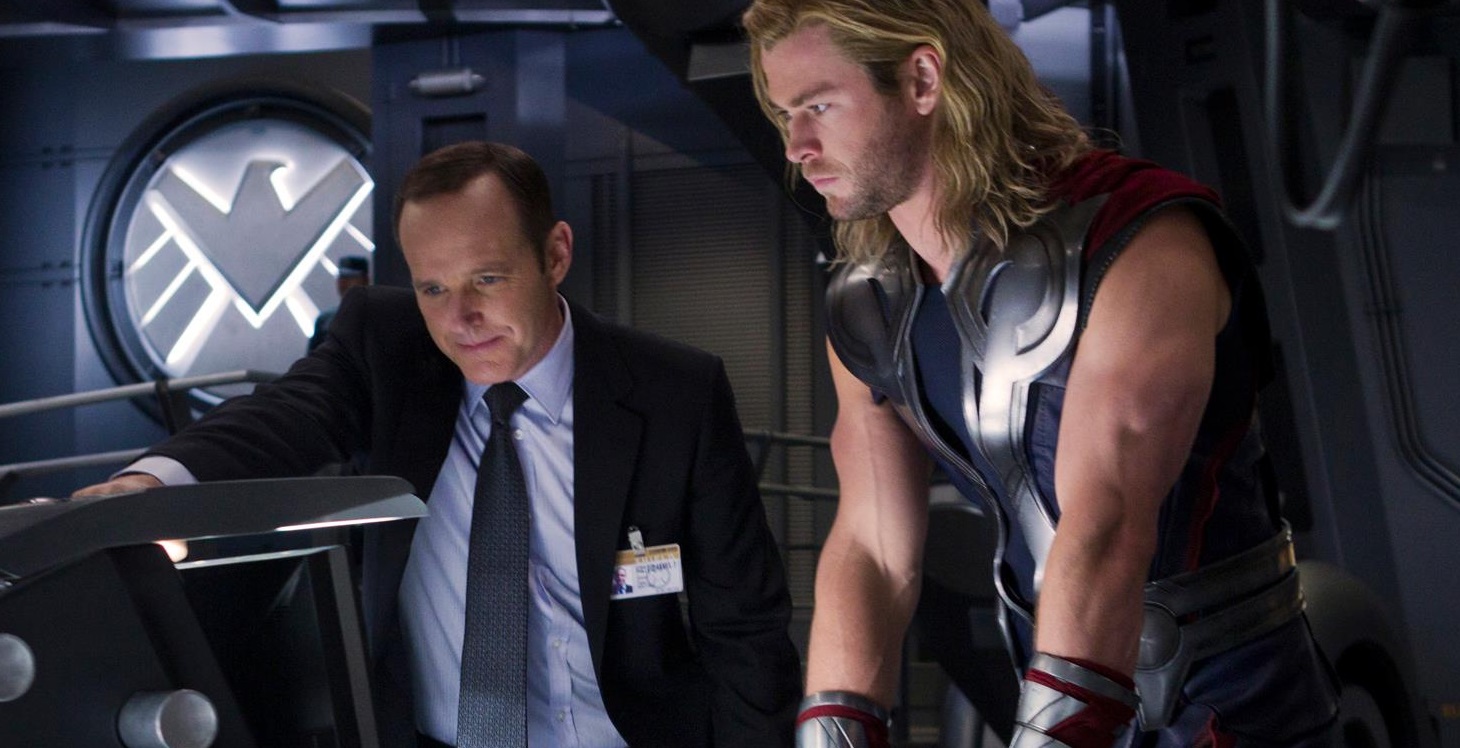
coulson-and-thor

Everyone is excited over the just-released behind-the-scenes video of Avengers: Infinity War, and what it promised–namely the teaming up of diverse characters like Iron Man, Star-Lord and Spider-Man. That is all well and good, but the teaser didn’t erase the growing feeling that the films in the Marvel Cinematic Universe (MCU) and the TV shows set in the MCU are unrelated to each other.

Actually, that isn’t quite accurate, the TV shows have proven to be set in the MCU with its references to the films and Easter eggs, but it’s a one-way connection. That is because the MCU films have not made any references to the TV shows aside from Captain America: The Winter Soldier, which dealt with S.H.I.E.L.D. at the same time that the TV show Agents of S.H.I.E.L.D. was running. Ever since that film the MCU disconnect has widened to the point that an argument can be made that the two media are set in different universes.

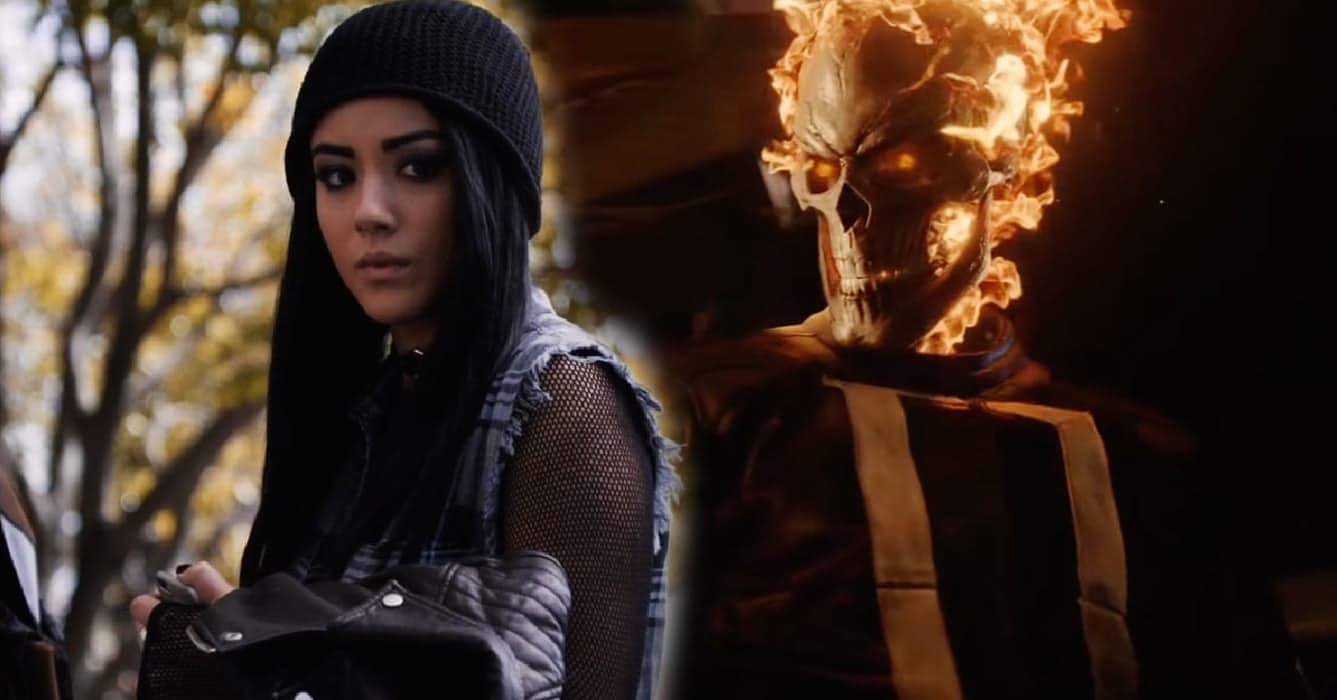
quake-and-ghost-rider

How is this so? Starting in the second season of Agents of S.H.I.E.L.D. that program has focused on the coming of the Inhumans, and are now a constant presence in the show as the superhumans have taken the place of mutants. We all know that was done because of rights issues with 20th Century Fox who make the X-Men films. Originally, the intent of the Inhumans’ introduction (and let’s be clear that the Inhumans featured in Agents of S.H.I.E.L.D. weren’t the well-known heroes like Black Bolt and Medusa, but minor ones) was to set up a big-screen Inhumans film.That was the plan.

It isn’t a secret that tensions had been raw between the mastermind behind the MCU, Kevin Feige, and the head of Marvel Entertainment, Ike Perlmutter, who was in charge of Marvel’s media. Feige ran the films while Perlmutter did the TV shows and the comic books. Perlmutter was incensed about the Fox X-Men rights and wanted to de-emphasize the mutants throughout Marvel and as a substitute for the mutants it was decided to focus on Inhumans and how they are persecuted by our society. Apparently, Perlmutter was responsible for pushing an Inhumans film and wanted to use the MCU TV shows and comic books to build interest, hence why Agents of S.H.I.E.L.D. shifted from a spy actioner in its first season into a soapbox about the plight of Inhumans in later seasons.

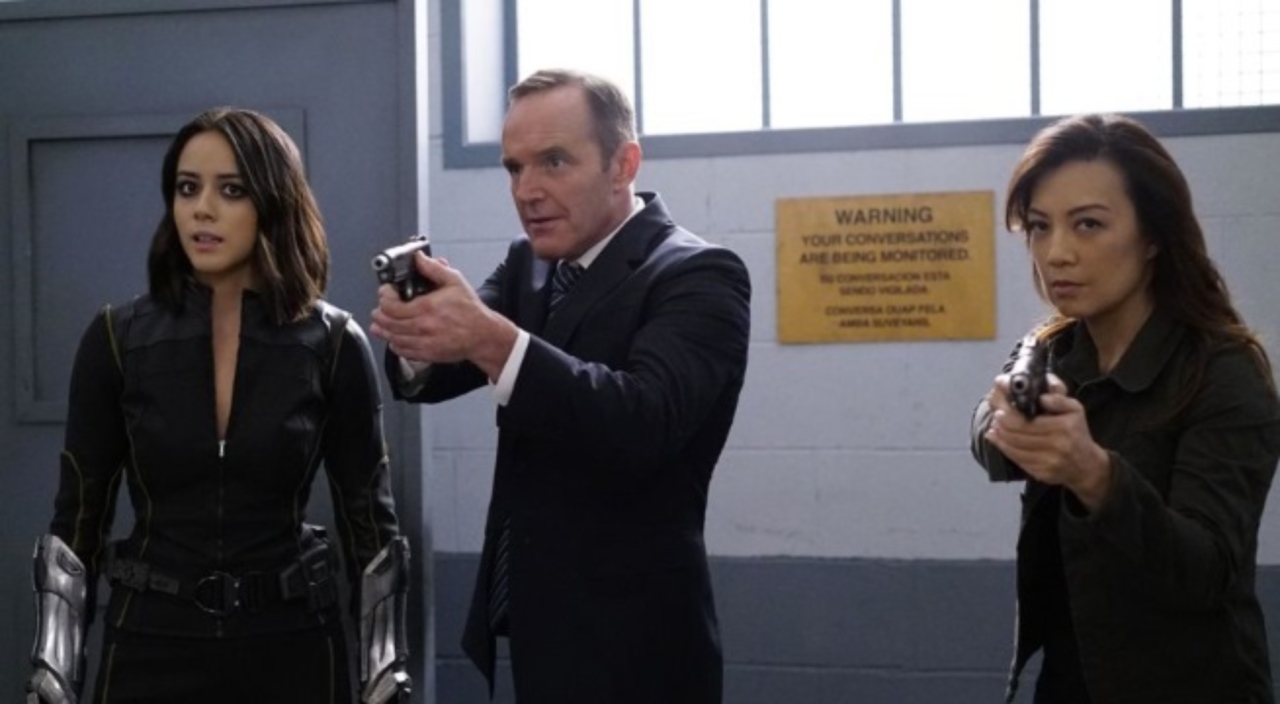
coulson-may-and-quake

Feige and Perlmutter were butting heads over many issues and it became so bad that supposedly Feige was ready to jump ship until Disney intervened. Feige was allowed to become autonomous from Perlmutter and there is probably were the disconnect went into full swing. The first noticeable sign of this was in Avengers: Age of Ultron, which didn’t mention anything about what was going on with S.H.I.E.L.D. and the TV show. This raised many questions among fans in the film’s climax when a S.H.I.E.L.D. helicarrier appeared with many S.H.I.E.L.D. personnel and it would’ve been a perfect place to include cameos from Agents of S.H.I.E.L.D. characters but this didn’t happen. There were many vague explanations about why this didn’t happen but none of them were satisfactory.

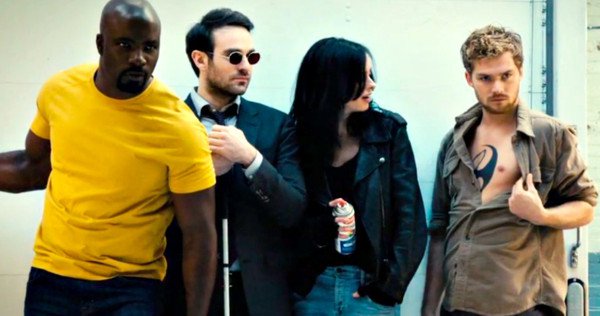
Around this time (2015) Netflix premiered its entries in the Marvel Cinematic Universe, Daredevil and Jessica Jones. Both shows made references to the larger MCU but to date the films haven’t acknowledged the superheroes that appeared in the Netflix shows. In fact, there isn’t any noticeable connection between the Netflix shows and Agents of S.H.I.E.L.D., which airs on ABC. There has been a couple of cryptic Easter eggs in the ABC show where a type of bullet created in Luke Cage was used in Agents of S.H.I.E.L.D. but was never named; there was a news blotter in one episode mentioning a gang war going on in Hell’s Kitchen, a focal location in the Netflix shows.

Now with so many characters slated to appear in Avengers: Infinity War, the fact that the bigwigs at Marvel Studios and the TV shows will not say if the film will include the TV characters is beyond frustrating. Feeble explanations about not over-crowding the film or scheduling conflicts just won’t satisfy fans.  True, it’s not the end of the world if Avengers: Infinity War doesn’t feature Daredevil but it defenderswould be a wasted opportunity. In the comic books, The Infinity Gauntlet event (the basis for this film) was a major crossover event that was packed with many Marvel characters. We already had to make peace with the notion that this film won’t include the X-Men (thanks Fox) or the Fantastic Four (blame the deal with Fox again), but Kevin Feige and company could at least throw in some kind of cameo of the TV characters. Wouldn’t it be cool if during one scene set in Hell’s Kitchen, Captain America, Iron Man and the other Avengers are besieged by Thanos’ forces and are saved at the last second by timely assists from Daredevil, Luke Cage and the other Defenders? They wouldn’t have to stay around long, just make their appearance and move on. Would it be too much to just drop the word Inhuman during some dialogue or show some news headline featuring the Punisher or Ghost Rider?

We can complain all we want about the DCEU, but at least from the beginning Warner Bros./DC Studios made it clear that the DCEU films and the Arrowverse TV shows were in two separate universes and so no one expected to see Stephen Amell popping up as Green Arrow in a DCEU film. With Marvel they dangle this illusion about a connected universe but in reality it does not exist. If that is the case, the TV shows should be freed to go off in their own direction and drop the references to the Marvel Cinematic Universe.

mcu

True, production has begun on Avengers: Infinity War but it’s not too late to work in some kind of bone to throw to the fans. Some kind of gesture would appease the legion of geeks out there who dream of seeing a true interconnected film and TV universe.

Lewis T. Grove

The Better Adaptation: A Dune Movie or A Mini-Series

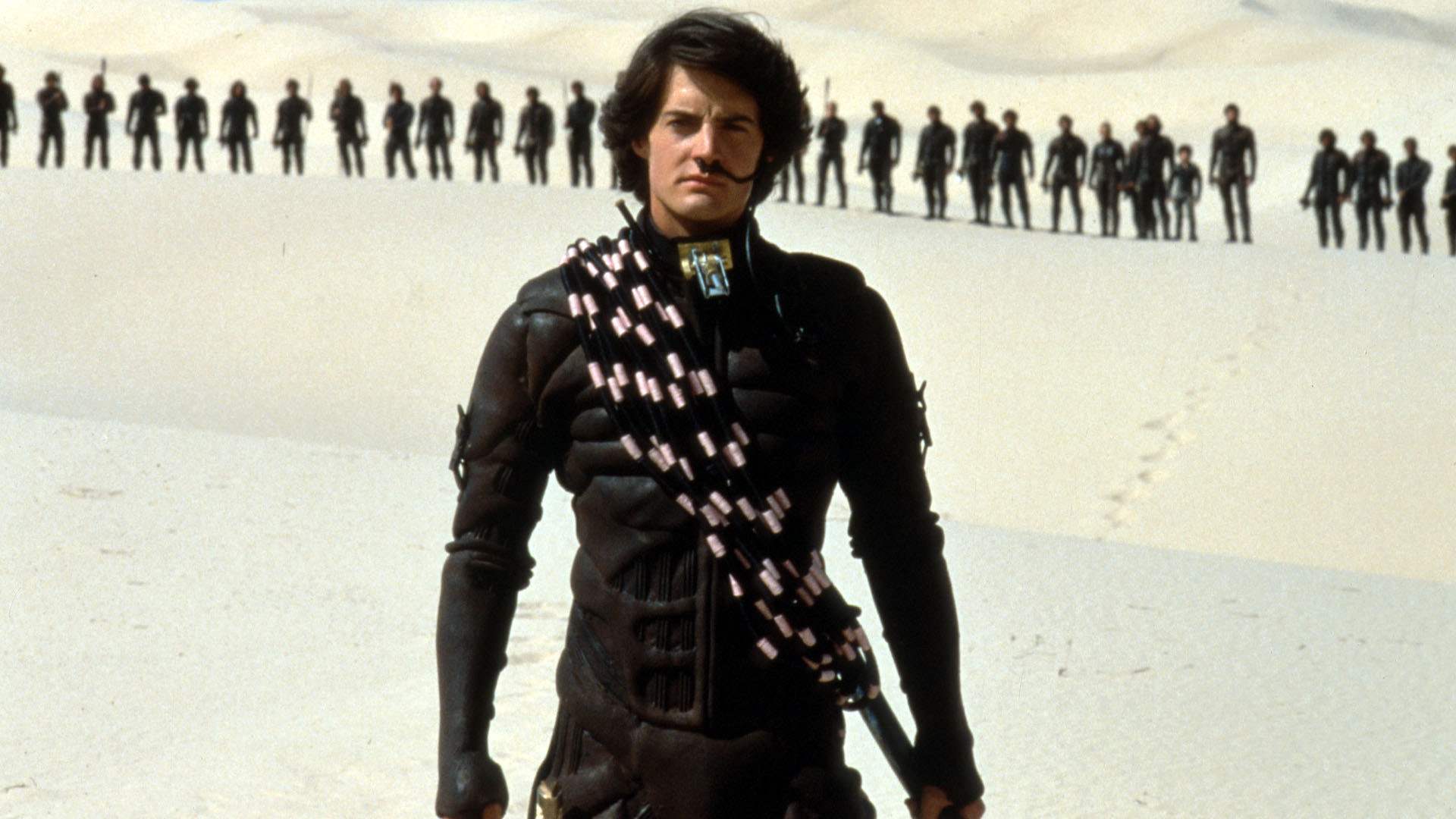
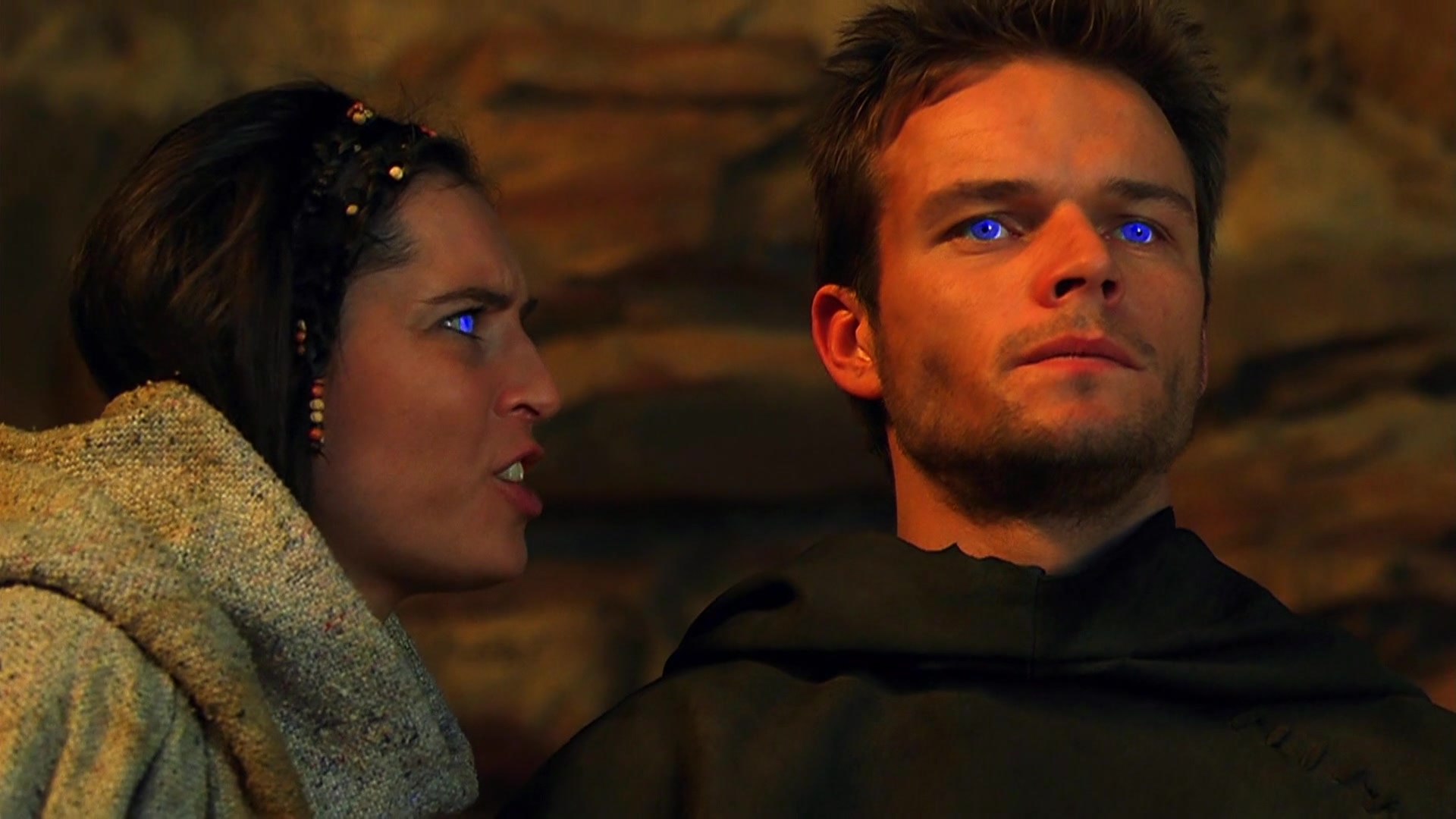
paul-atreides With the news that Legendary Entertainment has acquired the rights to make a new movie based on Frank Herbert’s classic science fiction novel Dune, there has been much speculation as to how this new adaption will be done. Dune has been adapted twice before. Once as a feature film by David Lynch in 1984, and later in 2000 as a TV mini series on the Sci-Fi Channel. Both projects had positive and negative aspects that fans continue to debate. Lynch’s film had the grand and epic feel of the novel, but also added new features to the story that were not in the original(ex: the weirding modules). The Sci-Fi mini series was more faithful to the book since it had more time to adapt the story, but suffered from a limited TV budget, and the look and feel of the set pieces and costumes were not at the same level as the movie.
dune-mini-seriesThis brings to mind the question of what new adaption should be done by Legendary Entertainment. In terms of adapting just the first Dune novel, a big budget, multi-part movie series similar to The Lord Of The Rings is something I think would be great. The story itself is very complex and needs many hours to tell. Trying to squeeze it into a single tow-or three-hour movie will inevitably lead to significant reductions in the many layers Herbert’s story has to offer. This is exactly what plagued Lynch’s version. He got the basics right, but was still unable to touch on many plot points and had to condense everything. The book itself is divided into 3three parts which would fit nicely into a trilogy of films that can do the whole thing justice. All of the plots and schemes of the various feuding houses and galactic intrigue can be explored, as well as the hero Paul Atriedes’ journey from merely a ducal heir to a full blown messiah. Having all of this with a big budget would seem to merge the positive aspects of the previous movie and the miniseries, plenty of time to tell the story and the resources to create Frank Herbert’s rich and diverse universe.

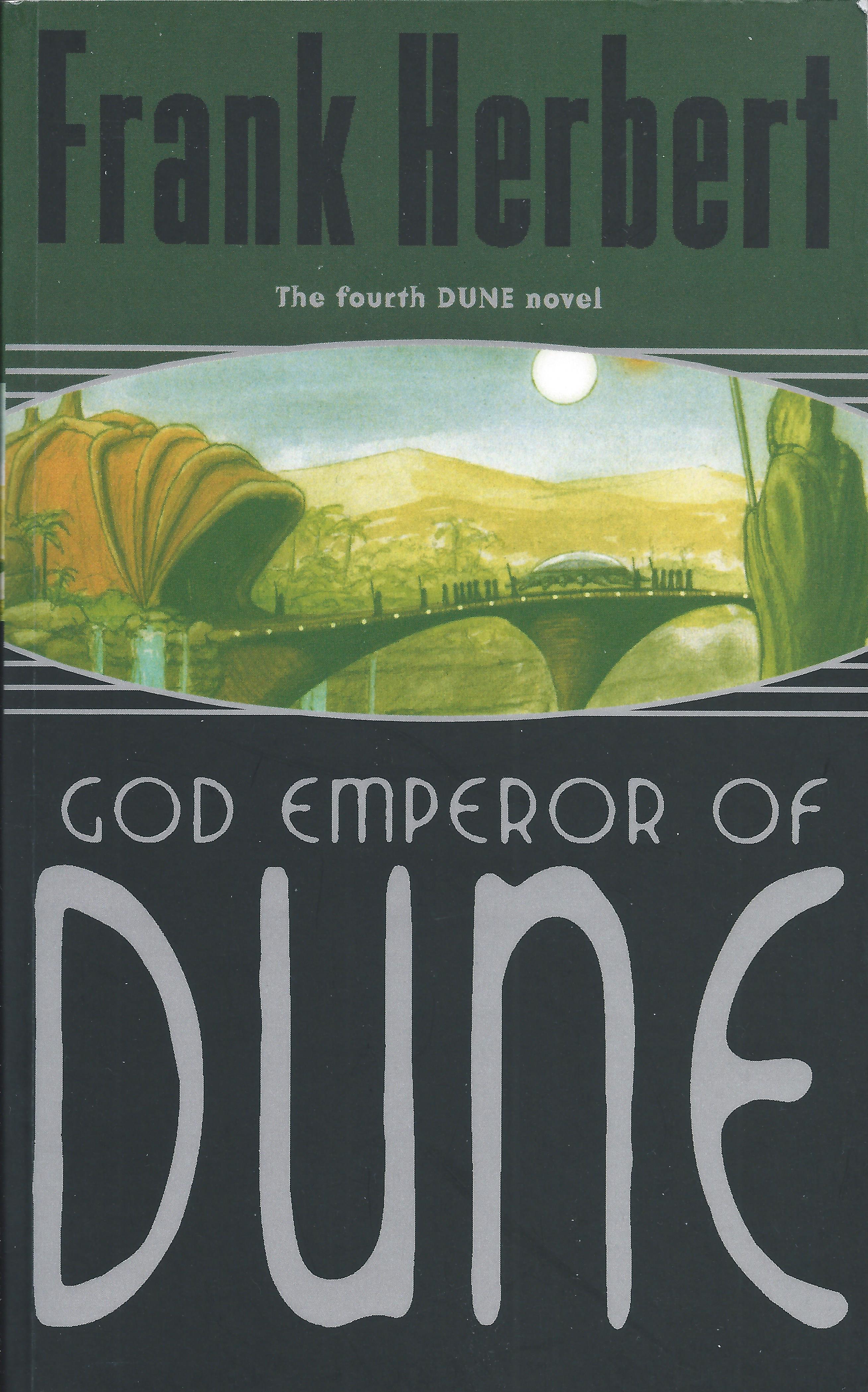
god-emperor-of-dune-coverHaving said that, if Legendary was feeling bold, they could attempt to adapt the entire original Dune Chronicles, which includes six books. If this was the case, then the only way to do this would be a Game of Thrones-style show hopefully on a cable network like HBO or Showtime. Books two and three (Dune Messiah and Children of Dune) were adapted by the Sci-Fi Channel in 2003 and was well done. Unfortunately, the other books were not adapted and the story came to an abrupt end just as it was getting good. The fourth novel God Emperor of Dune takes place 3,500 years after the original book and features Paul Atriedes’ son Leto II still alive due to his body merging with the desert planet’s massive worms. Subsequent novels take place thousands of years after this book and feature warring factions of matriarchal institutions and more galactic politics and intrigue. All of this would be very difficult to adapt in any meaningful way in theatrical films. Only the long commitment of an ongoing TV series could hope to truly bring all of these fantastic tales to life.

sandworm

Legendary Entertainment has a rich portfolio of films under its belt (Godzilla, Pacific Rim) and the fact that they are now in charge of the Dune franchise is definitely a positive development. The fact that talented director Denis Villeneuve wants to take on the task of making a Dune film is also a very good sign. He directed the well received sci-fi film Arrival and was entrusted with directing this year’s Blade Runner 2049. This shows me he has the skill to develop high-quality genre films. Hopefully, whatever they decide to do, it will be something that will do justice to Frank Herbert’s epic tale.
C.S. Link