Godzilla Minus One = Plus One Greatness

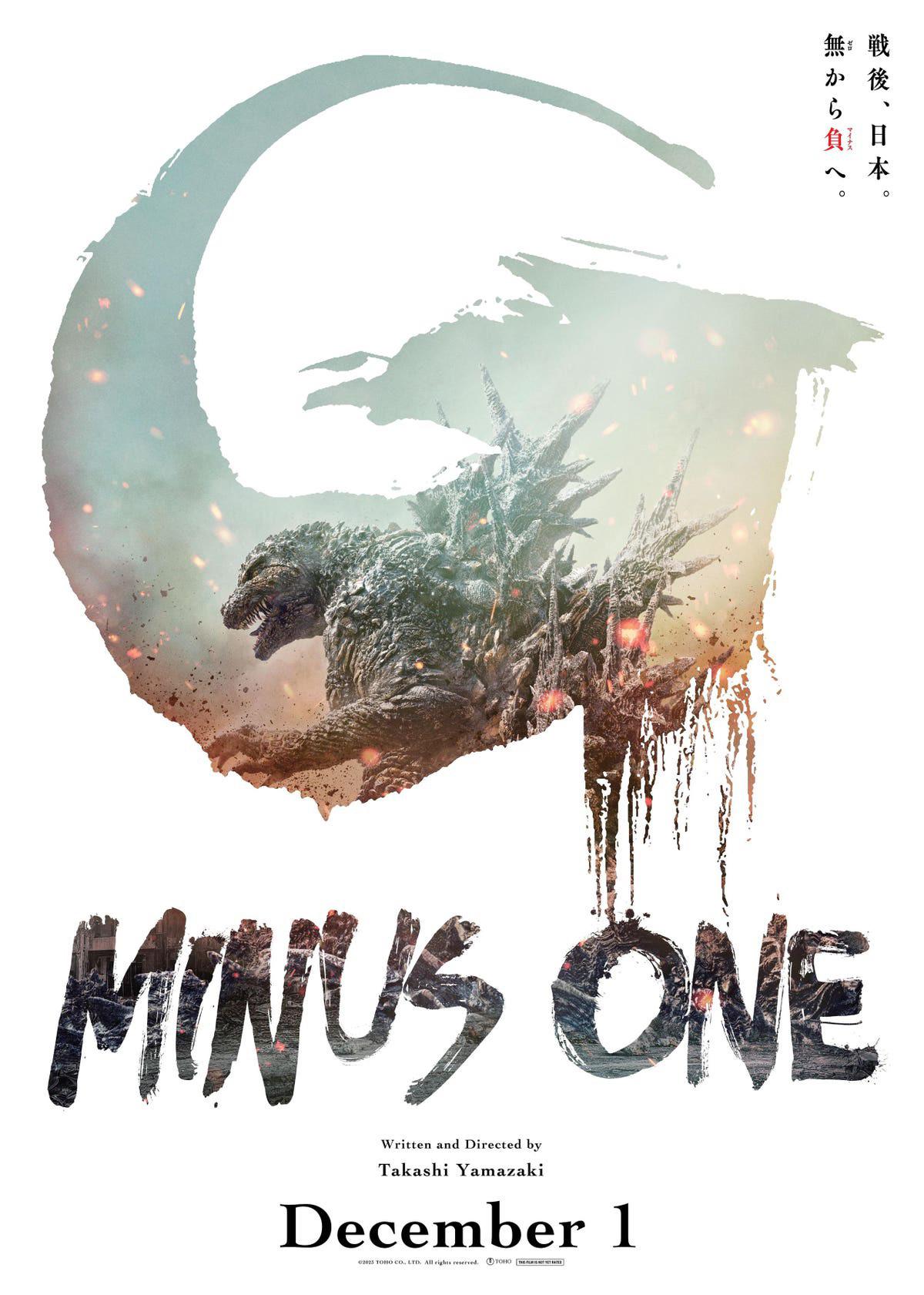
Some may scoff the latest Godzilla film, Godzilla Minus One, as just another kaiju flick with battling monsters, goofy plots, and bad acting. But they will be very surprised by what Godzilla Minus One offers since it is one of the greatest Godzilla films ever made.
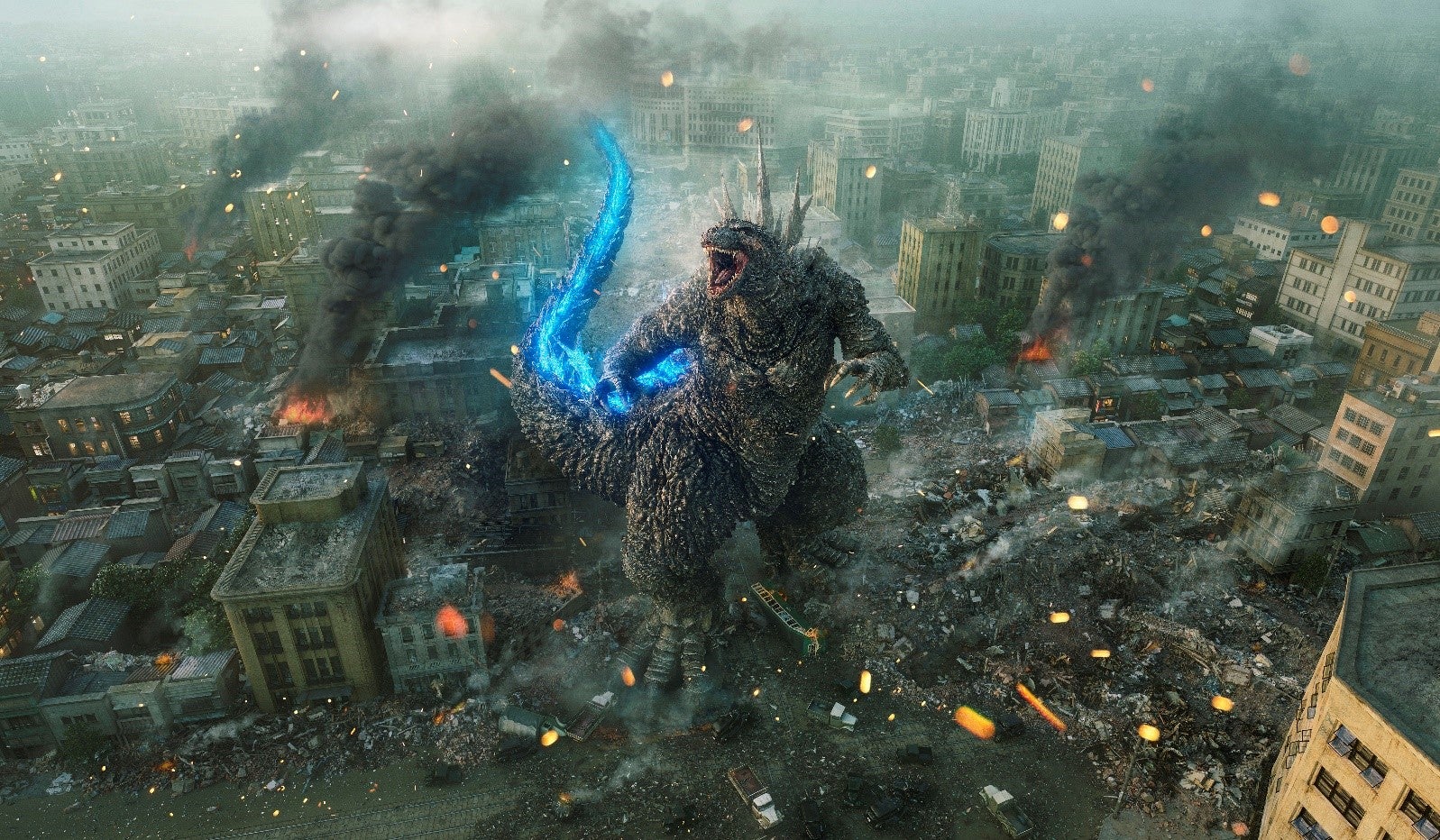
Evoking the serious and somber tone of the original Godzilla from 1954, Godzilla Minus One is much more than a giant kaiju film about rampaging monsters standing in for deadly forces of nature. It is also a film that studies the impact of war on former soldiers and civilians. With that in mind, the film takes the time to get viewers to become involved with the storyline of its human characters who have a surprising amount of depth and story arcs.
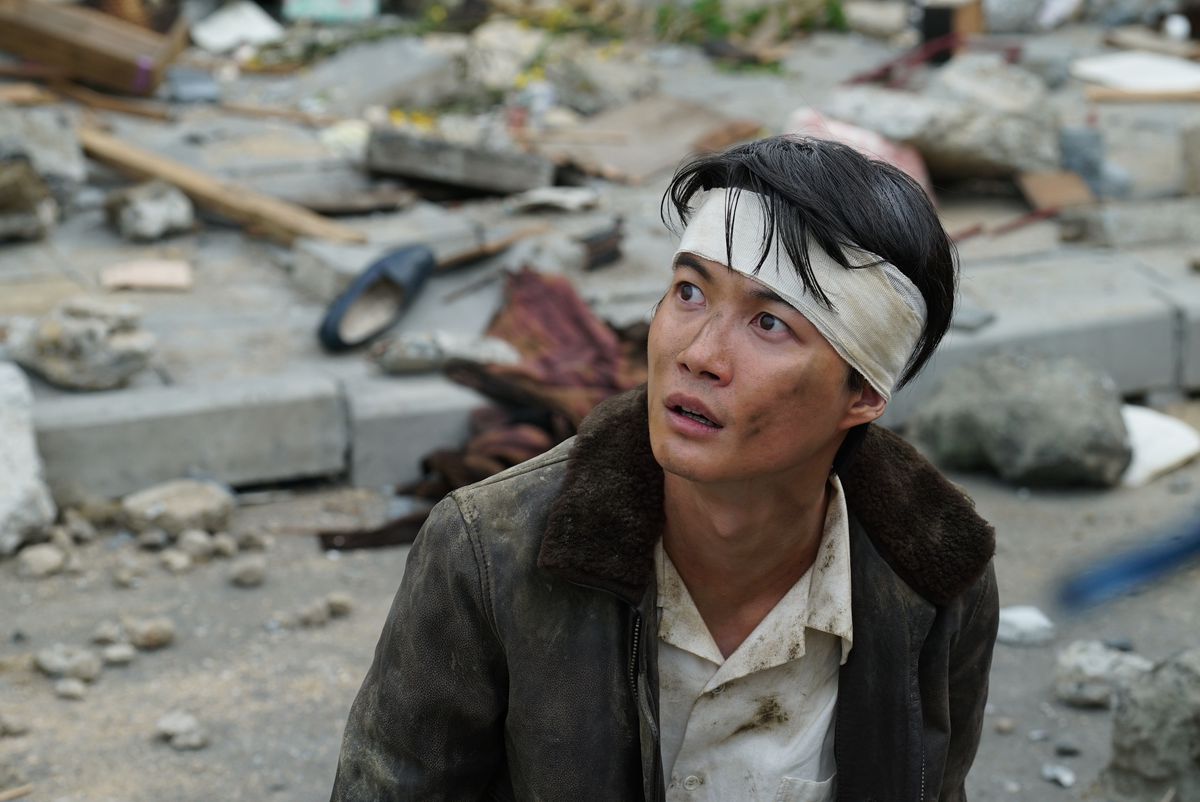
The film opens in the last days of World War II on a Japanese island that serves as repair depot for kamikaze planes. Kōichi Shikishima (Ryunosuke Kamiki) is a kamikaze pilot who lost his nerve and sets down on the island and pretends his plane needs repairs. During nightfall, the depot is attacked by a dinosaur-like monster called Godzilla by the locals. This version of Godzilla is considerably shorter than the giant walking skyscraper we’re used to seeing. This one is about the size of a large t-rex, but is quite deadly. Shikishima cannot bring himself to attack the rampaging beast that soon kills nearly everyone at the depot. Carrying this guilt with him, Shikishima struggles to adapt to civilian life in the midst of a decimated Japan after the war ends. A couple of years later, he meets Noriko Oishi (Minami Hamabe), who struggling to survive with her adopted child Akiko, who was orphaned during the war. The three form a fragile family that soon begin to strive after both adults find jobs and meaning. Shikishima works on a minesweeper boat and bonds with his shipmates. He is compelled to accept his new family and to marry Noriko, but his wartime past still haunts him. At this time a U.S. nuclear test in Bikini Atoll mutates Godzilla, who soon appears in Japan’s waters as a gigantic destructive force that emits radiation through its breath and is able to quickly heal itself from deadly injuries.
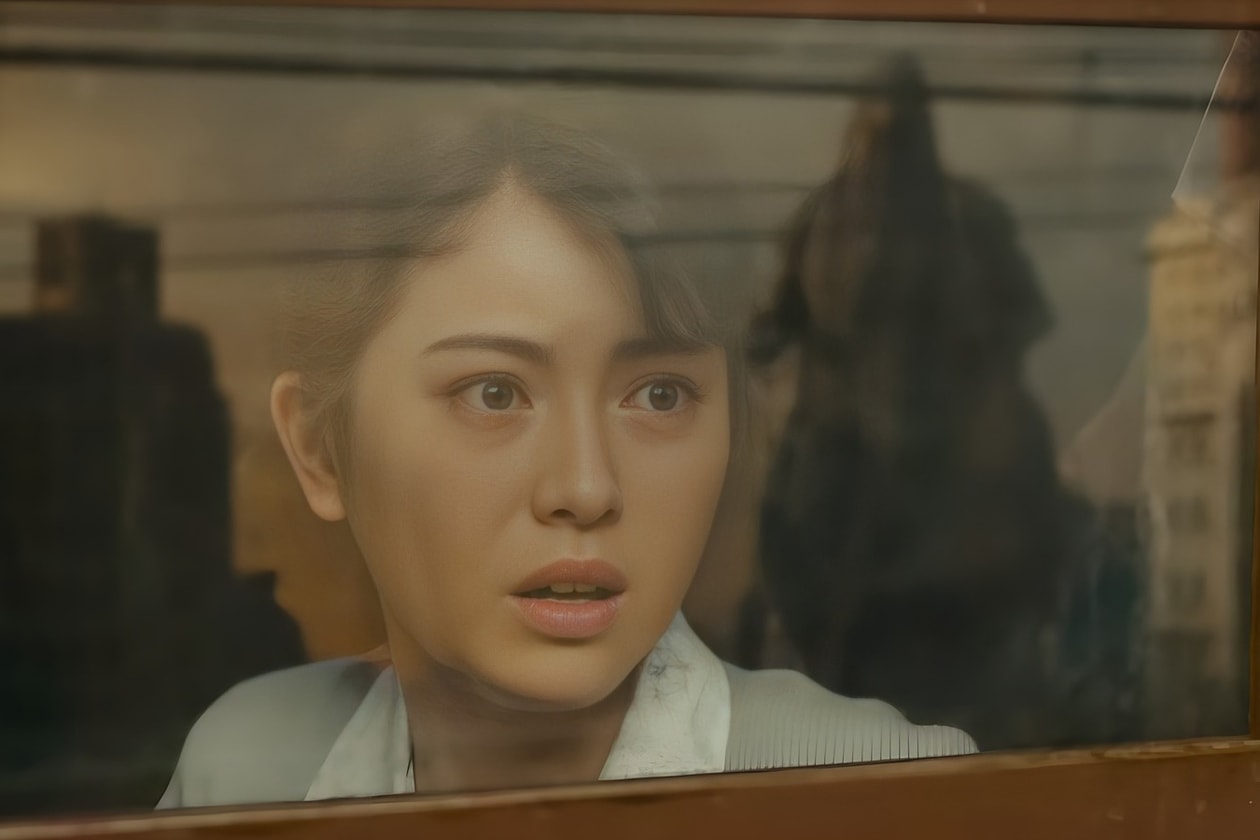
After a terrifying encounter with the creature, Shikishima’s surivor guilt and post-traumatic stress disorder kick into overdrive as he is plagued by inner demons over his inability to act in the past. Before long Godzilla makes landfall and decimates the Japanese city of Ginza before disappearing into the ocean. But everyone knows the behemoth will return and take all measures to destroy the kaiju before it returns. This also provides Shikishima with the drive to earn a measure of self redemption by confronting the monster once and for all.

Godzilla Minus One is full of drama and tension as we witness Shikishima’s story and the terrifying might of the monster. Obviously, Godzilla is a metaphor for the destructive force of war and this is done so well in the film. His rampages are very terriying and humbling as humanity and society are laid to waste by the kaiju. The scenes of mass destruction are also anchored by the compelling human stories as the survivors of World War II struggle to rebuild their lives and society. That is why it is disheatening to see the fragile peace created by Shikishima and his friends torn apart so easily by Godzilla. We actually care about these people, they are not random background characters who we casually dismiss when the monster stomps about a city. At the same time, the film also evokes Jaws in its depiction of the casual banter of shipmates who then confront a terrifying underwater beast that functions a colossal prehistoric shark.
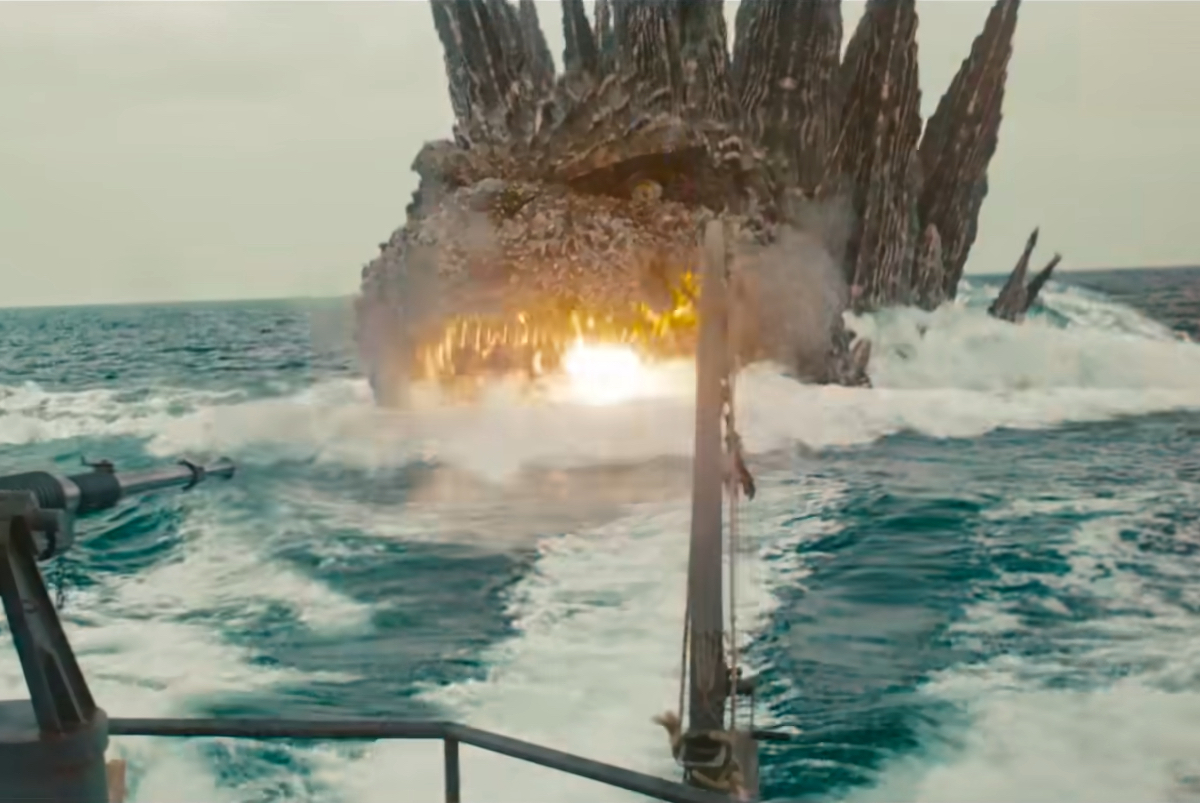
The only quibble with the film is that it takes great lengths to explain why the American or even the remnants of the Japanese military did not try to confront the monster more openly. Despite shoutouts about Cold War fears, this does not seem realistic, especially if the behemoth that destroys a city is breathing out deadly radioactive fire. You can bet the U.S. military would have gotten involved when this was discovered. It is also implausible that the Japanese military would have a hands off attitude when it came to fighting Godzilla. Instead, the final confrontation is left up to “private citizens” who take matters into their own hands. This just seems unrealistic.

Unlike most Godzilla films, Godzilla Minus One boasts excellent production values from special effects that easily rivals what comes out of Hollywood to engaging performances from the actors. Much of the credit has to go to its director and screenwriter Takashi Yamazaki, who also supervised the stunning special effects. Yamazaki has a great eye for filmmaking and other kaiju productions should emulate what he has accomplished. It is clear that the Monsterverse films could use the talent of Takashi Yamazaki, who would bring levity and depth to their films. As much fun as the Monsterverse films are Godzilla Minus One elevates the kaiju genre to a much higher level. Then again Hollywood being the way it is would dilute the talent of this director.
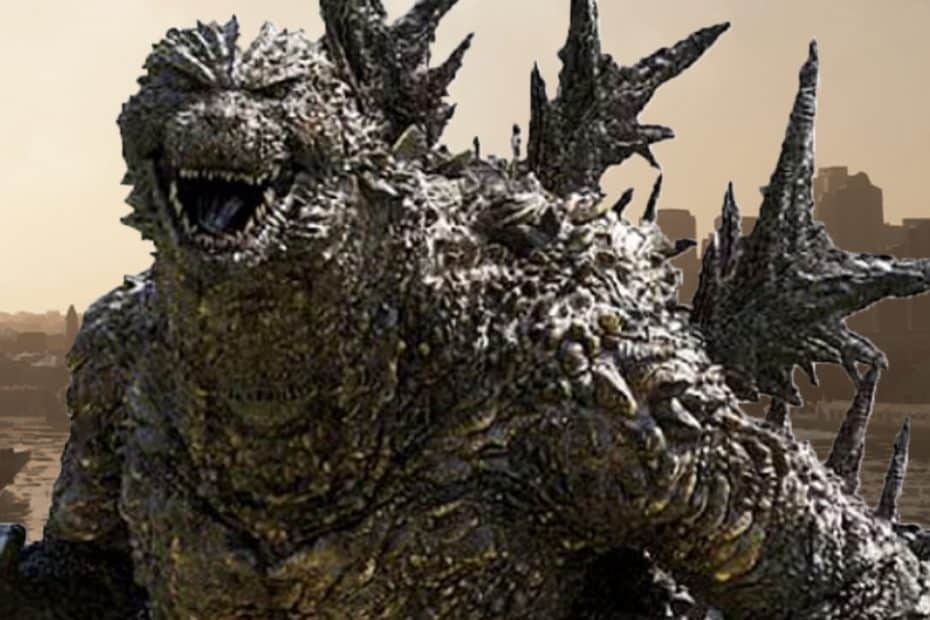
It is stunning to know that after 70 years, it is still possible to create an excellent Godzilla film. Godzilla Minus One has set a new standard for Godzilla films that will be difficult to match, but it could inspire other equally impressive kaiju films.

José Soto

The X-Files: The Truth Is Still Out There 30 Years Later

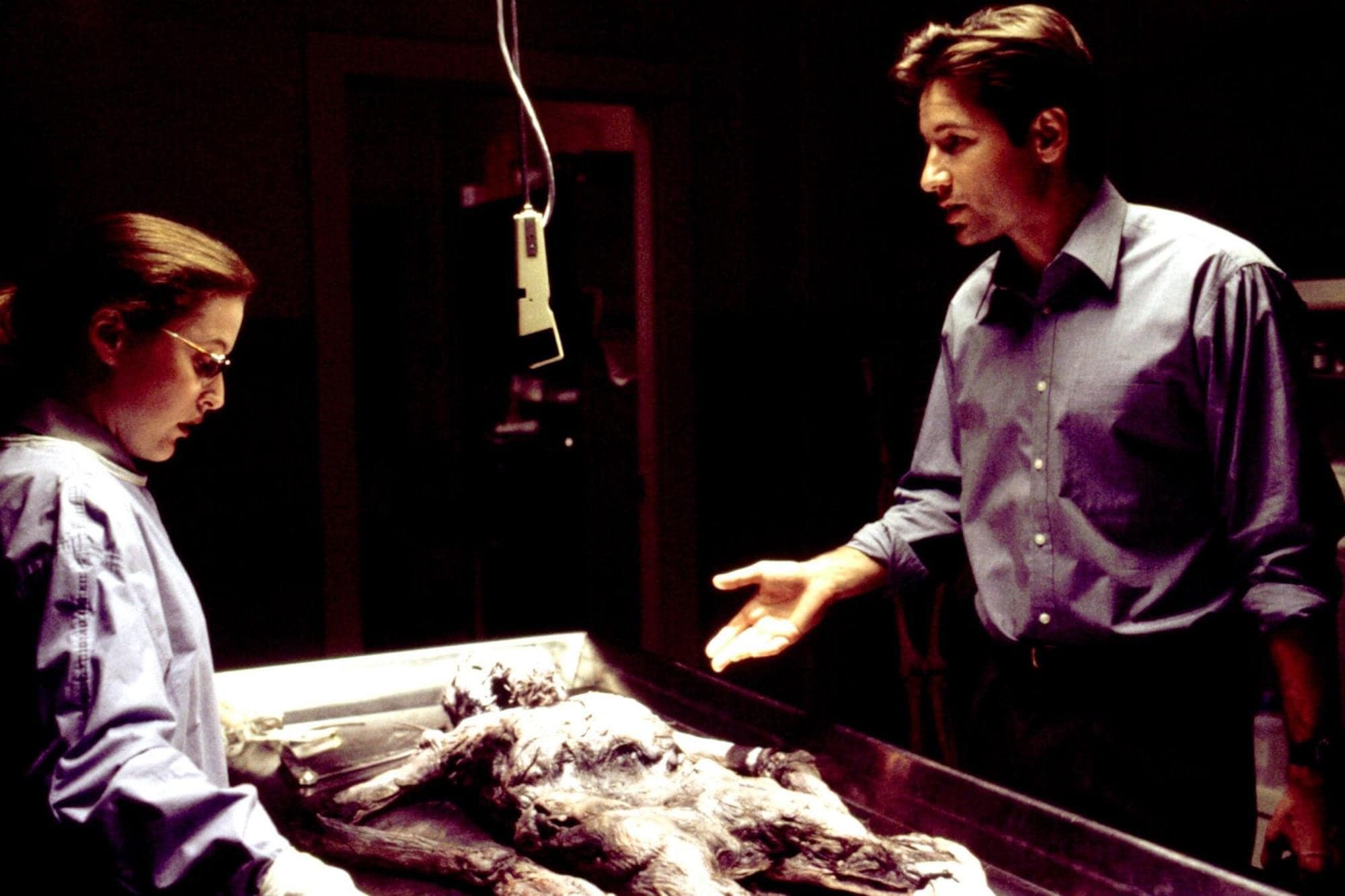
The X-Files is celebrating 30 years and is regarded as one of the most influential sci-fi TV shows of all time. It was in September 1993 that audiences were introduced to now-iconic FBI investigators Fox Mulder (David Duchovny) and Dana Scully (Gillian Anderson). Mulder was obsessed with finding out what happened to his sister who was abducted by aliens when he was just a boy. This passion launched his lifetime pursuit of investigating the UFO phenomenon and other paranormal events. His bosses at the FBI were wary of his quest and partnered him with sceptical FBI agent Scully, who always tried to reign in Mulder’s forays into the unknown. Their evolving relationship and investigations into weird events, such as alien bounty hunters and cryptid creatures, endeared them to fans worldwide and made Mulder and Scully household names.

The plots of the episodes over the original 9 seasons consisted of either the conspiracy storyline that featured sinister govt. agents and alien forces conspiring to take over the world, or “monsters of the week”, where the duo investigated other strange events having to do with unexplained phenomena, such as psychic powers in the episode “Beyond the Sea” or sea serpents in the episode “Quagmire”, among other bizarre events. The conspiracy episodes became increasingly convoluted as the series progressed with the storyline involving an alien plan to colonize the Earth, and the aliens were assisted by covert government forces led by the villain of the series, the Cigarette Smoking Man (William B. Davis), the nemesis of both Mulder and Scully, who always attempted to untangle to web of lies they faced with each case. They’re helped by various allies during the show, such as their boss Walter Skinner (Mitch Pileggi) who shielded them from attempts to have the X-Files section of the bureau shut down at great risk to himself, as well as the Lone Gunmen (Dean Haglund, Tom Braidwood, and Bruce Harwood), fellow conspiracy buffs who assisted Mulder from time to time in solving cases.

The influence of The X-files can’t be overstated as it led to many other shows involving alien conspiracies or other kinds of surreal mysteries that would have a complex story unfold over several seasons. Such shows that followed quickly after The X-Files debuted were Dark Skies, and spinoffs Millennium and The Lone Gunmen.  Even well after The X-files aired, in the 2000s, other shows appeared that followed in the footsteps of characters dealing with weird circumstances or events like Lost, Fringe and Supernatural, all of which are regarded as offspring of The X-Files, the first show that had mass appeal showcasing bizarre and unexplained phenomenon.

As for what inspired The X-Files itself, this would have to be the great but short-lived Kolchak: The Night Stalker starring Darrin McGavin, which aired in 1974-75 and is credited by X-Files creator Chris Carter as a huge influence on The X-Files. That show had a bumbling investigative reporter Karl Kolchak seeking answers to unexplained phenomenon very similar to what Mulder and Scully would take on 20 years later. McGavin even guest starred in two episodes of The X-Files portraying a character seen as the father of the FBI’s X-Files division, a tribute to Kolchak’s influence on the show.

The X-Files returned for two more seasons in 2016 and 2018 after a long hiatus and two theatrical films, which again showcased Mulder and Scully trying to unravel more alien and government plots, and finding the whereabouts of their child William. Overall, the show has become an icon in the TV and cultural landscape and has legions of devoted followers. It arrived at a time when the idea of UFOs and aliens were emerging in the mainstream as a serious topic and the show further pushed these conversations into the mainstream. The X-Files is still highly regarded 30 years later and will still be seen and imitated for many years to come.

C.S. Link

Reaction To The New DCU Announcement

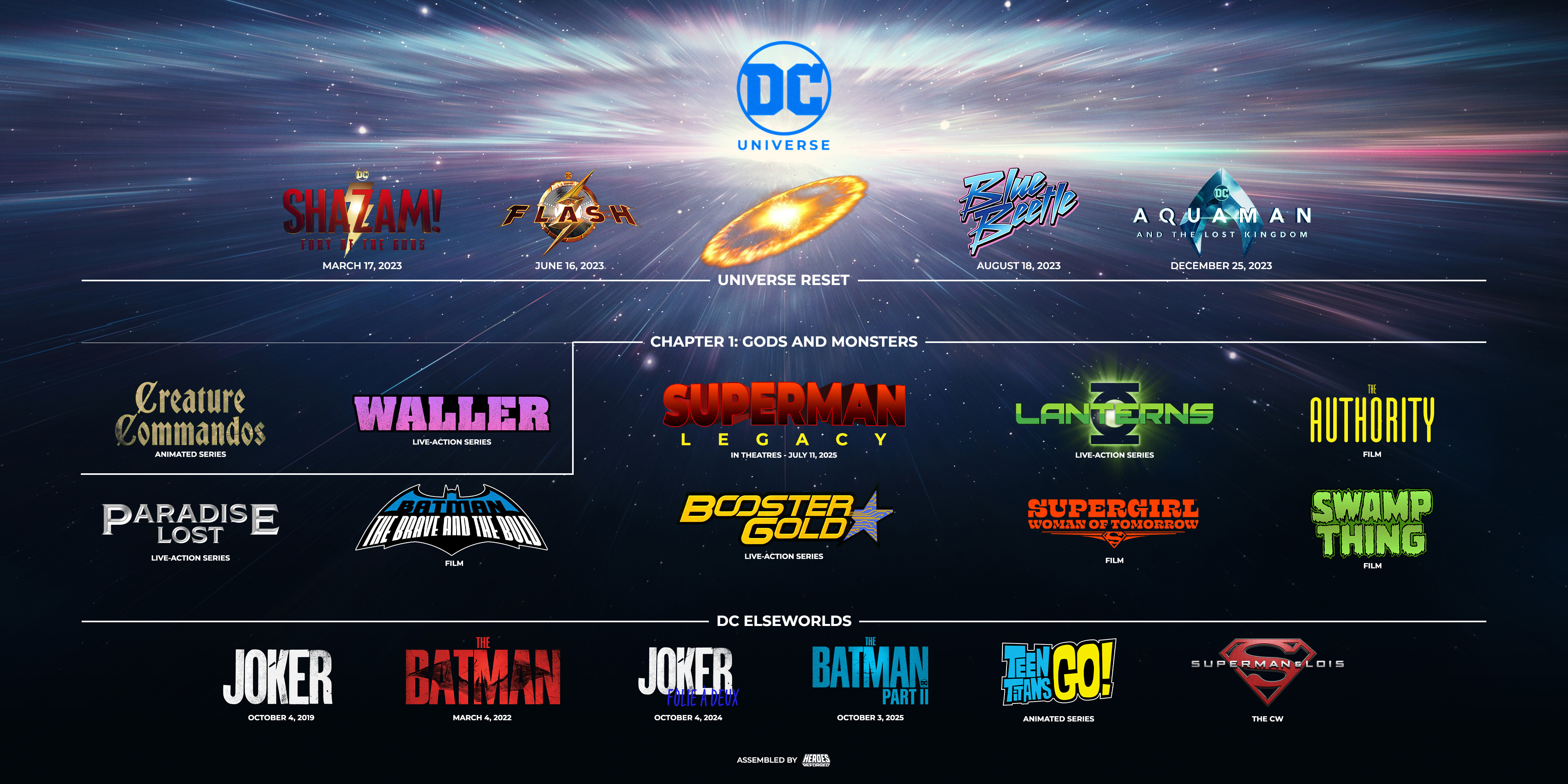
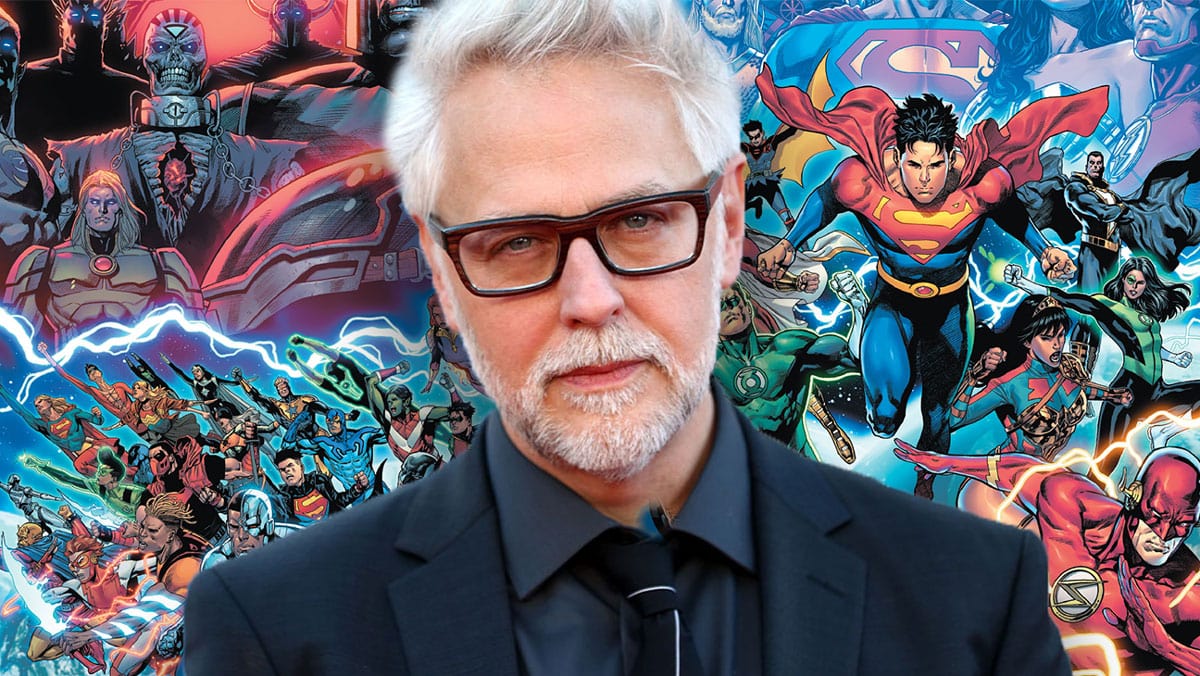
To be frank, it was best to wait a few days after the announcement from DC Studios’ head James Gunn about their new slate of DC Universe (DCU) films and TV shows. The immediate reaction for these types of announcements often run wildly until the news is fully digested. What was interesting about Gunn’s announcement was not the rage from fans of the ending DC Extended Universe (DCEU), but the large collective shrug from most.

There are many reasons for the various reactions, but the pervailing muted response has to do with the content of the upcoming DCU films and TV shows and that fans have been burned before with the intial announcement of the DCEU. When the first batch of DCEU films were announced last decade there was a lot to get fans super excited, especially with Batman v Superman: Dawn of Justice. Now we know how all that turned out. Some of the films were never made (with The Flash finally premiering later this year), while some released films failed to deliver. Then there is the fact that some of the more well-received aspects of the DCEU, namely actors like Henry Cavill and Gal Godot, will not be a part of the DCU. So, naturally the skepticism and outrage was expected.

But let’s face the truth: the DCEU was a failure. Blame the executives at Warner Bros.. Blame the producers, writers, directors and actors. Blame the unrealistic expectations and toxic fans. But the fact remains that there were too many missed opportunities and that Warner Bros. was too reactionary. Instead of trying to fix what was wrong with the DCEU, the film studios had a scattershot approach to their DC properties. They ignored what worked with the DCEU and doubled down on films and TV shows that featured DC characters, but were not connected to the DCEU. What made things worse for the cinematic universe was that non-DCEU films like Joker and The Batman were huge successes. More and more DC films and TV shows were greenlit that were not part of the DCEU, while the DCEU itself was left behind.

This was a mistake. Warner Bros. have the characters in a shared superhero universe that should have rivaled Marvel Studios and their properties. While this may please Marvel fans, the fact is that Marvel Studios needs healthy competition to keep them on their toes, and we were seeing the effect, as their recent films and TV shows were not as well received as earlier releases.

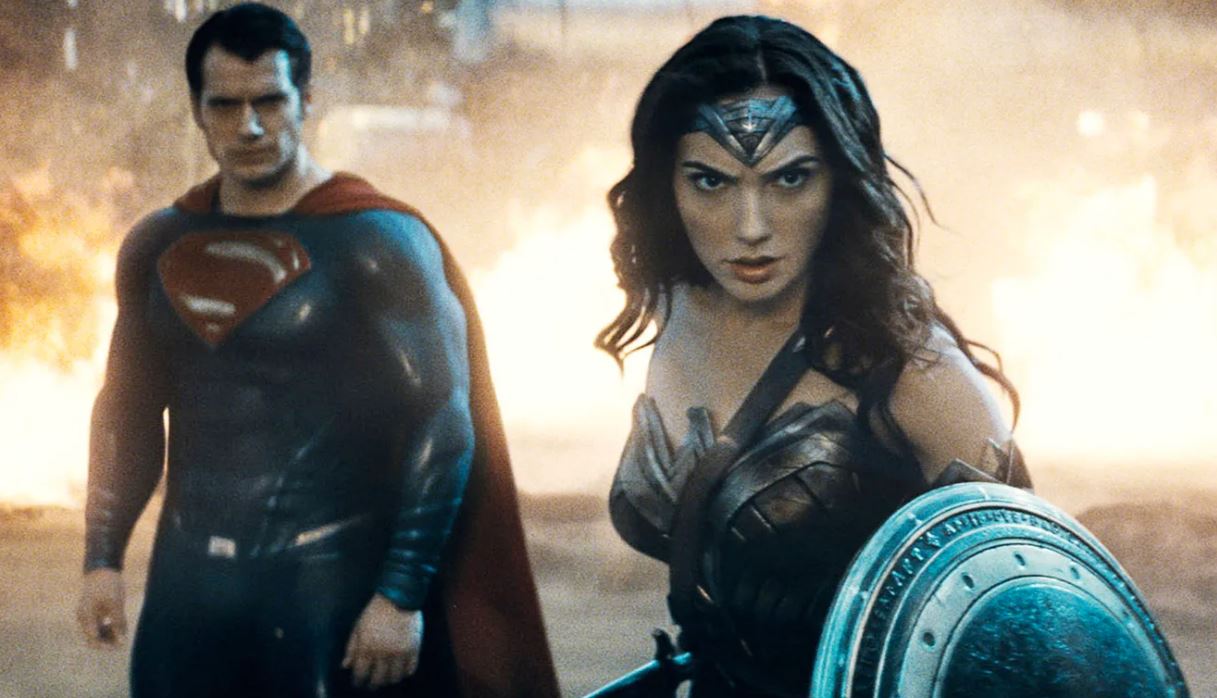
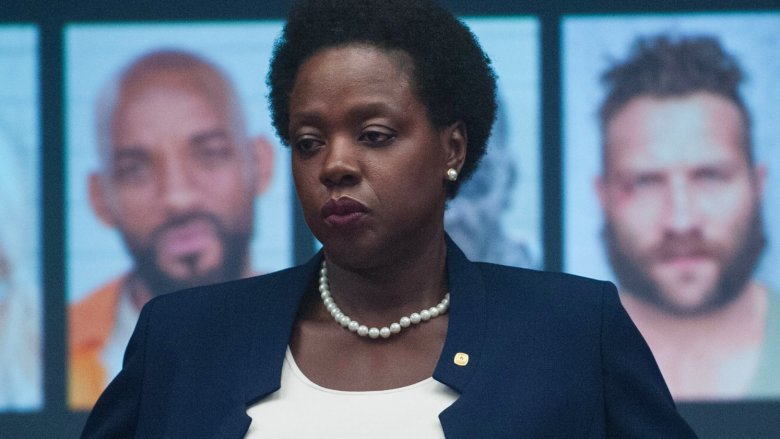
What could have been done to salvage the DCEU? Nothing, at this point. James Gunn took the right approach by starting over. But there should have been a complete reboot. Instead we are getting a TV show about Amanda Waller starring Viola Davis, who was prominent in the DCEU. Then there are reports that other actors from the DCEU like Ezra Miller will be a part of the DCU. Why keep Davis and Miller but not Cavill and Gadot? The latter two actors were very popular and turned in iconic performances as Superman and Wonder Woman. Unfortunately, while they were great in their roles they are too identified with the DCEU and nervous executives probably feared that keeping them in a new cinematic universe would be too confusing for the average moviegoer. Whatever.

On the other hand, to dismiss the DCU without seeing the final product is foolish. James Gunn is a very talented filmmaker who took the obscure Marvel Comics property Guardians of the Galaxy and made them beloved superstars. He also did this to a lesser effect with DC characters in his film The Suicide Squad and TV show Peacemaker.

Do some of the announced films and TV shows sound uninspiring? Sure. Who is clamoring for Waller or The Authority or Paradise Lost (sorry this last announced project seems too much like Game of Thrones)? Who the hell can replace Henry Cavill? Anyone trying to answer this should remember how many fans were attached to Christopher Reeve as Superman or bemoaned about how Brandon Routh was short changed. Who knows, maybe Cavill and Gadot will return at some point. It happened to Routh when he had the opportunity to reprise Superman in the Arrowverse version of Crisis on Infinite Earths. That is one crossover event that is begging to be redone properly by Gunn and his people.

It stinks that we have to wait until 2025 to see the first DCU entry Superman: Legacy, but until then we should be patient and see what happens. We should also be rooting for the DCU to succeed because if it falters like the DCEU then it will be a long time before such effort is made to create a live-action cinematic universe based on the beloved DC characters.

Top Ten Horror Video Games

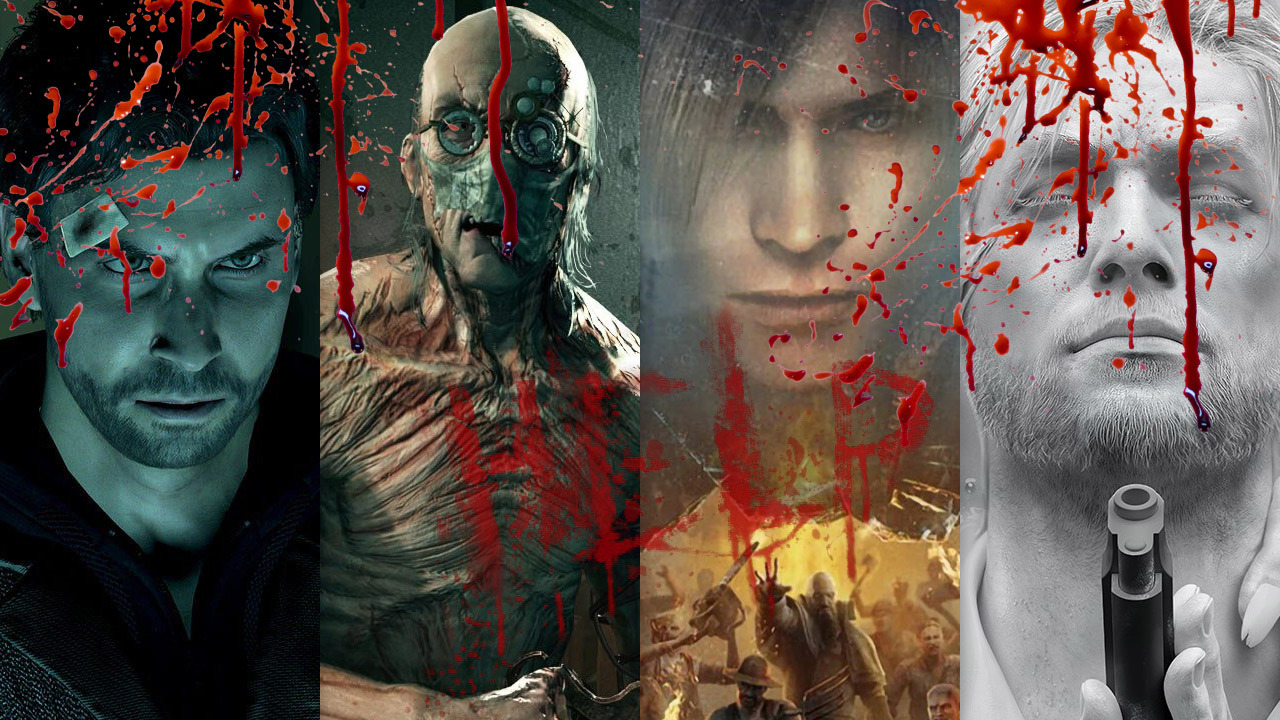
Video game players know quite well there are tons of horror video games out there in the market. Naturally some are better than others, while a select few are so well developed and memorable that they helped define the genre of horror video games and even crossed over into other media. These are the best horror video games to play in the dark, by yourself, or maybe not…

10. Outlast

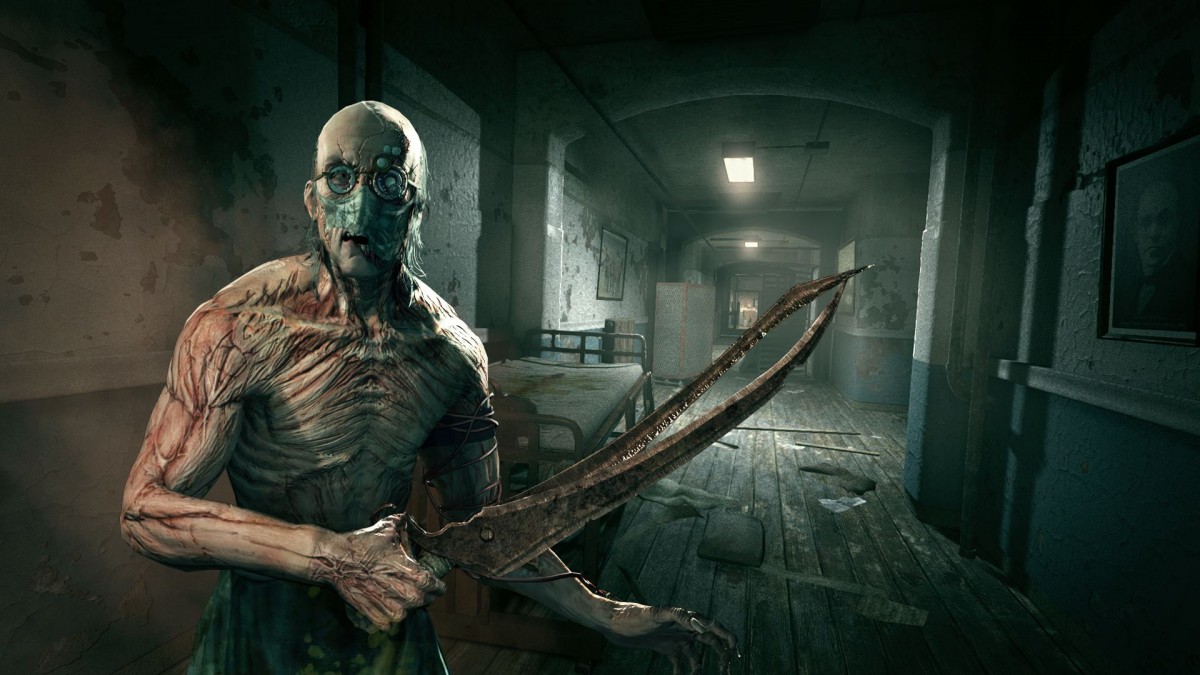
This game has an investigative journalist going to an asylum that is overrun by homicidal patients. The first-person perspective makes this experience truly frightening as you are chased by people who have been subjected to terrible mind control experiments, which turned them into dangerous lunatics. The sequel also has a journalist investigating a creepy cult in the desert that has also been subjected to similar experiments. The stealth action and lack of weapons makes this series of games a truly frightening experience.

9. Alan Wake

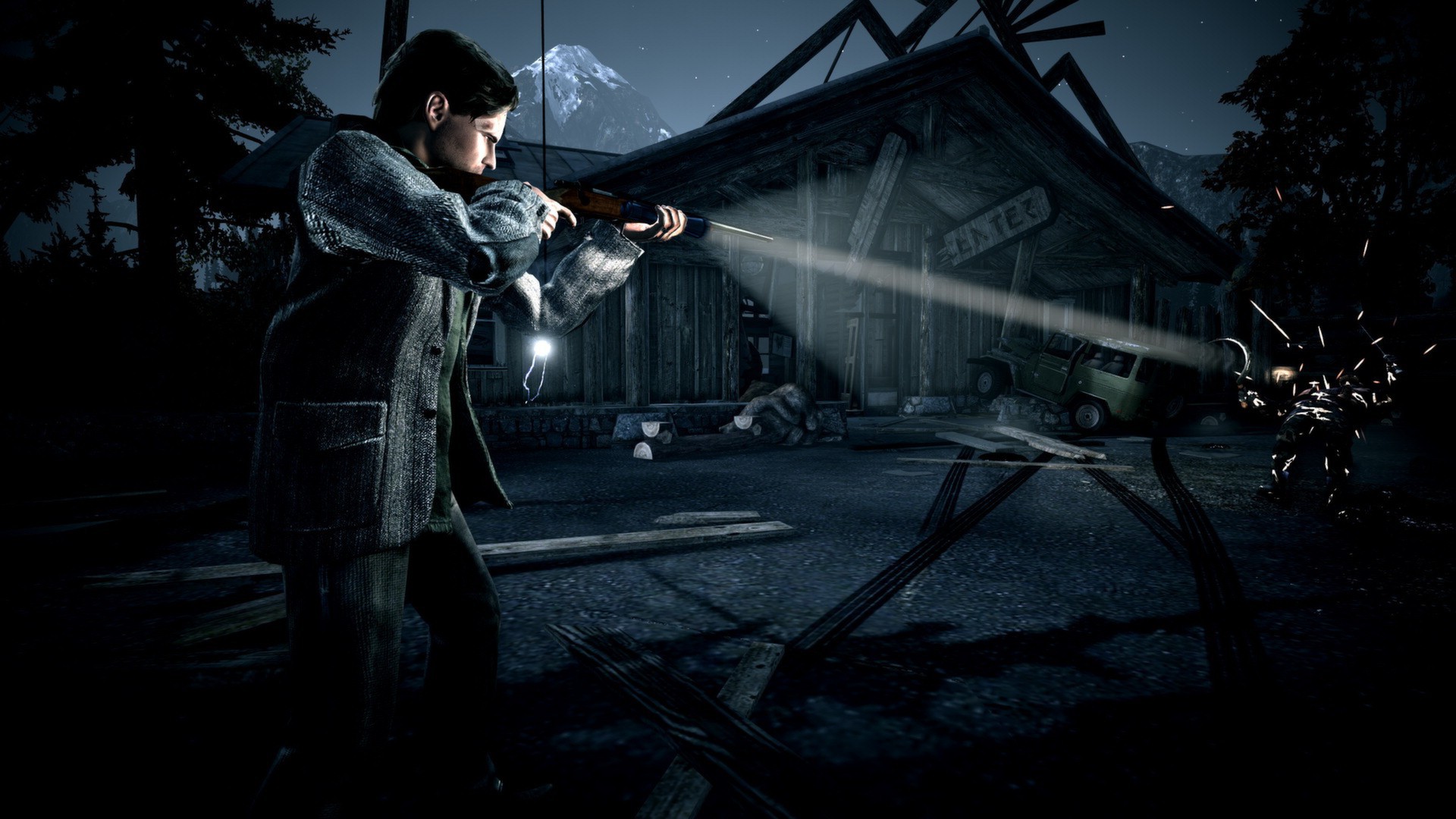
In a story that features a quirky town in the Northwest, Alan Wake is an author that goes in search of his missing wife while fighting shadow men that attack in the dark. Players have to run to areas of light amid dark forests and highways while using their flashlight to keep enemies at bay before destroying them. This makes the action both tense and interesting. The DLC Alan Wake’s American Nightmare continues the story and the upcoming sequel is finally coming out after more than a decade in the making. 

8. The Evil Within

This game from the creator of Resident Evil has a detective trapped in a dream world induced by a machine that can access people’s dreams. It causes their subconscious to create horrific creatures based on the persons’ own fears. While investigating a mass murder, he is caught in this strange cycle of nightmares and monsters while questioning his own sanity. This title is a great blend of horror and action and is a call back to classic survival horror games.

7. F.E.A.R.

F.E.A.R., or First Encounter Assault Recon, is a horror first-person shooter that has an elite army unit investigating a private military company’s secret research program where they encounter a powerful psychic girl named Alma who can kill with her thoughts. Her appearance is reminiscent of Sadako from The Ring movies and the ability of the player to slow down time while fighting makes this franchise a unique FPS experience.

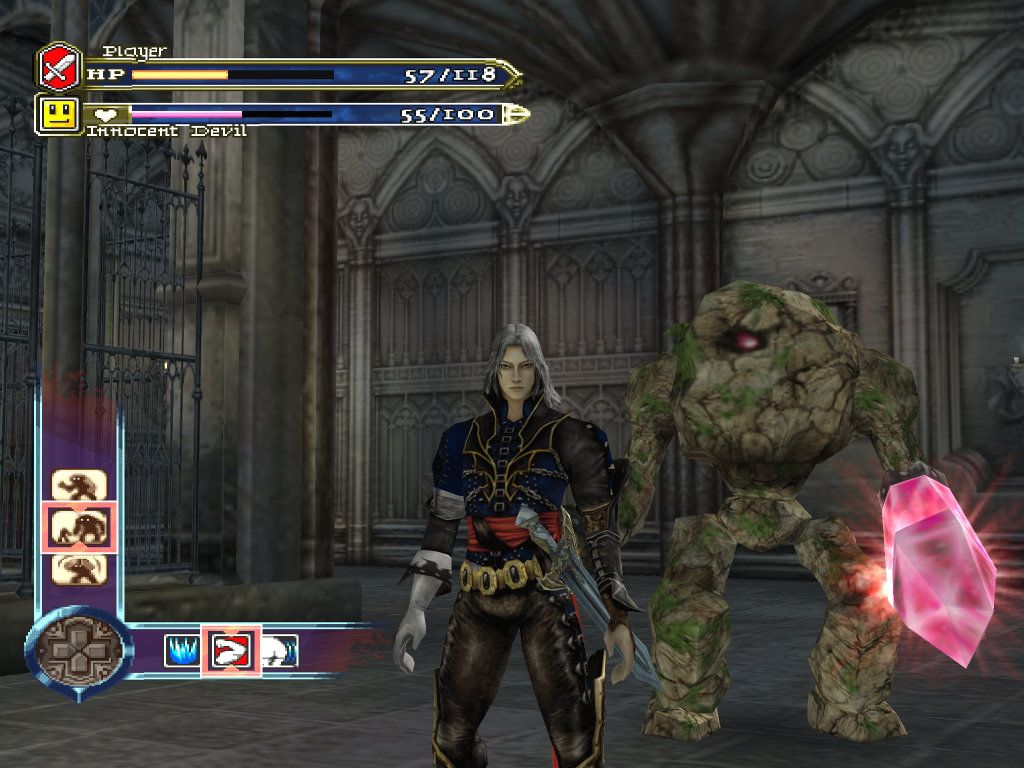
6. Castlevania

This classic series features the Belmont clan fighting Dracula and his minions. The ongoing saga spans centuries and numerous side scrolling adventures, as well as some less regarded 3D action titles. The first game showcased Simon Belmont and his trusty whip, storming Dracula’s castle and confronting the Grim Reaper as well as Dracula himself. Subsequent games featured both his ancestors and descendants still fighting the forces of evil. There is also a highly regarded animated series on Netflix that revitalized the franchise and has fans hoping for more entries of vampire-busting action.

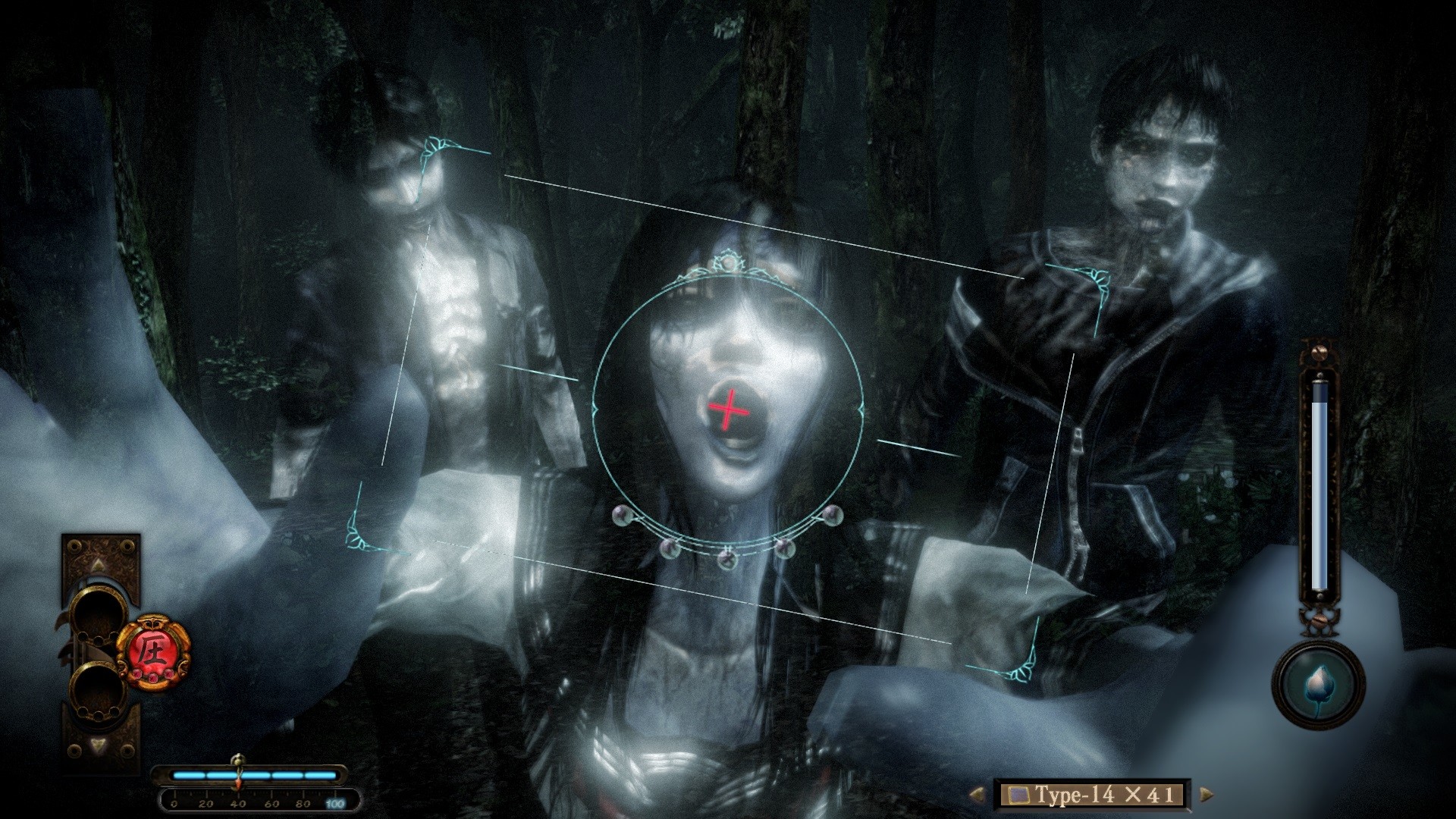
5. Fatal Frame

An Asian horror story franchise, these games feature female protagonists that actually combat ghosts with their mystical cameras. This unique spin on the survival horror genre gives it a different feel. The spooky atmosphere and tales of sacrifice and hauntings in Japan are a real treat for fans of films such as The Ring and The Grudge. This series has numerous sequels as wel,l and hopefully this original series will see more installments in the future. 

4. Doom

This series is more of an action game, but its setting with demons invading Mars shows its horror roots, especially with Doom 3, which is basically a survival horror FPS. Its numerous sequels have gamers literally traveling to Hell to confront the demonic creatures that threaten to destroy Earth. The numerous strange looking beings that arrive through inter-dimensional gates in the Doom games are always a terror to behold.

3. Dead Space

A perfect combination of outer space horror and cults that spawn hideous creatures, this series is also on the rebound with an upcoming remake of the original from 2008 that showed an astronaut going to an outpost overrun with parasitic creatures that reanimated corpses and transformed them into deadly and horrific monsters. Legendary filmmaker John Carpenter is a fan of the franchise and has expressed interest in making a movie of it, which shows how far reaching this game is. If only a film studio would let Carpenter actually film it a live-action version of Dead Space, the film could wind up becoming an instant classic.

2. Silent Hill

More of a psychological horror tale as opposed to Resident Evil’s focus on action yarn, the haunted town of Silent Hill has unnerved gaming fans since the original game showed Harry Mason looking for his lost daughter in the fog and creature infested town, while traveling to a creepy and eerie alternate dimension. Its sequel is regarded as one of the best games of all time. The just announced remake of Silent Hill 2 has generated huge excitement and is seen as a comeback for the dormant franchise.

1. Resident Evil

The ultimate horror video game zombie franchise, this game has spawned dozens of sequels, as well as movies and TV shows, and is still going strong to this day with a highly anticipated remake of Resident Evil 4 coming next year and a just released movie and Netflix series. The original story of a police SWAT team known as STARS getting trapped in a decrepit mansion filled with not only zombies, but other mutated creatures still terrifies fans to this day, and its evolving story of corporate intrigue and bio-terror is a true horror video game classic.

C.S. Link

Werewolf By Night Harkens Back To Classic Horror Films

The latest offering from the Marvel Cinematic Universe (MCU), Werewolf by Night, was just released on Disney + in time for the Halloween season. Werewolf by Night is actually a rarity these days, a television film and only about an hour, at that. More interesting is that like many projects in the MCU’s Phase Four, it is not the typical superhero slugfest. In fact, the film does not make any kind of overt connection to the larger MCU, but it ends up enriching the MCU with its solidly supernatural motif.

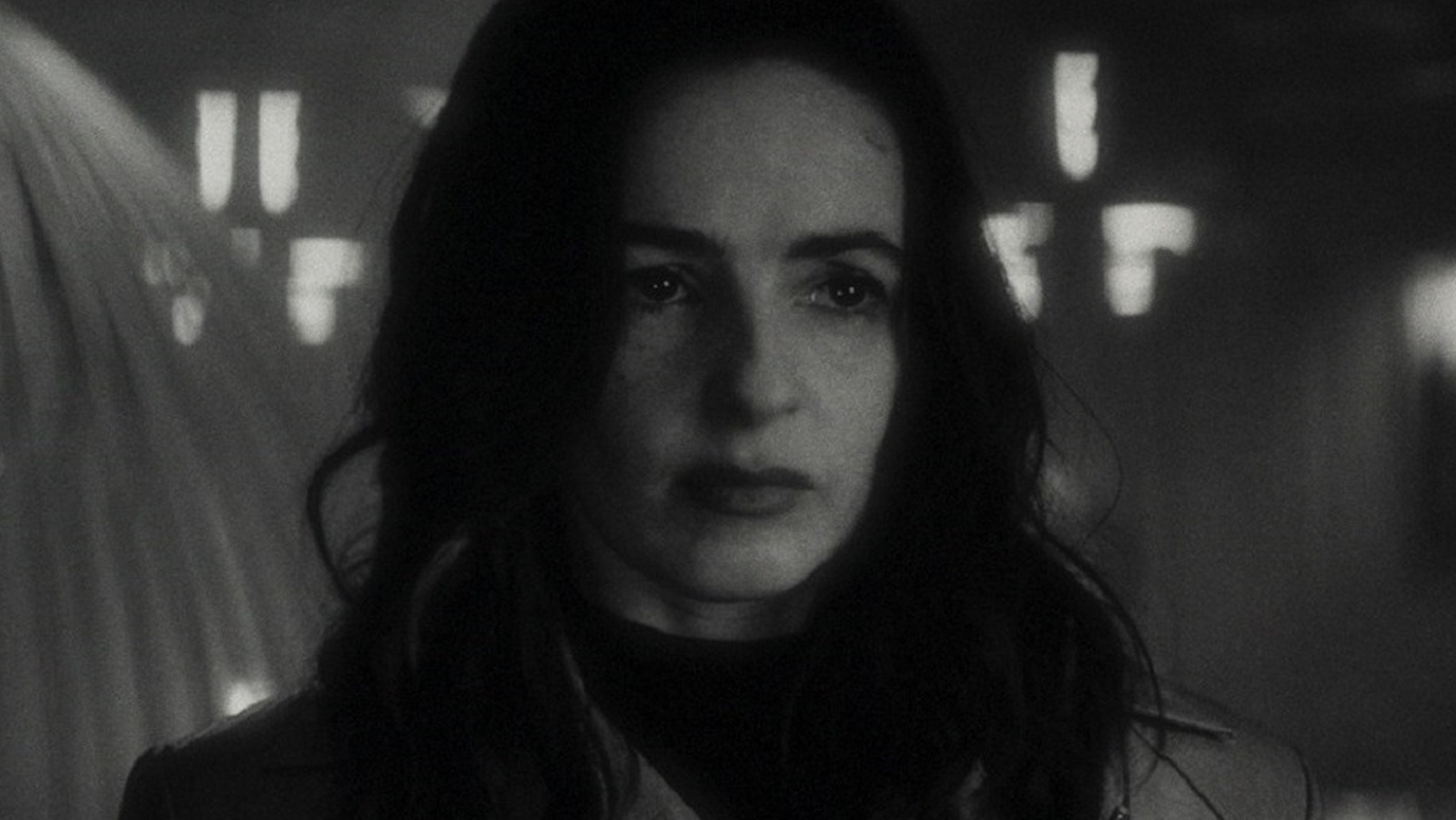
Filmed largely in black and white, the film follows Jack Russell (Gael Garcia Bernal), a so-called monster hunter, who arrives at a spooky manor and participates in a ceremonial hunt of a captured monster held in a maze in the manor’s grounds. The prize for finding the monster is a mystical stone called the Bloodstone that was once wielded by Ulysses Bloodstone, who died recently. During the hunt, Jack teams up with fellow monster hunter Elsa Bloodstone (Laura Donnelly), the estranged daughter of Ulysses Bloodstone. Jack is only interested in finding the monster, while Elsa wants the Bloodstone. During the hunt the two must deal with rival monster hunters and Jack’s hidden secrets.

Werewolf by Night, is surprisingly fun and spooky. It clearly harkens back to the old Universal classic horror films from the ’40s featuring Dracula, the Wolfwman and other famous monsters. But the film also has a grindhouse, 1970s feel with its graphic violence (muted by the black and white photography), it is probably the most violent MCU offering to date and is appropriate for this kind of project.

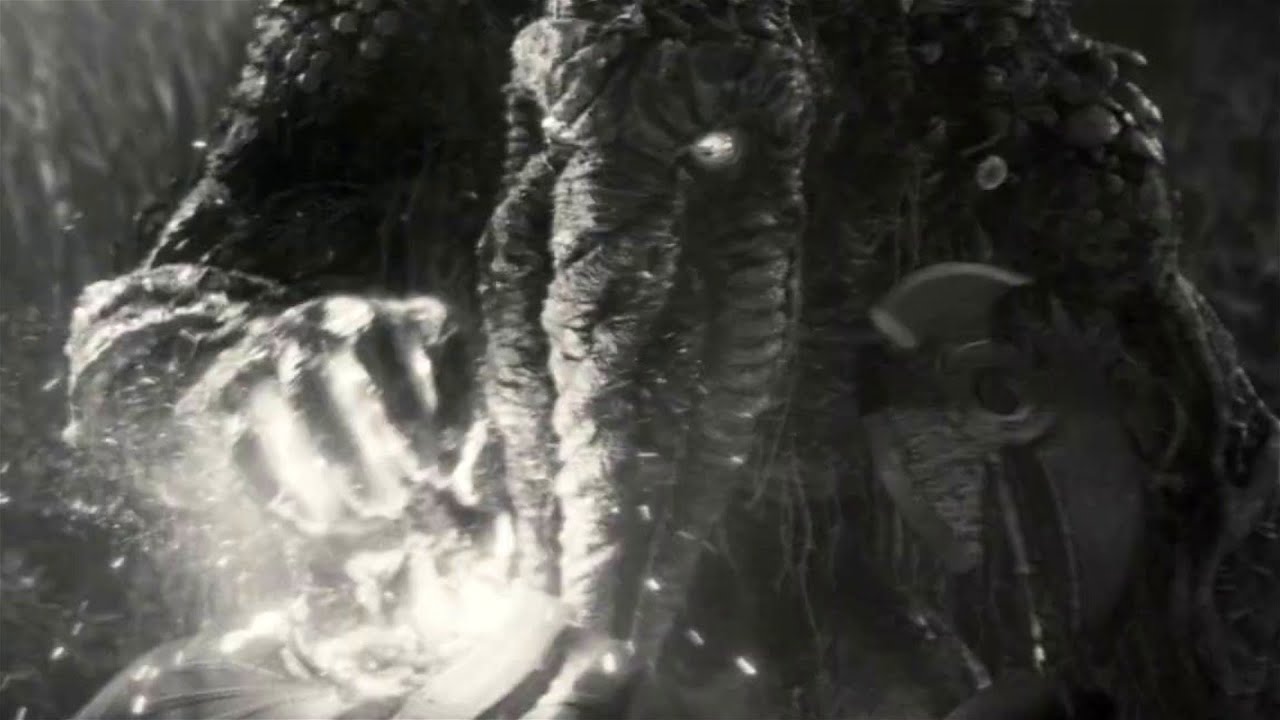
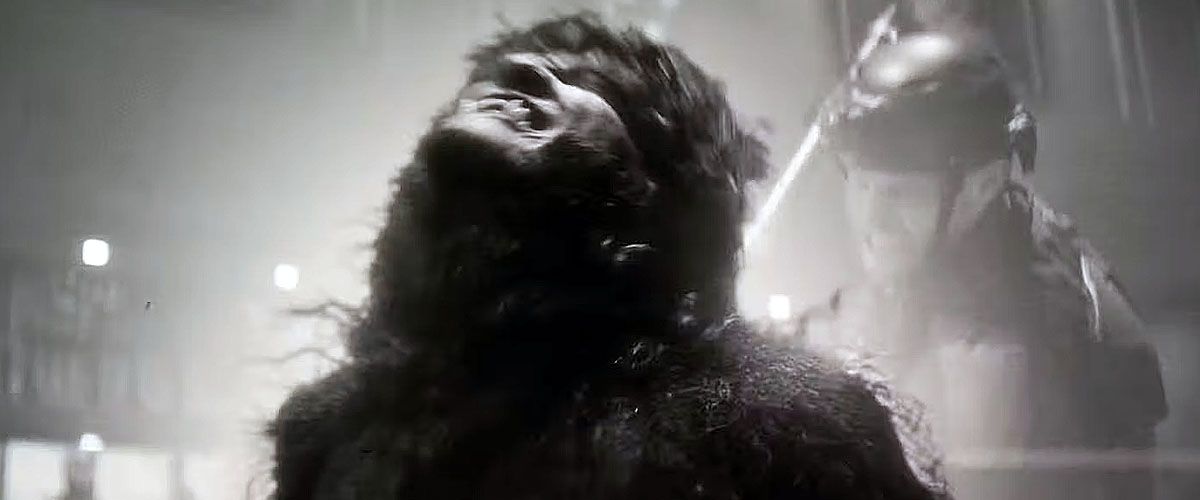
The film’s atmosphere is perfect for the story it tells and has the right amount of jump scares and thrills. The film could have benefited from a slightly longer length to flesh out the story and characters, but supposedly there was extra footage that was deleted because they were too comical and Marvel Studios is smarting over recent criticism that their projects are too comical. It would be a joy to see a followup to Werewolf by Night, as there is so much about Jack Russell and Elsa Bloodstone that we viewers are not aware of and there is a lot of potential with the those two. Also, it would be interesting to see how they fit in with the larger MCU, and the same goes for the third standout character in the film, Man-Thing. In addition to the Werewolf, the hulking, moss-covered monstrosity is perfectly comics accurate and imposing. The effects used to bring the creature to life were very impressive, in fact, it was clear most of the film’s budget was held back to benefit Man-Thing’s appearances. If anything, a Man-Thing spinoff film or series must be made.

As for the title character, he was obviously a person wearing monster makeup, but it was a refreshing throwback to the CG that has taken over. More importantly despite the low-tech approach to how he is presented, the monstrous Werewolf was very terrifying with his savage and animalistic fights.

Director Michael Giacchino creates a moody and dark atmosphere filled with shadows and a sense of dread, which is what made the old Universal horror films so beloved. His directorial debut is quite impressive given that he is best known for his distinct film scores (by the way, he also scored this film and his work was brilliant as always). Given the way he was able to bring out the scares and deliver a solid horror film, he should be seriously considered to direct the Blade film, given that Marvel Studios is now scrambling to find a director for that project. Werewolf by Night demonstrates that Giacchino has the skills to give us a great vampire film.

Unlike some misfires in Phase Four of the MCU, Werewolf by Night is a textbook example of doing something different that engages the viewers and unveals spooky new corners of the growing MCU.

José Soto