The Outrageous Return Of The Suicide Squad

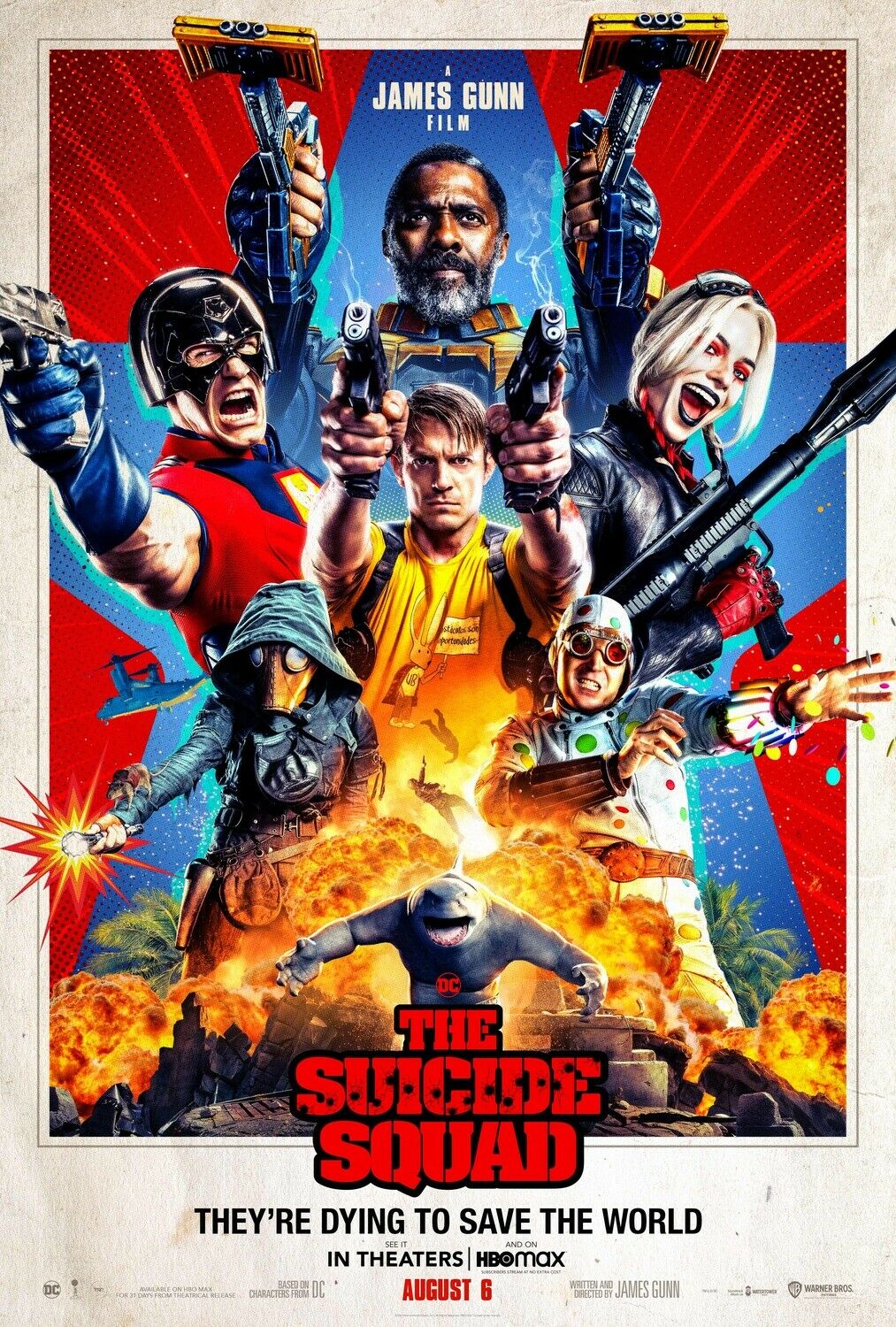
The Suicide Squad is the latest entry in the DC Extended Universe (DCEU), directed by Guardians of the Galaxy director James Gunn and is currently in theaters and streaming on HBO Max. Beware of some spoilers after this notice.
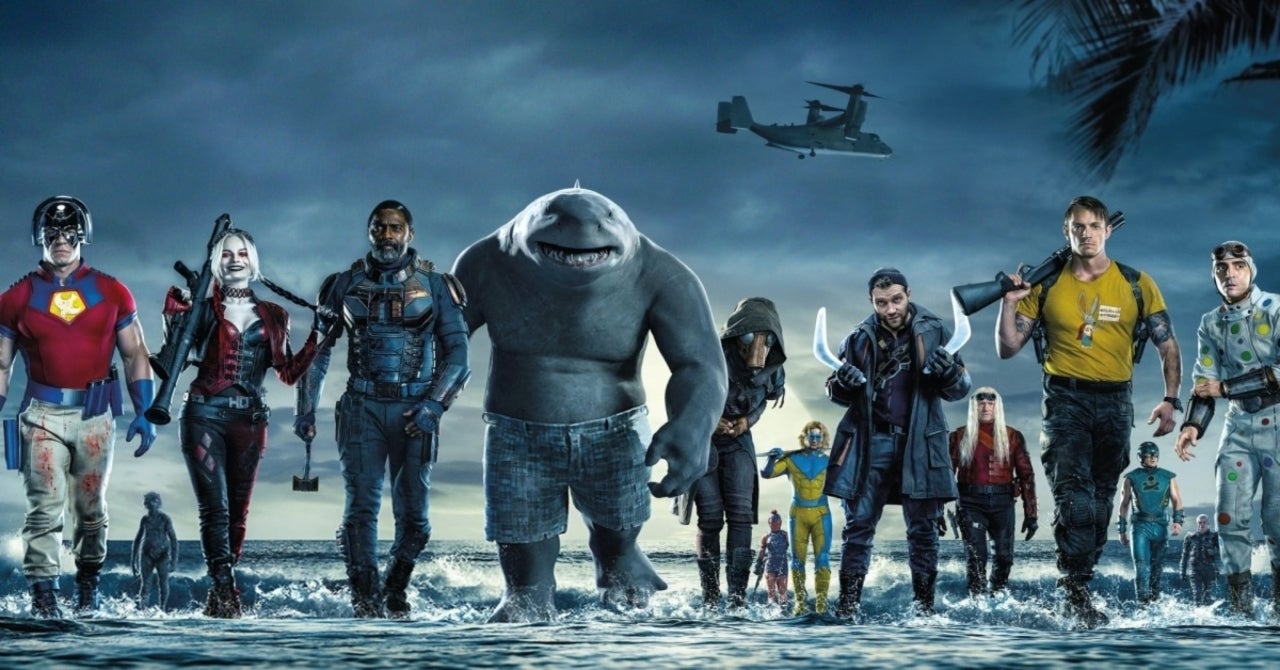
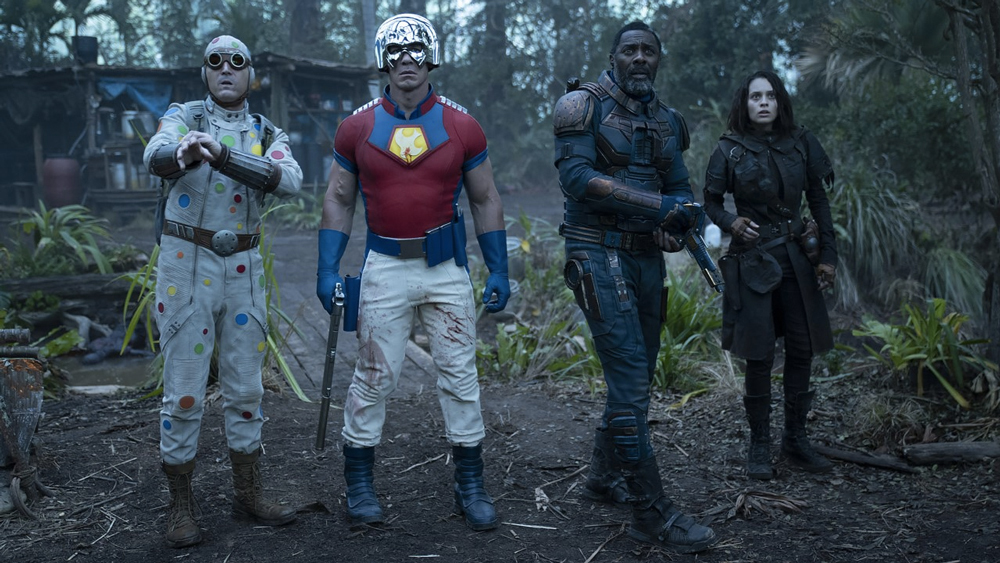
This standalone sequel to 2016’s Suicide Squad features returning characters Rick Flag (Joel Kinnaman), and captured supervillains Harley Quinn (Margot Robbie) and Captain Boomerang (Jai Courtney), who as part of the secret United States black ops group Task Force X, are sent on a literal suicide mission by U.S. operative Amanda Waller (Viola Davis) to the island nation of Corto Maltese, along with new characters such as Weasel (motion captured by Sean Gunn), and Blackguard (Pete Davison). However, this group is almost wiped out at the start of the film, with only Flag and Harley surviving and captured by the military of Corto Maltese. It’s revealed that they are a decoy team for a second team led by other captured supervillains Bloodsport (Idris Elba), King Shark (motion captured by Steve Agee and voiced by Sylvester Stallone), Ratcatcher 2 (Daniela Melchior), Peacemaker (John Cena) and Polka Dot Man (David Mastmalchian), who also arrive on the island at another location. They are supposed to destroy a secret weapon, which is later revealed to be an extraterrestrial entitiy known as Starro, a gigantic starfish that can seemingly destroy the world.

The second group eventually rescues Flag, who was actually captured by rebels intent on overthrowing the island’s military government. Harley is able to escape by herself in an exciting and colorful action sequence and then she joins up with the rest of the Suicide Squad. They eventually head to a secret research facility housing Starro, leading to the biggest action scenes in The Suicide Squad with the group showing off their abilities and a surprise confrontation when the US government’s role with Starro is revealed. The final battle features the gigantic alien starfish ready to destroy a city Godzilla style and the members of the squad fighting a seemingly hopeless battle. The conclusion is both crazy, outrageous and creepy, which demonstrates the overall feel of the movie quite well.

The interaction between the characters is a highlight with Bloodsport and Ratcatcher 2 forming a father-daughter bond, and King Shark providing good comic relief with his quest for food (namely human) and friendship. Peacemaker’s contradictory love of violence in the name of peace and his rivalries with Bloodsport and Rick Flag is also enjoyable, as is Polka Dot Man’s neurosis over his mother who he sees as literally everyone. Harley is as zany and psychotic as she has been since the first Suicide Squad, lethal one minute and a seemingly ditzy blonde the next.
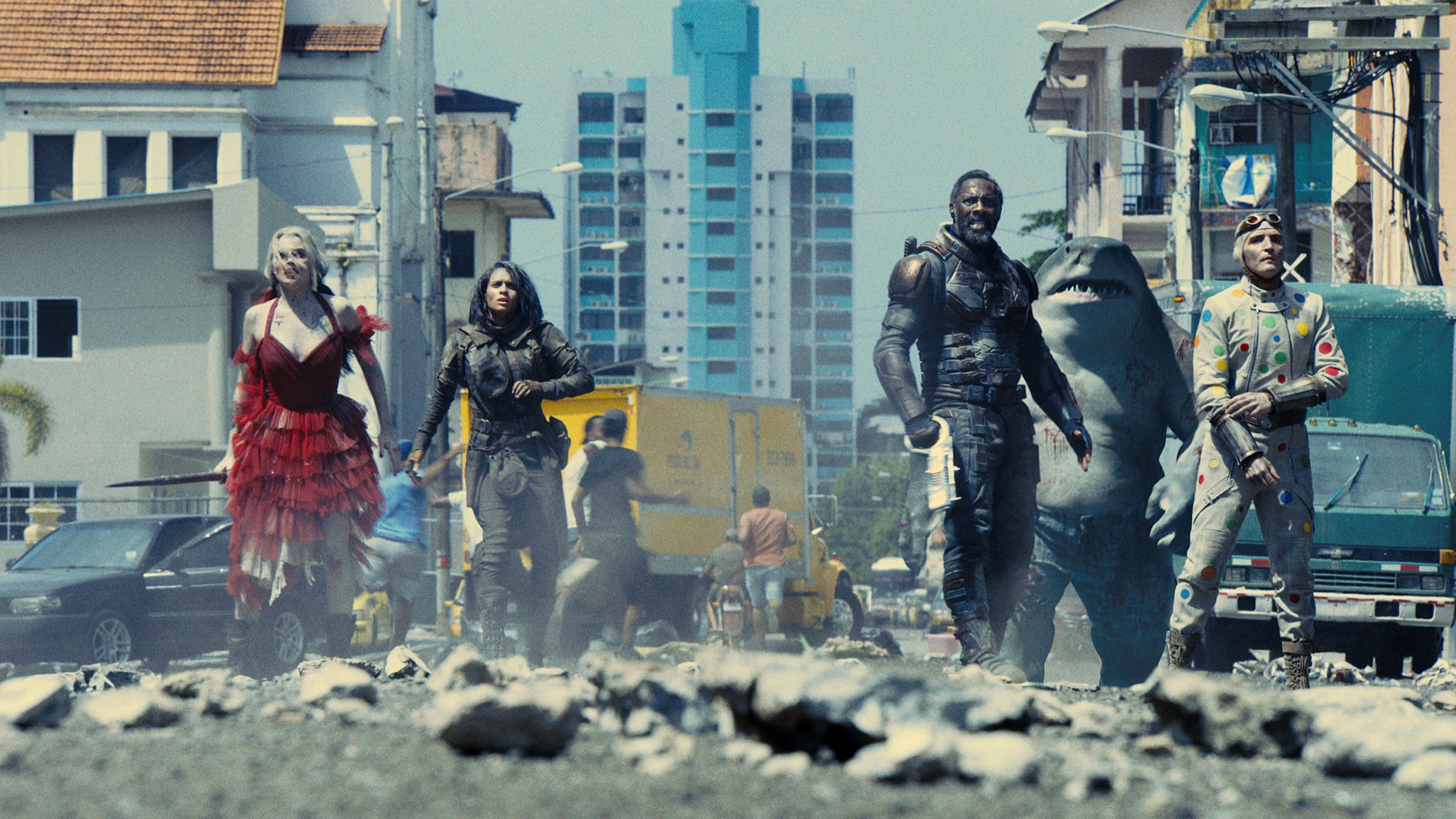
The connection with the first film is minimal with this film having a separate plot, although it’s not a reboot as some earlier reports said. The tone of The Suicide Squad is somewhat lighter than the previous one with numerous musical interludes and humorous moments throughout. Some of these scenes go on too long which explains the two-hour-plus running time that does stop the momentum of the plot, but the film makes up for this during the hectic finale. The killing off of the first team at the start of the film is somewhat unfortunate as we never get to know them well, though some of them warranted more screen time. One advantage the first film had was the presence of more familiar characters, such as the Joker and Killer Croc, and a more intense feel, but the new film is still an enjoyable experience that has great action scenes and over-the-top violence. That is one thing to keep in mind if watching it with kids. There are numerous gory scenes with decapitations, King Shark devouring people with glee and faces blown off. It’s rated R and earns it, but at the same time The Suicide Squad doesn’t take itself seriously, which softens the blow and keeps things light.
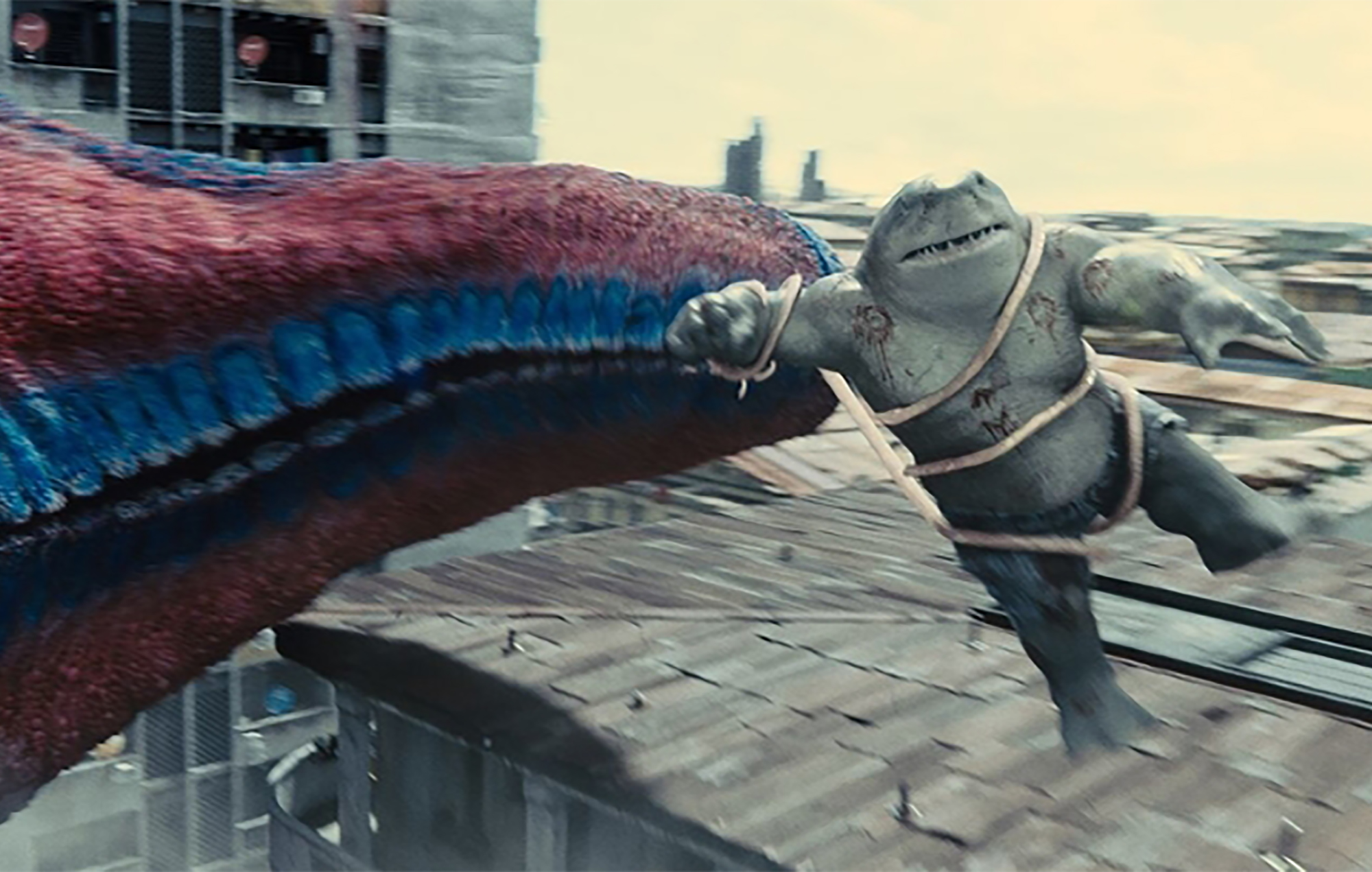
Overall, The Suicide Squad is an adventurous and outrageous entry into the DCEU, which may point the way to more films like this with James Gunn returning for future unnamed movies, as well as the upcoming spin-off HBO Max series starring John Cena as Peacemaker. We are seeing more interactions like this between the streaming service and theatrical DC and DCEU films with a Gotham PD series to follow The Batman, and a Batgirl movie in the works for HBO Max. This is different than in the past when TV shows such as Gotham, and Krypton were standalone TV shows with no relation whatsoever with any films. This seems to be changing and may point to a more interconnected DC live-action universe. This was hinted at during the CW Crisis on Infinite Earths crossover that had the theatrical DCEU Flash appearing in a cameo. Having the story of The Suicide Squad continue through Peacemaker’s new show is a clear example of this interconnection.

Whether another Suicide Squad movie will be coming is not known at this time, but hopefully, based on the initial reaction to The Suicide Squad, we haven’t seen the last of Task Force X.

C.S. Link
More Genre Film Delays?

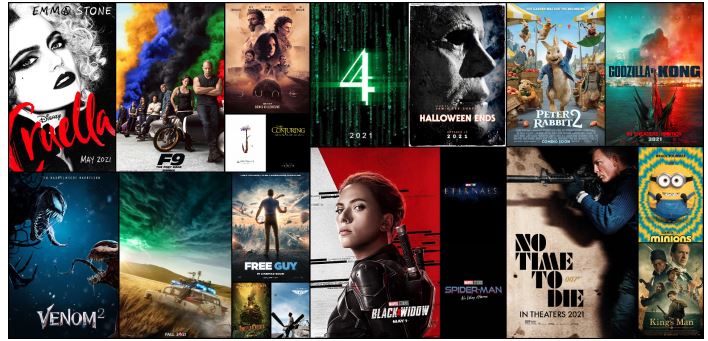
Looks like we are heading back to square one with the COVID-19 pandemic. The delta variant of the coronavirus has raised infection numbers worldwide just as it was recovering from the pandemic (thanks maskholes, covidiots, and other morons who either won’t mask up or get vaccinated for stupid reasons). As the COVID-19 cases began to explode in alarming numbers this development seems to be causing film studios to reconsider their release schedule. We all know how severely their original film schedules were thrown out the window when the pandemic first happened last year.

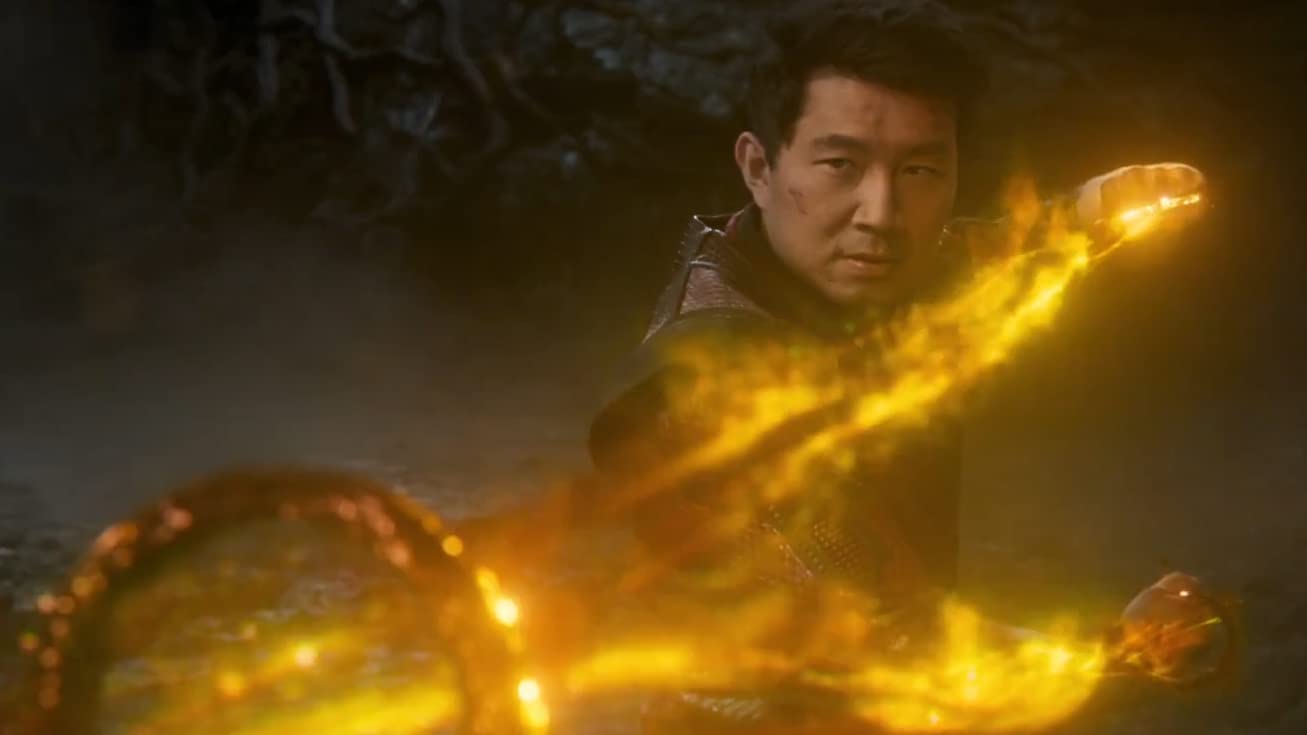
Already, Paramount Pictures announced that they canceled the September 17, 2021 release of Clifford the Big Red Dog to no date certain. While many adult genre fans would not care about that they have to realize the precedent this is setting. The same thing happened last year when the James Bond film No Time to Die had its release date canceled. It was the first major film to be delayed. This eventually caused a ripple effect as the pandemic worsened as we saw that Marvel Studios’ Black Widow was yanked from its May release date with just weeks to go. Can history repeat itself if the film release Shang-Chi and the Legend of the Ten Rings is delayed from September 3, 2021 to who knows when? What about Eternals? What about Spider-Man: No Way Home?

That Marvel Studios/Sony Pictures production is the most eagerly awaited offering from the Marvel Cinematic Universe (MCU) for the year. But we have yet to see a trailer or even acknowledgement about what it is about or who appears in the film. So the speculation about Tobey Maguire and Andrew Garfield will continue. This is concerning for Spider-Man fans because the film is supposed to come out this December and by this time there should have been a trailer, but Sony has not provided any updates on the film. This is fueling speculation that Spider-Man: No Way Home will be delayed.

Adding ammunition to this is that today’s trailer release of Venom: Let There Be Carnage did not have a release date, only the tag: “Exclusively in movie theaters this fall”. The Venom sequel is supposed to be released on September 24, 2021 but by the way things are going, it’s anyone’s guess if this will happen. If Venom: Let There Be Carnage is pushed to October or November this in turn will push Spider-Man: No Way Home’s release date to next year and further delay Sony’s Morbius film.

If Spider-Man: No Way Home is delayed this dominoe will affect the other MCU films slated for future release. Doctor Strange in the Multiverse of Madness is connected to the Spider-Man film and is the first MCU film of 2022. Will this impact the Disney+ MCU TV shows, as well?

Of course, the delays will create even more tension with Marvel Studios, their parent company, Disney, and Sony. Spider-Man: No Way Home is Sony’s biggest film and they want to get the most bang out of their production so they may want to hold off until next summer. As mentioned above this will disrupt Marvel Studios plans for their films creating more delays. On top of that there are reports that Marvel Studios’ president Kevin Feige is not happy with Disney over the way they handled the release of Black Widow. He did not favor its simultaneous release onto Disney+ and in theaters, which caused the film to lose money in the box office. And he was sided with Black Widow’s star Scarlett Johansson, who is suing Disney. This could be the start of the unraveling of the Golden Period of the MCU. Who knows where this will end? Perhaps Feige may eventually jump ship and go work at another film studio. Warner Brothers will take him in a second!

At least for Warner Brothers, their DC Extended Universe (DCEU) films may not be as affected as The Suicide Squad is coming out this week and they don’t have any DCEU films slated for release until next summer. Hopefully by then the unvaccinated will get a clue and we’ll be able to put this disease behind us. Their other genre films like Dune and the new sequel to The Matrix, which were slated for release this year, will also stream on HBO Max. So they might stick to the schedule for the rest of the year. As we have seen throughout the pandemic this release strategy will dampen box office returns. Keep in mind, both Warner Bros. and Disney have announced they will discontinue this practice. That could change if the pandemic doesn’t abide soon.

For now, it is too soon to say where things will end. Perhaps infection and death rates will plummet or booster shots to combat the delta variant will be distributed soon to put the vaccinated at ease. There are reports that vaccination rates are increasing so hopefully by the end of the month we can see better numbers. Of course, this grousing about delayed genre film releases cannot compare to the pain and misery that the coronavirus is causing among us. We all have to do our part, which includes continuing to mask up (even if we’re vaccinated), washing up, social distancing, and the other efforts to stop the spread of the virus. OK, PSA is over, whether or not these films we love get delayed it’s more important to stay safe and enjoy the many other media that is still available for our enjoyment.

About Black Widow’s Box Office…

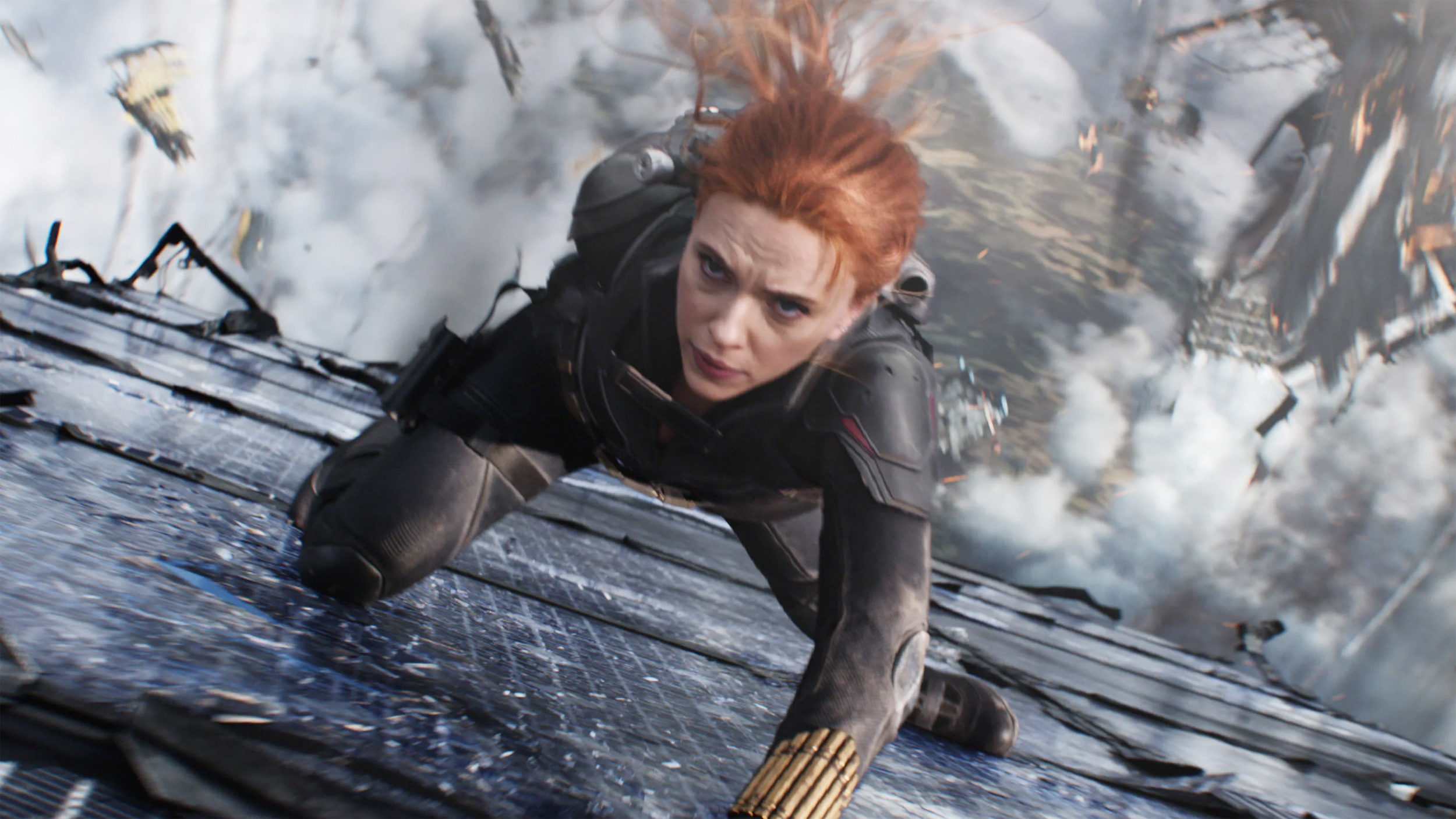
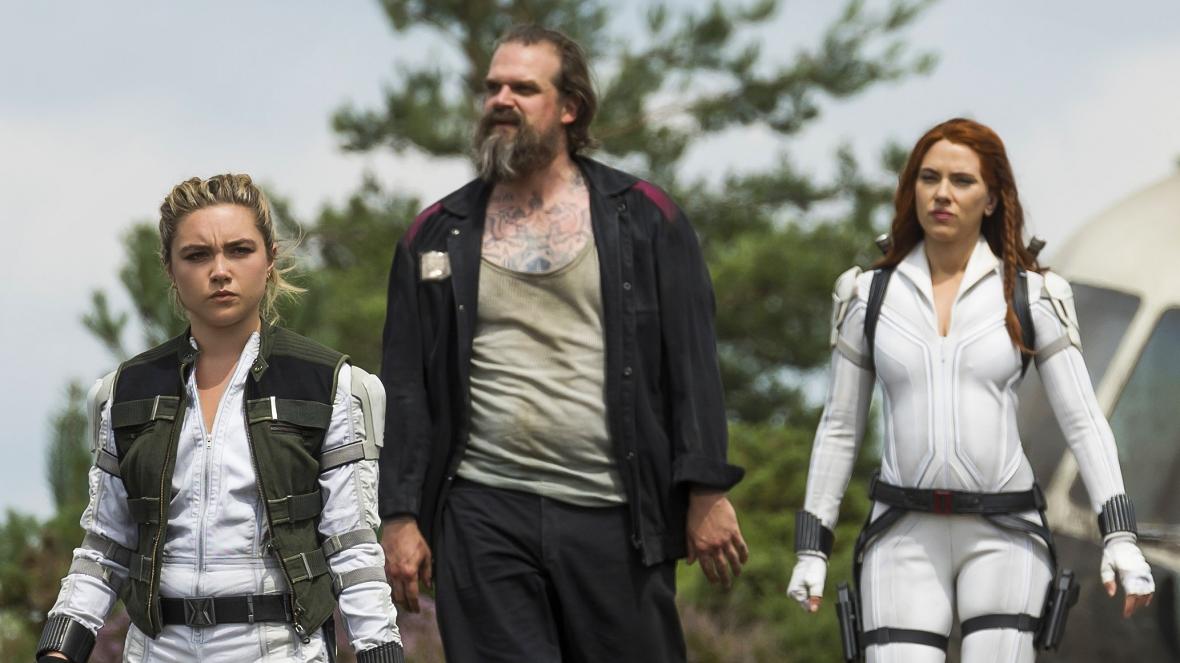
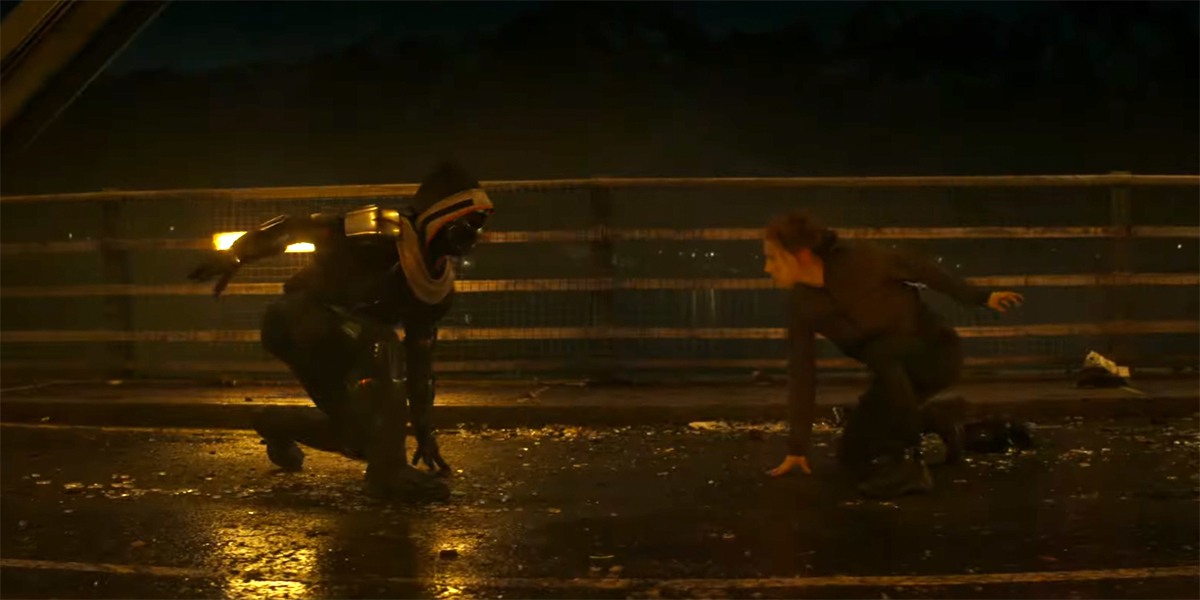
After what seemed like forever Marvel Studios and Disney finally released on July 9, Black Widow, the first film from the Marvel Cinematic Universe (MCU) since 2019’s Spider-Man: Far From Home. Predictions and projections were all over the place over how the film would perform and be received.

At first, Black Widow performed very impressively, earning $80 million dollars in its opening weekend. This may be small compared to some of the bigger MCU hits, but terrific for a film release during the COVID-19 pandemic, which has cratered the box office worldwide. In fact, Black Widow has set the record for the highest debuting film during the pandemic.

However, the news was quick to turn against the film and Disney when Black Widow had an enormous drop in its second week, earning only $37 million dollars, a drop of 67 percent, the biggest second week drop for an MCU film. This current weekend it earned $11 million dollars, placing it in third place and it actually beat the film that displaced it in its second week, Space Jam: A New Legacy. Currently its box office haul is $315 million worldwide. Yes, that is impressive but it had a budget of $200 million and it looks like it will barely break even if it reaches $400 million by the end of its run. Consider that the average MCU film of late earned roughly $1 billion dollars and its lower earning films averaged around $500 to $600 million. These figures can be used to conclude that Black Widow will be a disappointment in the box office. In fact, there are tons of reports trying to explain its relatively poor performance.

But that is not necessarily the complete picture.

As anyone reading this knows, Disney simultaneously released Black Widow on its streaming platform, Disney+, for $30 dollars on top of a subscription to the app. Many people scoffed at paying such a high price for a film that could be seen in theaters for much less. Yet, it earned about $60 million dollars to date and that is aside from its box office haul. Surely, Disney’s accountants will point out that the streaming haul means that the film’s earnings to date are close to $400 million and anything over that is just profit.

It was also heavily pirated online, which certainly robbed Disney of a lot of revenue. Being that the film was completed over a year ago, there were many opportunities and time for it to be pirated before it was officially released.

Many have correctly pointed out that the online access to Black Widow robbed the film of its full box office potential. Theater owners are enraged that Disney did this because it undercut their business, and set a precedent for film releases going forward, although after the upcoming Jungle Cruise is released both in theaters and premier access on Disney+, the entertainment company will discontinue this practice.

Others have said that the film had limited appeal since it was not a big-event film like Avengers: Endgame and that it came out too late. Yes, given the film’s setting and the main character’s eventual fate, the film should have been released right after Captain America: Civil War in 2016 or 2017. But many circumstances beyond the film’s control prevented that and while the film is just a standalone film and is not perfect, it is a solid MCU entry that shone an overdue spotlight on Black Widow herself and her world.

Of course, the wildcard in the film’s performance is the pandemic. Hardcore MCU fans braved going to the theaters to see the film, while everyone else thought it was safer to pay for online access or waiting. However, at the time of Black Widow was released, the perception was that the pandemic was winding down given the huge drops in COVID-19 infections and deaths. But since many idiots refuse to get vaccinated or others are unable to have access to vaccines, the delta variant of the coronavirus has spread like wildfire and increased cases. In other words, the rising cases and deaths encouraged potential theater goers to stay home instead. With the pandemic it is doubtful that even an Avengers: Endgame would have performed as well as it did pre-pandemic.

So, saying Black Widow underperformed is not so clear cut. Given the many hurdles it faced it performed remarkably well and helped bring the MCU back into theaters. Hopefully the next MCU films will fare better and Black Widow itself will gain in popularity later on like many other MCU films.

A Brief Look Back At Terminator 2 3D: Battle Across Time

The previous post about Terminator 2: Judgment Day brought to mind the extinct theme park attraction Terminator 2 3D: Battle Across Time or T2 3D at Universal Studios.

The attraction was a live-stage show combined with a 3D film that embedded audiences into the action-packed world of the Terminator franchise. T2 3D premiered at Universal Studios Florda on April 27 1996 and closed on October 8, 2017. It also ran in Universal Studios Hollywood from May 6, 1999 to December 31, 2012. The only remaining theme park where it still operates is at Universal Studios Japan, where it opened on March 31, 2001, but it’s anyone’s guess as to how much longer the attraction will run there.

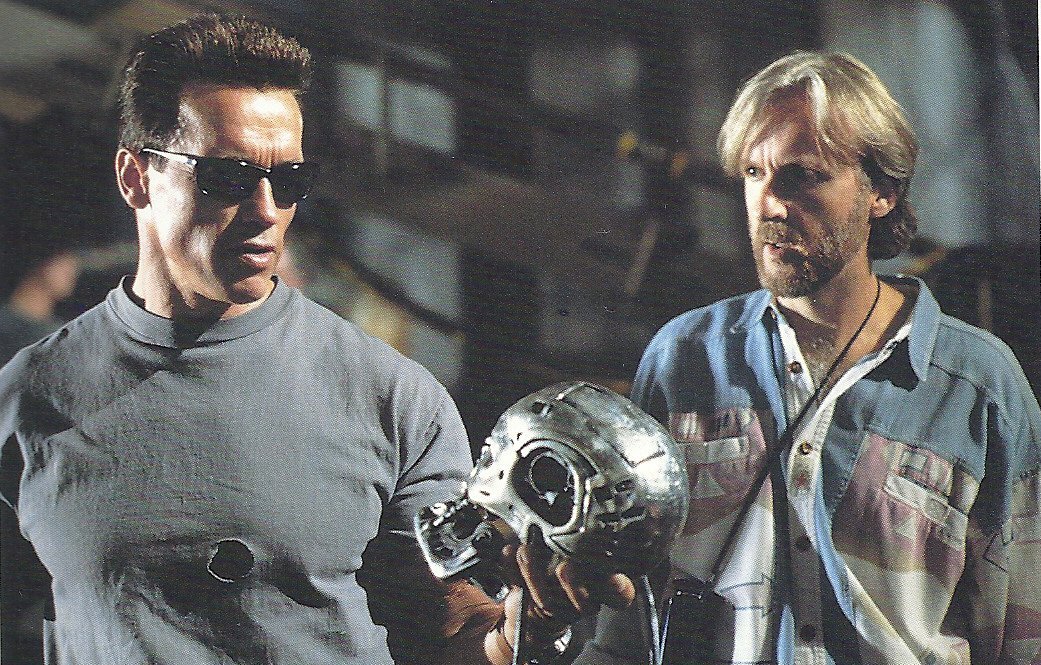
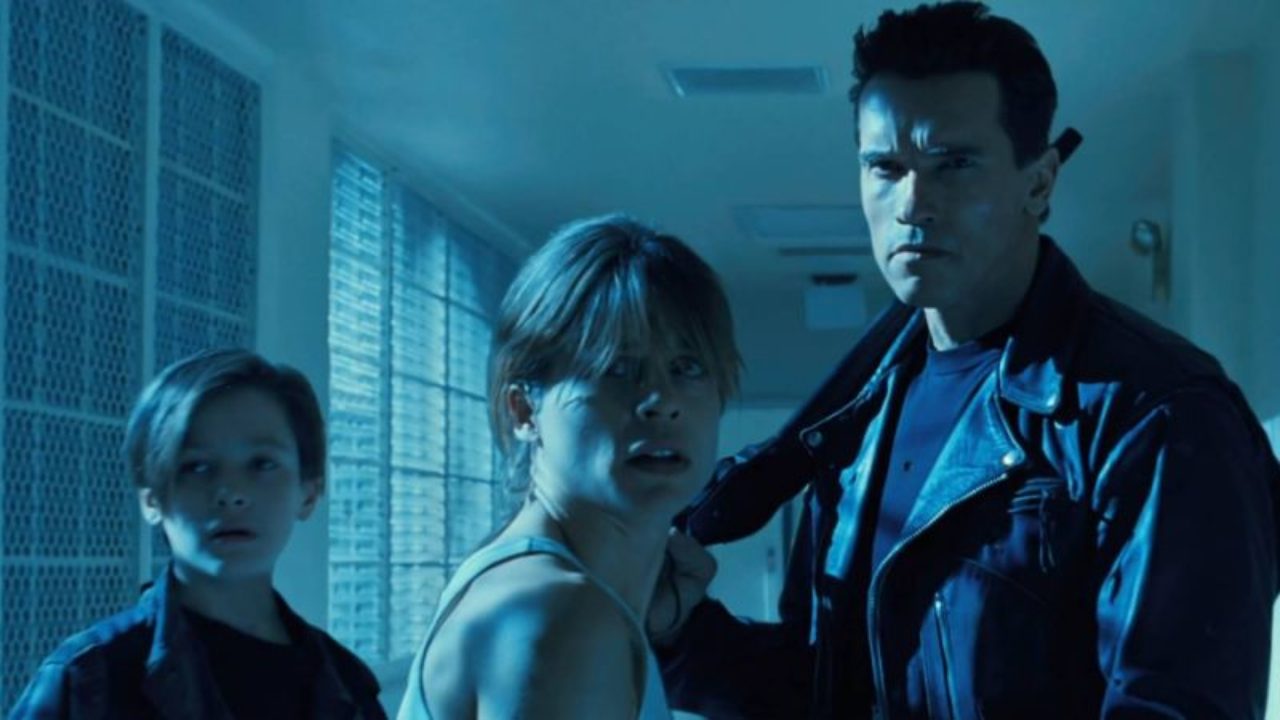
Being that the film was directed by James Cameron himself, T2 3D would be the final time that he directed a Terminator film, even though it was a short film that ran about 12 minutes. It was also the final time that the actors from Terminator 2: Judgment Day reunited to reprise their roles: Arnold Schwarzenegger as the T-800, Linda Hamilton as Sarah Connor, Edward Furlong as John Connor, and Robert Patrick as the T-1000. Needless to say, it was the last time Cameron directed these actors.

Terminator 2 3D: Battle Across Time amped the scale and quality of live-stage shows and 3D films for its time and was considered very revolutionary in how it seemlessly combined both aspects to create an immersive experience for visitors that began during the pre-show portion of the attraction.

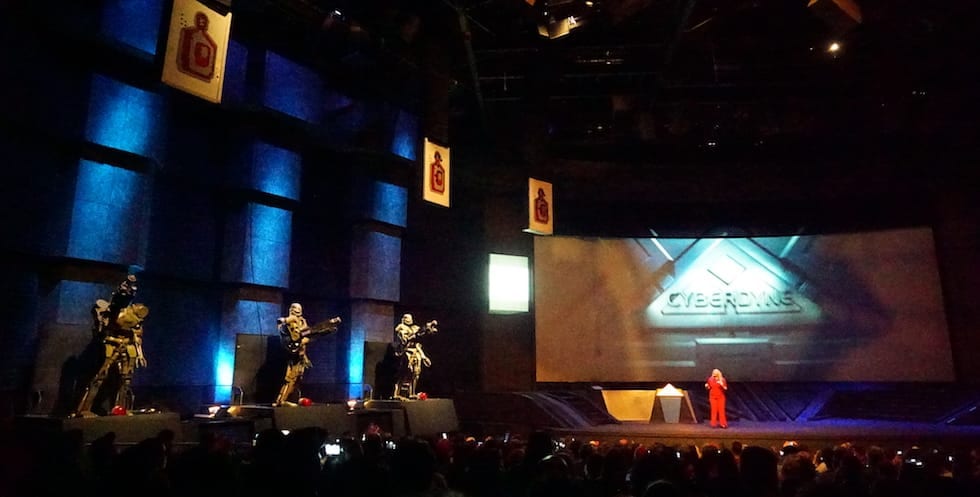
After entering the attraction’s building, visitors where exposed to company propaganda from Cyberdyne Systems in the form of an annoying PR spokeswoman who appeared live and videos that touted the coming cybernetic and robotic products from the company.

The videos get hacked by Sarah and her teenage son, John Connor, who warn the visitors about the dangers of Cyberdyne complete with footage from the Terminator films. Their video hack ends and the PR spokeswomen dismissed their warnings before ushering the visitors into the main theater for a demonstation of the company’s latest product: the T-70 infantry unit aka prototype terminators.

Several T-70s (actually audio-animatronics) were lined up on walls alongside the seats and demonstrated their firepower. After that, live actors representing the Connors arrive and shut down the demonstration. But before long, a 3D metallic image of the T-1000 forms from a displayed logo of Cyberdyne Systems on a screen in front of the audience and it emerged from the screen as a live actor. The T-1000 kills the spokeswomen to the delight of the audience then starts chasing the Connors. However, a vortex formed in the movie screen and from it a live-action T-800 riding a motorcycle came to the rescue. A brief firefight ensued as clever maneuvering by the live actors hid their faces while overhead monitors displayed the film actors. This was very well choreographed considereing that the live actors ran through the aisles in front of the audience.

Continue reading

Terminator 2: Judgment Day, The 30th Anniversary Retrospective

Thirty years ago one of the greatest sequels of all time was released, when James Cameron’s Terminator 2: Judgement Day, sometimes called T2, appeared in theaters. Coming off the success of the first Terminator film as well as another classic sequel Aliens, Cameron reintroduced audiences to his nightmarish future world where the planet was taken over by Skynet, a supercomputer gone rogue that was attempting to wipe out the remnants of humanity. As with the first film, the beginning of Terminator 2: Judgement Day shows human resistance forces led by John Connor in a pitched battle featuring colossal hunter killer machines against a ragtag group of human fighters. This is certainly one of the highlights of the film that really hasn’t been matched by later Terminator films. 

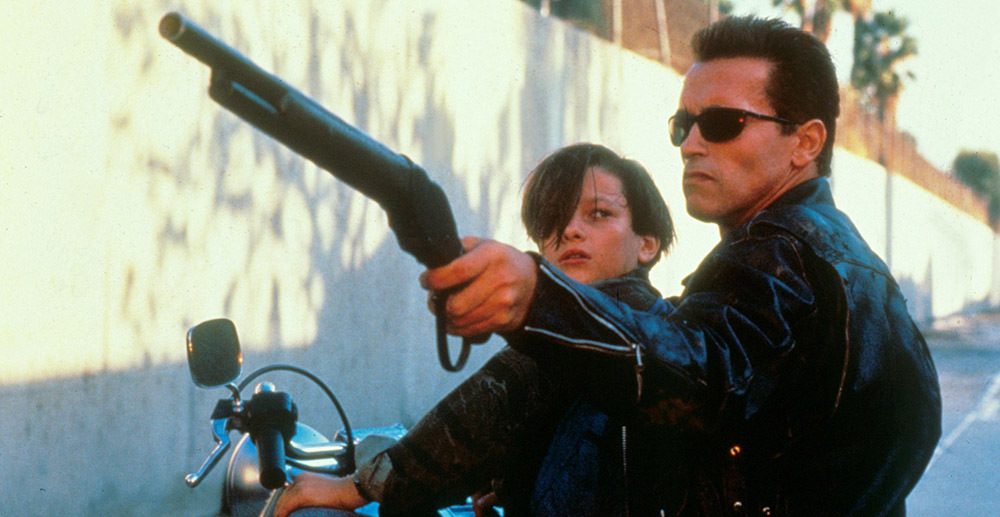
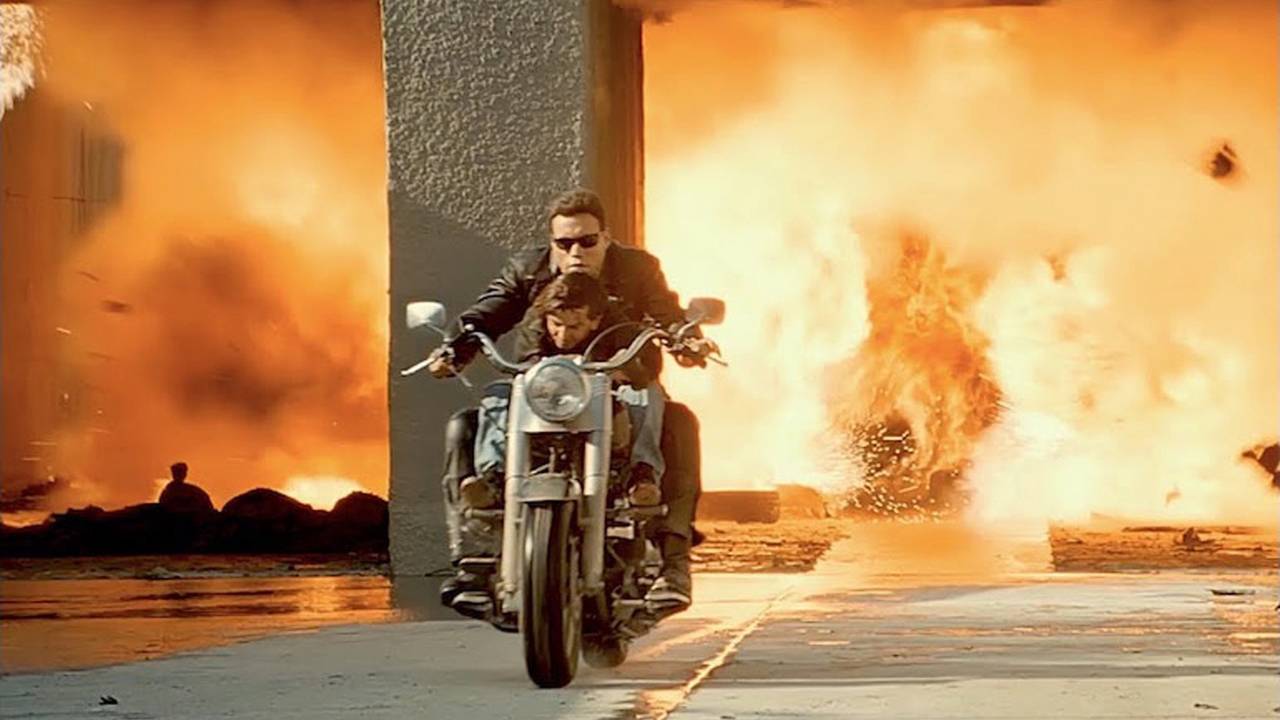
The film subsequently moves to the present where the terminator sent back in time (played by Arnold Schwarzenegger at the height of his career) arrives, this time to protect John Connor as a ten year old. The change of Schwarzenegger from villain in the first film to hero was risky, but it pays off as he and John Connor (Edward Furlong) have a great rapport, with the emotionless killer cyborg learning about what it means to be human from the sarcastic, but strong child. His strength, obviously came from his mother Sarah Connor, played brilliantly by Linda Hamilton.

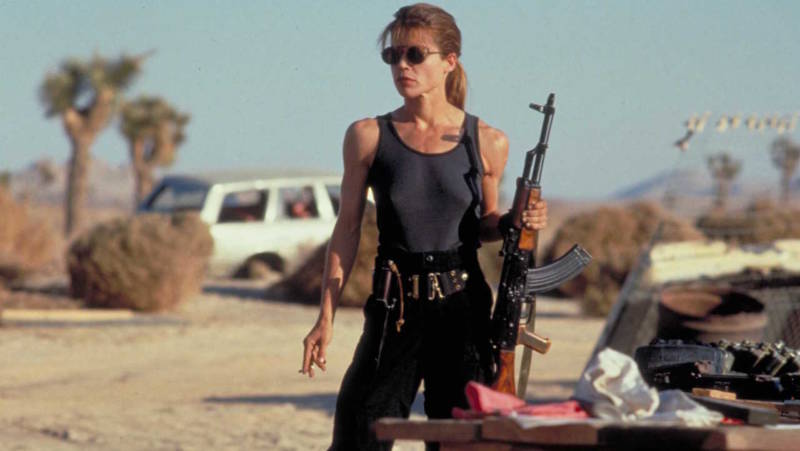
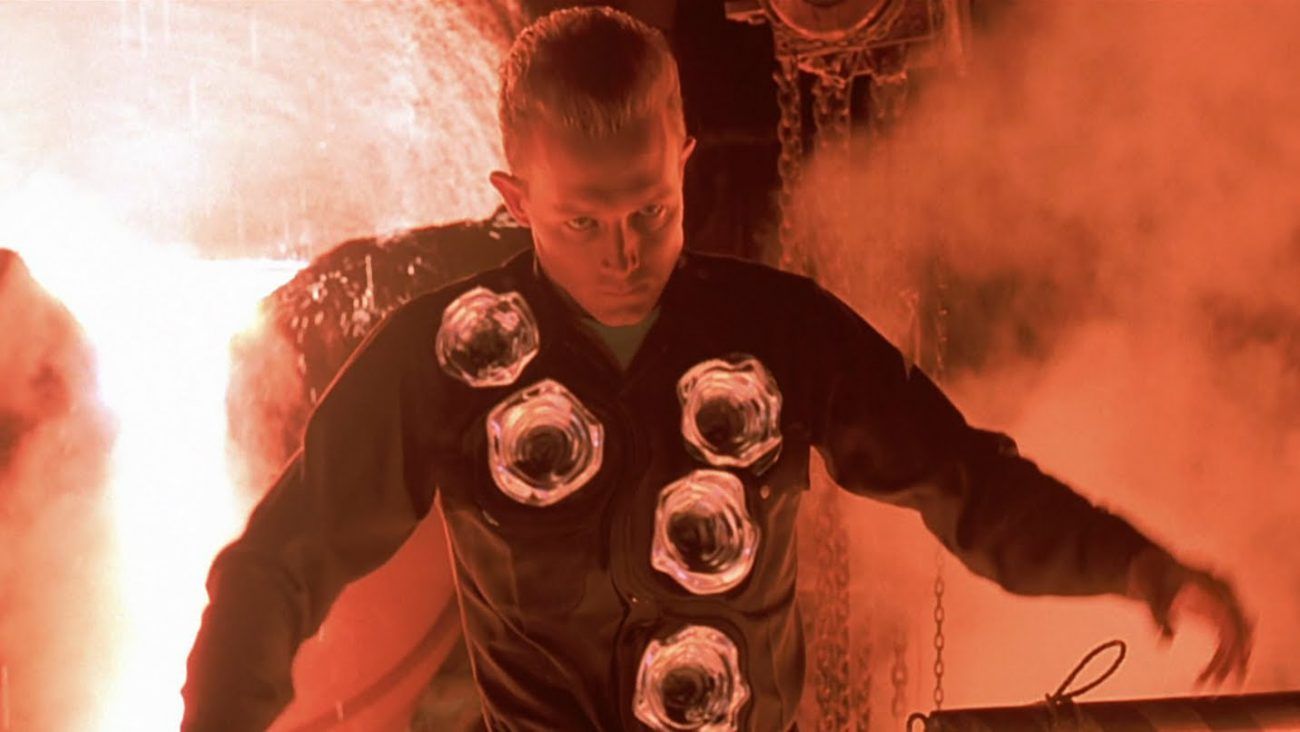
Her character also has a dramatic change from the first film, where she was an innocent bystander who then transformed into a warrior willing to do anything to protect her child, knowing he is the savior of humanity. Her reunion with her son, and with the machine of her nightmares is a highlight, as is their first encounter in a mental health institution with the iconic T-1000 (Robert Patrick), a liquid metal killer cyborg that ruthlessly hunts down John. The nearly silent and deadly T-1000 is an interesting contrast to Schwarzenegger’s hulking T-800 model. Our heroes’ journey takes them south of the border and finally back to where it all started at Cyberdyne Systems, the place where Skynet itself was created, as they attempt to stop the nuclear war and rise of the machines from ever taking place. The final battle with the T-1000 at a steel mill is another thrilling highlight in a movie filled with show-stopping scenes, as the T-800 makes the ultimate sacrifice for the benefit of all humanity, having learned from John about humans in general.

The theme of what it means to be human permeates this film and raises it past the level of just another cool action movie. From Sarah confronting her nightmares of the future and almost losing her humanity in trying to commit murder to change the future, to John seeing his machine protector as a father figure, to the terminator itself telling John at the end that he knows why humans cry, even if he could never do it. T2 has so much to say about the future of humankind and how our fates are not set in stone. This directly affects events in the film when the T-800, John and Sarah attempt to destroy Skynet with the help of its creator Miles Dyson (Joe Morton), who realizes his future creation will result in a nuclear holocaust and threaten humanity with extinction.

Having said all that, the film also has a well deserved reputation as a fantastic and influential action movie, with incredibly exciting stunts and special effects that revolutionized the genre. The “morphing” effect that brought the shape-shifting T-1000 to life forever changed how we saw what was possible in science fiction and films, in general. This directly led to the stunning dinosaur effects in Jurassic Park two years later, as well as other films that demonstrated that new worlds and creatures could be realized. The film also enshrined Terminator as a franchise, which in retrospect had mixed results. The direct follow up, Terminator 3: Rise of the Machines took the story to an interesting place and had a great ending, and the next film Terminator: Salvation finally showcased a future war that was hinted at in earlier films. But the most recent films, Terminator: Genisys and Terminator: Dark Fate were both reboots that were lacking, to put it mildly.

However, the franchise is still intact with a new anime series in development at Netflix, and a recently released video game Terminator: Resistance that is an excellent foray into the future war and leads right up to the opening sequence in T2, which is revealed to be the final battle between Skynet and John Connor’s forces before the terminators are sent back in time. All of these sequels, as well as the great and still-missed TV show Terminator: The Sarah Connor Chronicles, and the Universal Studios theme park attraction T2-3D: Battle Across Time used Terminator 2: Judgement Day as the springboard to new plotlines. That is because T2 did such a great job of showcasing its world of killer cyborgs and brave, yet flawed heroes fighting against a seemingly inevitable fate of death and destruction.

Whatever the future has in store for the Terminator franchise, it can be certain that the influence and impact of Terminator 2: Judgement Day will always be felt, both for its epic scope and excitement, as well for its insights into at what makes us tick. That, along with its equally great predecessor, will keep this film going for another 30 years and beyond and keep it enshrined as not only a brilliant sequel, but a superior film in its own right.

C.S. Link