The two big live-action sci-fi franchises, Star Trek and Star Wars, are undergoing a bit of an identity crisis. Or rather the crisis is about how their fans are reacting to the latest incarnations of both franchises.
The properties are several decades old by now and although so much of what made them popular still resonates with people, they have to remain fresh. In other words, Star Trek and Star Wars have to keep up with the times. This meant that the recent incarnations are distinctly different from the original versions, which has sharply divided fandom.
Star Trek Into Darkness
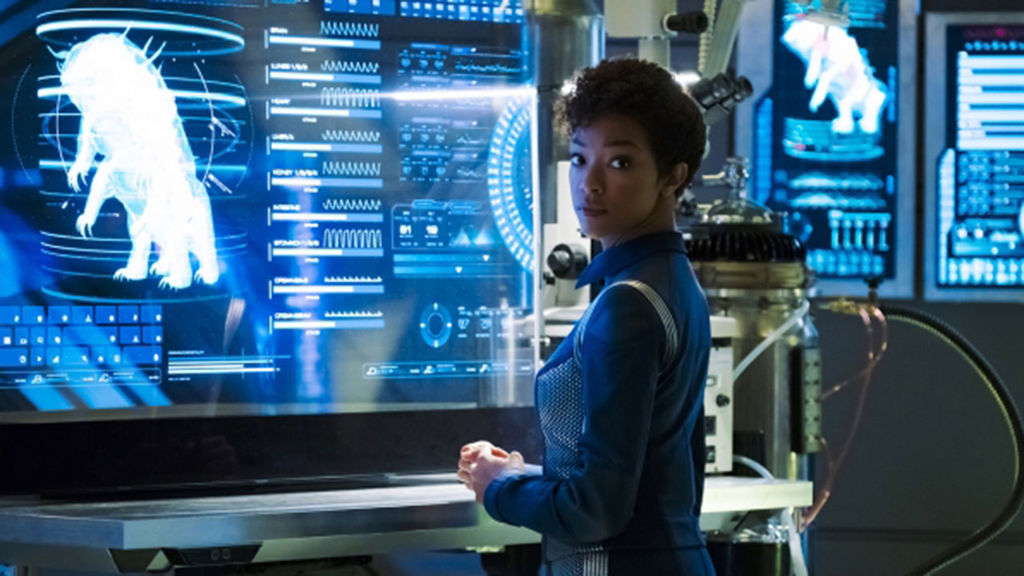
Star Trek returned to home screens with Star Trek: Discovery, a show that is in many ways a radical departure from the 1960s TV show. The lead is not a white male captain, but a black female science officer who committed mutiny. That’s not all. Star Trek: Discovery features an openly homosexual couple, a starship captain with questionable morals, and a much darker tone where adult language and violence are commonplace.
The premise of Star Trek is about a starship exploring new worlds and meeting new races. There is very little of that in Star Trek: Discovery as it takes place during a war with the alien species, the Klingons. This was something that Star Trek’s original creator, Gene Roddenberry, would not approve. He presented a futuristic show about an enlightened humanity.
While Star Trek: Discovery explores issues like its predecessor, the characters, not the guest aliens, are the ones undergoing their own ethical crisis. An early subplot of the show dealt with the morality of the ship’s crew forcibly using an alien creature as a means of propulsion. This brought up the problem of animal abuse and later the characters’ ethics were heightened when it was revealed that the creature was sentient. The captain’s justification for the abuse was that he was trying to win a war. Another main character is actually a Klingon disguised as a human, who suffers from PTSD and is grappling over his sanity. Then the main character, Michael Burnham, committed treasonous acts that ignited a war with the Klingons and agonizes over her past. These characters are not exactly clear cut heroes.
The Ambiguous Star Wars
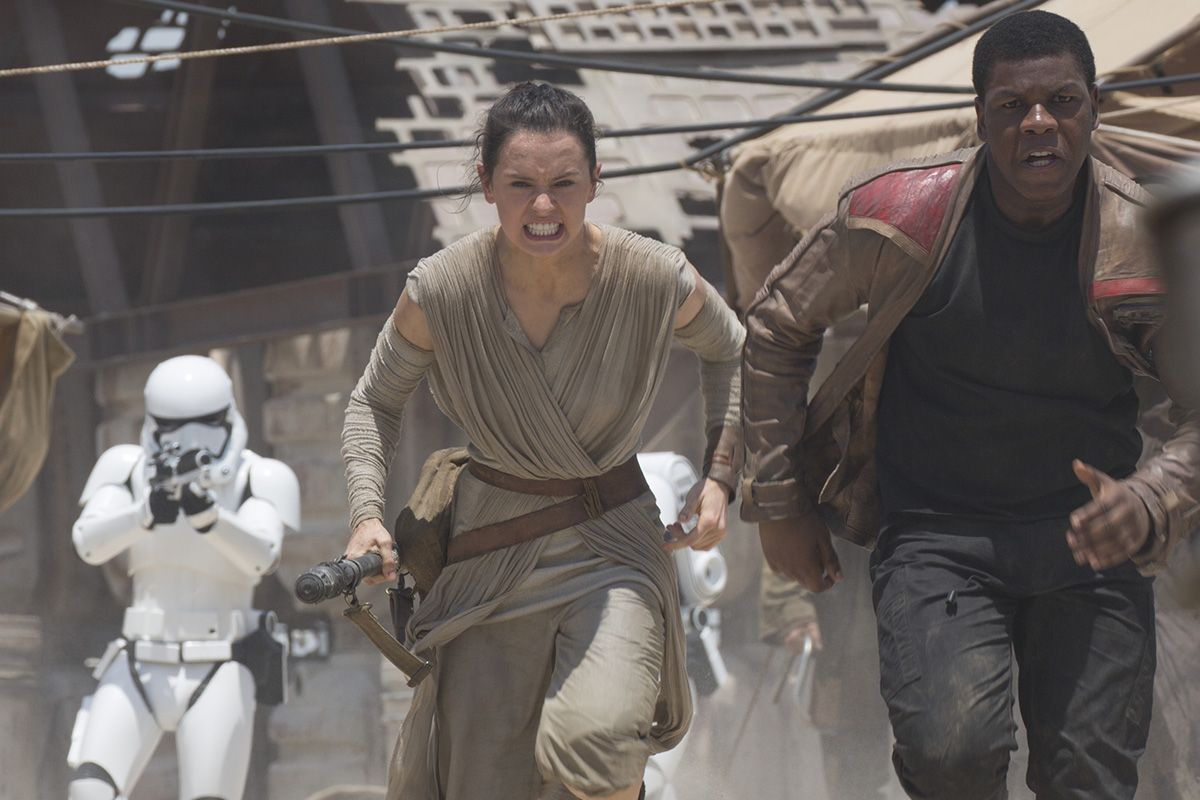
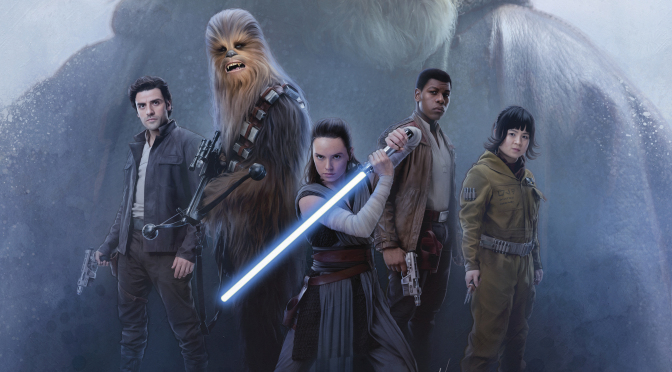
The new Star Wars trilogy films have featured women as the lead characters, as well as non-whites. Unlike the original films that concentrated on a young, white male savior, the new films have strong women who are the central characters.
The films are also more ambiguous than the original ones with their simplistic good vs. evil plotlines. For example, in the latest film, Star Wars: The Last Jedi, the issues of war profiteering, class inequality, and animal abuse were brought up. The film’s villain had a more ambivalent nature as Kylo Ren was genuinely conflicted about embracing his dark nature. Actually, his descent into evil was more interesting than the film’s other one-dimensional foes, who were little more than cackling caricatures.
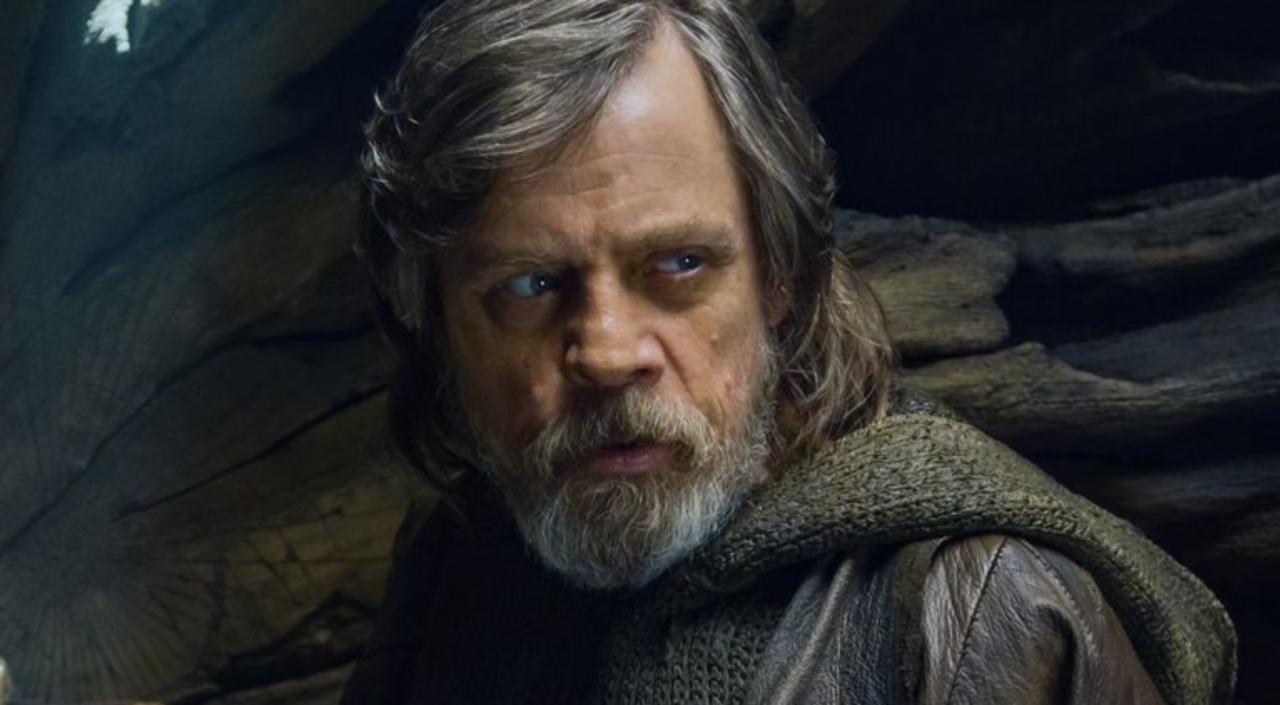
One of the heroes featured in Star Wars: The Last Jedi was Luke Skywalker, the main protagonist from the earlier films. In this film, he was a fallen man, full of defeat and bore little resemblance to the optimistic savior of the original trilogy. This arc gave Luke more dimension and provided a vehicle to explore his spiritual reawakening and redemption. In the film Rogue One: A Star Wars Story, the main characters were also spiritually murky as they carried out dubious actions in the spirit of winning the war. For example, one of the leads, Cassian Andor, cold bloodedly murdered an accomplice in order to escape the bad guys. The overall tone of that film was harsher as it dealt with the brutality and ambiguity of war.
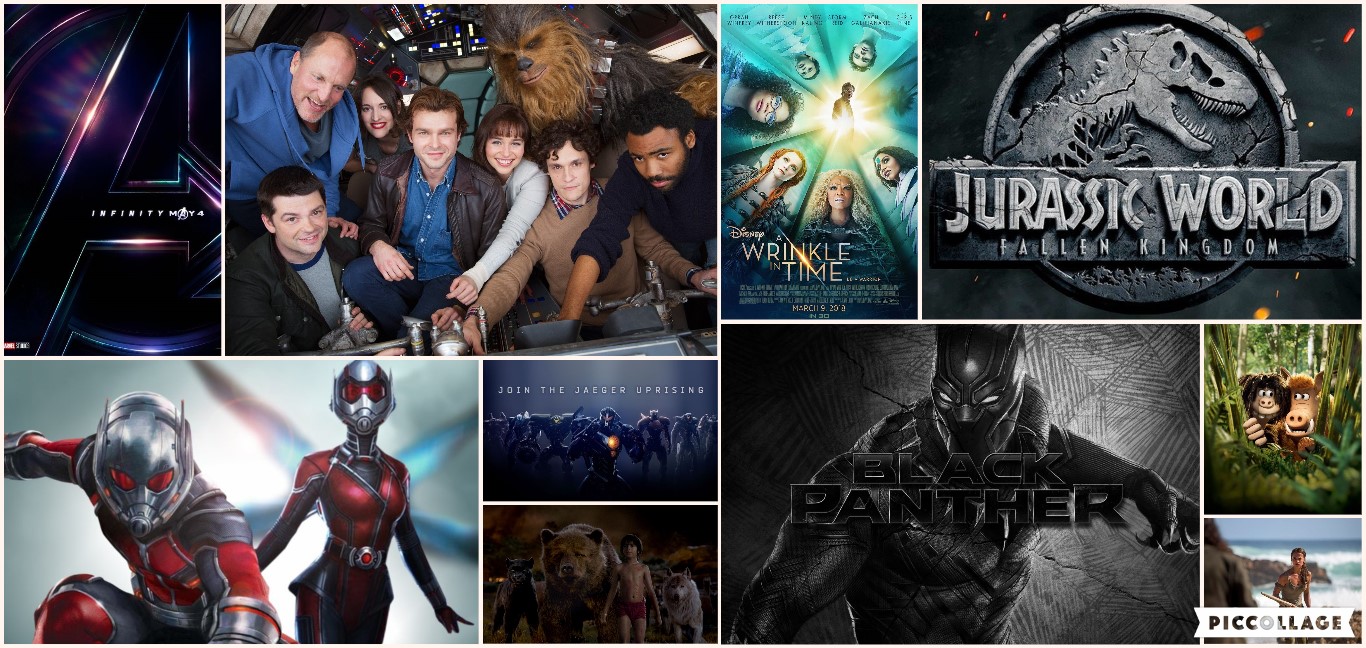
Lately, it seems as if there are more and more sci-fi, fantasy and horror films. This year is not any different since we have so many upcoming films to choose from. As usual, superhero fare rules, especially the upcoming Avengers: Infinity War, but along with them are other films that make up the top ten most anticipated films of 2018. Some of these films will turn out to be huge disappointments while others, maybe not even mentioned here, will exceed expectations. As always, keep in mind that the release dates for these films might change.
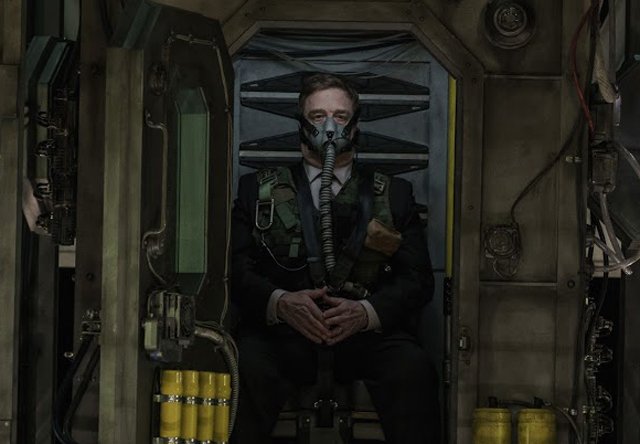
10. Captive State (Aug. 17):
Very little is known about this film, but the premise and the talent behind it are topnotch. Rupert Wyatt (director of Rise of the Planet of the Apes) directs this look at life in Chicago under alien occupation. The film stars Vera Framiga and John Goodman as part of a human group that includes collaborators and dissidents.
9. Solo: A Star Wars Story (May 25):
Ordinarily a Star Wars film would be on the top of highly anticipated film list, but behind-the-scenes mishaps (which included the original directors being fired) and a divisive reception of Star Wars: The Last Jedi have cast a suspicious eye on this production. Still, Lucasfilm veteran Ron Howard is directing it. Maybe he can salvage Solo.
8. A Quiet Place (April 8):
What makes this horror film stand out is the disquieting and nearly silent trailer that features a lone family hiding in a cabin in silence. Why do they have to be quiet? What terror lies outside their home? Let the imagination run wild.
7. Ant-Man and the Wasp (July 6):
The sequel to Ant-Man returns the same players that made the first film an unexpected and fun hit. This time out, Hope Pym suits up as the Wasp and takes her place among the pantheons of Marvel Comics’ legendary heroes as she and Ant-Man undertake another perilous mission.
6. Deadpool 2 (June 1):
Pay attention, this could be last, unfiltered version of Deadpool in the big screen before Disney cleans up his foul mouth and tones down the over-the-top violence. Even without that, this film looks like it will continue the same outrageous violence, fourth-wall breaking laughs and adult humor that the first Deadpool reveled in two years ago.
5. Pacific Rim: Uprising (March 23):
After the first Pacific Rim didn’t perform well in theaters, fans of the kaiju film feared there would not be a sequel. Fortunately, those concerns have been alleviated with this followup that stars John Boyega as the pilot of the gigantic robot Gipsy Avenger against even more dangerous kaijus from another dimension.
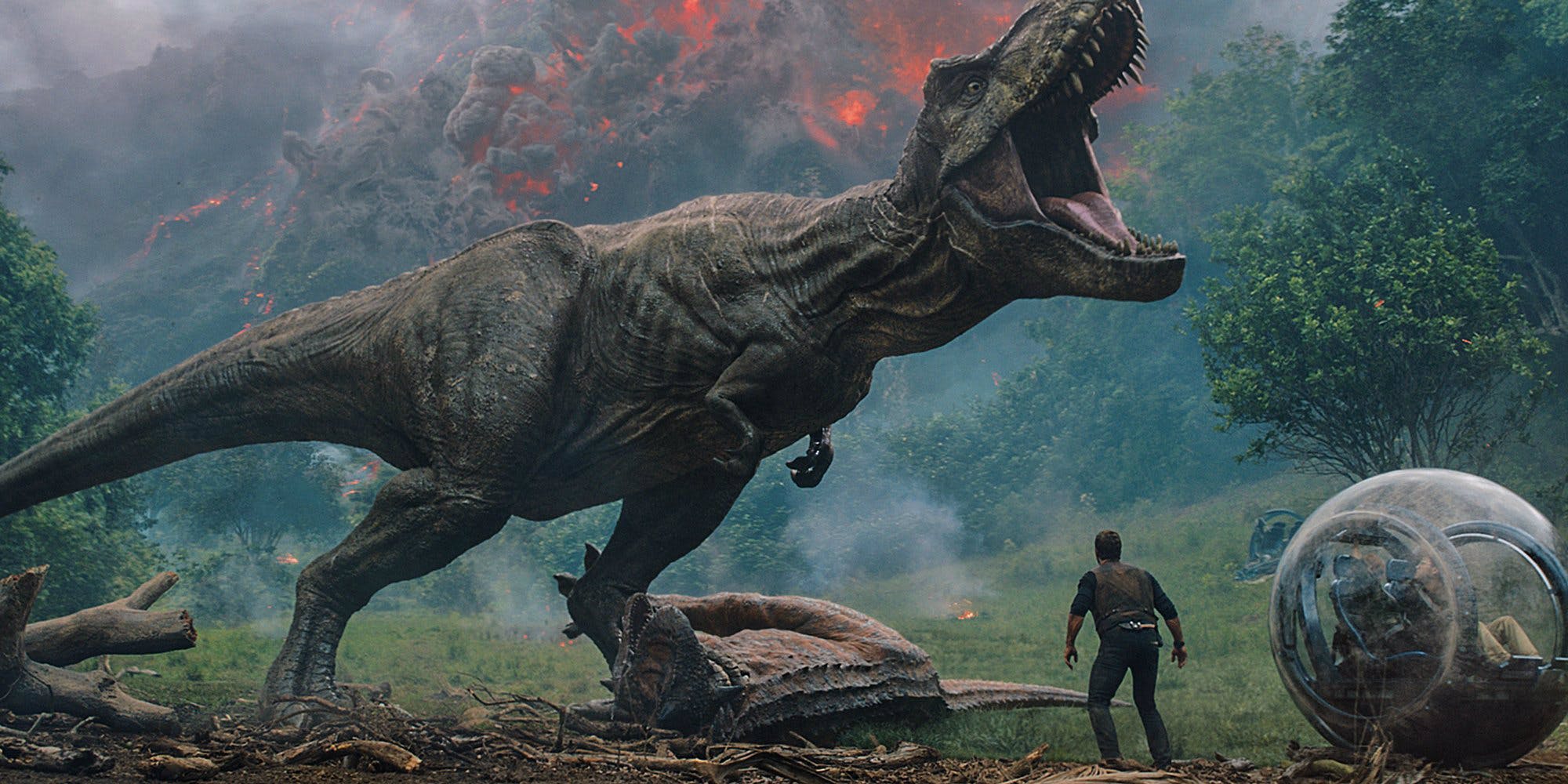
4. Jurassic World: Fallen Kingdom (June 22):
Chris Pratt returns to his other big-tent genre franchise in this followup to 2015’s Jurassic World, which brought back the Jurassic Park franchise from extinction. Now, the dinosaur island of Isla Nublar is endangered by an active volcano and a new, dangerous hybrid dinosaur. Doesn’t man ever learn? Besides that, the popular character Ian Malcolm (Jeff Goldblum) returns to the franchise, and that alone is reason to watch Jurassic World: Fallen Kingdom.
3. Incredibles 2 (June 15):
The best animated version of the Fantastic Four ever done finally gets a sequel in Pixar’s latest effort. All that is known is that Incredibles 2 takes place right after the first film and features the same superhero family lineup. With original director Brad Bird behind the helm it’s a guarantee that Incredibles 2 will be better received unlike those unwanted sequels to Cars.
2. Ready Player One (March 30):
Legendary filmmaker Steven Spielberg directs this adaptation of Ernest Cline’s book of the same name where a poor teen in the future competes in a virtual reality world for the ultimate prize…control of the VR world. The trailers were astounding with all the imagery and Easter eggs of popular genre characters and vehicles like the Iron Giant and the DeLorean from Back to the Future. This mashup of Tron and Willy Wonka will hopefully blow our eyes and minds.
1. Avengers: Infinity War (May 4):
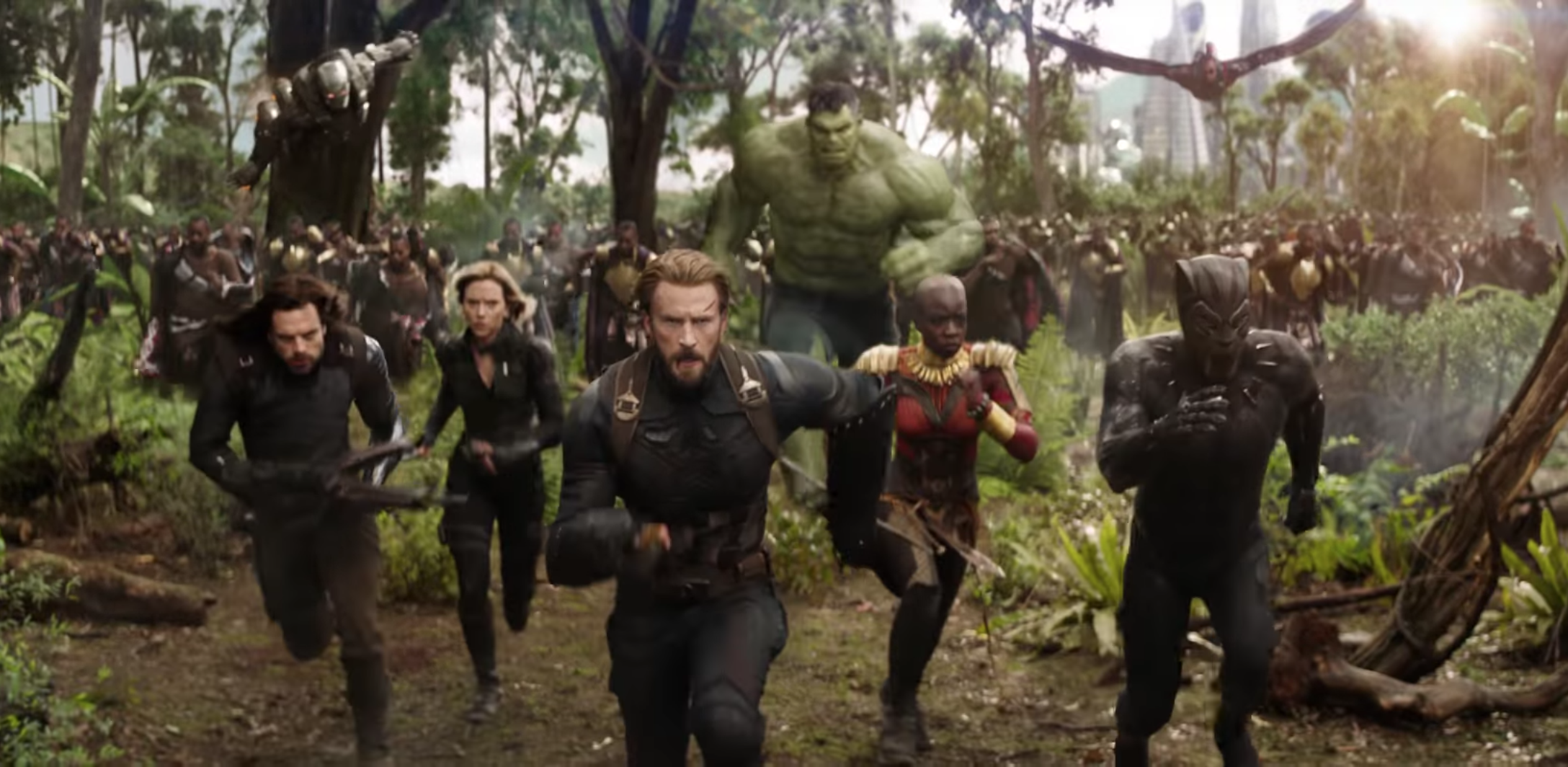
Marvel Studios celebrates ten years of superhero films with the culmination of its Marvel Cinematic Universe (MCU). Epic does not begin to describe the long-awaited teaming up of the MCU heroes against the cosmic threat of Thanos. We’ve been waiting for this moment for ten years when the the MCU came into being and we were teased with the Thanos threat since the end of the first Avengers film. The recently released trailer gave us a hint of the mammoth scale of what our many heroes will face. The idea alone of most, if not all, the MCU heroes to date appearing together in one film is enough to crown Avengers: Infinity War as the most anticipated film of 2018. Just don’t expect any mutants or anyone from the Marvel TV shows to show up in Avengers: Infinity War.
Other Films: Annihilation (Feb. 23), Ex Machina director, Alex Garland, helms this adaption of the Jeff VanderMeer novel about a science team exploring a mysterious land with unknown life;
Black Panther (Feb. 16), the latest Marvel Comics superhero gets his own action-packed solo film after his explosive debut in Captain America: Civil War;
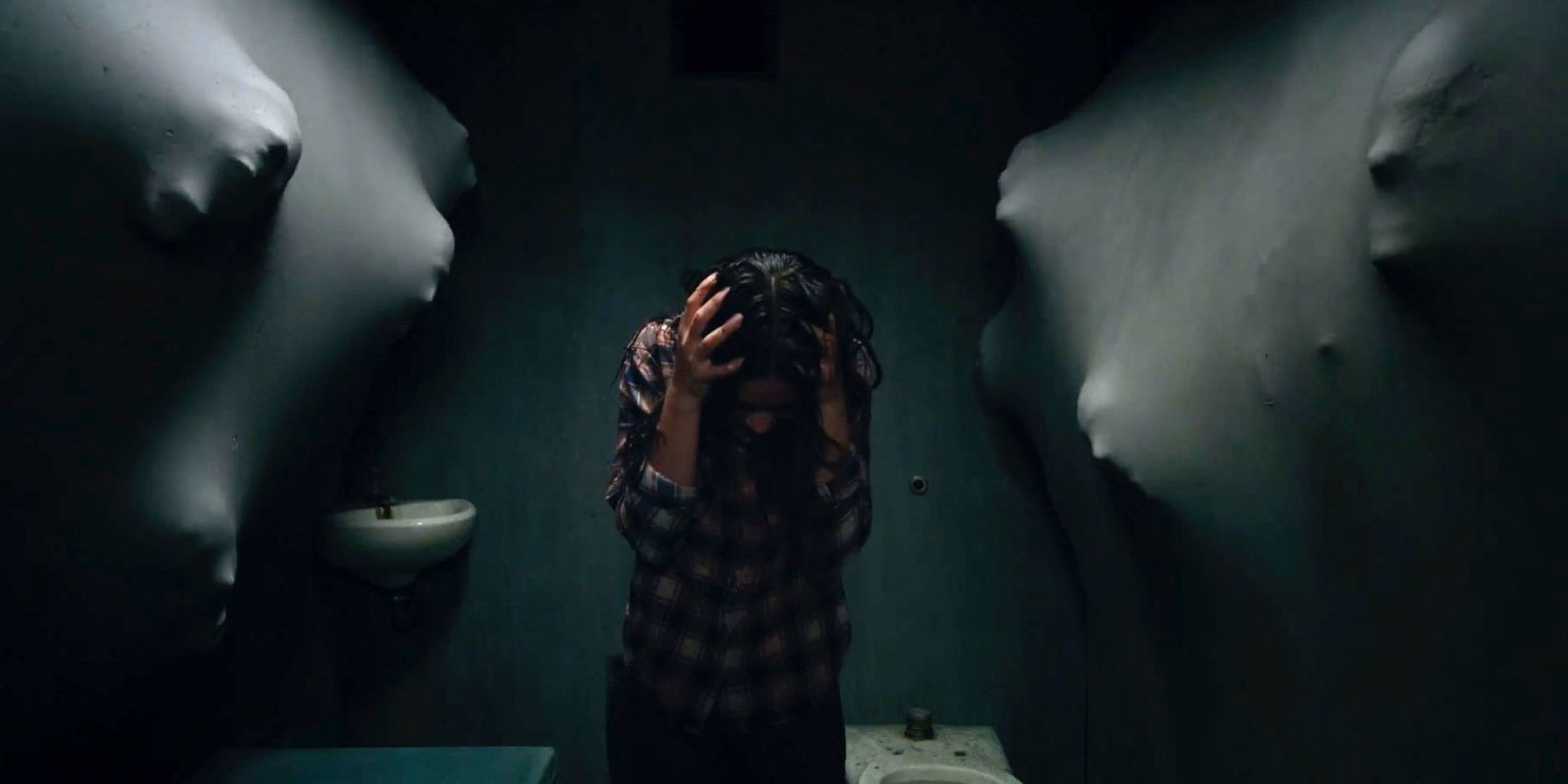
The New Mutants (April 13), Marvel Comics’ young mutants make their big-screen debut in a horror film;
God Particle (April. 20), the mysterious third film in the loose Cloverfield trilogy has had its scheduled release date changed a couple of times already and there are rumors of title change. Sounds alarming, but its premise of stranded astronauts surviving Earth’s destruction sounds promising, so hopefully the film will turn out fine;
Rampage (April 20), The Rock stars in the adaptation of the arcade game about a giant ape (and two other giant animals) causing havoc in a city. Where else would he do this? Anyway, judging from the trailer it looks like mindless fun;
Alita: Battle Angel (July 22), James Cameron produces and Robert Rodriguez directs the long-awaited live-action adaptation of the manga classic. They better hope this one does not become this year’s Ghost in the Shell.
The Predator(Aug. 3), former Predator actor turned director Shane Black brings us the latest entry in the Predator films. Maybe Dutch can finally appear in a cameo;
The Meg (Aug. 10), move over Sharknado! This Jason Statham thriller brings the action star face to face with a prehistoric giant shark;
Alpha (Sept. 14), so how did dog become man’s best friend? This film tells the story of how man and dog first bonded in the prehistoric past;
Venom (Oct. 12), Tom Hardy stars as the title anti-hero in Sony’s attempt to create its own Spider-Man-themed cinematic universe;
X-Men: Dark Phoenix (Nov. 2), possibly the final X-Men team film from Fox before Disney folds the mutant superheros into their MCU;
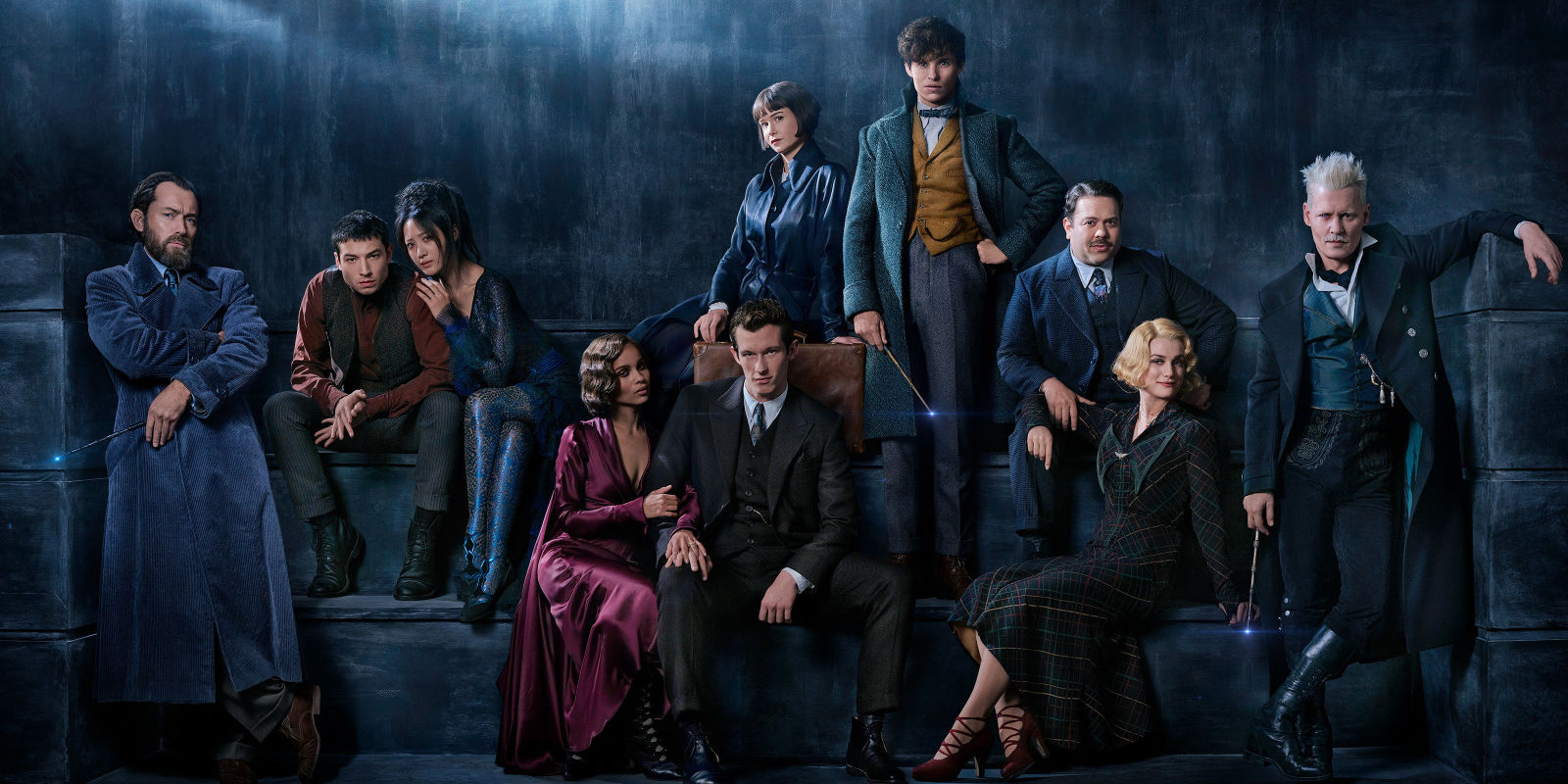
Fantastic Beasts: The Crimes of Grindelwald (Nov. 16), the further fantastic adventures of Newt Scamander in the Harry Potter universe;
Ralph Breaks the Internet: Wreck-It Ralph 2(Nov. 21), Disney’s beloved video game villain returns in this sequel to Wreck-It Ralph;
Mortal Engines (Dec. 14), Peter Jackson produces this futuristic tale of giant, mobile cities in a post-apocalyptic landscape;
Spider-Man: Into the Spider-Verse (Dec. 14), the first Spider-Man animated film features the Miles Morales version of Spider-Man;
Aquaman (Dec. 21), the sole DCEU entry for the year is a solo venture starring Jason Mamoa as the troubled king of Atlantis.
There you have it, a lot of films to look forward to, including some that were left out that could still turn out to be great. Have a wonderful 2018 and enjoy these and other films.
The many memorable films and TV shows that came out in 2017 proved why the sci-fi, fantasy and horror genre dominated our minds. These modern-day gems stood out thanks to many factors like production values, f/x and acting. But more importantly due to smartly written scripts that allowed these productions to stand out and excel. These are the best films and TV shows of 2017 along with some honorable mentions.
Films
10. Star Wars: The Last Jedi
Episode 8 of the main Star Wars saga is its most controversial and divisive film. Despite its script and pacing flaws, the film had many merits and took the saga into unexpected directions.
9. TIE: Justice League/Thor: Ragnarok
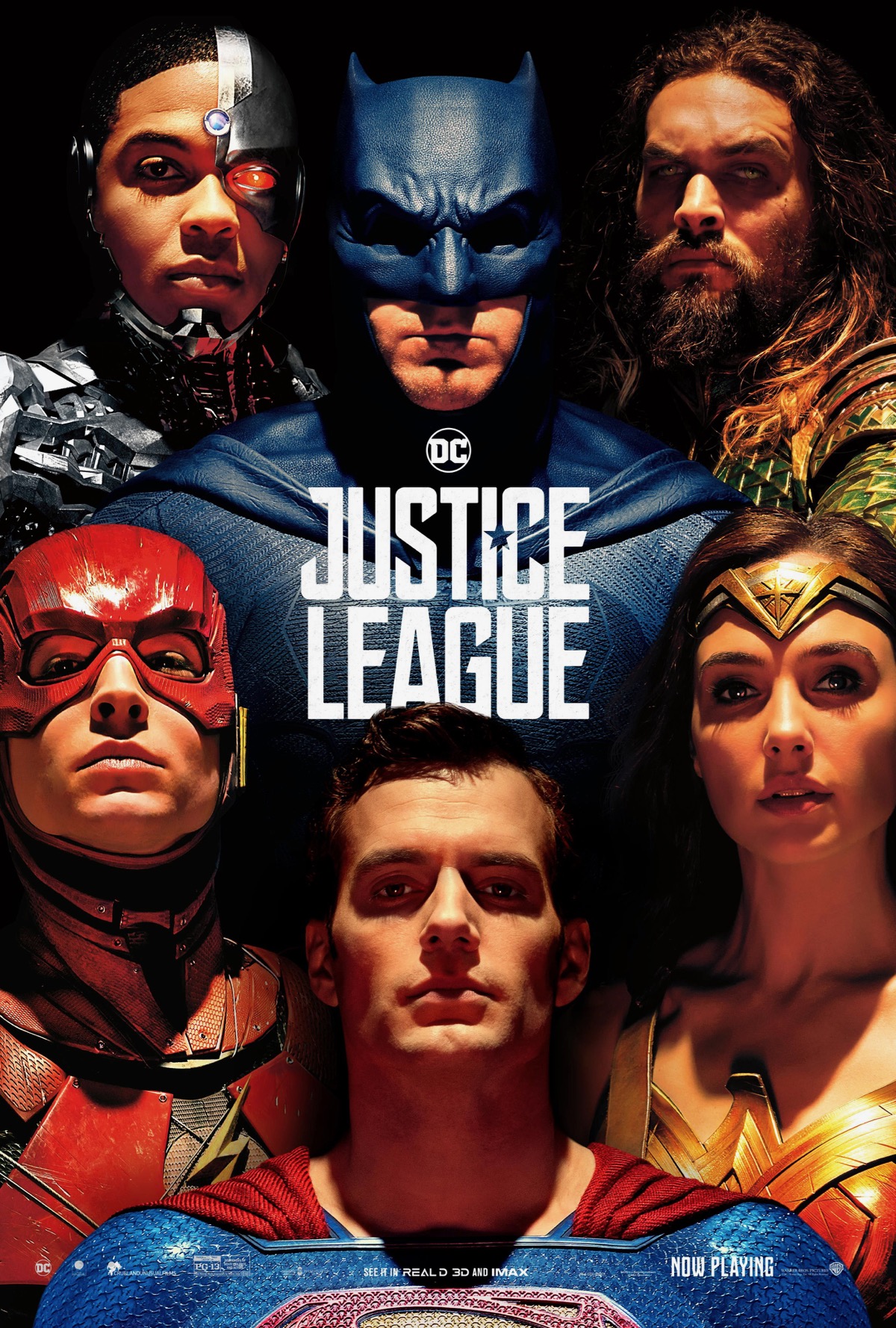
This year’s final superhero flicks were great in their own ways. Justice League is a true guilty pleasure and wildly underrated. The epic team-up of DC’s greatest heroes was sloppy and erratic but deep down was a lot of fun. Meanwhile, Thor: Ragnarok was the most vibrant and fast-paced Thor film that put the heroic demigod through the wringer and teamed him up with the Hulk.
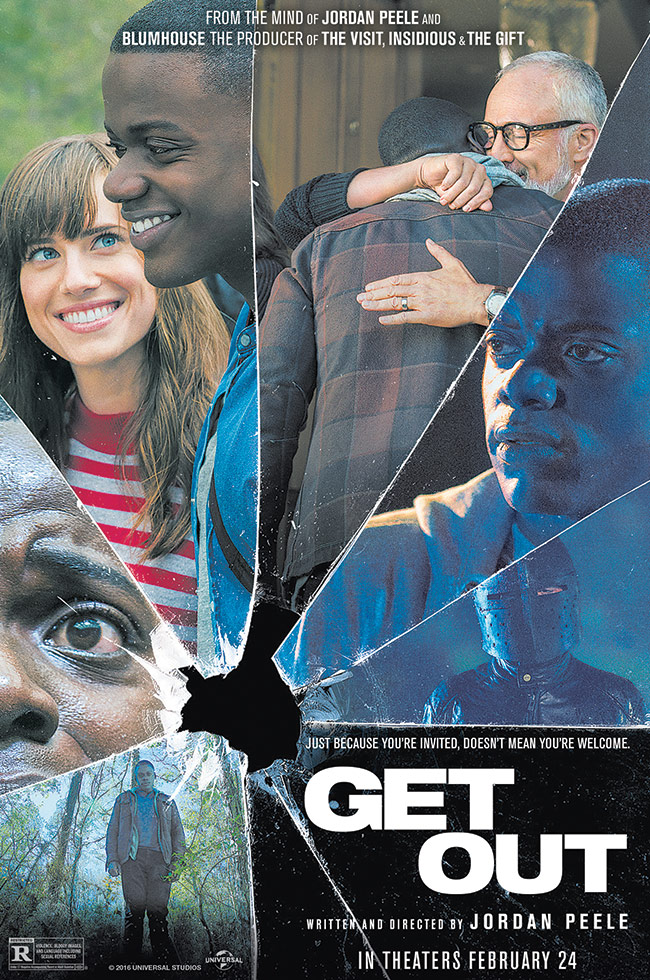
8. Get Out
Suspenseful and tense, Get Out exposed our current society’s racial fears in a groundbreaking way. The intelligent script kept us guessing about the plot’s many twists, while playing on racial misconceptions.
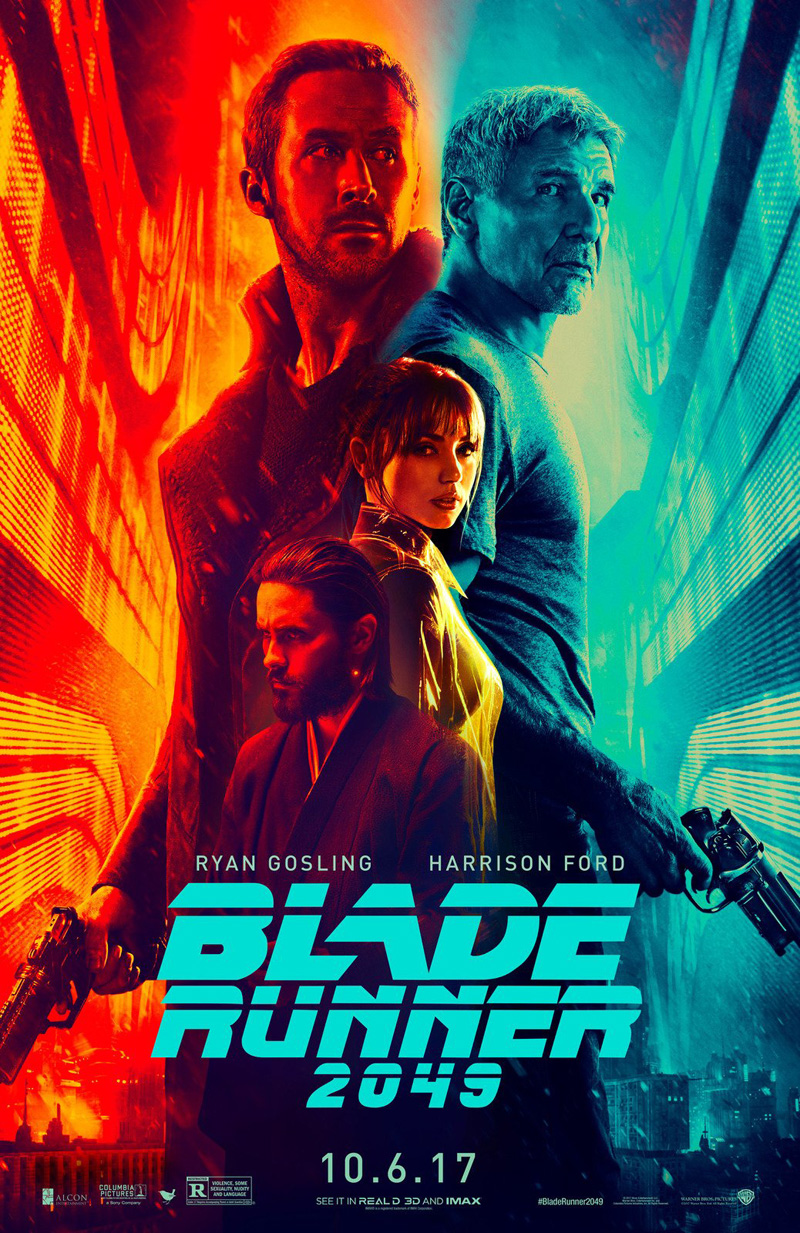
7. Blade Runner 2049
A brilliantly filmed sequel to the sci-fi masterpiece isn’t quite as good as Ridley Scott’s original, but it comes so close. Astonishing visuals and thoughtful themes stayed with you long after the film was over.
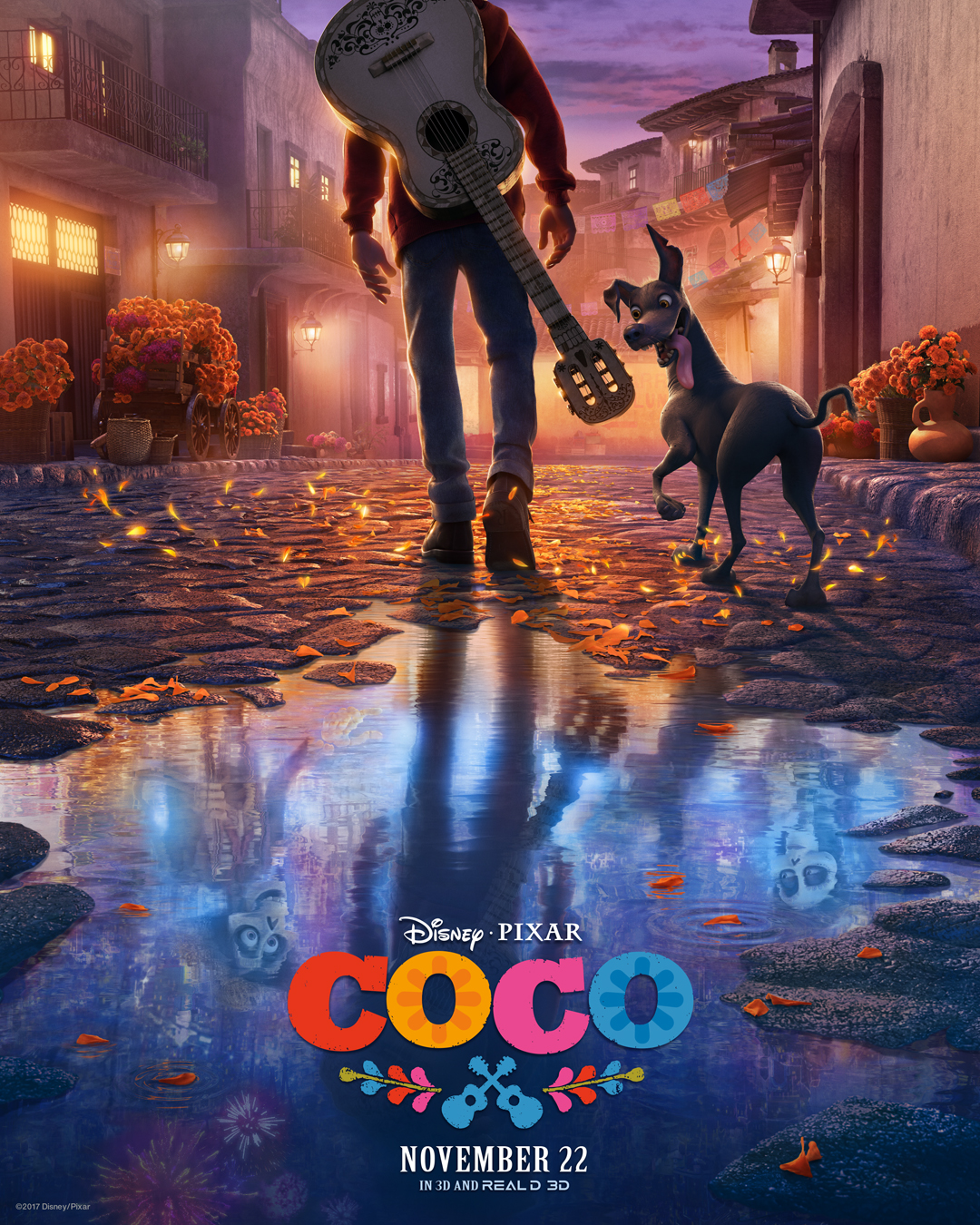
6. Coco
Pixar did it again with this original (finally, enough of the sequels!) and beautifully animated tale about a colorful afterlife, family and remembrance that tugged our heartstrings so powerfully.
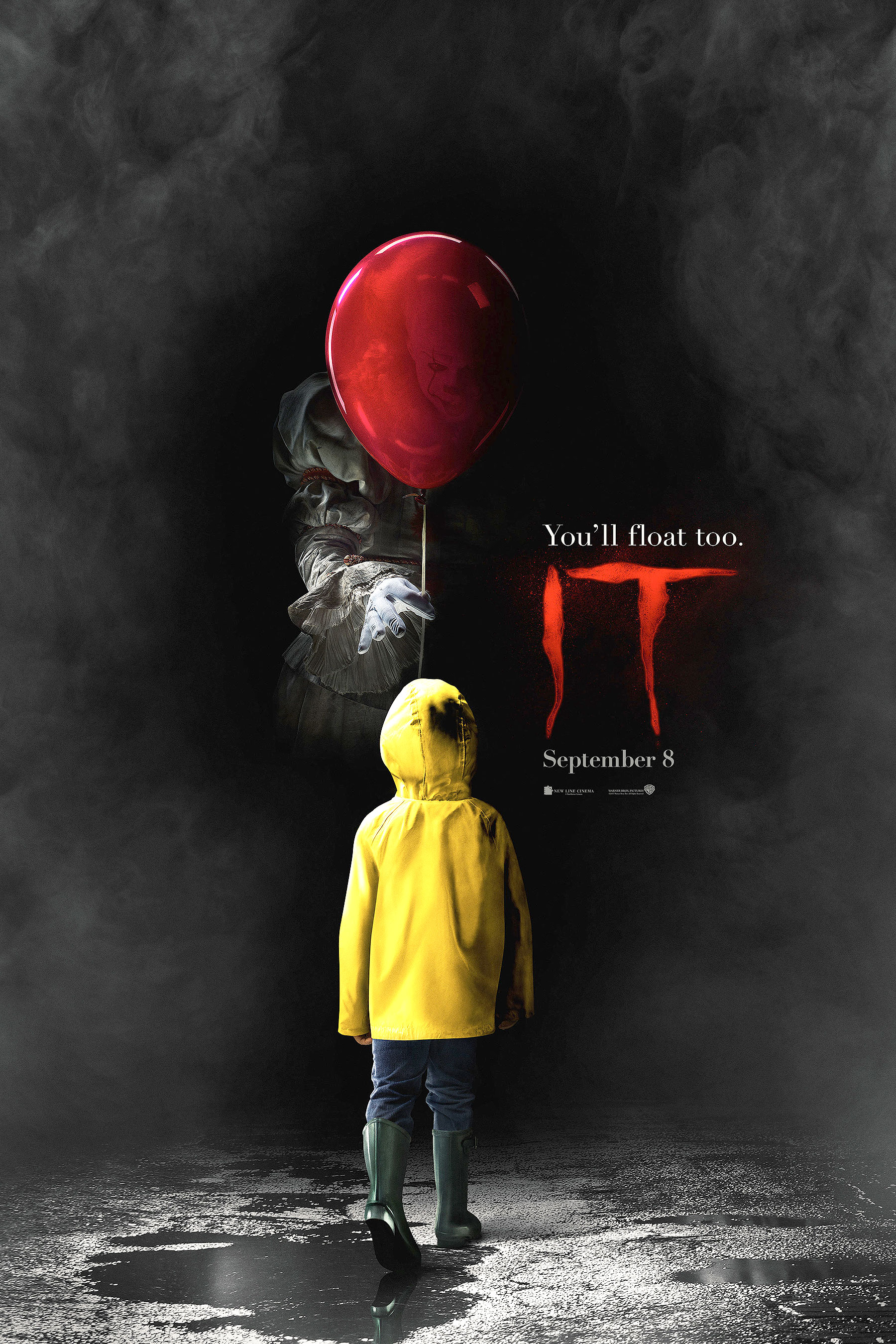
5. It
One of the best Stephen King adaptations ever is harrowing and downright frightening. But what made It so popular was its young character studies, as well as the performances from the film’s actors, including Bill Skarsgard as Pennywise, the clown from hell.
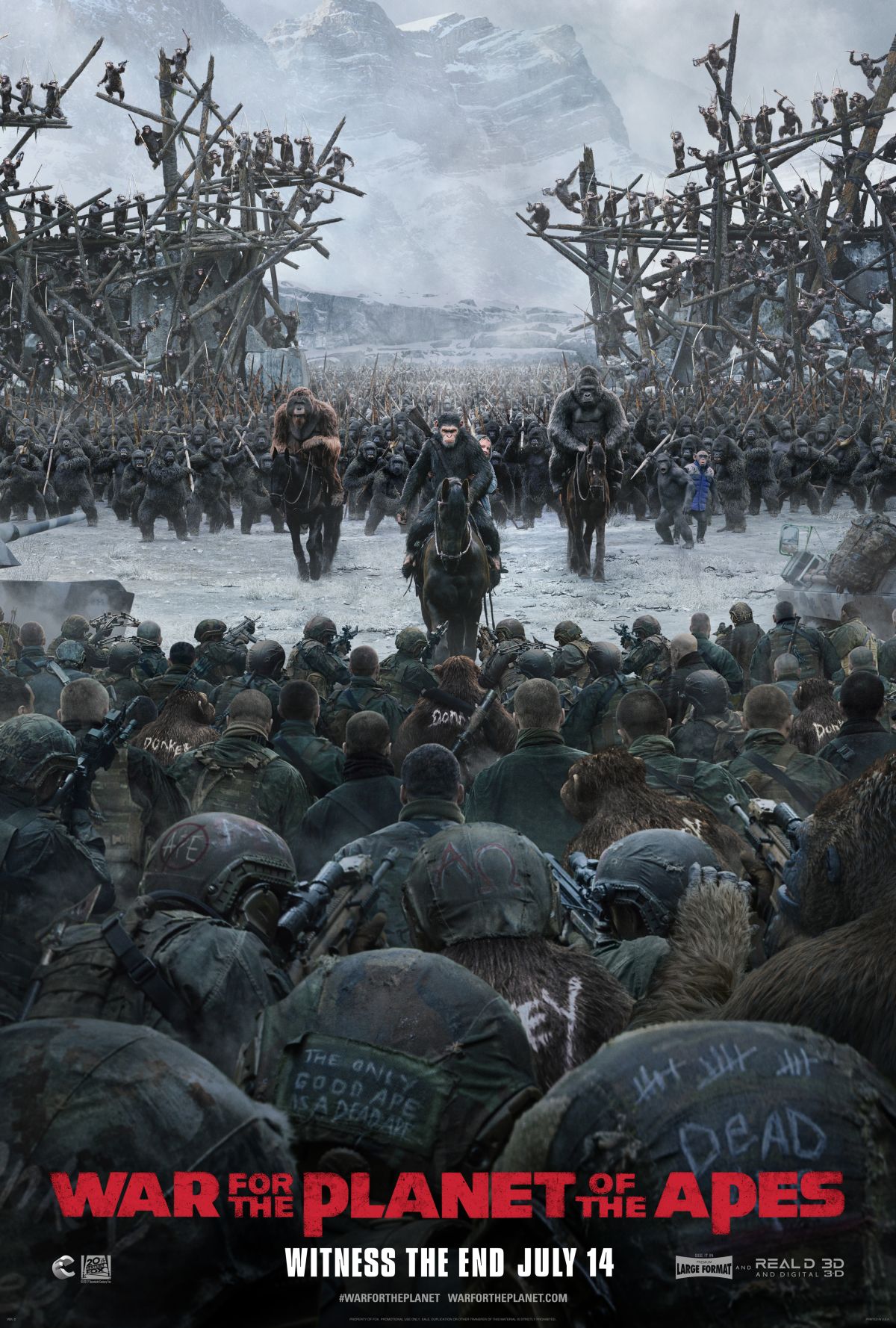
4. War For the Planet of the Apes
This thought-provoking final film in one of the best film trilogies thoroughly examined the haunted and tortured soul of its main character, Caesar, the super intelligent ape. He was an eerily realistic CG and mo-cap creation, who carried the film with his moving personal battle to salvage his soul.
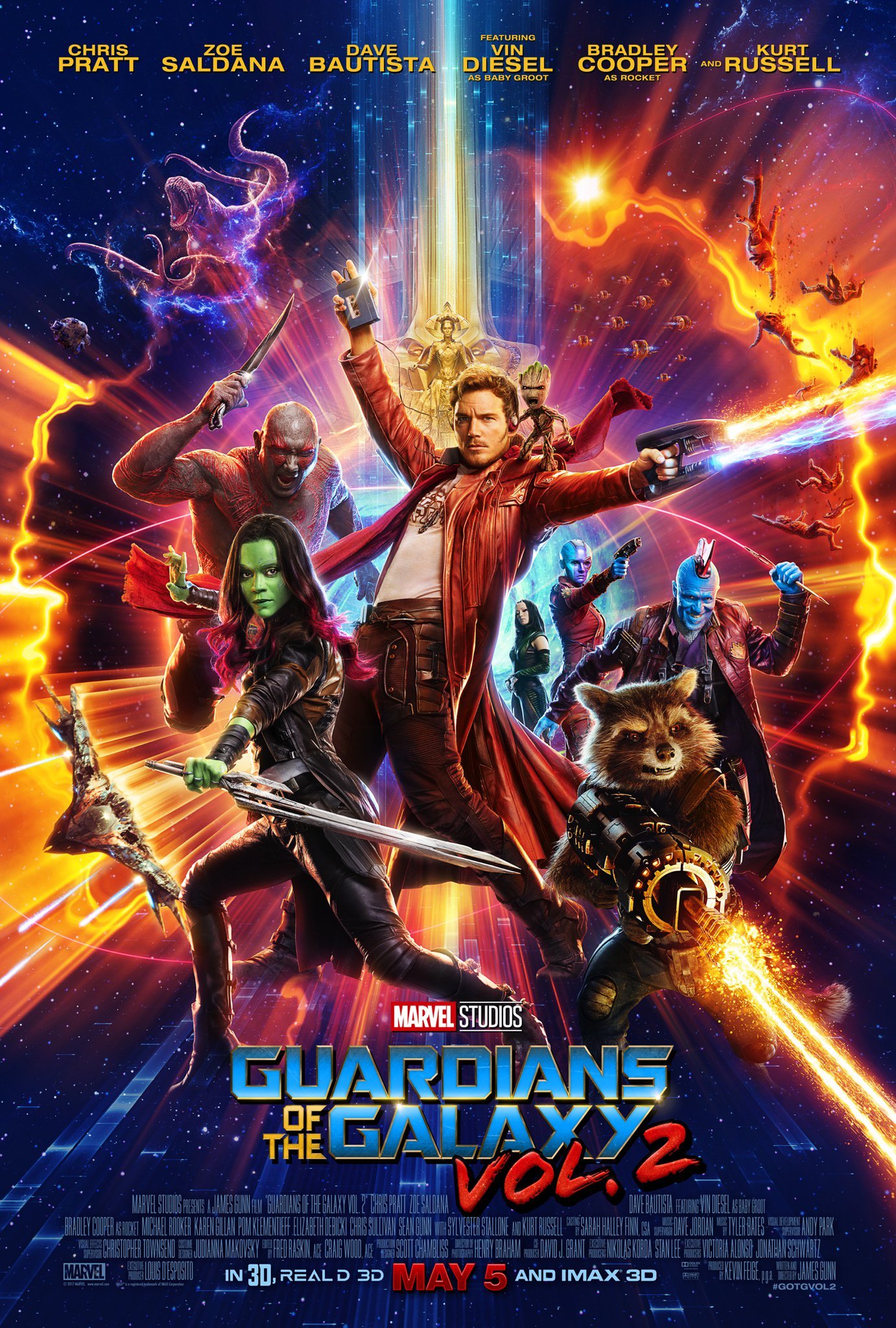
3. Guardians of the Galaxy, Vol. 2
The sequel packed more emotional punches than its heartfelt predecessor. Many characters went through intense personal arcs while the film itself was as charming, funny and thrilling as the first Guardians of the Galaxy.
2. Spider-Man: Homecoming
Smart, funny and exciting, Spider-Man: Homecoming is an amazing (corny pun intended) film comeback for the world’s greatest superhero. The first Spider-Man film in the MCU expertly captured the essence of Spider-Man, while modernizing the hero for today’s audiences.
1. Logan
This masterful deconstruction of the superhero is a poignant and powerful swan song for Hugh Jackman in his role of Wolverine/Logan. More than a superhero film, Logan is also a dystopian, neo Western that displayed many motifs from the both genres to tell this heartwrenching tale of Logan’s final days. The film was so beautifully crafted thanks to career-defining performances by Jackman and Patrick Stewart as the wizened Charles Xavier. Part of the reason why Logan resonated with so many is because of its universal and relatable message about growing old and facing your end. Logan is a fitting finale for Fox’s X-Men Cinematic Universe.
Honorable Mentions:Alien: Covenant, Bright, Downsizing, It Comes At Night,Jumanji: Welcome to the Jungle, Kong: Skull Island, The Lego Batman Movie, Life, The Shape of Water, Split, Wonder Woman
As the mighty Star Wars merchandising/marketing avalanche invades, one of the most common and popular items standing out this holiday season are ornaments! Star Wars and holiday ornaments go hand in hand as a cool and popular way for geeks to revel during the holidays. Ever since Hallmark started producing them during the mid 1990s, they have created the best Star Wars ornaments. From the very first, single ornament released back in 1996 (the Millennium Falcon) the market has exploded with the large variety of Star Wars Hallmark ornaments. These are the best of that Hallmark has created:
Characters/Dioramas
10. Admiral Ackbar (2015): One of the best limited edition Star Wars Hallmark ornaments was devoted to the amphibian Rebel leader. The sculpt was a perfect reproduction of Admiral Ackbar.
9. A Deadly Duel (2009): Despite the disrespect the prequels get, one thing everyone enjoyed was the climatic duel where Qui-Gon Jinn and Obi-Wan Kenobi battled Darth Maul. This ornament perfectly captured that thrilling moment in Star Wars Episode I: The Phantom Menace.
8. Luke Skywalker and Yoda (2006): This dual character ornament is the ideal blending of two characters since it represented Luke’s Jedi training on Dagobah and Yoda’s iconic teachable moments.
7. Chewbacca (1999): Everyone’s favorite Wookiee was one of the best solo character ornaments and fits perfectly on a Christmas tree. After all, Chewbacca’s from an arboreal world.
6. Han Solo to the Rescue (2012): This Star Wars Hallmark ornament of Han Solo in his cold weather gear atop a tauntaun just looks perfect hanging from a Christmas tree or even on your desk.
5. An Epic Vision, a Star Wars Celebration (2015): The best limited edition Star Wars Hallmark ornament is also one of the rarest and a true treasure. The sculpts eerily recreate Ralph McQuarrie’s famous pre-production art for the first Star Wars film.
4. Anakin Skywalker and Obi-Wan Kenobi (2005): Colorful and striking with flaring lava plumes, this ornament is a superb recreation of the epic final battle between the Jedi and his former apprentice. Features powerful dialogue and clashing lighsaber sounds.
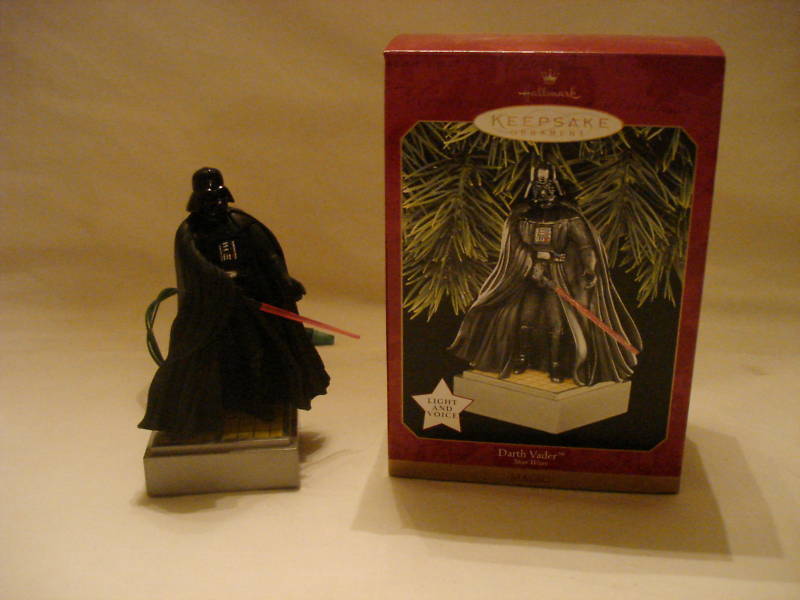
3. Darth Vader (1997): The first Darth Vader ornament is still the best one. Lord Vader stands imposingly on a lit base with his glowing red lightsaber. It doesn’t get any better though future ornaments like the Rise of Lord Vader (2014) and the Darth Vader Peekbuster came close.
2. Yoda Peekbuster (2014): Hallmark first launched this motion sensor ornament in 2012 with a Darth Vader Peekbuster. The concept is simple, you walk by and the ornament would talk to you, warning you away from the presents. The Yoda Peekbuster is superior because the little green Jedi Master better captures the spirit of the holidays and can be thought of as an honorary elf.
1. The Adventure Begins (2007): This one is a bit of a cheat since it features a spaceship, the Millennium Falcon, but it’s a terrific diorama. It depicts the moment the Falcon departs from the Mos Eisley spaceport on Tatooine as it whisks off our Rebel heroes on a grand adventure that changes the galaxy. Not only does the Millennium Falcon’s engines light up, but John Williams’ legendary Star Wars theme blares from this ornament, which is a superb touch.
Ships/Vehicles
10. Darth Vader’s TIE Fighter (1999): This is a rather neat Star Wars ornament, with its best feature being the lit-up cockpit that reveals Darth Vader’s silhouette.
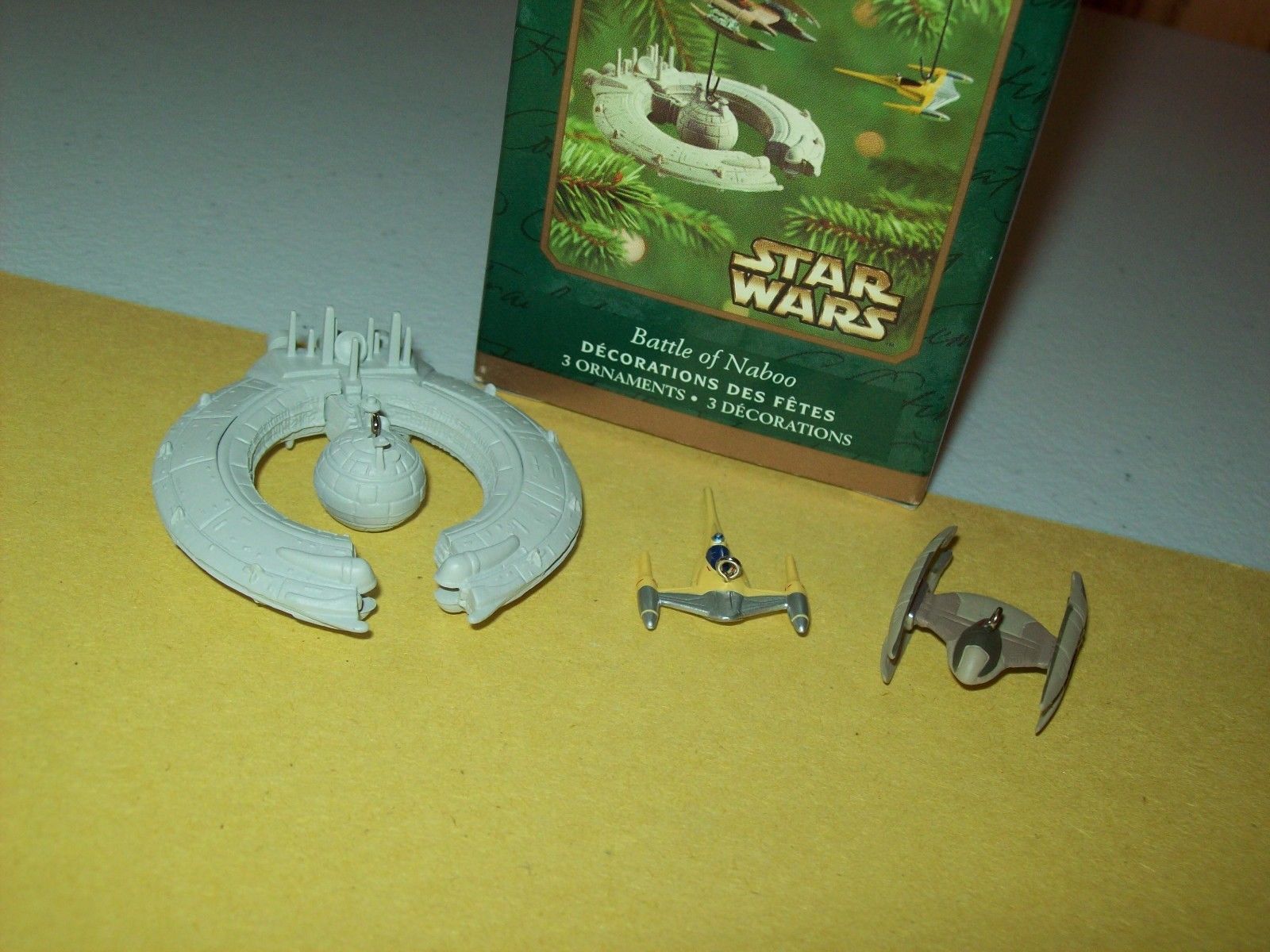
9. The Battle of Naboo (2001): This is the best miniature Star Warsornament which features the Trade Federation’s starship flanked by tiny Naboo and vulture droid fighters. It was a novel concept for Hallmark and portended to greater Star Wars ornaments.
8. The Death Star (2017): Incredibly, it’s the first time we’ve gotten a full-size ornament of the original Death Star. And it is wildly impressive thanks to sounds and lights that accurately depict the infamous battle station.
7. Slave I (2011): Boba Fett’s weird vertical spaceship gets some love from Hallmark with this ornament. As always, Hallmark went the extra step to faithfully recreate the look and sounds of the bounty hunter spaceship.
6. Anakin Skywalker’s Jedi Starfighter (2005): One of the best ships seen in the prequel films was well crafted by Hallmark. Striking due to its design and yellow coloring, the Jedi Starfighter is clearly one of the most underrated Star Wars Hallmark ornaments.
5. T-70 X-Wing Fighter (2016): Poe Dameron’s eye-catching X-Wing fighter with its distinctive black color sets this ornament apart from other X-Wing ornaments. If it lit up like the others it would have rated higher on this list.
4. Star Destroyer (2004): The last Star Wars Hallmark ornament that plugged into a Christmas tree socket depicts the famous opening moment in Star Wars Episode IV: A New Hope as the imposing Star Destroyer captures the tiny Rebel blockade runner.
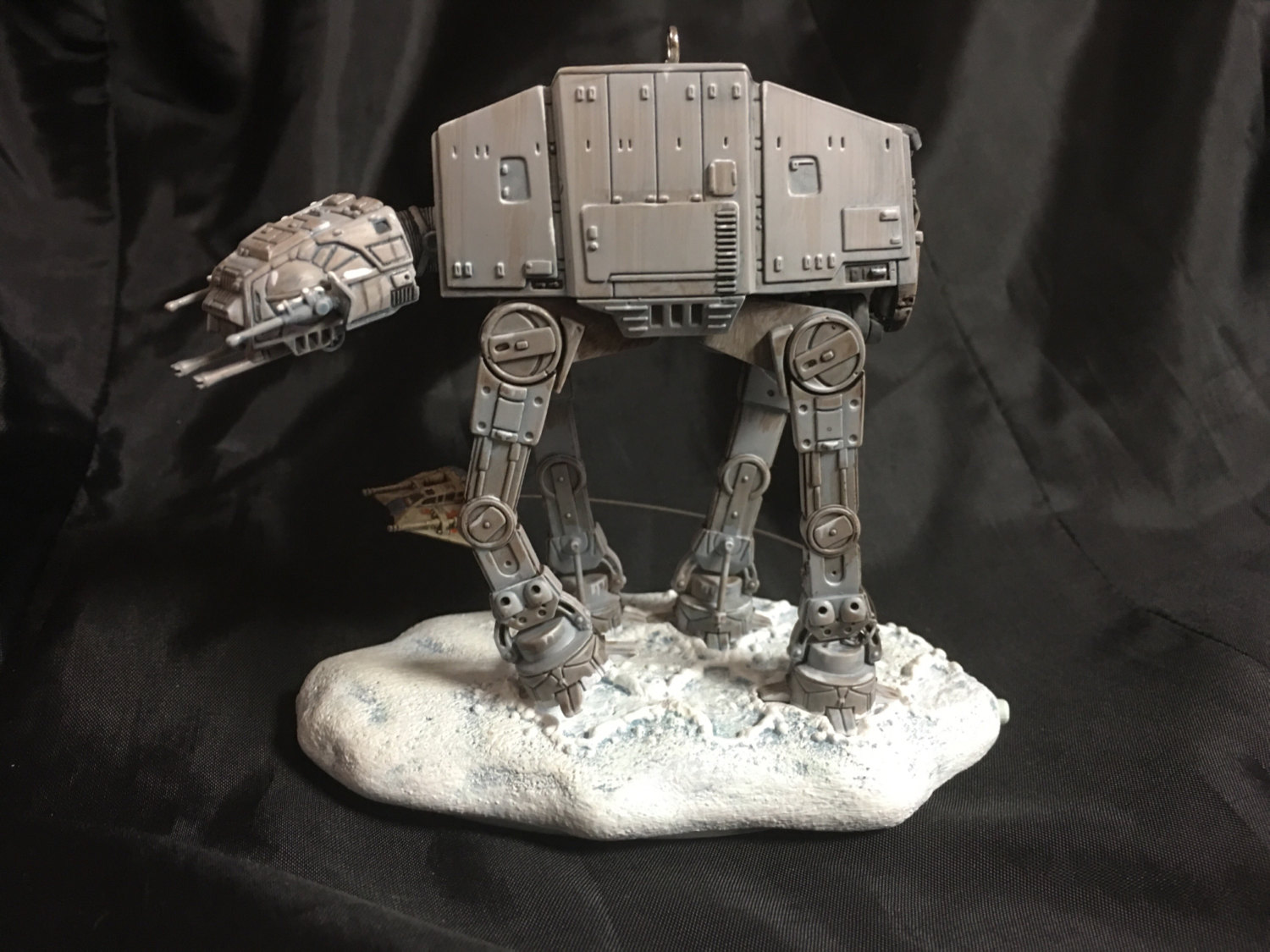
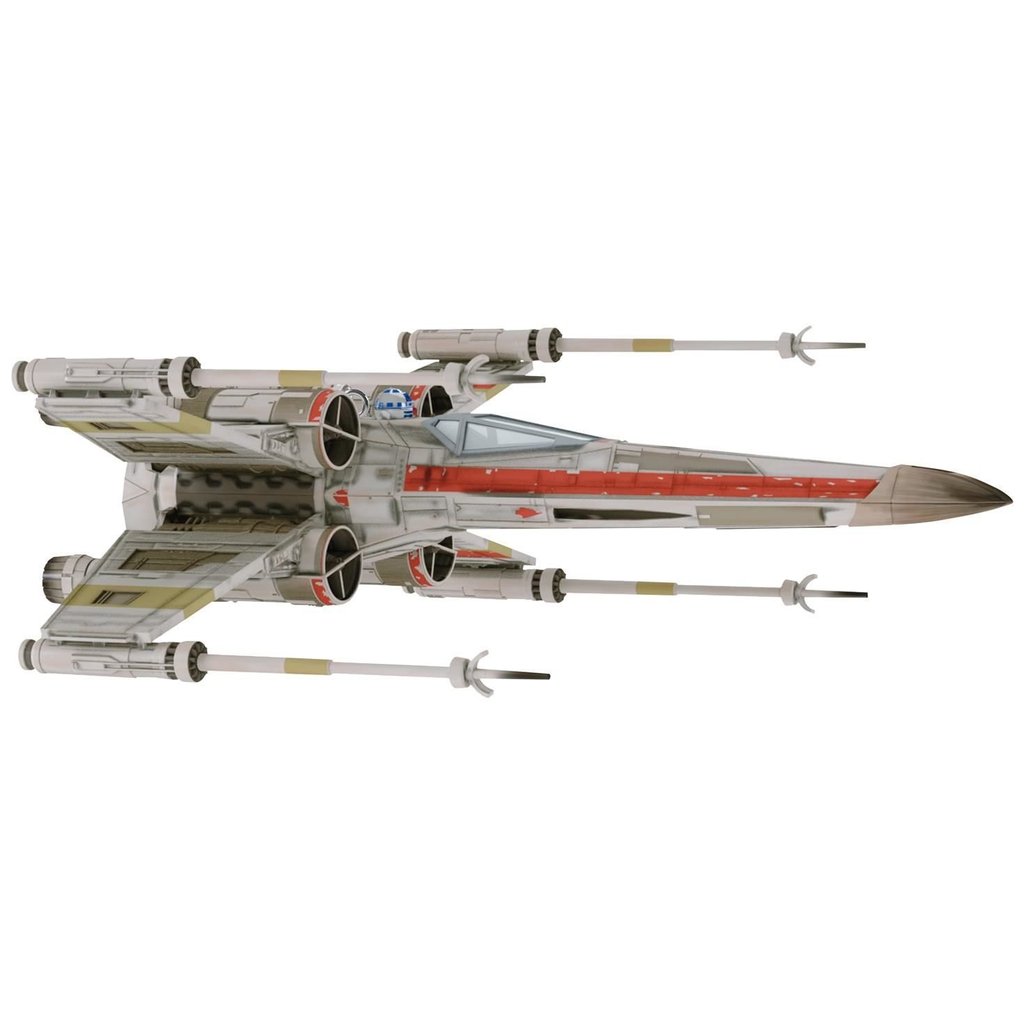
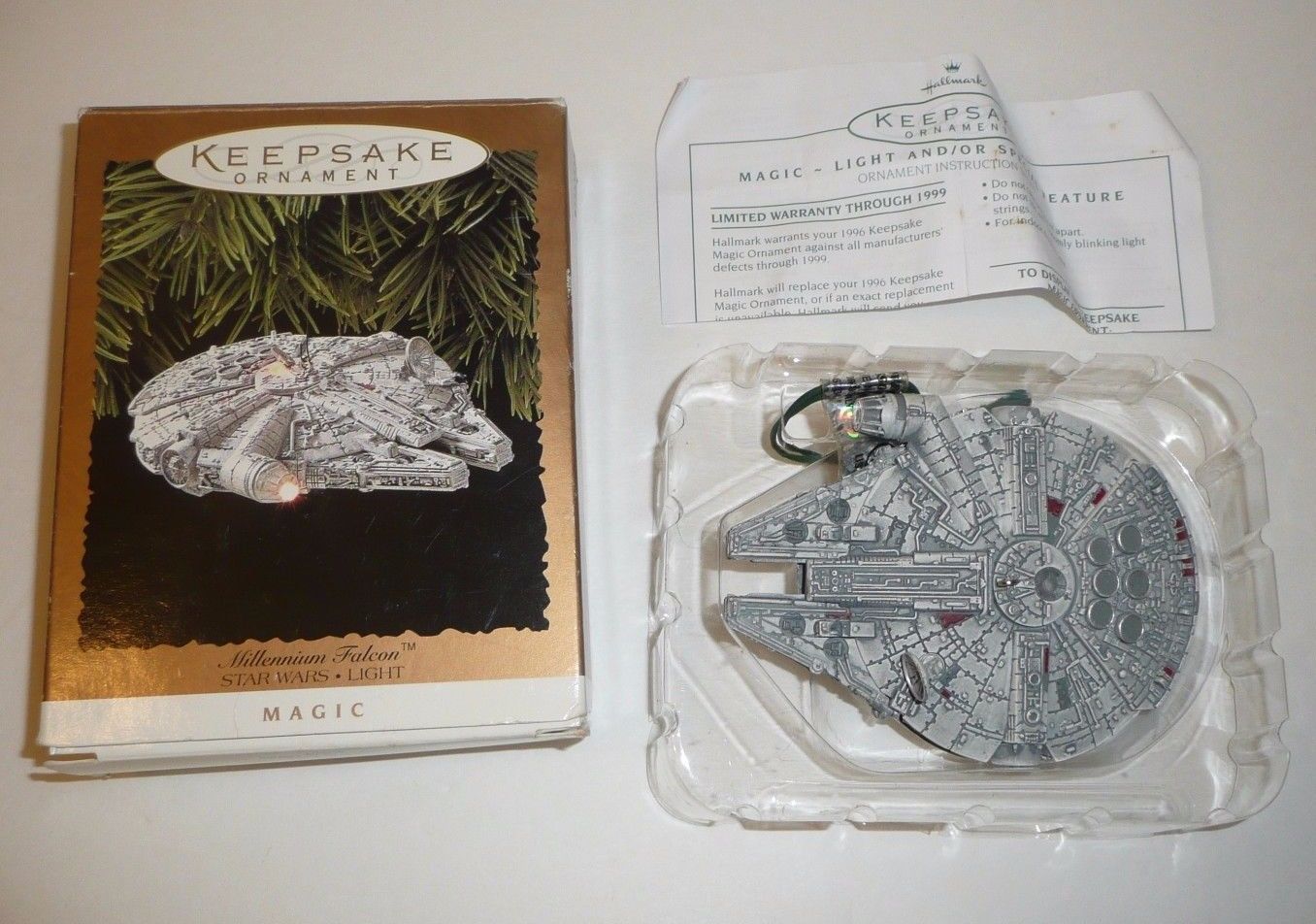
3. Imperial AT-AT and Rebel Snowspeeder (2006): It can be argued that this is more of a diorama but the walker is so prominent it belongs in this category. The walker stands on a snowy base as a tiny Rebel snowspeeder is buzzes around its metal legs. The battle sounds nicely complement this ornament.2. X-Wing Starfighter (2017): This huge ornament improves upon the original X-Wing ornament that came out in 1998. Like the original it lights up but now has sounds and better detailing. This pricey ornament is part of a set that includes Vader’s TIE fighter and the Death Star. When put together the three of them recreate moments from A New Hope with sounds..1. Millennium Falcon (1996): The best Star Wars ship ornament just happens to be the very first one released by Hallmark in 1996. It’s one of the older ornament models that plugs into a Christmas tree’s light socket, but just look at the detailing. The Millennium Falcon looks so real with its dark grey hull, engine and cockpit lighting; this beauty has weight and heft. Thankfully, next year Hallmark will produce a newer version of the ship that made the Kessel run in 12 parsecs.
This review for Star Wars Episode VIII: The Last Jedi is coming later than usual because I wanted to think about the film I saw on opening weekend before plunging ahead with words about its merits…and faults.
The first part of this review will be spoiler free and talk about the latest Star Wars film in general terms. The second half will discuss in more details my impressions, which will go into spoiler territory.
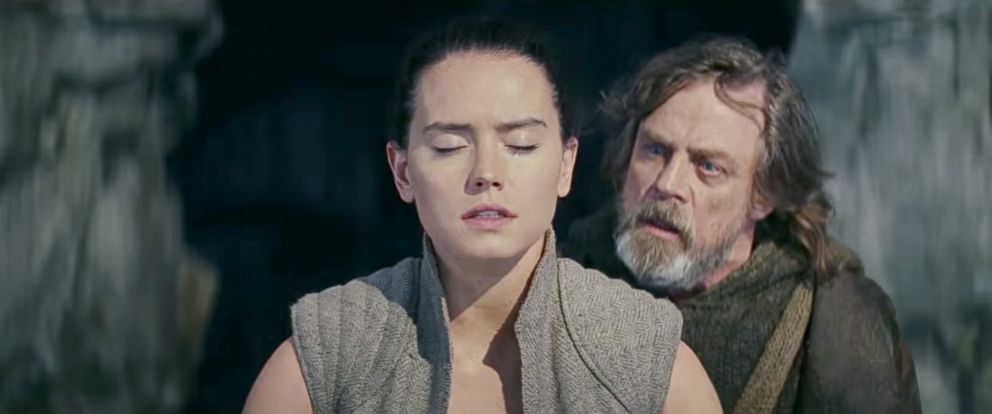
Star Wars Episode VIII: The Last Jedi continues the saga of the universal struggle between good and evil in a distant galaxy. It takes place shortly after the last film where fledgling Jedi, Rey (Daisy Ridley), finds the long-lost Jedi Master, Luke Skywalker (Mark Hamill) on a distant planet called Ahch-To. She wants to be trained and enlist Skywalker’s help in the struggle against the First Order, the despotic government that rose from the ashes of the Galactic Empire.
Meanwhile the ragtag group she belongs to, the Resistance, is in dire straits and on the run from the First Order. Its leader, Snoke (Andy Serkis), and his apprentice Kylo Ren (Adam Driver), are determined to wipe out the pesky Resistance once and for all and destroy Skywalker, who is the film’s titular character. This largely sums up the plot of Star Wars: The Last Jedi without giving anything away.
The eighth film in the main Star Wars trilogies is a mixed bag. There are so many powerful moments and unpredictable developments. These will resonate not only with fans, but with the overall saga. Admittedly, this film borrows elements from The Empire Strikes BackandReturn of the Jedi, but only superficially. Certain expected narrative beats never occur and the film left me guessing as to what would happen next. The unpredictable nature of the latest Star Wars film will leave viewers unsure about the fate of characters, which creates genuine tension. We genuinely wonder if certain characters will survive by the end of the film. The film also takes time to examine the Force, the mystical energy wielded by the Jedi and the bad guys. Unlike those stupid midichlorians, the Force in this film rightfully returns to its metaphysical roots as the film explores its nuances. For the eighth film in a franchise to be this unpredictable and out of the box is a testament to the skills of writer and director Rian Johnson.
Unfortunately, there are too many flaws in logic and gaping plot holes that cannot be waved away with a Jedi mind trick. As skilled as he is, Johnson failed to think through the plot. Too often, we keep asking “why did so and so do that? Why don’t they just do this and be done?” This is a problem Johnson displayed with his acclaimed (and overrated IMO) film Looper, where cool concepts were undone by flaws in narrative logic. Honestly, this makes me wonder about the quality of the new trilogy he will oversee.
Just as crippling is the film’s pace. It starts with a blast, but meanders in the middle and feels uneven, though the final 45 minutes are terrifically nail biting. Certain characters fly off on meaningless quests in scenes that could have used another pass in the editing room. Other characters are given well-rounded and satisfying arcs that allow them to grow and change. Others should have not appeared at all.
No matter where one stands with it, Star Wars Episode VIII: The Last Jedi is a very polarizing film. It is unlike previous Star Wars films, which will disappoint many fans. On the other hand, story and character wise, Star Wars: The Last Jedi strikes bold new directions that anyone would have to admit bring new and much-needed wrinkles to the Star Wars saga.
Alright, this is the final warning for anyone who has not seen Star Wars Episode VIII: The Last Jedi and does not want to be spoiled.