She-Hulk Smashes Her TV Show

She-Hulk: Attorney at Law just completed its season at Disney + with a literal smashing finale that went all out with comedy, guest stars, and unexpected meta moments as She-Hulk destroyed the fourth wall in her TV show.

Tatiana Maslany starred as both Los Angeles-based lawyer Jennifer Walters and her alter ego, the sensational She-Hulk. In the pilot episode, Jennifer is involved in a car accident with her cousin Bruce Banner aka the Hulk (Mark Ruffalo), and his gamma-infused blood is mixed with hers, which turns her into She-Hulk. Unlike Banner, Jennifer is able to maintain her personality when she transforms into She-Hulk, and is able to continue her career as an attorney, who now represents superhumans in court.

The Disney + show set in the Marvel Cinematic Universe (MCU) is supposed to be the first comedy series for the MCU as numerous guest stars and new characters popped into the show. Many of them were obcure Marvel Comics characters, others were more notable MCU personalities like the Sorcerer Supreme Wong (Benedict Wong) and Emil Blonsky/Abomination (Tim Roth) and most recently Matt Murdock/Daredevil (Charlie Cox). Many of these guests are welcome, though with his many appearances in recent MCU projects, Wong is starting to overstay his welcome. Meanwhile, with his charm, Cox practically stole the episode he first appeared in, which was one of the best in the series.

It was alarming that the Daredevil-centric episode was one of the best because it was the second-to-last episode. Many episodes felt flat and too cute, and worst of all, a couple were not funny, which is deadly for a comedy. There was a feeling throughout most of the series that it was playing things too safe and holding back its punches. A good example was when She-Hulk breaks the fourth wall during episodes. For anyone who does not understand, breaking the fourth wall is a narrative technique where a character in a story directly addresses the audience and steps outside of the story to do so. We’ve seen this done in the Deadpool films and comics, though She-Hulk did this first in John Byrne’s The Sensational She-Hulk Marvel Comics series to great effect.

In the TV show, the fourth-wall breaking was sparingly done to add some wry commentary to what was going on. While the comments were humorous the show did not run with this technique until the final episode, which happened to be its the best. During the third act, a frustrated She-Hulk has had enough with a predictable slugfest that made little sense and actually left the series, broke out of the Disney + menu and entered the real world looking for Kevin Feige, the head of Marvel Studios. Antics like this often occured in the comic books and should have happened more often in the TV show. These antics were not the only hysterical moments, but the opening credits for the episde was a hilarious recreation of the 1970s TV show The Incredible Hulk, but with Jennifer Walters and She-Hulk acting out scenes originated by Bill Bixby and Lou Ferigno. Things like that should have happened more often in She-Hulk: Attorney at Law, which turned out to be a very light-hearted legal dramedy. To be honest, if the show was not set in the MCU and was just a regular legal comedy, most of us would not bother to watch it.

Another thing that was deadly at times for She-Hulk: Attorney at Law were its special effects. It had its moments, but many times, the CG was quite dodgy and rushed. There were reports about how overstretched special effects companies were with MCU properties and this show is evidence of that. It’s a shame because MCU films and TV shows have great special effects. But here with this show, it had to convince us that this ultra tall, green woman actually existed, but on too many occasions the show failed to trick us. It might have been better if they use more conventional tricks like makeup and tall body doubles instead. Let’s hope Marvel Studios goes back and patches up the effects in She-Hulk: Attorney at Law because it is sorely needed.

Continue reading

Werewolf By Night Harkens Back To Classic Horror Films

The latest offering from the Marvel Cinematic Universe (MCU), Werewolf by Night, was just released on Disney + in time for the Halloween season. Werewolf by Night is actually a rarity these days, a television film and only about an hour, at that. More interesting is that like many projects in the MCU’s Phase Four, it is not the typical superhero slugfest. In fact, the film does not make any kind of overt connection to the larger MCU, but it ends up enriching the MCU with its solidly supernatural motif.

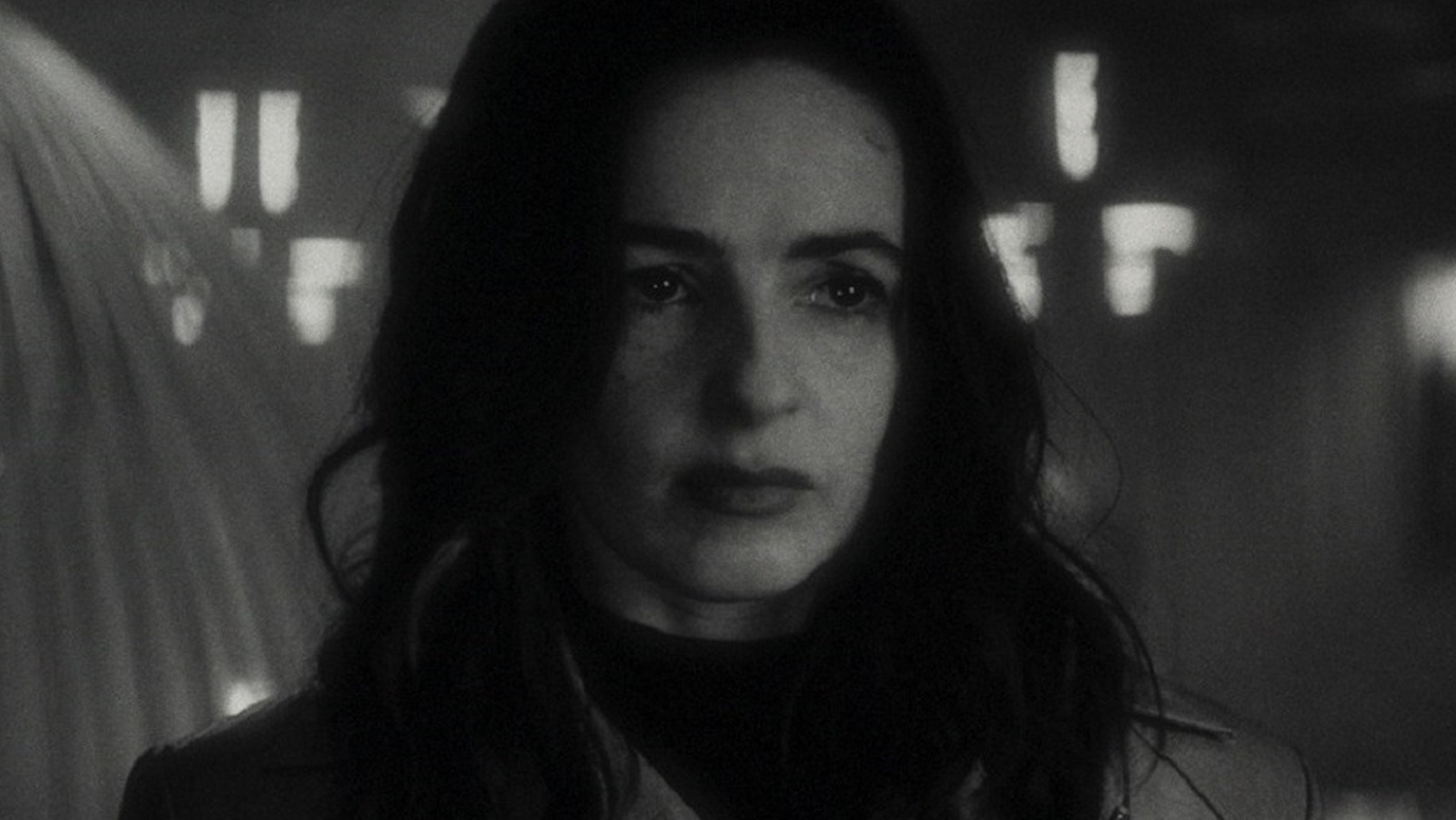
Filmed largely in black and white, the film follows Jack Russell (Gael Garcia Bernal), a so-called monster hunter, who arrives at a spooky manor and participates in a ceremonial hunt of a captured monster held in a maze in the manor’s grounds. The prize for finding the monster is a mystical stone called the Bloodstone that was once wielded by Ulysses Bloodstone, who died recently. During the hunt, Jack teams up with fellow monster hunter Elsa Bloodstone (Laura Donnelly), the estranged daughter of Ulysses Bloodstone. Jack is only interested in finding the monster, while Elsa wants the Bloodstone. During the hunt the two must deal with rival monster hunters and Jack’s hidden secrets.

Werewolf by Night, is surprisingly fun and spooky. It clearly harkens back to the old Universal classic horror films from the ’40s featuring Dracula, the Wolfwman and other famous monsters. But the film also has a grindhouse, 1970s feel with its graphic violence (muted by the black and white photography), it is probably the most violent MCU offering to date and is appropriate for this kind of project.

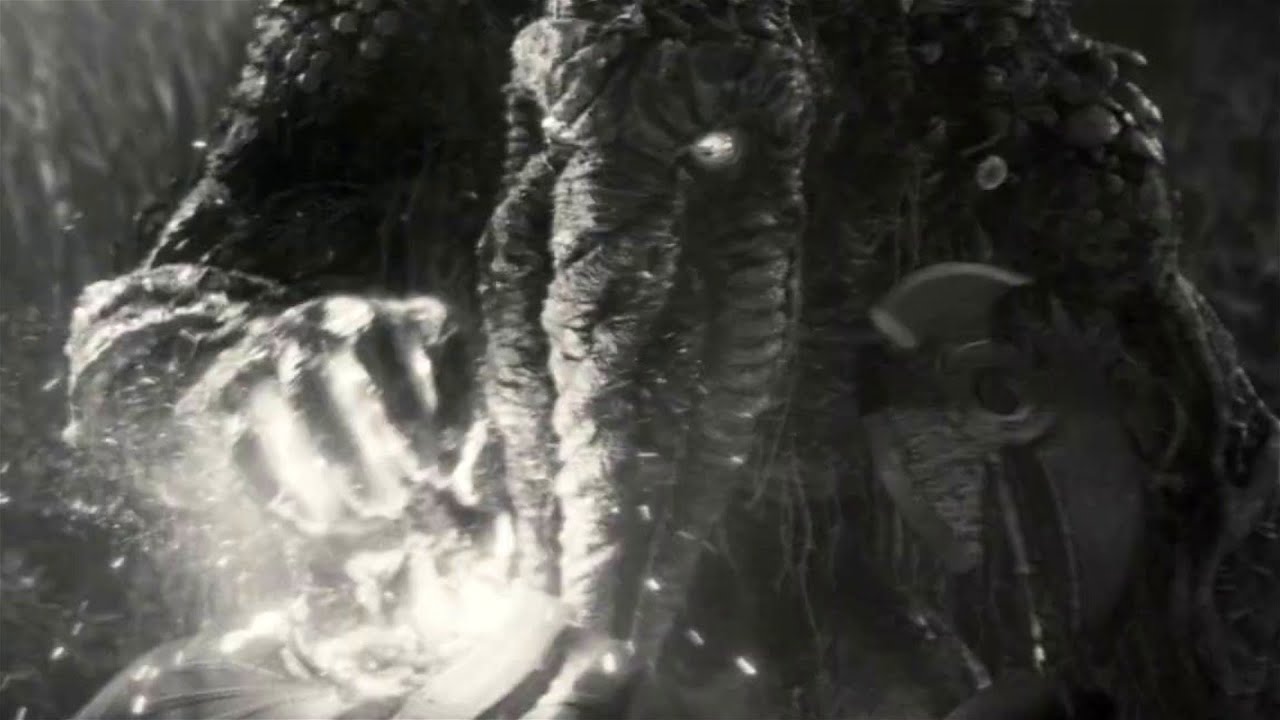
The film’s atmosphere is perfect for the story it tells and has the right amount of jump scares and thrills. The film could have benefited from a slightly longer length to flesh out the story and characters, but supposedly there was extra footage that was deleted because they were too comical and Marvel Studios is smarting over recent criticism that their projects are too comical. It would be a joy to see a followup to Werewolf by Night, as there is so much about Jack Russell and Elsa Bloodstone that we viewers are not aware of and there is a lot of potential with the those two. Also, it would be interesting to see how they fit in with the larger MCU, and the same goes for the third standout character in the film, Man-Thing. In addition to the Werewolf, the hulking, moss-covered monstrosity is perfectly comics accurate and imposing. The effects used to bring the creature to life were very impressive, in fact, it was clear most of the film’s budget was held back to benefit Man-Thing’s appearances. If anything, a Man-Thing spinoff film or series must be made.

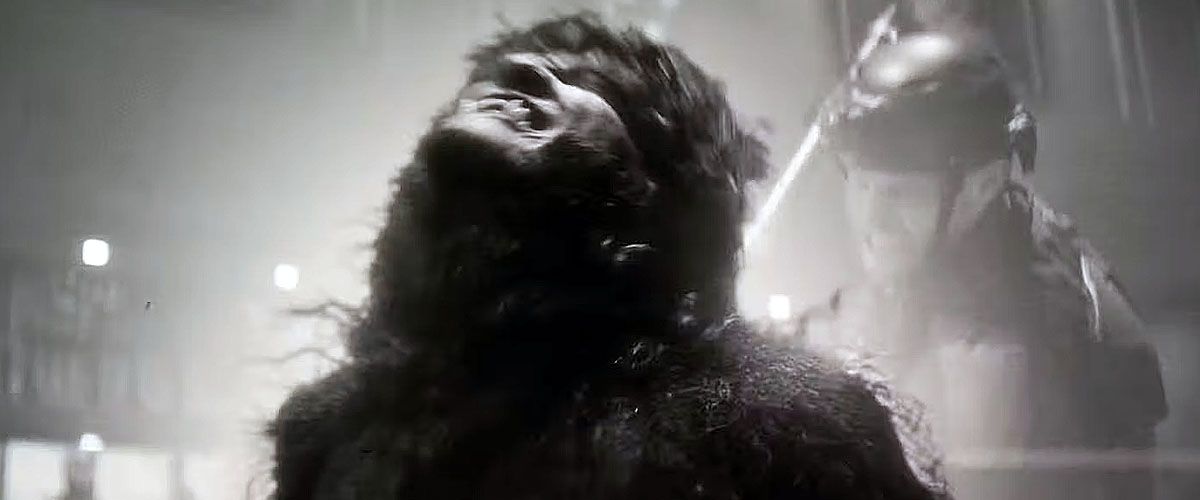
As for the title character, he was obviously a person wearing monster makeup, but it was a refreshing throwback to the CG that has taken over. More importantly despite the low-tech approach to how he is presented, the monstrous Werewolf was very terrifying with his savage and animalistic fights.

Director Michael Giacchino creates a moody and dark atmosphere filled with shadows and a sense of dread, which is what made the old Universal horror films so beloved. His directorial debut is quite impressive given that he is best known for his distinct film scores (by the way, he also scored this film and his work was brilliant as always). Given the way he was able to bring out the scares and deliver a solid horror film, he should be seriously considered to direct the Blade film, given that Marvel Studios is now scrambling to find a director for that project. Werewolf by Night demonstrates that Giacchino has the skills to give us a great vampire film.

Unlike some misfires in Phase Four of the MCU, Werewolf by Night is a textbook example of doing something different that engages the viewers and unveals spooky new corners of the growing MCU.

José Soto

Prey Introduces A New Kind Of Predator Film

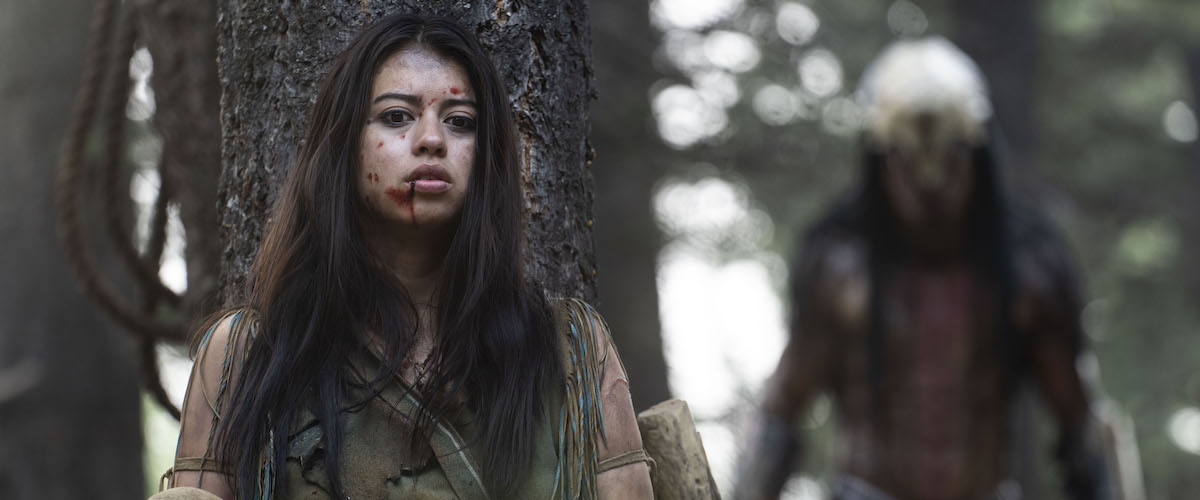
Prey is the latest in the Predator film franchise and it premiered recently on Hulu to well-deserved praise. The film stands out from the previous Predator films in many ways, such as not having Predator in the title, taking place in our distant past, and having a different kind of protagonist. Yet, despite these changes, Prey still has the core elements of a classic Predator film, while bringing forth a fresh, new take for the franchise.

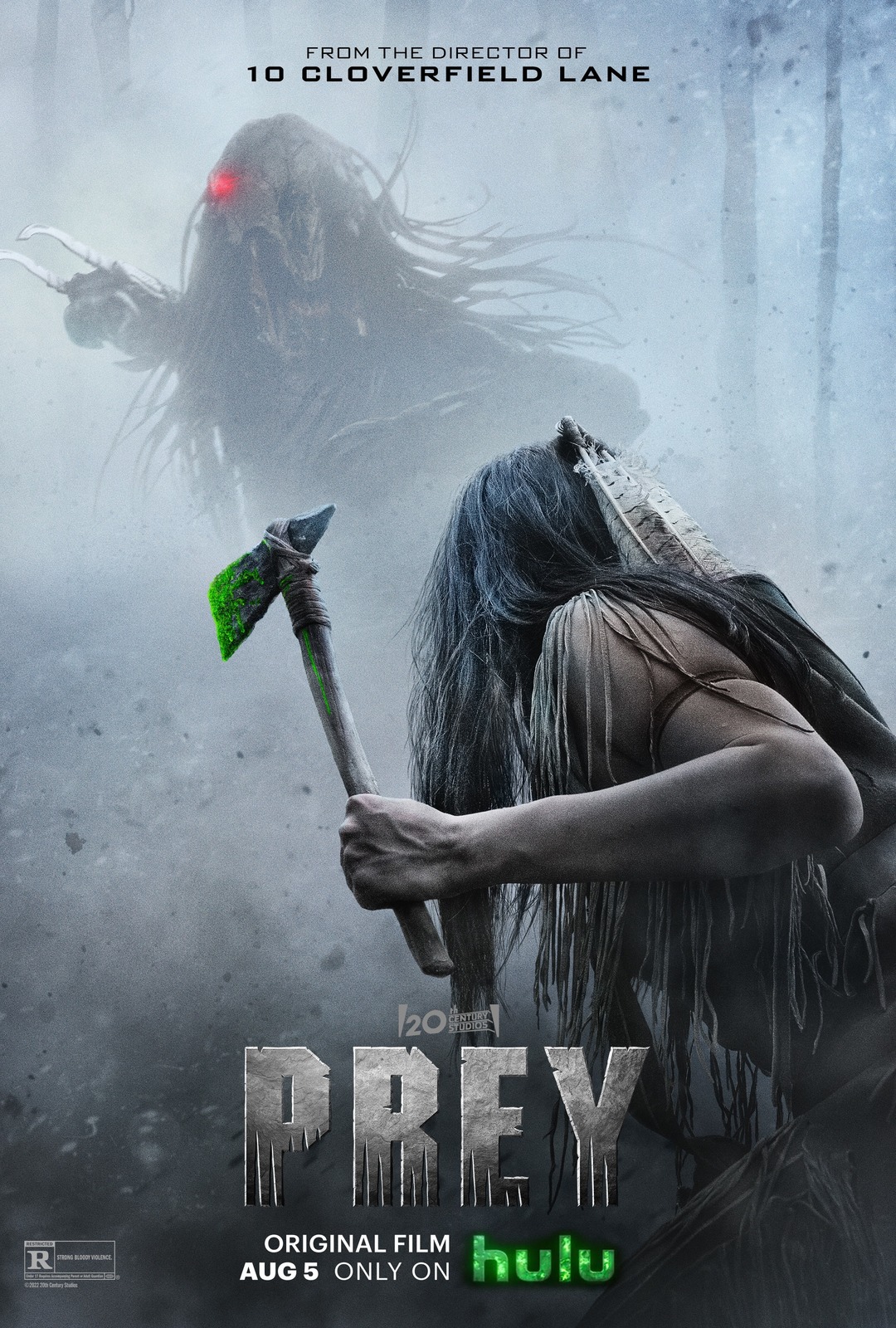
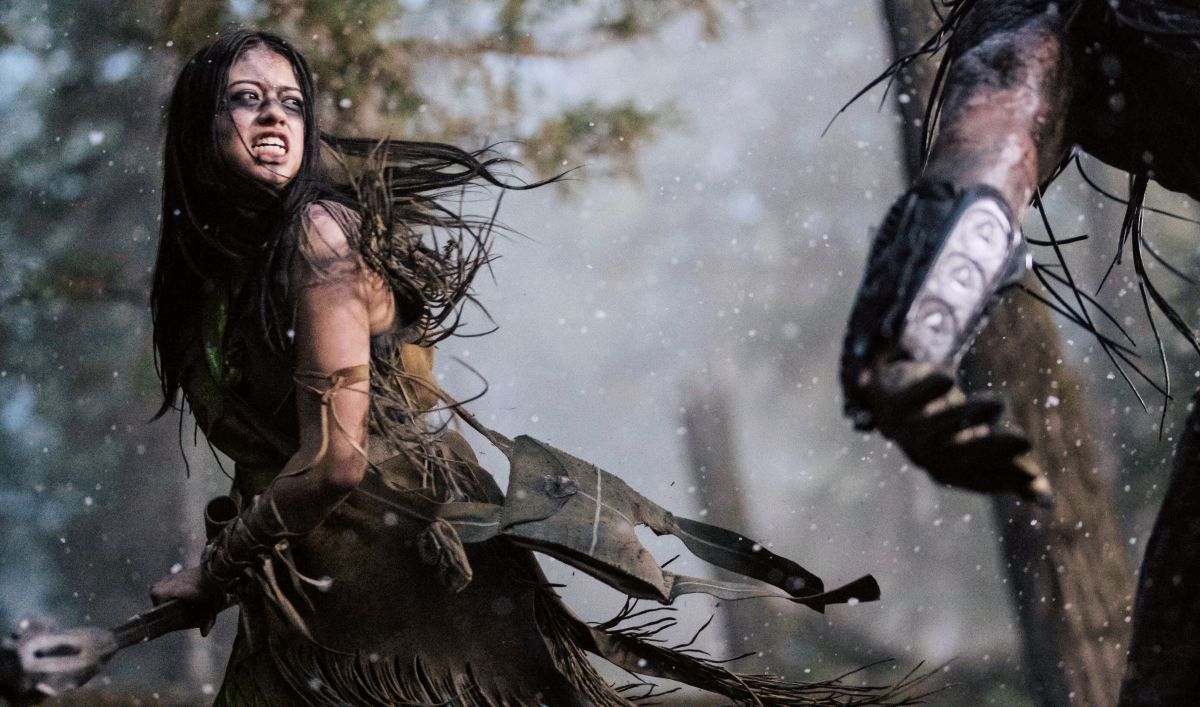
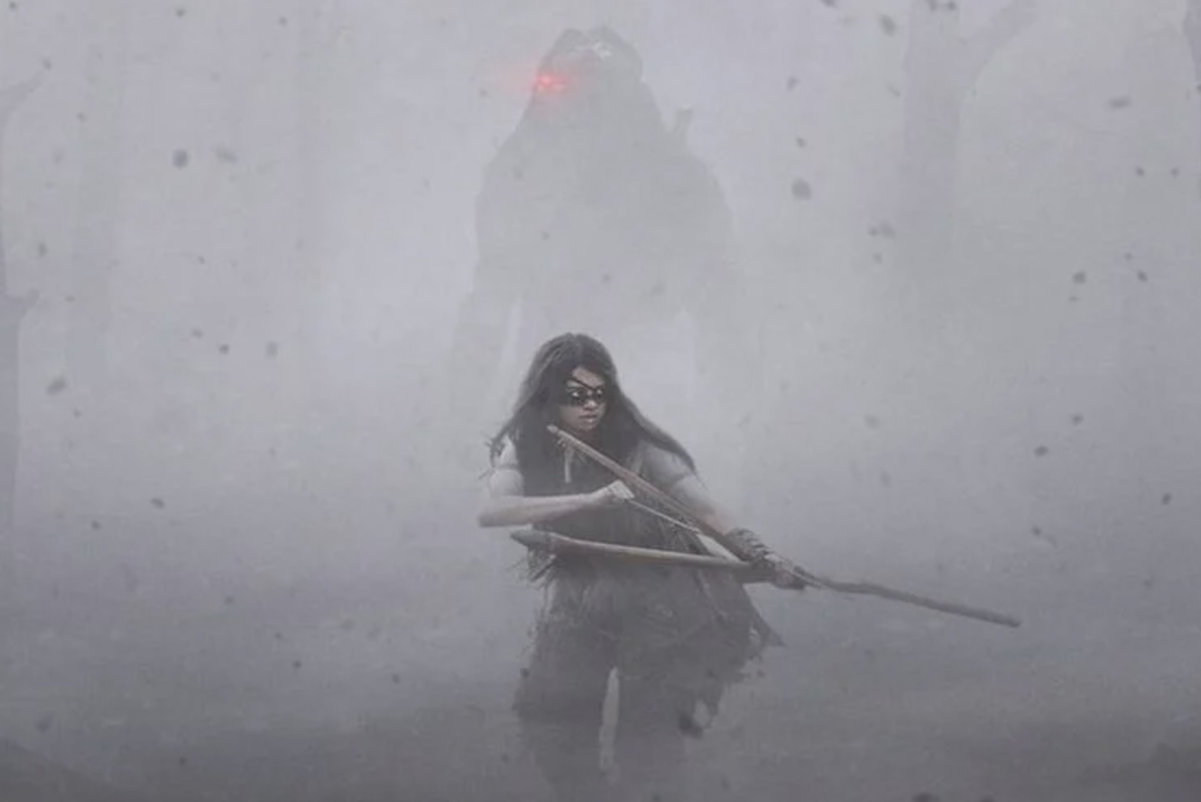
Amber Midthunder stars as Naru, a young Comanche woman in North America during the early 1700s, who is a healer but wants to become a brave hunter like her brother Taabe (Dakota Beavers). While tracking prey with her dog, Sarii, she spots an alien ship entering Earth’s atmosphere, which she interprets as a sign to prove herself as a hunter. After Taabe allows her to join his hunting party, Naru comes across tracks and signs of an unusual creature lurking in the wilderness near her tribe’s location. This nearly invisible creature is revealed to be a Predator who systematically hunts predatory animals until it works its way up to its most formidable targeted prey: humans. Before long, the paths of the Predator and Naru cross as she faces her ultimate test as a hunter while armed only with ancient tools and her wits.

Based on the premise, Prey differs from the typical Predator film not just with it taking place in the past but more importantly with its protagonist. Unlike the other films, the main hero in Prey is a young woman who does not have any modern weapons or any concept of dealing with extra-terrestrials. In fact, the people in the film think the Predator is some kind of demonic entity. Getting back to Naru, what made her situation more meaningful is that she is much more vulnerable to the Predator unlike the bulked-up action heroes brandishing modern weapons in previous films who had some kind of chance against the formidable alien hunter. However, Naru shares the same trait that the previous heroes had in that she uses her wits and physical skills to go up against the Predator, which evens the odds when the two confront each other.

So much of the film relies on the character of Naru, as she not only has to fight the Predato,r but prove to herself and her tribe that she is a brave warrior. Amber Midthunder brilliantly brings her character to life and makes her a sympathetic underdog whose braveness and cunning makes her an underestimated prey for the alien.

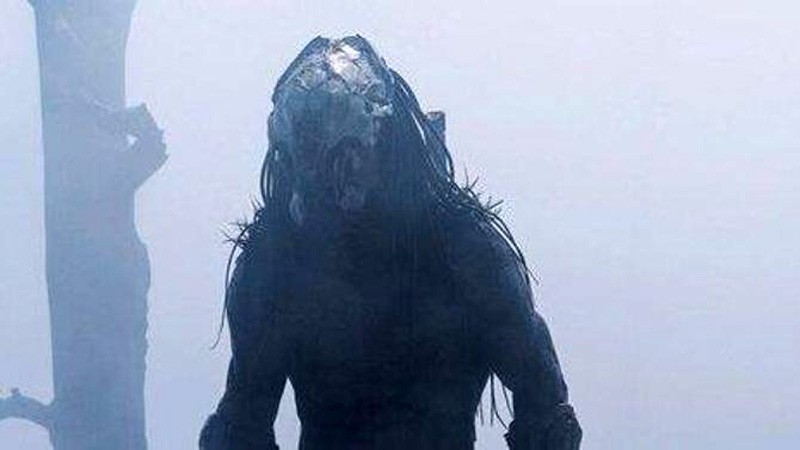
As for the Predator itself, despite four previous films (not counting the Alien Vs. Predator films), the creature is still a terrifying killing machine with nasty alien weapons. What is interesting about the weapons is that although they are advanced, they are not as high tech as the ones used by other Predators. This makes sense since this film takes place hundreds of years in the past.

Having the film take place in the distant past was a brillaint idea and something that was long overdue. Ever since the end of Predator 2 hinted that the Predators have visited Earth for a long time, this revelation opened up so many possibilities, but the following Predator films failed to take advantage of this, unlike the Dark Horse Comics series. Having Predator films take place at different times and locations should be fully explored. Who would not want to see a Predator film taking place in feudal Japan? Or having the alien hunter face off against Vikings? Hopefully, if there are more films, they could go in this direction.

On a technical level, Prey is topnotch with beautiful outdoor cinematography (credit goes to Jeff Cutter), tight editing, and minimal use of CG. Director Dan Tractenberg, follows up his 10 Cloverfield Lane with another suspenseful yarn with thrilling fight scenes and genuine moments of tension. To his credit, the director uses his limited amount of screen time to infuse the film with organic character moments, which embellish the humans onscreen.

As mentioned before, it would be great to see more Predator films in this vein. After the previous dismal film, The Predator, it seemed that the franchise was creatively extinct. Thankfully, Prey invigorates it with a simple, tight and innovative film that emphasizes the tenuous relationship between predator and prey.

Star Trek: Strange New Worlds Boldly Goes Back To Basics With The Star Trek Franchise

The first season for the latest Star Trek TV show to stream on Paramount+, Star Trek: Strange New Worlds, has just concluded with a strong episode (“A Quality of Mercy”) that represented the best stories of the season. The show is a spinoff of Star Trek: Discovery and another prequel to the original Star Trek. In this case, the show chronicles the voyages of the starship Enterprise under the command of Captain Christopher Pike (Anson Mount) a few short years before Captain James T. Kirk assumed command.

Getting this out of the way, this series is fantastic with its much needed and refreshing back-to-basics approach for Star Trek. The franchise has been faltering lately with subpar live-action entries, Star Trek: Discovery and the second season of Star Trek: Picard. However, the franchise feels reinvigorated now with the new series. A huge part of the success of Star Trek: Strange New Worlds has to do with its lead characters.

When Pike and Spock (Ethan Peck) were introduced as feature characters in the second season of Star Trek: Discovery, they quickly stood out and added a lot of gravitas and charisma to the show. In fact, the reason why the second season was so well received was largely due to the characters, how they were portrayed and their engaging storylines. After the season concluded a wise choice was made to bring back Pike and Spock into their own series to continue their story arcs.

Spock, as in the original show, is trying to find a balance between his human and Vulcan sides. Ethan Peck does a fine job as Spock and while he made the role his own, he does quietly emulate the spirit of Leonard Nimoy’s famous portrayal of the Vulcan.

Meanwhile, Anson Mount completely took over the role of Captain Pike, which was first portrayed by Jeffrey Hunter in the original pilot for Star Trek. For decades people associated the early captain of the Enterprise with Hunter, but Mount’s smooth and amenable version of Pike captivated fans to the point that when Captain Pike is mentioned it is easy to picture Mount instead of Hunter. This is something that happened over with the Star Wars franchise where Ewan McGregor made the role of Obi-Wan Kenobi his own instead of Alec Guiness, the original actor who played the Jedi. Getting back to Mount, the actor endows his Pike with a casual competence and an approachable demeanor, which makes Pike a believable starship captain. He is haunted throughout the season by the knowledge that in a few years, he will be incapacitated and spend his last days as a near invalid, as seen in the original Star Trek episodes “The Menagerie, Part I and II”). So, Pike is torn over whether or not he should avoid his fate or try to change it. Nevertheless, Christopher Pike carries on throughout the show with his sense of calm and reason as the crew of the Enterprise deal with weekly crises.

Aside from Christopher Pike and Spock, the series has many interesting characters. Some are familiar characters who were well recast (Celia Rose Gooding as Cadet Uhura and Jess Bush as Christine Chapel), others are new to the franchise, such the ship’s security cheif, La’an Noonien Singh (Christina Chong) and the ship’s engineer, Hemmer (Bruce Horak), and they were all instantly captivating.

Unlike recent TV shows with serialized storytelling techniques, Star Trek: Strange New Worlds, went back to the basics in terms of episodic storytelling. The episodes were standalone entries and the season as a whole lacked a unifying plot thread. It’s simply about the adventures of Christopher Pike and his crew on the Enterprise. Some of the stories were well crafted and smart, others fell a bit short, but the approach worked quite well. The best episodes this season were “A Quality of Mercy”, “Memento Mori”, “All Those Who Wander”, and “Strange New Worlds”. The last two were notable in that “All Those Who Wander” was a well-done homage to Alien with a shocking and sad character death, while “Strange New Worlds” was an exceptional pilot episode that enraged right-wing nutjobs with its claim that their recent and current activities wind up being the cause for a second American Civil War and ultimately, World War III. As mentioned before, not every episode is a homerun, but had interesting twists. But, the only misfire was “Spock Amok”, it was supposed to be one of those lighthearted, humorous episodes. However, it failed to deliver any laughs and was unfocused, but it had a few good nuggets.

As with modern Star Trek shows, this one boasts cinema-quality special effects and production that rivals the best of J.J. Abrams and the Kelvinverse, but with superior storytelling and characters. That is the key with Star Trek: Strange New Worlds, it focused on telling tight stories that do not meander and spin wheels like the second season of Star Trek: Picard. Like the Berman-era Trek shows, this one makes the effort to devote episodes to other characters besides Pike and Spock, unlike Star Trek: Discovery. In just a handful of episodes we learned some vital background info on several characters. For instance, La’an not only suffered from childhood trauma thanks to the predatory Gorn, but was a descendant of Khan Noonien Singh, yes, that Khan. It was revealed that first officer, Una Chin-Riley or Number One (Rebecca Romijn), is not human, while the ship’s chief medical officer, Dr. M’Benga (Babs Olusanmokun) was secretly hiding his ill daughter in the ship’s transporters as he tried to find a cure for her. Since the time was taken to explore these side characters, they became endearing, we cared about them and wanted to know more. More importantly, when these characters suffered, we felt for them.

Star Trek: Strange New Worlds injects new life into the Star Trek franchise with its simple and effective back-to-basics approach, but its fused with so much more to elevate it. In addition to its crisp production values, and solid cast, the show captures the soul of Star Trek with a sense of adventure and discovery.

José Soto

The Return Of Obi-Wan Kenobi

The latest Star Wars TV show to stream on Disney+, Obi-Wan Kenobi, is naturally focused on the noble Jedi Knight and his story of redemption ten years after Star Wars Episode III: Revenge of the Sith. When we last saw Obi-Wan (reprised by Ewan McGregor, who played the character in the prequel trilogy), he was devastated after his Jedi apprentice, Anakin Skywalker (Hayden Christensen), turned to the dark side of the Force, assume the identity of Darth Vader and decimated most of the Jedi Order. The show picks up years later on Anakin’s home planet Tatooine where Obi-Wan is in exile watching over Anakin’s young son, Luke (Grant Feely), from afar.

This version of Obi-Wan is a far cry from the confident and brave warrior from the prequels. Obi-Wan Kenobi, who goes by the name of Ben, lives a quiet life in solitude and generally avoids contact with other people. He also manages to avoid the prying eyes of dark side followers called Inquisitors, including Third Sister Reva Sevander (Moses Ingram). For some reason, Reva is obsessed with finding Kenobi and capturing him for the Inquisitors’ leader, Darth Vader.

On the planet Alderaan, Luke’s twin sister, Princess Leia Organa (Vivien Lyra Blair), is kidnapped to lure Kenobi. Her adopted father, Bail Organa (Jimmy Smits), travels to Tatooine to ask Obi-Wan to help find her. After some prodding, Obi-Wan Kenobi realizes he has a duty as a Jedi to help his friend and sets out to rescue Princess Leia. After rescuing Leia on the planet Daiyu, the Jedi Master is pursued by Reva, and later Darth Vader, across several worlds. Before long, Obi-Wan realizes that although he left the Jedi lifestyle years ago, he cannot let go of it and his responsibility to the cause of freedom in the galaxy.

Unlike the other Star Wars Disney+ TV shows, at certain times, Obi-Wan Kenobi feels more like an extended Star Wars film, even the end credits follow the style of the films. But at other times, the limits of television are obvious in terms of scope and budget. Of course, this has no bearing on the quality of the show, which is excellent, but the clash in style and scope may offput some viewers. However, the show is a near-perfect presentation about one of the most revered Star Wars characters. In the prequel films, Kenobi was a supporting character but thanks to McGregor’s performance the Jedi rose in stature to the eyes of many fans. Unlike the conflicted and bratty Anakin, Kenobi was a noble and gallant presence who personified the perfect Jedi. To see him as a hollow, pessimistic, and timid person hiding in the sands of a remote planet at the start of the series was disheartening to watch. Disconnected from the Force and taking pains to avoid conflict, it was disturbing to see how far Kenobi had drifted from the courageous Jedi way. It was also realistic. But, when he slowly regained his connnection to the Force during the show, well, those moments were very gratifying. Of course, McGregor’s performance is stellar as always and his love for the character clearly shows.

One of the best moments was during a flashback sequence that had Obi-Wan dueling with Anakin before he became Vader. The sequence was a brilliant way to reunite the two actors as it showed not just the arrogance of Anakin, but Obi-Wan’s hubris, which would blind him to Anakin’s fall later on in Star Wars Episode III.

There are many other thrilling and inspiring moments throughout the series, such as the final duel between Obi-Wan and Darth Vader; Kenobi reconnecting with the Force in dramatic fashion; Kenobi’s interactions with young Leia; Vader’s moments of quiet rage and explosive and vindictive menace; suspenseful chases and battles; and the fanatical nature of Reva, who hid a tragic backstory. At first, Reva came off as a one-dimensional, cartoonish villain but through the course of Obi-Wan Kenobi, she became more nuanced and complex as her cause was finally revealed. A lot of credit has to go to Ingram who delivered a commanding performance.

There are many great scenes with secondary characters who had their shining moments and left an impact. Take Rupert Friend as the Grand Inquisitor, his savage putdowns of Reva were epic. Then there was Indira Varma as Talla, a Rebel spy masquerading as an Imperial officer. She had a natural chemistry with Ewan McGregor and her inner strength and sacrifice was truly inspiring. Kumail Nanjiani gave an inspired performance as Haja, a con man pretending to be a Jedi and later has a spiritual change of heart. Blair did a fine job as Leia as she captured the essence of the Rebel princess and we saw the laying of her emotional foundation. And finally, the onscreen rivalry of McGregor’s Kenobi with Vader was completed with the return of Christensen, who shone as Skywalker/Vader. As noted above, their friendly rivalry was well executed in the flashback scenes as we witnessed the underlying insecurity of Skywalker. Christensen pulled this off fantastically with subtle facial revelations.

Despite its greatness, Obi-Wan Kenobi had its narrative flaws, which were alarmingly blatant. Take the fourth episode (arguably the series’ weakest, though it was entertaining), where Talla clumsily slapped around some stormtroopers in an Imperial base and defeated them. Or later in the episode when Kenobi threw on an Imperial cloak as a disguise and obviously hid Leia underneath him as they walked around unnoticed among oblivious Imperial personnel. Then there were the common Star Wars space and time puzzles where characters instantly travel from planet to planet, non-fatal stabbings from lighsabers, and spaceships with broken hyperspace engines being able to traverse star systems and avoid Imperial star destroyers.

Thankfully the merits of Obi-Wan Kenobi far outweigh its negatives. It was great to see Ewan McGregor return to a role that he made his own, but now as the central character. It was also fun seeing other actors from the prequel trilogy reprising their roles and seeing how the prequels connect more strongly with the original trilogy of Star Wars films. Even though it is a limited series and its main story feels complete, there is talk about continuing the adventures of Obi-Wan Kenobi: Jedi-In-Exile. It’s not clear what direction more episodes would take without feeling repetitive, but they would be welcome.

José Soto