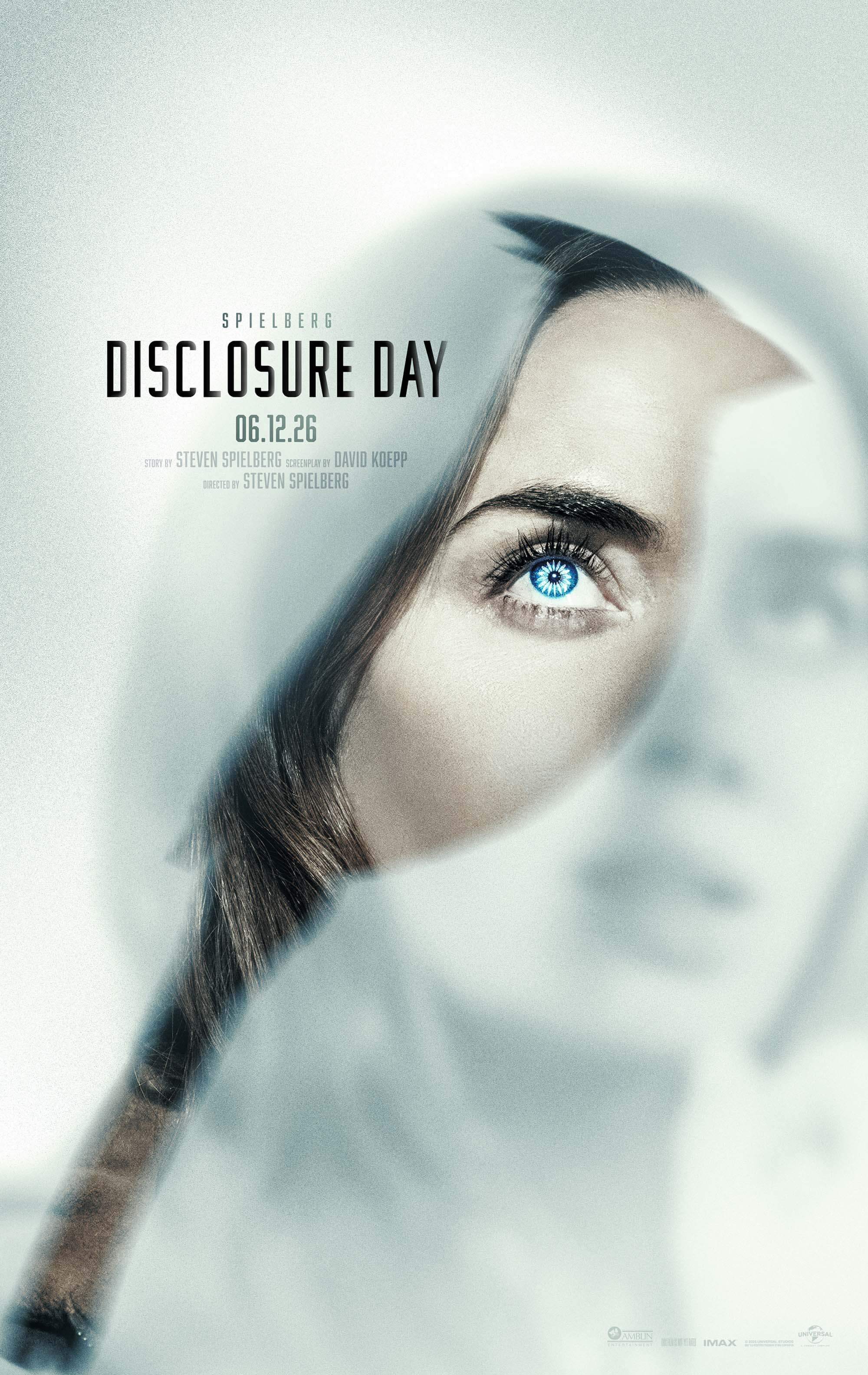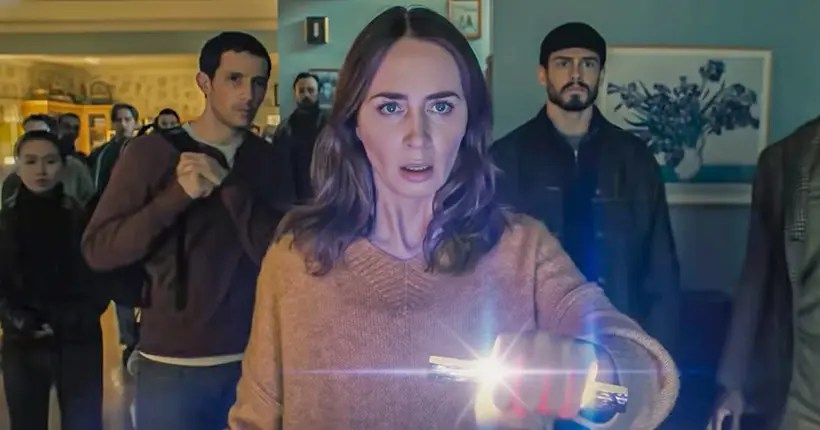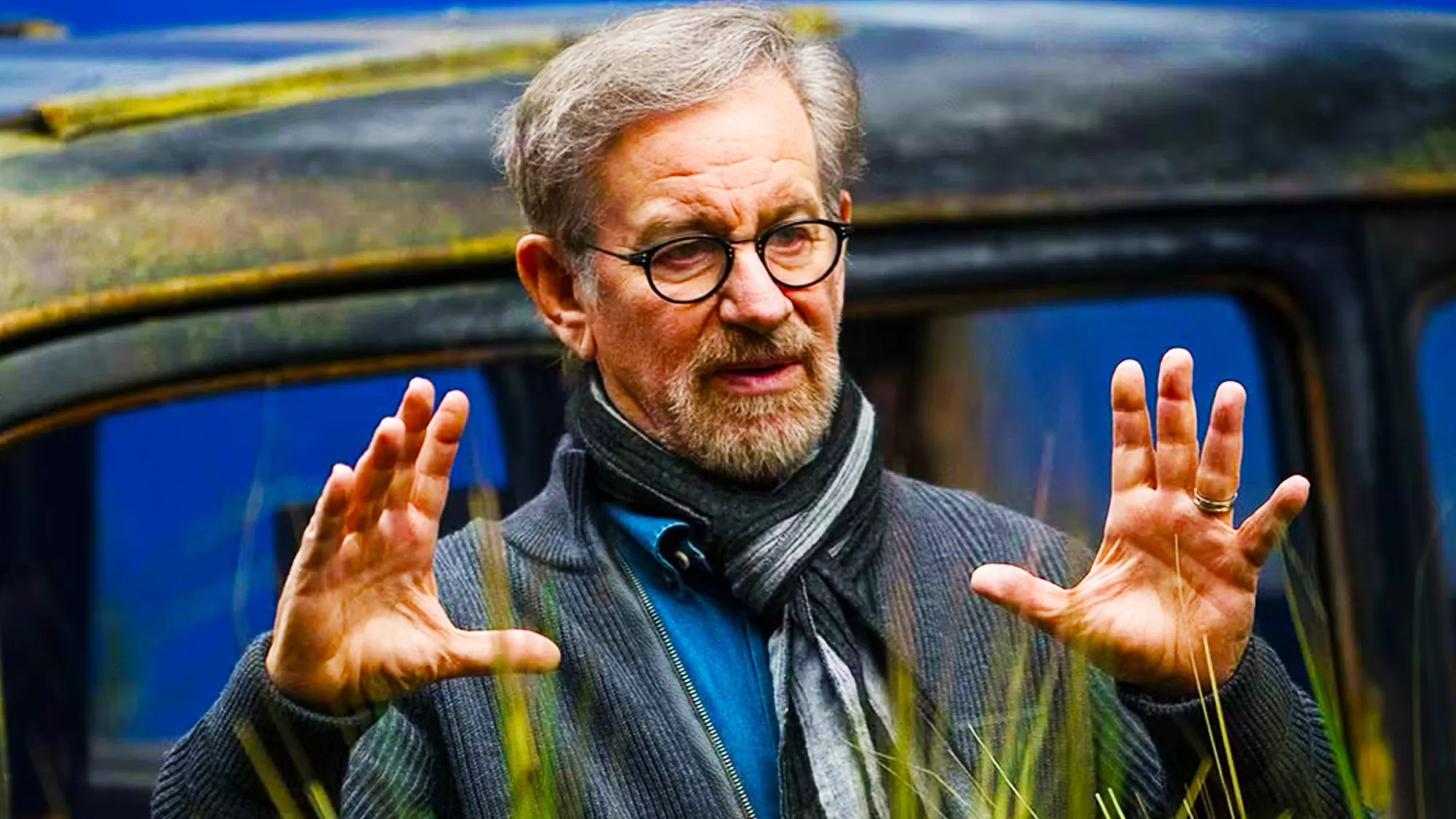
With the release of the sci-fi film Disclosure Day, fans of director Steven Spielberg have been wondering what will be his next film. It could very well be a non-genre drama or another sci-fi/fantasy film. Whether or not audiences enjoyed Disclosure Day, it is obvious that the film explored one of Spielberg’s favorite subject of his previous films; alien visitation. As he plans for the future he may want to direct a genre film covering a sub-genre he has not done before. Here are five types of genre films that Steven Spielberg could direct.
Time Travel
A time travel film would be right up Steven Spielberg’s alley. In his non-genre films, the director has displayed a stunning attention to detail with historical settings as seen in Amistad, Lincoln, Bridge of Spies, West Side Story, War Horse, and more while injecting those films with a human touch that made them relatable to current audiences. You can even throw in the Indiana Jones films as evidence of his ability to present engaging and authentic voyages to our past. Speaking of Indy, if Spielberg had remained the director of Indiana Jones and the Dial of Destiny with its time-travel storyline, he would have notched this sub-genre to his filmography.
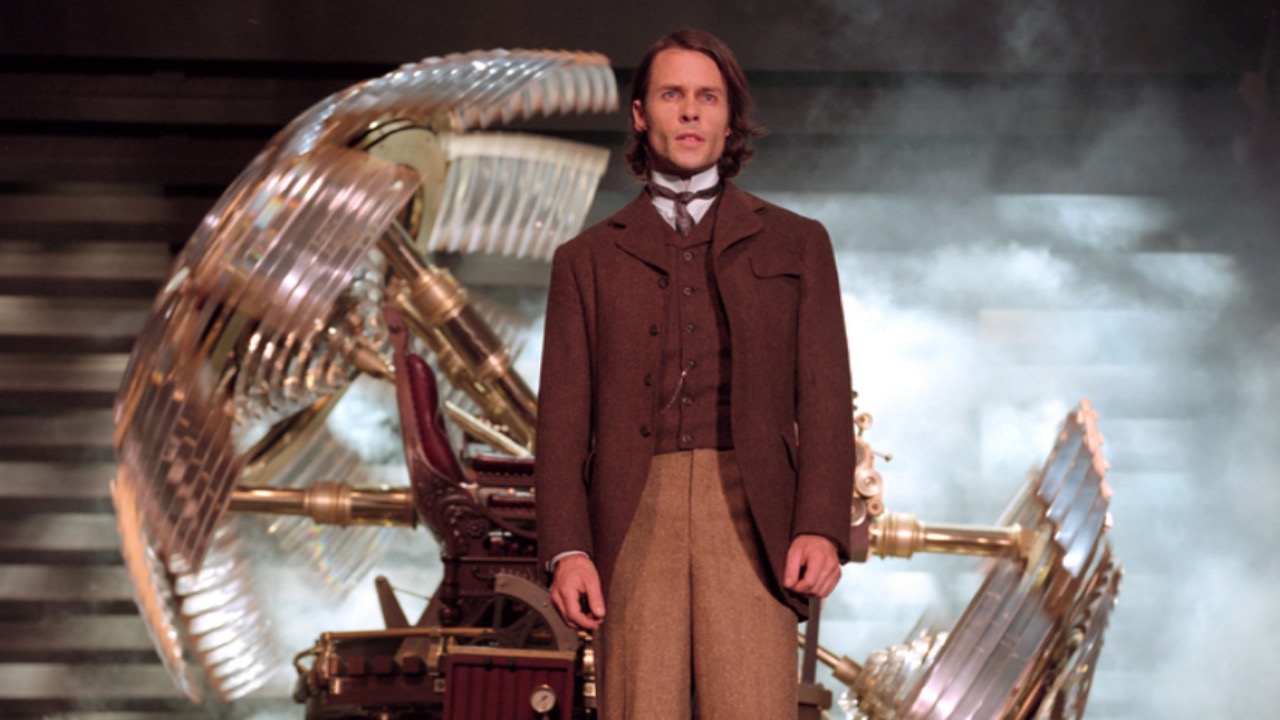
Now imagine if the director used his cinematic artistry for a time travel film. If he directed films like Timeline, the remake of The Time Machine, The Philadelphia Experiment, or The Time Traveler’s Wife (which he expressed interest in adapting before the film version of the book was eventually made), those films would have been much better made and memorable thanks to his focus on details and exploring the wonder and thrill of actually time traveling, and the dangers and philosophical debates, (think Ian Malcolm in Jurassic Park), as well.
Superheroes!
The closest Steven Spielberg has come to superhero films were the cameos of icons like Batman and Wonder Woman in Ready Player One. At one point he was involved in an announced adaptation of Blackhawk, a comic book character that is more of an adventurer than a superhero and there was a brief rumor a couple of years ago that he was considered for Fantastic Four: First Steps (“sigh” that film would have been phenomenal if he directed it), and early in his career he was offered Superman: The Movie. Another close call for Spielberg was his animated film, The Adventures of Tintin: The Secret of The Unicorn, which was based on the popular comic books which have nothing to do with superheroes.
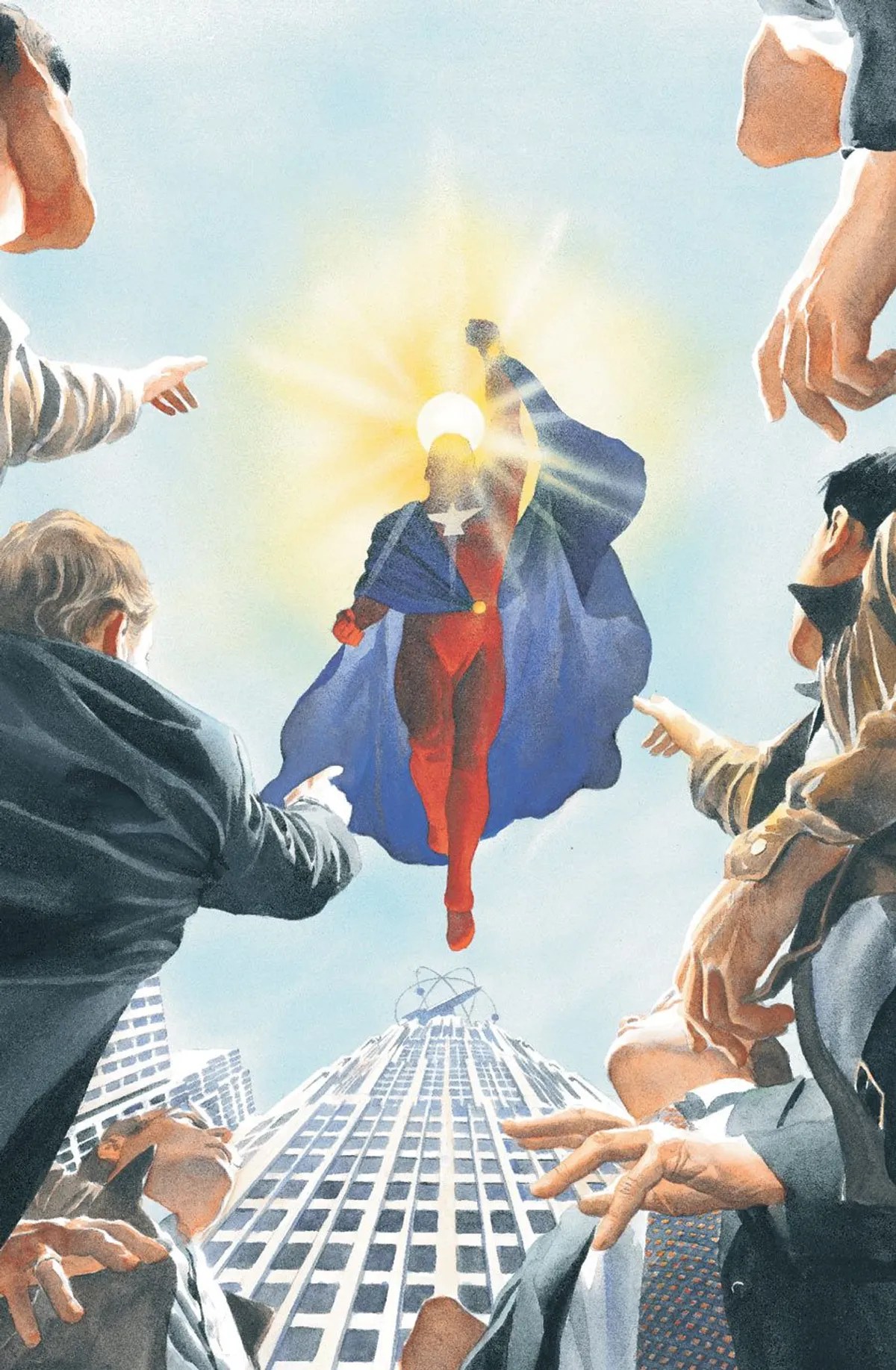
One obstacle to directing a superhero film, especially one based on a popular character like Spider-Man or Superman is that Spielberg would be under tight creative constraints from film studios and companies that own the rights to the supeheroes. Meaning, he may not want to play with toys that he does not own. Then again he might, given his capability of adapting other works. Another hurdle is that the budget of superhero film based on a popular character would be astronomical when you throw in his salary, and given the struggles superhero films have had lately, film studios may be hesistant to hire him. The best bet is to either work with original characters a la The Incredibles or do adaptations of lesser known, and cheaper, characters. As a suggestion, he would do wonders with an Astro City live-action film.
Space Adventures
The director has turned in some great sci-fi classics but none of them involved space travel, although has come veryclose. Spielberg directed some scenes in Star Wars Episode III: Revenge of the Sith, was seriously considered for Star Wars: Episode VI: Return of the Jedi, was offered the opportunity to direct Star Trek: Planet of the Titans (before that film morphed into Star Trek: The Motion Picture) and was supposed to direct Interstellar before abandoning the project to Christopher Nolan. Not only is he a vocal cheerleader for the Star Wars films, but has expressed his admiration for Guardians of the Galaxy, which he lists as one of his favorite films.
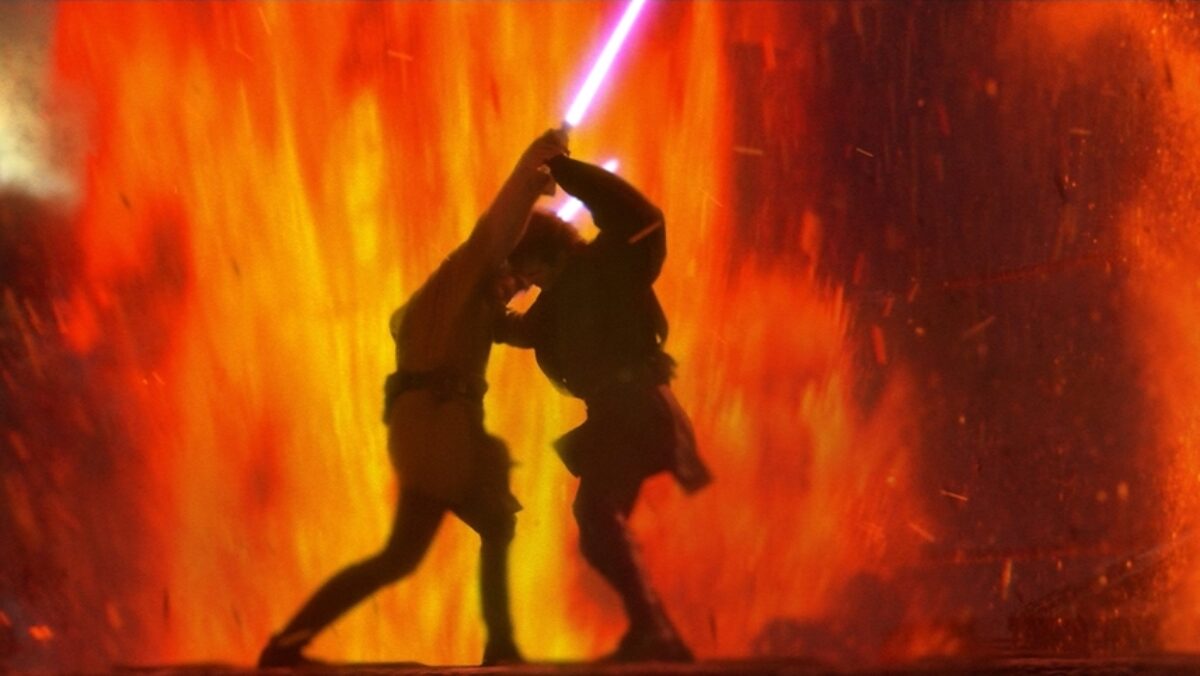
Being that Star Wars is struggling now, Lucasfilm, if backed financially by Disney, could do a hail mary and get him to direct a future Star Wars film. The same could go for Marvel Studios if they decided to revisit the Guardians of the Galaxy. But in any event, Spielberg doing a grand space adventure taking place on farflung spaceships or exotic planets with weird aliens would be a perfect fit for his skills in conveying grand adventure, mysteries and thrills.
A Stephen King Adaptation
Both Stephen King and Steven Spielberg came into their own in the mid 1970s and throughout the 1980s. It is odd that in all that time the two have not successfully collaborated on a film project. Note the word successfully. In the 1990s, King wrote a screenplay for a remake of The Haunting, which was to be directed by Spielberg. However, the two had creative differences which caused both men to leave the project. Who knows how a Spielberg-directed version of The Haunting would have been; it certainly would have been more memorable than the remake that eventually came out in 1999.
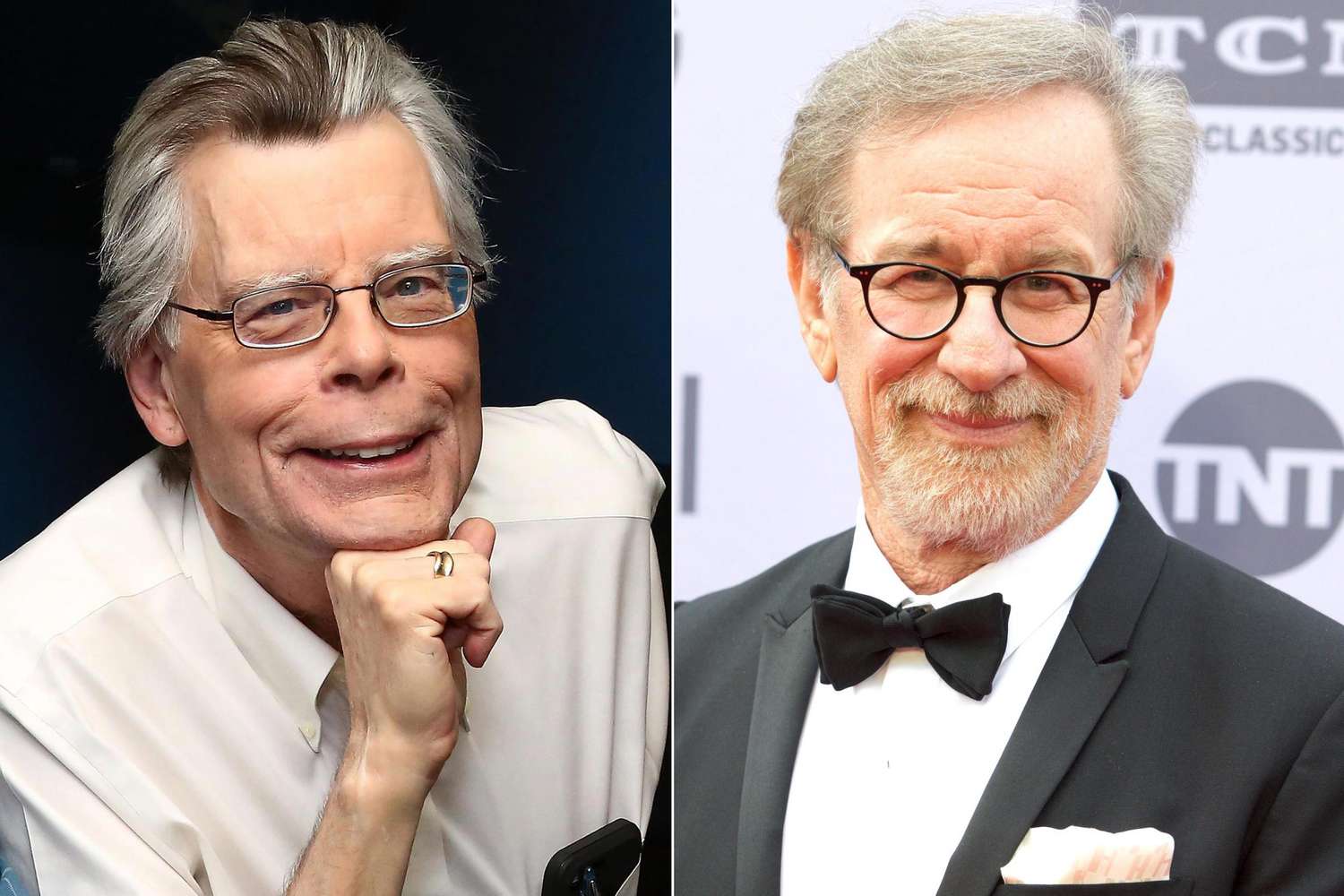
Spielberg has also tried to adapt The Talisman, based on King and Peter Straub’s book. It’s too bad, he didn’t succeed because this film would have been a perfect vehicle for his skillset as a director. Maybe one day soon, this will become a reality, if not with The Talisman, but with King’s exhaustive line of books. Let’s start with The Dark Tower books, at least with The Gunslinger. Spielberg could direct the first film and hand off the rest of The Dark Tower books to other directors.
A Jaws Prequel
Back when Jaws 2 was pre-production, Universal Pictures offered Steven Spielberg the chance to return to do a sequel to the film that made him famous when the film studio had difficulty with the production. Spielberg was interested and wanted to go in a completely different direction. His proposed idea was for the film to be a prequel and focus on Quint and his ordeal as a survivor at sea after the U.S.S. Indianapolis was sunk in the last days of World War II. Quint’s recounting of his struggle in survive shark-infested waters was one of the most haunting and riveting moments in Jaws. It would have been a great opportunity to do something different with the Jaws series which might have fared better in the long run.

Unfortunately scheduling conflicts prevented Spielberg from going through with his idea since he was busy with Close Encounters of the Third Kind. Given how revered the original Jaws is today, and is considered one of Spielberg’s best if not his best film, and how dormant the franchise is since no one with a 100-foot pole is even considering remaking it, why not go with a prequel helmed by Spielberg himself? It would be a unique way for him to return to the IP that made him famous at this point in his career.
It’s not known at this time what Steven Spielberg’s next film will be and he is very busy with his production company. As we know, he has been attached to many projects that either never came to fruition or ended up in another director’s hands, so trying to predict his next work is difficult. Wtih that said, Spielberg is a gifted filmmaker who should stretch himself and try something different in sci-fi, fantasy and horror, and he most likely will do so.