
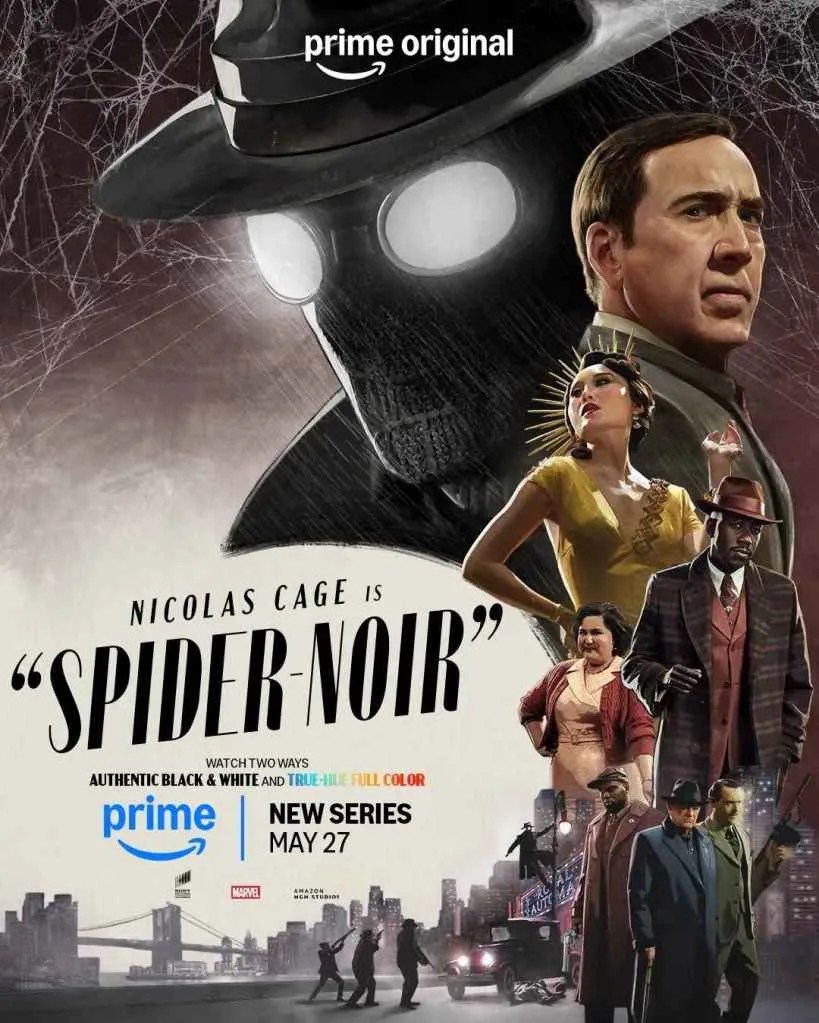
Spider-Noir is the latest superhero TV show now streaming on Prime Video and stars Nicolas Cage as a variant of Spider-Man set in New York City during the 1930s. This time, for legal reasons, his name is Ben Reilly and he is called The Spider instead. Noticeably older and gruffer than the traditional Spider-Man/Peter Parker, Reilly operates as a classic gumshoe private detective in a gritty New York oozing with corruption, crime and notorious gangsters. In other words, this is not your typical Spider-Man story and this is how the Multiverse should have been done by the studios.
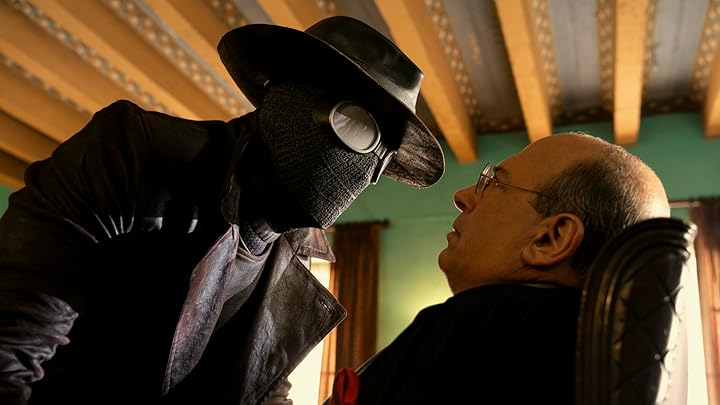
When Spider-Noir begins, Ben Reilly operates out of his tiny office in Manhattan as a gumshoe for hire and still grieving over the death of his girlfriend Ruby five years ago, Ever since her death, Reilly retired from being the masked vigilante, The Spider, but all that changed when he is hired to track down a criminal named Addison, who turns out to have pyrokinetic powers. After Addison is killed, circumstances drag Reilly and his associates down a nefarious rabbit hole involving the city’s corrupt mayor (Michael Kostroff), the notorious mob boss, Silvermane (Brendan Gleeson), who runs the city’s underworld with a savage fist, and Cat Hardy (Li Jun Li), a conflicted nightclub singer he is hired to track but falls in love with. Silvermane has superpowered henchman in his employ, such as Flint Marko (Jack Huston), a Sandman variant, Lonnie Lincoln (Abraham Popoola), a more sympathetic version of Tombstone, and Dirk Leyden (Andrew Lewis Caldwell), a version of the obscure Spider-Man villain Megawatt, who all come into conflict with the Spider.
During his investigations, Reilly finds out that the villains are connected to his World War I past and how he got his spider powers. More importantly, Reilly is forced to come out of retirement as The Spider, which brings him to the attention of Silvermane, who wants to consolidate his grip of power in New York City.
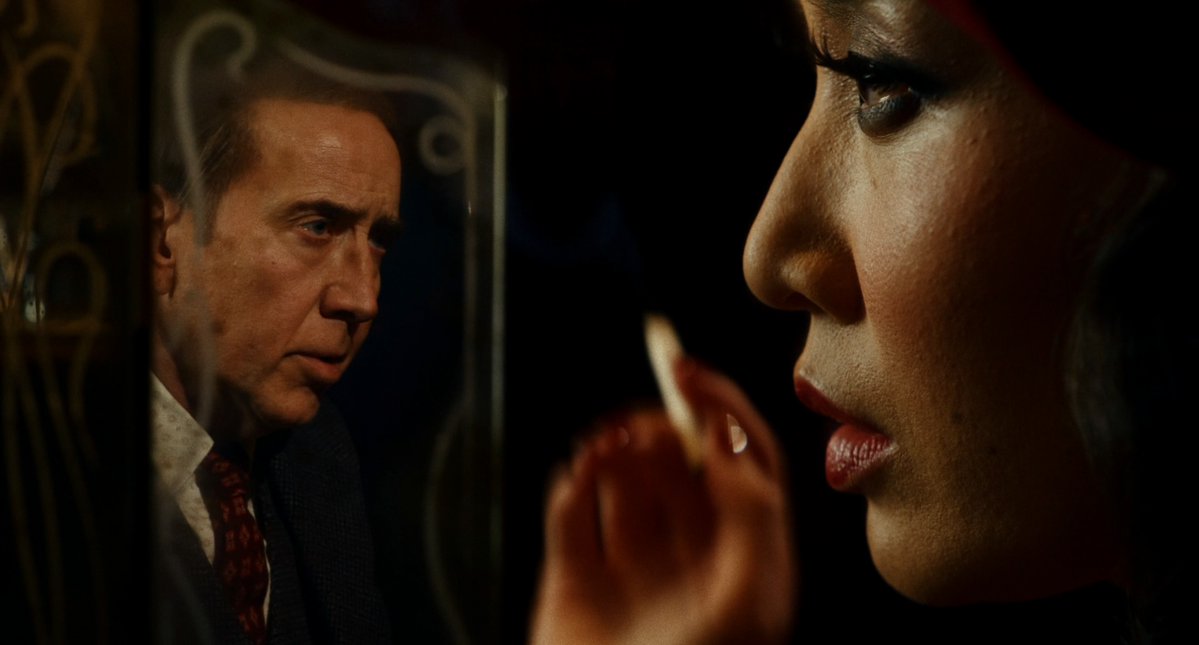
As one can tell by the premise and seeing the show itself, Spider-Noir is an inspired homage to the classic 1930s crime films that were once so popular during the Golden Age of Film. The show can be watched either in garish color with popping bright hues or in noirish black and white, which feels more appropriate. The TV show captures many of the elements that made crime noir films so popular: the jaded detective; a dazzling but conflicted femme fatale; struggling people who talk with exaggerated New York accents and read script lines that would make Humphrey Bogart feel right at home; numerous Dutch angles; split focus shots, and scintillating photography that evokes stark existentialist German cinematography. There are so many ways this approach could have approached a satire, but thanks to the skills from everyone involved, Spider-Noir is a respectful tribute to those types of crime noir films. The actors have to be singled out for their innovative performances, especially Cage, who evokes a combination of Bogart and Jimmy Cagney while infusing his performance with the bouts of unpredictable insanity that made him so famous. The other actors turn in commendable work here as well, such as Li whose near-tragic Hardy captivates every scene she’s in and Gleeson, who projects a chilling presence.
The Multiverse is a great concept that allows for the exploration of many famous characters in different settings which provide captivating insights into what makes them work. The comic books from DC and Marvel have produced many memorable works based on variants of their renowned characters, but live-action attempts at exploring the Multiverse have had mixed results. For Marvel’s part, it seemed as if the studios were too afraid to go all out and give us wildly different versions of their characters. Why is that? Perhaps the studio heads fear that doing so will confuse audiences. But they underestimate them all the time. Other times, the efforts were laughably bad, such as Sony’s misguided films starring Spider-Man villains that were dead on arrival. We could have had more inspired Multiverse films and TV shows in the run up to Avengers: Doomsday and Avengers: Secret Wars and even the beloved Spider-Verse films that took greater advantage of the Multiverse concept like Spider-Noir has done. The executive producers of Spider-Noir are Phil Lord and Christopher Miller, who also guided the Spider-Verse films and they should be the go-to guys for more Multiverse works if they ever happen.
Spider-Noir is more than an homage to crime noir films, it is also one of the best superhero TV shows ever done that focuses on character and exciting superheroics. Underneath his cynical exterior, Ben Reilly still has a good heart because he knows that having great power has great responsibility. Even though this setting is unbelievably different than the traditional one seen with Spider-Man lore, it still is a Spider-Man story and one that hints at how the character would be like if he were middle aged. This approach allows the character to be shown in a unique way while sticking to what makes Spider-Man so popular. By going all in with the Multiverse concept, this TV show is able to present a novel approach to the Spider-Man character and see how he would have turned out under a different setting. Spider-Noir, simply put, takes full advantage of the Multiverse concept and how it should be done.

