The State Of Star Wars At 49

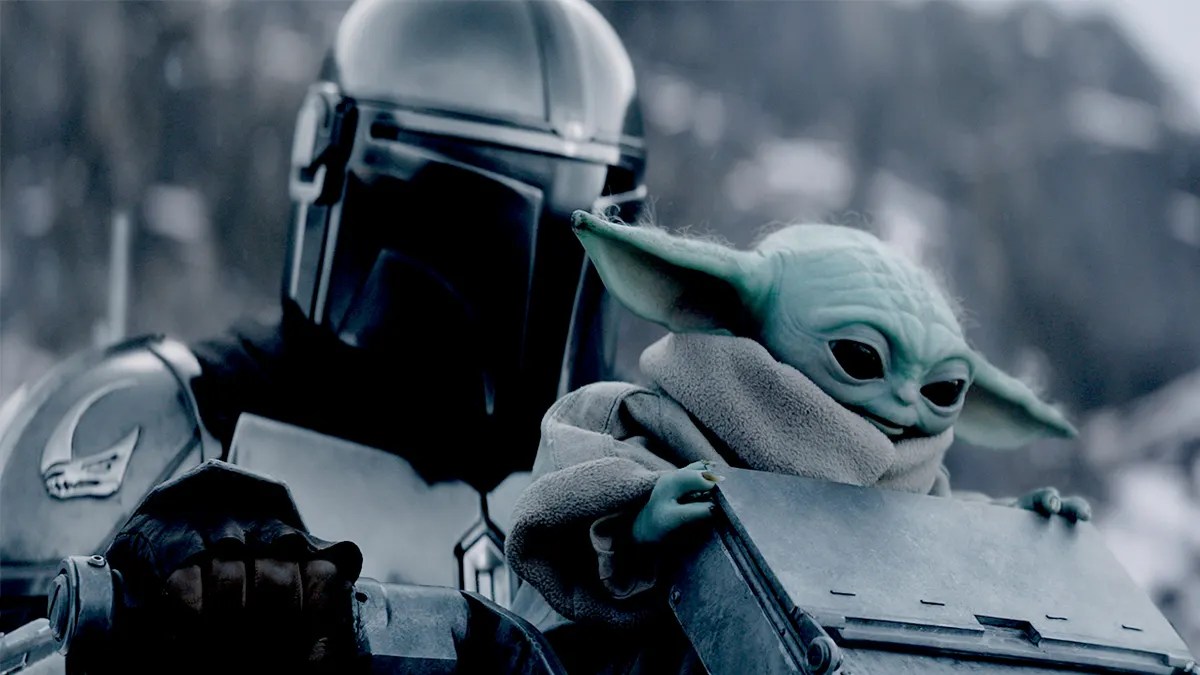
Today marks the 49th anniversary of the epic sci-fi franchise, Star Wars. Celebrating the occasion was the weekend release of The Mandalorian and Grogu, the first new Star Wars film in seven years. On the surface, this release should be a cause for celebration and a build-up for next year’s 50th anniversary but the film’s mixed reaction is a symptom of the state of the Star Wars franchise at this moment.

There is nothing wrong with The Mandalorian and Grogu, it’s a fine film that is exciting and fun, but given that we have not had a Star Wars film since 2019, one would think that this event would have yielded more excitement from fans. There are many reasons for this and it largely has to do with how Star Wars has fallen out of favor in recent years thanks to lackluster high-profile TV shows that diluted the brand and of course, the backlash against most of the Disney-era Star Wars films. But despite its merits, one nagging issue with The Mandalorian and Grogu is that it doesn’t feel epic. Sure, it has a solid storyline and terrific action scenes and character moments, especially with Grogu himself as he learns to survive on his own and helps rescue his father. But the relatively low-stakes story of the film could have been told in a new season of The Mandalorian. The fate of the galaxy was not in question, the overall storyline of the main characters, Grogu aside, did not advance significantly, and the same went for the worldbuilding. Again it has to be repeated that The Mandalorian and Grogu is an enjoyable film that is better than some of the recent Star Wars films, it just lacks an epic scale.
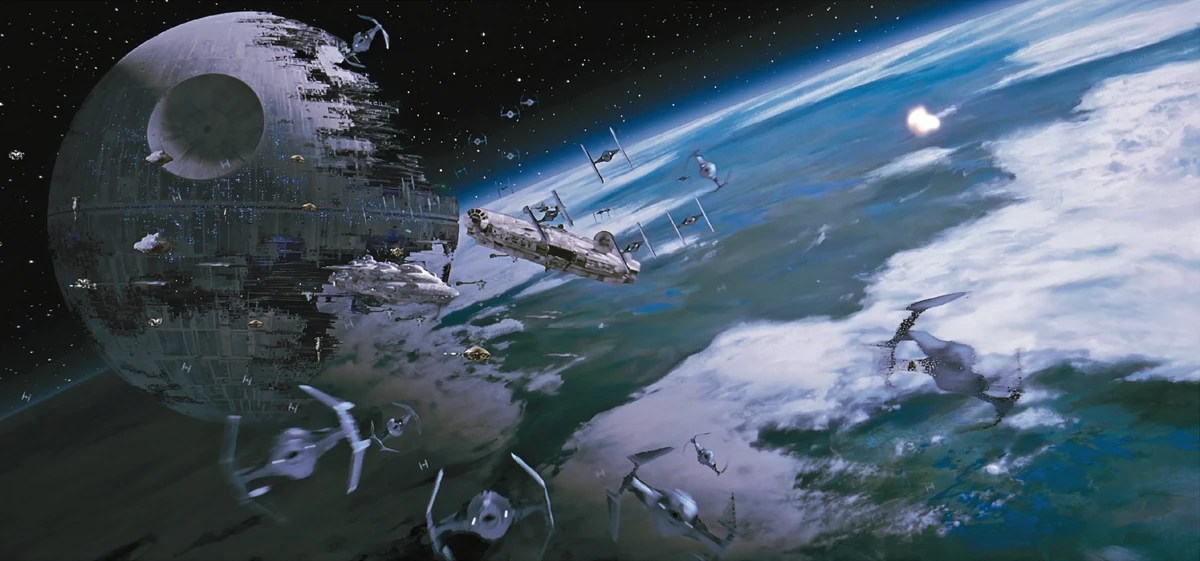
The Star Wars films are renowned for their topnotch production values and sweeping storylines that touch on mysticism or intriguing worldbuilding. Sure, this has to be well executed or you lose your audience (see the last couple of Star Wars films), but this is epic nature is why people would go out of their way to go to cinemas and spend lots of money to get immersed in an experience that is can’t be replicated at home. Just as important, the plot has to not just engage audiences but build towards an epic story with high stakes. Supposedly, The Mandalorian and Grogu was to be part of a larger storyline that would have continued in other related Star Wars films that would have culminated in a film where the separate characters confronted Grand Admiral Thrawn, but there is little evidence of a larger story in the debut film of the Mandalorian. Except for a plot line about the Mandalorian hired to track down ex-imperial officers, which is resolved fairly early in the film before it becomes a personal story about the armored bounty hunter and his son in a space version of Lone Wolf and Cub. But whether or not other Star Wars films will deal with this Thrawn plot is in question and depends on the performance of The Mandalorian and Grogu.
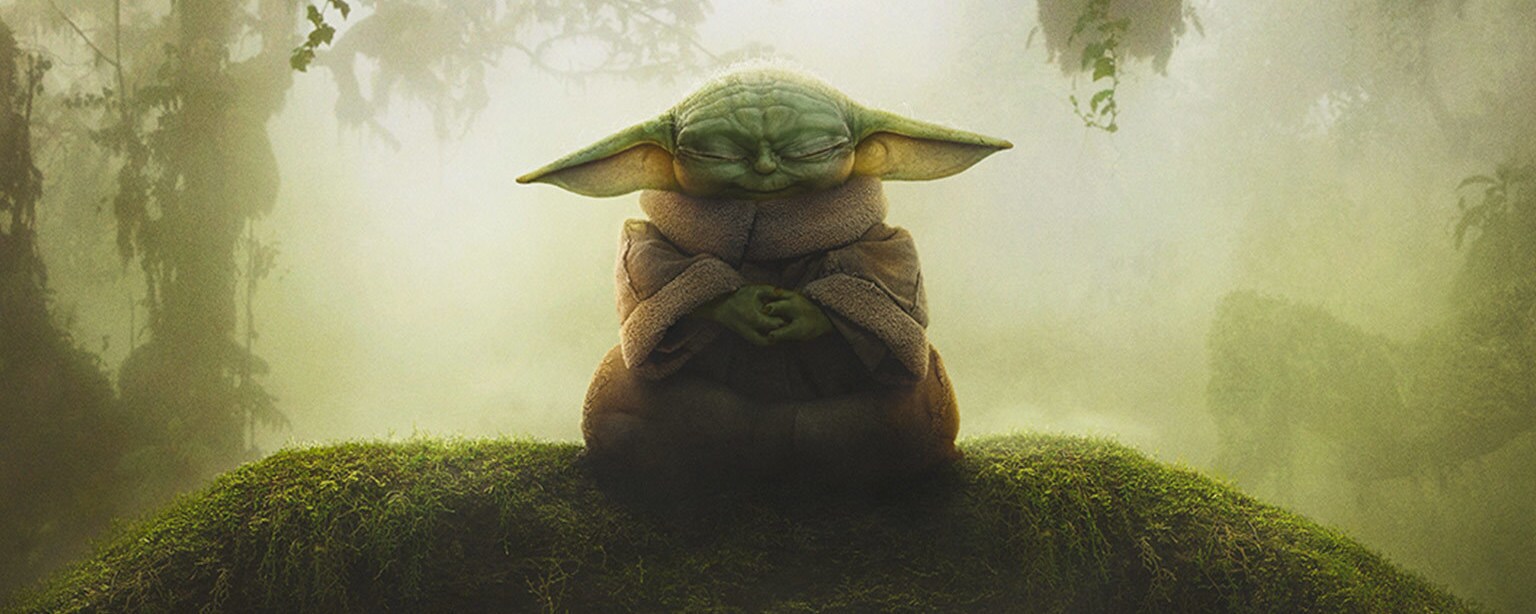
Trying to use the TV show, The Mandalorian, as a vehicle to explore a larger storyline was what damaged the TV show in the long run. The show worked best when it did not deal with larger galactic situations such as the founding of the New Republic or the return of the Galactic Empire. Part of the problem was that the overarching storyline was not very interesting as seen in Ashoka and the fact that the dull manner in how the New Republic is presented. The show faltered in its third season when the main character and his son Grogu seemed to take a back seat to other characters and their stories that dealt with wider scale situations. The film corrects this by focusing on the Mandalorian and his son, and by doing so it went back to a more personal story for the duo. But this is is not what Star Wars needs at this time.
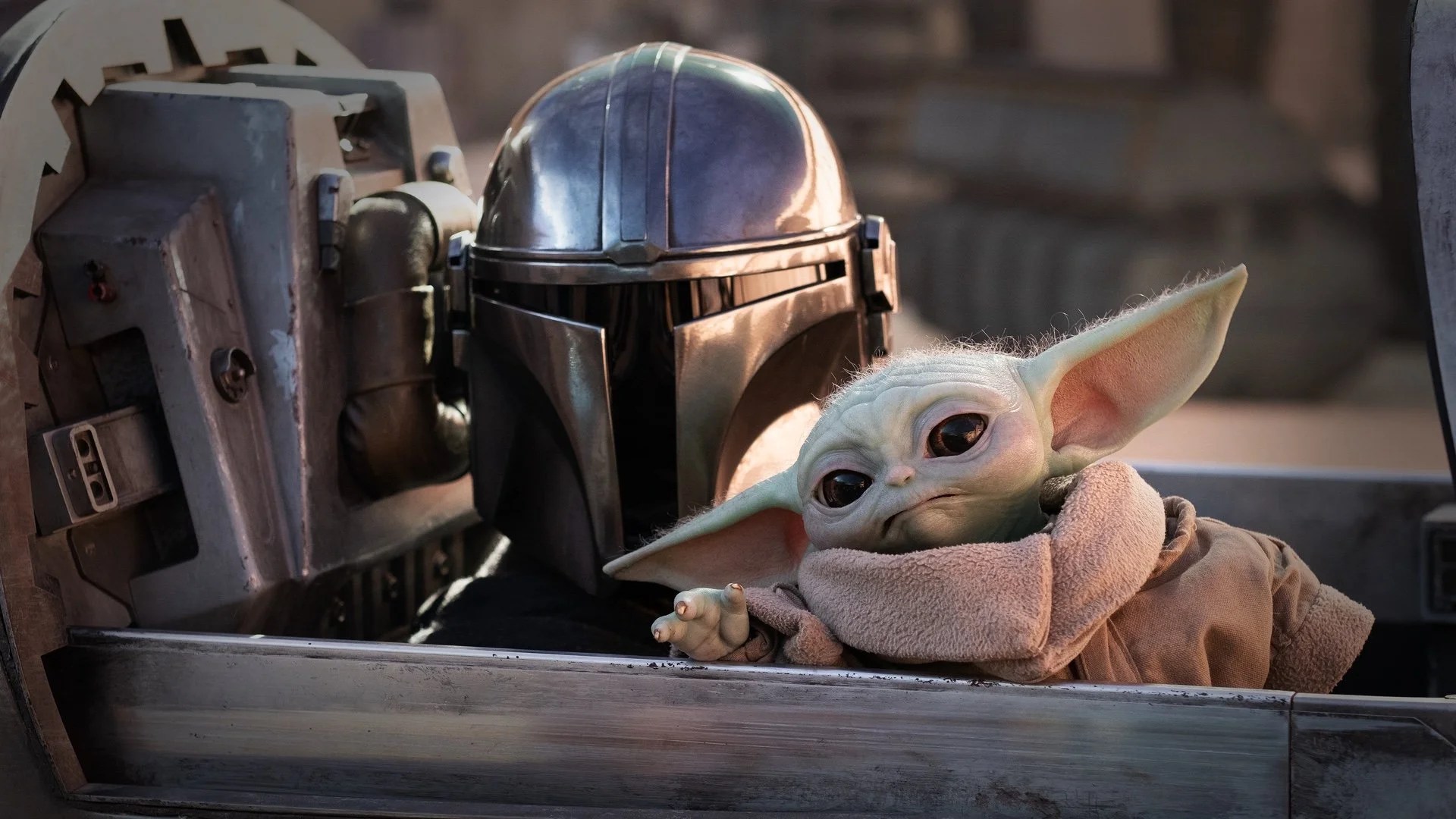
To recapture imaginations and more importantly improved box office results, Star Wars films have to aim high and tell a compelling story with several characters and intertwined plots. The more personal and intimate storylines seem to work best with TV shows such as the first two seasons of The Mandalorian, Andor, and Skeleton Crew. The next Star Wars film to come out will be next year’s Star Wars: Starfighter, but it’s not known if it will tell that kind of story, but there is sense of excitement for it, and if it turns out well, it should be a fitting film to release in time of the 50th anniversary of Star Wars. But for now, we have a worthwhile film to help celebrate the 49th anniversary of Star Wars as a build up or placeholder for something more epic and befitting of Star Wars.
Daredevil: Born Again Rises Again To Greatness

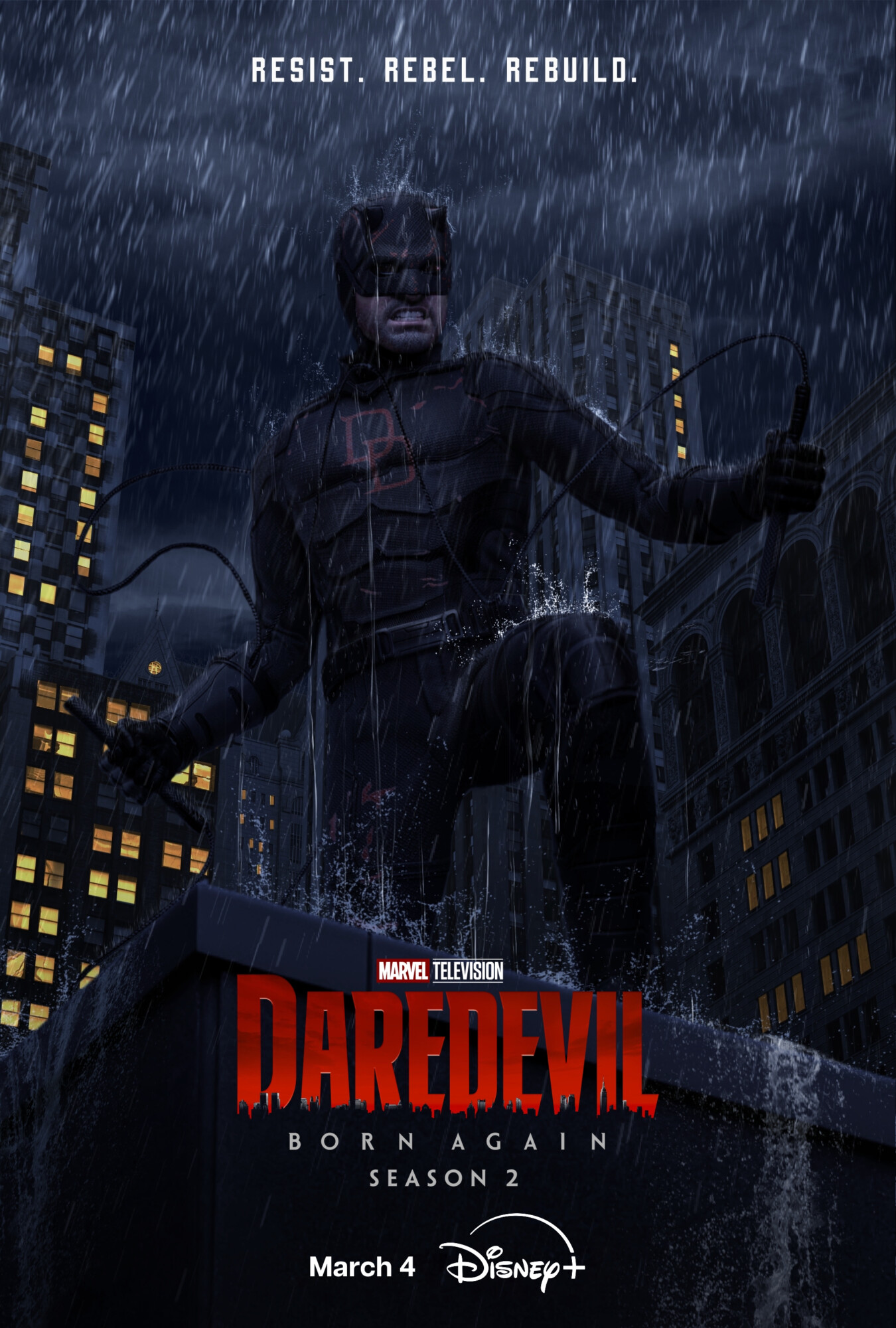
While many fans of the original Netflix TV show, Daredevil, were elated when the program was revived for Disney+ as Daredevil: Born Again, quite a few had complaints about the new TV show. Originally, the revival was supposed to be a soft reboot of the original Netflix show, but Marvel Studios was not happy with the episodes filmed and retooled it with new footage. The result was a strange hybrid that at times matched the greatness of the original show and other times it fell short. Still, Daredevil: Born Again was a fine TV show with its faults, it just was that it could not compare to the greatness of the Netflix show. That changed, however, with Daredevil: Born Again’s second season.

The second season of Daredevil: Born Again just concluded its eight-episode run and it was very evident from the first episode to the last that it reached the heights of the intense drama and gritty superhero fights that made the Netflix TV show so renowned.

When the first episode “The Northern Star” begins, blind lawyer Matt Murdock (Charlie Cox), who is actually the costumed viglante Daredevil with superhuman senses, operates in the shadows with a dedicated group to undermine the criminal mayor of New York City, Wilson Fisk (Vincent D’Onofrio), who is nicknamed the Kingpin. In the first episode, Daredevil raids a cargo ship approaching Brooklyn that is smuggling weapons and is willfully sunk by its captain during the raid to scrub any evidence linking the shipment to Fisk. As Murdock and his allies try to expose Fisk’s crimes and Fisk uses every means possible to cover up his link to the shipment, a series of events pits Murdock and Fisk into a forceful confrontation that will determine the fate of the city and its citizens.

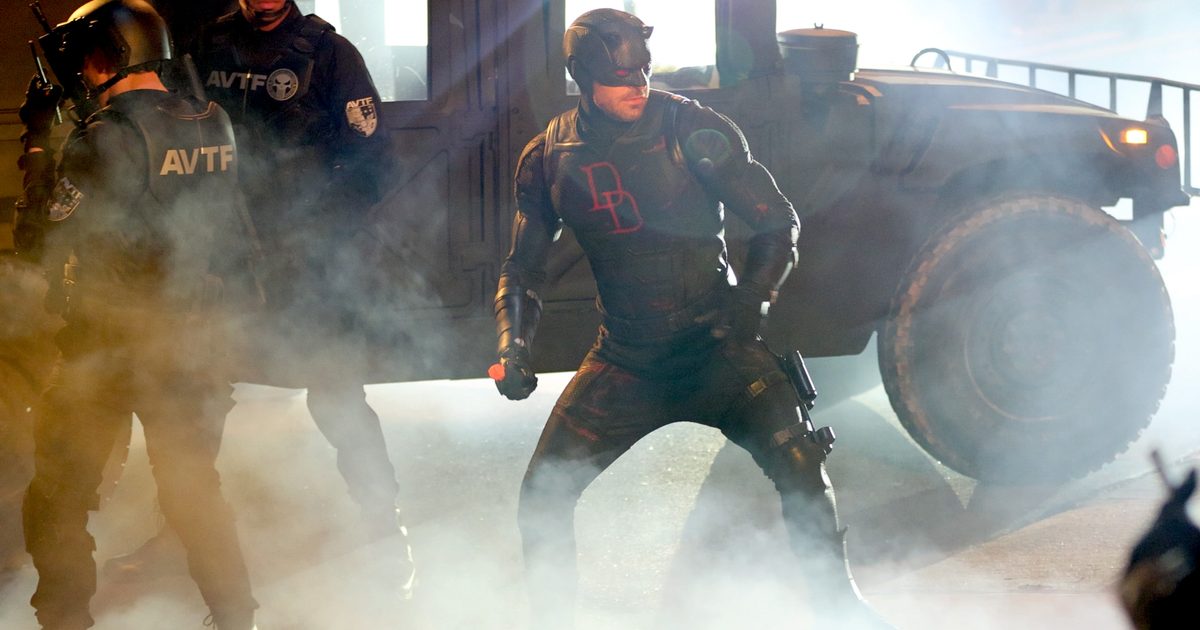
The overrall storyline of Fisk’s iron grip on the city and the reign of terror caused by his Anti-Vigilante Task Force (AVTF), who are made up of corrupt and violent cops, was much more compelling and distressingly relevant to our times. We are shown how oppressive the AVTF are on the locals, and how they begin to fight back after being cowed for so long. We also witness how Fisk’s rule negatively impacts everyone, including the main characters who either suffer from internal ethical struggles or just do their best to survive and heroically try to expose Fisk.

While the first season struggled with its new supporting characters that really did not engage audiences, here in the second season, they came into their own and added their mark to the series. Take for example, Daniel Blake (Michael Gandolfini), the young deputy mayor of communications. When first introduced last season, Blake came off as naive, easily enthralled by Mayor Fisk, and eager to win Fisk’s approval. But in the second season, Blake comes to fear the tyrannical Fisk and questions his own loyalty especially when it comes to dealing with BB Urich (Geneya Walton), a journalist who is out to expose Fisk. Then there is Heather Glenn (Margatita Levieva), a therapist and former girlfriend of Murdock. She also gets enthralled by Fisk after working for him and later begins to lose her sanity after her ordeal of being kidnapped in the first season by the masked serial killer known as the Muse. How they and other characters wind up by the end of the season felt organic and rounded out the characters so that we understood them better.

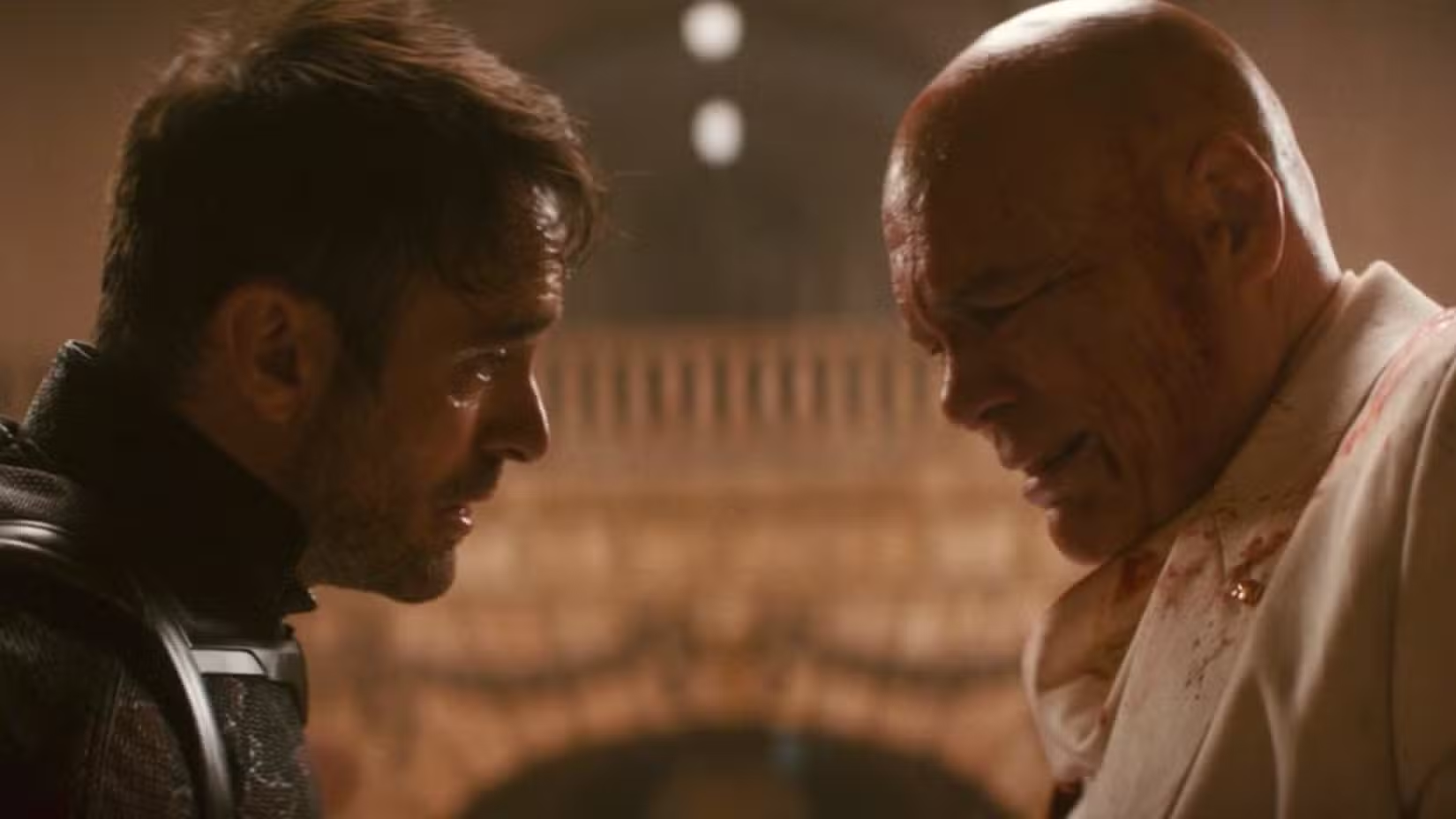
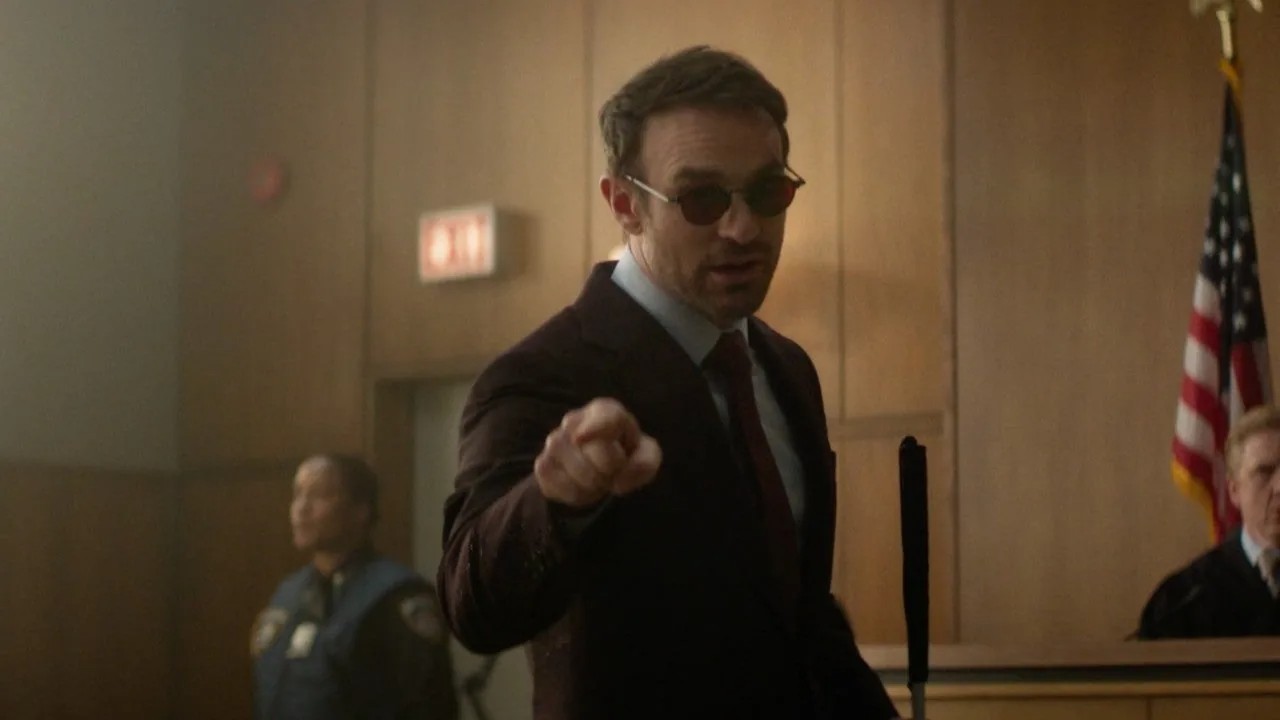
Of course, the main characters like Murdock, Fisk, and Murdock’s girlfriend Karen Page (Deborah Ann Woll), were well developed with captivating arcs that explored their inner emotional turmoils. Fisk certainly belongs in the conversation as one of the best live-action villains ever presented on film or TV thanks to how he is written and D’Onofrio’s intense performance. The man is a terrifying mountain of barely controlled rage and sensitivity who more and more becomes unhinged. Meanwhile, Murdock struggles to defend a broken justice system by taking extra-judicial measures to preserve it and barely does so. Yet, thanks to his skill as a lawyer, in one of the most riveting scenes in the series takes place in the final episode “The Southern Cross” Murdock redeems the law when he confronts Fisk in a courtroom. Unlike their previous encounters that ended with bloody fistfights, this confrontation was one of pure will and words, but it was still intensely compelling. How the confrontation ended was one of the most memorable moments in the TV show.

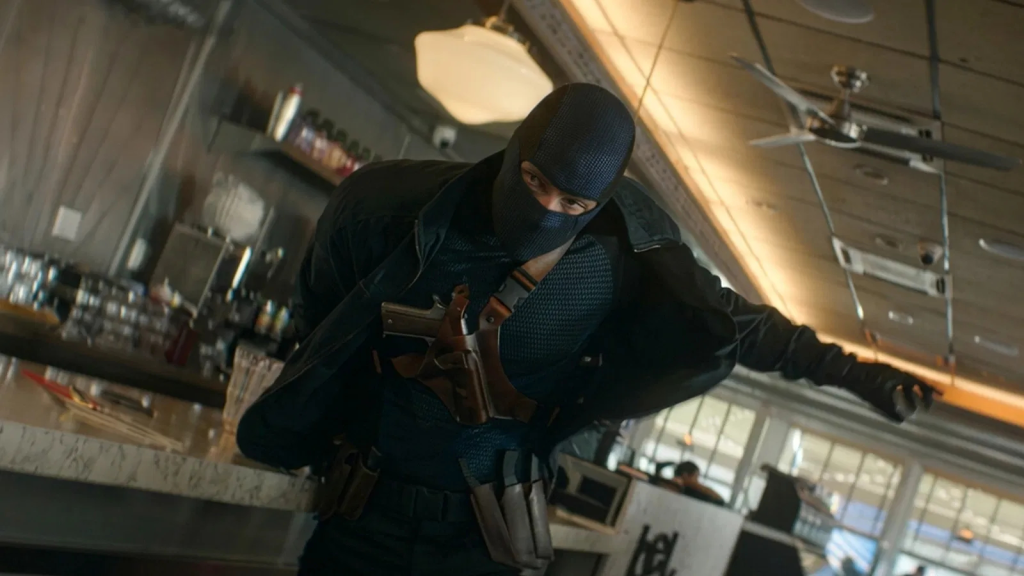
One of the MVPs of the season was hands down the insane assassin Bullseye (Wilson Bethel). Once a disgraced FBI agent manipulated by Fisk in the original series down a path of crime, Bullseye, otherwise known as Benjamin Poindexter, sets off on personal quest of redemption. In the first season of Daredevil: Born Again, Bullseye murdered Murdock’s best friend Foggy Nelson (Elden Henson), and ever since then he wants to amend for his sin. This sets him off an a murderous rampage that culminated in the episode “Gloves Off” where he skillfully takes out an entire team of AVTF agents in a diner. That was one of the most inventively filmed action sequences in the TV show and demonstated how deadly Bullseye is. Thankfully, the series did not salvage him or try to re-invent him to be some kind of anti-hero, but his actions helped significantly propel the show’s narrative.

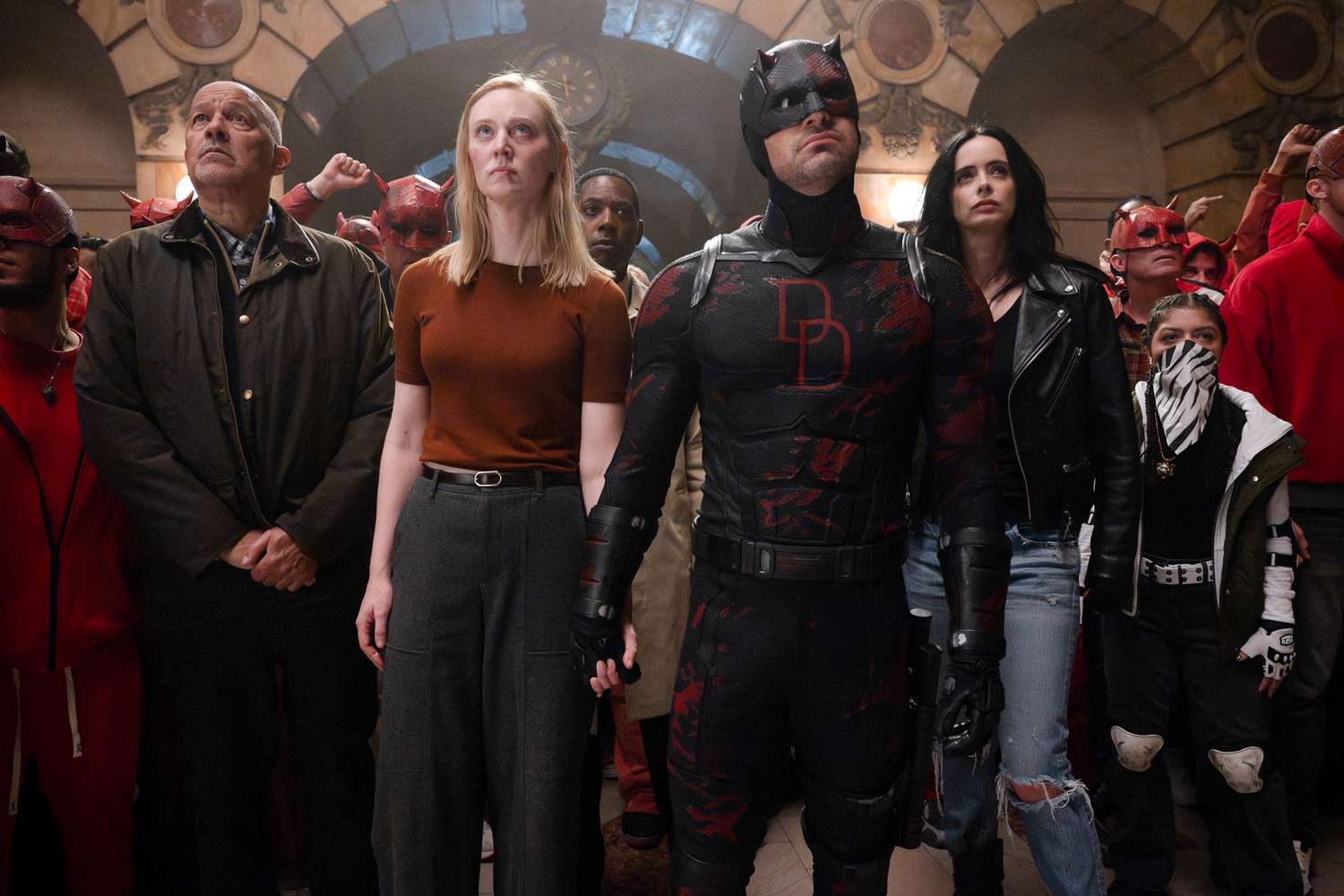
Another pleasing aspect of Daredevil: Born Again, which fans of the Marvel Cinematic Universe (MCU) should enjoy is its connection to the MCU. It’s not over the top with pointless cameos by established MCU characters but the subtle connections are visible, such as an establishing cityscape shot that features the Avengers Tower or a name drop. More impressive is that this TV show is clearly a continuation of the original Netflix Daredevil with flashback scenes, references and even character appearances. The most joyful returns were characters from other Netflix Marvel TV shows like Jessica Jones (Krysten Ritter) and even Luke Cage (Mike Colter). Their appearances reinforce a sense of continuity and herald an eagerly awaited Defenders reunion that will take place in the third season of Daredevil: Born Again. This is much appreciated and helps cement the relevance of both Daredevil TV shows.

The future is unknown for Daredevil: Born Again after its upcoming third season. The ratings for the second season were not the greatest, which is a shame since it rises to the level of greatness from the Netflix era. Hopefully word of mouth will increase attention to this TV show. Perhaps an appearance by Cox in the upcoming Spider-Man: Brand New Day (which is not a guarantee and do not expect his character to don the Daredevil outfit) or any other MCU film will steer more fans to give Daredevil: Born Again a deserved chance.

José Soto