The Glorious Purpose Of Loki

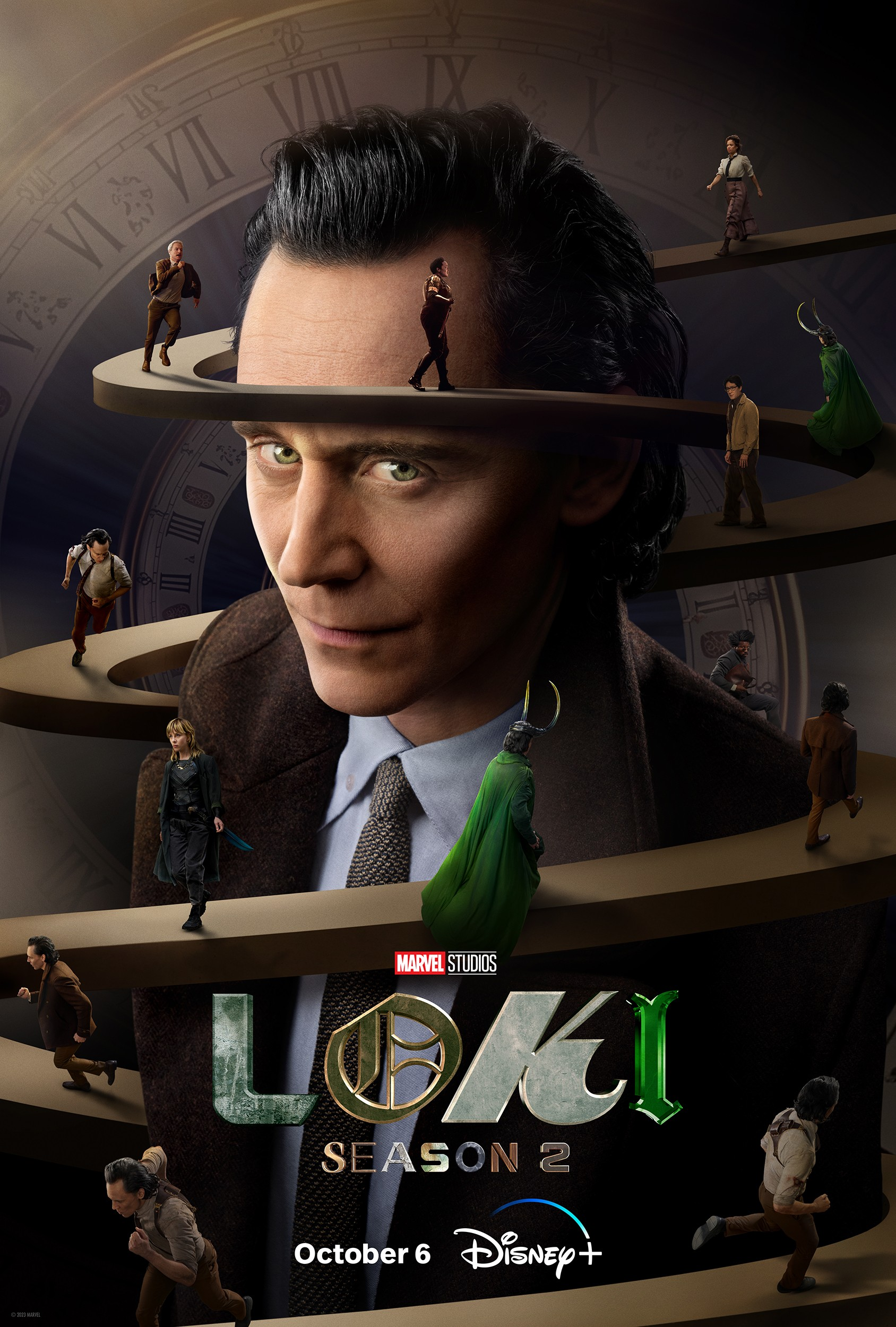
The just-streamed final episode of the second season of Loki concluded the mind-bending time travel storyline that ran throughout the show’s two seasons.

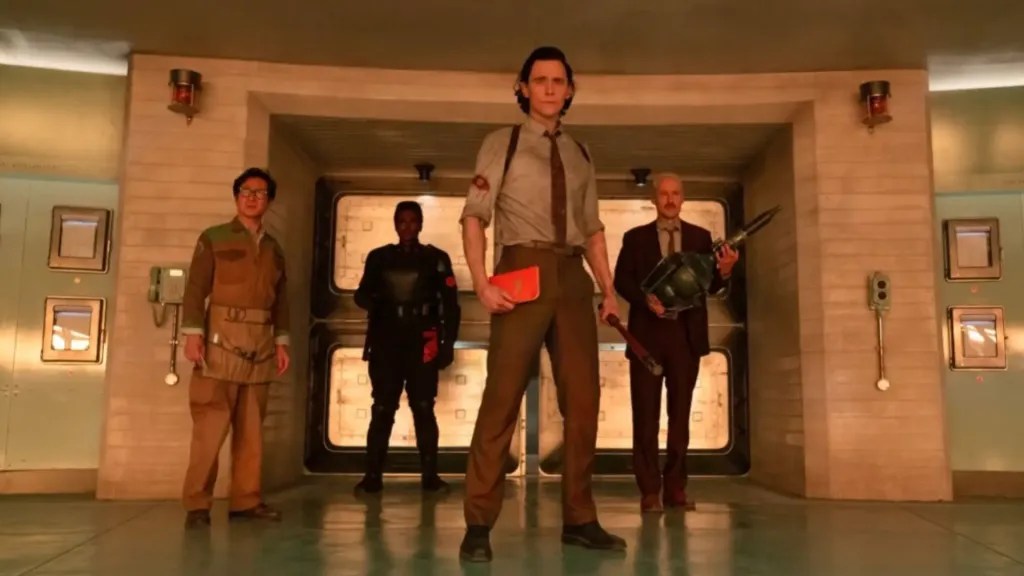
Starring Tom Hiddleston as the title character, Loki has turned out to be a genuine surprise. Instead of being the Marvel Cinematic Universe (MCU) version of Doctor Who with Loki running around different time periods, the show instead carefully examined the numbing logistics of time travel and philosophy. More poignantly, Loki was a thoughtful character study of the main character, a villainous Asgardian god who turned into an anti-hero before completing his transformation by the end of the final episode into a tragic hero. MAJOR SPOILERS will follow.

The second season of Loki began immediately after the first season where the Loki variant, Sylvie (Sophia Di Martino), killed the enigmatic He Who Remains (Jonathan Majors) in the final episode “For All Time. Always”. This murder unraveled time itself since He Who Remains controlled time through his organization the Time Variance Authority (TVA). Throughout history the TVA prevented or pruned branching timelines from deviating out of the so-called Sacred Timeline.

As timelines began to develop and branch off in the second season, this created many variants of He Who Remains, most notably Kang the Conqueror (as seen in Ant-Man and the Wasp: Quantumania) and Victor Timely, a meek 19th century inventor/charlatan. Loki also became unstuck in time and time slipped throughout the premiere second season episode. When he jumped into the future, he saw that the TVA was destroyed when the Temporal Loom was overloaded by rapidly multiplying timelines. The Temporal Loom is an enormous machine that gathered the timelines (seen as never ending tendrils) and combined them into a single controlled stream, hence the Sacred Timeline. In order to help fix the Loom, the temporal aura of He Who Remains or his variant was needed to access the Loom’s controls. This set Loki and the TVA off on a mission in the season’s first half to track down Victor Timely.

The second season was as bizarre, zany, and thought provoking as the first one, except it focused more on the characters of Loki and his associates. We learned a lot about Loki’s best friend Mobius (Owen Wilson), an easy-going TVA bureaucrat, who had a simple and enjoyable life before he was forcibly recruited into the TVA. We also were introduced to Ouroboros or O.B. (Ke Huy Quan), a quirky and energetic repair person who is an expert on temporal mechanics. His energy and good will was infectious thanks to Quan’s brilliant performance.

Despite Loki and the TVA’s efforts, the Loom is destroyed and the TVA along with it. In the penultimate episode “Science/Fiction” Loki finds himself traveling to different timelines and encounters his friends and their lives before the TVA. After meeting with Sylvie, Loki admits his love for his companions and that he does not want to be alone. This was a major emotional breakthrough for him and a harbinger for his ultimate tragic fate.  Loki realizes he can control his time slipping and transport himself to the moment before the Loom is destroyed at the end of the episode.

Continue reading

The Five Nights at Freddy’s Movie, Critics Loathe it, Fans LOVE it

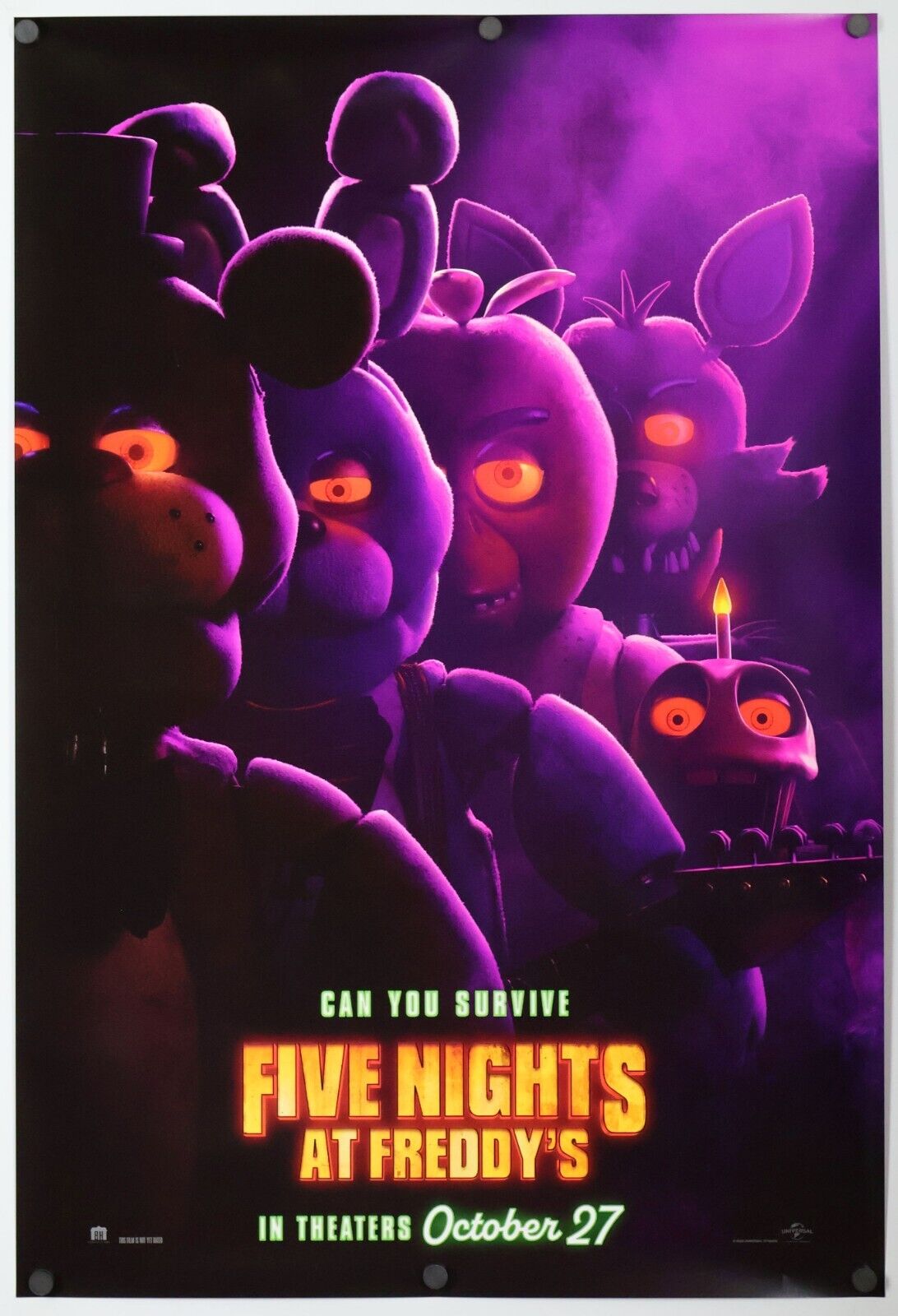
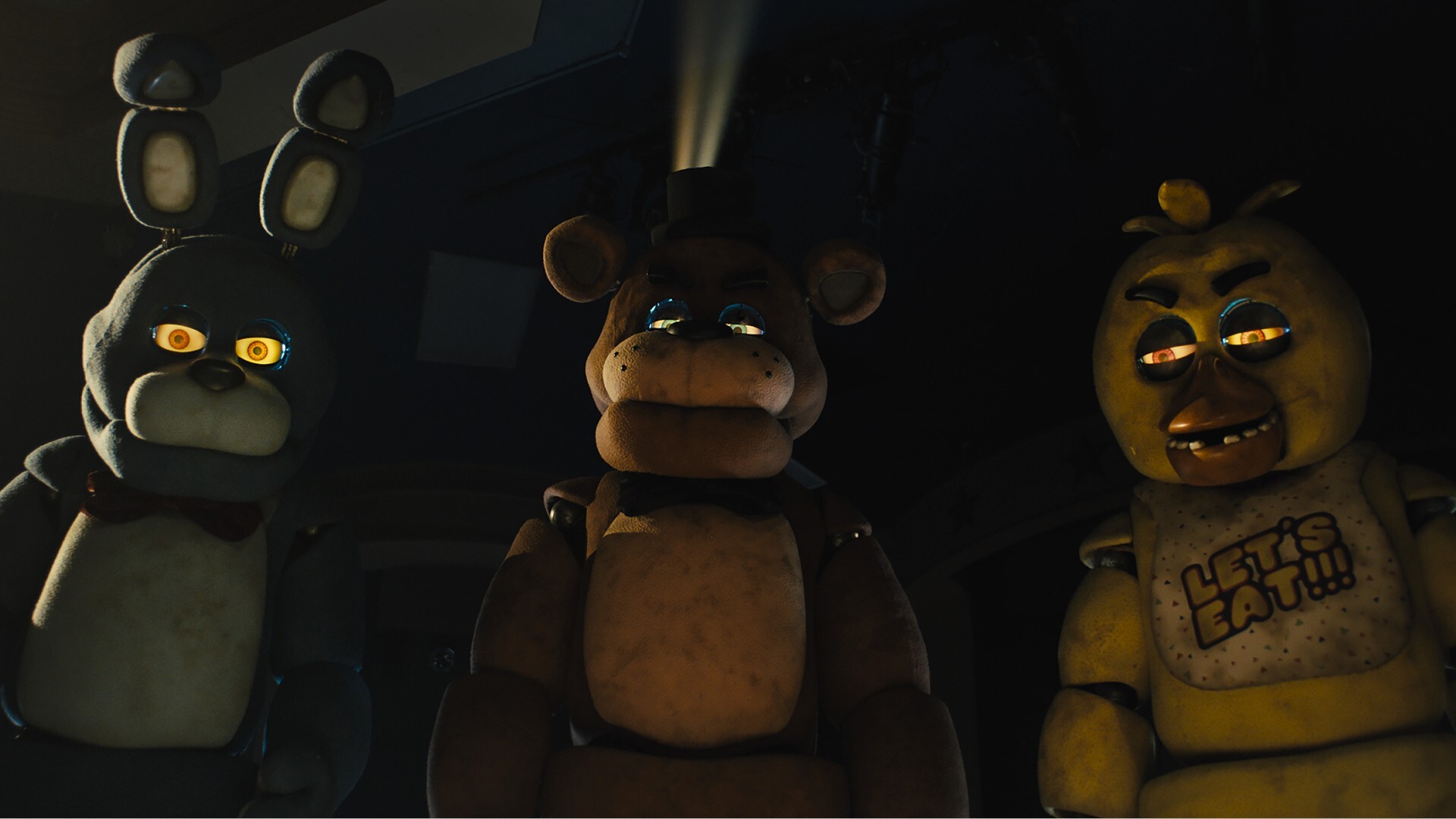
It’s no secret that Blumhouse Productions’ Five Nights at Freddy’s (FNaF) went through a rough development over the last eight years. Despite all the waiting, fans are as anxious as ever to see Freddy and the gang on the big screen, so the question becomes: is it a good movie? As a huge FNaF nerd, (I am literally listening to Blumhouse’s official Five Nights at Freddy’s song playlist on Spotify as I’m writing this), I would say absolutely; this is THE near-perfect Five Nights at Freddy’s movie. However, not even I can ignore the fact that it can be very off putting to any potential newcomers to the franchise. This review will begin spoiler-free and will move into the spoiler territory following a brief warning.

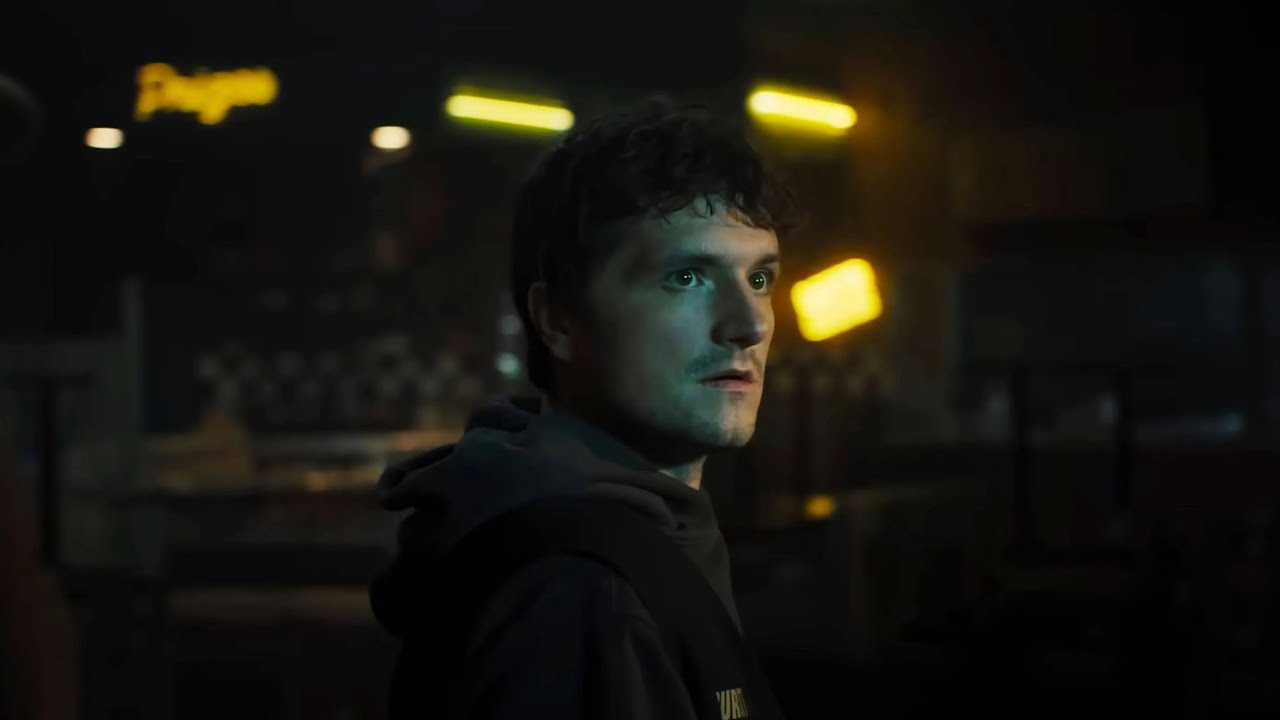
Let’s start on the story, shall we? The general story follows Mike (Josh Hutcherson) as he struggles to keep custody of his little sister Abby (Piper Rubio) in a losing custody battle against his aunt Jane (Mary Stuart Masterson). Following an incident at his last job, Mike visits a career counselor, hoping to land a solid job; this job, as you could guess, would be a nighttime security position at the now-abandoned Freddy Fazbear’s Pizza, a family pizza restaurant in the style of Chuck E. Cheese . We follow Mike through the five nights at his job as his life seems to keep going downhill.

The overall story is really good, but is very confusing and difficult to follow at times. I really wish that this movie wasn’t as short as it was because I think it really could’ve benefited from a longer runtime; at least an extra 25 minutes longer. To general audiences, the story, while being a little all over the place, is still enjoyable (and surprisingly heartwarming?). To critics, however, this movie’s story is absolutely unacceptable for their “marvel quality” of expectations when it comes to grand storytelling.

Moving onto what most people were anxious for, the level of scariness. Honestly, Five Nights at Freddy’s as a whole isn’t that scary, (maybe because I’ve been here since the beginning), as it heavily relies on cheap jump-scares as its main scare tactic. The movie, however, is scarier than the newer games, and maybe even more than the original games, in my opinion. It surprisingly lacks many jump-scares, but some of them get you GOOD. There were also some moments that caught me off guard, as I would never expect to see them in a PG-13 Five Nights at Freddy’s movie. I’ve seen critics complain that this movie lacked massive amounts of gore and blood, but newsflash, the games themselves already lack this. The games don’t have to resort to gore, as it nails atmospheric dread and horror. One of the movie’s strengths is that it is able to introduce a threatening aura to the cute and cuddly robot friends.

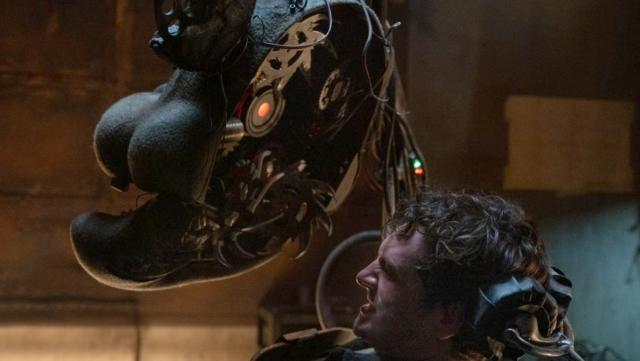
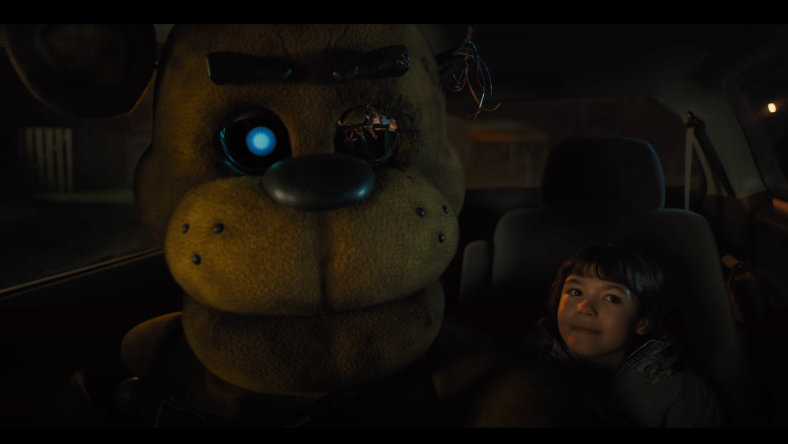
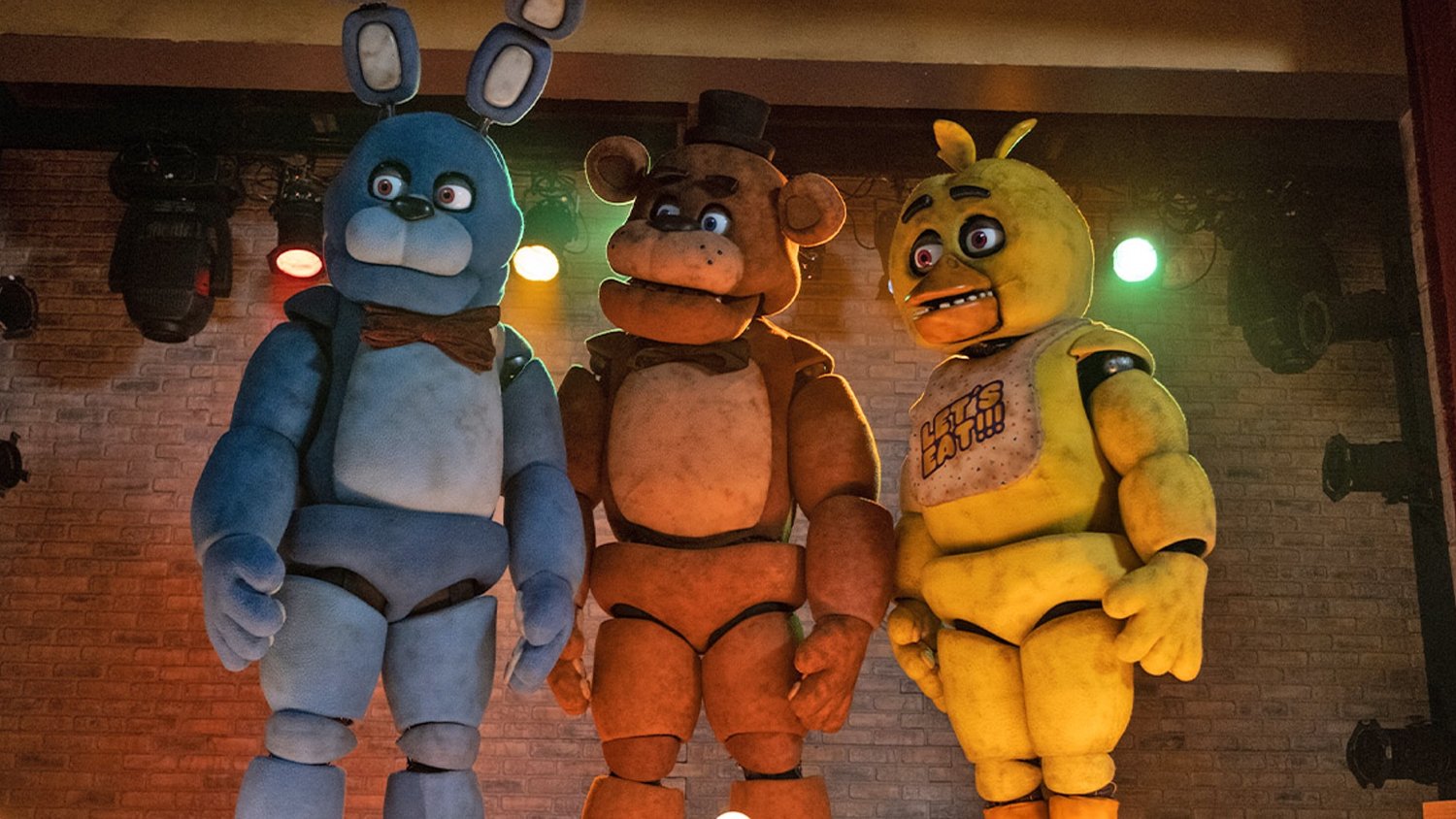
Speaking of cute and cuddly, the animatronics in this movie were both menacing and adorable. Blumhouse was able to make scary scenes involving Freddy, Bonnie, Chica, Foxy, and Cupcake while also adding scenes that emphasized the more child-like nature of the robots. The one thing that I am happy about is that no one is criticizing the animatronics, as they are absolutely spectacular in this movie. I really liked every prop used in this movie, moving past just the animatronics. Honestly, they were all so likable, that its genuinely a struggle to choose a personal favorite, but if I had to, it’d be Bonnie :]

The acting is really good but could’ve been improved upon. Mike, Abby, Vanessa (Elizabeth Lail), Max (Kate Conner Sterling), the animatronics, and the children were really well acted, and I wouldn’t want any of them replaced. The weakest performance, in my opinion, is sadly Matthew Lillard’s Scott Raglan. I know this is a more controversial opinion, but I just thought they could’ve touched upon some of his scenes; in no way was it bad, but it could’ve been a little better. Blumhouse also nailed down how the animatronics moved, striking a perfect balance between freakishly smooth movements and stiff, robotic movements.

The music is amazing and fits perfectly with the atmosphere of the movie. They also had a great selection of non-original tracks, using 80’s music like “Talking In Your Sleep” and “Celebration”. I admit, I was a little worried when it came to the music selection of this movie, but I think fans won’t be disappointed with the tracks they included. The humor of this movie is also on point, getting many laughs from me, my family, and the entire theater. FNaF creator Scott Cawthon’s humor is funny and I’m glad they allowed him to make jokes of the same caliber with the script he co-wrote.

I think it’s time to move on to the objective flaws this movie has. I felt that the pacing was way too fast in the beginning and ending of the movie. Scenes are practically whizzed past you at lightning speed with little to no time to digest them, as you have to swallow more story in the new scene in front of you. The middle of the movie seems to find its footing on pacing, but for the next movie, assuming we get one, Blumhouse and Scott Cawthon really should focus on getting the pacing right.

Another issue is the storytelling itself. As I said before, the film’s story is fundamentally confusing, and the film only double downs on this trait. This wouldn’t be much of a problem if there were enough scenes explaining seemingly major plot points. I will expand upon certain scenes in a spoiler post later on, but if you are stepping into FNaF for the first time, be prepared to feel like an idiot walking out of the theaters. Hell, as a nine-year fan myself, I’m still trying to process the plot fully in my head.

Overall, the Five Nights at Freddy’s movie was made with fans as a number one priority, and that’s a great thing! It does struggle to bring newcomers in however, and completely misses the mark in the critics’ expectations. I am really happy that this movie finally came out and am beyond satisfied with the finished product. The most saddening thing about this movie is that its being bashed on move-rating websites when it does not deserve score that low. I understand why people may not like the movie with the number of flaws it has, but I think people are being way too harsh towards Blumhouse and Scott Cawthon. If you are a fan, you need to watch this in theaters; if you’re a casual fan, its probably best to stream the movie on Peacock, but everyone should give it a shot!

Angelo Soto

Ahsoka Is An Incomplete Star Wars TV Show

The latest Star Wars TV show streaming on Disney+, Ahsoka, just concluded its first season which left many questions unanswered while providing lots of member berries for Star Wars fans. Whether or not that is bad or good would depend if you are a fan of Star Wars: The Clone Wars and Star Wars: Rebels.

Ahsoka is for the most part an enjoyable and even riveting Star Wars TV show with great characters, special effects and expands the Star Wars lore. On the other hand, its pace is uneven with some episodes feeling wooden and stilted thanks to timid direction and it crams in so many characters and sub-plots that could not possibly be resolved in eight episodes. Guess what? Many of the sub-plots were left unresolved. This gave the impression that Ahsoka was merely a prologue for a larger storyline. Evidence for this is the fact that a Star Wars film is being planned that will combine the stories and characters from Ahsoka and most of the recent Star Wars TV shows. That’s very ambitous, but after viewing the final episode, the overral feeling is that the TV show is incomplete.

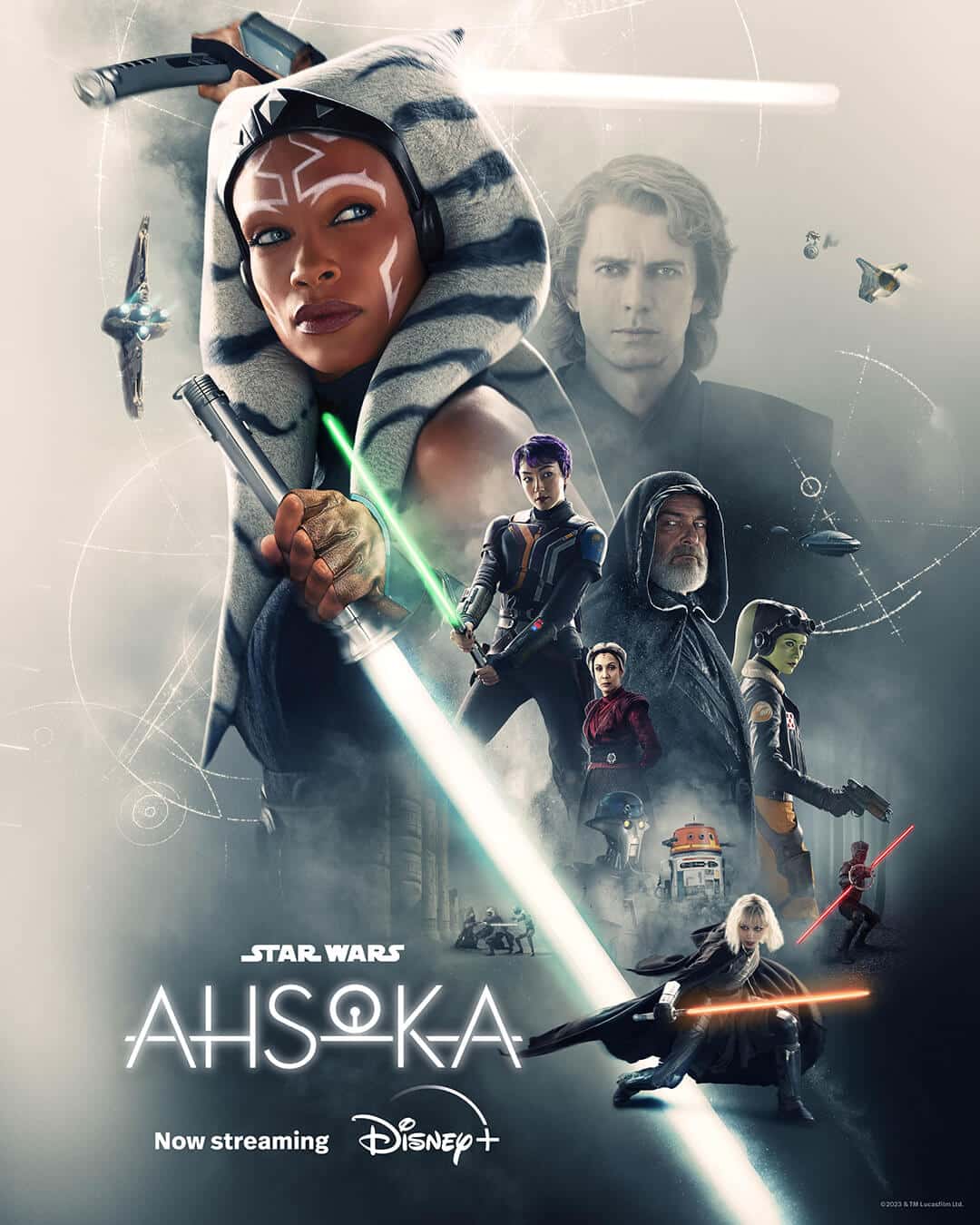
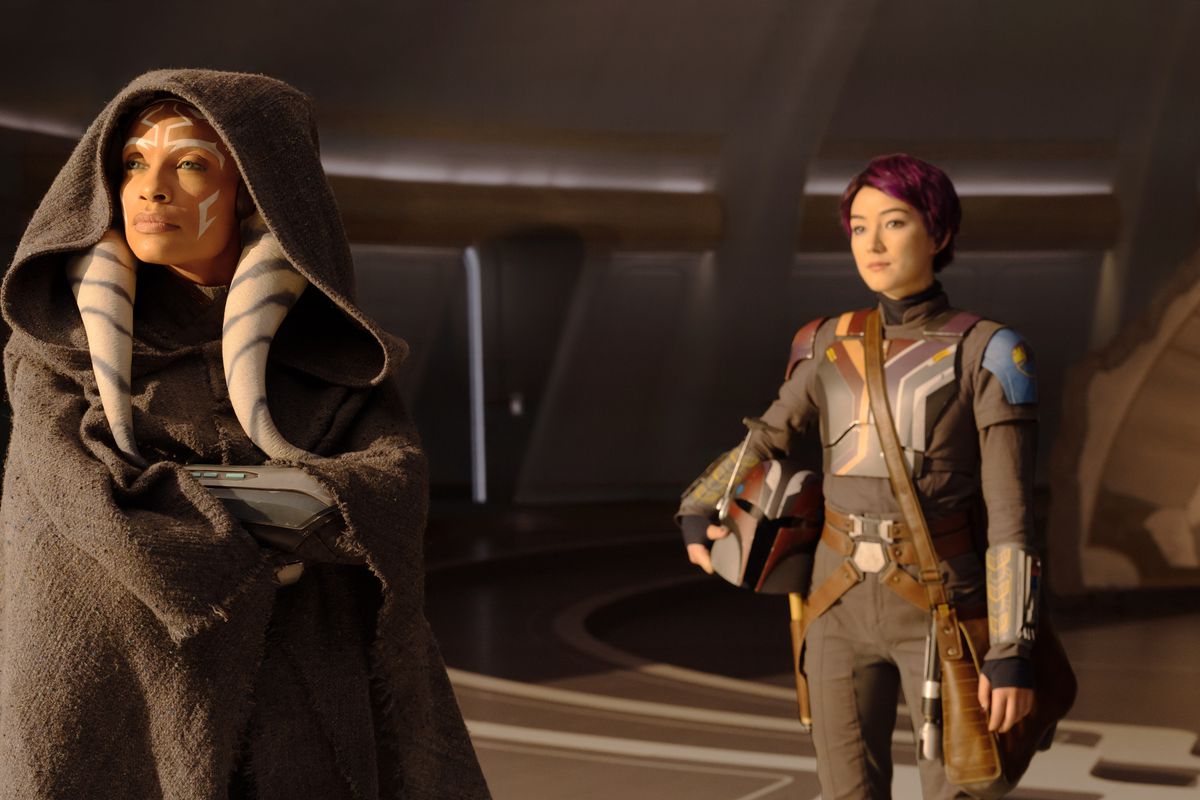
Rosario Dawson stars as the title character, Ahsoka Tano, a former Jedi who embarks on a quest with her former Jedi apprentice Sabine Wren (Natasha Liu Bordizzo) to find their fellow Jedi Ezra Bridger (Erman Esfandi), who is trapped in another galaxy along with their formidable enemy Grand Admiral Thrawn (Lars Mikkelson). During their adventures the duo uncover a plot by members of the defeated Galactic Empire who are trying to bring Thrawn and his army to the main Star Wars galaxy in order to conquer the New Republic and restore the Empire. With the officials of the New Republic unwilling to help them, Ahsoka, Wren and their Jedi droid Huyang (David Tennant) set off on their own to stop the plot, in addition to rescuing their friend.

If this sounds complex, then you are correct. Anyone watching the series will be able to follow along with its storyline, but there is a nagging feeling that there are so many details and nuances that will go over the heads of casual viewers. The very first Star Wars film was like this, but it was easier to follow and was more engaing. A major flaw with Ahsoka was that the early episodes were a chore to watch thanks to its deliberate pace and line delivery.

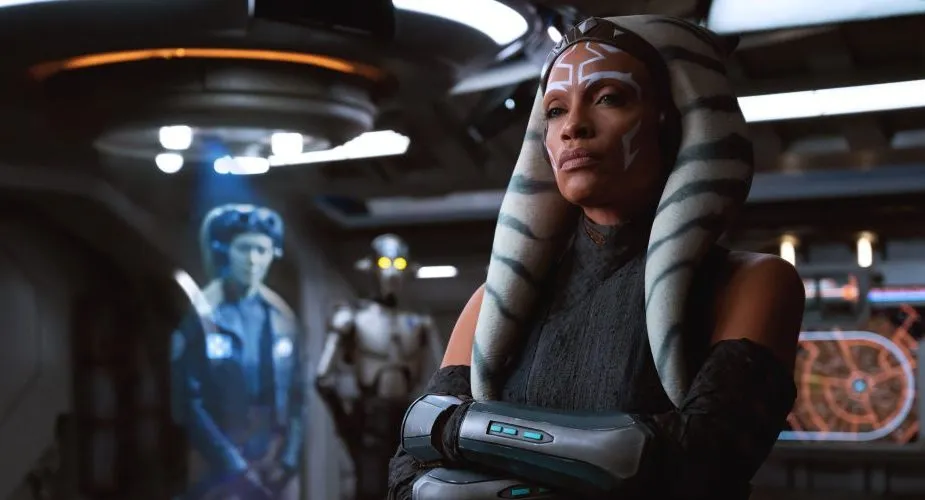
This is concerning because the worst episode was the first one and it not only set the way Ahoska was presented but it was directed by Dave Filoni, the major producer of the recent Star Wars TV shows, including the acclaimed animated TV shows. He helped expand the Star Wars lore with Star Wars: The Clone Wars and Star Wars: Rebels, but his live-action directorial effort fell short and what’s worse is that he will direct the Star Wars film that combines these stories and characters. He was largely responsible for the creation and cultivation of Ahsoka Tano and his attempt to bring her to life was disappointing. Throughout the TV show, Ahsoka would stand around, fold her arms and take long moments to reply to others. This Ahsoka is not anything like the quippy and spirited young Jedi that first appeared in Star Wars: The Clone Wars and won the hearts of many fans. This older live-action version of Ahsoka is so stiff and stoic that Sabine easily steals the show with her emotional journey to become a Jedi. Sabine has more emotion and heart and it was easy to identify with her, especially since she had such a poor connection to the Force that Jedi tricks and skills were a chore for her.

The fact that we identified more with Sabine than Ahsoka is a another fault with Ahsoka given that the show is named after her. This is a troubling trend with many Star Wars TV shows like The Book of Boba Fett and the third season of The Mandalorian. Like with those TV shows, there was even an episode where Ahsoka barely appeared. There are too many moments where it feels as if this show is in reality the fifth live-action season of Star Wars: Rebels. It might have served the TV show and Star Wars fans better if it was retitled. This is a disservice to Ahsoka since she is one of the most captivating Star Wars characters.

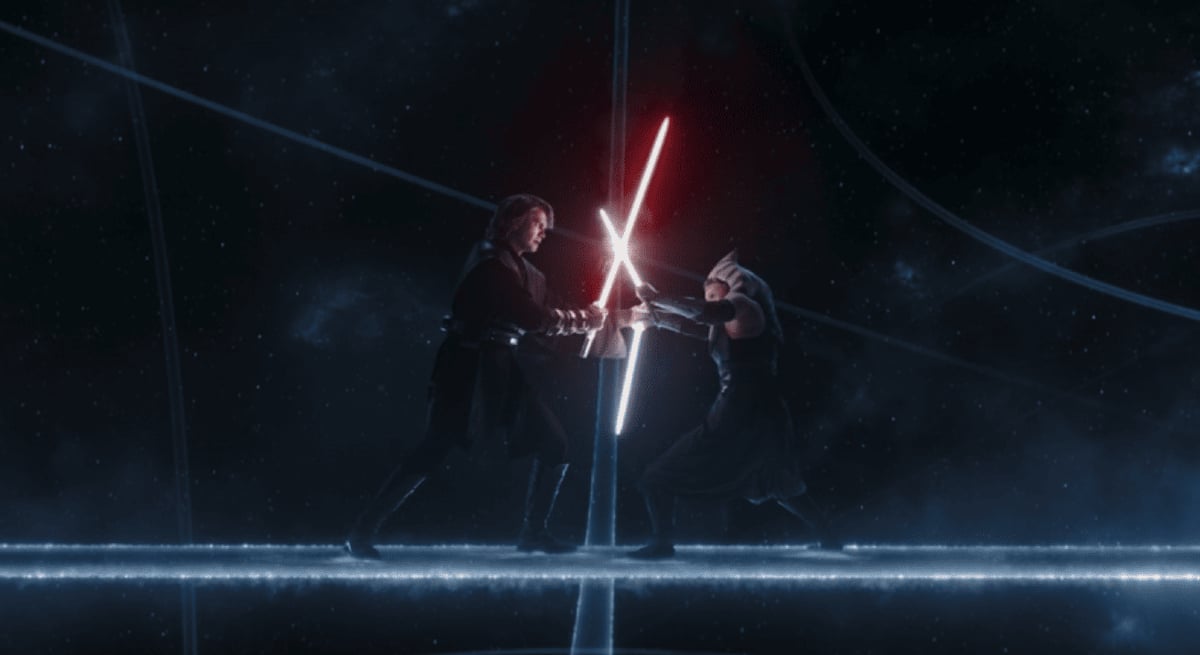
Ahsoka was allowed the spotlight in the fifth episode, which largely focuses on her as her mind enters an interdimensional realm called the World Between Worlds where time and space are not linear. There she meets the spirit of her mentor Anakin Skywalker (Hayden Christensen) as they end up in past battles during the Clone Wars. This was thrilling for fans of Star Wars: The Clone Wars as they finally got to see these two Jedi interacting in live action during that war. More importantly, these sequences provided fascinating insights into Ahsoka and her feelings towards Anakin Skywalker knowing that he ultimately became Darth Vader. With the way this episode showcased her guilt about Anakin and the Clone Wars, it was probably the best one in the series.

Continue reading

Star Trek: Strange New Worlds Has A Soaring Second Season

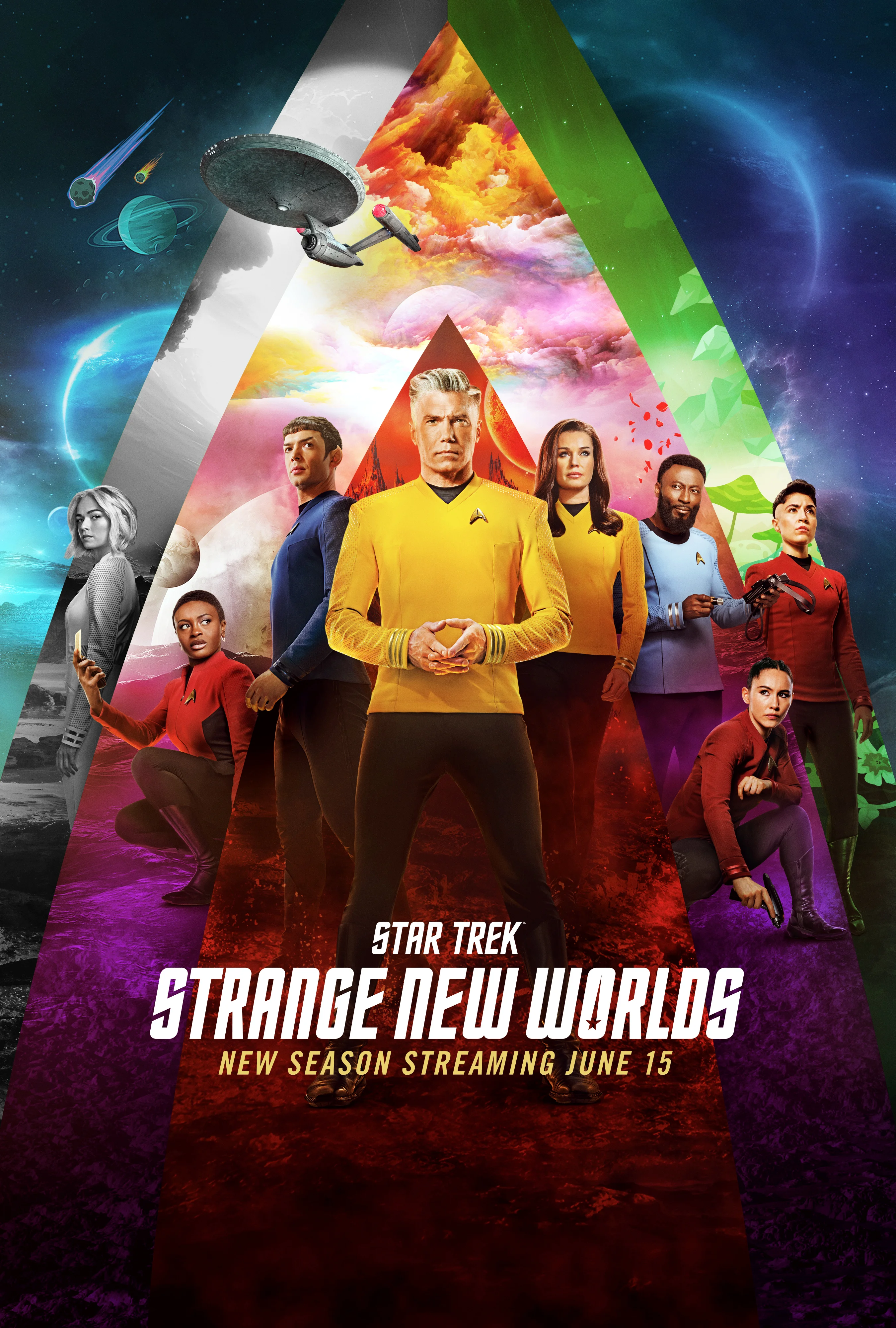
Yes, yes, those who have seen the second season finale of Star Trek: Strange New Worlds must be going insane and for good reason. The episode “Hegemony” ends in a cliffhanger! What’s worse is the fact that the production of the third season of the TV show has come to a complete halt because of the ongoing writers and actors strike. So it’s anyone’s guess as to when we’ll get to see the conclusion of the second season finale. However, “Hegemony” is the final proof that the second season of Star Trek: Strange New Worlds has been a soaring triumph.

It was critical for Star Trek: Strange New Worlds to have a successful second season to keep up the praise it received with its inaugural season and to measure up with the triumphant final season of Star Trek: Picard. After all, Star Trek: Strange New Worlds streamed mere weeks after Star Trek: Picard concluded and it had to at least be competent unlike Star Trek: Discovery. Thankfully, the second season was able to pull it off and deliver exceptionally well executed standalone episodes. Not every episode was a homerun but they were fantastic, and even pushed the creative envelope. The two episodes that best exemplify this were “Subspace Rhapsody” and “Those Old Scientists”.

“Subspace Rhapsody” had the audacity to be a musical and it was actually entertaining and provided interesting character insights, such as Uhura’s (Celia Rose) loneliness, La’an’s (Christina Chong) willingness to face her emotions, and Spock (Ethan Peck) and Christine Chapel’s (Jess Bush) doomed relationship.

Meanwhile, “Those Old Scientists” demonstrated that unlike the uneven comedic attempts in the first season, Star Trek: Strange New Worlds was able to deliver very humorous episodes. At the same time, the episode was a truly great crossover with the animated Star Trek: Lower Decks as Brad Boimler (Jack Quaid) and Mariner Beckett (Tawny Newsome) made their live-action debuts. They also served as representatives of fans by the way they kept gushing over the OG Star Trek characters.

The best episodes in the season however, were “Under the Cloak of War”, “Tomorrow and Tomorrow and Tomorrow” and the previously mentioned “Hegemony”. The episodes were your more traditional Star Trek yarns, but they were exceptional.

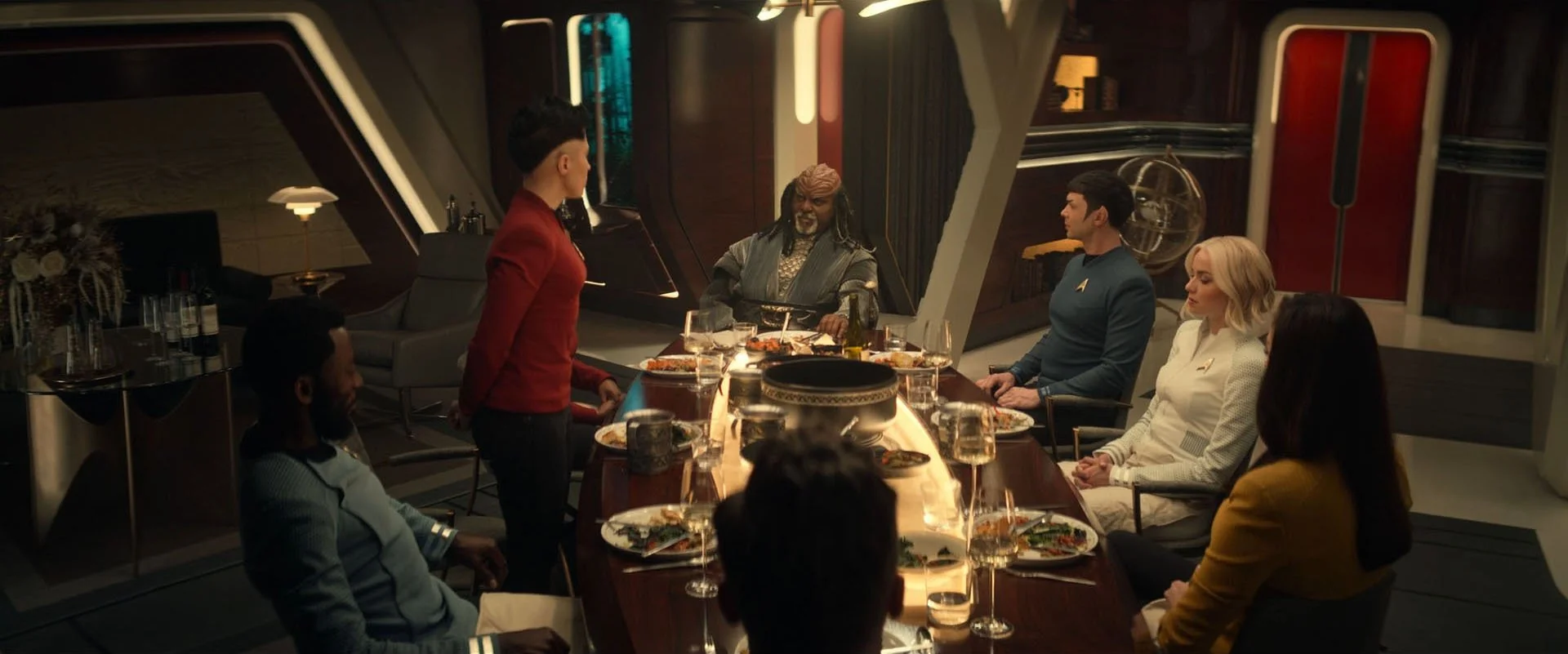
“Under the Cloak of War” offered a sobering look at the impact the Klingon War had with Dr. M’Benga (Babs Olusanmokun) and Christine Chapel as they had to interact with a notorious Klingon general (Robert Wisdom) who defected to the Federation. While the two dealt with their emotions in the present day, intense flashbacks of their time during the Klingon War were vivid and evoked Star Trek: Deep Space Nine’s Dominion episodes.

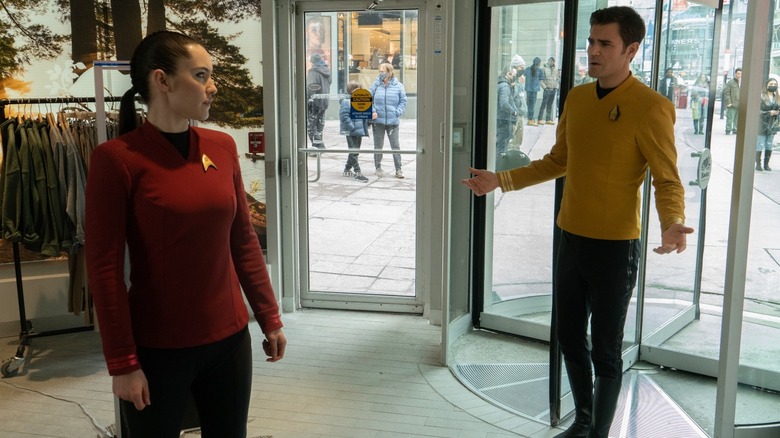
“Tomorrow and Tomorrow and Tomorrow” was an above average Star Trek time travel episode as La’an, along with an alternate version of James T. Kirk (Paul Wesley), wind up in Toronto during the mid-21st century. What made the episode stand out was the chemistry between the two and La’an’s dilemma as she faced her ancestral history (she is a descendant of the infamous Khan Noonien Singh).

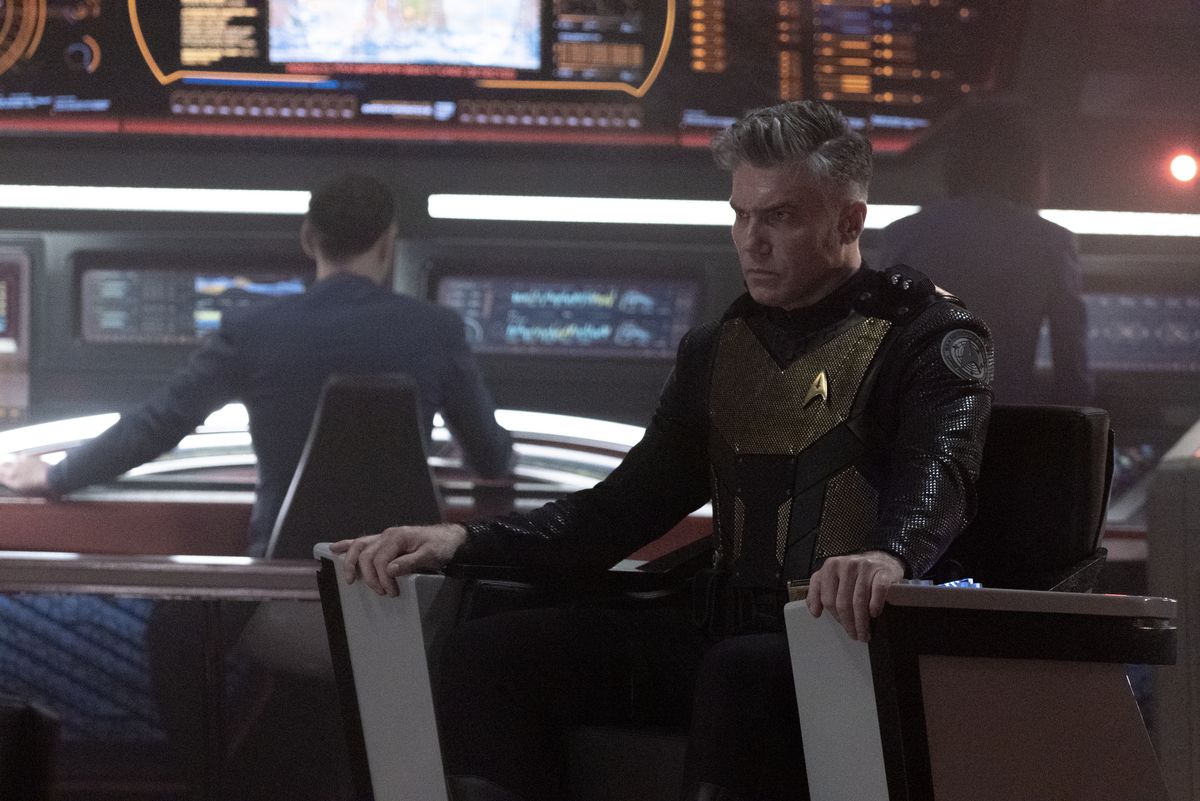
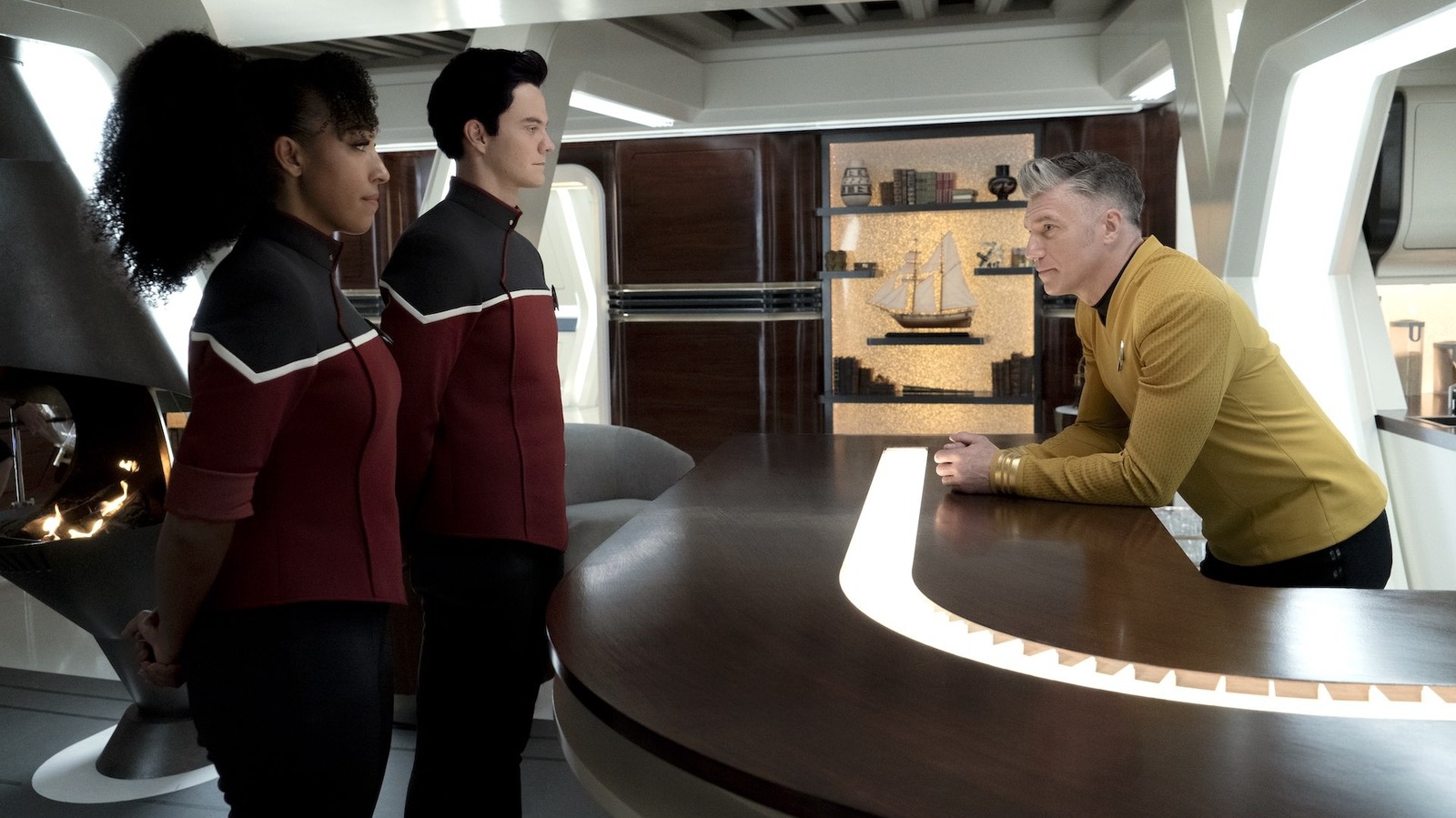
 “Hegemony” brought back the Gorn, the reptilian enemy race of the the Federation, and they were as deadly and frightening as ever. Captain Christopher Pike (Anson Mount) had to find a way to evacuate colonists off a world that has been claimed by the Gorn. The mood of the episode was chilling and foreboding as it had elements of Alien, and as a bonus we get to meet the new version of the future miracle worker, Montgomery Scott (Martin Quinn). The actor perfectly captured the essence of Scotty without seeming like a parody.  But as mentioned at the start of this review, the episode ends on a cliffhanger. Nuts! Come on you mega-rich studio execs, find a way to properly compensate the writers and actors who are the backbone of your products!

Continue reading

A Disappointing Secret Invasion

The six-part Secret Invasion TV series on Disney + streamed its final episode last night and unfortunately it was as mid as the rest of the series. To go into why it was so mediocre and par for the course with the recent TV shows set in the Marvel Cinematic Universe (MCU) there will be major spoilers from this point on.

Secret Invasion had a lot to admire, notably Samuel L. Jackson as former S.H.I.E.L.D. director Nick Fury, Olivia Colman as British secret agent Sonya Falsworth, and some terrific dialouge. There was one riveting moment where Fury explained, using his childhood memories in the segragated south, why humanity would never accept alien beings living on Earth. But the overall feeling of the series feels underwhelming and done on the cheap, which is surprising given that it supposedly had a large budget.

Like every comic-book adaptation, Secret Invasion was very loosely based on the Marvel Comics mini-series of the same name in that it only adapted the basic premise that alien shape shifters called Skrulls infiltrated Earth’s human populace. Unlike the comic books there weren’t any Skrulls impersonating superheroes except for Col. James “Rhodey” Rhodes aka War Machine (Don Cheadle). There aren’t any epic battles between superheroes and their alien counterparts, and there is a lack of paranoia about who was a Skrull like in the comic books where readers were shocked that several superheroes were impersonated by Skrulls for years.

Yes, there was Rhodey, but that was it, and by the way he acted at the start of the series it was fairly obvious that he was a Skrull. There were a few other revelations but they lacked any dramatic punch because most of these people never appeared before in the MCU. The TV series was just begging for appearances from many established characters, yet that never happened. Sure, it was unrealistic to expect Chris Hemsworth or Paul Rudd to show up, but the MCU has so many distinctive minor characters that could have appeared to play into the paranoia by revelations that they were Skrulls. What is it, they ran out of money to pay these actors? Did the showrunners seriously expected viewers to be shocked when it was revealed that the prime minister of the United Kingdom was a Skrull? Big deal! This faux prime minister did not even do anything!

The storyline followed Nick Fury as he learned that a million Skrulls are living as refugees on Earth disguised as humans. One of them, Gravik (KIngsley Ben-Adir) was a former spy who worked with Fury and is now a terrorist intent on turning Earth into a new homeworld for his race. To do this, Gravik planned to start World War III by using his clandestine Skrull army to instigate a conflict between the United States and Russia. With limited resources, except the help of his Skrull friend Talos (Ben Mendelsohn). Fury has to muster all his connections and skills to stop Gravik and his followers.

What could have been an intense and paranoid political thriller came off as underwhelming aside from a few bright moments throughout the show. Many elements of the storyline do not make sense. For instance, Skrulls were immune to radiation, which is why Gravik wanted to start a third world war. He reasoned that when humanity was wiped out by the fallout radiation the remaining Skrulls would inherit the Earth. But did he stop to consider that Skrulls would be just as vulnerable to the shockwaves and firestorms from the nuclear explosions? What about the biosphere of Earth, could the Skrulls survive on a poisoned planet with no food available and destroyed infrastructures?

Then there were the attempts to assasinate the president of the United States (Dermot Mulroney). There was a sequence in the fifth episode where the president’s motorcade in England was attacked by Gravik’s forces. It was exciting, but it was nagging to see how lightly protected the motorcade was or how it was put into a vulnerable position in the first place. Some lines of dialogue that the Secret Service was severely compromised would have helped here. The poor lines of defense are even more noticeable in scenes were the president was in a British hospital with very few people around him. He should have had an army surrounding him after the motorcade attack and most likely the Secret Service would have whisked him off to Air Force One. Instead we are expected to believe that Fury was able to slink into the hospital without any serious opposition.

There were these cheap dramatic moments of Fury facing off with the Rhodey Skrull. Every time the Skrull would get the upper hand because he was disguised as Rhodey. So why didn’t Fury do what Falsworth did in other scenes when dealing with Skrulls and just shoot him? She showed that injuring a Skrull would have revealed that their blood was a different color and boom, the fake Rhodey would have been exposed.

Continue reading