A Breathtaking Return To Pandora With Avatar: The Way Of Water

Never bet against filmmaker James Cameron, or yes, it was well worth the wait for Avatar: The Way of Water.

Some like to rant about the visionary director and his reported massive ego, as well as his previous film Avatar. Others openly derided the long wait for its sequel, Avatar: The Way of Water, with claims that the sequel was unwanted or that it would not be on par with Cameron’s earlier works. But James Cameron demonstrated again with Avatar: The Way of Water why he is one of our best filmmakers.
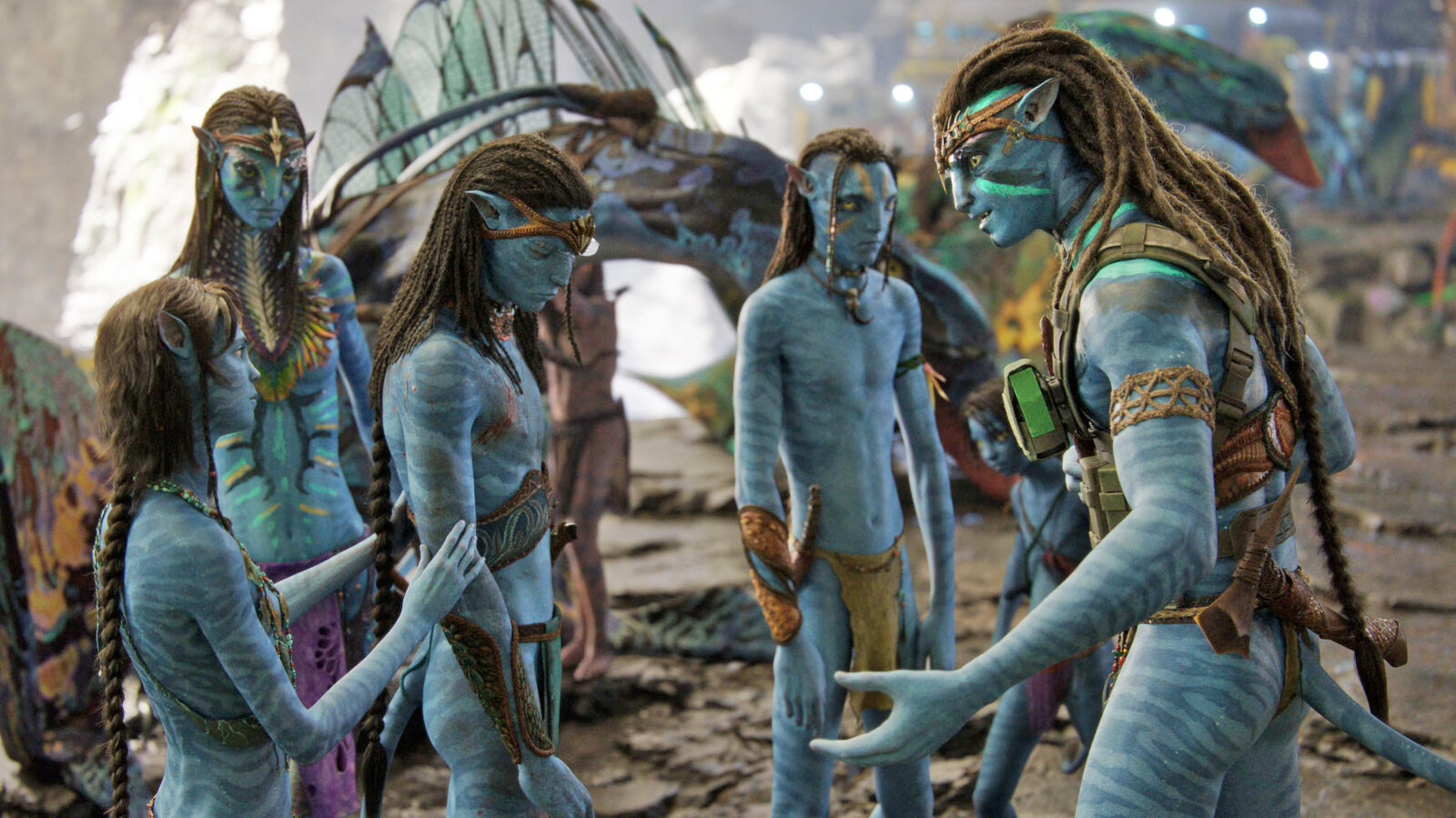
Avatar: The Way of Water takes place about a decade and a half after the events of the first Avatar film. Former human marine Jake Sully (Sam Worthington) has fully integrated into his second life as a chief of a Na’vi tribe on the habitable moon Pandora. He lives a quiet life with Neytiri (Zoe Saldana) and their four children until the humans that he helped drive off the moon in the last film have returned.

Instead of coming to mine the moon for minerals, humans have arrived en masse to turn Pandora into a new home for humans fleeing a dying Earth. Among the returning humans is Quaritch (Stephan Lang), who was actually killed in the last film, but his DNA was used to clone a new hybrid Avatar body, which was also imprinted with his memories. This was done so he could blend in with the Na’vi people and move freely on Pandora. His mission is to hunt down Sully, who is leading a successful guerilla campaign against the human colonists.
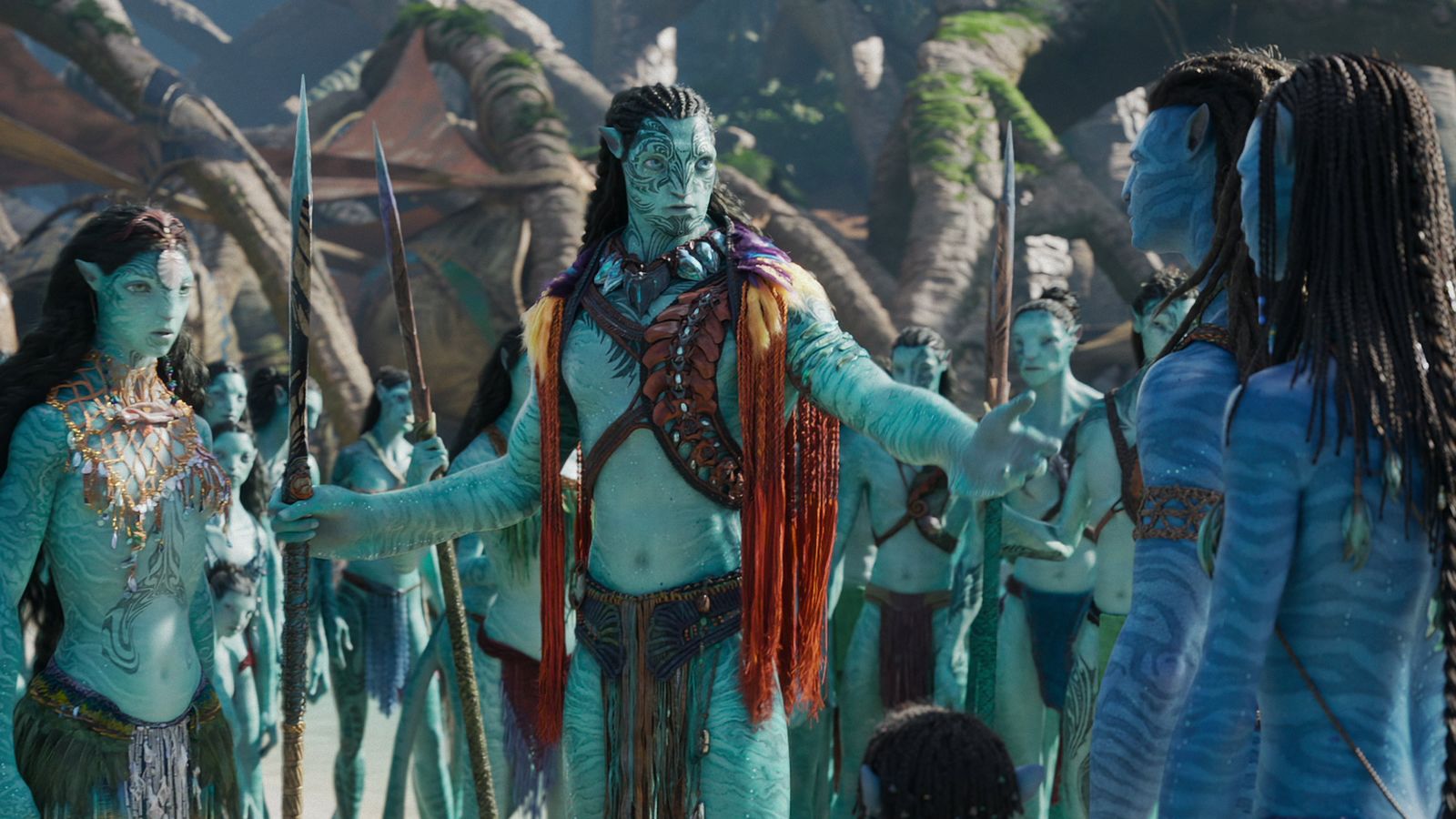
Sully soon realizes that his family is imperiled so he steps down as chief of his tribe and leaves his forest home with his family. Their travels lead them to an island tribe of Na’vi along the seashore, who grant them shelter under the provision the Sullys adapt to their aquatic lifestyle. The film’s narrative shifts to the Sully children as they struggle to learn the culture of their new home, particularly Lo’ak (Britain Dalton), who suffers from middle-child syndrome, and Kiri (Sigourney Weaver), the Sullys’ adopted daughter, who has a mystical connection with Eywa, Pandora’s life force that is connected to all of Pandora’s living creatures.
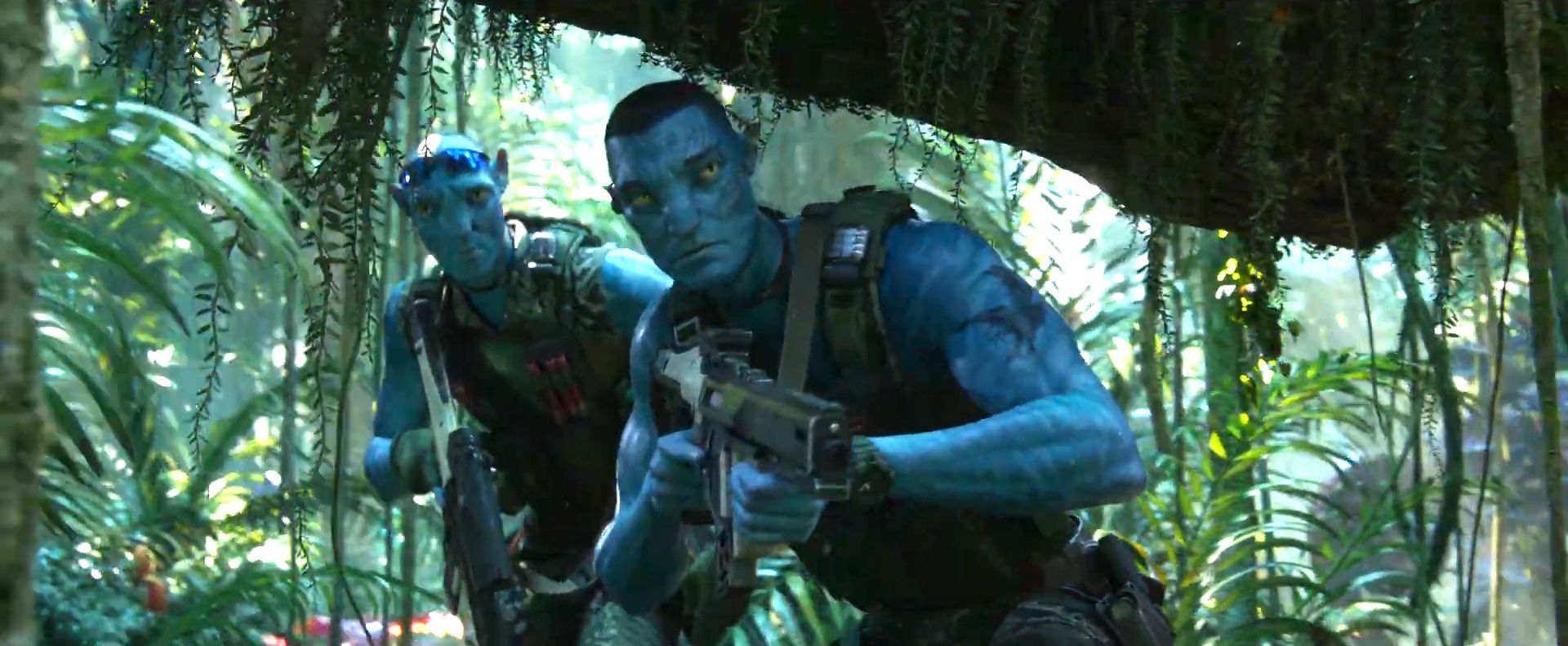
Meanwhile, as Jake and his family adapt to their new home, Quaritch becomes obsessed with hunting down his foe with the unwilling help of his prisoner Spider (Jack Champion), a teenage human who has adopted the Na’vi way of life.

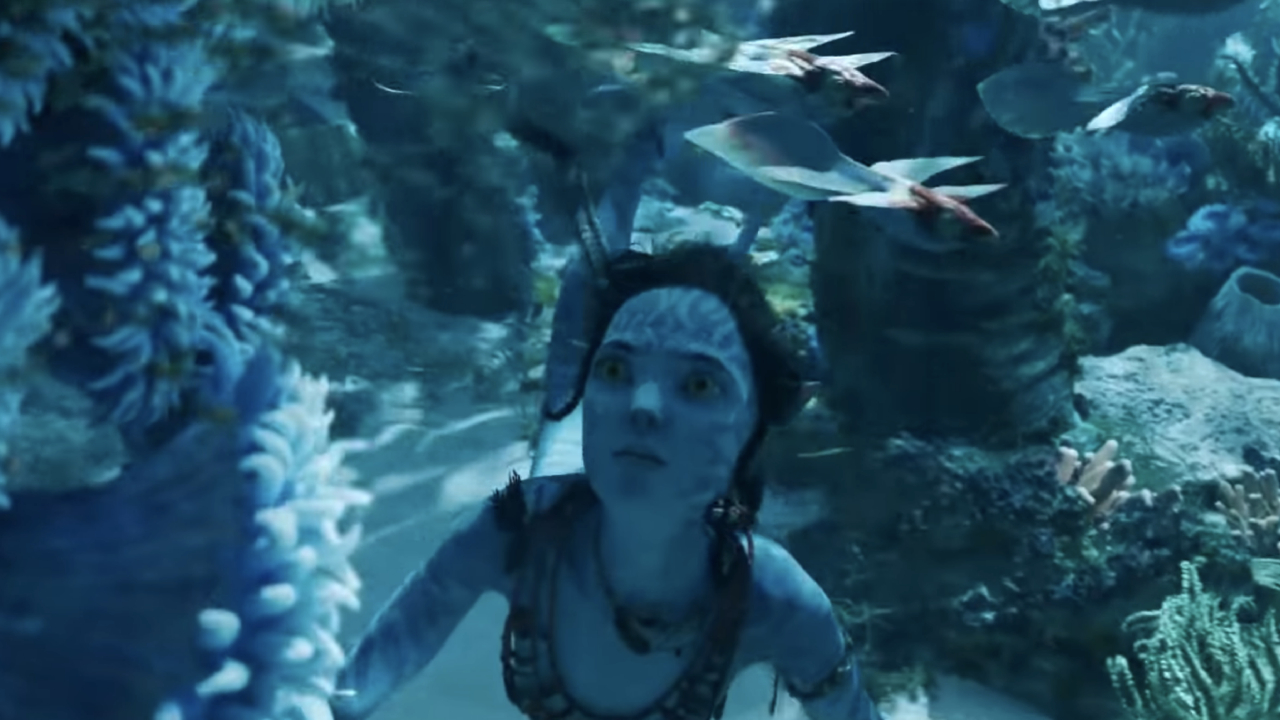
As these stories go, the paths of Jake and Quaritch soon collide with an epic Cameron-style flourish. Certainly, James Cameron is in his watery element when it comes to framing the film’s spectacular confrontations in the final act. Combine the action scenes on the sea with awe-inspiring underwater cinematography, and it becomes clear that the director was born for aquatic filming!
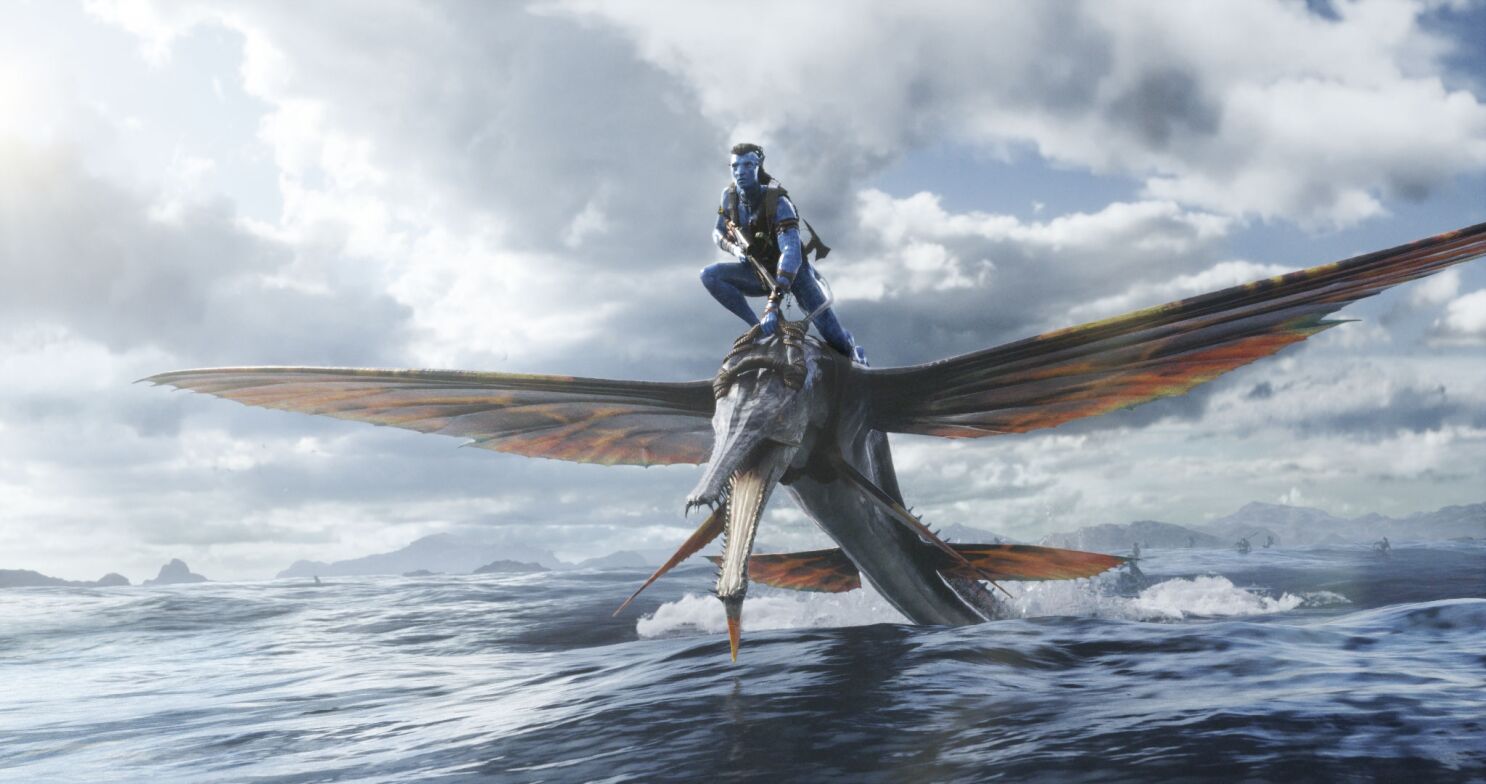
To say that Avatar: The Way of Water is epic or breathtaking is a serious understatement. The film’s visuals simply overwhelm our visual senses as Pandora comes to crystalline life. At times it is so easy to get so involved and engrossed with what the big screen unfurls. It was like watching a National Geographic nature special, but with alien flora and fauna. The film’s visual effects were so revolutionary that I had to remind myself at times that these were imaginary animals and characters. Clearly, the effects set a new bar that will be impossible to overcome for a long time and help explain why it took so long for this film to be made. Seriously, just give the film the Oscar for best visual effects at this point without bothering to list other! On a final note, yes, Avatar: The Way of Water must be seen on a big screen, in 3D if possible, as a home viewing will lessen the visual experience.
As breathtaking as the return to Pandora was, the experience would have felt empty if not for the film’s story. There are some themes and story beats that are familiar like the adaptation to new cultures, or its pro-environmental messages. However, there are interesting twists and turns that keep the overall story fresh. Admittedly, some plot developments are predictable, yet the characters are much more engaging than in the previous film. For example, Quaritch has more depth than the two-dimensional villain he was in the first Avatar, being that he is in a unique situation that he is no longer human. Meanwhile, Jake Sully struggles between his roles as a warrior and a father to his children, while dealing with the human threat. But there are some characters that do get lost in the vast story and wind up in the background without leaving much of an impression.

The film also sets up intriguing arcs that will be resolved in future films such as with Kiri and her spiritual connection to Eywa. Then there are many questions about how the Na’vi will survive, let along be able to stop human colonization. The outcome may be dire for the Pandora natives given our own real-life history of when indigenous people first encountered invading forces with superior technology.
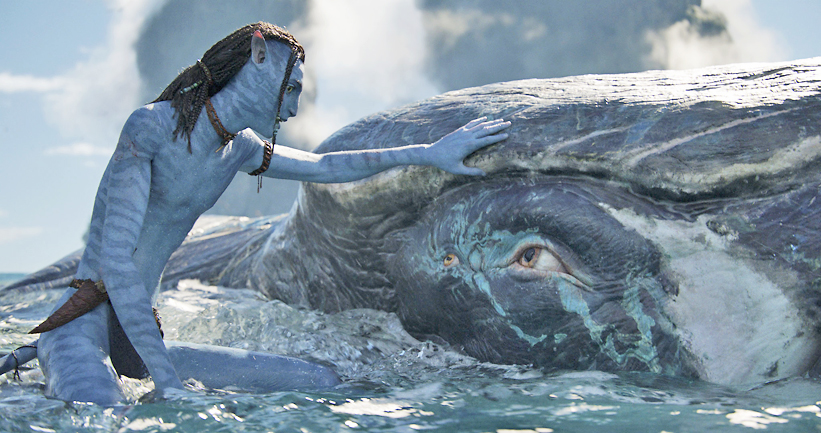
These questions alone made me enthusiastic for James Cameron’s upcoming sequels: Avatar: The Seed Bearer, Avatar: The Tulkin Rider, and Avatar: The Quest for Eywa.  Some reports have it that the fifth film will take place on Earth, as the Na’vi will visit the planet. Hopefully, all planned films won’t take so long to be released. Remember that Avatar: The Way of Water was delayed many times, so with some luck, the sequels will be released during this decade as planned, and they will deliver the same jaw-dropping experience as Avatar: The Way of Water.

José Soto
Andor: A Different Star Wars Story

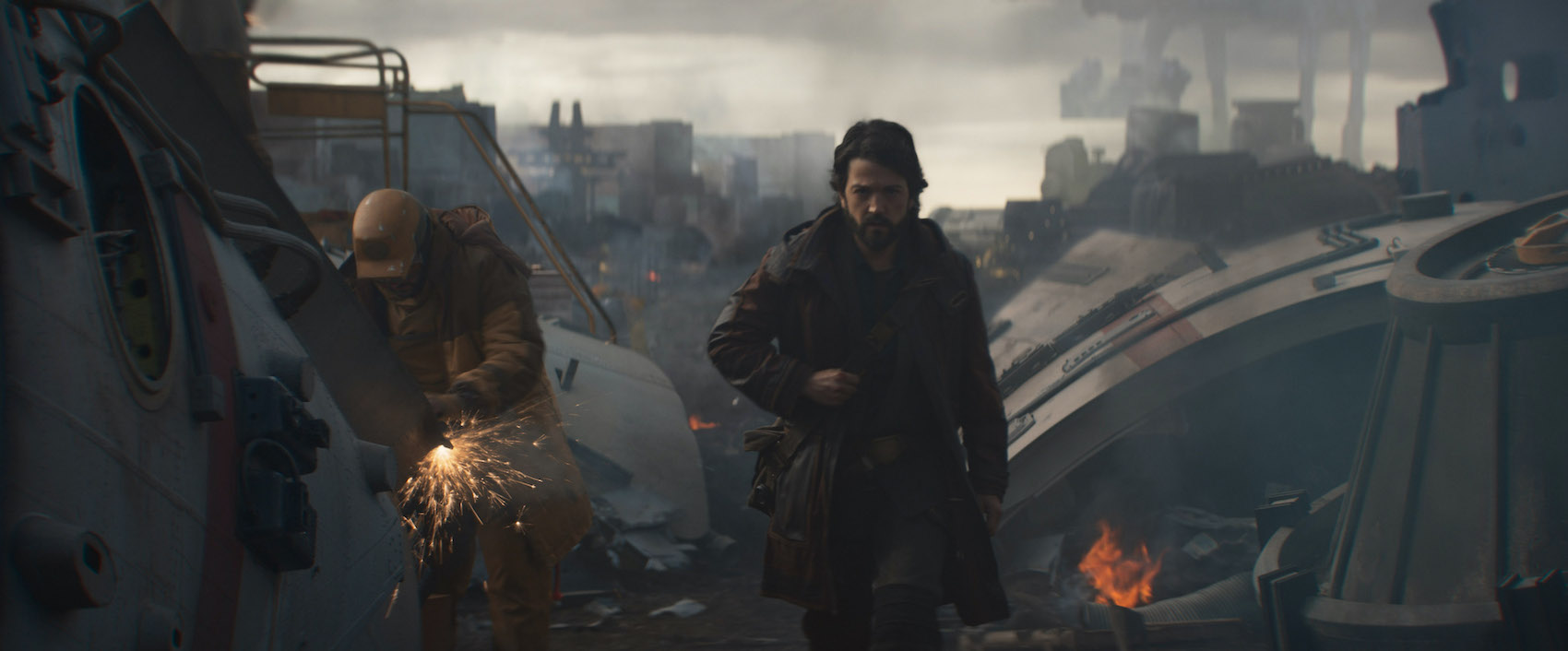
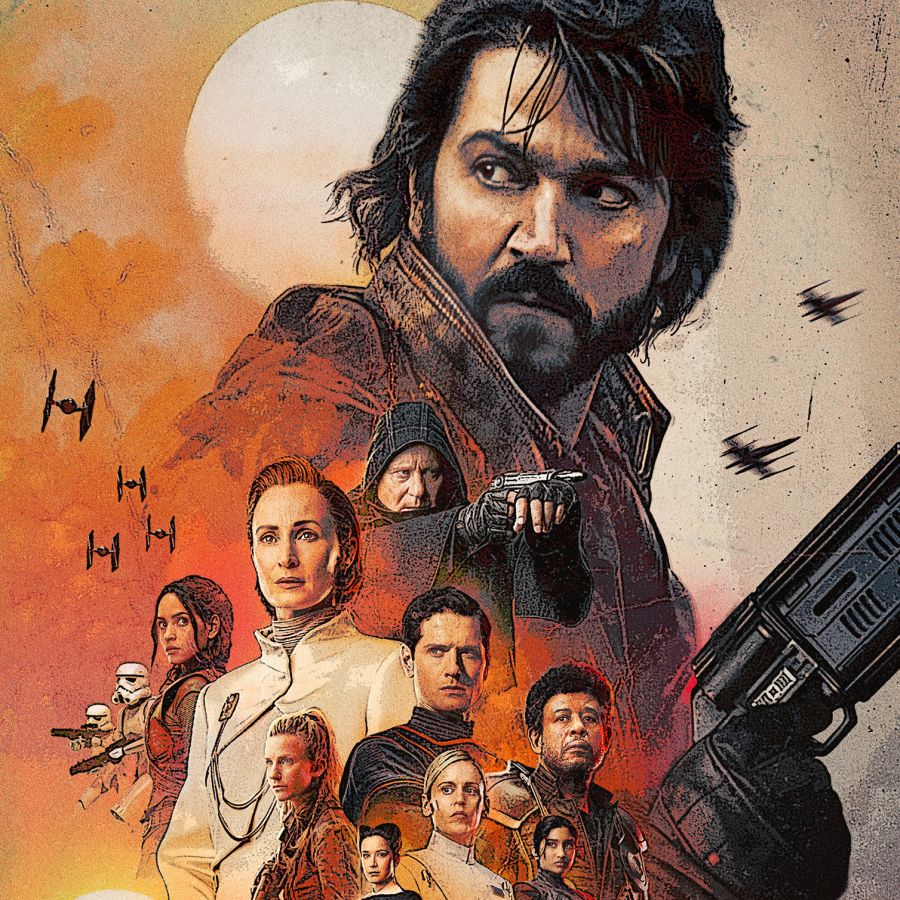
The latest Star Wars TV show, Andor, just concluded its first season with the episode “Rix Road”, and on the whole the series left Star Wars fans divided. Some applauded how it took a different approach to Star Wars, which was more serious and grounded. Others dismissed the show because of its deliberately slow pace and lack of typical Star Wars action and tropes. Regardless, it is clear that Andor tells a different kind of a Star Wars story, which is an unusual risk for Lucasfilm and Disney, but the effort largely pays off.

Diego Luna reprises his role of the title character, Cassian Andor, who was introduced as a shady Rebel agent in the film, Rogue One: A Star Wars Story. This series shows us his back story which takes place several years before the film, and  chronicles the events that turned him into a Rebel against the evil Galactic Empire.

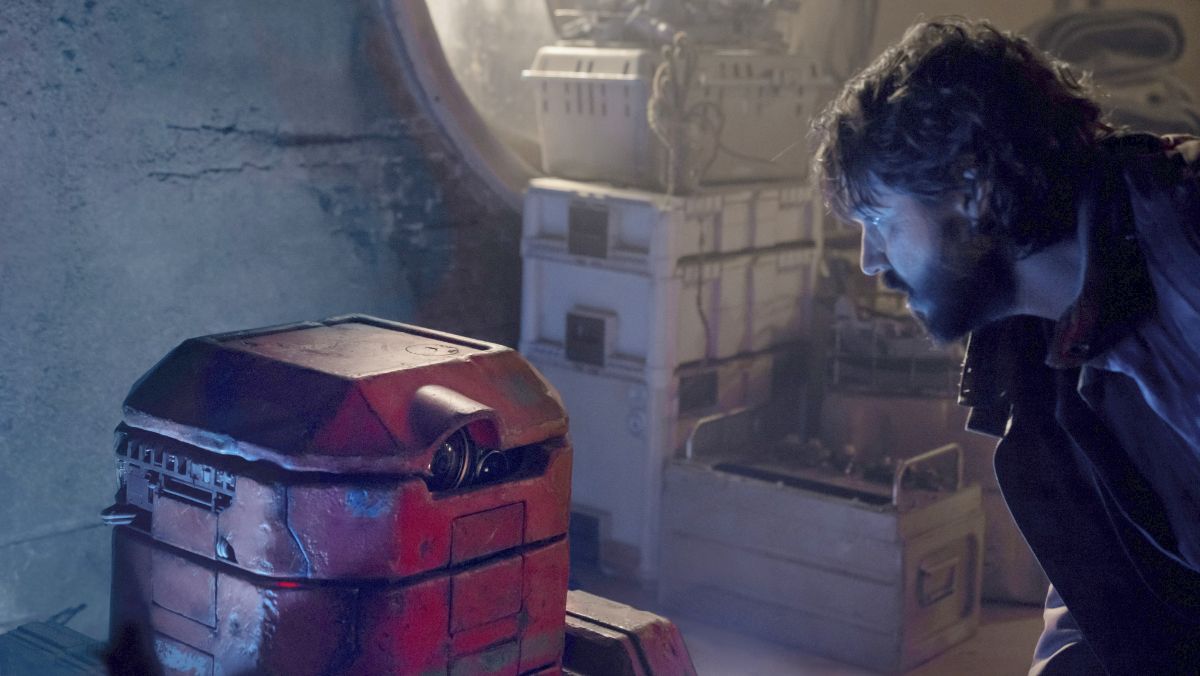
Andor establishes immediately in the opening moments of the first episode “Kassa” that it is different from the typical Star Wars story by setting it in a brothel on a distant world. Andor visits the brothel in trying to search for his long-lost sister. Flashbacks in the early episodes show that Andor was part of a primitive tribe of humans on a backward planet and ran afoul of the Republic (the galactic government before the Empire) before being adopted by a visiting scavenger named Maarva (Fiona Shaw). This act of kindness separated him from his sister and his quest to find her as an adult gets him into trouble with local authorities. This in turn attracts the attention of the Empire, who has begun to tighten its grip on its subject worlds and systems.

Back on his adopted homeworld of Ferrix, Andor stays one step ahead of authorities. He is soon forced to flee Ferrix and work for a group of Rebels by taking on an off-world assignment to steal an imperial payroll on the planet Aldhani. Along the way, Andor meets many people who help change his outlook on life and see beyond his own selfish needs. At the same time, the audience sees through the people Andor interacts with, that life under the Empire is reaching a critical point as a legitimate opposition to the Empire rises.

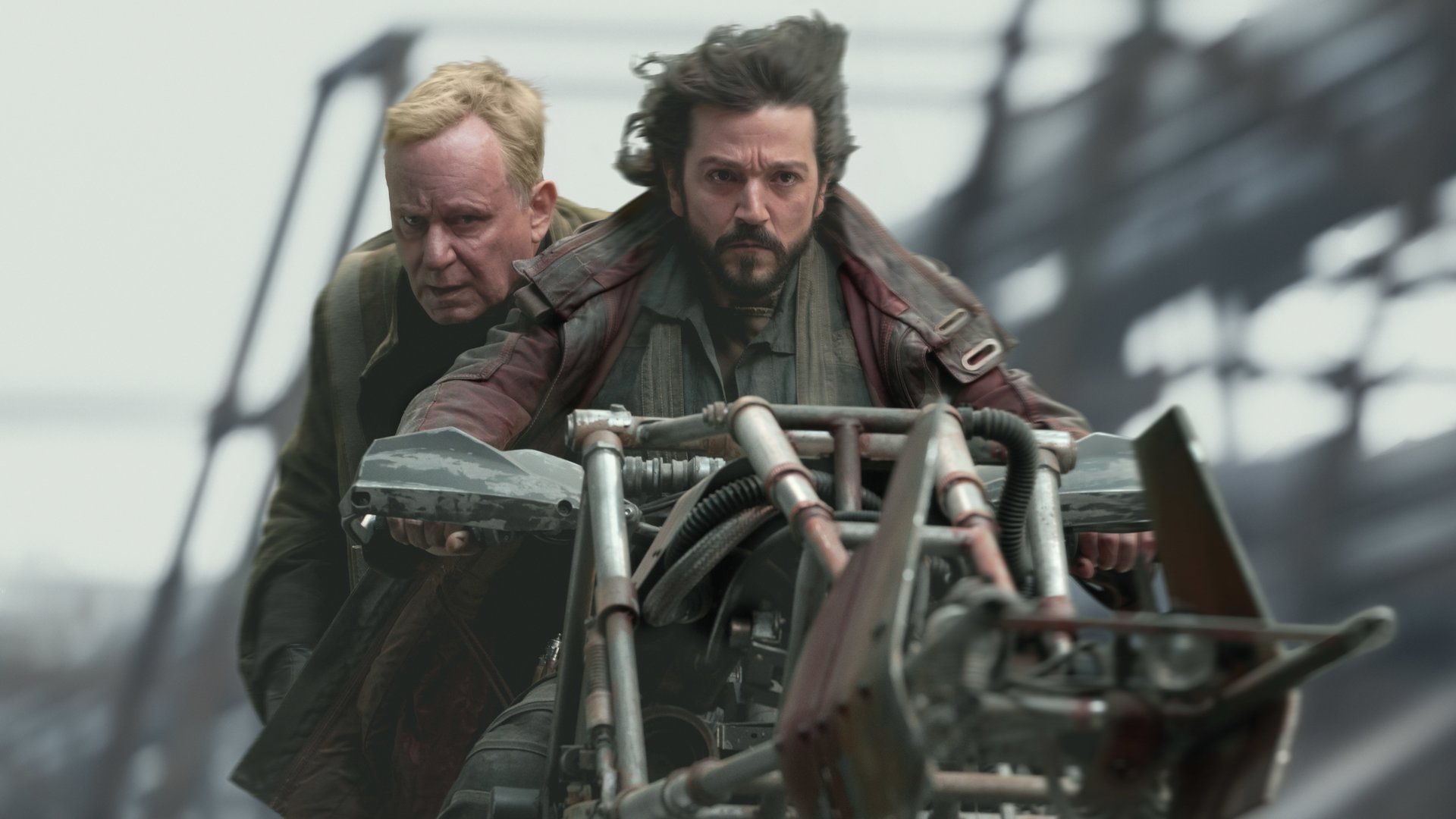
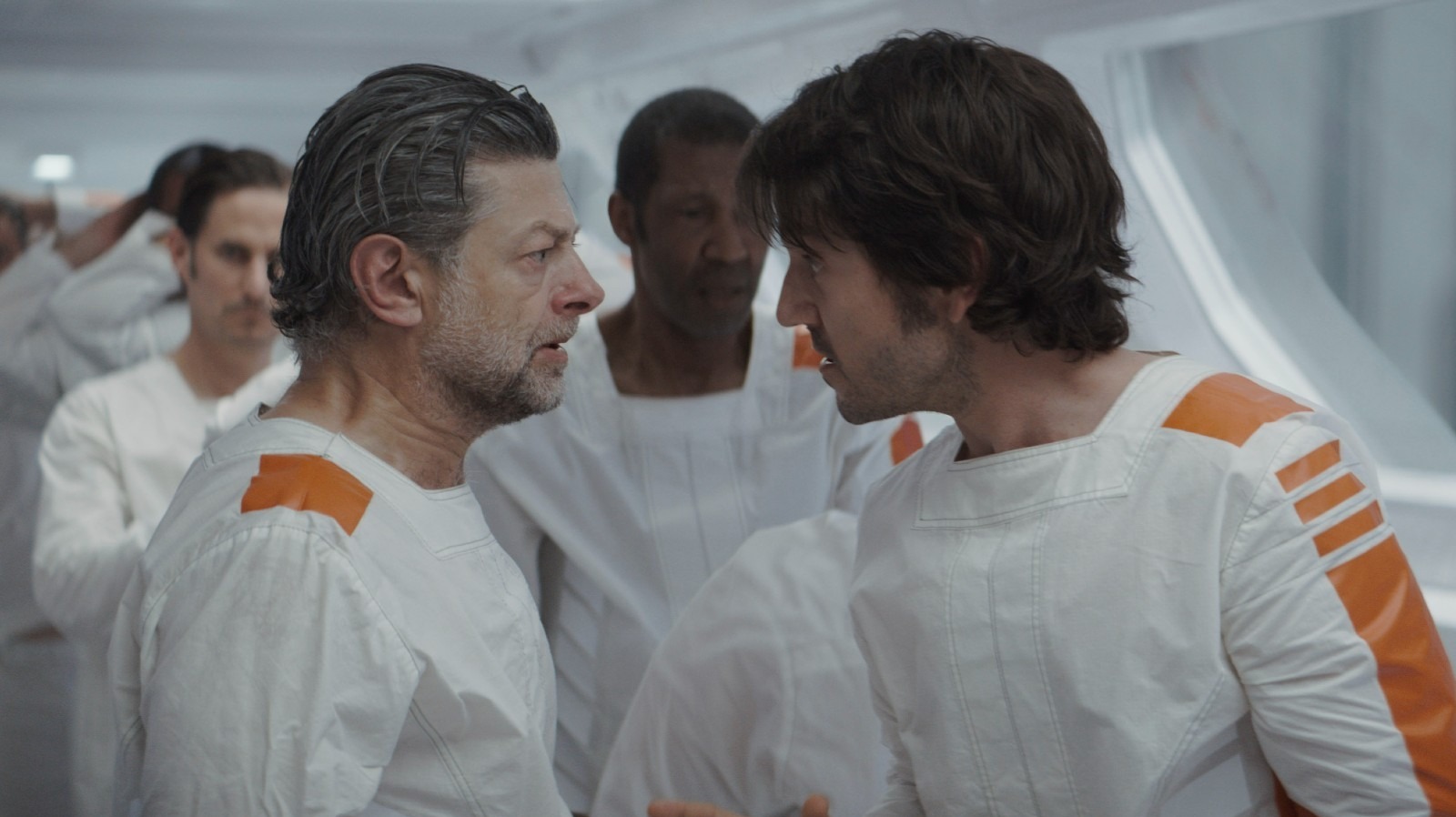
These interactions between characters, many of whom never meet one another, are a true highlight for the show as is the acting from the many actors. Stellan Skarsgård gives a triumphant performance as Luthen, a morally compromised Rebel agent who recruits Andor and is all too willing to let others, including Andor, do his dirty work. In the best episode of the season, called “One Way Out”, Luthen gives a terrific speech about the choices we make and how they trap us. Andy Serkis appears in a few episodes as Kino, a floor manager in an imperial prison and supervises Andor, who was unjustly imprisoned there for hard labor. Andor encourages Kino to question their grim existence in the prison and to foment a prison break. The episode “One Way Out” where these two and other prisoners defy authorities and break out was one of the most thrilling and intense moments in Star Wars.

The series has about four story arcs that start off calmly and deliberately takes time to come to a conclusion. During the arcs, the series introduces fascinating characters, while developing other characters established earlier in the show. For instance, Andor follows a parallel journey of Syrill Karn (Kyle Soller), a low-level inspector who is obsessed with tracking down Andor. His actions do not endear him with the bureaucratic Empire, but he has a dogged determination to find his prey just like Inspector Javert in Les Miserables.

But a criticism about the show is that many sub plots and character arcs are introduced, but many of them are not concluded by the time of the final episode.

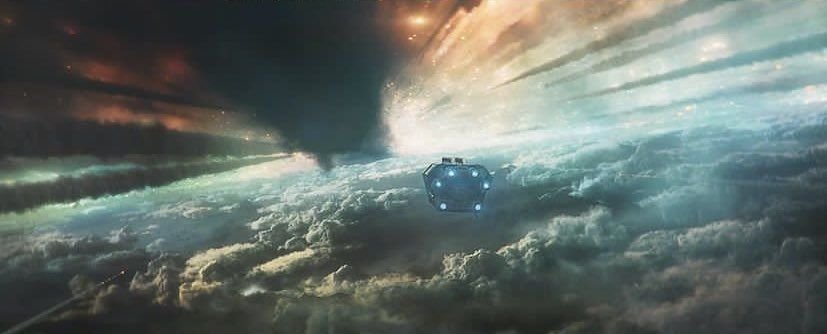
The many complaints from some Star Wars fans that Andor is too slow are a legitimate gripe. But the payoffs for the arcs are brilliant and intense, such as with “One Way Out”, “Rix Road” and “The Eye”. The tension was very gripping as Andor and his Rebel colleagues pulled off the heist on the depository in “The Eye” or when the prison break is about to happen. By the time the tension is broken by many action scenes, such as when Andor and Luthen escape Ferrix, or when Andor commandeers an imperial ship after the heist, well, these moments were so cathartic.  

It is true the show’s pace can be slow at times, but the pay off was well worth the patience it took to watch the episodes.

Perhaps the reason for the complaints about the show is that many times it does not feel like it takes place in the Star Wars universe and that is probably its greatest strength. None of the characters about the Force; for the most part we rarely see signs of the Empire in the early episodes; and the typical Star Wars blaster fights and space battles are rare.

Life in these worlds seems harsh and gritty as we see the Empire’s demoralizing effect on them. In fact, the pilot episode “Kassa” seemed like a cyberpunk show that took place in a seedy futuristic city. Occasionally, curse words are spoken, and it is quite clear during some scenes that characters had sex or relieved themselves. Characters deal with morally ambiguous situations, such as Mon Mothma’s (Genevieve O’Reilly) machinations to fund the growing rebellion in secret, or with Luthen allowing fellow Rebels to fall into imperial traps or being willing to kill Andor in order to protect the larger rebellion against the Empire.

So, yes, Andor is more mature and adult oriented than the typical Star Wars story. It and its showrunners like Tony Gilroy must be commended for going in a different direction. That is because by trying to be a different Star Wars story, Andor has proven that Star Wars can be a rich and complex universe.

She-Hulk Smashes Her TV Show

She-Hulk: Attorney at Law just completed its season at Disney + with a literal smashing finale that went all out with comedy, guest stars, and unexpected meta moments as She-Hulk destroyed the fourth wall in her TV show.

Tatiana Maslany starred as both Los Angeles-based lawyer Jennifer Walters and her alter ego, the sensational She-Hulk. In the pilot episode, Jennifer is involved in a car accident with her cousin Bruce Banner aka the Hulk (Mark Ruffalo), and his gamma-infused blood is mixed with hers, which turns her into She-Hulk. Unlike Banner, Jennifer is able to maintain her personality when she transforms into She-Hulk, and is able to continue her career as an attorney, who now represents superhumans in court.

The Disney + show set in the Marvel Cinematic Universe (MCU) is supposed to be the first comedy series for the MCU as numerous guest stars and new characters popped into the show. Many of them were obcure Marvel Comics characters, others were more notable MCU personalities like the Sorcerer Supreme Wong (Benedict Wong) and Emil Blonsky/Abomination (Tim Roth) and most recently Matt Murdock/Daredevil (Charlie Cox). Many of these guests are welcome, though with his many appearances in recent MCU projects, Wong is starting to overstay his welcome. Meanwhile, with his charm, Cox practically stole the episode he first appeared in, which was one of the best in the series.

It was alarming that the Daredevil-centric episode was one of the best because it was the second-to-last episode. Many episodes felt flat and too cute, and worst of all, a couple were not funny, which is deadly for a comedy. There was a feeling throughout most of the series that it was playing things too safe and holding back its punches. A good example was when She-Hulk breaks the fourth wall during episodes. For anyone who does not understand, breaking the fourth wall is a narrative technique where a character in a story directly addresses the audience and steps outside of the story to do so. We’ve seen this done in the Deadpool films and comics, though She-Hulk did this first in John Byrne’s The Sensational She-Hulk Marvel Comics series to great effect.

In the TV show, the fourth-wall breaking was sparingly done to add some wry commentary to what was going on. While the comments were humorous the show did not run with this technique until the final episode, which happened to be its the best. During the third act, a frustrated She-Hulk has had enough with a predictable slugfest that made little sense and actually left the series, broke out of the Disney + menu and entered the real world looking for Kevin Feige, the head of Marvel Studios. Antics like this often occured in the comic books and should have happened more often in the TV show. These antics were not the only hysterical moments, but the opening credits for the episde was a hilarious recreation of the 1970s TV show The Incredible Hulk, but with Jennifer Walters and She-Hulk acting out scenes originated by Bill Bixby and Lou Ferigno. Things like that should have happened more often in She-Hulk: Attorney at Law, which turned out to be a very light-hearted legal dramedy. To be honest, if the show was not set in the MCU and was just a regular legal comedy, most of us would not bother to watch it.

Another thing that was deadly at times for She-Hulk: Attorney at Law were its special effects. It had its moments, but many times, the CG was quite dodgy and rushed. There were reports about how overstretched special effects companies were with MCU properties and this show is evidence of that. It’s a shame because MCU films and TV shows have great special effects. But here with this show, it had to convince us that this ultra tall, green woman actually existed, but on too many occasions the show failed to trick us. It might have been better if they use more conventional tricks like makeup and tall body doubles instead. Let’s hope Marvel Studios goes back and patches up the effects in She-Hulk: Attorney at Law because it is sorely needed.

Continue reading

Werewolf By Night Harkens Back To Classic Horror Films

The latest offering from the Marvel Cinematic Universe (MCU), Werewolf by Night, was just released on Disney + in time for the Halloween season. Werewolf by Night is actually a rarity these days, a television film and only about an hour, at that. More interesting is that like many projects in the MCU’s Phase Four, it is not the typical superhero slugfest. In fact, the film does not make any kind of overt connection to the larger MCU, but it ends up enriching the MCU with its solidly supernatural motif.

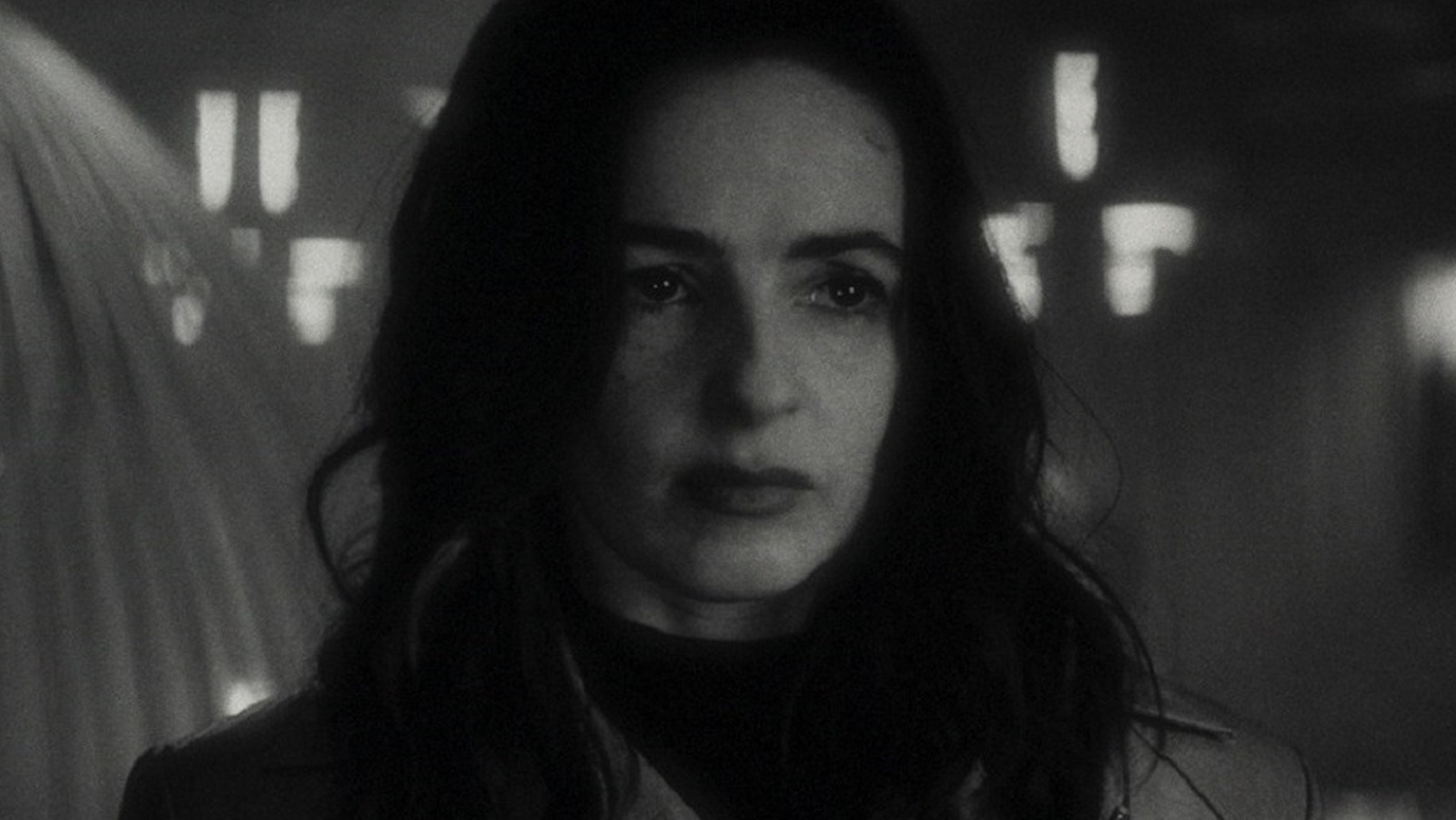
Filmed largely in black and white, the film follows Jack Russell (Gael Garcia Bernal), a so-called monster hunter, who arrives at a spooky manor and participates in a ceremonial hunt of a captured monster held in a maze in the manor’s grounds. The prize for finding the monster is a mystical stone called the Bloodstone that was once wielded by Ulysses Bloodstone, who died recently. During the hunt, Jack teams up with fellow monster hunter Elsa Bloodstone (Laura Donnelly), the estranged daughter of Ulysses Bloodstone. Jack is only interested in finding the monster, while Elsa wants the Bloodstone. During the hunt the two must deal with rival monster hunters and Jack’s hidden secrets.

Werewolf by Night, is surprisingly fun and spooky. It clearly harkens back to the old Universal classic horror films from the ’40s featuring Dracula, the Wolfwman and other famous monsters. But the film also has a grindhouse, 1970s feel with its graphic violence (muted by the black and white photography), it is probably the most violent MCU offering to date and is appropriate for this kind of project.

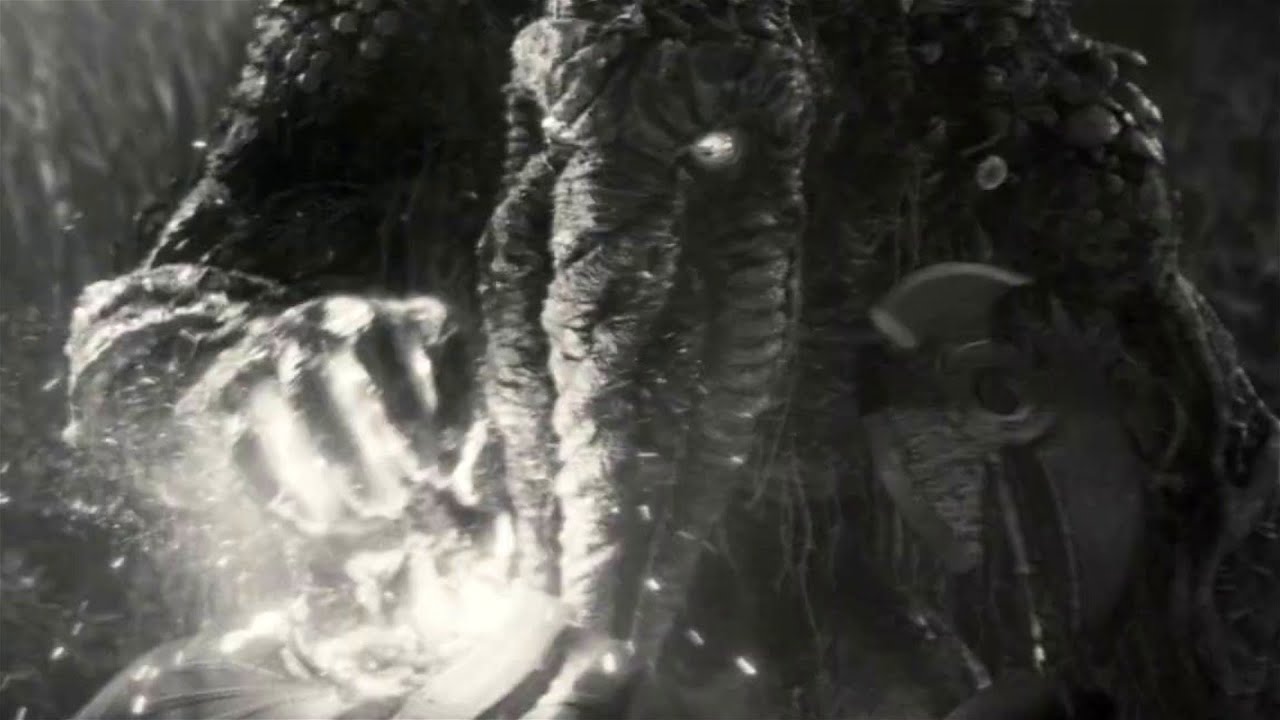
The film’s atmosphere is perfect for the story it tells and has the right amount of jump scares and thrills. The film could have benefited from a slightly longer length to flesh out the story and characters, but supposedly there was extra footage that was deleted because they were too comical and Marvel Studios is smarting over recent criticism that their projects are too comical. It would be a joy to see a followup to Werewolf by Night, as there is so much about Jack Russell and Elsa Bloodstone that we viewers are not aware of and there is a lot of potential with the those two. Also, it would be interesting to see how they fit in with the larger MCU, and the same goes for the third standout character in the film, Man-Thing. In addition to the Werewolf, the hulking, moss-covered monstrosity is perfectly comics accurate and imposing. The effects used to bring the creature to life were very impressive, in fact, it was clear most of the film’s budget was held back to benefit Man-Thing’s appearances. If anything, a Man-Thing spinoff film or series must be made.

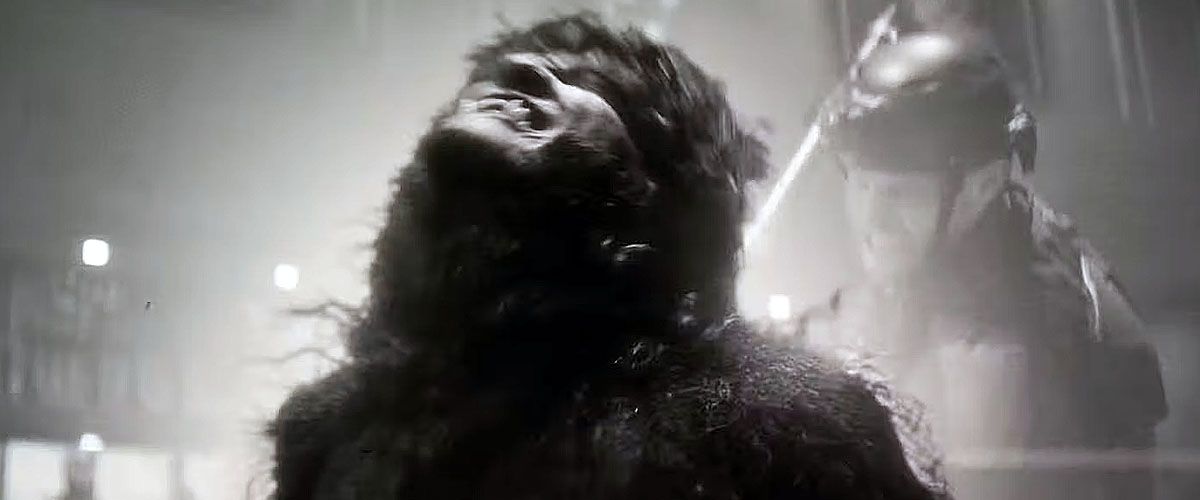
As for the title character, he was obviously a person wearing monster makeup, but it was a refreshing throwback to the CG that has taken over. More importantly despite the low-tech approach to how he is presented, the monstrous Werewolf was very terrifying with his savage and animalistic fights.

Director Michael Giacchino creates a moody and dark atmosphere filled with shadows and a sense of dread, which is what made the old Universal horror films so beloved. His directorial debut is quite impressive given that he is best known for his distinct film scores (by the way, he also scored this film and his work was brilliant as always). Given the way he was able to bring out the scares and deliver a solid horror film, he should be seriously considered to direct the Blade film, given that Marvel Studios is now scrambling to find a director for that project. Werewolf by Night demonstrates that Giacchino has the skills to give us a great vampire film.

Unlike some misfires in Phase Four of the MCU, Werewolf by Night is a textbook example of doing something different that engages the viewers and unveals spooky new corners of the growing MCU.

José Soto

Prey Introduces A New Kind Of Predator Film

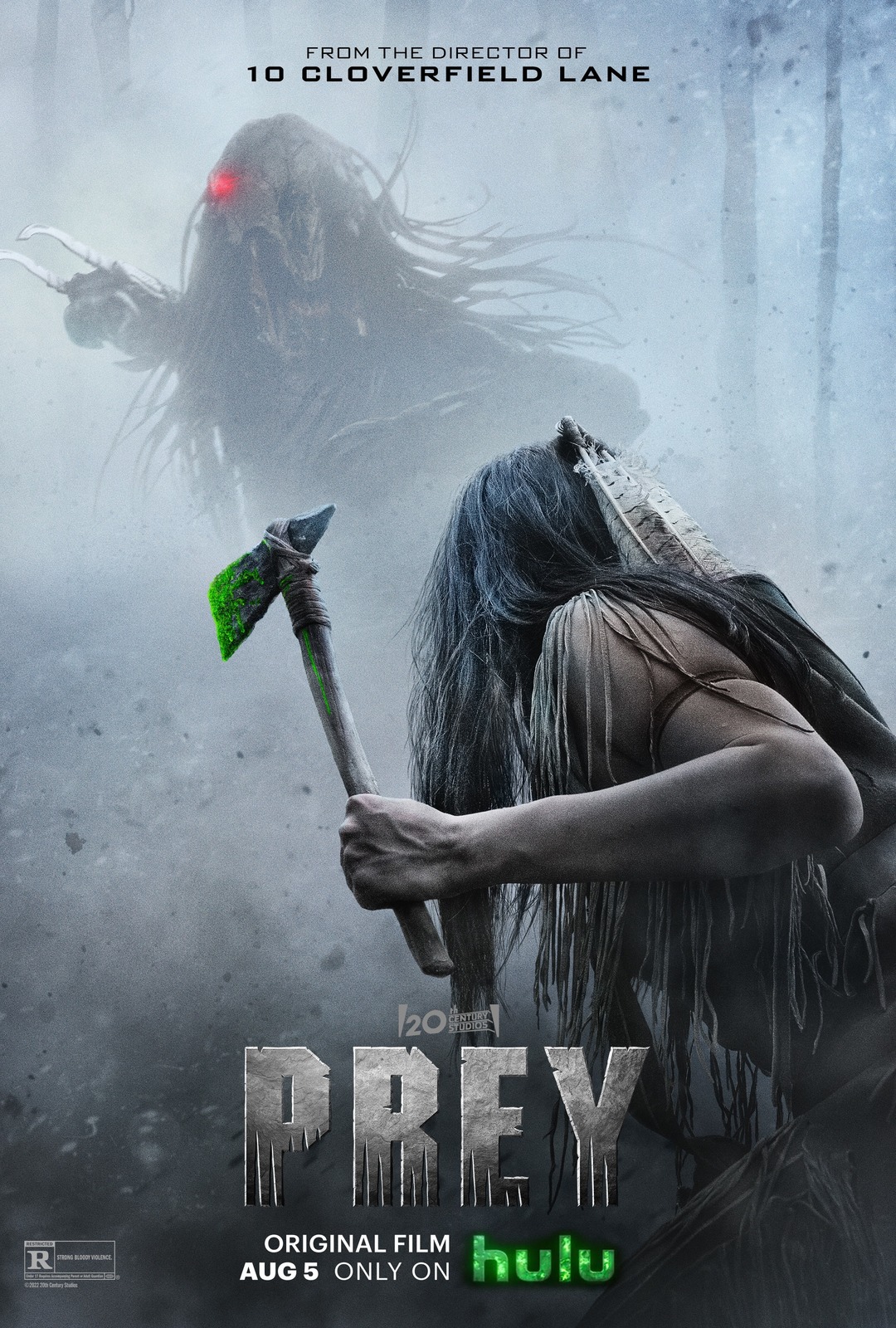
Prey is the latest in the Predator film franchise and it premiered recently on Hulu to well-deserved praise. The film stands out from the previous Predator films in many ways, such as not having Predator in the title, taking place in our distant past, and having a different kind of protagonist. Yet, despite these changes, Prey still has the core elements of a classic Predator film, while bringing forth a fresh, new take for the franchise.

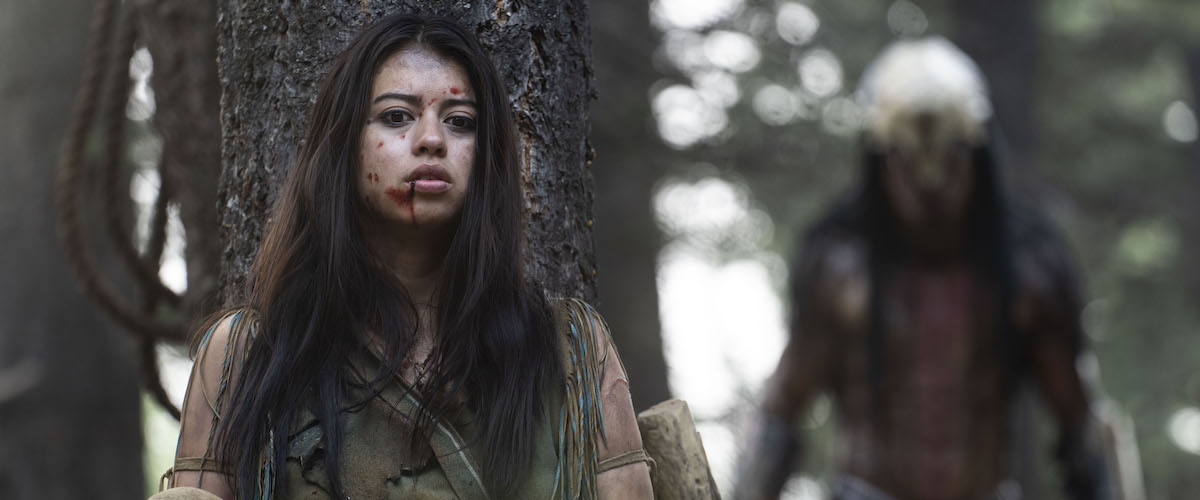
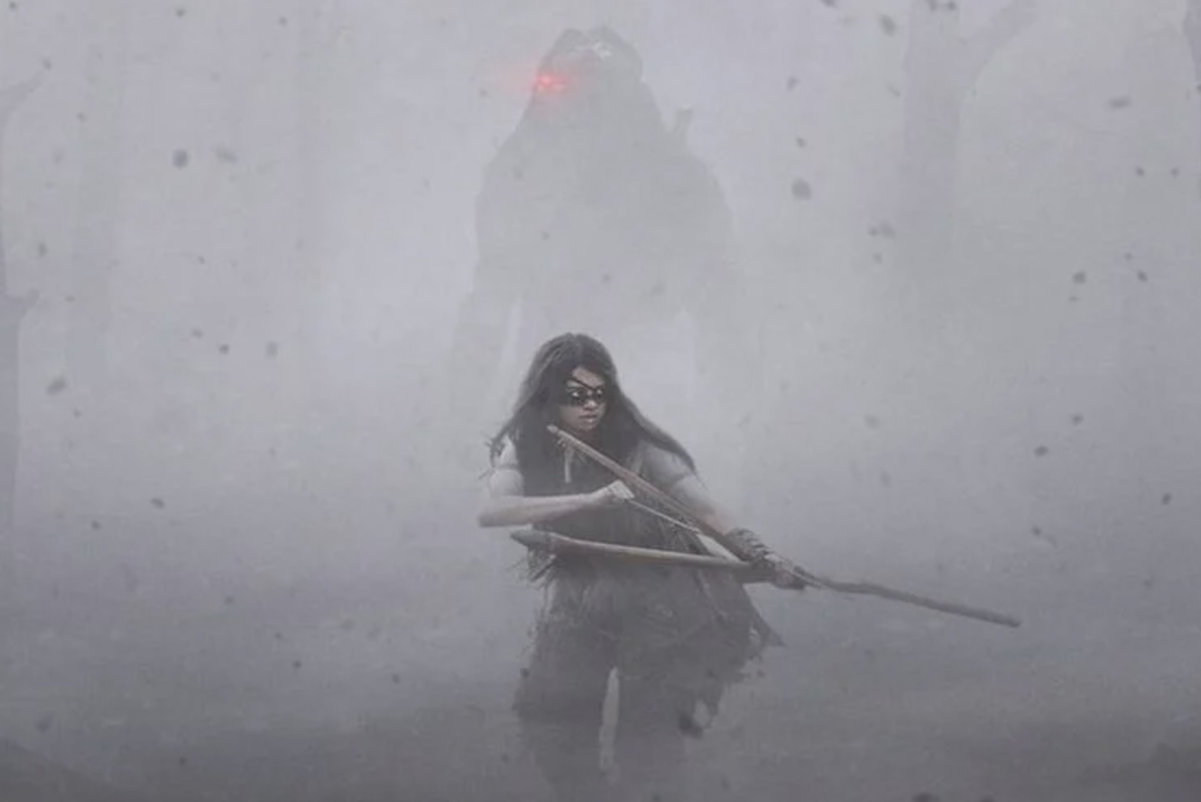
Amber Midthunder stars as Naru, a young Comanche woman in North America during the early 1700s, who is a healer but wants to become a brave hunter like her brother Taabe (Dakota Beavers). While tracking prey with her dog, Sarii, she spots an alien ship entering Earth’s atmosphere, which she interprets as a sign to prove herself as a hunter. After Taabe allows her to join his hunting party, Naru comes across tracks and signs of an unusual creature lurking in the wilderness near her tribe’s location. This nearly invisible creature is revealed to be a Predator who systematically hunts predatory animals until it works its way up to its most formidable targeted prey: humans. Before long, the paths of the Predator and Naru cross as she faces her ultimate test as a hunter while armed only with ancient tools and her wits.

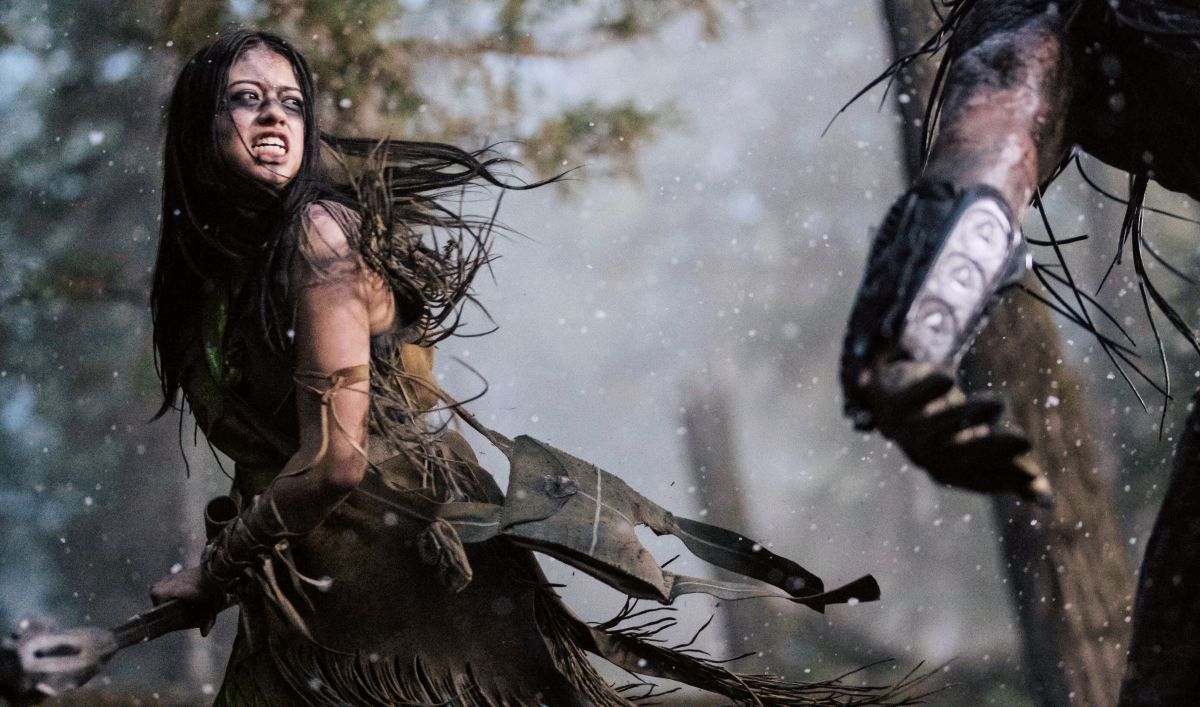
Based on the premise, Prey differs from the typical Predator film not just with it taking place in the past but more importantly with its protagonist. Unlike the other films, the main hero in Prey is a young woman who does not have any modern weapons or any concept of dealing with extra-terrestrials. In fact, the people in the film think the Predator is some kind of demonic entity. Getting back to Naru, what made her situation more meaningful is that she is much more vulnerable to the Predator unlike the bulked-up action heroes brandishing modern weapons in previous films who had some kind of chance against the formidable alien hunter. However, Naru shares the same trait that the previous heroes had in that she uses her wits and physical skills to go up against the Predator, which evens the odds when the two confront each other.

So much of the film relies on the character of Naru, as she not only has to fight the Predato,r but prove to herself and her tribe that she is a brave warrior. Amber Midthunder brilliantly brings her character to life and makes her a sympathetic underdog whose braveness and cunning makes her an underestimated prey for the alien.

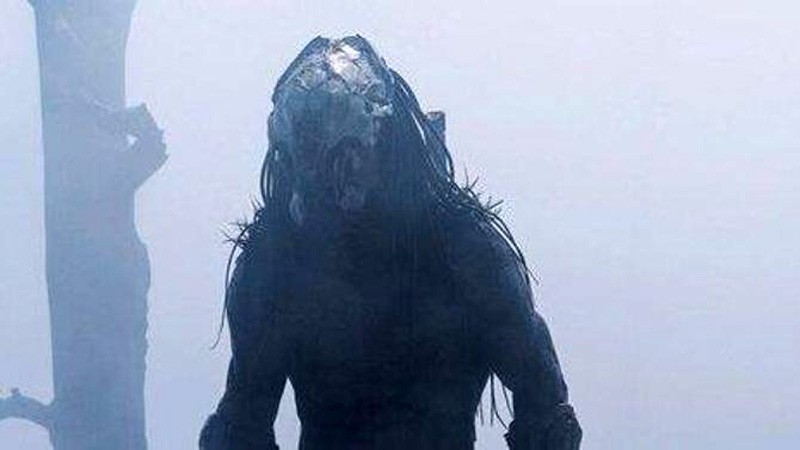
As for the Predator itself, despite four previous films (not counting the Alien Vs. Predator films), the creature is still a terrifying killing machine with nasty alien weapons. What is interesting about the weapons is that although they are advanced, they are not as high tech as the ones used by other Predators. This makes sense since this film takes place hundreds of years in the past.

Having the film take place in the distant past was a brillaint idea and something that was long overdue. Ever since the end of Predator 2 hinted that the Predators have visited Earth for a long time, this revelation opened up so many possibilities, but the following Predator films failed to take advantage of this, unlike the Dark Horse Comics series. Having Predator films take place at different times and locations should be fully explored. Who would not want to see a Predator film taking place in feudal Japan? Or having the alien hunter face off against Vikings? Hopefully, if there are more films, they could go in this direction.

On a technical level, Prey is topnotch with beautiful outdoor cinematography (credit goes to Jeff Cutter), tight editing, and minimal use of CG. Director Dan Tractenberg, follows up his 10 Cloverfield Lane with another suspenseful yarn with thrilling fight scenes and genuine moments of tension. To his credit, the director uses his limited amount of screen time to infuse the film with organic character moments, which embellish the humans onscreen.

As mentioned before, it would be great to see more Predator films in this vein. After the previous dismal film, The Predator, it seemed that the franchise was creatively extinct. Thankfully, Prey invigorates it with a simple, tight and innovative film that emphasizes the tenuous relationship between predator and prey.