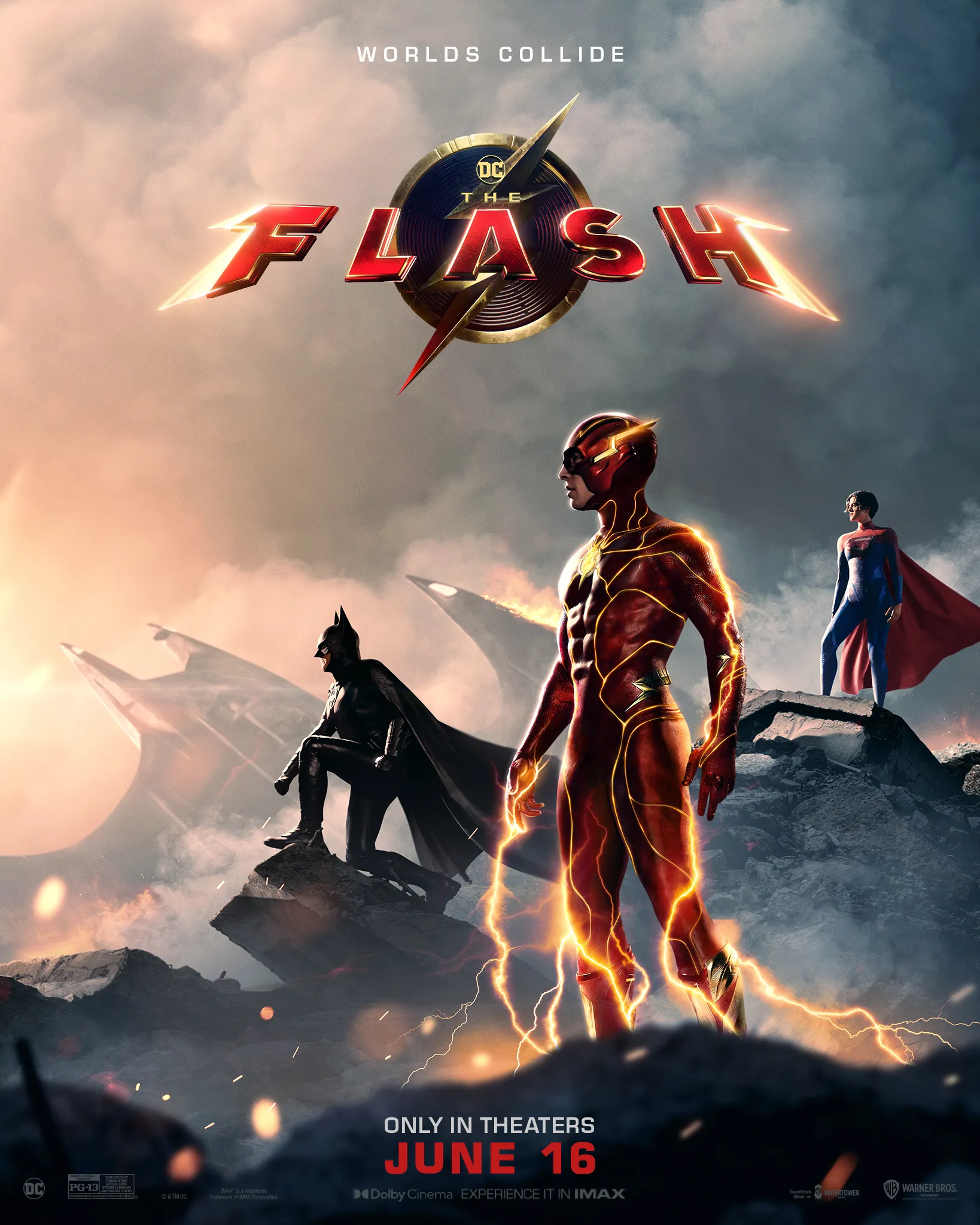
The Flash Is A Fun Sendoff For The DCEU

After years of delays and behind-the-scenes controversies, The Flash, the “final” film of the DC Extended Universe (DCEU), is finally here. Fortunately, despite its flaws and the real-life, alleged criminal actions of its star Ezra Miller, the film was worth the wait.

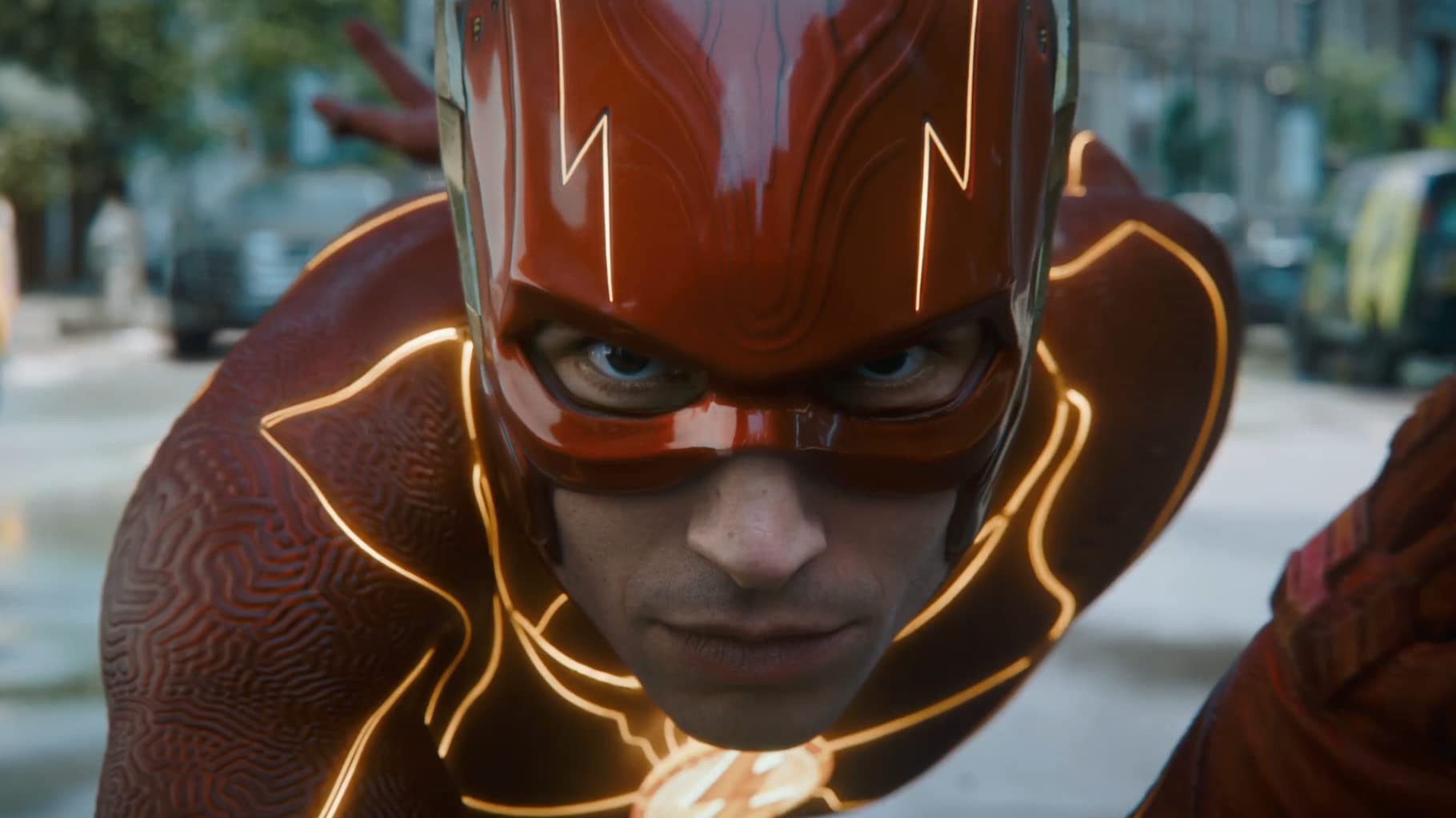
The Flash is a very loose adaptation of the Flashpoint DC Comics mini-series where time-travel actions by the Flash disrupt his timeline. The film takes place during a day-in-the-life of the titular character, Barry Allen aka the Flash (Miller), who performs his superspeed heroics while carrying on in his lonely civilian life. He is trying to find evidence to prove that his father, Henry (Ron Livingston) is innocent of killing Barry’s mother, Nora (Maribel Verdú), when Barry was a child. During a moment of grief, Barry runs so fast he momentarily time travels. This gives him the idea to use his abilities to go further back in time to save his mother. Even though his friend Bruce Wayne/Batman (Ben Affleck) warns him of the dangers with tampering with time, Barry decides to go through his plan anyway and succeeds.

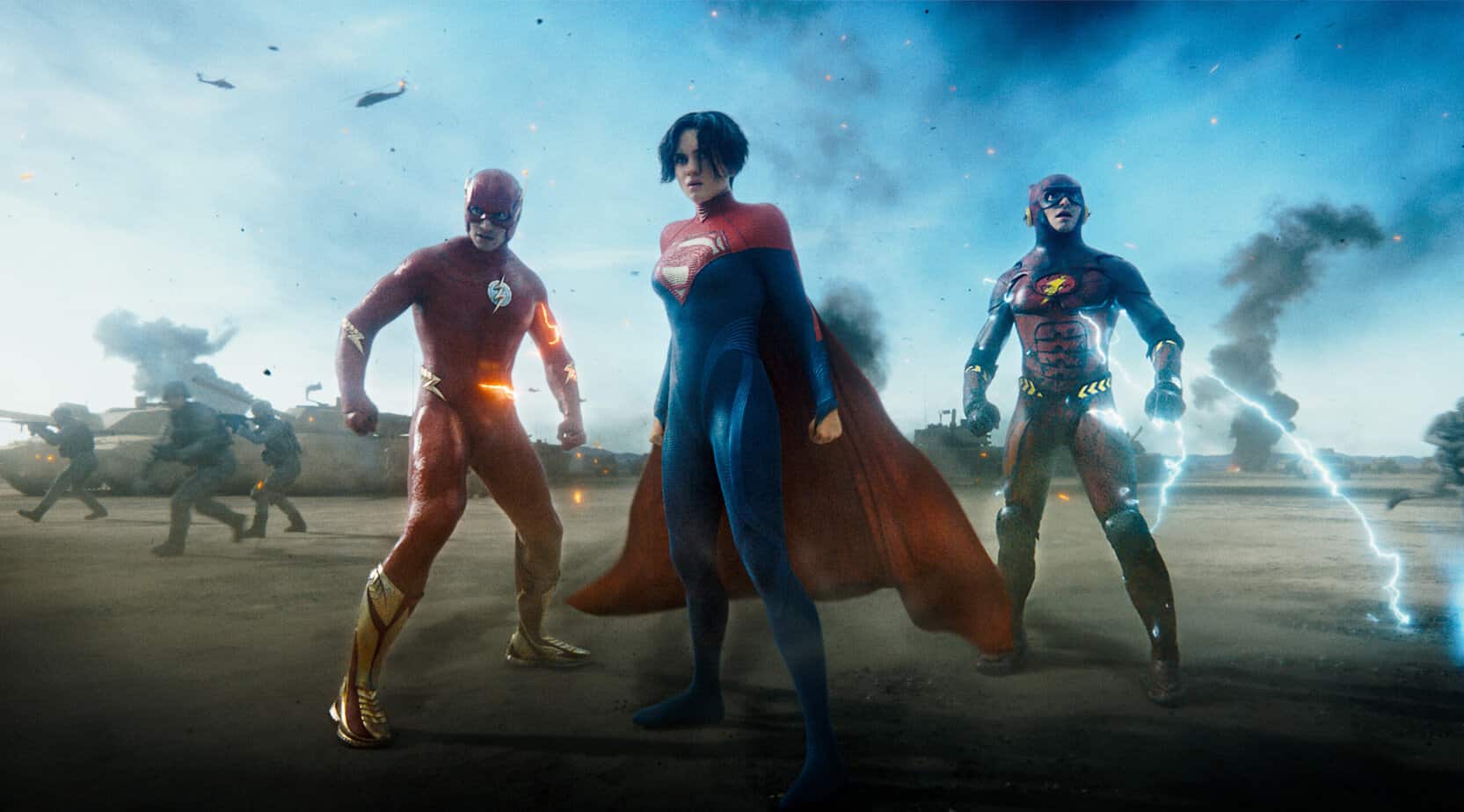
During his journey back to his own time, Barry becomes stranded ten years in his past. After reuniting with his mother and father, Barry soon encounters his younger self and realizes he arrived at the day when he got his superspeed powers. The attempt to ensure that the younger Barry gets his powers succeeds, but the present-day Barry loses his powers. What’s worse is that a short while later, the Kryptonian warlord Zod (Michael Shannon) arrives with his army on Earth to conquer the planet. Barry learns that in this world Superman, who defeated Zod in Man of Steel, does not exist and the only existing superhero is a retired Batman (Michael Keaton). It is up to the three to find a way to defeat Zod and recreate Barry’s powers.

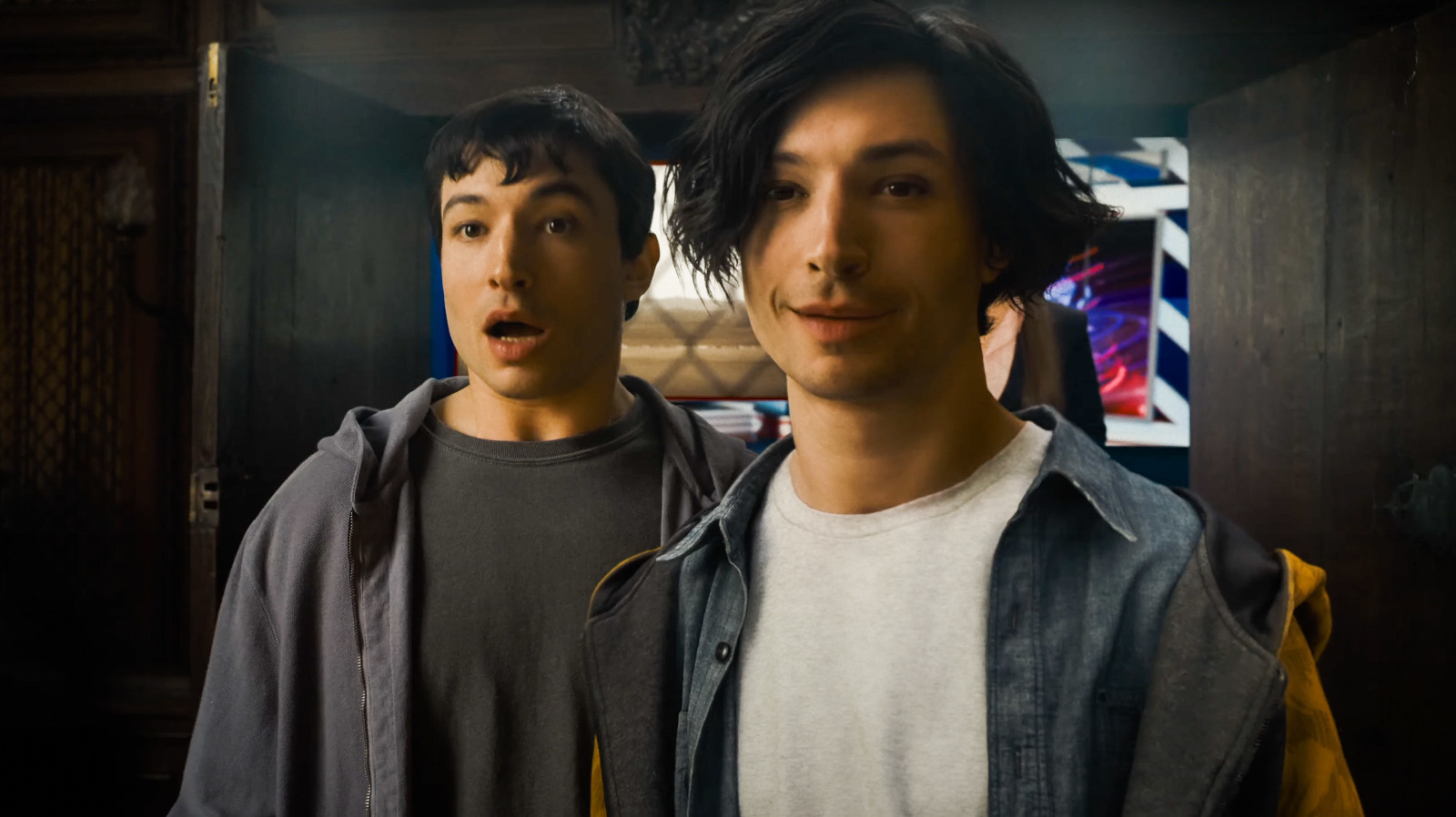
There is so much to enjoy in The Flash, which is one of the best DCEU films. Let’s start with Miller’s performance as both Barrys. Yes, the DCEU version may be too strange and quirky, but Miller is able to create two distinct versions of the same character. One who is immature and very obnoxious, while the slightly older version is more mature, sensible and even sympathetic, although his brash actions created the temporal crisis. The way the film had the actor interact with his film was flawless thanks to clever editing and effects.

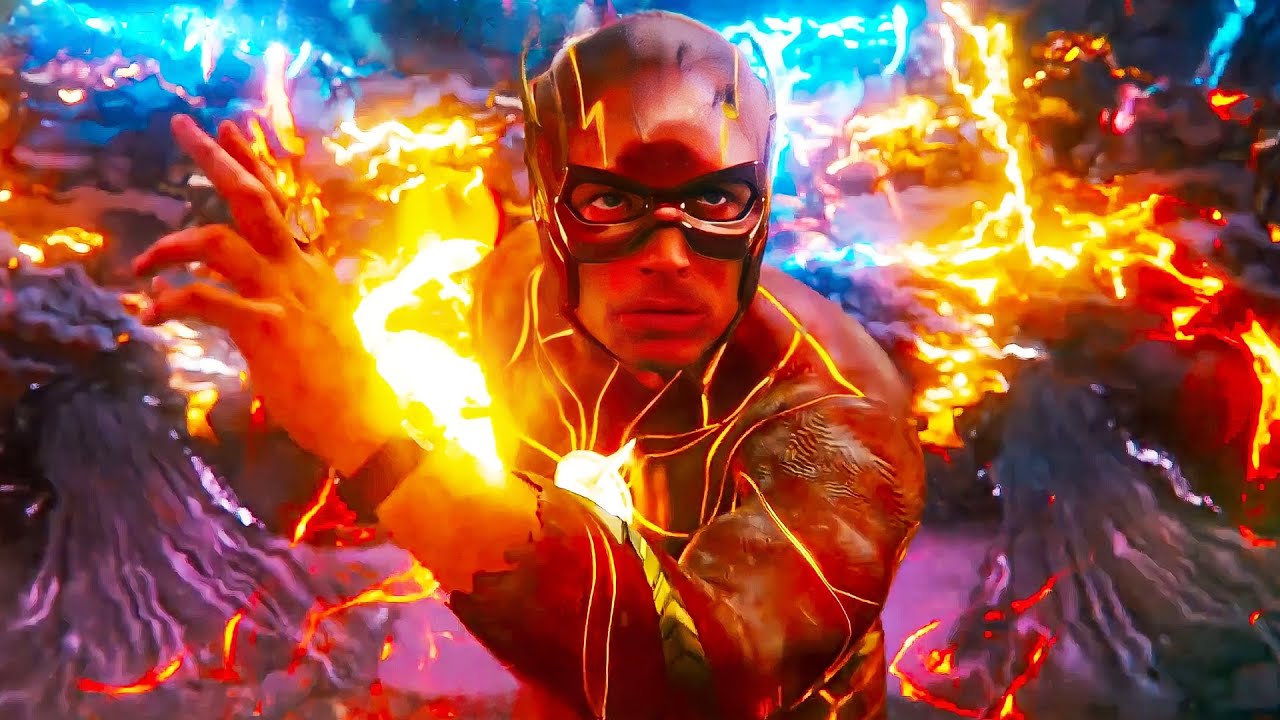
Speaking of effects, they are the one major flaw of The Flash. Several sequences are masterful and eye-popping, especially whenever the Flash travels through the speed force, or when our heroes and Supergirl (Sasha Calle) battle Zod and his forces. But other times it is painfully obvious that bad CG is being used. This happens in the film’s opening scenes when the Flash tries to save a bunch of fake-looking infants who are falling from a high-rise hospital and at one point later in the film when several characters are showcased in other universes. It’s not clear what happened, perhaps the producers ran out of money and the film studio Warner Bros. refused to provide more funds. Director Andy Muschietti offered a nonsensical explanation that this was intentional so we could see how the Flash sees the world around him while he is traveling at hyper speeds. Bullshit!

We’ll probably get the real story years from now. But seriously, it would have been better if stock footage from other films and TV shows were used during the scenes where the Flash views other universes. This worked in the recent episode of Titans when Beast Boy glimpsed other universes including the DCEU. What was surprising was that we did not see the CW/Arrowverse version of the Flash played by Grant Gustin. This was unusual since Miller made a brief cameo as the Flash during the Arrowverse’s “Crisis on Infinite Earths” event a few years ago. The other cameos seen are fun especially for DC fans.  

Uneven special effects aside, The Flash is a fun, surprisingly humorous and spirited superhero film that has a lot of heart. Its last merit is rather surprising and credit goes to Miller and Muschietti. The emotional beats are very aching during the film’s final act when Barry has to acknowledge some painful truths about life. There was one scene near the very end that was so heart wrenching even though it was inevitable.

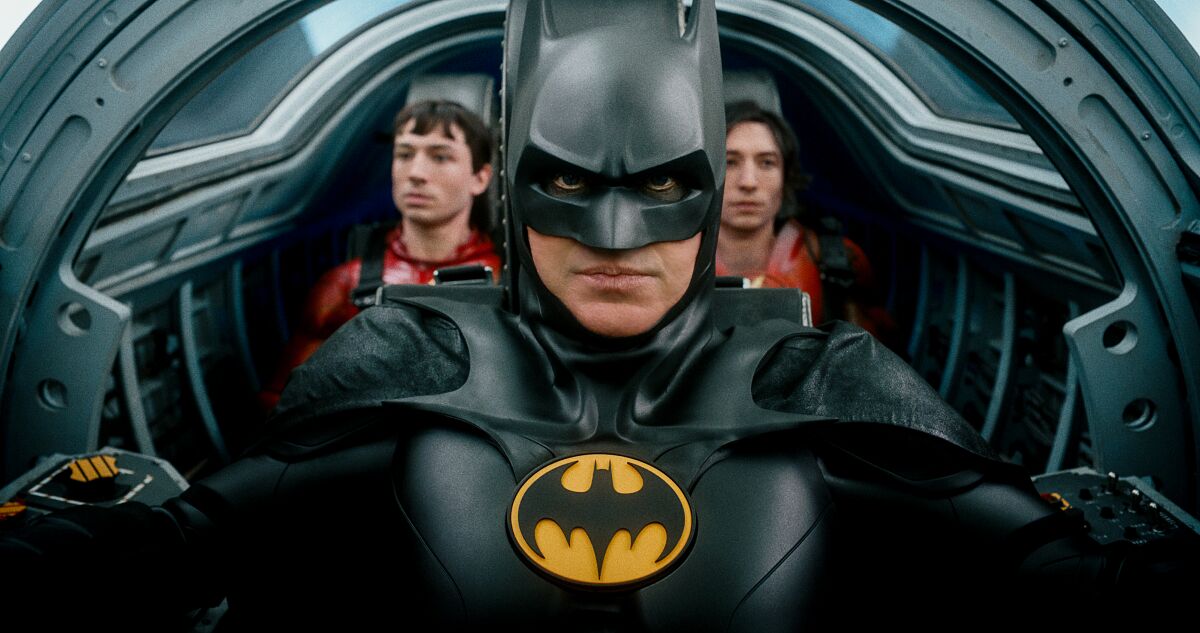
As well as Miller was in both roles, the other performers like Keaton and Calle also turn in fine performances. Obviously, it was great seeing Keaton reprise his iconic role as he found a new spark and purpose in his life, which was to help Barry.  The relationship between the two was the heart of Flashpoint and was essentially recreated in this film, although the film has little to do with the comic book storyline. It was also a treat to see Affleck reprising his role as Batman, as well, even though this will be the actor’s final performance as the superhero. The one brief moment we see his version of Bruce interacting with Barry showed the two have a natural chemistry and it will be missed.

Without going into spoilers it is not clear where the film leaves off in terms of the disrupted timeline. There was an original ending that was nixed in favor of what turns out to be a joke, and a bad one at that for those who loathe some of the older Batman films. Given its dismal box office performance and Miller’s situation it is doubtful this version of the Flash will return as this is the end of the DCEU. Still, The Flash is an enjoyable time-travel/superhero yarn that sends off the DCEU on a high note.

Spider-Man: Across the Spider-Verse Embarks On A Stunning, Visual Journey Throughout The Spider-Verse

When it was announced that the release date for Spider-Man: Across the Spider-Verse was delayed, there was reason for alarm. Originally the sequel to Spider-Man: Into the Spider-Verse was supposed to have come out last year, but its release was pushed to this year. Often such significant delays mean that the production of a film is troubled and the finished product winds up being a disappointment. Thankfully, that is not the case with Spider-Man: Across the Spider-Verse, which excels past Spider-Man: Into the Spider-Verse in so many ways in terms of story and visuals.

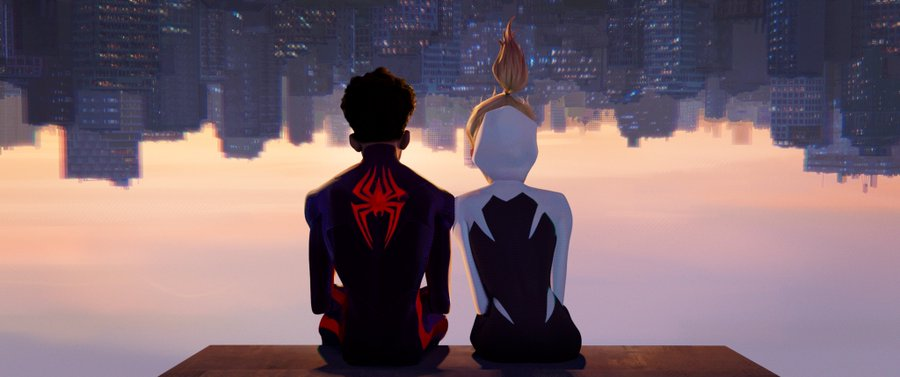
Spider-Man: Across the Spider-Verse opens with Gwen Stacy (Hailee Steinfeld) recounting her life as Spider-Woman (or Spider-Gwen) in her own universe and why she left it to explore other universes with different variants of Spider-Man and Spider-Woman. After the lengthy prologue, we meet again Miles Morales (Shameik Moore), the Spider-Man of Universe 1610. He has the typical Spider-Man struggles of juggling his civilian life as a teenager with that of fighting crime as Spider-Man.

On his way to meet his parents, Rio (Luna Lauren Velez) and Jefferson (Brian Tyree Henry), Spider-Man comes across a supervillain called the Spot (Jason Schwartzman), whose body is covered with removable spots that are portals throughout inter-dimensional space. For example, if Spider-Man punches him in the chest and there is a spot there, Spider-Man’s fist will go through the spot and emerge behind Spider-Man to end up hitting the superhero instead.

The Spot is obsessed with getting revenge on Spider-Man because he blames the superhero for his dilemma. It turns out he was one of the scientists present in the first film where Miles and other Spider-powered heroes destroyed a collider machine that allowed travel between universes. The Spot gained his powers after being caught in the explosion of the collider and we also find out that the scientist was partly responsible for Miles becoming Spider-Man.

After the Spot is defeated and humiliated by Spider-Man, he gains the ability to travel throughout the multiverse and seeks out other colliders in those universes to empower himself even more. This decision will not only endanger the multiverse but severely affect Miles’ personal life.

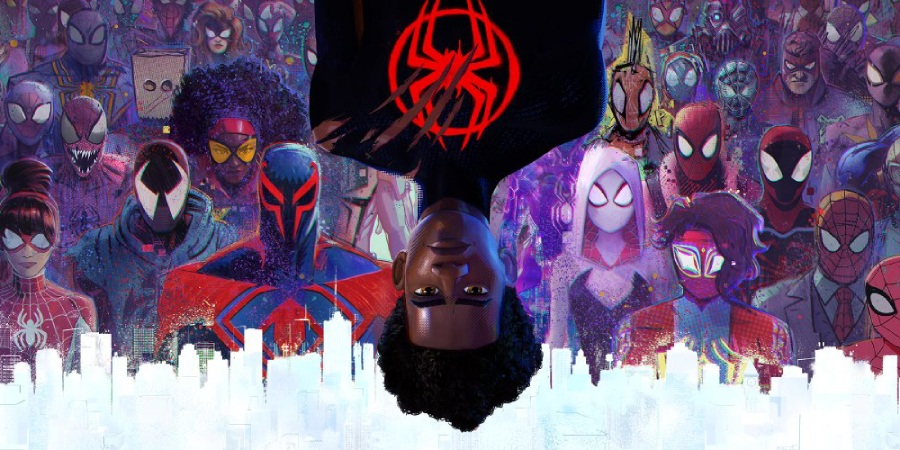
As the Spot explores other realities, Miles is visited by Spider-Gwen, who is now part of the inter-dimensional Spider-Society that guards the Web of Life and Destiny by seeking out dimensional anomalies throughout the multiverse. She was looking for the Spot, who has become an anomaly traveling throughout several universes. Miles soon joins her as she returns to Spider-Society headquarters on Earth 928 and meets numerous variants of Spider-Man and Spider-Woman, including their leader, Spider-Man 2099 (Oscar Isaac).

Spider-Man 2099 explains to Miles that all the universes are intertwined in a delicate metaphysical web with canon events, which are important moments in time for those universes. Disrupting those events will eventually unravel universes and this affects Miles in a crucial way after learning that in all of the Spider-Men and Spider-Women universes have canon events that involve the deaths of distinct police captains. Miles deduces that his father, who was just promoted to a captain, will soon die. He comes into direct conflict with the Spider-Society since he resolves to save his father at all costs, canon event be damned.

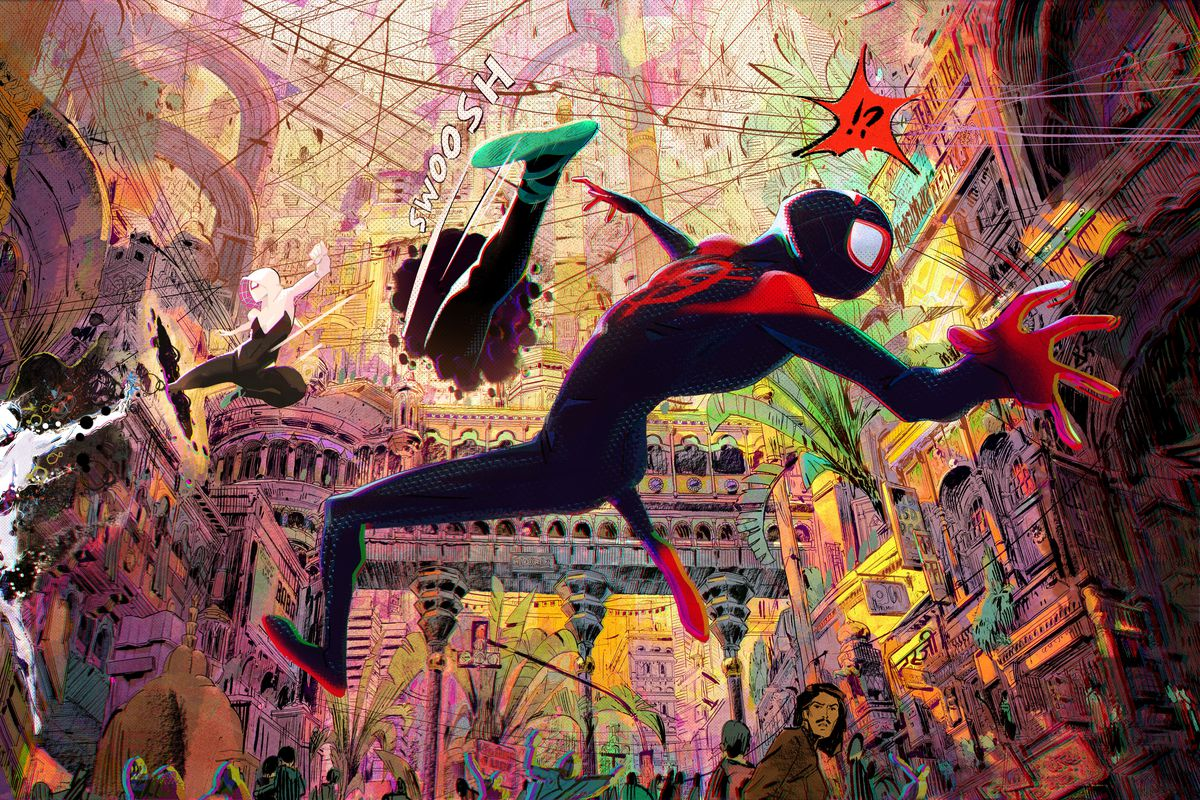
In this day and age of overhype from fans and critics it is easy to dismiss praise for many films. However, Spider-Man: Across the Spider-Verse lives up to the hype because it is truly one of the finest animated and superhero films ever produced. Like the first film, Spider-Man: Across the Spider-Verse is a visual feast that incorporates different animation styles and frame rates. The best examples of this are with how Spider-Gwen is represented with soft watercolor palettes, while Spider-Punk (Daniel Kaluuya) is animated with harsh punk rock art whose clothing is animated at a different frame rate than the character himself. In other examples, the heroes fight a Vulture (Jorma Taccone) from a Renaissance-styled universe looks like a Da Vinci sketch that has come to animated life with sepia colors; we also meet Ben Reilly/Scarlet Spider (Adam Sanberg), who is animated as a ‘90s-style character with overripe muscle lines and bright colors.

The visual canvas of the film is very busy with wild animation and numerous Easter eggs. Some scenes feature actual panels from classic Spider-Man comics and even images from live-action films. It will take numerous viewings of this film for anyone to fully spot all of them. Each scene is so painstakingly animated and colored, which leaves us with a film that is just dazzling to the eyes.

Of course, all of the visuals would be meaningless without compelling story and characters, and Spider-Man: Across the Spider-Verse also excels in this area. So much emotion is conveyed that is either subtle or outlandish. Just like the first film, this sequel is a coming-of-age yarn only with our hero having harder choices to make in his life as he grows into adulthood. Anyone is readily able to relate to Miles’ ethical dilemma of the needs of the many outweighing those of the few and we would probably make the same choice he made. What also helped with the film’s emotional stakes is that it took time to develop Miles’ relationship with his parents, which is full of angst and love. We understand their point of view as they struggle to relate to their son who is growing up to be a man.

Another character who has her own emotional arc is Gwen, who feels alienated and alone in her world. Unable to connect to her father, she in a sense runs away, only in this case she runs away from her universe. The deepening friendship she has with Miles is a true emotional anchor in the film and feels so natural as these two alienated teens are able to connect to one another.

Peter B. Parker (Jake Johnson), who served as a mentor to Miles in Spider-Man: Into the Spider-Verse has a reduced role in this film, which is regrettable. Still, it was a delight seeing him again and what he was been up to. Hopefully, he will have a larger role in the second sequel coming next year.

As many have learned, Spider-Man: Across the Spider-Verse ends on a cliffhanger and it is an intense one. But fear not, Spider-Man: Beyond the Spider-Verse will come out in theaters in March 2024, which is less than a year away and we were able to handle the wait between these films. Given how Spider-Man: Across the Spider-Verse is much better than the original, which in itself was a classic, we can only hope that Spider-Man: Beyond the Spider-Verse will excel past this sequel or at least stick the landing.

 José Soto


Why The Legend of Zelda: Tears of the Kingdom is the Most Legendary Game on the Switch

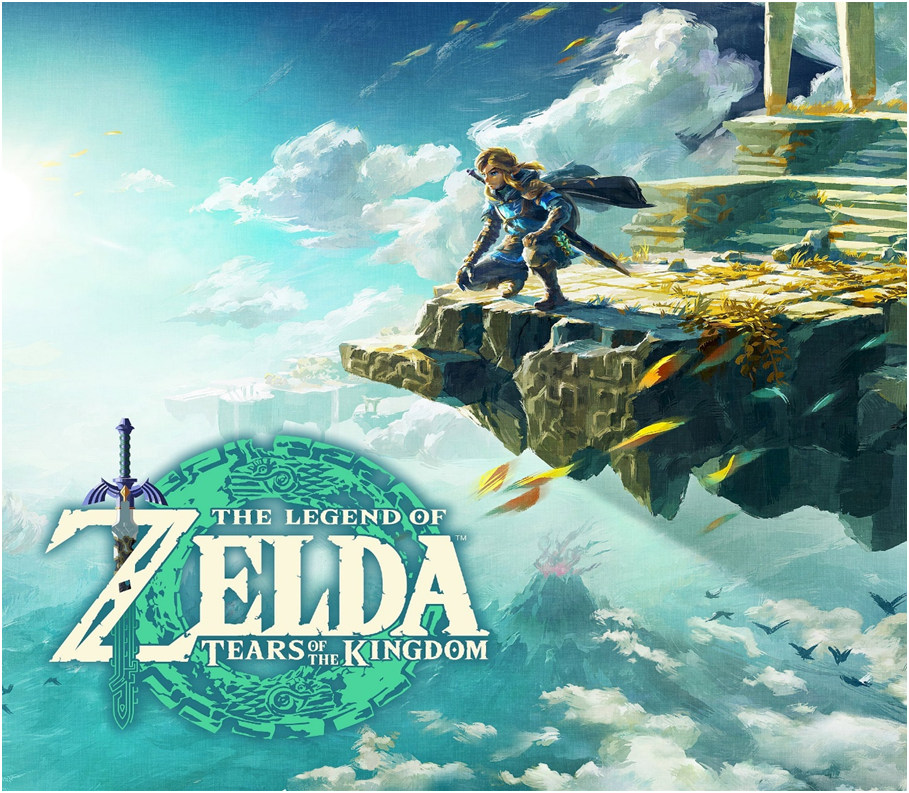
It’s no secret that Zelda fans have been waiting for The Legend of Zelda: Tears of the Kingdom (TOTK), the sequel to Breath of the Wild (BOTW)  to drop, after all, it won the Game of the Year award in 2017, and is considered to be one of the best Nintendo Switch games you could play. After seven long years of waiting, we finally have the game in our hands to play. Is it any good? Is it worth the wait and money? Is it better than BOTW? To answer all of those questions, I say yes!

Story Synopsis

Tears of the Kingdom starts us off under Hyrule Castle, maybe 3-ish years after the events of the last game, exploring the depths because of a substance called Gloom was making people in Hyrule ill. After a little of exploration, you as Link find murals that depict an ancient civilization called the Zonai, and how they played a major part in the creation of Hyrule.

After reading these murals and traveling the depths, you reach a mysterious room where you see a corpse attached to an arm on its chest. The corpse wakes up, starts talking directly to you, and attacks you, which leaves Link’s right arm swallowed in Gloom and the Master Sword shattered. Then the corpse lifts Hyrule Castle into the sky, which sends the corpse and Zelda plummeting down below. You try to reach out for her to no avail and you are saved by the mysterious arm..

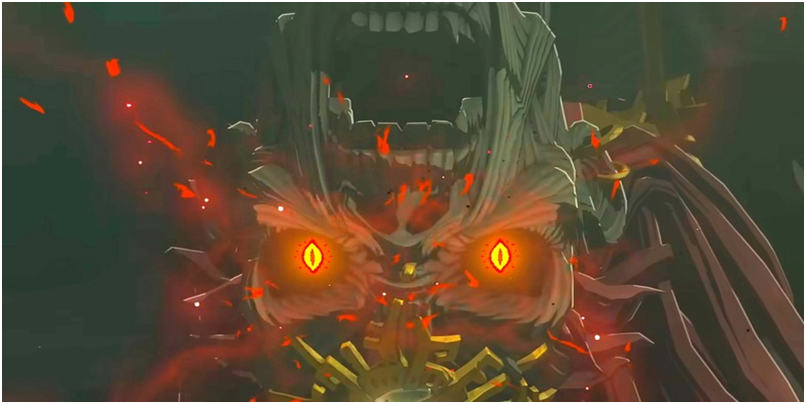
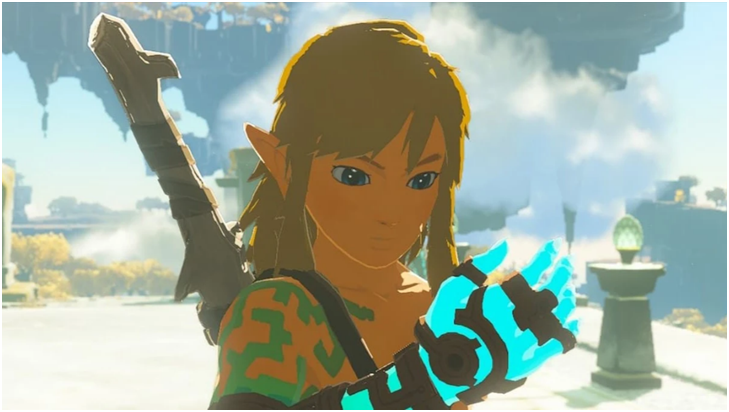
You then wake up on an island in the sky with the arm attached to your right arm to make your arm functional again. The arm belongs to a Zonai named Rauru, and he tells you to explore the sky islands, defeat the awakened Ganondorf, and find Zelda.

Gameplay

The fundamental gameplay in TOTK is (surprise surprise) about the same as it was in BOTW, with major new additions. The physics, weapons, armor, food, sprint, and health bar are all the same. They did, however, throw in a lot of major gameplay mechanics to spice things up.

Ultrahand:  Ultrahand is a fun new upgrade from Magnesis in the previous game, but works with any non-living objects. You can put things together, like logs and wheels, to create basically anything you can think of! I will admit, it does require a little bit of getting used to, but once you master it, you can become as creative as you mind lets you! This is easily one of the most fun gameplay mechanics in this game.

Fuse:  Have you ever wished your weapons would be stronger in a game? Maybe you wanted to get creative and mix together weapons? Well now you can with the Fuse ability! You’re allowed to fuse any weapon or shield to practically everything else! And yes, you can use it on your arrows too, which gives your arrow shots special abilities and deal extra damage.

Ascend:  They may have taken away the champion abilities from the last game, but don’t cry over Revali’s Gale, because Ascend can do just that, but way better! Using Ascend lets you dive straight up into any solid surface, and you emerge on top of it. Have you ever gotten stuck in a cave or room? Just use Ascend to end up on the roof!

Recall:  Last but certainly not least, there is Recall. Recall lets you reverse the direction or movement of basically anything in the click of a button. It can come really handy when you are wanting to return to the sky, because you can use Recall on rocks that have just fallen from the sky to ride them back up!

There is one more ability to use, but it is optional and satisfying to find, so I won’t spoil that just yet. With your abilities you are free to explore and interact with the massive sky, surface, and depths of Hyrule at your own pace! We have only scratched the surface of what this game can offer (pun definitely intended).

Shrines and Dungeons

Shrines are back in this game, with a major design overhaul and creativity surge. Shrines in Tears of the Kingdom can be used to teleport back to places you may want to return to later, but also beating them will give you a Light of Blessing. When you have collected four of them, you can go to a statue and pray to unlock a new heart (max 40) and part of your stamina wheel (max 3). There are 152 shrines in this game to unlock, so you already have plenty to do off the bat!

When you have collected four of Light of Blessings, you can go to a statue and pray to unlock a new heart (max 40) and part of your stamina wheel (max 3). There are 152 shrines in this game to unlock, so you already have plenty to do off the bat!

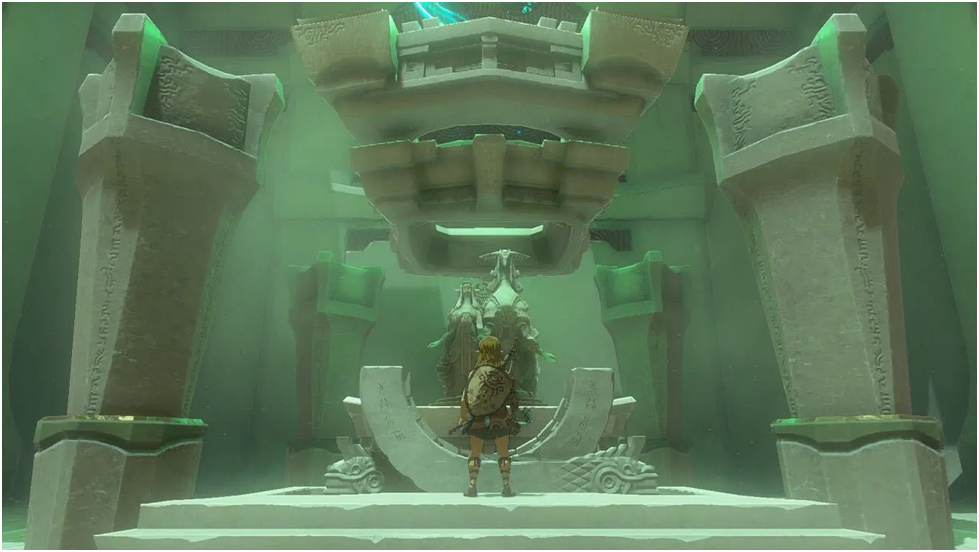
A major complaint in Breath of the Wild was the lack of traditional Zelda dungeons, which were replaced by mediocre boring puzzles that all had the same design. Well, you may be happy to hear that this game has actual dungeons again, although not traditionally styled. Each dungeon has its own design theme being based on a different element and requires you to solve rather tricky puzzles about 4-6 times to unlock your way to the dungeon boss. The way that its not considered a traditional dungeon design is because its more open and not linear with keys and specific objectives. Each one is so much fun and really requires you to think hard about your next move.

Overworld Bosses and Enemies

The enemies in the overworld areas contain the same monsters from last game, but heavily evolved over the time skip, and new enemies entirely. There are also Zonai Constructs lurking in the sky for any intruders. The enemies can also team up with entirely different enemy life. For example, I have seen multiple times that an Aerocuda would carry a Bokoblin or Lizalfos to make for a deadly air-drop combo. This game is also way more challenging than BOTW, and everybody will swing at you and will not pull any punches!

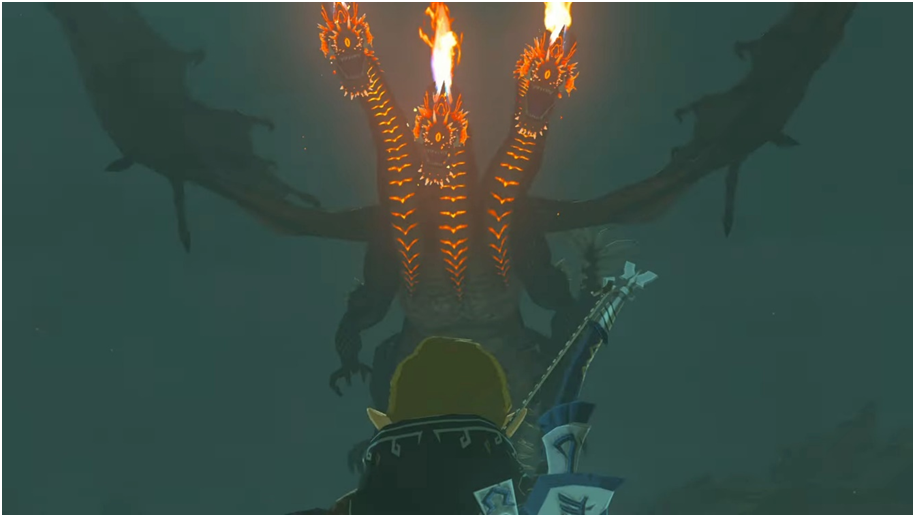
There are also new overworld bosses to fight. Boss Bokoblins lurks with a group of Bokoblins and will act as the ringleader of the bunch. Lynels return and are just as challenging as they were in BOTW, so keep your reflexes sharp, as well as your sword. My favorite new overworld boss has to be the legendary Gleeoks returning from the first Zelda game, but with a massive buff. I always get scared of these giant three-headed terrors!

Overall Thoughts

The Legend of Zelda: Tears of the Kingdom is easily the best game you could play on the Nintendo Switch. It has amazing and almost endless gameplay, beautiful graphics as well as a masterful environment, and a very emotional story. I highly recommend that you play it if you loved BOTW, because this game somehow makes it look like a beta version. This game took me a whole week to beat, and it is genuinely impressive how there is always something to do at all times when playing this game! My only complaint would be that there are some parts where the frame rate would get bad, but that is because of the hardware it is on; they actually did an amazing job working around the limits of the Nintendo Switch! Definitely worth the $70 price tag this time around!

Continue reading
Guardians Of The Galaxy, Vol. 3 Perfectly Concludes A Classic Trilogy

Filmmaker James Gunn finishes his tenure at Marvel Studios and the Marvel Cinematic Universe (MCU) with Guardians of the Galaxy, Vol. 3, the finale of his classic trilogy about misfit cosmic heroes.

Gunn has been able to maintain the same level of heart, humor and action throughout all three Guardians of the Galaxy film with the third film, and in some ways he elevated it with his MCU swan song.

Taking place years after the first two films and the events of the last Avengers films, Guardians of the Galaxy, Vol. 3 brings back all the loony and loveable heroes. Now the owners of Knowhere, a cosmic mining station made up of a dead Celestial’s skull, the Guardians are more administrators than intergalactic heroes. The film begins with a flashback origin of Rocket (voiced by Bradley Cooper), a cybernetically and genetically enhanced raccoon with genius-level intellect. This tragic origin story peppers the film throughout and underscores the emotional and physical pain that Rocket endures in his life. The origin features some of the most gut-wrenching moments in the film and elevates Rocket into a true hero.

After the flashback we are taken to Knowhere where we meet again the other Guardians. Their leader Peter Quill (Chris Pratt) has become a drunk because he is unable to get over the loss of his girlfriend Gamora (Zoë Saldaña), who was killed during Avengers: Infinity War. Adding to his misery is that another version of Gamora from an alternate timeline exists, but she does not have any feelings for him. As his fellow Guardians try to console him, they are attacked by Adam Warlock (Will Poulter), a golden, artificially created super-powered person. Though he is defeated by the Guardians, he gravely injures Rocket before he leaves them. The rest of the film focuses on the efforts of Quill and the other Guardians to find a way to save their friend. The other Guardians include the powerful but dim-witted Drax (Dave Bautista), Rocket’s BFF, the tree-like Groot (voiced by Vin Diesel), the empath Mantis (Pom Klementieff), and the cyborg Nebula (Karen Gillan). During their intergalactic journey, they soon cross paths with the insane geneticist and Rocket’s creator, the High Evolutionary (Chukwudi Iwuji), who has been hunting Rocket for his own diabolical purposes.

While the film continues the same irreverent tone as the previous entries in the trilogy, it does stand on its own due to its more mature atmosphere. The characters have grown since we first saw them in 2014 and are looking for something more with their lives. This was a rather unexpected and logical thing to do with the characters, because while they have become a family unit, they have to evolve and continue in their own journeys. The core characters, especially Rocket and Peter Quill, each have their own unique arcs and level of development, whether they have to deal with their painful pasts or prove they are much more than what others think of them. Rocket and Quill’s arcs have powerful and engaging arcs that form the heart and soul of the film and elevate it above standard superhero films. These character moments were richly satisfying and came to appropriate conclusions.

Unlike the other films, there is an intense feeling of dread and melancholy that pervades the film as the Guardians face their potential doom at every corner. Without giving anything away, there were many moments where I thought that was it for certain characters. This shows how intensely we’ve become attached to these plucky and quirky heroes. James Gunn skillfully exploits our feelings with each peril he throws at them.  What helps underscore this mood is that Guardians of the Galaxy, Vol. 3 is not as goofy as the other films, although it has its fair share of laugh-out scenes. That is alright. This film avoided the missteps of Thor: Love and Thunder where that film got lost in its over-indulgence of silly humor to the detriment of some of its subject matter. Guardians of the Galaxy, Vol. 3 succeeded where the last Thor film did not in that it treated much of its subject matter seriously and avoided inappropriate silliness.

While the High Evolutionary is the best villain the Guardians have faced in their films, he could have used more nuance, although Iwuji does a fantastic job in his performance as a callous and dismissive scientist with a twisted heart. His cruel actions towards his test subjects, including Rocket during the flashbacks, are a vivid and emotional presentation of one of the film’s themes about animal cruelty and the morality of using animals for scientific research. What the High Evolutionary does to Rocket and others makes us openly hate him. To be honest some of the scenes featuring the High Evolutionary’s test subjects may be too intense for some viewers. So be warned.

The other actors in Guardians of the Galaxy, Vol. 3 put in some of their best performances. You could tell they are very invested in their characters and knowing this film will be their final time playing the characters, they elevate their craft beautifully. What helps, of course, is that unlike many sequels, the characters are allowed to grow and evolve. Thanks to their performances and how the characters were written, by the time the film comes to its end many viewers will be openly crying, while the rest will pretend they have something in their eyes.

There are a few minor nitpicks with the film that are not really worth mentioning. Maybe Adam Warlock could have used more screentime, but so could have other characters like Kraglin (Sean Gunn), but they do get their moments to contribute and shine, and even give a hint of what is to come.

How does Guardians of the Galaxy, Vol. 3 compare to the others in the trilogy? Well, it is much better than the second film and is about on level with the first one, though they are both distinctly different from one another. Given its level of greatness, it is easily one of the finest MCU films, and the best one in recent years, aside from Spider-Man: No Way Home and Avengers: Endgame.  Given the recent missteps in the MCU, it is a joyful relief that the cinematic universe can still deliver a film that emotionally involves us.  

José Soto

Star Trek: Picard Concludes With A Bold New Legacy

The third and final season of Star Trek: Picard just streamed its last episode, titled appropriately enough “The Last Generation”, and it was a brilliant finale to an exceptional season for the TV show.  *Warning: Spoilers will follow.

Star Trek: Picard as a series has been a mixed bag of a Star Trek show. While it was great to see Patrick Stewart reprise his role as retired Admiral Jean-Luc Picard, some of the episodes in the first season were not as well executed as they should have been. Meanwhile, the second season started strong but soon fell apart and became a big disappointment. So, in the final season of Star Trek: Picard, the showrunners, led by Terry Matalas, pulled out all stops to make this a worthy swan song to the legacy of Star Trek: The Next Generation (TNG). This included reuniting the core cast of that beloved TV show and numerous Member Berries recalling not just Star Trek: The Next Generation, but the original Star Trek, Star Trek: Deep Space Nine, Star Trek: Voyager and even other media like Star Trek Online. And you know what? It worked!

The third season of Star Trek: Picard quickly engaged viewers with reunions and beguiling mysteries that threatened the United Federation of Planets and Starfleet. Picard received a plea for help from Dr. Beverly Crusher (Gates McFadden), who he has not spoken to in decades. She and her young adult companion Jack (Ed Speleers) operate independent of the Federation and deliver medical aid to those that need it. They are also pursued by mercenaries led by the mysterious Vadic (Amanda Plummer). The problem is that Crusher is located just outside Federation space and Picard needs to find a way to get to her.

Picard enlists the help of his best friend and former first officer of the Enterprise-D, Will Riker (Jonathan Frakes), along with Seven of Nine (Jeri Ryan), who is the first officer of the Titan-A (a nice nod to Riker’s offscreen adventures as captain of the previous Titan). Together, they commandeer her ship to the edge of Federation space to rescue Crusher and Jack, who turns out to be Picard’s son. Their efforts unveil a vast conspiracy against Starfleet and the Federation itself involving Changelings (last seen in Star Trek: Deep Space Nine) and their unknown partner.

Everyone involved with the third season was at the top of their game and it was clear they were determined to turn the season into a love letter for fans. It is incredible that they succeeded as the TV show was exciting, full of emotion and great character moments. Some aspects of Star Trek: Picard evoked previous Star Trek tropes and plot points, but they were executed in a respectful and invigorating fashion that felt fresh. The best example of this were with the early episodes where Picard and the crew of the Titan-A played a cat-and-mouse game with Vadic and her ship the Shrike in a nebula that was clearly inspired by Star Trek II: The Wrath of Khan. Then there was the major subplot of Picard getting to know Jack, which was similar to Kirk’s relationship with his son David in that film. But it worked because these moments were not exact duplicates of the famous Trek film but added new wrinkles. Of course, what sold it was the execution with memorable acting and topnotch production values.

Continue reading