The Flash’s Stumble Signals The End Of The DCEU

This was not supposed to happen. Even though The Flash, the latest film in the DC Extended Universe (DCEU), had many delays and behind-the-scenes obstacles, the solo film debut of the superfast DC hero had a lot going for it. From over-the-top praise from early screenings and the return of Michael Keaton as Batman, the film was expected to perform well in the box office when it premiered last week. Yet, here we are with the film being a massive box office flop that could not even earn $70 million in the U.S. for its opening weekend and with even more dismal earnings expected this weekend. No mistake here, folks. The limping and wounded DCEU cannot be salvaged in any form because of the failure of The Flash.

It is all too easy to blame the failure of The Flash to superhero film fatigue, but that is just an easy answer. After all, Guardians of the Galaxy, Vol. 3, and Spider-Man: Across the Spider-Verse performed very well when they premiered earlier this year. So, what happened? It will take some time to determine what went wrong, but for now here are some reasons as to why The Flash was a dud in theaters.

Bad DCEU Reputation

Let’s face it, although the DCEU has had a few great films, too many of them had problems when it came to quality. After Shazam! In 2019, the DCEU films that followed, with the exceptions of The Suicide Squad and Zack Snyder’s Justice League, were ravaged by fans and critics. They also performed poorly in the box office, especially The Suicide Squad. In fact, the last DCEU film that was a bonafide hit was Aquaman, which was back in 2018. The recent failures gave the cinematic universe a poor reputation that caught up to it and left The Flash with an insurmountable obstacle.

Adding to the poor reputation was that The Flash starred Ezra Miller, an actor who has gotten into trouble for alleged criminal activities, a lot of it was violent. Ordinarily, Miller would have been and should have been fired from the role, but the film studio, Warner Bros. did not recast the role. Instead, the film proceeded with Miller continuing to play the title superhero because it was not financially feasible to restart production with another actor. Miller’s toxic behavior turned off many fans who refused to pay money to see the film since doing so would in a sense condone Miller’s actions.

Overhype & Missed Opportunities

With the recent failed DCEU films, The Flash was seen as the last, best hope for the DCEU. It had many hurdles to overcome, but the film’s team got through them. There was some hope for the film as early screening reactions were positive. Celebrities like Tom Cruise and Stephen King raved about the film. There was excitement over Keaton’s return and promises of cameos from past DC films and TV shows since the film dealt with the multiverse.

Unfortunately, while The Flash is one of the best DCEU offerings and a solid superhero film, it had its share of issues, such as its script. Without going too much into spoilers, why didn’t the Flash use his time travel powers to find out who killed his mother? Also, at the end of the film, it’s clear that the superhero did not learn the hard lesson about interfering with time based on what he did at the end.

Also, some of the special effects were downright awful. How bad? Arrowverse bad! Speaking of the Arrowverse, it is puzzling why the film did not feature an appearance by Grant Gustin, who played the Flash for several years on TV or even John Wesley Shipp, who played the superhero in the early ‘90s. In the TV version of The Flash, Ezra Miller appeared briefly and met the Grant Gustin version of the Flash. So, why wasn’t Gustin in the film?

Continue reading

After We Say Goodbye To The Guardians Of The Galaxy

Guardians of the Galaxy, Volume 3 has proven to be a fitting and emotionally satisfying conclusion to one of the best trilogies in the Marvel Cinematic Universe (MCU). Still, while the film does conclude many character arcs it surprisingly presented us with new directions for these characters and the larger MCU that are worth speculating about. WARNING: Spoilers will follow about the film.

The Legendary Star-Lord

One of the biggest surprises from Guardians of the Galaxy, Volume 3 was the final post-credits scene. After a rather mundane scene with Peter Quill aka Star-Lord settling down to life on Earth with his grandfather, a title card pops up announcing that “The Legendary Star-Lord will return”. This was rather stunning. Throughout the film, there was a sense that Quill was approaching an emotional end to his time as the space-faring Star-Lord. He was first seen moping and drinking over the loss of his lover, Gamora (who was killed during Avengers: Infinity War), and his fellow Guardians pointed out that he still had family on Earth. During the film, he tries to rekindle his romance with an alternate version of Gamora (displaced from another timeline into the “regular” timeline), but she did not reciprocate the love because in her timeline she never knew him.

Throughout the film, Peter had to come to terms that his Gamora was gone and that it was pointless to continue his wooing her doppelganger. Frankly, it was refreshing that writer and director James Gunn did not try to put them back together since that development would have felt empty. Doing so also would have robbed the emotional impact of the original Gamora’s death. Peter’s acceptance that the current Gamora was not his lover reborn showed a level of growth and maturity for him. This was welcomed by fans because there have been complaints that while he is a goofy and endearing superhero, he came off as immature in some of his appearances. In reality, in this film he demonstrated that he was very crafty and mature during unexpected moments, such as when he and the team infiltrated that weird organic medical facility in space.

After nearly dying during the film’s final act, Peter decides to essentially retire as Star-Lord. He appoints Rocket Raccoon as leader of the Guardians of the Galaxy, and returns to Earth. But the implication that Star-Lord will return opens up lots of speculation about how this will come about. Chris Pratt, who plays Peter Quill, has stated he is willing to reprise the role at some point in the future. Most likely he will turn up in the upcoming Avengers films or he could wind up starring in a TV show or special that would be about his adventures on Earth. After all, the legendary Star-Lord cannot just spend the rest of his life eating cereal with his grandfather in Missouri. Maybe he will find a new love. Perhaps this person could be Kitty Pride, who was involved with him in the comic books—this could also be a way to bring in more mutants into the MCU. Or he could wind up being some kind of advisor or mercenary for the Earth-based forces that protect Earth from aliens. Or he could finally find a way to reunite with his Gamora in Soulworld, a realm where her spirit exists in, which was seen in Avengers: Infinity War. This would echo a development in the Marvel comics where at one point a deceased Gamora resided in this realm.

Continue reading

The Potential Of Star Trek: Legacy

Fans are still swooning over season three of Star Trek: Picard and for good reason. Not only did it feature the long-awaited reunion of the cast of Star Trek: The Next Generation (TNG), but it was bursting at the screen’s seams with Easter eggs and references to most of the previous incarnations of Star Trek TV shows and films. More importantly, instead of wallowing in Member Berries, the third season actually set up a potential spinoff—Star Trek: Legacy. *Warning for those who have not seen season three of Star Trek: Picard, there will be spoilers from here on out.

During the third season of Star Trek: Picard, we were introduced to Jack Crusher, who turned out to be the son of Jean-Luc Picard. In many ways he was a lot like his father but with a rakish bent as he seemed more comfortable acting independently and living a pirate-like lifestyle. Perhaps this is how Picard was like in his younger days. In some ways, Jack had more of the swashbuckling demeanor of James T. Kirk (more on him soon). Yet he had an intellectual and empathic side that echoed his father. In a sense he came off as an authentic child, who has elements of both his parents with unique personality traits gained from experiences the parents never had. Jack quickly became a fan favorite and has enough personality and development to return in future Star Trek spinoffs. This was very clear at the end of the final episode of Star Trek: Picard when he joined Starfleet and was posted on the Enterprise-G as special counselor to the captain.

The third season also introduced several other characters, some of which were bridge officers of the Titan-A (later rechristened the Enterprise-G). The one standout was Sidney La Forge, the Titan-A’s helm officer and daughter of Geordi La Forge. She soon formed a friendship with Jack with hints of something more to develop. It was fun seeing the two scions interacting with each other, which foretold great adventures to come if the powers that be at Paramount Pictures greenlight a Star Trek: Legacy. Obviously the two characters would be some of the central characters of this show.

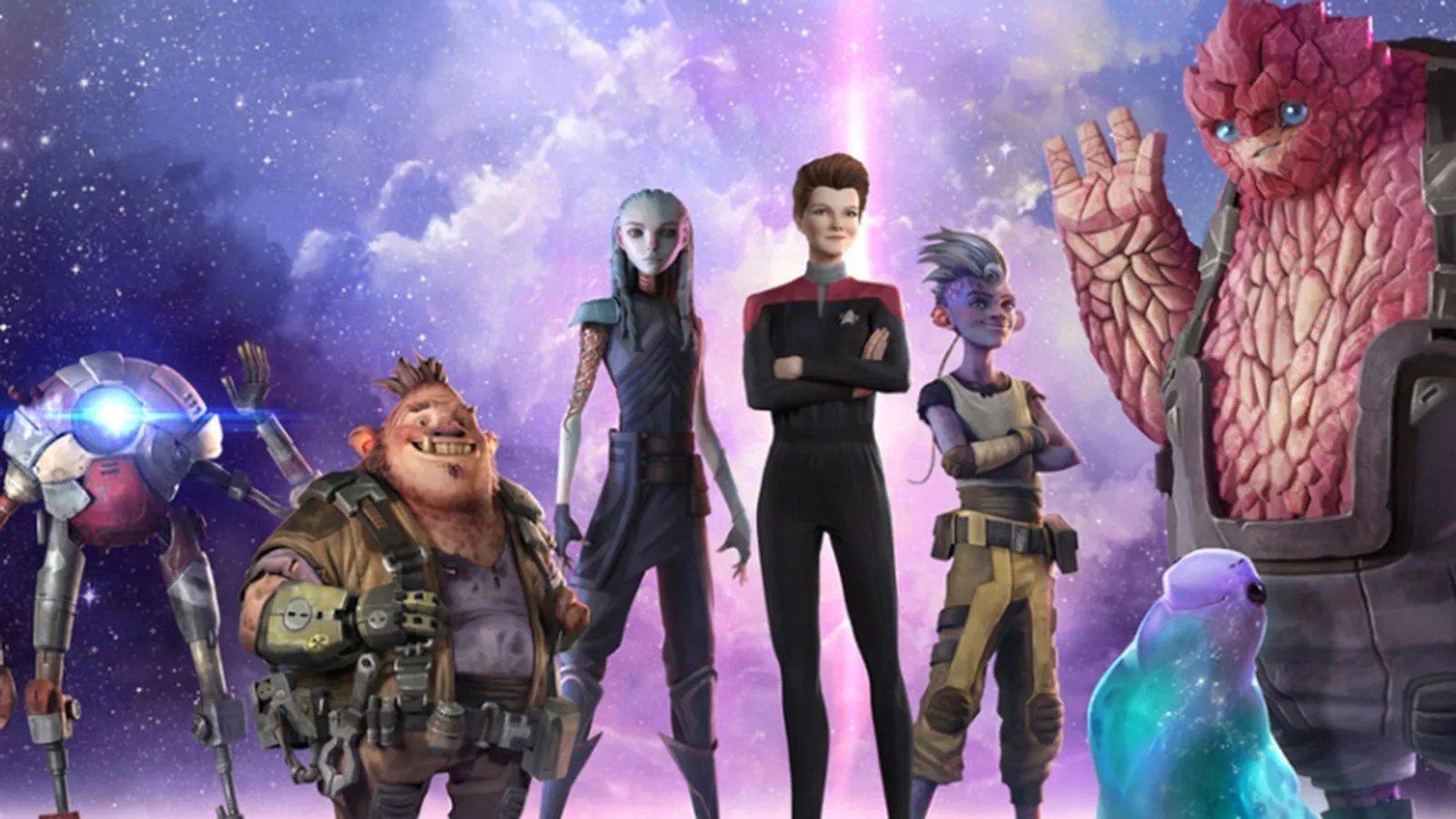
Two other characters that could headline the show would be Captain Seven of Nine a.ka. Annika Hansen, and her first officer Rafaella “Raffi” Musiker.  Most fans know that Seven debuted on Star Trek: Voyager before becoming a regular on Star Trek: Picard. Raffi is the only remaining original character from Star Trek: Picard to remain a part of the show after the other original characters were written out after the second season of the show. Even though they are not the children of past Star Trek characters they in a sense would carry on the legacy of Star Trek: Picard. Perhaps other past Star Trek: Picard characters like Sohji Asha (Data’s daughter) could return and continue the theme of legacy.


Another character that could return is Captain Liam Shaw. Yes, he was killed off in the penultimate Star Trek: Picard episode “Vox”, but he quickly became a fan favorite. While he was very surly and dismissive towards our favorite TNG characters especially Picard and Will Riker, he was actually the voice of reason. He was more cautious when it came to his ship, the Titan-A, and the safety of his crew, which conflicted with the daring decisions made by Picard and Riker that threatened the Titan-A and crew. More often than not he was willing to call out Picard on his decisions and his arguments usually had merit. What made him more dimensional was the revelation that he was a survivor of the Battle of Wolf 359. He clearly was still suffering from that incident where the cybernetic race called the Borg decimated a Starfleet armada. This also explained his animosity towards Picard since Picard was assimilated by the Borg and helped them defeat Starfleet. In as sense this also explains his antagonistic relationship with Seven since she is a former Borg. Shaw was a great character and it was too bad he was killed off. However, Terry Matalas, the showrunner of the third season, has hinted that there is a way for Shaw to return in the Star Trek: Legacy show. Being that this is Star Trek, there are dozens of ways to do this: clones, time travel, cold storage, Seven’s Borg nanoprobes, even Q could easily bring Shaw back.

Continue reading

The Return Of James T. Kirk?

Sure, this title seems like your typical Aprl Fool’s Joke on Trekkers, but the possibility in official Star Trek canon was raised last week with the recent Star Trek: Picard episode, “The Bounty”. Spoiler warning for anyone who has not seen the episode.

During the episode Worf, Riker and Raffi raid the clandestine Daystrom Station. Unlike the noble, scientific think tanks named after Daystom shown and mentioned in other Star Treks, this orbital facility was the 25th century version of Area 51. The station stored many of Starfleet Intelligence’s top secret technology, weapons and alien contraband. The Daystrom Station was littered with many Star Trek Easter eggs and call backs, but the one that raised the most eyebrows among fans was the revelation that the station had the remains of Captain James T. Kirk.

The last time Kirk was seen onscreen, as played by William Shatner, was in the 1994 film Star Trek Generations. The late, great captain of the starship Enterprise met his end anticlimatically when he fell off a bridge while aiding Captain Jean-Luc Picard. To many fans this was an unsatisfying way to kill off the beloved Enterprise captain as they felt he warranted a more heroic death. Of course, this was not the last fans saw of James Kirk as he was portrayed by other actors, notably Chris Pine and Paul Wesley. But Shatner’s version of Kirk remains the definitive Kirk that is beloved by fans and many hoped that the actor would someday reprise the role. The closest we got to that was in Star Trek: Enterprise where there were plans for Shatner to reprise the Mirror Universe version of Kirk, and Shatner was slated to cameo in the Star Trek reboot film, but these plans never came to be.

Shatner himself expressed his dissatofaction with the way his character died on screen and went as far as to co-author a series of books with Garfield and Judith Reeves-Stevens where Kirk was resurrected. The first of these post-Star Trek Generations books was The Return and its plot revolved around Kirk being revived by Romulans using Borg technology to use him against the United Federation of Planets. Kirk with the aid of many Star Trek heroes overcame this plot and went on to live a full life in the 24th century. The books, called the Shatnerverse, are considered an alternate reality for obvious reasons, Still, they were popular with Kirk fans.

Getting back to Star Trek: Picard, which is official Star Trek canon, when Raffi passed by a containment unit in the Daystrom Station, a holographic display showed an image of a skeleton with the signage “James T. Kirk”. This image also had some biographical data and what was interesting was that the display revealed that Kirk was “critically injured” in the events of Star Trek: Generations. It does not say that he died in the film even though Picard was clearly seen standing over Kirk’s grave. So what gives?

Technology will be much more advanced in the far future, especially when it comes to medicine. For all we know a critical injury like falling off a bridge and being clinically dead as we know it today may not be the actual end of a person’s life. It can be possible to revive a person hours after death in the future and it’s possible this could be top-secret technology in the Federation that is reserved for very important people. Or perhaps Kirk remained dead but Starfleet Intelligence and its black-ops offshoot Section 31 may be trying to clone James T. Kirk for their own reasons. This is not far fetched since the Romulans cloned Picard in the film Star Trek Nemesis.

Most likely nothing will come of this, but this Easter egg is fertile ground for future screenwriters. It is also unlikely that Shatner, who is in his early nineties, will reprise his role one last time. However, this tantalizing Easter egg gives fans of the legendary James T. Kirk some hope that he can somehow return someday for one last, great adventure, at least in their imaginations. After all, legends never die.

Where Are The MCU’s New Avengers?

This is a nagging question that many have had ever since Avengers: Endgame. At the end of the film, after the Avengers and company defeated Thanos, the superhero team was effectively finished. Tony Stark/Iron Man and Natasha Romanoff/Black Widow were dead, Steve Rogers/Captain America went back in time and returned as Joe Biden, Bruce Banner/Hulk was maimed, Thor left for space to pursue adventure with the Guardians of the Galaxy, and Clint Barton/Hawkeye went back to retirement in order to spend time with his family. While this was a fitting way to close the chapters on these heroes, their departures left a void that has yet to be filled by another team.

This has not happened so far in the Marvel Cinematic Universe (MCU). After the Avengers split up, which was not the first time since they first broke up in Captain America: Civil War, no one came forward to continue the team. This feels irresponsible since there are still threats going on in the world and beyond, so there is still a need for the Avengers. Also, part of the reason why Thanos was triumphant in Avengers: Infinity War was because the team no longer existed. You would think the surviving heroes in Avengers: Endgame would have at least given thought to continuing the team to face any future threats.

In the Marvel Comics, whenever there were a lot of vacancies in the Avengers, there would be a huge rush of heroes to fill the void of the departed Avengers to form a new roster for the team. The first time this happened with the Avengers actually was very early in the comic book’s run with issue number 16, where the OG Avengers Iron Man, Giant-Man, the Wasp and Thor left the team. This left only Captain America, who was the first recruit, to form a new team of Avengers with Scarlet Witch, Quicksilver and Hawkeye. Over time, heroes came and went as the make up of the tesm radically changed.

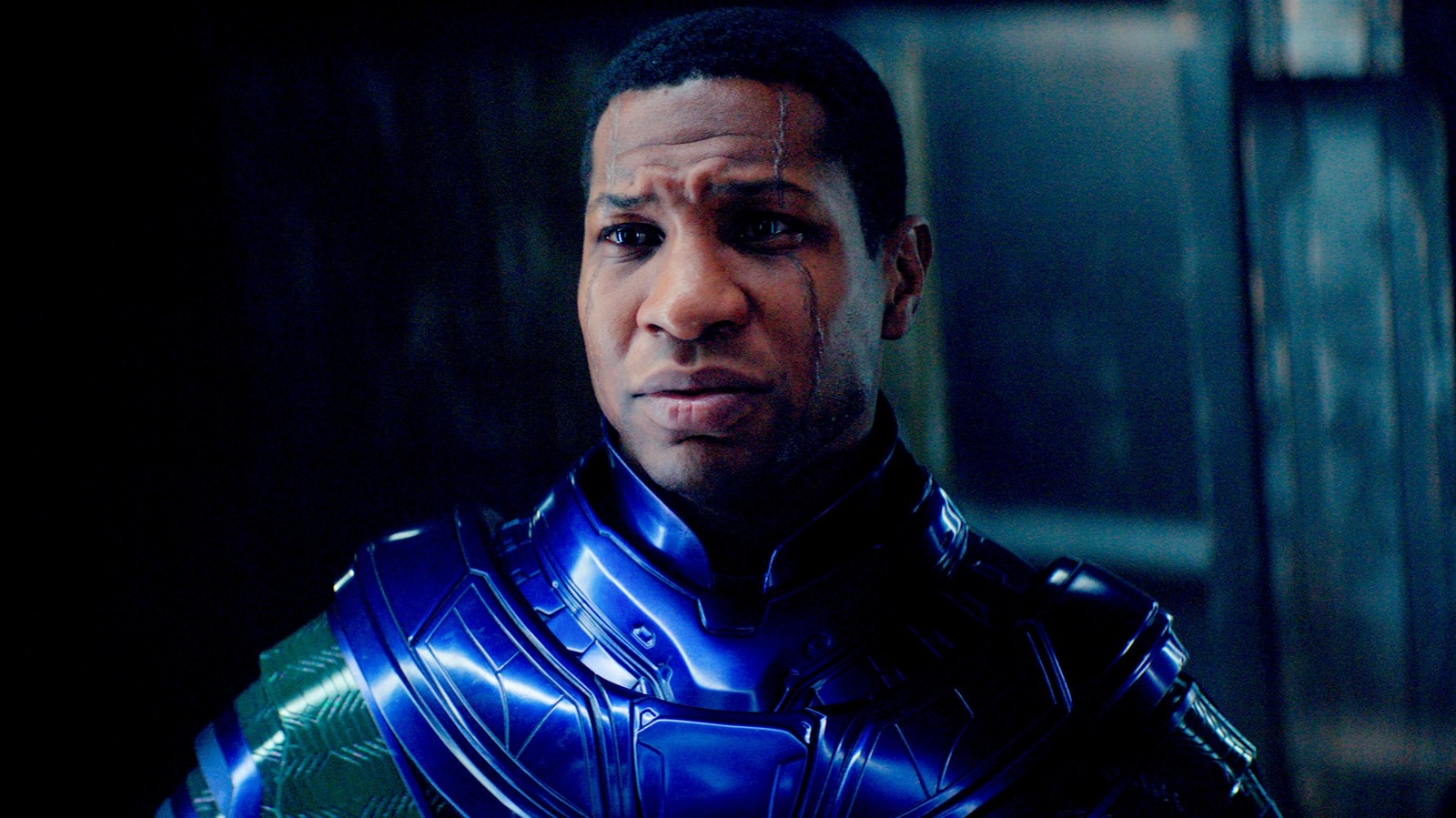
What is unusual about the MCU is that post-Endgame various superheroes operating solo in the films and TV shows often claim to be an Avenger, yet they are not part of an active team. We saw Spider-Man, Ant-Man, Falcon and to some extent, Hawkeye doing this in their solo films/TV shows. If there was an actual team of Avengers in the MCU after Avengers: Endgame think of how quickly the calamities would have ended for the heroes in their individual films and TV shows. Now it seems as if history is repeating itself as Kang has emerged as the next high-level threat following Ant-Man and the Wasp: Quantumania, although in Ant-Man’s defense, he believes that Kang has been killed. But we know better.

Why hasn’t there been a new roster of MCU Avengers, yet? It boils down to two reasons: Resources and leadership. With Tony Stark gone, there wasn’t anyone who could effectively bankroll the team. Sure, there is his wife, Pepper Potts, but as we saw in Spider-Man: No Way Home, Stark’s company landed in hot water with the authorities because of their drones that were used by Mysterio in Spider-Man: Far From Home. So, the company is probably not in the best financial shape to provide resources for an Avengers team. Once Iron Man and Captain America were written out of the MCU, there has been a lack of leadership in the MCU. Unlike that issue of Avengers #16, there is no Captain America or some equivalent to lead the way and put together a new roster.

Of course, this will change fairly soon with Avengers: The Kang Dynasty and Avengers: Secret Wars. It’s clear that a new team of MCU Avengers will emerge to face a threat that no solo hero can handle, namely Kang or Doctor Doom. This may start to happen with next year’s Captain America: New World Order, as the new Capain America/Sam Wilson, who has no super-soldier serum, is forced to create a new team of Avengers. The Thunderbolts could also serve as a catalyst for a new roster of Avengers. Made up of mercenaries, the Thunderbolts in their debut film will probably operate in a less-than-noble manner and prompt the creation of a new Avengers team for the MCU. It’s too bad the MCU version of the Thunderbolts could not more closely match the original comic book counterpart, but to keep the true nature of the team under wraps would be impossible for fans and the “surprise” reveal would lack the same impact as the end of Thunderbolts #1.

There have been recent rumors that the new Captain America would not lead the new Avengers and Spider-Man would do so instead. That is hard to believe for real-world reasons in that the Spider-Man film rights are held by Sony Pictures and it is unlikely that Marvel Studios would have the leader of the Avengers be a character they don’t own the rights to. It will be interesting to see who else will lead the team if not Captain America.

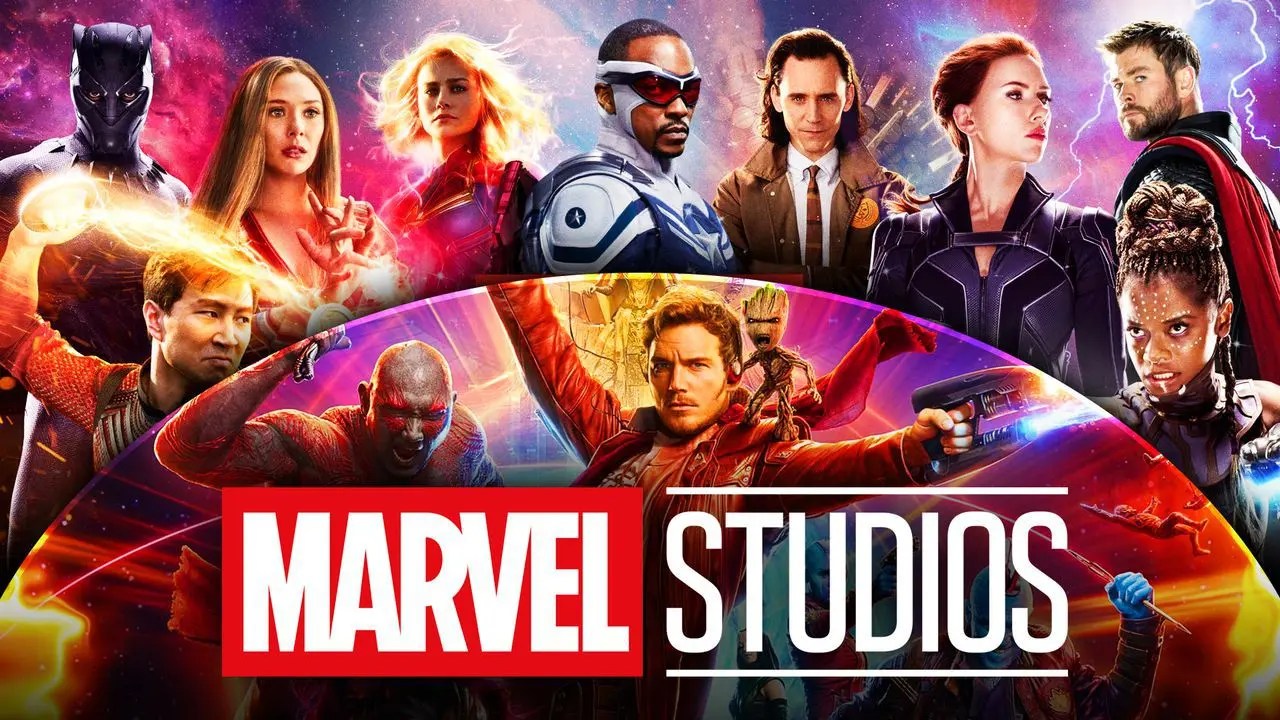
An interesting development that the MCU could do is have the Young Avengers become the de facto Avengers, at least briefly. We have seen many of the Young Avengers members like Kate Bishop, America Chavez, Patriot, and Stature appear in the MCU. Perhaps they will be the new Avengers led by Sam Wilson, or the team could be made up of the following: Captain America, the Hulk, She-Hulk, Ant-Man, the Wasp, Doctor Strange, Black Panther, Spider-Man, Shang-Chi, all three of the Marvels, and some members of the Eternals and even the Thunderbolts.

Part of the fun right now is speculating over who will be in the new lineup of MCU Avengers. The waiting for the revelation will be worth it as soon as the new team in the films rallies with the iconic battle cry “Avengers Assemble!”.