The Eve Of Marvel’s Phase Five

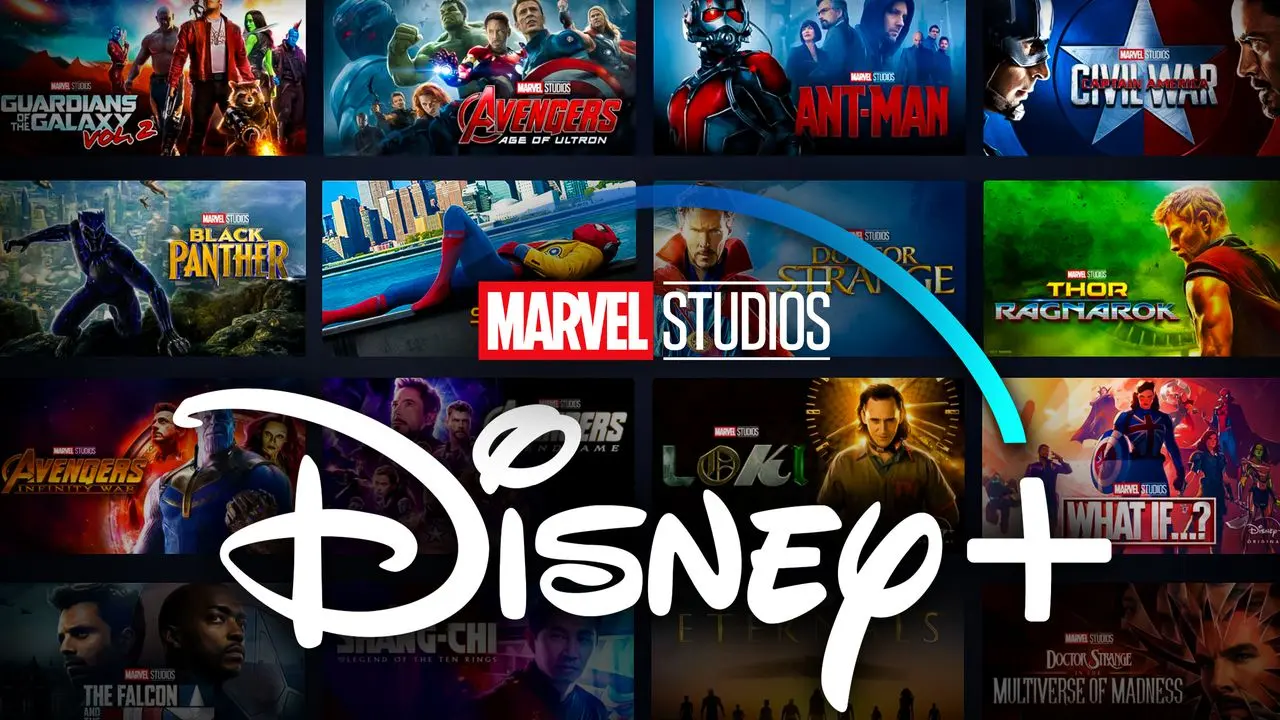
Phase Five of the Marvel Cinematic Universe (MCU) launches this week with the wide release of Ant-Man and the Wasp: Quantumania. The film is supposed to help pave a firm direction for the MCU with the introduction of the next big bad of the MCU, Kang the Conqueror, and will culminate with the next Avengers films, Avengers: The Kang Dynasty and Avengers: Secret Wars. What should be noted is that the next Avengers films will be part of Phase Six, so Phase Five will serve to set up the grand finale of the so-named Multiverse Saga.

Many MCU fans are hoping that after the mixed results of Phase Four that Phase Five will course correct for the MCU and keep the cinematic universe on top. There were many issues with Phase Four such as a lack of focus, films and TV shows that were not as high in quality as the previous MCU offerings, and so on. There were also many successes and material that Phase Five and Six will build upon, especially with the introduction of the Multiverse concept. Ant-Man and the Wasp: Quantumania is rumored to dwell on this with the inclusion of Kang, who is a time-traveling villain.

There are many reasons why Phase Four of the MCU was not as revered as previous phases. Given the success of the MCU, there has been increased pressure by Disney to Marvel Studios to create more films and TV shows (the TV shows were a new feature for the MCU beginning with Phase Four) at a faster rate. This overstretched the capability of Marvel Studios to maintain the level of quality with previous MCU projects. Adding to the release pressure was the COVID-19 pandemic which severely affected productions and created delays, which we’re are still grappling with today. Then there were the expectations of fans and the fact that many of the MCU products simply were not as appealing since popular characgters like Iron Man and Captain America were absent. Many of these issues still remain as Marvel Studios plows ahead with Phase Five of the MCU, but hopefully they are better prepared to meet the challenges.

When being critical of Phase Four it is important to realize that it did a lot more to help set up the Multiverse Saga. Films like Spider-Man: No Way Home and Doctor Strange in the Multiverse of Madness were important to the Saga, as well as TV shows like Loki and What If…? Phase Four also set up plot lines and characters that will be further explored in Phase Five and beyond. Both TV shows will have second seasons as part of Phase Five, which will dive even deeper into the concept of time travel and alternate realities. The second Doctor Strange film also introduced the plot line of Incursions, where traveling to different realties will ultimately cause them to collide and destroy one another. This was a major plot line in Marvel Comics that culminated with the second Secret Wars mini-series event. With a title like Avengers: Secret Wars it is certain that the upcoming film will be a loose adaptation of the comic book mini-series. By now, given how well received Marvel Comics storylines were adapted in MCU films, even if they were adaptations in name only, the Secret Wars film will also be acclaimed.

Aside from Ant-Man and the Wasp: Quantumania the only Marvel film that directly deals with the Multiverse will be Deadpool 3, which is due next year. This film is technically not part of the MCU or Phase Five, but it reportedly will deal with Deadpool and Wolverine traveling through alternate realities and it’s fairly certain that the two will visit the MCU. There are also rumors that a third Doctor Strange film is in the works, which will deal with Incursions as seen in the post-credits scene of the last Doctor Strange film. But if this film is made it most likely will be a part of Phase Six as the Multiverse storyline starts to ramp up.

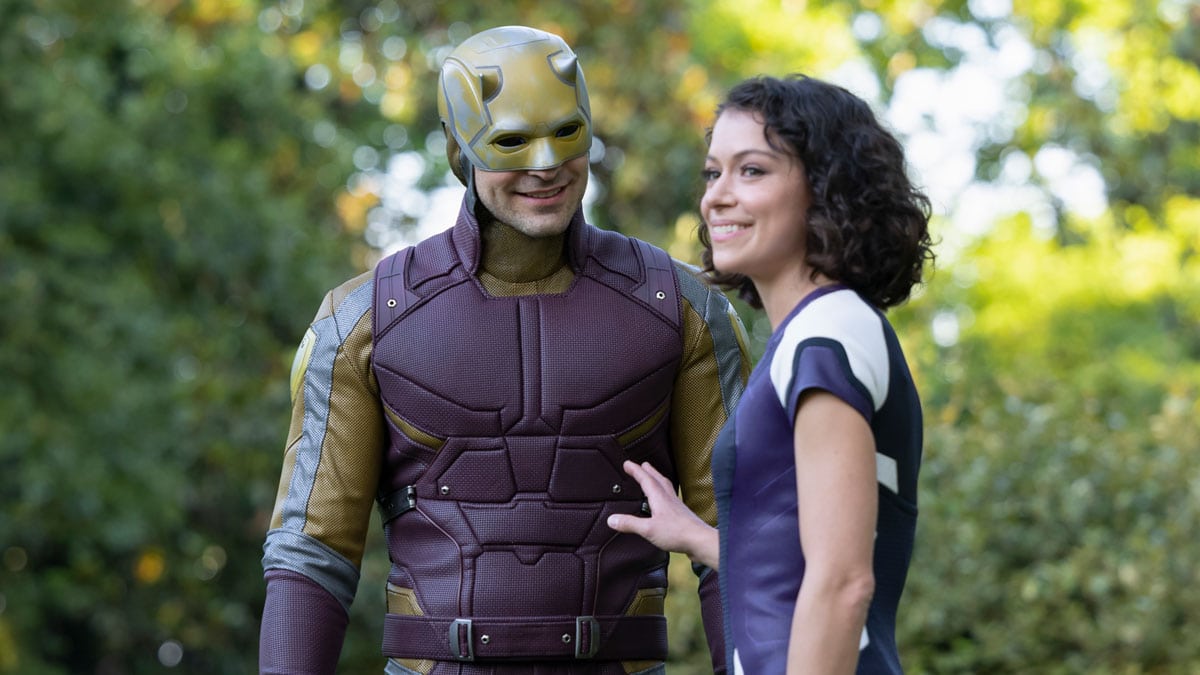
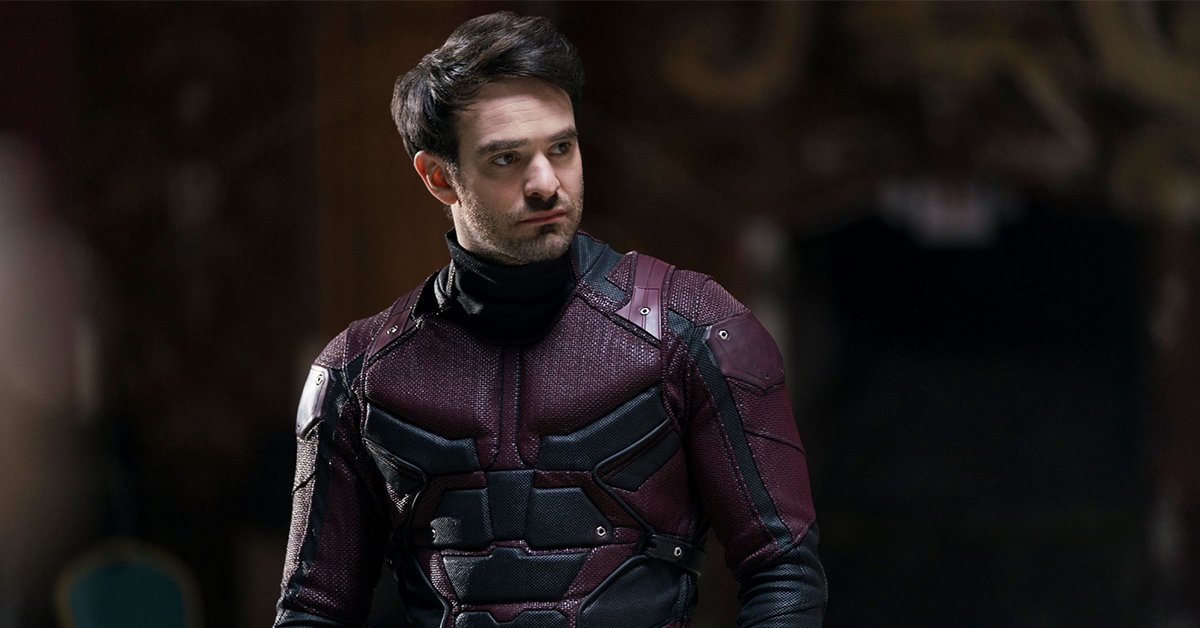
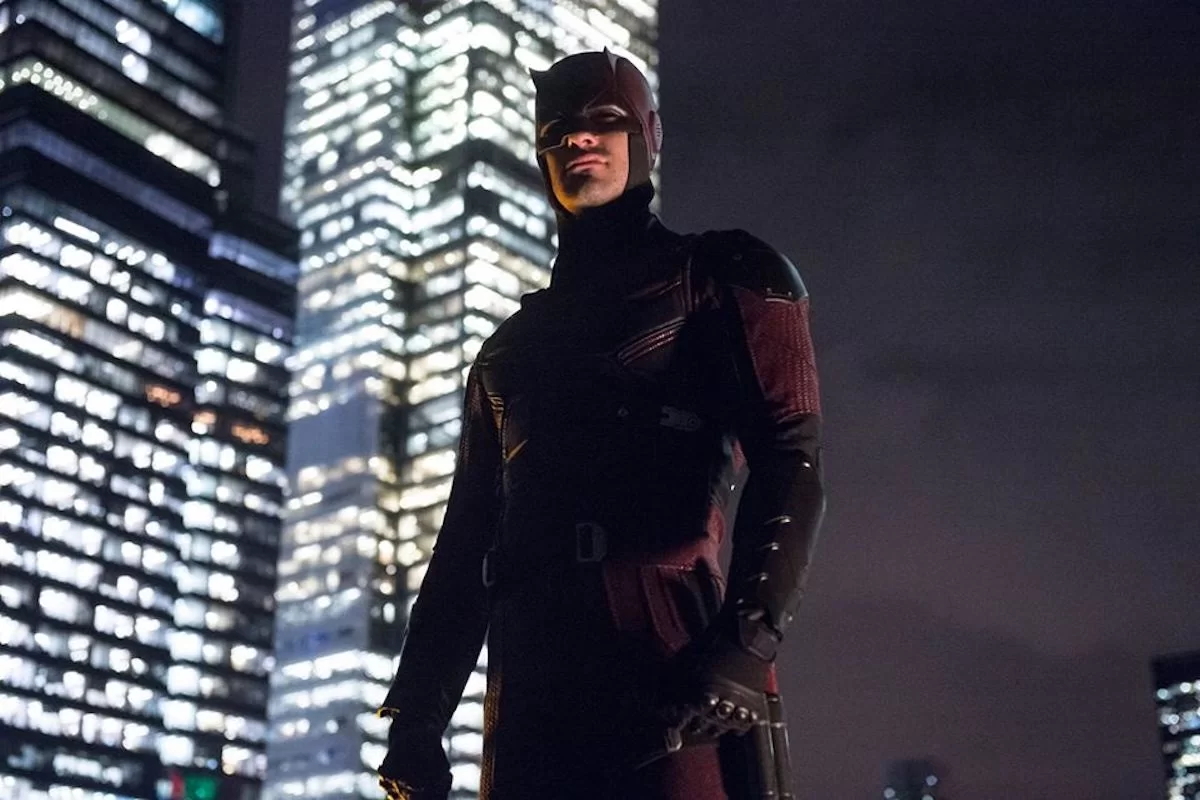
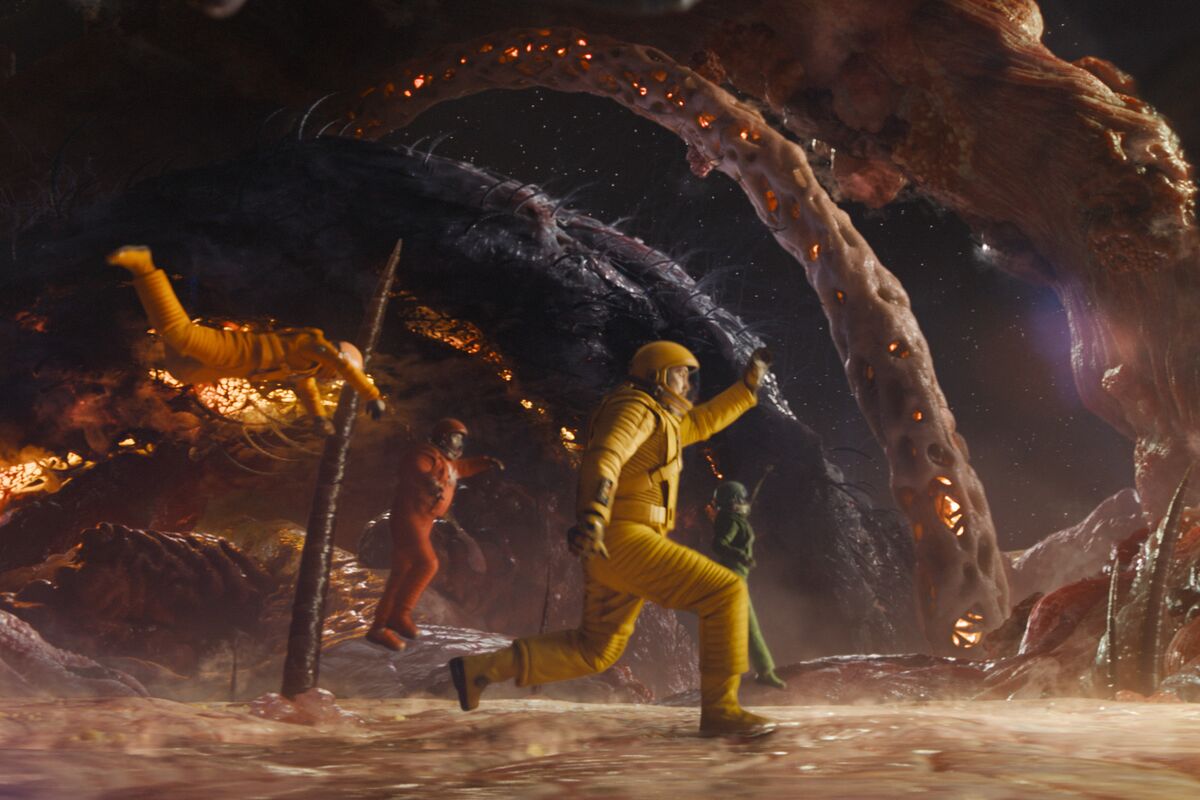
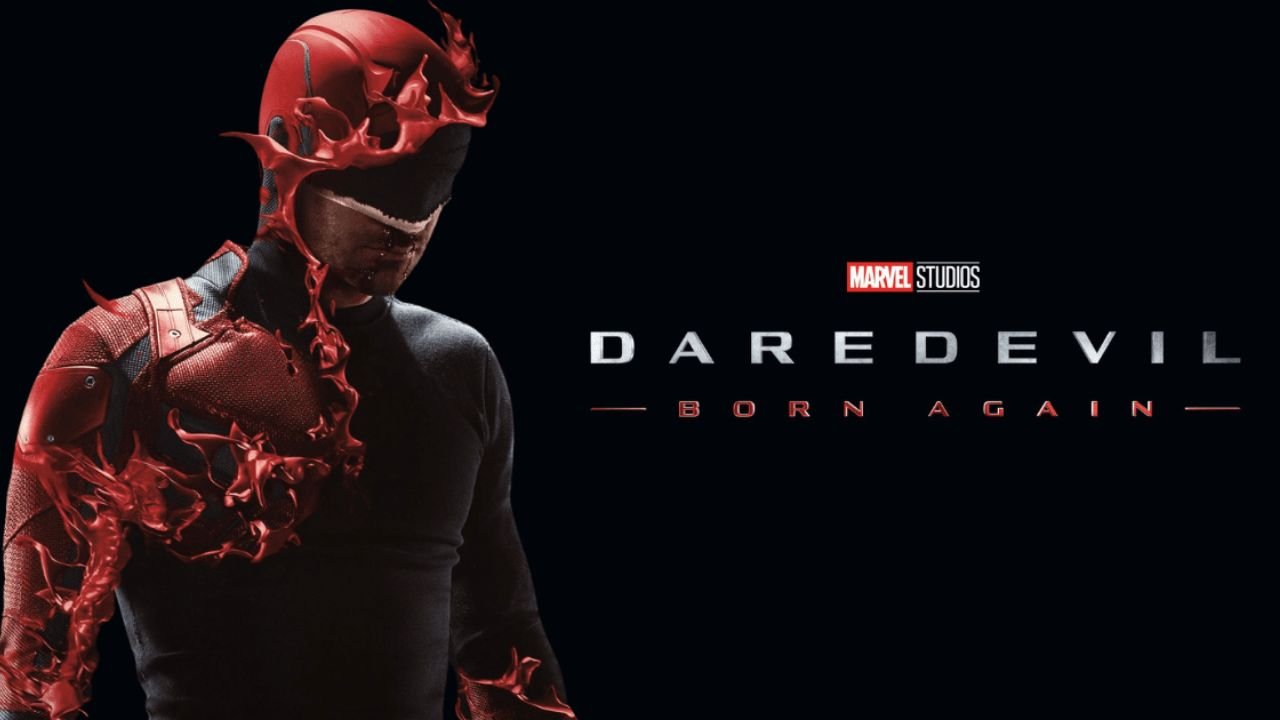
The remaining Phase Five films and TV shows will either be about new characters (Blade, Daredevil: Born Again and Thunderbolts) or continue individual stories that, as far as we know, doesn’t involve the Multiverse (Guardians of the Galaxy Volume 3, The Marvels, Captain America: New World Order, Echo, Secret Invasion, Ironheart and Agatha: Coven of Chaos). However given the subtitle of Coven of Chaos, it is possible the Agatha Harkness TV show might have something to do with the Incursions or the Multiverse.

There is also the wildcard to consider for Phase Five: another MCU Spider-Man film. In the past, Spider-Man films have never been part of official MCU film announcements. That is because the film rights to the superhero are held by Sony Pictures, who is off trying to launch their own cinematic universe based on Spider-Man characters. But given the huge success of Spider-Man: No Way Home and that many consider it to be the best Phase Four film, it is obvious that Sony is planning a fourth MCU Spider-Man film. Will it be produced in time to make it part of the Phase Five slate? That is unknown at this time. If filming starts later this year, it is possible the film will be completed in time to be scheduled for a 2024 release and be part of Phase Five. Otherwise, the fourth MCU Spider-Man film will be part of Phase Six.

Given that Phase Four of the MCU was not as well received as previous MCU films, Phase Five of the MCU will be subjected to greater scrutiny by fans. In other words, Phase Five of the MCU has to deliver much more than Phase Four. The people behind the films and TV shows are aware of this and will do their best to deliver the same quality product that were so revered by fans in the past. While some expectations have been lowered for the MCU and superhero films and TV shows it is unwise to count out Marvel Studios and the MCU at this point.

José Soto

Reaction To The New DCU Announcement

To be frank, it was best to wait a few days after the announcement from DC Studios’ head James Gunn about their new slate of DC Universe (DCU) films and TV shows. The immediate reaction for these types of announcements often run wildly until the news is fully digested. What was interesting about Gunn’s announcement was not the rage from fans of the ending DC Extended Universe (DCEU), but the large collective shrug from most.

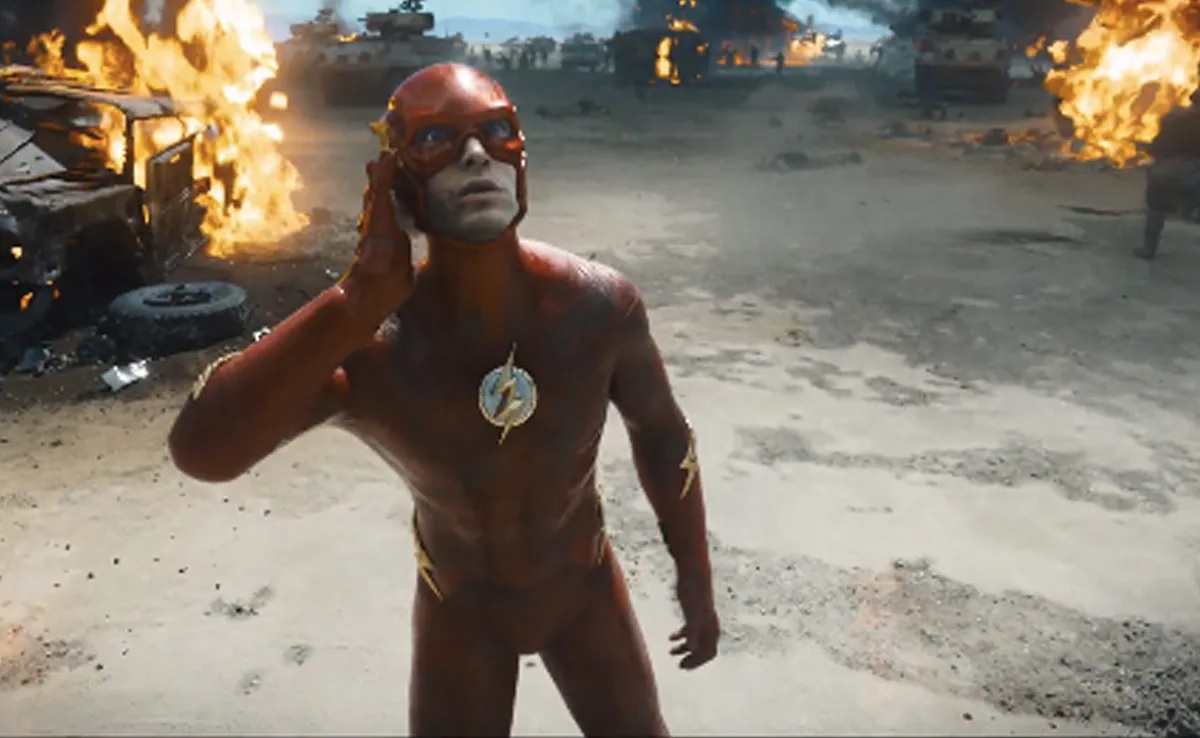
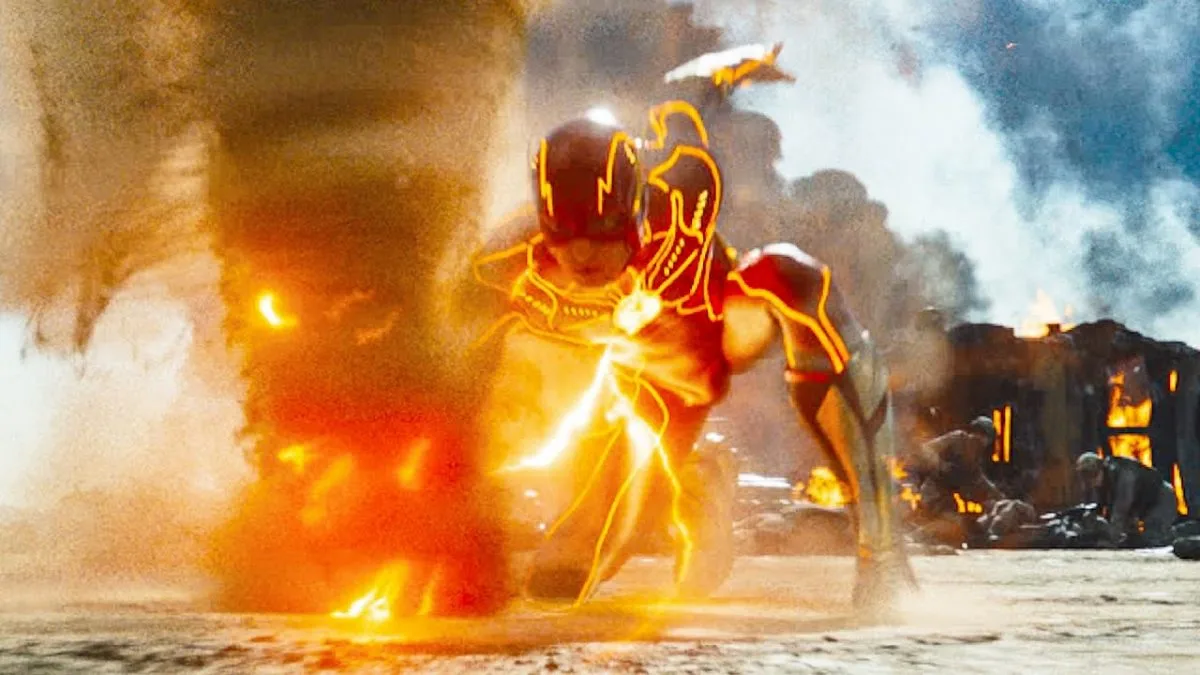
There are many reasons for the various reactions, but the pervailing muted response has to do with the content of the upcoming DCU films and TV shows and that fans have been burned before with the intial announcement of the DCEU. When the first batch of DCEU films were announced last decade there was a lot to get fans super excited, especially with Batman v Superman: Dawn of Justice. Now we know how all that turned out. Some of the films were never made (with The Flash finally premiering later this year), while some released films failed to deliver. Then there is the fact that some of the more well-received aspects of the DCEU, namely actors like Henry Cavill and Gal Godot, will not be a part of the DCU. So, naturally the skepticism and outrage was expected.

But let’s face the truth: the DCEU was a failure. Blame the executives at Warner Bros.. Blame the producers, writers, directors and actors. Blame the unrealistic expectations and toxic fans. But the fact remains that there were too many missed opportunities and that Warner Bros. was too reactionary. Instead of trying to fix what was wrong with the DCEU, the film studios had a scattershot approach to their DC properties. They ignored what worked with the DCEU and doubled down on films and TV shows that featured DC characters, but were not connected to the DCEU. What made things worse for the cinematic universe was that non-DCEU films like Joker and The Batman were huge successes. More and more DC films and TV shows were greenlit that were not part of the DCEU, while the DCEU itself was left behind.

This was a mistake. Warner Bros. have the characters in a shared superhero universe that should have rivaled Marvel Studios and their properties. While this may please Marvel fans, the fact is that Marvel Studios needs healthy competition to keep them on their toes, and we were seeing the effect, as their recent films and TV shows were not as well received as earlier releases.

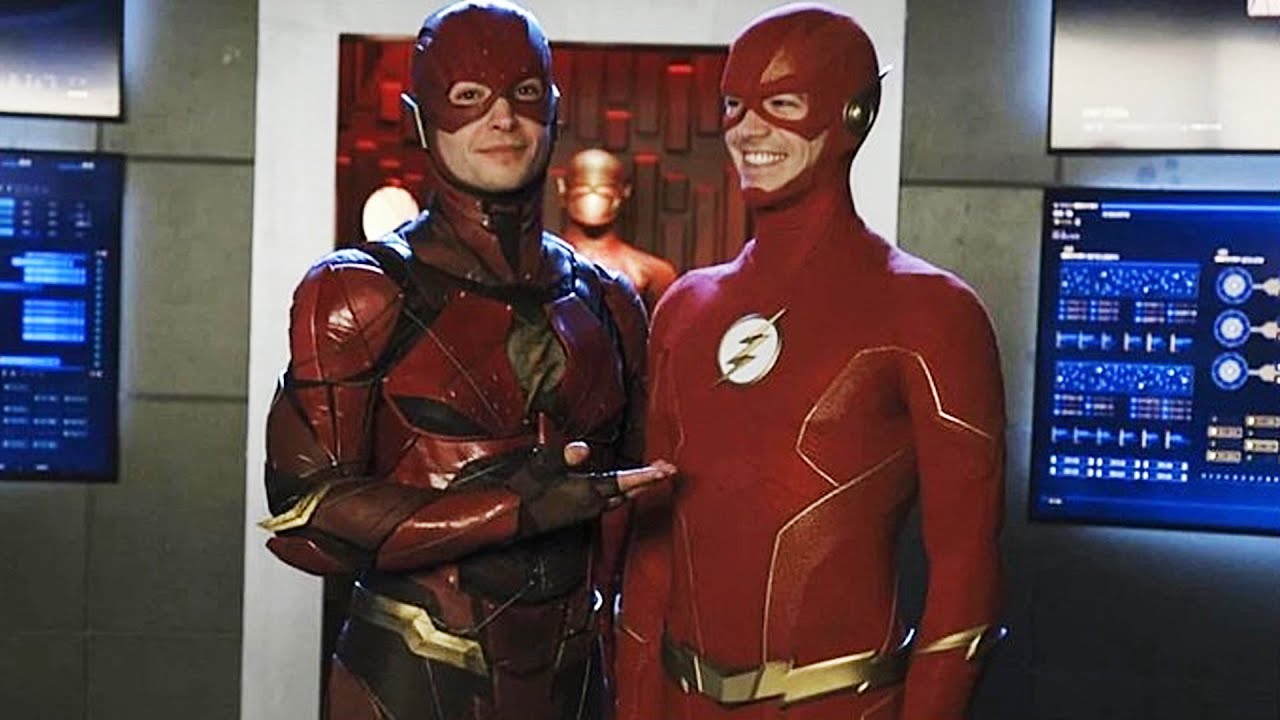
What could have been done to salvage the DCEU? Nothing, at this point. James Gunn took the right approach by starting over. But there should have been a complete reboot. Instead we are getting a TV show about Amanda Waller starring Viola Davis, who was prominent in the DCEU. Then there are reports that other actors from the DCEU like Ezra Miller will be a part of the DCU. Why keep Davis and Miller but not Cavill and Gadot? The latter two actors were very popular and turned in iconic performances as Superman and Wonder Woman. Unfortunately, while they were great in their roles they are too identified with the DCEU and nervous executives probably feared that keeping them in a new cinematic universe would be too confusing for the average moviegoer. Whatever.

On the other hand, to dismiss the DCU without seeing the final product is foolish. James Gunn is a very talented filmmaker who took the obscure Marvel Comics property Guardians of the Galaxy and made them beloved superstars. He also did this to a lesser effect with DC characters in his film The Suicide Squad and TV show Peacemaker.

Do some of the announced films and TV shows sound uninspiring? Sure. Who is clamoring for Waller or The Authority or Paradise Lost (sorry this last announced project seems too much like Game of Thrones)? Who the hell can replace Henry Cavill? Anyone trying to answer this should remember how many fans were attached to Christopher Reeve as Superman or bemoaned about how Brandon Routh was short changed. Who knows, maybe Cavill and Gadot will return at some point. It happened to Routh when he had the opportunity to reprise Superman in the Arrowverse version of Crisis on Infinite Earths. That is one crossover event that is begging to be redone properly by Gunn and his people.

It stinks that we have to wait until 2025 to see the first DCU entry Superman: Legacy, but until then we should be patient and see what happens. We should also be rooting for the DCU to succeed because if it falters like the DCEU then it will be a long time before such effort is made to create a live-action cinematic universe based on the beloved DC characters.

The DCEU: How It Should Have Launched

Whether we’re excited for what James Gunn and Peter Safran have planned for their relaunched films based on DC Comics properties or lamenting the demise of the DC Extended Universe (DCEU), it is clear by now that the DCEU has lost its way.

There are many reasons why the DCEU ultimately faltered and a common factor that many point to has to do with the schedule of its early films and who they were centered on. Many fans have griped that there never was a proper sequel to Man of Steel or that Batman never had a solo film, while other announced films have yet to materialize.

So, could the DCEU have succeeded early on? It is possible and there are many avenues the films could have taken. Some have suggested that the DCEU films should have taken a gradual approach in introducing the heroes before releasing Justice League in the same way Marvel Studios led up to the release of The Avengers. There were many reasons why Warner Bros. did not take this approach with their reps publicly stating they did not want to copy the formula used by Marvel Studios. But if they did try to emulate the formula, how would the DCEU have turned out? Let’s look further.

The first film of the DCEU, Man of Steel, is released in 2013 as it happened in real life. Except, this time the film would have more Easter eggs to a greater DCEU instead of a quick glimpse of a satellite belonging to Bruce Wayne. The film would have a post-credits scene which would show a news montage about the Kryptonian invasion of Earth and the revelation of Superman. As the talking heads would debate about an alien being walking among us, the images would pull back to show they are coming from a TV screen or monitor and we would see that this scene is taking place in the Batcave or in S.T.A.R. Labs.

2015

Instead of waiting until 2016 to release the next DCEU film, Warner Bros. would release two films in 2015. A proper sequel to Man of Steel called Man of Tomorrow, which would be a solo Superman film, and a solo Batman film called The Caped Crusader.

Man of Tomorrow would have been very similar to Batman v Superman: Dawn of Justice except that Lex Luthor would have been recast and Batman/Bruce Wayne would only make brief appearances. He never would have fought or even met Superman. That opening in Batman v Superman: Dawn of Justice where Bruce Wayne personally witnesses the destruction in Metropolis from Superman’s fight with the Kryptonians would swap out Wayne with Luthor. This gives Luthor more of a reason to hate Superman because he saw firsthand the danger of this superpowered alien. The rest of the film would have explored the ramifications of Superman’s presence in the world with Luthor trying to discredit him. The film could have had references to other DC heroes who at this time are operating in the shadows or have not become superheroes yet.

Like Batman v Superman: Dawn of Justice, Man of Tomorrow would have concluded with Superman confronting by himself a genetic monstrosity that Luthor created but instead of Doomsday it would have been an evil Superman clone, who we would know was a malevolent version of Bizarro. The film would include two post-credits scenes. One would show that Luthor had created another genetic opponent for Superman that was locked up. This creature would have been revealed to be Doomsday. The other scene would take place in another world and reveal that the recent superhuman activities have caught the attention of Darkseid.

The Caped Crusader film would be a proper solo film for Batman and it would have shown Batman to be coming out of semi-retirement. It also would have shown that Batman is largely considered to be an urban myth but by the end of the film, Batman would be revealed to be an actual person who fights crime. The Joker would not appear in the film or even be hinted at. Instead the villain would be Deathstroke as The Caped Crusader would have been based on Ben Affleck’s script for the scrapped Batman solo film where Deathstroke blamed Batman for the death of his son and tried to get revenge on Batman. As with Man of Tomorrow, the Batman film would have had references to the greater DCEU and possibly featured Superman in a cameo, probably as part of a newscast. It possibly could have introduced Diana Prince as a mysterious and potential love interest for Wayne. The film also would have post-credits scenes that set up a sequel and have Prince revealed to be Wonder Woman.

Continue reading

Beyond Avatar: The Way Of Water

Despite what many naysayers predicted, Avatar: The Way of Water has proven to be a box office hit, which means that future films will be produced.

At this point, the third Avatar film is already done and will be released in two years. There are reports that the fourth film has been partially filmed, but that could just be effects shots that would be unfinished if the film never comes to be.

Given that director James Cameron envisioned five films to tell his Avatar story, where would the story go? There will be spoilers below for both Avatar films released to date.

One of the best features of Avatar: The Way of Water is that unlike the previous film, it actually opened up the worldbuilding in the franchise and dropped tantalizing hints of where the story will go.

The Kiri Connection

The film introduced many new characters and gave new and interesting developments for established characters. The most interesting new character was Kiri, the adopted daughter of Jake Sully and Neytiri. It was revealed that she is the daughter of Grace Augustine, who was killed in the first Avatar, but there are questions as to who is her father. More importantly, Kiri was shown to have a deep, spiritual connection to Eywa, a life force that is connected to all living creatures on Pandora, the alien moon in Avatar where the characters live. Her connection to Eywa was quite evident as she used it to defend herself against humans hunting her and her siblings, and when she was able to get bioluminescent fish creatures to help find her adopted mother and sister, who were in danger of drowning.

It has been theorized that Kiri does not have a father and is a product of an immaculate conception, which has many echoes of not only the Star Wars prequels but Christian religion. Another theory has it that Kiri is actually the personification of Eywa, who has taken physical form to better understand Pandora and the Na’vi. In either case, Kiri is being set up to be a conduit or a savior of the moon against the human invaders, and this will be the needed advantage the Na’vi people will need against the humans.

In our history, whenever a technologically advanced culture first encountered a native culture that was not as technologically advanced, the results were grim for the native culture, as it was overwhelmed. The Na’vi face a similar fate in the overall story of Avatar, and the Eywa connection will probably be the only way they could fight back against the humans. We’ve seen this already in Avatar, when out of nowhere armies of native animals viciously attacked human forces trying to destroy a Na’vi stronghold, and we saw it again to a lesser extent in the sequel when Kiri used her connection to Eywa to protect her.

Not only is Kiri the key to saving Pandora, but possibly Earth itself. It was mentioned in Avatar: The Way of Water that Earth was dying, which was why humans showed up in greater numbers to begin colonizing the moon. The title of the third film is for now, Avatar: The Seed Bearer, this could be referring to Kiri. If she turns out to be a manifestation of Eywa, she could provide the means to somehow saving Earth from ecological devastation.

James Cameron has said that at some point in either the fourth or fifth planned film, part of the story will take place on Earth. This is where Kiri and Earth’s salvation could come into play.

Other Points of Views

The director elaborated that Neytiri will visit Earth and be exposed to other aspects of humanity. She will learn that not all humans are evil. This is a bit odd given her romantic relationship with Jake Sully, who was once human, and that he has close ties with sympathetic humans on Pandora, who have aided the Na’vi. Then again the fact that her son was killed by humans could have hardened her against humans. A clue for this development was when she grabbed Quaritch’s human son Spider and threatened to kill him. For a moment in that scene, it really looked like she meant to do it, given her earlier rampage against human soldiers who killed her son.

On Earth, Neytiri will probably find human allies who are ready to join the struggle against human invaders on Pandora. It is possible the franchise could conclude with epic battles taking place on Pandora and even on Earth as Na’vi and human allies fight the invading humans who are bent on world conquest. One of those possible allies could be Quaritch himself.

When Quaritch was first introduced in Avatar, he was a one-note villain who only saw the Na’vi as savages or pests to be eliminated. He was killed at the end of the film. In the sequel he was resurrected in a way when an avatar body (a clone grown out human and Na’vi DNA) was created in his image and implanted with his memories. Throughout Avatar: The Way of Water Quaritch is out hunting Jake Sully, but in a Na’vi body. This allowed him to better blend in and survive the deadly environment of Pandora. In the film, Quaritch makes great efforts to adopt the Na’vi way of life to better understand his prey. This could eventually make him sympathetic to the Na’vi even though Cameron said he would be the villain in the next two films. We saw him soften from his tough-as-nails militaristic demeanor in Avatar: The Way of Water. He forms a fragile bond with the son of the original Quaritch to the point that he gives in to Neytiri when she threatens his son.

Continue reading

DC Films’ Pending Comeback

It has become a bit of a running joke and a sore point for fans of DC Comics that the films based on the popular comic books have not been as well received as those from Marvel Studios.

For years, the films of the DC Extended Universe (DCEU) have had a mixed reaction from critics and fans. The result was a perceived lack of quality or consistency, which was quite frustrating as the potential for the films and various DC characters was squandered. Two examples are Superman and Batman. After their joint film Batman v Superman: Dawn of Justice turned out to be disappointing it seemed as if DC Comics’ owners Warner Bros. (now Warner Bros. Discovery) gave up on the two characters, especially Superman, and focused on DC films not set in the DCEU.

Then there were extensive behind-the-scenes production problems, the most recent and glaring were the issues behind The Flash and its star Ezra Miller. Other properites were announced then abandoned. These issues in turn gave the perception that properties from the DCEU were inferior or at the very least were inconsistent as the film universe lacked direction.

This will all change thanks to the hiring of James Gunn and Peter Safran who will take over the newly formed DC Studios. The duo promise to bring a creatve and consistent approach to the DC films, TV shows, animation and other media. While the non-DCEU films and TV shows will continue to be made, such as sequels to Joker and The Batman, the two film executives will have a firm hand on the DCEU films and TV shows. Needless to repeat to fans that the two are well known for their work in previous DCEU films such as Aquaman, Shazam!, The Suicide Squad, and Peacemaker.

Also worth mentioning is that Warner Bros. Discovery has had a change of heart when it comes to Superman. Henry Cavill who originated the role with the first DCEU film Man of Steel, has already reappeared in the DCEU with a cameo in Black Adam, and will star in a new solo Superman film.

Meanwhile, Ben Affleck, who played Batman in the early DCEU films is also slated to return and in fact will appear as the Caped Crusader in The Flash, Aquaman and the Lost Kingdom, and future DCEU films.

After the release of next year’s Aquaman and the Lost Kingdom, it is not clear what exactly lies ahead for DCEU films. At this point, all we can speculate on are reports of another Wonder Woman film being developed, as well as sequels to Black Adam and The Flash. But keep in mind that David Zaslav, the president and CEO of Warner Bros. Discovery has committed to developing a 10-year plan for the DCEU films. With the proven and talented guidance of James Gunn and Peter Safran, DC Studios will be quite successful with the effort.

It is an exciting time for DC fans, as the future holds a lot of promise for the DCEU. Now, if only we can get some kind of confirmation of a Green Lantern film…