Star Trek’s Fascination With Prequels

As we approach the 56th anniversary of Star Trek and the mammoth franchise it launched, it is a good time to reflect on where Star Trek is going. Specifically, the franchise’s fascination with prequels.

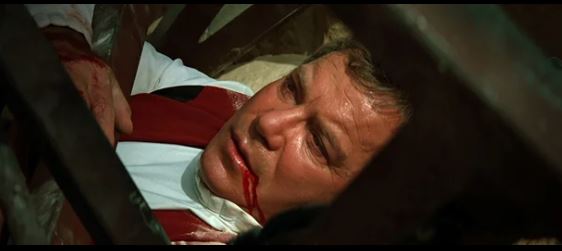
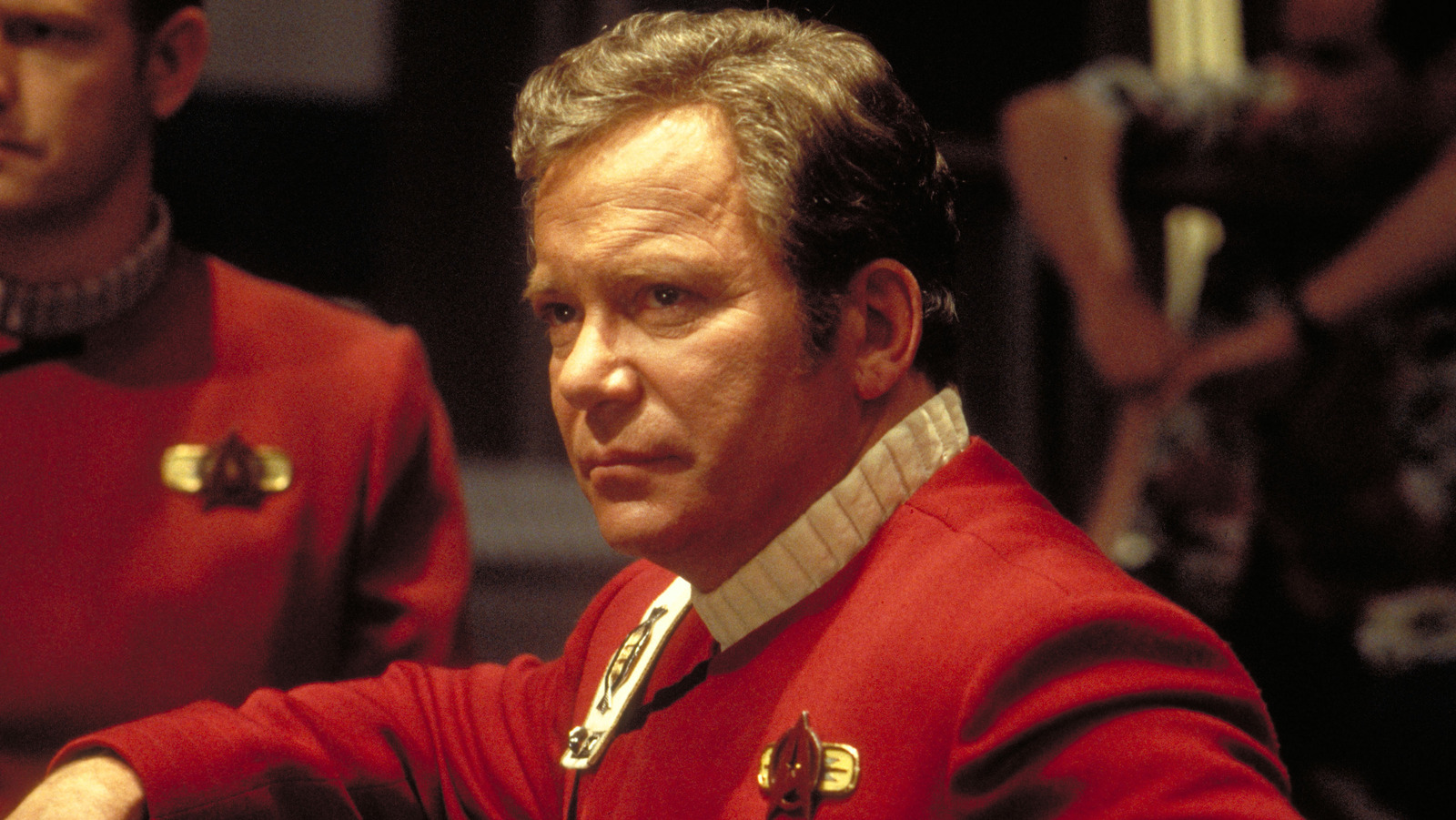
When Star Trek was at its height back in the ’90s, each new TV show featured new, original characters and situations. For the most part, the premise was basically the same: a starship and its crew exploring the unknown cosmos and meeting new aliens. This premise has continued to this day, but a common wrinkle with the franchise is to look back and dwell on characters and situations that made it so popular. Look at, Star Trek: Strange New Worlds, the latest Star Trek series, which won a lot of acclaim from fans and critics for its back-to-basics approach in episodic storytelling and doubling down on established characters like Christopher Pike and Spock. Meanwhile, the biggest buzz going on in Trek circles has to do with a third season of Star Trek: Picard that will reunite the cast of Star Trek: The Next Generation.

Strange New Worlds Revisited

There has been a tendency with Star Trek shows, starting with Star Trek: Enterprise in 2001 and most recently this year with Star Trek: Strange New Worlds, to serve as prequels to the original Star Trek, which took place in the mid-23rd century. Even the recent films have taken place during this time period, although those films were reboots that officially took place in an alternate universe. Some fans have an understandable disdain for prequels in general for many reasons. Prequels are forced to follow a certain continuity to line up with the original film or TV show. Also, much of the tension is gone with prequels when it comes to established characters and situations. Take the Star Wars prequels. They featured younger versions of Obi-Wan Kenobi and Anakin Skywalker before he turned to Darth Vader. Going into the films, everyone knew that Kenobi would survive the films and that Skywalker would eventually become evil. This fact robbed the films of some tension if the fate of these characters was preordained. Going back to Star Trek, with Star Trek: Strange New Worlds and Star Trek: Enterprise there was some uproar over how the alien Gorn looked compared to their appearance in the original Star Trek. The real-world reason for the disparity between how the Gorn looked was due to improved budgets and special effects. The original Gorn was a stuntman in a cheap suit, and recreating that look would lead to unintentional laughter among viewers instead of fear. Still, this lack of continuity has irked some fans.

Another problem with prequels is the implication that the powers-that-be have run out of ideas. This was evident in the early episodes of Star Trek: Enterprise, which were usually tired retreads of previous Trek episodes. It was not until its later seasons did the show break free of its worn formula and embraced the potentials of prequels with episodes that neatly lined up with the original series.

If a prequel is done well, it can be an excellent way to evoke foreshadowing and to help develop characters and situations. With Star Trek: Strange New Worlds, an intriguing storyline has it that Pike knows his future, which was a grim one as shown in the original Star Trek. Throughout the first season of Star Trek: Strange New Worlds, Pike internally debates if his future is set. Can he change his fate? Should he? This dilemma was the basis of one of the show’s best episodes, “A Quality of Mercy”, which explored the result of Pike altering his future. Hint for anyone who has not watched it, things do not end well for a certain other character.

Prequel Flaws

Then again, if a prequel falters or tries to be too different, it will alienate fans. Star Trek: Discovery suffered heavily in that while it was a prequel it strayed too far from established Star Trek lore. The technology and overall look of the show was too advanced when compared to the original Star Trek, though it took place about a decade before the old show. The look of the Klingons was radically different from the established look of Klingons in traditional Trek, although to be fair the look of the Klingons was wildly different from the original Star Trek and later incarnations. Again, improved budgets were the cause for the disparity. There were distinct continuity deviations, notably the fact that the show’s main character, Michael Burnham, was actually Spock’s step sister. Keep in mind, this family relationship was never hinted at in previous Trek shows and films. These deviations might have been overlooked if Star Trek: Discovery was clearly established as a reboot like the recent films or if the show was actually good. Star Trek: Discovery escaped from the storytelling limitations of prequels by having their characters flung into the far future. This was an excellent idea since the show would not be bound by continuity, but thanks to poor scripts the show has become unwatchable. Star Trek: Discovery was doomed from the start not because it was a prequel, but because of its execution.

There is not anything wrong with doing prequels or revisiting characters and situations. Doing so helps explore the many interesting facets of the Star Trek universe. Many of the most popular films and TV shows have successfully pulled this off and will continue to do so. As to whether or not upcoming shows or films will be prequels is not clear, though if one wants to accept Star Trek: Discovery as canon then given its far-future setting, any show or film set before the current episodes of Star Trek: Discovery has to be considered a prequel.

Lost Era Explored

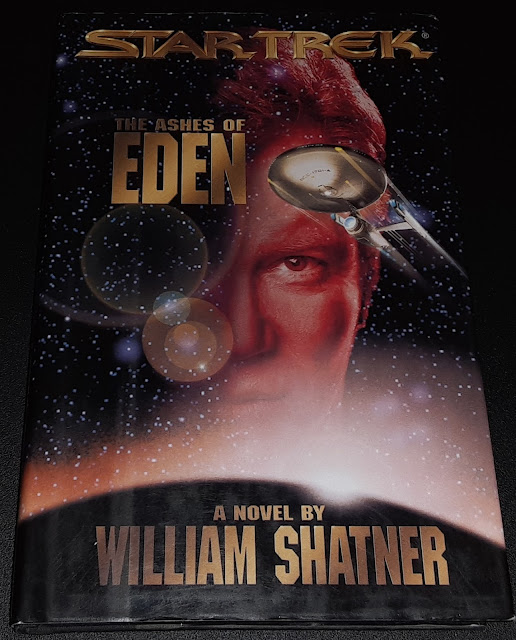
One prequel idea that can be explored would be to set a potential show during the so-called Lost Era of Star Trek. This is the time period set between the last Star Trek film to feature the original cast, Star Trek: The Undiscovered Country and Star Trek: The Next Generation. This is a significant time gap of several decades and a show set in this Lost Era of Star Trek could answer some questions. For instance, what happened to the Enterprise-B? What were the early missions of the Enterprise-C? What was the Tomed Incident involving the Romulans? What was the political situation in the Alpha Quadrant? What was the fate of the original Enterprise crewmembers like Chekov or Uhura? The show could explore the early years of Jean-Luc Picard, Kathryn Janeway or Benjamin Sisko. Just recast the roles with younger actors. Other things that could be examined include the occupation of Bajor, Federation conflicts with the Cardassians, Tholians and other enemies, the early years of Noonien Soong, the possiblities are endless with a TV show set during the Lost Era of Star Trek. Such a show would serve as a prequel to the later shows while being a sequel to the original Star Trek. The show could adapt the novels set during this time period or be completely original just as long as the continuity lines up.

Star Trek has demonstrated throughout the years the merits and detriments of prequels. When done correctly, the Star Trek prequels are not just fascinating companion pieces to older shows, but legitimate storytelling vehicles that fully explore the rich world of Star Trek.

The DCEU 2013-2023?

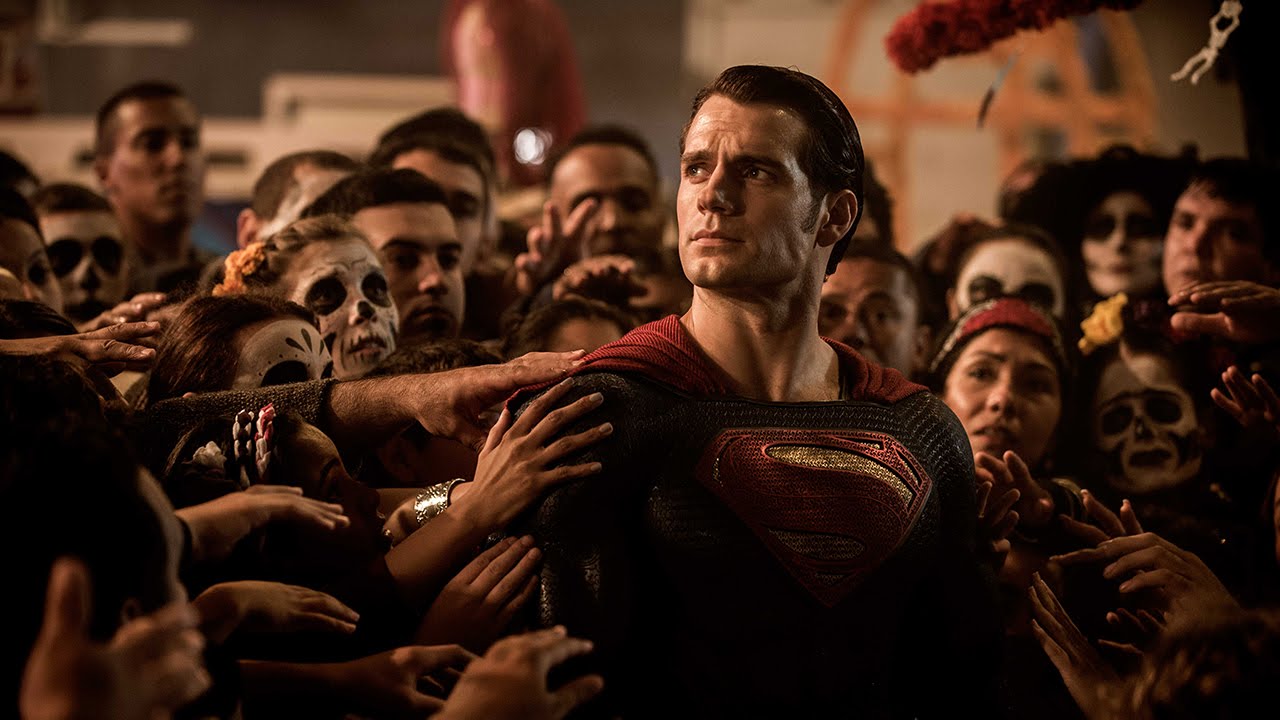
It was not supposed to be like this. For decades, DC Comics’ characters ruled the box office and airwaves, especially with Batman, thanks to the backing of their parent company Warner Bros. That all changed starting in 2008 when Marvel Studios successfully launched their interconnected series of films, the Marvel Cinematic Universe (MCU), which soon overtook DC and Warner Bros. in terms of critical and fan reception and economic success. Warner Bros. did put up a fight and launched their own version of interconnected films, the DC Extended Universe (DCEU), with the release of Man of Steel in 2013.

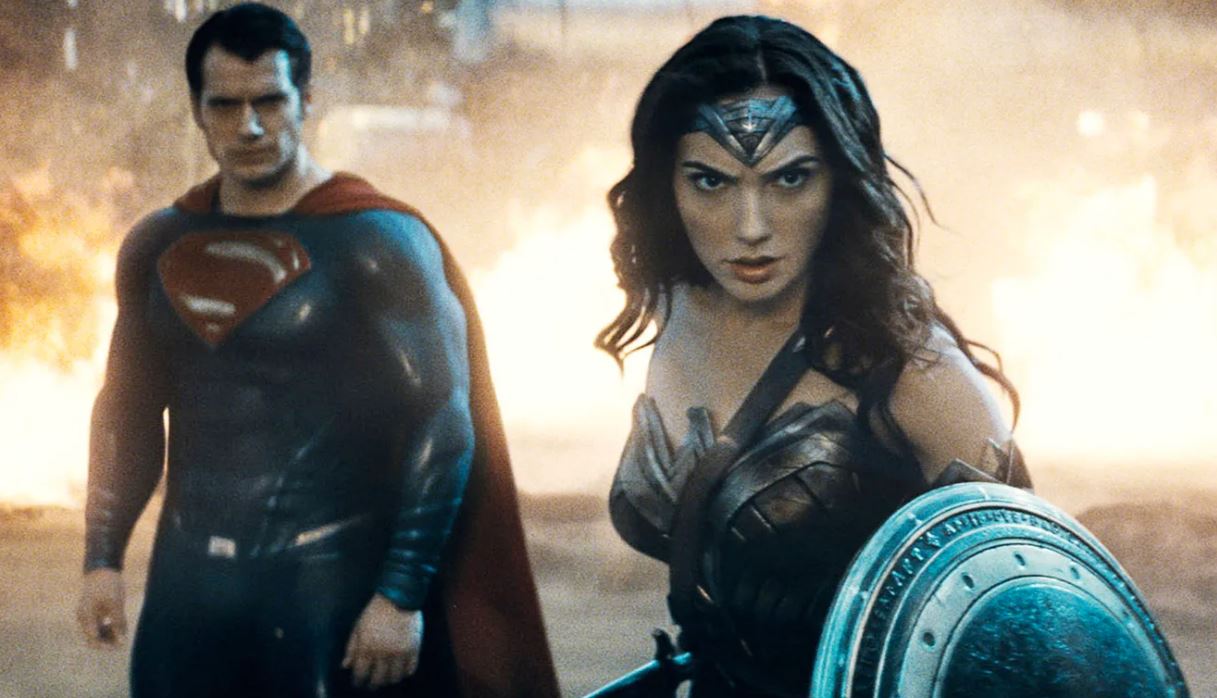
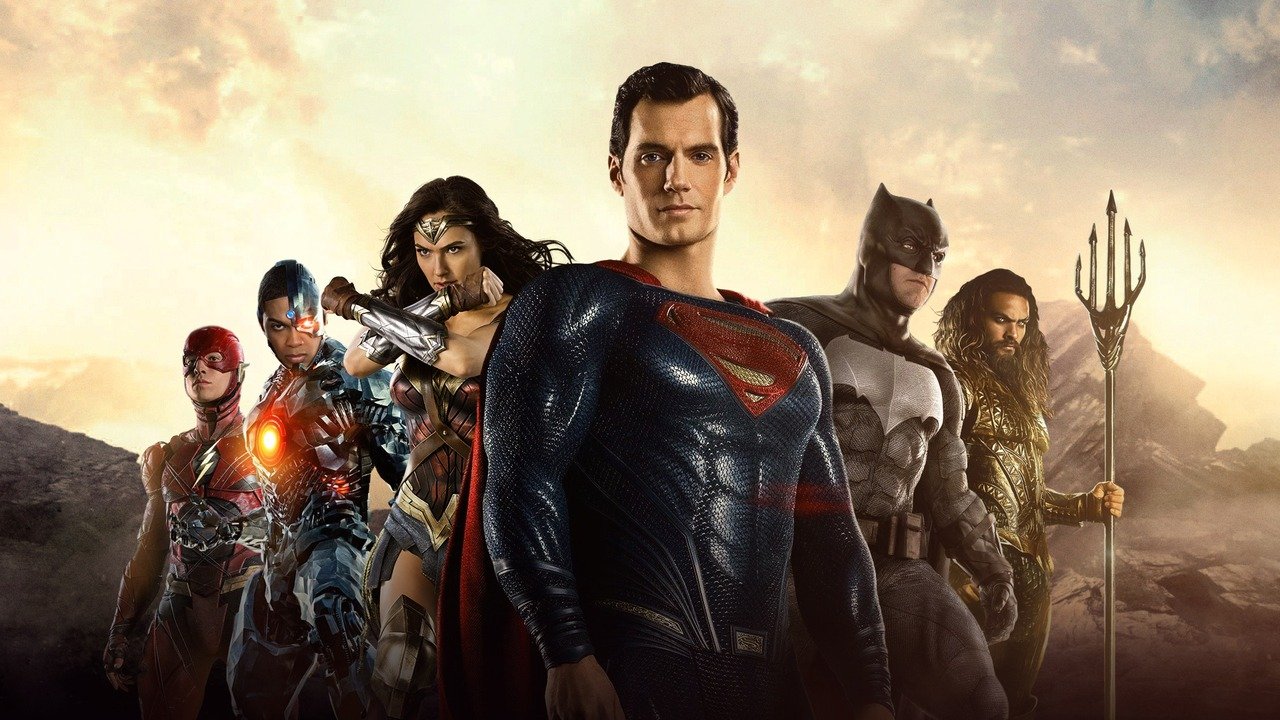
That film, featuring a new, updated version of Superman, had mixed reactions. Some applauded the grounded, grittier take of Superman, while others complained about the dark tone of the film and its over-stylized look thanks to director Zack Snyder. Still, thanks in part to Henry Cavill’s performance as Superman/Clark Kent, the film was the sound basis for an interconnected film universe featuring DC characters, which continued with Batman v Superman: Dawn of Justice in 2016. At last, Warner Bros. had a true counterpart to the DCEU because the second DCEU film greatly expanded its cinematic world as it not only introduced the DCEU version of Batman, but Wonder Woman, and other members of the Justice League superhero team.

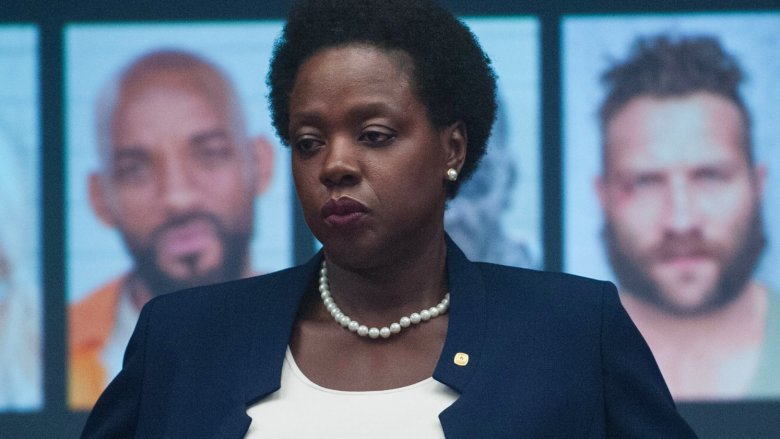
But as we all know, Batman v Superman: Dawn of Justice had a negative reaction thanks to its uneven and convoluted storyline and the DCEU never quite recovered with its sophmore film. The DCEU had an uneven track record with its filmography. For every critical and commercial success like Wonder Woman and Aquaman there were failures like Justice League and the Suicide Squad films. The film universe was inconsistent with its tone and output, meanwhile, the MCU churned out hit after hit without any legitimate competition.

HAR_DM_FIRST LOOK RND F04

What made matters worse for the DCEU was the fact that Warner Bros. seemed to give up on the DCEU by delaying long-announced films, including a solo followup to Man of Steel. This last issue drove Cavill away from the role as the film studio made announcements about new versions of Superman, which never materialized. Instead of focusing on the DCEU, Warner Bros. turned its attention to projects outside of the DCEU like Joker and The Batman, as well as TV shows that were not connected to the DCEU.

Many of these projects were successful, but they did not do anything for the DCEU. Fans asked for DCEU films featuring Superman and the other DC heavy hitters, but instead Warner Bros. greenlit films featuring lesser known characters like Black Adam, Blue Beetle and the Wonder Twins.

Then there were issues with the pandemic, which delayed film productions and forced Warner Bros. to debut films like Wonder Woman 1984 on their streaming platform, HBO Max. In fact, the parent company of the film studio, AT&T decided to forego or deemphasize film releases in favor of premiering films on HBO Max. This led to diminished financial returns for DCEU properties like The Suicide Squad.

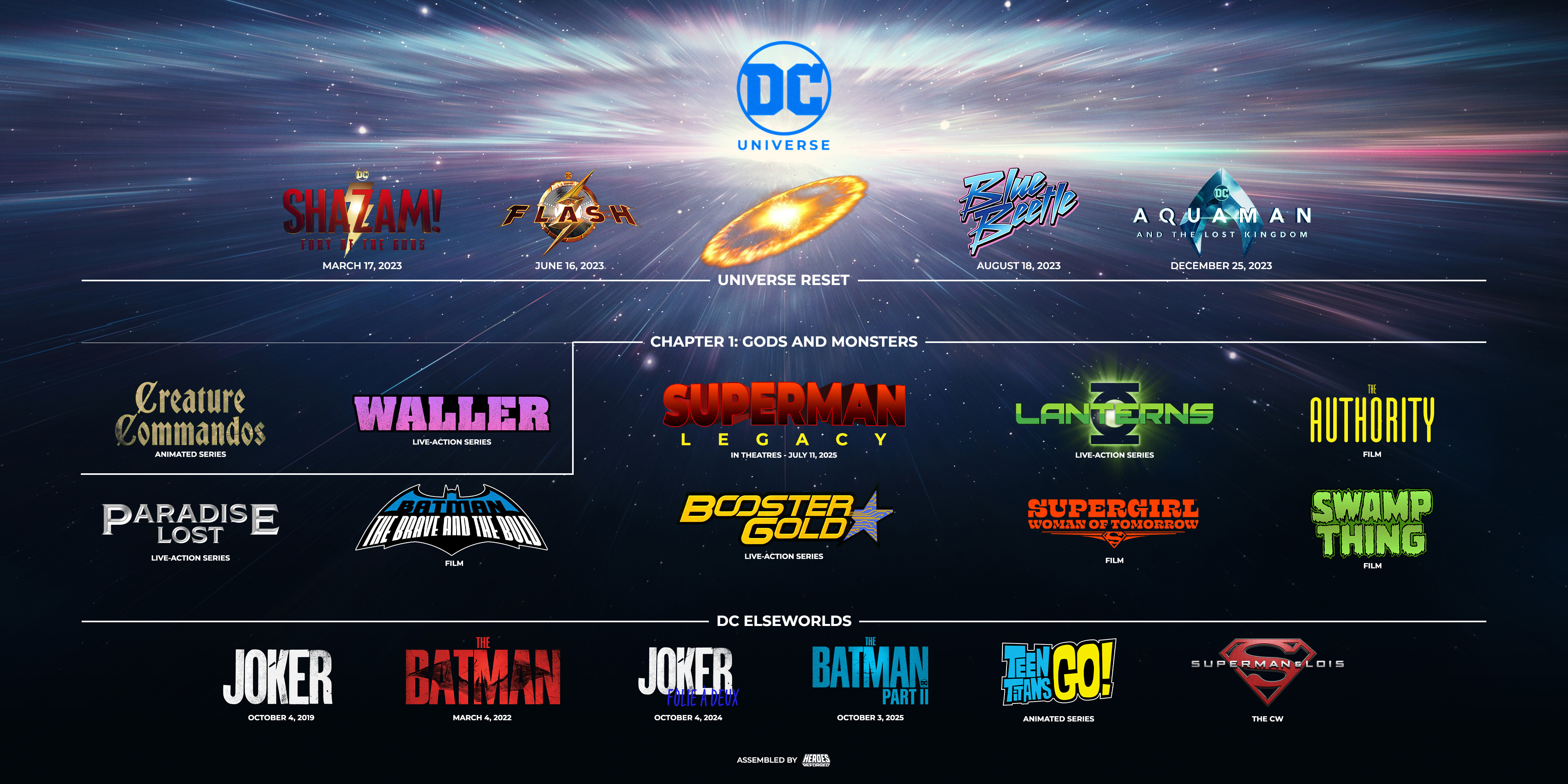
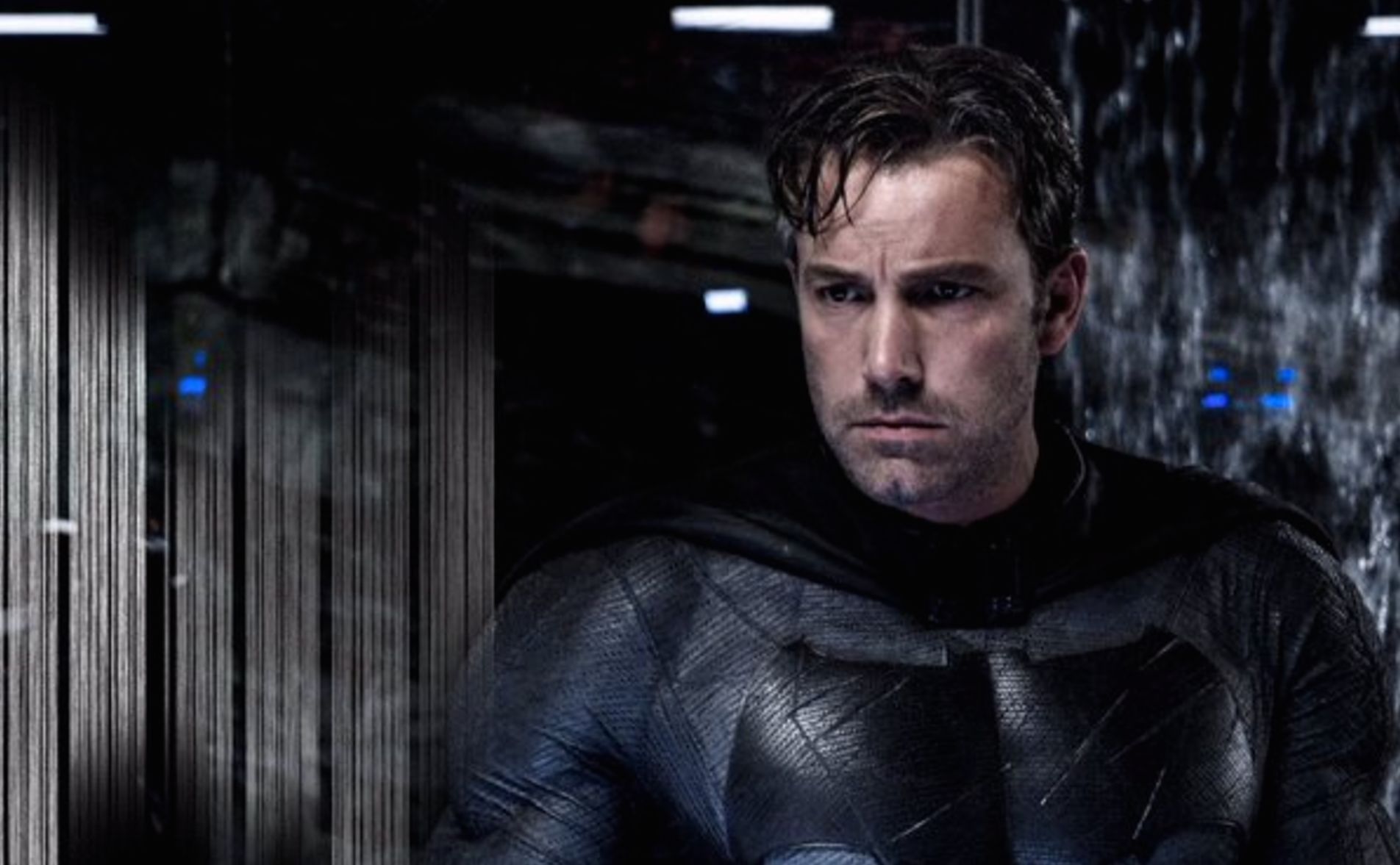
Another sign that implied that the film studio had given up on the DCEU were rumors that the long-delayed DCEU film, The Flash, would be used to reboot the DCEU with new actors. Evidence for this lies with the fact that Michael Keaton is reprising his role as Batman in The Flash. Meanwhile the DCEU version of Batman, played by Ben Affleck and Superman, would be wiped out of existence thanks to the Flash and time travel hijinks. But that was nothing compared to the big changes instituted by new owners.

Continue reading

Questions About The Future Of The MCU

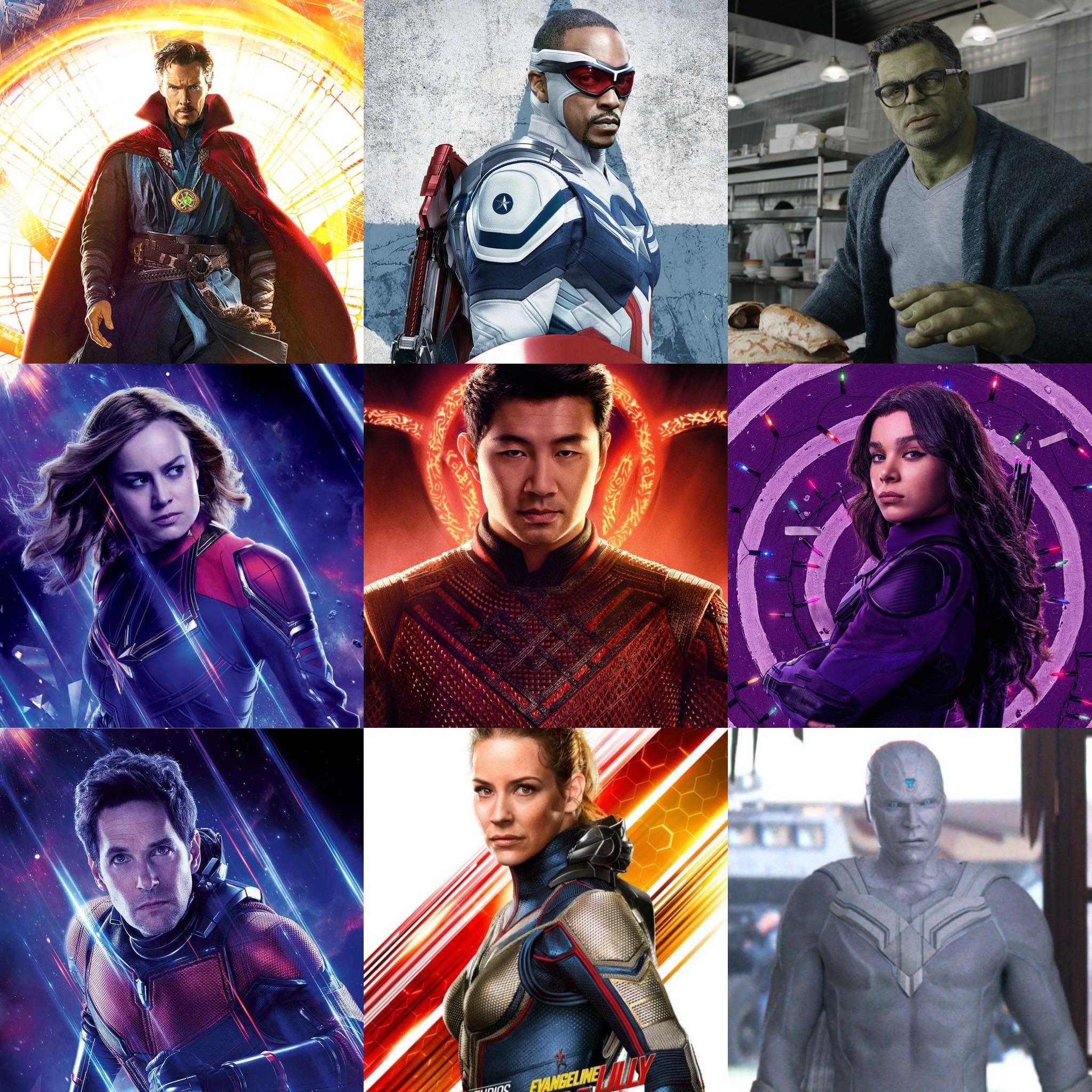
The aftermath of Marvel Studios’ announcement of their upcoming films and TV shows at last weekend’s San Diego Comic-Con is still ongoing. All the complaints about Phase Four of the Marvel Cinematic Universe (MCU) have been vanquished as fans now contemplate Phase Five and Six,which will start early next year.

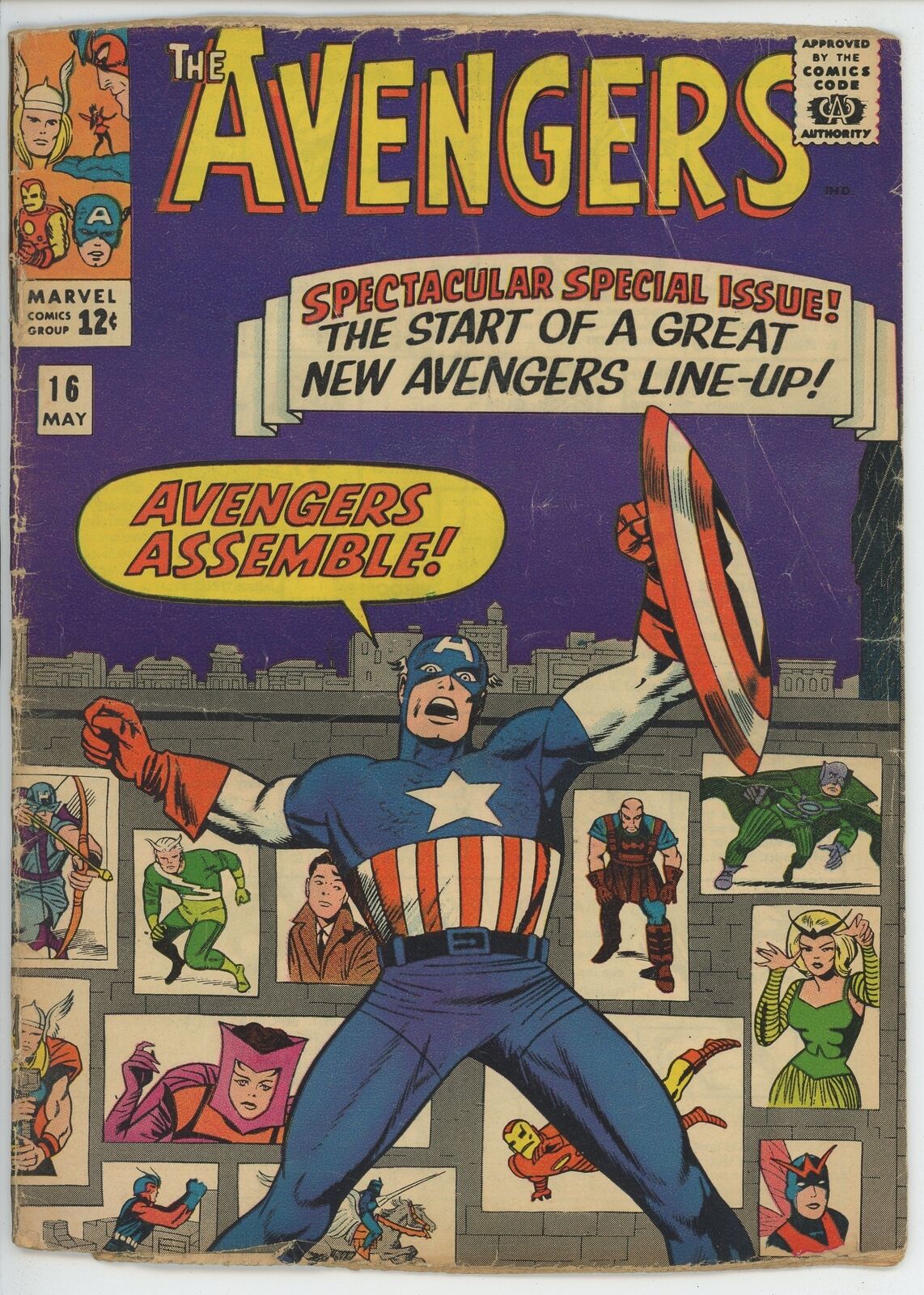
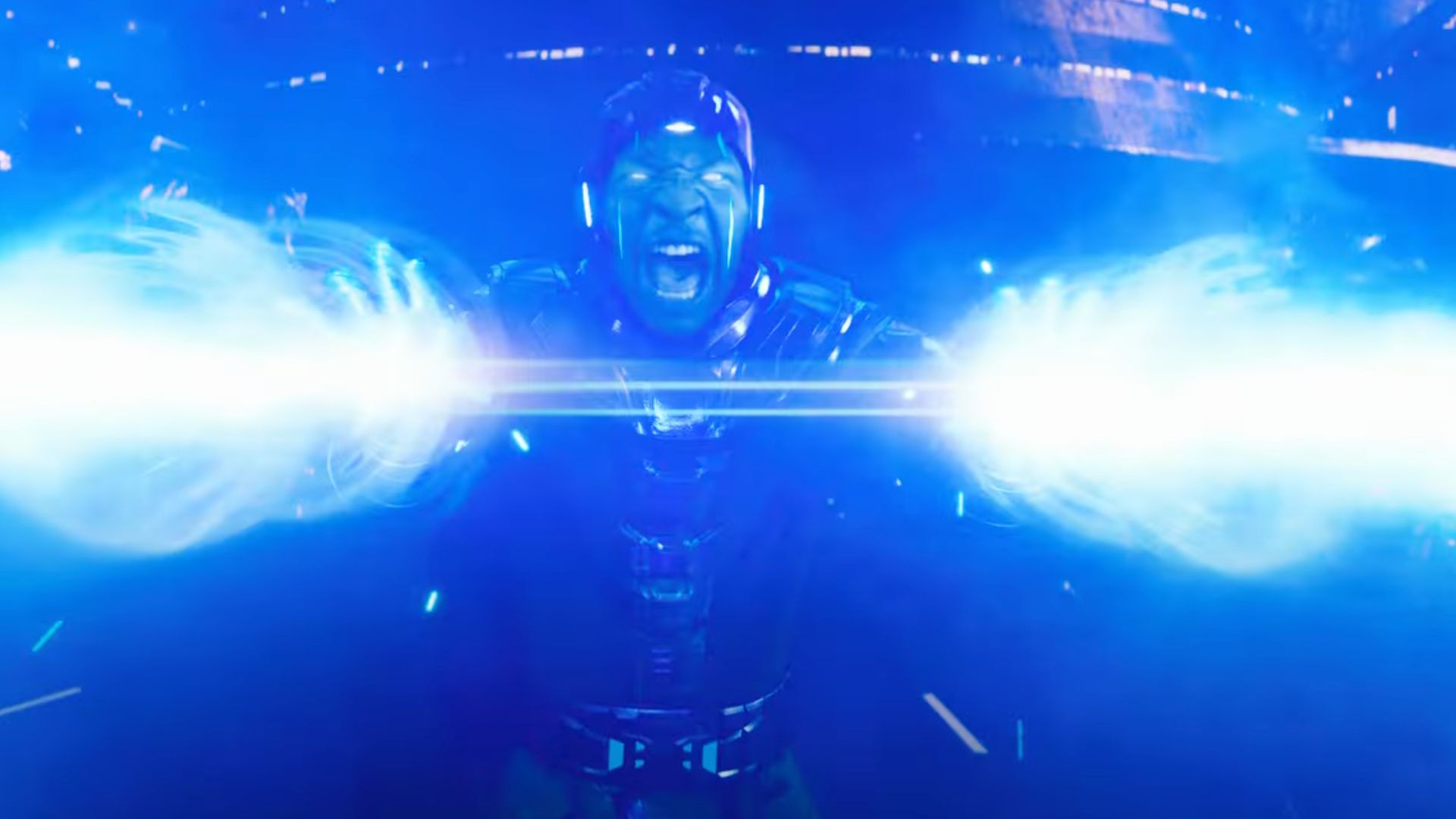
Although the reaction to the new MCU projects has been positive, many questions did come up about the films and TV shows or rather what was not announced. Observers pointed out there were gaps in the official release schedule for the upcoming phases, especially with Phase Six. In that phase only three films were announced (Fantastic Four, Avengers: The Kang Dynasty, and Avengers: Secret Wars), but there were slots for eight more releases. So, what could they be? Let’s examine further…

Where are the Mutants?

The mutant characters in the X-Men and other assorted X-teams were particularly absent during the Comic-Con announcement. Ever since Disney acquired 20th Century Fox and its film properties in 2019, which included the film rights to X-Men, fans have been anxious to see Marvel Studios’ take on the mutants. And some are becoming impatient. But given the many mutant-related films and TV shows over the last few years, it is for the best that the mutants be given a rest to build up demand and recharge the creative energy of those who would bring about more live-action mutant films and TV shows. Marvel Studios played it smart with drip, drip, drip Easter eggs and references to the mutants in the MCU. In last year’s The Falcon and the Winter Soldier, part of the action took place in the fictional country of Madripoor, a location well known as Wolverine’s incognito stomping grounds. It has been heavily implied in WandaVision, that Wanda Maximoff was a mutant. Professor Xavier, founder of the X-Men, turned up in Doctor Strange in the Multiverse of Madness, albeit this was an alternate variant. In the most recent MCU TV show, Ms. Marvel, it was revealed at the end that the title character was a mutant, though that word was not actually used.

It has been reported that Ryan Reynolds, who plays Deadpool, will reprise the role in a Deadpool 3 film for Marvel Studios, and it has been rumored the film will be part of Phase Five. Whenever the film comes out, it is bound to be a hit and increase demand for more X-Men-related films.

Secret Wars and Followups

Perhaps the mutant superhero team will be one of those unannounced films in Phase Six. One possible clue was the recent announcement that the director of Avengers: The Kang Dynasty would not be Joe and Anthony Russo but instead the director of Shang-Chi and the Legend of the Ten Rings, Destin Daniel Cretton. It was expected that the Russo Brothers, who directed the last two Avengers films to great success, were the go-to guys for future Avengers films. But in the past, they’ve expressed a desire to do their own take of the X-Men. Perhaps, they were offered their dream assignment and this will be announced at the D23 Expo in September. Or the X-Men won’t turn up until Phase Seven. It was reported earlier this week that Disney cannot recast the X-Men until 2025 and Marvel Studios will probably want to run out the clock until then before even starting work on the MCU version of the mutant superheroes. At this point it’s anyone’s guess.

Once Cretton was announced as the director of the next Avengers film, people began wondering who would helm Avengers: Secret Wars. It could go to the Russo Brothers, but that seems unlikely, given the possibility they could be busy with the mutants. Then again they could be tapped to direct Avengers: Secret Wars if it turns out the film will actually be a two-part saga. The original Secret Wars mini-series in 2015 was a sprawling epic that will be difficult to pull off with just one film. It could turn out that the story of Avengers: Secret Wars will have to be continued into Phase Seven, which could be called the Battleworld Saga. During Secret Wars, various patches of reality were merged into a world created by Doctor Doom. The Phase Seven films could explore these separate realities before coming to a concluding epic film.

Getting back to the director of the sixth Avengers film, if the Russos don’t direct it then another possibilty is Jon Watts, the director of the MCU Spider-Man trilogy of films. The concludng film of the trilogy, Spider-Man: No Way Home, was one of the most succesful films of all time and its head-spinning plotline about multiversal variants and characters from different film franchises meeting each other was well directed by Watts. This makes him an obvious contender for an Avengers film dealing with characters from alternate universes meeting and battling each other. This could be the reason why Watts left the Fantastic Four reboot he was supposed to direct. His success with Spider-Man: No Way Home demonstrated he had the skills to take on an even more epic film.

Putting aside speculating about directors and mutants, let’s ponder what other MCU offerings are coming up. It was a surprise that the previously announced Armor Wars TV mini-series was not part of the announcements at Comic-Con, yet Marvel Studios insist that mini-series will still be made. It is possible Armor Wars will be part of Phase Six.

It has also been reported that a TV series based upon Wonder Man will be produced and if so Wonder Man can be part of Phase Six. Other live-action TV series could include second seasons for Hawkeye, Moon Knight, and She-Hulk: Attorney at Law, and maybe a third season of Loki that could coincide with the upcoming Avengers films.

As for other films, a no-brainer would be a second Shang-Chi film, as well as a third Doctor Strange film. After all the last Doctor Strange film ended on a bit of a cliffhanger and was strongly tied to the Multiverse Saga. There are rumors that Marvel Studios is considering a followup to Eternals, but since that film had a mixed reaction what is more likely is that some of its characters will be important players in other films, perhaps one about the cosmic superhero Nova. Supposedly, Marvel Studios is developing a Nova film, which could not only feature the Eternals, but tie-in with the Guardians of the Galaxy. Of course, this depends on how the third and final Guardians of the Galaxy film concludes.

The Spider-Man Wild Card

Given the humongous success of Spider-Man: No Way Home, a new trilogy about the MCU Spider-Man should be a given. Yet, nothing has been announced. As many know, Marvel Studios does not have the film rights to Spider-Man and Spider-Man films were never made part of Marvel Studios’ big announcements. They just pop up and a spot on the crowded MCU schedule is found for them. Expect the same thing to happen with Phase Five and Six.

The big question with future MCU Spider-Man films is will Jon Watts return to direct them? If not him then who else can direct a Spider-Man film? Marvel Studios cannot make that decision because that will be up to Sony Pictures, which holds the film rights to Marvel’s most popular character. Unfortunately, instead of focusing on more Spider-Man films, Sony is obsessed with mining other Spider-Man-related properties. The problem is that what they have planned does not sound promising aside from Spider-Man: Across the Spider-Verse. So, fans will have to wait and see what Sony decides.

No matter how this all ends up with Phase Five and Six of the MCU, fans will end up happy, upset or somewhere in between. Either way, there will be something for everyone.

José Soto

The Stumbles Of The MCU’s Phase Four

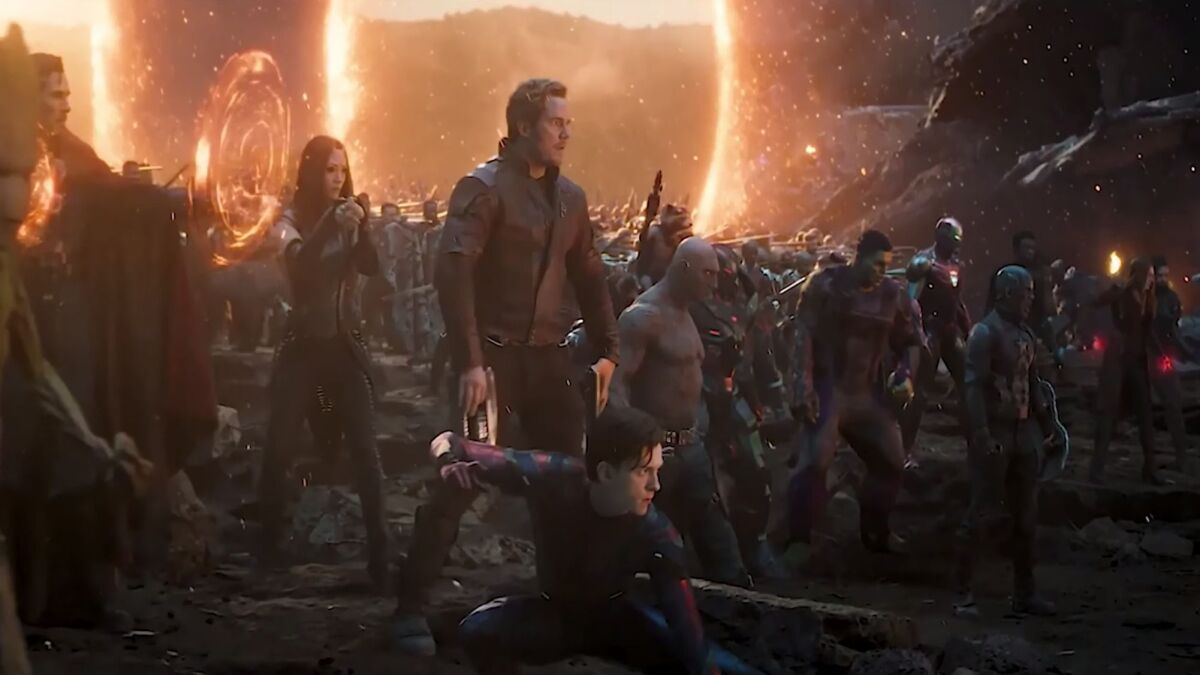
The toughest thing about being king of the mountain is staying there to paraphrase an old saying. Marvel Studios head Kevin Feige is certainly experiencing this now given the stumbles and headaches with Phase Four of the Marvel Cinematic Universe (MCU). The film universe devoted to the Marvel Comics heroes absolutely ruled the box office in the past decade with their interconnected films. Many memorable characters became part of our popular culture in a way not seen since the original Star Wars films. The MCU reached its zenith in 2019 with the release of Avengers: Endgame, as that film concluded the Infinity Saga. But since then, there are cracks in the once-invincible armor of the MCU as their recent entries in film and television streaming have had a mixed reaction from fans and critics.

The films and TV shows are successful as seen with most recently with Thor: Love and Thunder and Ms. Marvel. However, in the past an MCU entry would both be well received by fans, critics and profitable. But as seen with the most recent entries that is no longer the case. Thor: Love and Thunder was not as well received, but it is a genuine box office hit, while, Ms. Marvel received excellent reviews, but was the least viewed MCU TV show. This is nothing new with Phase Four of the MCU, which began when Black Widow was released in theaters and streamed at the same time on Disney+ in May 2021. Due to the pandemic and the availability of the film on home media, Black Widow did not make as much money as many of the previous MCU films and had a middling reception by critics and fans. As the pandemic eased and subsequent films were released exclusively in theaters, they performed better with Spider-Man: No Way Home becoming the biggest hit of Phase Four and acclaimed by fans and critics, alike. But most of the other film entries have proven to be controversial or derided by all.

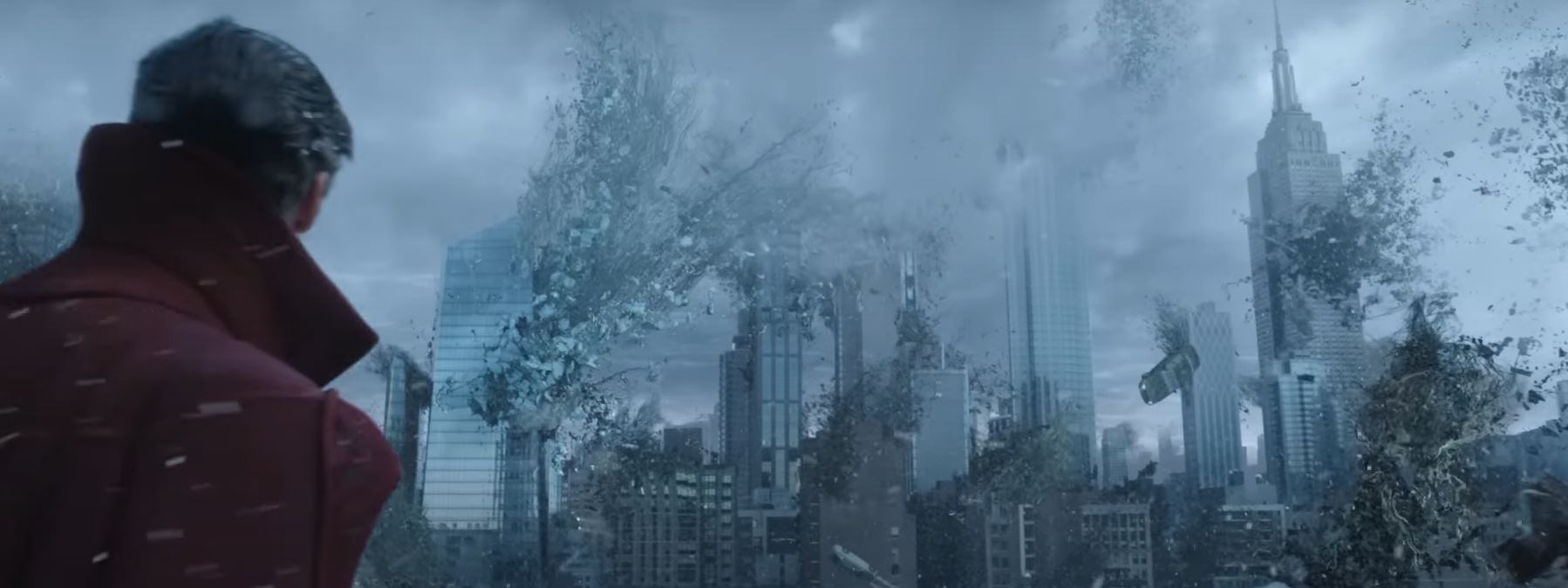
Doctor Strange in the Multiverse of Madness is an excellent example as it was equally revered and derided, Some enjoyed the more viceral horror elements of the film, but others complained about the film’s content, the way certain characters were treated and so on. Others wanted to see more bizarre explorations of other dimensions and alternate takes of the MCU aside from the Illuminati. Basically, these critics felt the so-called Mulitverse of Madness did not live up to its name.

That leads to another gripe with the recent MCU fare. Before a film or TV show comes out, the speculation about who will appear in them goes overboard which will disappointment fans. This was evident with WandaVision when one of the TV show’s star promised an important character would appear in the last episode, leading to wild rumors that the X-Men would finally debut in the MCU, but this did not happen. Then there were all the supposed cameos for the second Doctor Strange film that never materialized. What is more infuriating are the reports that many characters were supposed to appear in these films and TV shows, but for one reason or another these appearances did not happen.

Here are some examples: Doctor Strange was supposed to appear in a cameo in WandaVision, Deadpool was supposed to pop up in a post-credits zinger in Doctor Strange in the Multiverse of Madness, director Sam Raimi was supposed to reunite with Tobey Maguire as the universe of Spider-Man was supposed to be visited in Doctor Strange in the Multiverse of Madness, Beta Ray Bill would finally debut in Thor: Love and Thunder, Werewolf by Night was supposed to appear in Moon Knight, and so on. Now, the speculation continues as Doctor Doom will supposedly make his MCU debut in Black Panther: Wakanda Forever and that Ben Grimm and Matt Murdock will turn up in She-Hulk: Attorney at Law. This speculation is a great way to generate interest but it is bound to disappoint many, no matter what. Of course, there have been notable and important cameos in the Phase Four films and TV shows, such as the characters from the Netflix Marvel TV shows turning up in Hawkeye and Spider-Man: No Way Home, Captain Marvel appearing in a post-credits scene of Ms. Marvel, and of course the appearances of several Marvel heroes like Reed Richards and Professor X in Doctor Strange in the Multiverse of Madness.

Continue reading

Potential Directors 4 The Fantastic Four

The recent news that director Jon Watts left the upcoming Fantastic Four (FF) film by Marvel Studios was a big surprise for fans of the Marvel Comics property and apparently the film studio itself. Unlike Ant-Man and Doctor Strange in the Multiverse of Madness where the original directors of those films were replaced fairly quickly, it seems as if Marvel Studios is taking its time and keeping to its vest who the replacement will be. There are many possible choices and rumors of who will take over. The popular talk was that John Krasinsky, who appeared as an alternate version of Reed Richards/Mister Fantastic in the latest Doctor Strange film was the frontrunner and one reason why Watts left the project. But those rumors have died down since it is not clear that the actor will even be cast as the Marvel Cinematic Universe (MCU) version of Richards.

When choosing the replacement director for the Fantastic Four, the president of Marvel Studios,Kevin Feige, has to pick a solid director with a proven track record. Unlike some other MCU films, the Fantastic Four truly has to be phenomenal because the superhero team is one of Marvel Comics’ top properties and the previous vilm versions of the Fantastic Four have been major letdowns. So, Marvel Studios has to get this film right and cannot afford a misfire. The latest rumor has it that Feige prefers to have a proven veteran filmmaker tackle the film instead of an up-and-coming director. That makes sense because for every Joe and Anthony Russo, who blossomed with MCU films, there have been forgettable picks like Alan Taylor.

With that let’s look at some possible choices, which will include the latest rumored potential directors and some suggested possibilities for the Fantastic Four. Of course, bear in mind Kevin Feige may tap someone completely unexpected for the task.

John Krasinski

As noted above, Krasinski is considered the frontrunner for the job, at least among fans, given all the fan art of his casting and his directing resume. He has shown the ability to not only direct. but star in genre films, as seen with A Quiet Place and A Quiet Place, Part II. One hindrence is that the actor/director may not want to commit to a long-term film deal. At best, he may only star and direct one Fantastic Four film and hand off the directing duties to someone else for the sequels.

Bryce Dallas Howard

She is the latest rumored frontrunner for the directing task, and for the role of Susan Storm. Fueling the rumors are her recent acclaimed directing of the better episodes of The Mandalorian and The Book of Boba Fett. Currently she is set to star in and direct a remake of Flight of the Navigator, so this may prevent her from taking the job, but then again she may jump ship for a higher profie job.

Peyton Reed

The director of the Ant-Man films famously pitched a Fantastic Four film back in the noughties to 20th Century Fox that would have taken place in the 1960s and would have been a comedy. For some time it was rumored that the superhero team would debut in Reed’s upcoming Ant-Man and the Wasp: Quantumania, but that is doubtful since there has been no news or updates and the film’s release has been moved up to early next year. So there goes Reed’s chance to direct the FF, but, given his interest with the property and his MCU background, Reed would be a perfect choice.

Sam Raimi

After a long absence, the Spider-Man director made a superhero film comeback with Doctor Strange in the Multiverse of Madness where he proved he could still deliver an enjoyable superhero venture. His Spider-Man films were very whimsical and adventurous with the unique Raimi camera tricks that should go well with the FF. Plus, Bruce Campbell could cameo as the Impossible Man or some other comedic role!

Chris Columbus

Back in 1995, Columbus was attached to write and direct an adaptation of the Fantastic Four, but unfortunately left the project due to the astronomical cost for the special effects, which would have been difficult to pull off in that time period. The director has solid genre credentials, most famously with the early Harry Potter films, and should be considered.

Continue reading