The Coming Star Trek Renaissance


Not too long ago it seemed as if Star Trek was at a low point. Yes, the IP had a lot of attention thanks to its 50th anniversary, but it appeared that its corporate owners CBS and Viacom/Paramount Pictures could not fully take advantage of this event. There were many specials and such, but the only new product in 2016 was the film Star Trek Beyond, which did not do too well in the box office. In fact, to date it is the last Star Trek film to be produced. Then there was the backlash against both corporations when they came down hard on Star Trek fans with stringent, draconian guidelines regarding their ability to create fan films. At that time, aside from some TV specials, there wasn’t any original Star Trek content on TV. This was striking being that the franchise got its start in the television medium and flourished there.

However, CBS did announce at that time that a new Star Trek TV show, Star Trek: Discovery, was coming, except that it would only be available for subscribers of their new CBS All Access streaming app. So to see new Star Trek content on TV, one was forced to pay for it. This did not bode well for Star Trek: Discovery, and the show already had to face harsh criticism from disgruntled fans. Many of them balked at the design aesthetics, the cast that focused on women and people of color and different sexual orientations, and the fact that most of its season was devoted to a war. As Star Trek: Discovery debuted and failed to meet fans’ expectations, the franchise was further hobbled with the reports that a new Star Trek film was stuck in development hell. It seemed to be that as many cynics and haters were proclaiming: Star Trek was dying.

But the Star Trek franchise, as always, proved that it had life. Star Trek: Discovery began to find its legs and winning over skeptics. Its second season was light years better than its first with new cast members and better written scripts. This culminated in an epic season finale that rivaled anything seen in a Star Trek film and launched the series in a bold new direction while setting up respectfully the original TV show. That wasn’t all.

It was announced that there were other Trek shows in development. While the announcement was greeted with some interest it was Star Trek: Picard revelation that awoke the sleeping Star Trek fandom. The news that Star Trek: The Next Generation (TNG) star, Patrick Stewart, would reprise his iconic role of Jean-Luc Picard excited Star Trek fandom as did the news that the show would take place decades after TNG. This placated those who disliked the idea of reboots. It was clear that the original Prime Star Trek universe still existed and had stories worth exploring in it.

Star Trek: Picard was a much needed boost for the franchise as we fans eagerly wait for it to stream early next year. What added to the enthusiasm was the fact that Star Trek: Picard will feature other characters from TNG and even Star Trek: Voyager. This illustrates that the corporations finally recognized that they have their very own fictional universe to play with and utilize to its fullest. They have even given it an official name: the Star Trek Universe. We last saw this going on in the noughties with Star Trek: Nemesis and Star Trek: Enterprise. It is hoped that Star Trek: Picard will also feature characters and events from other series like Star Trek: Deep Space Nine and Star Trek: Enterprise. Additionally, there are two new animated shows coming soon and rumors of even more shows featuring the Klingon, Worf, and Captain Christopher Pike (as played by Anson Mount, who stole his scenes in Star Trek: Discovery’s second season). Even all does not seem lost on the film front. A Star Trek film directed by Quentin Tarantino is still being discussed. With all this, it can be said that a new Star Trek renaissance is upon us.

What is aiding the new coming Star Trek renaissance is that the corporations CBS and Viacom are merging and the two mediums they had the rights to, TV and film, can now fully interact with each other as last seen in noughties before both corporations separated from one another. So now full resources can be used for Star Trek with less of the corporate red tape over the usage of characters and situations.

Star Trek has faced many ups and downs throughout its fifty-plus years of existence. Some of its worst lows were after the original show and Star Trek: Enterprise were canceled. But time and time again after a lull, the franchise came back strong with renewed vigor. The upcoming shows and developments clearly show that Star Trek is coming back strong.


Let’s Hear It For The Boys

The Boys poster

As if anyone hasn’t seen the ubiquitous advertising, The Boys is a new superhero TV show streaming on Amazon Prime, and what makes it stand out from the standard superhero fest we’ve seen is that the superheroes are actually the villains and the main stars in the show are ordinary humans trying to undercut the superhumans.

In the world of The Boys, superhumans have been around for decades and are slickly marketed as celebrities to the public by the corporation Vought International. The company sells their superhumans as wholesome and patriotic heroes but the reality is that the superhumans are deeply flawed, amoral and let their power get to their heads. In other words, the superheroes feel they are above the law and act behind the cameras and campaigns without impunity.

The Seven

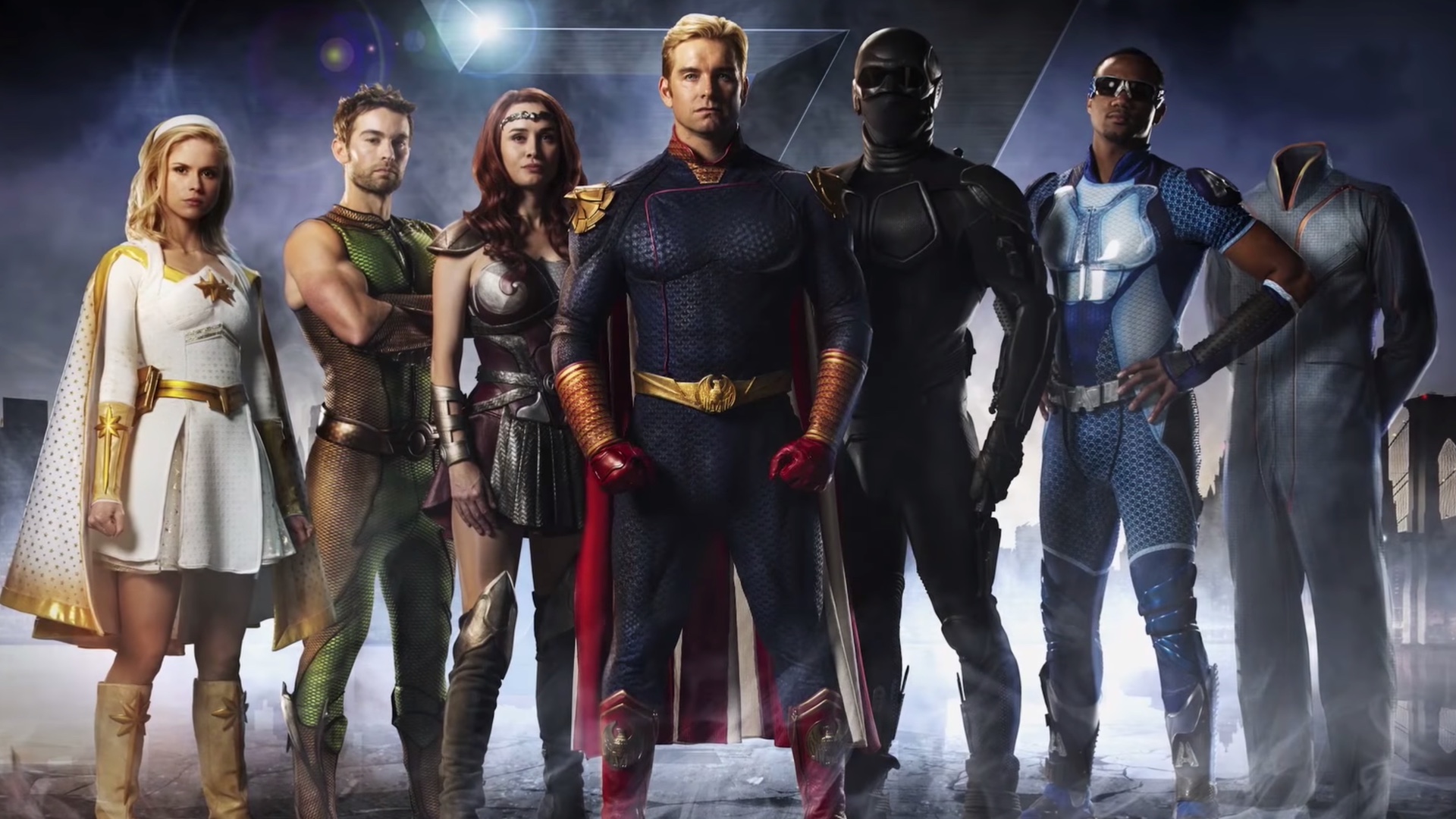
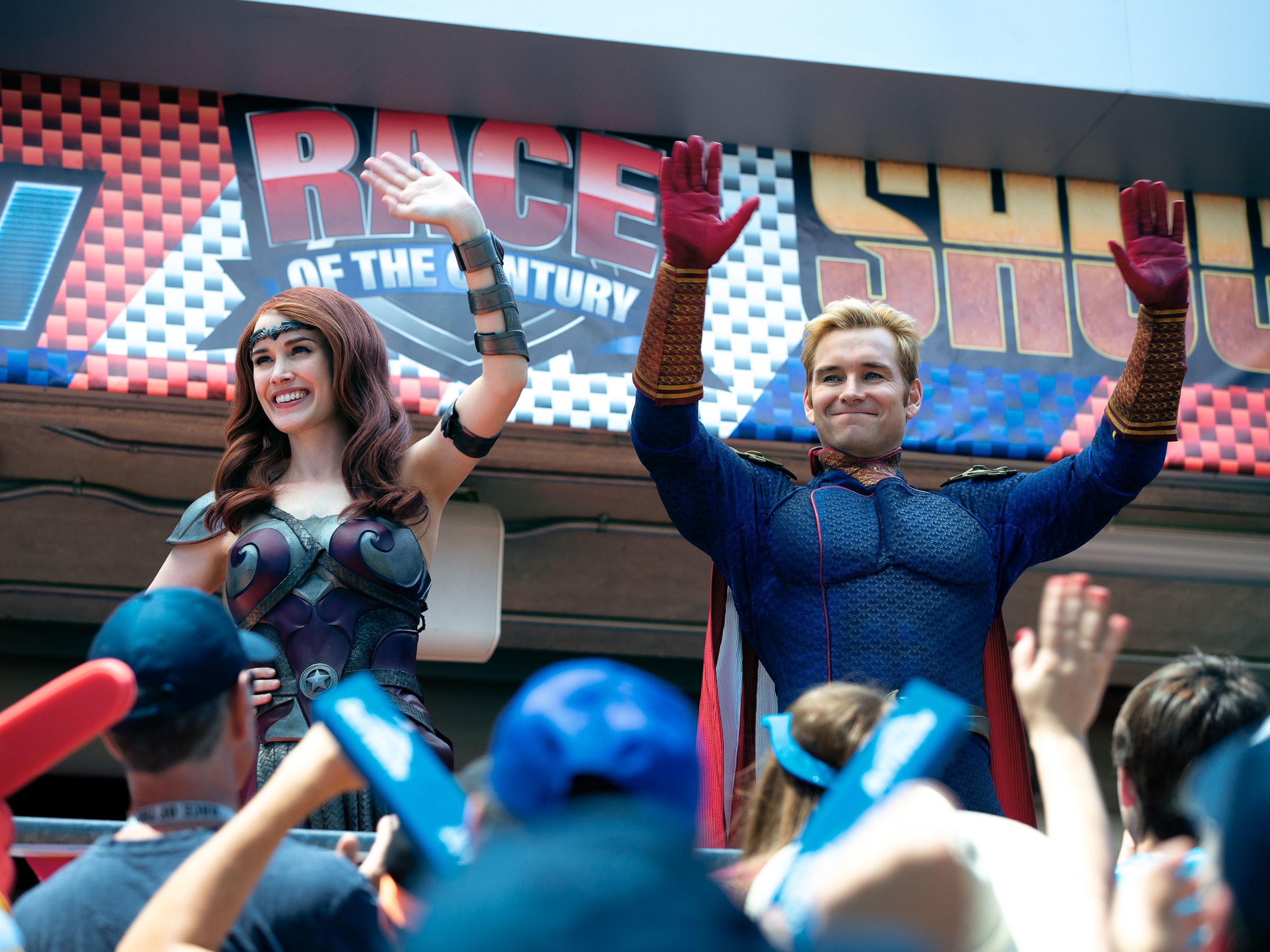
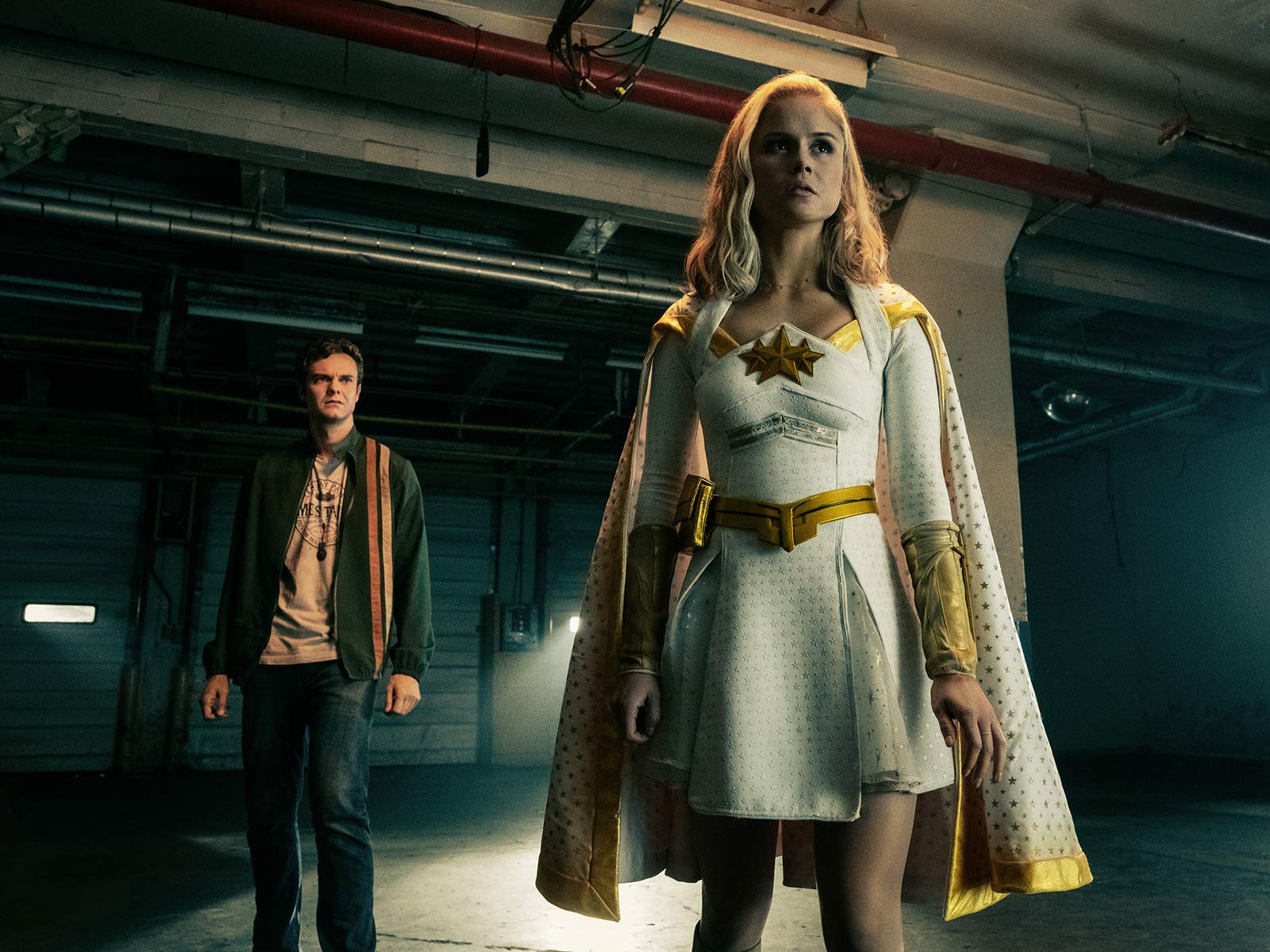
The main “superheroes” featured in the show belong to a superhero team called The Seven, and are basically knock-offs of the Justice League, with the Superman-type, Homelander (Anthony Starr) being the worst of the bunch. He knows he is basically a god and is treated as such by the adoring public. Literally draped with the American flag, Homelander is not above invading people’s privacy, rape, and needlessly killing people. Not all of The Seven are bad. Annie January (Erin Moriarity), is a new recruit called Starlight and she genuinely wants to do good and make a difference. The problem is the harsh reality of her co-workers disillusions her and causes her to question The Seven and how their heroic actions are solely carried out to please Vought’s marketing executives.

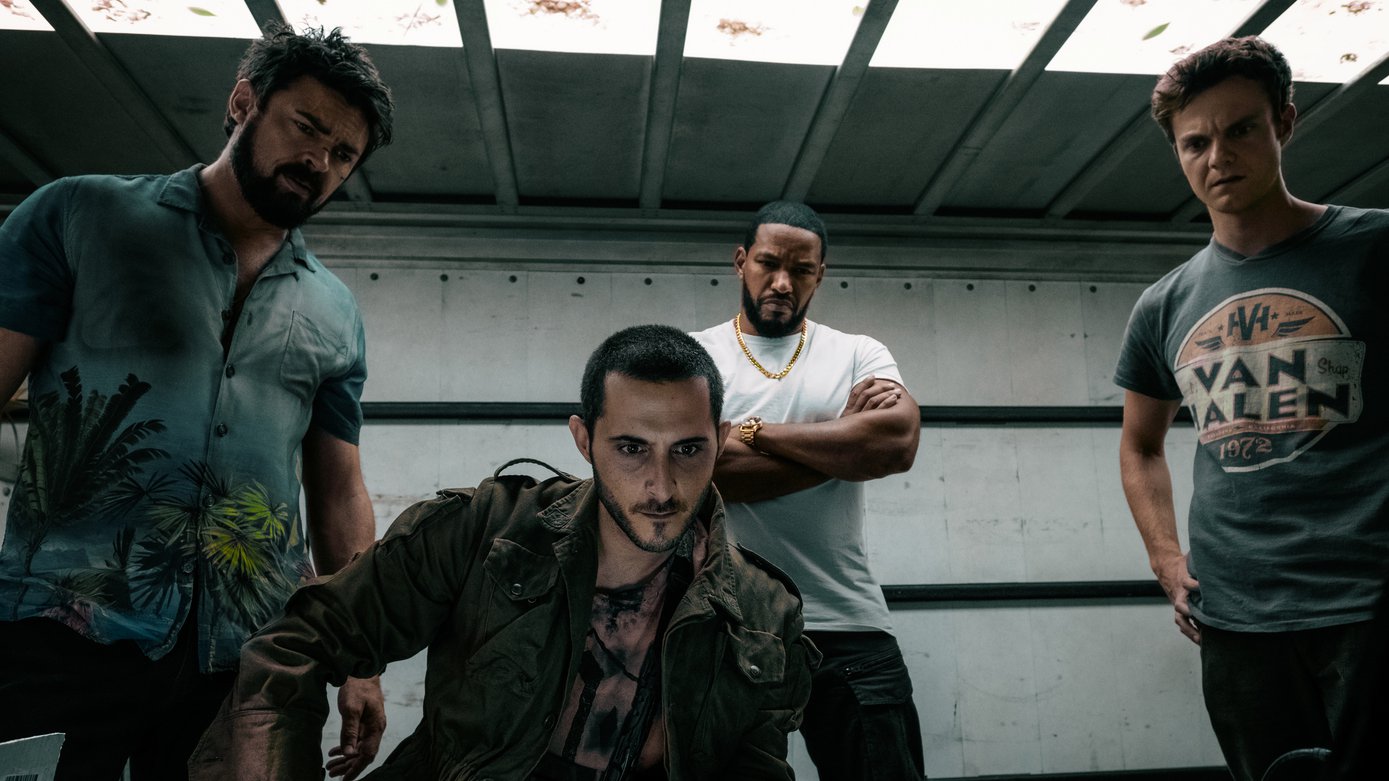
At the start of The Boys, one person’s life is changed forever by the superhumans. He is Hughie Campbell (Jack Quaid), an ordinary salesperson in New York City. His girlfriend is accidentally killed by a speedster called A-Train (Jesse T. Usher) who was speeding towards a crime scene. A-Train shows little remorse for smashing through Hughie’s girlfriend and is more concerned about not getting in trouble and not having his reputation ruined. Hughie, of course, is enraged by A-Train’s attitude and quickly becomes disillusioned by the Supes. He meets Billy Butcher (Karl Urban), a grizzled and salty freelance operative for the CIA who hates all the Supes. Billy recruits Hughie and old colleagues/mercernaries such as Mother’s Milk (Laz Alonso), and Frenchie (Tomer Kapon) in a clandestine mission to gather intel on the Supes and bring them down. It goes without saying that the inventive and creative ways Butcher’s bunch defeats their superpowered prey is often humorous and grossly effective.

meet the boys

Comic book readers know by now that The Boys is based on a comic book series published by Dynamite Entertainment and created by Garth Ennis and Darick Robertson. Eric Kripke developed the show, which is executive produced by Seth Rogen and Evan Goldberg. Before the show came along, many doubted that the comic book could be adapted because of its graphic content. It was so severe that the original publishers of The Boys, Wildstorm Productions, cancelled the series early in its run because it was too anti-superhero.

Thankfully, the show has been able to capture the spiteful and dark humor nature of the comic book. It provides viewers with a wry look at how superheroes would be actually perceived by the normal public and examines the implications of superheroes in our world. It is a lot like Watchmen only with more humor and not as bleak.

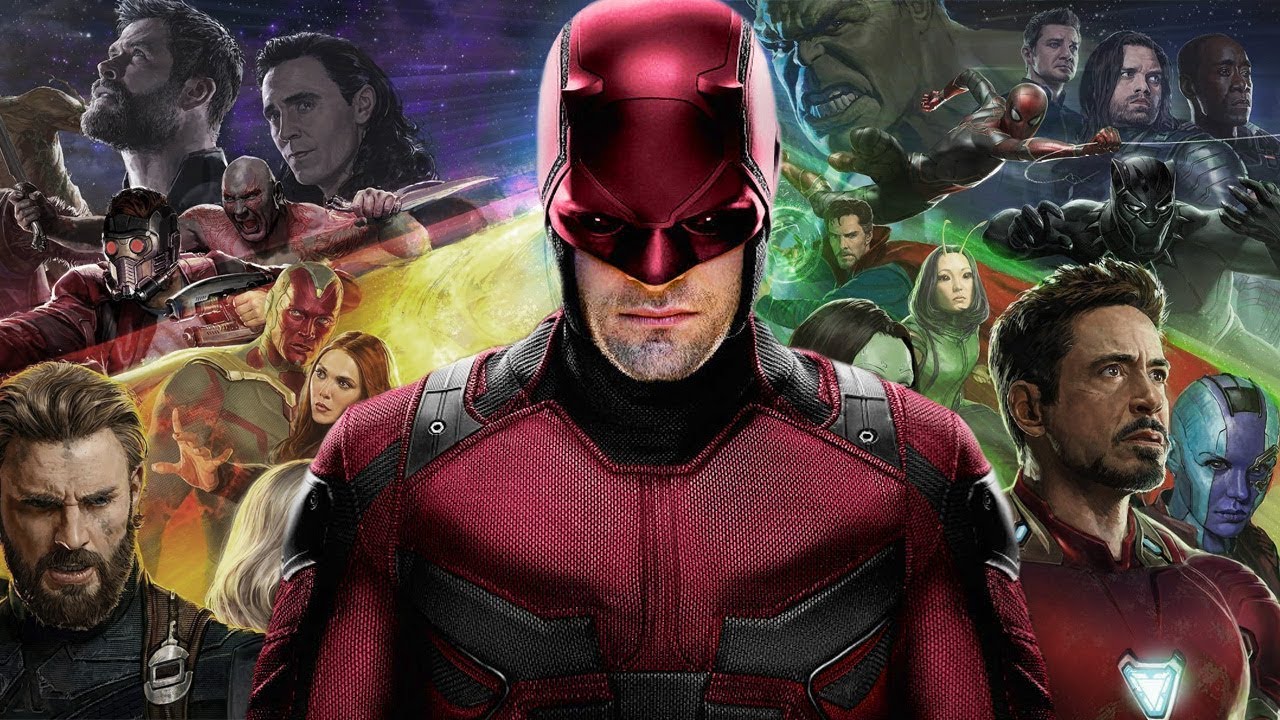
Even though it only has eight episodes (Amazon Prime already renewed it), The Boys is already one of the best superhero TV shows ever shown. It out-gritted previous grounded superhero shows like Daredevil and successfully emulates that feeling of engagement that Daredevil and the first season of Heroes used to hook viewers. All the characters are well cast and intriguing, even though a lot of their actions are barbaric and will make you wince. Make no mistake, this is not a standard superhero show for kids. It is jammed with graphic violence and sex acts; much of it is strangely fascinating to watch in a morbid fashion, such as the scene where Hughie’s girlfriend is suddenly turned to pulp by A-Train. But the highlight of The Boys isn’t the over-the-top violence or uncomfortable scenes,, but the characters and their situation. We are instantly involved and drawn towards Hughie, who is the confused and angry soul of the show. He is a decent man who witnessed a terrible act and is driven to want to do something but is wracked by his conscience. Meanwhile, Billy Butcher comes off as a foul-mouthed and cynical thug who has seen it all. But deep down he is embroiled in sadness and rage over his past. Butcher channels these intense emotions towards his drive to bring down Supes, especially Homelander. While we quickly come to despise Homelander and other Supes like A-Train, other Supes like Starlight and Queen Maeve (Domminique McElligott) are much more sympathetic as they struggle with their public image and their personal feelings.

hughie and starlight

Aside from the intriguing characters, The Boys carefully unveils the evil nature of Vought International with enough grim nuggets per episode to keep you watching. The company’s actions are quite horrific given the sunny nature they project to the unassuming public about their brand superheroes. In many ways, it is a sly commentary about the media in our lives and how public perception is easily manipulated.

Along with the superhero shows on the DC Universe app, The Boys is heralding the next step in superhero TV shows. If upcoming shows like Watchmen and the offerings from Disney+ match the quality of The Boys then we are in for some must-see viewing.

Game Of Thrones: The Wheel Is Broken As The Series Concludes

Game of Thrones

It is hard to believe that George R.R. Martin’s epic fantasy yarn has come to a conclusion, but it has. Of course, the book series, A Song of Ice and Fire, is still a couple of books away from being published, but the HBO series it inspired, Game of Thrones, aired its last episode in an appropriate way. Ever since Game of Thrones debuted back in 2011 it has been a source of controversy in terms of how its story arcs developed and this final season and episode weren’t any different.

Before going further, a fair warning must be stated that spoilers will follow. With that out of the way, the final episode of Game of Thrones, “The Iron Throne”, concluded long-running character arcs that already left many fans reeling or feeling satisfied. But that is typical with this fantasy show. Game of Thrones stood out from normal fantasy fare with its brutally graphic and grounded depiction of its world. The good guys more often than not did not win the day, honor and duty were burdens and life was not fair, just like reality. We’ve seen this time and time again with incidents like the death of lead character Ned Stark, the infamous Red Wedding or the rape of Sansa Stark.

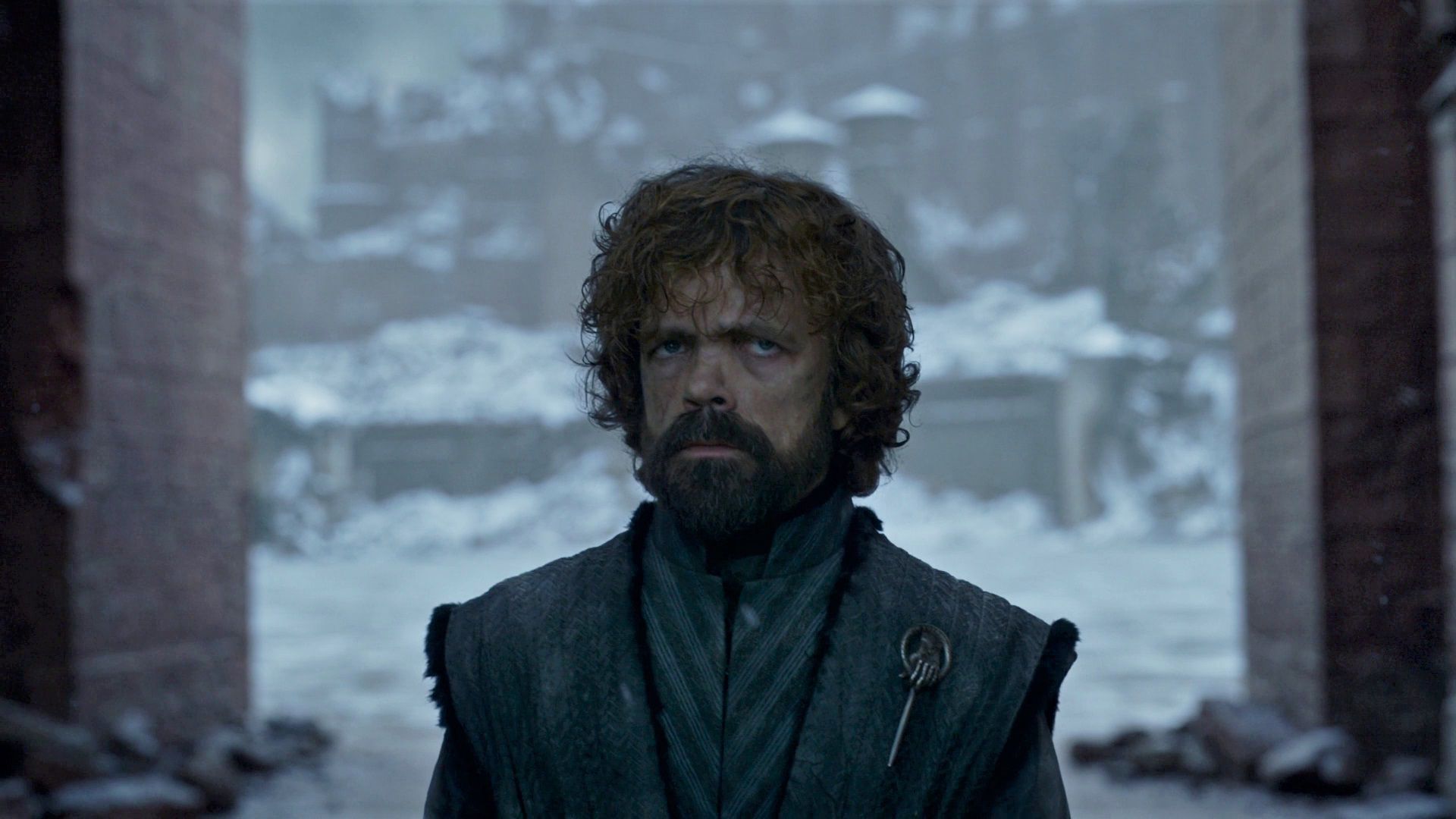
The final season was eagerly awaited as it promised to conclude many story lines but many fans were disappointed, which is natural given all the hype and anticipation Game of Thrones has received. Careful and observant viewers should not have been surprised or dismayed too much by how the arcs and characters developed. For instance, a major source of contention is with how Daenerys Targaryen descended into savagery in her quest for the Iron Throne and her birthright. We’ve followed Daenerys’ story from the first season where she was a timid princess in exile who overcame her inhibitions and rose to power by becoming a savior of people in the lands of Essos. She and her followers liberated slaves and vanquished evil people throughout the show and we all were eager for her to take on the evil forces holding the Iron Throne in King’s Landing, Westeros, namely the Lannister family who killed her father during a rebellion. But as viewers cheered her journey, many overlooked the clear signs that Daenerys had a dark side that was kept in check by close advisers and friends. When she and her forces finally stormed King’s Landing and slaughtered its innocent citizens, Daenerys was largely alone. Most of her confidants were dead or driven away, sometimes by her doing. This applied to her Queen’s Hand, Tyrion Lannister, who was appalled by her behavior. Even though the forces defending King’s Landing surrendered, a blood lust overtook Daenerys and she laid waste to the city with her magnificent dragon, Drogon and her army. This was too much for many people who realized she was beyond redemption.

Continue reading

Star Trek: Discovery Finds Its Space Legs In Its Second Season


*Warning: Major spoilers will follow, do not read until you have seen season two of Star Trek: Discovery.

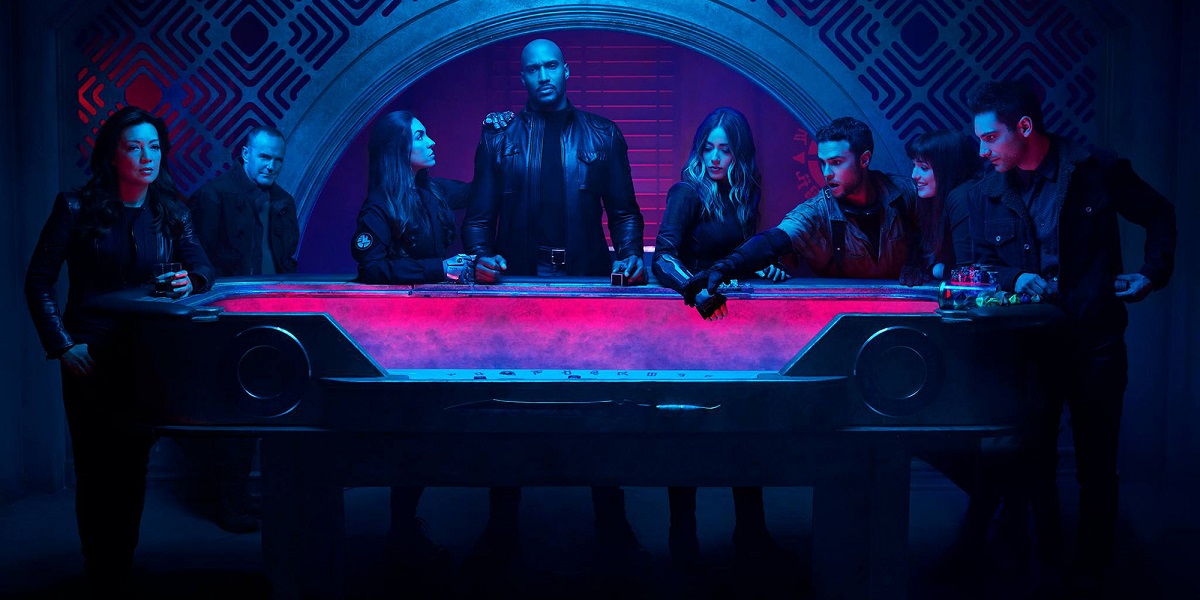
The sophomore season of Star Trek: Discovery just concluded with its epic two-part episode “Such Sweet Sorrow” and what a way to cap off a successful season!

The episode concluded the season-long “Red Angel” arc where it was revealed that Michael Burnham (Sonequa Martin-Green) was the mysterious Red Angel that appeared throughout the galaxy during pivotal moments in recent history. In “Such Sweet Sorrow”, Burnham used the Red Angel suit to time travel into the past to mark her appearances in the second season and to lead the starship Discovery and the show into its bold new direction for season three.

The second season of Star Trek: Discovery was a marked improvement over the first one with compelling stories, strong characters and a respectful acknowledgment of the original canon established in previous Trek shows. Due to the many stylistic changes done to the show, even though it’s a prequel to the original Star Trek, the setting looked too advanced and didn’t gel with the original. This was unavoidable given the original show is over fifty years old, and Hollywood magic advanced considerably since then.

This led many outraged fans to dismiss Star Trek: Discovery as not a real Trek show, even though the showrunners insisted it was set in the prime timeline. The episode “If Memory Serves” reiterated this point by having an episode recap from the very first Star Trek pilot, “The Cage”, which proved once and for this show is set in the original Star Trek universe. People had to either accept the visual changes and move on or reject the show altogether. Those that accepted the show were rewarded with a well-crafted season.

At the start of the season with premier episode “Brother”, Captain Christopher Pike (Anson Mount), the original Enterprise captain beamed aboard the Discovery and took command. His mission was to investigate unknown red signals that appeared throughout the galaxy. It turned out the signals coincided with appearances of the enigmatic Red Angel. This figure would show up at a pivotal moment that aided the crew of the Discovery. Pike and Burnham realize that the Angel is tied in to the disappearance of his science officer Spock (Ethan Peck), who apparently went insane and murdered people. For the first half of the season, they track him, and this quest culminated with the now-classic “If Memory Serves” which took Pike and Spock back to the planet Talos IV. It turned out that Spock was framed by the secretive Section 31 organization and that Section 31 was taken over by Starfleet’s AI, Control.

The AI wanted to get access to ancient alien knowledge recently stored in the Discovery to gain sentience and Burnham received warnings that Control would eventually destroy all life in the future. This plot propelled the second half of the season and led to the truly monumental “Such Sweet Sorrow” where Control took the Section 31 fleet against the Discovery and the Enterprise. The only way to keep this knowledge away from Control was to send Discovery into the future. This led to a busy, crowded and spectacular starship battle that was simply brutal and dizzying at times. The battle sequences looked like they could have been lifted out of a modern Star Trek film that involved drones, refitted shuttles as fighters, zero-g fist fights, Klingons (who are now thankfully more in line with the traditional Klingons), and even repair droids (!).

Continue reading

Top Ten Twilight Zone Episodes From The 1980s

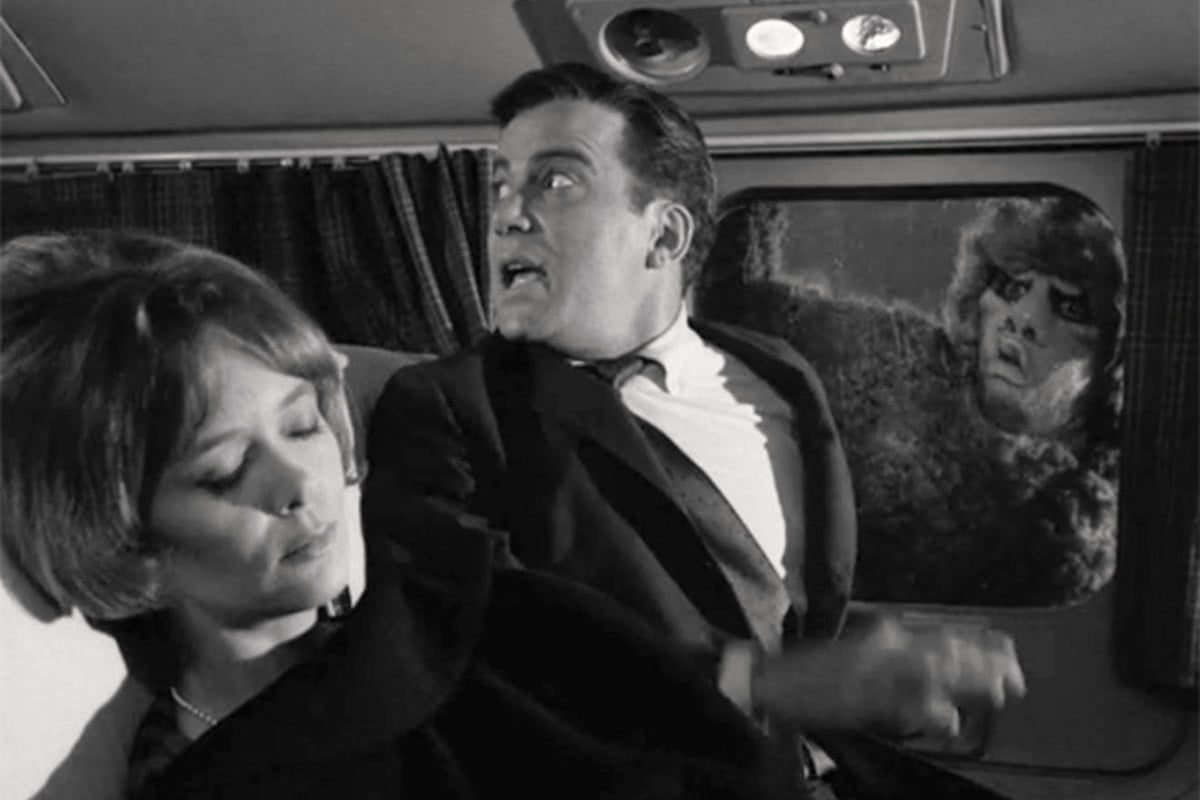
The Twilight Zone has been in the public eye lately with the new version streaming on CBS All Access and the fact that this year marks the 60th anniversary of the original TV show. As many focus on Rod Serling’s masterpiece or Jordan Peele’s new take on the sci-fi, fantasy, horror anthology series, the first Twilight Zone revival from the 1980s often gets overlooked. That is a shame because in its own right The Twilight Zone from the 1980s was high caliber.

Many episodes were well done and ranged in quality from solid to so outstanding that it would be easy to imagine Rod Serling himself approving of the episodes to be included with his version. Respected and revered talents such as Wes Craven, William Friedkin, Joe Dante, Harlan Ellison, George R.R. Martin and J. Michael Straczynski worked behind the scenes to bring forth thought provoking or imaginative episodes that challenged viewers.

What made this revival stand out is that the showrunners allowed the stories to run as long as they should. Several stories only lasted about ten minutes and were the better for it. The most important thing in this version, like the original, is that the story was the most important element with fascinating morality plays, twist endings and allegories.

While respecting the original by mostly adhering to its high standards in terms of storytelling, not every episode was memorable, especially in its third and final season. Nonetheless, The Twilight Zone from the 1980s deserves a close examination since so many episodes are worthy of the Twilight Zone name.

Submitted for your approval are the top 10 Twilight Zone episodes from the 1980s:

10. “The Cold Equations”

A space pilot (Terence Knox) delivering critical medical supplies in his small spaceship discovers a stowaway (Christianne Hirt) which upsets the ship’s fuel ratio and endangers the mission. This adaptation of Tom Godwin’s short story effectively conveys a message about human emotion vs the cold, hard physics of space travel.

9. “Many, Many Monkeys”

This episode was originally written for the original show back in 1964 but was never used. In it a blindness epidemic sweeps the world and a nurse (Karen Valentine) struggles to treat her suddenly blind patients. It doesn’t take long to find out that their condition is related to their callous and selfish demeanor.

8. “Shelter Skelter”

Joe Mantegna plays a paranoid survivalist whose nightmare comes true. An apparent nuclear attack strands him in his fallout shelter as he prepares to deal with the outside world that will never intrude his home. This was a great look into a paranoid mind of the survivalist as he descends into madness and the ending was a true and ironic twist.

7. “The Last Defender of Camelot”

George R.R. Martin wrote this imaginative episode that adapts Roger Zelazny’s short story about Sir Lancelot (Richard Kiley) who is still alive but elderly in modern times. He reunites with Merlin (Norman Lloyd) and Morgan Le Fay (Jenny Agutter). Lancelot is soon caught up in a power struggle between the two as Merlin reveals his plans to take over the world for the betterment of humankind and Lancelot has to stop him.

6. “Cold Reading”

Several radio actors in the 1930s perform a live radio play and quickly learn to their horror that their script actually comes to life when spoken. For instance, when someone mentions that it’s raining in the story, the studio is quenched in an indoor rainstorm. Quite humorous and inventive, it’s fun to watch the actors and writers hastily rewriting the script in order to prevent dangerous things from appearing. The episode’s ending is very cute.

5. “I of Newton”

Perhaps the funniest and coolest Twilight Zone episode is also one of its shortest. Sherman Hemsley is a frustrated math professor who offhandedly wishes to sell his soul to solve a math problem. Enter a demon (played with fiendish aplomb by Ron Glass), who shows up to collect. The professor then desperately tries to talk his way out of the unwanted bargain. The lines and their delivery, particularly from Glass, were sparkling and full of vigor. When watching “I of Newton” take time to check out the demon’s always-changing t-shirts (ex: “Hell is a city much like Newark”)!

4. “A Small Talent for War”

It can be said that this short episode is a worthy companion to the classic “To Serve Man” from the original Twilight Zone. Giant aliens arrive on Earth and announce that they seeded humanity eons ago. They also intend to wipe out the human race because of its “small talent for war”. The UN Security Council then frantically tries to negotiate world peace to demonstrate to the aliens that humanity is worth sparing. What happens next is one of the most ironic endings in Twilight Zone history.

3, “The Toys of Caliban”

A rather touching and wrenching story co-written by George R.R. Martin about a young mentally challenged man (David Greenlee) with unusual powers. He is capable of conjuring to life whatever he sees or imagines, which could be disastrous. This forces his parents (Richard Mulligan and Anne Haney) to keep him sheltered to avoid unfortunate incidents. This only works for so long as exposure to the outside world disrupts their lives and forces the father to take extreme steps to ensure the safety of the world.

2. “Profile in Silver”

The tired time travel trope of someone trying to change history is given a jolt with this unexpectedly inventive episode. Lane Smith is a professor from the 22nd century who time travels to Dallas in 1963 to witness the assassination of his ancestor John F. Kennedy (Andrew Robinson). He decides to stop the incident and unlike other time travel stories, he succeeds and the result is unsettling. Soon the world is on the brink of World War III and the professor has to find a way to undo his actions. The ending is not only genuinely surprising but very stirring and a statement about the nobility of humankind.

1. “To See the Invisible Man”

The Twilight Zone is famed for presenting allegorical yarns, morality plays and statements about our society. This episode is a perfect example. Like in the original Twilight Zone, this story takes place in an imaginary society where Mitchell Chaplin (Cotter Smith) is punished for his unfriendly behavior. He is sentenced to a year of invisibility and has a mark placed on his forehead. At that point, he is ignored by everyone around him, which he finds liberating. Over time, Chaplin comes to disdain his nonexistence and yearns for human interaction. “To See the Invisible Man” represents the very best of The Twilight Zone as it examines the morality of the punishment and an astute character study. It also is a damning look at a society that imposes certain behaviors which deny free will. With so much to offer this is the best episode of The Twilight Zone from the 1980s.

Honorable Mentions:

“Act Break”, “The Elevator”, “Examination Day”, “Gramma”,  “Her Pilgrim Soul”,  “A  Matter of Minutes”, “Need to Know”,  “Nightcrawlers”, “The Once and Future King”, “Paladin of the Lost Hour”, “The Star”, “Still Life”, “Wordplay”

Have any of you seen this version of The Twilight Zone? What are your thoughts on the show and the episodes on this list? Take a moment to leave your comments below.

José Soto