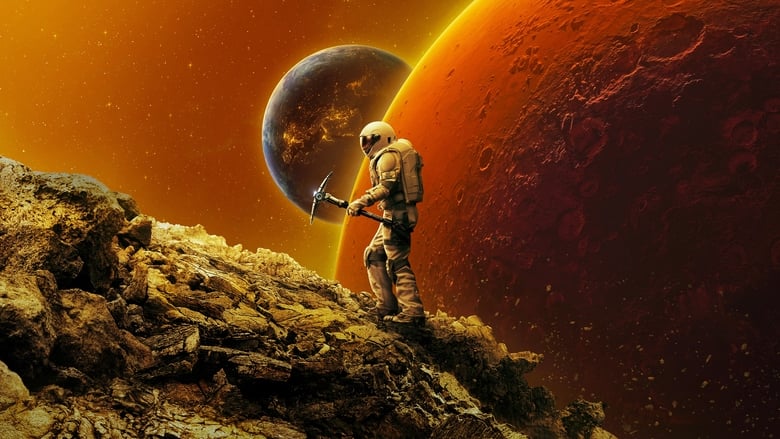
Godzilla Minus One = Plus One Greatness

Some may scoff the latest Godzilla film, Godzilla Minus One, as just another kaiju flick with battling monsters, goofy plots, and bad acting. But they will be very surprised by what Godzilla Minus One offers since it is one of the greatest Godzilla films ever made.

Evoking the serious and somber tone of the original Godzilla from 1954, Godzilla Minus One is much more than a giant kaiju film about rampaging monsters standing in for deadly forces of nature. It is also a film that studies the impact of war on former soldiers and civilians. With that in mind, the film takes the time to get viewers to become involved with the storyline of its human characters who have a surprising amount of depth and story arcs.

The film opens in the last days of World War II on a Japanese island that serves as repair depot for kamikaze planes. Kōichi Shikishima (Ryunosuke Kamiki) is a kamikaze pilot who lost his nerve and sets down on the island and pretends his plane needs repairs. During nightfall, the depot is attacked by a dinosaur-like monster called Godzilla by the locals. This version of Godzilla is considerably shorter than the giant walking skyscraper we’re used to seeing. This one is about the size of a large t-rex, but is quite deadly. Shikishima cannot bring himself to attack the rampaging beast that soon kills nearly everyone at the depot. Carrying this guilt with him, Shikishima struggles to adapt to civilian life in the midst of a decimated Japan after the war ends. A couple of years later, he meets Noriko Oishi (Minami Hamabe), who struggling to survive with her adopted child Akiko, who was orphaned during the war. The three form a fragile family that soon begin to strive after both adults find jobs and meaning. Shikishima works on a minesweeper boat and bonds with his shipmates. He is compelled to accept his new family and to marry Noriko, but his wartime past still haunts him. At this time a U.S. nuclear test in Bikini Atoll mutates Godzilla, who soon appears in Japan’s waters as a gigantic destructive force that emits radiation through its breath and is able to quickly heal itself from deadly injuries.

After a terrifying encounter with the creature, Shikishima’s surivor guilt and post-traumatic stress disorder kick into overdrive as he is plagued by inner demons over his inability to act in the past. Before long Godzilla makes landfall and decimates the Japanese city of Ginza before disappearing into the ocean. But everyone knows the behemoth will return and take all measures to destroy the kaiju before it returns. This also provides Shikishima with the drive to earn a measure of self redemption by confronting the monster once and for all.

Godzilla Minus One is full of drama and tension as we witness Shikishima’s story and the terrifying might of the monster. Obviously, Godzilla is a metaphor for the destructive force of war and this is done so well in the film. His rampages are very terriying and humbling as humanity and society are laid to waste by the kaiju. The scenes of mass destruction are also anchored by the compelling human stories as the survivors of World War II struggle to rebuild their lives and society. That is why it is disheatening to see the fragile peace created by Shikishima and his friends torn apart so easily by Godzilla. We actually care about these people, they are not random background characters who we casually dismiss when the monster stomps about a city. At the same time, the film also evokes Jaws in its depiction of the casual banter of shipmates who then confront a terrifying underwater beast that functions a colossal prehistoric shark.

The only quibble with the film is that it takes great lengths to explain why the American or even the remnants of the Japanese military did not try to confront the monster more openly. Despite shoutouts about Cold War fears, this does not seem realistic, especially if the behemoth that destroys a city is breathing out deadly radioactive fire. You can bet the U.S. military would have gotten involved when this was discovered. It is also implausible that the Japanese military would have a hands off attitude when it came to fighting Godzilla. Instead, the final confrontation is left up to “private citizens” who take matters into their own hands. This just seems unrealistic.

Unlike most Godzilla films, Godzilla Minus One boasts excellent production values from special effects that easily rivals what comes out of Hollywood to engaging performances from the actors. Much of the credit has to go to its director and screenwriter Takashi Yamazaki, who also supervised the stunning special effects. Yamazaki has a great eye for filmmaking and other kaiju productions should emulate what he has accomplished. It is clear that the Monsterverse films could use the talent of Takashi Yamazaki, who would bring levity and depth to their films. As much fun as the Monsterverse films are Godzilla Minus One elevates the kaiju genre to a much higher level. Then again Hollywood being the way it is would dilute the talent of this director.

It is stunning to know that after 70 years, it is still possible to create an excellent Godzilla film. Godzilla Minus One has set a new standard for Godzilla films that will be difficult to match, but it could inspire other equally impressive kaiju films.

José Soto
The MCU Woes, Part II: How To Correct Itself

The latest online trend has been to bash Marvel Studios and its Marvel Cinematic Universe (MCU). Toxic trolls have been pouring out with uncontrolled glee proclaiming Marvel Studios is too woke and deserves to fail. They point to the disappointing reception for many of the MCU’s latest offerings as proof that the brand is dead. Further adding fuel to the fire, Marvel Studios has delayed many of its productions to improve them.

It is undeniable that the MCU brand has taken some hits and is not regarded as highly as it was during its heyday, to call the brand dead or beyond repair is a gross exaggeration.

Thankfully, Marvel Studios and its parent company Disney have recognized the situation and are taking concrete steps to course correct and ensure the MCU regain its reputation for quality superhero films and TV shows. Sure, the MCU has taken its lumps, but what brand is not immune to this? Many times it is good to take a tumble, this gives one the chance to learn from mistakes and improve. This is what is going on with the MCU.

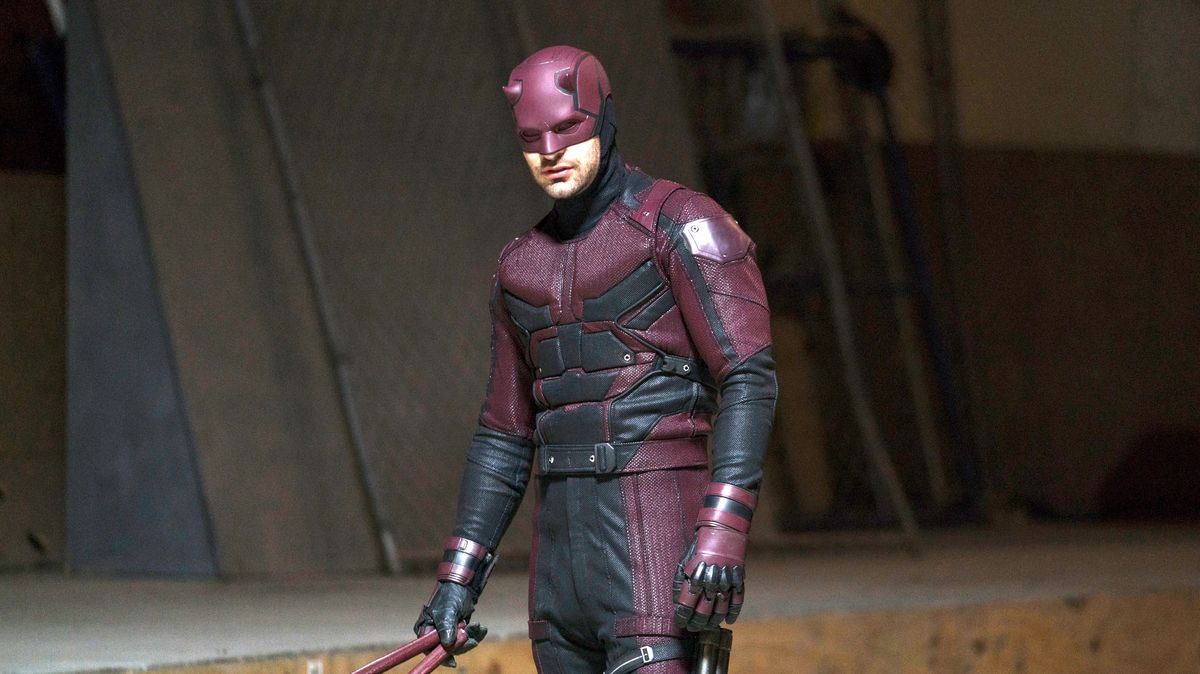
First of all, Marvel Studios has shown the willingness to scrap what they have worked on and start over. One example is the Daredevil: Born Again TV show which has been scrapped and been redone. Another example is that Captain America: Brave New World has been delayed in order to rework it due to a poor test screening. Then there are the rumors that Kang will be written out of the future films and TV shows in favor of Doctor Doom. This would take care of the situation with Jonathan Majors facing trial for domestic abuse, especially if he is found guilty. These examples demonstrate that Marvel Studios is willing to take the necessary steps to take the time to produce the best projects possible.

Better Scripts Needed

However, the first and most important step that needs to be taken is to devote more time to the scripts. Allow the writers to tell proper stories and DO NOT GO INTO PRODUCTION UNLESS THE SCRIPTS ARE COMPLETED TO EVERYONE’S SATISFACTION. This would largely take care of the problem of realizing a film is not working and having to do major retooling with it in post-production. This is why recent projects like Secret Invasion fared so poorly. It’s been reported that Secret Invasion had major overhauls and rewrites in the middle of its production, which is why the end product seemed so underdeveloped and rushed. On the other hand, look at two recent MCU successes: Loki Season 2 and Guardians of the Galaxy, Volume 3. Both productions had well-crafted scripts that were full of heart and flowed well. More importantly the stories logically reached their conclusions while servicing the characters. This is a major reason why both projects received so much acclaim and performed well.

Even though it is important to follow a certain narrative as dictated by the higher ups and to meet deadlines, the screenwriters should be given more autonomy with their scripts. It is also important at this point with the MCU to hire great writers who have a record of turning in terrific and solid screenplays.

The same should go with directors. This is a difficult task given that Marvel Studios is more hands on with their productions than normal. Still, the past has shown us that great directors like James Gunn and Ryan Coogler, and the Russo Brothers can work within the confines of an MCU production and deliver great films. Oftentimes, Marvel Studios hires relatively unknown directors who wilt under the pressure and demands of the studio and turn in mediocre films or TV shows. Marvel Studios has to make sure that the best possible directors are hired for their projects. If they want to go with lesser known (and cheaper) directors, have them feel their oats with some of the TV shows. Michael Giacchino is a prime example of this. Known only for his film scores, Giacchino blew everyone away with his directing duties in Werewolf By Night.

Continue reading

The MCU Woes, Part I: How Did It Get To This?

Given all the downbeat news lately about Marvel Studios’ Marvel Cinematic Universe (MCU), it’s pretty understandable why MCU fans are so alarmed. It was not that long ago when the MCU was an undisputed entertainment behemoth that could not do anything wrong.

Now, there have been noticeable tumbles with their projects, especially this year. Ant-Man and the Wasp: Quantumania underperformed in the box office, the Disney+ TV series Secret Invasion was widely derided and what was worse is that the recently released MCU film, The Marvels, is performing worse than the third Ant-Man film.

Then the behind-the-scenes turmoil further added to the impression that the MCU is falling apart. Reports have revealed that productions were rushed and reshot. This explained why many MCU films and TV shows felt so disjointed and undeveloped.

Another dilemma involved the actor Jonathan Majors who plays Kang the Conqueror and is slated to be the major villain in the next few MCU films. He was recently arrested for domestic abuse and Marvel Studios and its parent company, Disney, is struggling over what to do with Majors and the character of Kang because if he is found guilty this would disrupt any upcoming films or TV shows.

Then there is the issue of what direction should the overall MCU should take. In the first three phases of the cinematic universe there seemed to be a goal that the films were reaching towards. Although the Multiverse Saga has been introduced in the Phase Four and Five of the MCU, many films and TV shows have ignored the concept and as a result the overall narrative of the MCU seems aimless and less interconnected than previous films.

Adding to the disjointed and convoluted nature of the current MCU is that a lot of characters and storylines have been introduced but many of them have not been followed up. For example, what happened with the Eternals after the Celestials kidnapped half of them? What is the story behind the Hulk suddenly having a son? Will we ever see Hercules carry out his quest of vengeance against Thor? What happened to the symbiote fragment that was left behind in the main MCU by Venom? What happened with the crusade of the United States against aliens?

What happened behind the scenes was that most of the productions had their scripts drastically altered during filming, which led to a slapdash feel to the finished film or TV show. This in turn strained the special effects department who were forced to work under insane deadlines and resulted in horribly bad special effects that in some cases were tweaked after a film or TV show was released.

What was worse is that the MCU was such a victim of its own success that the higher-ups at Disney demanded more projects from Marvel Studios to pad out the roster of Disney+ inventory. The reason for this as many know was due to the launch of Disney+, which had few original programs, and the COVID-19 pandemic. Both incidents caused Disney to demand more productions to be launched on the streaming app since it was the only way to present the MCU productions during the outbreak of the pandemic. As a result multiple projects were put into production, even though the demand for some of them was questionable. Does anyone actually want to see an Ironheart TV show?

This stretched ability of Marvel Studios to deliver quality films and TV shows and people noticed. Productions were rushed in order to meet deadlines and were heavily reshot during post-production. This in turn not only drastically changed some plots but disrupted the narrative flow of the stories. The results were less than satisfying films and TV shows, though the quality of the MCU productions varied. Still for every WandaVision or Black Panther: Wakanda Forever there was a Secret Invasion or Eternals. Marvel Studios saw diminished returns for their projects, which became very apparent this year given how poorly Ant-Man and the Wasp: Quantumania, Secret Invasion and The Marvels were recieved.

So is all lost? Is the MCU headed in the same direction as the hapless DC films?

No, to both questions.

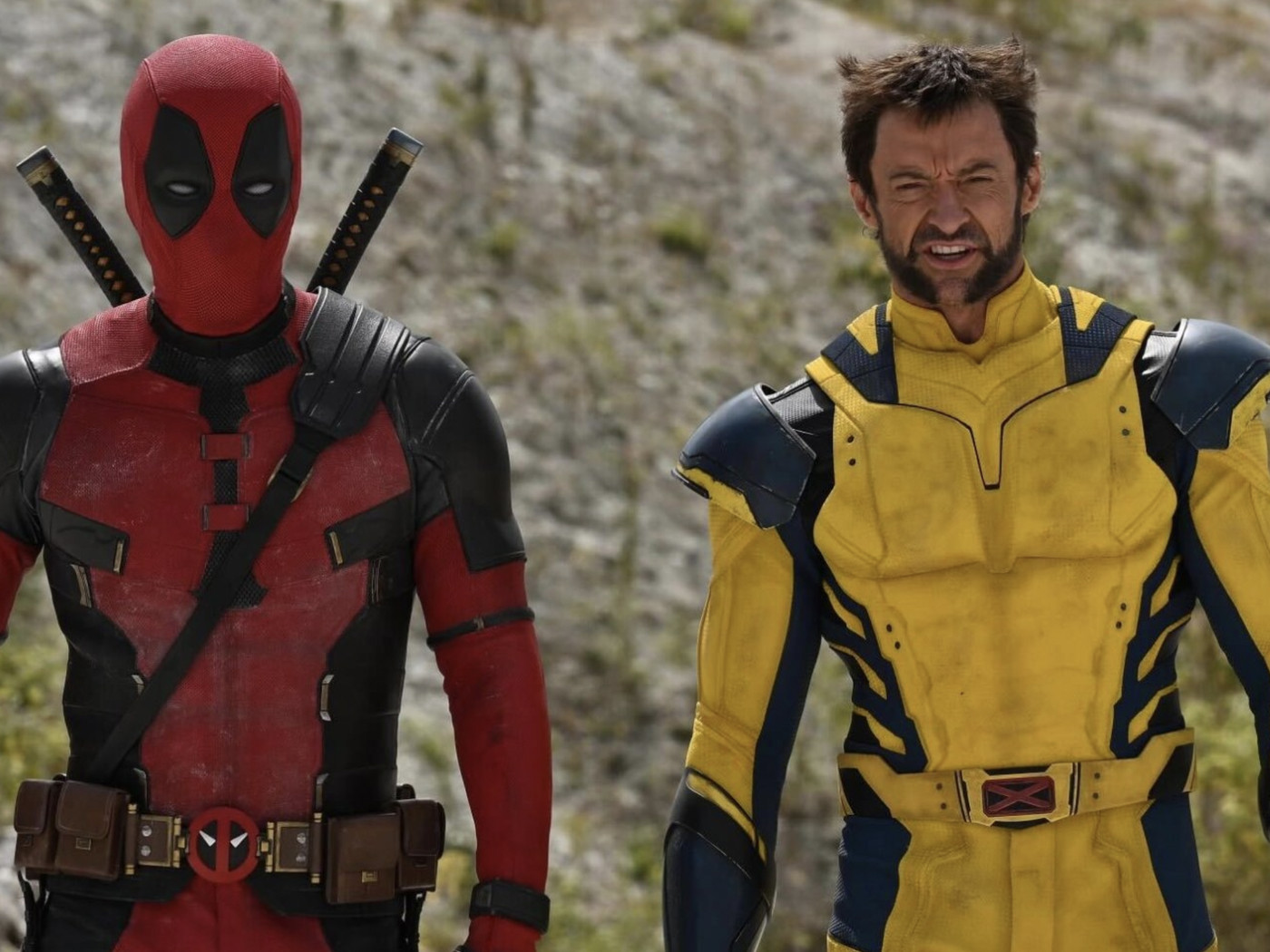
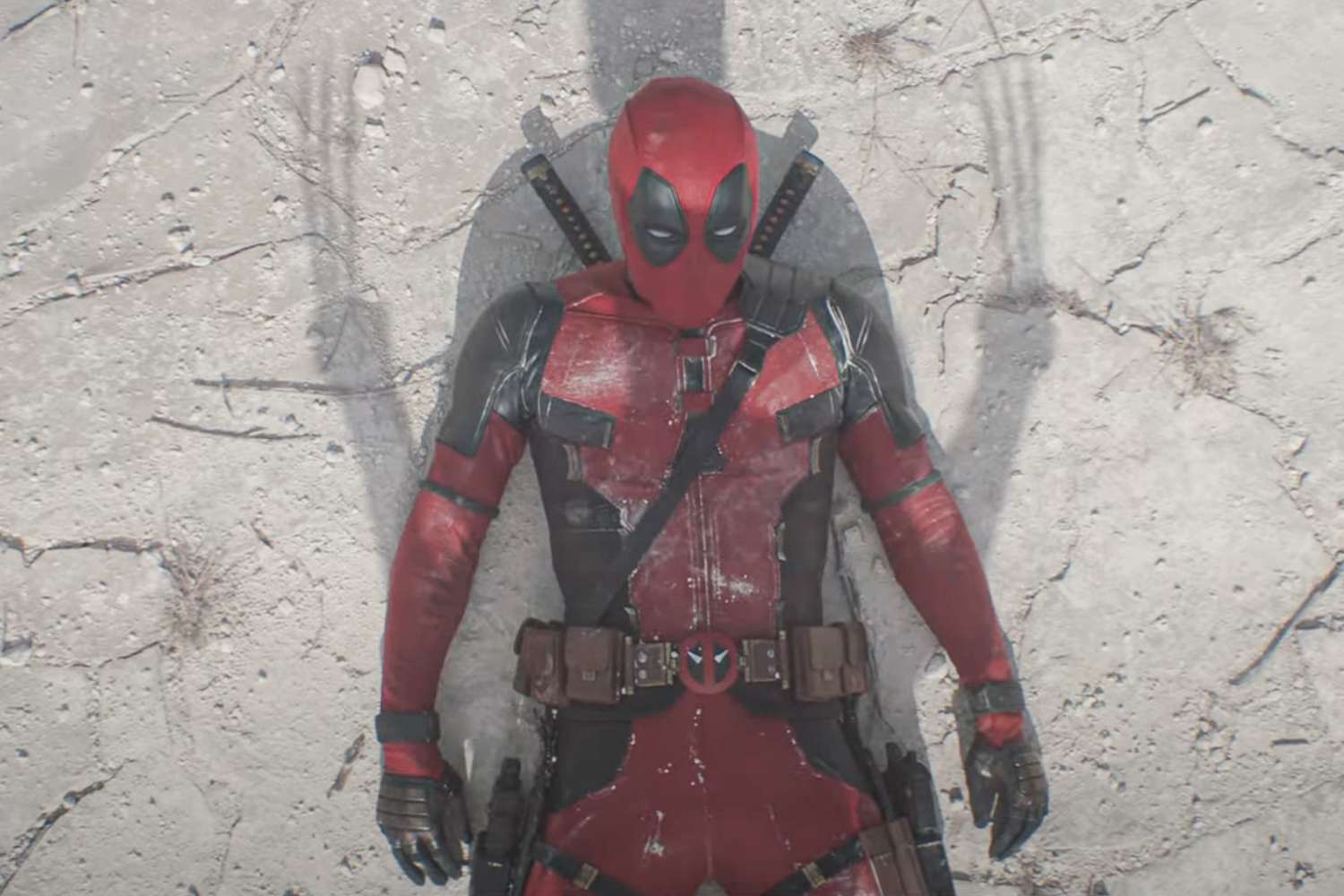
Marvel Studios has shown that it’s capable of putting out truly great films and TV shows. Just look at this year’s offerings of Loki and Guardians of the Galaxy, Volume 3. There is still demand and goodwill for upcoming MCU projects like the third Deadpool film and Avengers: Secret Wars. But more importantly, the film studio and Disney are being proactive and are addressing the situation. The best days for the MCU may still be ahead of us.

In a follow up post, we’ll look at what Marvel Studios can do to right the ship and point out how they are taking concrete steps at this moment.

The Glorious Purpose Of Loki

The just-streamed final episode of the second season of Loki concluded the mind-bending time travel storyline that ran throughout the show’s two seasons.

Starring Tom Hiddleston as the title character, Loki has turned out to be a genuine surprise. Instead of being the Marvel Cinematic Universe (MCU) version of Doctor Who with Loki running around different time periods, the show instead carefully examined the numbing logistics of time travel and philosophy. More poignantly, Loki was a thoughtful character study of the main character, a villainous Asgardian god who turned into an anti-hero before completing his transformation by the end of the final episode into a tragic hero. MAJOR SPOILERS will follow.

The second season of Loki began immediately after the first season where the Loki variant, Sylvie (Sophia Di Martino), killed the enigmatic He Who Remains (Jonathan Majors) in the final episode “For All Time. Always”. This murder unraveled time itself since He Who Remains controlled time through his organization the Time Variance Authority (TVA). Throughout history the TVA prevented or pruned branching timelines from deviating out of the so-called Sacred Timeline.

As timelines began to develop and branch off in the second season, this created many variants of He Who Remains, most notably Kang the Conqueror (as seen in Ant-Man and the Wasp: Quantumania) and Victor Timely, a meek 19th century inventor/charlatan. Loki also became unstuck in time and time slipped throughout the premiere second season episode. When he jumped into the future, he saw that the TVA was destroyed when the Temporal Loom was overloaded by rapidly multiplying timelines. The Temporal Loom is an enormous machine that gathered the timelines (seen as never ending tendrils) and combined them into a single controlled stream, hence the Sacred Timeline. In order to help fix the Loom, the temporal aura of He Who Remains or his variant was needed to access the Loom’s controls. This set Loki and the TVA off on a mission in the season’s first half to track down Victor Timely.

The second season was as bizarre, zany, and thought provoking as the first one, except it focused more on the characters of Loki and his associates. We learned a lot about Loki’s best friend Mobius (Owen Wilson), an easy-going TVA bureaucrat, who had a simple and enjoyable life before he was forcibly recruited into the TVA. We also were introduced to Ouroboros or O.B. (Ke Huy Quan), a quirky and energetic repair person who is an expert on temporal mechanics. His energy and good will was infectious thanks to Quan’s brilliant performance.

Despite Loki and the TVA’s efforts, the Loom is destroyed and the TVA along with it. In the penultimate episode “Science/Fiction” Loki finds himself traveling to different timelines and encounters his friends and their lives before the TVA. After meeting with Sylvie, Loki admits his love for his companions and that he does not want to be alone. This was a major emotional breakthrough for him and a harbinger for his ultimate tragic fate.  Loki realizes he can control his time slipping and transport himself to the moment before the Loom is destroyed at the end of the episode.

Continue reading

The Five Nights at Freddy’s Movie Spoiler Talk!

The long-awaited live-action movie version of the classic online game Five Nights at Freddy’s or FNaF has excited fans. Unlike critics who do not understand the FNaF franchise, fans recognized how faithful the movie was to the franchise while developing its own identity. With that, it’s time for SPOILER TALK about the Five Nights at Freddy’s movie! For anyone who has not seen the FNaF film yet, you’ve been warned…

Touching upon an issue brought up earlier with my review of Five Nights at Freddy’s, some things should’ve had a little more explanation than they were given. The main reason I say this is because fans have a general idea of some characters and ideas, but to someone else, it’s a complete mystery that makes them think “Okay? So, what?” The prime culprit of this issue is none other than Golden Freddy. Sure, his spirit is very present in the movie, but the animatronic is only seen for three scenes and is never elaborated upon. That leaves me with many questions: how did he get to Abby’s house? Why is he so withered? Even if I have a general reason as to why, HOW is he still functional? Although he is only seen for two minutes, he still looks very good, and I’m very happy with the practical effects (no surprise there!).

To talk about cameos and Easter eggs, I am happy with the people they brought on! We all knew CoryxKenshin would be in the movie, playing as the taxi driver, but no one expected MatPat as a waiter, as he convinced us that the filmmakers treated him dirty. Both cameos were hilarious and I’m sure they’re both very happy that they were able to be included. The self-proclaimed “King of FNaF”, Markiplier, unfortunately had a planned cameo, but ultimately could not film a scene, as it conflicted with the filming of his own movie that is coincidentally also based on an indie horror game, Iron Lung. Talking about Easter eggs, I was genuinely shocked to see references to Five Nights at Freddy’s history in the movie. Sparky the Dog, the franchise’s first ever, fan-made hoax character had a diner named after him and possibly even an animatronic suit to himself. MatPat’s name tag also had “Ness” on it, which is a golden reference to one of his theories based off two whole different franchises where he argues that Sans from the indie game Undertale, was actually a Nintendo character named Ness from the Earthbound series. Only Scott Cawthon would be able to reference both another indie horror game AND Nintendo at the same time! I also really loved the opening credits for the music and the pixel art. They were both PERFECT for FNaF’s general vibe!

Let’s talk about secrete characters in this movie. Emma Tammi confirmed a couple of weeks ago in an interview that there was a character in the Five Nights at Freddy’s movie who was not seen in any promotional material. That begged the question, who was that character? I genuinely do not know which character it specifically was, as there were multiple featured characters. I have a list of possible characters she could’ve been talking about.

Shadow Freddy, who was seen in a hidden YouTube video made an appearance in the movie as the suit that babysitter Max gets stuffed inside after dying. I must admit I’m a little disappointed that he didn’t get any story relevance, but I probably should’ve expected that, as it probably would’ve been too early for him. Another character was Sparky the Dog (or possibly Fetch, the fan base is still working that part out). Yes, Sparky wasn’t seen in any advertising, but I think Emma would’ve been talking about a character that was important to the story, so this leaves me with two more culprits who I was able to predict in my last essay!

Balloon Boy was only seen on one of the children’s drawings, but we didn’t know if he actually would’ve made a physical appearance in the movie. Luckily, we now know the answer is yes, he appears as a troll character in the form of a mini figurine. Ironically, he was probably the character with the scariest jump scares in this entire movie, which only fuels my hate-fire for him. The last culprit, who still seems to be a mystery, is the Puppet, or sometimes referred to as the Marionette.

We have speculated that she would make an appearance in the movie, as she was the one to give the children the gift of resurrection after they were killed by William Afton, but it seems like she wasn’t included in the movie. That is until people noticed at the end of the amazing end credits that the same cryptic voice that would spell words in the FNaF 2 mini-games was included in the movie and spelled out something. I couldn’t make out what it said myself, but after close examination, (and Peacock’s subtitles), we know that it spelled “C-O-M-E F-I-N-D M-E”. As this was being spelled out, fans noticed the familiar theme of her music box playing in the background, implying the Puppet is directly speaking to Mike, prompting him to find her. This isn’t the end of this manhunt, however. After going through the movie, fans started noticing in certain scenes that you could barely make out shapes in the backgrounds that look very similar to the Puppet. The Puppet may be in the movie, but she is lurking in the background, usually on the ceilings.

Continue reading