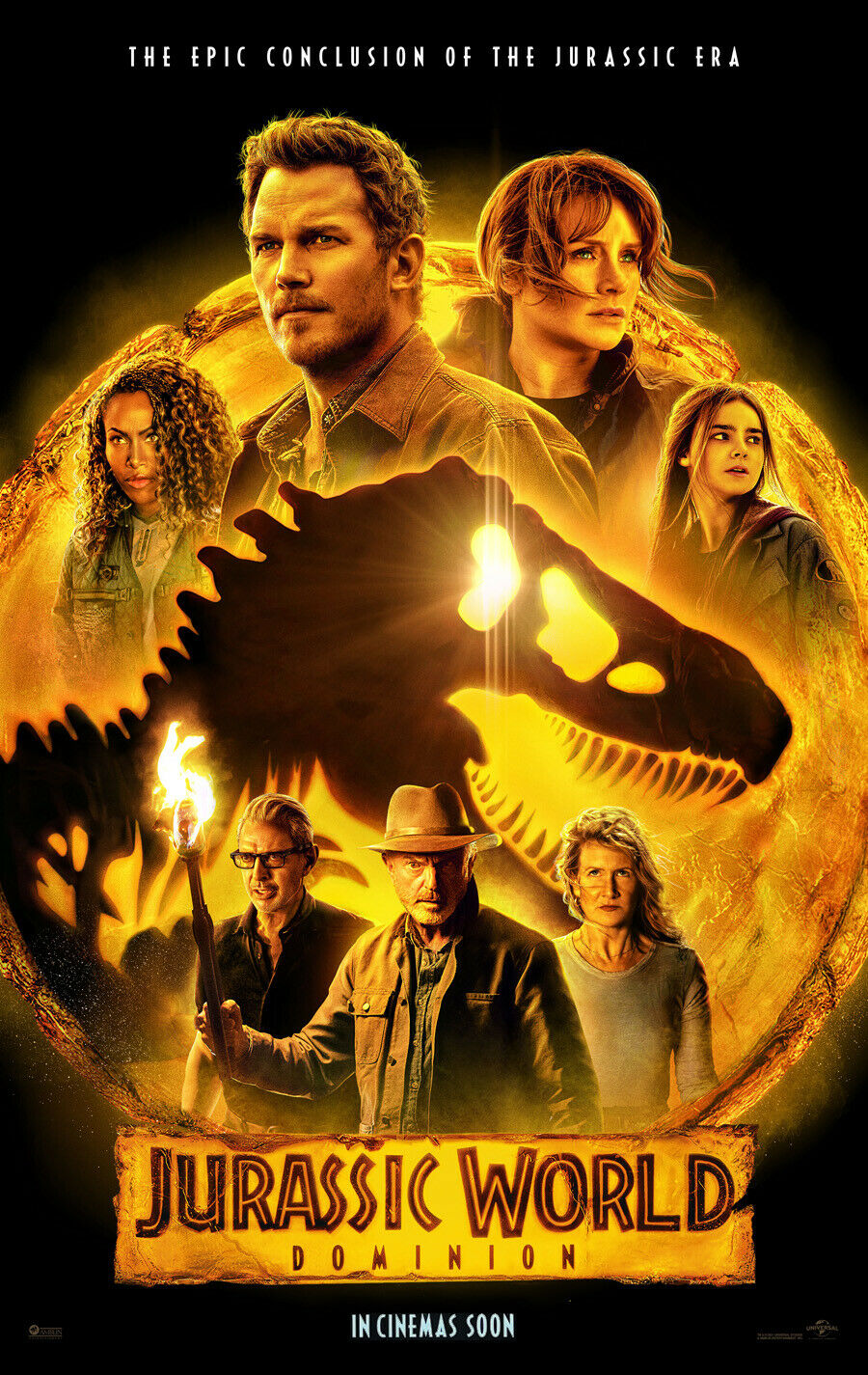
Jurassic World: Dominion Is A Thunderous Epic Conclusion

The final film in the second Jurassic Park trilogy, Jurassic World: Dominion, has been released to mixed to negative reviews, which is puzzling. Yes, it has its flaws, but on the whole, the film is a sprawling dino-epic that is a satisfying conclusion (for now) to the Jurassic Park films.

Jurassic World: Dominion takes place several years after Jurassic Park: Fallen Kingdom and we see the global impact of that film’s end where bioengineered dinosaurs were released into the world. Visually striking montages and imagery highlights a modern world forced to co-exist with the diverse prehistoric fauna. However, most of the larger dinosaurs have been captured and relocated to a private sanctuary in Europe run by Biosyn, a corrupt bioengineering company that is supposedly studying the dinosaurs to derive medical treatment for humanity. In reality, the company, which is run by Lewis Dodgson (Campbell Scott), have bred a giant prehistoric species of locust that they release which soon threaten the world’s food supply.

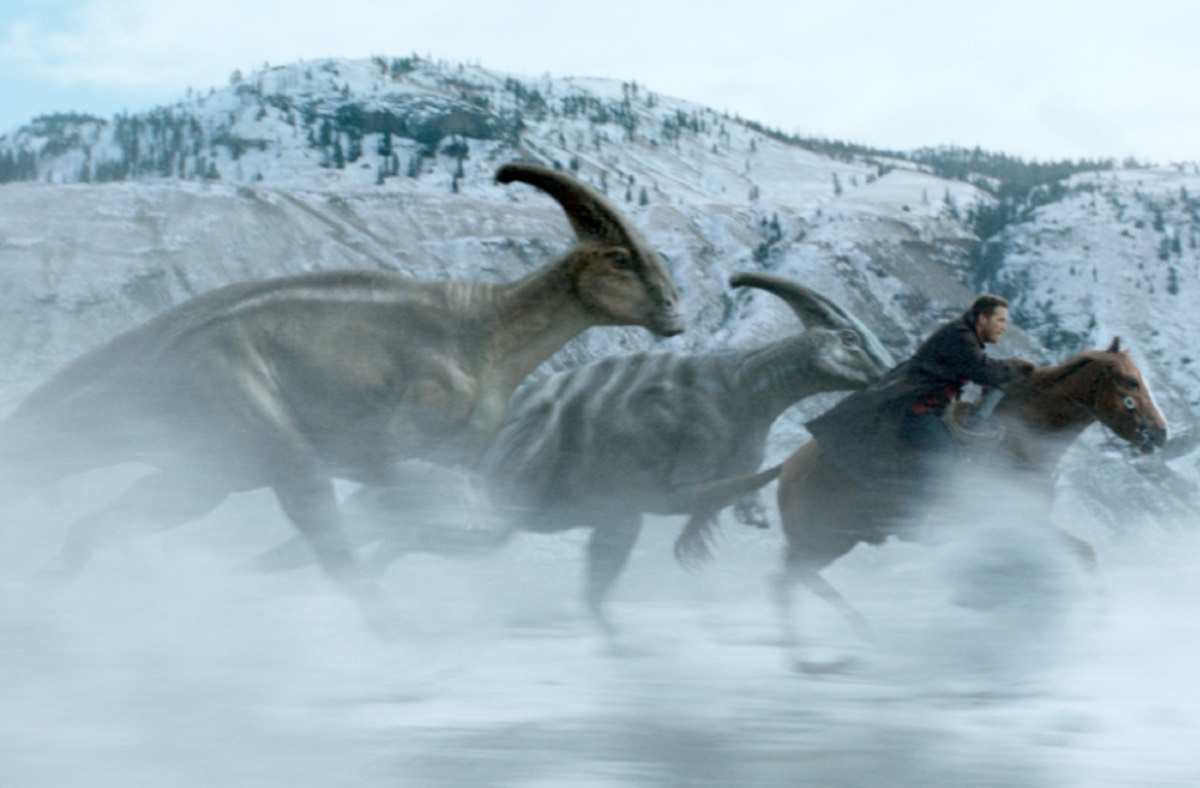
This comes to the attention of Ellie Sattler (Laura Dern), who recruits her former lover, the paleontogist Dr. Alan Grant (Sam Neill) to help her get to Biosyn’s headquarters in the dinosaur sanctuary to get DNA samples of the locusts in the facility. As the two make their way to Biosyn, the company sends out poachers to the Sierra Nevada region to kidnap Maisie Lockwood (Isabella Sermon), who is the first cloned human. She is hiding out in the snowbound forests with former raptor wrangler Owen Grady (Chris Pratt) and former Jurassic World theme park manager Claire Dearing (Bryce Dallas Howard). The trio soon learn that Blue, the raptor that Grady once wrangled on Jurassic World, is living nearby with her young raptor, which Lockwood names “Beta”. The poachers kidnap Maisie and Beta, which leads Grady and Dearing to Biosyn and their plot to control the world’s food supply with their locusts.

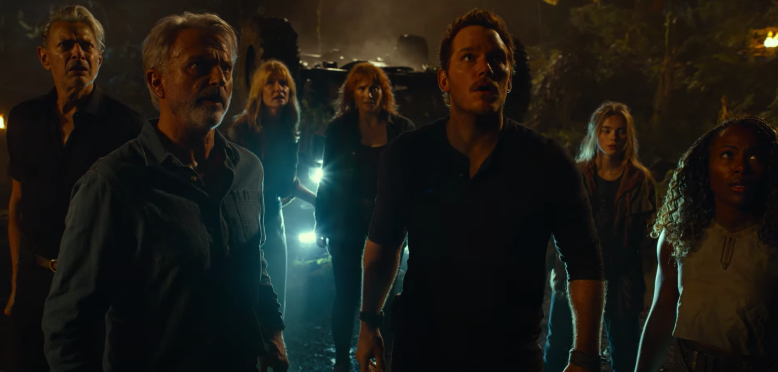
Colin Trevorrow returned to direct the finale of his Jurassic World trilogy and he certainly can deliver action-packed thrills and intense scenes involving high-speed chases and dino battles, as well as genuinely suspenseful moments. While some of the set pieces seem familiar such as humans stuck in a crumbling infrastructure and chased by vicious and hungry prehistoric predators, other scenes are truly inventive and capture the awe of seeing dinosaurs in our modern world as they rampage through cities and farms. For a moment early on, there was a threat that the film would be bogged down and overlong with the two plotlines headed by the OG and new heroes of the franchise, but thankfully Colin Trevorrow kept the action and plot moving briskly. The anticipated team up of both groups was well worth the wait when it finally happens. It was great seeing the original Jurassic Park heroes back together, which includes Ian Malcolm (Jeff Goldblum), who as always steals the show with his quirky, but charming speeches. Other characters from both trilogies make memorable appearances and the film has numerous Easter eggs and references to the previous films, which were fun to spot.
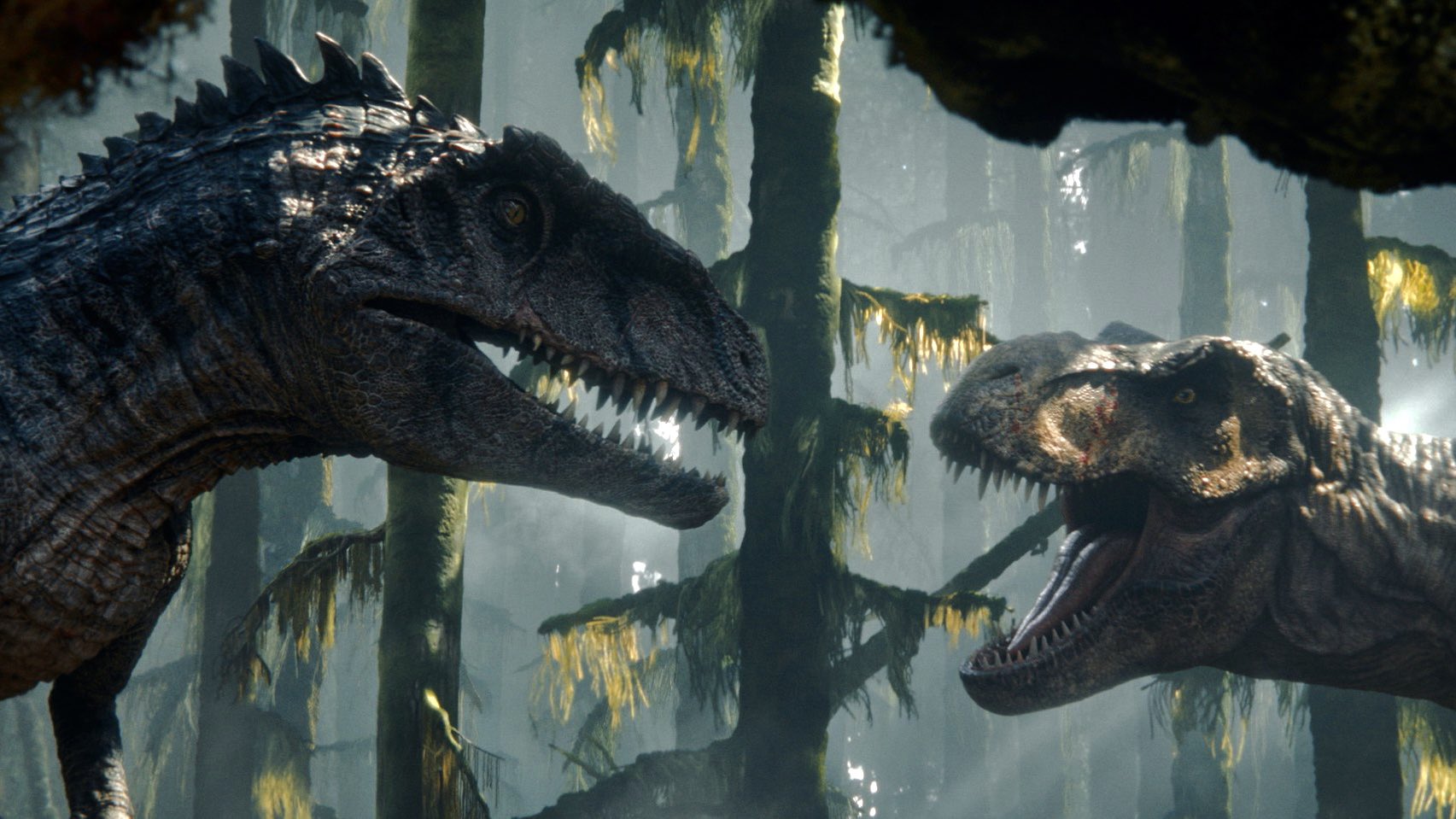
While it was great to see the old familiar characters, the true star of Jurassic World: Dominion were the dinosaurs themselves. In addition to the beloved species such as tyrannosaurus rex, velociraptors, dilophosaurus, and so on, this film introduces new and terrifying creatures like the giganotosaurus, who naturally duels with the t-rex from the previous films, dimetrodons (though they are not dinosaurs), and a the long-clawed therizinosaurus. The only complaint about these dinosaurs is that individually they do not get as much screen time as one would expect. Even Blue, the raptor from the other Jurassic World films does not appear a lot. For the most part, the prehistoric animals are presented as just that, animals. They are background material that move the plot forward without much personality. This means there are no unique standout terrors like Indominous Rex or Indoraptor who took on monstrous auras. By the way, it should be pointed out more accurate feathered dinosaurs do appear in this film. Still, in this world that has co-existed with dinosaurs, many people in the film have lost their sense of awe with the animals, which is a shame but inevitable. This is how it is with our society. Once something that is extraordinary becomes commonplace, that thing becomes familiar and taken for granted.
The film does have its faults such as some convenient plot holes. Seriously, it is hard to believe the surveillance at a high-tech headquarters would have allowed our heroes to pull off their deeds unnoticed. Then there is the now common complaint of deceptive marketing where trailers feature scenes that do not appear in the final film. Also, while for the most part the special effects were wonderful, there were a few instances were the CG was spotty, but to his credit Trevorrow actually uses live-action effects quite well. Of course, Trevorrow is no Steven Spielberg, but he definetely has made his mark on the recent films, which will be well regarded in the future when people start hungering for more Jurassic Park/World films.
Is this the actual end of these films? Most likely. The story has reached its logical conclusion as reflected in the final moments of the film, which impart a powerful and hopeful environmental message. For now, it is best to let the franchise rest for some time. They can either find some way to continue the adventures of a world where dinosaurs co-habitate all corners of the world with us or the franchise could be rebooted to present a more faithful and brutal adapation of the original source material. No matter what, to paraphrase Malcolm, the Jurassic Park films will find a way. Until then, we have a great batch of films to enjoy with repeat viewings, including Jurassic World: Dominion, which is a thrilling and thunderous epic of a finale to the Jurassic World trilogy.

José Soto

Potential Directors 4 The Fantastic Four

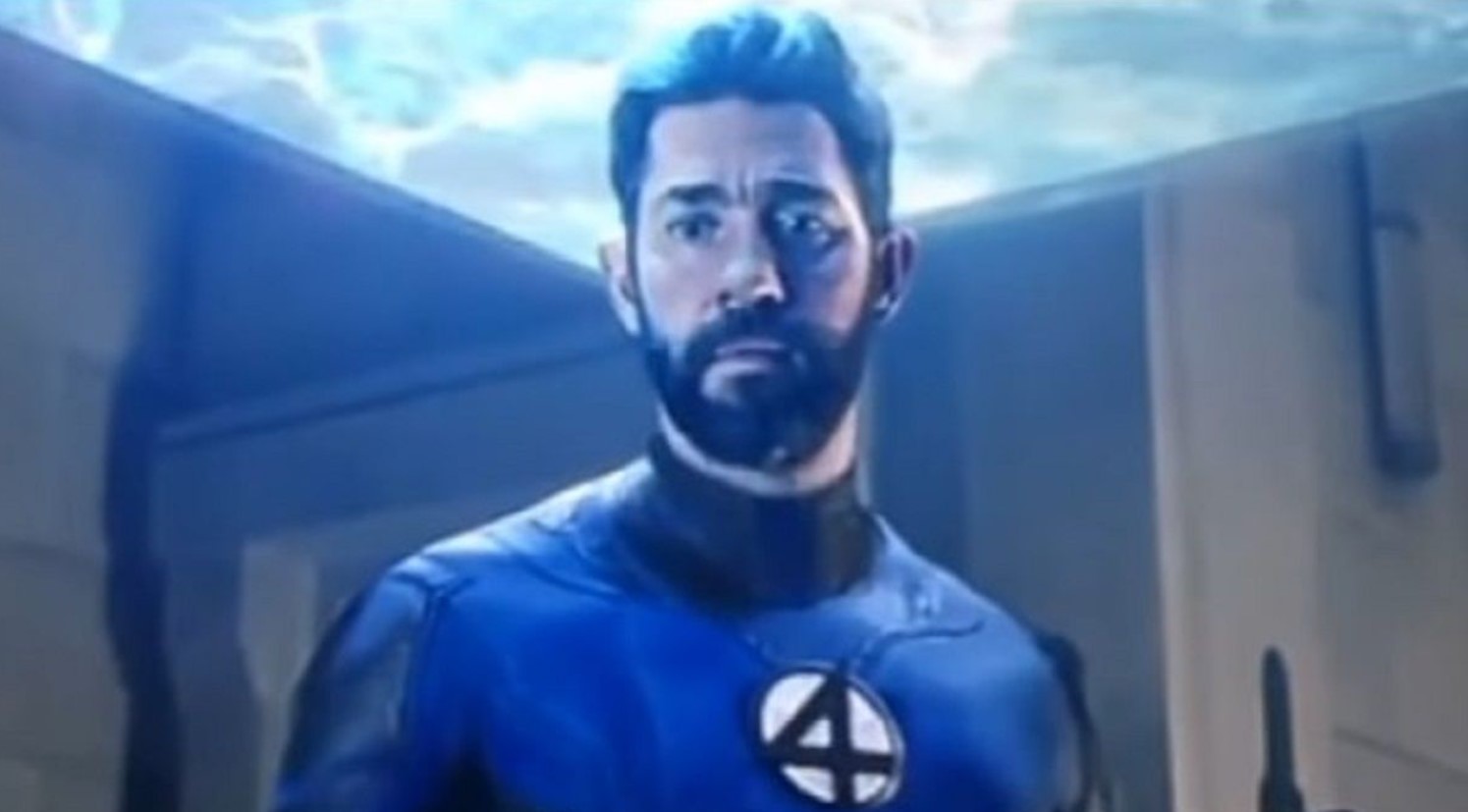
The recent news that director Jon Watts left the upcoming Fantastic Four (FF) film by Marvel Studios was a big surprise for fans of the Marvel Comics property and apparently the film studio itself. Unlike Ant-Man and Doctor Strange in the Multiverse of Madness where the original directors of those films were replaced fairly quickly, it seems as if Marvel Studios is taking its time and keeping to its vest who the replacement will be. There are many possible choices and rumors of who will take over. The popular talk was that John Krasinsky, who appeared as an alternate version of Reed Richards/Mister Fantastic in the latest Doctor Strange film was the frontrunner and one reason why Watts left the project. But those rumors have died down since it is not clear that the actor will even be cast as the Marvel Cinematic Universe (MCU) version of Richards.

When choosing the replacement director for the Fantastic Four, the president of Marvel Studios,Kevin Feige, has to pick a solid director with a proven track record. Unlike some other MCU films, the Fantastic Four truly has to be phenomenal because the superhero team is one of Marvel Comics’ top properties and the previous vilm versions of the Fantastic Four have been major letdowns. So, Marvel Studios has to get this film right and cannot afford a misfire. The latest rumor has it that Feige prefers to have a proven veteran filmmaker tackle the film instead of an up-and-coming director. That makes sense because for every Joe and Anthony Russo, who blossomed with MCU films, there have been forgettable picks like Alan Taylor.

With that let’s look at some possible choices, which will include the latest rumored potential directors and some suggested possibilities for the Fantastic Four. Of course, bear in mind Kevin Feige may tap someone completely unexpected for the task.

John Krasinski

As noted above, Krasinski is considered the frontrunner for the job, at least among fans, given all the fan art of his casting and his directing resume. He has shown the ability to not only direct. but star in genre films, as seen with A Quiet Place and A Quiet Place, Part II. One hindrence is that the actor/director may not want to commit to a long-term film deal. At best, he may only star and direct one Fantastic Four film and hand off the directing duties to someone else for the sequels.

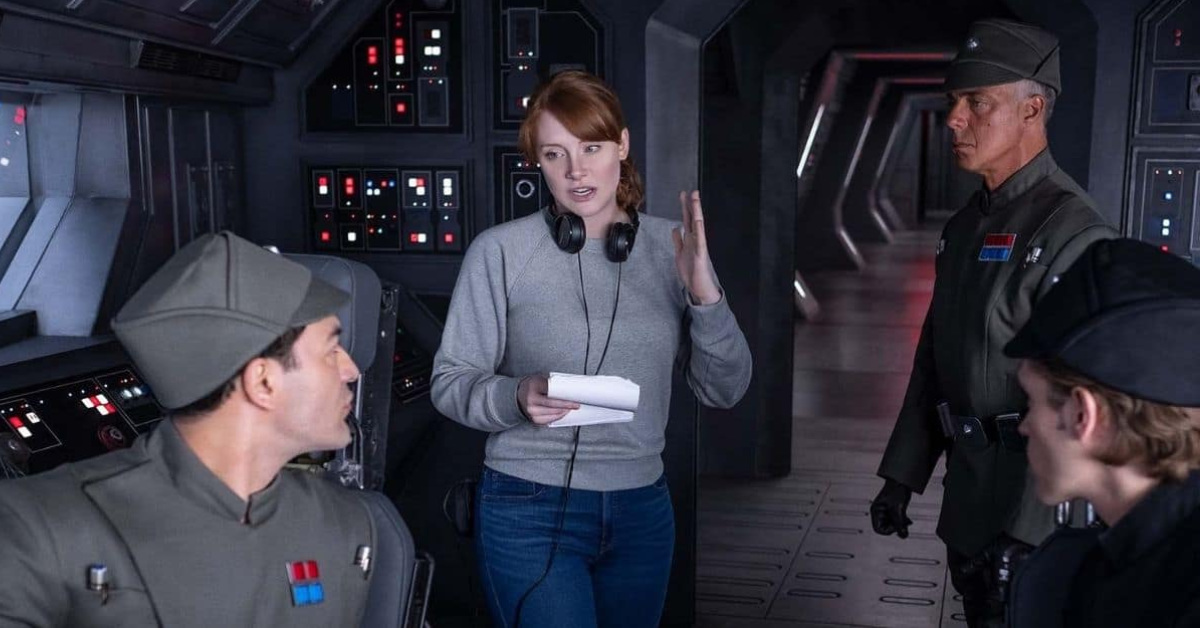
Bryce Dallas Howard

She is the latest rumored frontrunner for the directing task, and for the role of Susan Storm. Fueling the rumors are her recent acclaimed directing of the better episodes of The Mandalorian and The Book of Boba Fett. Currently she is set to star in and direct a remake of Flight of the Navigator, so this may prevent her from taking the job, but then again she may jump ship for a higher profie job.

Peyton Reed

The director of the Ant-Man films famously pitched a Fantastic Four film back in the noughties to 20th Century Fox that would have taken place in the 1960s and would have been a comedy. For some time it was rumored that the superhero team would debut in Reed’s upcoming Ant-Man and the Wasp: Quantumania, but that is doubtful since there has been no news or updates and the film’s release has been moved up to early next year. So there goes Reed’s chance to direct the FF, but, given his interest with the property and his MCU background, Reed would be a perfect choice.

Sam Raimi

After a long absence, the Spider-Man director made a superhero film comeback with Doctor Strange in the Multiverse of Madness where he proved he could still deliver an enjoyable superhero venture. His Spider-Man films were very whimsical and adventurous with the unique Raimi camera tricks that should go well with the FF. Plus, Bruce Campbell could cameo as the Impossible Man or some other comedic role!

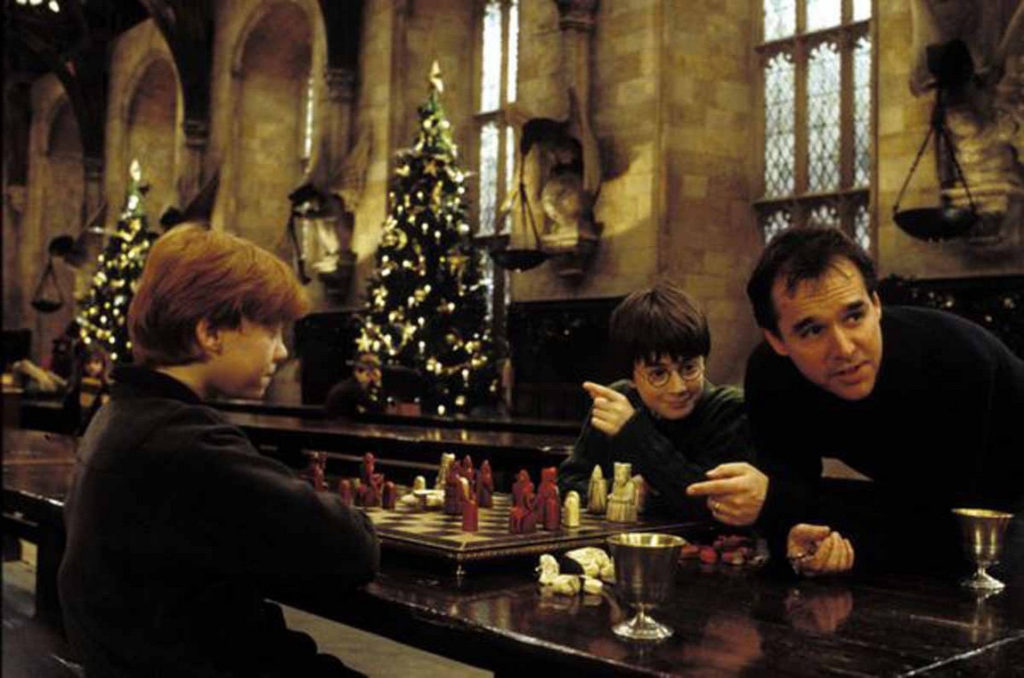
Chris Columbus

Back in 1995, Columbus was attached to write and direct an adaptation of the Fantastic Four, but unfortunately left the project due to the astronomical cost for the special effects, which would have been difficult to pull off in that time period. The director has solid genre credentials, most famously with the early Harry Potter films, and should be considered.

Continue reading

Halo Falls Short Of Its Video Game Roots

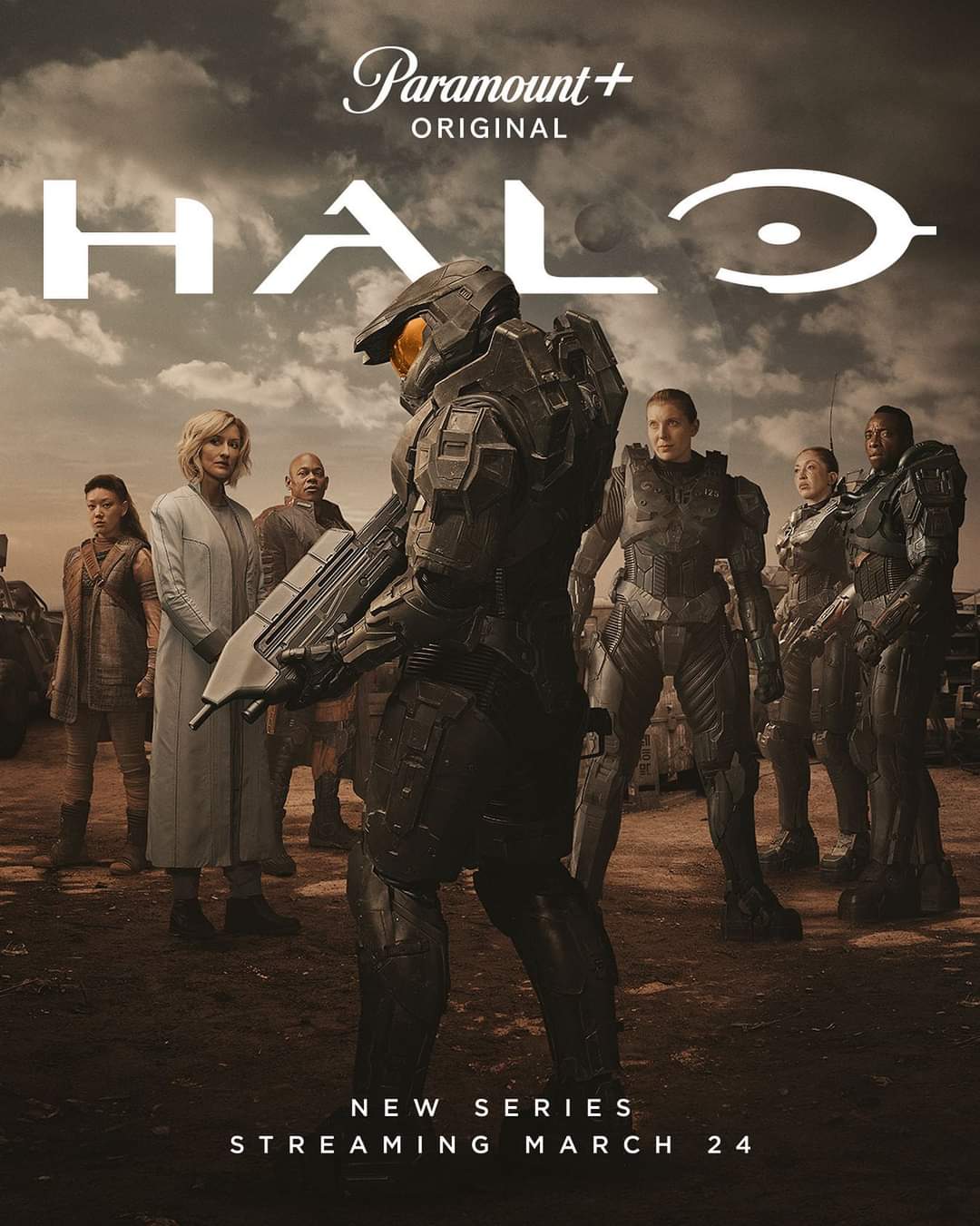
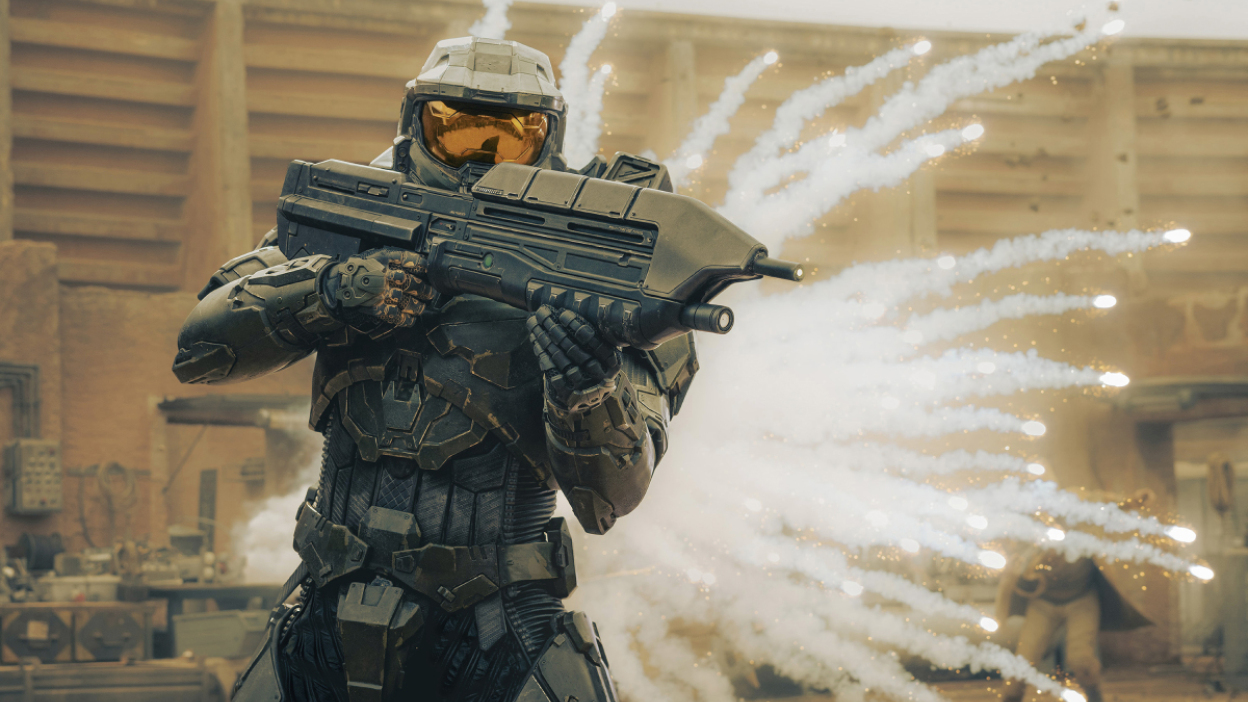
Halo is the latest video game franchise to get a big-budget onscreen adaptation. This one is now appearing on TV on the Paramount + streaming service and from the conclusion of the first episode, it was clear that this live-action series was going to do things differently. The main character, the Master Chief (Pablo Schreiber), who is the vanguard of humanity’s war against an alien force known as the Covenant, takes his helmet off to gain the trust of a girl he just saved. This marks a radical departure from the games where to date, we have never seen him without his helmet.  While this is a small detail and doesn’t detract from the episode, in retrospect it was a sign that this show was going to tell a very different story than what is portrayed in the famous video game franchise.

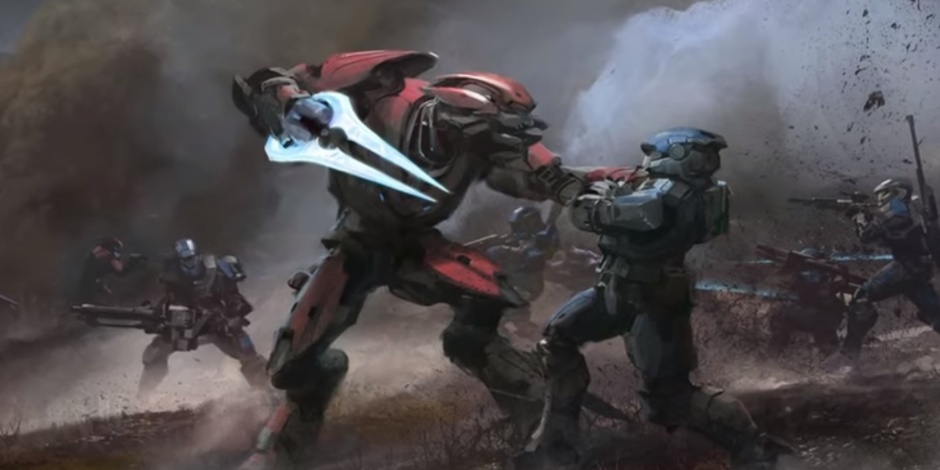
The main idea of the Halo games is that Master Chief is, at most times, a lone warrior fighting against impossible odds on strange aliens worlds against overwhelming foes. These being a group of hostile extraterrestrial races called the Covenant that vow to wipe out humankind in a war that Earth is losing. He encounters the strange ring-shaped world dubbed “Halo” at the start of the very first game and has to figure out its mysteries and stop the Covenant from using it to destroy all life in the galaxy. The Halo TV show however is somewhat of a prequel and starts with Master Chief and other super soldiers named Spartans arriving on a human colony, Madrigal that is invaded by the Covenant.

On the planet he encounters a lone human survivor, a young girl named  Kwan Ha (Yerin Ha), who he brings back to humanity’s headquarters on the planet Reach. Eventually he takes her to a sanctuary world, then she escapes back to Madrigal to try to lead her people against an oppressive government. Meanwhile, Master Chief aka “John” finds a Covenant artifact that he seems to have some strange mystical connection to, and he uncovers details of his past where he was kidnapped as a child by a Dr. Halsey (Natascha McElhone) who created the super soldier program to make the other Spartans as well. These other Spartans also start to question their origins, while Halsey deals with her daughter (Olivia Gray), who is upset by her absentee mother.  Notice that the plot of a war against a group of aliens hellbent on humanity’s extinction is not mentioned other than at the start of the paragraph?

This is the biggest issue I have with this adaptation, that the main focus of the games is basically a subplot in this show that seems to fade to the background other than a few scenes here and there. There are only 9 episodes in this first season and the story needs to be tight and focused, but it seems instead to be set on world building and character exposition to the detriment of what should be the main plot of Earth and its struggle against a genocidal group of aliens who see humans as an affront to their religious beliefs regarding the Halo artifact. There is even one episode solely devoted to Kwan Ha and her journey on Madrigal finding out about her past. This can happen if this was a network TV show with 20-plus episodes, but not with a streaming TV show with limited episodes.

In the games, the Covenant believe that the Halo is a sacred structure that, when activated, will take them to paradise. The reality, *spoiler alert*,  is that it is a weapon created by an ancient race called the Forerunners who used it to destroy life in the galaxy to starve a parasitic race called the Flood of their food source. The Forerunners then re-seeded the galaxy with life, including humans and the Covenant races, on different planets. None of this is explained or shown to the audience, probably since they expect fans of the games to know this, but for non-gamers who will be clueless about this. I can understand that they might not want to overwhelm viewers with larger amounts of backstory and game mythology, and establishing the characters is important, but it seems like they wanted to tell a very different sci-fi story than what is told in the various games. It’s as if they are more interested in the machinations and political intrigue of Earths’ government, the United Nations Space Command (UNSC), as well as Dr. Halsey and the UNSC’s questionable tactics regarding the creation of the Spartans, as opposed to what should be the desperate attempt to survive against the onslaught of the Covenant. 

The positives of the show are the design and look of the Spartans and Covenant when they show up. They look very much like their video game counterparts. And the few scenes of action we do get are very good. The first, fifth and last episodes show the Master Chief and other Spartans in action fighting against their foes. It’s a real treat to see and does offer a glimpse of what the show can be. Obviously, it can’t be non-stop action as opposed to the games, but it’s really about what the focus of the show should be. The season ends with the Chief seemingly taken over by his AI assistant Cortana (Jen Taylor), as they escape with artifacts that can lead them to the location of the Halo ring world.

Hopefully the second season will have him finally arriving at the Halo itself to set off the chain of events that happen in the first game, and we can have the politics of the UNSC in the background, with the fight against the Covenant at the forefront of the show. As a generic sci-fi TV show, Halo is fine, but as an adaptation of the numerous games, it seems to fall short. Having said that, Paramount + has renewed the show for a second season and it has good streaming numbers, so there is an audience for it. Maybe with this new set of episodes, we will see a story that can bridge the gap between both fans of the game and newcomers to the franchise, and satisfy both groups, as the best adaptations of other media do.

C.S. Link

Doctor Strange’s Deep Dive Into The Multiverse

*Note: The following will contain MAJOR SPOILERS for Doctor Strange in the Multiverse of Madness.

For anyone who has seen Doctor Strange in the Multiverse of Madness, the latest entry from the Marvel Cinematic Universe (MCU), the film raised many questions and fueled intense speculation for what lies ahead with the MCU and its version of the multiverse or alternate realities.

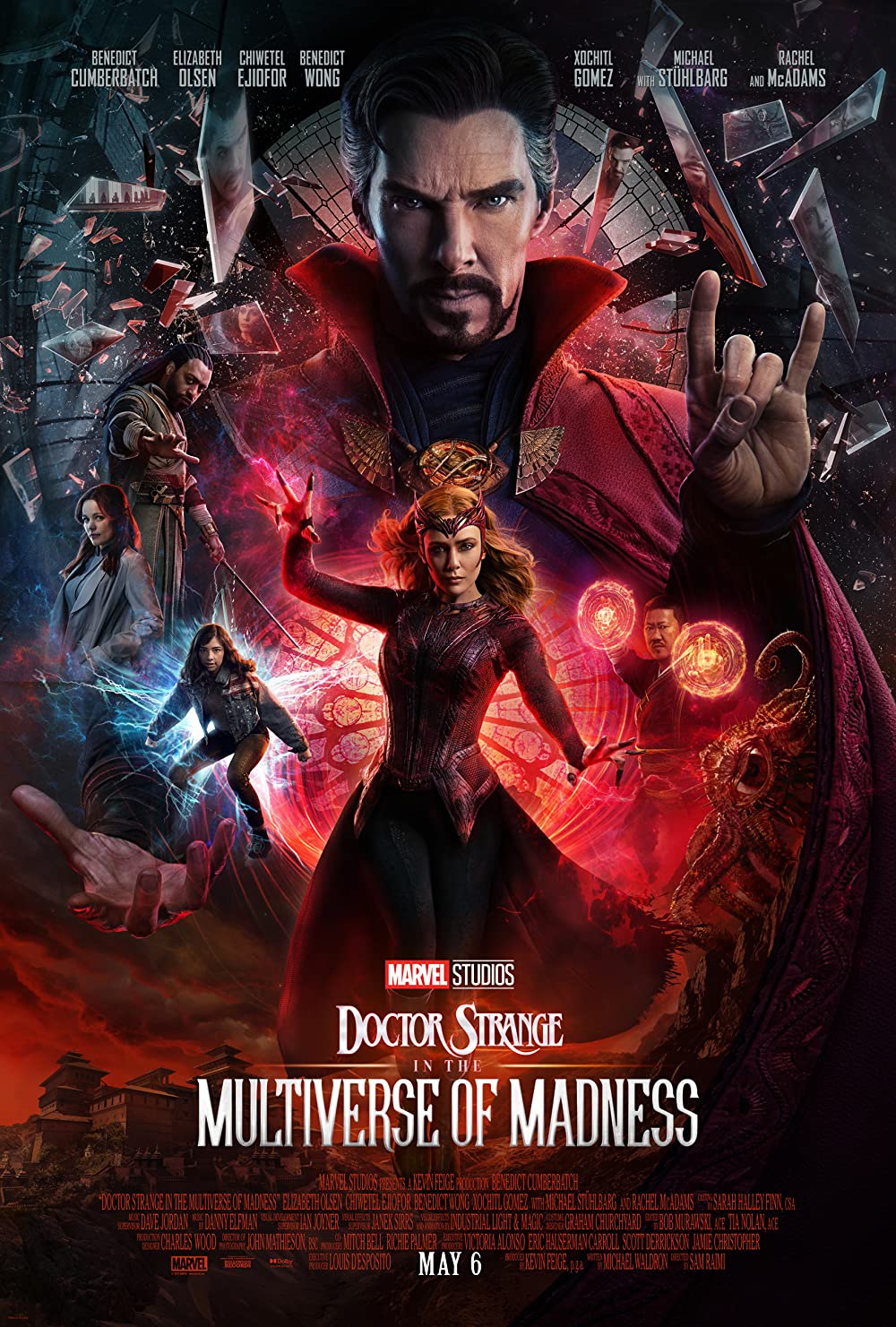
The MCU has toyed with the concept of the multiverse for some time and further explored it in recent Disney+ TV shows, and even Avengers: Endgame, but the sequel to Doctor Strange is the first MCU film to fully dive into the concept. During the film, the sorcerer Doctor Stephen Strange (Benedict Cumberbatch) encounters a young woman called America Chavez (Xochitl Gomez), who has the ability to travel between universes or the multiverse. She is being hunted by Wanda Maximoff aka the Scarlet Witch (Elizabeth Olsen), who wants to steal her power (and killing her to do so) in order to travel to another reality where her fictional children that she conjured in WandaVision are actually alive. During a confrontation between Strange and the Scarlet Witch, Strange and Chavez wind up traveling through several bizarre universes before arriving in a universe numbered 838. The MCU we know of is designated 616, even though that designation belongs to the regular Marvel Comics universe, which itself designated the MCU 199,999.

Despite the weird worlds Strange and Chavez traveled through, like an animated universe or one where they turned into paint colors, the 838 quickly stood out in the way that society embraced living more harmoniously with nature and with its heroes. Strange met the superhuman team called the Illuminati who deal with the deadliest threats to reality and included alternate MCU heroes and new ones, as well. The most interesting Illuminati members were Captain Carter (Hayley Atwell), a What If…? character perfectly realized in live action, Reed Richards, leader of the Fantastic Four (played by John Krasinski, a fan-casting dream come true), a comics-accurate version of Black Bolt (reprised by Anson Mount who originated the role in the Inhumans TV show), and Professor Charles Xavier (Patrick Stewart), who was a new version of the Professor X seen in the Fox X-Men films.

As great as it was to see these heroes, some fans were disappointed that the film did not feature more appearances by alternate characters such as a rumored Iron Man played by Tom Cruise, Tobey Maguire returning as Spider-Man or Chris Evans as the Human Torch (a role he played in the first official Fantastic Four films). Sure, it would have been terrific to see more cameos but to do so threatened to take away from the main story of Doctor Strange in the Multiverse of Madness, which had to focus on Strange and his foe. The appearances we got were to merely whet our appetite for things to come, which were clearly outlined in the film. So fear not, this is just the beginning. Before long we’ll have a deep dive into the multiverse.

Continue reading

Doctor Strange In The Multiverse Of Madness Is A Wild & Scary Summer Ride

Kicking off the yearly cinematic entries of the Marvel Cinematic Universe (MCU) for 2022 is Doctor Strange in the Multiverse of Madness, the long-awaited sequel to 2016’s Doctor Strange. While the first film introduced the supernatural and trippy side of the MCU, the sequel runs wild and amps up the horror elements of the MCU and introduces fantastic new characters and concepts. As with Spider-Man: No Way Home, this film deals with the mind-bending nature of the multiverse and fleshes it out more.

The sequel to Doctor Strange is directed by horror auteur, Sam Raimi, who returns to the world of film adaptations of Marvel Comics superheroes while embracing his horror film background. He replaced the original director and it turned out Marvel Studios made an inspired choice with Raimi, who has the skills and the superhero and horror background to create a splendid fusion of both genres for the MCU.

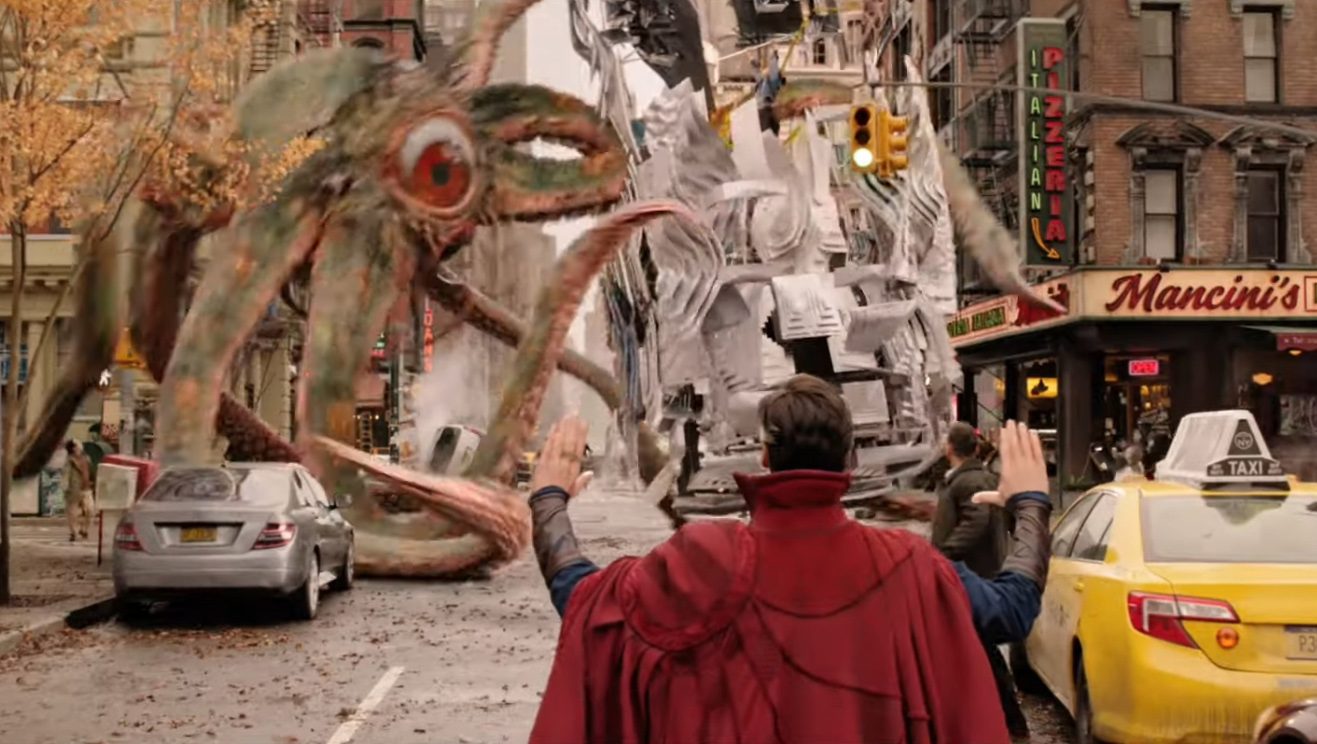
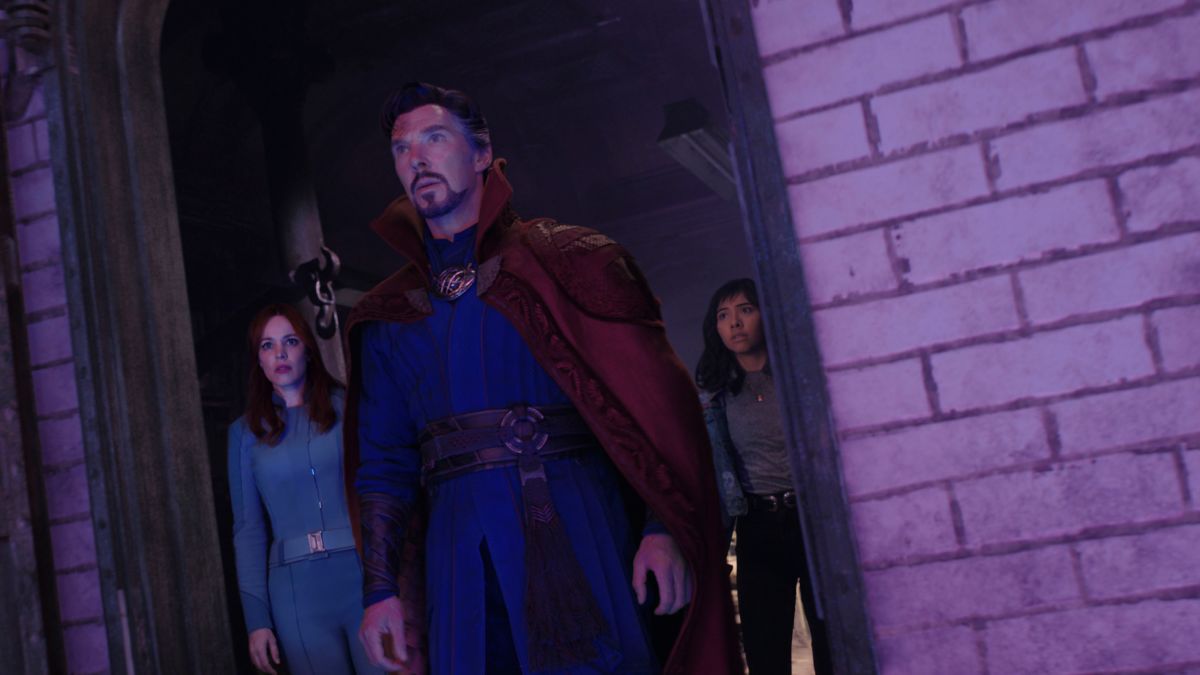
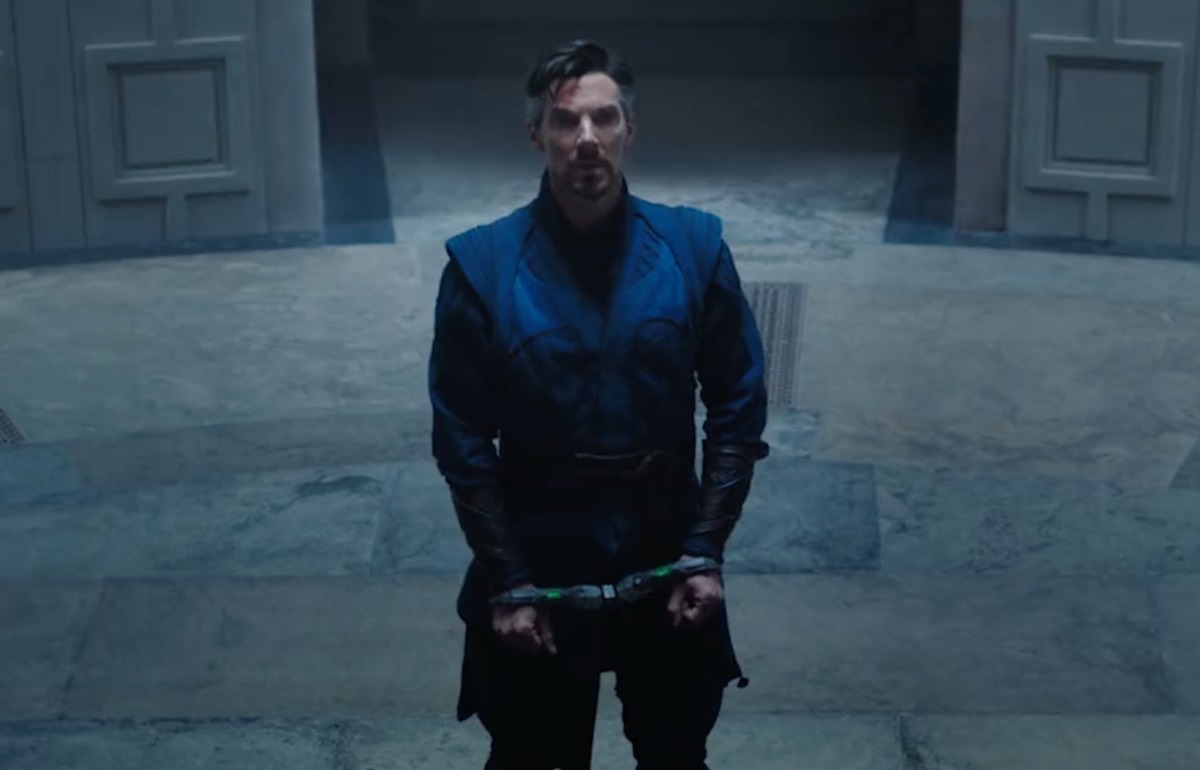
Doctor Strange in the Multiverse of Madness brings back the sorcerer, Dr. Stephen Strange (Benedict Cumberbatch), after the events of Spider-Man: No Way Home. He is attending the wedding of his former lover, Christine Palmer (Rachel McAdams) when a nearby attack in the streets of New York City attracts his attention. A giant, cyclopean cephalopod is after a teenage girl named America Chavez (Xochitl Gomez) and after Strange and fellow sorcerer Wong (Benedict Wong) rescue her, she reveals she is from another universe. America Chavez has the uncontrollable ability to travel through different universes and is on the run from someone who wants to kill her and take her power. The film also features Wanda Maximoff (Elizabeth Olsen), who is in grieving after the events of WandaVision. Soon enough her and Strange’s paths cross as he embarks on a mission to protect Chavez. This leads him through the multiverse itself as he struggles to find a way to defeat Gomez’s pursuer and confront his own flaws.

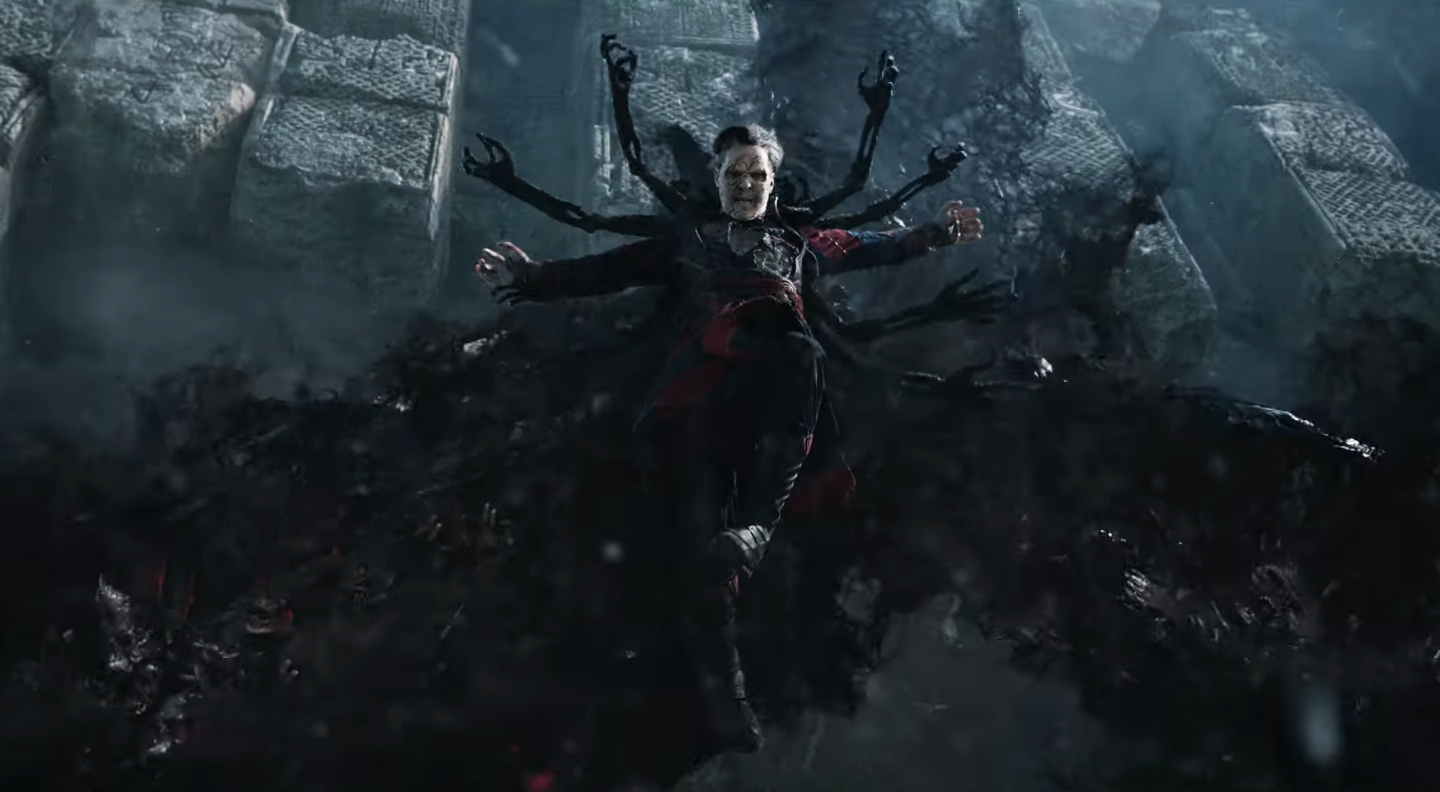
This film works on so many levels that cannot be appreciated immediately by some. It relies heavily on the history of the MCU and has references to Marvel Comics that will delight fans and alienate some non-fans. It walks a fine line between servicing fans with many references and Easter eggs while not going overboard. Despite what the title implies or what over-speculation has led some to believe, Doctor Strange in the Multiverse of Madness manages to restrain itself while being an effective and fast-paced thriller with many blood-curdling moments. Sam Raimi revels in his horror roots and delivers his best film in years. Unlike some MCU films that lack identity, Raimi is able to inject his own distinctive and bombastic directorial vision in the film. What he presents may alarm some expecting a family-friendly ride, but it is so well done. A lot of the imagery is downright squeamish and disturbing, but Raimi does not go too over the top. Needless to say the special effects are excellent and many of the images look like dreams which came to cinematic life.

A criticism with The Batman was that it was a bit too indulgent and went on too long. With Doctor Strange in the Multiverse of Madness, it is the opposite. Its main problem is that it could have used a few extra minutes to allow it to breath and let many emotional moments sink in. It’s very fast paced, but tetters on the brink of losing control as the film jumps from one plot point to another. Raimi has said that his original cut of the film was about a half hour longer but Marvel Studios made him cut the film to fit a two-hour run time. Hopefully this footage will turn up later on to let us judge them. But the film still holds itself together thanks to the terrifc talent both behind and in front of the camera.

Benedict Cumberbatch once again turns in a fine performance as a self-deluding, arrogant hero who has to admit some hard truths about himself in order to succeed. The other actors have ample amount of screen time to leave an impression, including Xochitl Gomez. As the newest superhero of the MCU, Gomez’s America Chavez is full of heart and spunk, but is never obnoxious or overbearing. Plus, she has an engaging sub plot as she struggles to deal with her past and grow.

Elizabeth Olsen delivers an excellent performance as Wanda as we feel her pain and can certainly empathize with her situation over having lost her children during WandaVision. Then there many new characters who have small but significant appearances in the film. As mentioned earlier, beware of over speculating about who appears and dampen expectations. In the end, this works for the film and keeps it from having the same failed fate of Iron Man 2 or Avengers: Age of Ultron where those films tried to cram in too much to set up other films. Even though Doctor Strange in the Multiverse of Madness has many characters and moving parts, the core of the film is still on Strange. More importantly, the film does not hesitate to shine a light on his character flaws, which are not admirable.

Doctor Strange in the Multiverse of Madness is another strong win for the MCU and Marvel Studios, which leaves one begging for a followup. Thankfully, the end title card promises that Doctor Strange will return. Let’s hope it does not take six more years for a third Doctor Strange film.

José Soto