Should The Next Star Trek TV Show Be About Kirk?

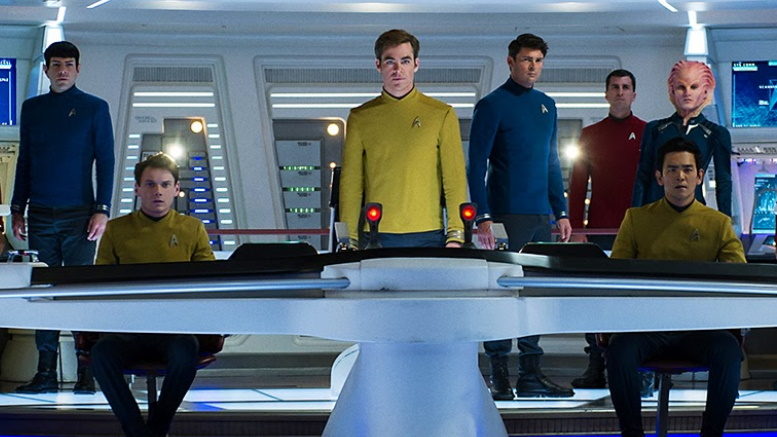
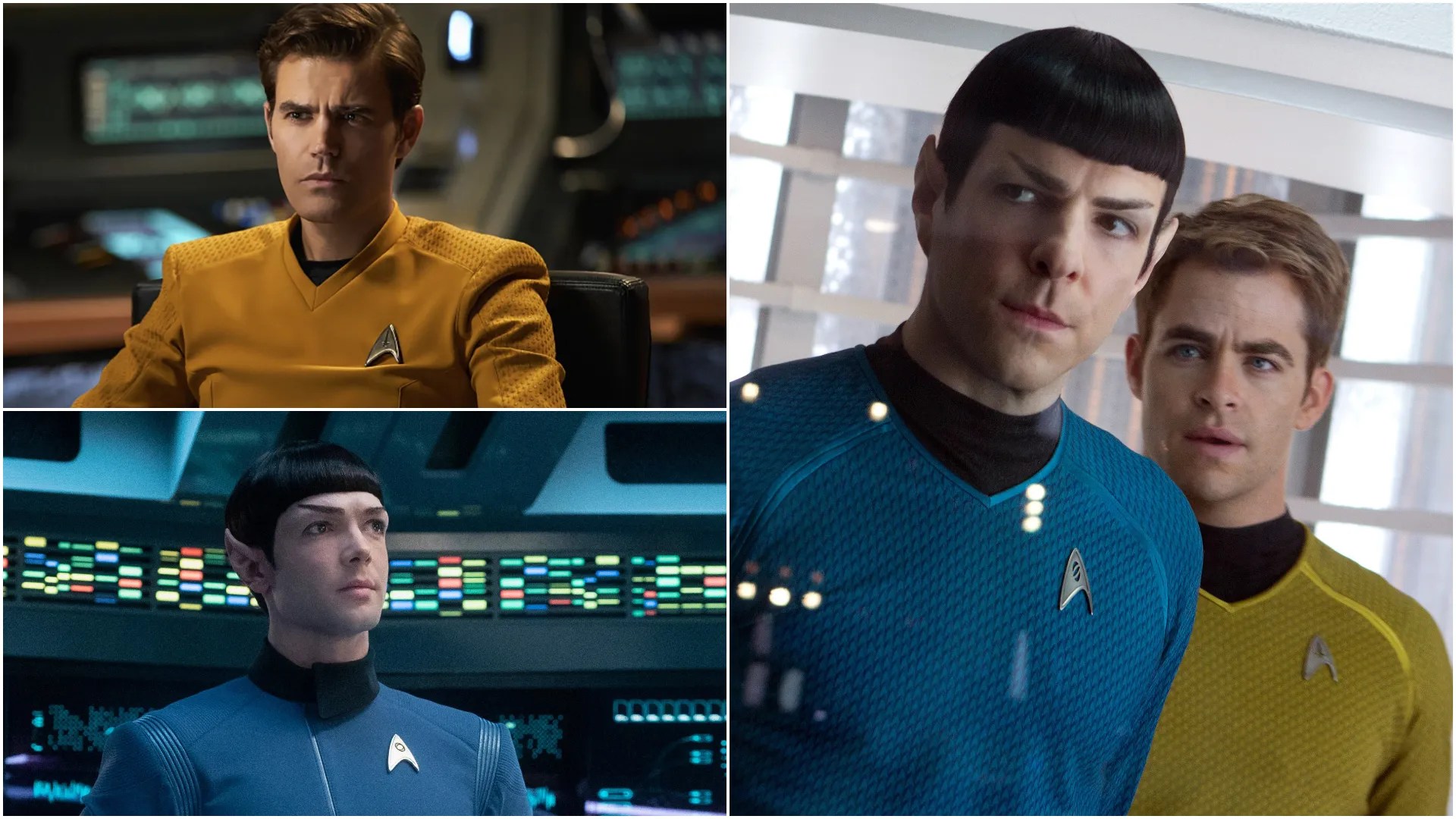
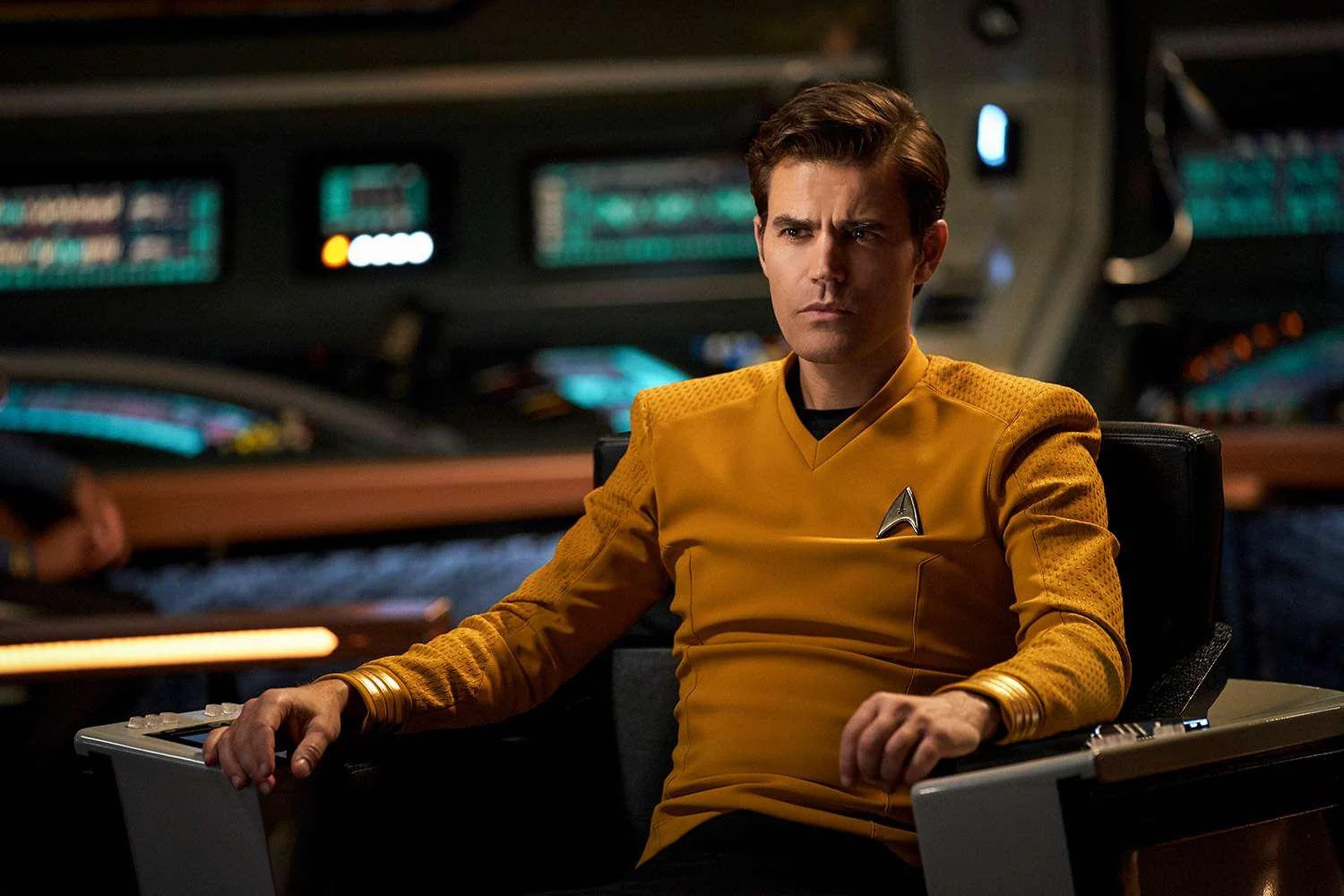
The powers that be that are in charge of the Star Trek franchise are busy planning a new Star Trek TV show that will feature a young James T. Kirk in his early days as captain of the U.S.S. Enterprise starship. This version of Kirk would be portrayed by Paul Wesley, who appeared frequently in Star Trek: Strange New Worlds and the proposed show would be a sequel to Strange New Worlds called Star Trek: Year One. It’s a great idea since Kirk is still one of the most popular characters in Trek. But should there be another TV show based on Kirk?

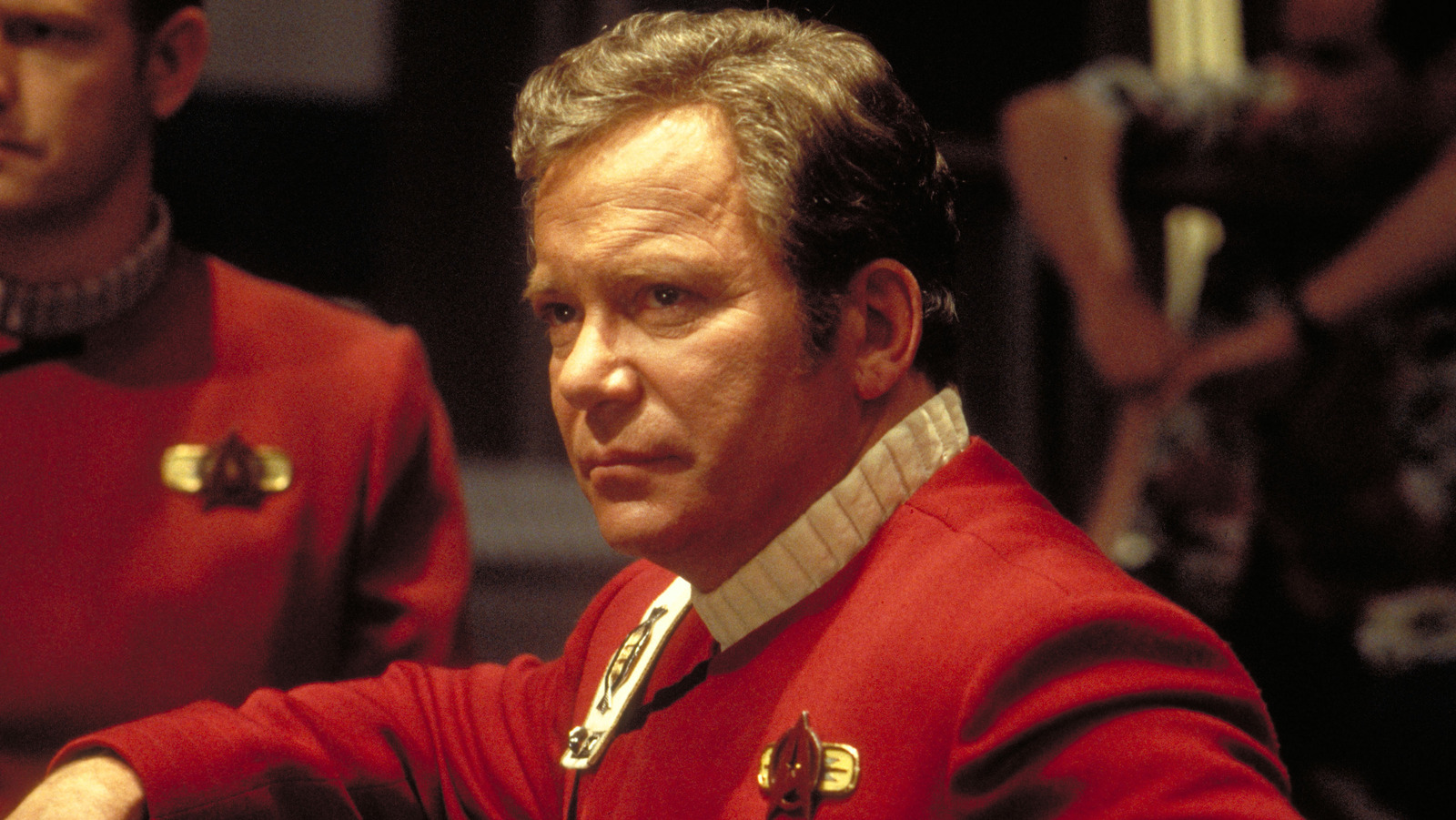
Let’s put aside the acting chops of Wesley or the idea of Kirk being recast, which has always been a challenge that producers had to deal with since William Shatner, the original actor to play the role, is ingrained with many fans who have a hard time accepting someone else playing Kirk. Just look at the trouble the production team behind the 2009 Star Trek film went through to cast Chris Pine as Kirk. People have to accept that Shatner will never play the role again, especially since Shatner is in his 90s and the budget to digitally de-age him would be prohibitive for an ongoing TV show.

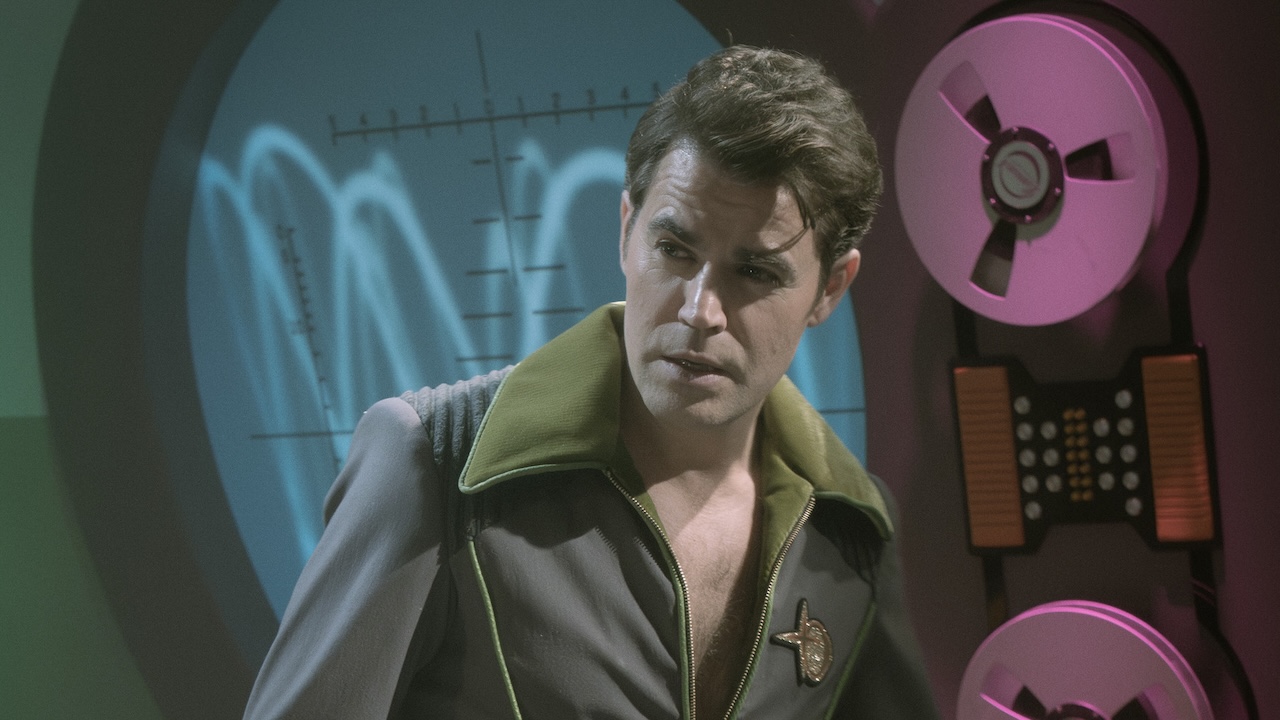
In Wesley’s defense, he does a good job playing a young Kirk without resorting to Shatner’s unique method of acting that gave lots of fodder for comedians. To get an idea of how Wesley would have aped Shatner, take a look at the season three Star Trek: Strange New Worlds episode “A Space Adventure Hour”. It was one of those by-now obligatory holodeck malfunctioning episodes where Wesley as Kirk played a parody of Shatner’s Kirk. The point is if any actor tried to act like Shatner, he would not be taken seriously, which would doom the show.
Getting back to the idea of a young Kirk TV show. On paper it seems like a natural, do a TV show about a young Kirk settling into his command, making mistakes and learning from them, and seeing how he formed his bond with the famous Enterprise crew. It would be fairly easy to create the show since it would be a sequel to Star Trek: Strange New Worlds and the standing sets and design are already done, so that would save money and time. Plus, many of the actors from Strange New Worlds like Ethan Peck would just transition over to Star Trek: Year One since Peck would be playing Spock, who became first officer of the Enterprise during Kirk’s command. The proposed Star Trek: Year One could also remake some of the more famous first season episodes like “Space Seed” (which would give us a recast of Khan) or “City on the Edge of Forever” but with better production and effects. This is very tantalizing.

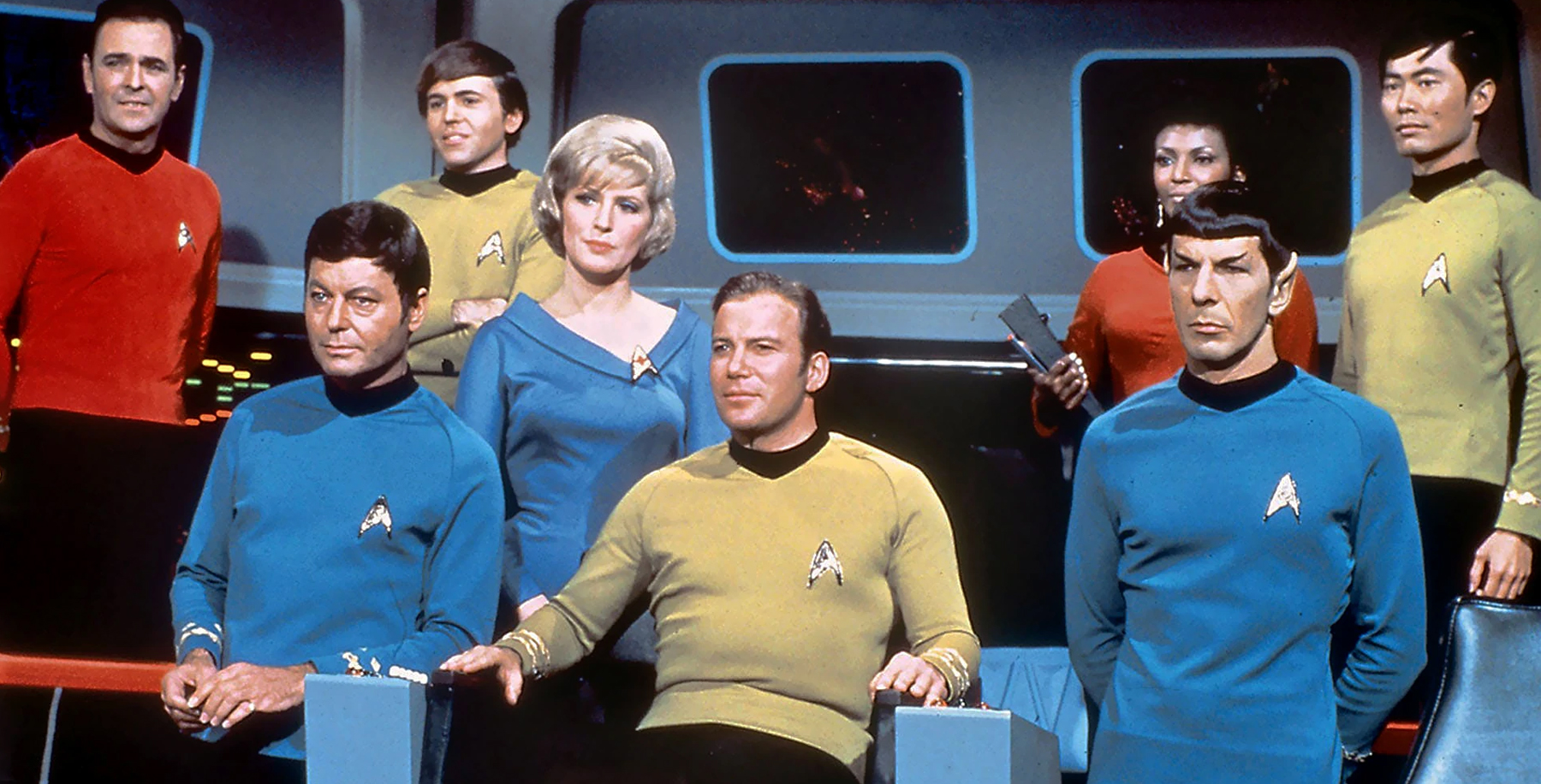
The problem is that we saw Kirk’s early adventures in the original TV show. When Star Trek first aired, it featured Kirk when he first commanded the starship Enterprise. The implication with the first season of Star Trek was that the first season took place during the beginning of the ship’s five-year mission. On the other hand, there are signs that there was a time gap during the very first episodes and the later episodes. “Where No Man Has Gone Before” and “The Corbomite Maneuver” had the crew wearing slightly different uniforms than what was shown soon after. In fact, Doctor McCoy was not even around in the pilot episode “Where No Man Has Gone Before”. More importantly, there are implications in the early episodes that the crew of the Enterprise had been on their mission for some time. So, this leaves room for a Star Trek: Year One.
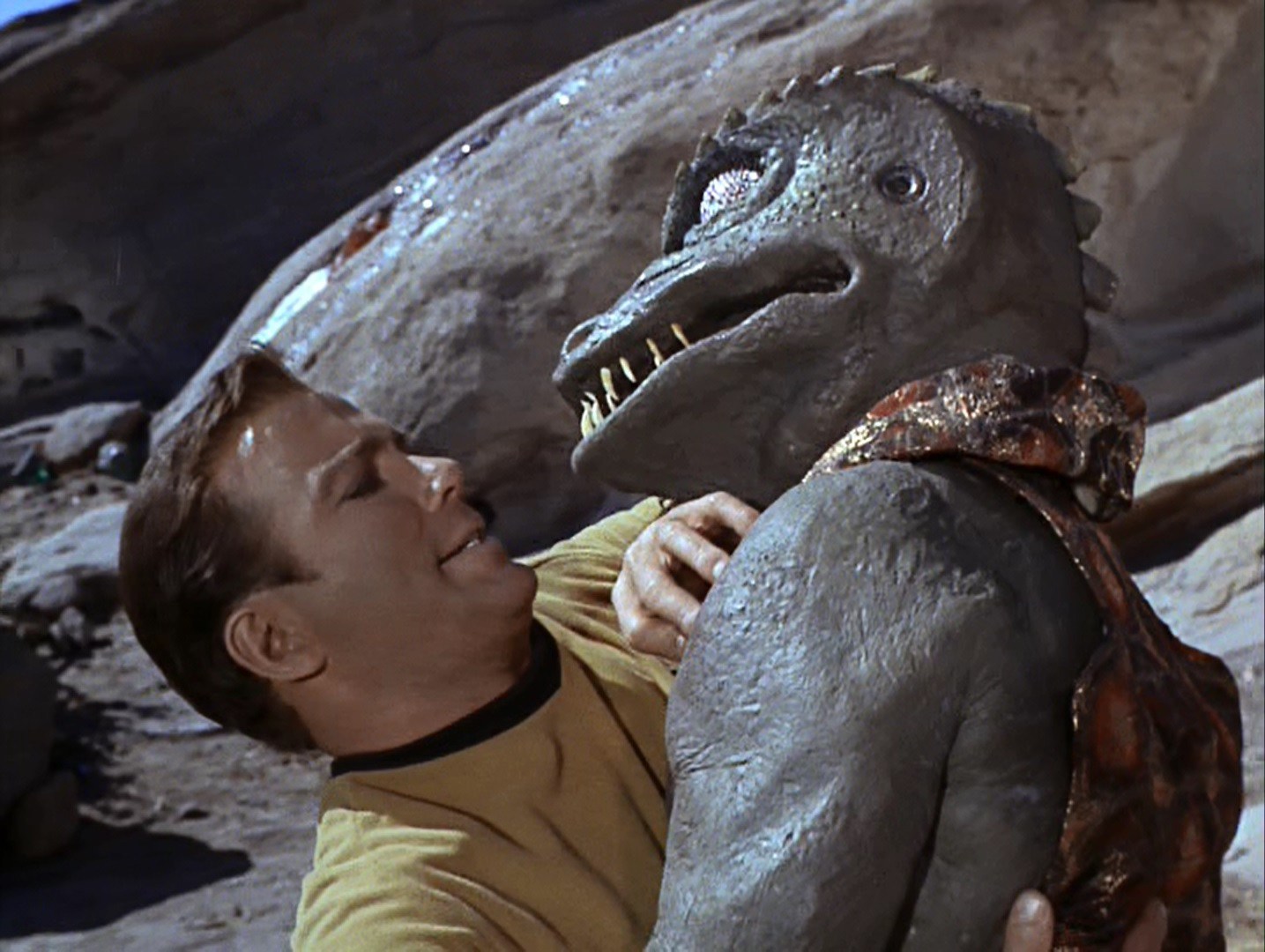
Kirk v Gorn in Arena

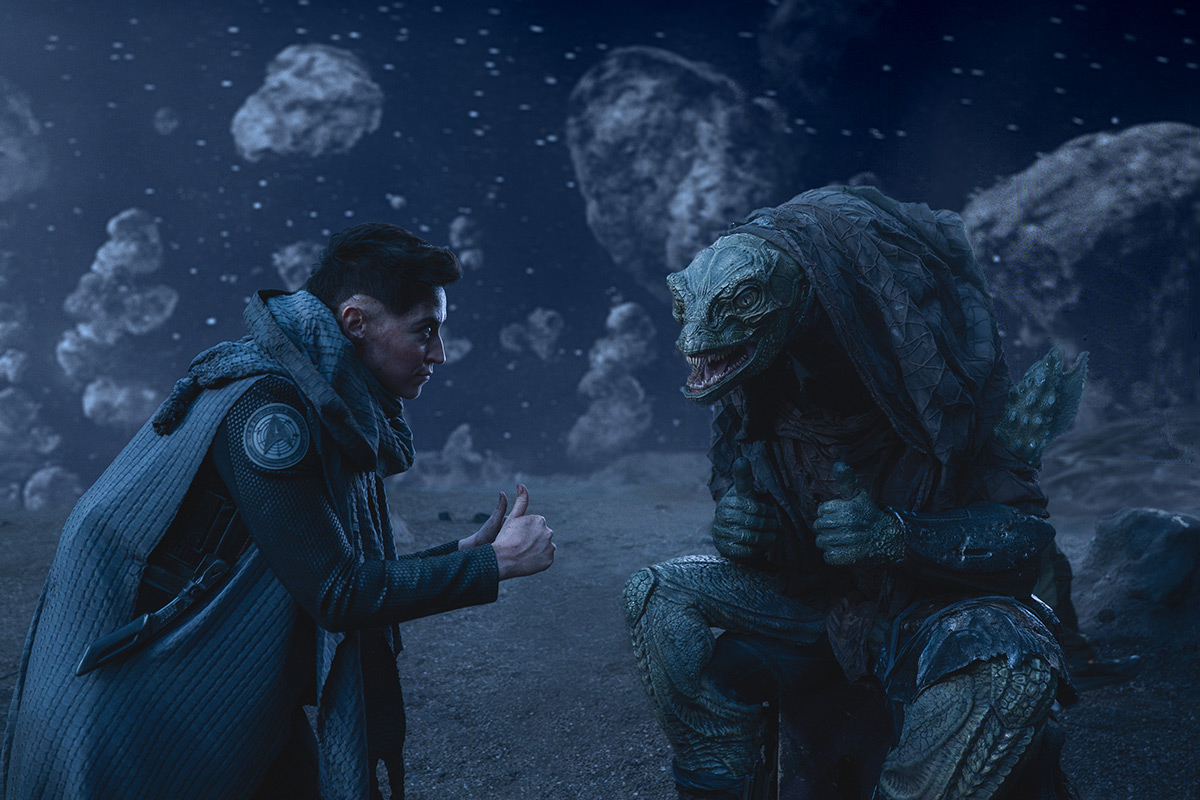
There is a headache that the writers of the proposed TV show would have to deal with and that is with continuity. This has plague all the Star Trek TV shows and films as they had to make sure the continuity established in the original Star Trek and later shows and films remained intact. Unfortunately, this did not work out many times and the recent Trek shows received a lot of flack from angry fans, such as with the look of the Klingons, the Gorn and with the early history of Star Trek. For example, Star Trek: Discovery and Star Trek: Strange New Worlds established that there was a Klingon War which was never implicitly mentioned in the original Star Trek, yet it happened close to the era of the original Trek. In the Star Trek episode “Arena” the Gorn looked radically different than the species shown in Star Trek: Strange New Worlds, and in the original show, the Enterprise crew acted as if they never heard of the Gorn, who were an ongoing threat in Star Trek: Strange New Worlds. This is an issue that long-running TV shows and films have to grapple with and Star Trek is not unique to this situation. As long as the basic history is adhered to, then fans should be willing to give the writers a pass.
One way out of this would be to do what the 2009 Star Trek film did and establish that the recent Star Trek shows are set in another reality. The trouble is that it has been shown already that the recent Trek shows are set in the so-called Prime Timeline.

The most pressing problem for a so-called Star Trek: Year One has to do with whether or not there is any demand for it. Not everyone is thrilled with Wesley’s performance or the fact that the character has hijacked Star Trek: Strange New Worlds by appearing in practically every other episode. This was supposed to be a show about Christopher Pike not Kirk and we already have an idea of how the early years of Kirk went. Do we need to see it play out? Why not create a new Star Trek adventure with new characters? There are many time periods that have never been covered that are ripe for presenting like the time period between the original Trek and Star Trek: The Next Generation. In fact, a TV show about a young Picard sounds more interesting. Ever since Star Trek: Picard concluded, fans have been begging for a Star Trek: Legacies show featuring the crew of the Enterprise-G with Picard’s son, but it seems like the powers that be are hellbent on ignoring fans and plowing ahead with a young Kirk show. This is a sign that the current showrunners do not truly understand Star Trek. Over the decades, the franchise has proven repeatedly that it was rich enough to provide new characters and situations set in the franchise. It allowed Trek to reinvent itself and not rely on Kirk and his crew to generate interest.
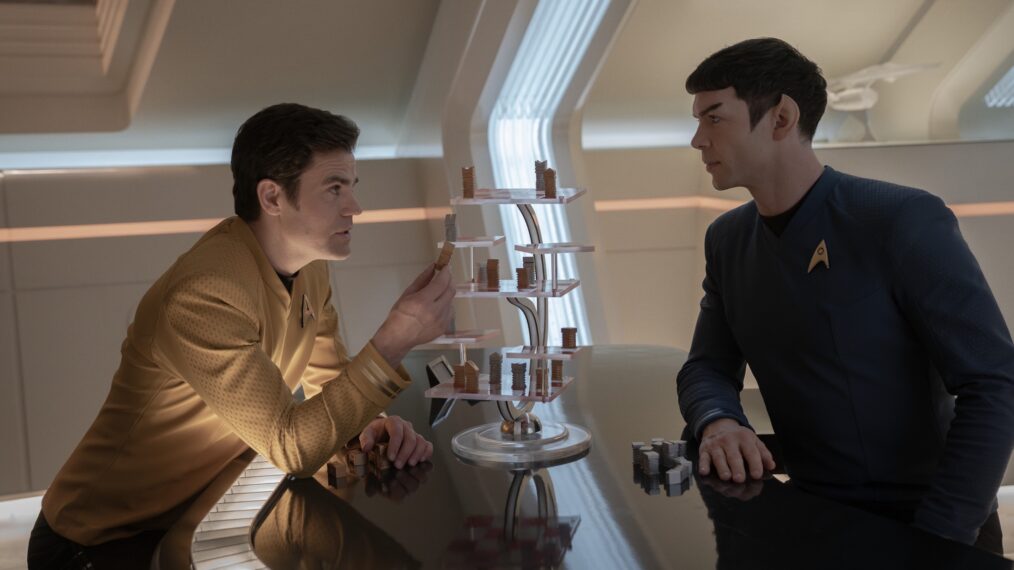
To date it’s not known if Star Trek: Year One will get the green light. A lot depends on studio politics and budgets since modern Trek shows are very expensive. If the show goes through, we’ll have to give it the benefit of the doubt that it will be a worthy addition to the legacy of Star Trek.
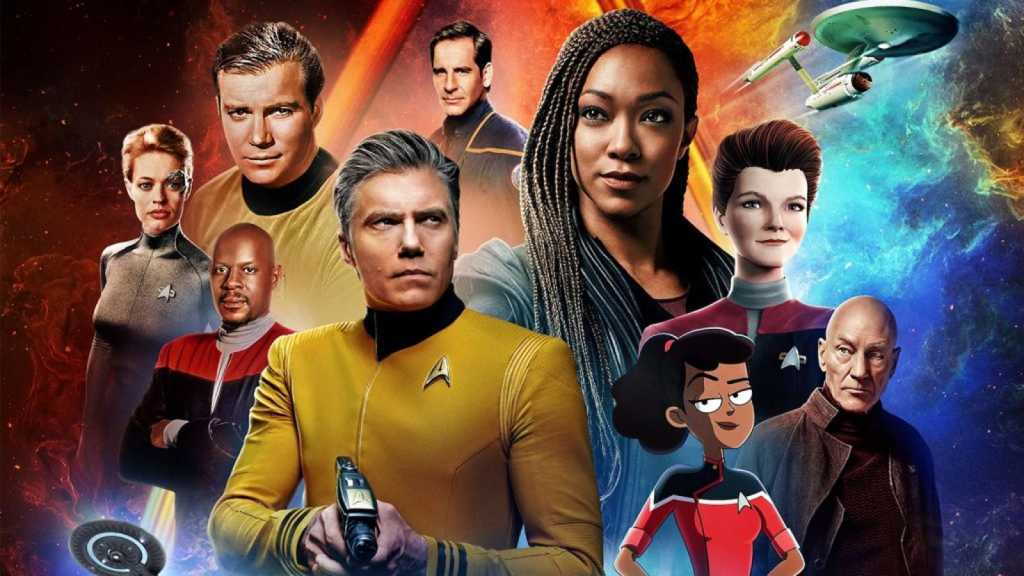
Star Trek As It Approaches Its 60th Anniversary

As Star Trek celebrate Star Trek Day and commemorate the 59th anniversary of the famous sci-fi TV show, it is important to reflect on the state of the Star Trek franchise and where it is going as it soon approaches its 60th anniversary.

Star Trek has had its highs and lows throughout the decades in terms of popularity, cultural relevance and quality with its glory years arguably being during the 1990s. After the franchise took a forced hiatus in the mid 2000s, a comeback was attempted with the reboot film Star Trek (2009). The film did well and was popular but a significant number of fans did not appreciate director J.J. Abrams attempt to turn the franchise about space explorers, noted for its thought-provoking plots, into a more simplistic shoot-em-up space adventure that emphasized action and explosions over nifty plots and character developments.

The reboot film franchise came to an end nine years ago with Star Trek Beyond, which did not perform well in theaters, though its tone was more of a throwback to the original TV shows and films. Since then, there have been many failed attempts to produce a fourth film featuring the cast of the reboot films, but none have succeeded and that franchise is now essentially dead. Or is it?

Meanwhile, Star Trek returned to its TV roots in 2017 with the debut of Star Trek: Discovery, a prequel series to the original show that streamed on the app CBS All Access (later renamed Paramount+). Now, while the TV show ran a respectable five seasons and spawned another prequel spinoff, Star Trek: Strange New Worlds, as well as additional Star Trek TV shows, Star Trek: Discovery wound up being divisive among fans. Many complained about the storylines and the characters, with more conservative fans being outright hostile to the show’s featuring of non-heterosexual characters. It did not matter. In this day and age of toxic fandom where cynical content creators are more interested in clicks and views, any iteration of Star Trek would have received scorn.

Right now, Star Trek is at a bit of a crossroads. Its parent company, Paramount Pictures, is undergoing a merger and the fate of the franchise is unknown with many rumors flying around as to its final fate. But there are many reports that the bigwigs at Paramount are bullish on Star Trek and want to continue with the franchise. The question remains is how will it continue? As of now, the only currently streaming Star Trek TV show (Star Trek: Strange New Worlds) will come to a conclusion after its fifth season (the fourth season is currently filming while the third season will complete streaming new episodes this week). After that, a new TV show Star Trek: Starfleet Academy will stream in early 2026, while a sitcom set in the world of Star Trek is in development. Who knows if that comedy will ever see the light of day or even generate any laughs if it comes to fruition.

There are other pitches for Star Trek TV shows, including a prequel series based on a young James T. Kirk, which will be a sequel to Star Trek: Strange New Worlds and would star Paul Wesley reprising the role of Kirk. The show has been tentatively titled Star Trek: Year One and would be about Kirk’s early days as the starship Enterprise captain. Meanwhile, Scott Bakula, the star of Star Trek: Enterprise is involved in a pitch for a show that would take place years after Bakula’s show and feature his character as the president of the United Federation of Planets. Unlike other Star Trek shows, this one would not be a show about exploring worlds but have a political slant more akin to Star Trek: Deep Space Nine. Then there is the fan-favorite idea of Star Trek: Legacy, which would be a sequel to Star Trek: Picard, specifically its popular third season and be about the adventures of the crew of the Enterprise-G. It has been pitched in the past, but so far, Paramount has not shown interest in pursuing Star Trek: Legacy.

Regarding films, there are still plans to produce a fourth film set in the Abrams reboot universe with directors and writers coming and leaving the project. Then Paramount recently announced another film will be produced that will feature all-new characters and situations. That actually sounds interesting but as of now, we have no definite information.

Given all that, there are not any concrete plans for Star Trek TV shows or films aside from the Academy show, which is a bit concerning given that the 60th anniversary is under a year away. You would think Paramount would have something concrete in production. Some of the ideas noted above are interesting and even if they don’t end up as TV shows they can at least become limited series or TV films, just better executed than the hot garbage Star Trek: Section 31. One thing to consider is that 2026 will be a celebration of the original Star Trek, not its sequels and films, and there are three remaining cast members from the original show. Aside from a standard documentary/retrospective, maybe Paramount can find some way to involve William Shatner, George Takei and Walter Koenig in some kind of new Star Trek production. The only limits are time, money and more importantly, imagination. Here’s to boldy going 59 years strong.

The Return Of James T. Kirk?

Sure, this title seems like your typical Aprl Fool’s Joke on Trekkers, but the possibility in official Star Trek canon was raised last week with the recent Star Trek: Picard episode, “The Bounty”. Spoiler warning for anyone who has not seen the episode.

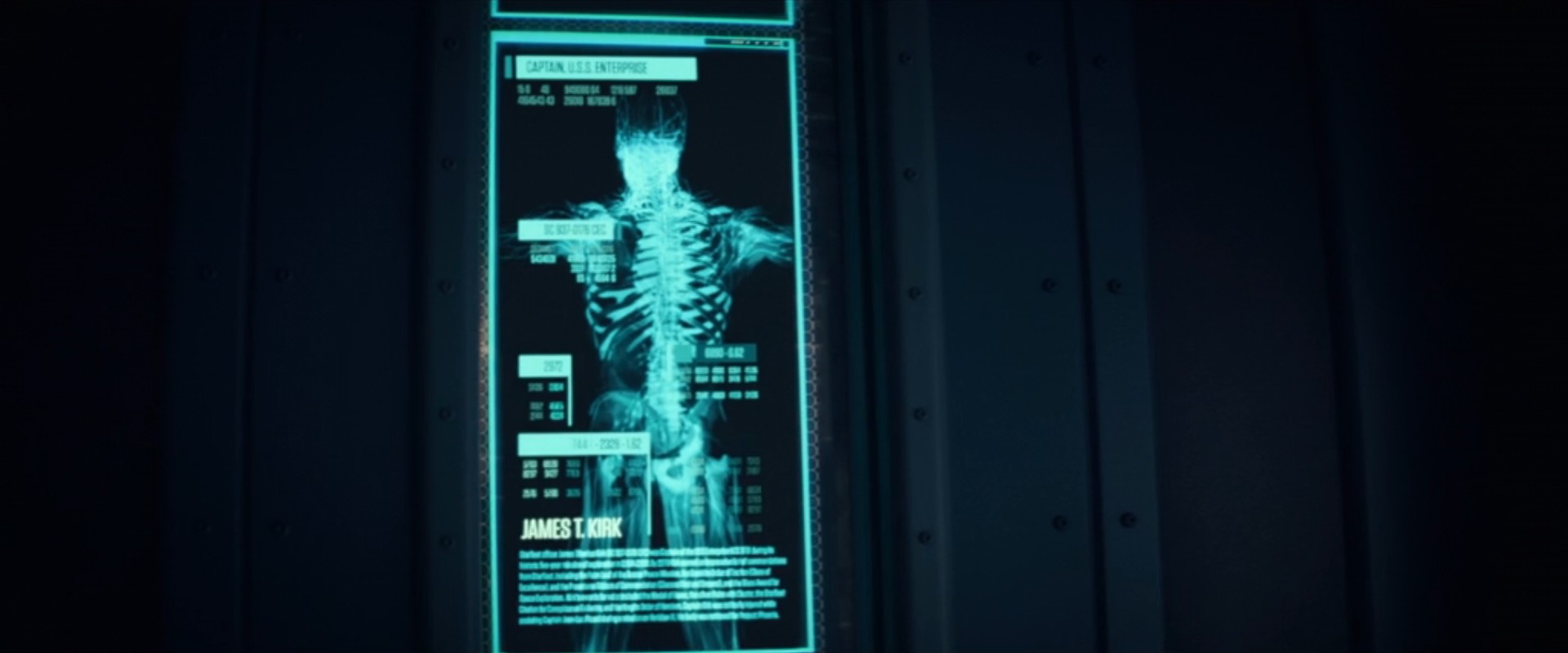
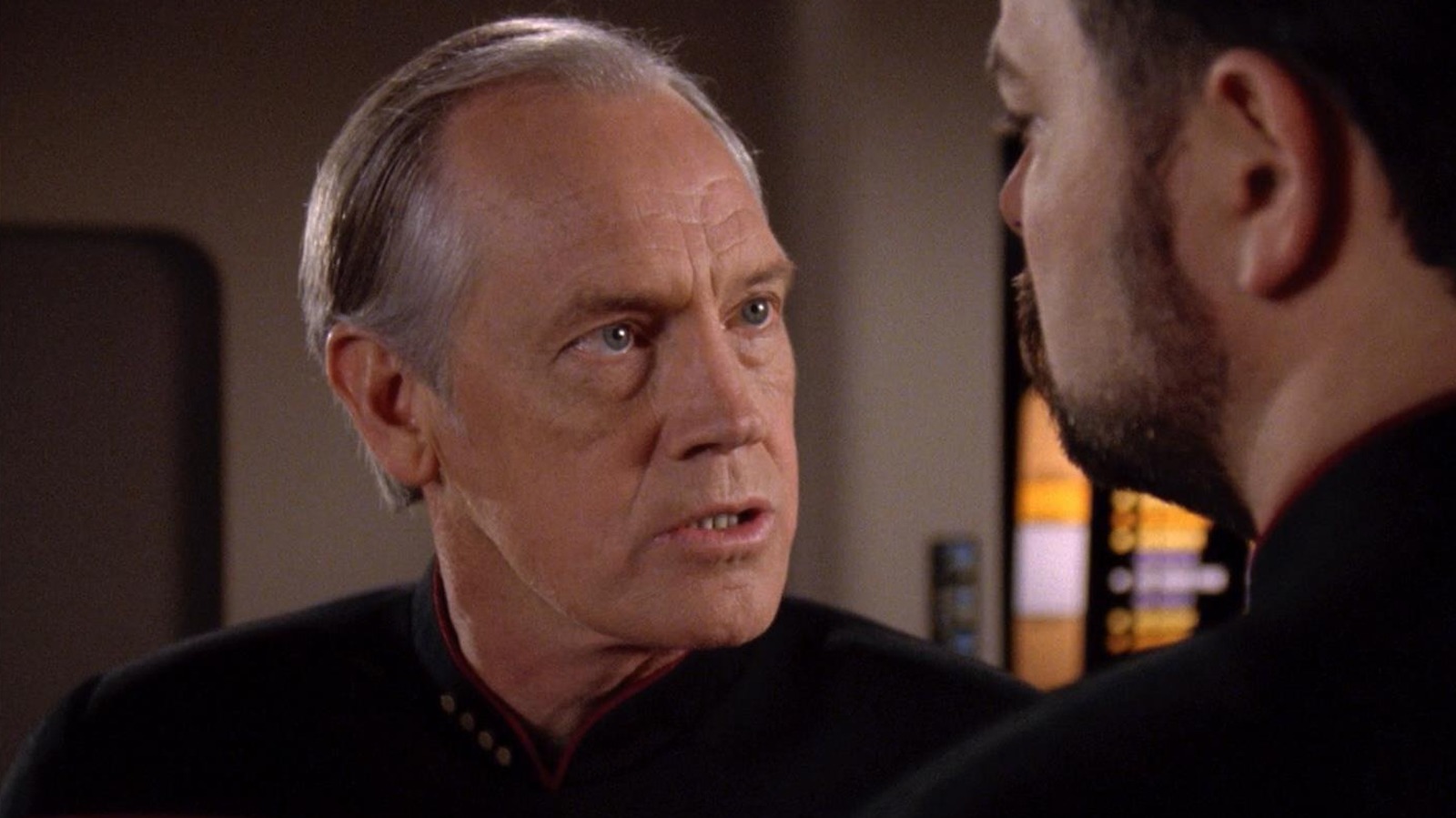
During the episode Worf, Riker and Raffi raid the clandestine Daystrom Station. Unlike the noble, scientific think tanks named after Daystom shown and mentioned in other Star Treks, this orbital facility was the 25th century version of Area 51. The station stored many of Starfleet Intelligence’s top secret technology, weapons and alien contraband. The Daystrom Station was littered with many Star Trek Easter eggs and call backs, but the one that raised the most eyebrows among fans was the revelation that the station had the remains of Captain James T. Kirk.

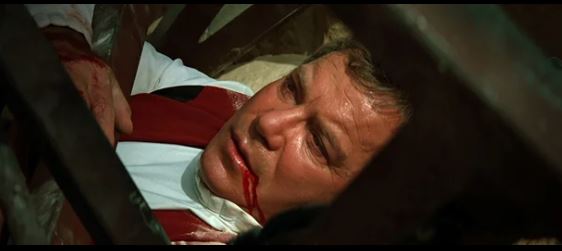
The last time Kirk was seen onscreen, as played by William Shatner, was in the 1994 film Star Trek Generations. The late, great captain of the starship Enterprise met his end anticlimatically when he fell off a bridge while aiding Captain Jean-Luc Picard. To many fans this was an unsatisfying way to kill off the beloved Enterprise captain as they felt he warranted a more heroic death. Of course, this was not the last fans saw of James Kirk as he was portrayed by other actors, notably Chris Pine and Paul Wesley. But Shatner’s version of Kirk remains the definitive Kirk that is beloved by fans and many hoped that the actor would someday reprise the role. The closest we got to that was in Star Trek: Enterprise where there were plans for Shatner to reprise the Mirror Universe version of Kirk, and Shatner was slated to cameo in the Star Trek reboot film, but these plans never came to be.

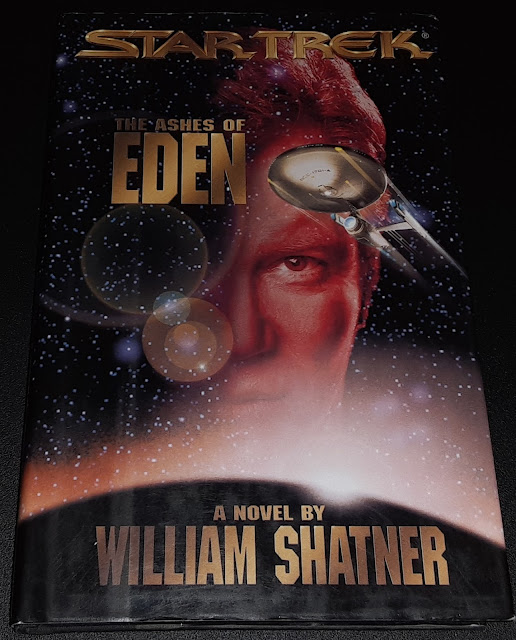
Shatner himself expressed his dissatofaction with the way his character died on screen and went as far as to co-author a series of books with Garfield and Judith Reeves-Stevens where Kirk was resurrected. The first of these post-Star Trek Generations books was The Return and its plot revolved around Kirk being revived by Romulans using Borg technology to use him against the United Federation of Planets. Kirk with the aid of many Star Trek heroes overcame this plot and went on to live a full life in the 24th century. The books, called the Shatnerverse, are considered an alternate reality for obvious reasons, Still, they were popular with Kirk fans.

Getting back to Star Trek: Picard, which is official Star Trek canon, when Raffi passed by a containment unit in the Daystrom Station, a holographic display showed an image of a skeleton with the signage “James T. Kirk”. This image also had some biographical data and what was interesting was that the display revealed that Kirk was “critically injured” in the events of Star Trek: Generations. It does not say that he died in the film even though Picard was clearly seen standing over Kirk’s grave. So what gives?

Technology will be much more advanced in the far future, especially when it comes to medicine. For all we know a critical injury like falling off a bridge and being clinically dead as we know it today may not be the actual end of a person’s life. It can be possible to revive a person hours after death in the future and it’s possible this could be top-secret technology in the Federation that is reserved for very important people. Or perhaps Kirk remained dead but Starfleet Intelligence and its black-ops offshoot Section 31 may be trying to clone James T. Kirk for their own reasons. This is not far fetched since the Romulans cloned Picard in the film Star Trek Nemesis.

Most likely nothing will come of this, but this Easter egg is fertile ground for future screenwriters. It is also unlikely that Shatner, who is in his early nineties, will reprise his role one last time. However, this tantalizing Easter egg gives fans of the legendary James T. Kirk some hope that he can somehow return someday for one last, great adventure, at least in their imaginations. After all, legends never die.

Top Ten Worst Star Trek Captains

We’ve celebrated Star Trek’s legendary starship captains, but for every Kirk, Picard or Sisko there are some truly horrendous captains that appeared in the Star Trek television shows and films. Here are the worst Star Trek captains in the history of Starfleet.  

10. Captain Liam Shaw (Star Trek: Picard Season Three)

Command: U.S.S. Titan-A, NCC-80102-A

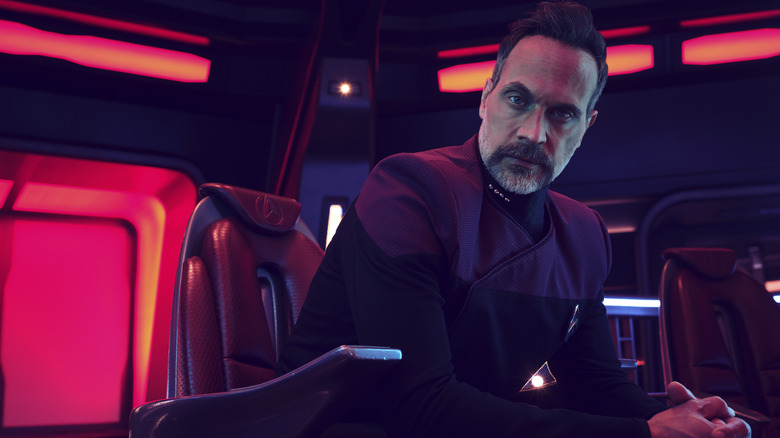
This guy is certainly the best of the worst. Shaw is abrasive, rude, risk-averse and an all-around jerk. But what cements Liam Shaw’s place on this list was how he dumped command of his ship, the Titan A, onto Will Riker, instead of acting like a real captain and getting the Titan out of danger. Still, many times during Star Trek: Picard, Shaw was the voice of reason and he was not afraid to say “Wait a minute, should we be doing this?” whenever our heroes ran off to danger. Also, he often was a scene stealer thanks to Todd Stashwick’s acting skills, especially once we learned he was a survivor of the Battle of Wolf 359.

9. Captain J.T. Esteban (Star Trek III: The Search for Spock)

Command: U.S.S. Grissom, NCC-638

The list has many risk-averse commanding officers and J.T. Esteban is great example of this trait. During his brief appearance in the film, Esteban came off as an unyielding, by-the-book type who refused to listen to reason. What was even worse with Esteban was that he was too slow to react to sudden developments and this cost him his life, along with the crew of the Grissom when the Klingons destroyed his ship.

8. Captain John Harriman (Star Trek Generations)

Command: U.S.S. Enterprise-B, NCC-1701-B

“It won’t be installed until Tuesday!” was the infamous catchphrase from this hapless captain. Harriman had the unenviable task of following up the legendary James T. Kirk as he assumed command of the Enterprise B during the opening scenes of Star Trek Generations. Right away, Harriman was in over his head and was frozen with indecision as he tried to command the Enterprise literally under the shadow of Kirk.

7. Captain Lawrence Styles (Star Trek III: The Search for Spock)

Command: U.S.S. Excelsior, NX-2000

Styles was a pompous, egotistical jerk who had the audacity to think his shiny new Excelsior was superior to the original Enterprise. Yes, the Excelsior was new with the latest tech, but that does not mean it becomes a legend. The minute he was introduced in the film and displayed a dismissive attitude towards the Enterprise and the original crew, fans instantly disliked him and for good reason. One of the best moments in the film was when he saw his beloved ship suffer an epic malfunction as it tried to pursue the Enterprise as it took off on its last voyage.

6. Captain Gabriel Lorca (Star Trek: Discovery Season One)

Command: U.S.S. Discovery, NCC-1031

The captain of the Discovery was popular when he was first introduced due to his no-nonsense and stern attitude that was a more realistic portrayal of a commanding officer. He even gave the disgraced Michael Burnham a chance to redeem herself by posting her on the ship. However, once it was revealed that Lorca was actually a manipulative wannabe despot from the Mirror Universe, he earned a permanent spot on this list. It’s too bad Lorca turned out to be such a dick, for a while, he was the best character on the show.

5. Captain Ben Maxwell (Star Trek: The Next Generation “The Wounded”)

Command: U.S.S. Phoenix, NCC-65420

The ends clearly do not justify the means with this starship captain. He has a tragic backstory where his family was killed by Cardassians during a war. In the episode “The Wounded”, Maxwell took it upon himself to launch preemptive attacks on Cardassians with his starship, the Phoenix, because he was convinced the Cardassians violated a treaty with the United Federation of Planets and were rearming themselves against the Federation. Even though in the end he was correct, his actions nearly sparked a war between the Federation and the Cardassians that the Federation was not in the condition to fight after Starfleet was decimated by the Borg earlier in the season.

4. Captain Ronald Tracey (Star Trek “The Omega Glory”)

Command: U.S.S. Exeter, NCC-1672

How this lunatic ever passed Starfleet Academy is anyone’s guess. First, he got his crew killed when he led a landing party on one of those parallel worlds and contracted a virus that killed everyone on his ship, the Exeter. Then, he openly violated the Prime Directive by taking sides in a local war on the planet. This he did to supposedly provide immortality to humanity. Finally, he tried to get the locals to kill Kirk, Spock and McCoy by exploiting their superstitious beliefs. Great job there, Tracey.

3. Captain Rudy Ransom (Star Trek: Voyager “Equinox, Part I and II”)

Command: U.S.S. Equinox, NCC-72381

Here is another fallen Starfleet captain who flagrantly violated the Prime Directive. Stranded in the distant Delta Quadrant, Ransom and his ship, the Equinox, had suffered numerous calamities. Desperate for fuel to get home faster, Ransom’s crew discovered that dimensional beings generated a power source for the Equinox, but the beings had to be murdered for the fuel.  This led to a disastrous conflict with the Voyager and its crew. Special dishonor also has to go to Ransom’s first officer, Maxwell Burke, for taking command of the Equinox from Ransom after the captain began to see the error of his ways.  

2. “Captain” Tim Watters (Star Trek: Deep Space Nine “Valiant”)

Command: U.S.S. Valiant, NCC-74210

This insufferable snot-nosed punk deserved to be killed for his arrogance. He gets the title of captain in quotes because he was just an elite cadet who wound up in command of the Valiant when the ship’s crew was killed. So, he doesn’t even deserve to be called a captain. Anyway, during his dictatorial command he refused to listen to reason, threw people who disagreed with him in the brig, and let his arrogance kill the remaining crew of the Valiant when he foolishly led a doomed attack on a Jem’Hadar battlecruiser. In the words of Nog, who was one of the few survivors, “in the end, he was a bad captain.”

1. Captain Edward Jellico (Star Trek: The Next Generation “Chain of Command, Part I and II”)

Command: U.S.S. Cairo, NCC-42136 and U.S.S. Enterprise-D, NCC-1701-D

Man, was this guy a raging A-hole! Super strict, authoritarian, obtuse, antagonistic, unwilling to listen to others, Jellico just rubbed people the wrong way. After taking command of the Enterprise D from Jean-Luc Picard, Jellico quickly alienated the ship’s command officers with his brusque, My-Way-Or-The-Highway style of command. Sure, his manner of running things was effective, and arguably realistic according to those with military experience, but he had everyone so wound up that morale plummeted badly on the ship. It was no wonder that we cheered when Riker finally told him off. Unfortunately, this jerkwad was eventually promoted to an admiral as seen in Star Trek: Prodigy, and he has not changed a bit.

Anyone has a different list of captains that should be mentioned? Feel free to leave a comment!

José Soto

Star Trek: Strange New Worlds Boldly Goes Back To Basics With The Star Trek Franchise

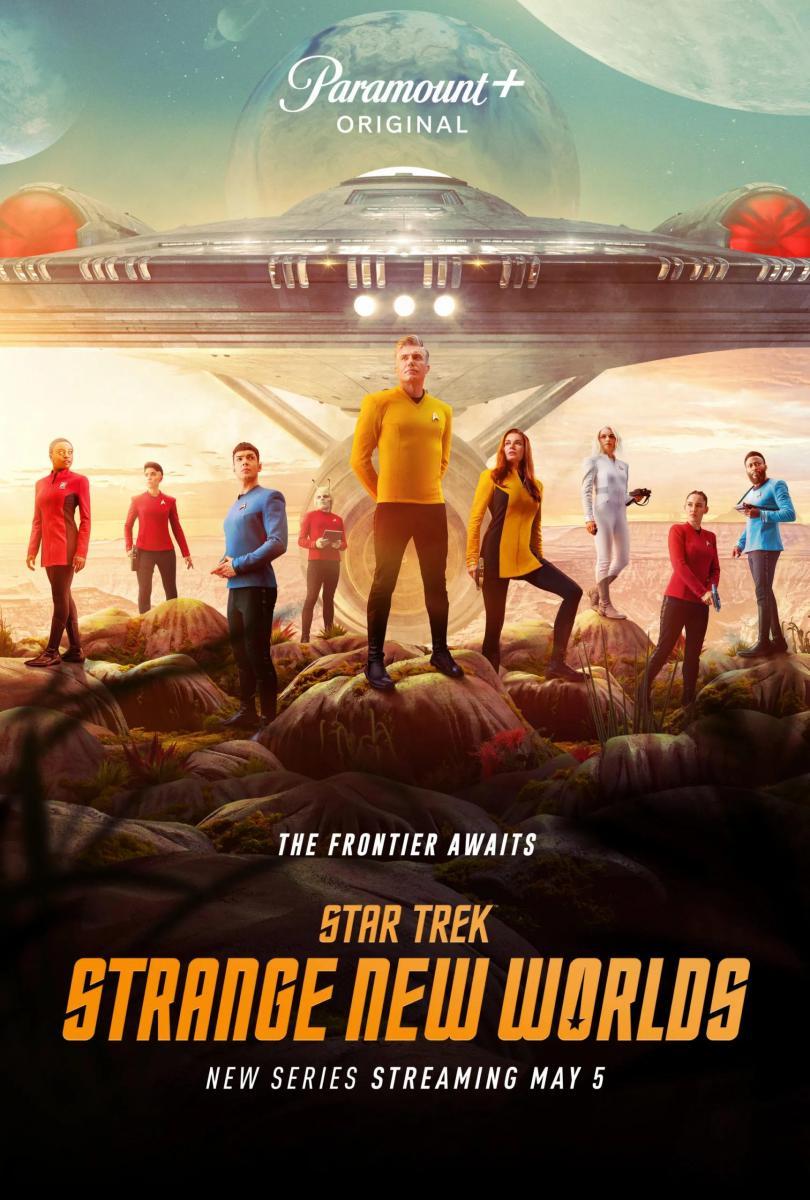
The first season for the latest Star Trek TV show to stream on Paramount+, Star Trek: Strange New Worlds, has just concluded with a strong episode (“A Quality of Mercy”) that represented the best stories of the season. The show is a spinoff of Star Trek: Discovery and another prequel to the original Star Trek. In this case, the show chronicles the voyages of the starship Enterprise under the command of Captain Christopher Pike (Anson Mount) a few short years before Captain James T. Kirk assumed command.

Getting this out of the way, this series is fantastic with its much needed and refreshing back-to-basics approach for Star Trek. The franchise has been faltering lately with subpar live-action entries, Star Trek: Discovery and the second season of Star Trek: Picard. However, the franchise feels reinvigorated now with the new series. A huge part of the success of Star Trek: Strange New Worlds has to do with its lead characters.

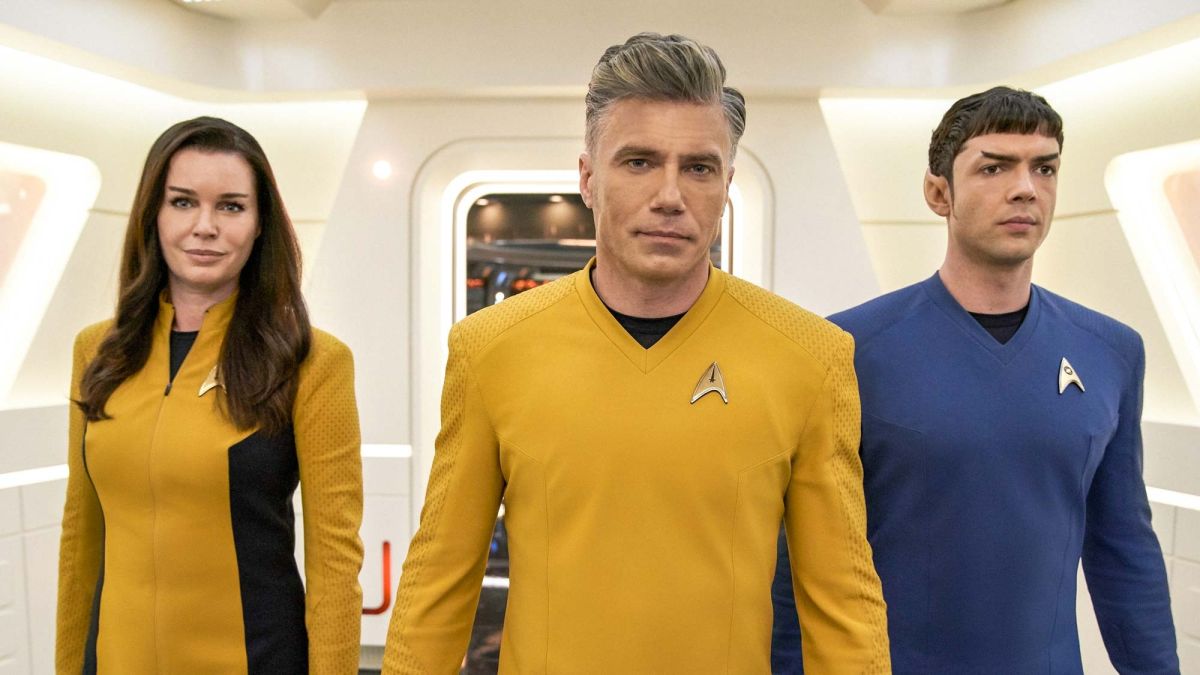
When Pike and Spock (Ethan Peck) were introduced as feature characters in the second season of Star Trek: Discovery, they quickly stood out and added a lot of gravitas and charisma to the show. In fact, the reason why the second season was so well received was largely due to the characters, how they were portrayed and their engaging storylines. After the season concluded a wise choice was made to bring back Pike and Spock into their own series to continue their story arcs.

Spock, as in the original show, is trying to find a balance between his human and Vulcan sides. Ethan Peck does a fine job as Spock and while he made the role his own, he does quietly emulate the spirit of Leonard Nimoy’s famous portrayal of the Vulcan.

Meanwhile, Anson Mount completely took over the role of Captain Pike, which was first portrayed by Jeffrey Hunter in the original pilot for Star Trek. For decades people associated the early captain of the Enterprise with Hunter, but Mount’s smooth and amenable version of Pike captivated fans to the point that when Captain Pike is mentioned it is easy to picture Mount instead of Hunter. This is something that happened over with the Star Wars franchise where Ewan McGregor made the role of Obi-Wan Kenobi his own instead of Alec Guiness, the original actor who played the Jedi. Getting back to Mount, the actor endows his Pike with a casual competence and an approachable demeanor, which makes Pike a believable starship captain. He is haunted throughout the season by the knowledge that in a few years, he will be incapacitated and spend his last days as a near invalid, as seen in the original Star Trek episodes “The Menagerie, Part I and II”). So, Pike is torn over whether or not he should avoid his fate or try to change it. Nevertheless, Christopher Pike carries on throughout the show with his sense of calm and reason as the crew of the Enterprise deal with weekly crises.

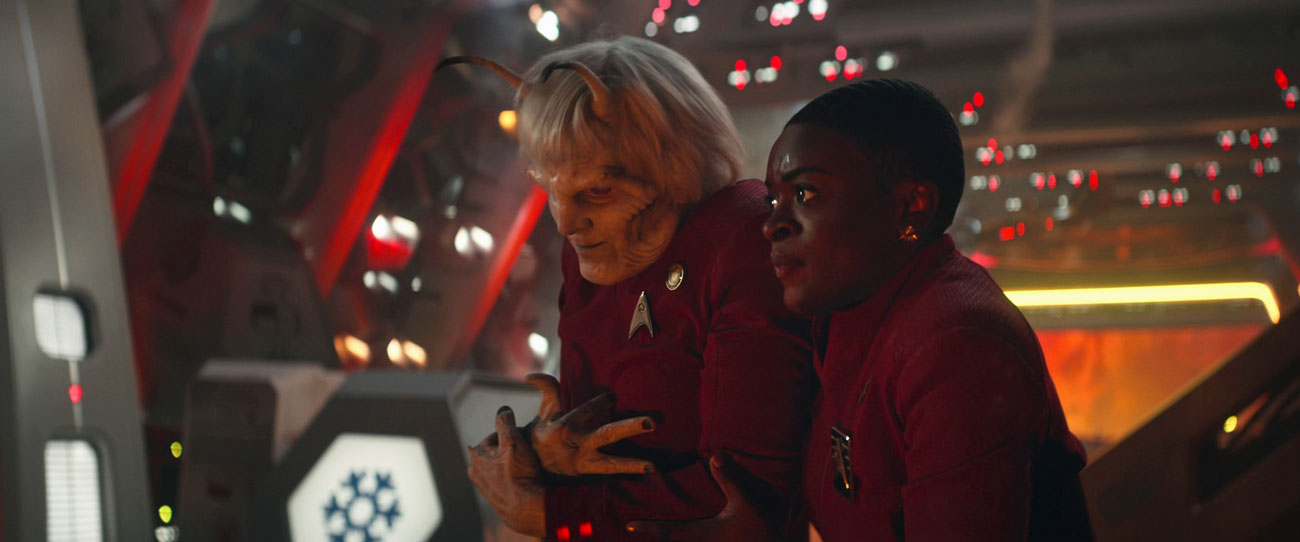
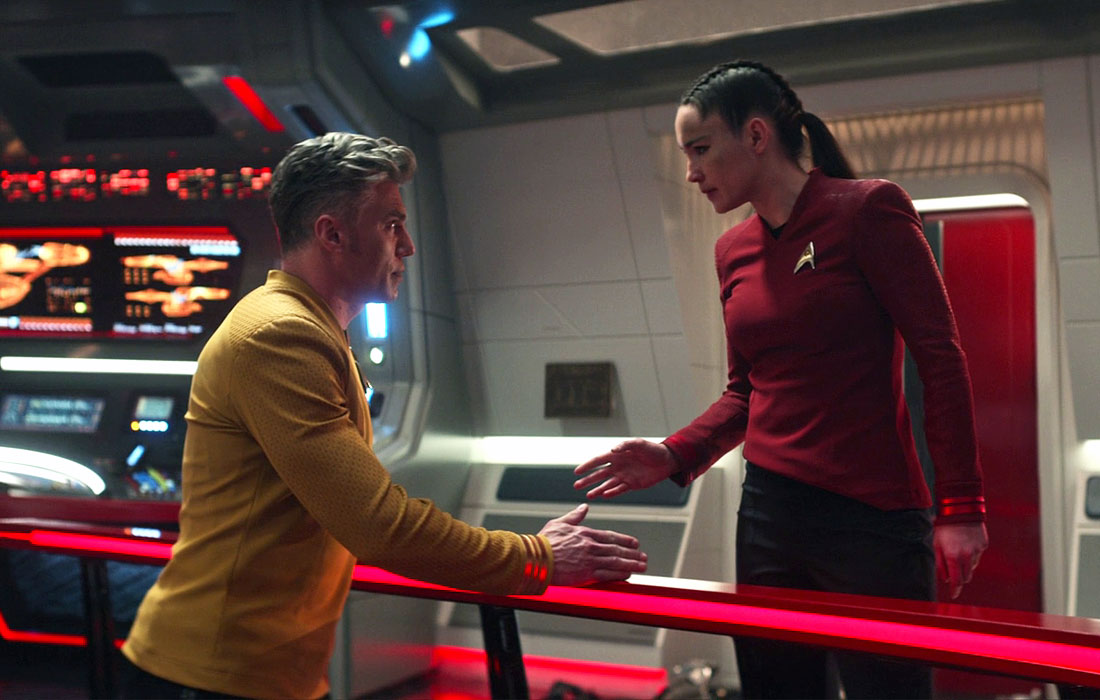
Aside from Christopher Pike and Spock, the series has many interesting characters. Some are familiar characters who were well recast (Celia Rose Gooding as Cadet Uhura and Jess Bush as Christine Chapel), others are new to the franchise, such the ship’s security cheif, La’an Noonien Singh (Christina Chong) and the ship’s engineer, Hemmer (Bruce Horak), and they were all instantly captivating.

Unlike recent TV shows with serialized storytelling techniques, Star Trek: Strange New Worlds, went back to the basics in terms of episodic storytelling. The episodes were standalone entries and the season as a whole lacked a unifying plot thread. It’s simply about the adventures of Christopher Pike and his crew on the Enterprise. Some of the stories were well crafted and smart, others fell a bit short, but the approach worked quite well. The best episodes this season were “A Quality of Mercy”, “Memento Mori”, “All Those Who Wander”, and “Strange New Worlds”. The last two were notable in that “All Those Who Wander” was a well-done homage to Alien with a shocking and sad character death, while “Strange New Worlds” was an exceptional pilot episode that enraged right-wing nutjobs with its claim that their recent and current activities wind up being the cause for a second American Civil War and ultimately, World War III. As mentioned before, not every episode is a homerun, but had interesting twists. But, the only misfire was “Spock Amok”, it was supposed to be one of those lighthearted, humorous episodes. However, it failed to deliver any laughs and was unfocused, but it had a few good nuggets.

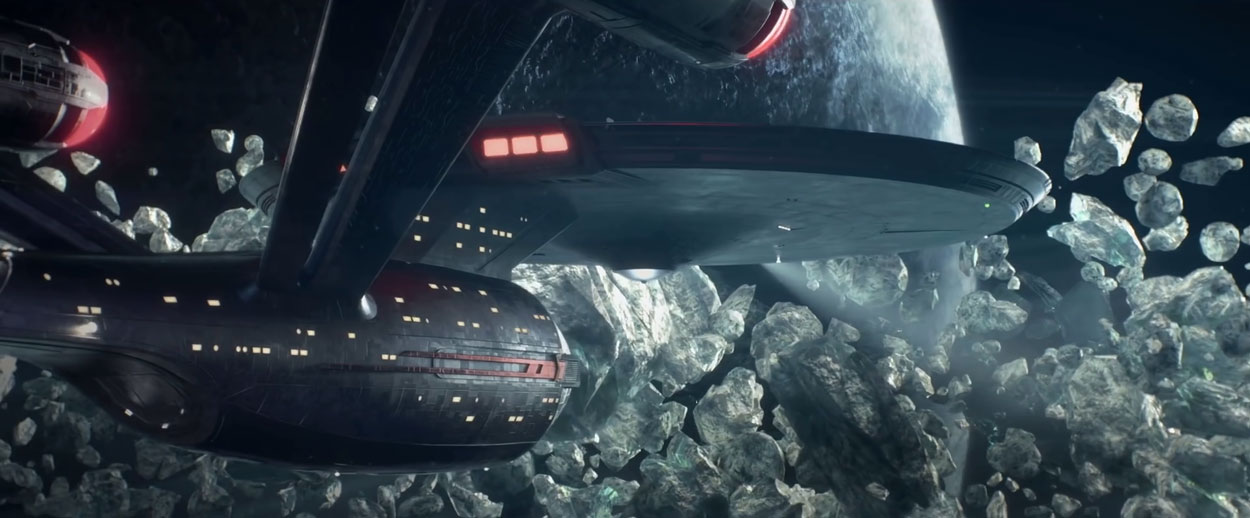
As with modern Star Trek shows, this one boasts cinema-quality special effects and production that rivals the best of J.J. Abrams and the Kelvinverse, but with superior storytelling and characters. That is the key with Star Trek: Strange New Worlds, it focused on telling tight stories that do not meander and spin wheels like the second season of Star Trek: Picard. Like the Berman-era Trek shows, this one makes the effort to devote episodes to other characters besides Pike and Spock, unlike Star Trek: Discovery. In just a handful of episodes we learned some vital background info on several characters. For instance, La’an not only suffered from childhood trauma thanks to the predatory Gorn, but was a descendant of Khan Noonien Singh, yes, that Khan. It was revealed that first officer, Una Chin-Riley or Number One (Rebecca Romijn), is not human, while the ship’s chief medical officer, Dr. M’Benga (Babs Olusanmokun) was secretly hiding his ill daughter in the ship’s transporters as he tried to find a cure for her. Since the time was taken to explore these side characters, they became endearing, we cared about them and wanted to know more. More importantly, when these characters suffered, we felt for them.

Star Trek: Strange New Worlds injects new life into the Star Trek franchise with its simple and effective back-to-basics approach, but its fused with so much more to elevate it. In addition to its crisp production values, and solid cast, the show captures the soul of Star Trek with a sense of adventure and discovery.

José Soto