Top Ten Worst Star Trek Captains

We’ve celebrated Star Trek’s legendary starship captains, but for every Kirk, Picard or Sisko there are some truly horrendous captains that appeared in the Star Trek television shows and films. Here are the worst Star Trek captains in the history of Starfleet.  

10. Captain Liam Shaw (Star Trek: Picard Season Three)

Command: U.S.S. Titan-A, NCC-80102-A
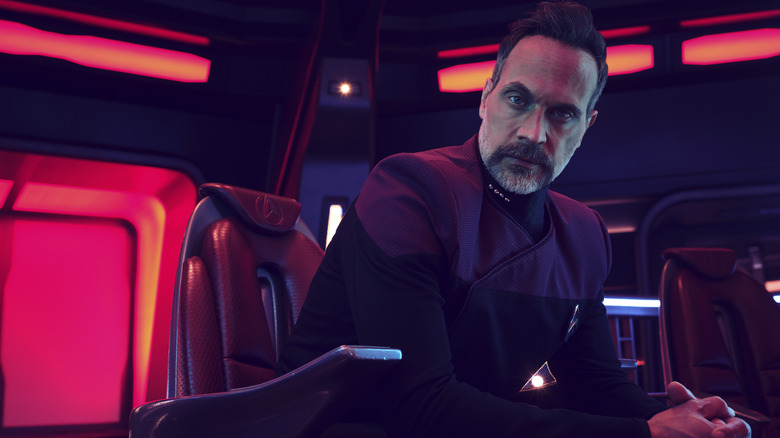
This guy is certainly the best of the worst. Shaw is abrasive, rude, risk-averse and an all-around jerk. But what cements Liam Shaw’s place on this list was how he dumped command of his ship, the Titan A, onto Will Riker, instead of acting like a real captain and getting the Titan out of danger. Still, many times during Star Trek: Picard, Shaw was the voice of reason and he was not afraid to say “Wait a minute, should we be doing this?” whenever our heroes ran off to danger. Also, he often was a scene stealer thanks to Todd Stashwick’s acting skills, especially once we learned he was a survivor of the Battle of Wolf 359.

9. Captain J.T. Esteban (Star Trek III: The Search for Spock)

Command: U.S.S. Grissom, NCC-638
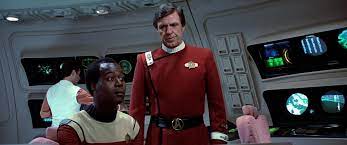
The list has many risk-averse commanding officers and J.T. Esteban is great example of this trait. During his brief appearance in the film, Esteban came off as an unyielding, by-the-book type who refused to listen to reason. What was even worse with Esteban was that he was too slow to react to sudden developments and this cost him his life, along with the crew of the Grissom when the Klingons destroyed his ship.

8. Captain John Harriman (Star Trek Generations)

Command: U.S.S. Enterprise-B, NCC-1701-B
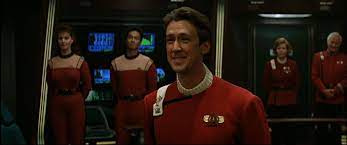
“It won’t be installed until Tuesday!” was the infamous catchphrase from this hapless captain. Harriman had the unenviable task of following up the legendary James T. Kirk as he assumed command of the Enterprise B during the opening scenes of Star Trek Generations. Right away, Harriman was in over his head and was frozen with indecision as he tried to command the Enterprise literally under the shadow of Kirk.

7. Captain Lawrence Styles (Star Trek III: The Search for Spock)

Command: U.S.S. Excelsior, NX-2000
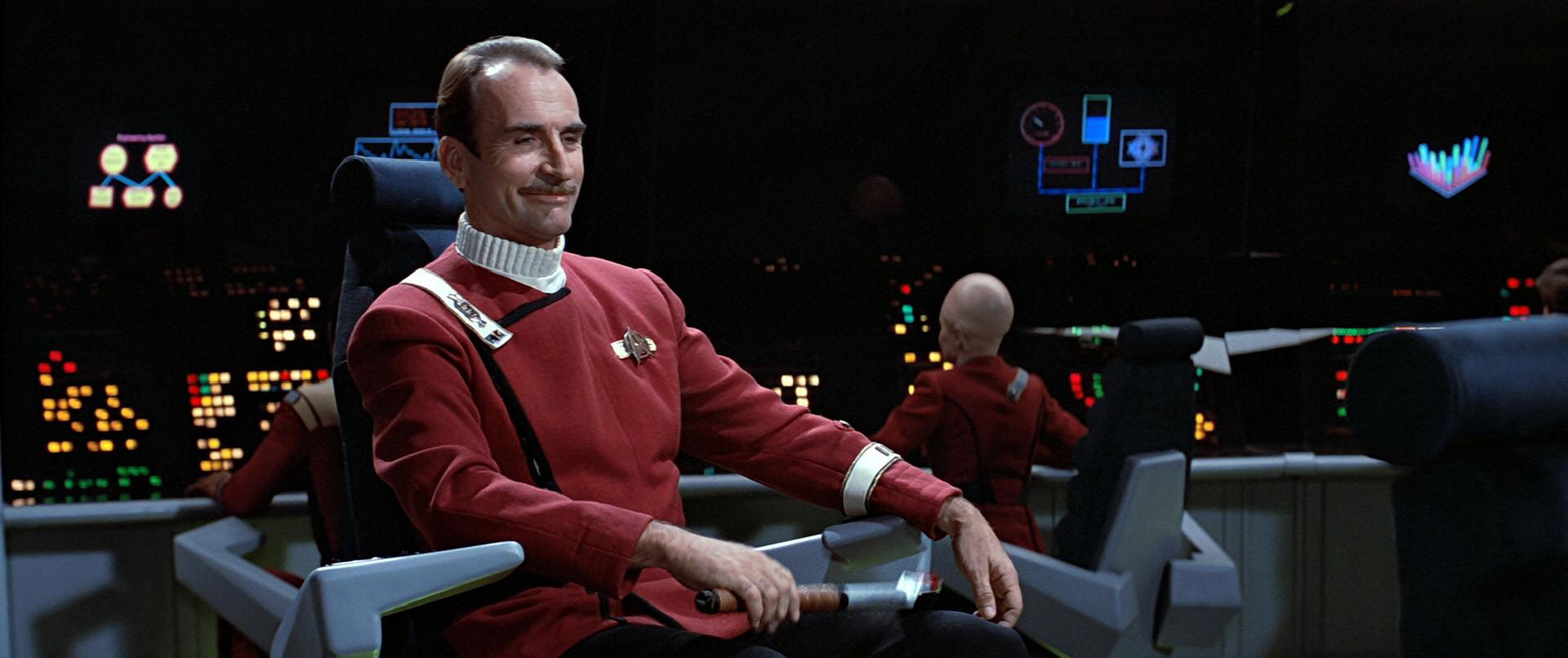
Styles was a pompous, egotistical jerk who had the audacity to think his shiny new Excelsior was superior to the original Enterprise. Yes, the Excelsior was new with the latest tech, but that does not mean it becomes a legend. The minute he was introduced in the film and displayed a dismissive attitude towards the Enterprise and the original crew, fans instantly disliked him and for good reason. One of the best moments in the film was when he saw his beloved ship suffer an epic malfunction as it tried to pursue the Enterprise as it took off on its last voyage.

6. Captain Gabriel Lorca (Star Trek: Discovery Season One)

Command: U.S.S. Discovery, NCC-1031
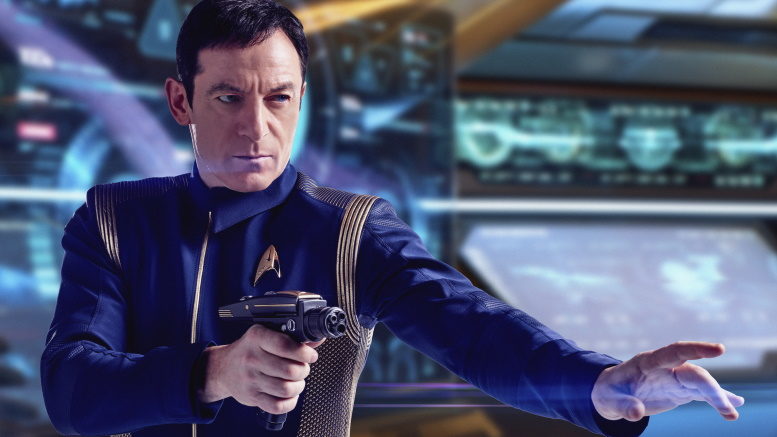
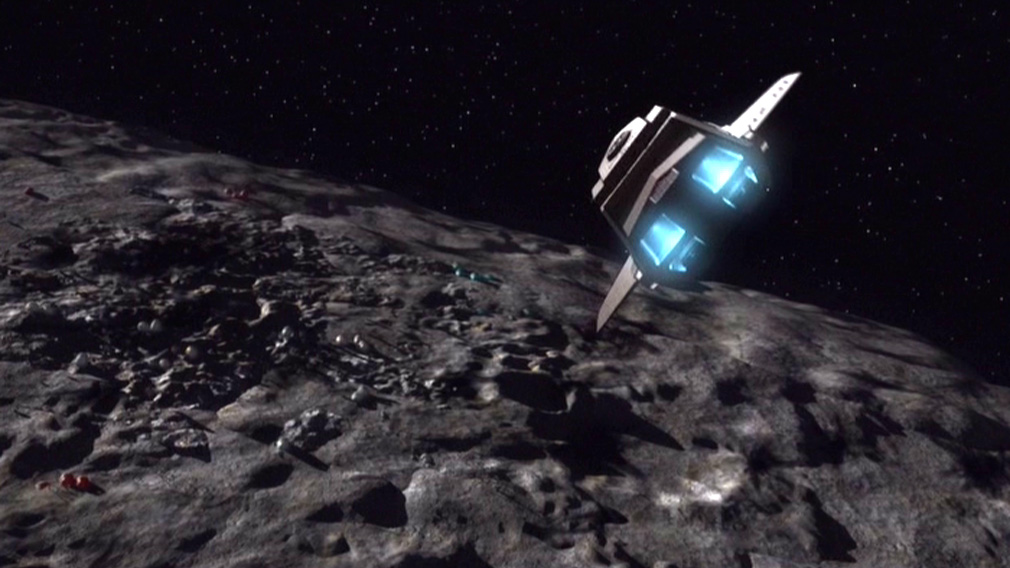
The captain of the Discovery was popular when he was first introduced due to his no-nonsense and stern attitude that was a more realistic portrayal of a commanding officer. He even gave the disgraced Michael Burnham a chance to redeem herself by posting her on the ship. However, once it was revealed that Lorca was actually a manipulative wannabe despot from the Mirror Universe, he earned a permanent spot on this list. It’s too bad Lorca turned out to be such a dick, for a while, he was the best character on the show.

5. Captain Ben Maxwell (Star Trek: The Next Generation “The Wounded”)

Command: U.S.S. Phoenix, NCC-65420
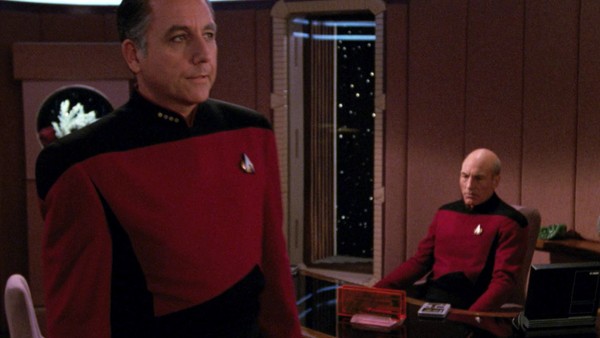
The ends clearly do not justify the means with this starship captain. He has a tragic backstory where his family was killed by Cardassians during a war. In the episode “The Wounded”, Maxwell took it upon himself to launch preemptive attacks on Cardassians with his starship, the Phoenix, because he was convinced the Cardassians violated a treaty with the United Federation of Planets and were rearming themselves against the Federation. Even though in the end he was correct, his actions nearly sparked a war between the Federation and the Cardassians that the Federation was not in the condition to fight after Starfleet was decimated by the Borg earlier in the season.

4. Captain Ronald Tracey (Star Trek “The Omega Glory”)

Command: U.S.S. Exeter, NCC-1672
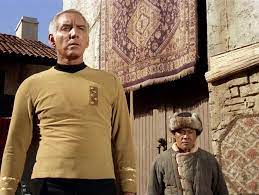
How this lunatic ever passed Starfleet Academy is anyone’s guess. First, he got his crew killed when he led a landing party on one of those parallel worlds and contracted a virus that killed everyone on his ship, the Exeter. Then, he openly violated the Prime Directive by taking sides in a local war on the planet. This he did to supposedly provide immortality to humanity. Finally, he tried to get the locals to kill Kirk, Spock and McCoy by exploiting their superstitious beliefs. Great job there, Tracey.

3. Captain Rudy Ransom (Star Trek: Voyager “Equinox, Part I and II”)

Command: U.S.S. Equinox, NCC-72381
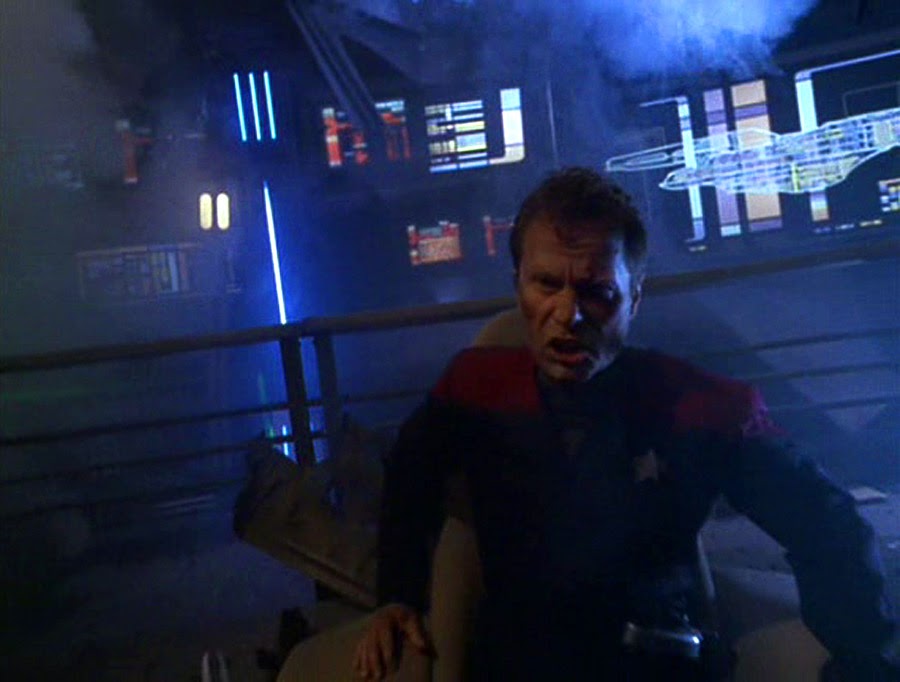
Here is another fallen Starfleet captain who flagrantly violated the Prime Directive. Stranded in the distant Delta Quadrant, Ransom and his ship, the Equinox, had suffered numerous calamities. Desperate for fuel to get home faster, Ransom’s crew discovered that dimensional beings generated a power source for the Equinox, but the beings had to be murdered for the fuel.  This led to a disastrous conflict with the Voyager and its crew. Special dishonor also has to go to Ransom’s first officer, Maxwell Burke, for taking command of the Equinox from Ransom after the captain began to see the error of his ways.  

2. “Captain” Tim Watters (Star Trek: Deep Space Nine “Valiant”)

Command: U.S.S. Valiant, NCC-74210
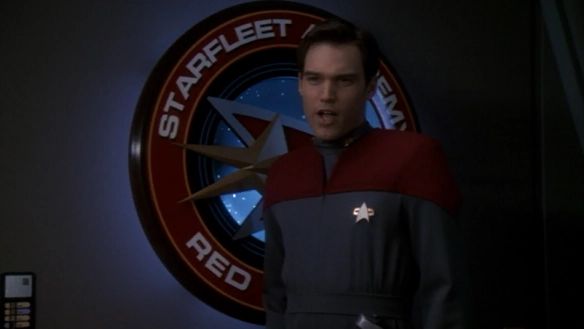
This insufferable snot-nosed punk deserved to be killed for his arrogance. He gets the title of captain in quotes because he was just an elite cadet who wound up in command of the Valiant when the ship’s crew was killed. So, he doesn’t even deserve to be called a captain. Anyway, during his dictatorial command he refused to listen to reason, threw people who disagreed with him in the brig, and let his arrogance kill the remaining crew of the Valiant when he foolishly led a doomed attack on a Jem’Hadar battlecruiser. In the words of Nog, who was one of the few survivors, “in the end, he was a bad captain.”

1. Captain Edward Jellico (Star Trek: The Next Generation “Chain of Command, Part I and II”)

Command: U.S.S. Cairo, NCC-42136 and U.S.S. Enterprise-D, NCC-1701-D
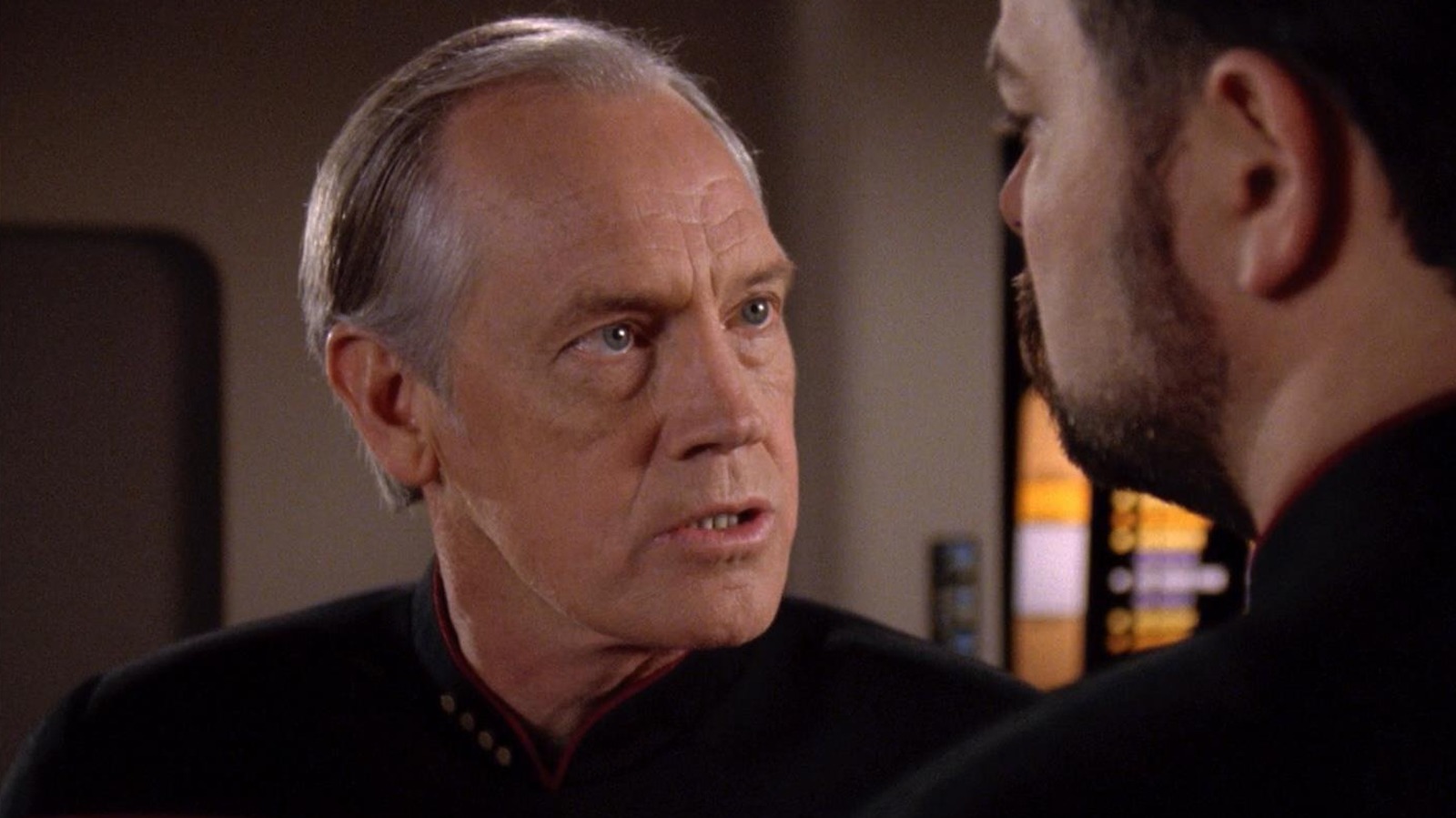
Man, was this guy a raging A-hole! Super strict, authoritarian, obtuse, antagonistic, unwilling to listen to others, Jellico just rubbed people the wrong way. After taking command of the Enterprise D from Jean-Luc Picard, Jellico quickly alienated the ship’s command officers with his brusque, My-Way-Or-The-Highway style of command. Sure, his manner of running things was effective, and arguably realistic according to those with military experience, but he had everyone so wound up that morale plummeted badly on the ship. It was no wonder that we cheered when Riker finally told him off. Unfortunately, this jerkwad was eventually promoted to an admiral as seen in Star Trek: Prodigy, and he has not changed a bit.

Anyone has a different list of captains that should be mentioned? Feel free to leave a comment!

José Soto
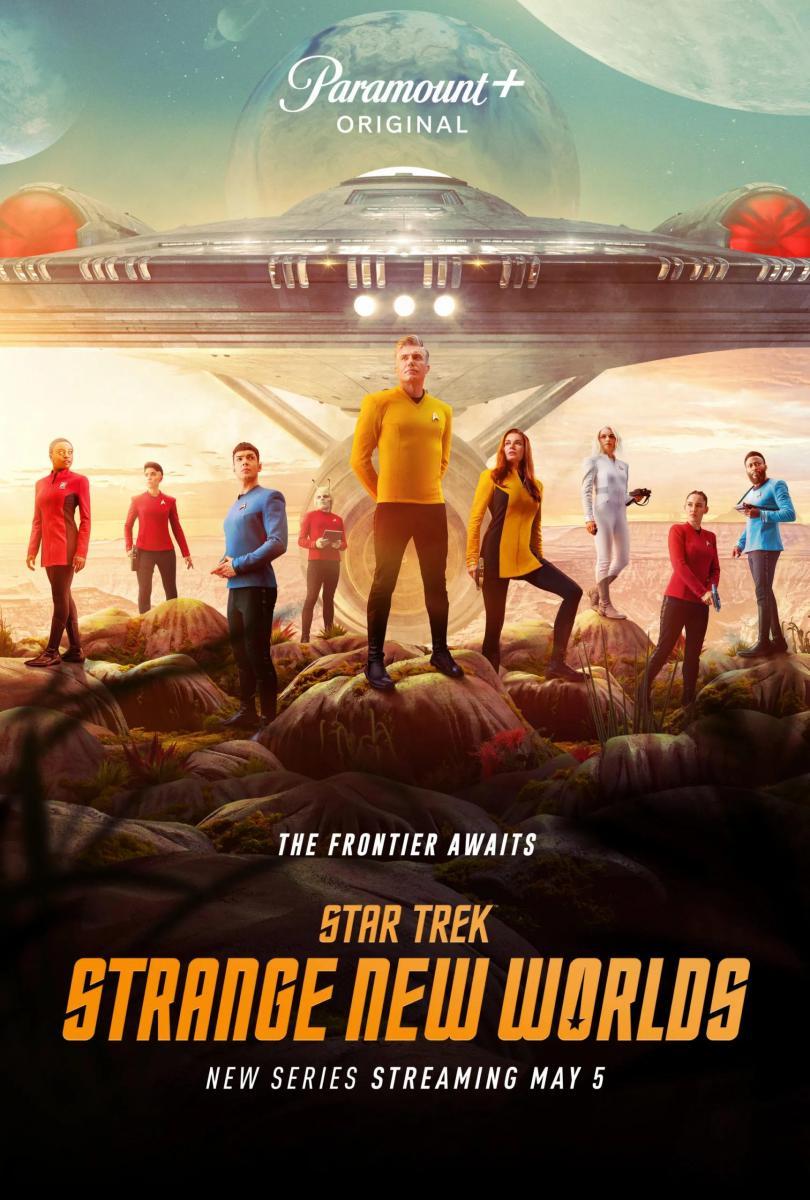
Star Trek: Strange New Worlds Boldly Goes Back To Basics With The Star Trek Franchise

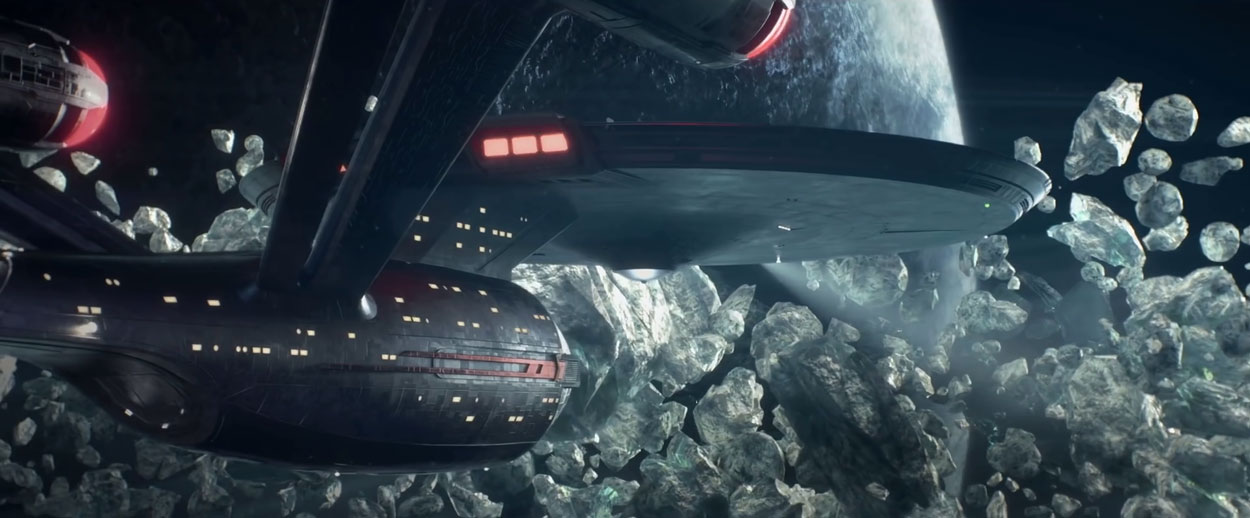
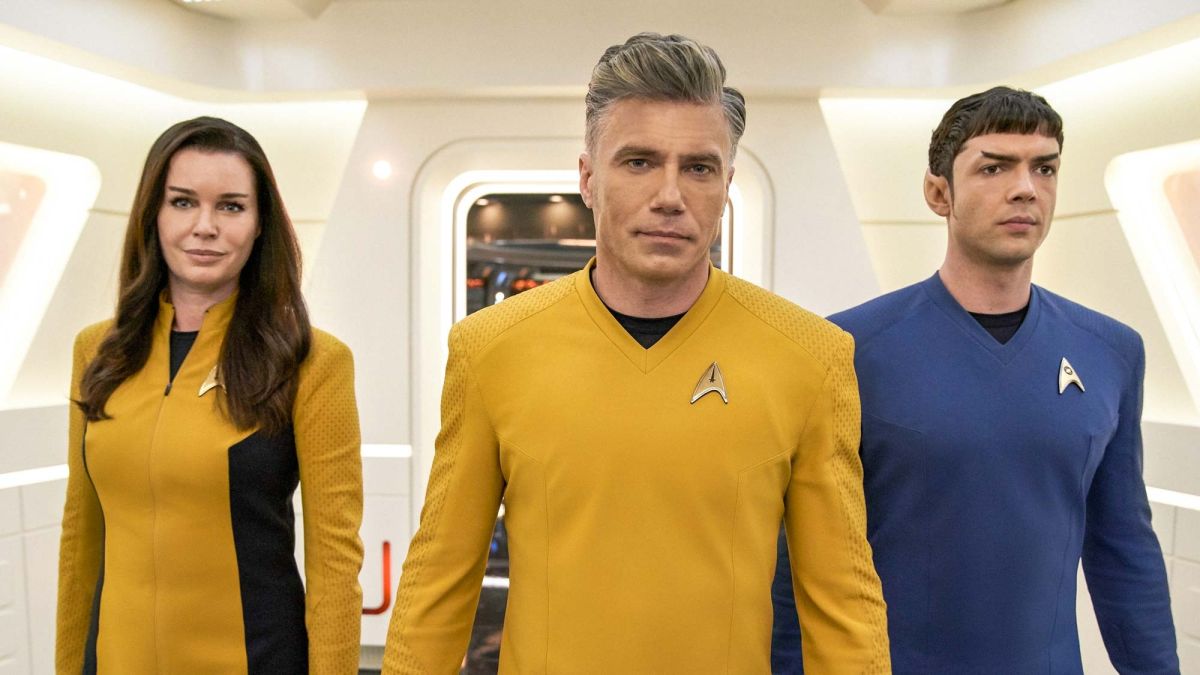
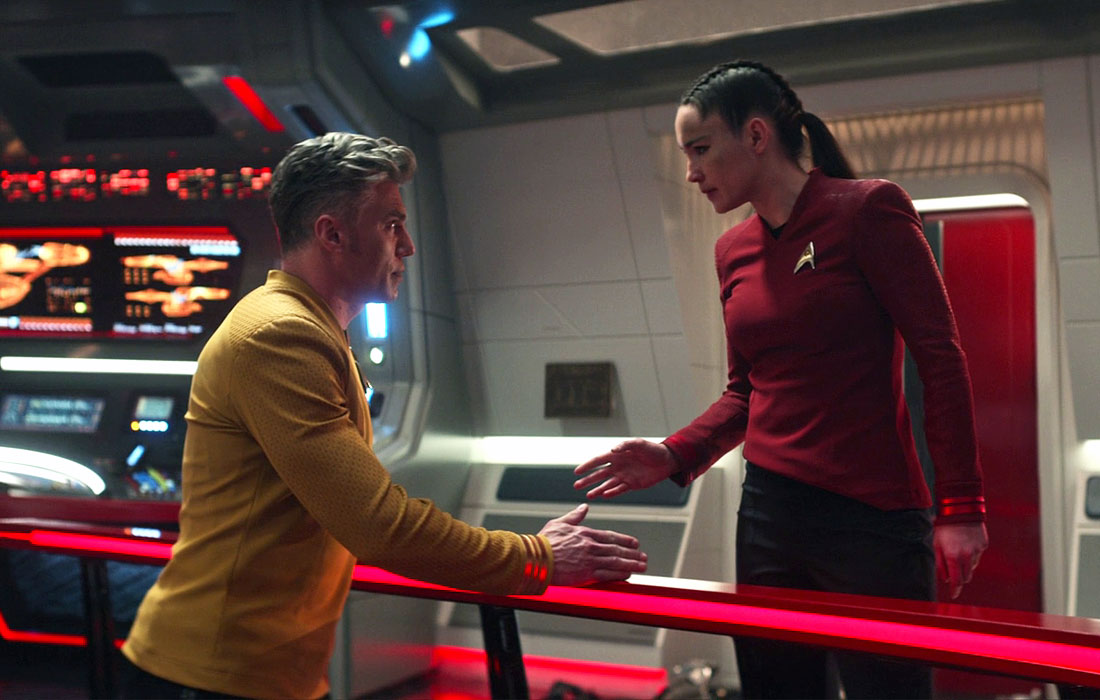
The first season for the latest Star Trek TV show to stream on Paramount+, Star Trek: Strange New Worlds, has just concluded with a strong episode (“A Quality of Mercy”) that represented the best stories of the season. The show is a spinoff of Star Trek: Discovery and another prequel to the original Star Trek. In this case, the show chronicles the voyages of the starship Enterprise under the command of Captain Christopher Pike (Anson Mount) a few short years before Captain James T. Kirk assumed command.

Getting this out of the way, this series is fantastic with its much needed and refreshing back-to-basics approach for Star Trek. The franchise has been faltering lately with subpar live-action entries, Star Trek: Discovery and the second season of Star Trek: Picard. However, the franchise feels reinvigorated now with the new series. A huge part of the success of Star Trek: Strange New Worlds has to do with its lead characters.

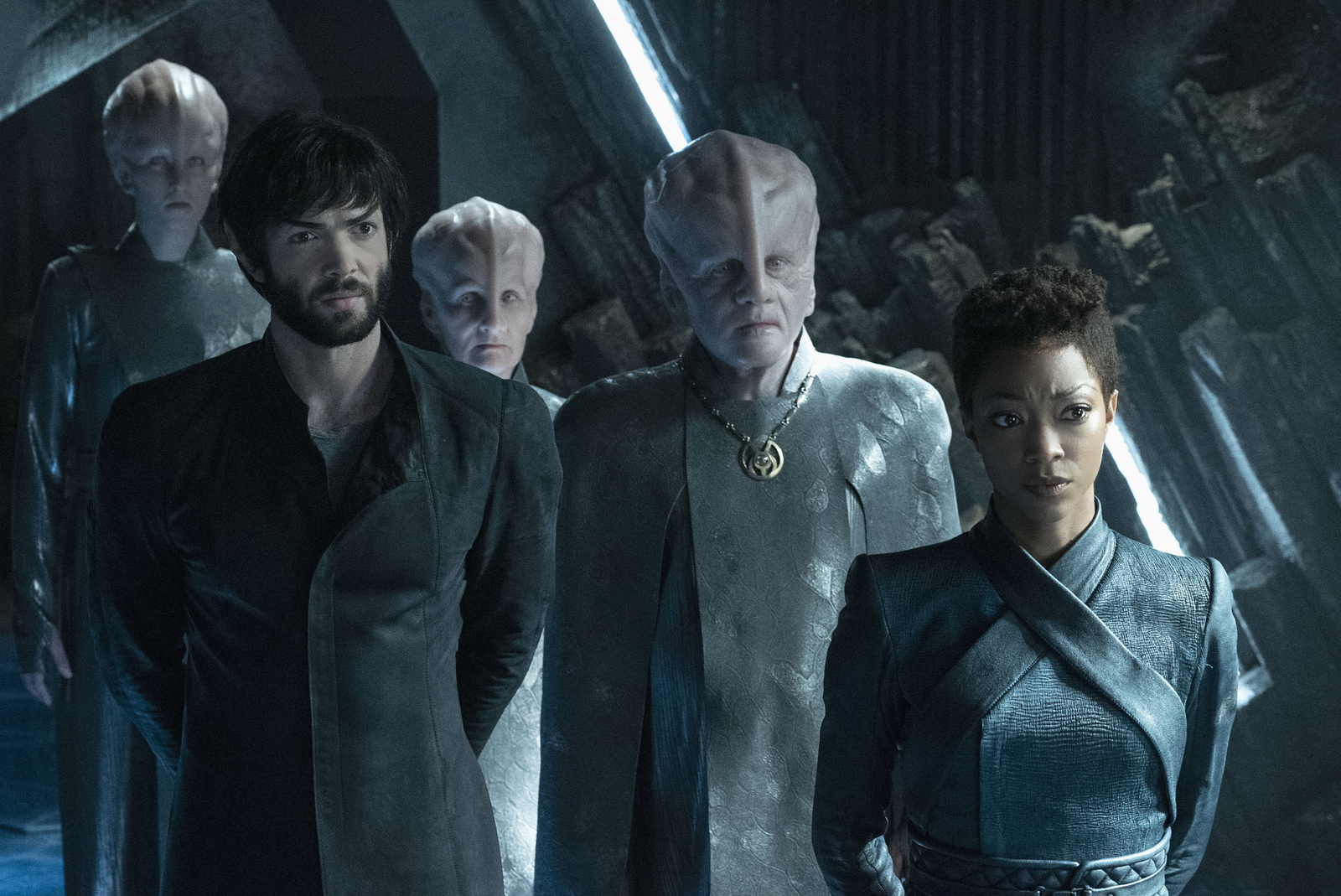
When Pike and Spock (Ethan Peck) were introduced as feature characters in the second season of Star Trek: Discovery, they quickly stood out and added a lot of gravitas and charisma to the show. In fact, the reason why the second season was so well received was largely due to the characters, how they were portrayed and their engaging storylines. After the season concluded a wise choice was made to bring back Pike and Spock into their own series to continue their story arcs.

Spock, as in the original show, is trying to find a balance between his human and Vulcan sides. Ethan Peck does a fine job as Spock and while he made the role his own, he does quietly emulate the spirit of Leonard Nimoy’s famous portrayal of the Vulcan.

Meanwhile, Anson Mount completely took over the role of Captain Pike, which was first portrayed by Jeffrey Hunter in the original pilot for Star Trek. For decades people associated the early captain of the Enterprise with Hunter, but Mount’s smooth and amenable version of Pike captivated fans to the point that when Captain Pike is mentioned it is easy to picture Mount instead of Hunter. This is something that happened over with the Star Wars franchise where Ewan McGregor made the role of Obi-Wan Kenobi his own instead of Alec Guiness, the original actor who played the Jedi. Getting back to Mount, the actor endows his Pike with a casual competence and an approachable demeanor, which makes Pike a believable starship captain. He is haunted throughout the season by the knowledge that in a few years, he will be incapacitated and spend his last days as a near invalid, as seen in the original Star Trek episodes “The Menagerie, Part I and II”). So, Pike is torn over whether or not he should avoid his fate or try to change it. Nevertheless, Christopher Pike carries on throughout the show with his sense of calm and reason as the crew of the Enterprise deal with weekly crises.

Aside from Christopher Pike and Spock, the series has many interesting characters. Some are familiar characters who were well recast (Celia Rose Gooding as Cadet Uhura and Jess Bush as Christine Chapel), others are new to the franchise, such the ship’s security cheif, La’an Noonien Singh (Christina Chong) and the ship’s engineer, Hemmer (Bruce Horak), and they were all instantly captivating.

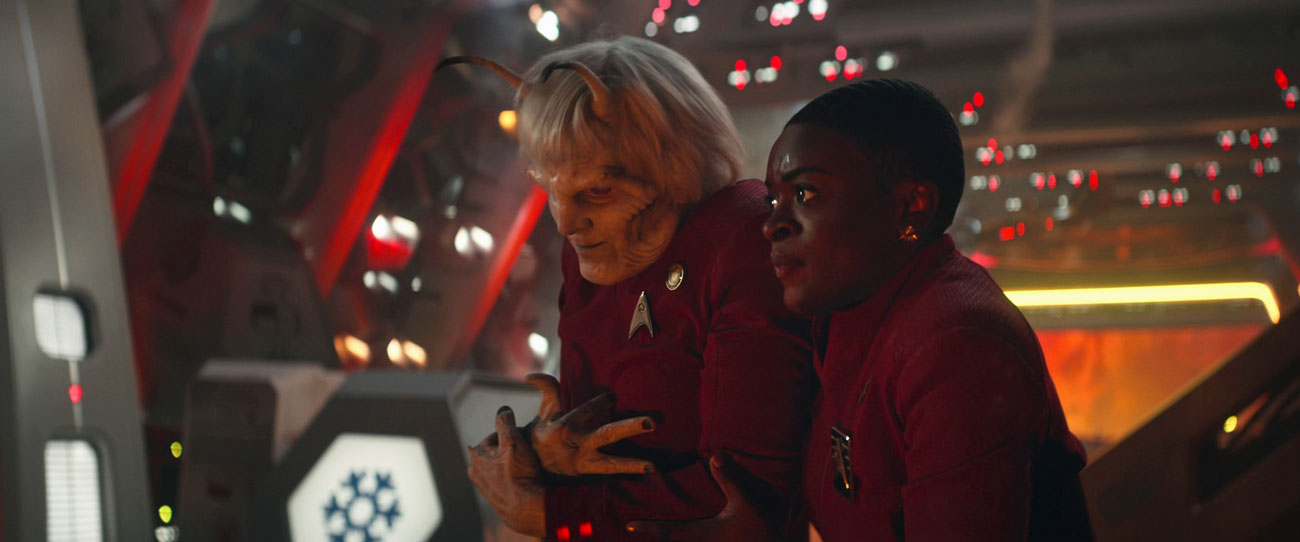
Unlike recent TV shows with serialized storytelling techniques, Star Trek: Strange New Worlds, went back to the basics in terms of episodic storytelling. The episodes were standalone entries and the season as a whole lacked a unifying plot thread. It’s simply about the adventures of Christopher Pike and his crew on the Enterprise. Some of the stories were well crafted and smart, others fell a bit short, but the approach worked quite well. The best episodes this season were “A Quality of Mercy”, “Memento Mori”, “All Those Who Wander”, and “Strange New Worlds”. The last two were notable in that “All Those Who Wander” was a well-done homage to Alien with a shocking and sad character death, while “Strange New Worlds” was an exceptional pilot episode that enraged right-wing nutjobs with its claim that their recent and current activities wind up being the cause for a second American Civil War and ultimately, World War III. As mentioned before, not every episode is a homerun, but had interesting twists. But, the only misfire was “Spock Amok”, it was supposed to be one of those lighthearted, humorous episodes. However, it failed to deliver any laughs and was unfocused, but it had a few good nuggets.

As with modern Star Trek shows, this one boasts cinema-quality special effects and production that rivals the best of J.J. Abrams and the Kelvinverse, but with superior storytelling and characters. That is the key with Star Trek: Strange New Worlds, it focused on telling tight stories that do not meander and spin wheels like the second season of Star Trek: Picard. Like the Berman-era Trek shows, this one makes the effort to devote episodes to other characters besides Pike and Spock, unlike Star Trek: Discovery. In just a handful of episodes we learned some vital background info on several characters. For instance, La’an not only suffered from childhood trauma thanks to the predatory Gorn, but was a descendant of Khan Noonien Singh, yes, that Khan. It was revealed that first officer, Una Chin-Riley or Number One (Rebecca Romijn), is not human, while the ship’s chief medical officer, Dr. M’Benga (Babs Olusanmokun) was secretly hiding his ill daughter in the ship’s transporters as he tried to find a cure for her. Since the time was taken to explore these side characters, they became endearing, we cared about them and wanted to know more. More importantly, when these characters suffered, we felt for them.

Star Trek: Strange New Worlds injects new life into the Star Trek franchise with its simple and effective back-to-basics approach, but its fused with so much more to elevate it. In addition to its crisp production values, and solid cast, the show captures the soul of Star Trek with a sense of adventure and discovery.

José Soto

Exploring Star Trek: Enterprise 20 Years Later

Twenty years ago, the final Rick Berman-era Star Trek show premiered on the former UPN network to a mixed reception, at best. Originally called Enterprise, the fifth Star Trek spinoff held a lot of promise with its premise—a prequel to the original Star Trek universe which detailed humankind’s initial exploration of space and the events, such as First Contact with famous Star Trek alien races, that led to the formation of the United Federation of Planets, and the acclaimed Star Trek universe.

When Enterprise was conceived, the Golden Age of Star Trek was already coming to a close. Star Trek: The Next Generation and Star Trek: Deep Space Nine (DS9), two highly revered shows, were no longer airing and Star Trek: Voyager (VOY) was ending its seven-year run. By the time the final episode of VOY aired, Enterprise and its premise was known to fans, as was the fact that popular genre actor, Scott Bakula, the star of the beloved sci-fi time travel show Quantum Leap, was cast to play the lead, Captain Jonathan Archer. However, around this time the Star Trek franchise under the helm of Rick Berman was running out of steam, creatively. Many episodes of Star Trek: Voyager were formulaic and many feared for good reason this malaise would carryover into Enterprise since Berman created it and was the main showrunner, along with Brannon Braga.

There were signs that the new show was going through the motions, starting with it premise, another starship crew exploring the unknown sectors of space; the characters seemed bland for the most part and echoed the makeup of the original cast with a few differences.

Still, many held out hope that Enterprise would deliver and rekindle the spark of imagination that the Star Trek franchise was noted for. Many were cautiously optimistic about the show, yet others were not enthused about the show and were ready to move on to other properties.

Enterprise premiered on September 26, 2001, which obviously was the first post-9/11 Star Trek show just a few days after the catastrophic event struck the United States.

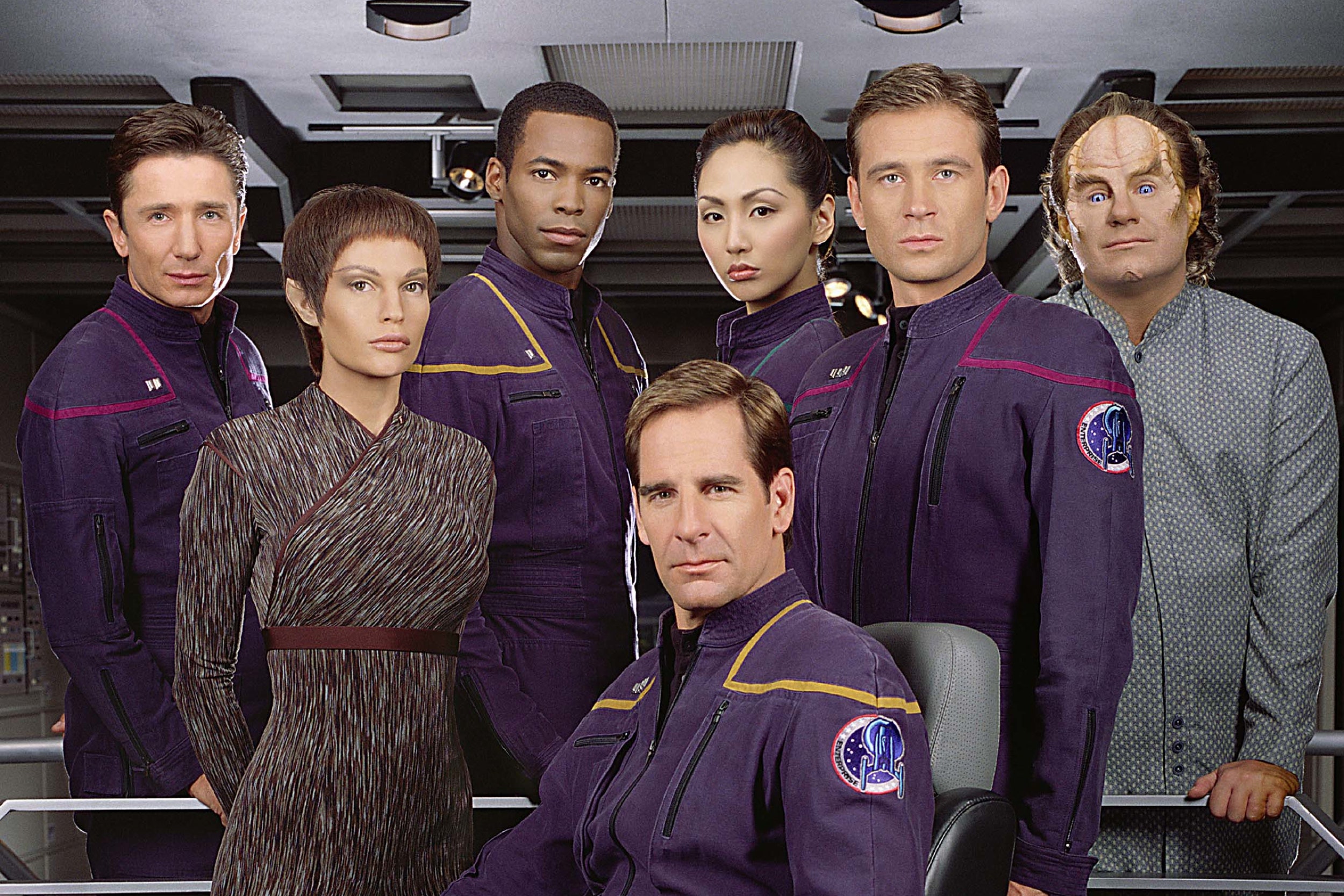
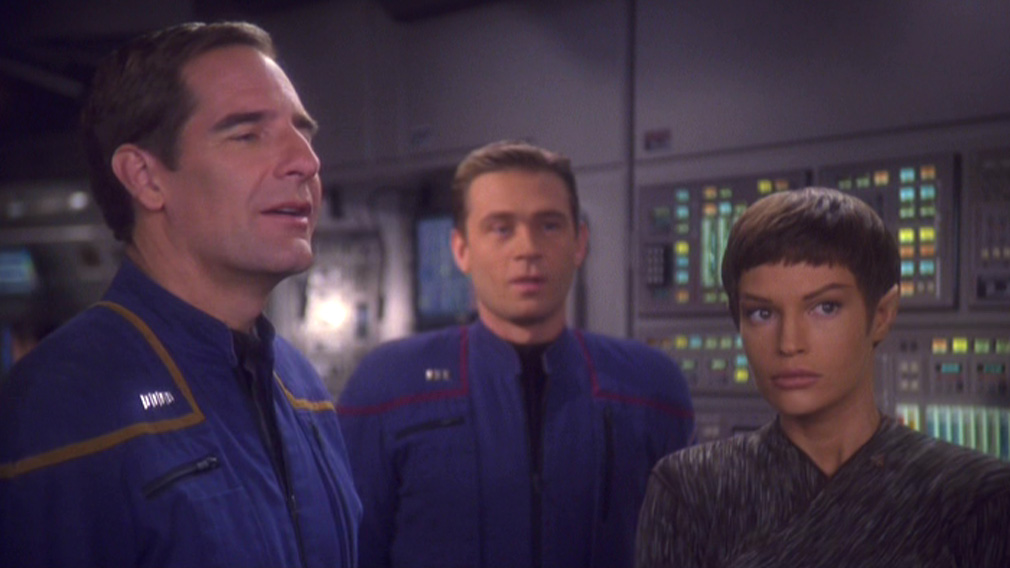
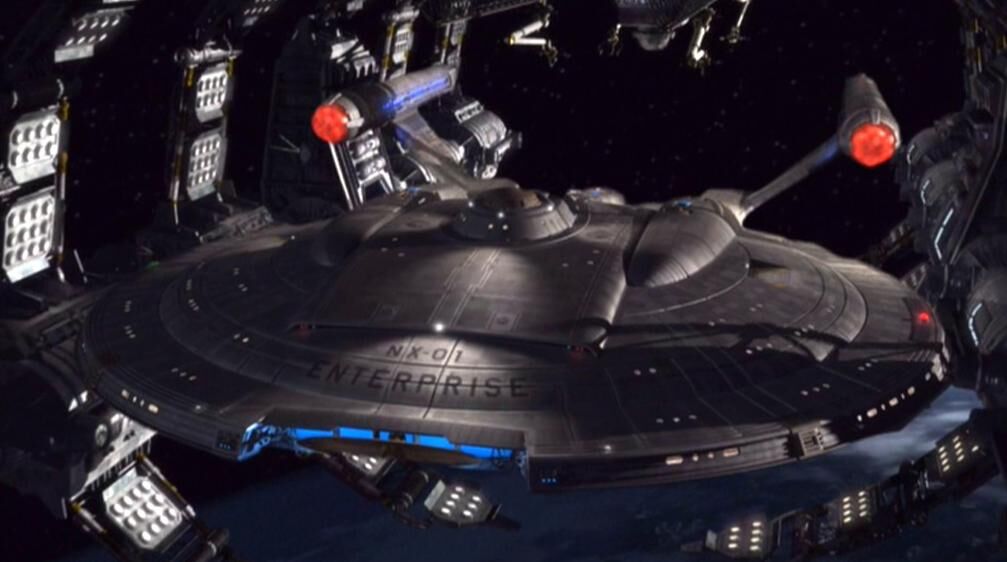
The pilot episode “Broken Bow” introduced viewers to the crew of NX-01 Enterprise, Earth’s first starship that was capable of reaching warp 5. The more notable crew members consisted of Captain Jonathan Archer (Bakula), Chief Engineer Travis “Trip” Tucker (Connor Trinneer), and First Officer T’Pol (Jolene Blalock), a skeptical Vulcan who acted more as a guide to the humans when they ventured into unfamiliar space.

The ship and crew were pressed into service when an alien Klingon crash landed on Earth and the Enterprise crew undertook the mission to return the Klingon to his people. What they soon learned was that a shape-shifting alien race called the Suliban were after the Klingon. This put the humans into conflict with the Suliban, which Archer learned were being manipulated by a great power in the far future.

This was part of a confusing sub plot throughout most of the show’s run about a so-called temporal cold war. Apparently, the time period Enterprise took place in (the 2250s) was pivotal in history and certain unknown factions in the future wanted to change it. According to some reports, co-creators Rick Berman and Brannon Braga were forced to include this plot line by the network, and the duo even admitted the plot was never fully developed, and it showed. Berman and Braga also revealed that initially they wanted the series to take place on Earth for a large bulk of the first season as the Enterprise was prepared for its maiden voyage. But the network asked that the starship immediately launch into action during the pilot episode.

“Broken Bow” was entertaining but not as inspiring or memorable as previous Star Trek pilots. A bad sign for the show was the opening credits which featured a montage of humankind’s history of exploration. The montage was fine, but it was ruined by a rancid rendition of “Faith of the Heart” that was so treacly and annoying.

Many of the characters introduced felt too familiar or were not memorable. It felt like the showrunners were trying to recreate the famous Kirk/Spock/McCoy dynamic with Archer, T’Pol and Tucker. Just swap the sex of the token Vulcan and make the emotional member of the trio an engineer instead of a doctor. Some characters were interesting but never got the screen time they deserved, such as Dr. Phlox (John Billingsley), a quirky alien doctor who was the chief medical officer of the ship. Other characters were completely forgettable, such as Travis Mayweather (Anthony Montgomery), the ship’s helmsman. What was known about him was that he was one of the first generations of humans to be raised in deep space. Other than that he was relegated to being a glorified extra.

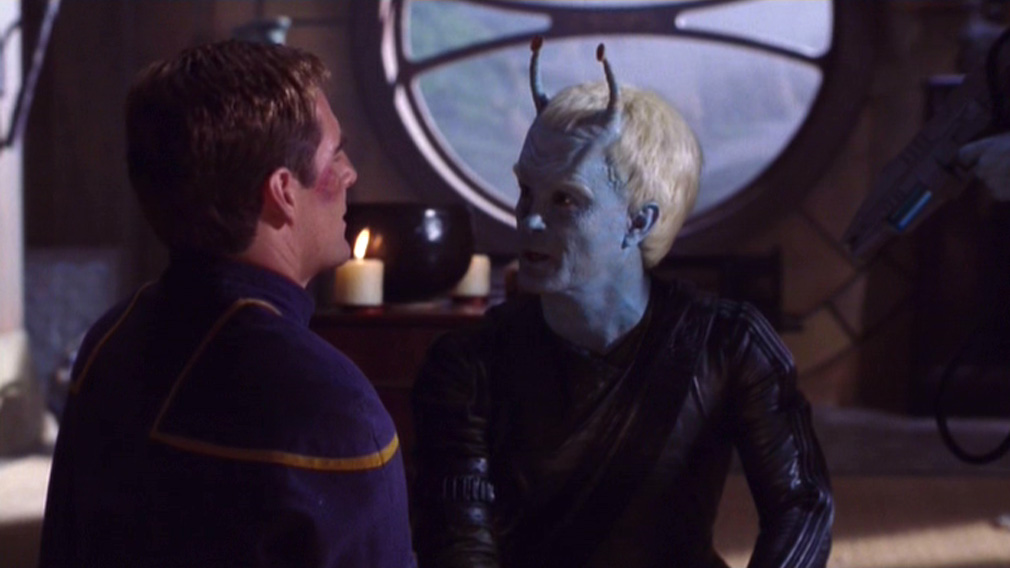
The early episodes themselves were not very exciting or captivating, though there were a handful of standouts, such as “The Andorian Incident”, which established first human contact with the Andorians and introduced Shran (Jeffrey Combs), a volatile Andorian officer who was one of the show’s best characters. But in other episodes basically not much happens and felt routine. The basic premise of the show was that it was supposed to chronicle the first steps humanity took when it began exploring deep space. The tech was supposed to be crude, shuttles and grappling hooks were used by the ship instead of transporters or tractor beams. With that in mind, the transporters were still brand-new technology that was not trusted, yet they soon used all the time instead of shuttles. It’s a shame since the early reliance of shuttles inspired one of the better first season episodes “Shuttlepod One”.

Some of the storylines had interesting premises but the execution was mundane and the end result was by the numbers. Other episodes were outright copies of previous Star Trek episodes. For instance “Vanishing Point” had the same premise as “The Next Phase” from TNG, which did it better. The same went for “Precious Cargo”, an outright rip-off of TNG’s “The Perfect Mate”. It was obvious that Berman, Braga and other crewmembers were burnt out and going through the motions. Many of them, including Berman, had been involved with Star Trek since the mid-1980s. It was time to bring in new blood but the people in charge refused to see this and this is why the show suffered.

By the time the second season of Enterprise came to a close it was clear something had to be done. Ratings were declining, as was interest in the Star Trek franchise. Many fans abandoned it for fresher properties that were making their mark at the time such as Stargate: SG1, Firefly and Farscape.

Continue reading →

Star Trek: Discovery Finds Its Space Legs In Its Second Season


*Warning: Major spoilers will follow, do not read until you have seen season two of Star Trek: Discovery.

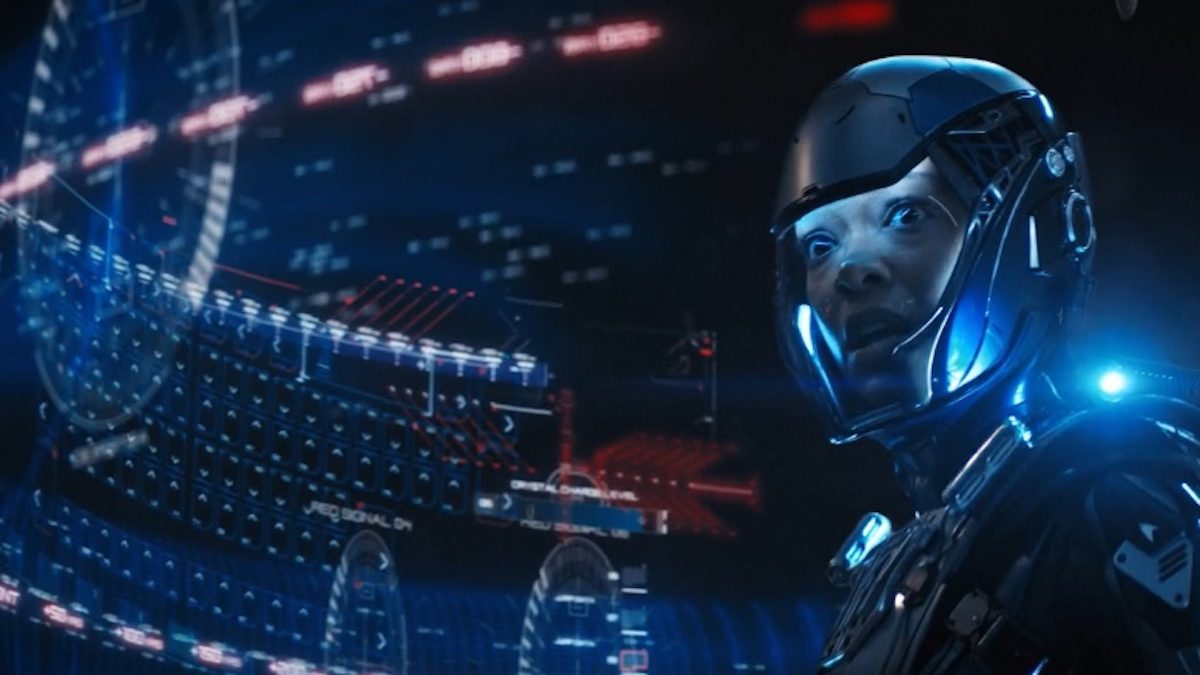
The sophomore season of Star Trek: Discovery just concluded with its epic two-part episode “Such Sweet Sorrow” and what a way to cap off a successful season!

The episode concluded the season-long “Red Angel” arc where it was revealed that Michael Burnham (Sonequa Martin-Green) was the mysterious Red Angel that appeared throughout the galaxy during pivotal moments in recent history. In “Such Sweet Sorrow”, Burnham used the Red Angel suit to time travel into the past to mark her appearances in the second season and to lead the starship Discovery and the show into its bold new direction for season three.

The second season of Star Trek: Discovery was a marked improvement over the first one with compelling stories, strong characters and a respectful acknowledgment of the original canon established in previous Trek shows. Due to the many stylistic changes done to the show, even though it’s a prequel to the original Star Trek, the setting looked too advanced and didn’t gel with the original. This was unavoidable given the original show is over fifty years old, and Hollywood magic advanced considerably since then.

This led many outraged fans to dismiss Star Trek: Discovery as not a real Trek show, even though the showrunners insisted it was set in the prime timeline. The episode “If Memory Serves” reiterated this point by having an episode recap from the very first Star Trek pilot, “The Cage”, which proved once and for this show is set in the original Star Trek universe. People had to either accept the visual changes and move on or reject the show altogether. Those that accepted the show were rewarded with a well-crafted season.

At the start of the season with premier episode “Brother”, Captain Christopher Pike (Anson Mount), the original Enterprise captain beamed aboard the Discovery and took command. His mission was to investigate unknown red signals that appeared throughout the galaxy. It turned out the signals coincided with appearances of the enigmatic Red Angel. This figure would show up at a pivotal moment that aided the crew of the Discovery. Pike and Burnham realize that the Angel is tied in to the disappearance of his science officer Spock (Ethan Peck), who apparently went insane and murdered people. For the first half of the season, they track him, and this quest culminated with the now-classic “If Memory Serves” which took Pike and Spock back to the planet Talos IV. It turned out that Spock was framed by the secretive Section 31 organization and that Section 31 was taken over by Starfleet’s AI, Control.

The AI wanted to get access to ancient alien knowledge recently stored in the Discovery to gain sentience and Burnham received warnings that Control would eventually destroy all life in the future. This plot propelled the second half of the season and led to the truly monumental “Such Sweet Sorrow” where Control took the Section 31 fleet against the Discovery and the Enterprise. The only way to keep this knowledge away from Control was to send Discovery into the future. This led to a busy, crowded and spectacular starship battle that was simply brutal and dizzying at times. The battle sequences looked like they could have been lifted out of a modern Star Trek film that involved drones, refitted shuttles as fighters, zero-g fist fights, Klingons (who are now thankfully more in line with the traditional Klingons), and even repair droids (!).

Continue reading →

Make It So! Jean-Luc Picard Returns To Star Trek!

make it so

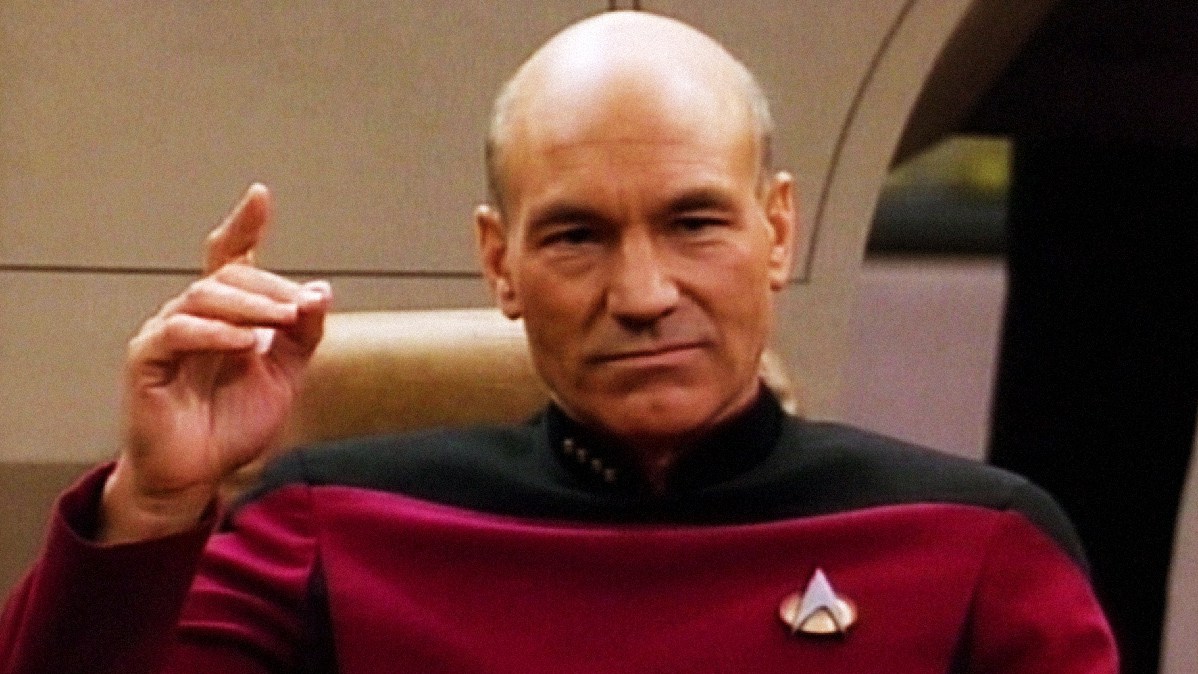
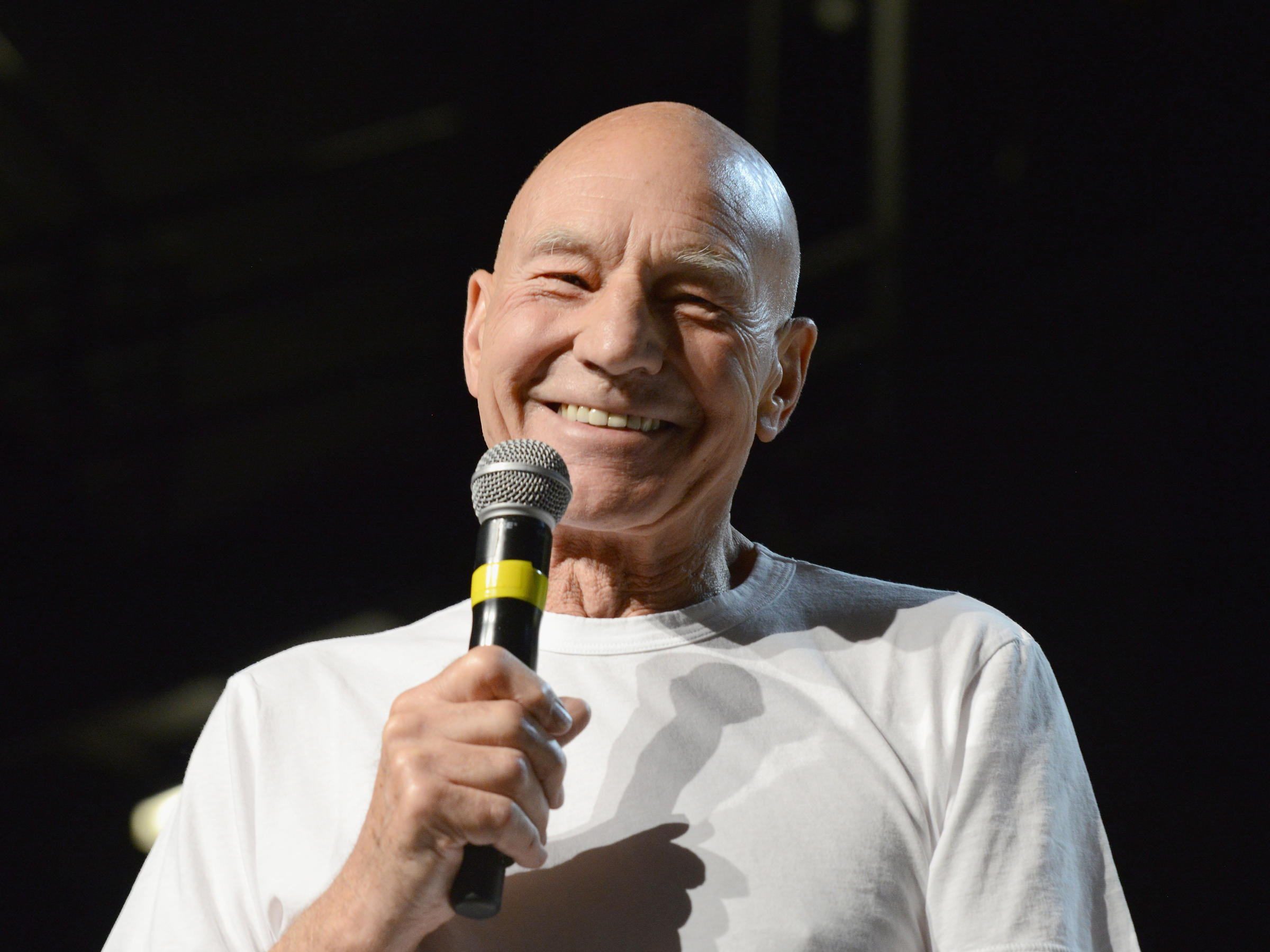
Star Trek fans were pleasantly surprised and excited when the news came out that Sir Patrick Stewart will reprise his role of the legendary Jean-Luc Picard in a new Star Trek series.

The announcement came during a Star Trek convention held in Las Vegas this weekend. Stewart appeared on stage and made the official announcement along with showrunner Alex Kurtzman, who was one of the execs behind Star Trek: Discovery and the the J.J. Abrams rebooted Trek films.

As fans roared with approval over the news, Stewart gave few details about the new show, which will stream on the CBS All Access service. One thing he did point out is Picard will be at a different point in his life, meaning he won’t necessarily be a Starfleet captain. This is quite exciting to learn because it demonstrates that the new Star Trek show won’t be a retread of the familiar Trek trope: a starship and its crew exploring space.  So, it won’t be a new version of Star Trek: The Next Generation (TNG) where Captain Picard commands the Enterprise and runs about discovering new worlds and new civilizations. If the show will not be about a Captain Jean-Luc Picard then it can mean that the character will have a new role, a different post-Starfleet career.

Picard may very well be an ambassador and the show could be more political in nature a la Star Trek: Deep Space Nine and this is very fascinating. The world of Star Trek has always entranced fans who were introduced to different alien cultures such as the Klingons and the Romulans. Some of the best episodes of the various shows were about exploring the uniqueness of the alien races and the political intrigue such as the succession of order in the Klingon Empire in “Redemption” or the birth of the Federation in “United”. It is easy to see an older PIcard running around the galaxy trying to forge alliances or hold a fragile peace. Hopefully he won’t be doing it onboard a new version of the Enterprise visiting the same old places. Let’s have new ships and worlds, it’s a large galaxy, after all.

old man picard

If he is not an ambassador, then the other logical career choice is that of a Starfleet admiral. He could follow a similar role as an ambassador with the same political intrigue, but with a more military angle as he brokers peace or wages war from a flagship or Starbase, though it is likely that Picard won’t be a warmongering type.

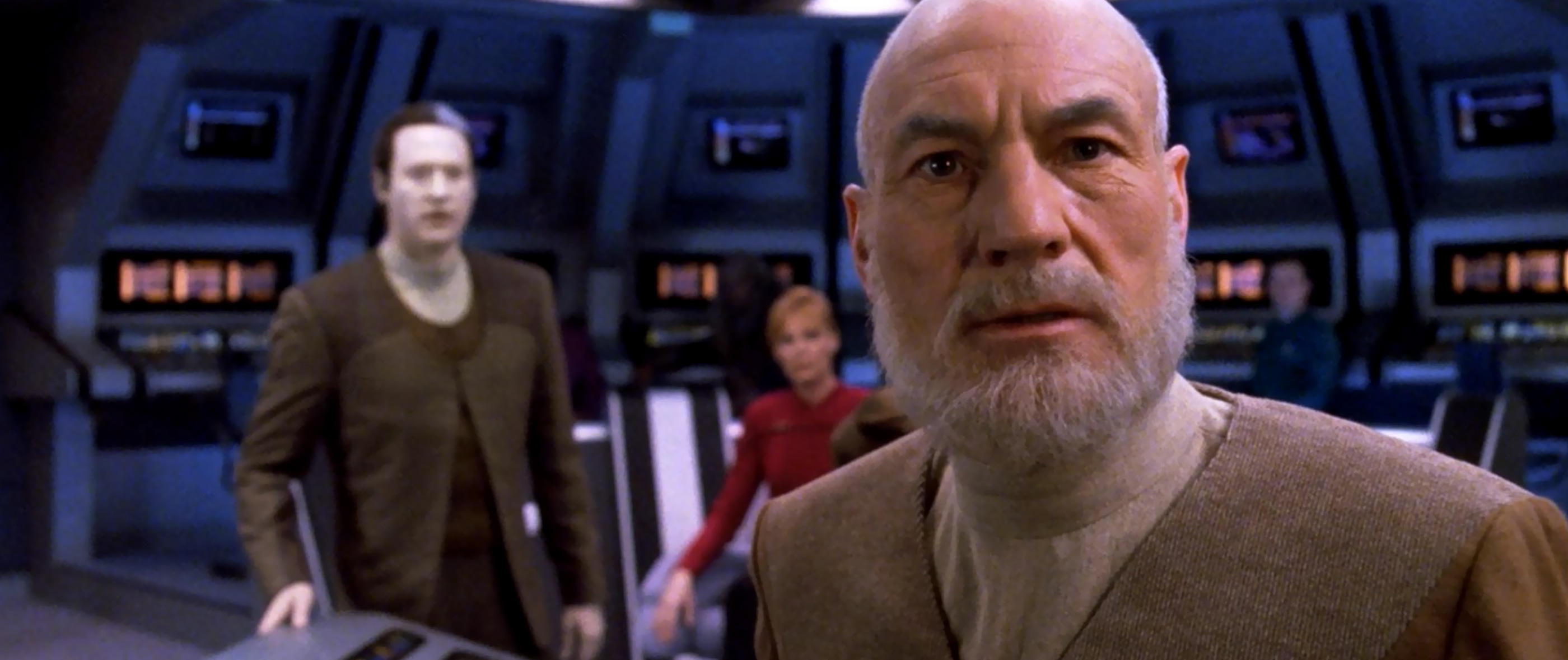
Of course, being that Patrick Stewart is nearly 20 years older since his last appearance as Picard in Star Trek: Nemesis, it stands to reason that his character will be older, too. And so will be the Prime Star Trek universe. We will learn about new developments in the Prime universe, which is something that many fans have ached for ever since the last TNG film in 2002. This also alleviates the concerns that many fans had about the original Star Trek universe. Ever since the rebooted films came along with Star Trek: Discovery, the impression has been given that the original universe was wiped out from existence. This notion came from a plot point in the first Abrams Star Trek film where Romulans time traveled and altered history. Despite the proclamations from characters and behind-the-scenes people that the alteration did not erase the original timeline, there was an uneasy feeling among many that this was not the case. Now, we can rest easy knowing that the original timeline is alive and well in the new series.

Will this also mean that we may see other characters from the Prime universe? Older versions of Riker, Crusher, Worf and even those from other shows such as Kira, Seven of Nine or the Doctor can appear in the new Star Trek show. Sure it may be too fanboyish, but it will be fun as hell to watch.

The return of Jean-Luc PIcad is certainly welcome news and demonstrates that Star Trek is alive and well. No reboots, no remakes, no reimaginings, but a logical continuation of the original Star Trek timeline. What is open for debate is how good will the new Star Trek show be, but we’ll have to wait and see when it streams, hopefully by 2020. However, no matter what happens with the new show, it will be a thrill to hear the great Sir Patrick Stewart utter at some point, “Make it so!”

Lewis T. Grove