Star Trek As It Approaches Its 60th Anniversary

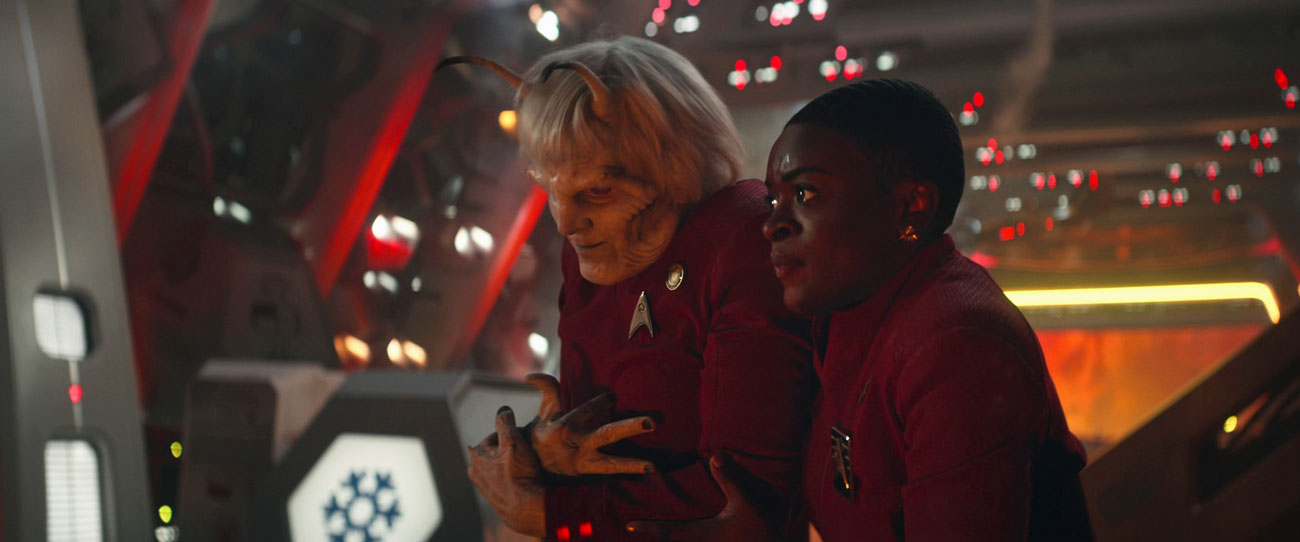
As Star Trek celebrate Star Trek Day and commemorate the 59th anniversary of the famous sci-fi TV show, it is important to reflect on the state of the Star Trek franchise and where it is going as it soon approaches its 60th anniversary.
Star Trek has had its highs and lows throughout the decades in terms of popularity, cultural relevance and quality with its glory years arguably being during the 1990s. After the franchise took a forced hiatus in the mid 2000s, a comeback was attempted with the reboot film Star Trek (2009). The film did well and was popular but a significant number of fans did not appreciate director J.J. Abrams attempt to turn the franchise about space explorers, noted for its thought-provoking plots, into a more simplistic shoot-em-up space adventure that emphasized action and explosions over nifty plots and character developments.

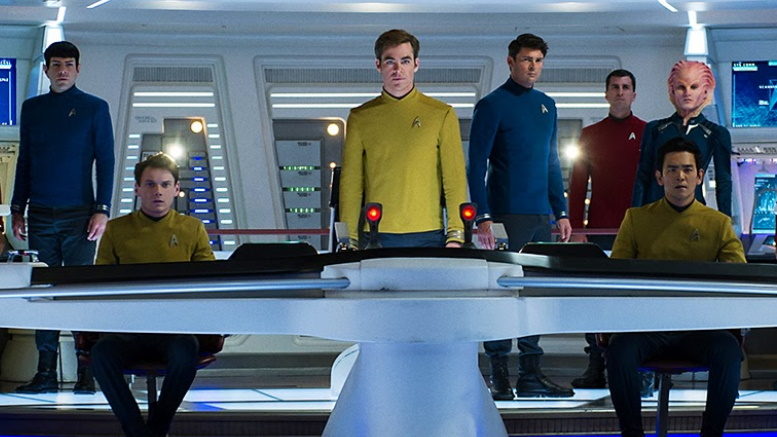
The reboot film franchise came to an end nine years ago with Star Trek Beyond, which did not perform well in theaters, though its tone was more of a throwback to the original TV shows and films. Since then, there have been many failed attempts to produce a fourth film featuring the cast of the reboot films, but none have succeeded and that franchise is now essentially dead. Or is it?
Meanwhile, Star Trek returned to its TV roots in 2017 with the debut of Star Trek: Discovery, a prequel series to the original show that streamed on the app CBS All Access (later renamed Paramount+). Now, while the TV show ran a respectable five seasons and spawned another prequel spinoff, Star Trek: Strange New Worlds, as well as additional Star Trek TV shows, Star Trek: Discovery wound up being divisive among fans. Many complained about the storylines and the characters, with more conservative fans being outright hostile to the show’s featuring of non-heterosexual characters. It did not matter. In this day and age of toxic fandom where cynical content creators are more interested in clicks and views, any iteration of Star Trek would have received scorn.

Right now, Star Trek is at a bit of a crossroads. Its parent company, Paramount Pictures, is undergoing a merger and the fate of the franchise is unknown with many rumors flying around as to its final fate. But there are many reports that the bigwigs at Paramount are bullish on Star Trek and want to continue with the franchise. The question remains is how will it continue? As of now, the only currently streaming Star Trek TV show (Star Trek: Strange New Worlds) will come to a conclusion after its fifth season (the fourth season is currently filming while the third season will complete streaming new episodes this week). After that, a new TV show Star Trek: Starfleet Academy will stream in early 2026, while a sitcom set in the world of Star Trek is in development. Who knows if that comedy will ever see the light of day or even generate any laughs if it comes to fruition.
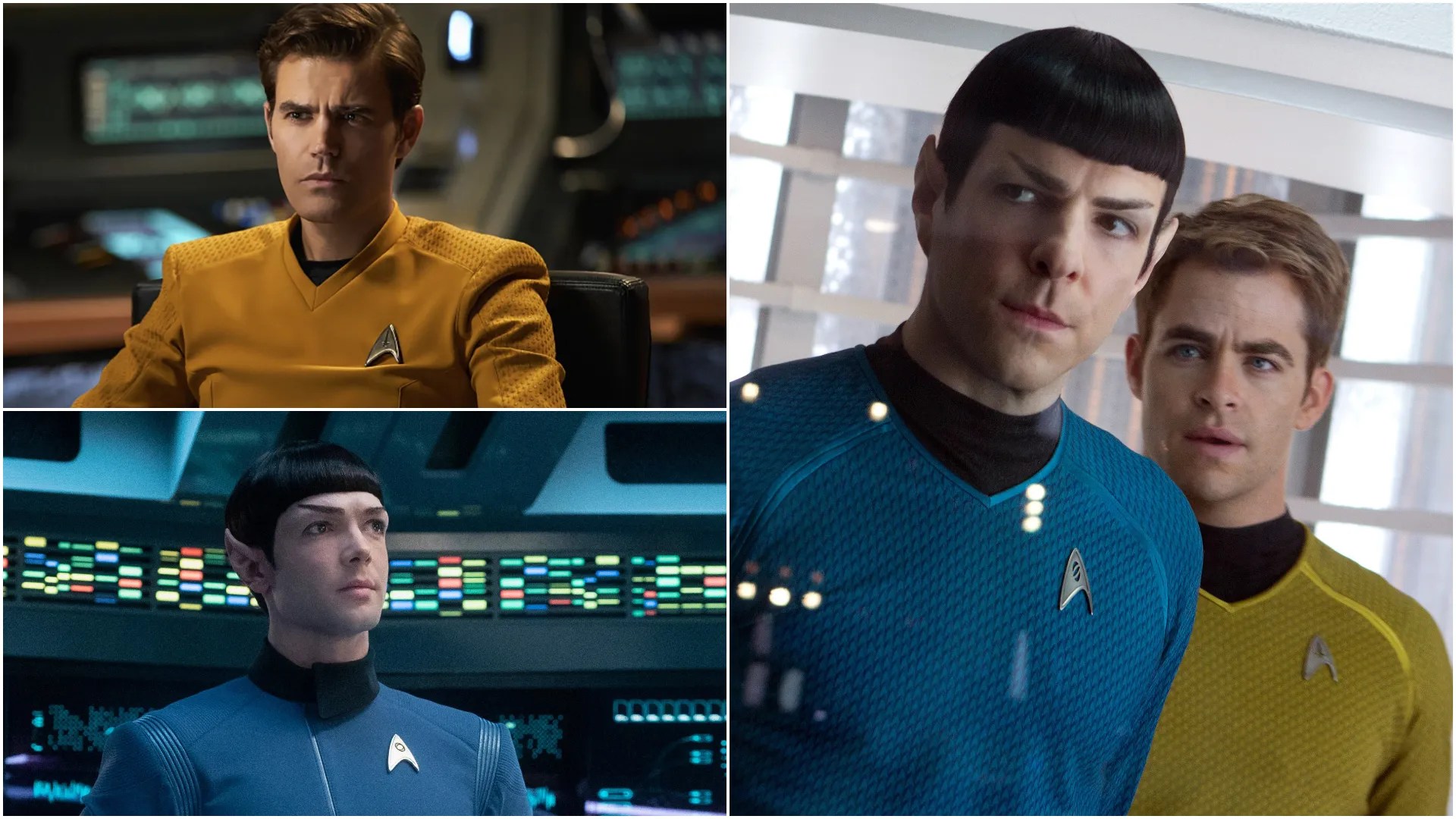
There are other pitches for Star Trek TV shows, including a prequel series based on a young James T. Kirk, which will be a sequel to Star Trek: Strange New Worlds and would star Paul Wesley reprising the role of Kirk. The show has been tentatively titled Star Trek: Year One and would be about Kirk’s early days as the starship Enterprise captain. Meanwhile, Scott Bakula, the star of Star Trek: Enterprise is involved in a pitch for a show that would take place years after Bakula’s show and feature his character as the president of the United Federation of Planets. Unlike other Star Trek shows, this one would not be a show about exploring worlds but have a political slant more akin to Star Trek: Deep Space Nine. Then there is the fan-favorite idea of Star Trek: Legacy, which would be a sequel to Star Trek: Picard, specifically its popular third season and be about the adventures of the crew of the Enterprise-G. It has been pitched in the past, but so far, Paramount has not shown interest in pursuing Star Trek: Legacy.

Regarding films, there are still plans to produce a fourth film set in the Abrams reboot universe with directors and writers coming and leaving the project. Then Paramount recently announced another film will be produced that will feature all-new characters and situations. That actually sounds interesting but as of now, we have no definite information.
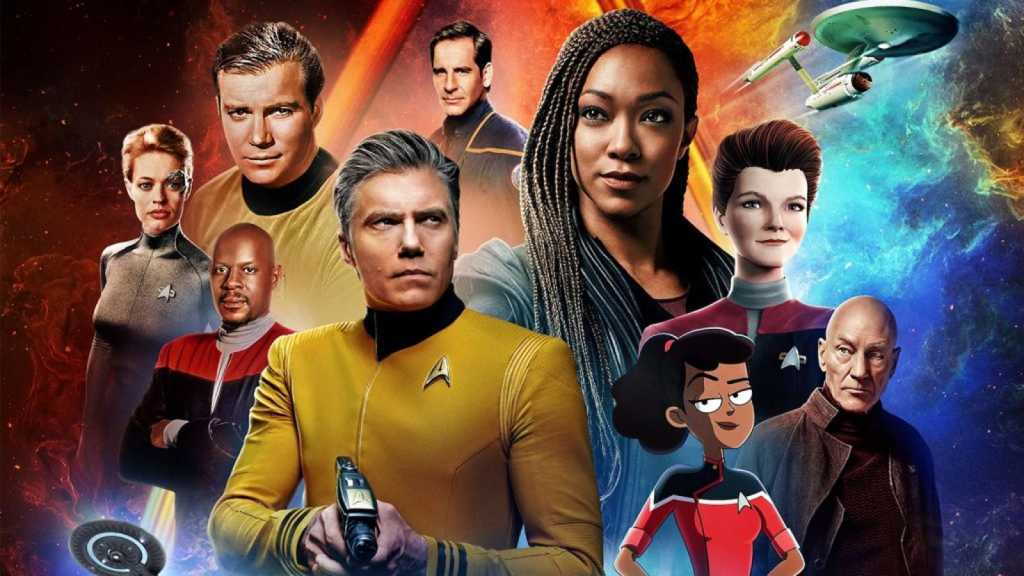
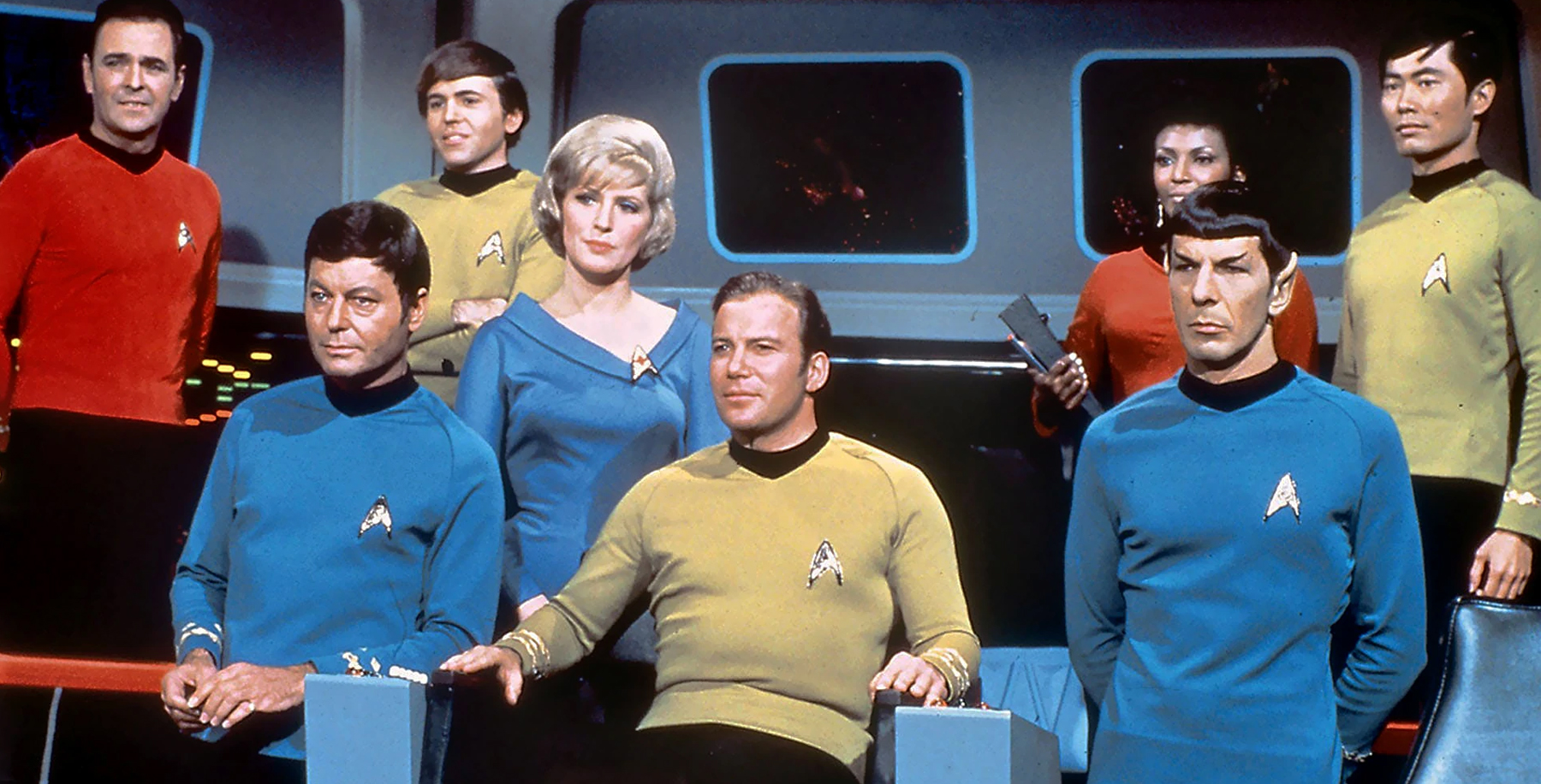
Given all that, there are not any concrete plans for Star Trek TV shows or films aside from the Academy show, which is a bit concerning given that the 60th anniversary is under a year away. You would think Paramount would have something concrete in production. Some of the ideas noted above are interesting and even if they don’t end up as TV shows they can at least become limited series or TV films, just better executed than the hot garbage Star Trek: Section 31. One thing to consider is that 2026 will be a celebration of the original Star Trek, not its sequels and films, and there are three remaining cast members from the original show. Aside from a standard documentary/retrospective, maybe Paramount can find some way to involve William Shatner, George Takei and Walter Koenig in some kind of new Star Trek production. The only limits are time, money and more importantly, imagination. Here’s to boldy going 59 years strong.
Star Trek’s Fascination With Prequels

As we approach the 56th anniversary of Star Trek and the mammoth franchise it launched, it is a good time to reflect on where Star Trek is going. Specifically, the franchise’s fascination with prequels.

When Star Trek was at its height back in the ’90s, each new TV show featured new, original characters and situations. For the most part, the premise was basically the same: a starship and its crew exploring the unknown cosmos and meeting new aliens. This premise has continued to this day, but a common wrinkle with the franchise is to look back and dwell on characters and situations that made it so popular. Look at, Star Trek: Strange New Worlds, the latest Star Trek series, which won a lot of acclaim from fans and critics for its back-to-basics approach in episodic storytelling and doubling down on established characters like Christopher Pike and Spock. Meanwhile, the biggest buzz going on in Trek circles has to do with a third season of Star Trek: Picard that will reunite the cast of Star Trek: The Next Generation.

Strange New Worlds Revisited

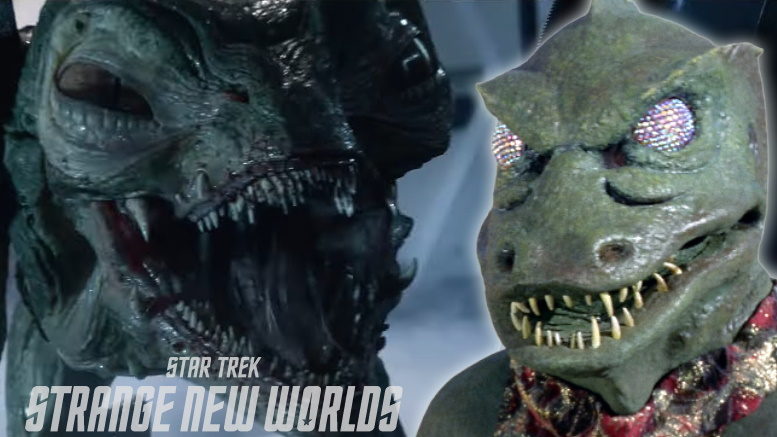
There has been a tendency with Star Trek shows, starting with Star Trek: Enterprise in 2001 and most recently this year with Star Trek: Strange New Worlds, to serve as prequels to the original Star Trek, which took place in the mid-23rd century. Even the recent films have taken place during this time period, although those films were reboots that officially took place in an alternate universe. Some fans have an understandable disdain for prequels in general for many reasons. Prequels are forced to follow a certain continuity to line up with the original film or TV show. Also, much of the tension is gone with prequels when it comes to established characters and situations. Take the Star Wars prequels. They featured younger versions of Obi-Wan Kenobi and Anakin Skywalker before he turned to Darth Vader. Going into the films, everyone knew that Kenobi would survive the films and that Skywalker would eventually become evil. This fact robbed the films of some tension if the fate of these characters was preordained. Going back to Star Trek, with Star Trek: Strange New Worlds and Star Trek: Enterprise there was some uproar over how the alien Gorn looked compared to their appearance in the original Star Trek. The real-world reason for the disparity between how the Gorn looked was due to improved budgets and special effects. The original Gorn was a stuntman in a cheap suit, and recreating that look would lead to unintentional laughter among viewers instead of fear. Still, this lack of continuity has irked some fans.

Another problem with prequels is the implication that the powers-that-be have run out of ideas. This was evident in the early episodes of Star Trek: Enterprise, which were usually tired retreads of previous Trek episodes. It was not until its later seasons did the show break free of its worn formula and embraced the potentials of prequels with episodes that neatly lined up with the original series.

If a prequel is done well, it can be an excellent way to evoke foreshadowing and to help develop characters and situations. With Star Trek: Strange New Worlds, an intriguing storyline has it that Pike knows his future, which was a grim one as shown in the original Star Trek. Throughout the first season of Star Trek: Strange New Worlds, Pike internally debates if his future is set. Can he change his fate? Should he? This dilemma was the basis of one of the show’s best episodes, “A Quality of Mercy”, which explored the result of Pike altering his future. Hint for anyone who has not watched it, things do not end well for a certain other character.

Prequel Flaws

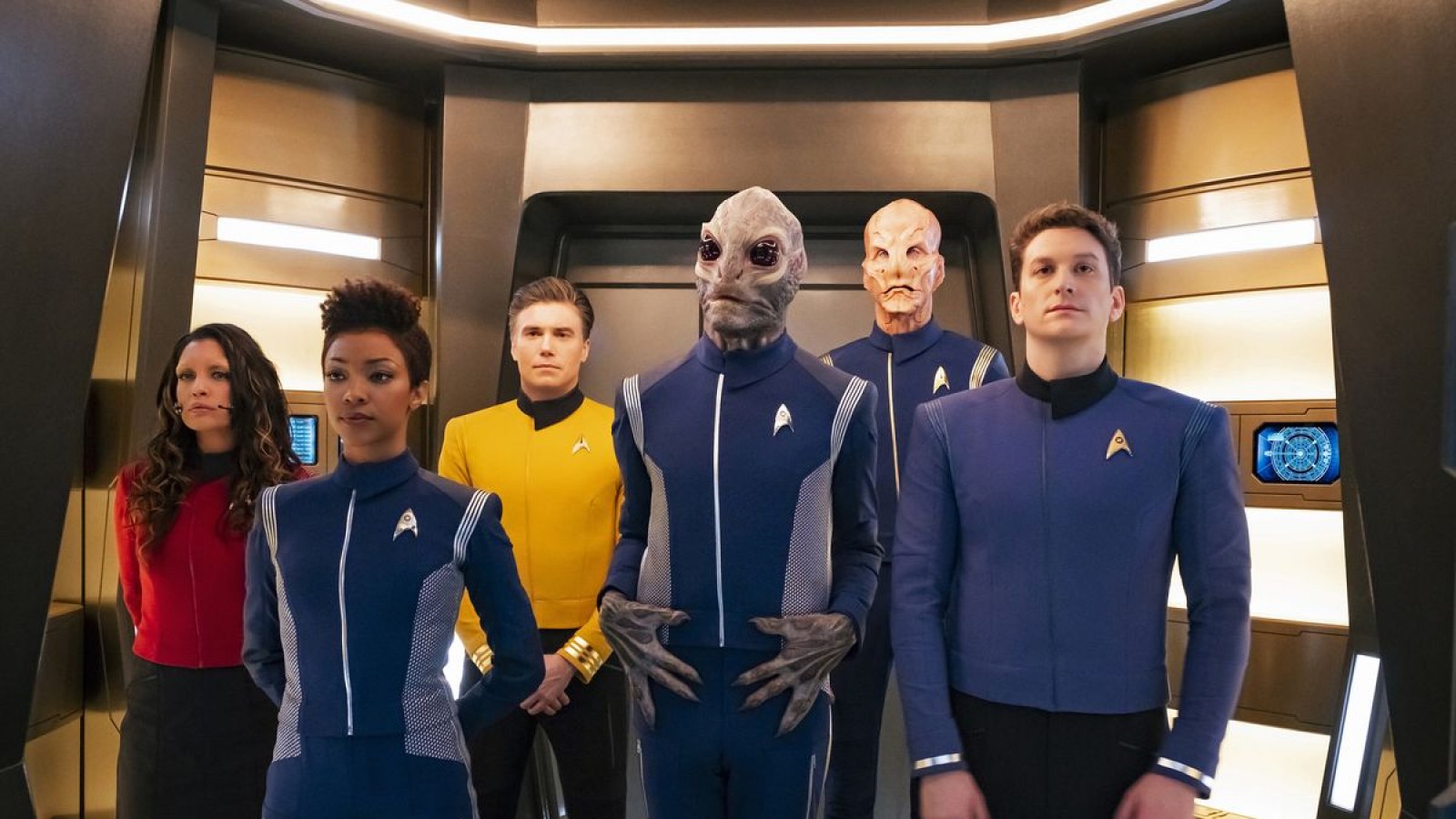
Then again, if a prequel falters or tries to be too different, it will alienate fans. Star Trek: Discovery suffered heavily in that while it was a prequel it strayed too far from established Star Trek lore. The technology and overall look of the show was too advanced when compared to the original Star Trek, though it took place about a decade before the old show. The look of the Klingons was radically different from the established look of Klingons in traditional Trek, although to be fair the look of the Klingons was wildly different from the original Star Trek and later incarnations. Again, improved budgets were the cause for the disparity. There were distinct continuity deviations, notably the fact that the show’s main character, Michael Burnham, was actually Spock’s step sister. Keep in mind, this family relationship was never hinted at in previous Trek shows and films. These deviations might have been overlooked if Star Trek: Discovery was clearly established as a reboot like the recent films or if the show was actually good. Star Trek: Discovery escaped from the storytelling limitations of prequels by having their characters flung into the far future. This was an excellent idea since the show would not be bound by continuity, but thanks to poor scripts the show has become unwatchable. Star Trek: Discovery was doomed from the start not because it was a prequel, but because of its execution.

There is not anything wrong with doing prequels or revisiting characters and situations. Doing so helps explore the many interesting facets of the Star Trek universe. Many of the most popular films and TV shows have successfully pulled this off and will continue to do so. As to whether or not upcoming shows or films will be prequels is not clear, though if one wants to accept Star Trek: Discovery as canon then given its far-future setting, any show or film set before the current episodes of Star Trek: Discovery has to be considered a prequel.

Lost Era Explored

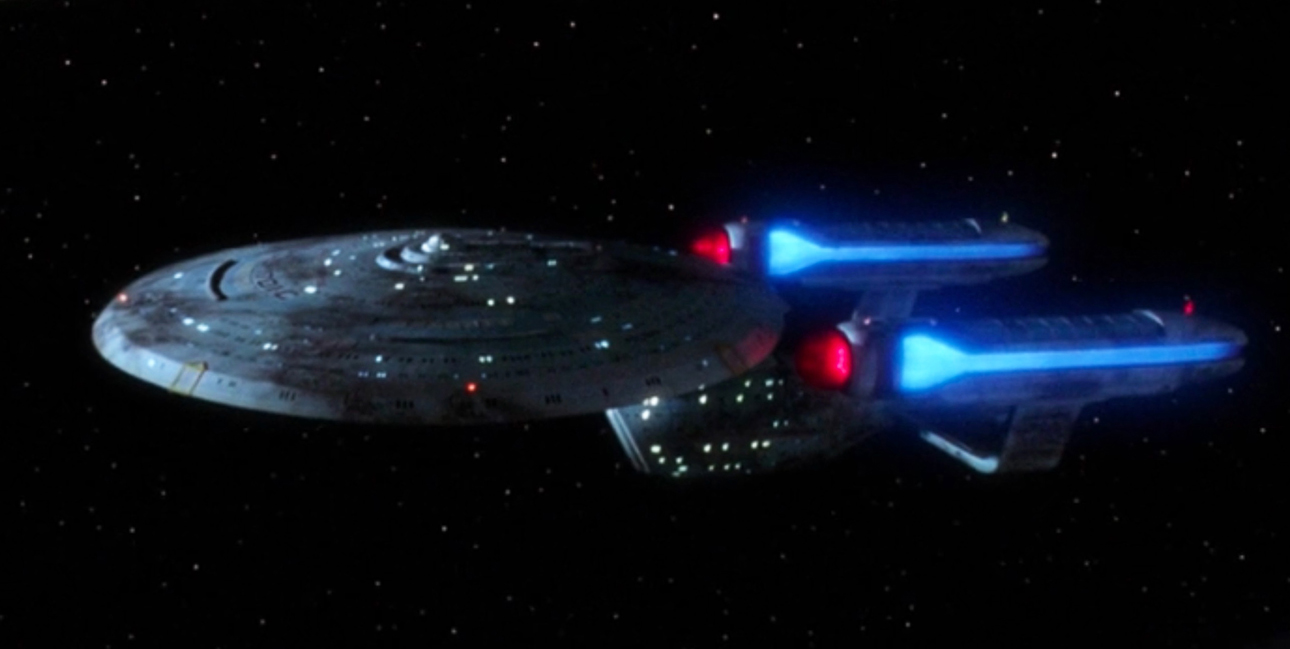
One prequel idea that can be explored would be to set a potential show during the so-called Lost Era of Star Trek. This is the time period set between the last Star Trek film to feature the original cast, Star Trek: The Undiscovered Country and Star Trek: The Next Generation. This is a significant time gap of several decades and a show set in this Lost Era of Star Trek could answer some questions. For instance, what happened to the Enterprise-B? What were the early missions of the Enterprise-C? What was the Tomed Incident involving the Romulans? What was the political situation in the Alpha Quadrant? What was the fate of the original Enterprise crewmembers like Chekov or Uhura? The show could explore the early years of Jean-Luc Picard, Kathryn Janeway or Benjamin Sisko. Just recast the roles with younger actors. Other things that could be examined include the occupation of Bajor, Federation conflicts with the Cardassians, Tholians and other enemies, the early years of Noonien Soong, the possiblities are endless with a TV show set during the Lost Era of Star Trek. Such a show would serve as a prequel to the later shows while being a sequel to the original Star Trek. The show could adapt the novels set during this time period or be completely original just as long as the continuity lines up.

Star Trek has demonstrated throughout the years the merits and detriments of prequels. When done correctly, the Star Trek prequels are not just fascinating companion pieces to older shows, but legitimate storytelling vehicles that fully explore the rich world of Star Trek.

Star Trek: Strange New Worlds Boldly Goes Back To Basics With The Star Trek Franchise

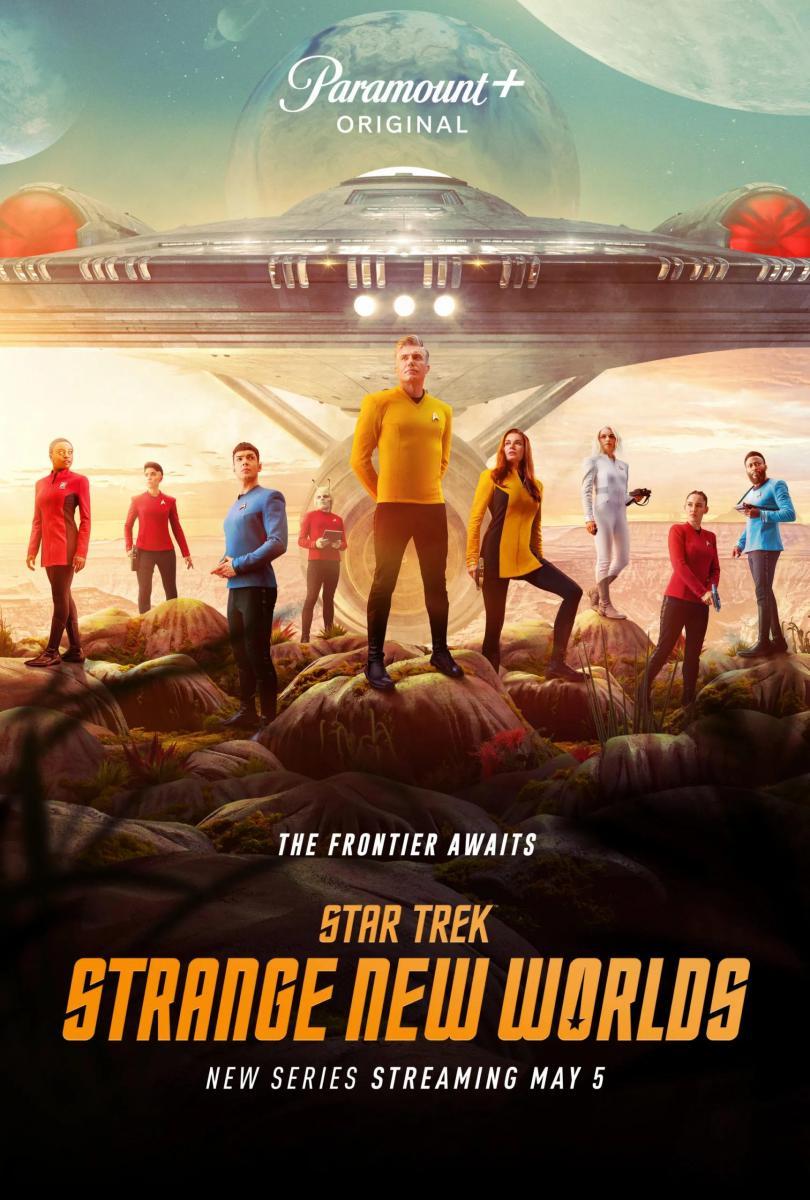
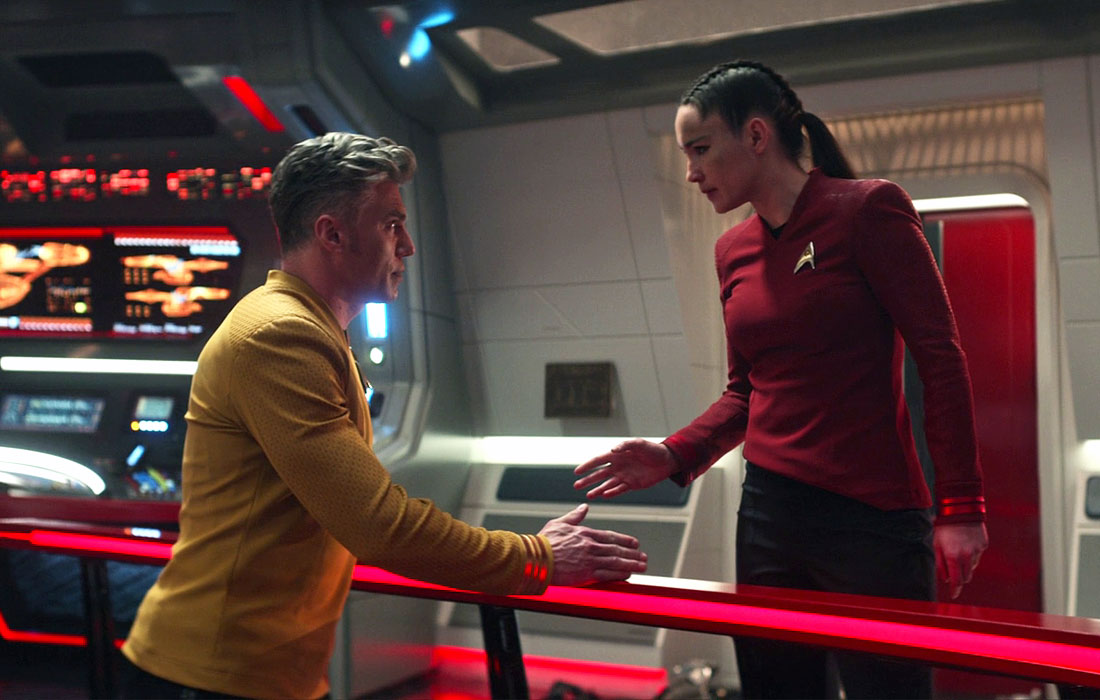
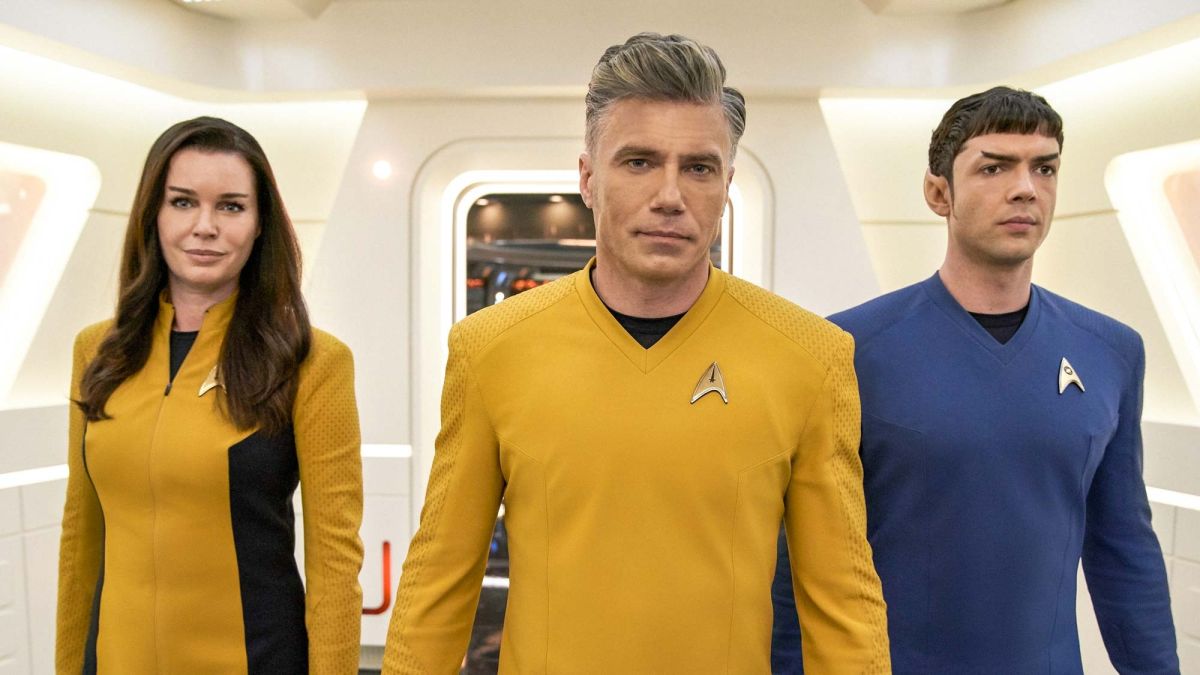
The first season for the latest Star Trek TV show to stream on Paramount+, Star Trek: Strange New Worlds, has just concluded with a strong episode (“A Quality of Mercy”) that represented the best stories of the season. The show is a spinoff of Star Trek: Discovery and another prequel to the original Star Trek. In this case, the show chronicles the voyages of the starship Enterprise under the command of Captain Christopher Pike (Anson Mount) a few short years before Captain James T. Kirk assumed command.

Getting this out of the way, this series is fantastic with its much needed and refreshing back-to-basics approach for Star Trek. The franchise has been faltering lately with subpar live-action entries, Star Trek: Discovery and the second season of Star Trek: Picard. However, the franchise feels reinvigorated now with the new series. A huge part of the success of Star Trek: Strange New Worlds has to do with its lead characters.

When Pike and Spock (Ethan Peck) were introduced as feature characters in the second season of Star Trek: Discovery, they quickly stood out and added a lot of gravitas and charisma to the show. In fact, the reason why the second season was so well received was largely due to the characters, how they were portrayed and their engaging storylines. After the season concluded a wise choice was made to bring back Pike and Spock into their own series to continue their story arcs.

Spock, as in the original show, is trying to find a balance between his human and Vulcan sides. Ethan Peck does a fine job as Spock and while he made the role his own, he does quietly emulate the spirit of Leonard Nimoy’s famous portrayal of the Vulcan.

Meanwhile, Anson Mount completely took over the role of Captain Pike, which was first portrayed by Jeffrey Hunter in the original pilot for Star Trek. For decades people associated the early captain of the Enterprise with Hunter, but Mount’s smooth and amenable version of Pike captivated fans to the point that when Captain Pike is mentioned it is easy to picture Mount instead of Hunter. This is something that happened over with the Star Wars franchise where Ewan McGregor made the role of Obi-Wan Kenobi his own instead of Alec Guiness, the original actor who played the Jedi. Getting back to Mount, the actor endows his Pike with a casual competence and an approachable demeanor, which makes Pike a believable starship captain. He is haunted throughout the season by the knowledge that in a few years, he will be incapacitated and spend his last days as a near invalid, as seen in the original Star Trek episodes “The Menagerie, Part I and II”). So, Pike is torn over whether or not he should avoid his fate or try to change it. Nevertheless, Christopher Pike carries on throughout the show with his sense of calm and reason as the crew of the Enterprise deal with weekly crises.

Aside from Christopher Pike and Spock, the series has many interesting characters. Some are familiar characters who were well recast (Celia Rose Gooding as Cadet Uhura and Jess Bush as Christine Chapel), others are new to the franchise, such the ship’s security cheif, La’an Noonien Singh (Christina Chong) and the ship’s engineer, Hemmer (Bruce Horak), and they were all instantly captivating.

Unlike recent TV shows with serialized storytelling techniques, Star Trek: Strange New Worlds, went back to the basics in terms of episodic storytelling. The episodes were standalone entries and the season as a whole lacked a unifying plot thread. It’s simply about the adventures of Christopher Pike and his crew on the Enterprise. Some of the stories were well crafted and smart, others fell a bit short, but the approach worked quite well. The best episodes this season were “A Quality of Mercy”, “Memento Mori”, “All Those Who Wander”, and “Strange New Worlds”. The last two were notable in that “All Those Who Wander” was a well-done homage to Alien with a shocking and sad character death, while “Strange New Worlds” was an exceptional pilot episode that enraged right-wing nutjobs with its claim that their recent and current activities wind up being the cause for a second American Civil War and ultimately, World War III. As mentioned before, not every episode is a homerun, but had interesting twists. But, the only misfire was “Spock Amok”, it was supposed to be one of those lighthearted, humorous episodes. However, it failed to deliver any laughs and was unfocused, but it had a few good nuggets.

As with modern Star Trek shows, this one boasts cinema-quality special effects and production that rivals the best of J.J. Abrams and the Kelvinverse, but with superior storytelling and characters. That is the key with Star Trek: Strange New Worlds, it focused on telling tight stories that do not meander and spin wheels like the second season of Star Trek: Picard. Like the Berman-era Trek shows, this one makes the effort to devote episodes to other characters besides Pike and Spock, unlike Star Trek: Discovery. In just a handful of episodes we learned some vital background info on several characters. For instance, La’an not only suffered from childhood trauma thanks to the predatory Gorn, but was a descendant of Khan Noonien Singh, yes, that Khan. It was revealed that first officer, Una Chin-Riley or Number One (Rebecca Romijn), is not human, while the ship’s chief medical officer, Dr. M’Benga (Babs Olusanmokun) was secretly hiding his ill daughter in the ship’s transporters as he tried to find a cure for her. Since the time was taken to explore these side characters, they became endearing, we cared about them and wanted to know more. More importantly, when these characters suffered, we felt for them.

Star Trek: Strange New Worlds injects new life into the Star Trek franchise with its simple and effective back-to-basics approach, but its fused with so much more to elevate it. In addition to its crisp production values, and solid cast, the show captures the soul of Star Trek with a sense of adventure and discovery.

José Soto

A Review Of Star Trek: Discovery Season 3

The third season of Star Trek: Discovery concluded the other week with the finale “The Hope That Is You, Part II”, which was a peculiar title since the premiere episode was part I. This helps illustrate the off-kilter nature of Star Trek: Discovery’s third season. It had a great premise which functioned as a soft reboot for the show, but the execution was lacking at times and has turned off fans.

In the final second season episode of the show, the U.S.S. Discovery was hurled over 900 years into the distant future and the latest season chronicles the crew of the Federation starship after they arrive in the year 3188. Or rather the series lead Commander Michael Burnham (Sonequa Martin-Green) arrives in that year ahead of her starship. After Burnham and her crewmates are reunited they set out to find out what happened to the United Federation of Planets. At this time in history, the Federation is a shadow of its former glorious self. Roughly a hundred years prior, the galaxy suffered an event called The Burn that destroyed most of the Federation’s Starfleet and Star Trek’s crystalline power source, dilithium crystals became a rare commodity. Meanwhile, the Federation was forced to contract its vast borders as core member worlds like Earth and Vulcan (now called Ni’Var) left it to become independent states.

Before long, the Discovery and its crew encounter the remnants of the Federation and soon offer their services to help rebuild the Federation with the aid of their ship’s unique spore drive that can travel instantly throughout the galaxy. By the way, the ship received a nifty upgrade.

To repeat, this is a terrific premise but the execution was woefully uneven and frustrating at times. 

First the good: The production was exceptional with film-quality special effects and production design that rivals the J.J. Abrams films (fans of those films will be pleased to know that that alternate universe was mentioned in one episode).

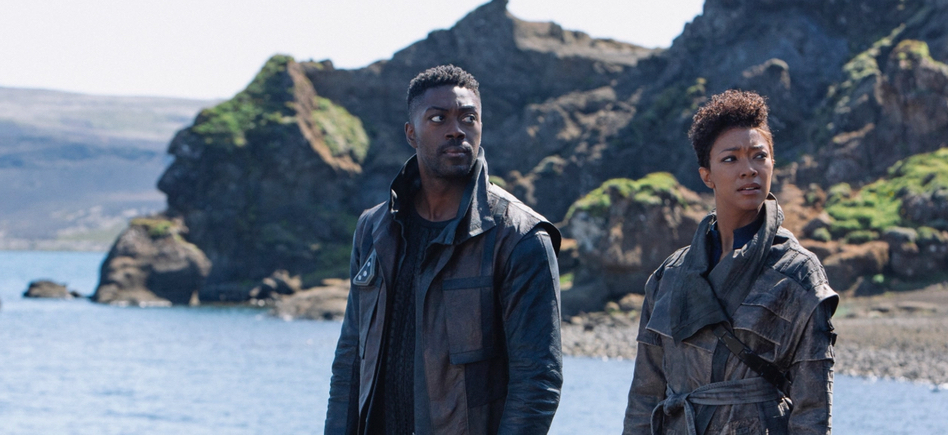
Many of the new characters were instantly engaging and memorable such as Cleveland “Book” Booker (David Ajala), your typical space rogue with a heart of gold and Burnham’s love interest. Book was a fascinating rogue who had selfish motives in the beginning but quickly allowed his inner goodness come to light and he strove to become part of Starfleet. Speaking of Starfleet, the show introduced one of Star Trek’s best admirals with Admiral Charles Vance (Oded Fehr) who projected the gravitas of a seasoned and reasonable leader. He also helped make up for the loss of Captain Pike, one of the best highlights of the second season. The Discovery also recruited a young human Adira Tal (Blu del Barrio), who is co-joined with a Trill symbiont and possesses a keen scientific mind. Occassionally, they (as Adira asked to be referred to) interacts with their deceased lover and previous Trill host Grey Tal (Ian Alexander). It turned out that Grey was not a hallucination and in a later episode when other Discovery crew members were able to see and interact with Grey, these encounters were one of the best emotional highlights of the season. 

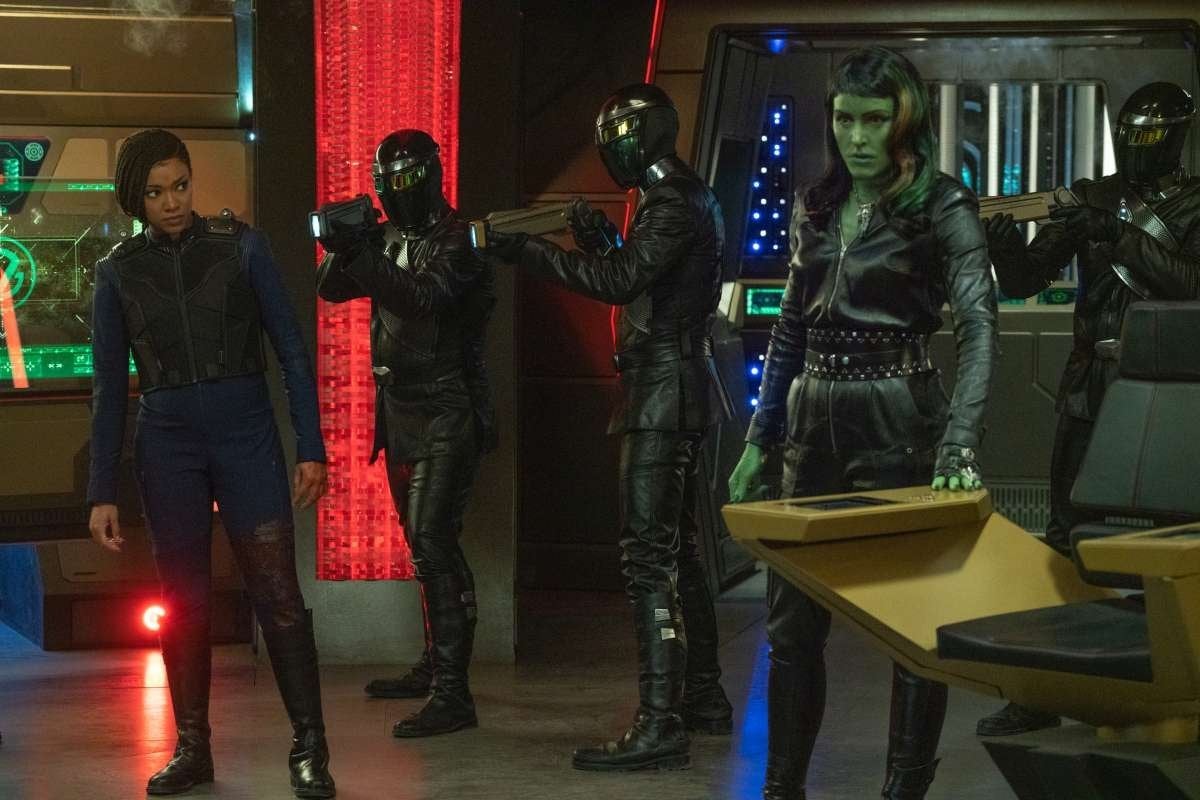
The new baddies in the Star Trek universe are the Emerald Chain, a criminal organization led by Orions and Andorians who now occupy significant portions of former Federation space. Their leader is Osyrra (Janet Kidder), a vicious and manipulative thug who will stop at nothing to capture the Discovery and steal its technology. Basically the Emerald Chain are the Ferengi on super steroids and gave us a hint of how the Ferengi were supposed to be portrayed in early episodes of Star Trek: The Next Generation (TNG).

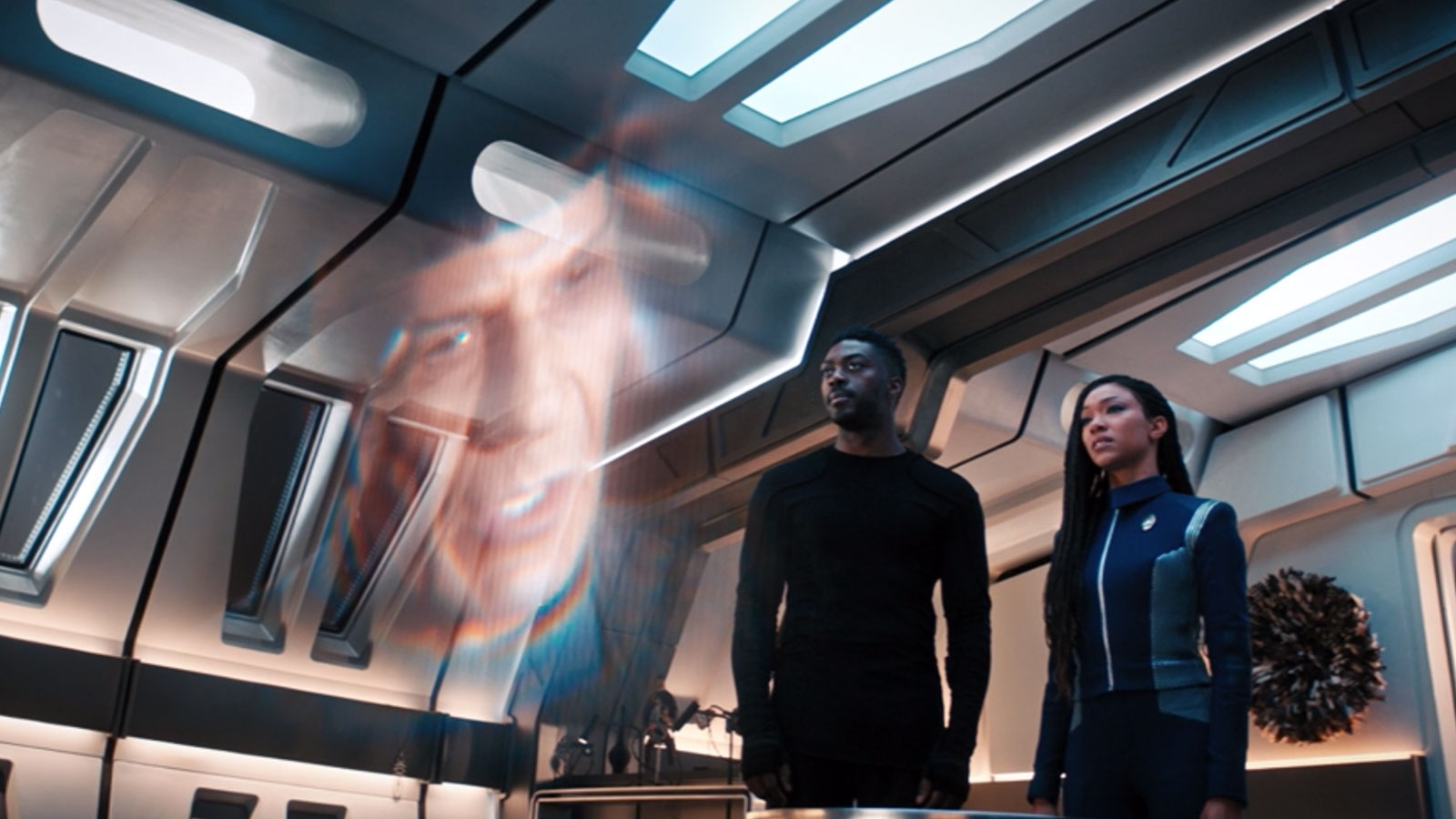
Some episodes were quite good like the premier episode and season finale; “There is a Tide…”, which basically was Die Hard on the Discovery with Michael Burnham doing a bang up job as as 32nd century John McClane; “Far From Home” reunited Burnham with the Discovery; and “Unification III” had the Disocvery travleing to the former Vulcan. This episode functioned as a distant sequel to the TNG episodes “Unification I and II” and gave us a brief cameo of Leonard Nimoy as Spock. 

Continue reading

Top Ten Films & TV Shows Of 2020

2020 has certainly been a strange and troubling year with the COVID-19 pandemic disrupting the entertainment industry.

As the film studios and theaters suffered greatly from the mass closures for public safety, the television arm of the entertainment industry saw a boon since they had literal captive audiences eager for any new content.

Films

Even though many films scheduled for 2020 were postponed for the year, there were many other films that either had limited theatrical releases or managed to come out in the early months of the year before COVID-19 created the lockdowns. Hopefully as the now-availalbe vaccines are administered throughout the population, 2021 will see more of a return to normalcy as theaters will be able to safely re-open.

Please note many films that were released solely digitally or through streaming platforms were not considered for this list; a film had to have some kind of theatrical release even if it debuted in few theaters at the same time they were released digitally. Here are the ten best theatrical films of 2020.

10. Onward

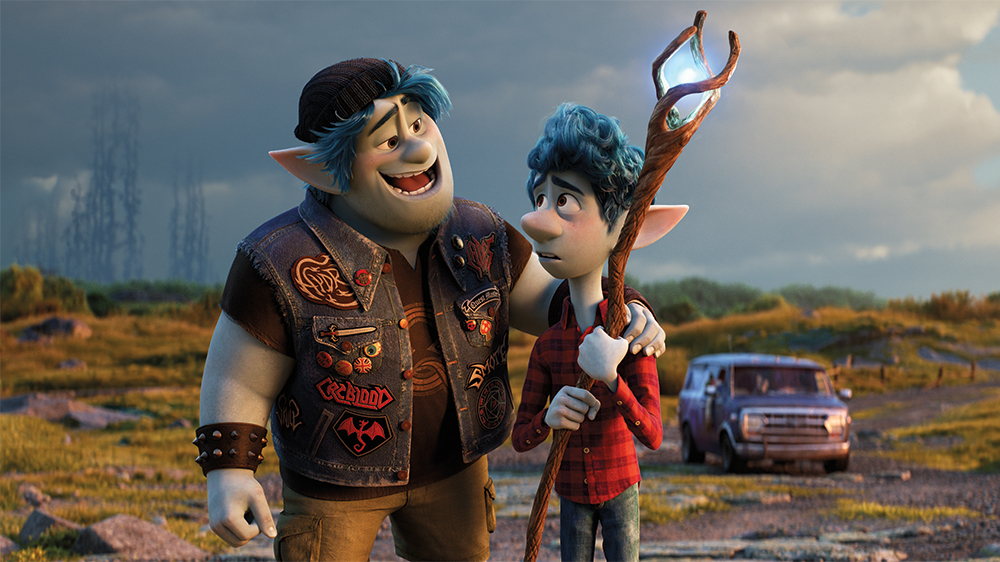
Pixar’s other animated cinematic offering for 2020 was an uplifting and fun adventure that took place in a world where mythical and magical beings and creatures exist today. In the film, two elf brothers set out on a road trip across the country to temporarily resurrect their deceased father. As with most Pixar films, the characters and their emotions took center stage as the two realized their brotherly love for one another. 

9. The New Mutants

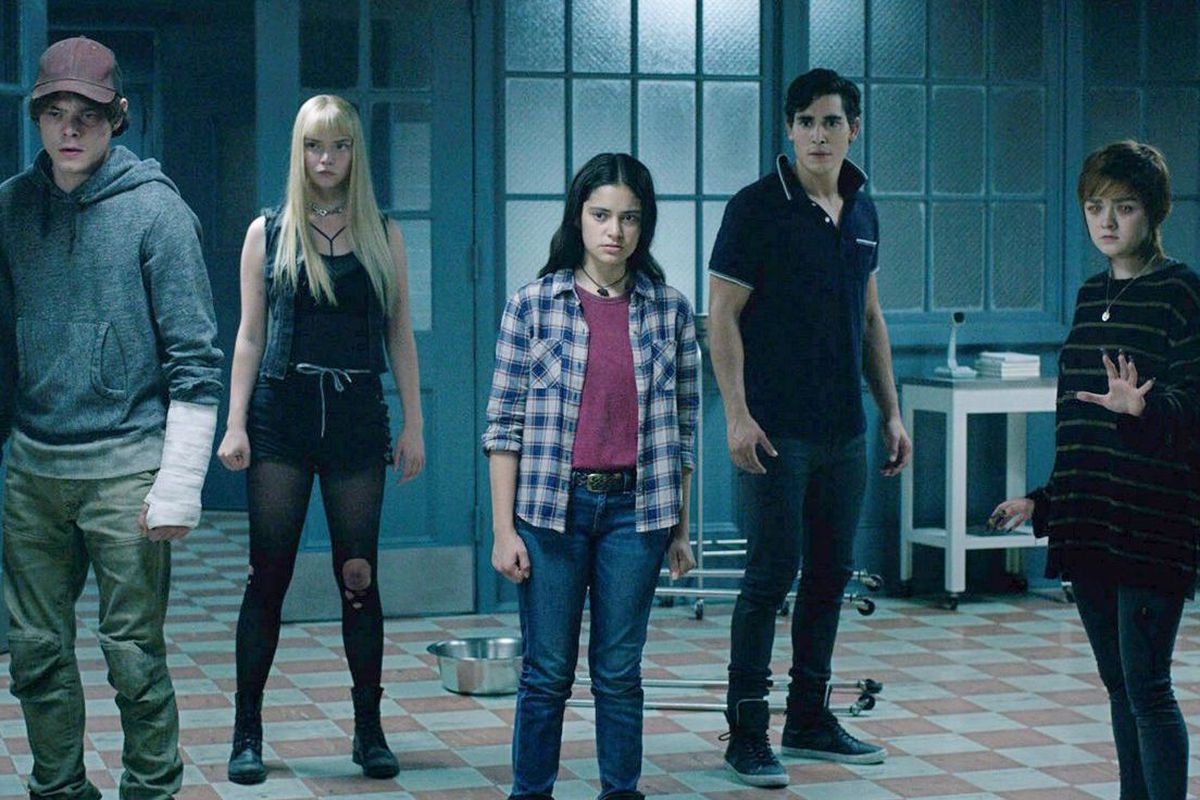
The sole Marvel film of 2020 turned out to be the coda of the Fox X-Men films, which was a surprise given it has been delayed so many times. Fortunately, The New Mutants turned out to be a decent superhero film about teenagers coming to grips with their superpowers and life as the film was tinged with chilling horror elements.

alone at the midnight sky

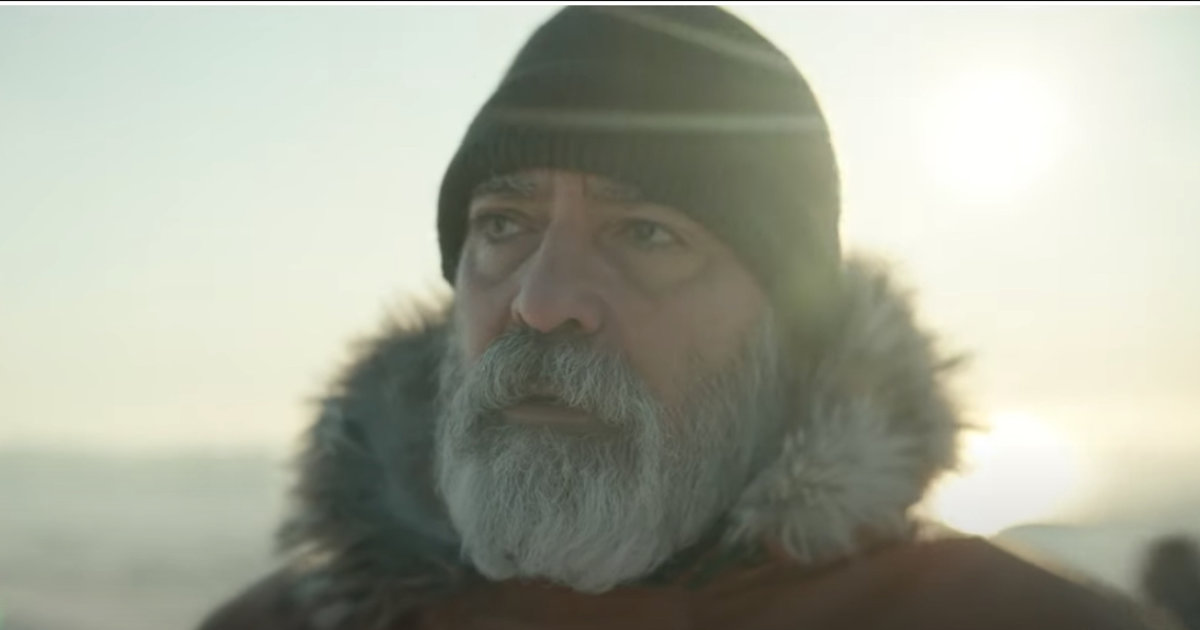
8. The Midnight Sky

George Clooney directed and starred in this introspective sci-fi film based on a book by Lily Brooks-Dalton. Clooney played a lone scientist in an arctic outpost who tries to warn the crew of a returning spacecraft not to come to Earth because it has undergone an extinction-level event. The film was a quiet and captivating character study of the scientist and the spacecraft crew as they struggled to survive in their hostile environments.

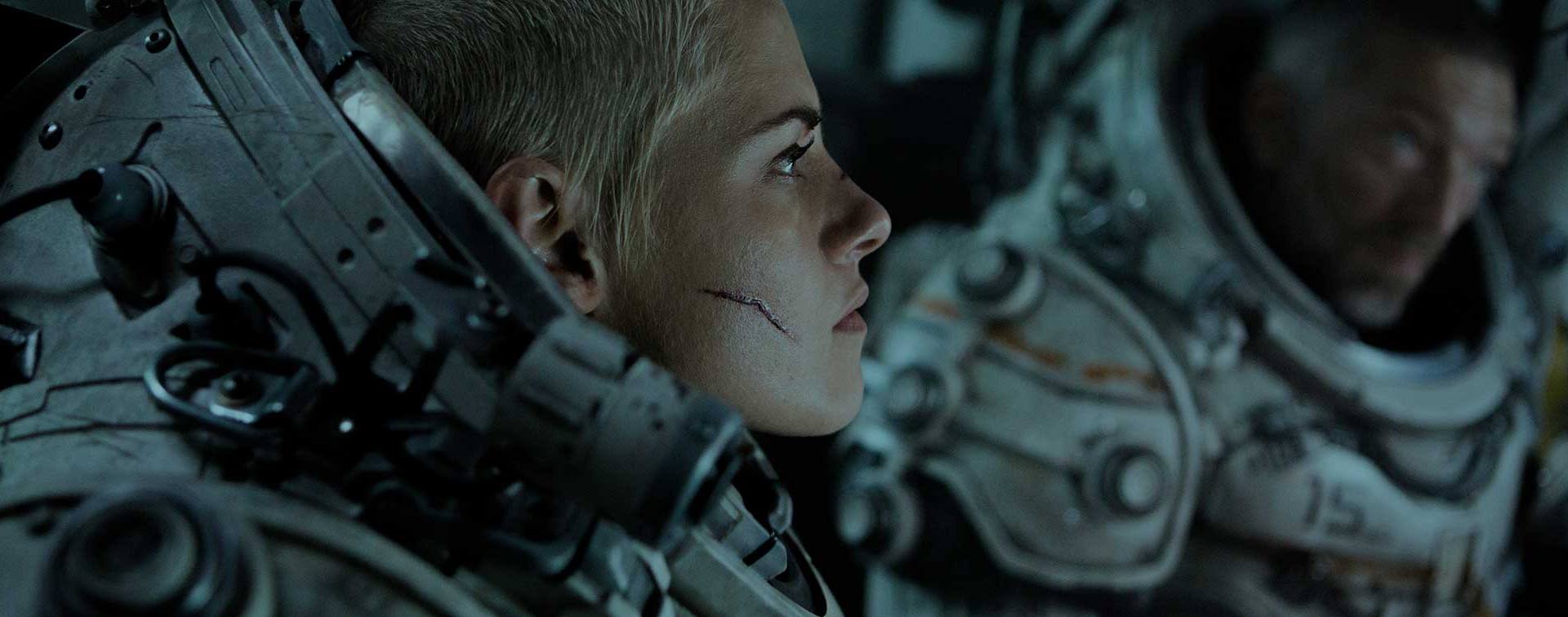
7. Underwater

Director William Eubanks is perhaps the most underrated director of sci-fi films today and his latest film continued to demonstrate this. Underwater may be filled with the usual tropes of a crew in an underwater research station being hunted by unknown, Lovecraftian creatures, but it was well crafted, claustrophobic and had the right amount of jump scares and unexpected character studies which elevated this film. 

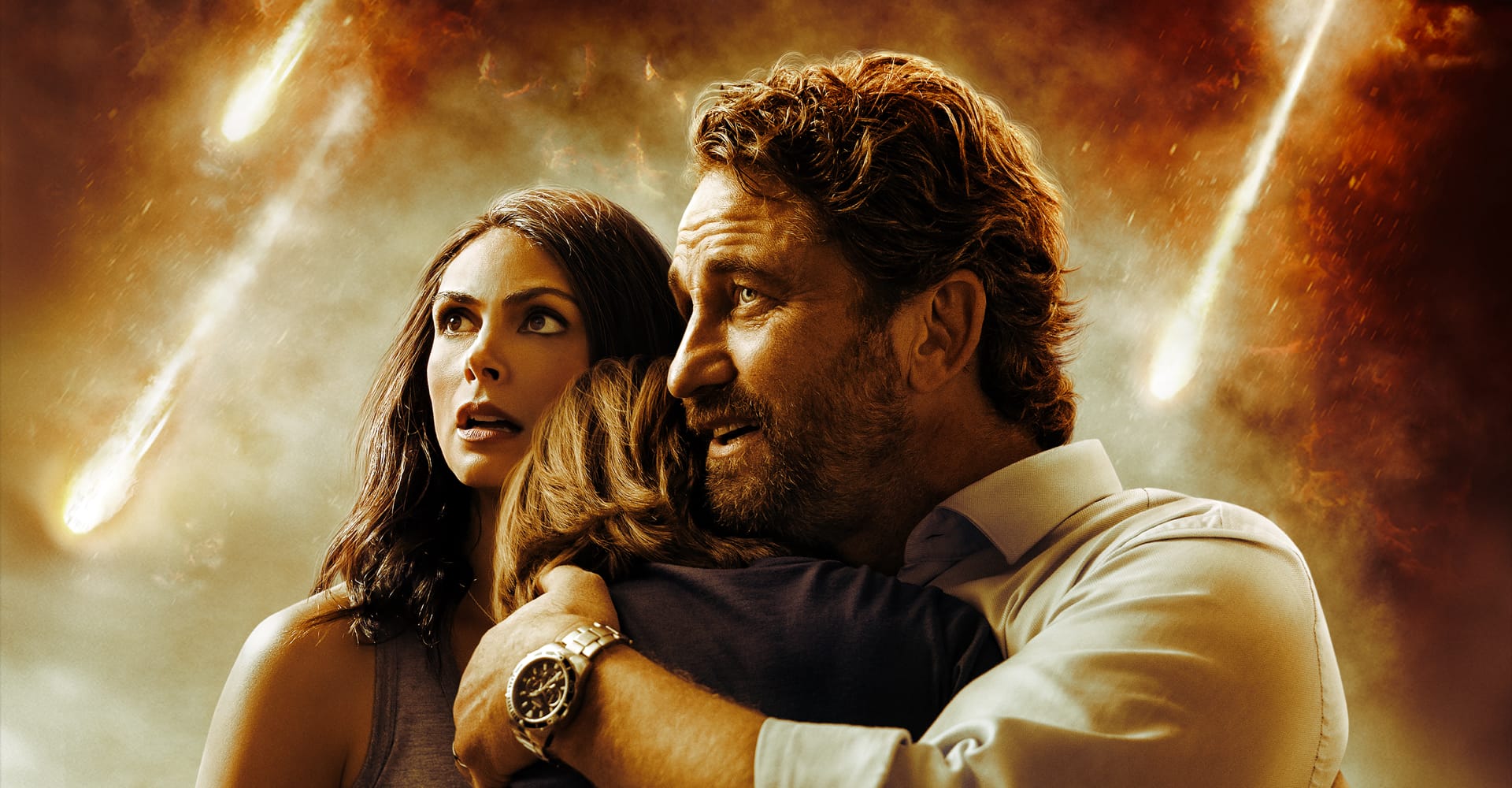
6. Greenland

Gerard Butler starred in a surprisingly effective disaster film that smartly focused on a single family when cometary fragments crashed into the Earth. By staying with the family as they tried to make their way to safety, Greenland was able to directly show how the catastrophic event affected the family as they grappled with fear, uncertainty and confusion. 

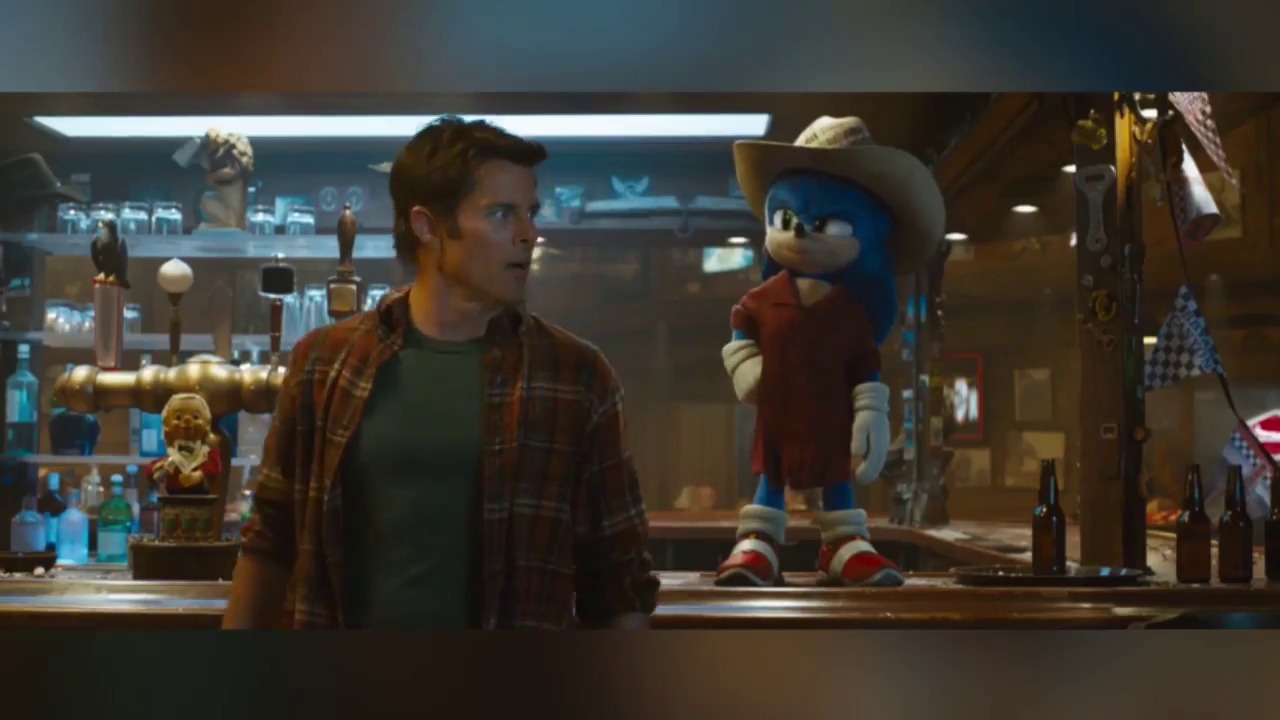
5. Sonic the Hedgehog

Who would have thought that 2020 would have given us a winning film based on a popular video game character? It is more remarkable given the negative reaction to the first trailer which led to Sonic being radically re-designed more to fans’ liking. The effort paid off as Sonic the Hedgehog was a fun and endearing road trip/buddy film that delighted many viewers and not just fans. The road trip/buddy aspect of the film may be familiar but it worked as Sonic, the cartoonish alien, experiences life on Earth for the first time. 

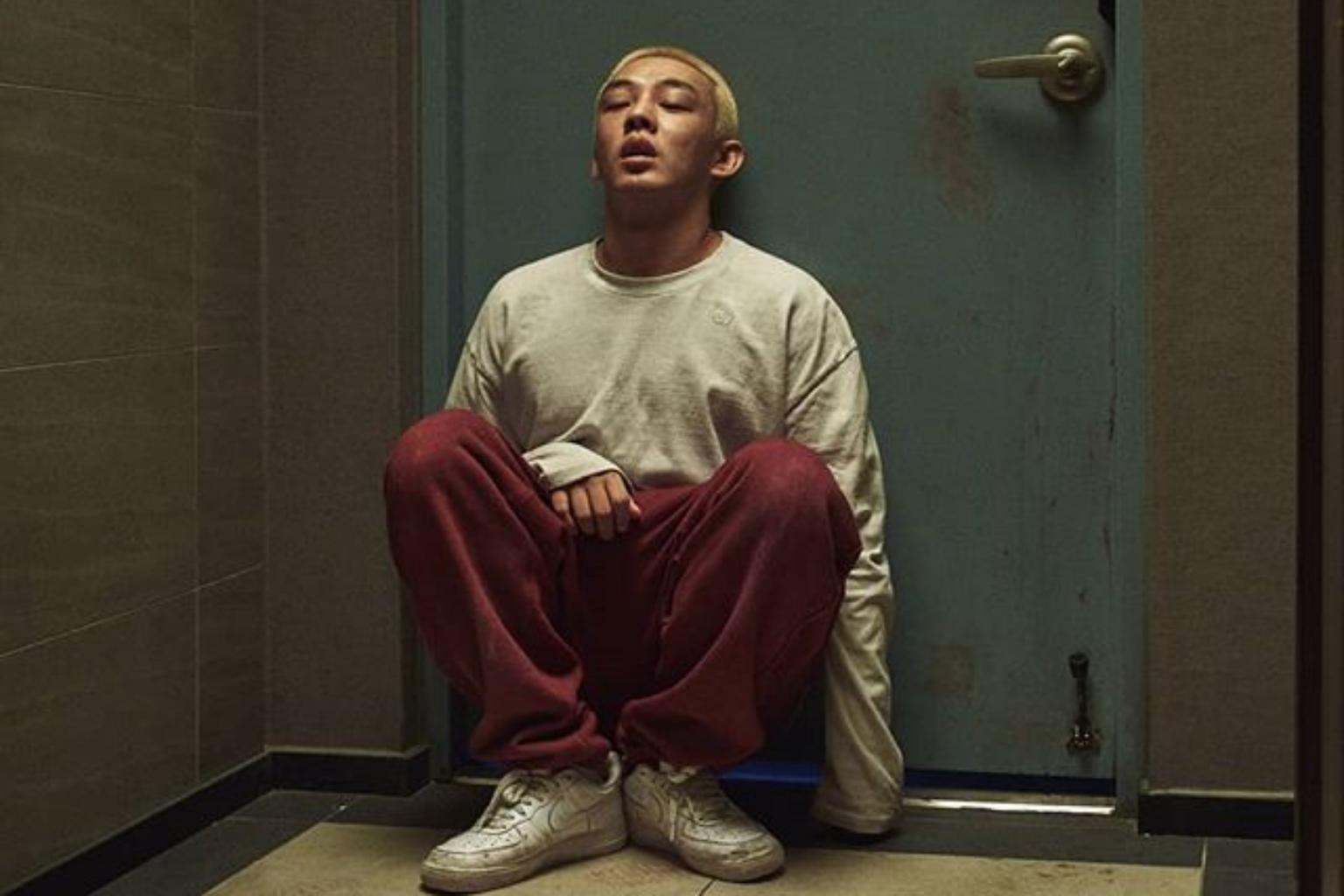
4. #Alive

This South Korean film took a tired zombie/survival trope and reinvigorated it. In the film a young adult gamer is trapped in his apartment during a zombie apocalypse and as he undergoes bouts of loneliness and struggles to keep his sanity, he learns about survival and finding one’s inner strength. This character study made the film very engaging as we found ourselves rooting for the young gamer.


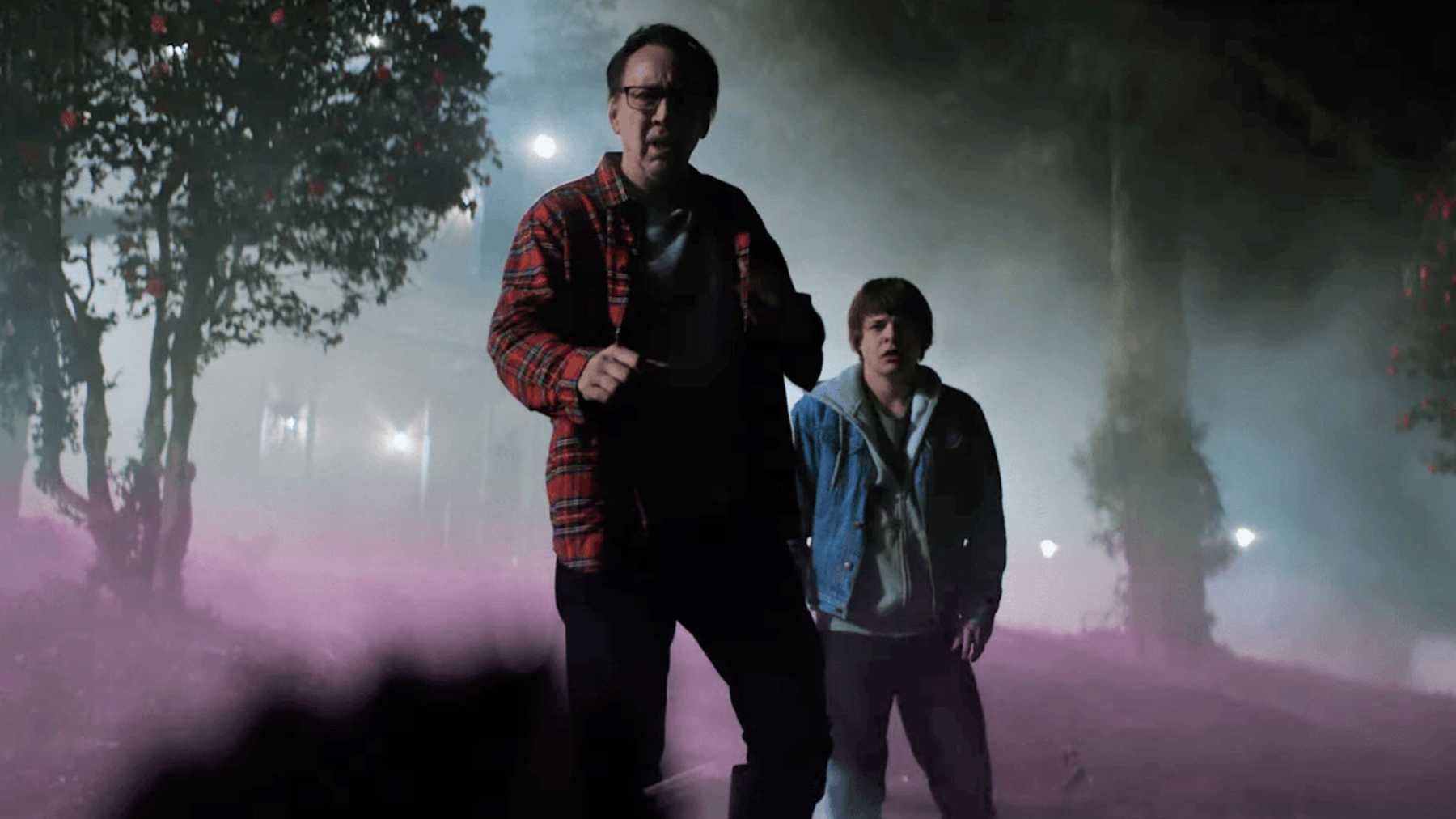
3. Color Out of Space

Nicolas Cage was in rare form in this macabre adaptation of the H.P. Lovecraft short story. This horror/sci-fi yarn was quite unsettling in its first half which told the story of a crashed meteor’s unearthly physical effect in a nearby farm. By the second half, Color Out of Space metamorphized into a vivid and disturbing body-horror ordeal that was literally mind bending and shattering as the meteor’s alien influence transformed all life surrounding it, including the hapless farmer and his family. 

love and monsters dog

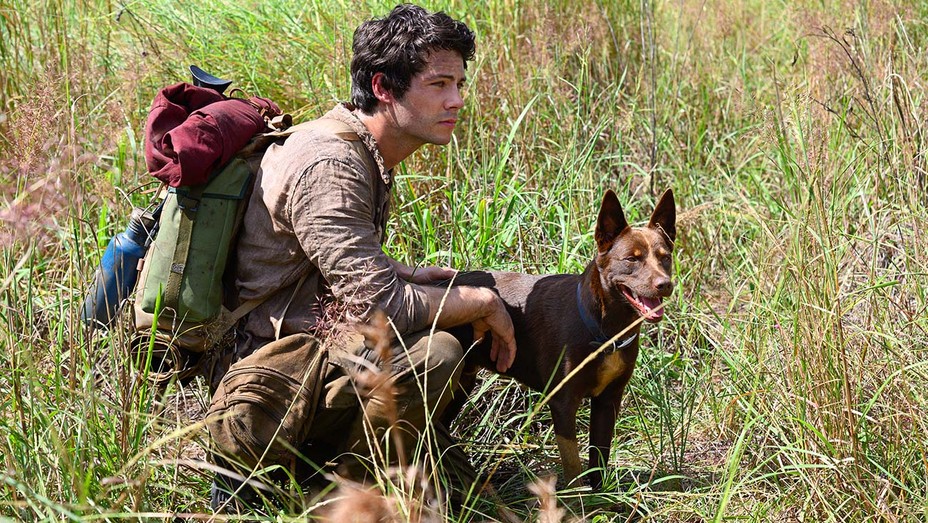
2. Love and Monsters

This exciting and more light-hearted post-apocalyptic film was a actually a coming-of-age story about a young man who learned to believe in himself as he set out across the ruined landscape of the U.S. to find his supposed true love. Sometimes it is compared to Zombieland, though that is not entirely accurate. In truth, Love and Monsters focused less on laughs and more on its endearing characters and imaginative, giant mutated animals that the film’s hero and his companion dog had to face during his difficult journey.

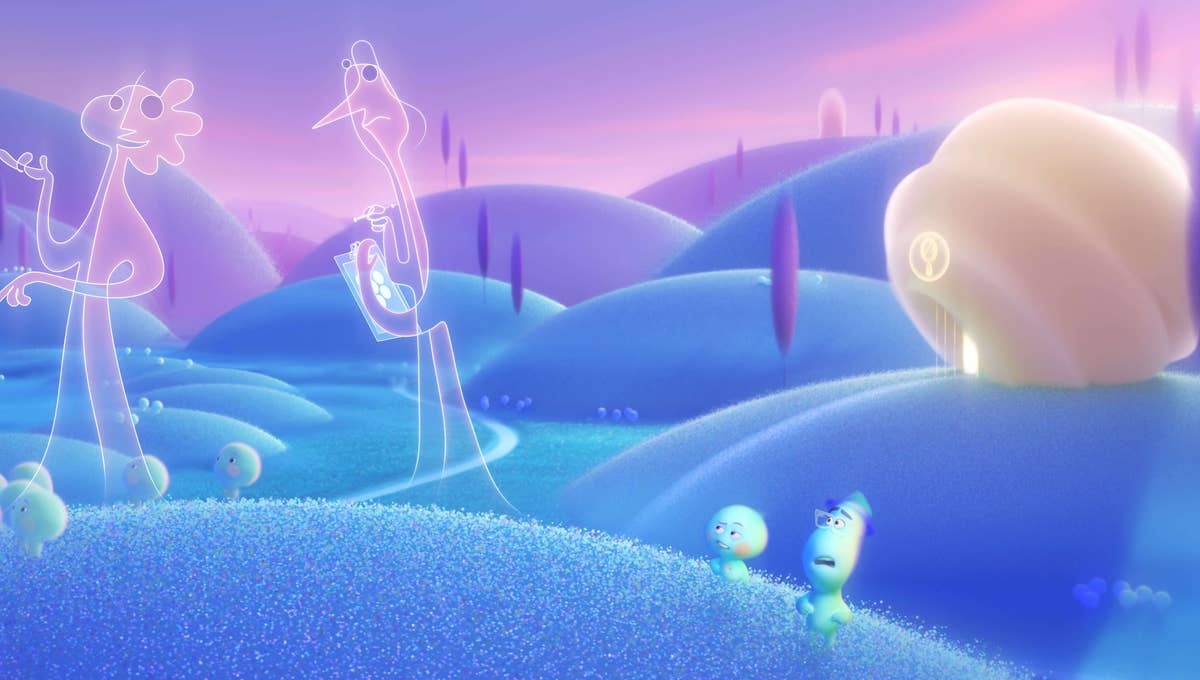
1. Soul

Two big films were released on streaming platforms (and had very limited theatrical releases), even though one of them (Wonder Woman 1984) had much more buzz and attention, Soul was not only the better of the two films but the best film of the year. The underlying themes may go over the heads of the younger viewers, though they and everyone else will be delighted by the film’s plot of Joe Gardner (Jamie Foxx), as a struggling musician who dies and refuses to go to heaven. From there, he sets off on a spiritual and metaphysical quest to return to life filled with solid characters and relationships. 

Not only is Soul perfectly animated and chock full of visual delights, but like the best of Pixar, it examines the larger questions in life and its script is unexpected. At its heart, Soul is about…life and what one makes of it. However, it also forces the viewer to contemplate and appreciate the simpler and most relevant aspects of life, and in this tumultous year, this may be the most important message of all. 

Honorable Mentions:

Bill & Ted Face the Music, Birds of Prey (and the Fantabulous Emancipation of One Harley Quinn), The Invisible Man, Peninsula, Possessor, Vivarium

Continue reading