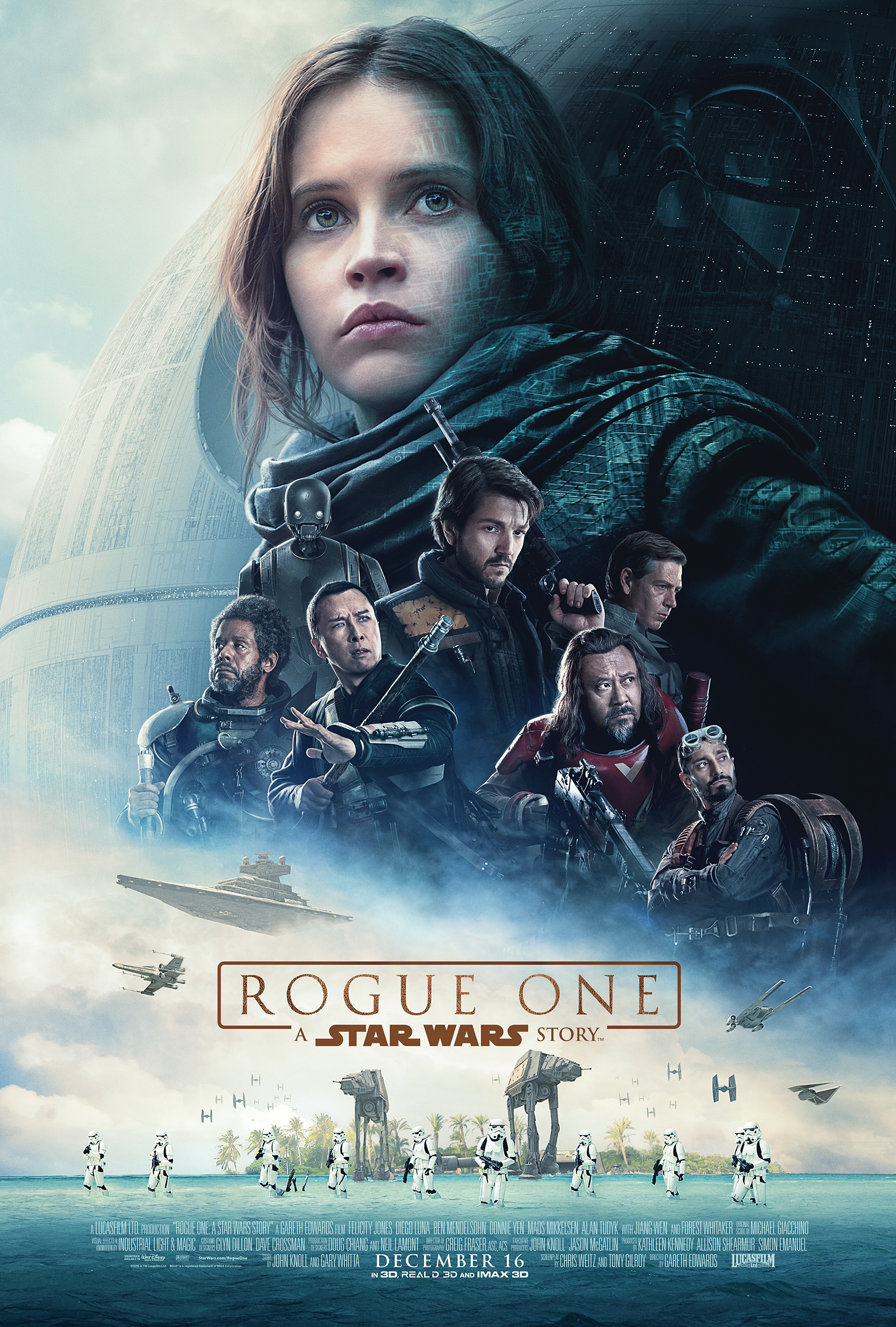
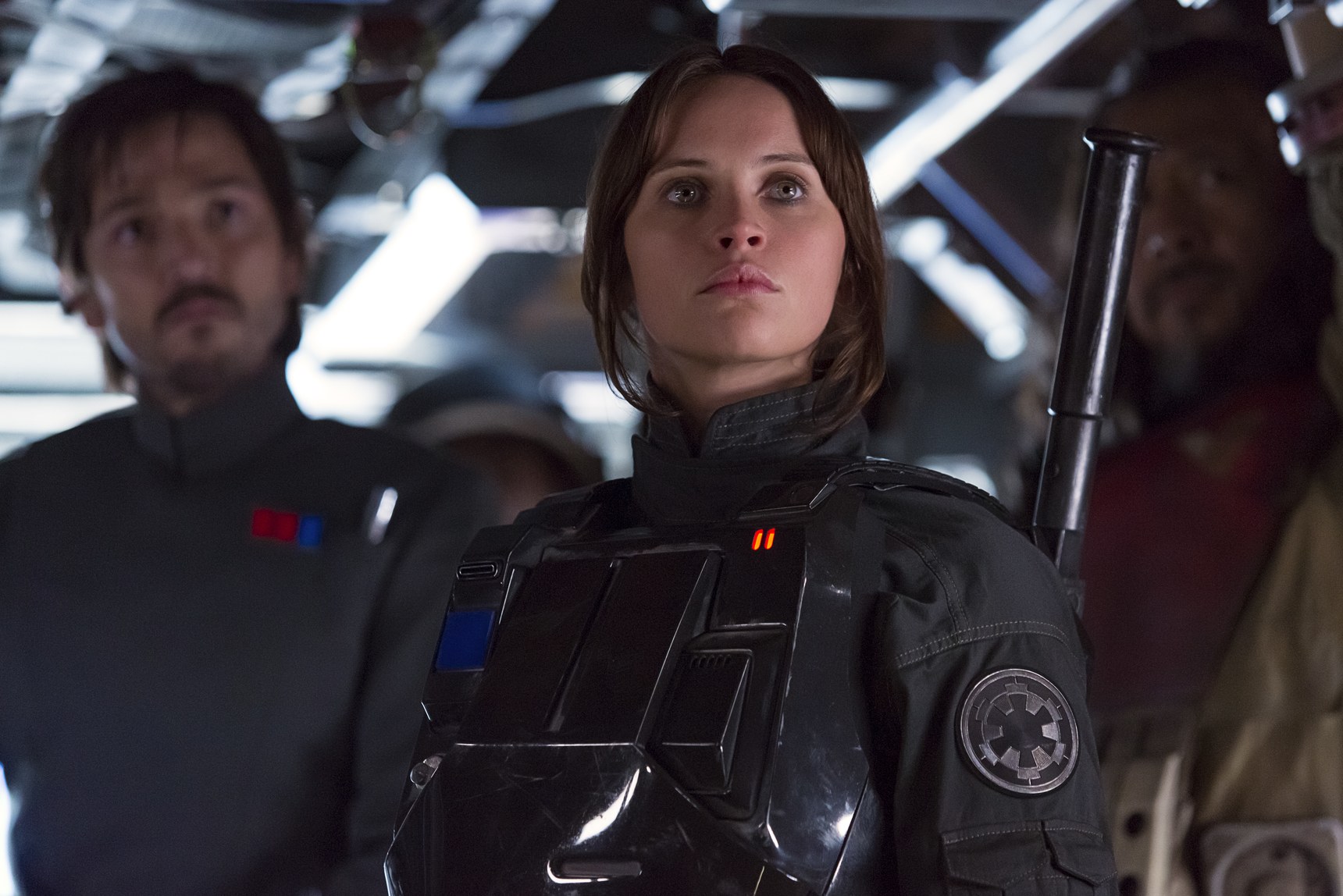
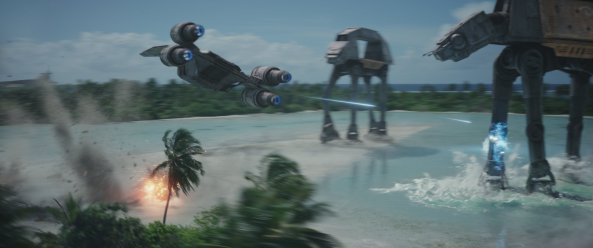
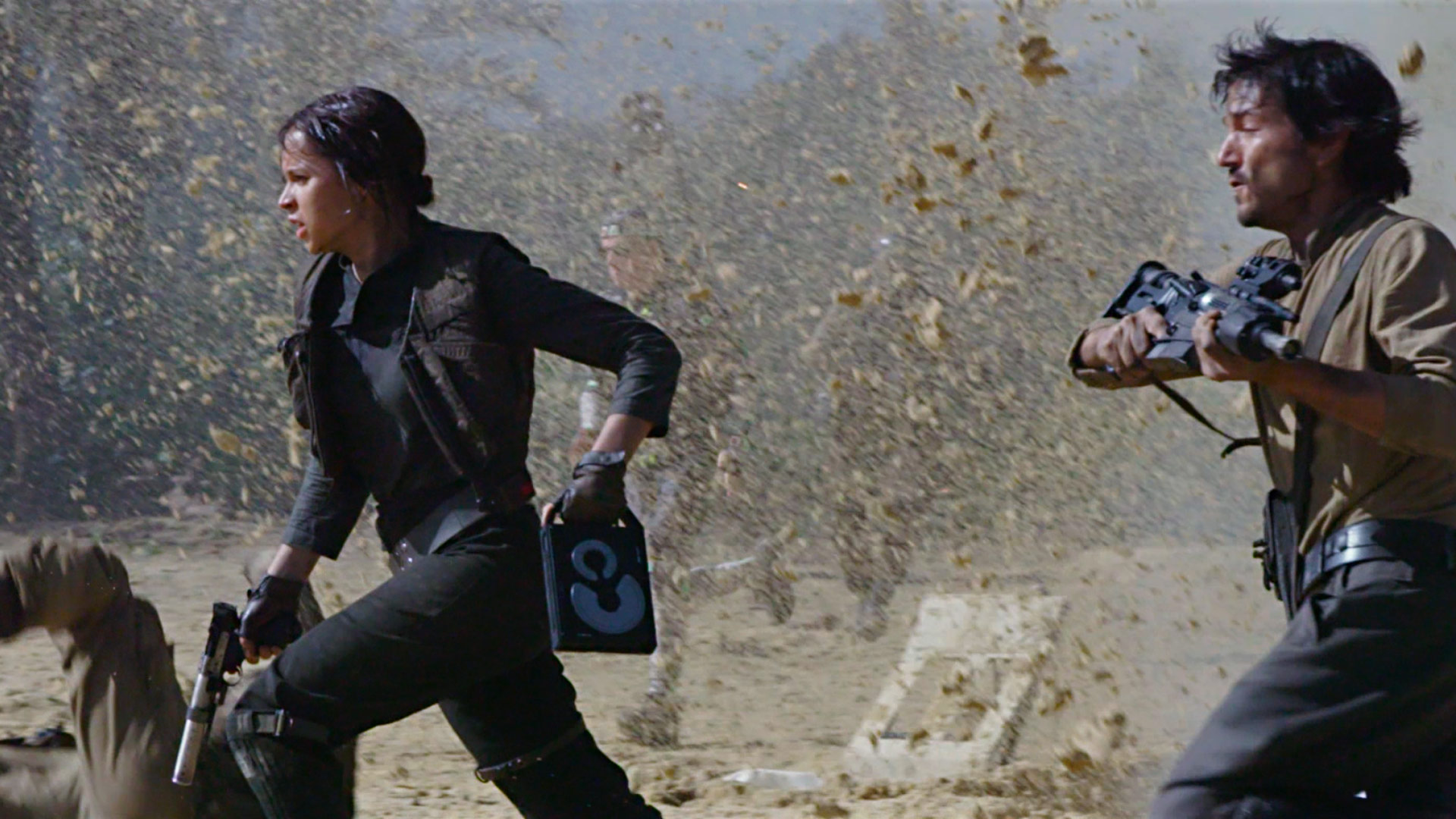
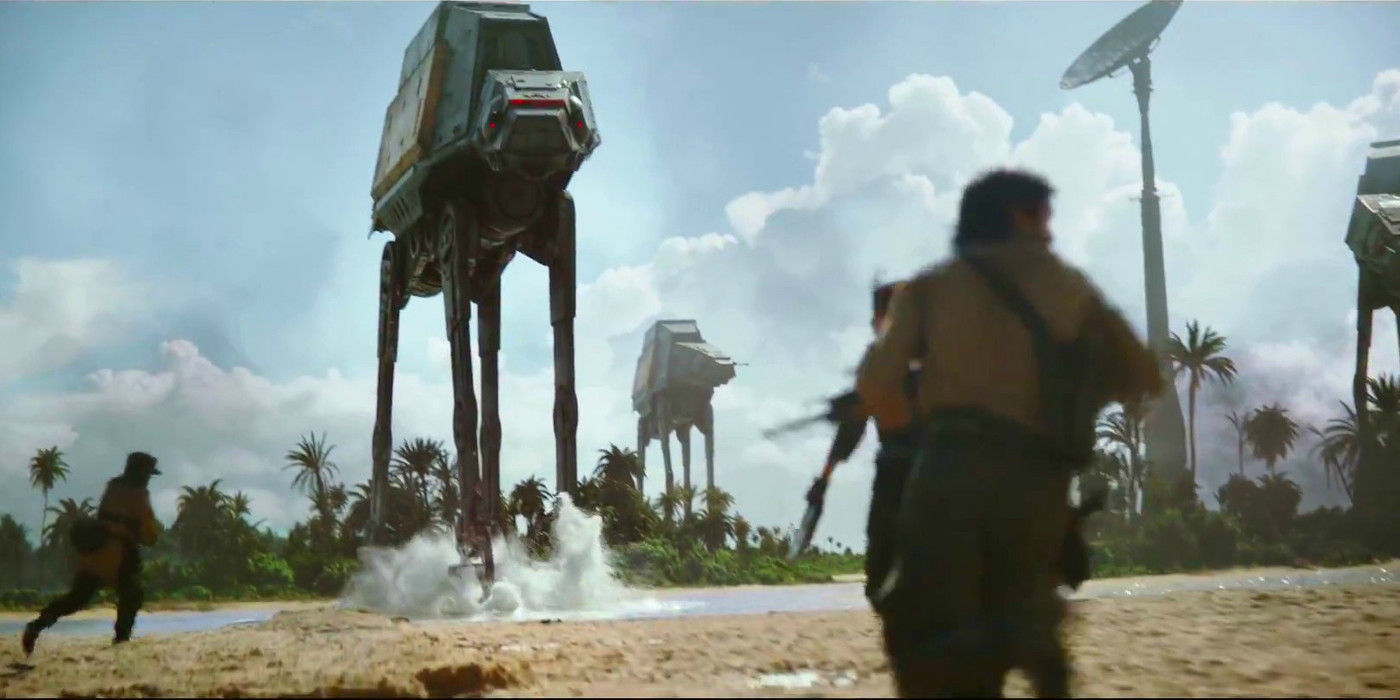
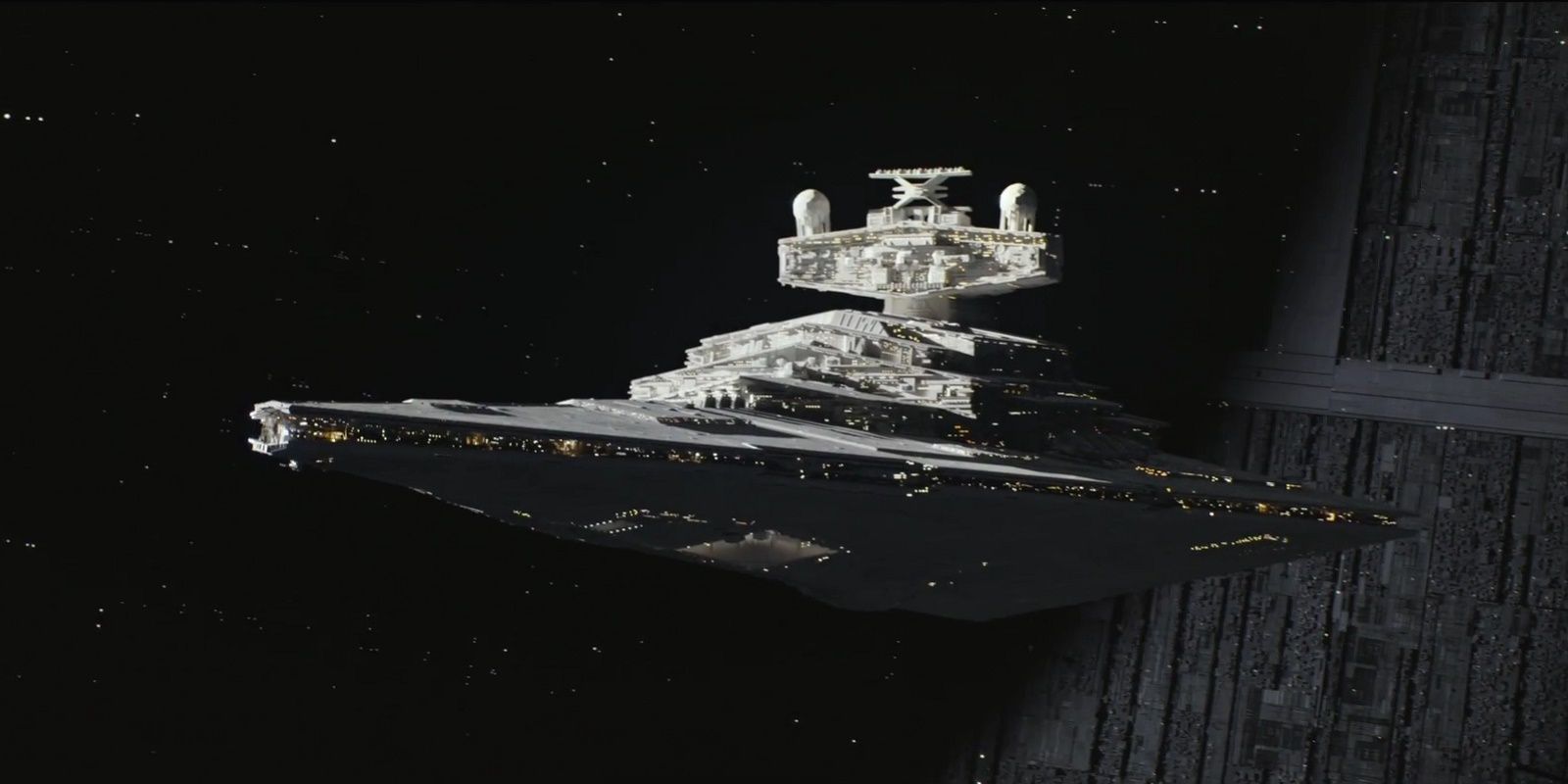
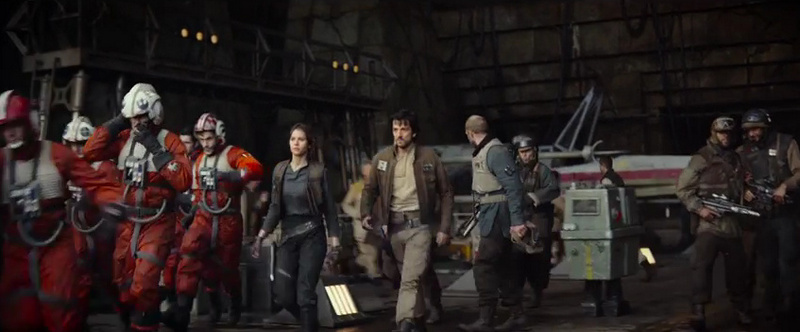
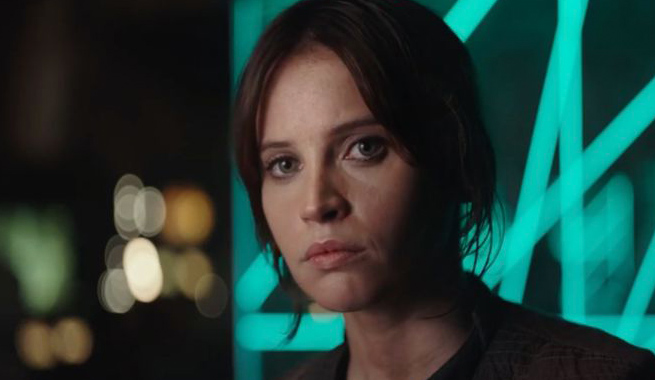
The very first Star Wars spinoff film Rogue One: A Star Wars Story is scoring big in theaters and with audiences. Despite its faults, the film is a rollicking success not just in terms of box office dollars but for its many merits. This is critically important considering that a lot was riding on this particular Star Wars film that many do not realize, at first.
Of course, with its Star Wars credentials Rogue One was bound to open huge and have its own core fan base. The question before it premiered was would it not just resonate with fans, but establish its own identity without relying (for the most part) on the central tenets of a Star Wars film: the Skywalker clan, Jedi and Sith, lightsaber duels and some overreaching multi-film storyline. Rogue One is largely self-contained with its main characters making their only appearance in a Star Wars film. So no, you won’t see Jyn Erso or K2S0 popping up in future films. That is a huge gamble for the Star Wars juggernaut since this limits its marketing potential, at least with some narrow-sighted marketing heads.
Pushing The Envelope
Furthermore, as those who have seen the film will agree, this isn’t a typical Star Wars film. There isn’t an opening crawl, the film’s tone is distinctly more mature and feels more like a war film with actual consequences and has many characters with shades of grey. Honestly, this was to the film’s benefit because this shift in tone helped set it apart from Star Wars and pushed the envelope for what can be done with Star Wars in general. At the same time, it is clearly a part of the established Star Wars lore and serves as an important link not just to the Prequel and Original Trilogies but to the animated TV series Star Wars: The Clone Wars and Star Wars: Rebels. Doing this last linkage now establishes both TV series as part of official canon.
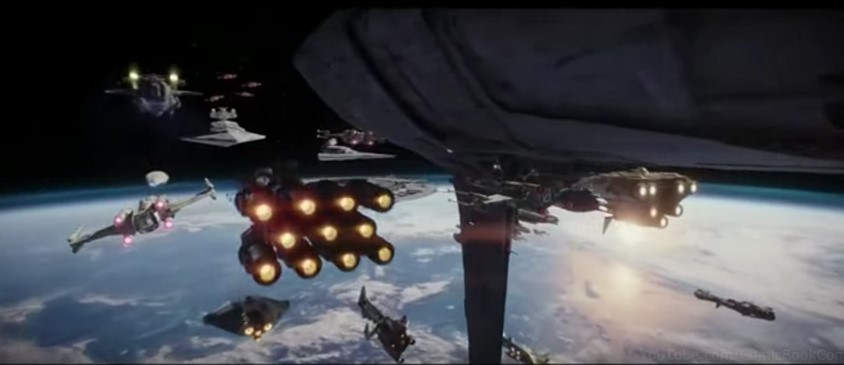
Storywise, the events in this film were extremely critical to the Star Wars universe. Think about it, the main story is about Rebel spies trying desperately to steal the plans to the Death Star. If they failed there would not be A New Hope. C-3P0 and R2-D2 would never have fallen into the hands of Luke Skywalker. He would never have destroyed the infernal Death Star and set off events leading to the Galactic Empire’s demise.
For these reasons, Rogue One was a huge test, a proving ground, for the Star Wars film franchise. 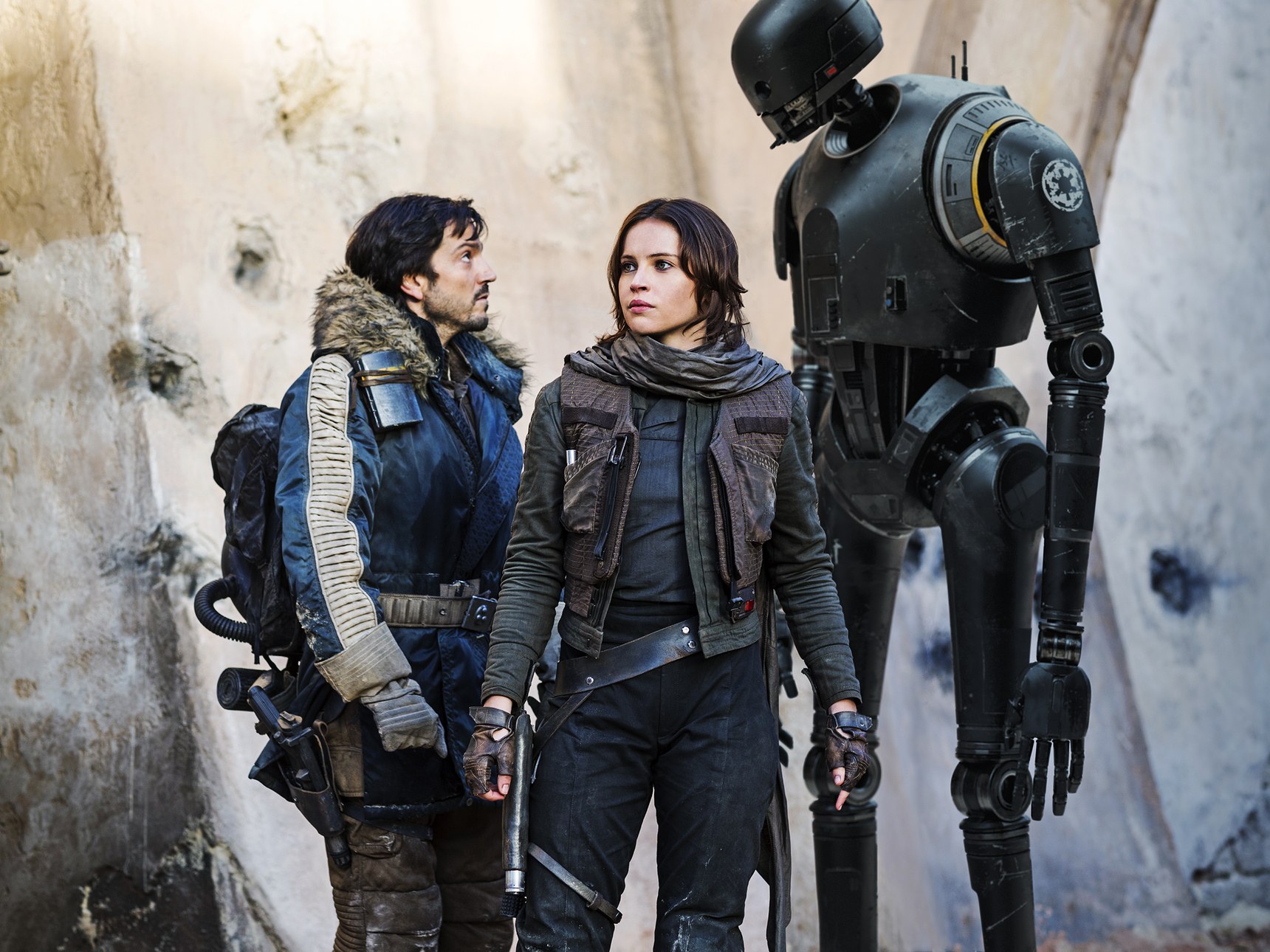 Being that it is the first spinoff that is quasi-independent of the “Saga” trilogies, there was a question if audiences and fans would accept it. If it failed either in ticket sales or not have excellent word of mouth, the fate of future Star Wars spinoffs would be in question. Of course, Lucasfilm would not abandon the spinoffs altogether, but the film studio might have only concentrated their spinoffs on established characters like Han Solo. The fact that the swashbuckling space pirate is the focus of the next Star Wars spinoffs is evidence that Lucasfilm was hedging its bet and planned on playing it safe in case Rogue One faltered.
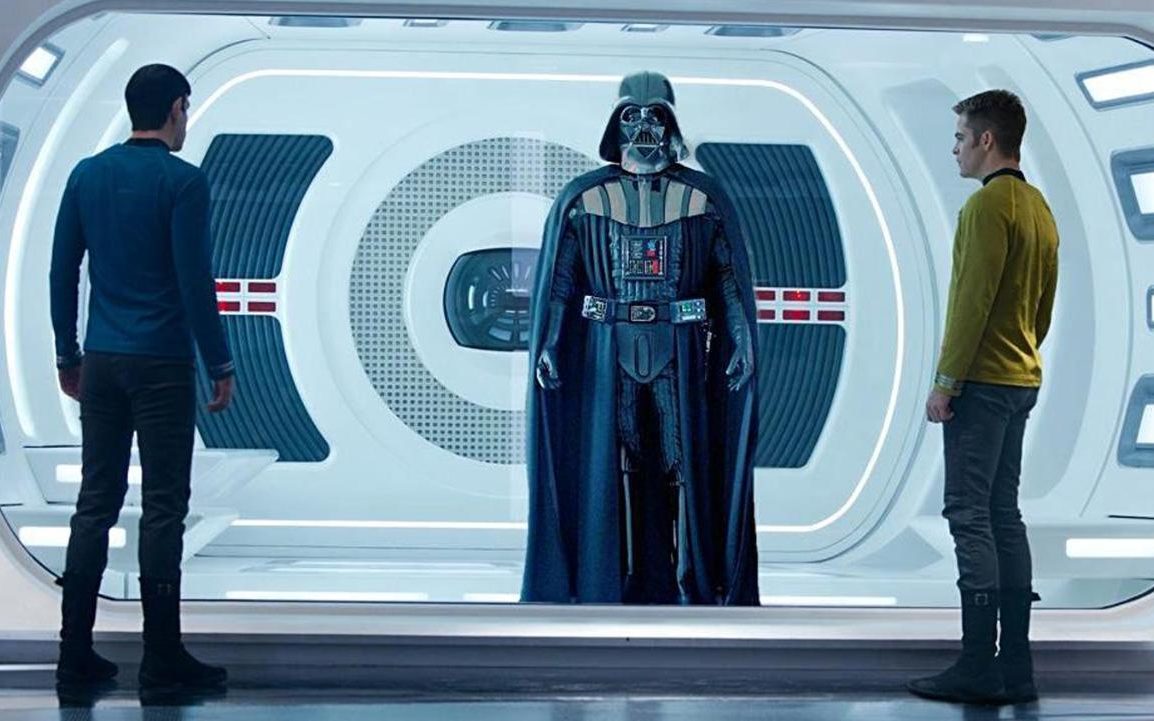
Thankfully, Rogue One is a hit, partly because it did not play it safe while at the same time it took advantage of the rich Star Wars backstory. It’s the same formula that worked for the Star Trek spinoffs. The first one, Star Trek: The Next Generation, followed the same premise, a starship exploring the unknown except with new characters. Its success allowed for future spinoffs to try different tones, plots and characters, the best example being Star Trek: Deep Space Nine.
What Lies Ahead
Now that Rogue One has proven that a Star Wars film doesn’t have to rely on established tenets to tell a riveting story that resonates with fans, what other stories can be told? After the Han Solo prequel, there is rumor that an overdue Obi-Wan Kenobi spinoff will follow and at one time a Boba Fett film nearly went into production before its assigned director Josh Trank blacklisted himself with his dismal Fant4stic debacle.
 Those films sound intriguing since they’re about popular and intriguing characters with the potential to carry their own films. However, Lucasfilm should take heed of Rogue One’s success and tell stories with new characters and situations. Or adapt popular ideas from other media. Live-action versions of Knights of the Old Republic or Shadows of the Empire would make terrific films. Perhaps, as C.S. Link suggested in his Rogue One: A Star Wars Story review, a film taking place in between Episode IV and V could be done. This concept of filling in the gaps between films or trilogies can be done with several films and there are many questions about what happened after Return of the Jedi and before The Force Awakens that are worth exploring.
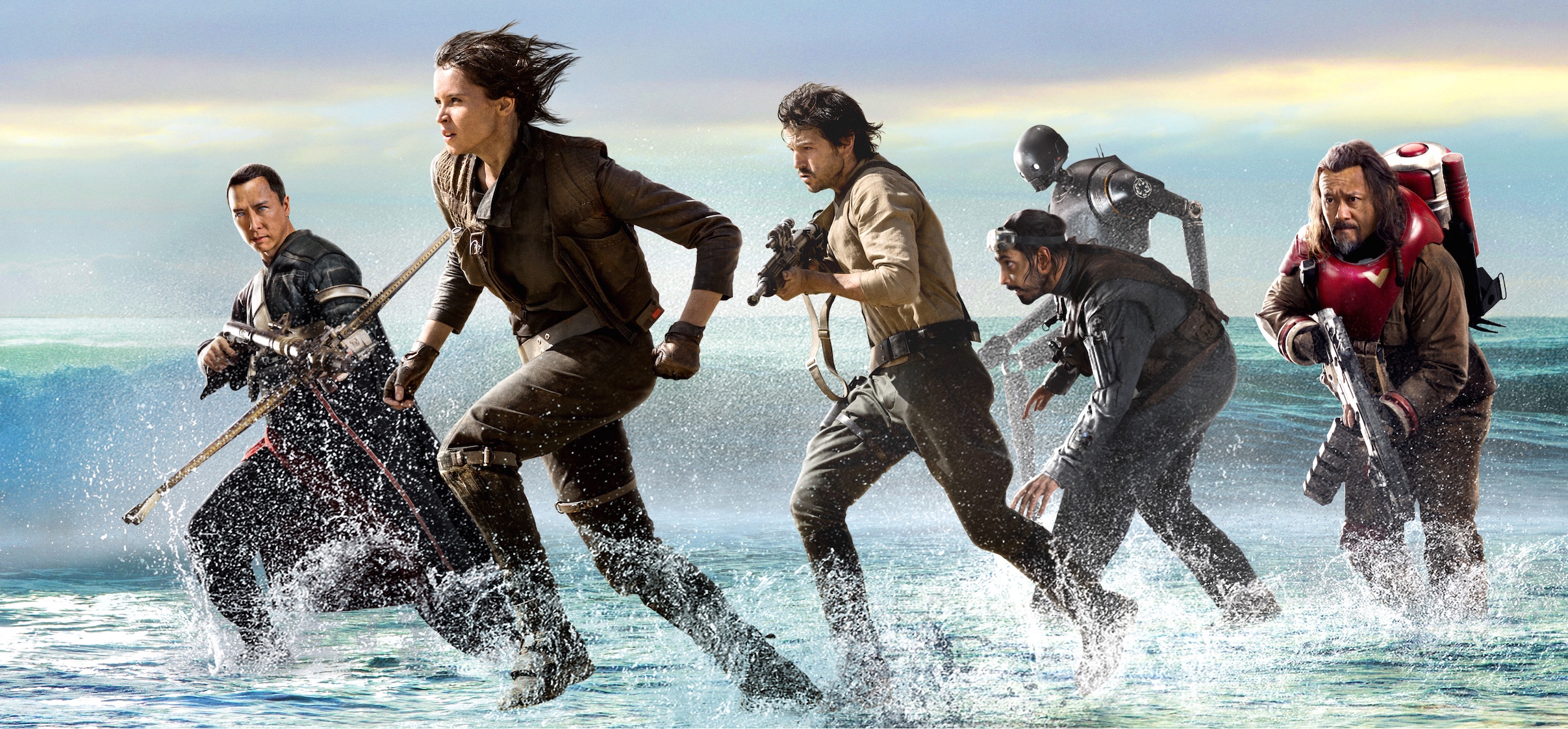 Rogue One: A Star Wars Story has opened up many possibilities in future Star Wars films. It passed the hurdle of not relying on classic characters and situations to tell a compelling story. And it liberally and skillfully took elements from other films and TV shows without overdoing it or aping the same story beats and characters. This is why Rogue One: A Star Wars Story is the most pivotal Star Wars film for now.
José Soto