2024, as with previous years, provided some wonderful and imaginative sci-fi, fantasy and horror films and TV shows, which were quite memorable. Here are the best films and TV shows that came out in 2024, many of which took everyone by surprise. Feel free to comment with your own choices.
Films
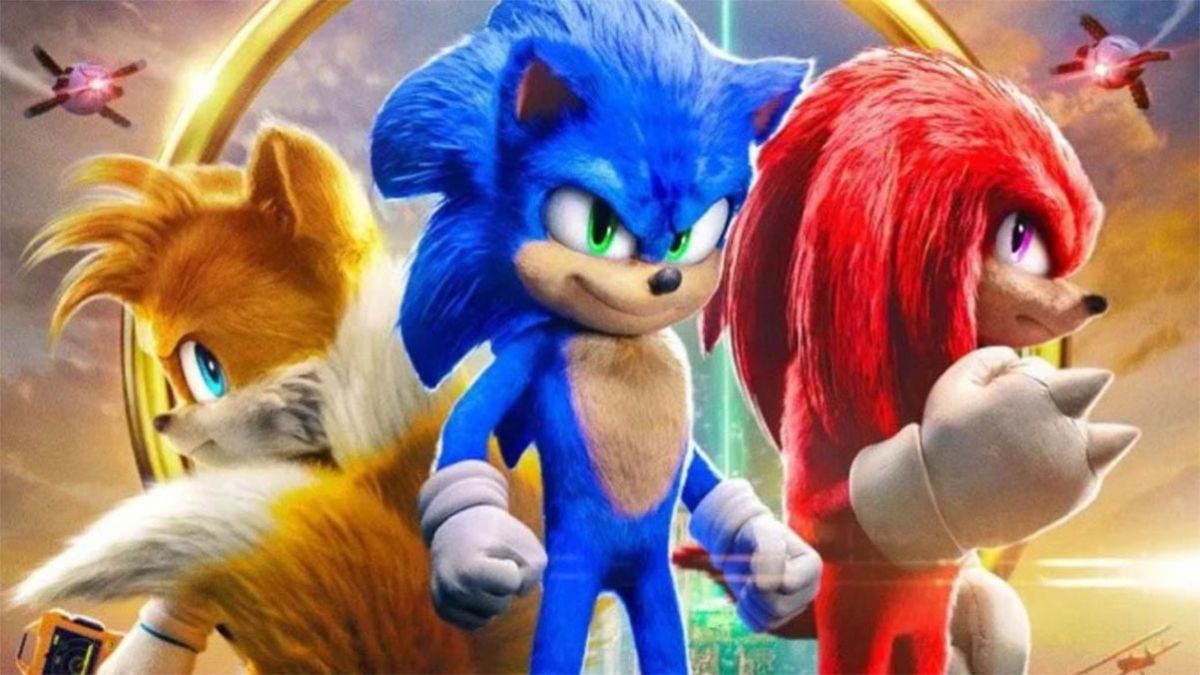
10. Sonic the Hedgehog 3
The third film in the Sonic film franchise fully embraces its video game lore with its colorful characters and their engaging backstories. As usual, Jim Carrey stole the film with his performance, as wells as Keanu Reeves who voiced the fan-favorite Shadow.
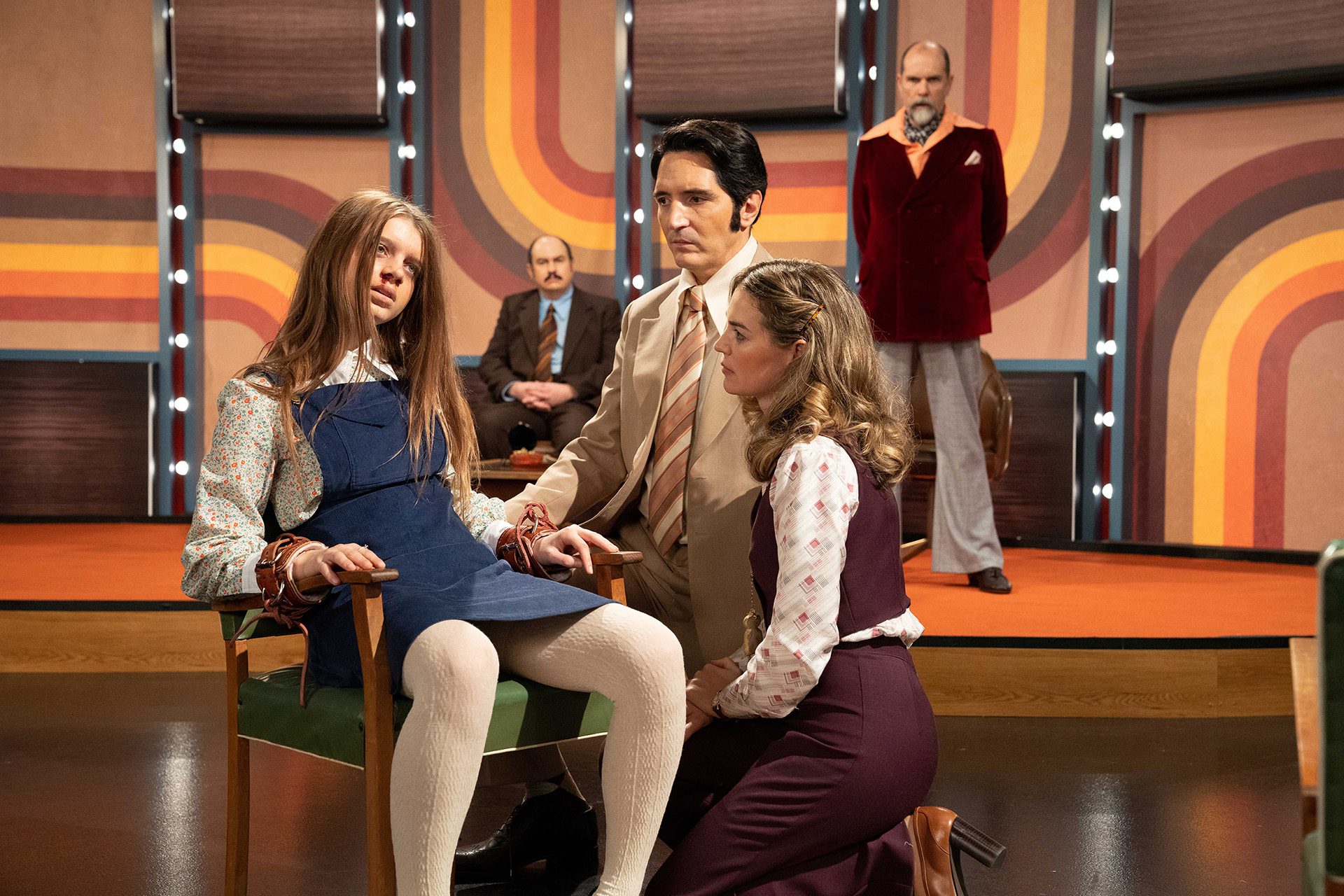
9. Late Night With the Devil
David Dastmalchian shined in this found footage horror film that took the guise of recordings from a broadcast of a 1970s late-night talk show. The film was genuinely creepy and disturbing as the show’s host, Jack Delroy (Dastmalchian), cameto grips with the realization that the occult-themed episode of his show had unpleasant connections to his own life.
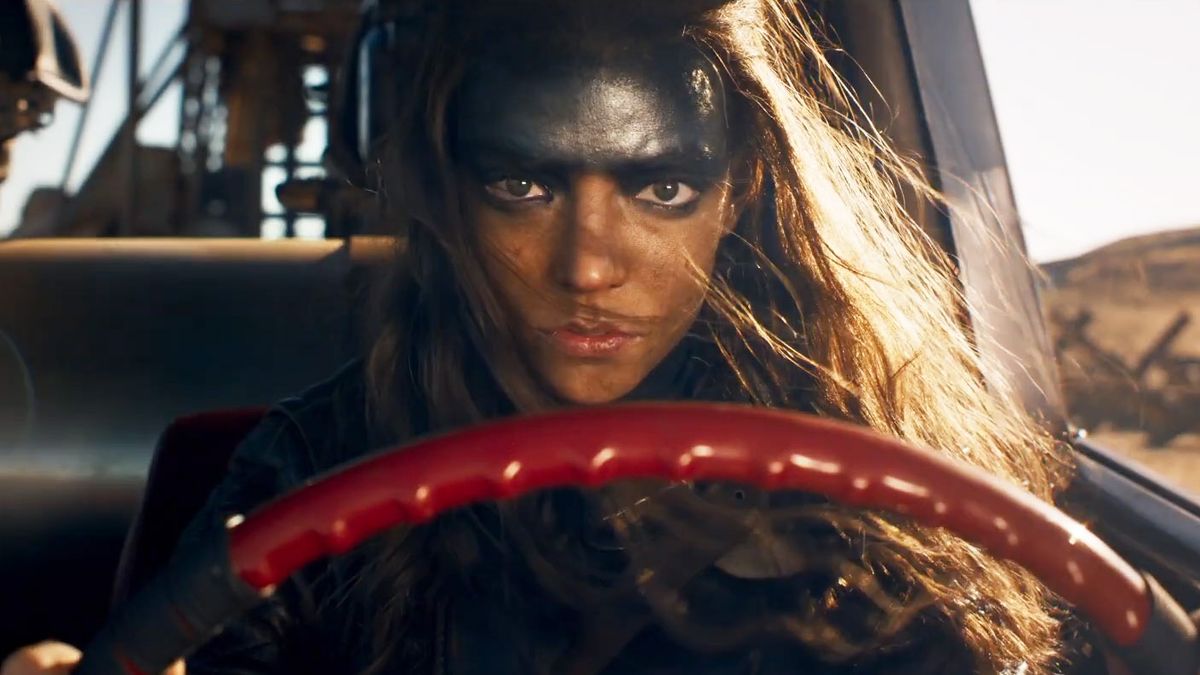
8. Furiosa: A Mad Max Saga
George Miller directed one of his finest films ever with an intense origin story about the breakout character from Mad Max: Fury Road. Anya Taylor-Joy was simply perfect as the younger version of Furiosa, who navigates her way through a brutal post-apocalyptic world overrun by vicious gangs and extreme car chases throughout barren deserts. It’s a Mad Max world at its best.
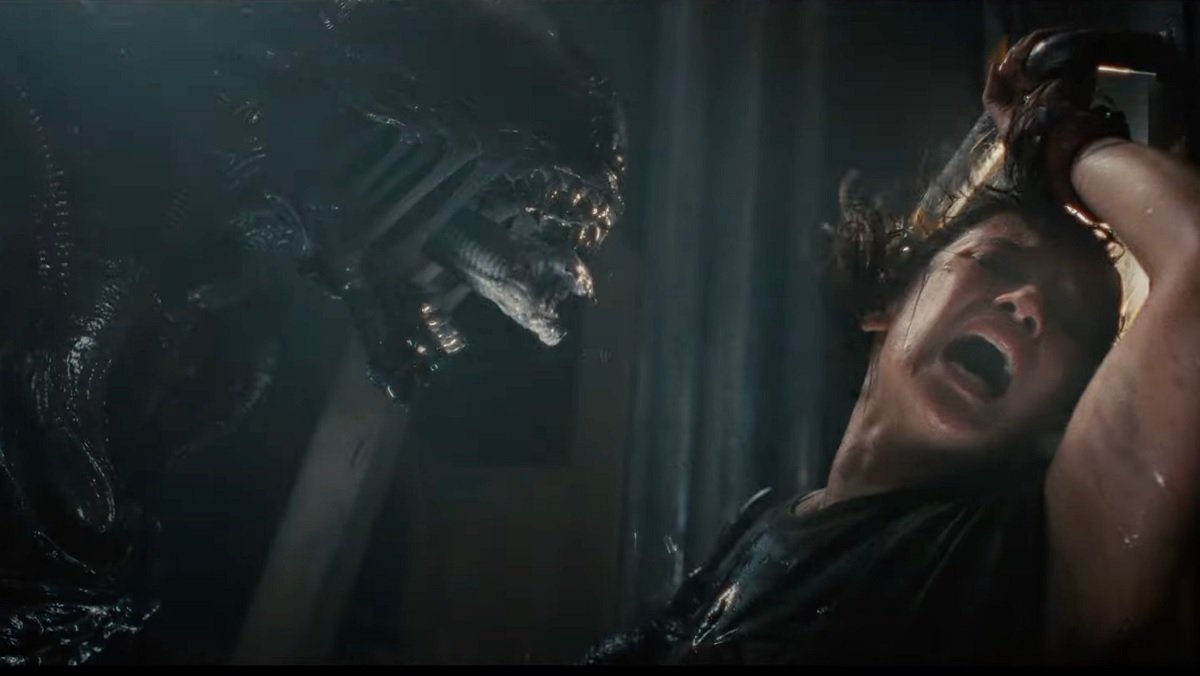
7. Alien: Romulus
The Alien franchise rightfully returned to its horror roots with this entry that takes place in a claustrophobic space station swarming with alien xenomorphs hunting down the main characters. Even though a lot of the material was familiar and had callbacks to the other films, Alien: Romulus was fresh and inventive with its back-to-basics approach.
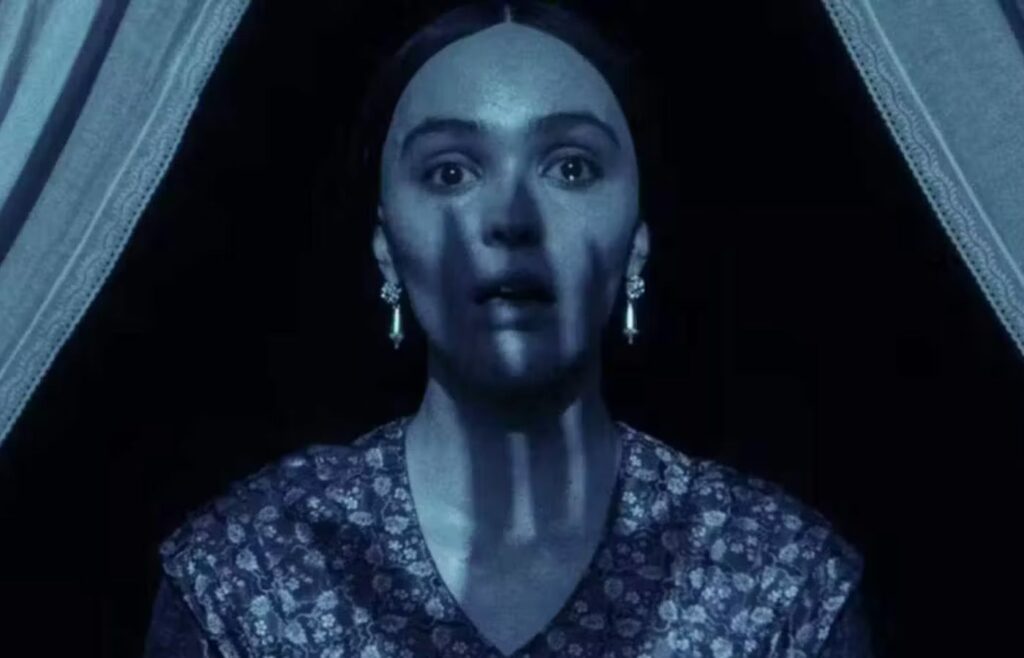
6. Nosferatu
The latest remake of the classic German silent horror film version of Dracula was genuinely creepy and disturbing. Director Robert Eggers has emerged as a true master of film horror with his version of Nosferatu that fully utilized disturbing sounds, eerie shadows, dark cinematography and an overall unsettling atmosphere that will keep you up at night.
5. Civil War
This is one of the most disturbing recent films to be released due to its subject matter of a near-future civil war in the United States and its ramifications. While the choice not to explain what caused the war and its apolitical stance may not satisfy everyone, this approach allowed director Alex Garland to focus on the cruelty and insanity of war and its impact on modern-day society. The film was also a powerful and cringe-inducing war film that ramped up intensely in the final act with a distressing, yet pulse-pounding battle in Washington, D.C.
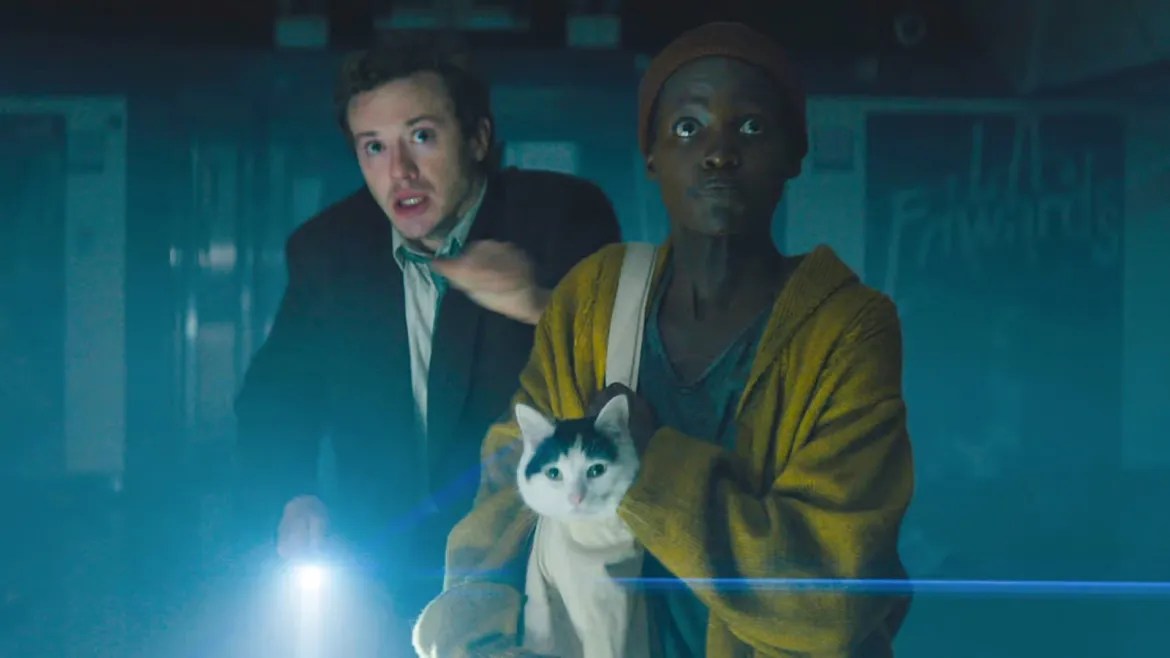
4. A Quiet Place: Day One
The third film in the A Quiet Place franchise, was a prequel that chronicled the early days of the alien invasion that devastated the Earth and brought it to a silent standstill. The film had the smarts to introduce new characters and a new setting which was a terrifying location for the invasion: a noisy New York City that could not help but attract the deadly alien creatures that murder anyone making sounds. Lupita Nyong’o and Joseph Quinn were outstanding as two misfit survivors trying to reach the home of Nyong’o’s character while avoiding the aliens. Their personal stories were the heart of the film and set the template for future installments.
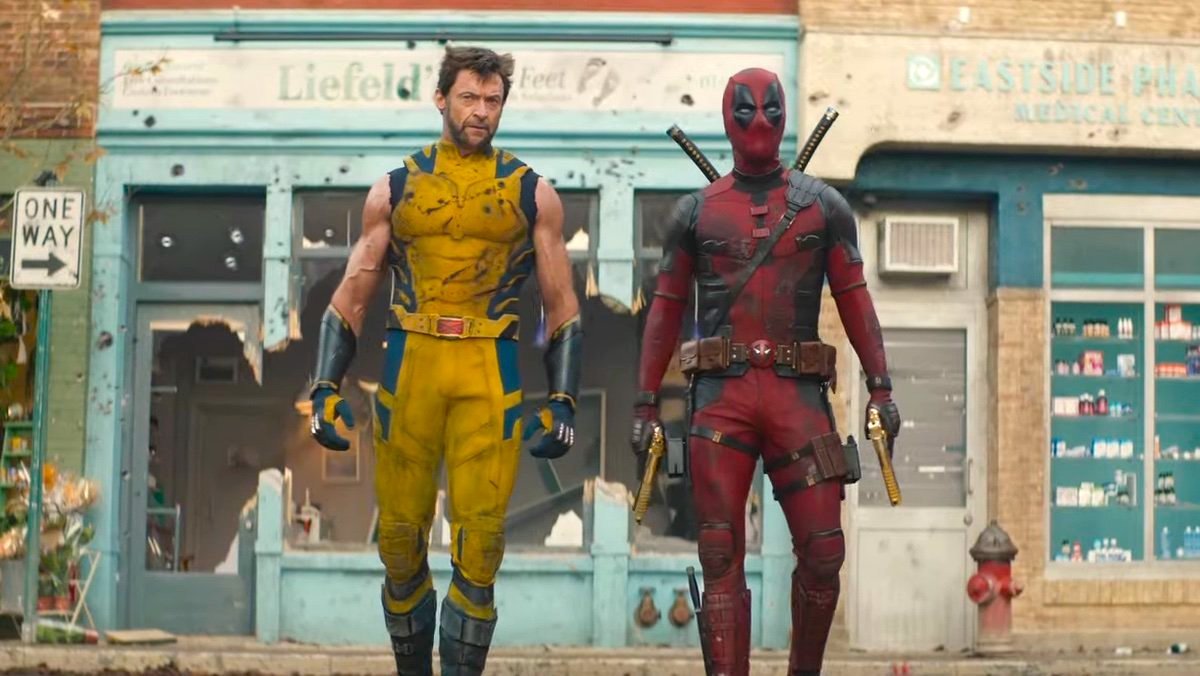
3. Deadpool & Wolverine
The fourth-wall-breaking Merc with a Mouth (Ryan Reynolds) teamed up with everyone’s favorite X-Man (Hugh Jackman) in a violent and humorous road/buddy trip throughout the multiverse. As the sole film release from Marvel Studios’ Marvel Cinematic Universe (MCU) for the year, Deadpool & Wolverine had a lot riding on it given the fact that recent MCU films have struggled. Fortunately, the film delivered a funny and entertaining romp that both serviced the grand MCU plotline about the multiverse and was a love letter to the now-defunct Marvel films from 20th Century Fox.
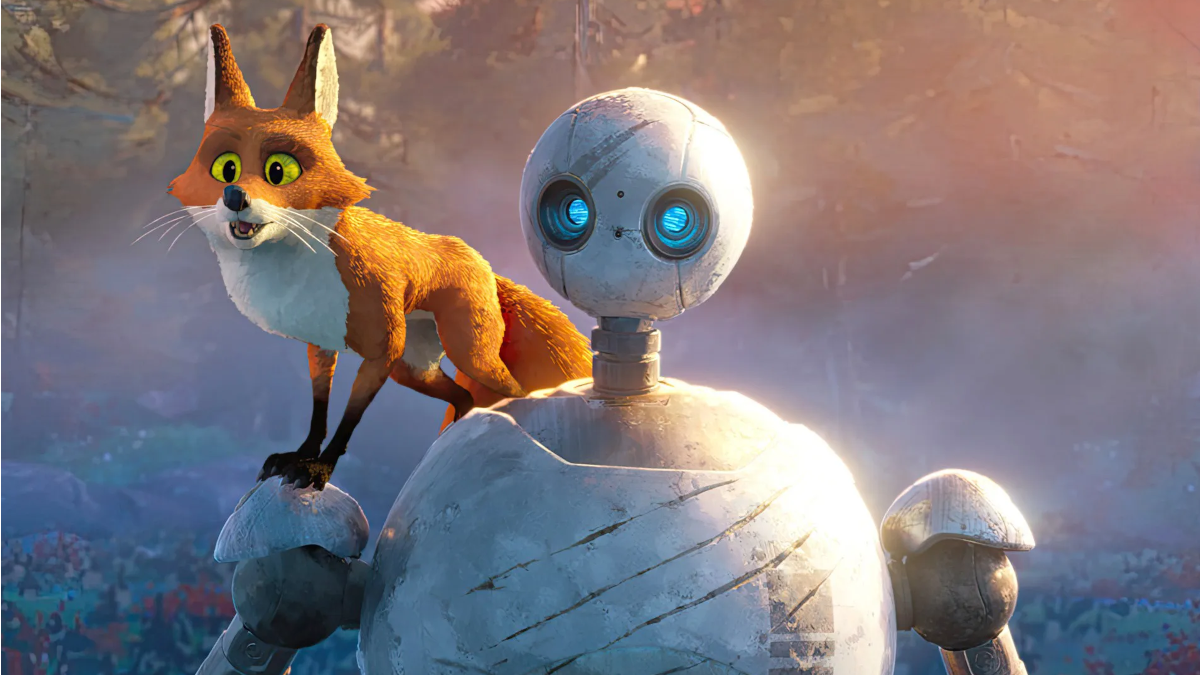
2. The Wild Robot
Arguably DreamWorks Animation’s greatest film, The Wild Robot is a heartwarming and beautifully animated adaptation of Peter Brown’s novel about a service robot in the future that was stranded on an island populated by animals that distrusted her. Over time, she gained their trust as she adopted and raised a young goose and befriended many of the animals. At the same time, the robot began to develop sentience and emotional attachments to her companions, especially her adopted child, who she must raise and protect.
The Wild Robot was surprisingly engaging with its themes of parenthood, friendship, environmentalism, and empathy. It is too bad that this will be DreamWorks Animation final in-house film since the company has proven it can deliver genuine animated classics as it did with The Wild Robot.
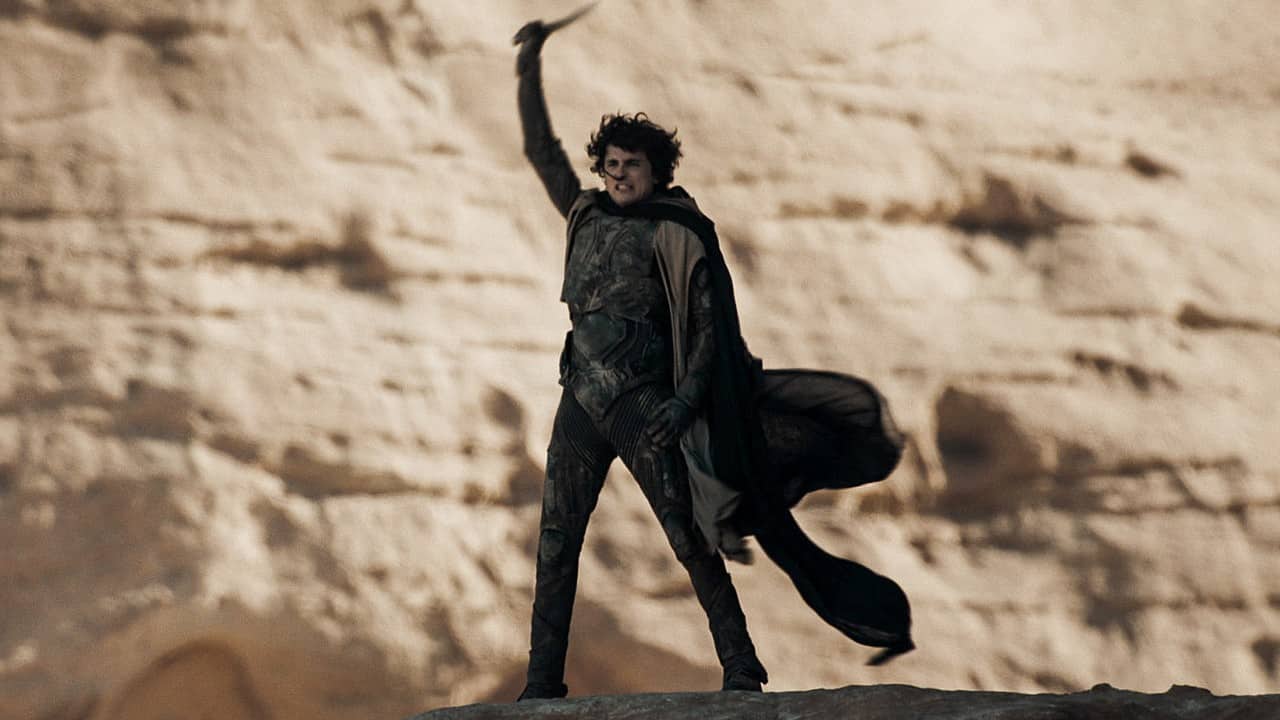
1. Dune, Part Two
Director Denis Villeneuve concluded his grand adaptation of Frank Herbert’s classic sci-fi epic novel about political and religious machinations and war in the distant future. Dune, Part Two actually adapted the second half of the novel and it was a wise decision to split the novel into two films since it allowed Villeneuve the time to fully explore the intricacies of the distinct human cultures across the universe.
While the film was wide-sweeping and bursting with glorious production values and effects, at its core, Dune, Part Two, focused on the burden of its main protagonist, Paul Atreides, who unwillingly became the messianic leader who leads the inhabitants of the desert world called Dune in a holy war. Any viewer could empathize with Paul’s struggle as he faced his destiny despite his doubts about his actions as he sought vengeance for his father’s death and freedom for his adopted people.
Dune, Part Two is a true cinematic epic that demonstrates once and for all, the validity of a solid sci-fi story being successfully adapted into a cinematic masterpiece. The film also establishes that Villeneuve is a true master of sci-fi films who has the bold vision needed to undertake such an adaptation.
Noteworthy Mentions:
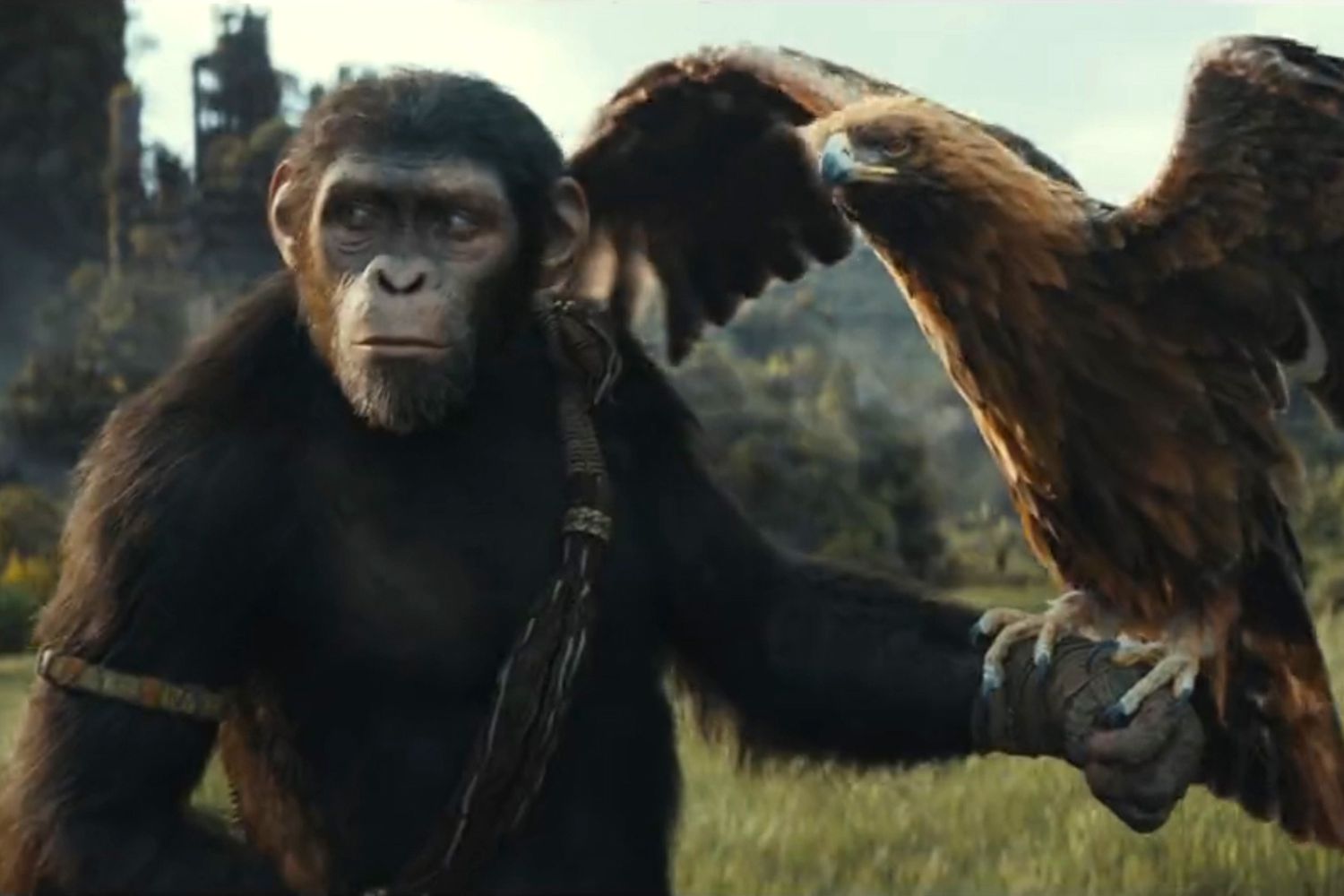
Abigail; Beetlejuice Beetlejuice; Elevation; Flow;Ghostbusters: Frozen Empire;Godzilla x Kong: The New Empire; IF; Inside Out 2; Kingdom of the Planet of the Apes; The Substance; Transformers One; Venom: The Last Dance
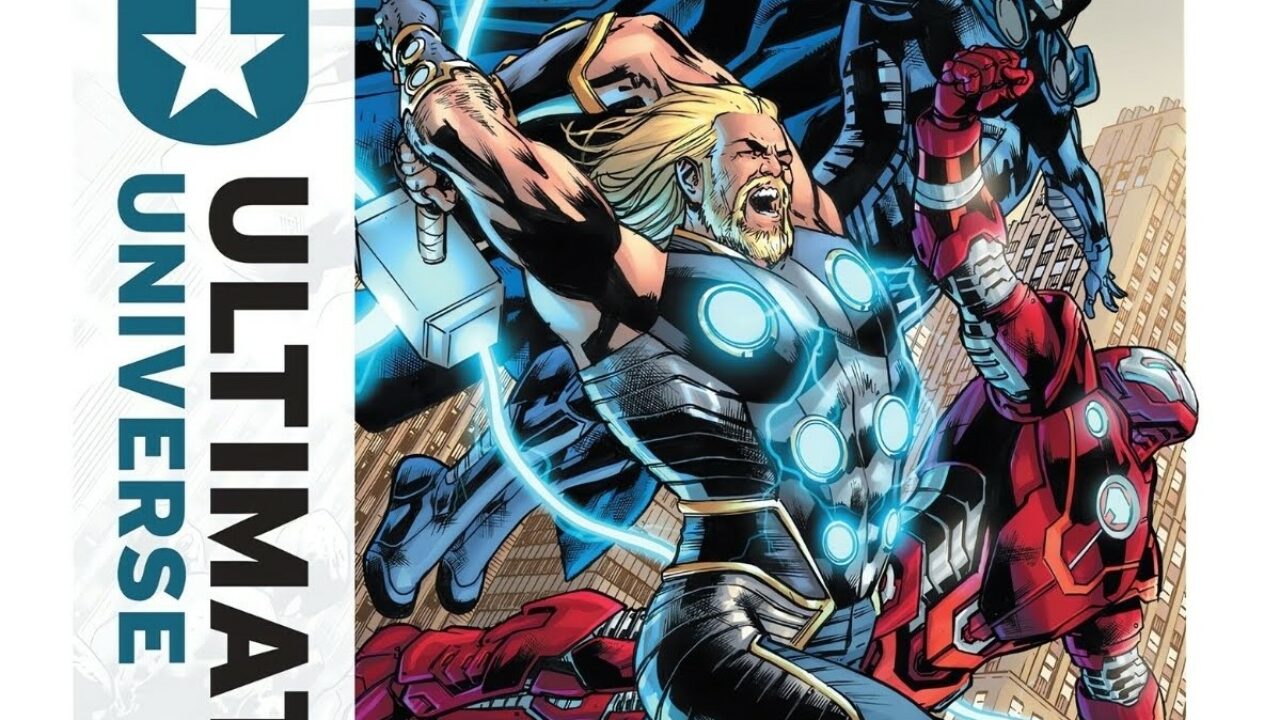
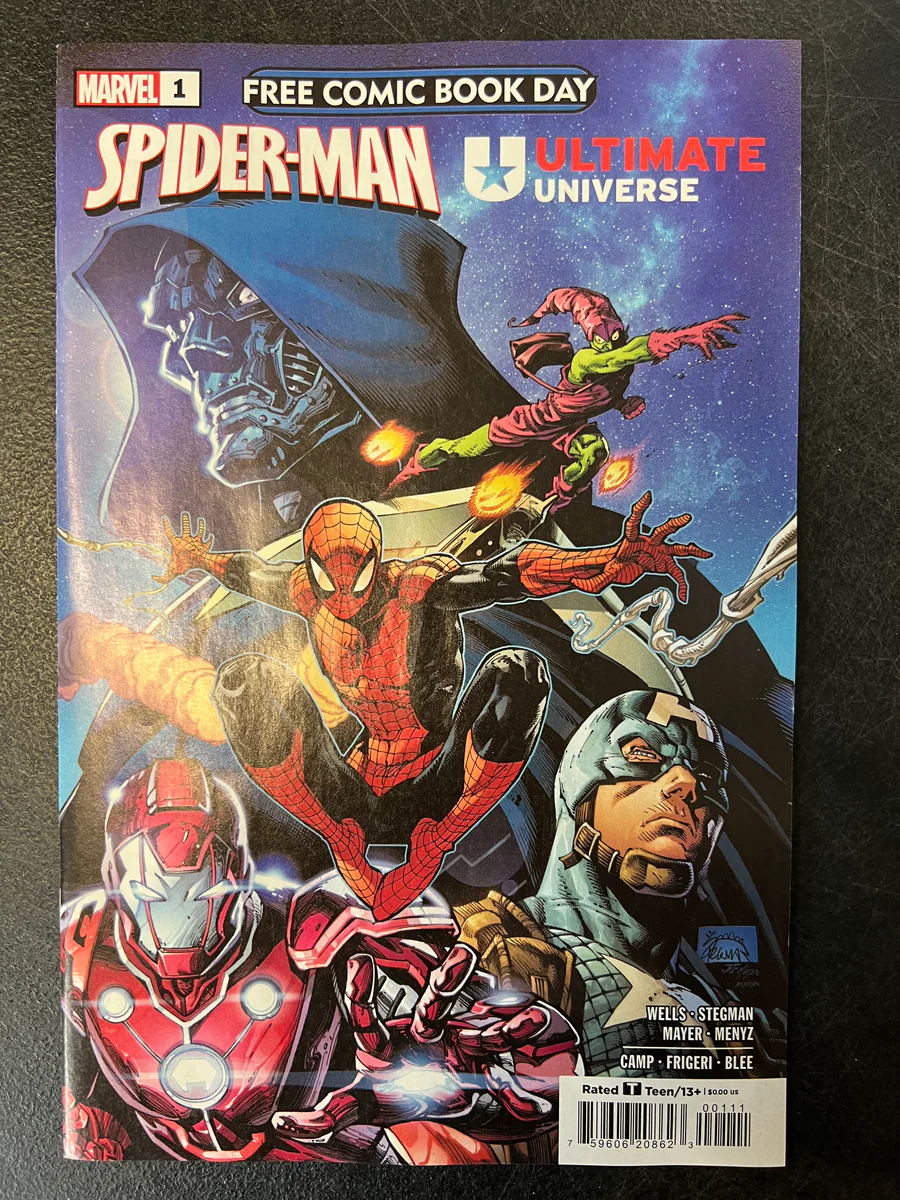
An increasingly popular sub-genre in comic books these days are reboots or reimaginings of famous superheroes and supervillains. We’ve seen this earlier in the year with the relaunch of Marvel Comics’ Ultimate Comics line, with Ultimate Spider-Man being the most popular and successful series in that line. The comic book reimagines Peter Parker/Spider-Man as much older than his counterpart in the regular comics, and is married with children, and only recently became Spider-Man.
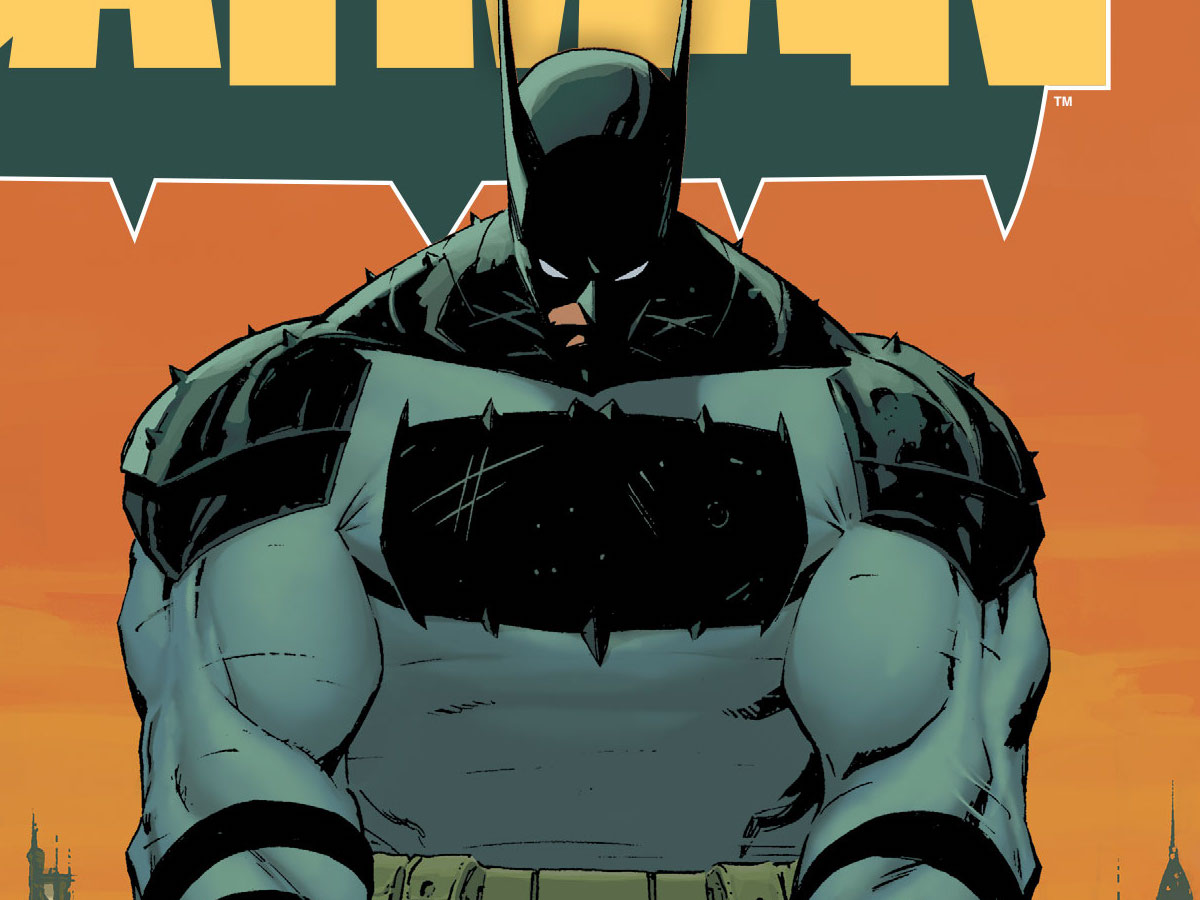
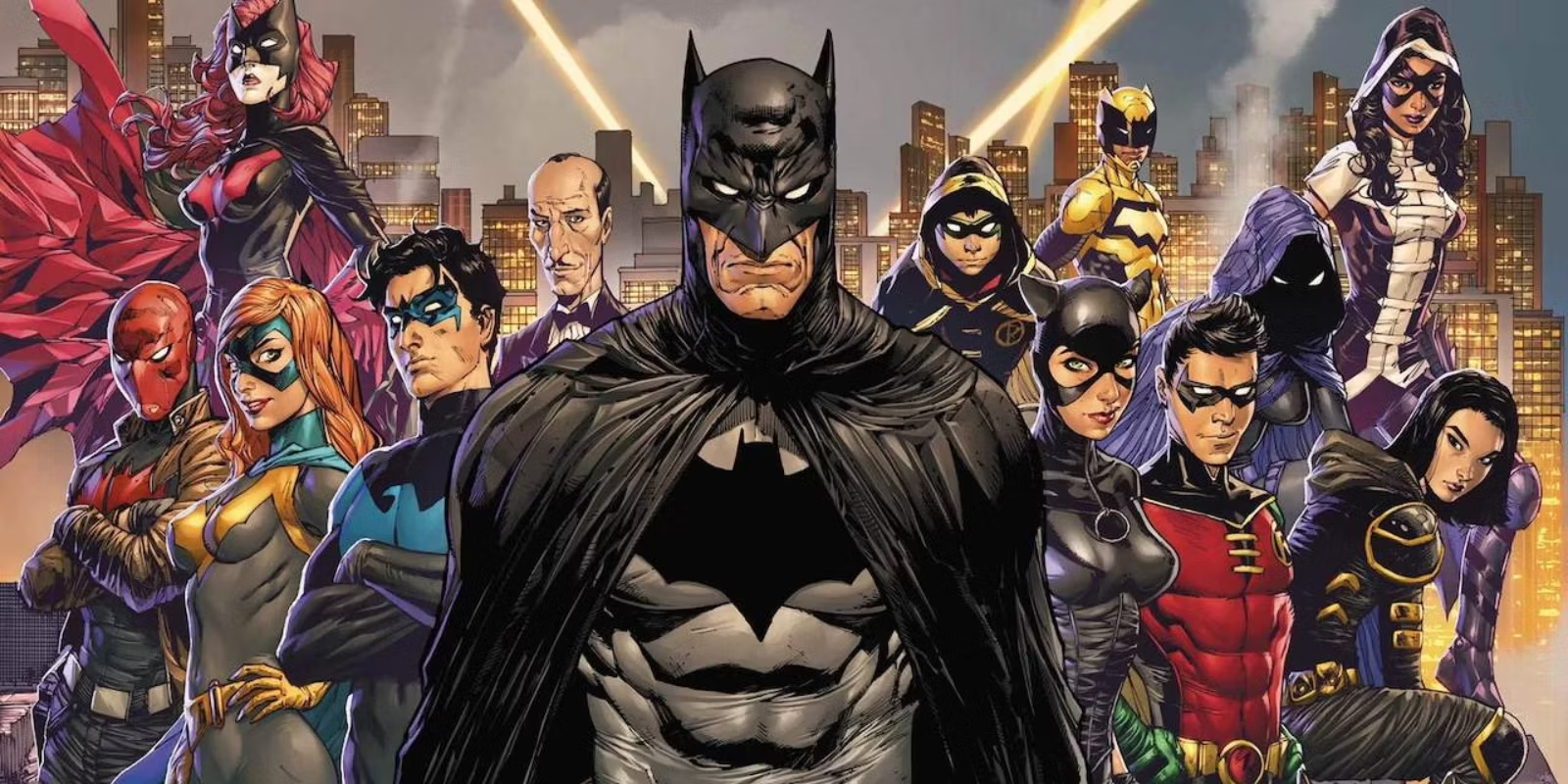
DC Comics has also jumped into reboot game (though they pioneered this back in the 1950s) with their Absolute line of comics that began this week with the release of Absolute Batman. In this series, Bruce Wayne/Batman is not a mega-rich playboy whose parents are dead. Instead he is an ordinary, lower-class citizen of Gotham, who happens to be the Dark Knight Detective. The Absolute line will continue shortly with the release of Absolute Wonder Woman and Absolute Superman, which will present radical interpretations of the iconic superheroes. Or are they?
These comics have caught on and become very popular thanks to inspired writing and artwork, but the heroes in the comics are essentially the same. Despite being older and married, Peter Parker is still a wisecracking superhero who looks and acts the same way as he does in the regular comics. The same goes for Batman. Sure there are some changes to the costume (with Batman’s bat-themed chest symbol doubling for a huge axe), but he is still a brooding vigilanted patroling the crime-infested streets of Gotham. Again, these are well done comics, but maybe the comic book companies could have gone further and given us radically different takes of these characters. In fact, it’s been done before.
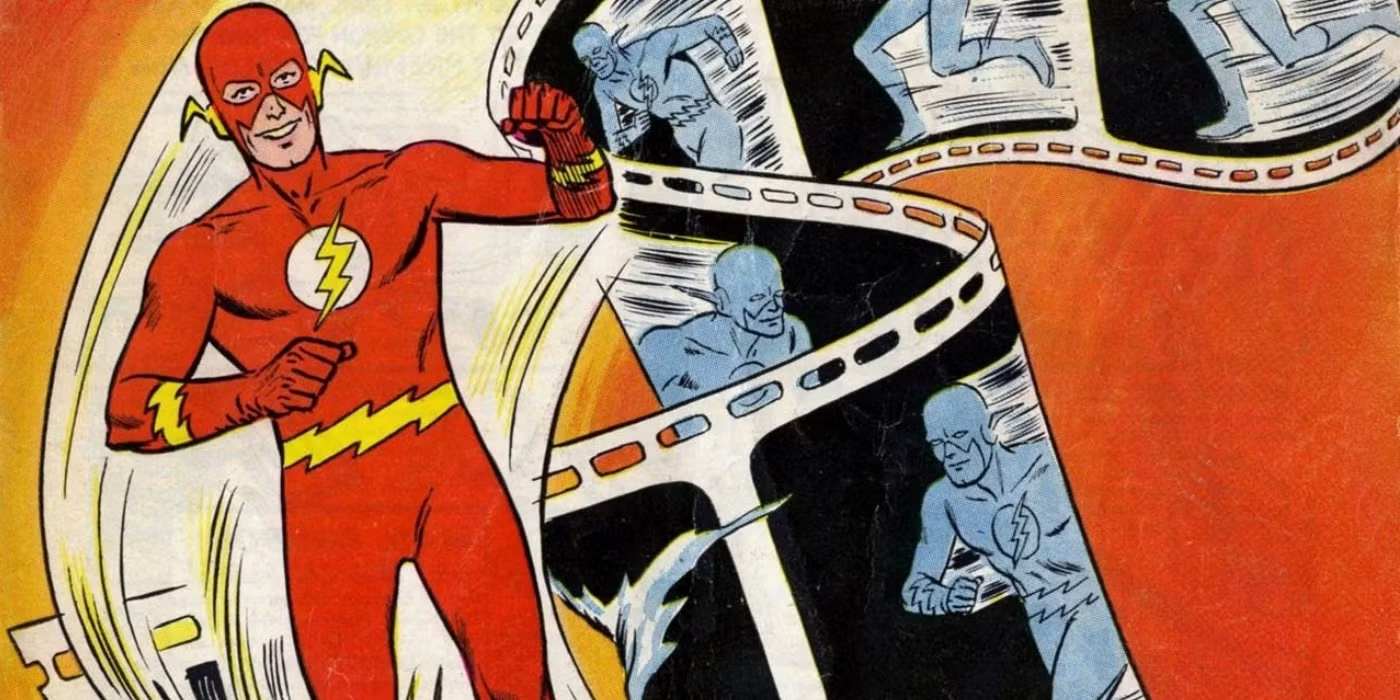
As mentioned before, DC Comics debuted a completely new version of their Golden Age hero, the Flash, in Showcase #4 in 1956, which actually launched the Silver Age of Comics. Originally, the Flash was Jay Garrick, a college student who accidently inhaled these special vapors that gave him his superspeed powers. His costume was fairly simple, with the only distinguishing feature being his steel helmet with wings. When the superhero was reintroduced in Showcase #4, he was reborn as Barry Allen, a police forensic scientist who was struck by lighting and doused with chemicals that gave him his powers. His scarlet costume was a stark contrast to the original Flash, by the way.
Following the success with the new Flash, DC gave readers new, distinctive reinterprations of their older, less popular heroes like Green Lantern, who now boasted a space-themed background, whereas the original Green Lantern had a mystical background. The comic book company went on to reinvent some of the Golden Age supervillains that plagued their most popular superheroes.
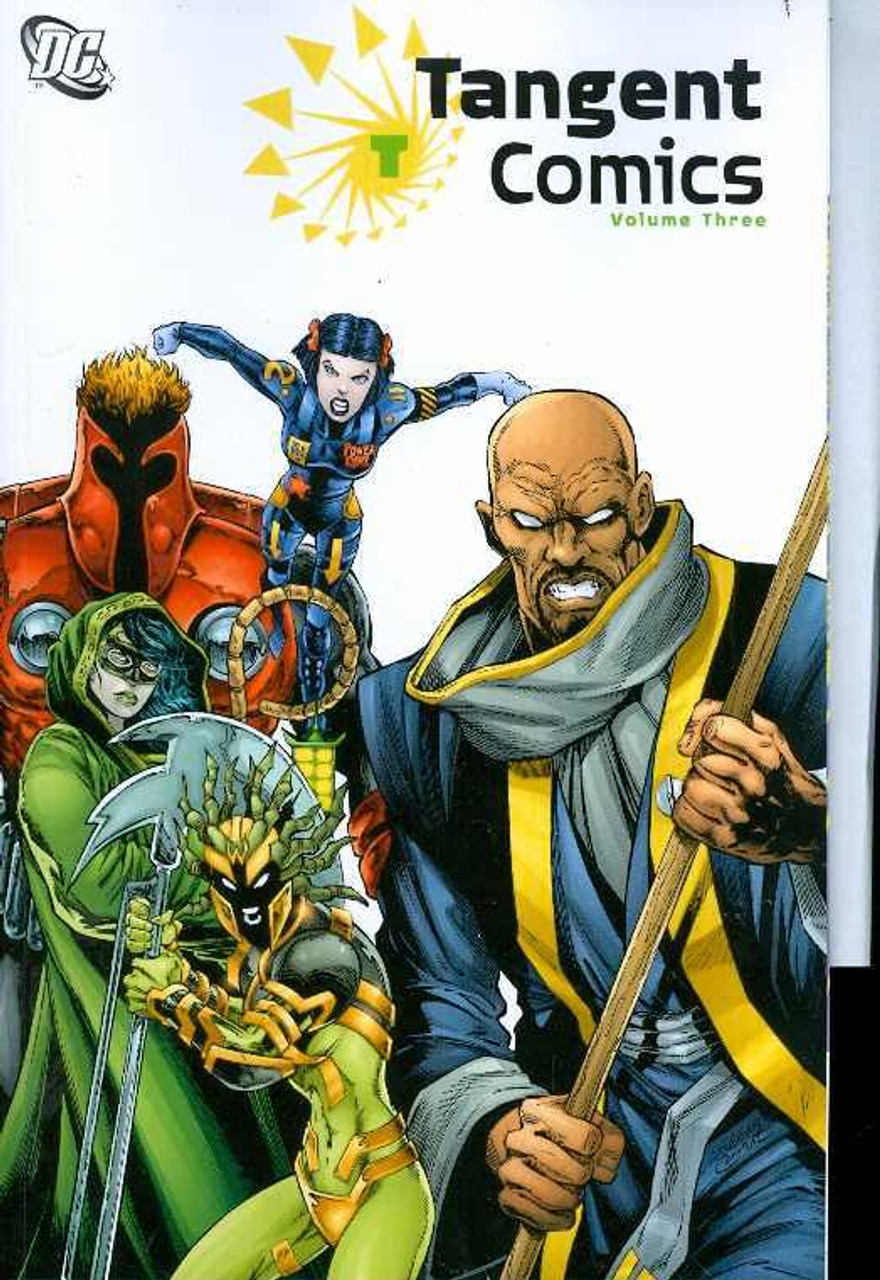
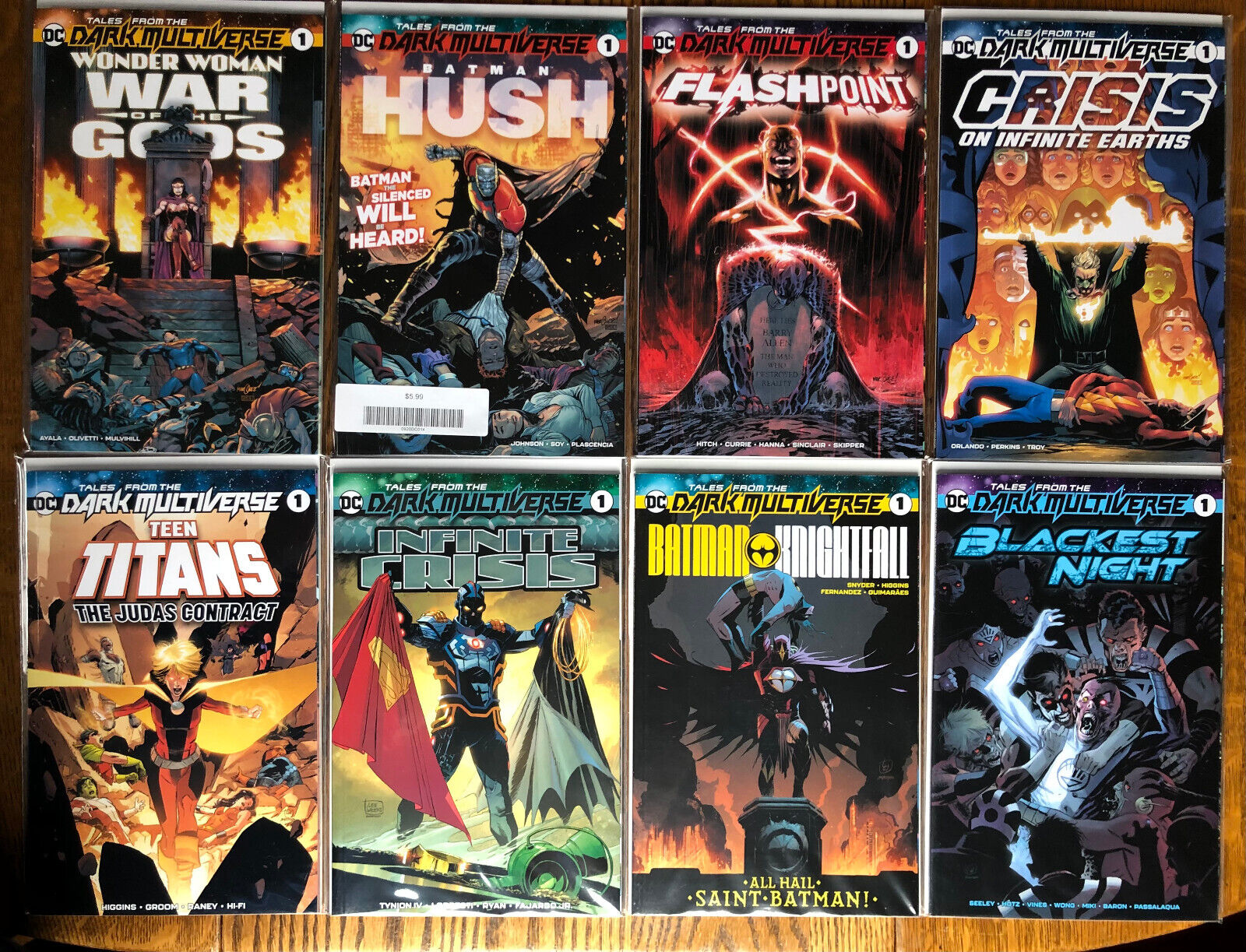
The last time DC presented radically different versions of their characters was in the 1990s and early 2000s with their limited imprint of Tangent Comics. Characters were wildly different from the traditional counterparts. For instance, the Flash was now a teenage girl with light-based powers, and the Joker was a female anti-hero who fought crime in the city of New Atlantis.
In 2001 and 2002, DC hired Marvel guru Stan Lee to reinterpret their famous characters. This led to several one-shots called Just Imagine… where Batman was a Black crimefighter whose real name was Wayne Williams and Wonder Woman gained her magical powers from an artifact.
While there is the potential for these radical reimagings to succeed as seen with the Barry Allen version of the Flash, there is also the possibility that the new versions fail to capture reader’s imaginations. The Tangent imprint, while very well done, did not take off in the long run and are largely forgotten to this day, though the comics are worth checking out. This is probably the main reason why the current reimagings of popular superheroes play it safe. Aside from some minor updates and tweaks, Peter Parker and Bruce Wayne are still the characters we know and love. But the comic book companies should be more willing to push the envelope and go for broke.
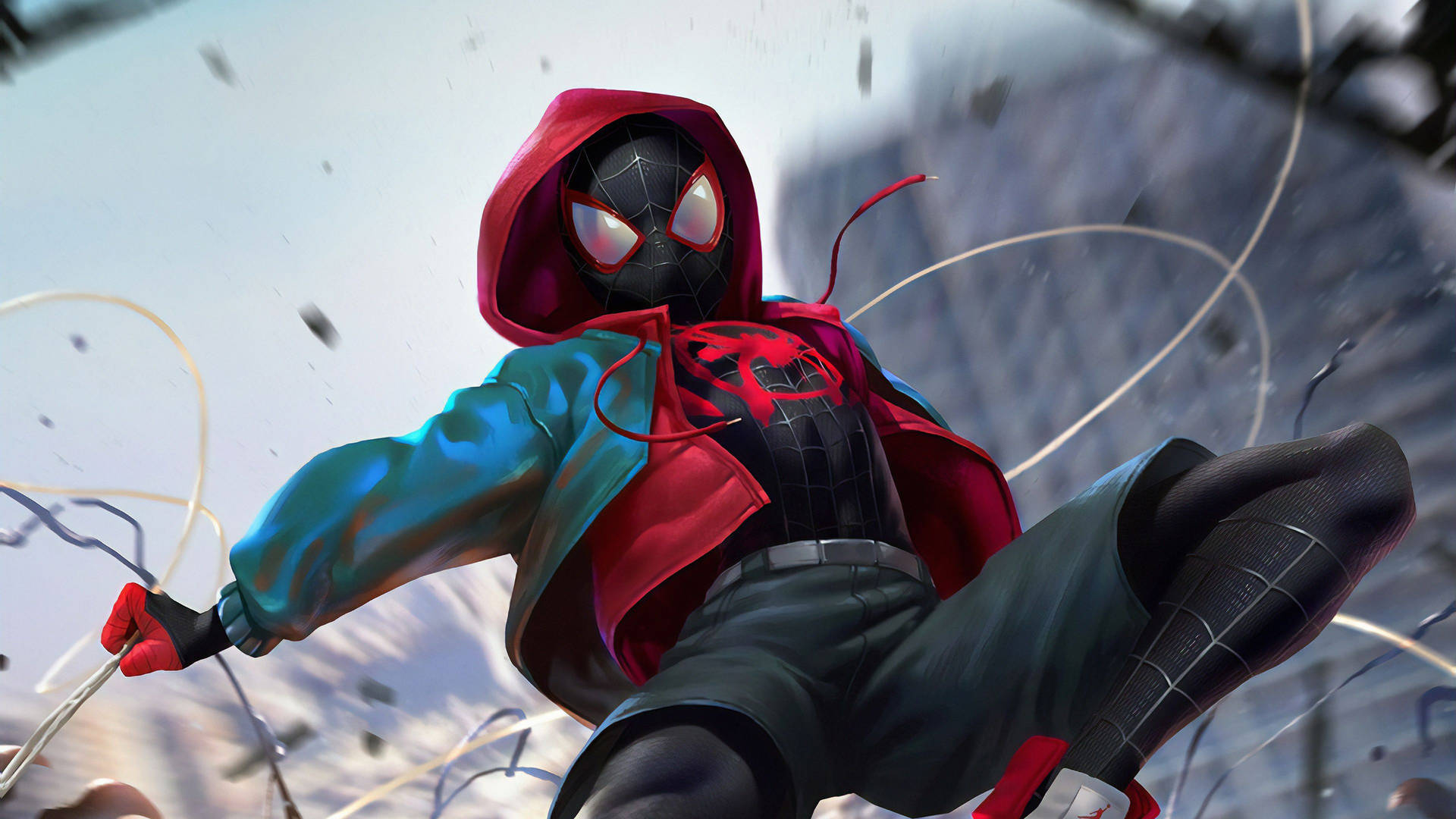
This has worked in the past, as with the Flash and even with the Miles Morales version of Spider-Man. Perhaps the Ultimate Comics imprint that Marvel first introduced in the early 2000s might have endured to this day if, for example, they had started off with Spider-Man being Miles Morales or have a completely different line up for the Ultimates (the Ultimate Comics version of the Avengers who were essentially the same superheroes in the regular comics).
One character that organically developed into a wildly different version than his regular counterpart was the Ultimate Comcis version of Reed Richards. In the Ultimate Fantastic Four comics the only noticeable difference with the team was that they were much younger than the traditional Fantastic Four. Yes, there were other differences such as the origin of their powers and group dynamics but none of it was out of the ordinary. However, over time, Reed Richards was radicalized and became the villain called the Maker, who continues to pop up. Actually, the Maker is responsible for the new Ultimate Comics line, since he time traveled to the past and prevented the creations of the Marvel superheroes, which is why heroes like Spider-Man got a late start in their careers.
It remains to be seen how long the new interpretations will last or maintain their quality, but comic book companies should not hesitate to allow their creators the freedom to let their imaginations run wild and present readers with radical and unique reinterpretations of their beloved heroes and villains.
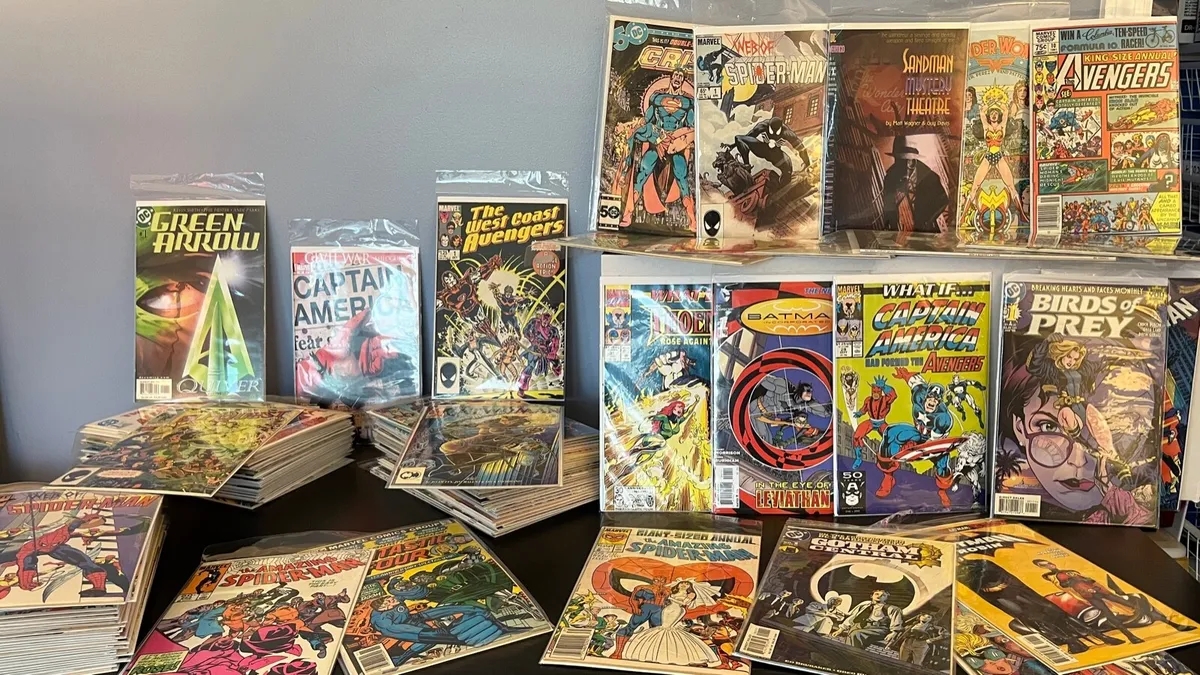
As we enjoyed last weekend’s Free Comic Book Day event, it reminded us comic book fans about the trends we love to gripe about with the comic book industry. We’ve been griping about these trends for decades and while some have gone away, some new or persistent trends are plaguing the comic book industry. With that said, here are the top ten worst comic book trends plaguing the industry today.
10. FOMO = Increased Back Issue Prices
Fear of Missing out (FOMO) often plagues many comic book collectors who desperately go out of their way to get the latest trending comic. This was especially bad during the beginning of this decade when any mention of a character appearing in an upcoming movie would cause prices for back issues to explode overnight. This frustrates normal collectors trying to complete a run and at the same time ends up fleecing naïve collectors who have to get the latest trending comic book. Just look at The Amazing Spider-Man #210. A couple of years ago it was highly sought after because it featured the first appearance of Madame Web. Anyone think that book is still in demand after the Madame Web movie bombed?
9. Comic Book Prices Keep Going Up
Right now, the average comic book costs about $5 per issue. Back when the medium first started, a single issue would cost less than a dollar. What used to be a relatively inexpensive hobby, at least for older readers not dependent on their parents’ allowances, is now pricey especially if anyone is trying to buy all the comics that come out on an average month. This has led to overpriced special issues, such as an issue #100, that are priced around $10 and not worth the price as they often turn out to be anthology books featuring forgettable stories instead of monumental events.
8. The Overabundance of Mini-Series
When comic book mini-series first appeared on shelves, they were often devoted to characters who either were brand new or not popular enough to warrant an ongoing series. The limited series served as testing grounds for both the characters or creative teams. Usually, this lead to some characters becoming breakout stars like the Punisher or Wolverine or gave exposure to promising writers or artists. Nowadays, it seems like there is a new mini-series everywhere you turn and often they are about established superheroes like Batman or Spider-Man. Why couldn’t these stories be told in their own titles? Sure, a particular mini-series story may not fit with the ongoing storyline but why not just run the stories in between runs of creative teams? If the famous “Kraven’s Last Hunt” storyline was released today it would have been a mini-series with variant covers and more whistles.
7. Comic Books Villains Turned Anti-Heroes
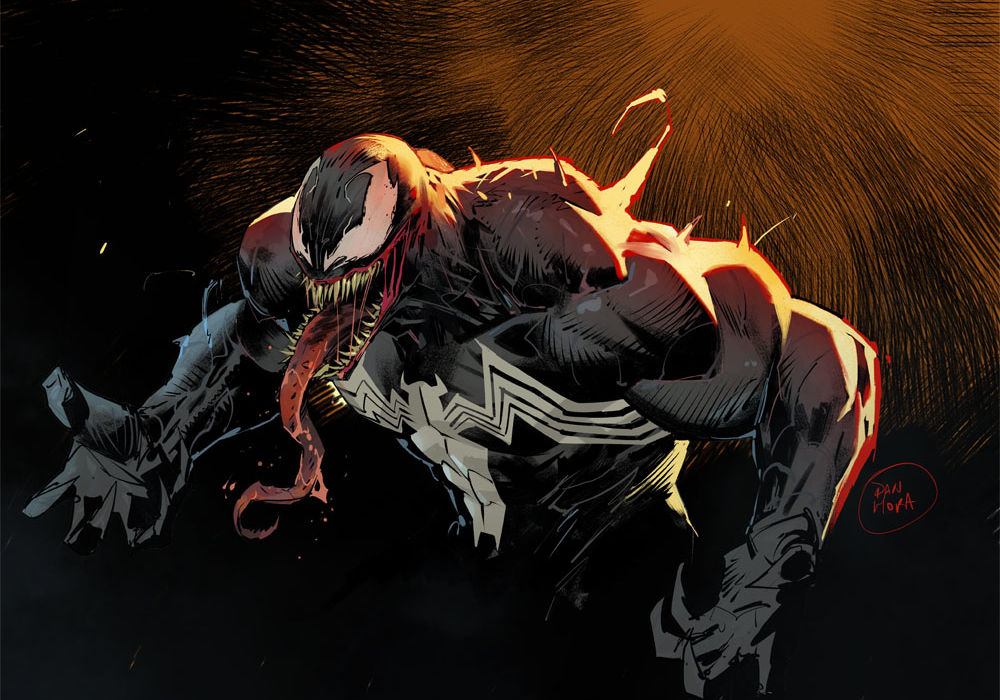
This is an annoying development with many classic comic book villains. They become so popular that the publishers wind up giving them their own solo titles where they become anti-heroes that we can relate to. The most famous or infamous example is Venom. When he first debuted in the pages of The Amazing Spider-Man, Venom quickly became one of Spidey’s deadliest and most popular foes. Unfortunately, Marvel Comics saw the character as a gold mine and increasing his appearances in the Spider-Man comics was not enough. No, Venom was given a bunch of mini-series where he faced off against other popular Marvel characters until getting his own title. The problem with this is that Spider-Man was deprived of a solid villain who could no longer be seen in the same way since Venom became an anti-hero.
6. The Multiverse Concept
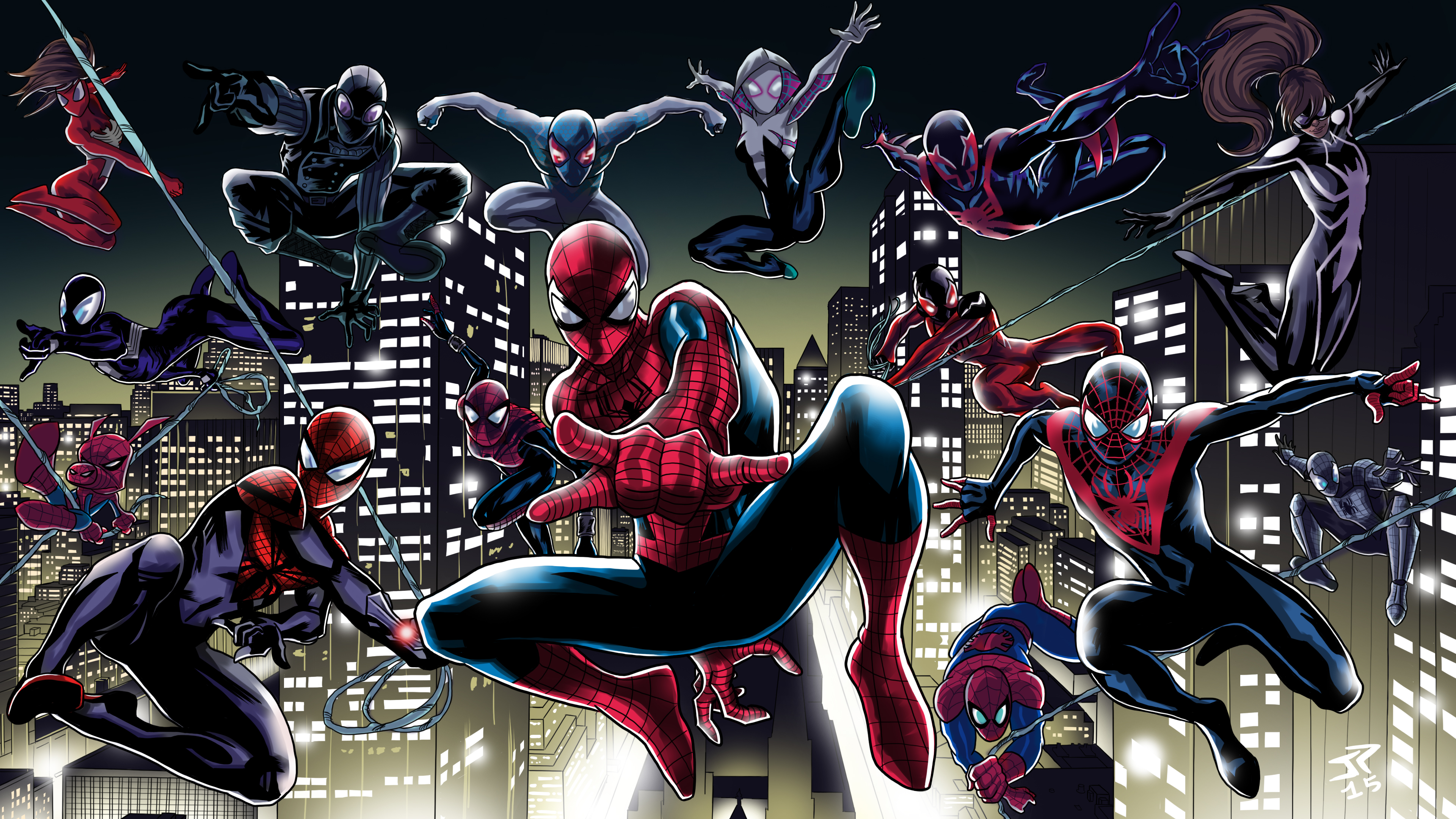
The Multiverse is a great concept that lets creative teams conjure up interesting stories outside of the limiting comic book continuities. Sometimes these stories featured the deaths of popular characters, which was unthinkable in regular comics. Great examples include the classic TheDark Knight Returns mini-series and Kingdom Come. But leave it to the comic book companies to dip into the well one too many times. DC and Marvel have released too many stories that take place in separate realities that dilute the impact of the stories and the characters. Just look at what Marvel is doing with the so-called Spider-Verse. What was a fun storyline in The Amazing Spider-Man that introduced imaginative and outlandish variations of Spider-Man has now become a means to throw up countless mini-series (see Number 8) with Spider-Man variants. On a broader scale, Marvel is going all out with a relaunched Ultimate Comics line that features our favorite characters in a different reality. This probably makes speculators happy as they look for the next Spider-Gwen but the rest of us don’t care and this leads us into the next worst trend.
5. Derivative Characters and Families
Legacy characters like Batman, Superman, or Spider-Man usually spawn a family of characters that are derivatives of them such as Batgirl, Superboy, Scarlet Spider, Red Hulk and so on. When some of these new heroes first appeared, they replaced the main characters and picked up the mantle and inspired fascinating takes on legacy characters. Steve Rogers’ Captain America led to Sam Wilson Captain America or Hal Jordan Green Lantern spawned Kyle Rayner Green Lantern. Other times these characters were just young knockoffs of popular heroes. The most recent example is Spider-Boy, one of the dumbest characters ever introduced to the Spider-Man family. Speaking of families, the problem with these characters based on legacy characters is that they dilute the original character. There should be only one Batman (who works best as a loner superhero), one Spider-Man, one Captain America, one Superman; except when it comes to Green Lantern since that character is just one of many Green Lanterns in the galaxy.
4. Too Many Crossover Events
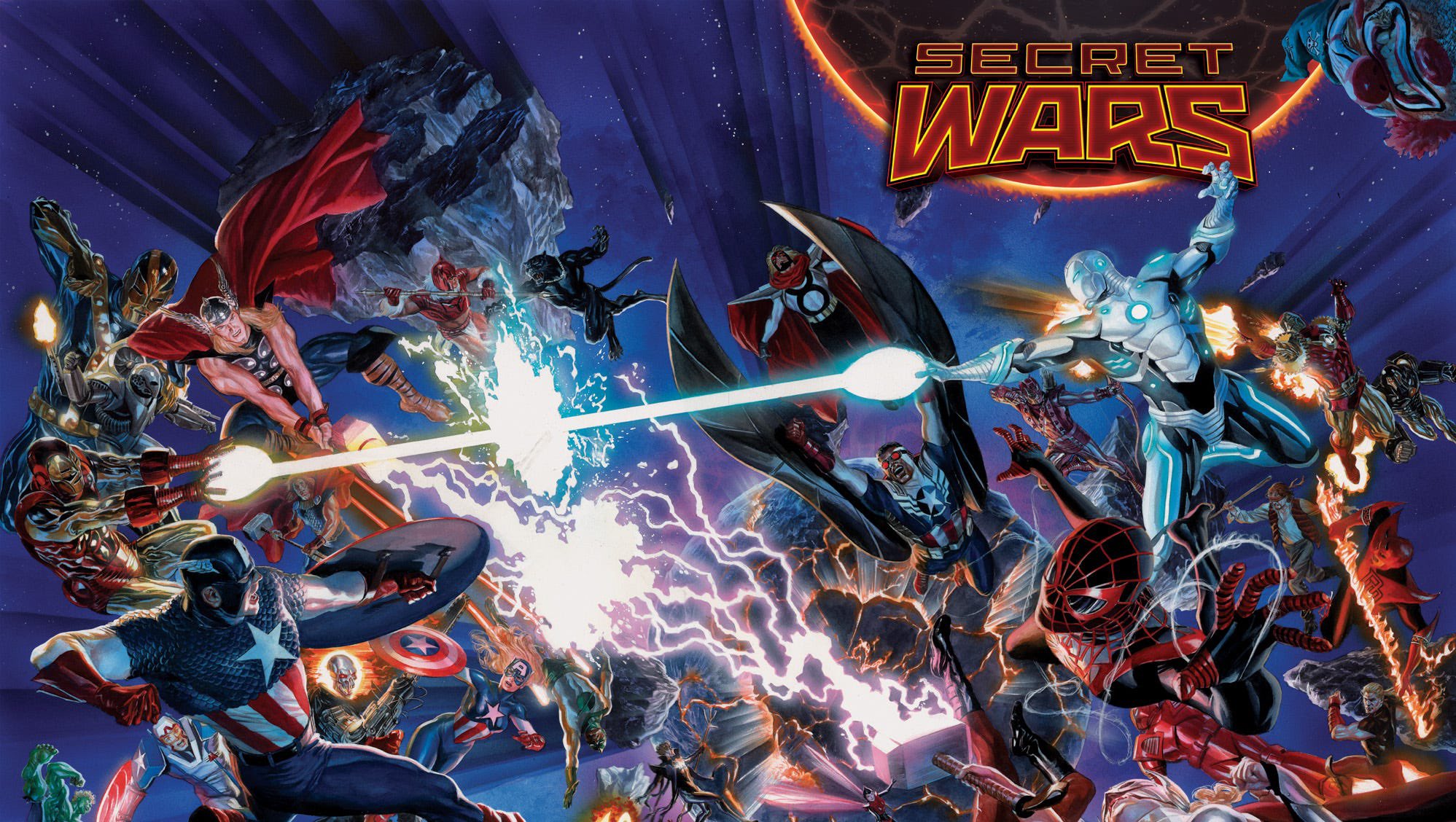
Remember when crossover events were truly special and had consequences? Ever since the success of Secret Wars and Crisis on Infinite Earths, crossover events across comic book titles have overtaken the release schedules of comic books. Often these events spill their way into regular titles and interrupt their ongoing storylines to squeeze in a tie-in story related to the crossover event. This is very annoying when following a run that builds up a certain momentum only to come to a crashing halt just to cram in an issue devoted to a crossover tie-in. Meanwhile, anyone who doesn’t follow a certain title feels compelled to buy it just to get the complete story if they were following the crossover event. We all know why these events happen (hint: $$$), and they are a good way to introduce readers to titles they often do not read, a good example was the “Unity” event in Valiant Comics way back in the 1990s. But there are too many of these crossover events now which has made readers tune out.
3. Meaningless Character Deaths
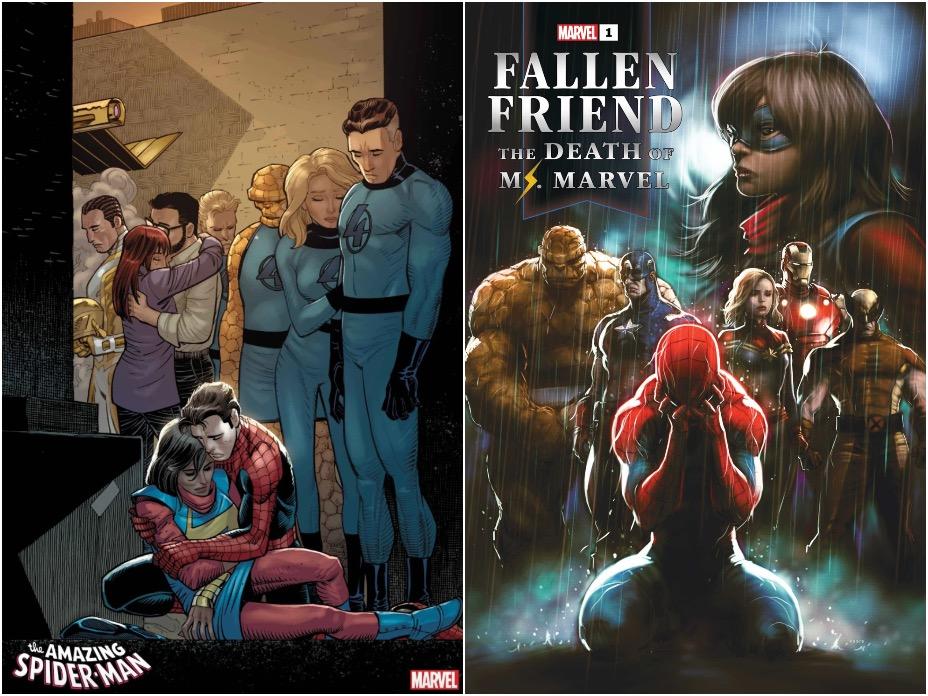
This has gone on for decades in comic books where the villains apparently were killed off only to reappear issues later with some implausible explanation for how they survived. However, this has recently happened with our superheroes, the best example was the famous “Death of Superman” storyline that made headlines and introduced new characters to the Superman family. But too often, these superheroes have been killed off just to tell stories of mourning only to have them resurrected. It has gotten to the point that a death of a character has no emotional impact. Seriously, did anyone believe for a moment that Ms. Marvel was actually dead when she was killed last year in The Amazing Spider-Man #26? The event was filled with empty platitudes and forced emotions. Note to comic book companies: If you kill off a character then that character should stay dead.
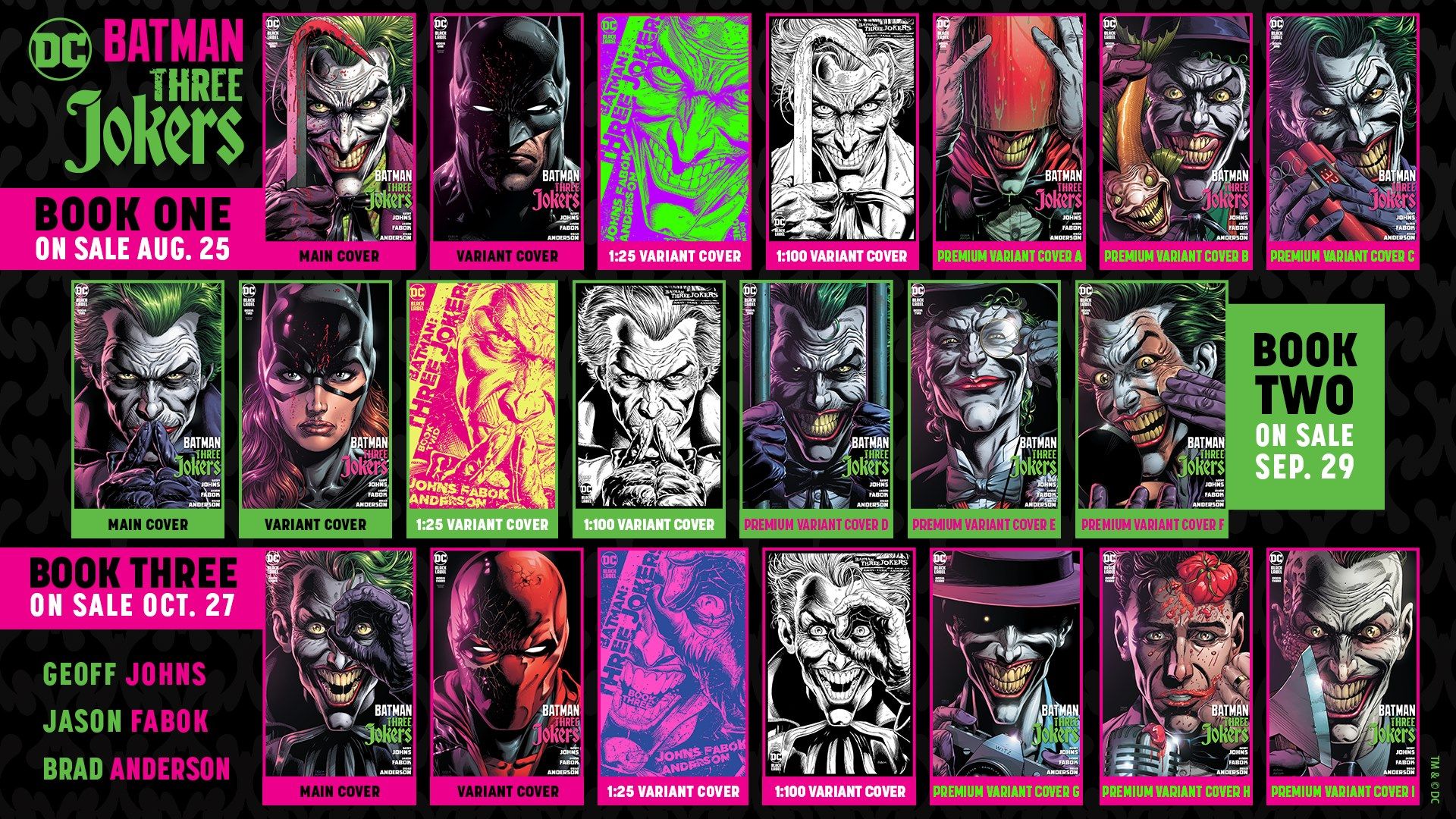
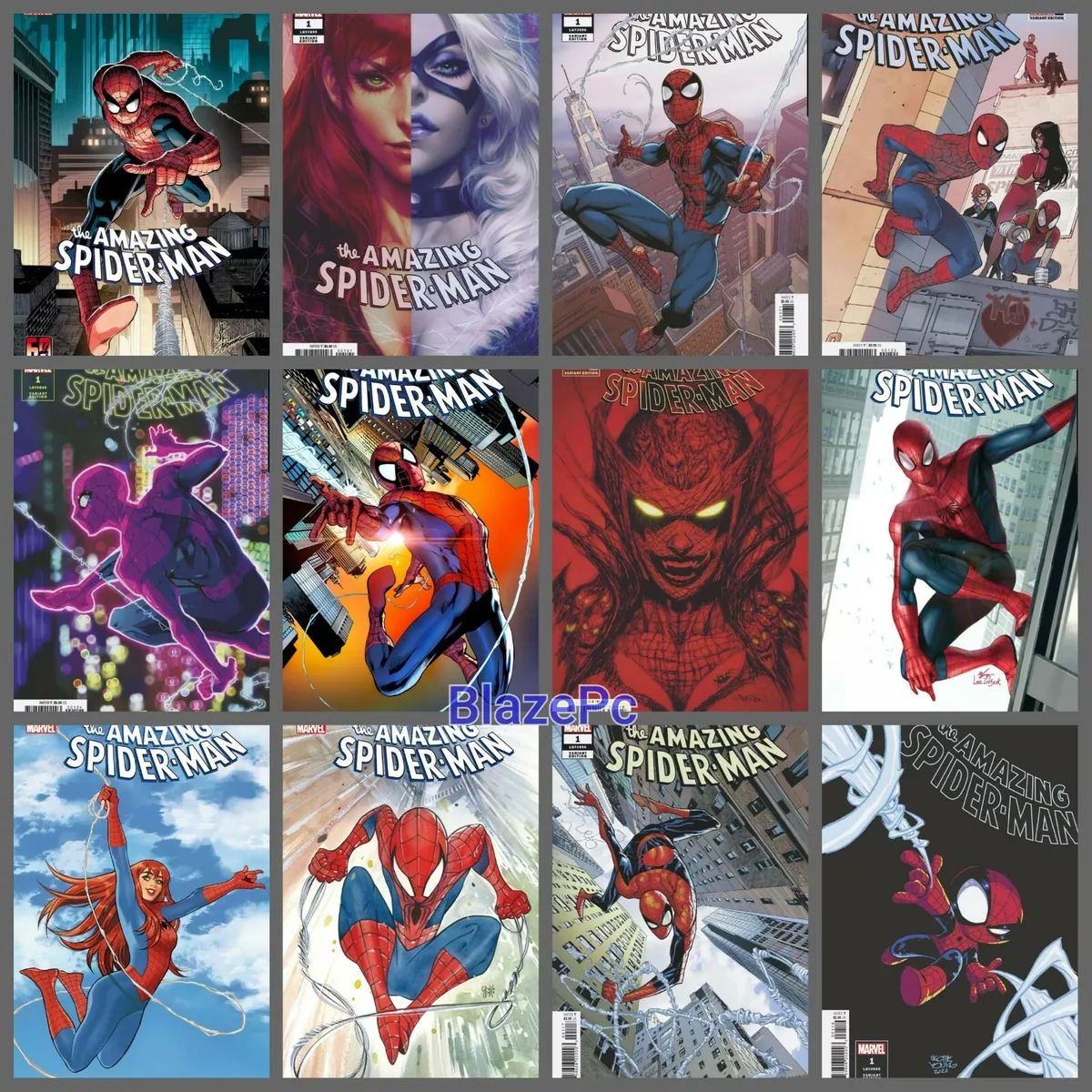
2. Variant CoversEverywhere
Pumping out so many variant covers to comic books is just a ploy to get collectors to spend more on the titles. It is also annoying and confusing for anyone who just wants to get a particular comic book to follow a story. Of course, no one is forced to get all the variant covers, which would be too expensive for average fans. But some completists can go insane and broke trying to find elusive covers that instantly go up in price at comic book stores. Another dilemma is that a person may only want the regular cover but sometimes that is hard to do, and that person is forced to buy a variant cover, which would be a nightmare for an OCD collector. Another very annoying trend with the variant covers is the tendency to put out covers that feature characters that do not have anything at all to do with the comic book! For proof, just look for any recent issue of The Amazing Spider-Man which is guaranteed to have Spider-Gwen or Black Cat on the cover even though neither character appears in that issue.
1. The Constant Cancellations and Relaunches of Popular Characters
This is the worst trend with comic books today and the most annoying. In the old days, a comic book would have a run that spanned hundreds of issues with creative teams coming and going from titles. It was fun trying to get the complete run or at least some significant key issues. But ever since the 1990s, comic book companies have been intent on canceling comic book titles only to relaunch them a short while later with a brand new number one issue. This is done to increase sales and attention to the comic book. While this may please some collectors who can now legitimately claim to own a copy of Daredevil #1 it annoys the rest of us who get confused when trying to complete a run. In the end, it’s just a tired marketing scheme that will not benefit the comic book in the long run. Want a long, successful run of a comic book title? Just focus on telling great stories. The word will get out to fans who will seek out the title and make it an enduring success.
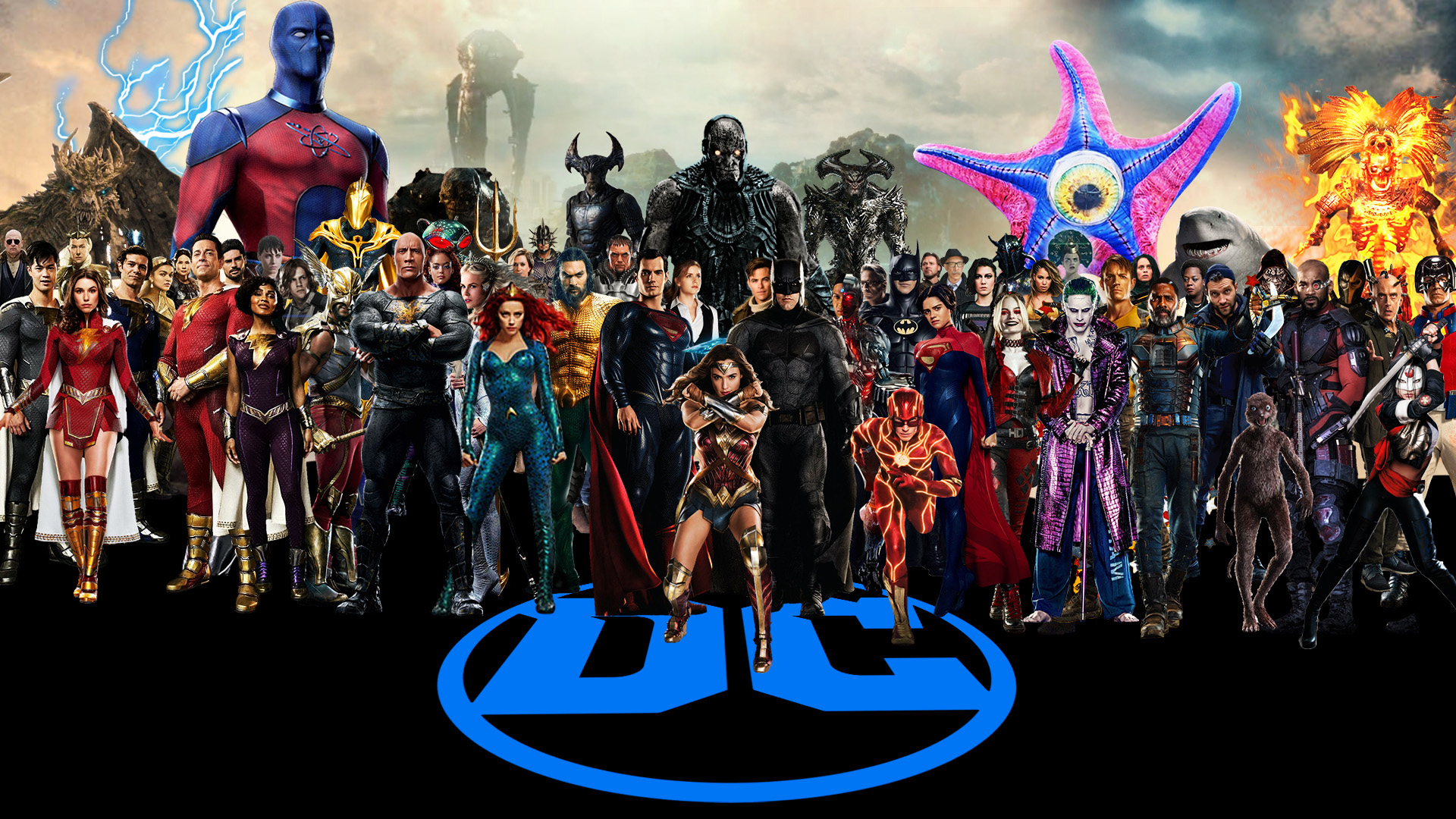
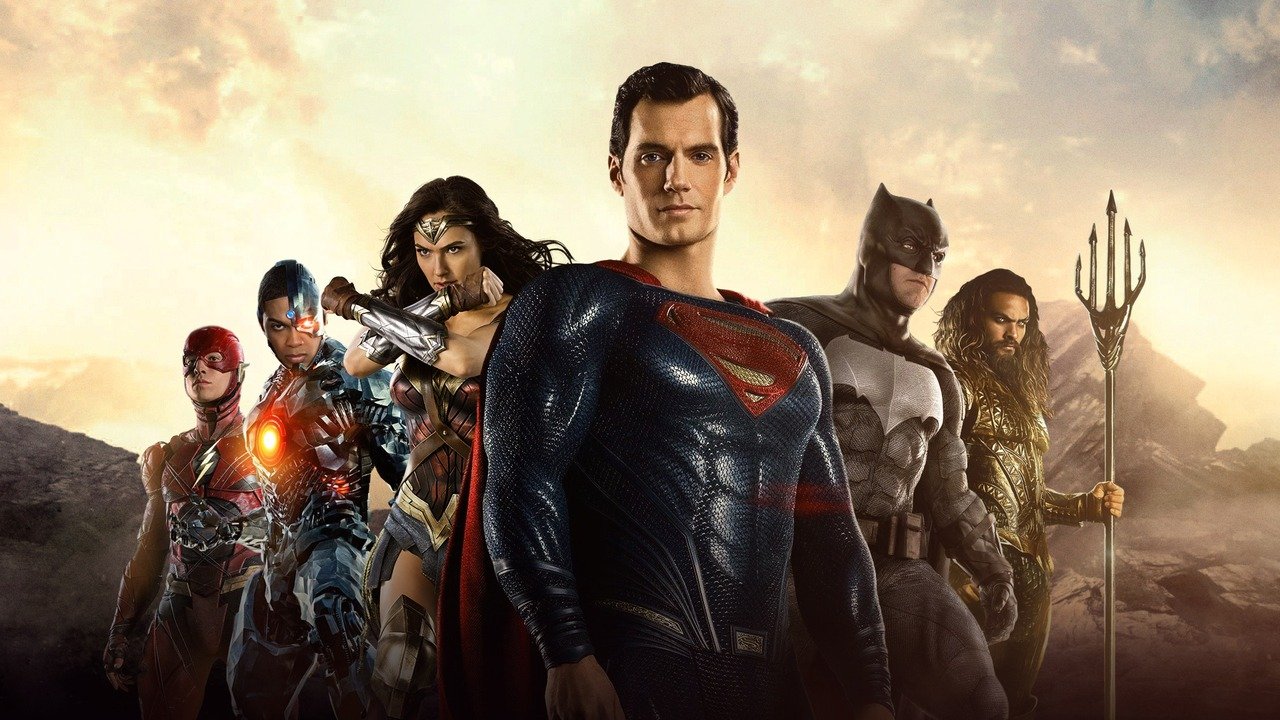
Now that Aquaman and the Lost Kingdom has left theaters and is available on digital, it is time to rank all the DC Extended Universe (DCEU) films. This ranking leaves out Peacemaker since it was a TV show, but if it were to be placed in the list it would come in third. Yes, it’s that good. Zack Snyder’s Justice League will be included even though it streamed on Max and technically does not take place in DCEU continuity, yet it is still a film associated with the DCEU.
Looking at the films overall, one can’t help but see that it was not very cohesive as a cinematic universe since it went all over the place after Zack Snyder left the DCEU. Still, even though the DCEU turned out to be disjointed and full of unrealized potential, there were films that turned out to be great.
Of course, this list is subjective and everyone else will have different rankings, so feel free to mention them in the comments.
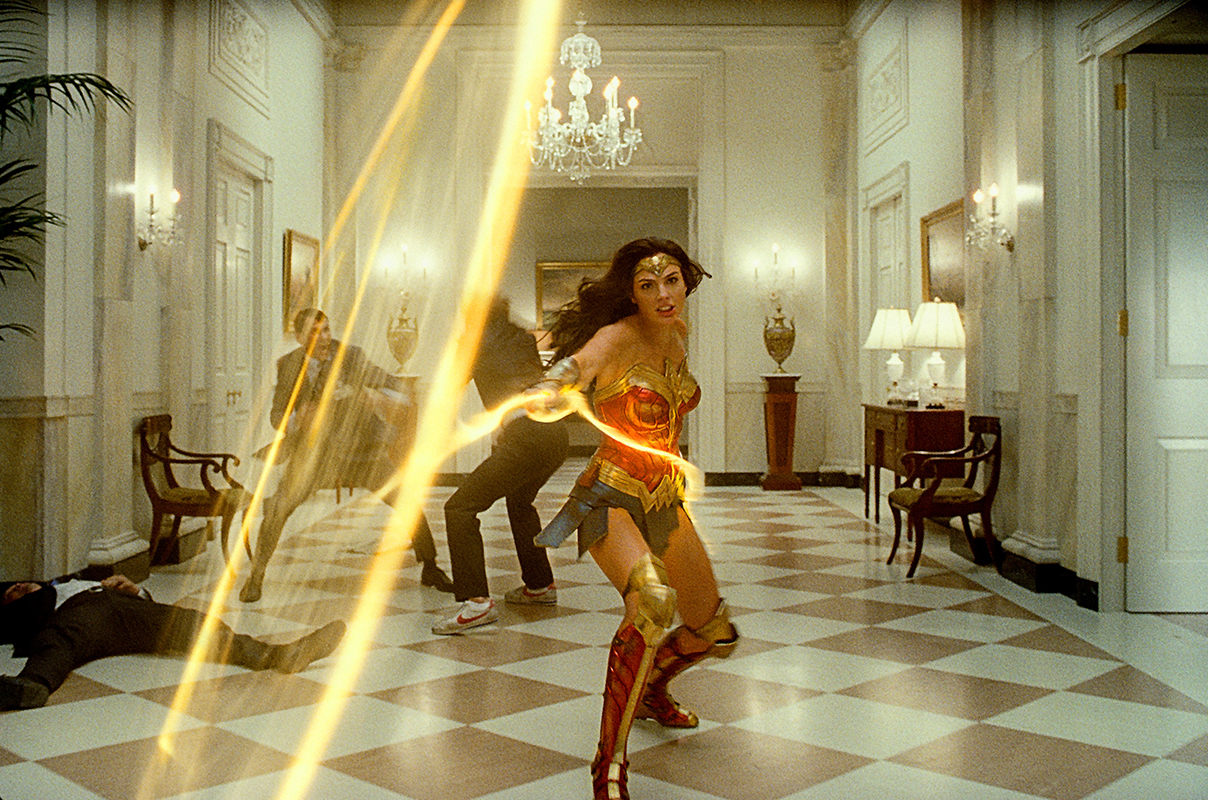
16. Wonder Woman 1984 (2020)
It is sadly shocking that the worst film of the DCEU was a sequel to one of the cinematic universe’s best films, especially since it was directed by Patti Jenkins, the director of the first Wonder Woman. The poor reception to Wonder Woman 1984 was arguably the beginning of the end for the troubled cinematic universe.
What sunk the film was the poorly thought-out script that creepily found a way to reunite Diana Prince/Wonder Woman (Gal Gadot) with her long-dead lover Steve Trevor (Chris Pine). Then there was the entire situation with the wish-fulfilling villain who granted outrageous changes to the world in 1984 that was never referred to in other DCEU films which took place in modern times. And Wonder Woman has been able to fly all this time? Please, let’s move on.
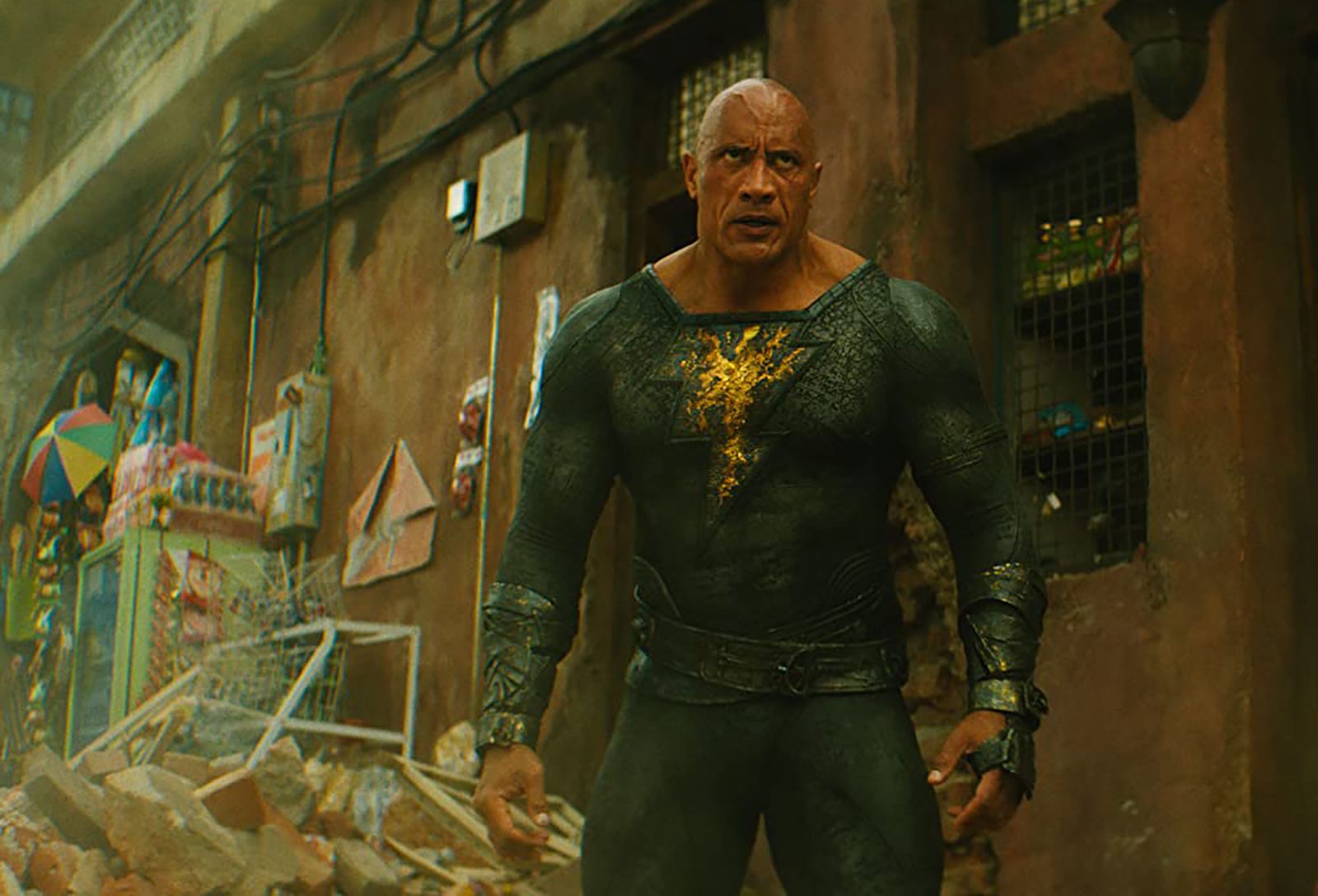
15. Black Adam (2022)
After being announced that The Rock would portray the superhuman anti-hero years ago, the film was stuck in production hell, and it seemed as if this film would never be made. Yet somehow it was made but, Warner Bros. should not have bothered. The Rock’s behind-the scenes machinations crippled the Shazam! sequel since Black Adam was supposed to appear at one point as a villain for Shazam, but The Rock refused to appear in it because there was no way he would be seen as the bad guy. But his actions led to Henry Cavill portraying Superman for the final time, even if it was as a brief cameo. Unfortunately, that was not enough to save Black Adam.
The rest of the film was an uninspired yawner with generic superhuman action pieces that could not even be salvaged by appearances of new characters like the members of the Justic Society. A major flaw with Black Adam was that there was little danger for the title anti-hero because he easily won every single fight. This resulted in a story that had low dramatic stakes for the main character and a forgettable film.
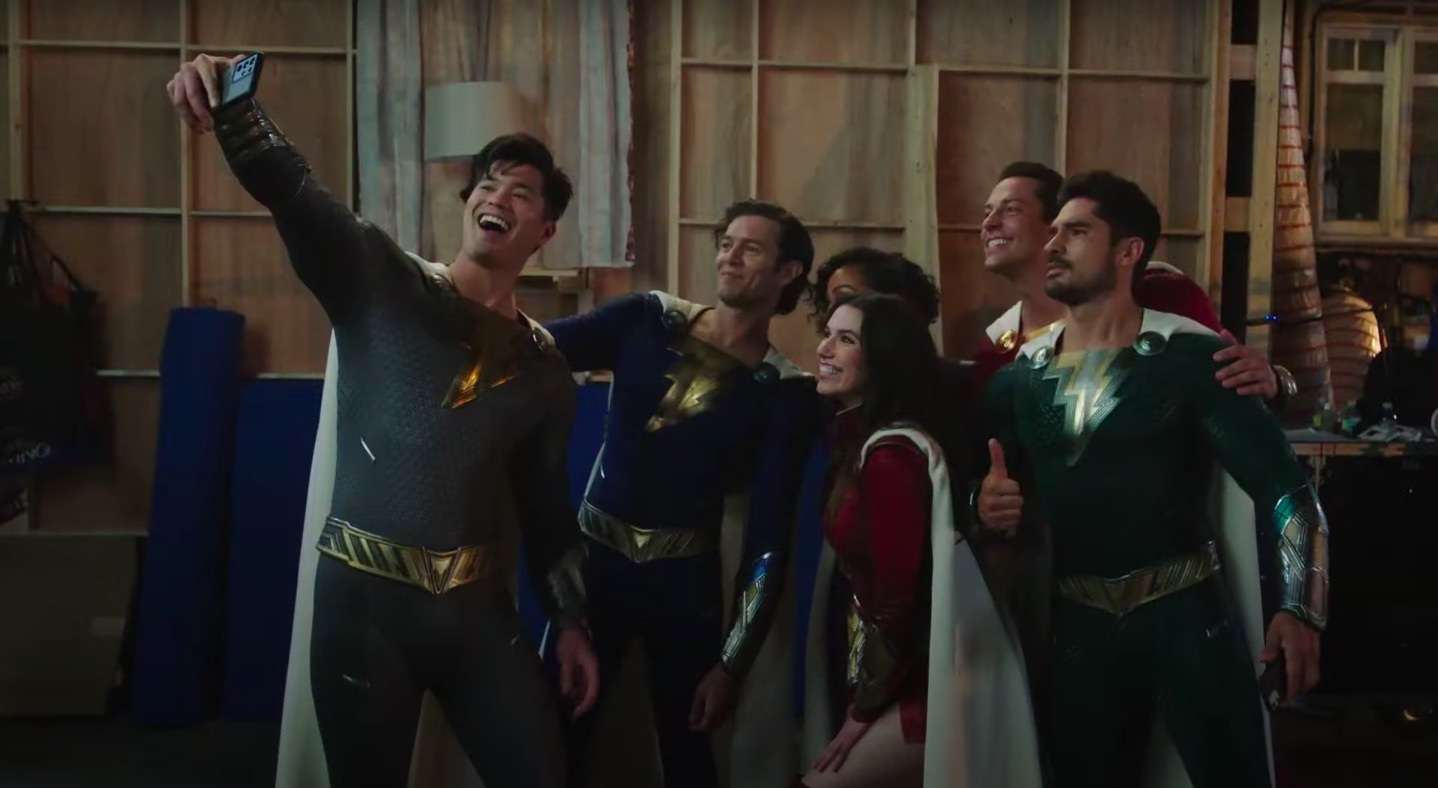
14. Shazam! Fury of the Gods (2023)
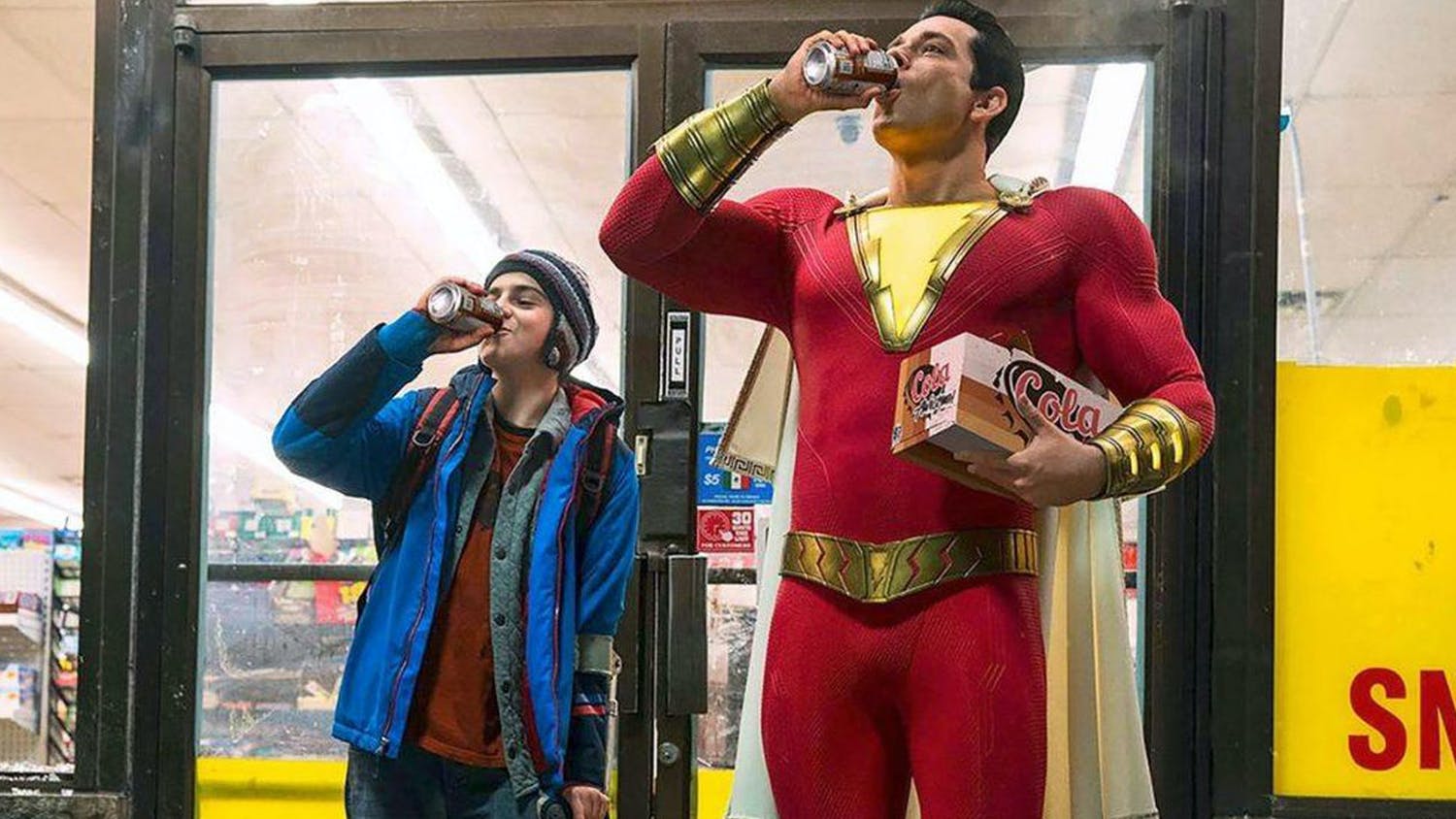
This sequel to Shazam! loses most of the charm of the original film as Zachary Levi’s character behaved like a complete buffoon for most of the film. As Shazam in an adult body, it was odd that the superhero acted like an immature pre-teen while in his normal young adult body, Billy Batson (Asher Angel), behaved with much more maturity.
Too often Shazam! Fury of the Gods came off like a paint-by-numbers, generic superhero yarn that was overcrowded with too many characters who were given little screentime to have fully fleshed out storylines. Then there was the ending, which was complete cop out, even though it featured Gal Gadot in a cameo as Wonder Woman.
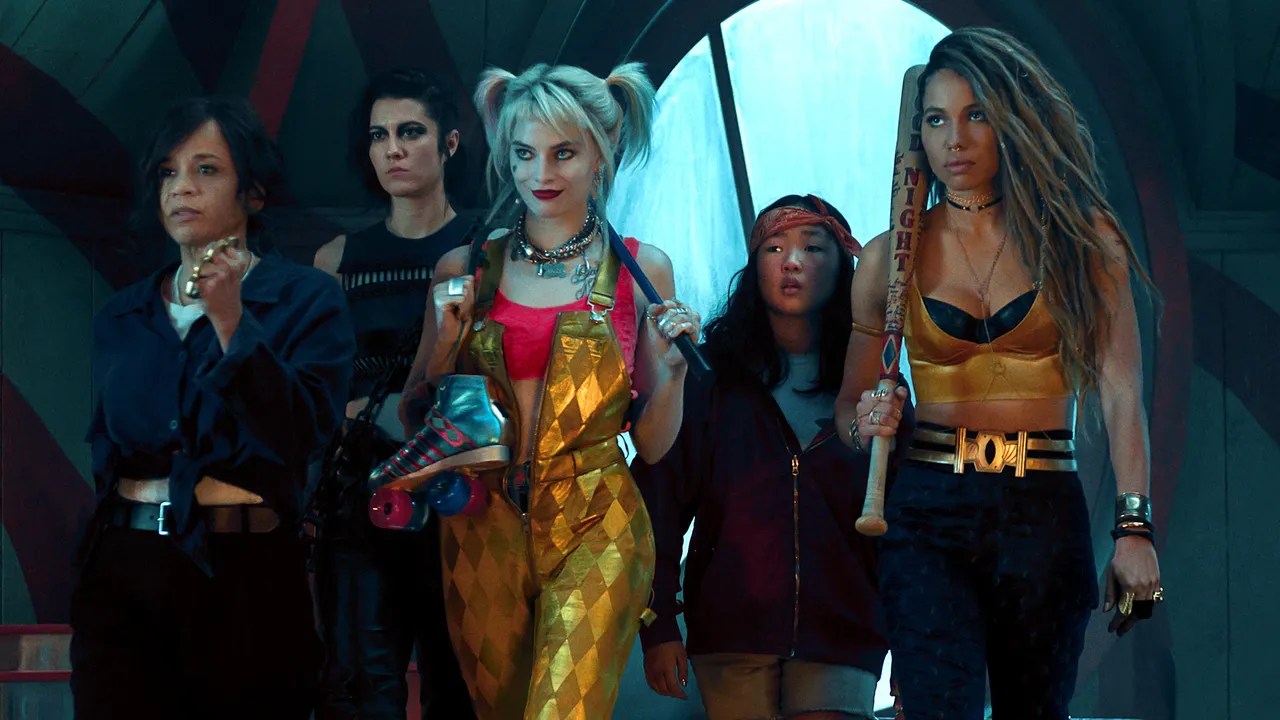
13. Birds of Prey (and the Fantabulous Emancipation of One Harley Quinn) (2020)
Try saying that three times fast, not even the Flash could pull that off! This film had the misfortune of coming out on the dawn of the pandemic and being something very few fans asked for. Seriously, Warner Bros. greenlit this film but not a solo Batman film with Ben Affleck! Or even a Man of Steel II!
Even though Margot Robbie turned in a solid performance as Harley Quinn, as do most of the other actors, this film looked and felt like a low-budget TV film or two-hour episode. It could have been worse, and the film has its moments, but it’s not exactly something fans should rush out to see.
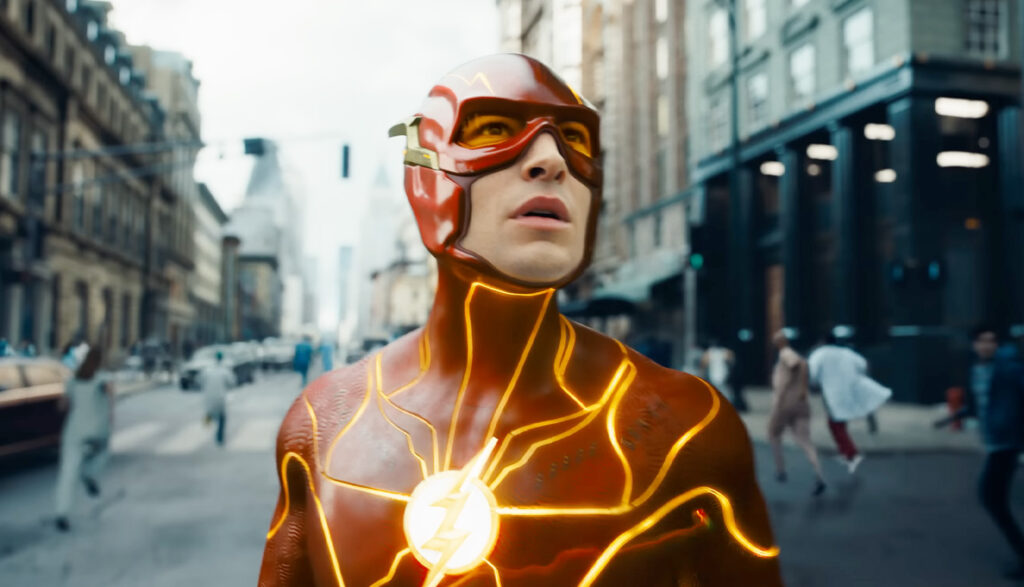
12. The Flash (2023)
It was supposedly hyped as the greatest superhero film ever made by Warner Bros. executives. Ok, right. The Flash is certainly not even close to being that. However, the film was a wild ride which featured a welcome return of Michael Keaton as Batman/Bruce Wayne. His reprisal was part of a bizarre time travel/alternate universe story that at one point was to be the method to resetting the DCEU. Unfortunately, the result was a jumbled mess that ended up being one of the biggest bombs in film history. What didn’t help the film was the criminal behavior of actor Ezra Miller which drove many away from seeing the film. Sure, Miller turned in a good performance, but the role should have been re-cast.
The Flash was also hampered by some very awful and cheap looking CG, the questionable use of dead actors, and missed opportunities. If they could stick in a poorly rendered CG of Christopher Reeve for a cameo, why couldn’t the film version of the Flash meet the TV version played by Grant Gustin? What was worse is that by the end of the film, the main character apparently never learned his lesson about meddling with time. So, what was the point of all that?
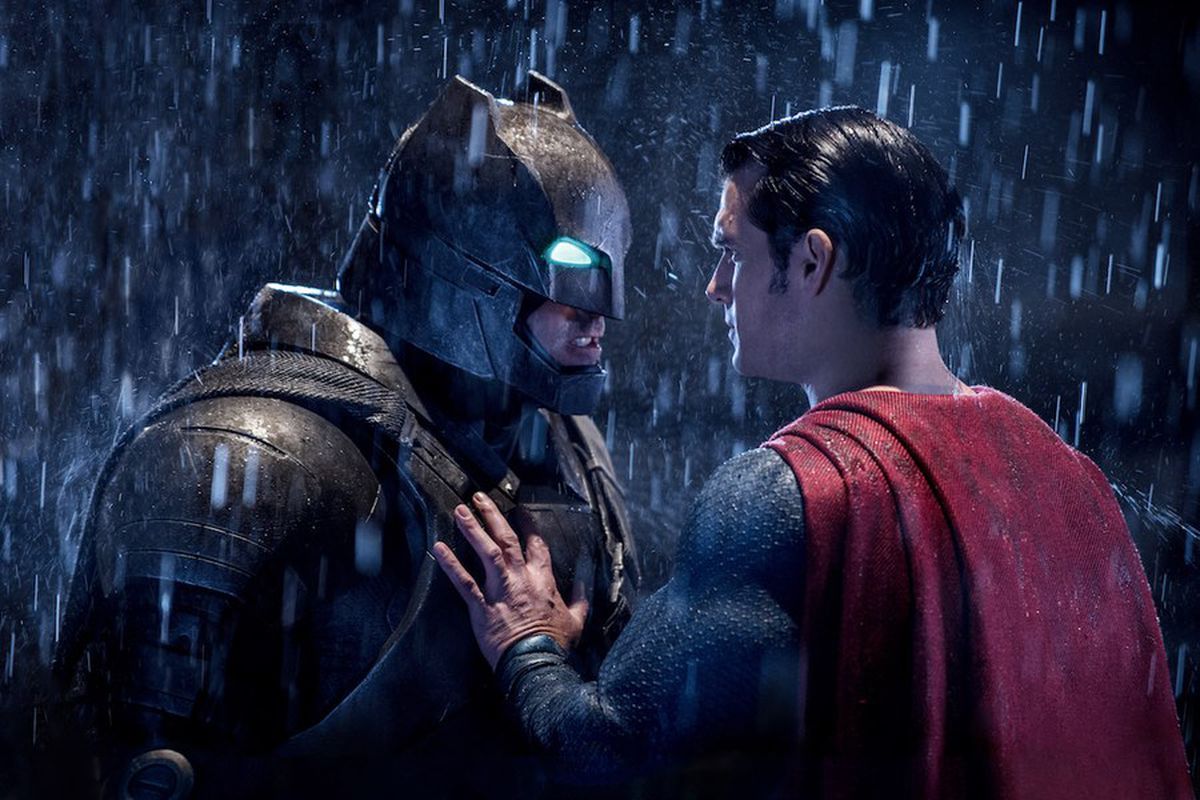
11. Batman v Superman: Dawn of Justice (2016)
Any Zack Snyder fans should heed this film when arguing that the director should have been allowed to run rampant with his vision for the DCEU. The film had everything going for it, including massive hype that it was the first time DC’s two greatest heroes would meet onscreen. Yes, it was a box office success, but it should have been a member of the billion-dollar club and that is because of how the film turned out.
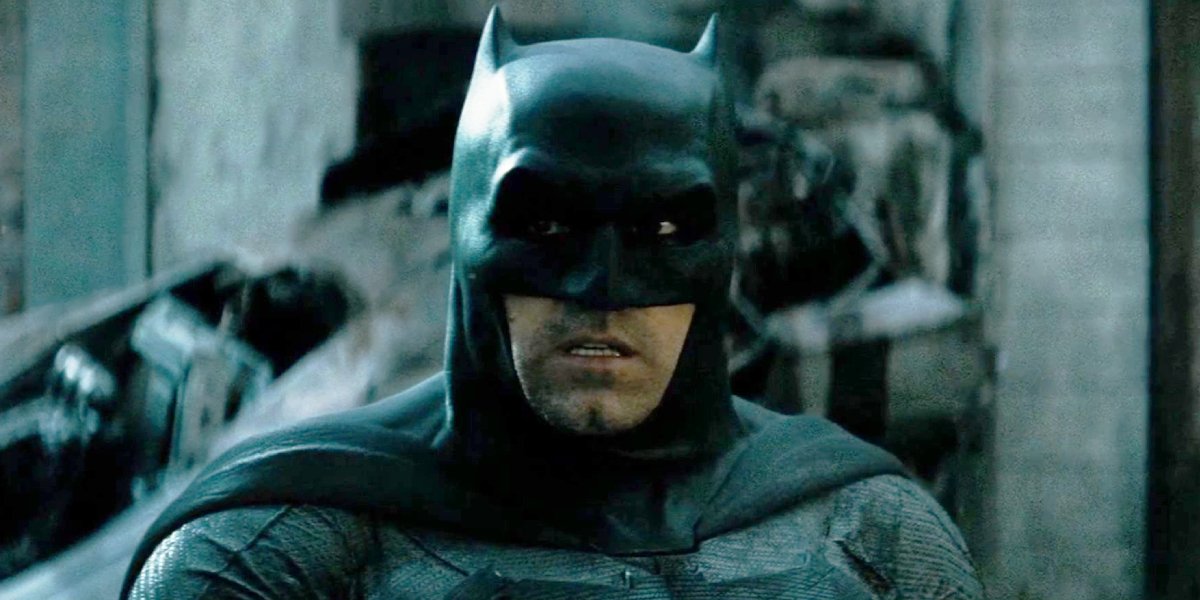
Bloated and incoherent, Batman v Superman blew its opportunity to wow fans thanks to its script that was more interested in setting up future DCEU films than telling a good story on its own. Also, the film borrowed too many elements from classic comic books like The Dark Knight Returns without proper context. The film was cluttered with Snyder’s overindulgent hyper-realistic shots that dwelled in slo-mo and dour cinematography. Some of the acting was inspired, especially Ben Affleck as Batman who surprised everyone by his performance, but Jesse Eisenberg’s horrendous miscasting as Lex Luthor undermined the film. The extended version of the film is much better as it helped flesh out the many dangling plot threads that were never developed in the original cut.
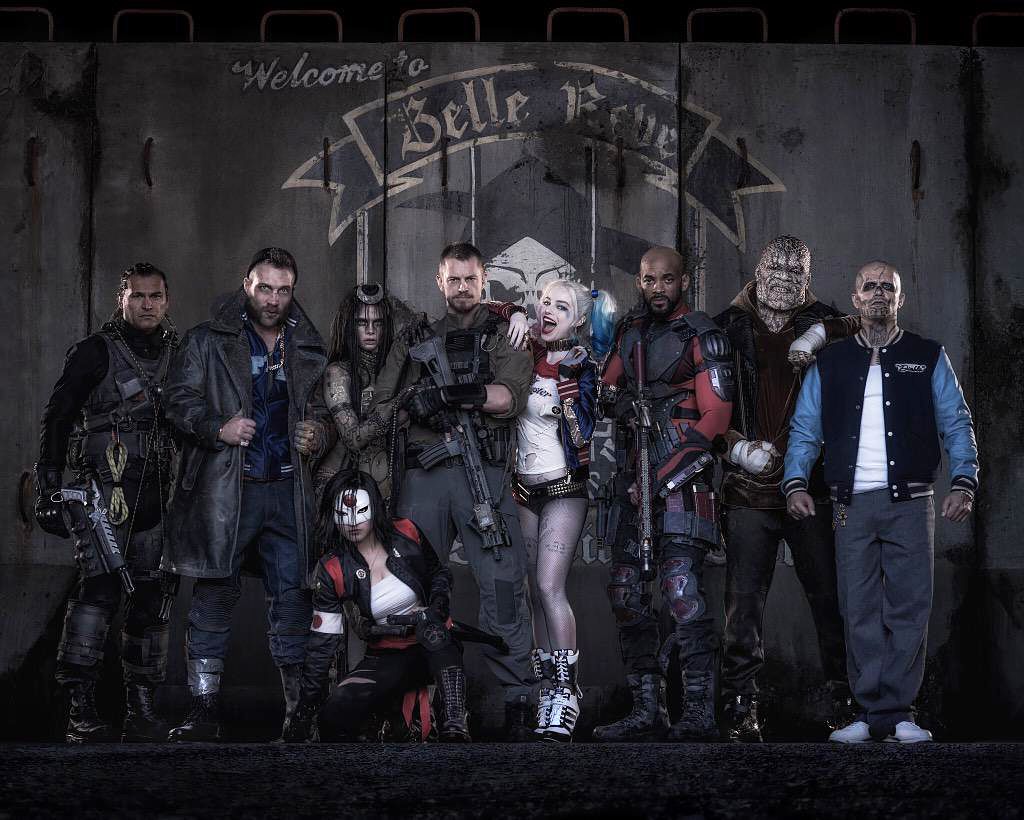
10. Suicide Squad (2016)
There is a great superhero action film buried somewhere in this film about supervillains forced to carry out a black ops mission for the U.S. Maybe, we’ll see it one day if Warner Bros. ever releases director David Ayer’s original cut. For now, we must settle for a film that tried to be DC’s answer to Guardians of the Galaxy and failing to do that.
The film featured many inspired performances like Will Smith as Deadshot, Joel Kinnamen as Randall Flag, Jai Courtney as Captain Boomerang and of course, Margot Robbie as Harley Quinn. Try as they did, the actors could only do so much as the script had a bunch of underpowered and mostly unlikeable characters facing off against an overpowered supernatural entity that danced stupidly. Thanks to poor editing and forced changes by film executives, the film varied wildly in tone from gritty and dour to flippant and silly as the plot careened all over the place.
9. Aquaman and the Lost Kingdom (2023)
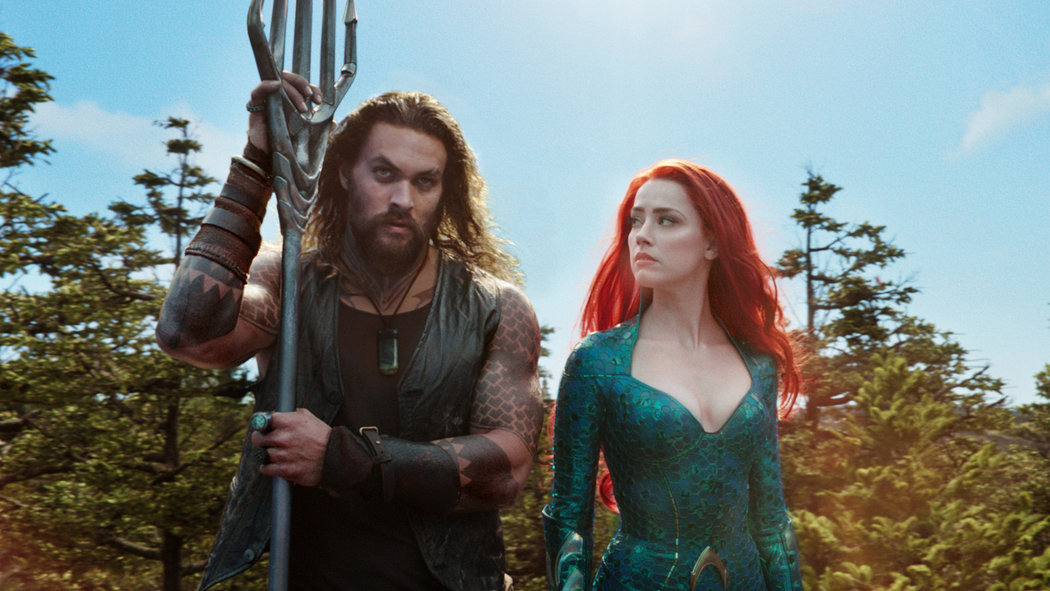
Even though it could not exactly replicate the outlandishness of the original Aquaman, the sequel tried its best and was still a fun adventure. Jason Momoa was great as always portraying the Atlantean king. He clearly was having fun playing the title hero who struggled to juggle conflicting lives in his roles as a father, husband, king, superhero and surfer dude.
The film was not as imaginative or as inventive as the original, but the production did its best to deliver a sound superhero epic about Aquaman and his strained relationship with his half-brother (Patrick Wilson), as they teamed up to save Atlantis from a common foe. Overall, it was a worthy sequel to Aquaman, that is worth watching. Even though it was not intended to be the final DCEU film, Aquaman and the Lost Kingdom, turned out to be a decent sendoff for the DCEU.
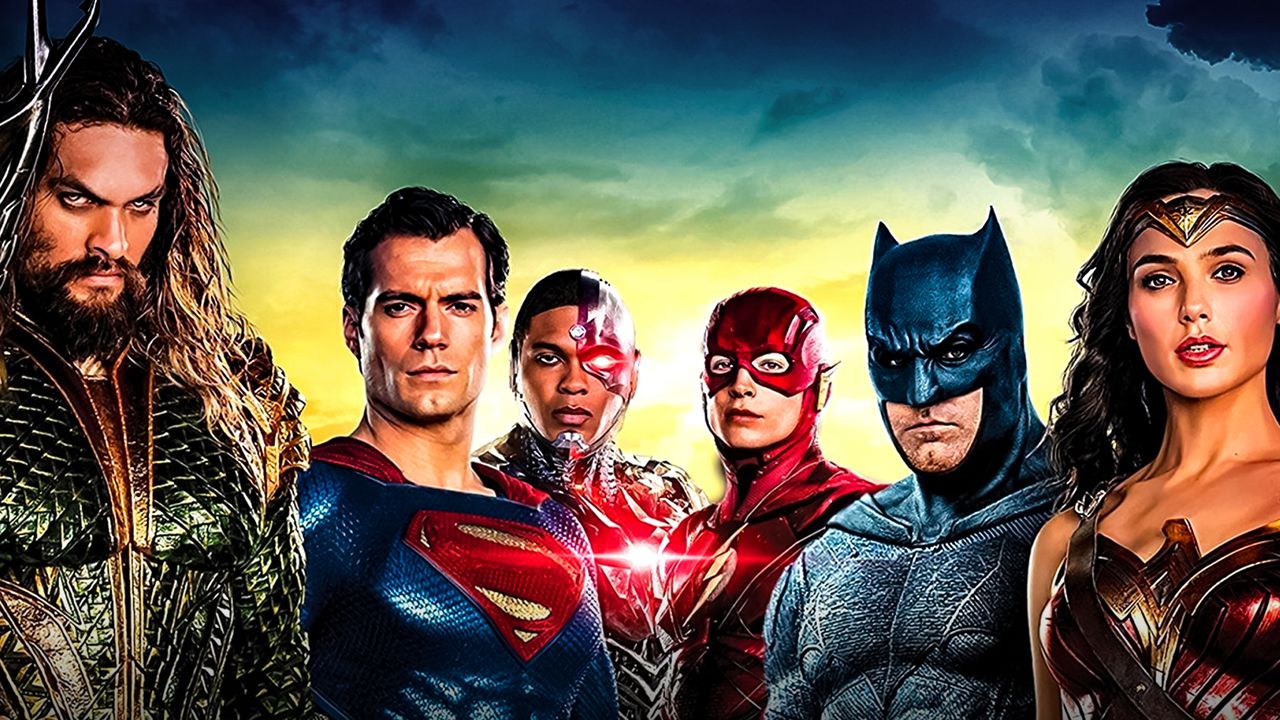
8. Justice League (2017)
Yes, Justice League was supposed to be the counterpart to The Avengers as it featured the first team-up of DC’s greatest superheroes on the big screen, but it fell far short of that goal thanks to rushed reshootings by Joss Whedon, who took over for Zack Snyder. The production was very troubled thanks to nervous and clueless Warner Bros. executives who were only interested in padding their wallets. Instead of delaying the film, the executives were concerned with bonuses they would get by releasing the film as scheduled. The result was an uneven, mishmashed vision from two directors with very different visual and storytelling styles.
Justice League was further impaired by shoddy CG that made the film look like a visually messy video game, and who can forget the ghastly removal of Henry Cavill’s mustache? Those scenes with him and the bad CG are nearly unwatchable. Even though this film had many issues, it still featured some virtues like some of the performances and the interactions of the Justice League members hinted at the possibility of greater things to come, but sadly that would never be.
7. Shazam! (2019)
Admittedly, this superhero film was a bit silly and seemed oriented for younger audiences because of its young cast. But underneath the corny jokes and juvenile antics, was a film with a lot of heart. Shazam! echoed a lot of elements from Big, which clearly helped inspired the superhero film with its look at a young pre-teen who was suddenly transformed into a naïve adult superhero.
Shazam! might be less underwhelming than the superhero epics we are used to by now, but it delivers because of its emphasis on the characters, who struggled to deal with their fantastic situations. This was helped, of course, by some solid performances and great chemistry among the actors. Basically, Shazam! is a fun romp that explores the joys and responsibilities of being superhuman.
6. Wonder Woman (2017)
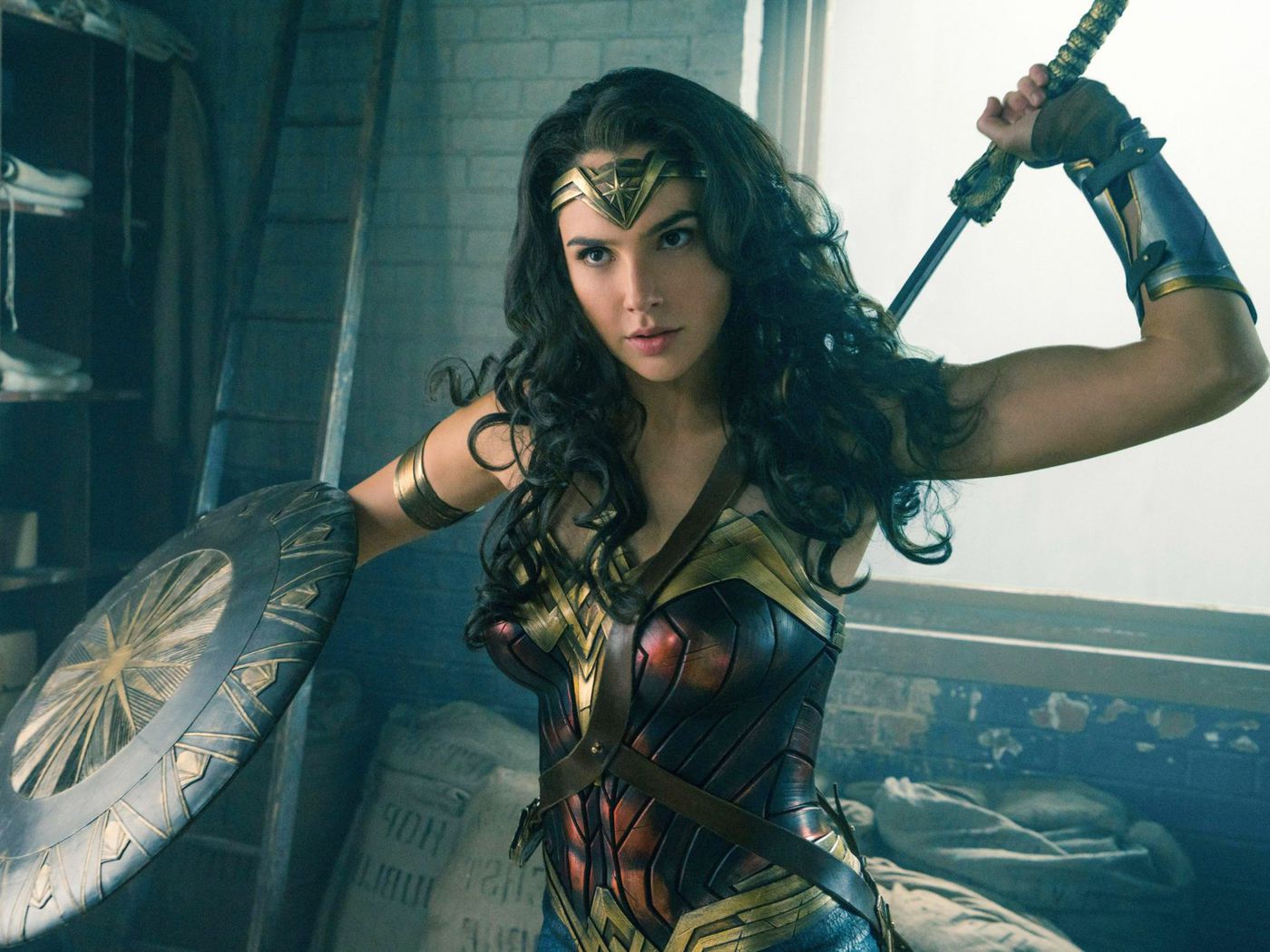
After the poor reception of prior DCEU films DC fans breathed a sigh of relief when this film turned out to be acclaimed by critics and audiences. Gal Gadot was never better in the role of Wonder Woman in a story that was distinctly unburdened by the continuity of the DCEU. Set in World War I, Wonder Woman was basically a fish-out-of-water story that showcased the Amazonian princess experiencing the violent outside world for the first time.
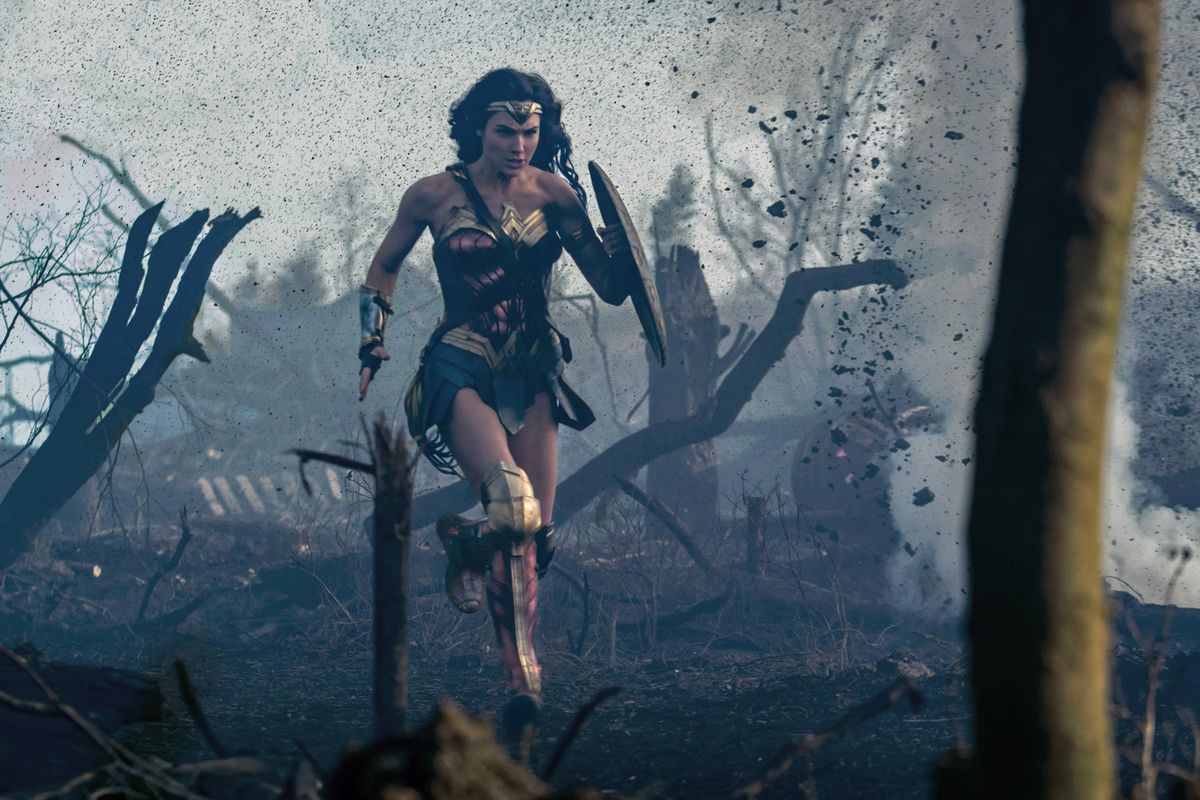
Gadot had great chemistry with her co-star Chris Pine, who played her love interest Steve Trevor as their relationship formed the heart of the film. It also boasted one of the DCEU’s best moments: when Wonder Woman emerged from the trenches to fight enemy soldiers in a battlefield. Still, the film was not without its flaws, such as an uninspiring final battle with your typical CG villain and a story that eerily copied many of the plot points of Captain America: The First Avenger. Still, Wonder Woman has a lot to offer.
5. Blue Beetle (2023)
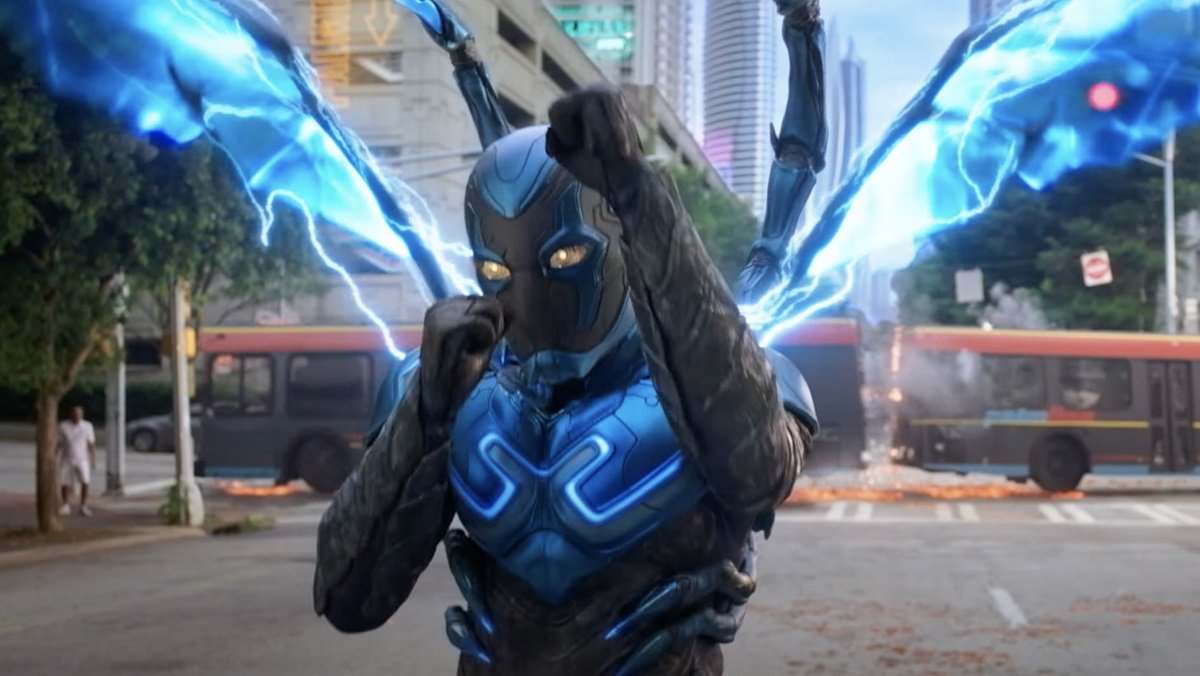
There is very little that was original with this film’s superhero origin plot of the likeable everyguy who suddenly became a reluctant superhero. However, thanks to BlueBeetle’s back-to-basics approach with superhero films and heartfelt performances the film stood out from other DCEU productions. Xolo Maridueña really shined as the title hero Jaime Reyes who struggles to help his eclectic family and comes upon an alien battle suit.
The family dynamic in Blue Beetle is arguably its most notable merit as the actors have genuine chemistry with one another and embellished Reyes as a relatable character. What also helped the film were its well-choreographed action scenes and fast-moving plot. The script not only focused on the family dynamic of the Reyes Family but on social and class conflicts as the family struggled to fit into the high-tech world of the DCEU.
4. Aquaman (2018)
Credit has to go to director James Wan for being uninhibited with his superhero film that truly embraced its wild comic book roots. Actor Jason Momoa reveled in his role of the title hero which helped reimagine the image of the Aquaman character from a laughable D-list comic book character into a bonafide badass. The film was also imaginative with its depiction of underwater kingdoms and creatures that was quite dazzling. The less impressive underwater society of Namor shown in Black Panther: Wakanda Forever could not compare to the ones shown in Aquaman.
Brimming with great action, brisk pacing and vibrant production design, Aquaman turned out to be the most successful DCEU film, in fact it was the only one to earn over a billion dollars. Part of the reason for its success was because the film came out at the zenith of the current superhero film craze. However, much of it has to do with its exciting and appealing incorporation of the comic books that inspired it.
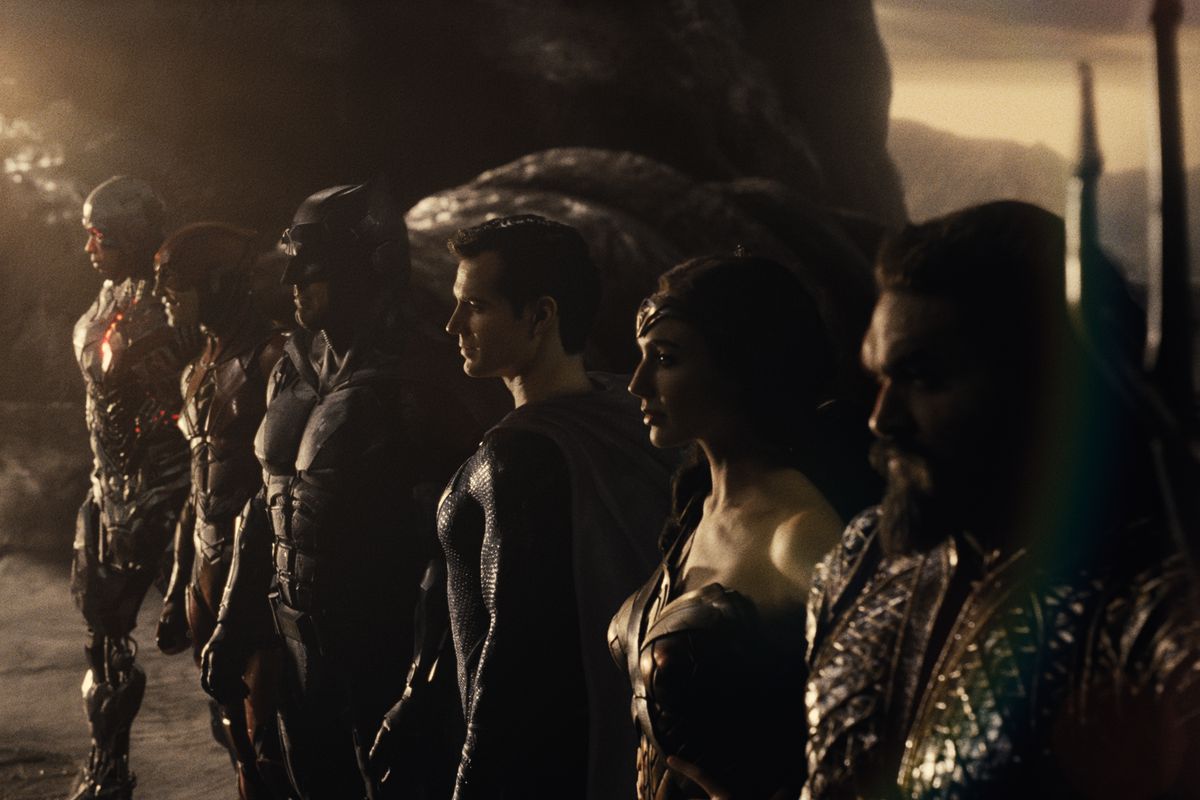
3. Zack Snyder’s Justice League (2021)
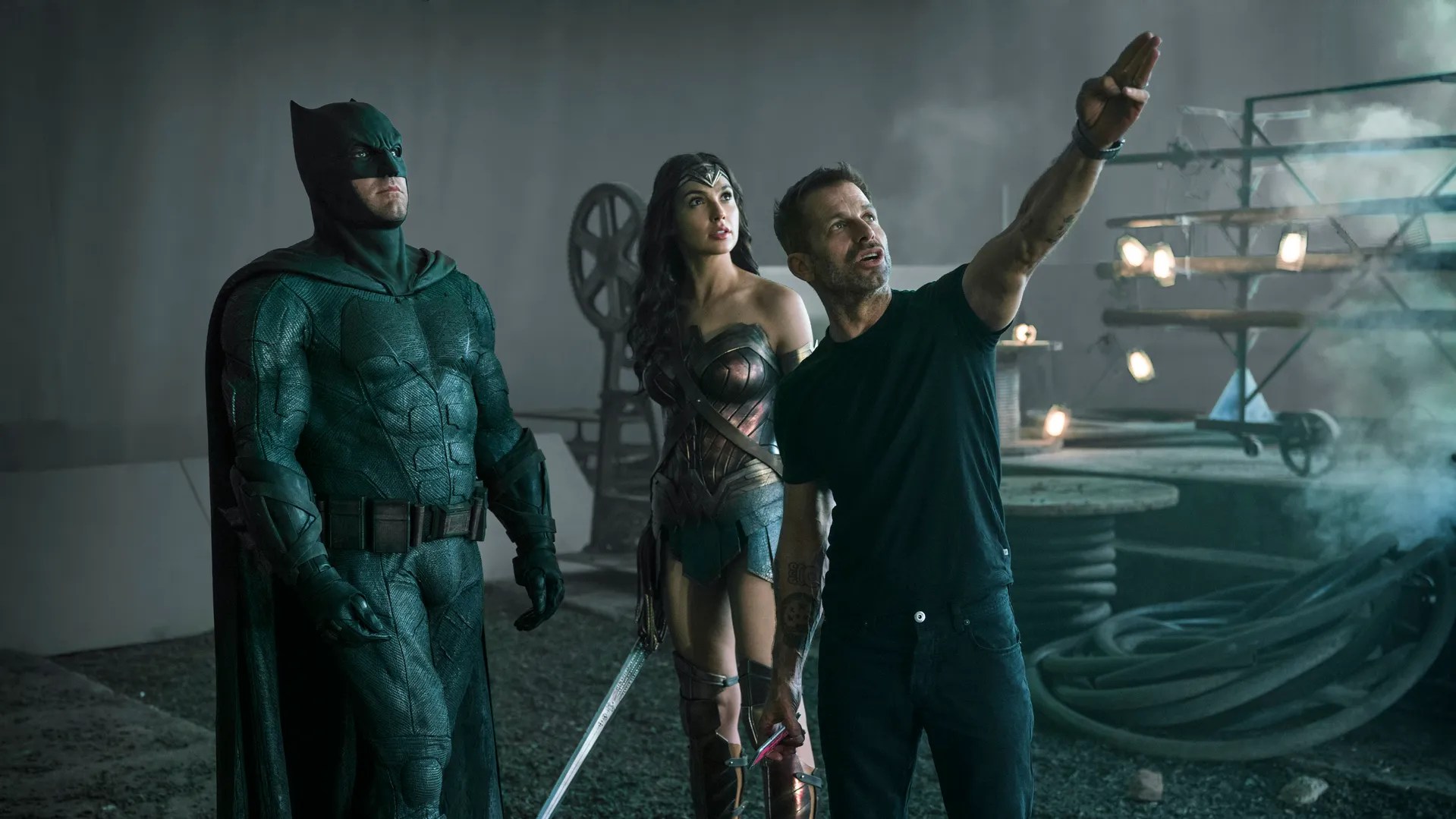
This is the quintessential DCEU epic! Few ever expected this version of JusticeLeague to ever be released because it was just a rough cut of the film before Zack Snyder left the project. Once the director was allowed to complete his original vision years later, the result proved to many that this version should have been released instead. Whether or not you are a fan of Snyder, this version clearly has his distinct directorial stamp on it. Hyper-realistic shots, many done in slo-mo, harsh lighting, lavish shots that look like Renaissance paintings, and intensely choreographed and epic fight scenes with stunning special effects.
The film was much darker and veered significantly from the original theatrical version, but it fully fleshed out many of the characters and their arcs with a few notable exceptions. We actually got to see Cyborg developed as a unique hero, many designs and sequences were improved, and the goal of the villain was clearer, which helped raise the stakes for our heroes. We even saw Darkseid in all his evil glory! The only thing that harmed the film was that it not only hinted at what could have been, but it ended on a cliffhanger that took place in a dark future. How could Snyder do this us? Oh, well, at least we had the chance to see his unfiltered vision for the DCEU.
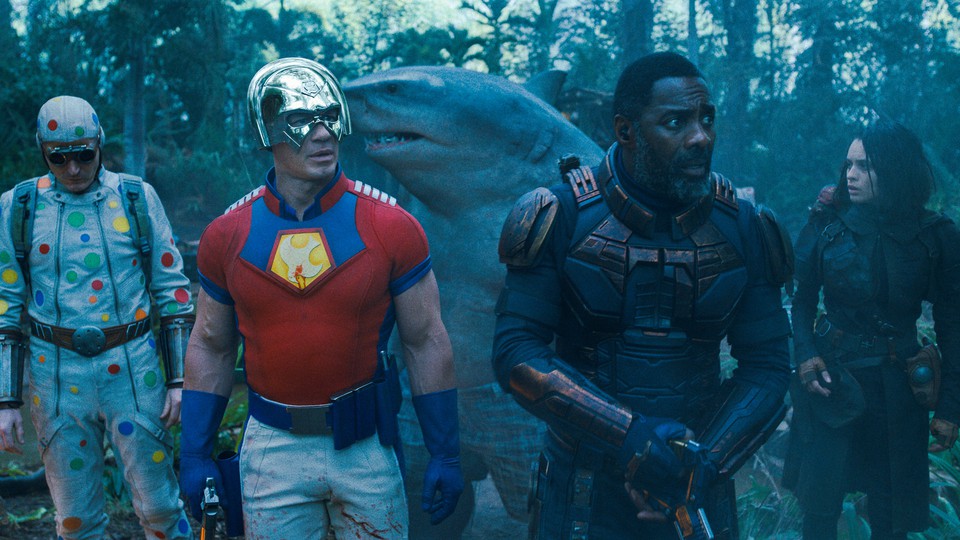
2. The Suicide Squad (2021)
Director James Gunn hit a super homerun with this inventive and thrilling do-over of the Suicide Squad concept. Brimming with Gunn’s trademark dark humor, character interactions and visual whimsy, The Suicide Squad should have been a huge hit, but it came out at the wrong time when Warner Bros. was flailing about during the pandemic. What also helped the film stand apart from other DCEU films was its willingness to kill off amiable characters and featuring outlandish villains taken straight from DC’s silver age.
The Suicide Squad’s best assets were the characters, which were performed with great enthusiasm by a winning ensemble cast. Margot Robbie turned in her best performance as Harley Quinn and Idris Elba was so relatable and grounded as Bloodsport. Meanwhile, the character King Shark stole the movie as the DCEU’s version of Groot, thanks to a wonderful script and Sylvester Stallone’s inspired voice acting. Its creative success was not able to salvage the DCEU, but it provided us with a glimpse of how James Gunn’s new vision for live-action DC films will be like.
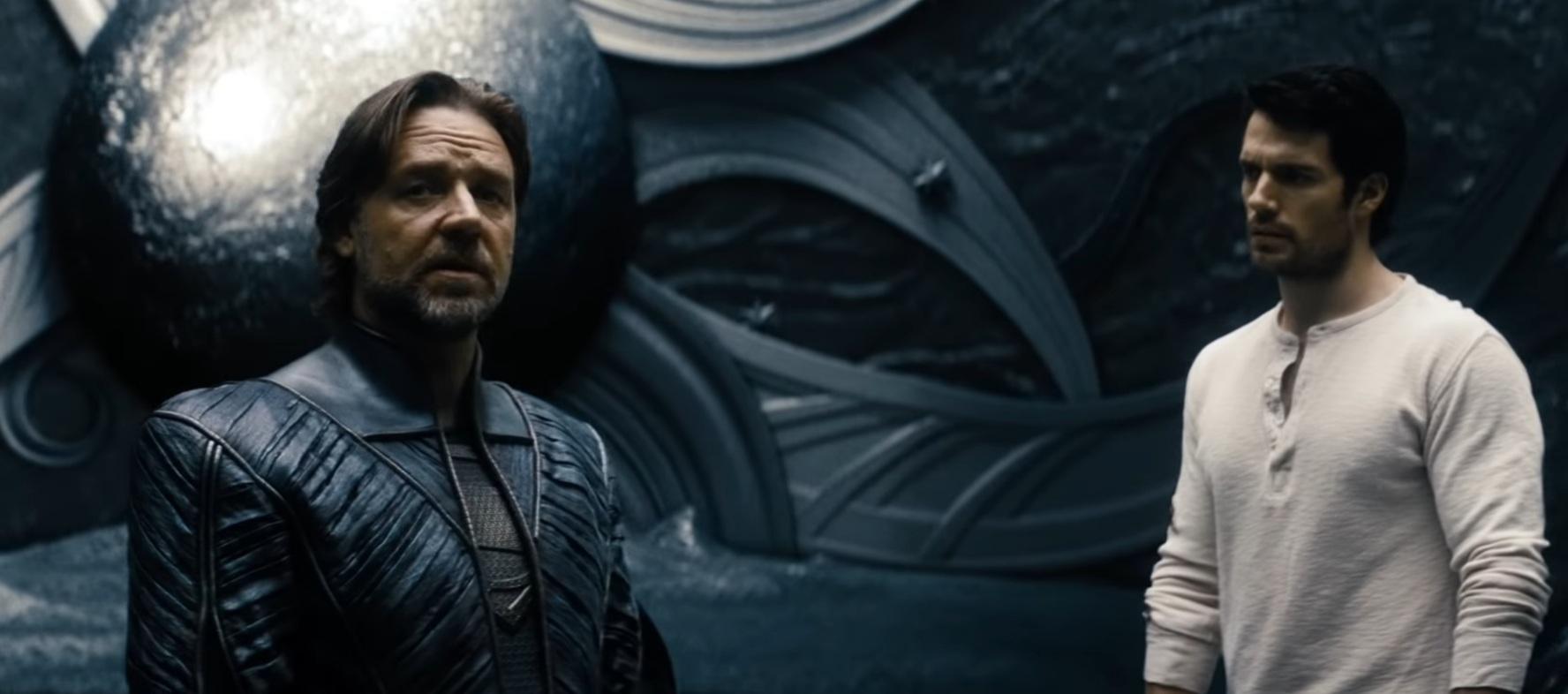
1. Man of Steel (2013)
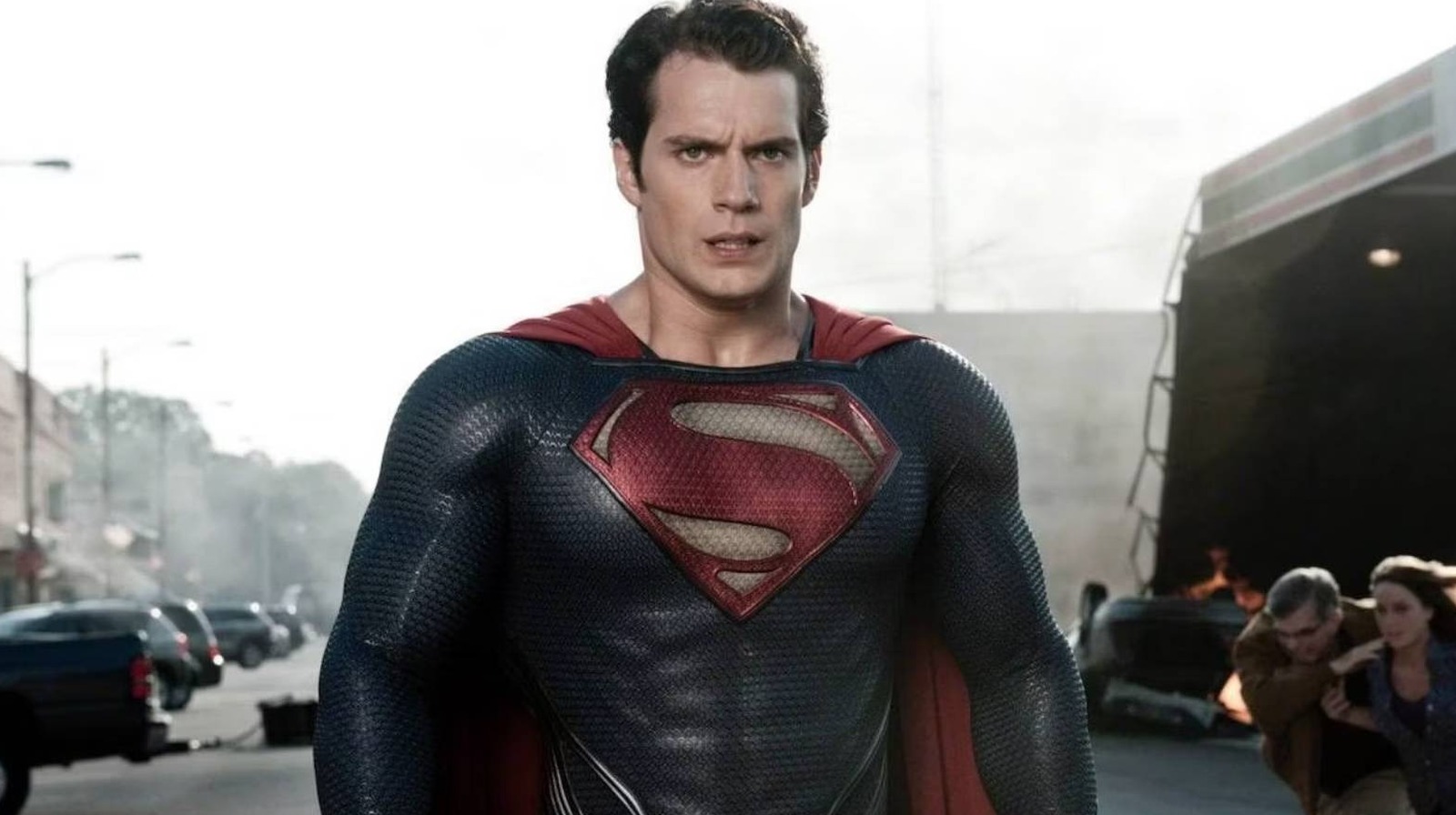
In a way, it is sad that the best film of an extensive cinematic universe turned out to be its very first one. But here we are. This Superman film was and remains one of the most controversial superhero films thanks to Zack Snyder’s gritty reimagining of the Man of Steel. In his deconstruction of the Superman mythos, Snyder’s vision set a tone for the DCEU that stood apart from the competition. Even though his take of Superman may be considered too dark for those that wanted a more traditional and optimistic Superman, Man of Steel updated the Last Son of Krypton and his story, which was needed for modern audiences.
The grounded and more realistic look at what it would be like if a superhuman alien was raised on Earth also doubled as a First Contact story and an exploration of the struggle of becoming a responsible adult. Henry Cavill was perfectly cast as a more emotionally vulnerable Clark Kent/Kal-El/Superman who strived to find his place in the world. He was not perfect, he was wracked with uncertainty, he made mistakes, he was forced to kill. All of this may not fit into the ideal many had about Superman, but credit has to go to Snyder for having the fortitude to present a different look at Superman.
The film featured terrific performances, special effects and never-before-seen action sequences that finally let us see the horror and epic scale of superhuman battles. Even though many cannot appreciate the film for its own merits, Man ofSteel established the template for the DCEU going forward. Simply put, Man of Steel is the DCEU at its best.
Now that Aquaman and the Lost Kingdom has been released in theaters the DC Extended Universe (DCEU) has come to an end. As Warner Bros.’ answer to the might Marvel Cinematic Universe, the DCEU has had many hurdles that it could not overcome during its ten-year run. Frankly, it’s a minor miracle that it lasted this long. The issues facing the DCEU have been covered at length and basically, the overall tone of the cinematic universe was all over the place with some truly great films (and one TV show) and some horrendous films. Still, in spite of its problems the DCEU had a lot of merits, which should be brought up as we commemorate the DCEU.
Bold New Takes on Characters
Man of Steel, the first entry in the DCEU, immediately stood apart from traditional Superman films with its darker and more grounded approach to the superhero. This turned off many fans, but others welcomed the refreshing take on the character as it explored the alienation and uncertainty that Superman felt during his emergence as a superhero.
Other characters also had interesting interpretations such as Batman portrayed as a world-weary crusader coming out of semi-retirement and finding a new purpose. Aquaman was reimagined from a being a joke to a formidable warrior with the personality of a surfer dude on hyper steroids. Shazam! presented the title character as an immature teenager reveling in the body of a superpowered adult superhero—the ultimate fantasy for most teenage boys and girls.
Excellent Casting
One reason for the successful re-interpretations of the well-known DC characters was the casting. Henry Cavill was so great as Superman, that for many fans his version of the superhero overtook the classic Christopher Reeve interpretation as Cavill’s Superman felt so modern. Jason Momoa’s version of Aquaman turned him into a fun-loving badass.
While many were skeptical of the casting of Ben Affleck as Batman, the actor shocked everyone with a solid performance and now many feel Affleck did the best portrayal of the Dark Knight. Gal Gadot electrified audiences with her portrayal of Wonder Woman and established the Amazonian princess as an inspiring role model. Meanwhile, Margot Robbie infused Harley Quinn with so much manic energy and verve that it is difficult to imagine another actor taking over the role in future DC films.
Electrifying Live-Action Debuts
Many superheroes and villains from the DC comics made spectacular live-action debuts in the DCEU films. The most recent being Blue Beetle;even though the film flopped, it was widely acclaimed for its retro back-to-basics approach with origin superhero films. As mentioned above, Harley Quinn was a bonafide scene stealer whenever she appeared in films, and let’s not forget, the other members of her teams.
The films devoted to the Suicide Squad team introduced audiences to many different DC villains. Anyone tired of the Joker or Lex Luthor being featured in DC films rejoiced at colorful villains such as Captain Boomerang, King Shark, Rat Catcher, Bloodsport and Peacemaker. The debut of these characters fleshed out the DCEU, which did not over-rely on its trinity of legacy characters, i.e Superman, Batman and Wonder Woman.
Distinct Visions
It’s true that the overall tone of the DCEU was inconsistent thanks to Warner Bros. executives who interfered with the films. However, many times the films were injected with distinctive visions from its directors. Zack Snyder established a hyper-realized look to his films which were a hallmark of the early DCEU films. Love or hate the Snyder films, they certainly stood apart visually from other superhero films.
Other directors like James Gunn, James Wan, Patty Jenkins (at least with the first Wonder Woman), David F. Sandberg and Angel Medina Soto infused their films with bright and bold directions, which celebrated the comic book roots of the DC characters. The result was that many of the DCEU films were distinct from other superhero films. This is not a small feat given all the many recent superhero films.
Topnotch Productions & Iconic Scenes
With certain exceptions (see The Flash), the DCEU films have boasted topnotch productions and unforgettable special effects. Some films received notable awards for their productions, including an Academy Award for Best Makeup and Hairstyling for Suicide Squad and a Hugo Award for Best Dramatic Presentation, Long Form for Wonder Woman. Many scenes, especially those from the Zack Snyder films, featured new and interesting depictions of superpowers, such as the epic airborne fights that took place in Man of Steel and when Superman first learned how to fly in the same film.
Several scenes from DCEU films were simply iconic like that moment in Wonder Woman when the title hero emerged from the trenches to fight enemy soldiers during World War I. Some other moments were just plain goofy and fun. A great example was a quick moment in Aquaman that featured an octopus playing drums (!). Then there was the madcap nature of The Suicide Squad, which allowed James Gunn to run wild with his imagination.
Despite the fact that many like to focus on the many issues the DCEU had, there was so much to celebrate about the films. In the time before the James Gunn reboot, Superman: Legacy, comes out, it’s a good idea to reflect on the contributions the DCEU films made to superhero films and give them another look.