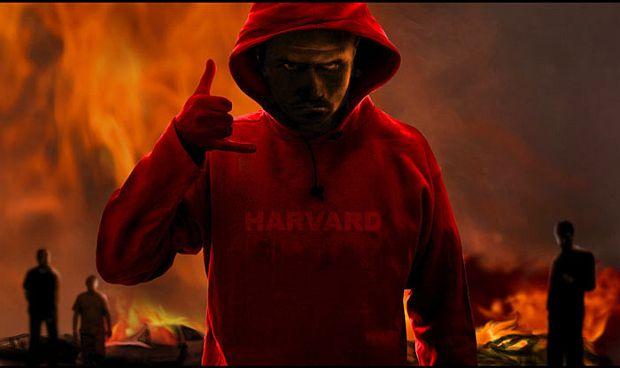
Making The Perfect Stephen King Adaptation

One would think that adapting any of acclaimed author Stephen King’s literary works into a top-tier film or television production would be fairly simple. But it’s not. So, why is it so difficult to successfully adapt a Stephen King work? There are a few that can be considered, but it basically boils down to these two reasons.

Translation to Screen

While King is the master of prose when it comes to horror, fantasy, sci-fi, and non-genre subjects like crime, it is not easy to translate what he writes into a visual medium. Sometimes the dialogue which flows like water on page can come off as stilted and clumsy, especially if a character goes off on a rant. A narrative tool that King uses a lot is internal dialogue and narration to convey the characters’ thoughts. This technique is hard to pull off in visual medium where showing is prefered to telling.
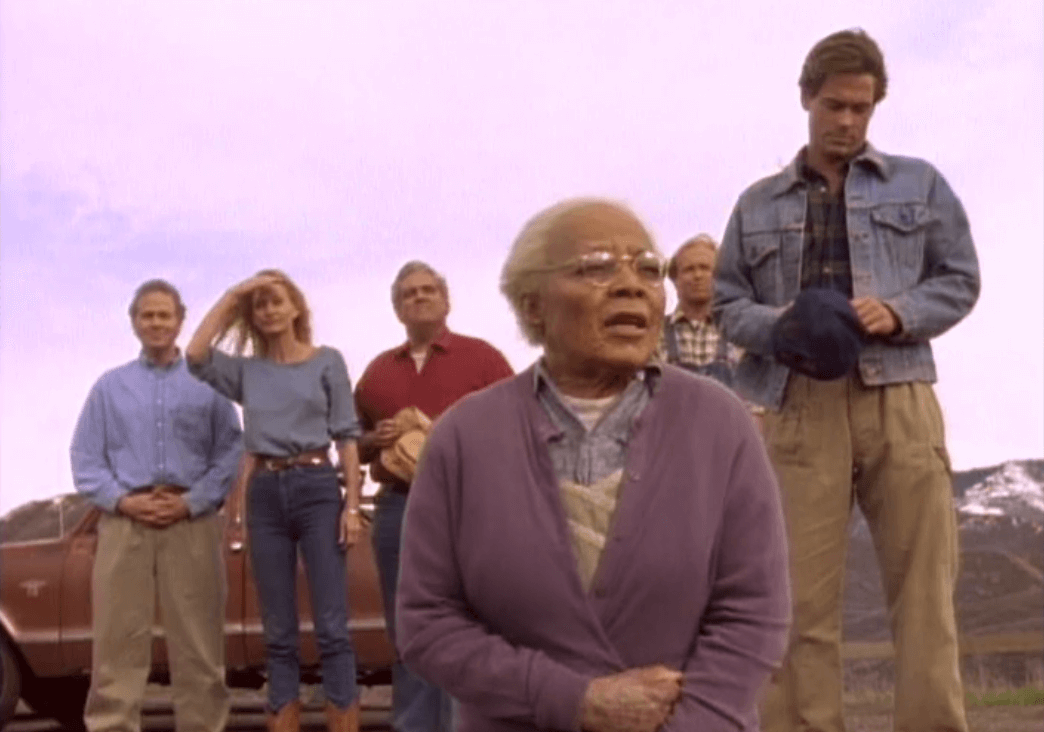
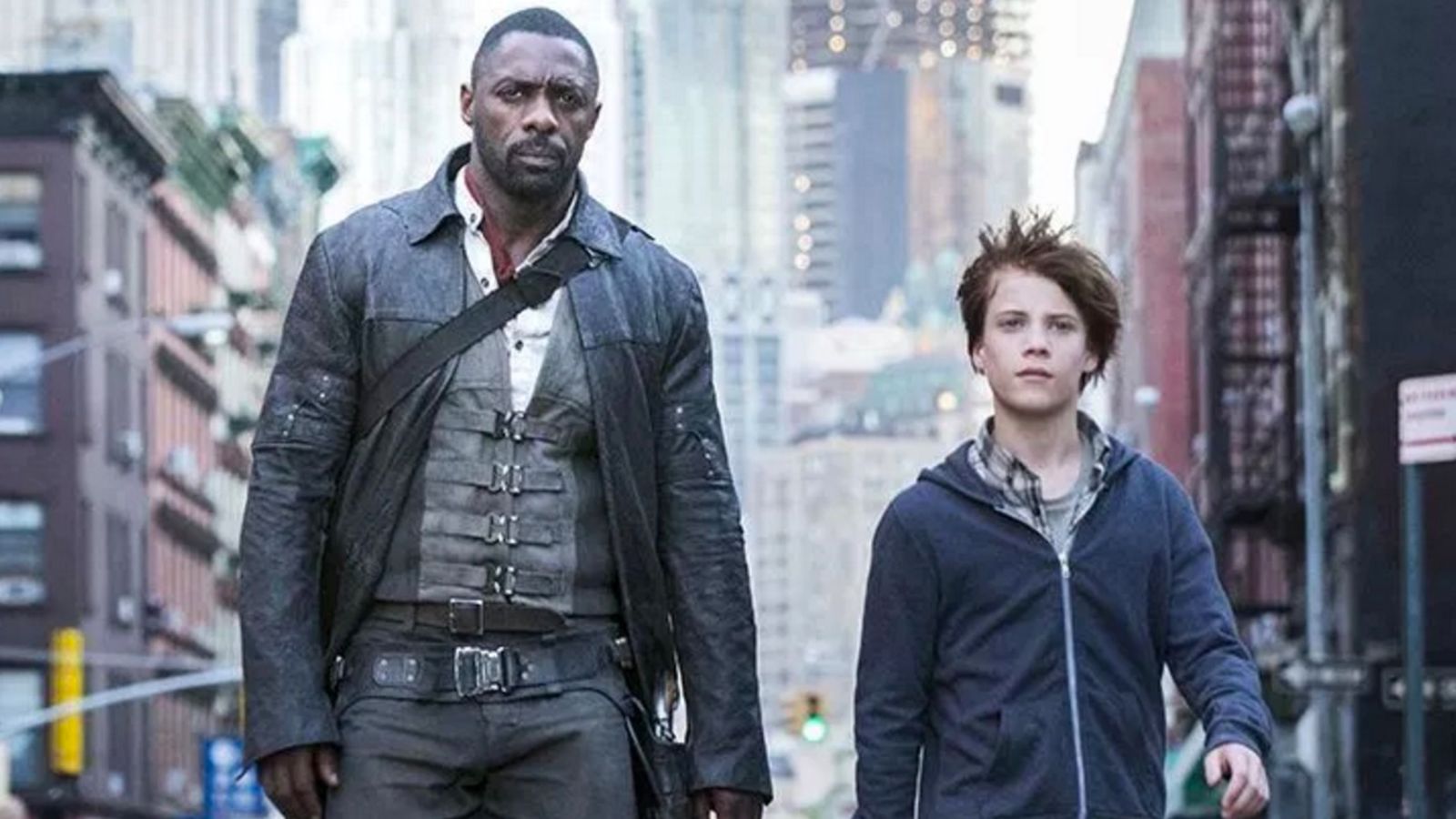
Other times the prose is let’s just say a bit too much for a visual story. IOW, given the amount of screen time available in a film, putting TV aside, there is only so much material that can be adapted. Many of King’s best known works like It, The Stand or the Dark Tower books run over thousands of pages. Turning epic novels like those into two-hour plus films is nearly impossible. It is one of the main reasons why attempts to turn his classic novels like The Stand failed to make it out of the gate as a film despite many attempts because there was so much material to cut out that the result would be a poor adaptation of the source material. Just look at The Dark Tower film that came and went a few years ago. To most, the film was an ill-conceived attempt to adapt the multi-book epic about the Gunslinger Roland and his mythic quest across worlds and realities. What The Dark Tower did was give viewers a truncated sprinkling of Roland’s quest that left many feeling dissatisfied with an unfinished story.

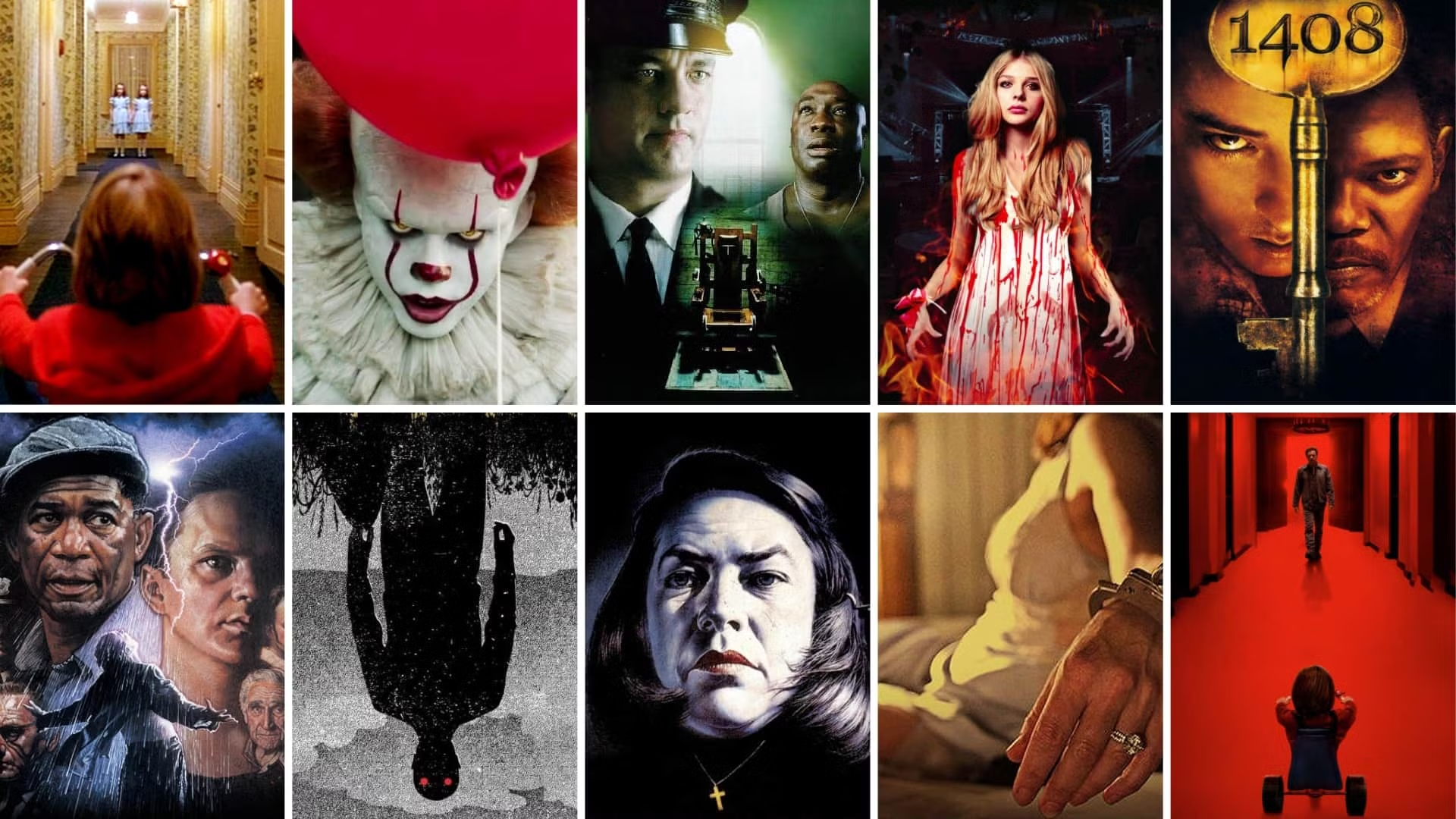
The more successful adaptations like The Shining, Carrie, The Dead Zone, Cujo, Stand By Me (adapted from The Body), The Shawshank Redemption and The Mist were based on more typical novels that were just a few hundred pages. Also, in the case of The Mist, Stand By Me and The Shawshank Redemption, those were based on novellas which seem to be the perfect amount of story to translate into screen.
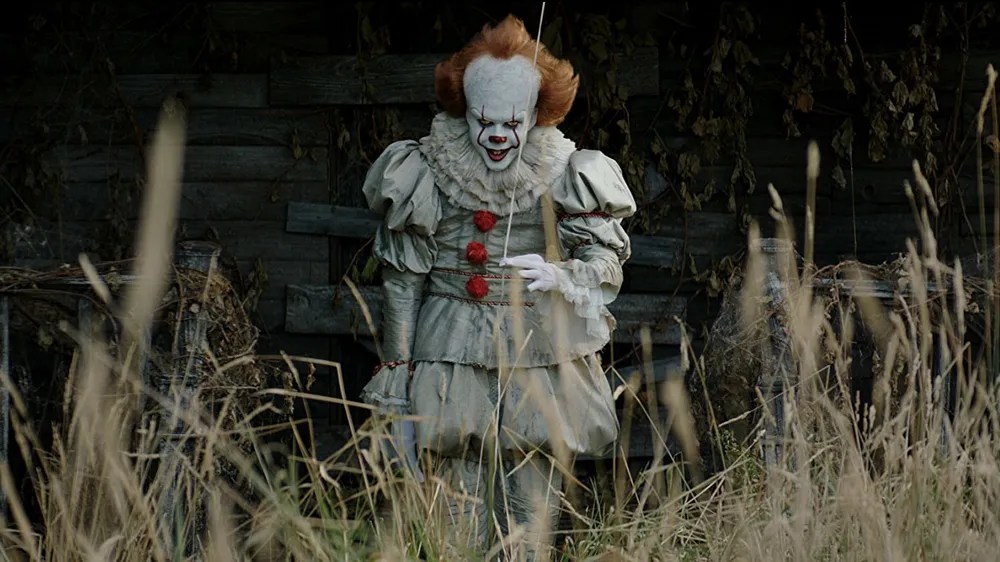
One viable option is to adapt mammoth epic novels into two-part films as was done with It. While the film versions of It differed in structure, the adaptations more or less captured the essence of the novel with the first film focusing exclusively on the main characters when they were children while the second film picked up the characters as adults when they confronted the evil entity Pennywise. This approach would work best for The Dark Tower Saga or any of King’s narrative which can be quite long and involving.

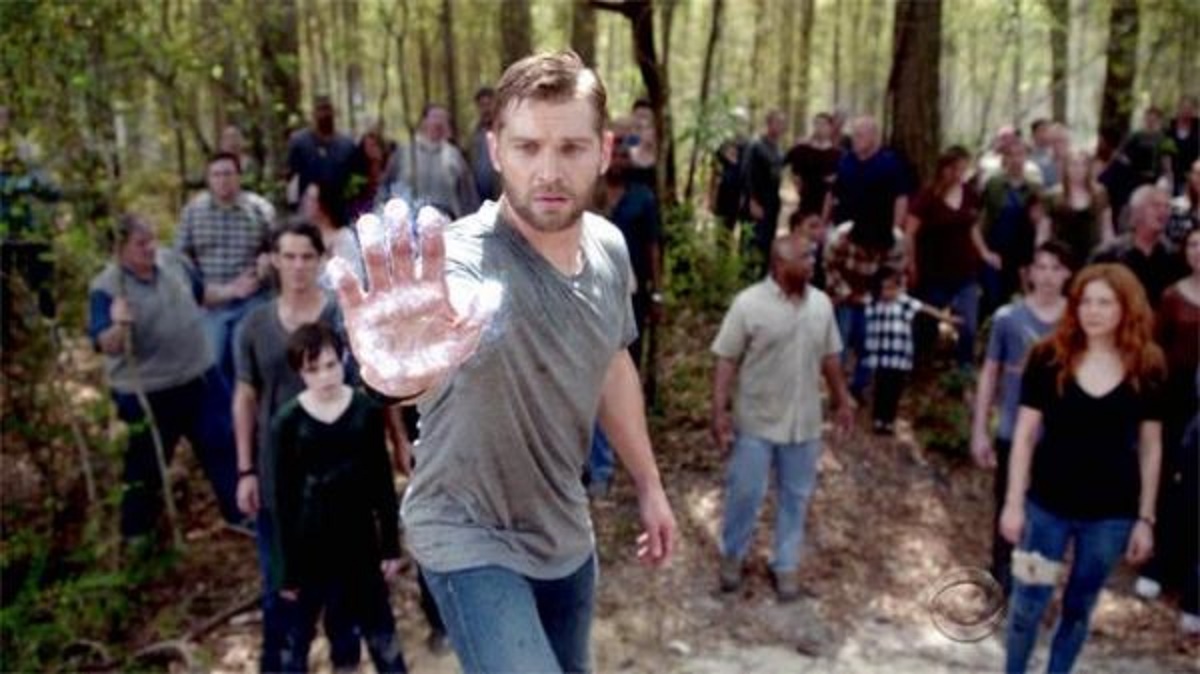
The other obvious option, which has been done to some success, is to adapt his works into television mini-series or shows. Some of the best examples include ‘Salem’s Lot, The Stand, 11/22/63, The Outsider and Nightmares & Dreamscapes. Adapting The Dark Tower Saga into this format is honestly the only viable way to present the expansive storyline and do it well.

The Skill of the Translators

One important reason as to why it is so hard to adapt Stephen King works is due to the quality and skill of the filmmakers and showrunners and scriptwriters. While many gifted behind-the-scenes creators successfully adapted King’s works like Stanley Kubrick, John Carpenter, Frank Darabont, Rob Reiner and Andy Muschietti, far too many inferior creators took a hand into mangling and ruining King’s classics. It is lamentable that someone like Steven Spielberg or Christopher Nolan or Scott Derrickson never helmed a Stephen King film (there were reports that years ago, Spielberg was involved in an adaptation of The Talisman, but that never came to be). Just think of how something like Under the Dome, Cell, and The Girl Who Loved Tom Gordon would have turned out if James Wan or Robert Eggers or Ari Aster were at the director’s chair with the projects.
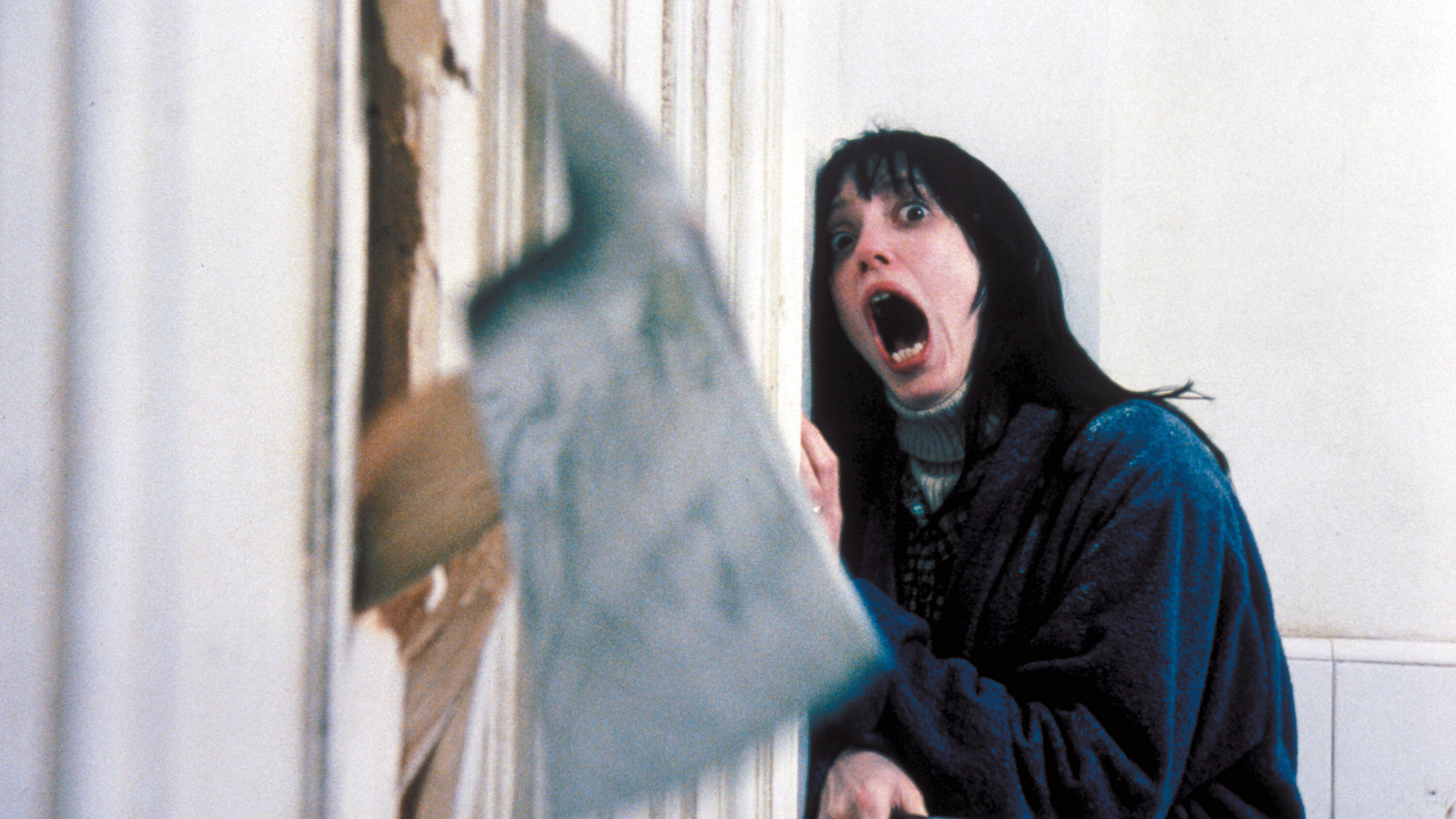
But sadly as we know all to well, it is very difficult to line up the best writer, director, producer or actor to fit in with a King work of art. Reasons for this are all over the place and tend to be due to timing and budget. These days it is not likely that a studio can afford to hire Spielberg to take on a King book. There is also the possibility of dueling visions. A more high-profile director can and will take liberties with the source material much to King’s detriment. The most famous example was Kubrick’s version of The Shining, which King detested even though it is considered not only one of the best King adaptations but a classic horror film.

The same goes for television productions. All too often King’s works whether they’re long-form epics or short stories wind up becoming inferior TV shows or limited series. During the ’90s, the heyday of King TV adaptations, many of his more famous stories became big event TV mini-series with mixed results, but hardly any of them stood out as masterpieces. The best adaptations were for The Stand, although that limited series had its issues, ‘Salem’s Lot, which came out in the ’70s, It, and original productions like Storm of the Century. Other works like the more faithful adaptation of The Shining and The Langoliers failed to impress viewers. If only someone like Vince Gilligan or Terry Matalas could spearhead a proper TV adaptation of The Stand or The Dark Tower Saga.
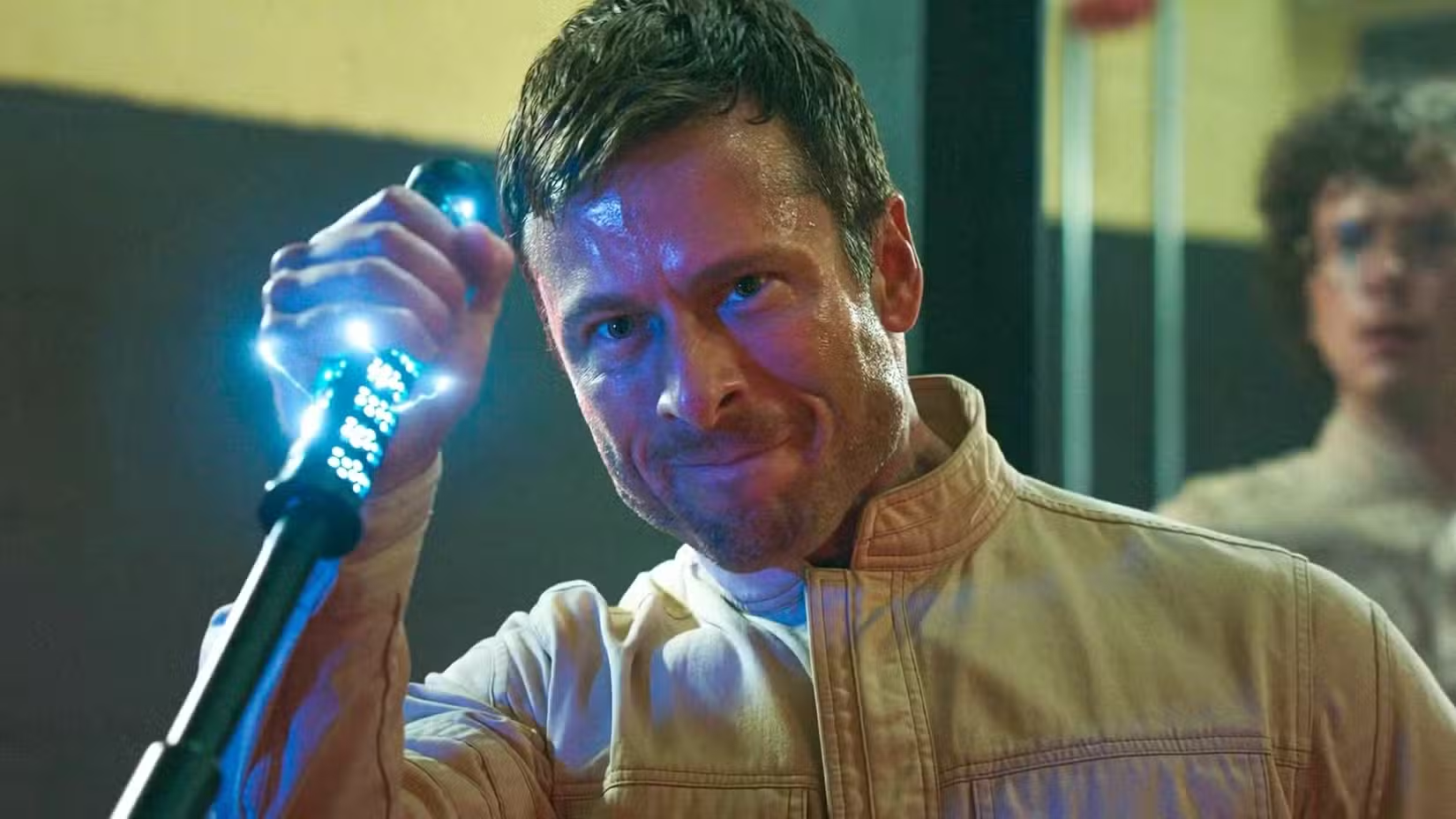
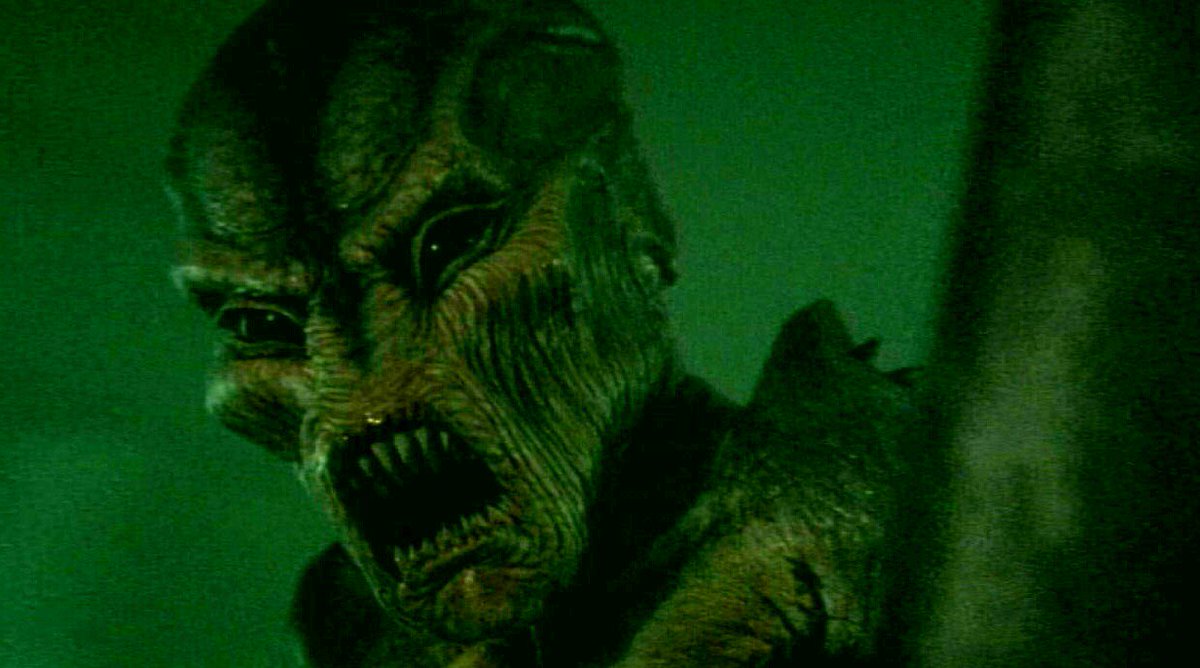
Despite many failed attempts, the versatility and durability of Stephen King’s stories guarantee that eventually the right team will come along and created the best version of his works. This happened with the It films which were immediately better than the original TV mini-series and may happen later this fall when the second film version of The Running Man is released (being that is directed by Edgar Wright, there’s a decent chance it will outshine the original film). It has been possible to get cinematic masterpieces based on King’s works and it has happened, so it will continue to happen.

José Soto
A Brief Look At Stephen King’s Cell

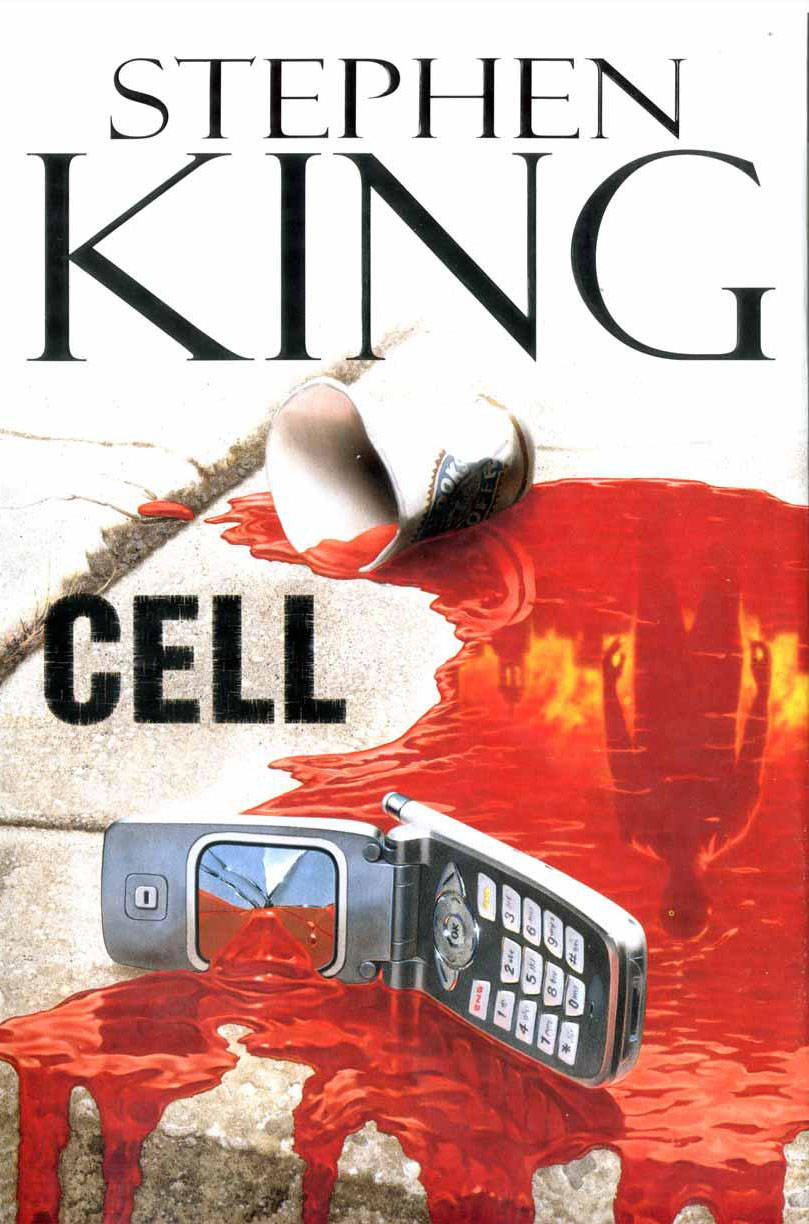
Stephen King’s Cell was written in the post-9/11 world and published in 2006. At the same time was a tribute to the horror sub-genre of lone survivors coping in a world overrun by maniacs, monsters and other terrors. Oddly enough the novel has some new relevance in today’s world in showing how society has abruptly been turned upside down by a “virus”. In the book’s case this virus is not biological but technological with devastating results.

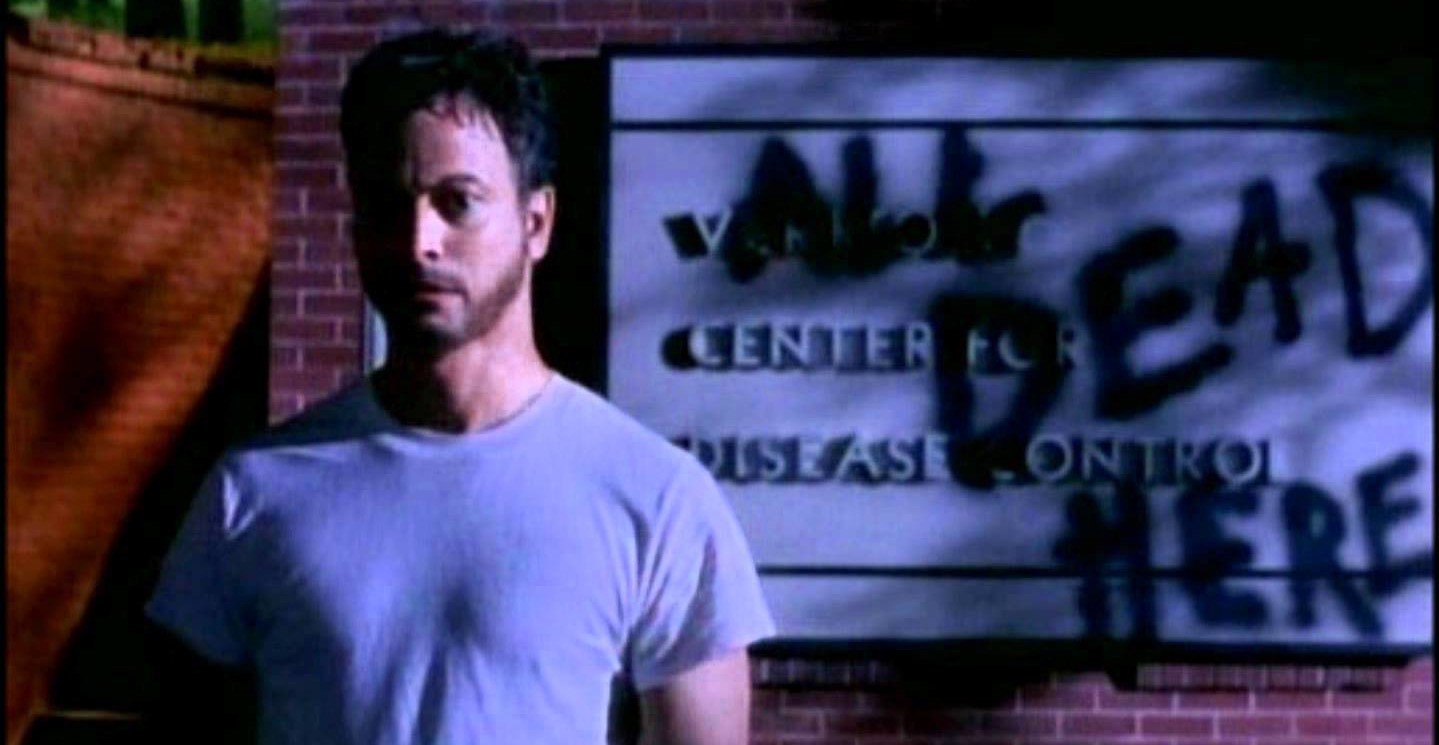
On the surface, one might want to compare this to a flesh-eating zombie movie and the book’s dedication to George Romero (and Richard Matheson who wrote the classic post-apocalyptic thriller I Am Legend) adds to that comparison. But that isn’t necessarily the case, it follows the spirit of those zombie films but there aren’t any zombies in Cell. Rather it’s more comparable to Romero’s film The Crazies or 28 Days Later where civilized society is turned upside down when formerly normal people become raving murderous lunatics. Meanwhile, complete strangers band together to deal with a suddenly dangerous world. Note, although the film adaptation was not as terrible as most critics claimed, the less said about Cell (2016), the better.

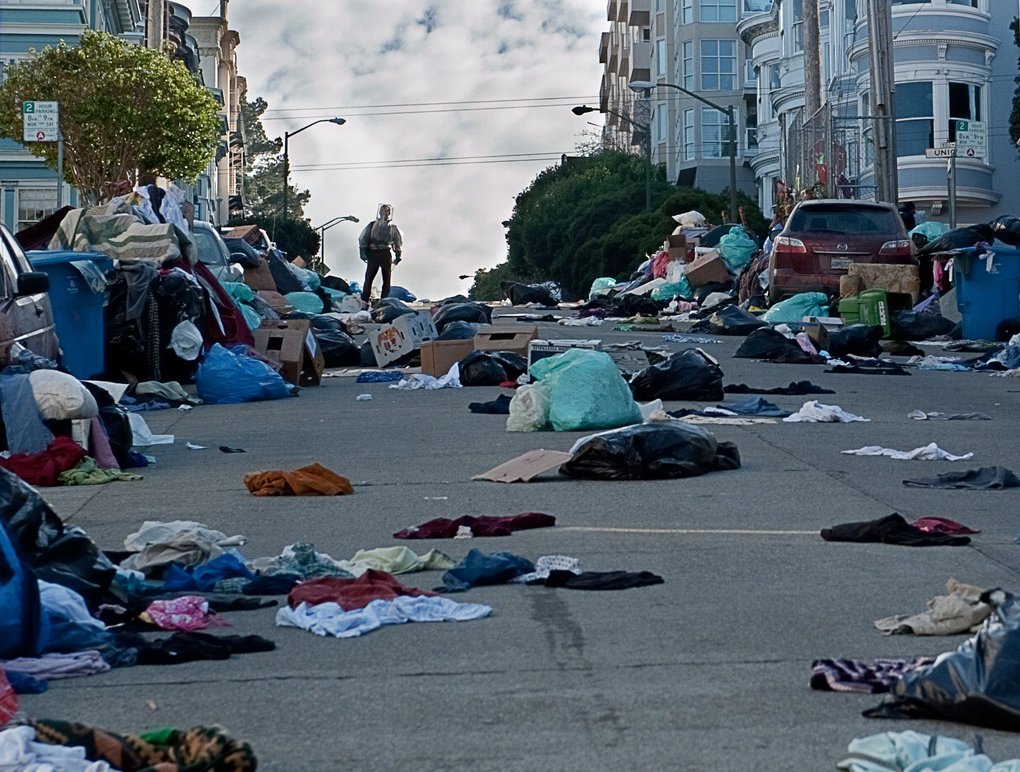
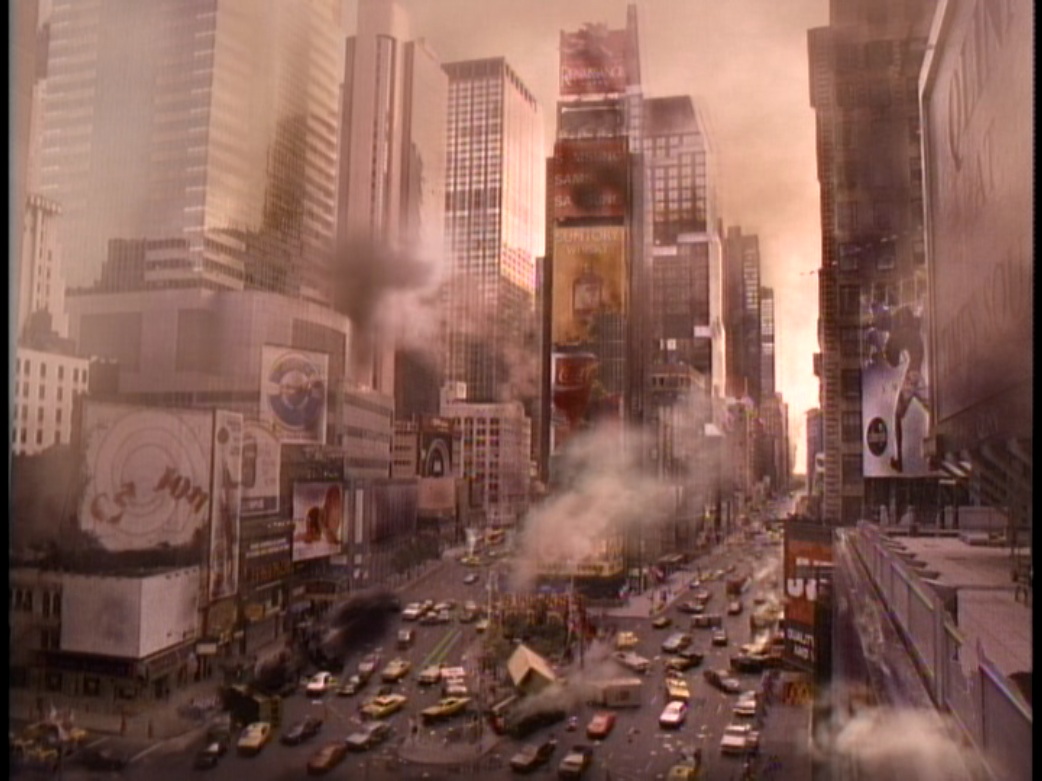
The novel begins in Boston with Clay Riddell, a struggling freelance comic book artist who just caught his big break by landing for a graphic novel. He is on his way home to Maine, eager to break the news to his estranged wife and son Johnny when the Pulse hits. A signal goes out instantly over all cell phones everywhere that scrambles the brain of anyone who happens to be using a cell phone. Within seconds, anyone affected by the Pulse is turned into an insane murderer without any reason or intelligence. Clay witnesses to his horror seemingly normal people viciously attacking each other and those who weren’t affected by the Pulse. The sequences described are quite horrific and brings to mind the chaos and sense of being overwhelmed that the nation experienced during 9/11. People are running everywhere as explosions rock the city and no one can understand what is exactly going on.

As Clay evades the “phoners” (the people who turned into maniacs during the Pulse) he meets Tom McCourt and Alice Maxwell. They decide to get out of Boston,  and avoid any cities since the chaos is intensified in the urban landscapes. Eventually they reach Tom’s residence just outside of the city and discover after the chaos dies down that the phoners have developed a sort of hive mind. The phoners are seen migrating toward an unknown destination.  Clay’s own goal is to reach his hometown and find his wife and child. The other two decide to join him so they gather supplies and guns hike up north.

Along their journey, the group meets other survivors and battles more phoners  as the novel’s pessimistic mood gets even deeper. The reader is made to feel discouraged and broken by the characters’ hopeless plight as the phoners consolidate their grip on the world. They reach Clay’s hometown and discover his wife became a phoner during the Pulse but his son did not and fled further up north to Kashwak. Apparently the phoners are psychically herding all normal people up to this place by suggesting that it is a safe haven. During this trek, Clay and the others have had shared dreams that they were rounded up in a carnival-like arena surrounded by hordes of phoners. Despite knowing that Kashwak is a trap, Clay decides to go anyway in the slim hope of finding his son.

The ending itself is rather ambiguous and open-ended. Basically the reader has to decide what was the ultimate fate of the characters, although by the novel’s end the pessimistic tone seems to subside a bit to offer a glimmer of realistic hope.

Many have compared this book to Stephen King’s earlier book, The Stand, but there are diverse differences. While The Stand had an epic apocalyptic feel to it, Cell does not. Also the religious overtones and themes from The Stand are absent in Cell. Unlike his previous novel, this one focuses on a small group of survivors who are just trying to get by, whereas The Stand had a huge dramatis personae. One thing Cell has that the older book lacked are the 9/11 references, which adds a level of immediacy. And this is evident in the origin of the Pulse. Believed to be caused by terrorists, the incident represents the feeling of the world unexpectedly turned upside down.

The Pulse also shattered many illusions about our feeling of security in our civilization and the horror comes from learning how fragile our society is from how easy it falls apart. This fragility takes on an urgent relevance given our current situation. Of course, we are not on the verge of collapsing because of the coronavirus, but it has had a decided impact on how we live day to day. Despite its grim tone, the novel illustrated how human connections and relationships are key to our survival and why we will persevere in this crisis.

Contagion: A Harbinger For Our Time


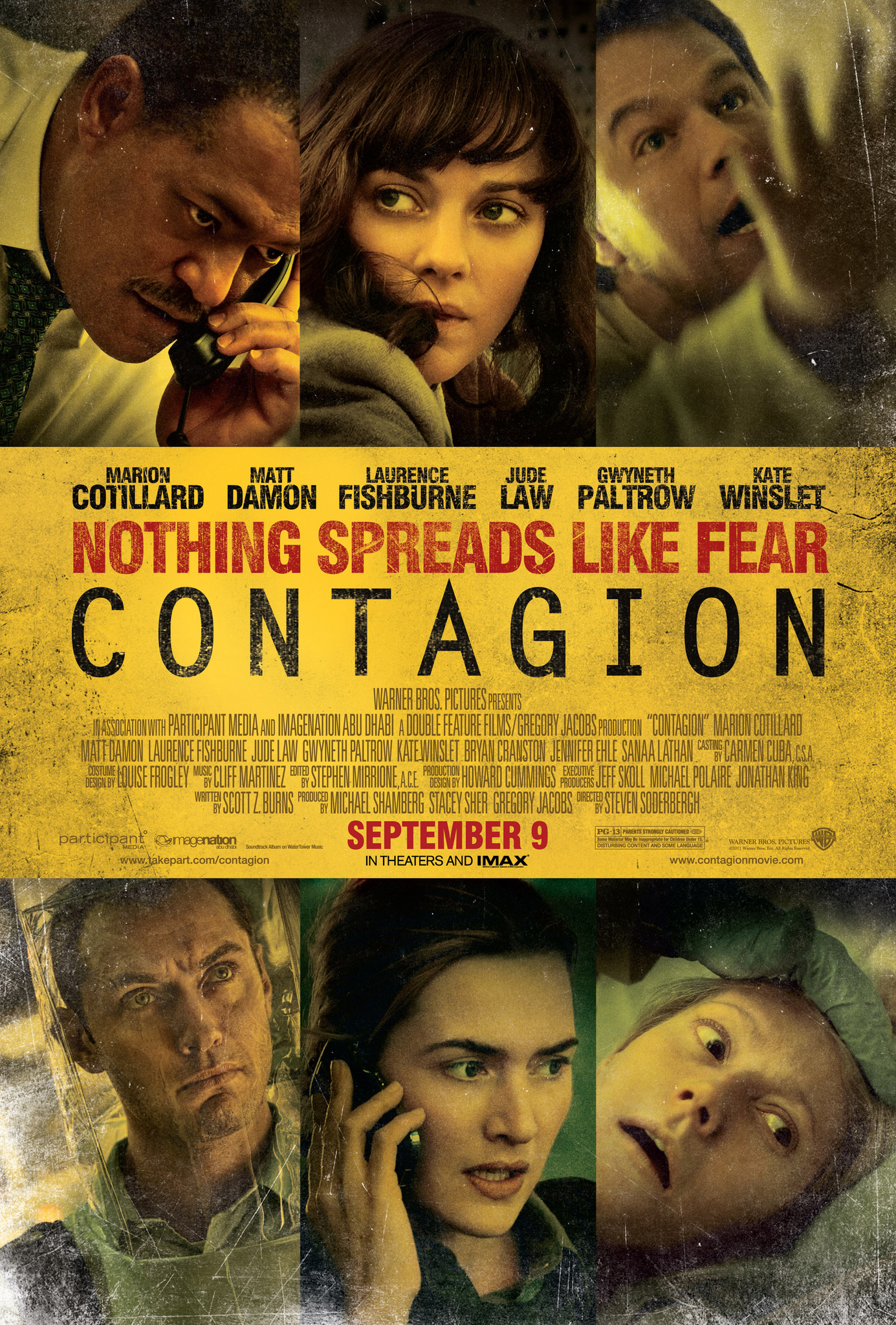
Steven Soderbergh’s film Contagion has sadly become one of those quasi-science fiction films that became a reality. Of course, this relates to the coronavirus pandemic that has upended our global society.

The parallels between the film and what is going on right now are downright eerie and disturbing. However, there are distinct differences between Contagion and reality, especially later on in the film.

Infections

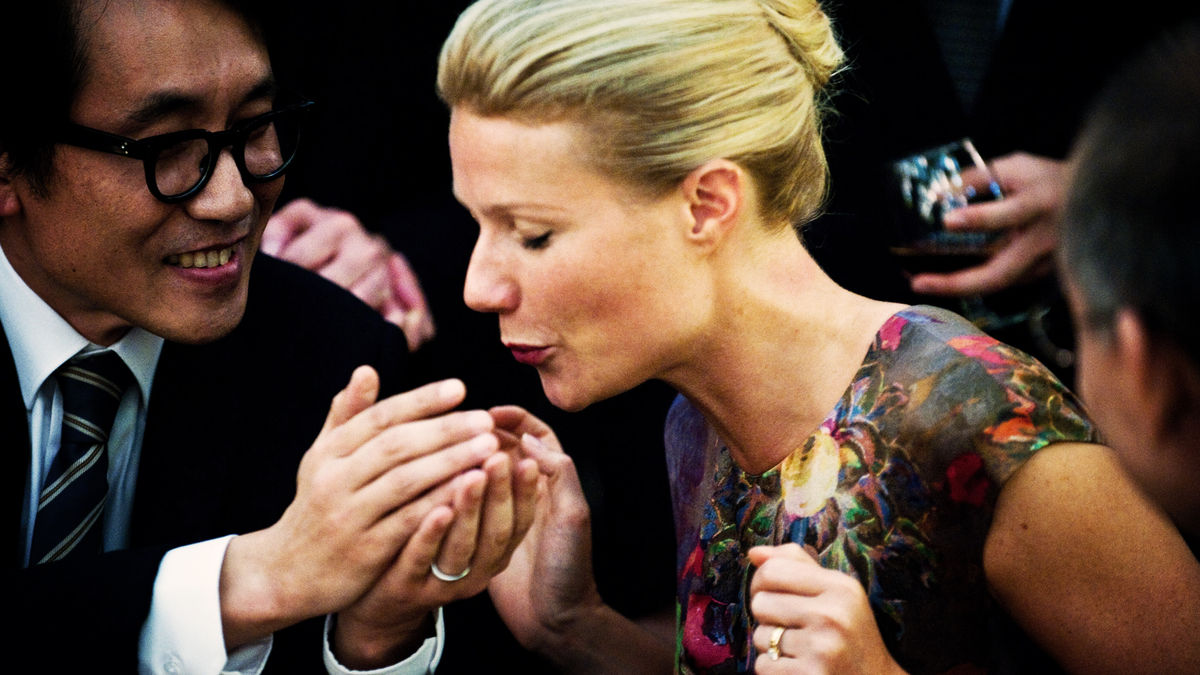
Contagion illustrated how the MEV-1 virus easily spread from China throughout the world as Beth Emhoff (Gwyneth Paltrow) on a business trip in Hong Kong became patient zero, interacted with many people and infected them. Steven Soderbergh inspired direction discreetly showed how easy it was for the virus to spread as many shots lingered on surfaces touched by infected victims, which were then touched by others.

One way the film differed from reality is how quickly victims exhibited symptoms and the mortality rate. People infected with the fictional virus displayed harsh symptoms apparently overnight, though most likely this can be attributed to film editing. The timeframe shown in the beginning of Contagion has Beth Emhoff already sick when she arrived in the U.S. Careful observations showed that she had been ill for a few days, but we’re shocked when she dies horribly mere minutes into the film. These quick time jumps were shown of how other characters became ill and died. With the coronavirus the incubation period ranges from days to weeks and explains why the disease is more insidious and deadlier than the MEV-1 because many people are already infected but won’t show symptoms for some time. Meanwhile, they’re unwittingly spreading the virus. On the other hand, the MEV-1 virus had a mortality rate of 25 to 30 percent, which was dramatically worse than COVID-19. Imagine how much worse things would be if COVID-19 had that kind of mortality rate.

Deployments

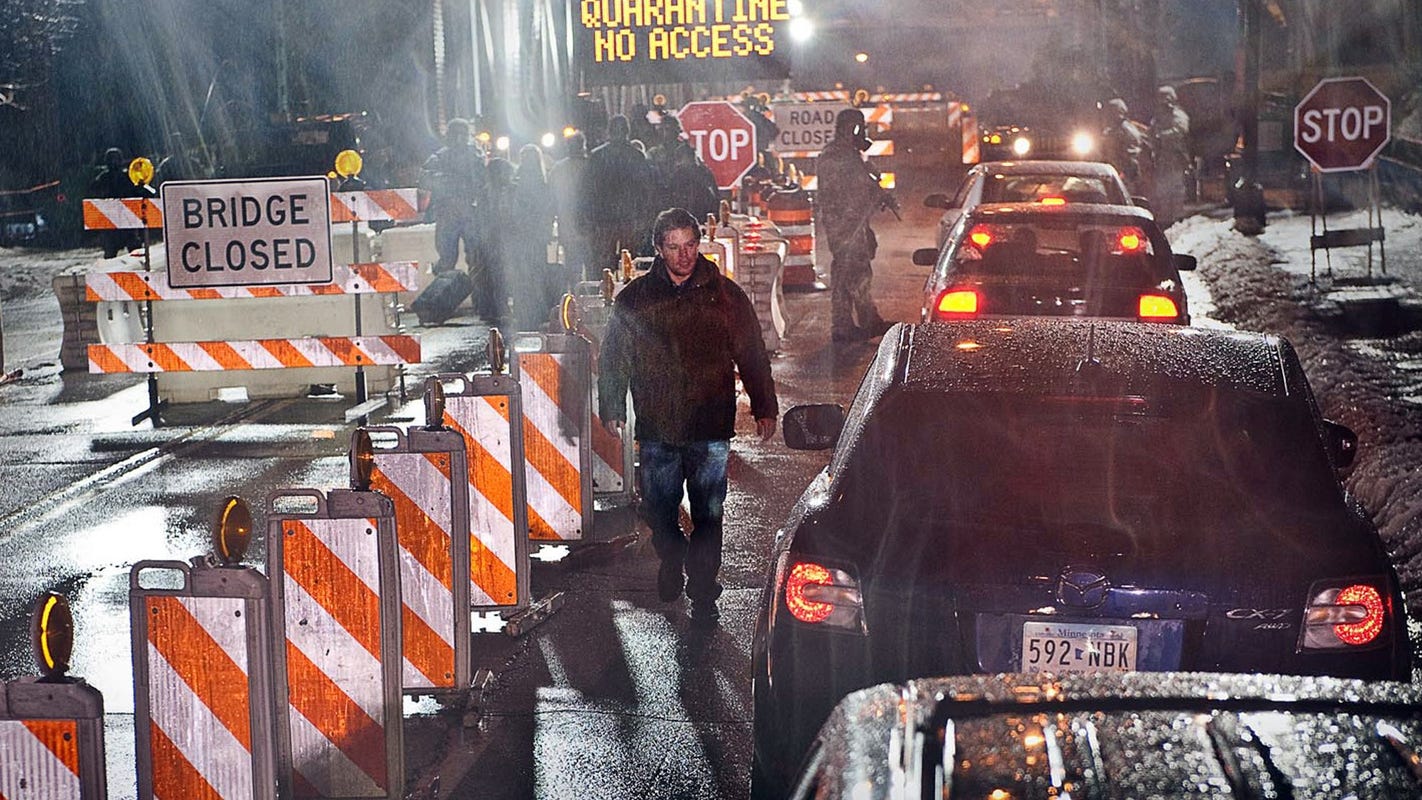
A similarity between Contagion and real life is with the deployment of military and medical services to combat the virus and maintain order. The film turned out to be accurate in its depiction for how the World Health Organization and the Centers for Disease Control and Prevention mobilized to study and combat MEV-1. We are seeing this played out in real time as scientists and doctors race not only to find a vaccine but at least some kind of treatment. Unlike the film and fortunately for us, the intense medical efforts have opened up promising treatments and even vaccine tests. In Contagion, these breakthroughs did not happen until long months had passed. But before anyone reading this starts celebrating, bear in mind that trials and tests need to be completed and we are looking at a vaccine being ready anywhere from a year to eighteen months at the earliest. So for now prevention is the best defense; that includes being as clean as possible and social distancing (which was mentioned in Contagion as means of slowing the spread of the virus).

Even more distressful is the way Contagion portrays the chaos and breakdowns as the fictional MEV-1 virus ravages the world. Thankfully, we have not seen the mass riots, looting and lawlessness that take place later in the film. But we must heed these important warnings of what we face if the COVID-19 virus is not contained and continues spreading. Already healthcare systems are on the verge of collapse in a several places like Italy or are severely strained in many others.

Continue reading

Top Ten Stephen King Live-Action Adaptations That Should Be Remade

There have been countless live-action adaptations of Stephen King’s books and stories. Some are classics while others are best left forgotten.

Then there are the lesser or flawed adaptations that need to be remade. With some changes, these remakes could faithfully capture the true horror and thrills of Stephen King’s bibliography. The best example right now is It, which is the second live-action adaptation of the book and considered superior to the first adaptation. Now what other live-action adaptations of Stephen King’s works should be remade? Here are the candidates:

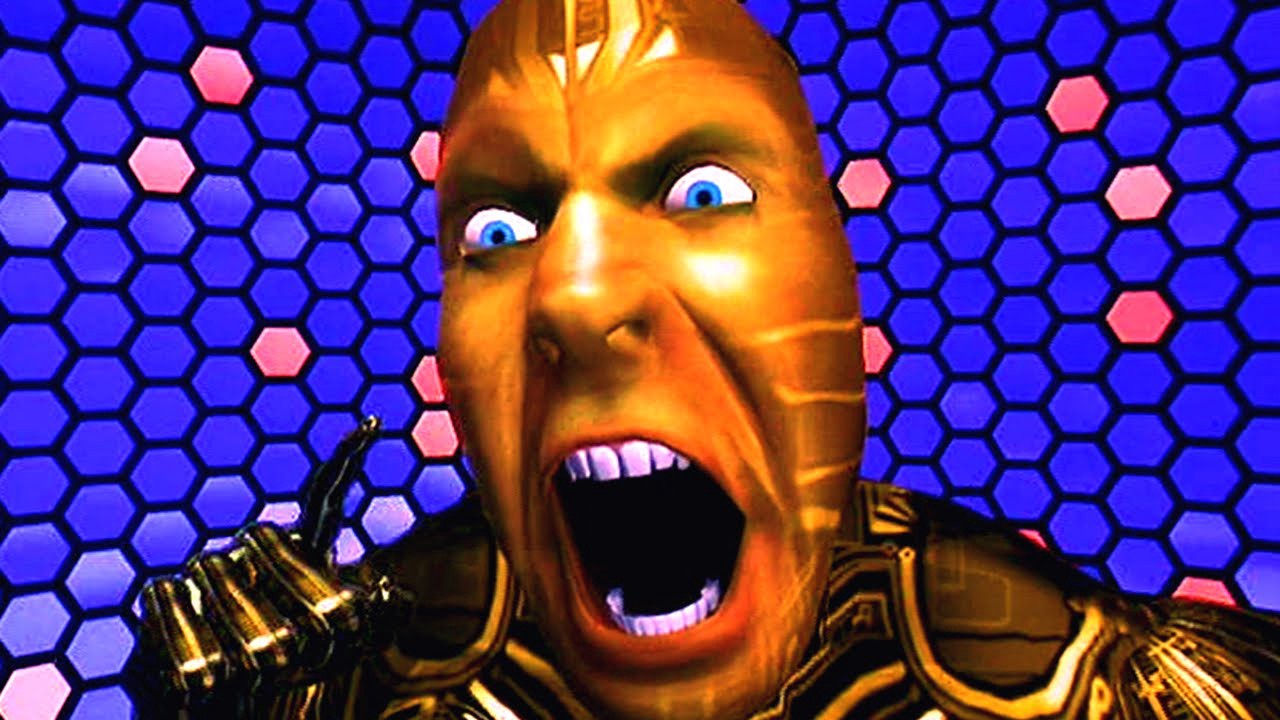
10. The Lawnmower Man Stephen King fans know all too well that the film adaptation did not have anything to do with King’s short story about a mysterious landscaper and his supernatural lawnmower, which would make an interesting film.

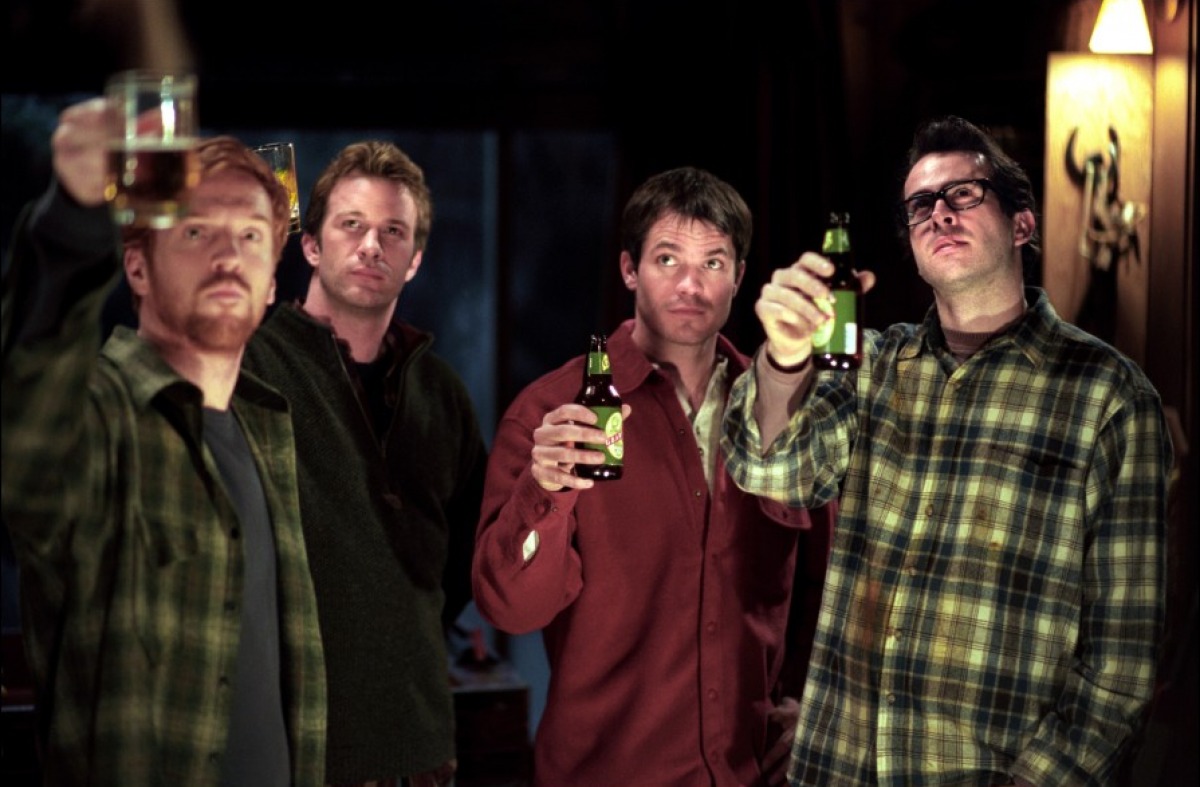
9. Dreamcatcher  – The Stephen King novel about old friends haunted by an alien entity was made into one of the most reviled Stephen King films. Still, the story and characters are interesting enough for another crack at a live-action adaptation.

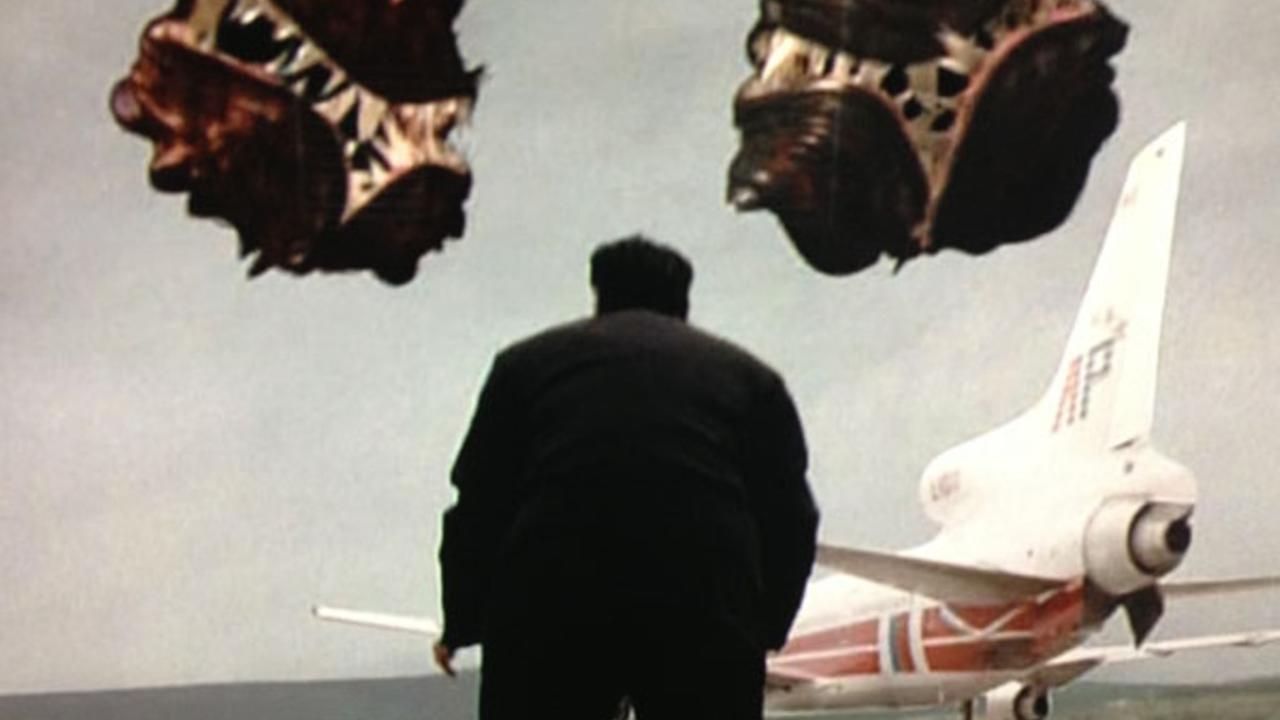
8. The Langoliers The novella of the same name did not have enough material to warrant a mini-series as seen in the 1990s mini-series. This off-the-wall yarn about plane passengers dislodged from time would be better translated as a tightly edited film with a good F/X budget.

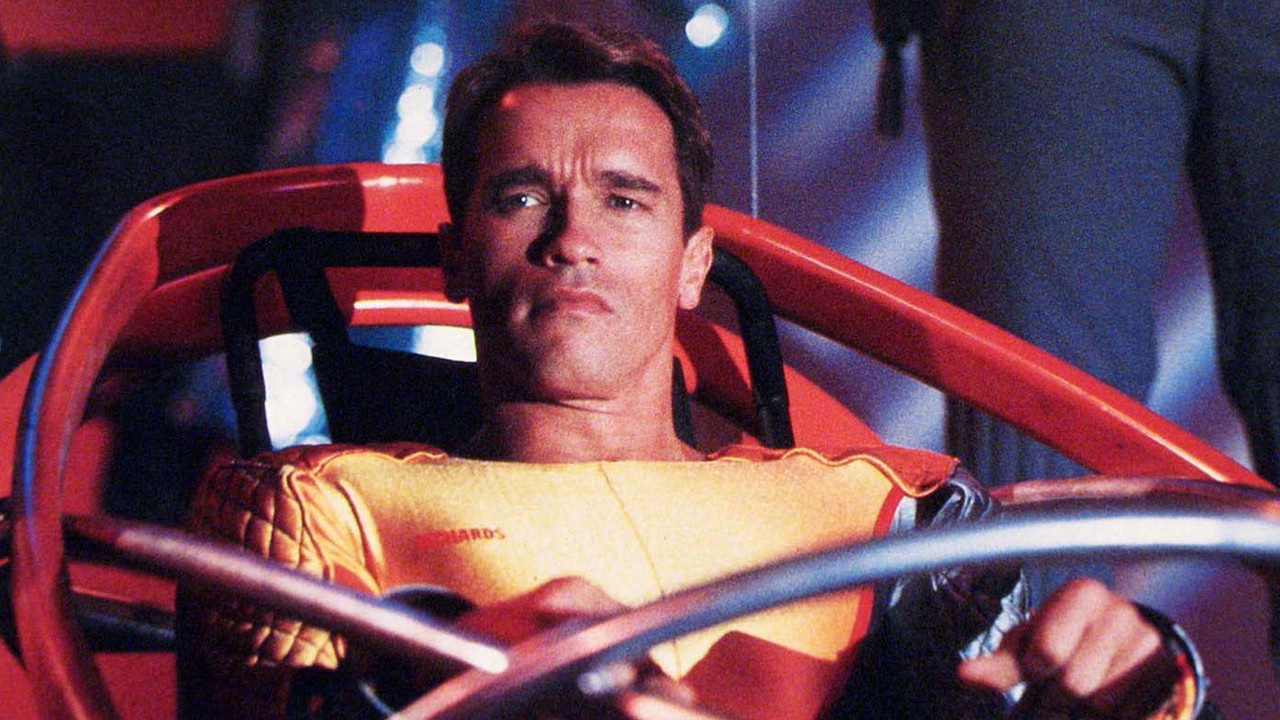
7. The Running Man The original film is best remembered for being a standard ‘80s Schwarzenegger action flick. A remake should better reflect the novel by casting an everyman type and ditching the original film’s revolution subplot as the hero tries to survive a deadly reality TV show in the future.

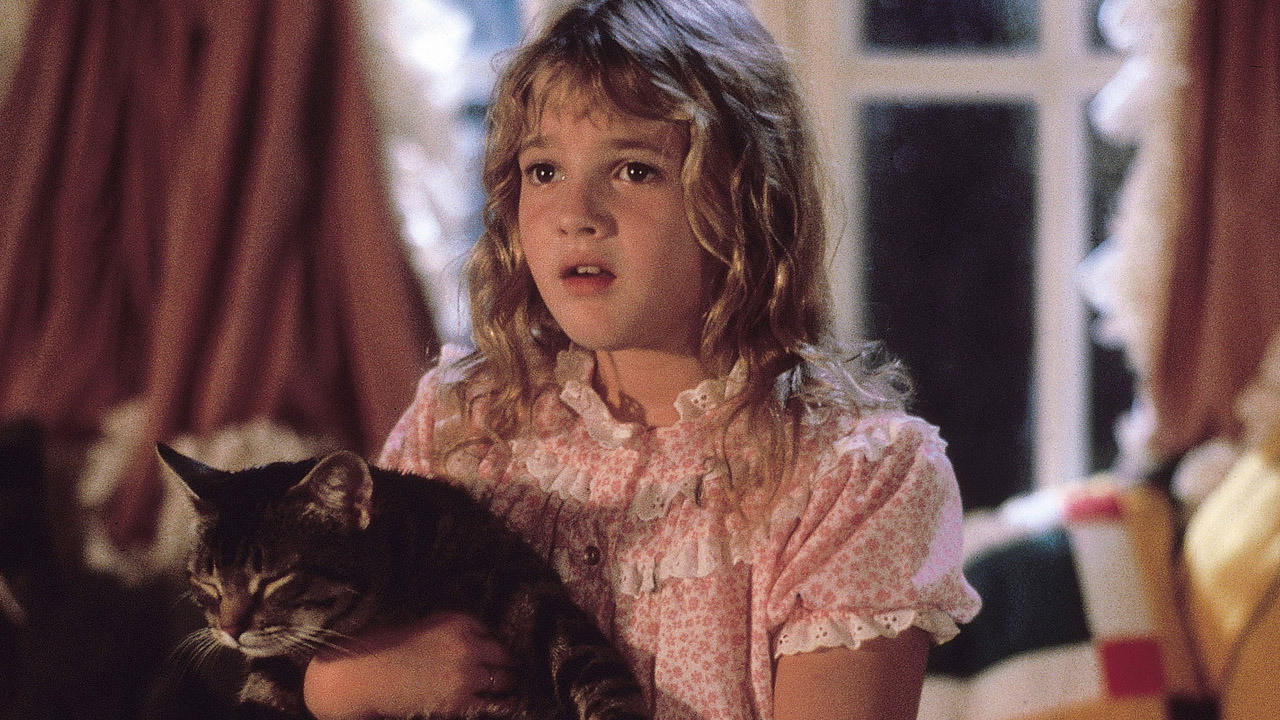
6. Cat’s Eye This anthology film from the 1980s doesn’t need a remake but deserves a sequel. The original adapted Stephen King’s short stories and worked them into a story surrounding a stray cat. A followup could simply adapt some more stories within the same framing device.

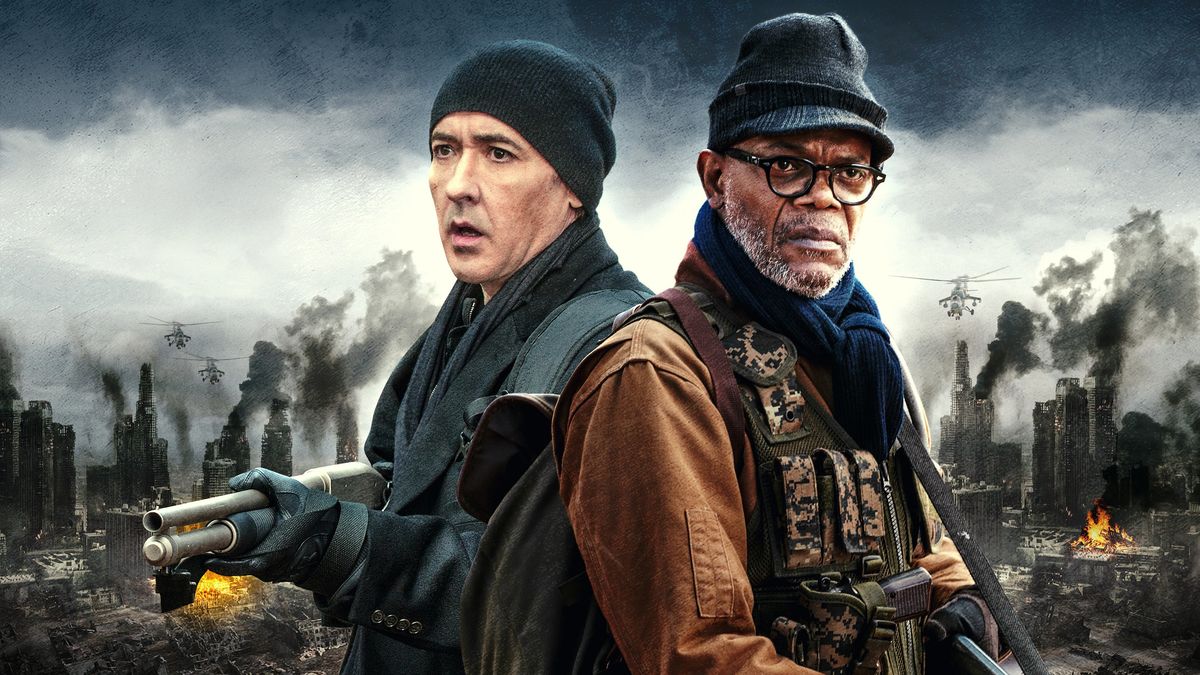
5. Cell Anyone caught the awful DOA adaptation that came out recently? Don’t bother. A properly executed film should be able to capture the disturbing essence of the post-apocalyptic horror tale about humanity turned into mindless killers due to a cell phone signal.

4. The Tommyknockers The mini-series was actually an underrated gem that could’ve used some sprucing up and a tighter pace. The story’s premise of aliens invading a small town is ripe for a terrific sci-fi/horror film featuring all of the novel’s thrilling and eerie elements.


3. Under the Dome The horrid TV series that ran for several summers was an injustice to the Stephen King book about a town cut off from the world. The story simply did not work as an ongoing series and deserves another shot as either a film or a mini-series.

Roland and Jake

2. The Dark Tower The film based on the epic Stephen King series of novels just came out and it already needs to be remade. The Dark Tower film left out so much from the epic novels that made them great. Thanks to its poor box office, plans for sequels are doubtful at this point. The best option going forward would be to forget about films and faithfully adapt the novels into several mini-series or an ongoing TV series on premium cable.

1. The Stand The mini-series based on the seminal Stephen King epic while competent, felt lacking. The Stand was hampered by TV network censors that worried that the post-apocalyptic story of plague survivors would be too much for audiences. Also, to be honest, The Stand meandered too much, which is a complaint about the unabridged version of the novel. A planned film trilogy was abandoned but talks continue for another adaptation. Whether as a new mini-series, films, or an ongoing TV show, The Stand must be remade and thanks to the success of It, this may happen.

Waldermann Rivera