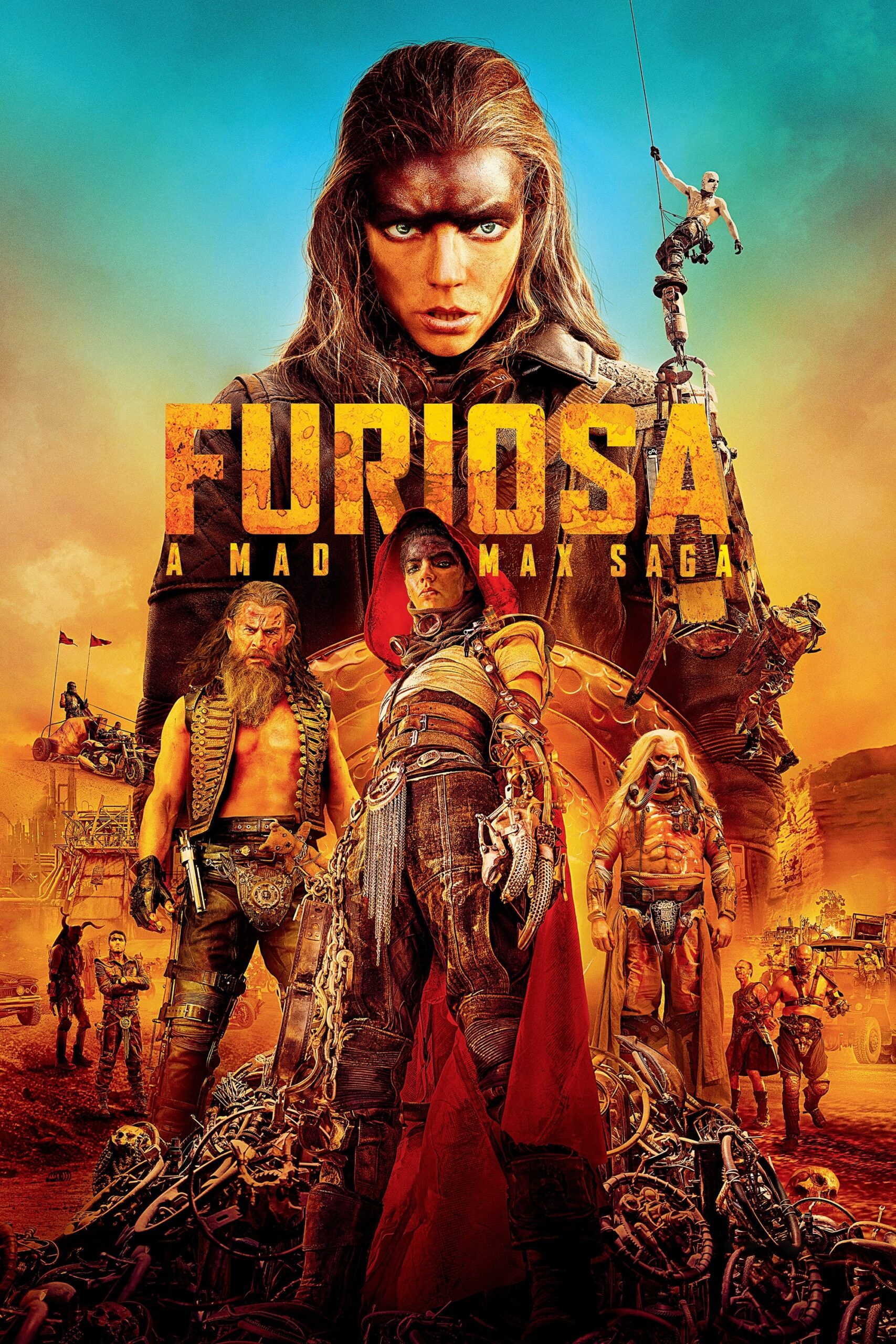
Furiosa Excitingly Expands The Mad Max Saga

It’s unfortunate that Furiosa: A Mad Max Saga is not doing well in theaters because it is a truly great sci-fi action piece and a worthy prequel to Mad Max: Fury Road. But given how great the film is, it is certain that it will join that club of films that were initial box-office bombs and become revered as classics later on, as it happened to Blade Runner, The Thing, Edge of Tomorrow, The Suicide Squad, and so on.
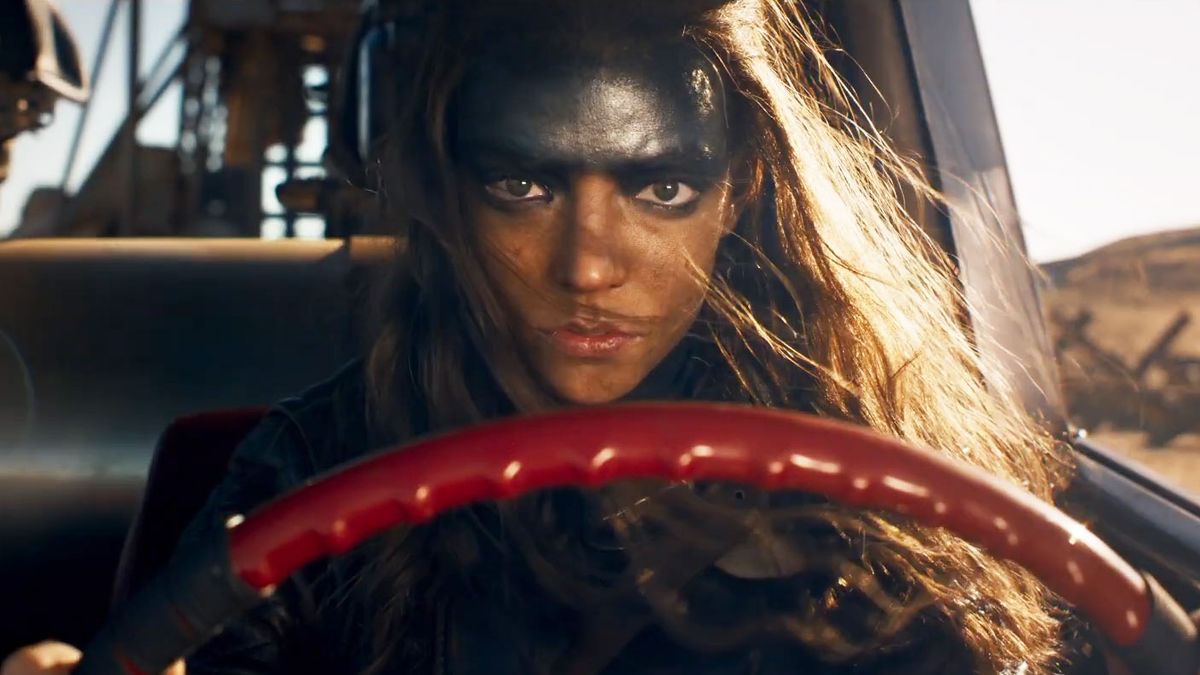
Furiosa: A Mad Max Saga as its title suggests is the background story of Furiosa, the breakout character of Mad Max: Fury Road. As a prequel to that film, it begins back when Furiosa (first played by Alyla Browne, then later by Anya Taylor-Joy) was a young girl who was kidnapped from her idyllic garden home by barbaric raiders. For anyone who isn’t familiar with the world of Mad Max, these are post-apocalyptic films that take place in Australia, which is a barren desert wasteland full of roving gangs that prey on the weak. After seeing her mother killed by the gang that snatched her, Furiosa harbors a personal hatred against the gang and its leader Dr. Dementus (Chris Hemsworth), a charismatic, yet brutish thug. Seeing Furiosa as a stand-in for his long-lost children, Dementus comes to think of her as his own daughter.
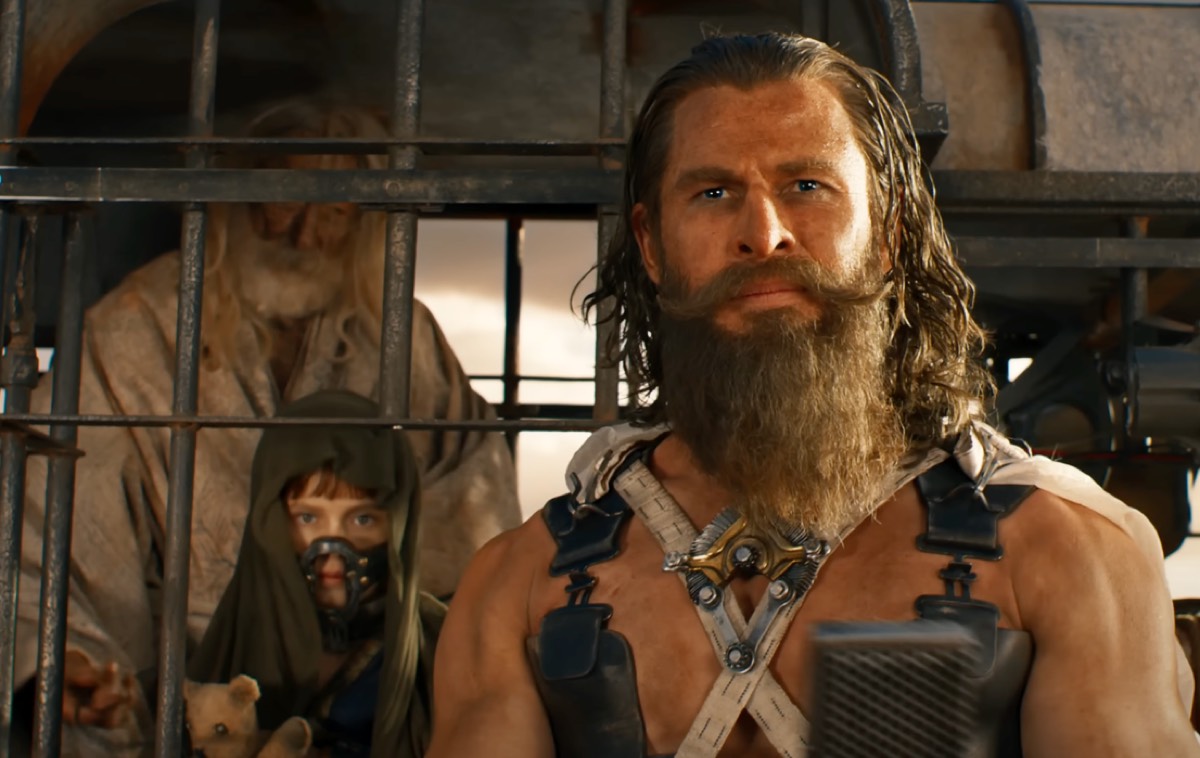
Living a nomadic hunter-gatherer existence, Dementus’ gang encounters the savage society of Immortan Joe (Lachy Hulme), who we last saw in Mad Max: Fury Road. After tense negotiations between Dementus and Immortan Joe, Furiosa was traded to Immortan Joe, who intended to raise her to be one of his wives. However, Furiosa escaped that fate, and masquerading as a young male she joined one of Immortan Joe’s pit crews with her desire to return to her home and killing Dementus being her driving force.

Director George Miller, who introduced us to the world of Mad Max, has wowed us again with this captivating, brutal and exciting post-apocalyptic tale of vengeance and survival. The film is visually and tonally similar to Mad Max: Fury Road but differs in that the former film told a tighter story that moved as fast as the vehicles featured in the film. Furiosa: A Mad Max Saga tells a more sprawling story that spans years and features many characters, a lot of them returning from Mad Max: Fury Road. Even Mad Max himself pops up in a cameo though he is portrayed by Tom Hardy’s double.

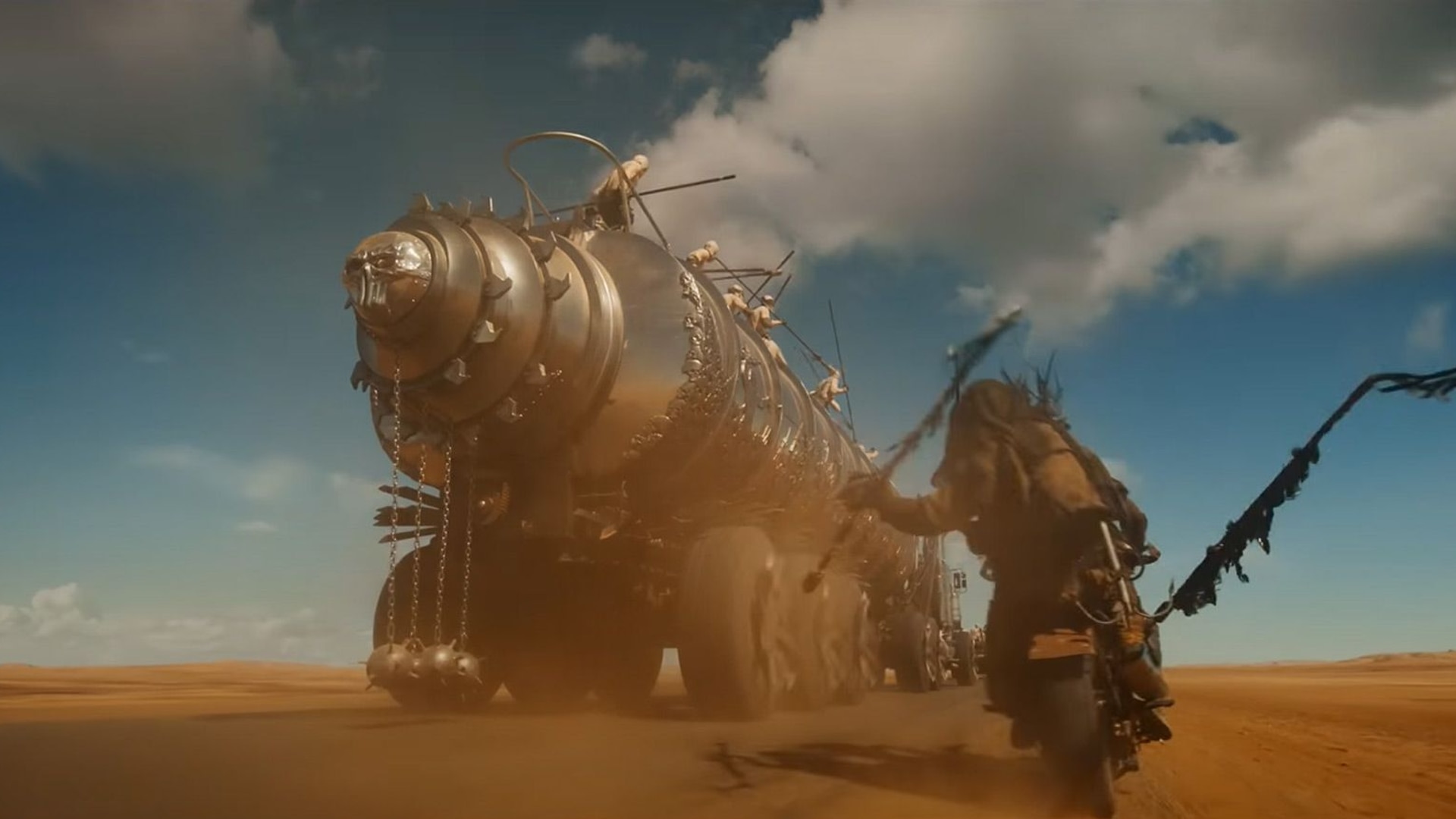
While an expansion and exploration of the world of Mad Max is always welcome, doing so robs Furiosa: A Mad Max Saga of that feeling of intensity and non-stop action that made Mad Max: Fury Road so beloved. Make no mistake, there is a lot of action in Furiosa: A Mad Max Saga but there is also a lot of character development as we bear witness to seeing the brutal transformation of Furiosa as she starts off as an innocent yet skilled child into a hardened nearly feral survivor who desperately holds on to lost dreams. As such, the film time between the major action scenes are much longer, although the epic car chases and battles are well worth the wait. The best sequence comes around the halfway point of the film that involves another one of those scenes where motorized gangs besiege a souped-up supply tanker called a War Rig that is armed to the teeth. The scene lasts about 15 minutes and is worth the price of admission alone thanks to George Miller’s skillful talent for delivery pulse-pounding action.
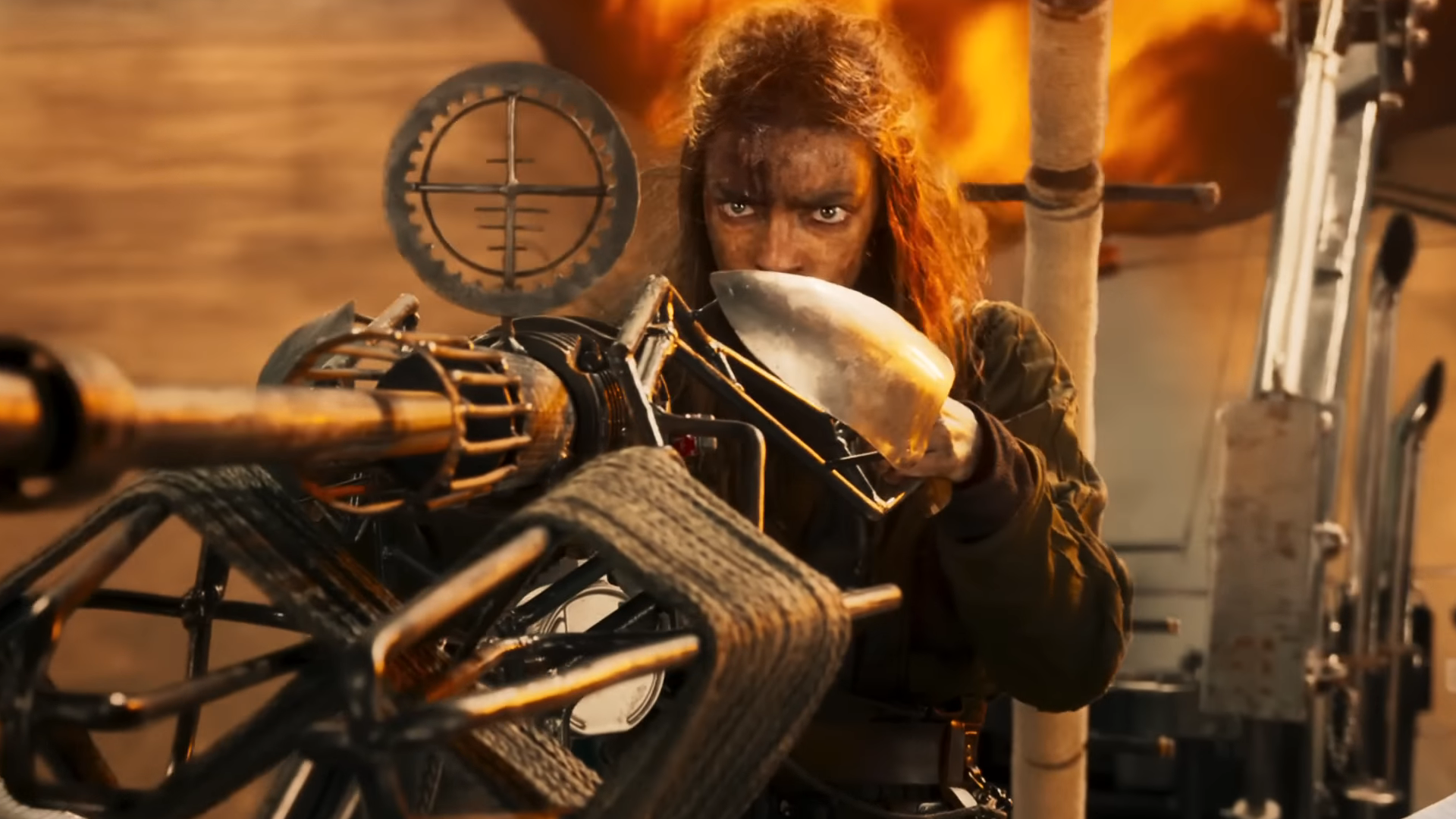
Anya Taylor-Joy does a great job as Furiosa as she takes on some of the characteristics of Mad Max in that she rarely speaks and adopts a savage loner persona. The other actors like Hemsworth are just as memorable in their roles with the standouts being Tom Burke and Charlee Fraser. Burke portrays Praetorian Jack, the sympathetic driver of a war rig that serves as a prototype to Mad Max’s character and could explain why Furiosa eventually bonded with Max. Meanwhile, in her brief presence as Furiosa’s mother, Fraser, was outstanding in her performance as a skilled warrior who went above and beyond to save her daughter. Even though she was not successful, her sacrifice left a solid impression on young Furiosa.

Exploring the world of Mad Max is a welcome idea although the filmmakers should now think beyond epic car chases and battles in deserts. What else is going on in this world? What about the coastline of the continent or beyond? It’s too bad the film is not performing well because it is unlikely we will revisit this world in the near future.
Furiosa: A Mad Max Saga is a spectacular entry into the Mad Max Saga that does what it sets out to do: provide the origin story of Furiosa in a kinetic and engaging fashion that exemplifies George Miller’s cinematic style.
Looking Back At Star Wars Episode One: The Phantom Menace 25 Years Later

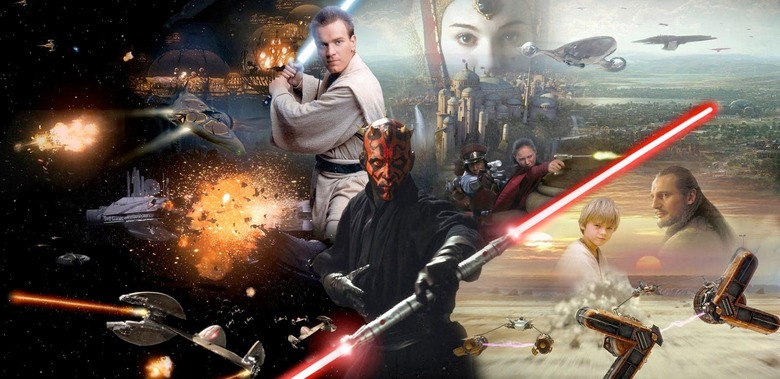
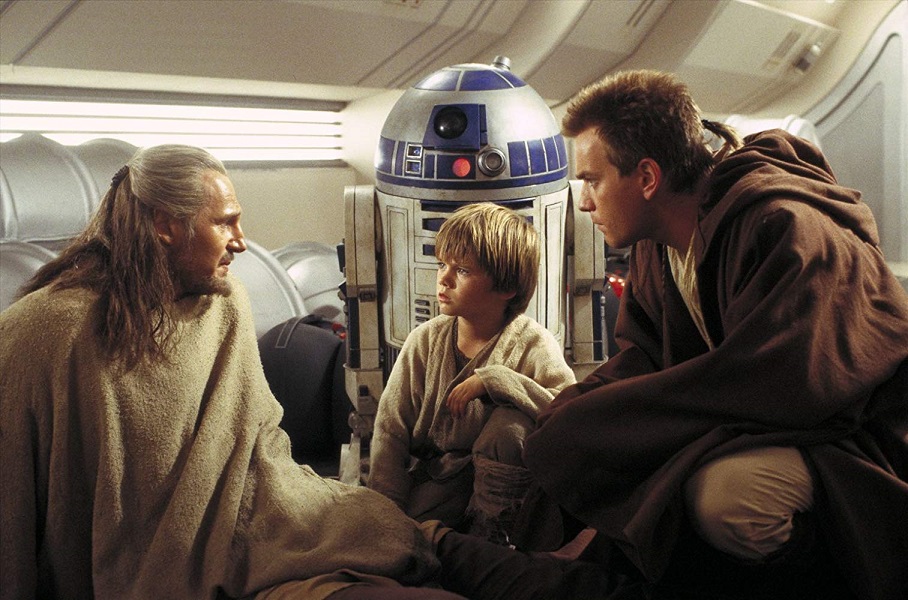
This year is the 25th anniversary of Star Wars Episode I: The Phantom Menace, which is one of the most divisive films ever made. It was the first Star Wars film since Return of the Jedi in 1983, and saw George Lucas return to his epic universe and present the backstory to his original trilogy. Iconic villain Darth Vader is shown as 9-year-old Anakin Skywalker, a slave living with his mother in the backwater world of Tatooine. His encounter with Jedi Knights Qui-Gon Jin and Obi-Wan Kenobi (his future mentor), as well as his future wife, Padme Amidala, put him on the path to his later role as a powerful Jedi Knight and eventually, his turn to the dark side as the evil Sith lord Darth Vader. 

Star Wars Episode I: The Phantom Menace was eagerly anticipated from its announcement and was greeted with very diverse reactions when released. Many fans were just ecstatic to have another Star Wars film in theaters after more than a decade of nothing being released. It was a very different time than now with many TV shows on Disney +and several films being planned. The only Star Wars materials since Jedi was released were the well-received series of books by Timothy Zahn and other novels and comics such as Star Wars: Dark Empire. A new film, especially one that would be the missing first three episodes, (the original trilogy was marketed as Episodes IV to VI), was a thrilling prospect.

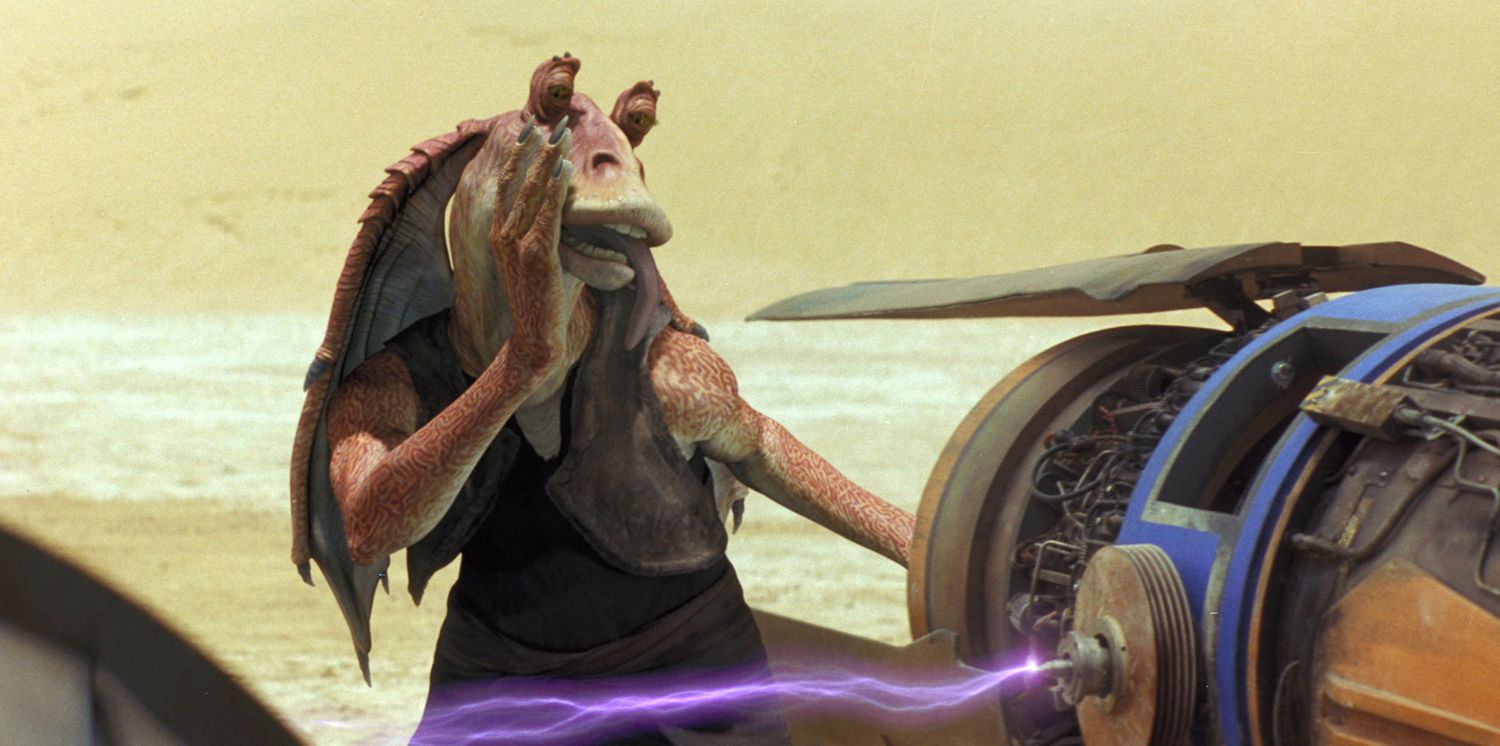
However, there were many fans who were disappointed with what they saw as a film with a more childish tone due to the introduction of Jar Jar Binks, an alien Gungan that helps the Jedi and Anakin to battle the forces of the Trade Federation, the villains in the film who were controlled by Darth Sidious, who is really Senator Palpatine, the future Emperor seen in Return of the Jedi. Jar Jar’s antics, weird mannerisms and manner of speaking was a turn off for many. Critics of the film were also unhappy with the more complicated plot of the movie, which focused on political intrigue in the Galactic Senate, as Palpatine maneuvered his way to the office of Chancellor of the Republic. This was unlike the simpler plots of the first films, which were a more basic story of good vs evil. The introduction of a more scientific explanation of the Force was also criticized, with the idea of midichlorians as being the reason for people having Force powers was seen as less interesting, as opposed to the more mystical view of the Force from the original movies.

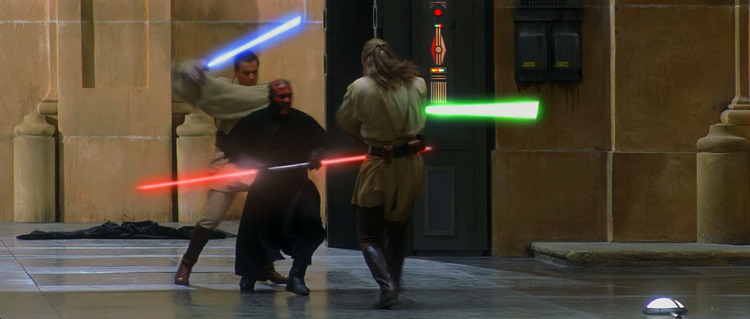
Having said this, I liked Lucas’ idea of expanding the mythology of the Star Wars universe and showing how a democracy like the Republic would descend into a tyranny in the form of the Galactic Empire. it was also interesting to see a different era in Star Wars. Instead of the battle-scarred ships and planets seen in the original trilogy, we are shown more peaceful and polished areas in the galaxy. It makes sense since the film takes place over 30 years before A New Hope. Seeing the Jedi Order in its prime is great to see, with Qui-Gon and Obi-Wan battling Palpatine’s protege, Darth Maul in spectacular light saber battles, which were incredibly choreographed.

The reputation of the film has been somewhat improved in the subsequent years as many have come to appreciate the film for its positive attributes. The special effects were groundbreaking with the CGI used to created Jar Jar being a precursor to later films and characters that were brought to life via this technique. Gollum from The Lord of the Rings films being one such example. The effort of George Lucas to broaden the scope of the franchise with new ideas, planets and creatures is also something to be commended. He set the stage for the prequel trilogy, which would result in the well-received Star Wars: The Clone Wars TV show and introduce new characters that would become fan favorites, such as the previously mentioned Darth Maul, Count Dooku (Palpatine’s other protege) or the powerful Jedi Knight Mace Windu. One sign pointing to the film’s improved reputation was the fact that the re-release this month of the film in theaters to celebrate its 25th anniversary actually earned a respectable box office haul.

The release of later Star Wars films would have the franchise move away from this era and take us to the future of the Skywalker saga, some 30 years after Return of the Jedi. Starting with The Force Awakens, it was obvious that Disney wanted to go back to the roots of the original trilogy as opposed to Lucas’ prequels. I think the results were mixed, as The Force Awakens has a simpler plot that was similar to A New Hope, but is also somewhat too derivative of it. The prequels told a new story in the Star Wars universe starting with Star Wars Episode I: The Phantom Menace, while the sequels seemed to retell the story of the rebels against the empire, although I do think that Episode IX really pushed the story forward and ended things on a good note.

However, one area where the sequels improved on is the overall look the films, as they seemed to blend the use of practical effects with CGI, which made things seem more grounded. Whereas with the prequels, they did sometimes go overboard with CG effects. While groundbreaking as previously mentioned, it did give things a strange look, with an overload of visuals and backgrounds that in some scenes, were obviously a green screen and look dated today in some instances.

Despite all of that, Star Wars Episode I: The Phantom Menace is a very important film in the saga and in the genre as a whole as it popularized the idea of prequels to popular movies and reintroduced Star Wars to a whole new generation of fans who have since enjoyed a renaissance of the franchise that is still being being enjoyed to this day.

C.S. Link

After Kingdom Of The Planet Of The Apes

Kingdom of the Planet of the Apes is the latest entry of the long-running Planet of the Apes franchise. The film is both a continuation of the previous trilogy that came out in the last decade while being a new starting point for a new trilogy that expands the story of the Apes franchise. There will be spoilers for Kingdom of the Planet of the Apes.

For anyone who hasn’t seen any of these films, the world of Planet of the Apes is one where humans have been supplanted by intelligent apes capable of speech, while humanity has become animalistic. The previous trilogy, consisting of Rise of the Planet of the Apes, Dawn of the Planet of the Apes and War for the Planet of the Apes, served as the origin story for the franchise. The trilogy provided the background for how apes gained human-level intelligence, which came about from efforts to find a cure for Alzheimer’s Disease. The supposed cure, in the form of an artificial retrovirus, instead increased the intelligence of apes. But the retrovirus had the opposite effect on humans. First it spread like wildfire and killed millions of people and caused civilization to collapse. Then the virus mutated and caused the remaining humans to lose their intelligence and the ability to speak, and cemented the apes dominion on Earth.

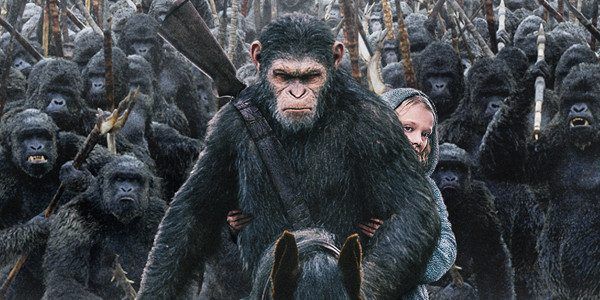
The main character in the trilogy was Caesar (in a brilliant motion-capture performance by Andy Serkis), who was the first hyper-intelligent ape and the leader of an Ape Rebellion against the humans who tormented his species. Eventually, Caesar tried to live a quiet life as the leader of his ape colony in the forests beyond human civilization, but conflict arose between the two species. By the end of the last Planet of the Apes film, Caesar was able to defeat the humans that enslaved his fellow apes and led them to an oasis to start a new colony, but he died from wounds inflicted during his battle with humans.

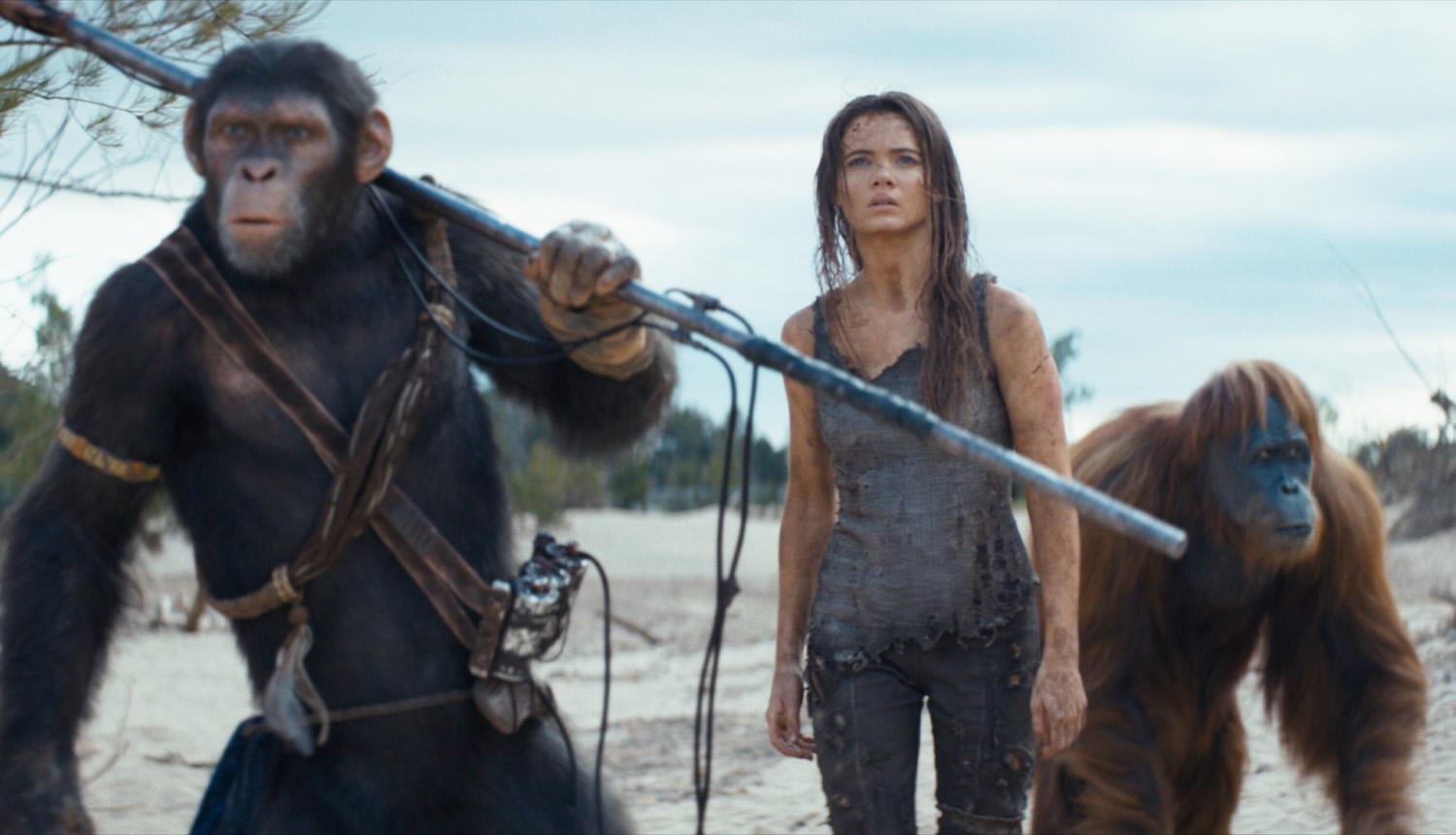
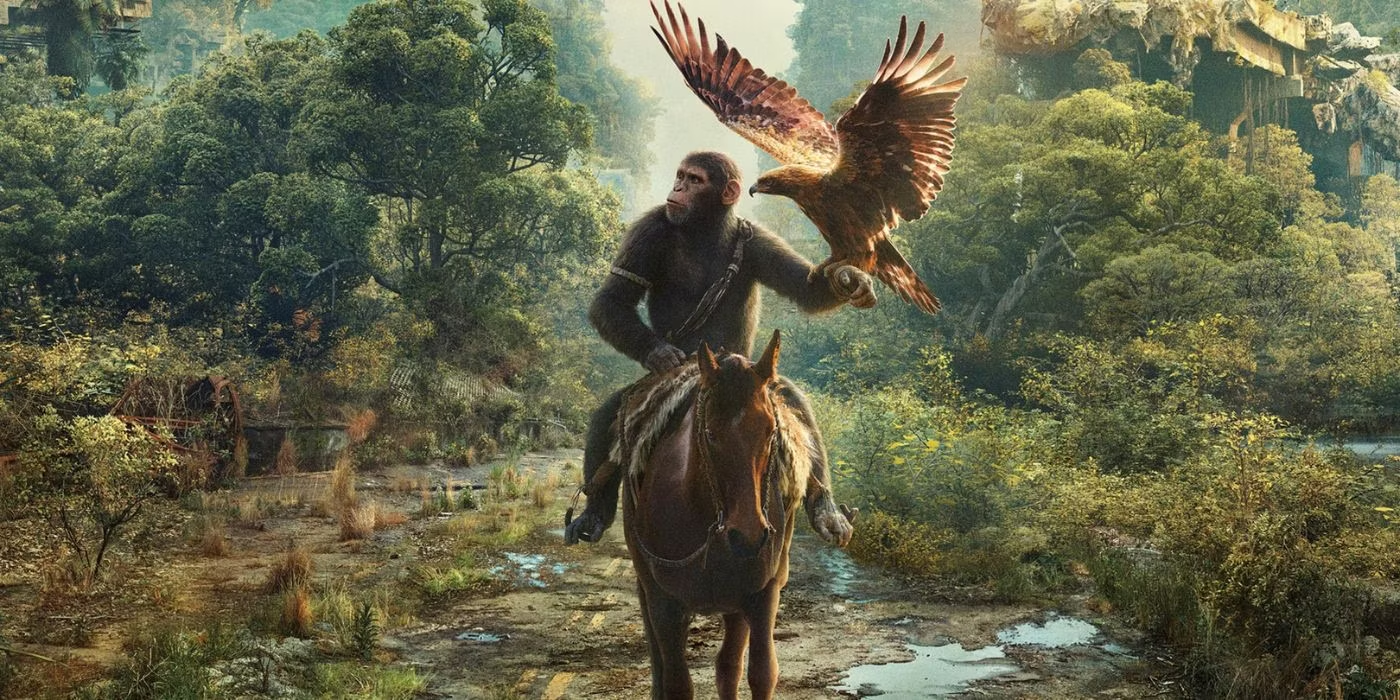
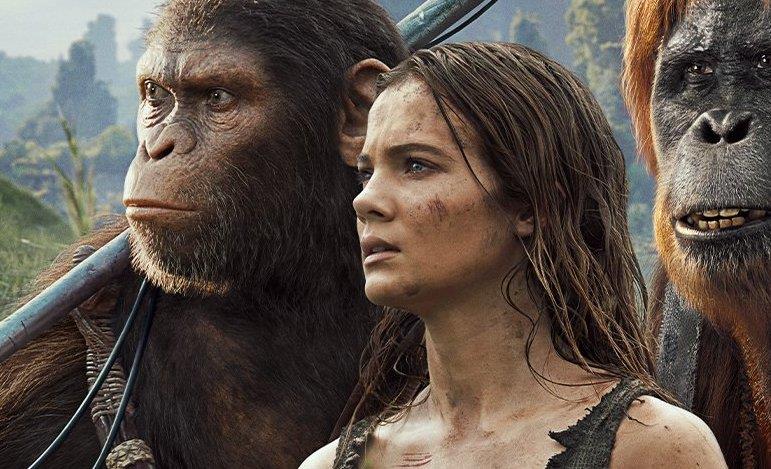
Kingdom of the Planet of the Apes takes place “many generations” after the death of Caesar and apes have evolved further and multiplied while transforming from a hunter-gatherer society into an agricultural one. Meanwhile, humanity has devolved into mute, animalistic savages, however, Noa (Owen Teague), the lead ape character, meets Mae (Freya Allan), a young human woman who is actually intelligent and able to speak. Eventually it is revealed she comes from a human outpost that is quarantined from the world and located near a satellite base. These humans are still intelligent and by the end of the film have begun efforts to communicate with other humans who have not succumbed to the virus in order to reestablish human civilization. Obviously, this will set up a future conflict between humans and apes if Mae’s settlement is able to jump start civilization.

One of the later elements that made the films in this franchise so compelling was the eternal question of humanity being able to co-exist with another society, which was an obvious, and sadly still an ongoing, allegory to our inability to co-exist with each other. This theme was vaguely hinted at in the second Apes film, Beneath the Planet of the Apes, but was the main focus in the films that followed starting with Escape From the Planet of the Apes. After the violent revolution seen in Conquest of the Planet of the Apes, Battle for the Planet of the Apes offered the hope that both species were able to co-exist peacefully, though that was debatable.

In the final moments of that film, which took place hundreds of years in the future, several ape and human children were attending a lecture by an ape teacher, who was narrating the events of the film. Although this ape spoke about the ability of both species living in peace, a young girl and an young ape were seen squabbling with each other, hinting at a future conflict between the two. After this, a statue of the main character in that film (also known as Caesar, this time played by Roddy McDowall) was seen crying. It was left to viewers to ponder if these were tears of joy because the two species at last lived peacefully or if the tears were of sorrow because of a coming conflict between humans and apes.

This idea of trying to live peacefully is touched upon in Kingdom of the Planet of the Apes as Noa questions Mae in the final scenes if it is possible to for the two species to share the planet. Mae answers that she does not know, but he doesn’t realize that as she is talking to him, she has a gun ready to shoot him, just in case. Of course, the very notion that she brings a gun with her while coming to Noa’s colony raises the question if she is trustworthy. Throughout the film, she gave little reason to trust her as she lied to Noa and his apes about her true motives from the moment she meets them.

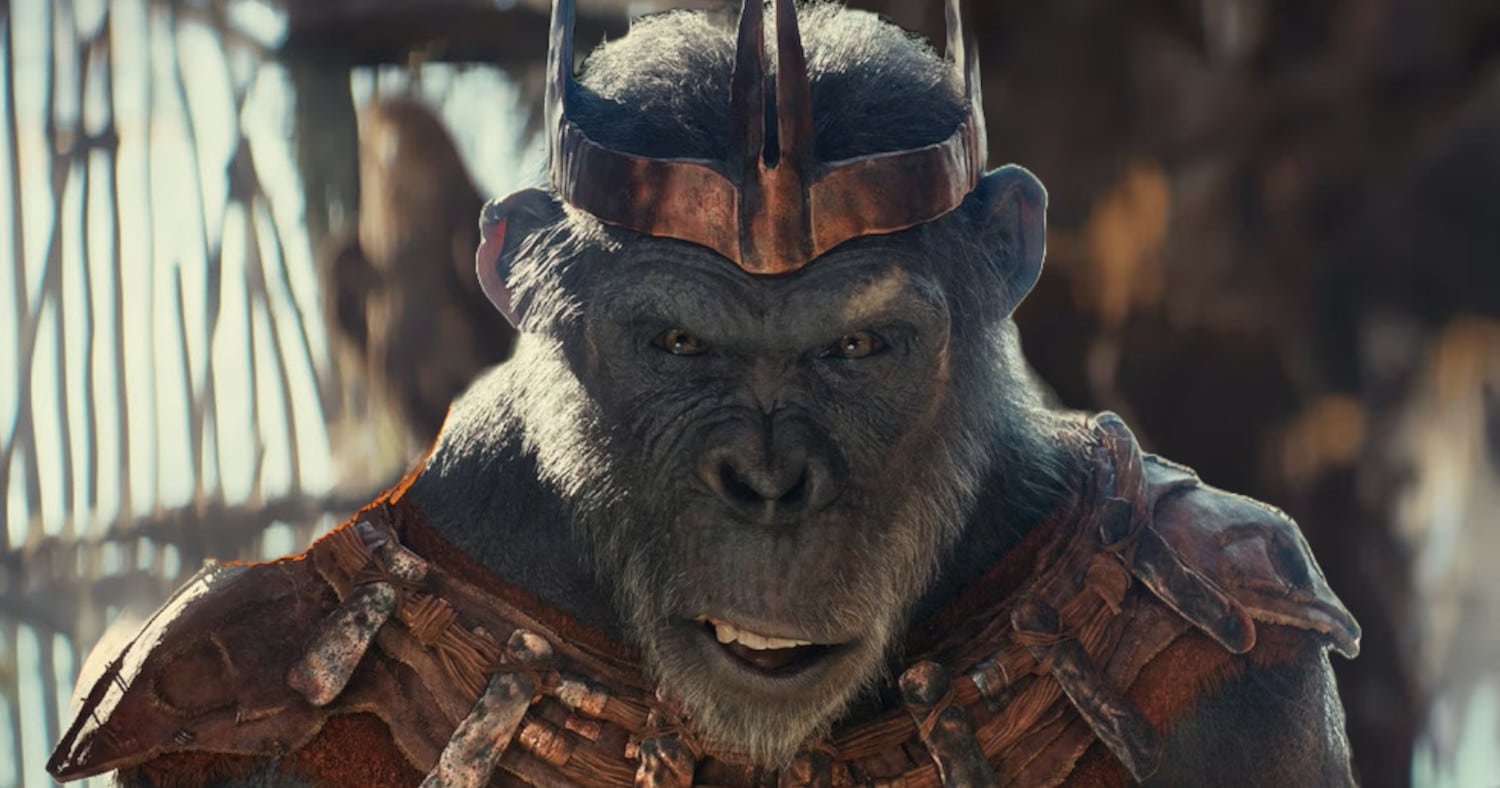
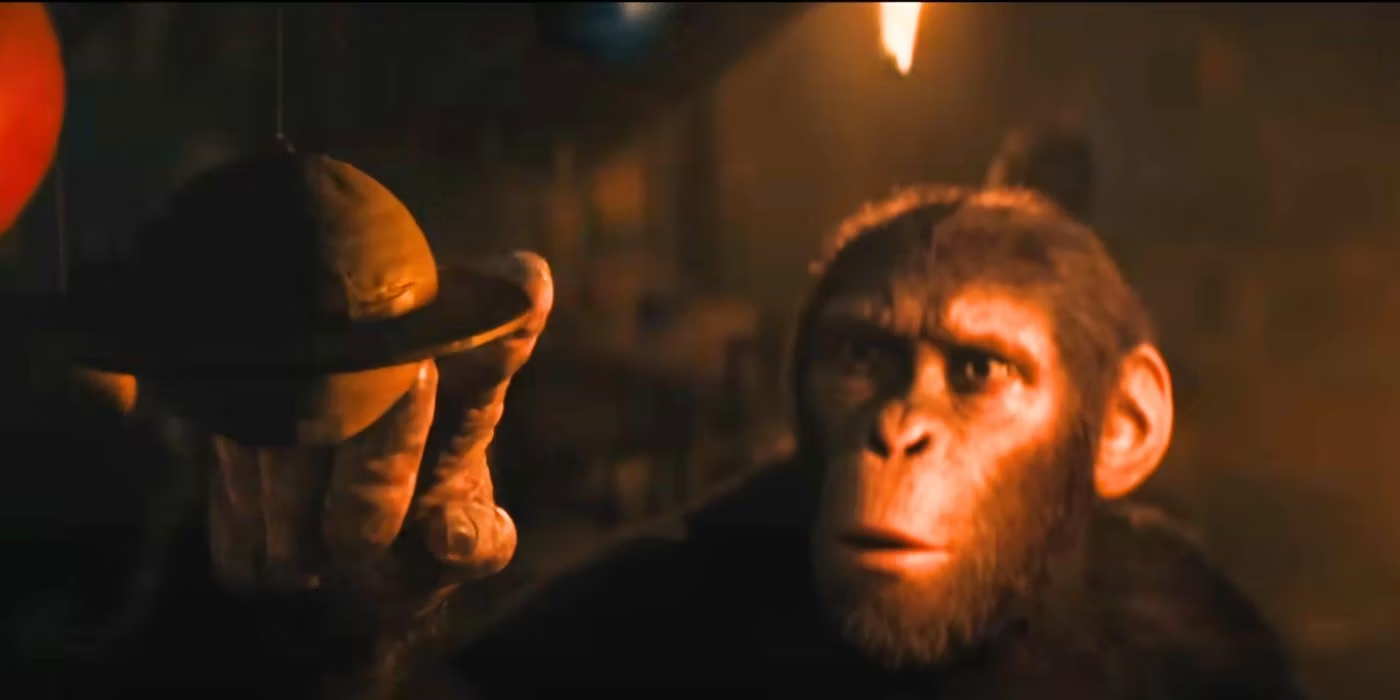
Noa is rightfully suspicious of her and in turn, humanity, but he is willing to work with her during his conflict with Proximus Caesar (Kevin Durand), a despotic ape leader from another clan that enslaved his clan. Noa is also more focused on learning and passing knowledge to his people. He learns about Caesar and his peaceful ways as the ape has become a religious leader long after his death. It is implied that Noa will pass on the legend of Caesar to his clan while inspiring them to learn more about the world. This is best illustrated in the final moments when he takes his ape companion Soona (Lydia Peckham) to a decaying observatory and introduces her to the wonders of the universe via an old telescope.

Mae for her part is shown as being worried about Noa and the evolving ape civilization that will prevent humanity from making a comeback. In one scene she silently watches Noa repair a cattle prod that was used by one of Proximus Caesar’s soldiers and is worried at his ability to repair a tool. During the film, she and Noa are captured by Proximus Caesar’s forces and is ordered by the ape tyrant to help him open an abandoned vault used by the human military long ago. She is adamant that apes should not have access to old human weapons and technology inside the vault and was willing to let innocent apes die to prevent their access.

During her mission to enter the vault, Mae killed a fellow human, a collaborator called Trevathan (William H. Macy), who threatened to expose her to the apes. Though it was understandable why she was distrustful of the apes and the collaborator, her actions made her untrustworthy and ignoble. On the other hand, her actions are meant to help resurrect human civilization and it is seen through Proximus Caesar that the apes are not much better than humans and full of humanity’s worst traits.

It will be interesting to see where the Apes franchise will go after Kingdom of the Planet of the Apes. It is clear that a new trilogy is been set up that will put ape and humanity into conflict once again. There is also a tantalizing hint that space travel will be involved, as Noa is seen being fascinated by space and images of astronauts. As wild as it sounds, having apes evolve to the point of venturing into space is a great idea. Who knows? Maybe space exploration could wind up being the means for both species to learn how to cooperate and live in peace if space travel is needed to help save the Earth.

It also hints at the possibility of the new Apes films linking back to the original films. Think about it. The very first film featured astronauts who wound up on Earth in the far future and Rise of the Planet of the Apes featured Easter eggs of a lost space mission, which could be these astronauts that could show up again at the end of the new trilogy. Anyway, no matter which direction future films go, the Apes franchise has demonstrated the uncanny ability to move into new and exciting directions as most recently seen with Kingdom of the Planet of the Apes.

Top Ten Worst Comic Book Trends

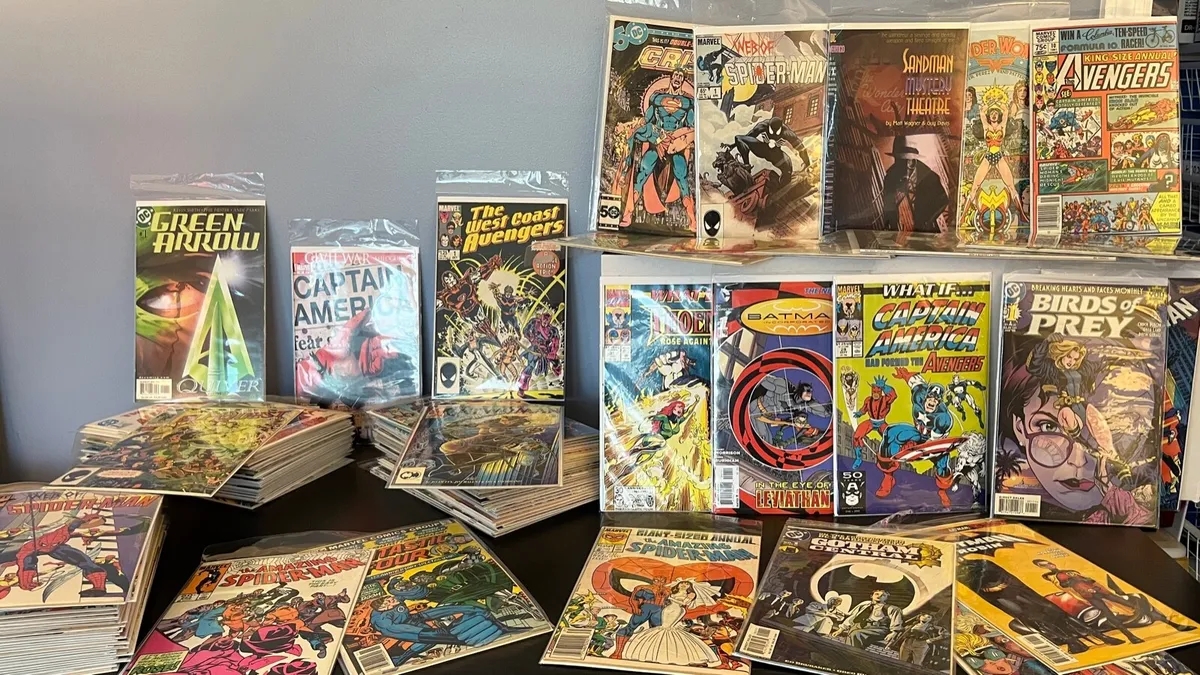
As we enjoyed last weekend’s Free Comic Book Day event, it reminded us comic book fans about the trends we love to gripe about with the comic book industry. We’ve been griping about these trends for decades and while some have gone away, some new or persistent trends are plaguing the comic book industry.  With that said, here are the top ten worst comic book trends plaguing the industry today.

10. FOMO = Increased Back Issue Prices

Fear of Missing out (FOMO) often plagues many comic book collectors who desperately go out of their way to get the latest trending comic. This was especially bad during the beginning of this decade when any mention of a character appearing in an upcoming movie would cause prices for back issues to explode overnight. This frustrates normal collectors trying to complete a run and at the same time ends up fleecing naïve collectors who have to get the latest trending comic book. Just look at The Amazing Spider-Man #210. A couple of years ago it was highly sought after because it featured the first appearance of Madame Web. Anyone think that book is still in demand after the Madame Web movie bombed?

9. Comic Book Prices Keep Going Up

Right now, the average comic book costs about $5 per issue. Back when the medium first started, a single issue would cost less than a dollar. What used to be a relatively inexpensive hobby, at least for older readers not dependent on their parents’ allowances, is now pricey especially if anyone is trying to buy all the comics that come out on an average month. This has led to overpriced special issues, such as an issue #100, that are priced around $10 and not worth the price as they often turn out to be anthology books featuring forgettable stories instead of monumental events.

8. The Overabundance of Mini-Series

When comic book mini-series first appeared on shelves, they were often devoted to characters who either were brand new or not popular enough to warrant an ongoing series. The limited series served as testing grounds for both the characters or creative teams. Usually, this lead to some characters becoming breakout stars like the Punisher or Wolverine or gave exposure to promising writers or artists. Nowadays, it seems like there is a new mini-series everywhere you turn and often they are about established superheroes like Batman or Spider-Man. Why couldn’t these stories be told in their own titles? Sure, a particular mini-series story may not fit with the ongoing storyline but why not just run the stories in between runs of creative teams? If the famous “Kraven’s Last Hunt” storyline was released today it would have been a mini-series with variant covers and more whistles.

7. Comic Books Villains Turned Anti-Heroes

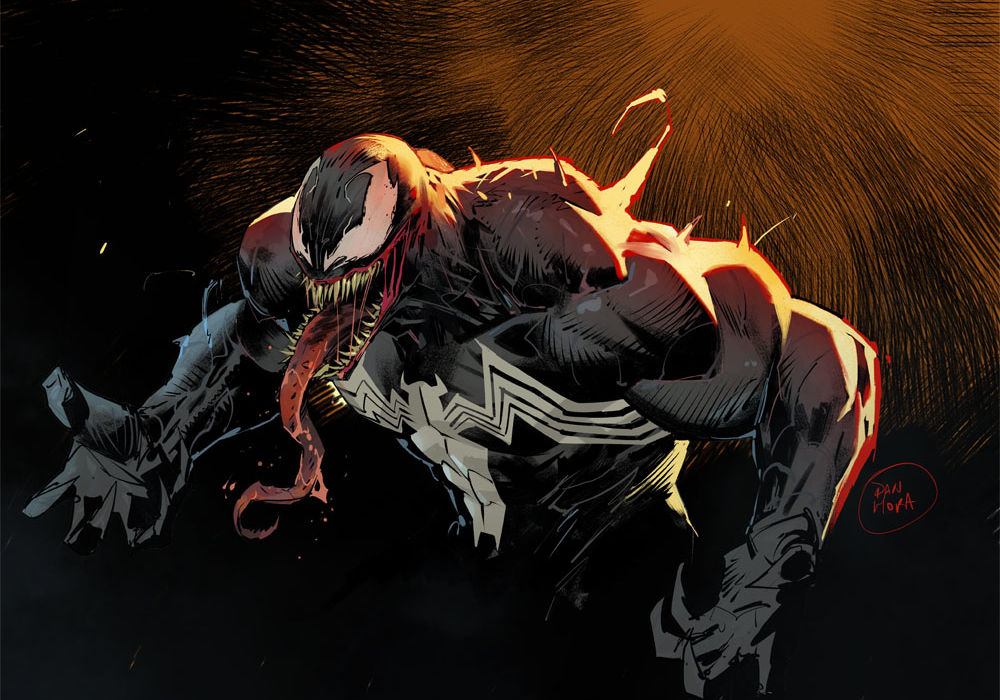
This is an annoying development with many classic comic book villains. They become so popular that the publishers wind up giving them their own solo titles where they become anti-heroes that we can relate to. The most famous or infamous example is Venom. When he first debuted in the pages of The Amazing Spider-Man, Venom quickly became one of Spidey’s deadliest and most popular foes. Unfortunately, Marvel Comics saw the character as a gold mine and increasing his appearances in the Spider-Man comics was not enough. No, Venom was given a bunch of mini-series where he faced off against other popular Marvel characters until getting his own title. The problem with this is that Spider-Man was deprived of a solid villain who could no longer be seen in the same way since Venom became an anti-hero.

6. The Multiverse Concept

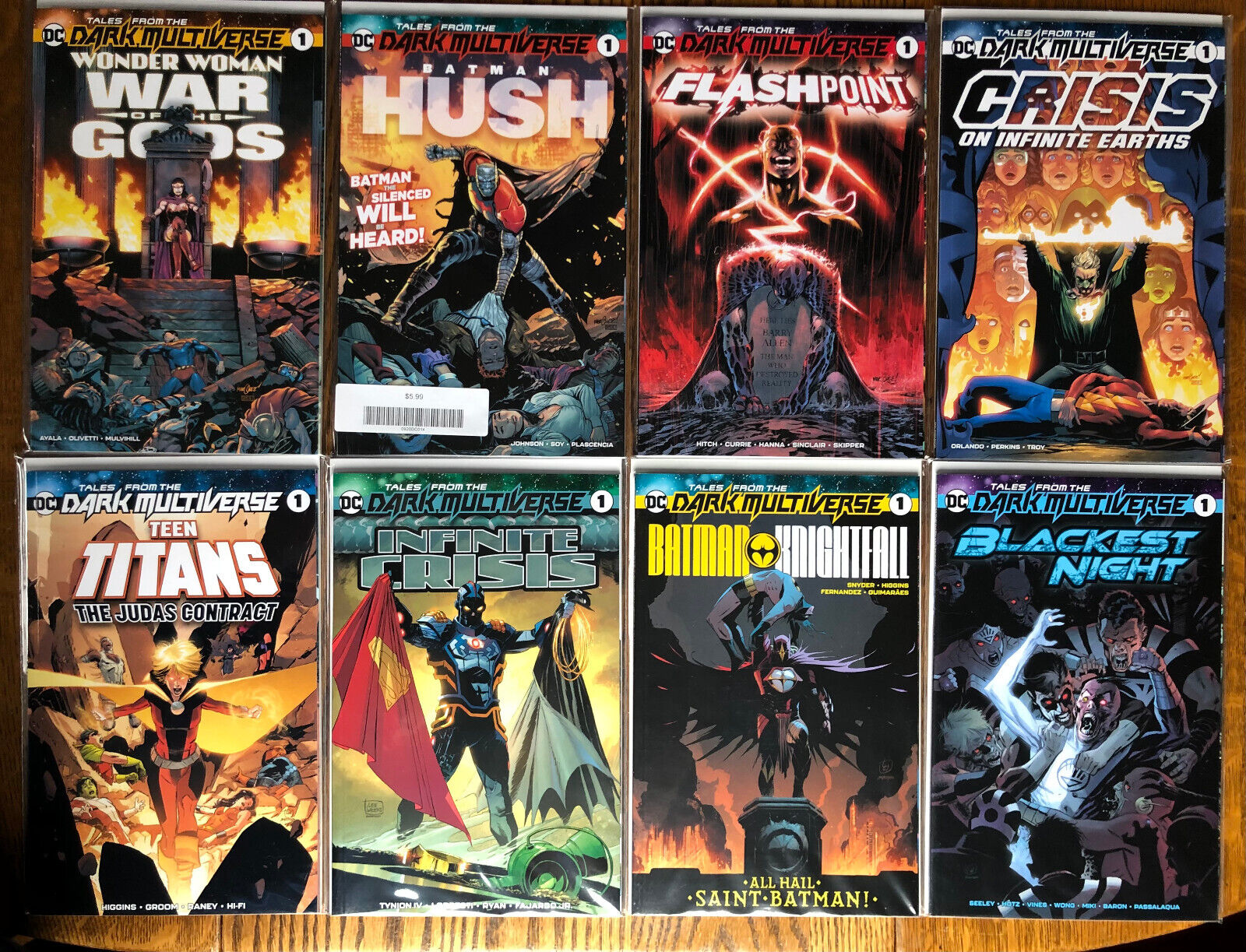
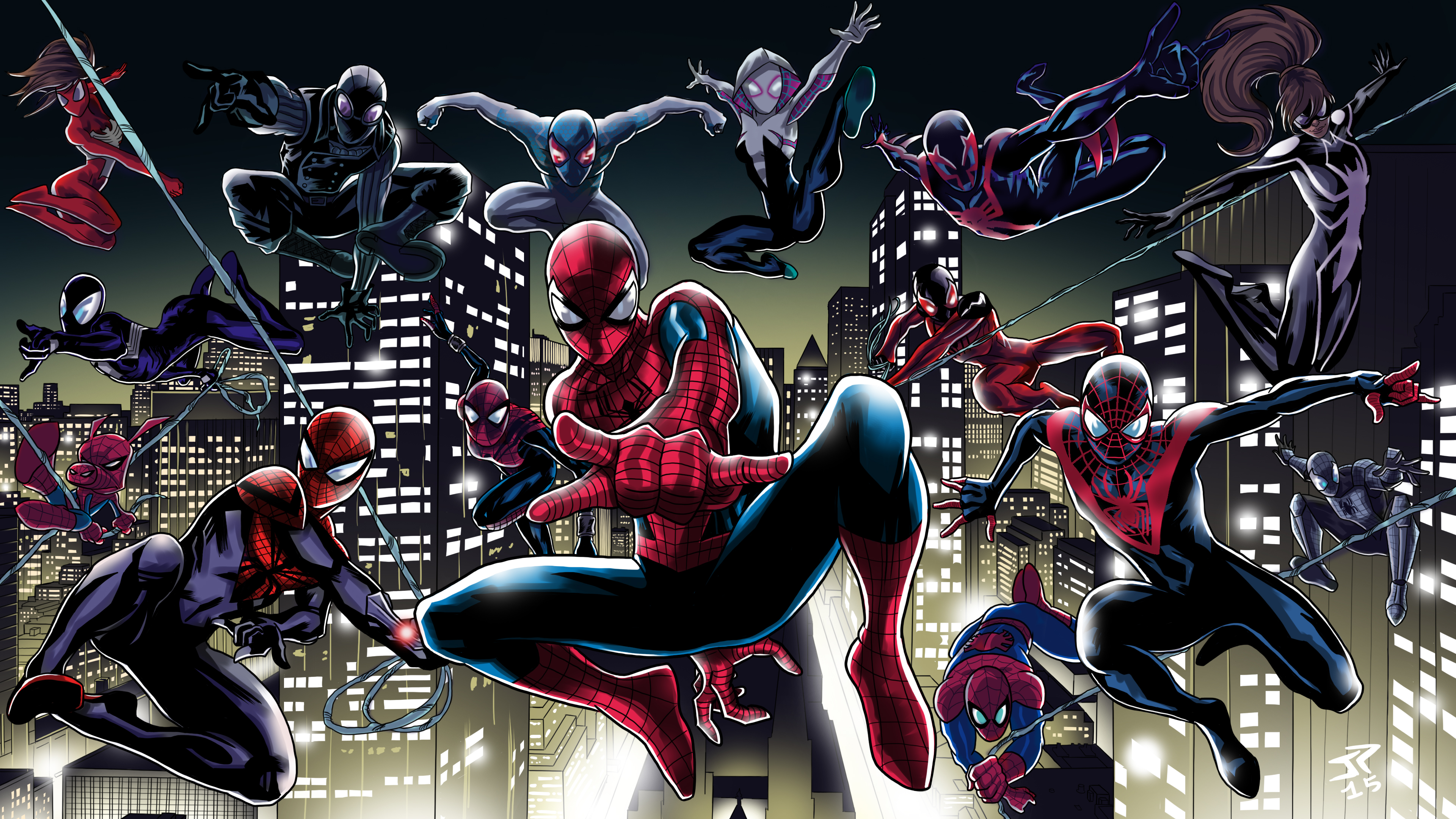
The Multiverse is a great concept that lets creative teams conjure up interesting stories outside of the limiting comic book continuities. Sometimes these stories featured the deaths of popular characters, which was unthinkable in regular comics. Great examples include the classic The Dark Knight Returns mini-series and Kingdom Come. But leave it to the comic book companies to dip into the well one too many times. DC and Marvel have released too many stories that take place in separate realities that dilute the impact of the stories and the characters. Just look at what Marvel is doing with the so-called Spider-Verse. What was a fun storyline in The Amazing Spider-Man that introduced imaginative and outlandish variations of Spider-Man has now become a means to throw up countless mini-series (see Number 8) with Spider-Man variants. On a broader scale, Marvel is going all out with a relaunched Ultimate Comics line that features our favorite characters in a different reality. This probably makes speculators happy as they look for the next Spider-Gwen but the rest of us don’t care and this leads us into the next worst trend.

5. Derivative Characters and Families

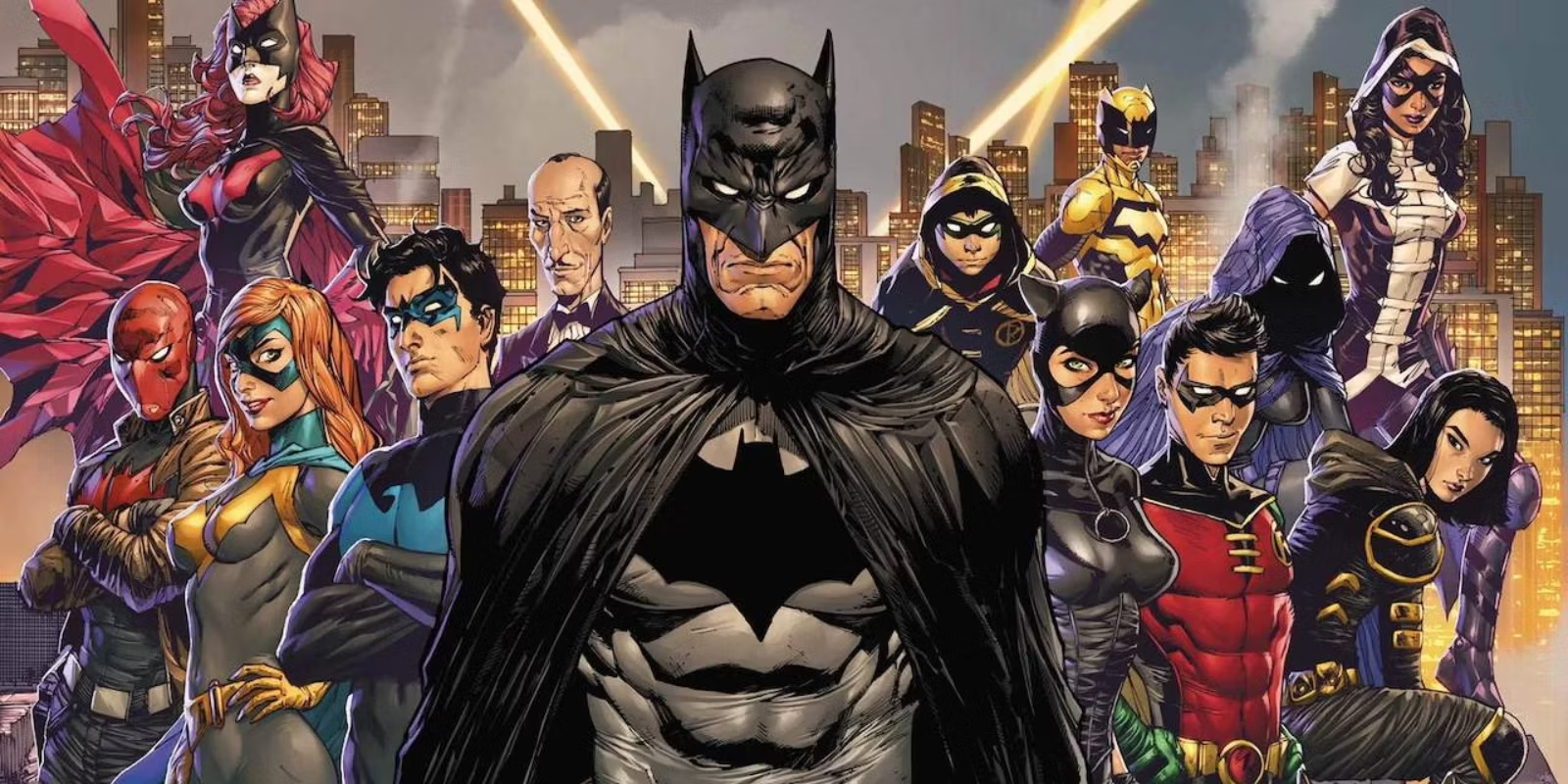
Legacy characters like Batman, Superman, or Spider-Man usually spawn a family of characters that are derivatives of them such as Batgirl, Superboy, Scarlet Spider, Red Hulk and so on. When some of these new heroes first appeared, they replaced the main characters and picked up the mantle and inspired fascinating takes on legacy characters. Steve Rogers’ Captain America led to Sam Wilson Captain America or Hal Jordan Green Lantern spawned Kyle Rayner Green Lantern. Other times these characters were just young knockoffs of popular heroes. The most recent example is Spider-Boy, one of the dumbest characters ever introduced to the Spider-Man family. Speaking of families, the problem with these characters based on legacy characters is that they dilute the original character. There should be only one Batman (who works best as a loner superhero), one Spider-Man, one Captain America, one Superman; except when it comes to Green Lantern since that character is just one of many Green Lanterns in the galaxy.

4. Too Many Crossover Events

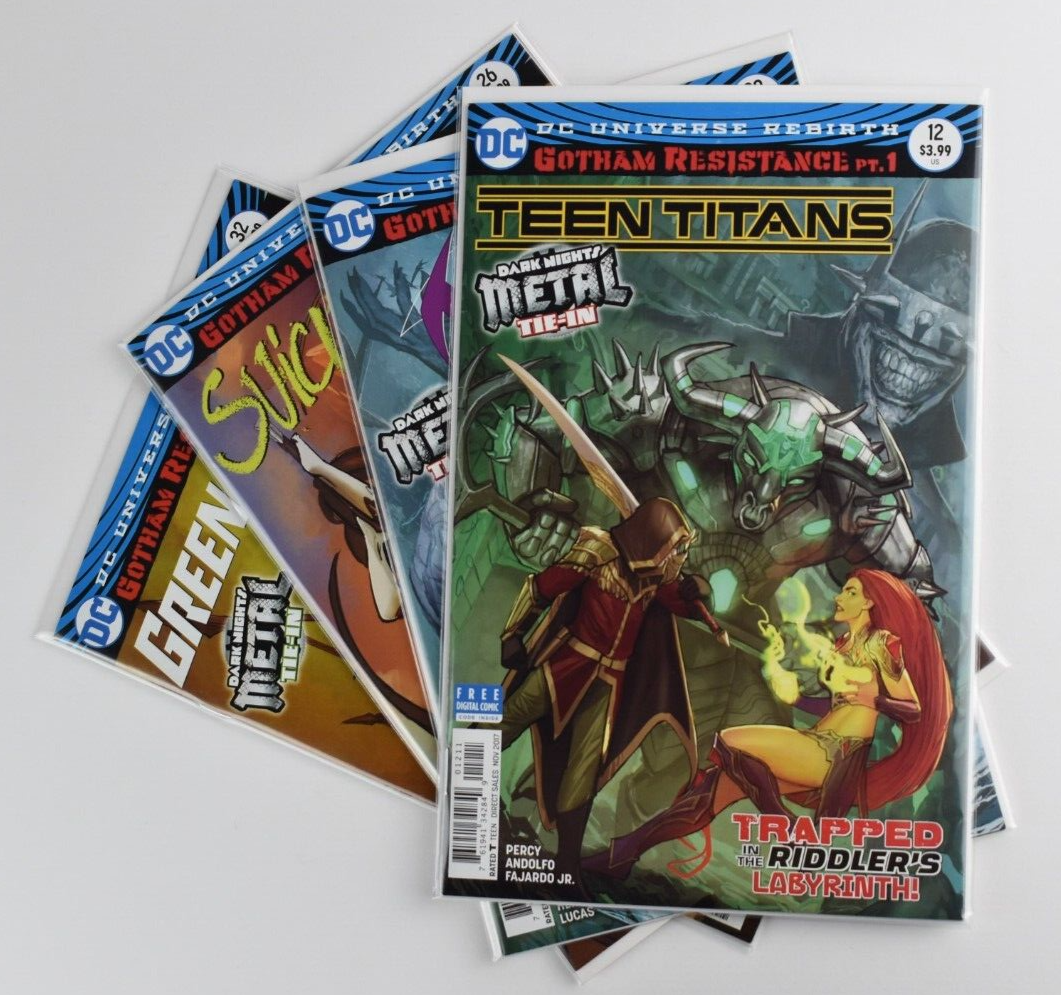
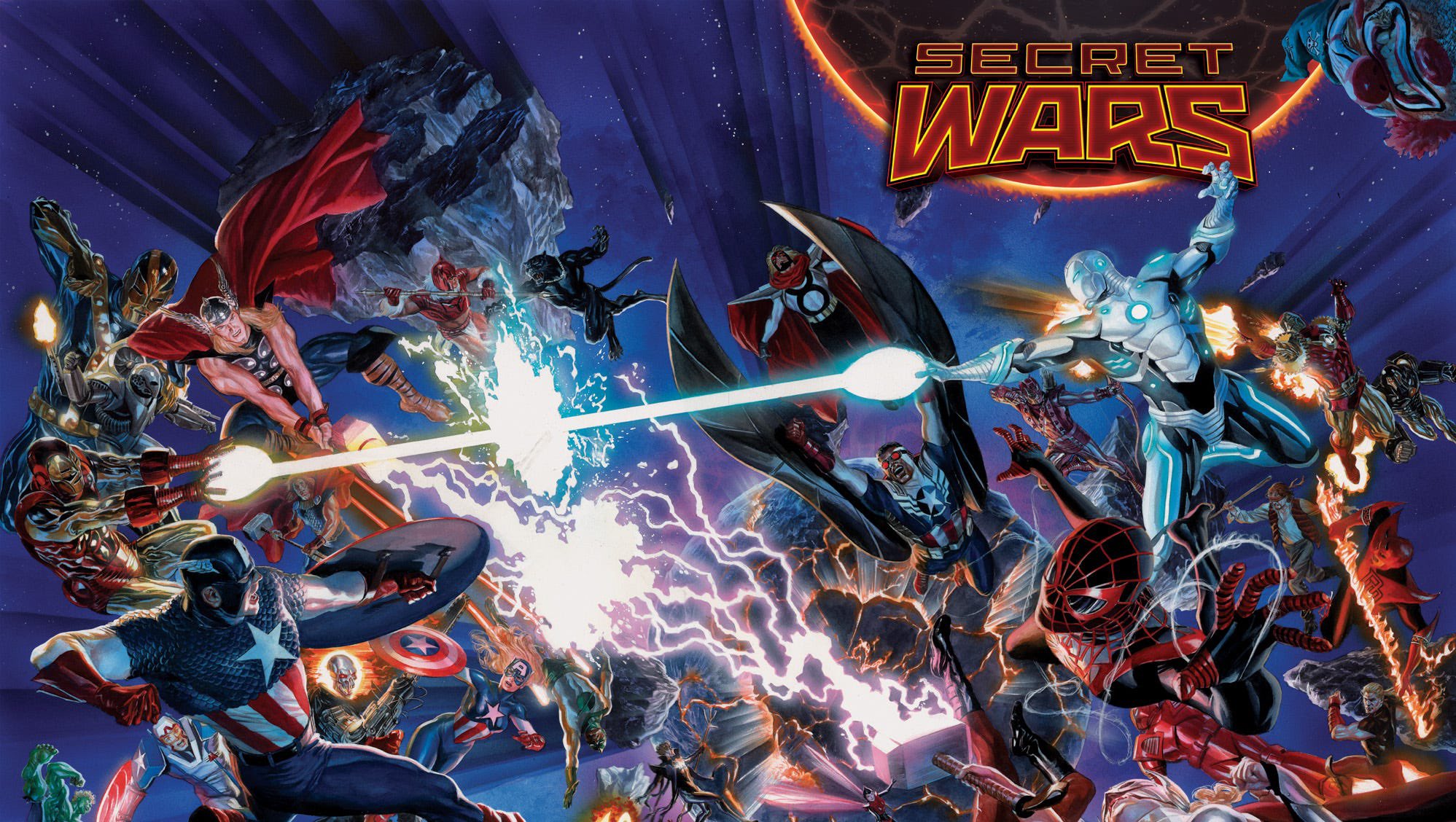
Remember when crossover events were truly special and had consequences? Ever since the success of Secret Wars and Crisis on Infinite Earths, crossover events across comic book titles have overtaken the release schedules of comic books. Often these events spill their way into regular titles and interrupt their ongoing storylines to squeeze in a tie-in story related to the crossover event. This is very annoying when following a run that builds up a certain momentum only to come to a crashing halt just to cram in an issue devoted to a crossover tie-in. Meanwhile, anyone who doesn’t follow a certain title feels compelled to buy it just to get the complete story if they were following the crossover event. We all know why these events happen (hint: $$$), and they are a good way to introduce readers to titles they often do not read, a good example was the “Unity” event in Valiant Comics way back in the 1990s. But there are too many of these crossover events now which has made readers tune out.

3. Meaningless Character Deaths

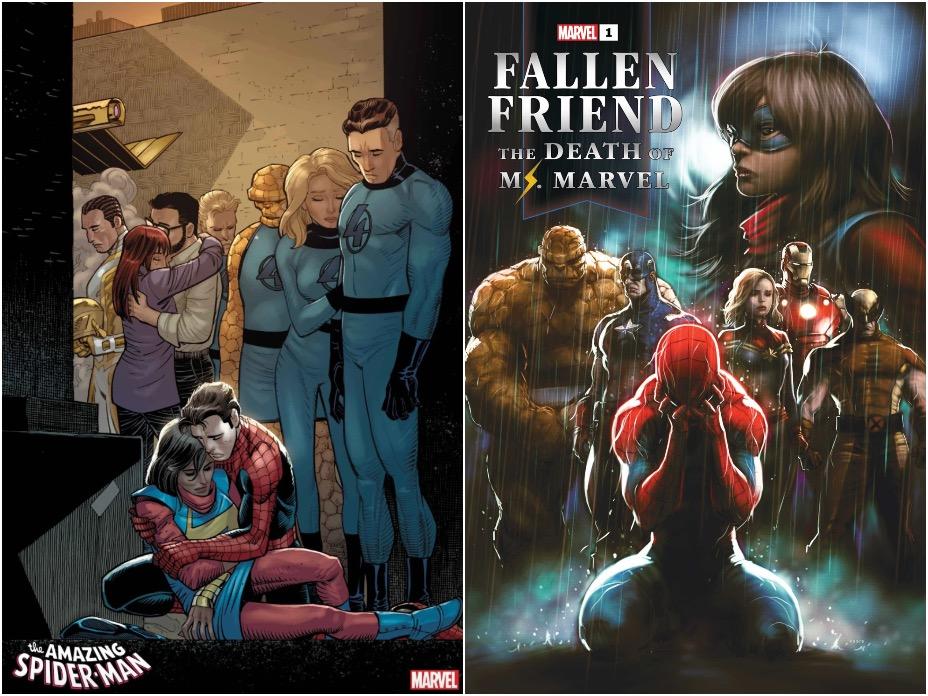
This has gone on for decades in comic books where the villains apparently were killed off only to reappear issues later with some implausible explanation for how they survived. However, this has recently happened with our superheroes, the best example was the famous “Death of Superman” storyline that made headlines and introduced new characters to the Superman family. But too often, these superheroes have been killed off just to tell stories of mourning only to have them resurrected. It has gotten to the point that a death of a character has no emotional impact. Seriously, did anyone believe for a moment that Ms. Marvel was actually dead when she was killed last year in The Amazing Spider-Man #26? The event was filled with empty platitudes and forced emotions. Note to comic book companies: If you kill off a character then that character should stay dead.

2. Variant Covers Everywhere

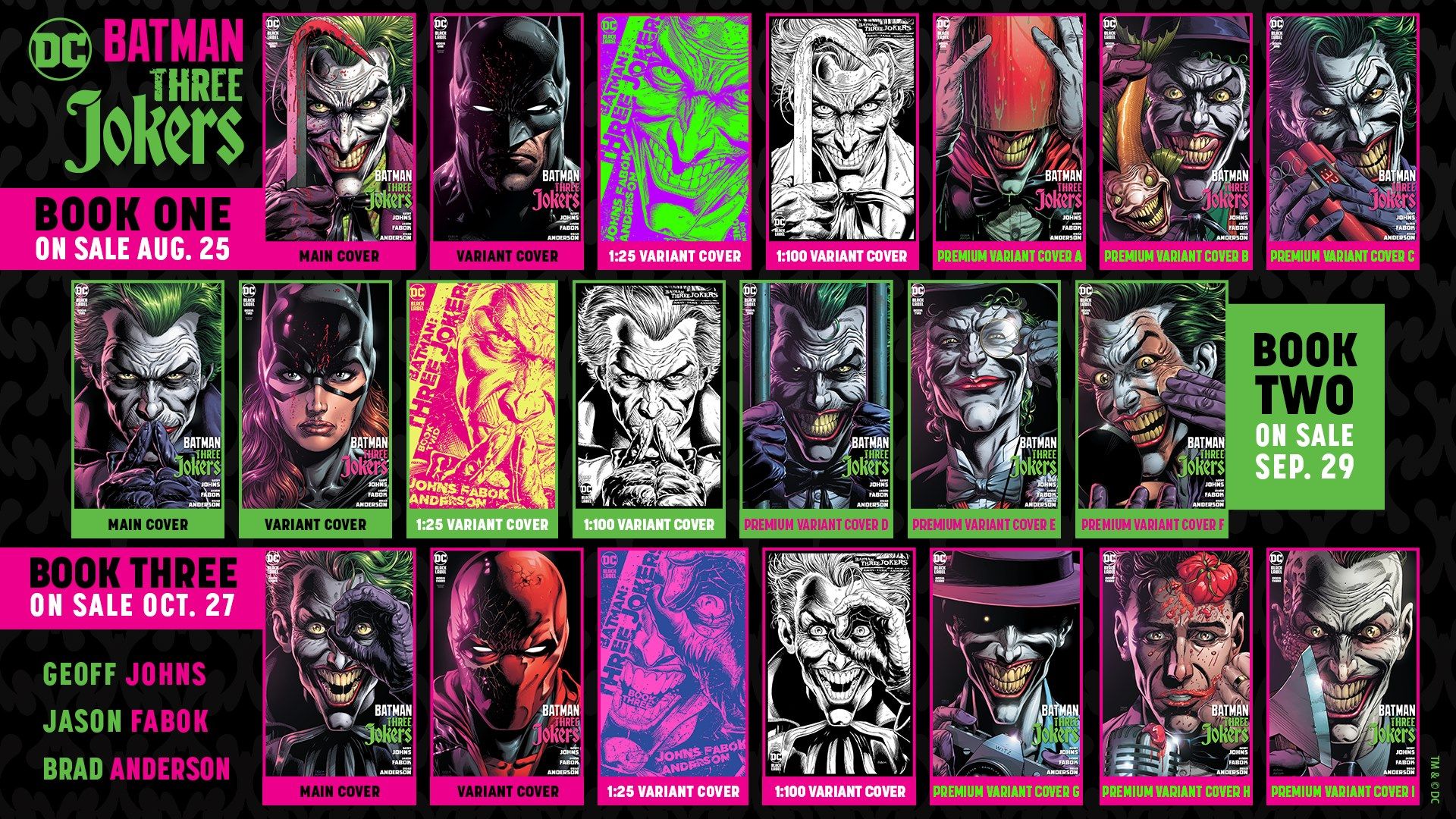
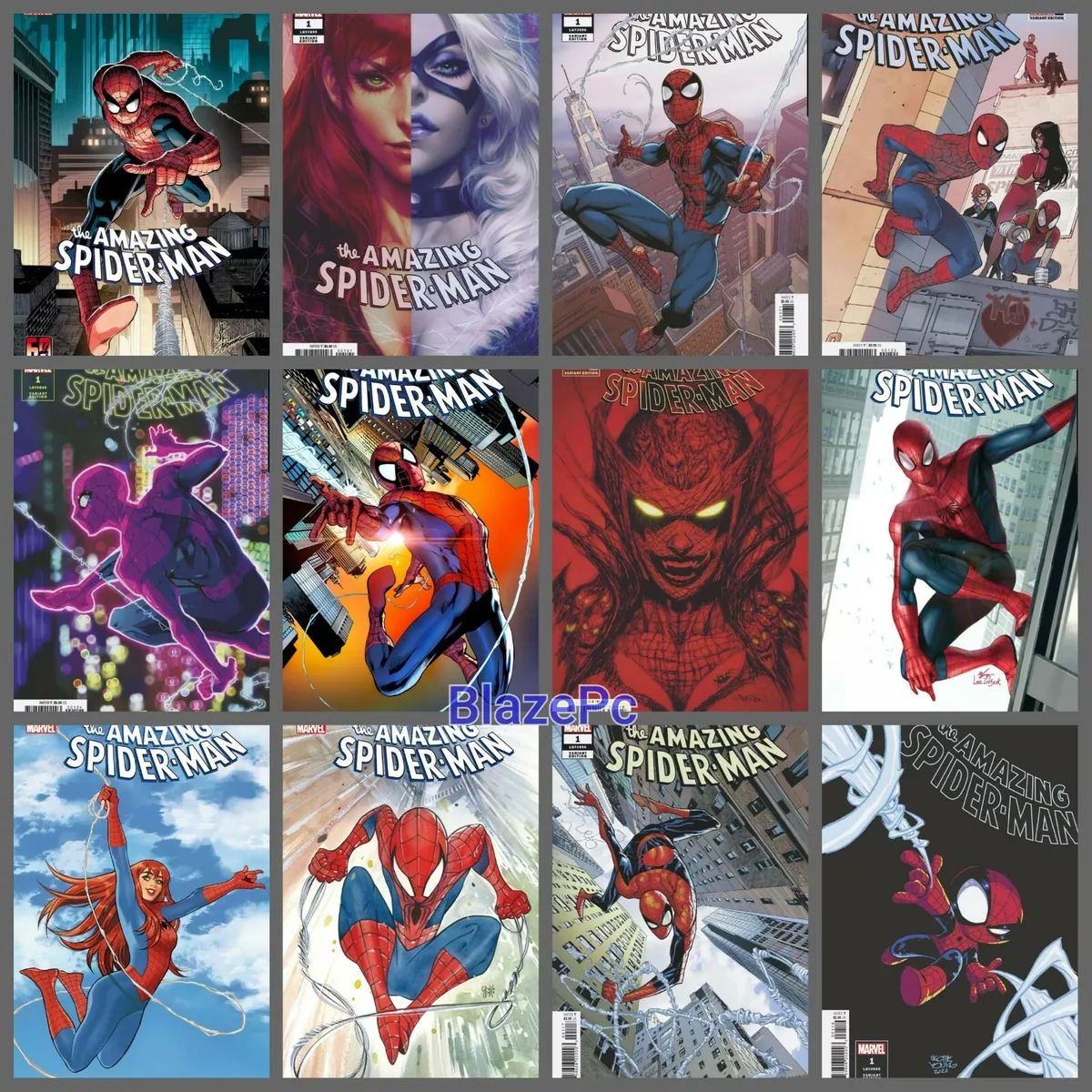
Pumping out so many variant covers to comic books is just a ploy to get collectors to spend more on the titles. It is also annoying and confusing for anyone who just wants to get a particular comic book to follow a story. Of course, no one is forced to get all the variant covers, which would be too expensive for average fans. But some completists can go insane and broke trying to find elusive covers that instantly go up in price at comic book stores. Another dilemma is that a person may only want the regular cover but sometimes that is hard to do, and that person is forced to buy a variant cover, which would be a nightmare for an OCD collector. Another very annoying trend with the variant covers is the tendency to put out covers that feature characters that do not have anything at all to do with the comic book! For proof, just look for any recent issue of The Amazing Spider-Man which is guaranteed to have Spider-Gwen or Black Cat on the cover even though neither character appears in that issue.

1. The Constant Cancellations and Relaunches of Popular Characters

This is the worst trend with comic books today and the most annoying. In the old days, a comic book would have a run that spanned hundreds of issues with creative teams coming and going from titles. It was fun trying to get the complete run or at least some significant key issues. But ever since the 1990s, comic book companies have been intent on canceling comic book titles only to relaunch them a short while later with a brand new number one issue. This is done to increase sales and attention to the comic book. While this may please some collectors who can now legitimately claim to own a copy of Daredevil #1 it annoys the rest of us who get confused when trying to complete a run. In the end, it’s just a tired marketing scheme that will not benefit the comic book in the long run. Want a long, successful run of a comic book title? Just focus on telling great stories. The word will get out to fans who will seek out the title and make it an enduring success.

José Soto