Season Two Of Andor Proves It Is The Greatest Star Wars TV Show Of All

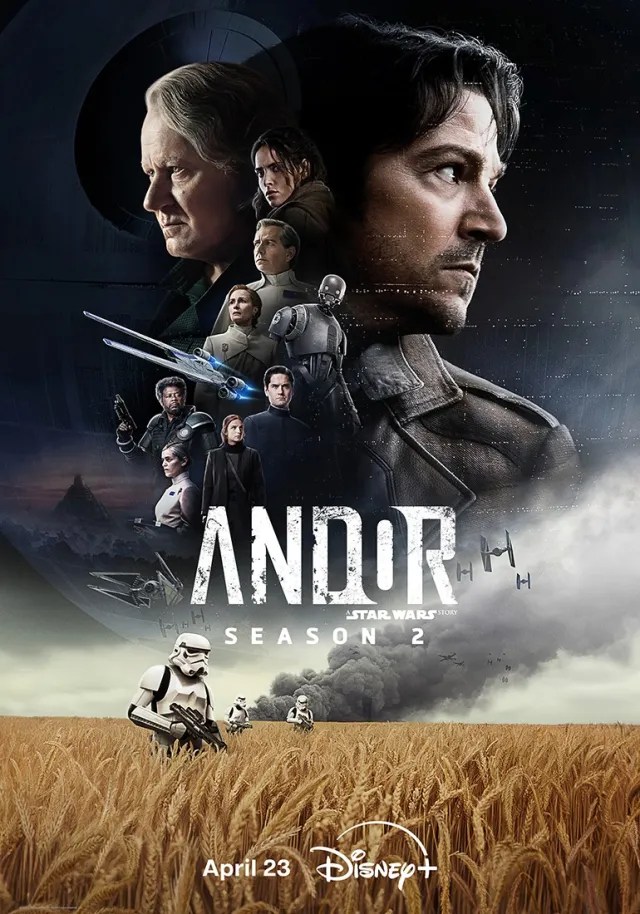
Andor just completed its second and final season on Disney + and it proved beyond question that it is the greatest Star Wars TV show ever presented. Some fans may complain that it is too slow or too adult or too unlike Star Wars, but they are missing the point. Andor demonstrates that Star Wars can be much more than action-oriented, near fantasy stories that are supposedly geared more to children. The IP is much more than that and Andor shows us the potential of what Star Wars can be.

The second season of Andor is broken up into three-episode arcs, with each arc taking place a year apart as the overall narrative counts down to the original Star Wars and Rogue One: A Star Wars Story. As each arc progresses, we get to see how the complex characters develop and grow.
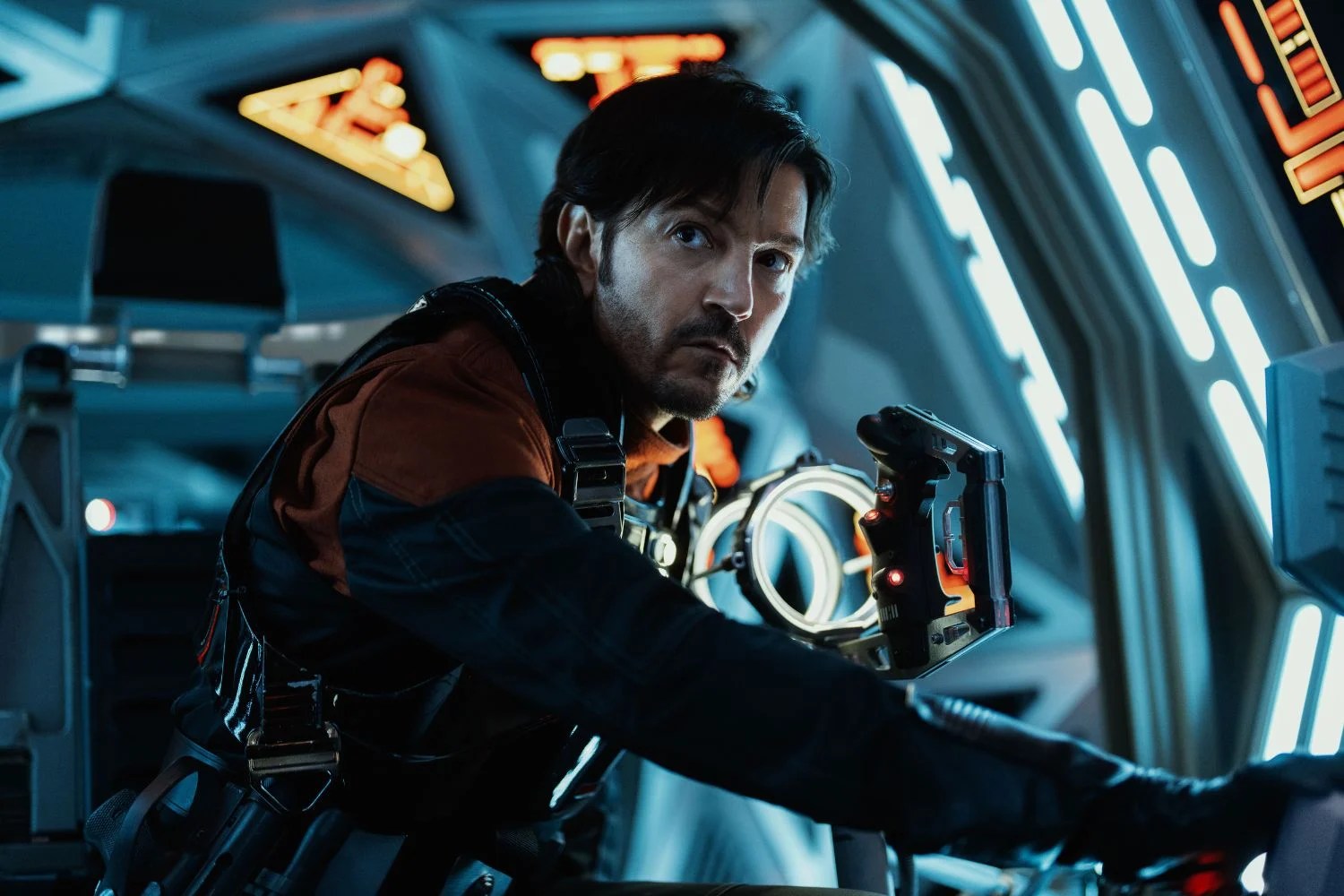
Among the great things about Andor are its rich characters starting with the title character himself, Cassian Andor (Diego Luna), a spy for the burgeoning Rebel Alliance. In the early years of the rebellion against the Galactic Empire, Andor travels through many worlds on spy missions to undermine the Empire. But in his heart, even though he detests the Empire, he wants to retire to a quiet life with his girlfriend, Bix Caleen (Adria Arjona), who is suffering from PTSD after being tortured by the Empire in the first season. Sadly, as anyone who has seen Rogue One knows, that is not to be for Cassian. Knowing Andor’s ultimate fate and the impact he will unknowingly have in the fight against the Empire makes his personal growth so compelling. We see that he has grown as a character since the first season. Back then, he largely looked out for himself and only through tragedies did he join the Rebellion. When we see him throughout the second season, Andor is now a polished spy who could blend into several environments as he pulls off capers like stealing advanced Imperial TIE fighters or doing reconnaissance in the tragic world of Ghorman, as it becomes a hotbed for unrest against the Empire.
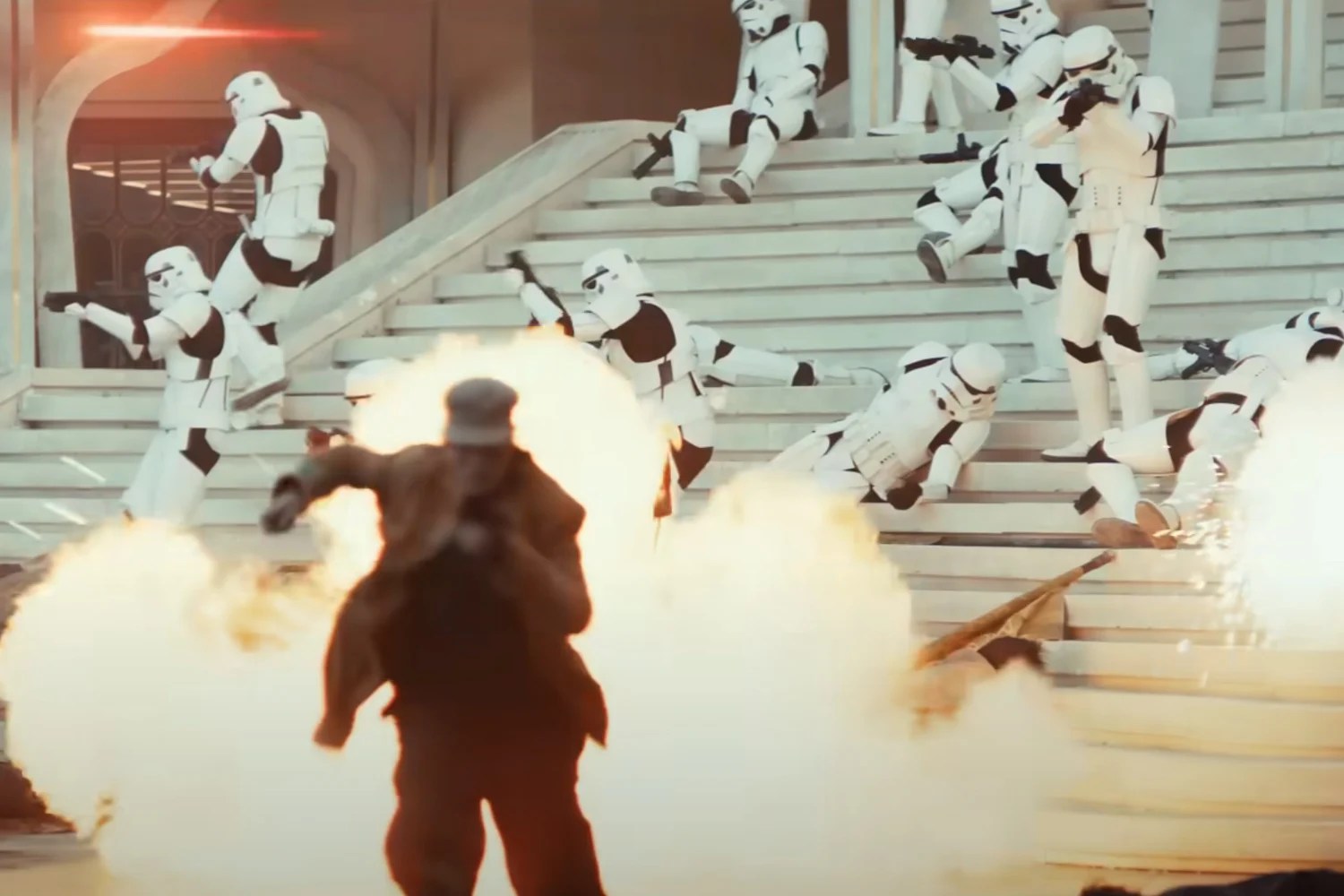
It turned out that the storyline in Ghorman, which continued through two arcs, was the centerpiece of Andor. We get to see a rich culture that seemed vaguely European and an obvious stand-in for France during World War II with amateur spies and rebels facing a hopeless situation against the Empire. What made matters worse was that the unrest on Ghorman was orchestrated by the Empire just to create a media narrative that the populace was full of terrorists just so the planet could be mined for a mineral needed for the Death Star battle station. The entire storyline was an unsettling mirror and a damning commentary for our current situation where people blindly believe whatever narrative government officials tell them and the misuse of media.
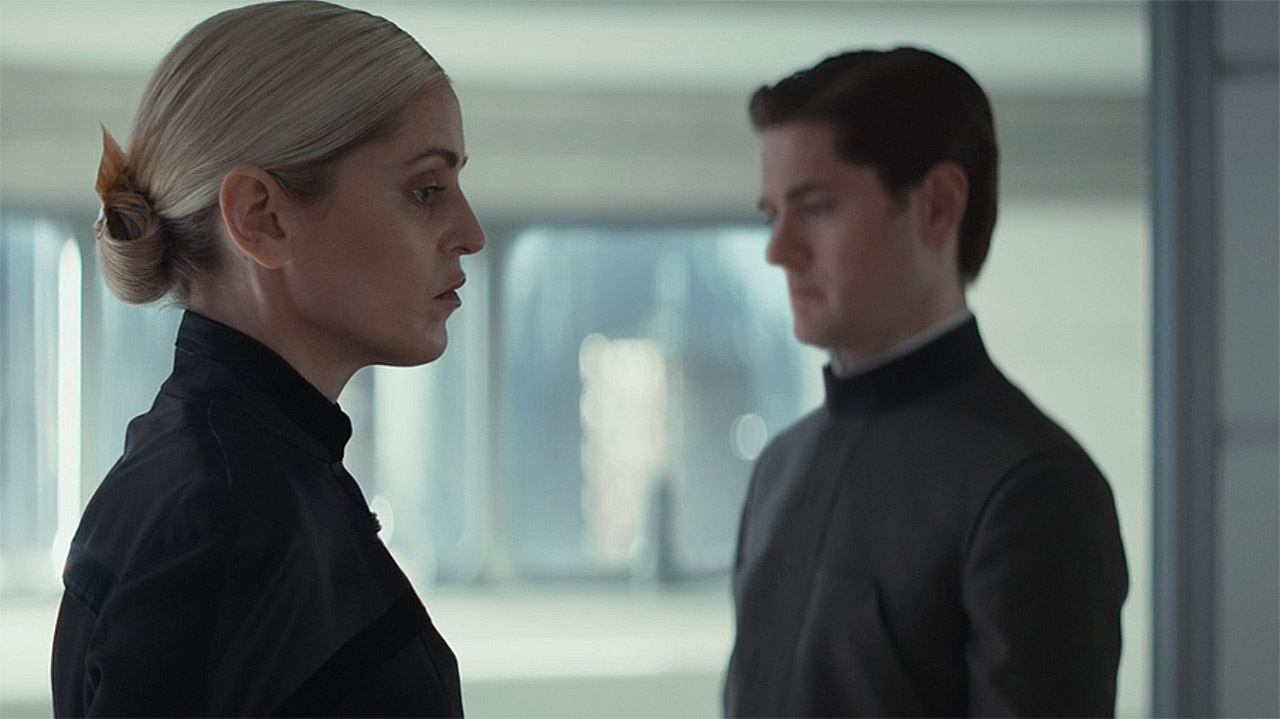
The two-part story arc of Ghorman culminated in the so-called Ghorman massacre in the seventh episode as many brewing subplots came to a head. Several characters had cathartic encounters with each other, notably the Imperial bureaucrat Syril Karn (Kyle Soller), who was obsessed with finding and arresting Andor that was like Inspector Javert chasing after Jean Valjean. While Syril is a sniveling and insecure man, his storyline is quite captivating and is a grounded look at how civilians live in the age of the Galactic Empire. He was basically a nobody who was needled by his mother and only wanted to move up in middle management. What made his story interesting was that we see that he slowly began to sympathize with the Ghormans and that he was being manipulated by his girlfriend Dedra Meero (Denise Gough), an Imperial operative who was equally ambitious.
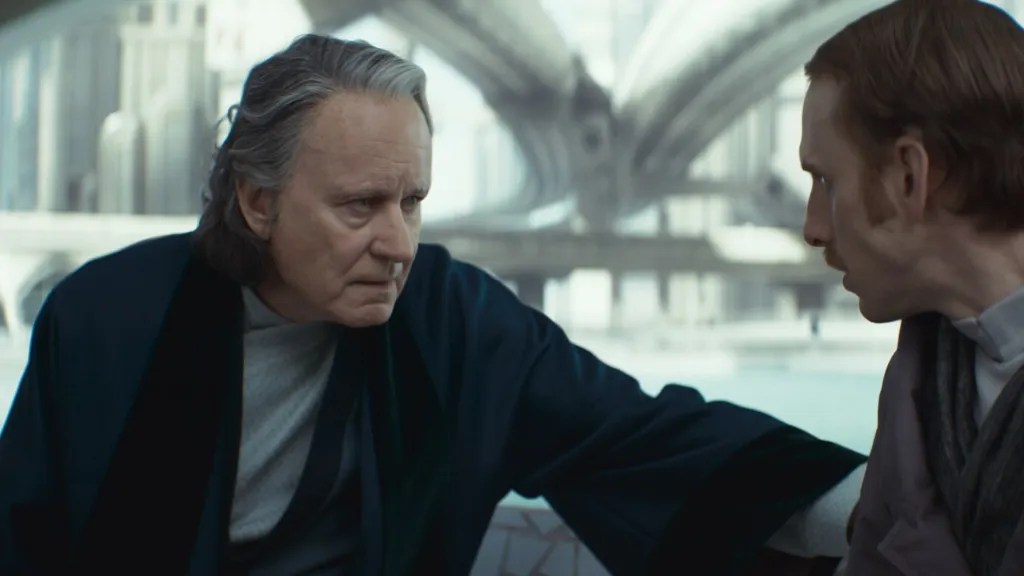
Deedra herself was obsessed with learning the identity of who she considered to be the mastermind behind the Rebellion: a person she called Axis. This turned out to be none other than Andor’s recruiter and mentor Luthen Rael (Stellan Skarsgard), a master spy who runs an antique shop in the Imperial capital world Coruscant and helped fund and coordinate the intelligence network for the Rebellion. Skarsgard gave what is probably the performance of his career as Luthen, a morally complex and mysterious operative who has no boundaries and will use anyone and any means to defeat the Empire. That is incredible considering how perfect the performances are from the other cast members, starting with Luna.

Getting back to the Ghorman Massacre, the incident in the episode “Who Are You?” was very disturbing and hammers home how evil the Empire is; they really are space Nazis who should not be admired. This incident turned out to be a turning point not just with the Galactic Civil War but with the destinies of many characters including Andor. As mentioned before, Andor played a critical role in the early days of the Rebellion. In the second season his most important contribution was when he went to Coruscant and extracted Mon Mothma (Genevieve O’Reilly), one of the few senators who spoke out against the Empire after the massacre and ended up becoming the leader of the Rebellion. The episode “Welcome to the Rebellion” is where Andor extracts her from Coruscant and it was very intense and rousing, especially in the scenes where she gives her speech to denounce the Empire and afterwards when Andor has to get her to safety. What made everything so heartbreaking for Andor was how everything ended for him personally after he succeeded. These developments helped set him up for his situation when we saw him in Rogue One.
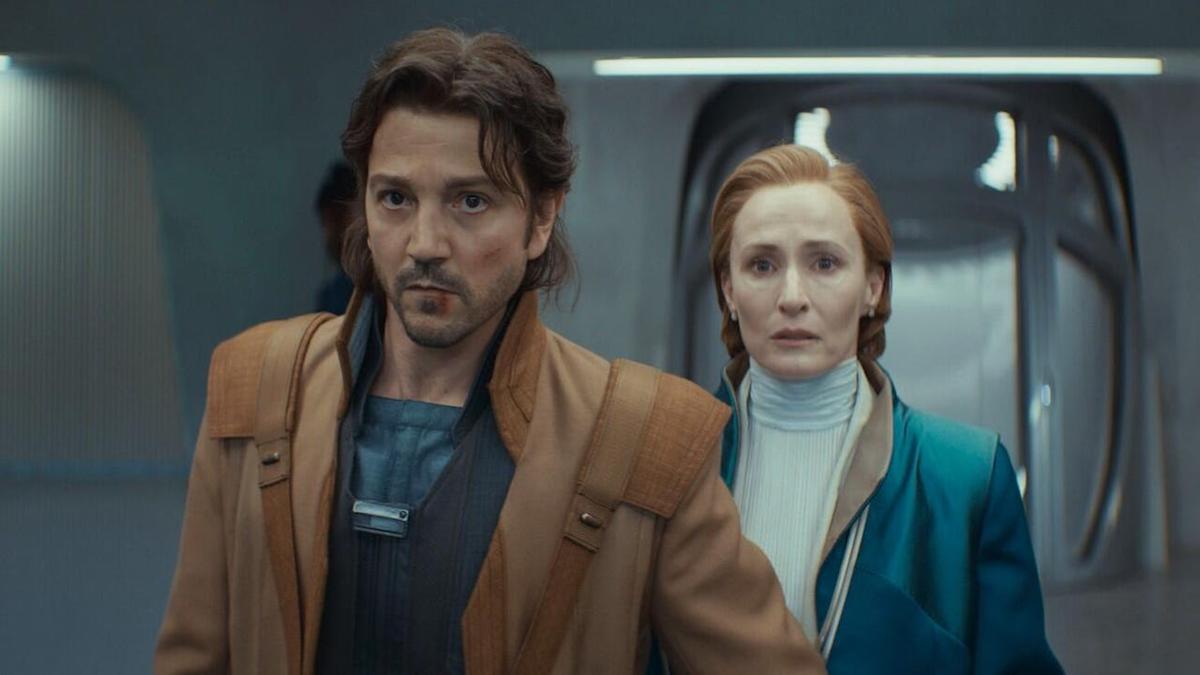
A remarkable thing the second season of Andor did was seamlessly connect to Rogue One. The final episode of the series “Jedha, Kyber, Erso” felt like a countdown as many story arcs concluded and featured characters that would show up in the film. The entire series helps us look at the film in a new way when it comes to Andor as we now understand the strife he went through in life and the level of sacrifice he made for the cause. One story line that was never resolved was that of Cassian looking for his little sister. As shown in the first season, the two siblings were separated as children and his search for her when he was an adult set in place his involvement with the Rebellion and his destiny. In one tragic sequence, in the last moments of the last episode, Andor is still dreaming about her, and he never will find out what happened to his sister. That is how life goes unfortunately.

Grounded moments like Andor’s bitter memories, the tragic deaths of beloved characters, the bitter sacrifices made by most characters, and how characters weave in and out of each other’s lives are what set Andor apart from most television shows. It’s a miracle that the show’s creators like Tony Gilroy were given the freedom and the budget to present this masterpiece. It is also unfortunate that we only got two seasons of Andor as it was originally planned for five seasons, one can only wonder how much greater the series would have been.
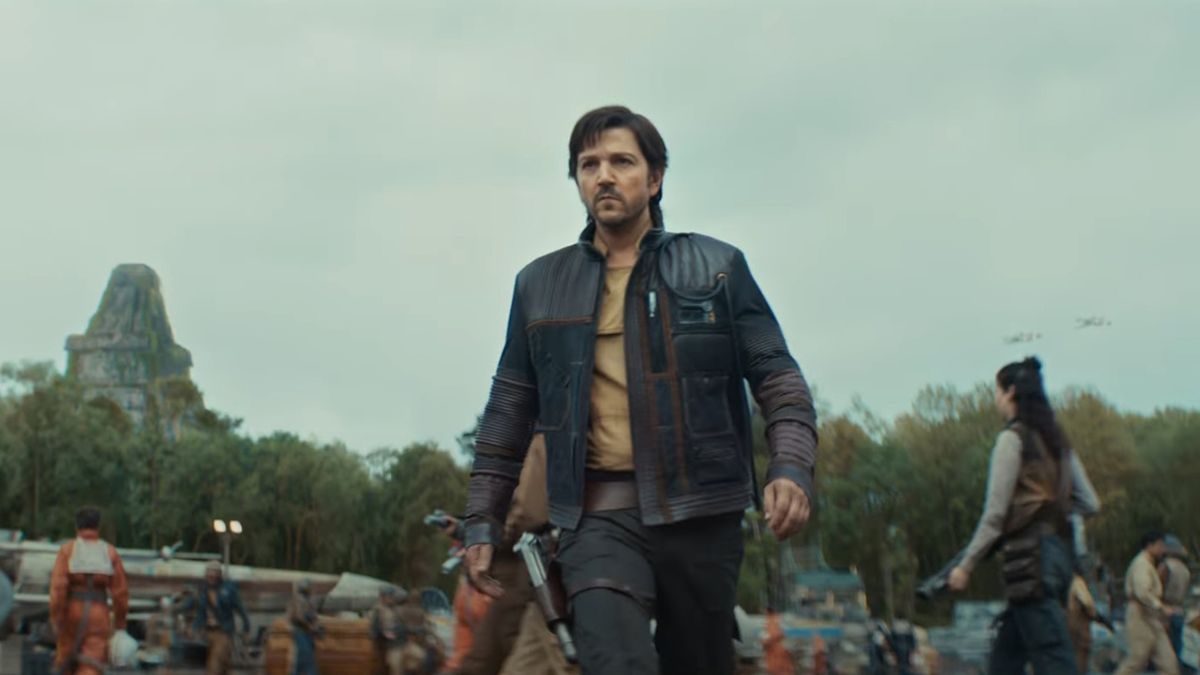
But perhaps it is for the best that Gilroy decided to conclude the series as it probably helped him, and the other creators to focus on the complex stories and had the budget to develop these impressive worlds with rich cultures. Yes, the entire production was of movie quality and captivating. It is not known if Lucasfilm will ever greenlight a TV series like Andor again, but it should. It would be great to see other series focusing on other Rogue One characters like Chirrut and Baze or even Bodhi. But we are fortunate that at least we had Andor, which is not only the best Star Wars TV show of all time but one of the greatest TV shows of all time.

José Soto
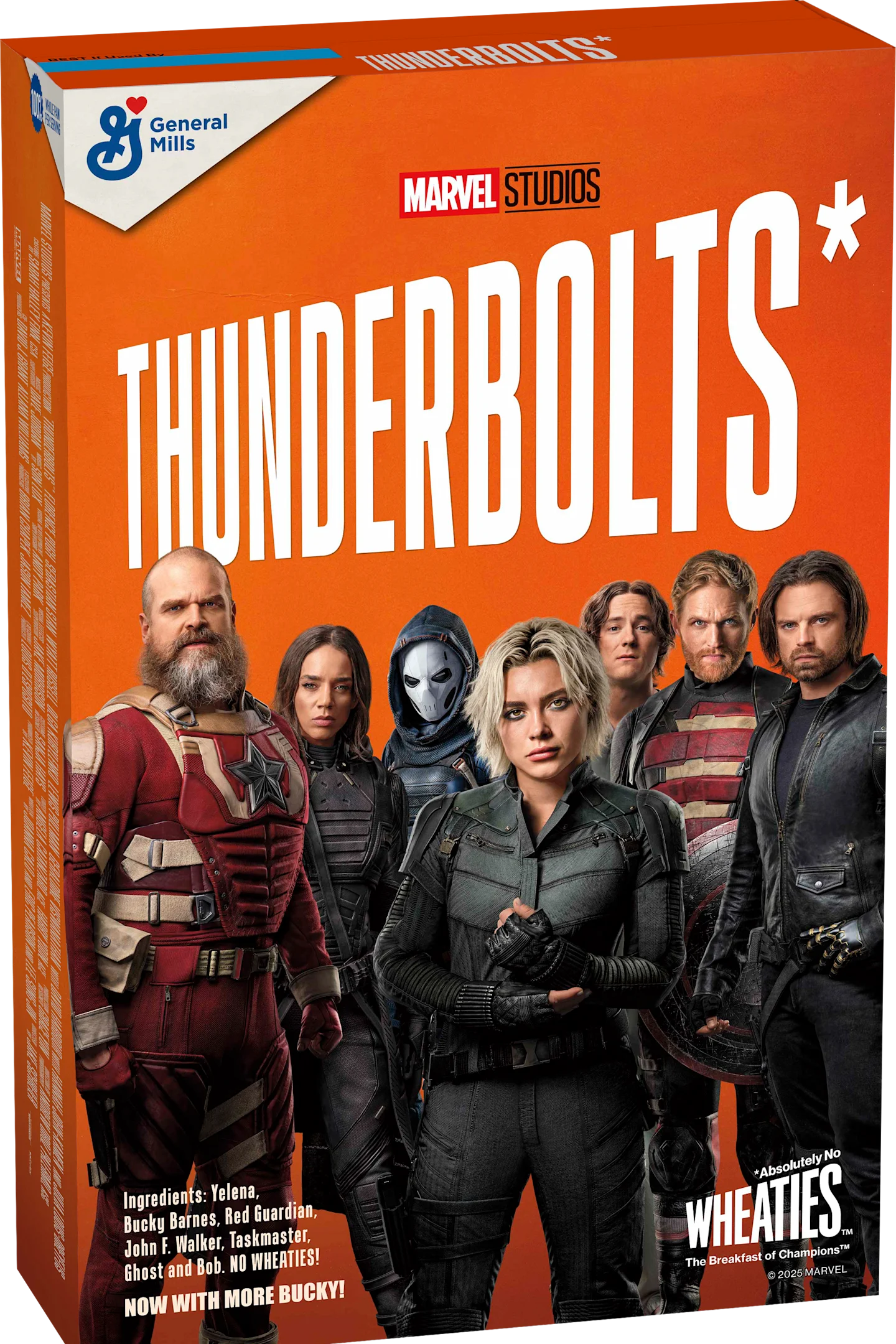
Meet The Thunderbolts*…Er, The New Avengers!

By now, most fans of the Marvel Cinematic Universe (MCU) are aware of how the latest MCU film, Thunderbolts* ended, including its post-credits scene. Anyone who hasn’t at this time should stop reading this because we’re going into full on SPOILERS for Thunderbolts* and what is next for the MCU, including next year’s Avengers: Doomsday.

Introducing the New Avengers

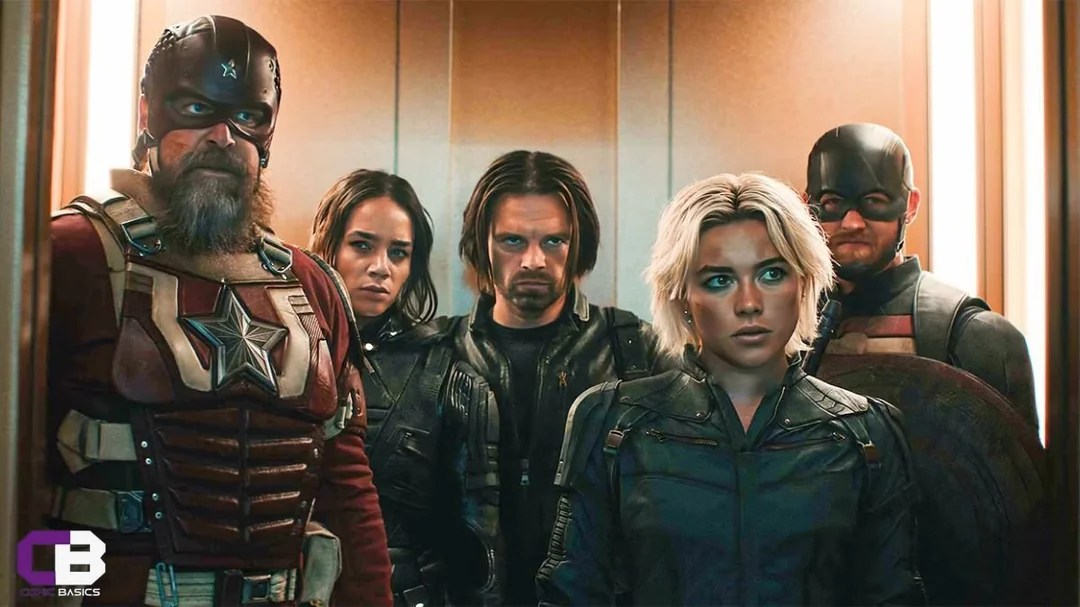
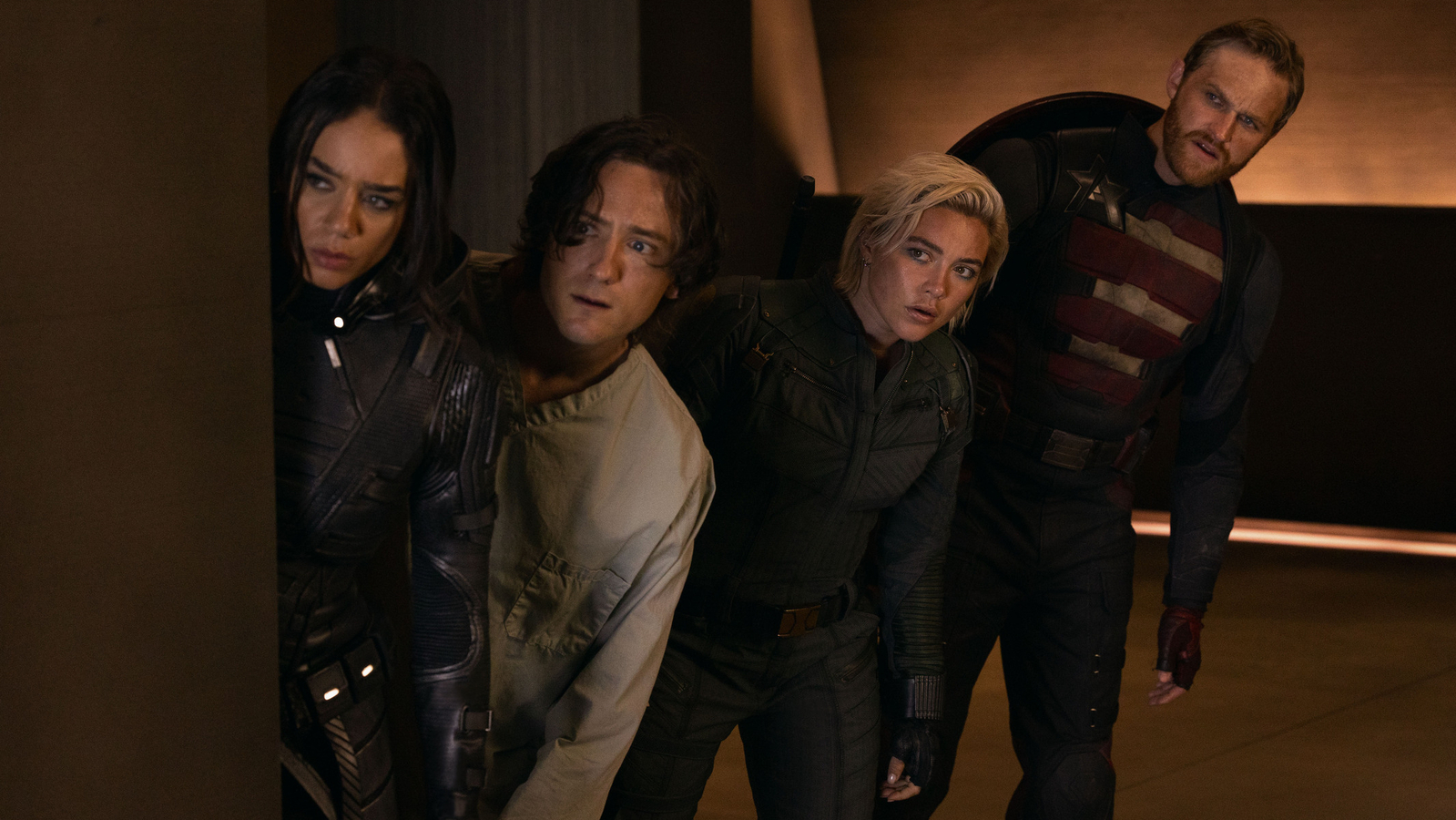
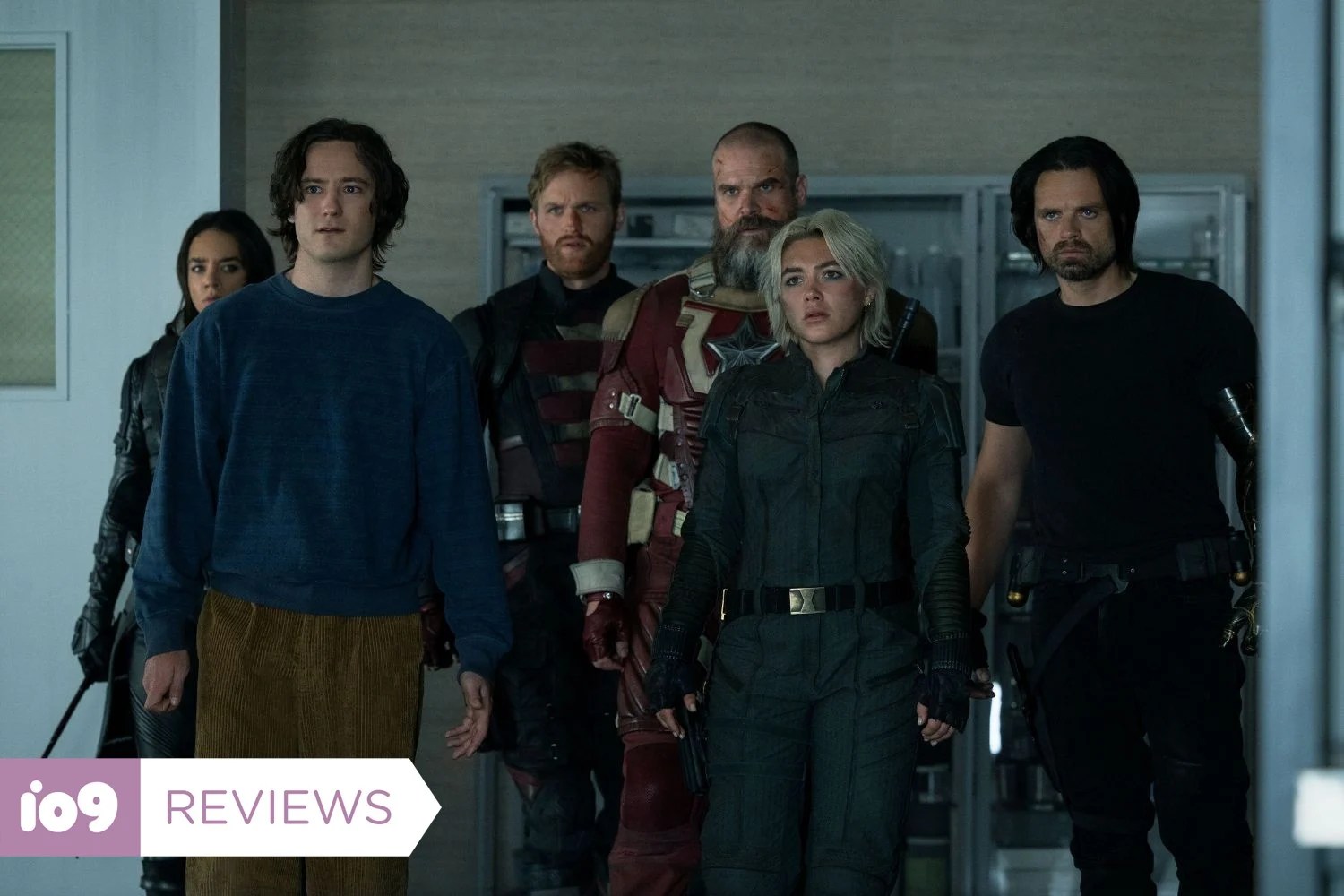
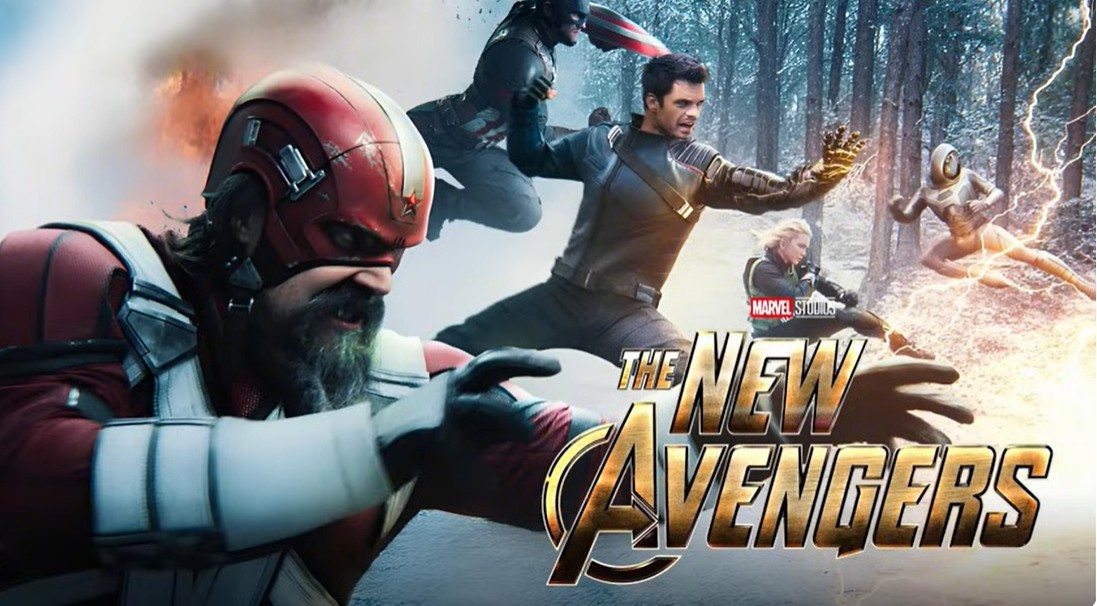
To no one’s real surprise, the asterisk in the film title Thunderbolts* was an indication that the title team of dysfunctional mercenaries with personal demons, stood for something else. For most of the film, the team’s comic relief, Alexi Shostakov, the Red Guardian, kept referring to the team as the West Chesapeake Valley Thunderbolts, after the soccer team his adopted daughter, Yelena Belova, played in as a child. By the end of the film, after the Thunderbolts saved New York City, they were introduced to the world as the New Avengers by the film’s antagonist, Valentina Allegra de Fontaine, in a move to save her political career and to stay out of prison.

Speculation had been going on among fans ever since the film title included the asterisk. Some thought maybe it was a placeholder for a subtitle that would be spoilery. They were right to an extent because the asterisk was actually a placeholder for the film’s supposed real title, The New Avengers, which Marvel Studios began to openly flaunt just a few days after the film’s release.

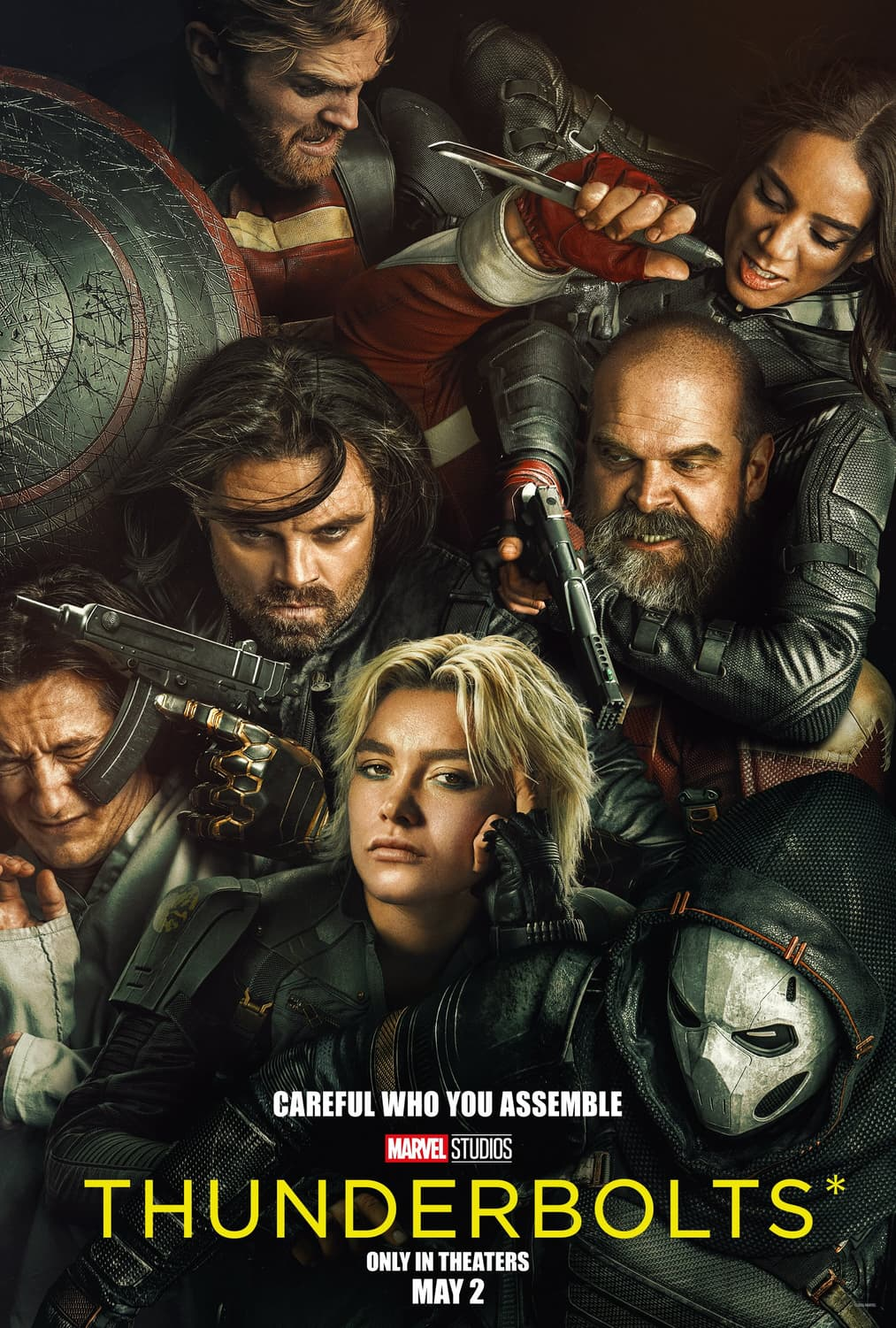
Was the supposed title change to The New Avengers a desperate marketing attempt to drum up more interest in Thunderbolts*? Maybe. Then again, the marketing has been incredibly inventive for the film with innovative posters and some trailers that made the film out to be something that A24 would release. In any event, the fact that the Thunderbolts are actually the New Avengers does increase their profile and hints at what lies ahead for Avengers: Doomsday and Avengers: Secret Wars.

In the film’s two post-credits scenes and the montage shown during the initial credits, the so-called New Avengers are not well received by the world. Who could blame them? Just as how many of us complained about the lackluster lineup of the Thunderbolts when the film was announced, it was natural that most people would have a negative reaction to the replacement for the original Avengers. Where were the heavy hitters like Hulk or Thor? The New Avengers was made up of a bunch of mercenaries/super soldiers with similar and limited skill and power sets. As Yelena quipped at one point, “we just punch and shoot.” Then add in their questionable pasts, which probably could not be glossed over by marketing; although the original Avengers team members also had checkered backgrounds, including Yelena’s sister, Natasha Romanov, a fellow assassin.

But unknown to most of the world, deep down, these characters had heart and faced down their insecurities and flaws, which made them more endearing to audiences. Each of the Thunderbolts wanted a chance at redemption and to be part of something greater. This was obvious with Alexi who dreamed of recapturing the glory he had during the Cold War in Russia, Yelena dealing with depression and wanting something else in her life, or John Walker, who couldn’t fill in the shoes of Captain America as seen in The Falcon and the Winter Soldier and wanted to prove himself. They just didn’t expect it to be as the lineup for the new incarnation of the Avengers.

Sure, these Thunderbolts were not superstars like Tony Stark, but they grew on us as they created a sort of family bond forged by the events they underwent together. What made the film so quickly beloved was that these characters were deeply flawed, yet had great chemistry, which helped them succeed in the end as they came together as a team. How they will carry on going forward is anyone’s guess, but we can speculate based on the final post-credits scene.

Continue reading

Thunderbolts* Proves The MCU Is Still Great

The Marvel Cinematic Universe (MCU) has taken its lumps in recent years thanks to some films and TV shows that failed to capture the excitement and emotions of the early MCU films. The 36th and latest MCU film, Thunderbolts*, on the other hand, proves that the MCU can still put out great films.

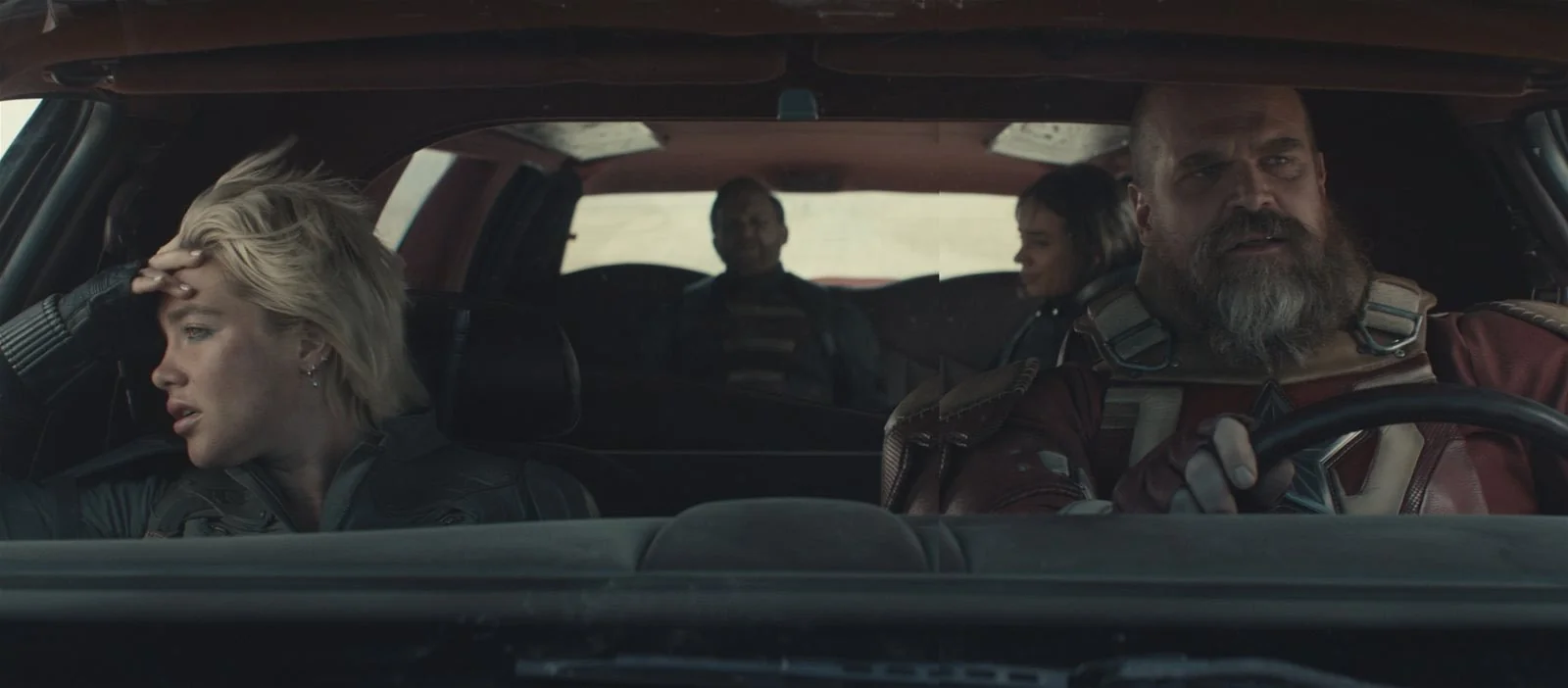
Thunderbolts*, which was released this weekend, re-introduces us to many D-List MCU characters that appeared in other MCU films, and now they get their opportunity to shine in the film’s spotlight. Even though the film is an ensemble piece, the main character is Yelena Belova (Florence Pugh), the sister of Black Widow and is bored with her existence as a mercenary carrying out questionable jobs for CIA director Valentina Allegra de Fontaine (Julia-Louis Dreyfus). There will be some spoilers for the film.

After asking de Fontaine for a change of pace, Yelena is sent on a covert op to kill another mercenary, Ava Starr aka Ghost (Hannah John-Kamen), who was last seen in Ant-Man and the Wasp, at a remote desert laboratory. Once there the two women are targeted by John Walker (Wyatt Russell), who was introduced in The Falcon and the Winter Soldier as U.S. Agent, and Antonia Dreykov aka Taskmaster (Olga Kurylenko). It turns out that de Fontaine sent all four mercs to kill each other because she is getting rid of all evidence of her involvement with the shady O.X.E Group. After an obligatory introductory and thrilling battle that leaves Taskmaster dead, the remaining trio meet Bob (Lewis Pullman), a seemingly ordinary fellow who somehow woke up in the lab.

The three mercenaries manage to escape the lab and are joined by Yelena’s adopted father, Alexei Shostakov, the supposedly famous Red Guardian (David Harbour), a Russian knock-off of Captain America. Later on, they are forcibly recruited by James “Bucky” Barnes (Sebastian Stan), once the infamous Winter Soldier and now a U.S. Congressman, to testify in Congress against de Fontaine, who is being impeached. What none of them realize is that there is a lot more to Bob, who is revealed to have been the test subject of the O.X.E Group to create the ultimate superhero. But no one took into account Bob’s fragile emotional state and how that will come to severely impact Bob and the world after his superpowers have manifested.

There are many reasons why Thunderbolts* works so well. Let’s start with the cast. Every actor featured is on point and more importantly have great chemistry with one another. They are able to convey that they are broken, dysfunctional people that clash with one another, often humorously, and are yet able to come together. As great as the actors were, Florence Pugh is the obvious star in the film and its emotional center. She best exemplifies how emotionally broken the Thunderbolts and Bob are and how they strive to better themselves. The other actors turn in solid work such as Stan, who plays the straight man to the dysfunctional group, and Wyatt Russell adds some much needed depth and sympathy to his character. He no longer comes off as a poor man’s Captain America. However, David Harbour steals many scenes with his boisterous Alexei, who is all too eager to prove himself as a superhero and to bask in the glory of being one. Many of his funny lines are well delivered and add some needed levity to the film before it wallows too much into examining psyches.

Much like Guardians of the Galaxy, Thunderbolts* focus is on its characters and this works. It makes us understand them better and see how much nuance and depth they have. This also makes us care about them, a lot more than expected. Unfortunately, not every character gets in depth looks into their personalities, but that probably would have made for a very long film. Besides, The Falcon and the Winter Soldier gave us plenty of insight into Bucky and how he recovered emotionally from his ordeal as the Winter Soldier. The film takes time to explore how emotionally vulnerable the Thunderbolts are as they battle their own inner demons, especially depression. This adds so much weight and levity to them and makes the film stand out from the typical superhero movie.

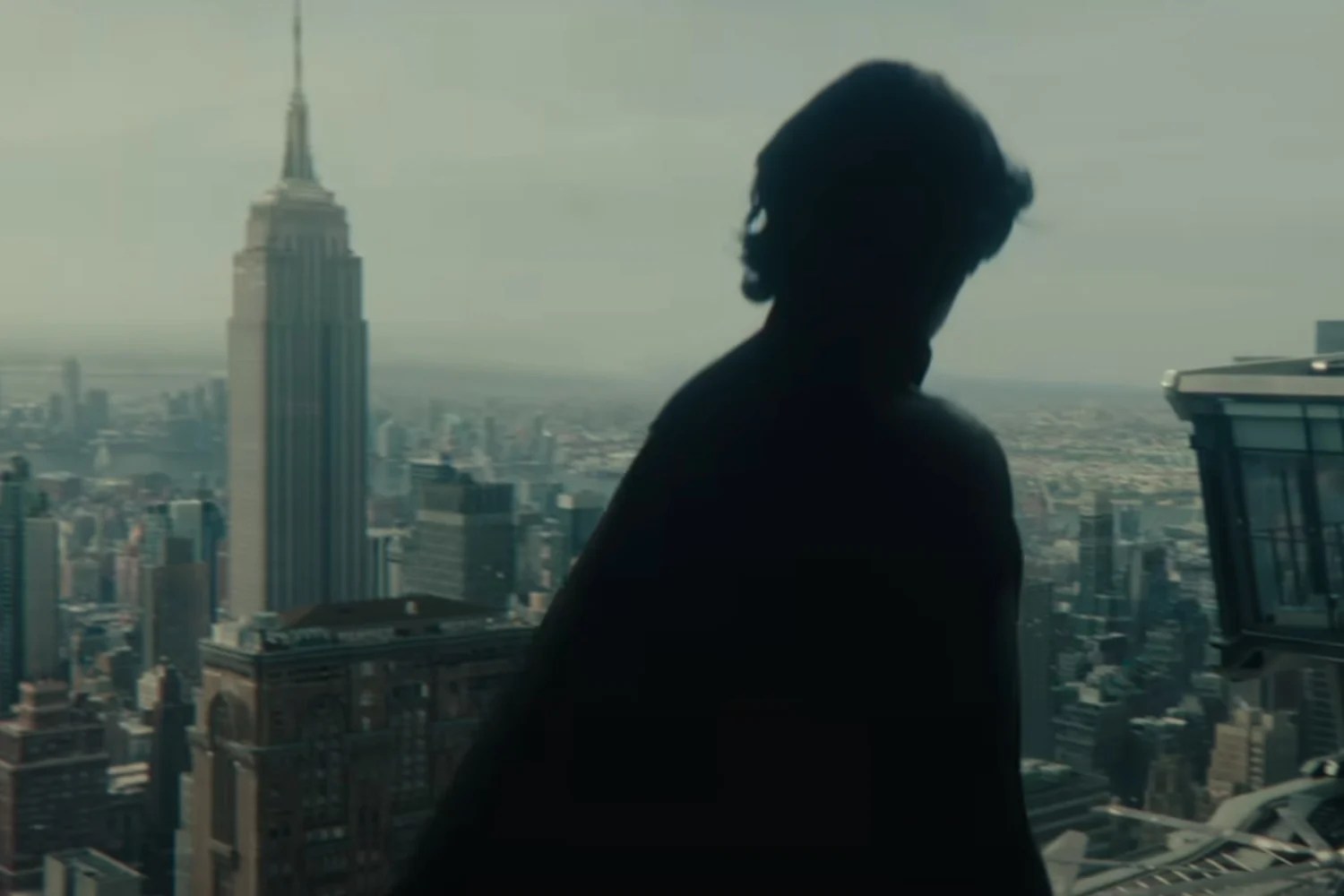
Before anyone thinks that Thunderbolts* is some kind of pretentious Oscar bait brimming with character studies, the film has some of the MCU’s most exciting action scenes. Probably the best one featured a one-sided battle between the Thunderbolts and an insanely OP Bob, who becomes the Sentry, Marvel’s emotionally unstable version of Superman. The Sentry and his dark alter ego known as the Void were both impressive and terrifying. The way the Void was shown as an ominously dark silhouette was very creepy and hammered home the vulnerabilities of the Thunderbolts. Again and again they and we kept asking how a bunch of mercs and wannabe heroes, who could only shoot and punch, fight someone so powerful? Of course, it could not be done through physical combat and the method used to confront the Sentry is a welcome change when it comes to third act confrontations in superhero films. No blinding shafts of light going up into the sky will be found in Thunderbolts*, instead we get introspective character development. That is why this film works so well.

Anyone wavering about whether or not to see Thunderbolts* should consider that while it is a welcome change when it comes to superhero films, it is actually important to the MCU as it closes out Phase Five of the MCU, unlike more recent films and TV shows. So, be sure to stick around for the post-credits scenes. Not only is the final scene one of the longest post-credits scenes in the MCU, but like in the older classic MCU films, the scene helps advance the larger event going on with the MCU.

José Soto