The Probability Of 28 Days Later

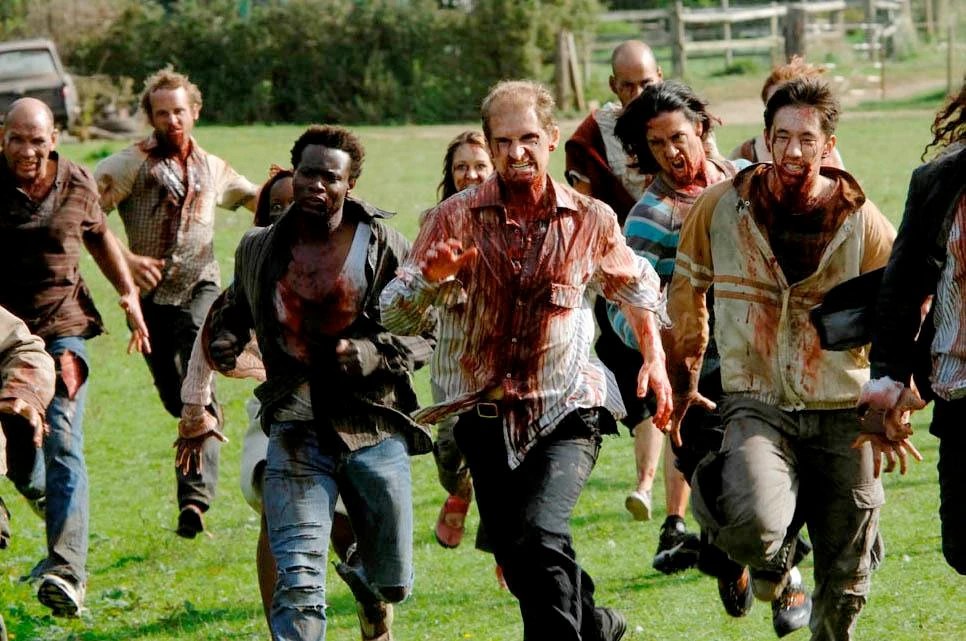
28 Years Later is the latest entry into the 28 Days Later franchise that jumpstarted the zombie genre over 20 years ago. While technically, the “infected” savages that attack humans are still human and not zombies, they are still deadly savages that quickly overran a nation. The premise in the first film is that an artificial virus derived from the Ebola virus is let loose from a lab and soon wipes out the United Kingdom. This happens in the space of about 28 days as the virus was highly contagious and fast spreading. Once infected, the victims of the Rage Virus, turn into mindless, rage-fueled savages in mere seconds and lose all their humanity as they kill anyone within reach. As terrifying as it seems, is this possible? Not just the virus itself, but the entire premise of the films which culminate in 28 Years Later with the UK and Ireland under permanent quarantine from the outside world.
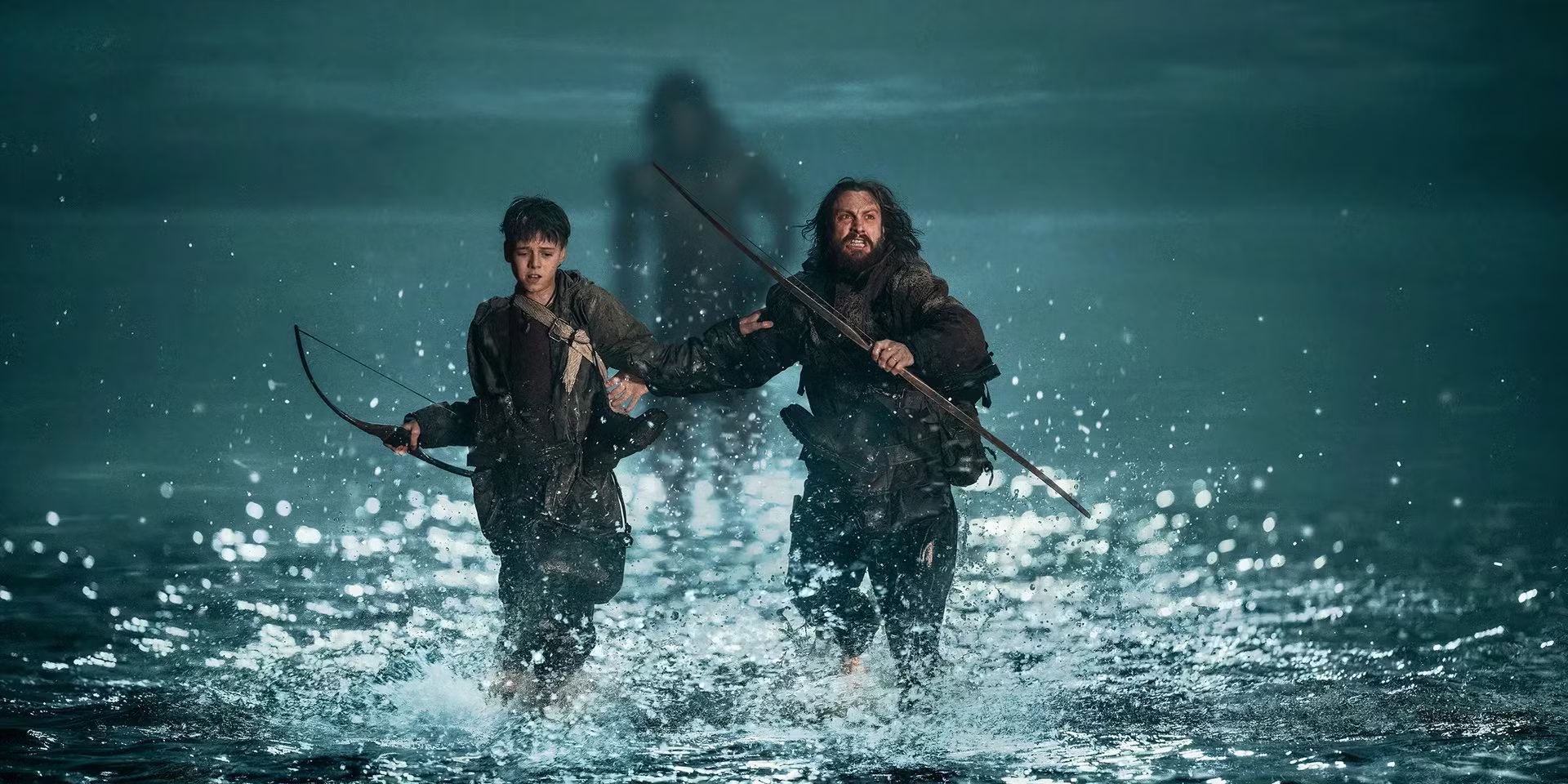
One of the most disturbing aspects of the Rage Virus is by how quickly it turns victims into murderous monsters in seconds. But this is hard to believe. Sure, this is just a film which requires a suspension of belief, but viruses are not capable of having an instant effect in host bodies. Yes, it can rapidly spread in a host body and symptoms can appear quickly, but viruses need some time to manifest. In reality, an infected person will have some time, as short as hours, to remain cognizant and quarantine or kill themselves to protect their loved ones. So while it’s possible that viruses can quickly spread, as we saw with COVID-19, they would not overrun a country the size of the UK within a month. Not with symptoms being so noticeable. Maybe if the virus mutates to be less noticeable and a viral mutation is something that is shown in 28 Years Later.

Then there is the quarantining of the UK. Again as we’ve seen with COVID-19, cutting off communities, even nations won’t stop the spread of a virus. It will slow it down, but in the end, given how interconnected we are, the Rage Virus would’ve been much more widespread by at least in the timeframe of the first sequel 28 Weeks Later. Actually, this was shown to be the case at the end of that film when it’s revealed that the infected reached Paris, France. On the other hand, given how deadly the Rage Virus is, you can bet the world would have gone to great lengths to keep it from spreading. Also, since the UK is largely a group of islands, in theory the spread of the virus could at least be slowed down with a quarantine, but it would not last. Do not be surprised if future sequels have the virus spreading throughout the world.
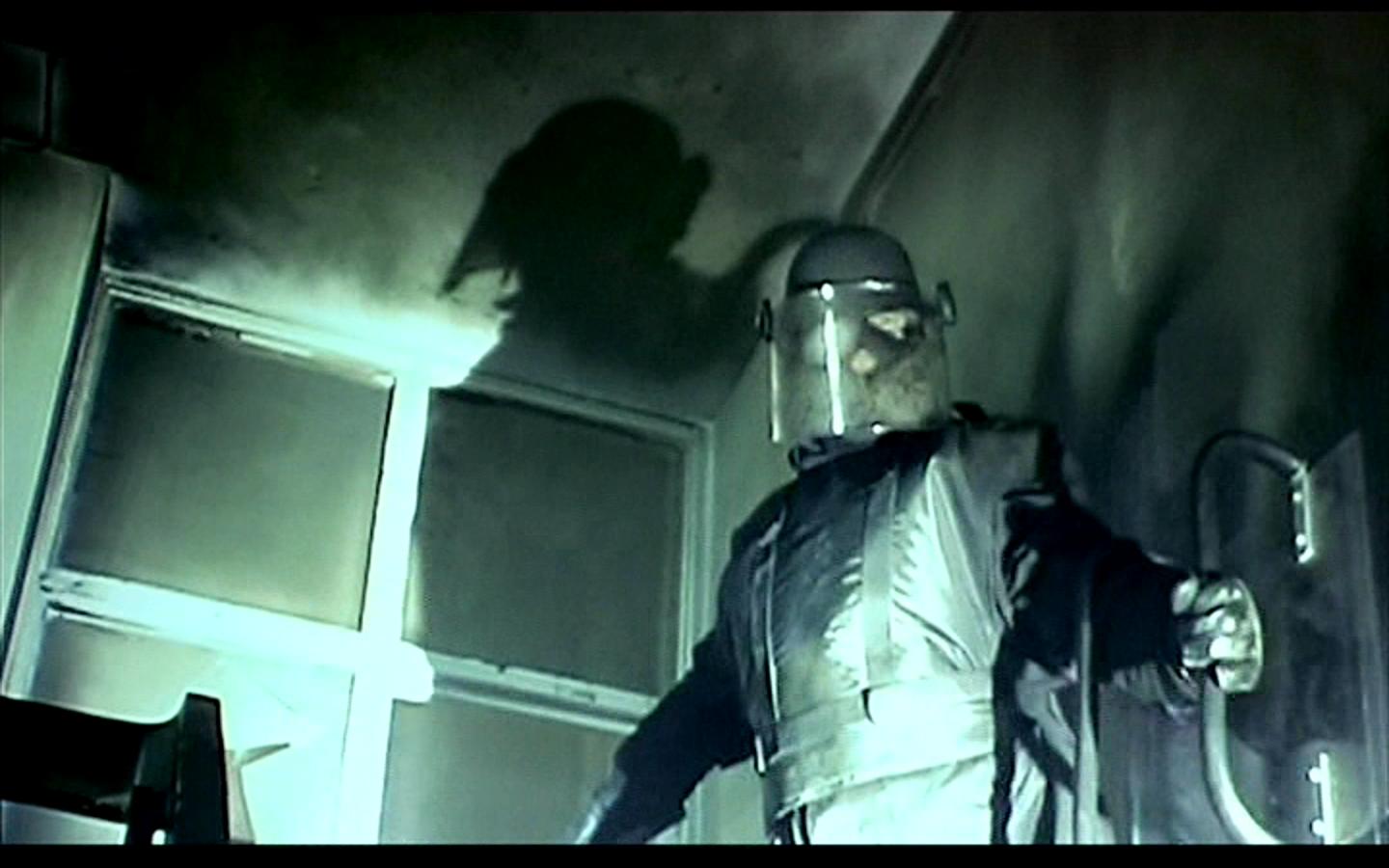
When it comes to curbing the virus’s spread, as most of us resorted to wearing face masks and did not deny the virus during the pandemic, people would have adapted to wearing full face masks to keep infectious fluids from entering the body. Of course, this would not protect them from the murderous wrath of an infected who would tear and bite them. Then again perhaps most people would have started wearing protective clothing or body armor. We actually saw one of the main characters doing this in the first film.

Another puzzling point in the franchise is that there seems to be little to no effort to fight the Rage Virus in the scientific field. Aside from a plot point in 28 Weeks Later where the U. S. Army doctor wants to study an asymptomatic victim, before everything went to hell, there is not any mention of attempts to combat the virus. As we saw with the recent real-life pandemic, our society threw massive resources to find a way to treat COVID-19 and were able to devise vaccines in months. Shouldn’t a vaccine have been developed to curb the Rage Virus, especially in the years that passed up to the latest film? We see in the sequels that it is possible to be asymptomatic of the virus and in 28 Years Later, an uninfected child is born from an infected mother. It would probably be difficult to find a cure as we see with AIDS and other viruses, but a vaccine would certainly have been created 28 years after the first film.
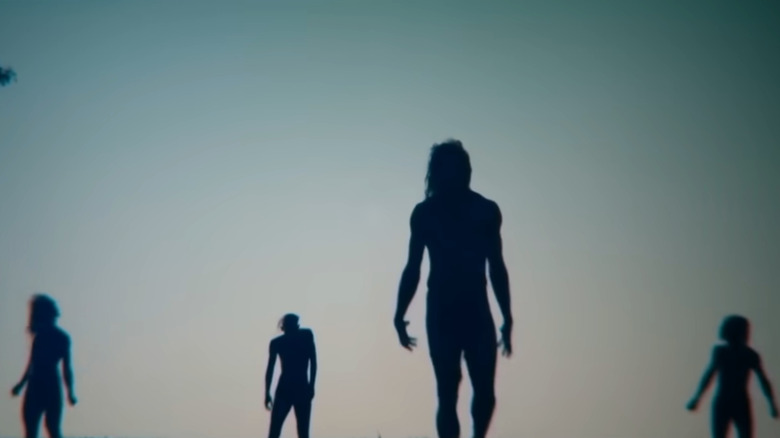
Is the Rage Virus and what happens after it spreads likely in the real world? Most likely, no. But the chances are not zero. The virus was artificially created in the film, so who knows if in the future some fool will create a similar virus and it gets loose in our world. It is a disturbing thought and part of the reason why the 28 Days Later films are so captivating while being horrifying.
How To Train Your Dragon (2025) Shows How To Do Live-Action Remakes

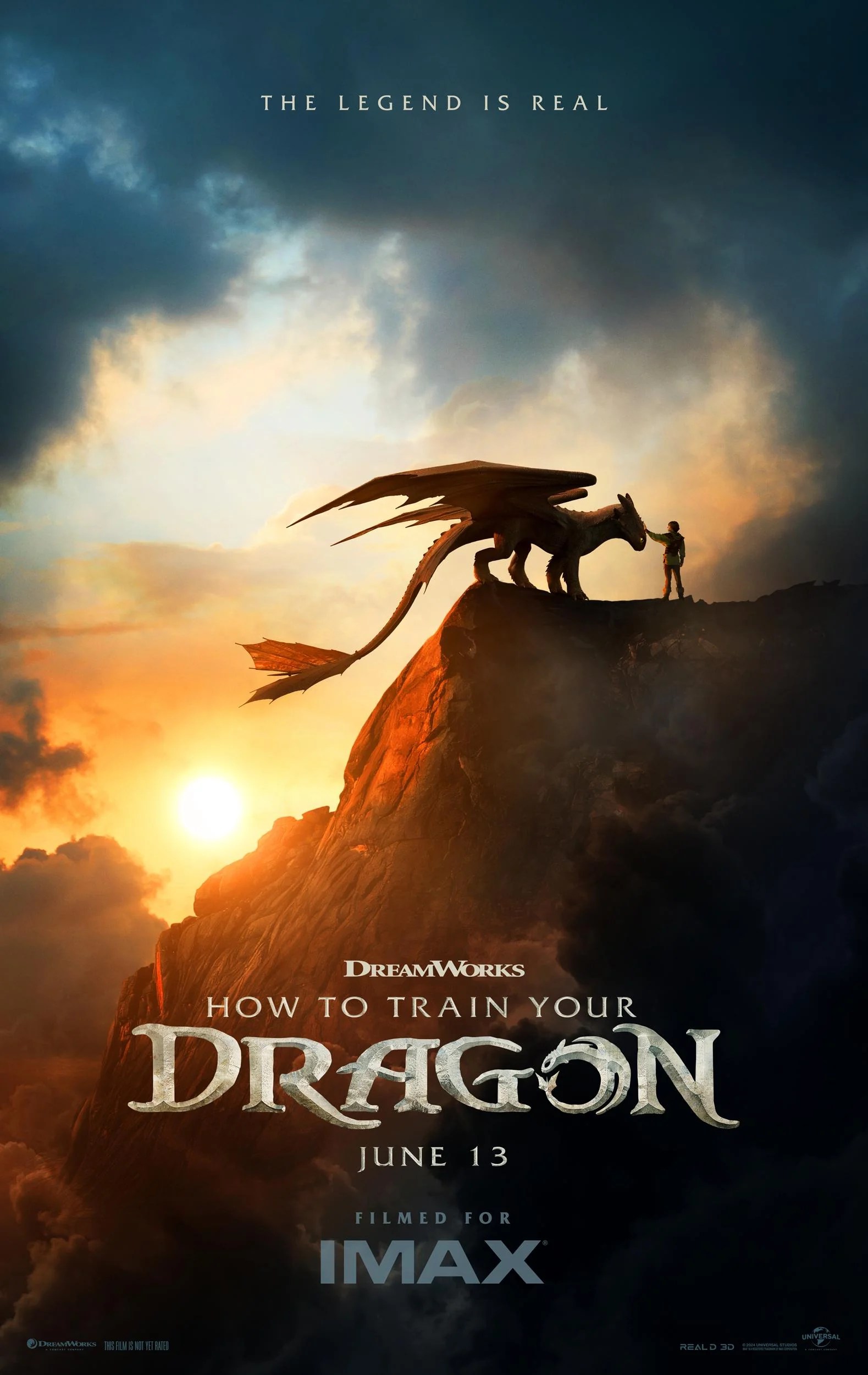
Fifteen years ago, DreamWorks Animation (DreamWorks) graced the world with the brilliant film adaptation of Cressida Cowell’s How to Train Your Dragon (HTTYD) novel series. The film was released to massive fanfare from both critics and casual audiences, citing the film’s plot, music, and characters as great and unique. The success of the first film led to 2 sequels and even spinoff TV shows of the same name, and now, 15 years later, comes a live-action remake. This came as a surprise since DreamWorks has never dabbled in the “live-action remake trend” spearheaded by Disney, so I along with many others had mixed feelings on this. However, just in time for Father’s Day, I decided to watch it with my dad, and I was pleasantly surprised at the outcome.

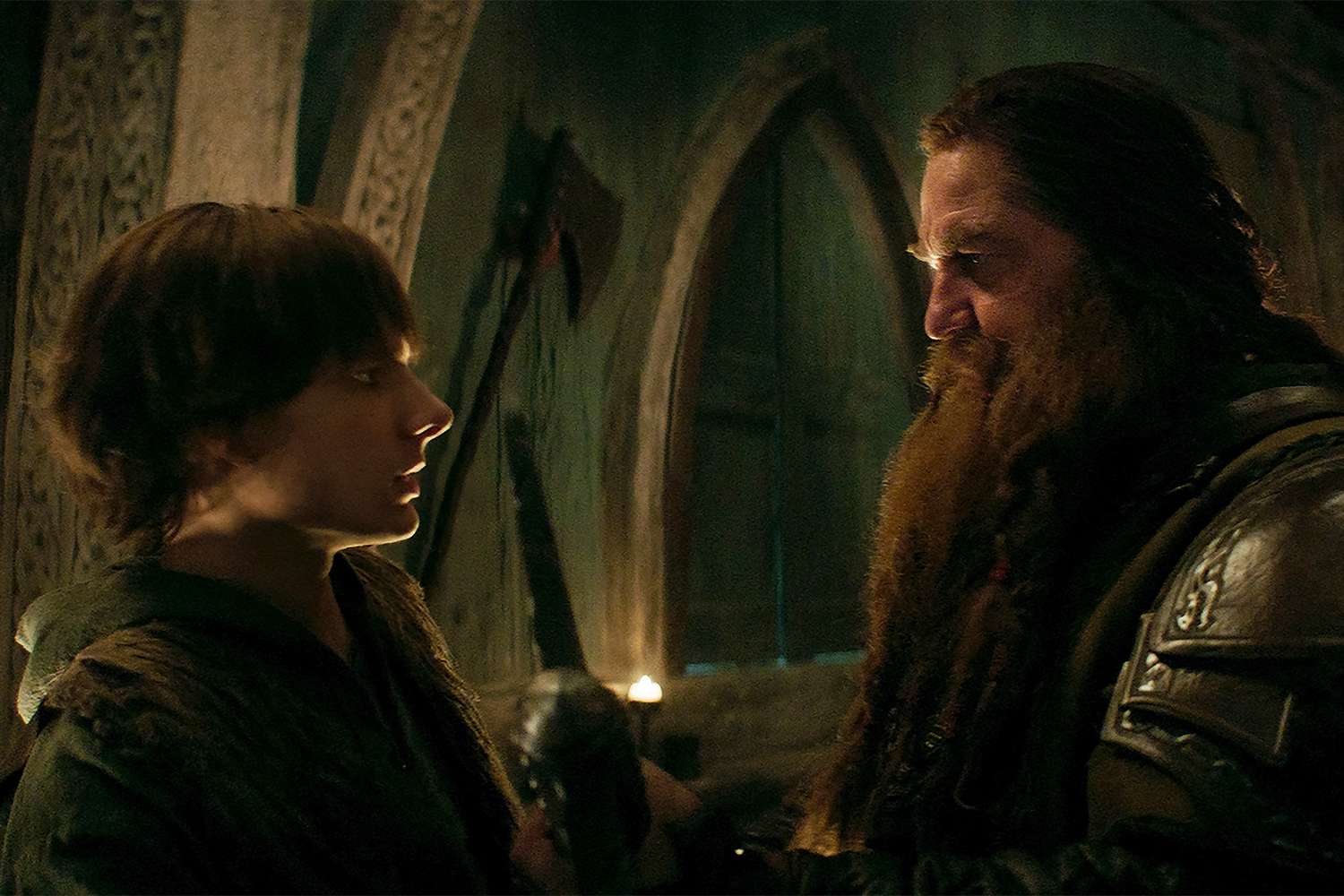
DreamWorks’ How to Train Your Dragon (2025) is a brilliant homage to the original film, taking care of the original vision, helped by the return of the first film’s director, Dean DeBlois. The story follows young chief-to-be Hiccup (played by Mason Thames) as he flails around a brave Viking village, being of no use as always when a hoard of dragons terrorize the village. He luckily manages to shoot down the most feared dragon type, a Night Fury, but nobody takes him seriously. His father, Stoick (played by Gerald Butler, surprisingly reprising his role from the animated films), feels dissatisfied with his unworthiness, so he leaves him in the caring hands of his best friend Gobber (played by Nick Frost), to both babysit and train him. Hiccup pursues the Night Fury he shot down hoping to confirm the kill, but when he finds it, he is unable to finish it off, leading into a masterful and heartfelt story.

I am happy to report that the original story is done justice with every major beat being preserved and at times even elevated by the script and acting. Speaking of which, the actors do a phenomenal job portraying the characters and they feel as if you’re watching these characters as actual people. People complained about Astrid’s casting, with the actress (Nico Parker) not looking much like the original rendition, but she portrays the character amazingly. Unlike previous Disney live-action remakes having poor acting (“cough, cough” Snow White “cough, cough”), DreamWorks seemingly knocked them out of the water in every aspect when it comes to remakes, in addition to the topnotch casting and script in HTTYD.

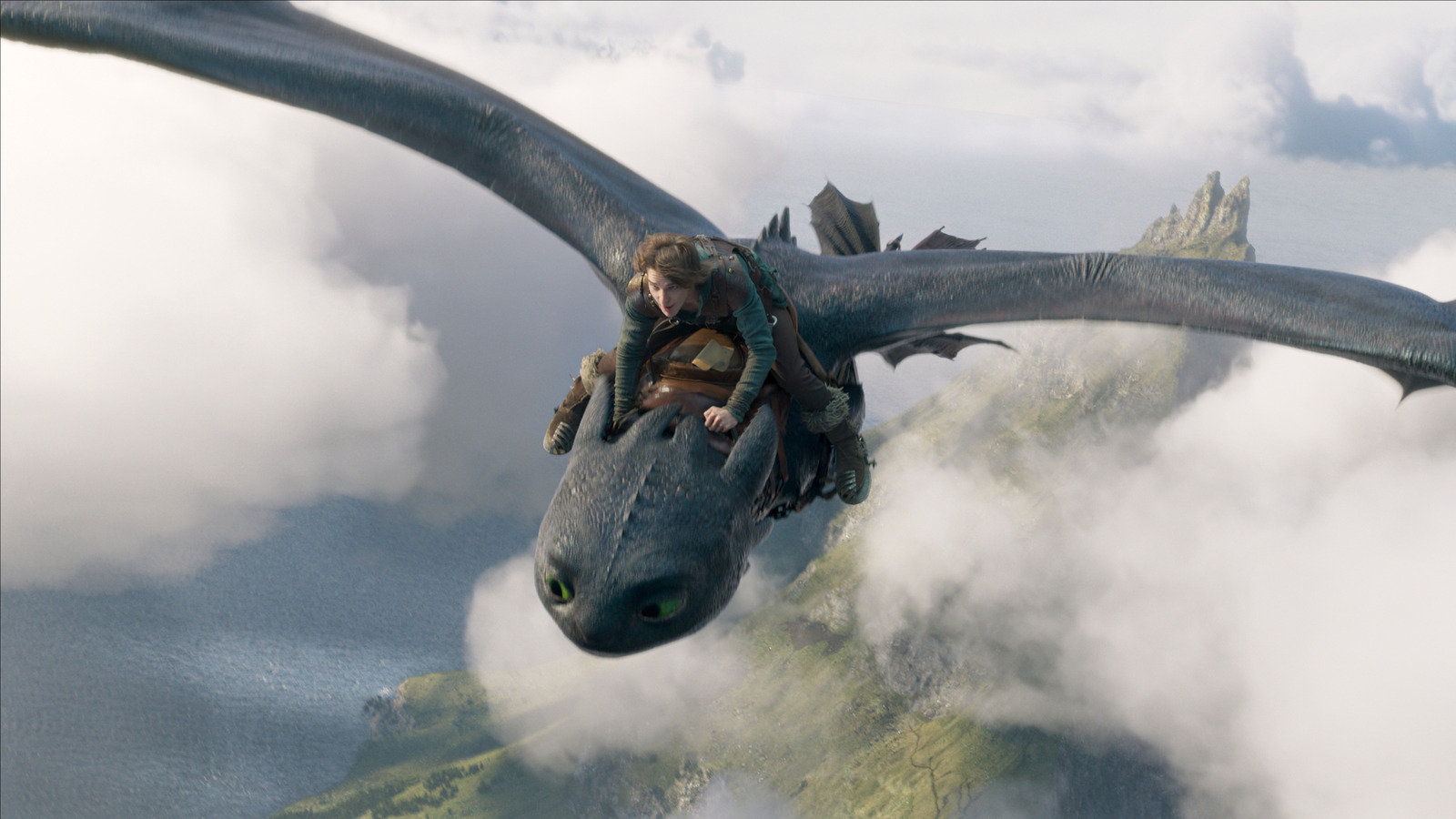
In addition, the music in How to Train Your Dragon is absolutely beautiful and always elevates the scenes in an inspirational way. One scene of note is the iconic “test drive” scene with Hiccup riding the flying Night Fury he names Toothless which has an amazing score complimenting it. I have seen mixed opinions about the new rendition of the same music, but in my opinion, it made the scene even more jaw dropping, sprinkling a feeling of grandiose into the already majestic landscapes as Toothless and Hiccup take their first flight together. This is most likely the case because of the return of the original film’s composer, John Powell, to score this film. A trend that aligns with the success of this film that I’ve noticed is it brought back a lot of the original team and got their creative influence to assist with bringing a beloved film to life. If Disney were to take notes from DreamWorks, maybe their live-action remakes can feel more than just soulless cash grabs.

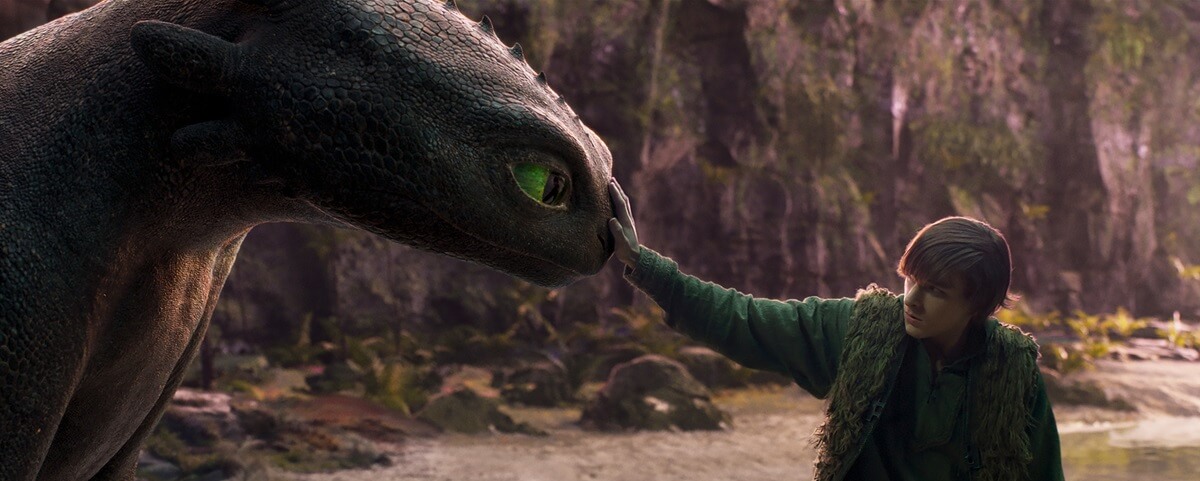
It is worth noting that the visuals in How to Train Your Dragon were really well done, adapting the dragons and the vivid world of the series in a careful matter that proves that Berk can translate into realistic visuals. With these live-action remakes, Disney tends to butcher the visual aspect, which is arguably the most important part of said translation. You cannot possibly expect fans of a beloved story to be on board with slapping lazy and chalky visuals while simultaneously ruining their childhood. This is why movies like Snow White (2025), The Lion King (2019),and Dumbo (2019) may have had some financial success, but bombed when it came to positive reviews.

The set pieces in How to Train Your Dragon can range from spectacular and gorgeous to dark and grim while keeping the same visual soul of the original animated film. When it came to the designs for the dragons, I will admit I found it a bit strange that Toothless stood out amongst the rest. Every dragon other than Toothless felt like they came out of Game of Thrones, being hyper realistic rather than being more on the cartoony side with Toothless. I understand why this was done, most likely to emphasize that the rest were actual threats to humans and at the same time, make Toothless more adorable, but it was odd to me.

Overall, DreamWorks’ How to Train Your Dragon (2025) remains a spectacular and emotional journey of changing the future for the better and dealing with familial tensions. The return of the original team greatly helped this project feel lively and not like most of Disney’s recent live-action films. Stand out features include the brilliant cast, the heartfelt music, and the jaw dropping visuals. I would highly recommend giving this film a shot if you were a fan of the original, and even if this is your first exposure to the How to Train Your Dragon franchise! Also, the film comes out just in time for the opening of Universal’s newest park, Epic Universe, which features a land based on the HTTYD franchise, Isle of Berk.

Angelo Soto

After Andor What’s Next For Star Wars?

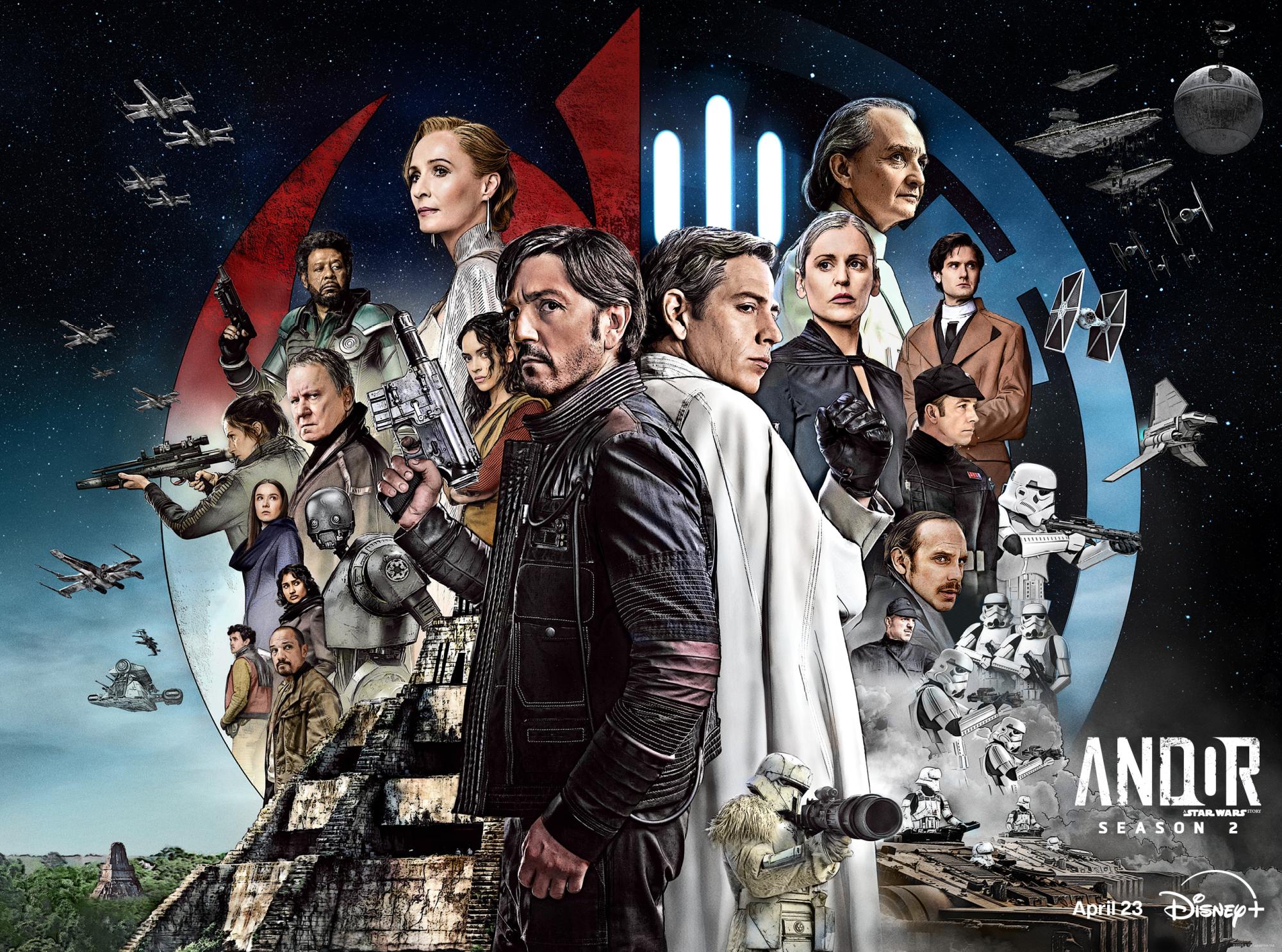
The Disney + Star Wars TV series Andor concluded to much deserved acclaim, and it did something that seemed improbable given the state of the Star Wars franchise. Andor has helped create renewed enthusiasm for Star Wars as it showed how versatile and mature the franchise can be.

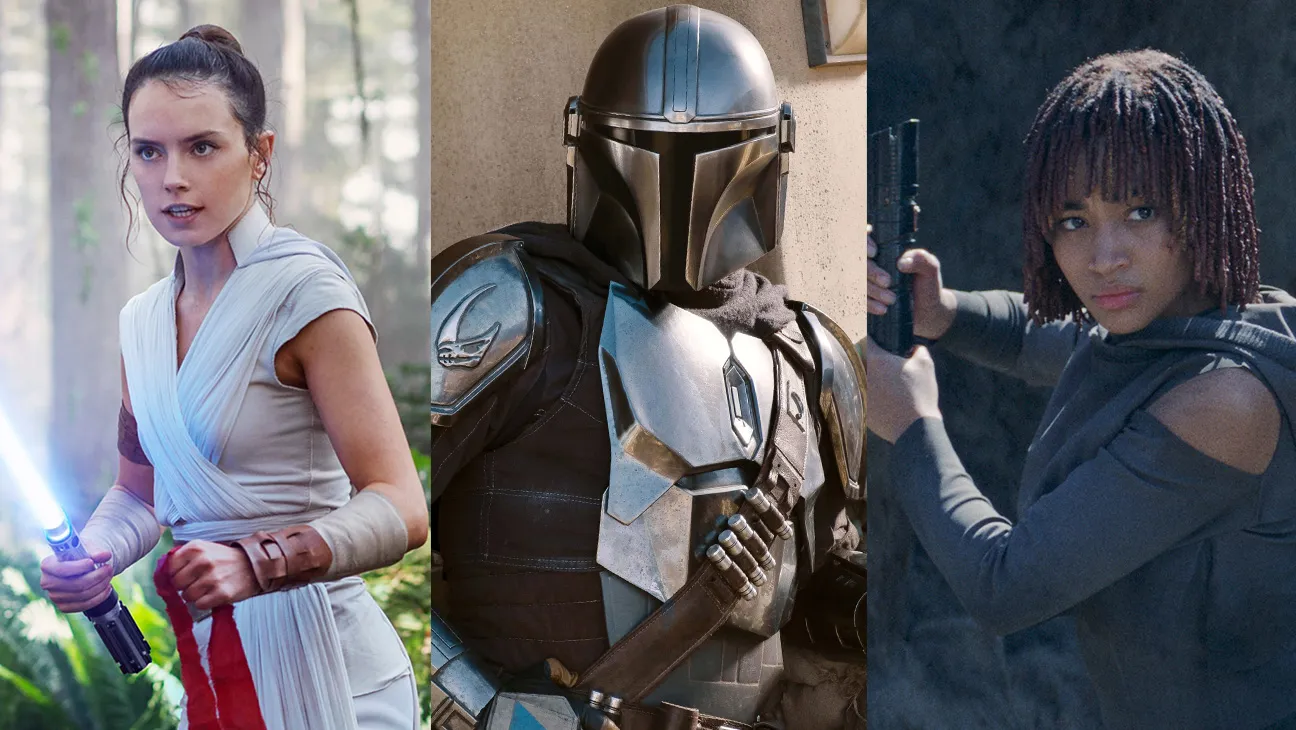
Ever since Disney acquired Star Wars from its creator George Lucas, the projects the company and Lucasfilm put out have received mixed reactions. At first, the franchise received a lot of renewed enthusiasm after the releases of Disney’s first two Star Wars films, Star Wars Episode VII: The Force Awakens and Rogue One: A Star Wars Story.

But the reception to the following films, Star Wars Episode VIII: The Last Jedi, Solo: A Star Wars Story and Star Wars Episode IX: The Rise of Skywalker, was a lot less muted as many fans soured against the Disney films. As a result, the box office returns were not quite as high as the early films and in fact, Solo did not perform well in theaters.

This Was the Way

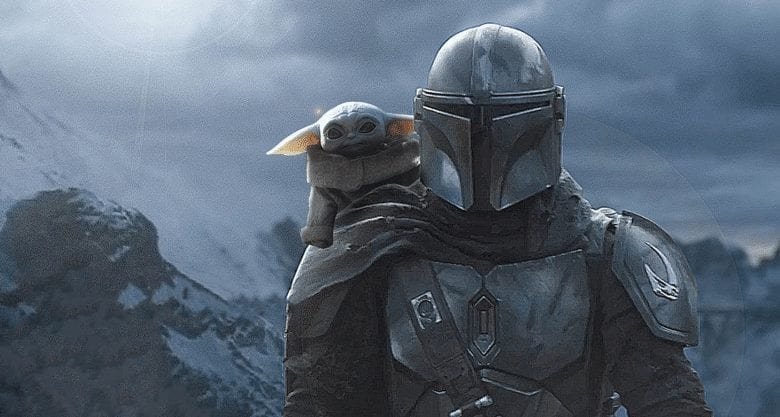
The Star Wars franchise recovered significantly when the first Disney + Star Wars TV show, The Mandalorian, debuted on the streaming app in 2019. For a couple of years, Mandalorian fever gripped fans and the larger public as Grogu, the infant Yoda-like co-star of the show captured the public’s hearts and imagination. It seemed as if the TV show single-handedly rescued the franchise and injected new life into it. However, many of the other Star Wars TV shows were not as popular or had the level of quality as The Mandalorian, except for Andor. In fact, although Andor did not have the high viewership numbers that The Mandalorian enjoyed, it was a massive critical hit as it presented a fresh and adult take on Star Wars with its grounded look at how the Rebellion began in earnest against the Galactic Empire.

Still, despite Andor’s critical success, Star Wars on the whole was floundering as inferior TV shows like The Book of Boba Fett and Ahsoka disappointed fans and emboldened toxic trolls to attack Star Wars. Then there was the fact that the film franchise was essentially dead as many announced films never went into production, except for next year’s The Mandalorian and Grogu. Even recently, The Mandalorian fell out of favor with many fans because of its third season, which was not as well received as its first two seasons.

New Heights of Quality Star Wars Television

When the second season of Andor first streamed fans and critics applauded the show’s mature, sweeping and complex nature with its nuanced and well-developed characters that quickly generated memes and online discussion about the nature of defiance, sacrifice and societies.

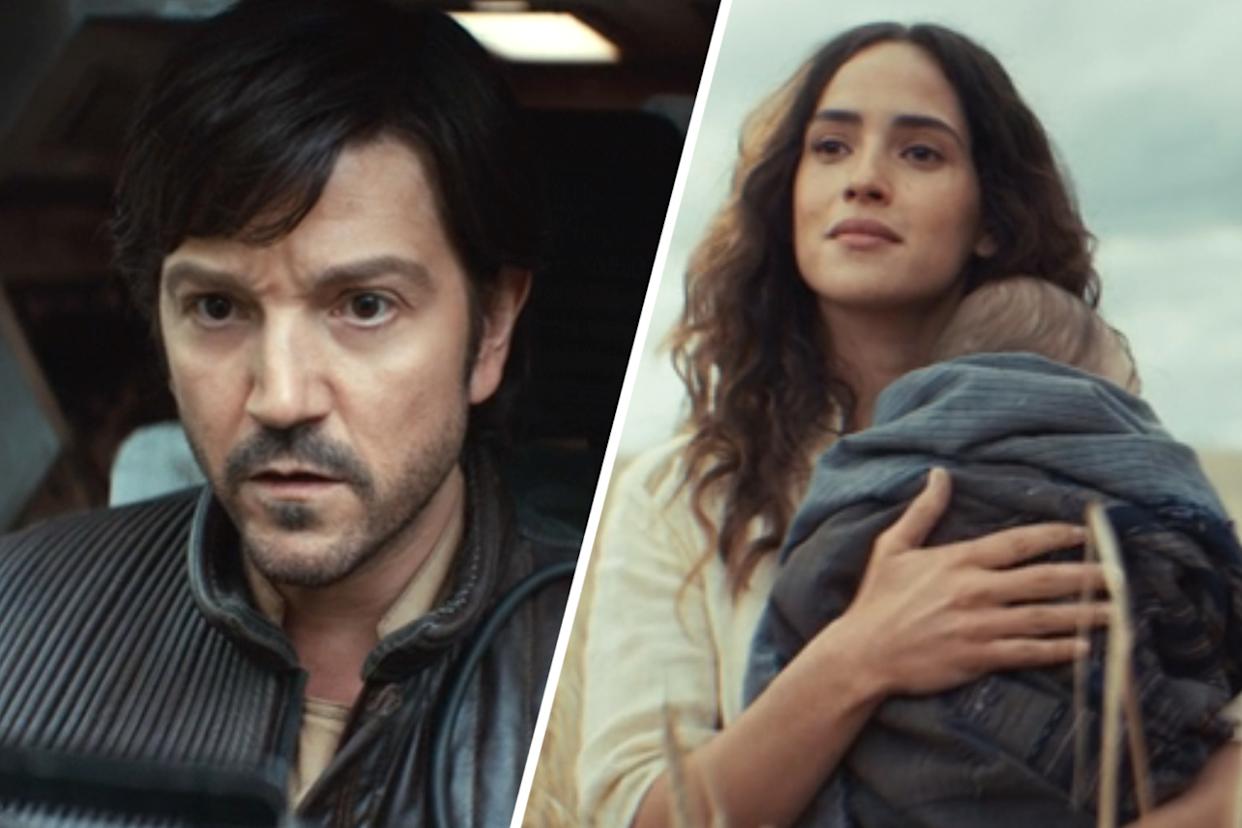
What truly captured the hearts of fans were its story arcs devoted to the Ghorman Massacre and the final arc that wrapped up the story lines of many characters including Cassian Andor himself. The last time we see him, he was departing for what would be his final mission in Rogue One. A mission he never returned from. What made his final on screen moments so heartbreaking was the revelation in Andor’s final scene that he fathered a child that he would never know. And no, this child is not Poe Dameron from the Star Wars Sequel Trilogy.

What made Andor so great and unique was that it had no connection to the Jedi, the Sith, or the larger Star Wars/Skywalker saga. It instead focused on random, everyday people living regular lives and how the Empire affected them to either join the cause or support the Empire through simple acts that cascaded into mass movements that affected the galaxy.

It should be noted that Andor was not the only TV show to break out of the traditional Star Wars mold. Others like Skeleton Crew and The Acolyte gave us different stories that took place at different time periods and had little to do with the Skywalker Saga. However, they were not as regarded as highly as Andor.

Continue reading