Celebrating The DCEU

Now that Aquaman and the Lost Kingdom has been released in theaters the DC Extended Universe (DCEU) has come to an end. As Warner Bros.’ answer to the might Marvel Cinematic Universe, the DCEU has had many hurdles that it could not overcome during its ten-year run.  Frankly, it’s a minor miracle that it lasted this long. The issues facing the DCEU have been covered at length and basically, the overall tone of the cinematic universe was all over the place with some truly great films (and one TV show) and some horrendous films. Still, in spite of its problems the DCEU had a lot of merits, which should be brought up as we commemorate the DCEU.

Bold New Takes on Characters

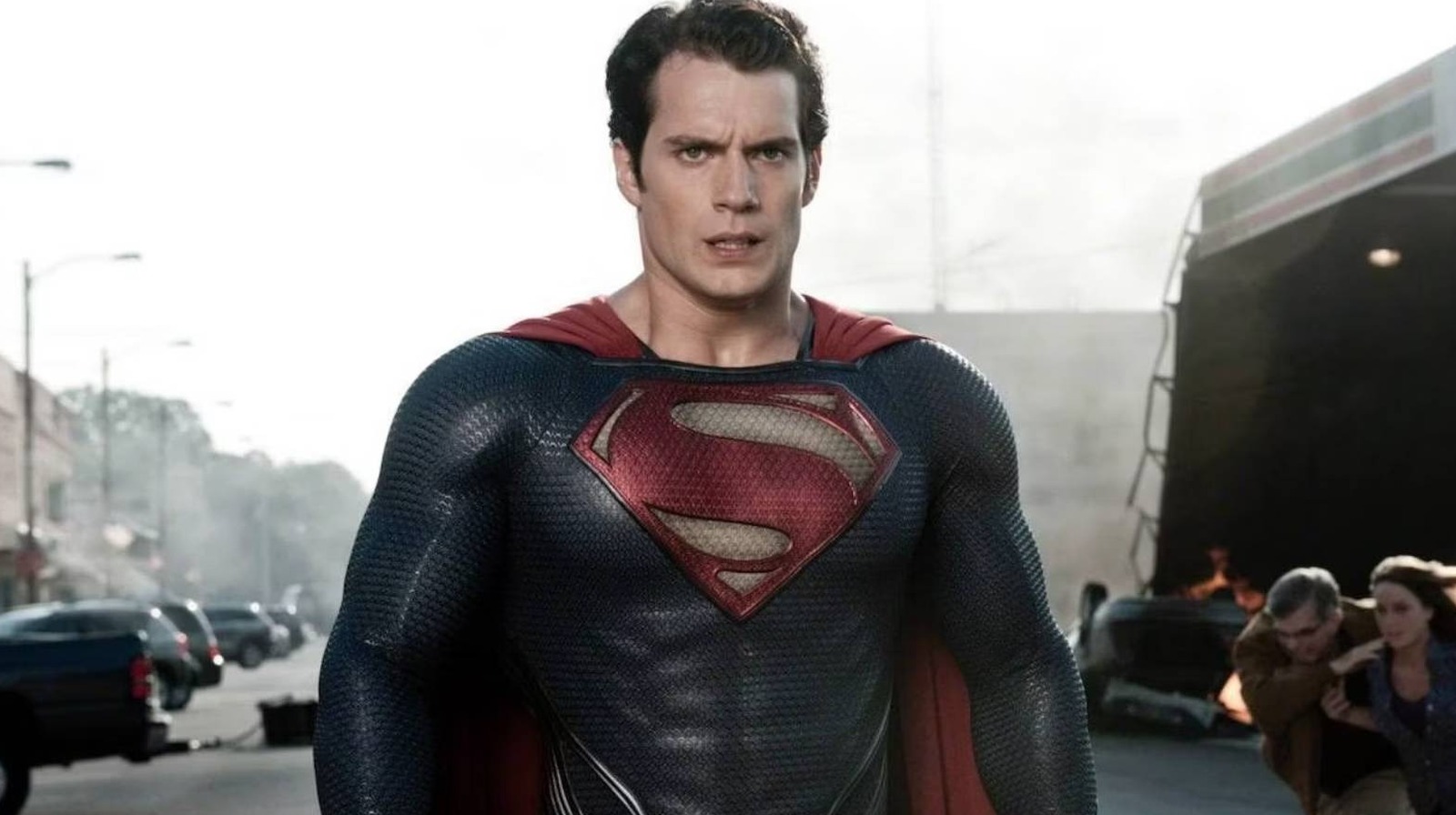
Man of Steel, the first entry in the DCEU, immediately stood apart from traditional Superman films with its darker and more grounded approach to the superhero. This turned off many fans, but others welcomed the refreshing take on the character as it explored the alienation and uncertainty that Superman felt during his emergence as a superhero.
Other characters also had interesting interpretations such as Batman portrayed as a world-weary crusader coming out of semi-retirement and finding a new purpose. Aquaman was reimagined from a being a joke to a formidable warrior with the personality of a surfer dude on hyper steroids. Shazam! presented the title character as an immature teenager reveling in the body of a superpowered adult superhero—the ultimate fantasy for most teenage boys and girls.

Excellent Casting

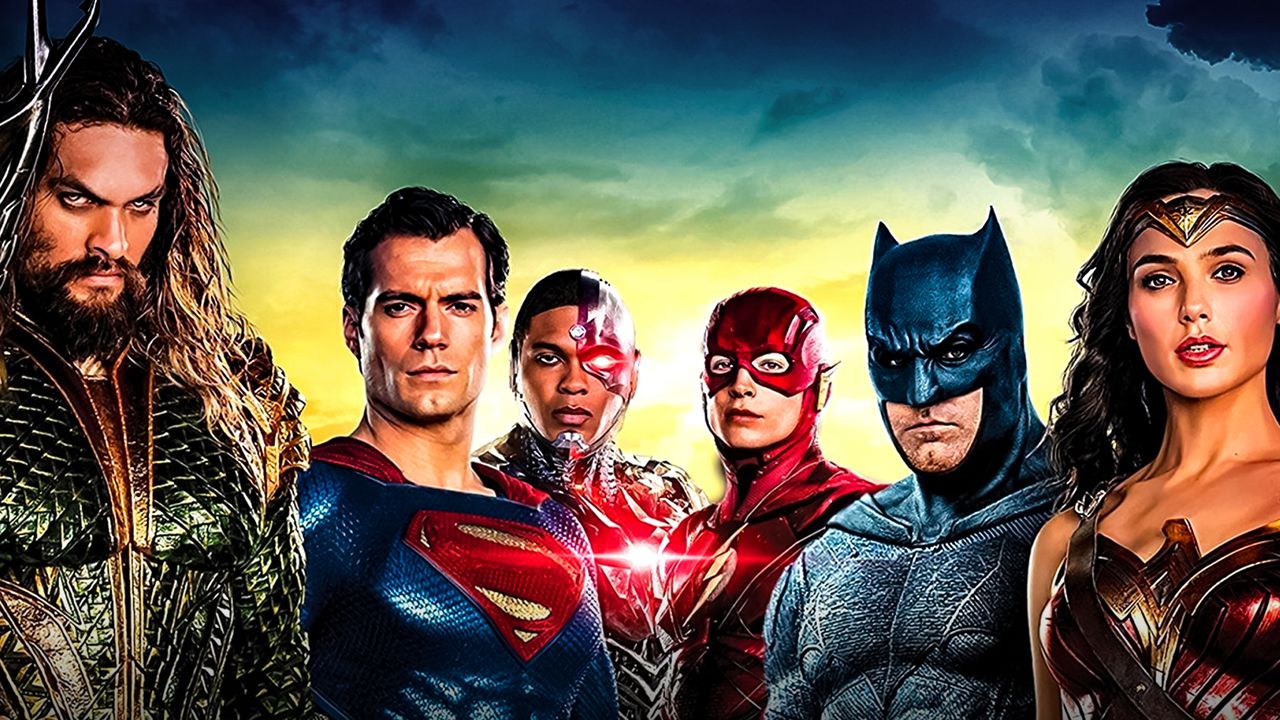
One reason for the successful re-interpretations of the well-known DC characters was the casting. Henry Cavill was so great as Superman, that for many fans his version of the superhero overtook the classic Christopher Reeve interpretation as Cavill’s Superman felt so modern. Jason Momoa’s version of Aquaman turned him into a fun-loving badass.
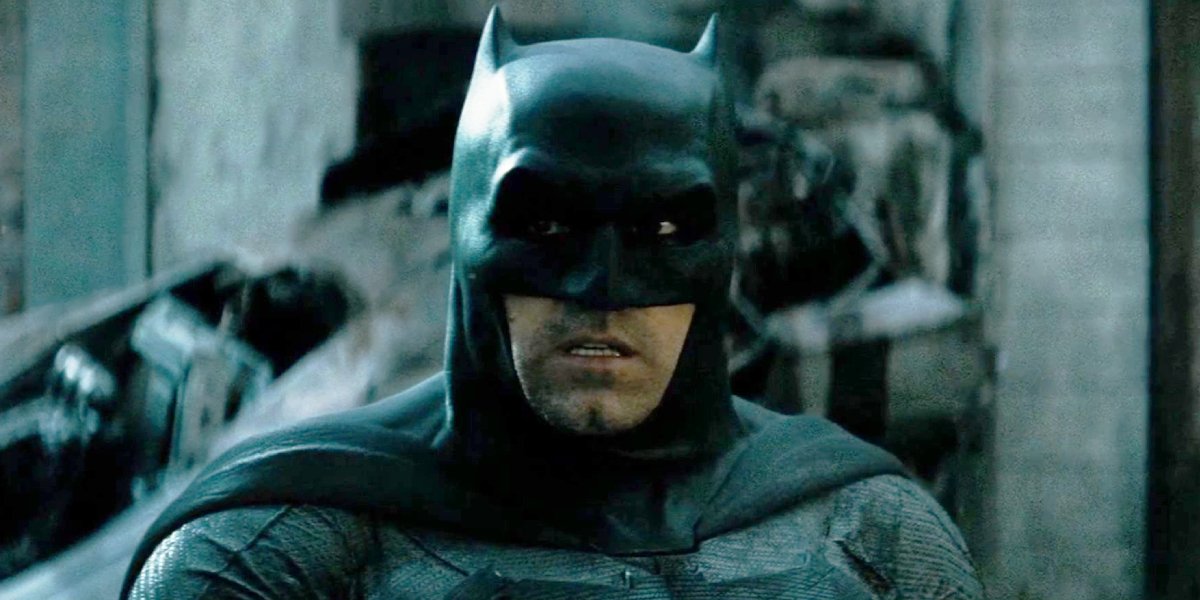
While many were skeptical of the casting of Ben Affleck as Batman, the actor shocked everyone with a solid performance and now many feel Affleck did the best portrayal of the Dark Knight. Gal Gadot electrified audiences with her portrayal of Wonder Woman and established the Amazonian princess as an inspiring role model. Meanwhile, Margot Robbie infused Harley Quinn with so much manic energy and verve that it is difficult to imagine another actor taking over the role in future DC films.

Electrifying Live-Action Debuts

Many superheroes and villains from the DC comics made spectacular live-action debuts in the DCEU films. The most recent being Blue Beetle;even though the film flopped, it was widely acclaimed for its retro back-to-basics approach with origin superhero films. As mentioned above, Harley Quinn was a bonafide scene stealer whenever she appeared in films, and let’s not forget, the other members of her teams.

The films devoted to the Suicide Squad team introduced audiences to many different DC villains. Anyone tired of the Joker or Lex Luthor being featured in DC films rejoiced at colorful villains such as Captain Boomerang, King Shark, Rat Catcher, Bloodsport and Peacemaker. The debut of these characters fleshed out the DCEU, which did not over-rely on its trinity of legacy characters, i.e Superman, Batman and Wonder Woman.

Distinct Visions

It’s true that the overall tone of the DCEU was inconsistent thanks to Warner Bros. executives who interfered with the films. However, many times the films were injected with distinctive visions from its directors. Zack Snyder established a hyper-realized look to his films which were a hallmark of the early DCEU films. Love or hate the Snyder films, they certainly stood apart visually from other superhero films.
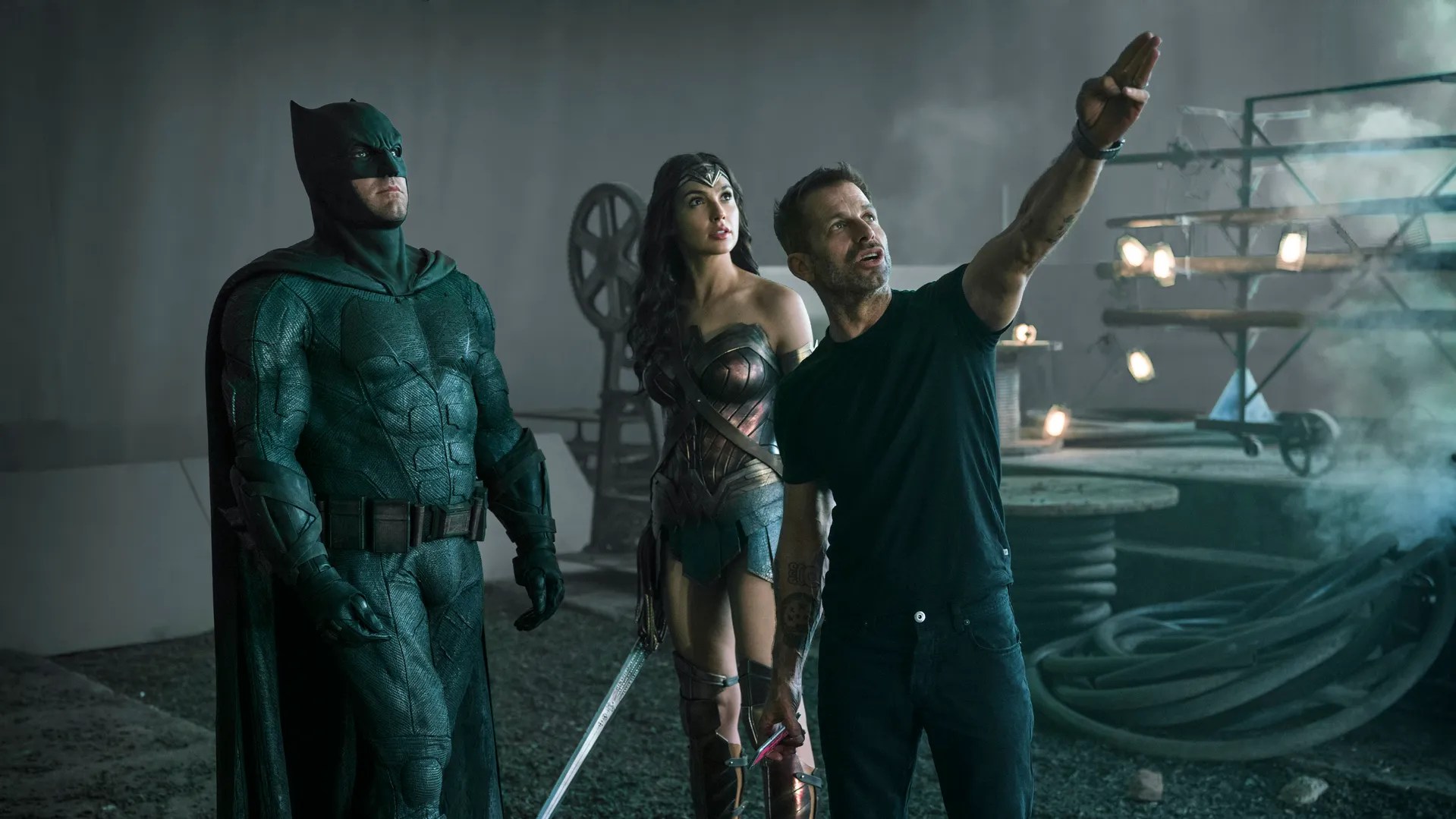
Other directors like James Gunn, James Wan, Patty Jenkins (at least with the first Wonder Woman), David F. Sandberg and Angel Medina Soto infused their films with bright and bold directions, which celebrated the comic book roots of the DC characters. The result was that many of the DCEU films were distinct from other superhero films. This is not a small feat given all the many recent superhero films.

Topnotch Productions & Iconic Scenes

With certain exceptions (see The Flash), the DCEU films have boasted topnotch productions and unforgettable special effects. Some films received notable awards for their productions, including an Academy Award for Best Makeup and Hairstyling for Suicide Squad and a Hugo Award for Best Dramatic Presentation, Long Form for Wonder Woman.  Many scenes, especially those from the Zack Snyder films, featured new and interesting depictions of superpowers, such as the epic airborne fights that took place in Man of Steel and when Superman first learned how to fly in the same film.
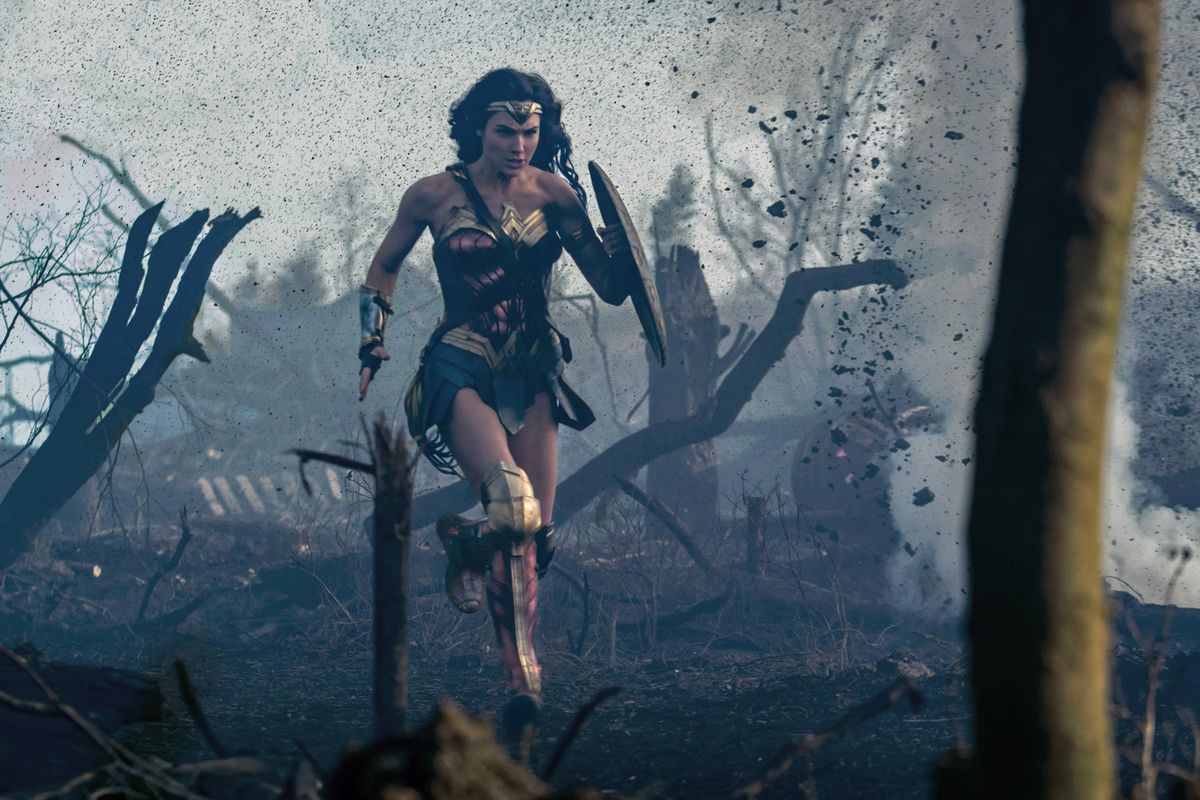
Several scenes from DCEU films were simply iconic like that moment in Wonder Woman when the title hero emerged from the trenches to fight enemy soldiers during World War I. Some other moments were just plain goofy and fun. A great example was a quick moment in Aquaman that featured an octopus playing drums (!). Then there was the madcap nature of The Suicide Squad, which allowed James Gunn to run wild with his imagination.
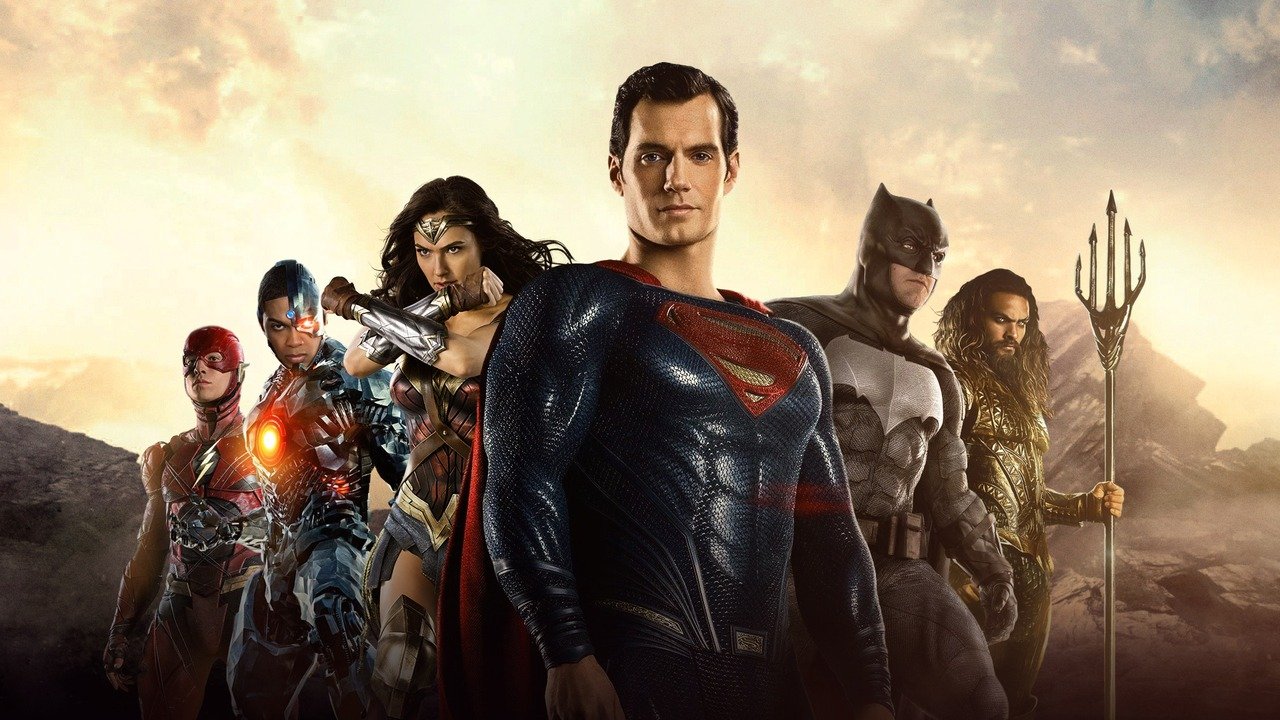
Despite the fact that many like to focus on the many issues the DCEU had, there was so much to celebrate about the films. In the time before the James Gunn reboot, Superman: Legacy, comes out, it’s a good idea to reflect on the contributions the DCEU films made to superhero films and give them another look.

José Soto
Coming Soon: The DCEU films ranked!

MCU Kang Actor Jonathan Majors Found Guilty

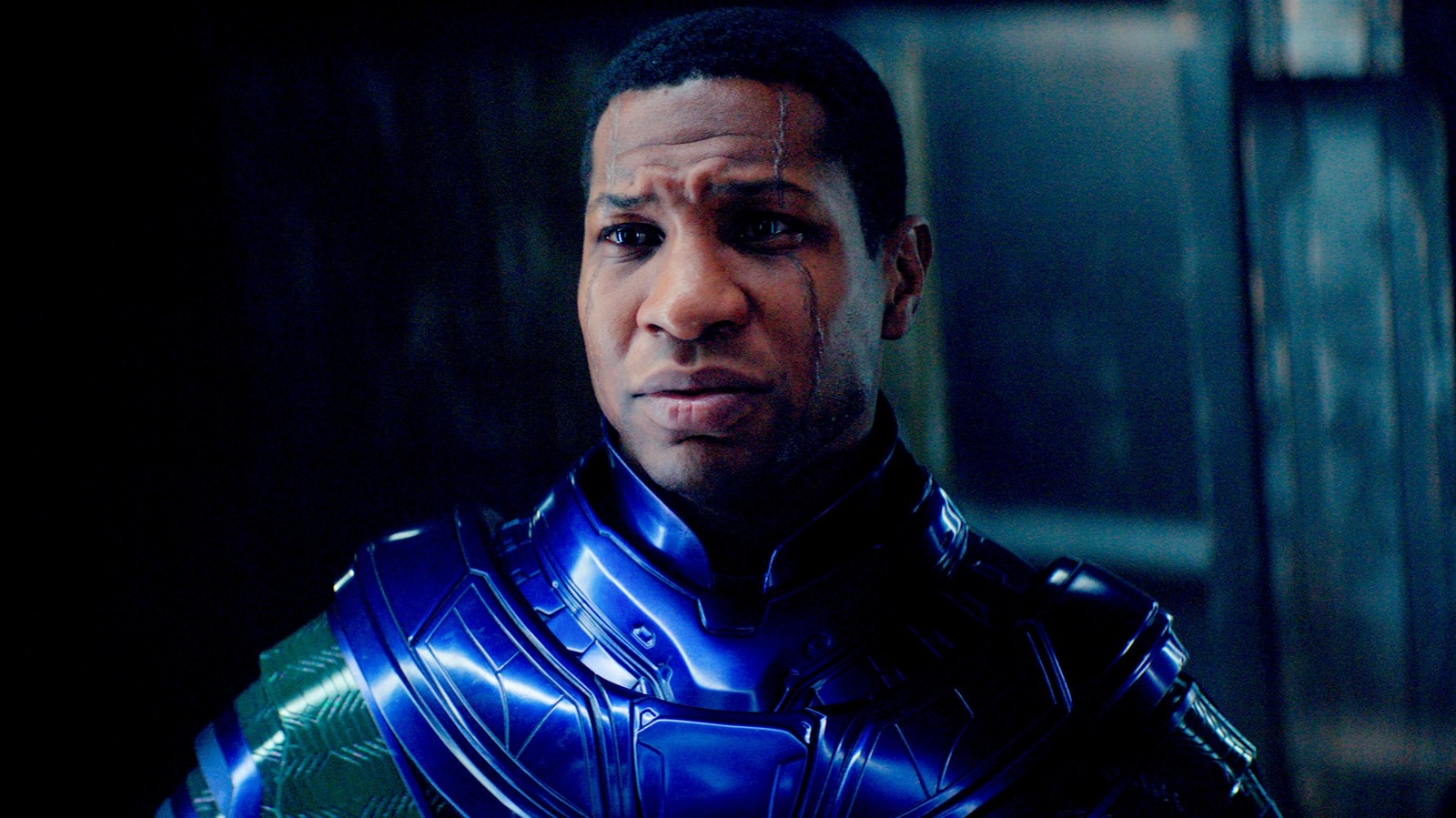
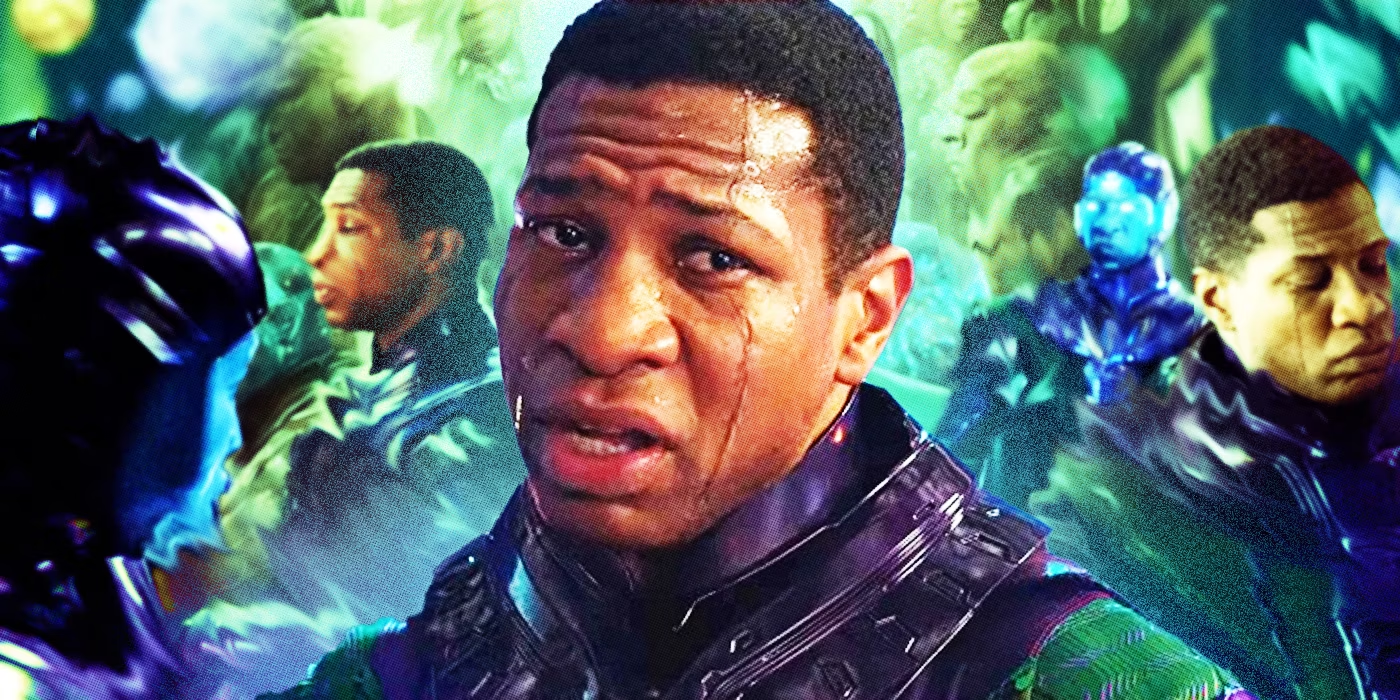
Jonathan Majors, very recently one of the most promising rising actors and best known for his role as Kang the Conqueror in the Marvel Cinematic Universe (MCU), has been found guilty today for assault and harassment in New York City.

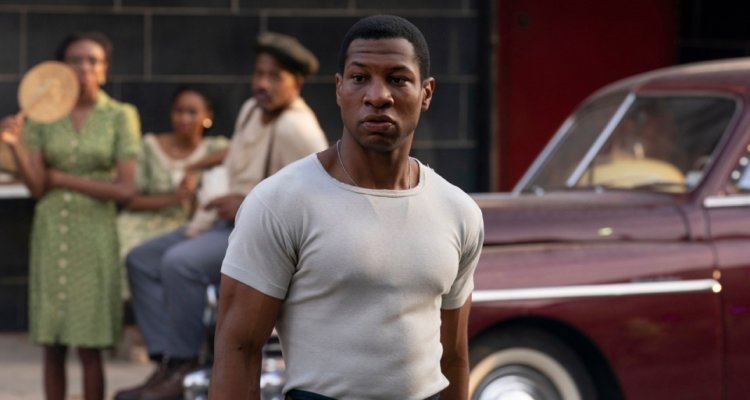
Early this year, Majors had been on an upward trajectory with his acting career, winning a lot of acclaim for his many performances. His most prominent genre roles were as Kang/He Who Remains/Victor Timely in Loki and Ant-Man and the Wasp: Quantumania, as well as Atticus Freeman in Lovecraft Country, and Rafe Drummond in Captive State. In March of this year, Majors was arrested for assault after a major domestic dispute with his girlfriend that turned physically violent. This arrest at the time put his future as Kang in doubt, as well as with other acting projects.

Now that he as been found guilty for misdemeanor charges of third-degree assault and second-degree harassment, Marvel Studios and its parent company Disney have already dropped him from his role as Kang and his acting career is over.

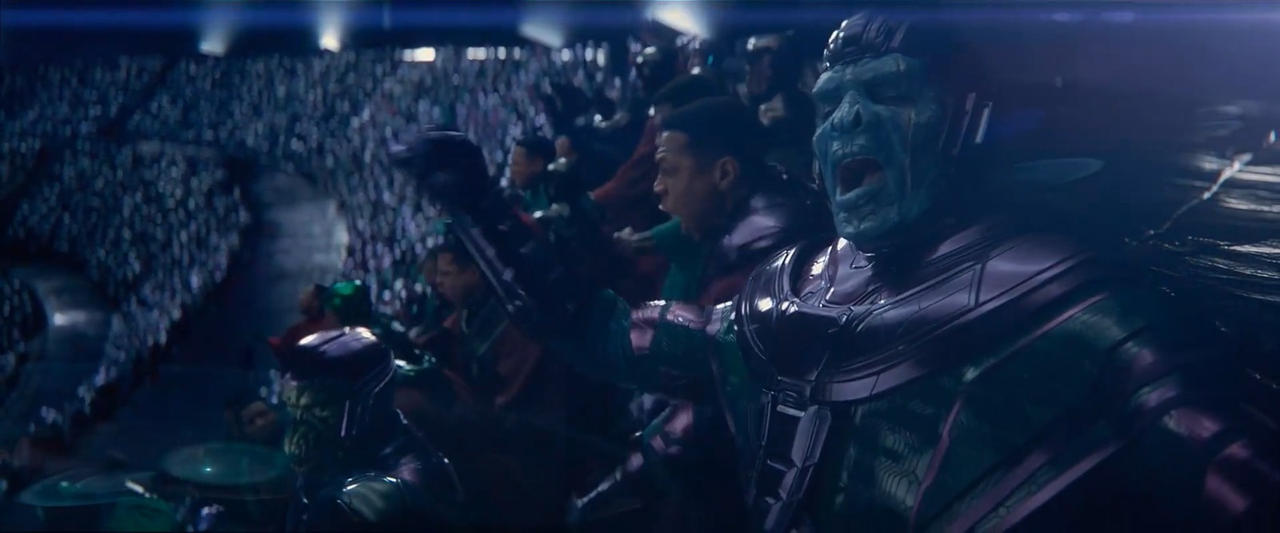
Ordinarily this turn of events would have been catastrophic for Marvel Studios and its MCU given that Kang was supposed to be the cinematic universe’s main villain for its upcoming slate of films including Avengers: The Kang Dynasty. However, being that the character is heavily involved with multiverses and variants as seen in Loki and Ant-Man and the Wasp: Quantumania it should be fairly simple for Marvel Studios to recast the role. To satisfy fans who would question why the character looks different going forward, an in-universe explanation could be that a new variant of Kang came into prominence. There is already precedent for other types of Kangs. In a post-credits scene for Ant-Man and the Wasp: Quantumania we witness not just several thousand Kangs but some that were not even human. So, recasting Kang should not be an issue.

It is regrettable that this has happened given Majors’ talent, but he was found guilty and has to pay for his crimes. His acting career is over but after facing justice, Jonathan Majors will have a chance to get the help he needs.

As for Disney and Marvel Studios, this is just another headache they’ve had to contend with and the second time an actor was suddenly not available for a prominent role as we saw when Chadwick Boseman passed away. It is best for Marvel Studios to move on as they already have in order to prevent any more delays with their upcoming MCU projects. But, the best lesson for the studio is to properly vet the actors and other filmmakers to prevent any future controversies with its MCU projects.

Getting back to Kang’s future in the MCU, just because Jonathan Majors can no longer play Kang, this does not mean the character has to be discarded. Kang showed a lot of potential as a captivating villain and the storyline about a rampant multiverse is rather interesting and should be allowed to be concluded in Avengers: The Kang Dynasty. Hopefully, Marvel Studios will find the right person to replace Jonathan Majors and continue with the multiverse storyline.

The MCU Woes, Part II: How To Correct Itself

The latest online trend has been to bash Marvel Studios and its Marvel Cinematic Universe (MCU). Toxic trolls have been pouring out with uncontrolled glee proclaiming Marvel Studios is too woke and deserves to fail. They point to the disappointing reception for many of the MCU’s latest offerings as proof that the brand is dead. Further adding fuel to the fire, Marvel Studios has delayed many of its productions to improve them.

It is undeniable that the MCU brand has taken some hits and is not regarded as highly as it was during its heyday, to call the brand dead or beyond repair is a gross exaggeration.

Thankfully, Marvel Studios and its parent company Disney have recognized the situation and are taking concrete steps to course correct and ensure the MCU regain its reputation for quality superhero films and TV shows. Sure, the MCU has taken its lumps, but what brand is not immune to this? Many times it is good to take a tumble, this gives one the chance to learn from mistakes and improve. This is what is going on with the MCU.

First of all, Marvel Studios has shown the willingness to scrap what they have worked on and start over. One example is the Daredevil: Born Again TV show which has been scrapped and been redone. Another example is that Captain America: Brave New World has been delayed in order to rework it due to a poor test screening. Then there are the rumors that Kang will be written out of the future films and TV shows in favor of Doctor Doom. This would take care of the situation with Jonathan Majors facing trial for domestic abuse, especially if he is found guilty. These examples demonstrate that Marvel Studios is willing to take the necessary steps to take the time to produce the best projects possible.

Better Scripts Needed

However, the first and most important step that needs to be taken is to devote more time to the scripts. Allow the writers to tell proper stories and DO NOT GO INTO PRODUCTION UNLESS THE SCRIPTS ARE COMPLETED TO EVERYONE’S SATISFACTION. This would largely take care of the problem of realizing a film is not working and having to do major retooling with it in post-production. This is why recent projects like Secret Invasion fared so poorly. It’s been reported that Secret Invasion had major overhauls and rewrites in the middle of its production, which is why the end product seemed so underdeveloped and rushed. On the other hand, look at two recent MCU successes: Loki Season 2 and Guardians of the Galaxy, Volume 3. Both productions had well-crafted scripts that were full of heart and flowed well. More importantly the stories logically reached their conclusions while servicing the characters. This is a major reason why both projects received so much acclaim and performed well.

Even though it is important to follow a certain narrative as dictated by the higher ups and to meet deadlines, the screenwriters should be given more autonomy with their scripts. It is also important at this point with the MCU to hire great writers who have a record of turning in terrific and solid screenplays.

The same should go with directors. This is a difficult task given that Marvel Studios is more hands on with their productions than normal. Still, the past has shown us that great directors like James Gunn and Ryan Coogler, and the Russo Brothers can work within the confines of an MCU production and deliver great films. Oftentimes, Marvel Studios hires relatively unknown directors who wilt under the pressure and demands of the studio and turn in mediocre films or TV shows. Marvel Studios has to make sure that the best possible directors are hired for their projects. If they want to go with lesser known (and cheaper) directors, have them feel their oats with some of the TV shows. Michael Giacchino is a prime example of this. Known only for his film scores, Giacchino blew everyone away with his directing duties in Werewolf By Night.

Continue reading

The MCU Woes, Part I: How Did It Get To This?

Given all the downbeat news lately about Marvel Studios’ Marvel Cinematic Universe (MCU), it’s pretty understandable why MCU fans are so alarmed. It was not that long ago when the MCU was an undisputed entertainment behemoth that could not do anything wrong.

Now, there have been noticeable tumbles with their projects, especially this year. Ant-Man and the Wasp: Quantumania underperformed in the box office, the Disney+ TV series Secret Invasion was widely derided and what was worse is that the recently released MCU film, The Marvels, is performing worse than the third Ant-Man film.

Then the behind-the-scenes turmoil further added to the impression that the MCU is falling apart. Reports have revealed that productions were rushed and reshot. This explained why many MCU films and TV shows felt so disjointed and undeveloped.

Another dilemma involved the actor Jonathan Majors who plays Kang the Conqueror and is slated to be the major villain in the next few MCU films. He was recently arrested for domestic abuse and Marvel Studios and its parent company, Disney, is struggling over what to do with Majors and the character of Kang because if he is found guilty this would disrupt any upcoming films or TV shows.

Then there is the issue of what direction should the overall MCU should take. In the first three phases of the cinematic universe there seemed to be a goal that the films were reaching towards. Although the Multiverse Saga has been introduced in the Phase Four and Five of the MCU, many films and TV shows have ignored the concept and as a result the overall narrative of the MCU seems aimless and less interconnected than previous films.

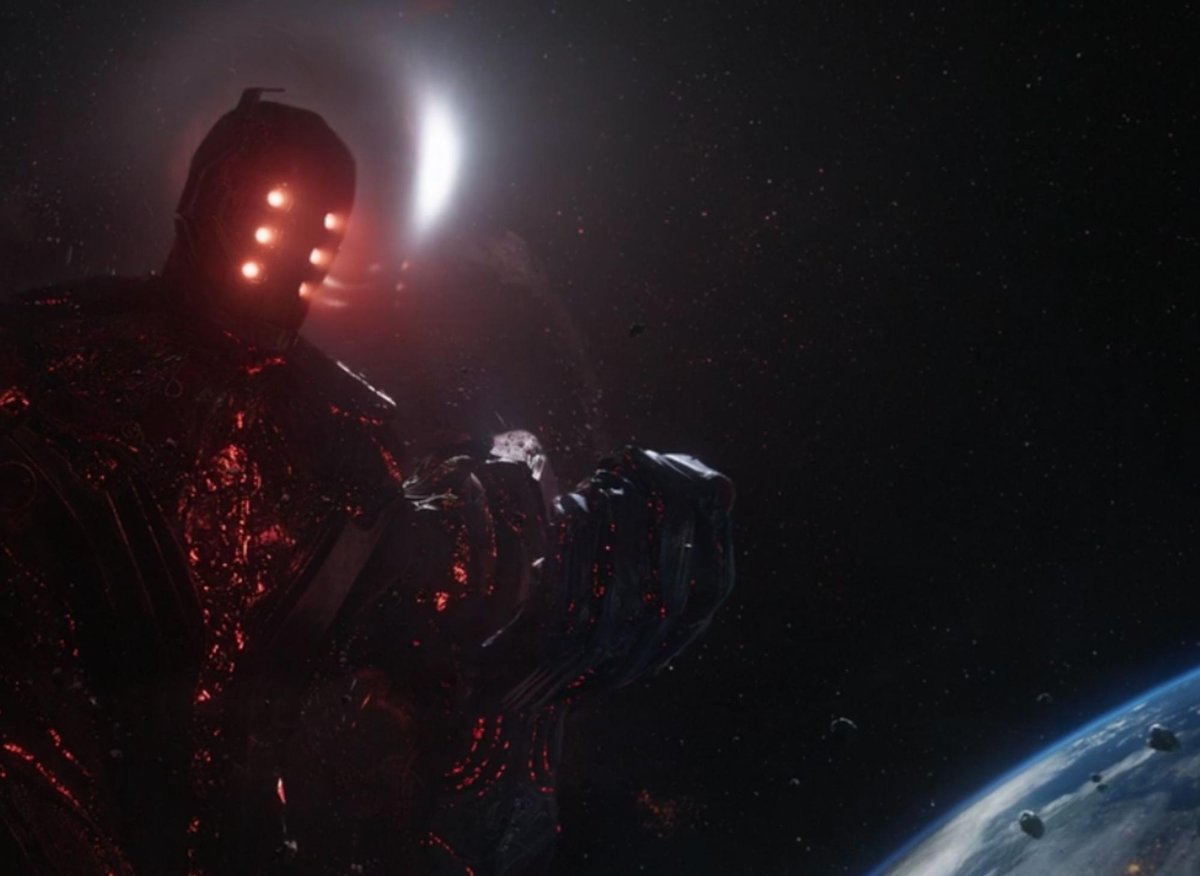
Adding to the disjointed and convoluted nature of the current MCU is that a lot of characters and storylines have been introduced but many of them have not been followed up. For example, what happened with the Eternals after the Celestials kidnapped half of them? What is the story behind the Hulk suddenly having a son? Will we ever see Hercules carry out his quest of vengeance against Thor? What happened to the symbiote fragment that was left behind in the main MCU by Venom? What happened with the crusade of the United States against aliens?

What happened behind the scenes was that most of the productions had their scripts drastically altered during filming, which led to a slapdash feel to the finished film or TV show. This in turn strained the special effects department who were forced to work under insane deadlines and resulted in horribly bad special effects that in some cases were tweaked after a film or TV show was released.

What was worse is that the MCU was such a victim of its own success that the higher-ups at Disney demanded more projects from Marvel Studios to pad out the roster of Disney+ inventory. The reason for this as many know was due to the launch of Disney+, which had few original programs, and the COVID-19 pandemic. Both incidents caused Disney to demand more productions to be launched on the streaming app since it was the only way to present the MCU productions during the outbreak of the pandemic. As a result multiple projects were put into production, even though the demand for some of them was questionable. Does anyone actually want to see an Ironheart TV show?

This stretched ability of Marvel Studios to deliver quality films and TV shows and people noticed. Productions were rushed in order to meet deadlines and were heavily reshot during post-production. This in turn not only drastically changed some plots but disrupted the narrative flow of the stories. The results were less than satisfying films and TV shows, though the quality of the MCU productions varied. Still for every WandaVision or Black Panther: Wakanda Forever there was a Secret Invasion or Eternals. Marvel Studios saw diminished returns for their projects, which became very apparent this year given how poorly Ant-Man and the Wasp: Quantumania, Secret Invasion and The Marvels were recieved.

So is all lost? Is the MCU headed in the same direction as the hapless DC films?

No, to both questions.

Marvel Studios has shown that it’s capable of putting out truly great films and TV shows. Just look at this year’s offerings of Loki and Guardians of the Galaxy, Volume 3. There is still demand and goodwill for upcoming MCU projects like the third Deadpool film and Avengers: Secret Wars. But more importantly, the film studio and Disney are being proactive and are addressing the situation. The best days for the MCU may still be ahead of us.

In a follow up post, we’ll look at what Marvel Studios can do to right the ship and point out how they are taking concrete steps at this moment.

The Glorious Purpose Of Loki

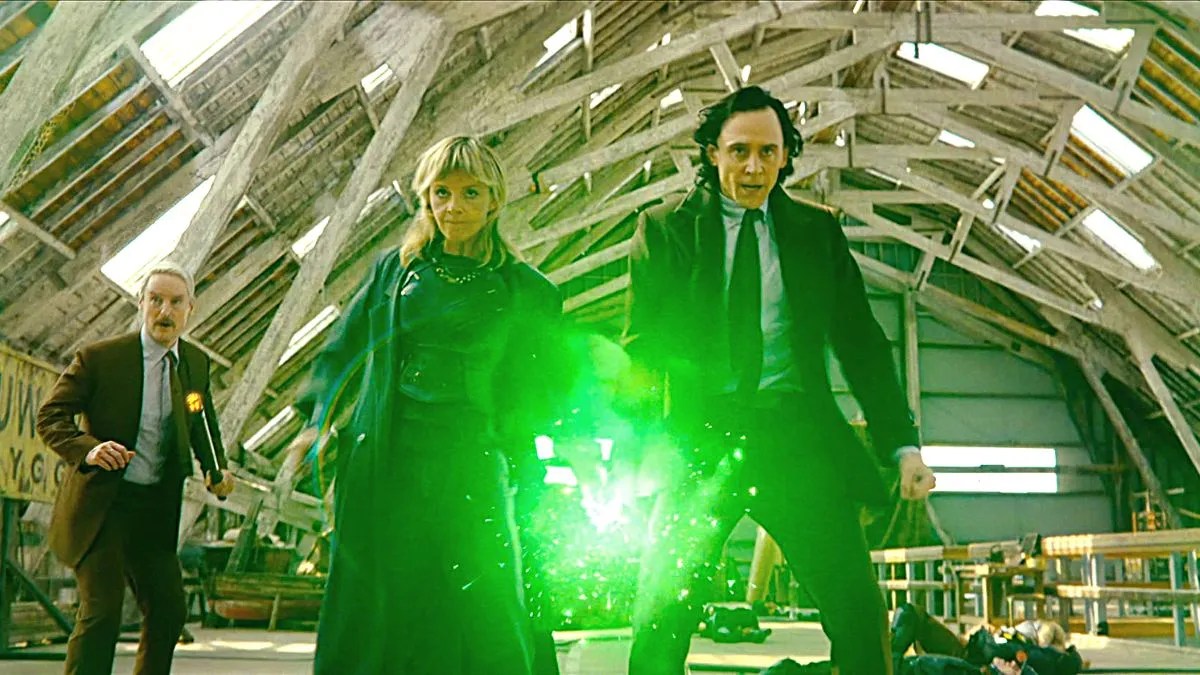
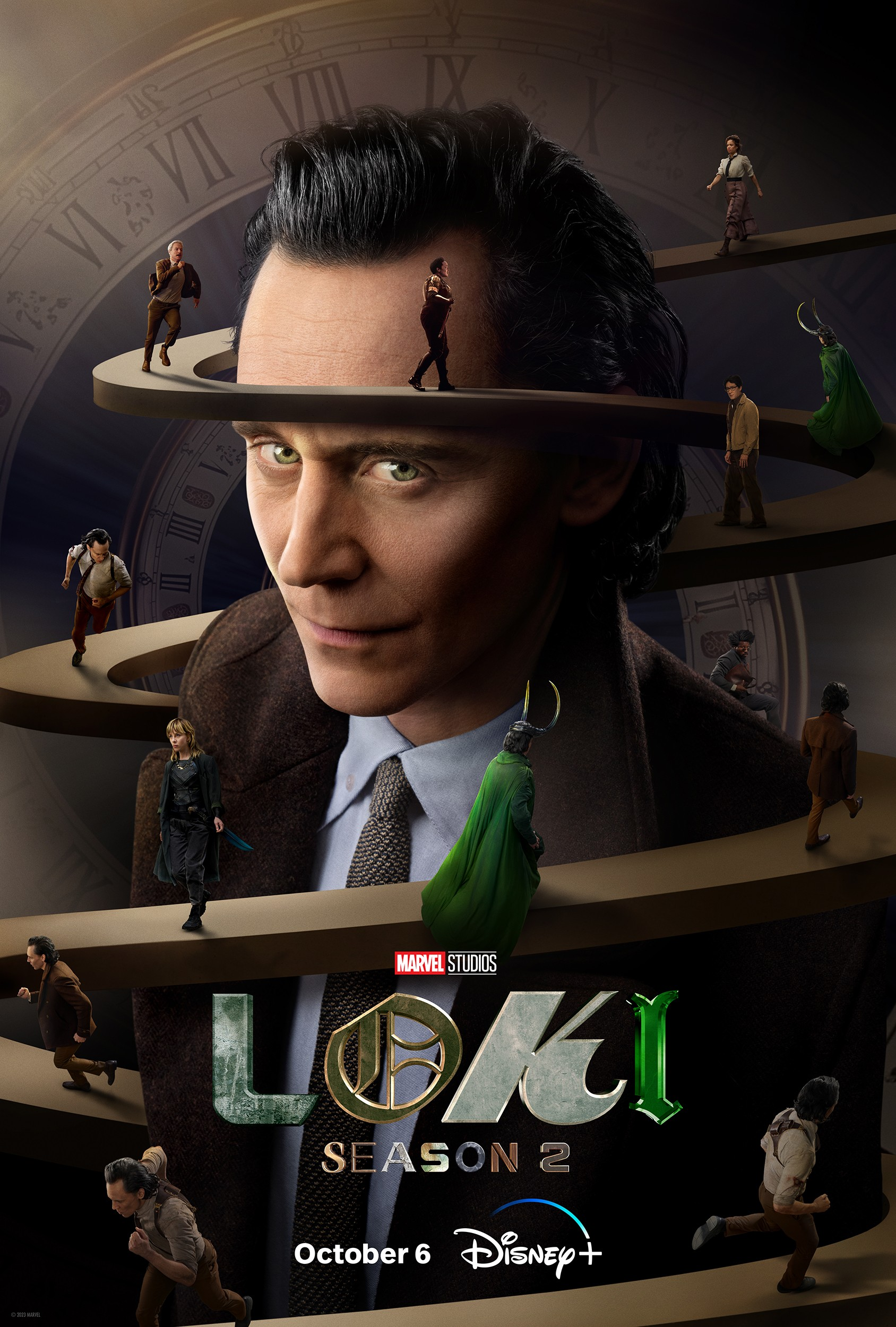
The just-streamed final episode of the second season of Loki concluded the mind-bending time travel storyline that ran throughout the show’s two seasons.

Starring Tom Hiddleston as the title character, Loki has turned out to be a genuine surprise. Instead of being the Marvel Cinematic Universe (MCU) version of Doctor Who with Loki running around different time periods, the show instead carefully examined the numbing logistics of time travel and philosophy. More poignantly, Loki was a thoughtful character study of the main character, a villainous Asgardian god who turned into an anti-hero before completing his transformation by the end of the final episode into a tragic hero. MAJOR SPOILERS will follow.

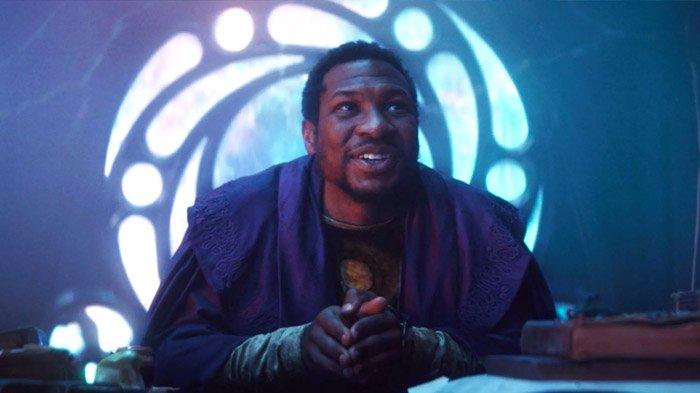
The second season of Loki began immediately after the first season where the Loki variant, Sylvie (Sophia Di Martino), killed the enigmatic He Who Remains (Jonathan Majors) in the final episode “For All Time. Always”. This murder unraveled time itself since He Who Remains controlled time through his organization the Time Variance Authority (TVA). Throughout history the TVA prevented or pruned branching timelines from deviating out of the so-called Sacred Timeline.

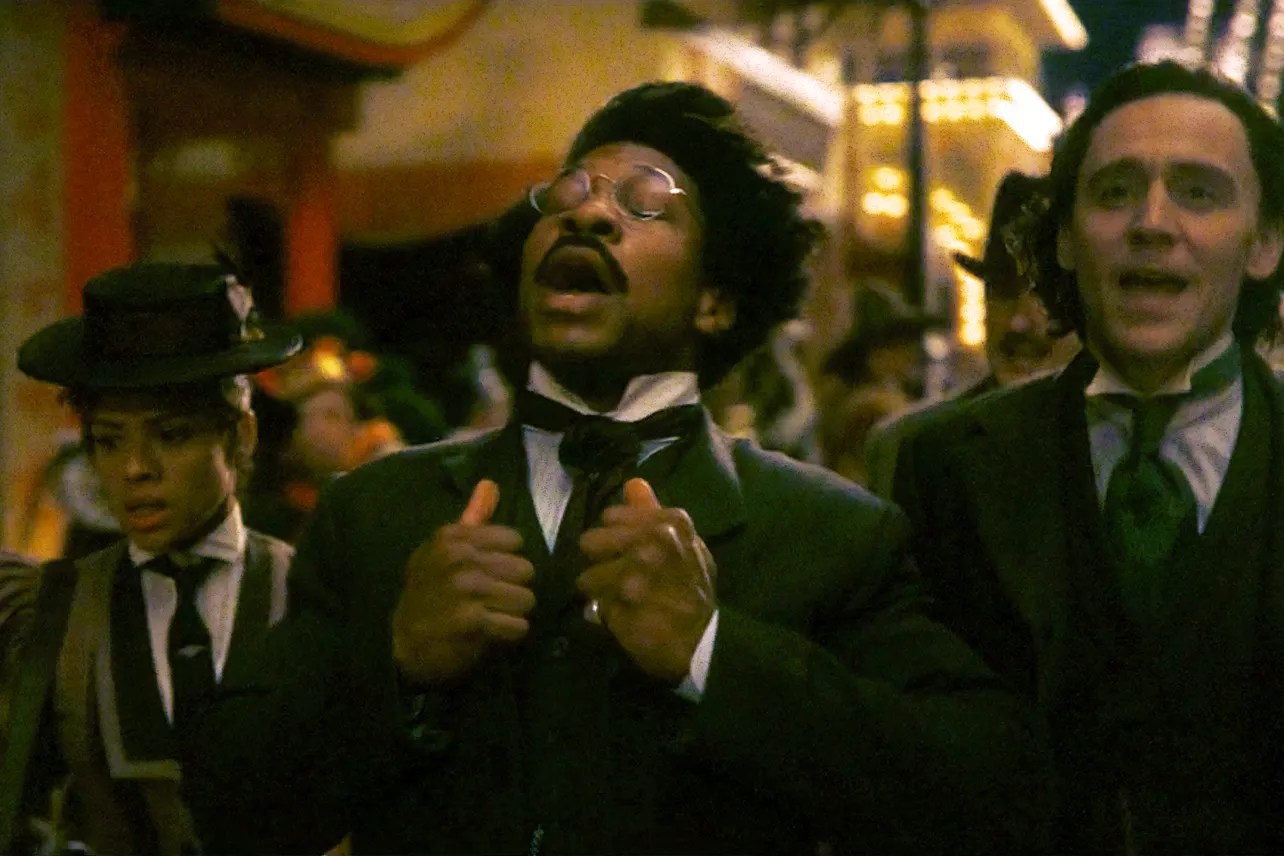
As timelines began to develop and branch off in the second season, this created many variants of He Who Remains, most notably Kang the Conqueror (as seen in Ant-Man and the Wasp: Quantumania) and Victor Timely, a meek 19th century inventor/charlatan. Loki also became unstuck in time and time slipped throughout the premiere second season episode. When he jumped into the future, he saw that the TVA was destroyed when the Temporal Loom was overloaded by rapidly multiplying timelines. The Temporal Loom is an enormous machine that gathered the timelines (seen as never ending tendrils) and combined them into a single controlled stream, hence the Sacred Timeline. In order to help fix the Loom, the temporal aura of He Who Remains or his variant was needed to access the Loom’s controls. This set Loki and the TVA off on a mission in the season’s first half to track down Victor Timely.

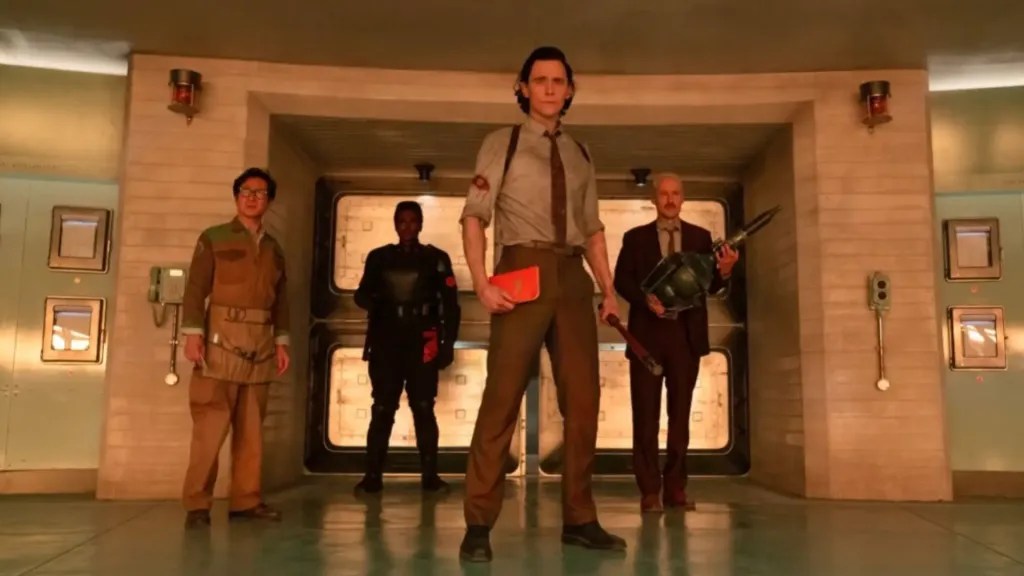
The second season was as bizarre, zany, and thought provoking as the first one, except it focused more on the characters of Loki and his associates. We learned a lot about Loki’s best friend Mobius (Owen Wilson), an easy-going TVA bureaucrat, who had a simple and enjoyable life before he was forcibly recruited into the TVA. We also were introduced to Ouroboros or O.B. (Ke Huy Quan), a quirky and energetic repair person who is an expert on temporal mechanics. His energy and good will was infectious thanks to Quan’s brilliant performance.

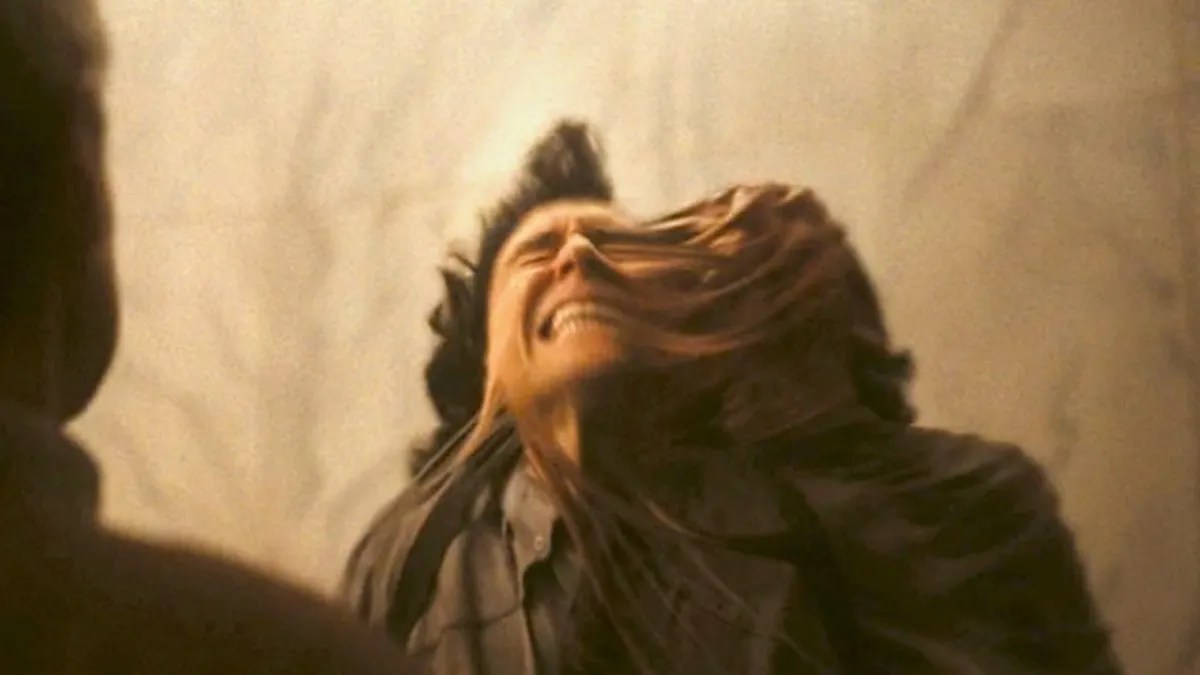
Despite Loki and the TVA’s efforts, the Loom is destroyed and the TVA along with it. In the penultimate episode “Science/Fiction” Loki finds himself traveling to different timelines and encounters his friends and their lives before the TVA. After meeting with Sylvie, Loki admits his love for his companions and that he does not want to be alone. This was a major emotional breakthrough for him and a harbinger for his ultimate tragic fate.  Loki realizes he can control his time slipping and transport himself to the moment before the Loom is destroyed at the end of the episode.

Continue reading