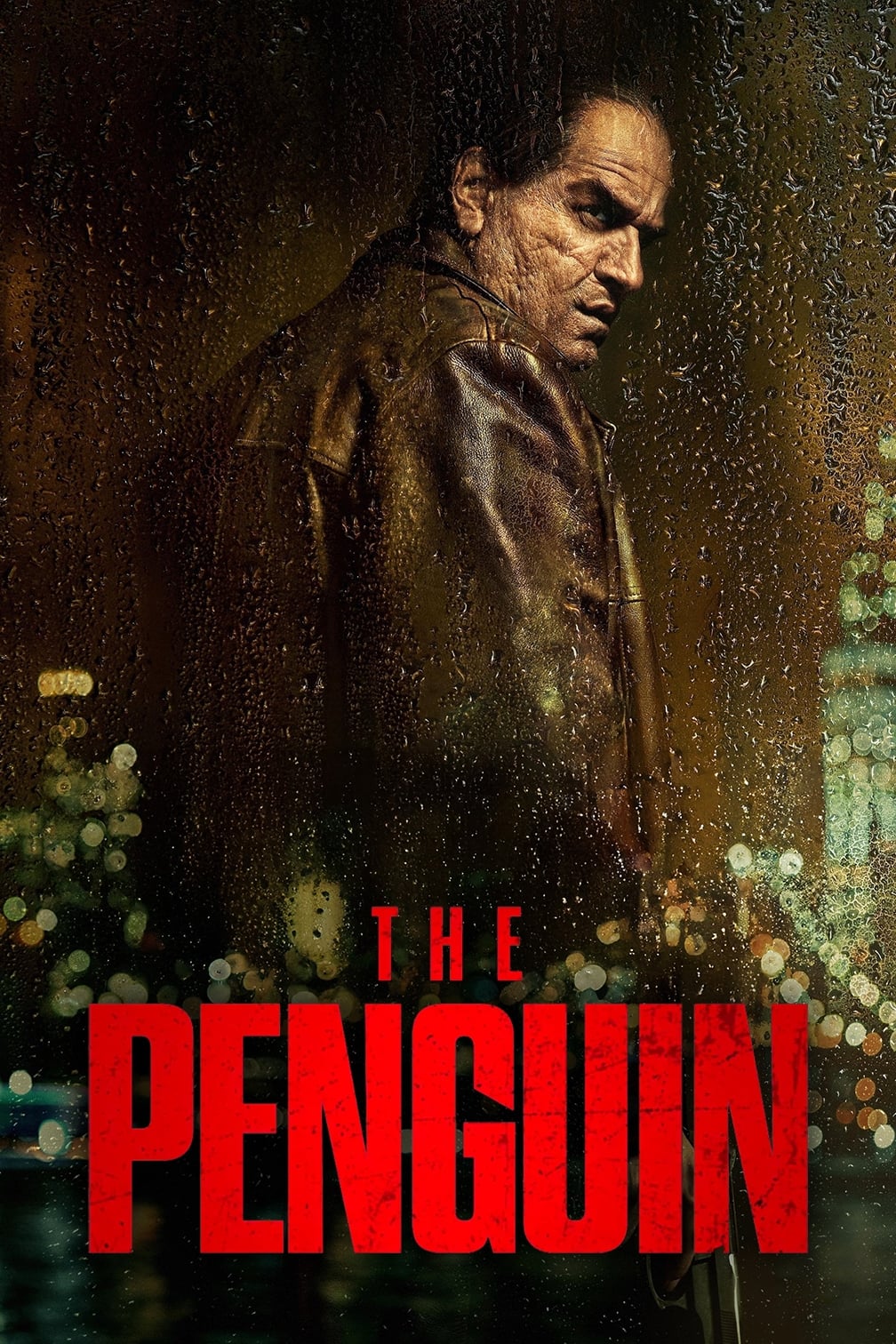
The Penguin Revels As One Of The Best Comic-Book-Based TV Shows

When the Max limited series The Penguin was first announced, many dismissed it as an unnecessary venture and a half-hearted attempt to expand the crime-infested world of Gotham City as seen in the 2022 film, The Batman. In other words, a production more akin to Gotham or the worst of the defunct Arrowverse TV shows than a cinema-quality presentation. Well, as we now know, The Penguin pleasantly surprised everyone and turned out to be one of the best current TV shows and one of the best comic-book-based TV shows ever.
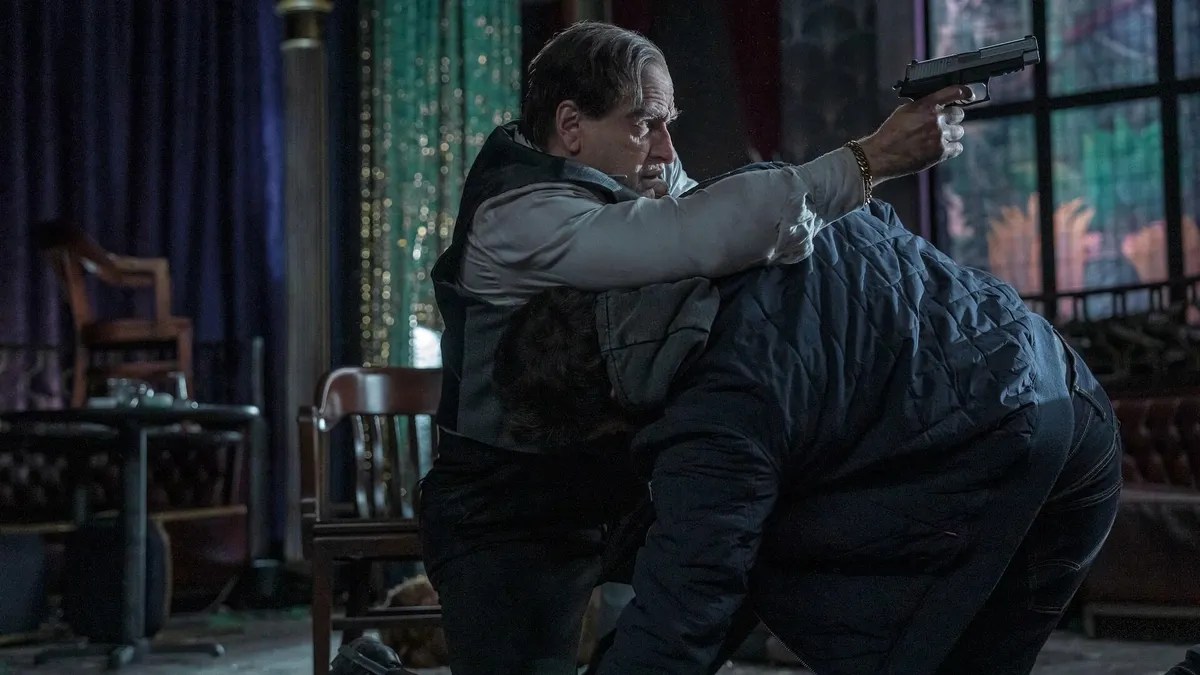
Colin Farrell reprises the role he originated in The Batman as Oswald “Oz Cobb, a two-bit mobster with lofty ambitions to become a major player in the criminal underworld of Gotham. In the film and the start of the TV show, Cobb is a low-level member of the Falcone crime family, which was left ruined by Batman at the end of the film. During the premiere episode of The Penguin, Cobb (who is derisively nicknamed the Penguin by other mobsters because of his disfigured face and limp) impulsively seizes on an opportunity to rise in the ranks of the crime family. However, because he is derided by the Falcones, Cobb sets out on his own with the help of his young partner Victor Aguilar (Rheny Feliz) to violently create his own criminal empire in the neglected slums of Gotham City.

Cobb’s main antagonist in the series is Sofia Falcone (Christin Milloti), the misfit daughter of the head of the Falcone family. She was recently released from Arkham Asylum and seeks to find her place in her family’s criminal organization. But, like Cobb, she is dismissed by the organization and then takes measures to seize control of the organization while plotting revenge against Cobb. In the past, Cobb was her driver and confidante, but he betrayed her to her father to rise in the ranks of the organization after she told Cobb of her suspicions about her father murdering prostitutes. Her father framed her for the murders he committed and has her sent to Arkham for inhumane treatment.
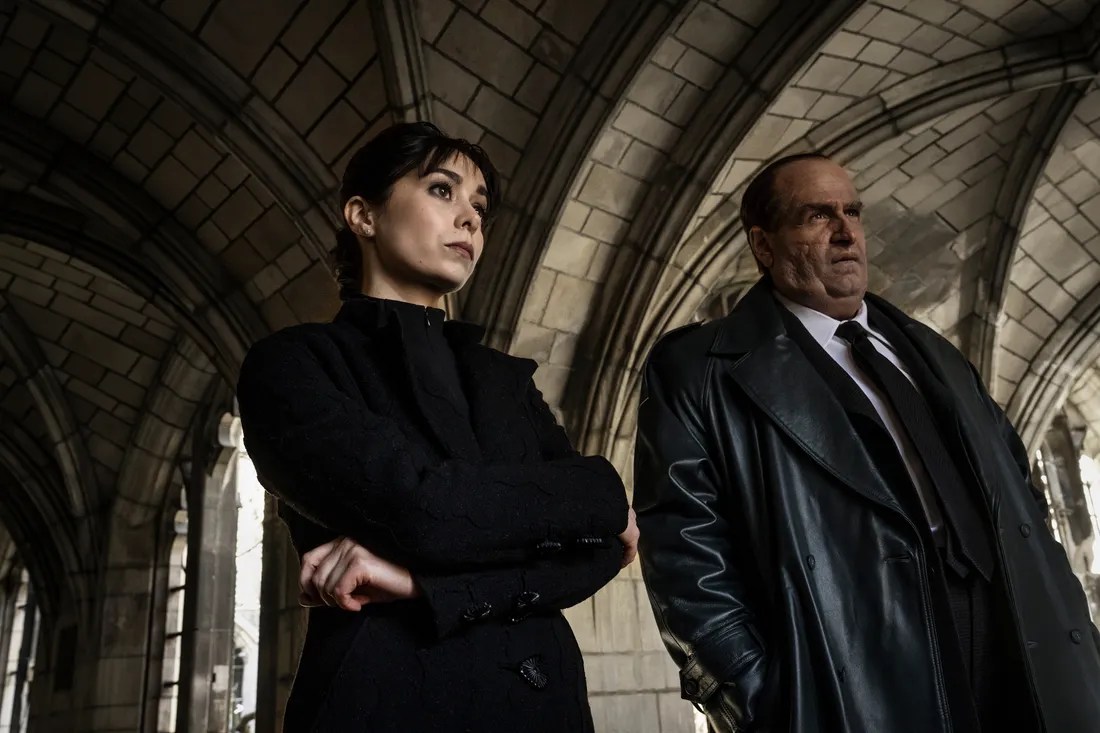
As the two central figures in the TV show rise to power, it is not long before their mutual antagonism towards each other erupts into a deadly gang war for control over Gotham’s criminal underworld.

There are so many reasons why The Penguin is so great. Let’s start with the smart writing that takes great pains to develop and humanize the characters with compelling back stories. This doesn’t mean that we root for the Penguin or Sofia. They are bad people with twisted outlooks in life and who commit heinous acts. For example, in one episode Sofia callously murders most members of her own family while flashbacks revealed her torturous ordeal in Arkham, which made her sympathetic until she acted on her worst impulses. With Oz, we see his troubled past and his supposedly loving relationship with his mother, Francis (Deidre O’Connell). At first it seems to be a tender relationship which conveyed a more vulnerable side to Cobb. But by the end of the series, we come to see how twisted he was even as a child and how his blackened and greedy heart gave him a perverse view of life and his relationship with his mother that borders on the oedipal.

The production is also above par for a TV show and is seamless with The Batman as it evokes the grimy and gritty look of the film. As with the film, Gotham is a seedy, decaying urban hellhole which clearly divides the affluent from the downtrodden. In the mean streets of Crown Point, Cobb’s old neighborhood, the mobster begins his rise to the top of the affluent criminal underworld as he revels in his lower class roots in order to attract economically and socially oppressed allies like Victor. It is not necessary to have watched the film, though some events from it are referenced, most notably the flooding of Gotham that took place at the end of The Batman, which had a severe impact on the life of Victor.
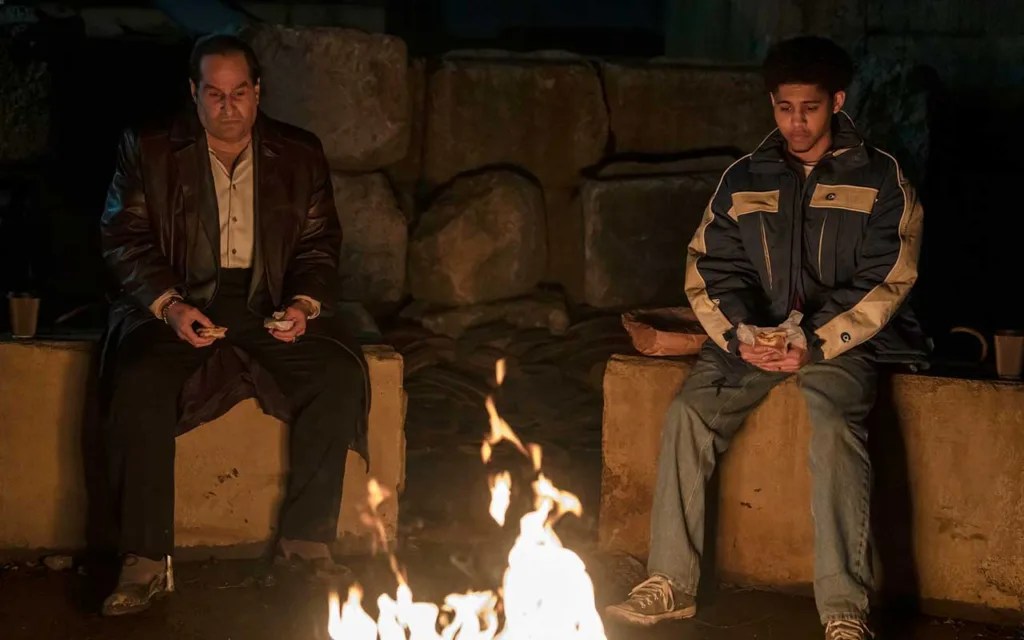
While Cobb and Sofia are the main characters with complex backgrounds, the show also gives Victor well deserved time with his own back story. But in his case, the young criminal is much more sympathetic and vulnerable to the point that he became the heart of the show. Feliz’s acting was as brilliant as Farrell’s and Milloti’s. We find ourselves rooting for Victor and fearing for his safety as his innocence slowly ebbs away as he is exposed to the criminal world of Oz Cobb. It becomes troubling to watch Victor descent as he becomes more and more entrenched since we want him to come out of this partnership with Cobb in one piece.

Still, the stars of the show are Farrell and Milloti. The characters they play share many similarities as disregarded misfits forced to fight their way to the top. As evil as they are, we can’t help but be riveted by their stories. The two actors are certain to at least get Emmy nominations for their work. At the very least, the makeup in this TV show will win awards as it uncannily transformed Farrell into a heavyset, disfigured creature that is unrecognizable.

Of course, as flawless as the makeup is, it would not mean anything without Farrell’s captivating performance that echoes Tony Soprano, Vito Corleone and Robert De Niro’s gangster roles. Like those famous celluloid gangsters, the Penguin is a gruff, brutal thug but displays surprising moments of humanity. What was tragic for Cobb is his realization towards the end of the series that his emotional attachment to others is a vulnerability to him. His reaction at the end of the final episode to this realization cements the Penguin as a truly evil man and elevates him to one of Batman’s greatest villains. In fact, the way the Penguin is shown in this series gives argument for him being an even greater villain than the Joker thanks to his fleshed out and involving back story.
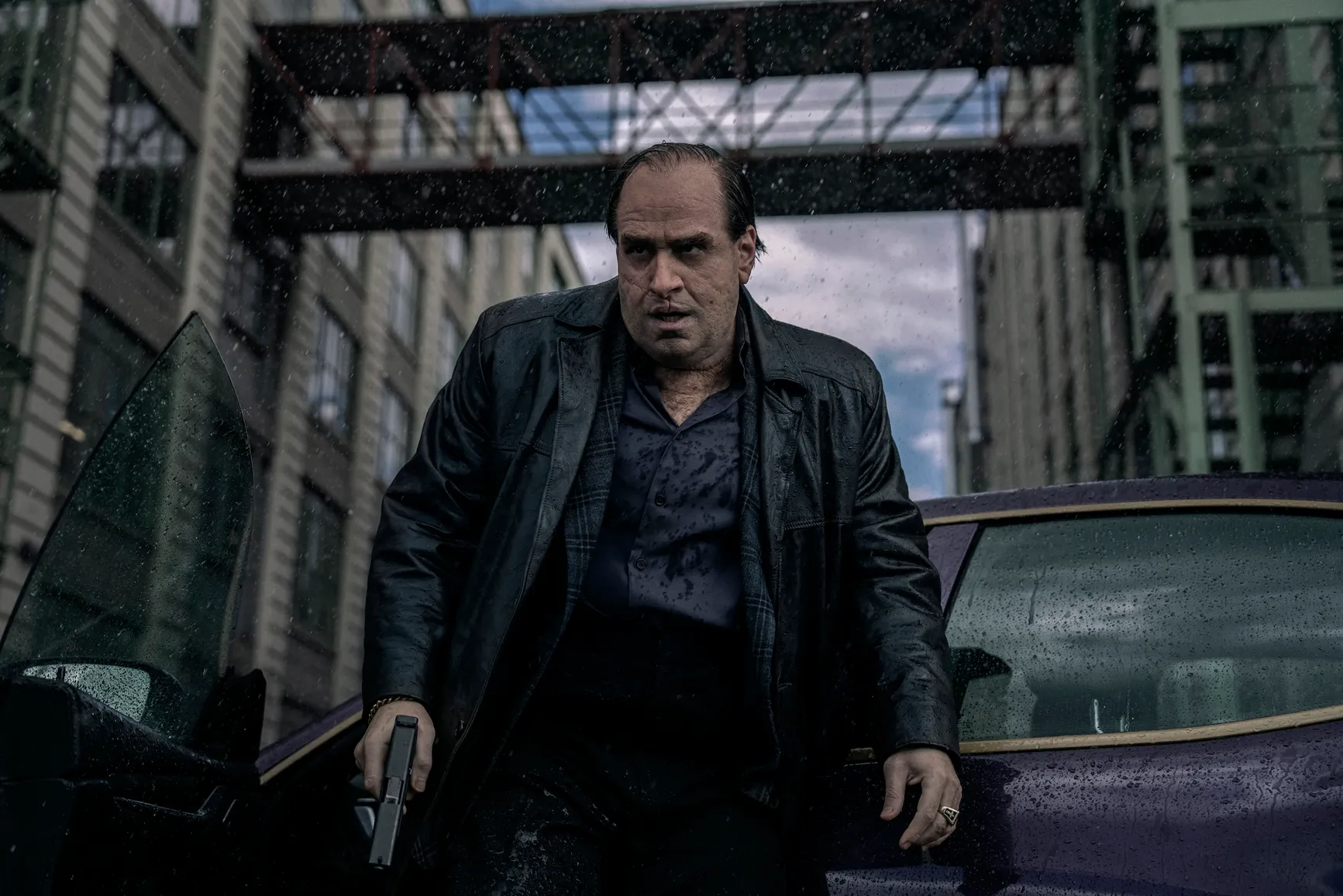
At the time of this writing, The Penguin is supposed to be a limited series that sets up the upcoming sequel to The Batman. Does this mean that the mobster will be the main villain of that film? Who knows, but the Penguin deserves to be the main foe and it would be a mistake to relegate Cobb to a minor presence in the film. Regardless of that, a second season is very warranted since Cobb is such a fascinating character and worth exploring some more. If not, then there are plenty of other members of Batman’s rogue’s gallery that could receive similar treatment, although the current rumor is that a TV show featuring the Joker is being considered. That would be a mistake because we have had two solo films about the Clown Prince of Crime and Batman has a rich roster of foes that deserve their moment in the harsh spotlight as the Penguin has received.   

José Soto
Venom, Spider-Man & Sony’s Upcoming Crossover Film Event

The latest Spider-Man-related venture by Sony Pictures, Venom: The Last Dance, has teased viewers with an attempt to create a crossover storyline that spans several different films. Sony has tried for years to create their own cinematic universe but failed miserably for the most part because they weren’t able to deliver anything cohesive or high quality. Unfortunately, that problem will continue.

WARNING: Spoilers will be revealed related to Venom: The Last Dance.

Ever since the success of the Marvel Cinematic Universe (MCU) and the emergence of other cinematic universes, Sony wanted in on the action given the massive box office success of the MCU. On paper, it seemed easy to copy the MCU’s success: have a bunch of films interconnect with each other with some kind of B-plot storyline running throughout the films that will culminate in an epic crossover event like Avengers: Infinity War. But as the cliché goes, easier said than done.

Sony first tried creating a shared universe with The Amazing Spider-Man films with the last one dropping obvious hints of a film featuring the supervillain team, the Sinister Six. However, given the bad reception of The Amazing Spider-Man 2 and announcement for a Sinister Six film, those plans fell by the wayside. But Sony would not give up. Afterall, they hold the exclusive film rights to Marvel Comics’ most popular character and all related characters, and they would lose those rights if they did not pump out some kind of Spider-Man-related film every few years.

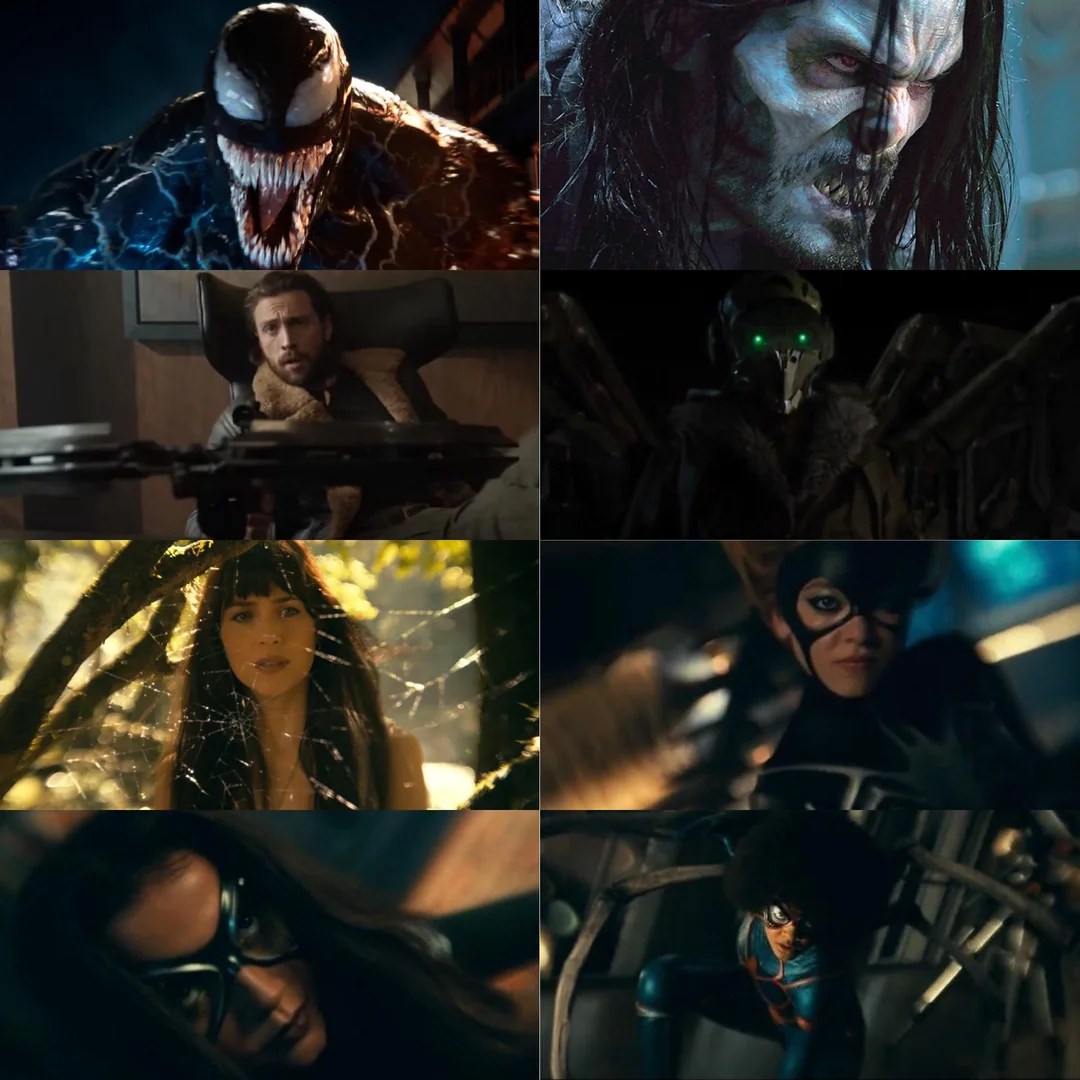
This is how we got the Venom films. By no means are they superhero film classics, but they are entertaining enough (including Venom: The Last Dance with its plot holes and other flaws) and more importantly to Sony, financially successful. This encouraged them to greenlight other films related to Spider-Man, but the dreck they released could not match the success of the Venom films. Still, they plowed ahead as seen with that non-sensical post-credits scene in Morbius where the title character met the Vulture, who was transported over from the MCU. What was so baffling was that for reasons unknown to us, Morbius decides to join Vulture in attacking Spider-Man, even though Morbius never met the superhero! It seems as if Sony is still hellbent on their Sinister Six film and more will probably be revealed in December with Kraven the Hunter, where there will most likely be some post-credits scene that has Kraven meeting the Vulture. Thankfully this did not occur in Venom: The Last Dance.

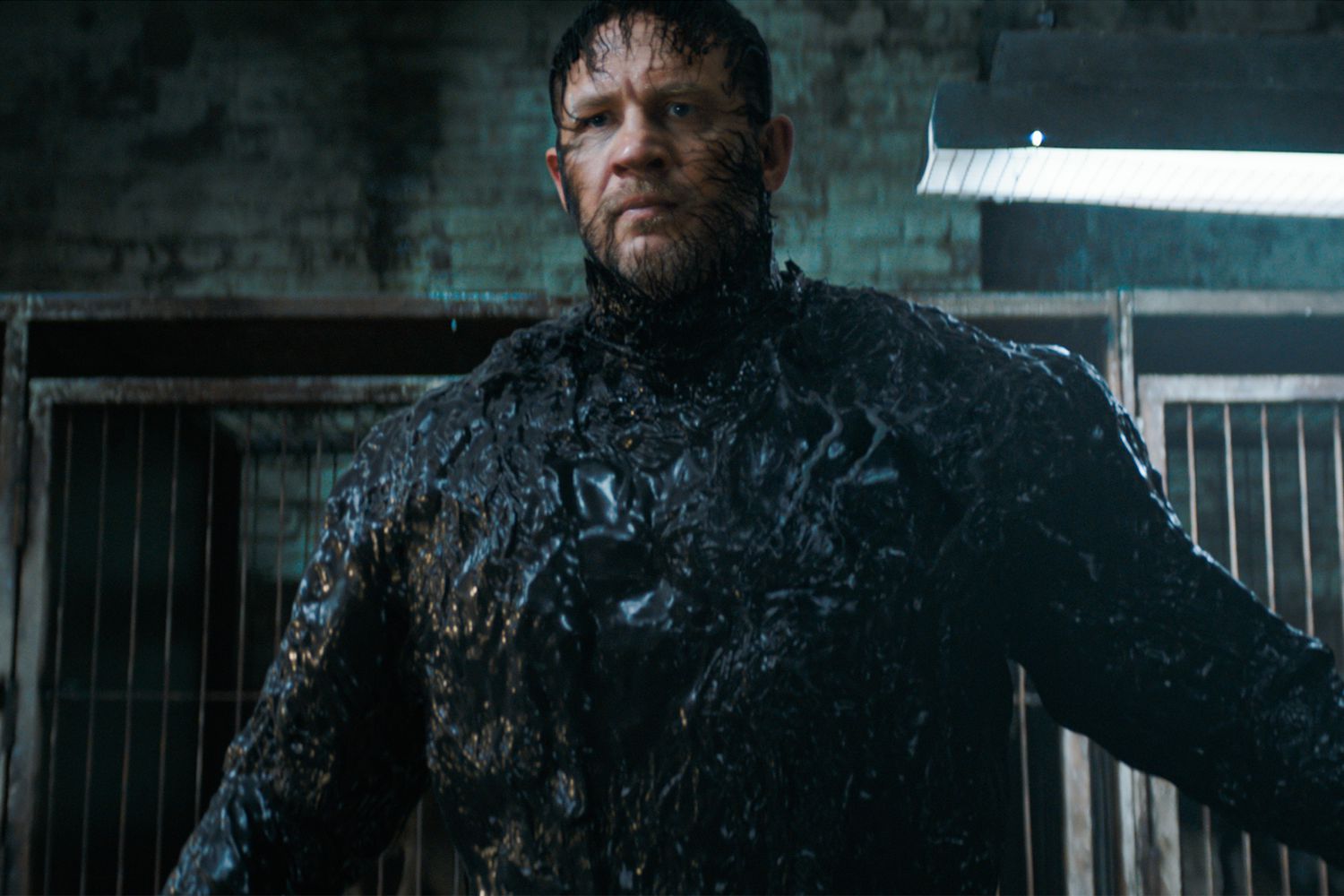
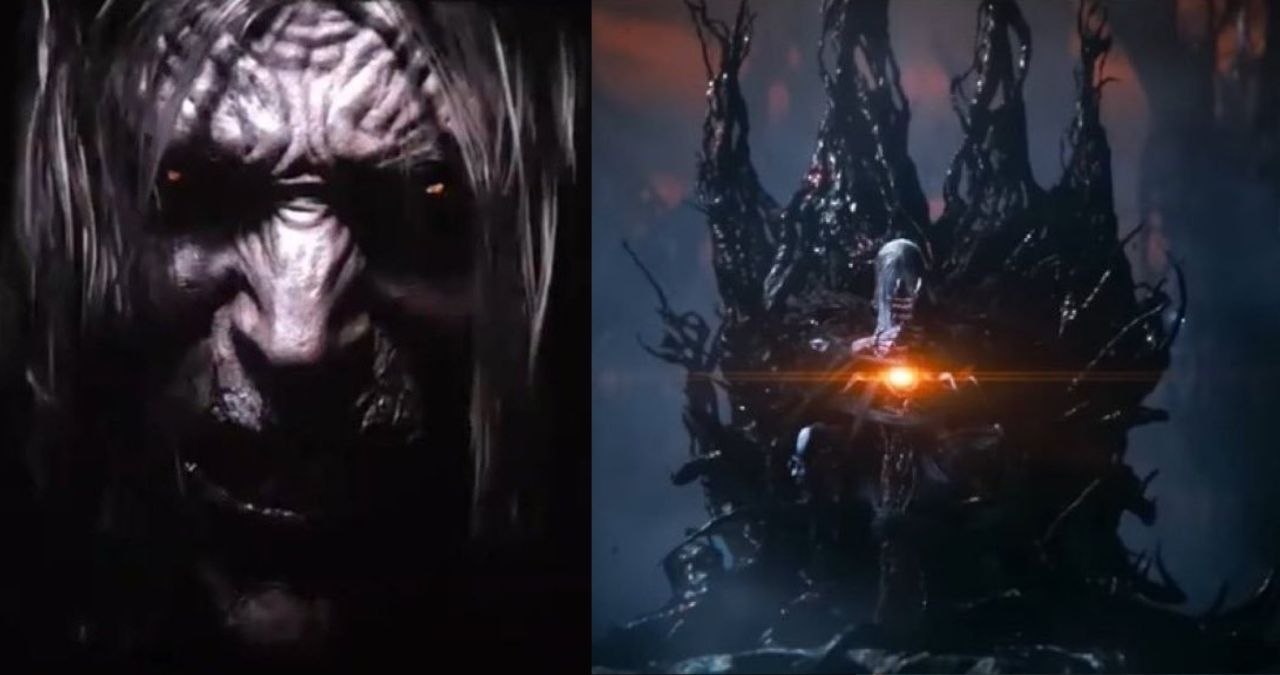
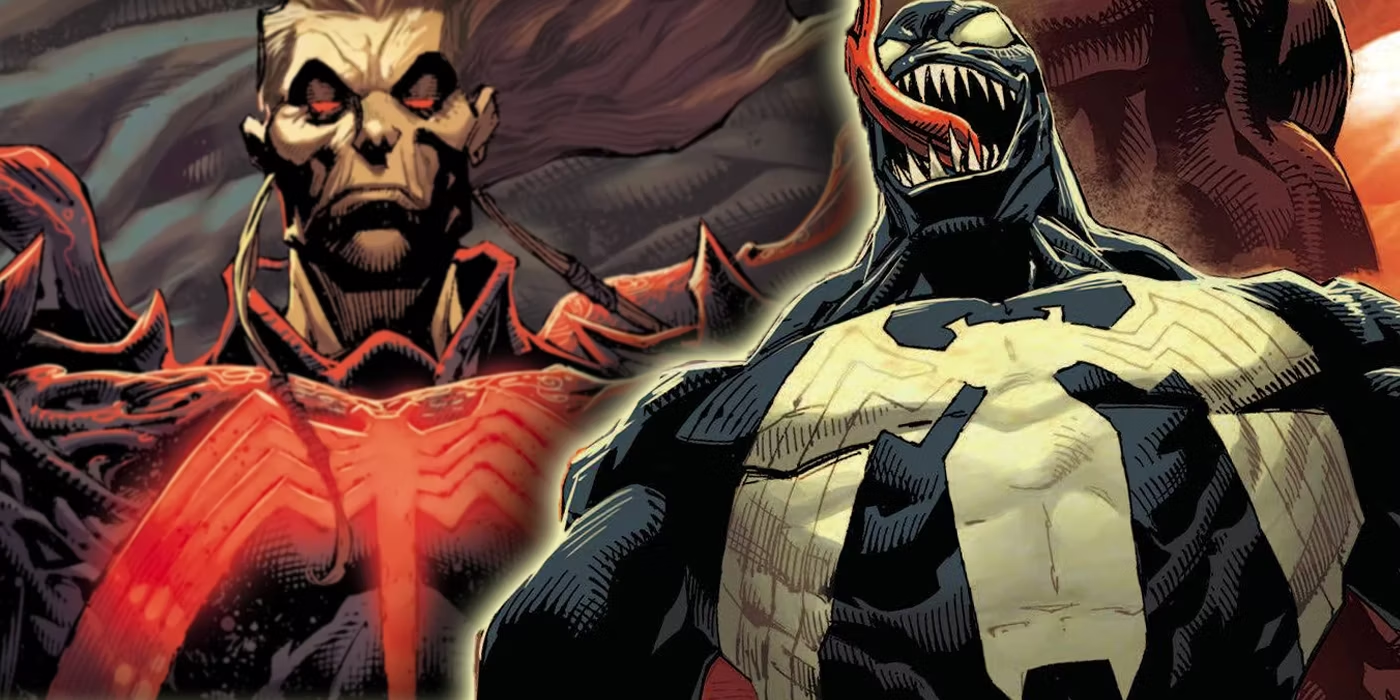
Instead, the third and (for now) final Venom film introduced the beginning of an adaptation of the King in Black comic book event. That storyline was the culmination of Donny Cates’ Venom run which explored the backstory of the Venom symbiote and introduced the supervillain, Knull, who created the symbiotes and invaded Earth. While it was tantalizing to see Knull on the big screen, he didn’t receive much screen time and was a background menace who drove the action. In the film’s prologue, it’s revealed that Knull is being held prisoner by the symbiotes he created and only Venom can break him free through some biological MacGuffin. After Venom and other symbiotes defeats the small army of alien creatures sent by Knull to Earth, the Venom symbiote is killed and a still-imprisoned Knull vows in a post-credits scene to escape and wipe out all life in the universe.

That sounds great but this development happens in the so-called final Venom film. Where else can this Knull story continue? Well in a Spider-Man film, of course.

There are reports that Sony and Marvel have been at odds over the story for the next Spider-Man film. Marvel wanted it to be a grounded film involving Spider-Man with street-level threats and heroes like the Kingpin and Daredevil and fans have been demanding this since such a plot would return the character back to his grounded, street-level roots, which has been missing from the MCU Spider-Man films. However, Sony is demanding the character be involved in universe-threatening events as seen with Spider-Man: No Way Home since it is the best platform for crossovers with the characters the studio has the film rights.

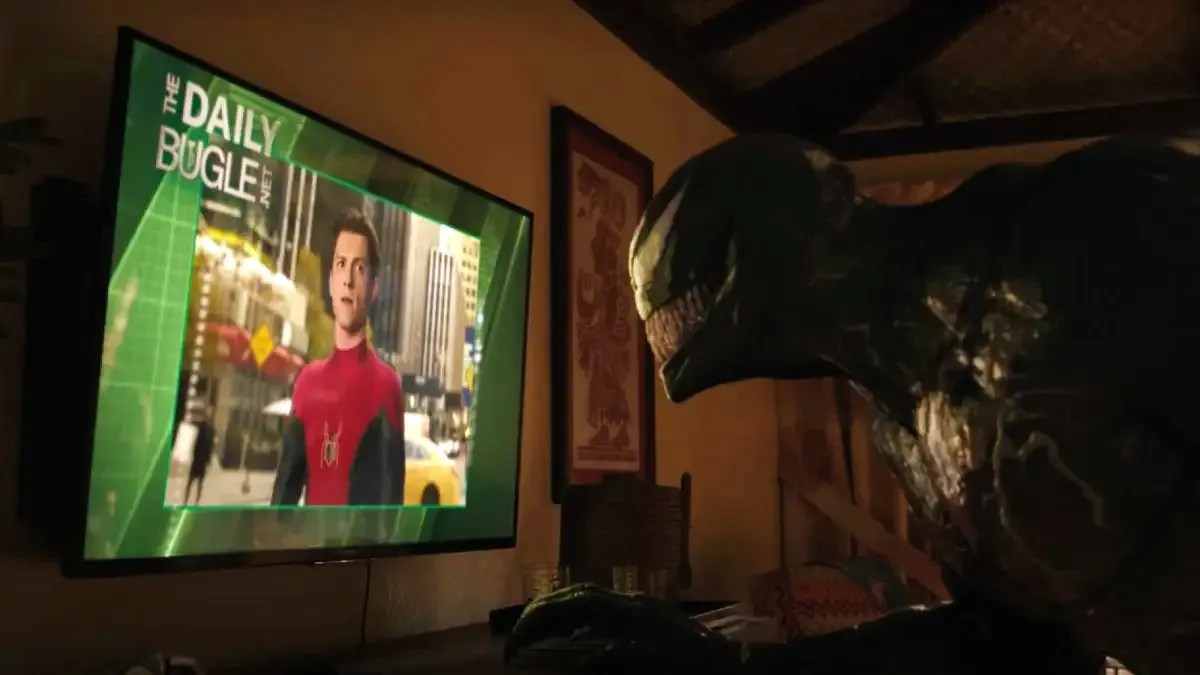
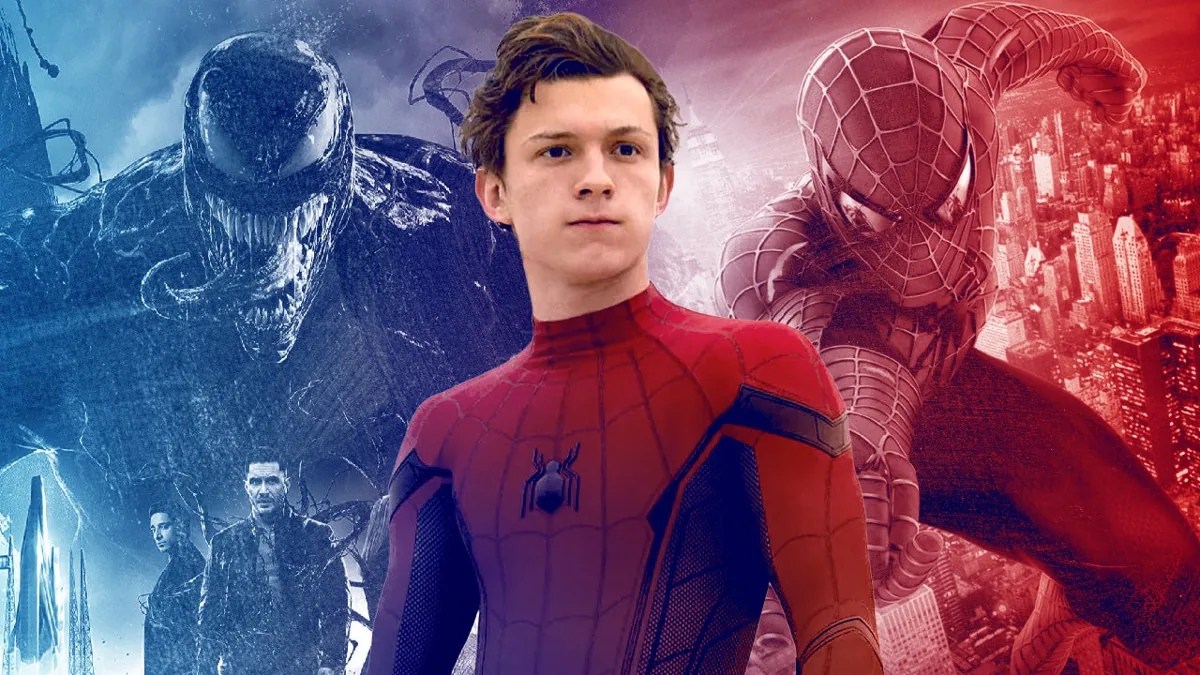
The current rumor is that the next Spider-Man will not only feature the non-MCU Spider-Men teaming up with the MCU Spider-Man but that at long last Venom will meet Spider-Man. This was something that was teased in Venom: Let There Be Carnage when Venom was transported to the MCU, but that turned out to be a disappointment because Venom returned without meeting Spider-Man.

So, why would the two meet? To fight Knull, of course! But wait didn’t the Venom symbiote die in Venom: The Last Dance? Yes, but a post-credits scene teased us with an offspring of Venom that was loose, who will probably seek out Eddie Brock to bond with him. Or the offspring that was left behind in the MCU during Spider-Man: No Way Home be the new symbiote for Eddie to bond with. Maybe this time, the new Venom will sport the iconic large white spider symbol on his chest.

While there is some potential with this plot, given Sony’s inability to give us a coherent Spider-Man-related film without the help of Marvel Studios, there is the possibility that the buildup to this event will be bungled, and we’re seeing that already. Knull should have been introduced in the Venom films much sooner or made a more prominent menace in the current Venom film. He also should have appeared in the other Sony Spider-Man-related films like Madame Web, which would have been natural given Madame Web’s psychic powers that enabled her to detect him.

Then there is the problem in that Knull is a Venom villain, having him being the main foe in a Spider-Man film does not feel right. Also, the King in Black story involved all of the Marvel heroes with Venom leading the fight against Knull. Forcing Venom to share this burden in a Spider-Man film takes away from Venom’s transformation in the comic book story into a full-fledged hero and the new King in Black of the symbiotes after defeating Knull.

Also, the meeting of Spider-Man and Venom should be a film event unto itself and jamming it with the dense King in Black storyline will make this event feel rushed. That is unless Sony plans to split the King in Black story into a couple of Spider-Man films. The first film would have Spidey meeting and fighting Venom, then the second film they would team up to fight Knull along with the other crossover characters. As to how this story would mesh with the MCU’s Infinity Saga and the upcoming Avengers films, who knows at this point? But do not be too disappointed if Sony drops the ball, but on the other hand, since Marvel Studios will be involved with the Spider-Man films, hopefully the result will be better than expected.

The Not-So-Radical Superhero Reboots In Comics

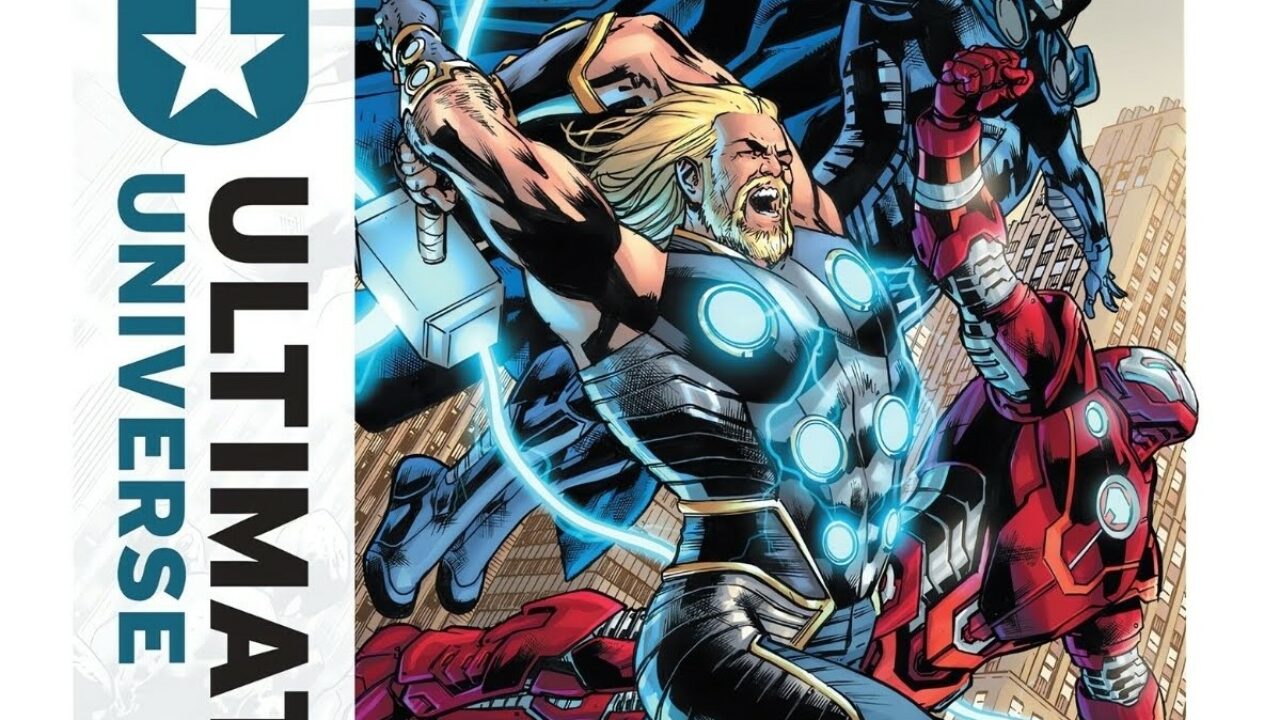
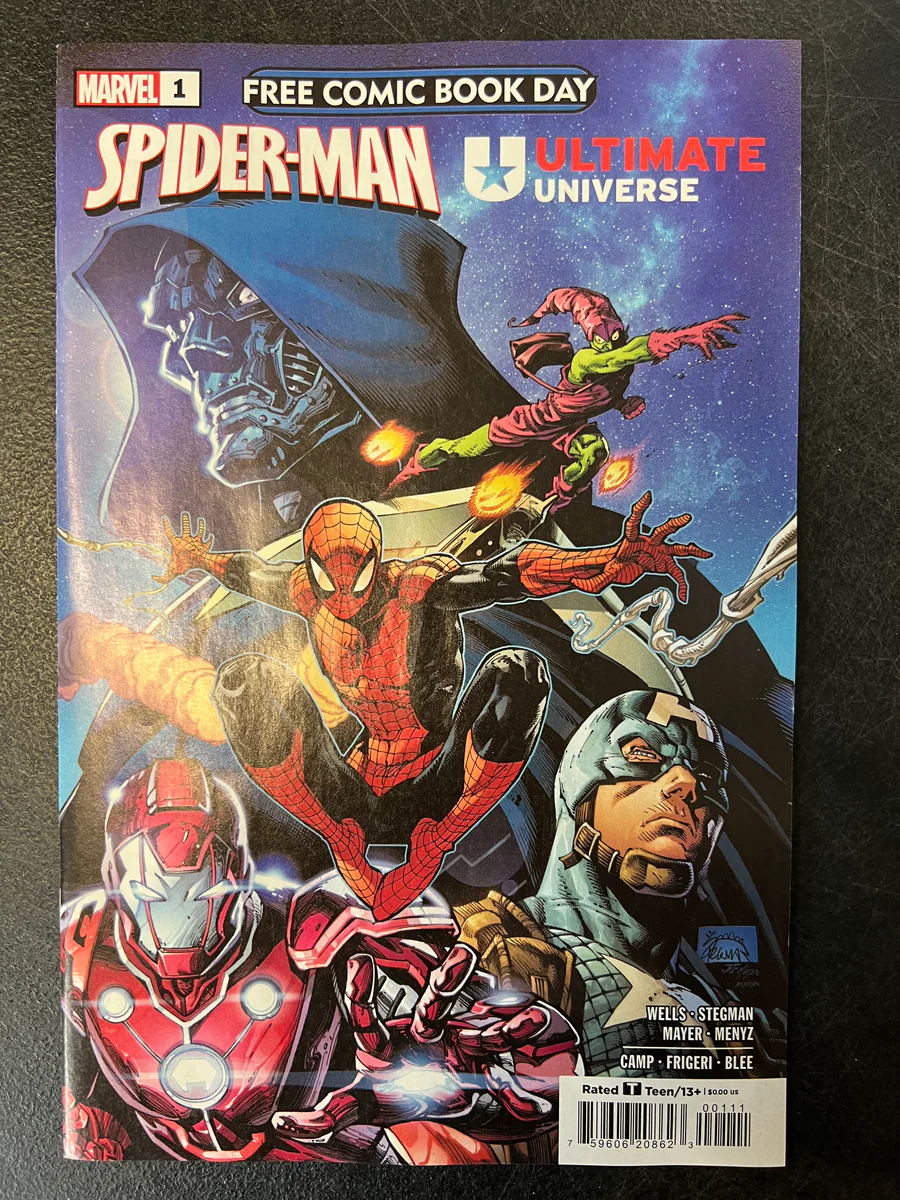
An increasingly popular sub-genre in comic books these days are reboots or reimaginings of famous superheroes and supervillains. We’ve seen this earlier in the year with the relaunch of Marvel Comics’ Ultimate Comics line, with Ultimate Spider-Man being the most popular and successful series in that line. The comic book reimagines Peter Parker/Spider-Man as much older than his counterpart in the regular comics, and is married with children, and only recently became Spider-Man.

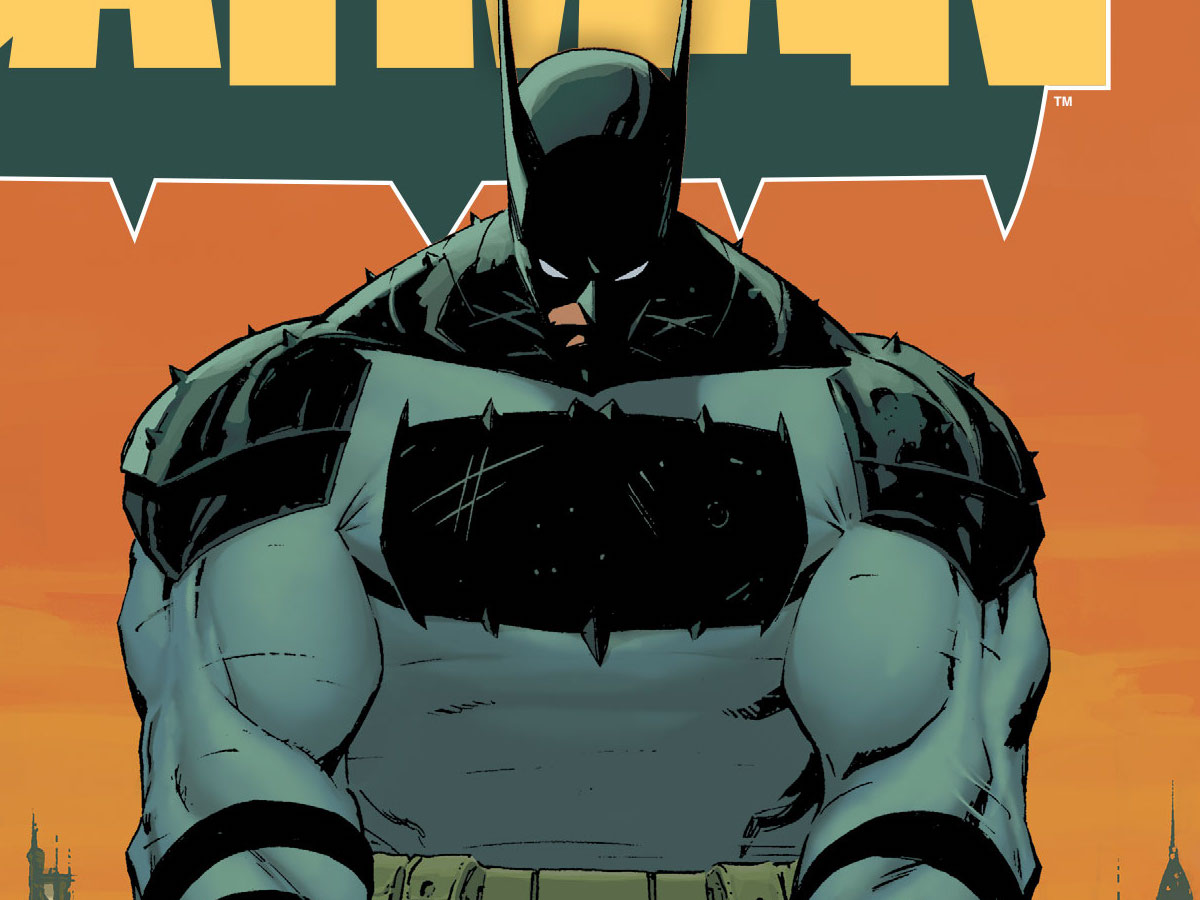
DC Comics has also jumped into reboot game (though they pioneered this back in the 1950s) with their Absolute line of comics that began this week with the release of Absolute Batman. In this series, Bruce Wayne/Batman is not a mega-rich playboy whose parents are dead. Instead he is an ordinary, lower-class citizen of Gotham, who happens to be the Dark Knight Detective. The Absolute line will continue shortly with the release of Absolute Wonder Woman and Absolute Superman, which will present radical interpretations of the iconic superheroes. Or are they?

These comics have caught on and become very popular thanks to inspired writing and artwork, but the heroes in the comics are essentially the same. Despite being older and married, Peter Parker is still a wisecracking superhero who looks and acts the same way as he does in the regular comics. The same goes for Batman. Sure there are some changes to the costume (with Batman’s bat-themed chest symbol doubling for a huge axe), but he is still a brooding vigilanted patroling the crime-infested streets of Gotham. Again, these are well done comics, but maybe the comic book companies could have gone further and given us radically different takes of these characters. In fact, it’s been done before.

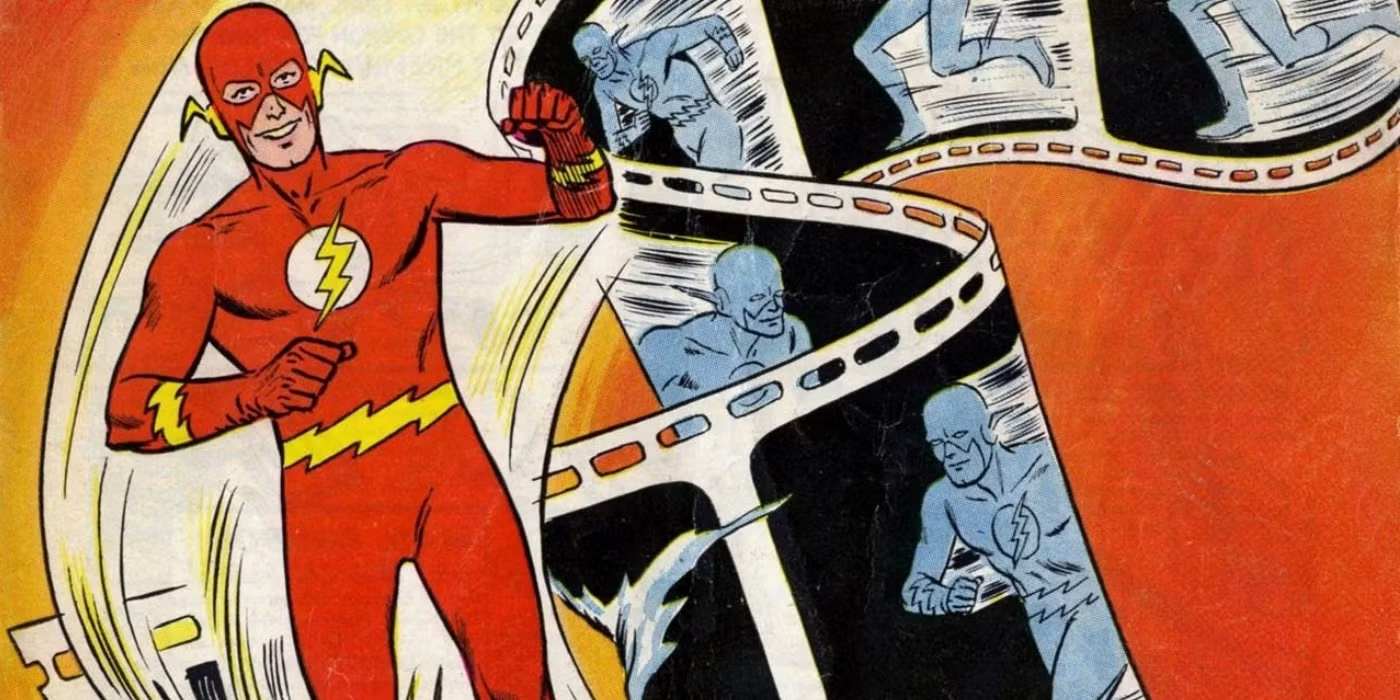
As mentioned before, DC Comics debuted a completely new version of their Golden Age hero, the Flash, in Showcase #4 in 1956, which actually launched the Silver Age of Comics. Originally, the Flash was Jay Garrick, a college student who accidently inhaled these special vapors that gave him his superspeed powers. His costume was fairly simple, with the only distinguishing feature being his steel helmet with wings. When the superhero was reintroduced in Showcase #4, he was reborn as Barry Allen, a police forensic scientist who was struck by lighting and doused with chemicals that gave him his powers. His scarlet costume was a stark contrast to the original Flash, by the way.

Following the success with the new Flash, DC gave readers new, distinctive reinterprations of their older, less popular heroes like Green Lantern, who now boasted a space-themed background, whereas the original Green Lantern had a mystical background. The comic book company went on to reinvent some of the Golden Age supervillains that plagued their most popular superheroes.

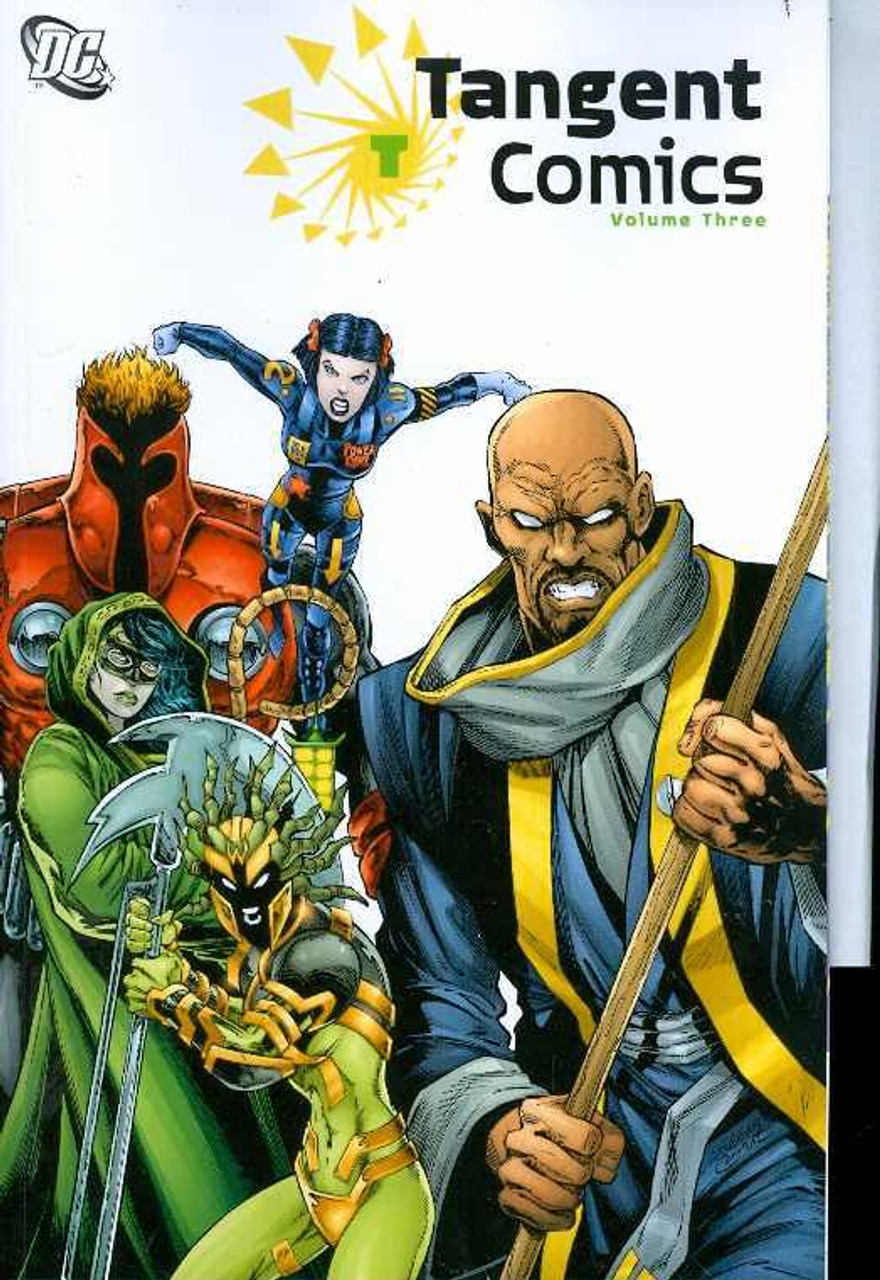
The last time DC presented radically different versions of their characters was in the 1990s and early 2000s with their limited imprint of Tangent Comics. Characters were wildly different from the traditional counterparts. For instance, the Flash was now a teenage girl with light-based powers, and the Joker was a female anti-hero who fought crime in the city of New Atlantis.

In 2001 and 2002, DC hired Marvel guru Stan Lee to reinterpret their famous characters. This led to several one-shots called Just Imagine… where Batman was a Black crimefighter whose real name was Wayne Williams and Wonder Woman gained her magical powers from an artifact.

While there is the potential for these radical reimagings to succeed as seen with the Barry Allen version of the Flash, there is also the possibility that the new versions fail to capture reader’s imaginations. The Tangent imprint, while very well done, did not take off in the long run and are largely forgotten to this day, though the comics are worth checking out. This is probably the main reason why the current reimagings of popular superheroes play it safe. Aside from some minor updates and tweaks, Peter Parker and Bruce Wayne are still the characters we know and love. But the comic book companies should be more willing to push the envelope and go for broke.

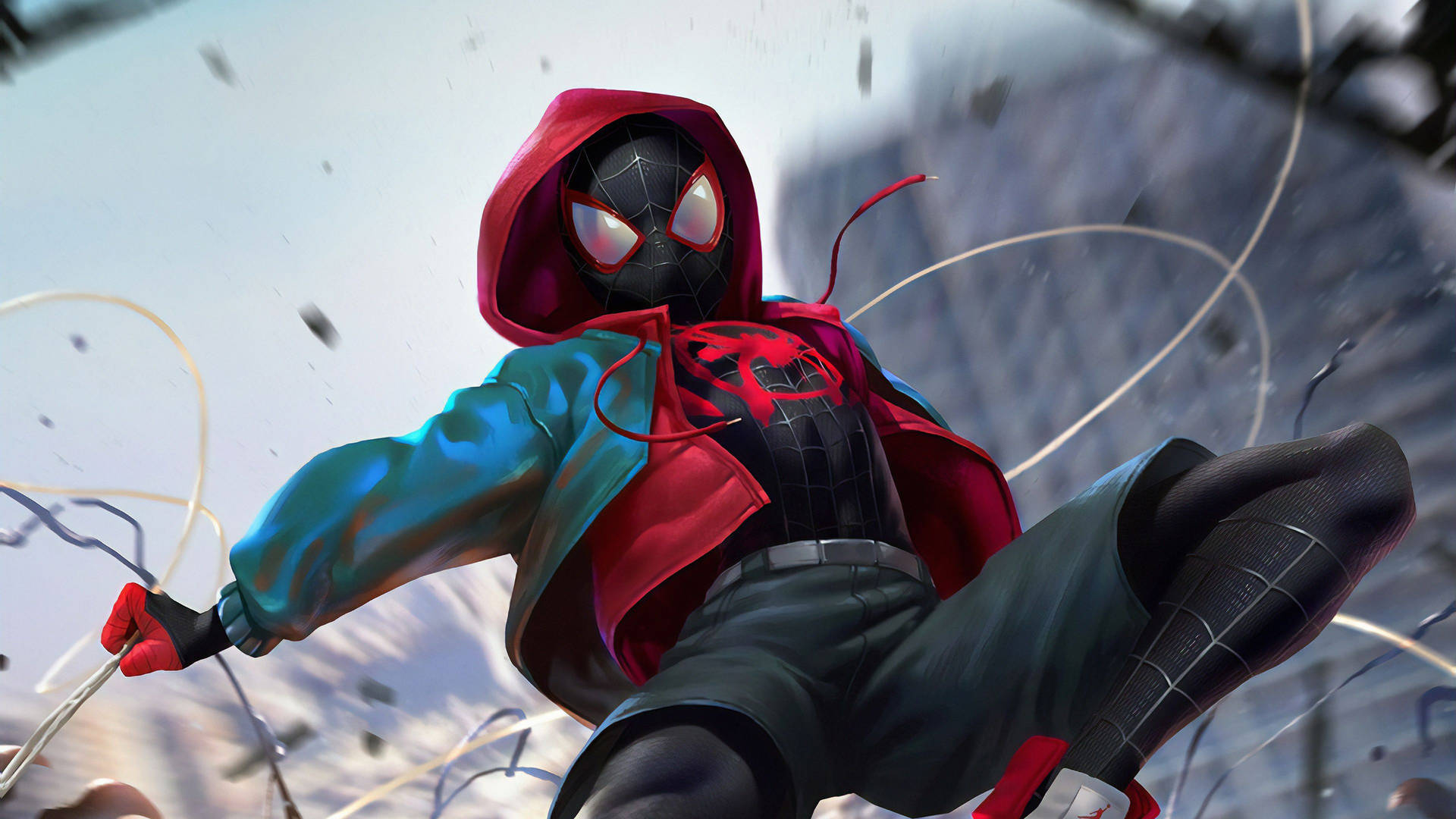
This has worked in the past, as with the Flash and even with the Miles Morales version of Spider-Man. Perhaps the Ultimate Comics imprint that Marvel first introduced in the early 2000s might have endured to this day if, for example, they had started off with Spider-Man being Miles Morales or have a completely different line up for the Ultimates (the Ultimate Comics version of the Avengers who were essentially the same superheroes in the regular comics).

One character that organically developed into a wildly different version than his regular counterpart was the Ultimate Comcis version of Reed Richards. In the Ultimate Fantastic Four comics the only noticeable difference with the team was that they were much younger than the traditional Fantastic Four. Yes, there were other differences such as the origin of their powers and group dynamics but none of it was out of the ordinary. However, over time, Reed Richards was radicalized and became the villain called the Maker, who continues to pop up. Actually, the Maker is responsible for the new Ultimate Comics line, since he time traveled to the past and prevented the creations of the Marvel superheroes, which is why heroes like Spider-Man got a late start in their careers.

It remains to be seen how long the new interpretations will last or maintain their quality, but comic book companies should not hesitate to allow their creators the freedom to let their imaginations run wild and present readers with radical and unique reinterpretations of their beloved heroes and villains.

The Wild Robot’s Emotional Story Almost Overwhelmed My CPU

It’s no hot take that DreamWorks Animation (DreamWorks) always knocks it out of the park when it comes to adapting beloved books into unforgettable movies, and The Wild Robot is no exception. Every single decision that led to the finished product was nearly perfect and it really feels like the people behind this movie’s creation, such as director Chris Sanders (who directed Lilo & Stitch and How to Train Your Dragon), poured their whole hearts and souls into developing this film, which makes sense since this is sadly the last in-house animated film for DreamWorks. I highly recommend The Wild Robot to everyone who reads this review to go out there and see it in theaters because it deserves the love and the theater experience for this one was definitely unique. This review will be split into 4 parts.

STORY

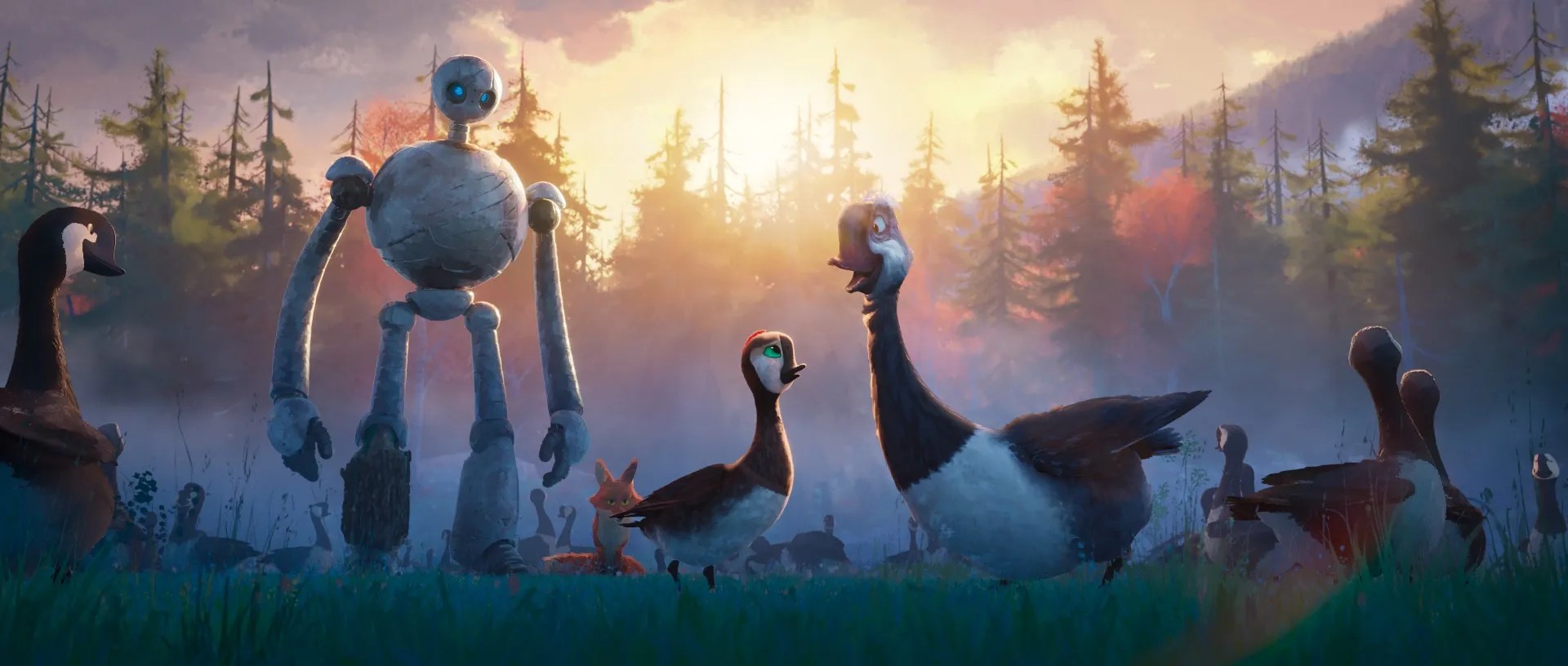
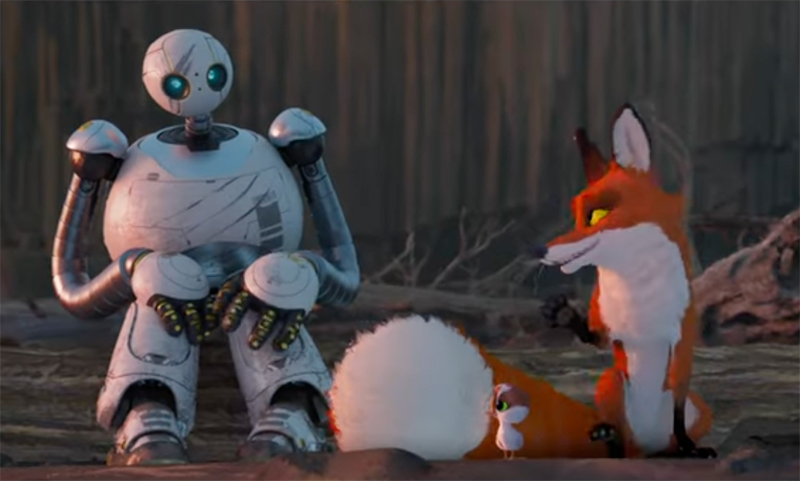
The story follows a lost robot named ROZZUM Unit 7134 (“Roz”, voiced by Lupita Nyong’o) as she finds her way around an island entirely inhabited by wild animals. She is programmed to be an aide and seeks to offer her services to the animals as part of her pre-programmed goals before she can activate a beacon to be picked up by her manufacturers. As Roz explores the island, it becomes clear that she is unable to communicate with the animals, so she spends months listening in on their conversations and is eventually able to hear and speak in their tongue.

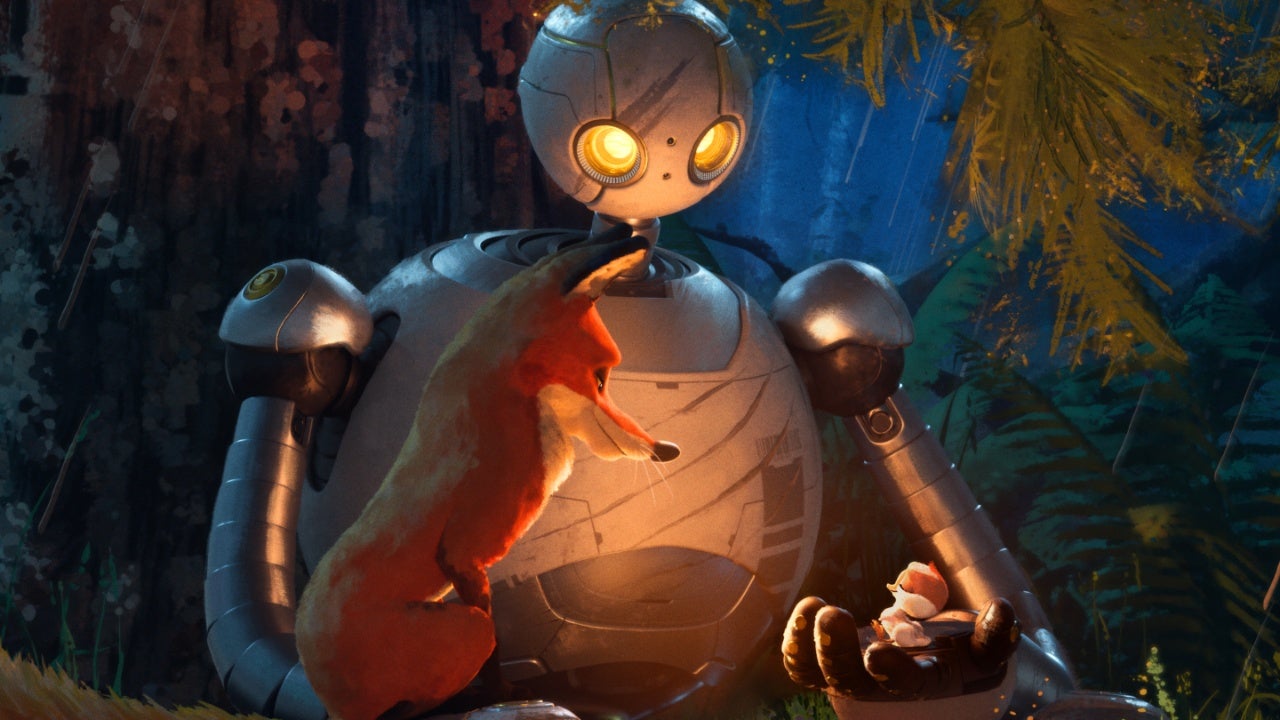
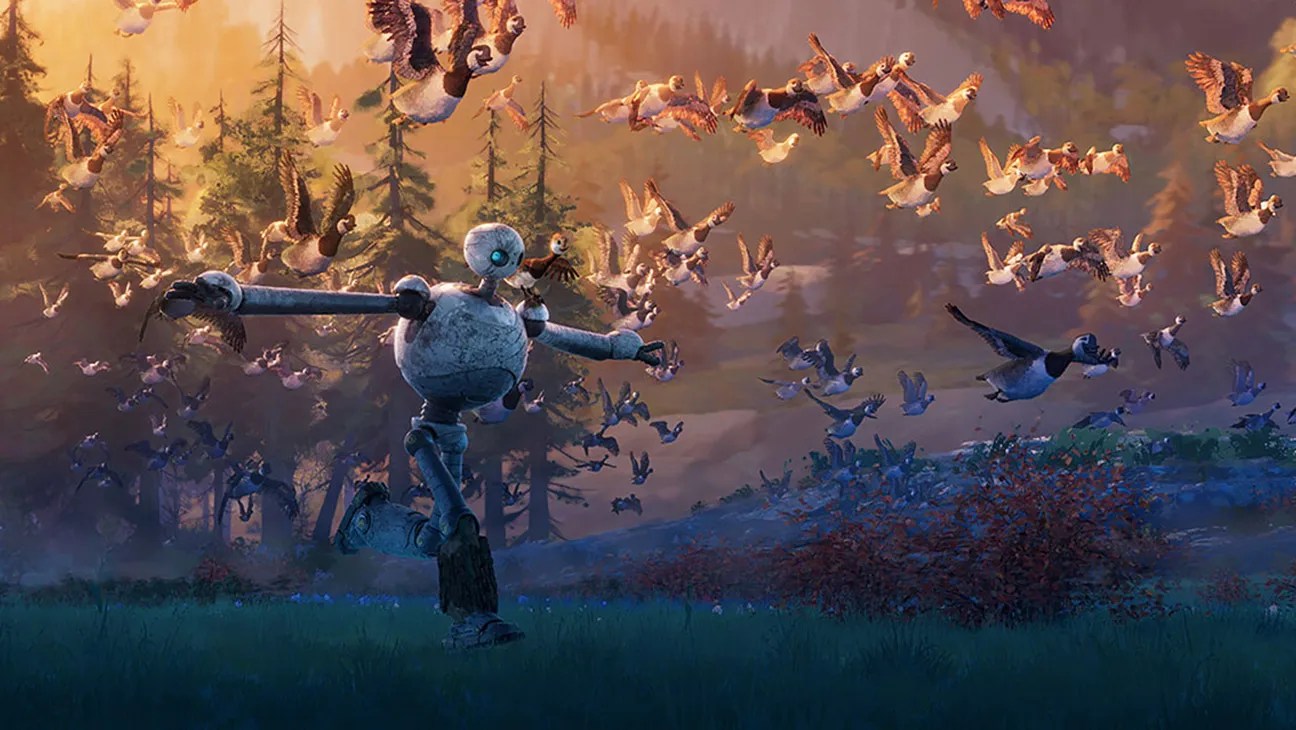
Along the way, she unofficially adopts a baby gosling named Brightbill (Kit Connor) after she accidently kills his family. Having a new purpose, Roz must help raise the gosling to be prepared for the upcoming winter season when the geese migrate off the island. During their time together, Brightbill sees Roz has his mother while Roz begins to develop genuine emotions and is conflicted with her protocol to leave the island after her task of raising Brightbill is completed.

This movie’s story is genuinely amazing and almost made me tear up 3 separate times in only the first two acts. DreamWorks did such a phenomenal job at delivering a heartfelt story that is so emotionally rich that you feel somewhat of a bond with the characters in this film. My only issue, if I absolutely had to have one, was that the pacing was very quick, like whiplash quick. But surprisingly, unlike many other films with fast pacing, this film somehow made it work and it didn’t feel too off-putting. Every plotline progressed off the previous one and every scene felt more action packed and engaging than the last.

CHARACTERS

The characters are well written in The Wild Robot. To start, Roz is a complex character and is able to feel emotions that robots shouldn’t; she is instantly one of my favorite DreamWorks protagonists. She has a heart of steel that comes from her programming where she is unable to harm other living things despite what they think of her. She is unyielding in whatever task has been assigned to her and refuses to give up even in the most impossible scenarios.

Throughout the film, Roz is accompanied by a mischievous and unpopular local fox named Fink (Pedro Pascal) who is sly and has no problem with lying but is also willing to help others who are mentally and physically vulnerable. He is also a really funny supporting character and has great chemistry with both Roz and Brightbill. As the adopted child of Roz, Brightbill is an adorable and inspiring goose that overcomes all odds against him. We get to see him grow from baby to young adult in mere moments, but it feels as if we were with the family every step of the way.

Brightbill’s journey was more difficult than it was for those around him because he is a runt and had an unusual upbringing, but he proved everyone who doubted, and even bullied him, wrong. There are many other supporting characters that played

into their roles really well, such as the stoic and tough owl, Thunderbolt (Ving Rhames), who helps teach Brightbill how to fly, the gentle and wise Longneck (Bill Nighy), the leader of the island geese who welcomes Brightbill into his flock, and a crusty but helpful beaver named Paddler (Matt Berry). These and other minor characters get their moments to shine throughout the film and add to the rich tapestry of characters throughout the film.

SOUND DESIGN

The sound design in The Wild Robot is stellar and every voice actor knocked it out of the park. To start with the soundtrack, it included very strong and epic music that complimented certain key scenes very well, adding onto the layers of immersion this film has. The two original songs featured in this film are amazing and I recommend listening to both of them (“Kiss the Sky” and “Even When I’m Not” by Marren Morris). The voice acting is phenomenal and every character’s actors were chosen perfectly.

My personal favorites were Lupita Nyong’o as Roz, Kit Connor as Brightbill, Pedro Pascal as Fink, and Bill Nighy as Longneck. The original score only amplifies the experience of watching this movie, as it makes every scene either emotional, casual, or heart-pounding.

ART AND ANIMATION

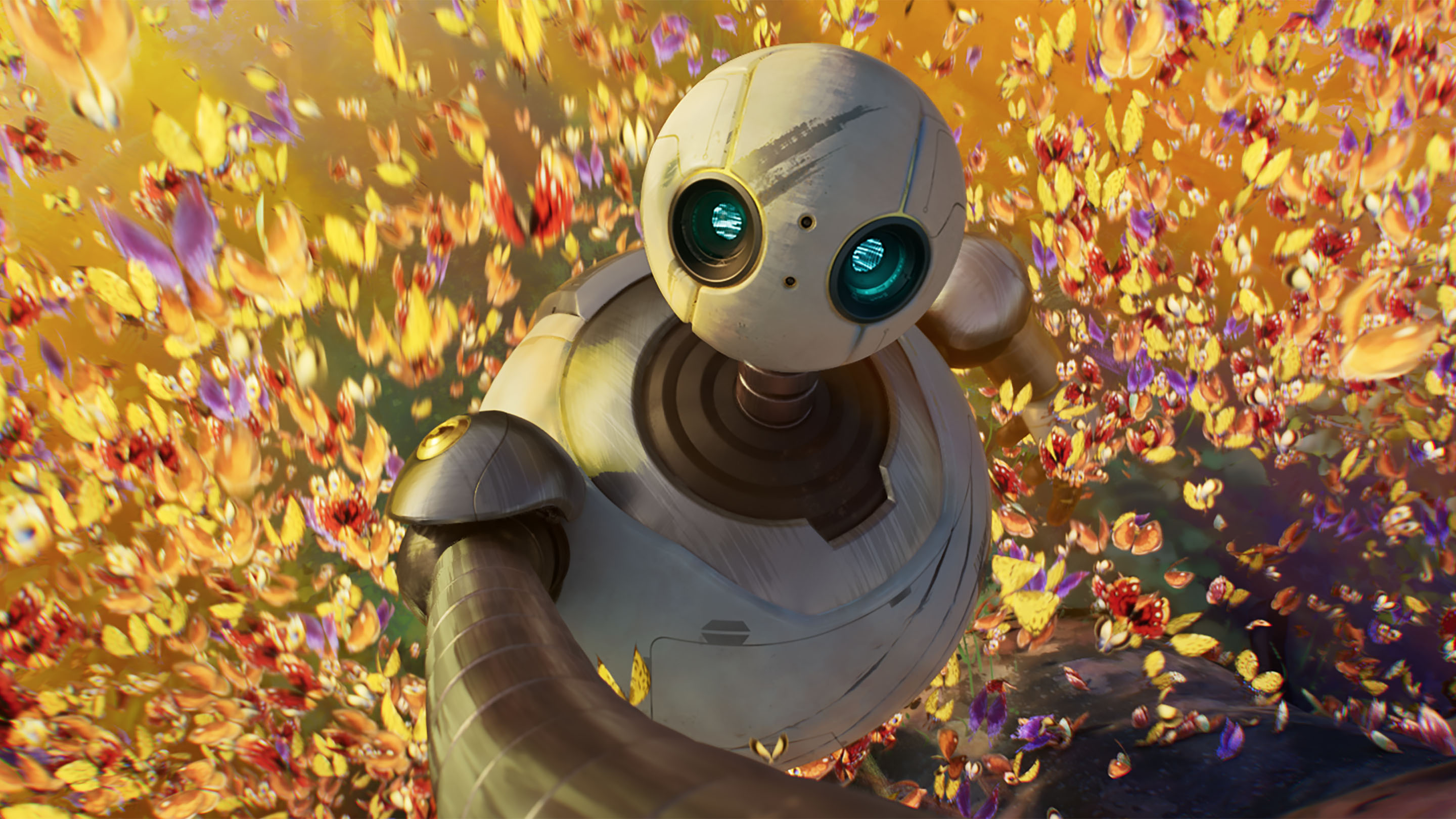
The only word to describe the art style of this movie is gorgeous; this is without a doubt one of the best-looking animated movies ever made. The art style is a mixture of natural landscapes, watercolor strokes, and the wonderous joy of storybook pages. Every character looks so high quality that I wanted to personally thank every person in charge of developing this fantastic identity. The animation is astonishingly brilliant and it’s so good that every frame of animation could by captured as a photo and used for marketing material. The people who worked so hard to animate Roz’s fluidic, yet robotic movements deserve so much praise. The backgrounds and landscaping are also beautiful; there is this one shot that involves Roz being in front of a giant moon in the background that I cannot stop thinking about because it was such an amazing shot. I am probably rambling on about the art and probably sound like a broken record, but that’s how much I genuinely love the work put into making this movie shine so visually.

CONCLUSION

The Wild Robot is an unforgettable and story-rich adventure that no one will want to miss. Its story is unique, the characters are lovable, the sound design is elite, and the animation is easily one of the best of this decade so far. This DreamWorks movie is one of its best and it is a shame that this marks the end of in-house animated movies for the company. I am usually not one to advocate for sequels, especially in an age where they get more and more mediocre, but I really would not be opposed to seeing another two movies based on the other books in the Wild Robot trilogy by author Peter Brown. Be sure to watch The Wild Robot, out now in theaters!

Angelo Soto

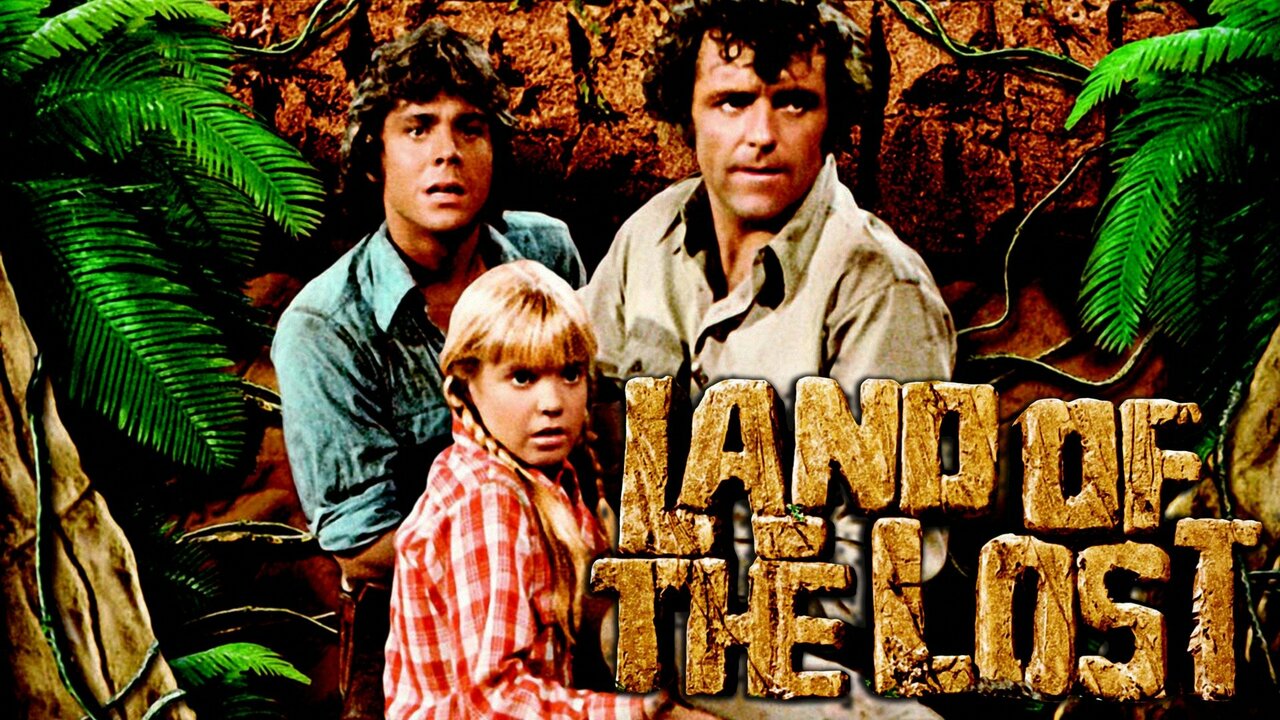
Exploring The Land Of The Lost

Fifty years ago, the children’s program Land of the Lost premiered on Saturday morning on the NBC television network and surprised many viewers with its well written and imaginative scripts. Even though the production was undeniably low budget and the acting by some of the performers was a bit over the top, Land of the Lost quickly won over many fans thanks to its spirited presentation. The TV show was produced by Sid and Marty Kroft who ruled the Saturday morning TV landscape in the ’70s with many fantasy and comedic live-action programs. Land of the Lost stood out and was their best production because it ditched the juvenile humor seen in their other programs and focused on drama and sci-fi elements. Even though it was a program aimed at children, Land of the Lost had an unexpected mature and serious tone that was appealing to anyone.

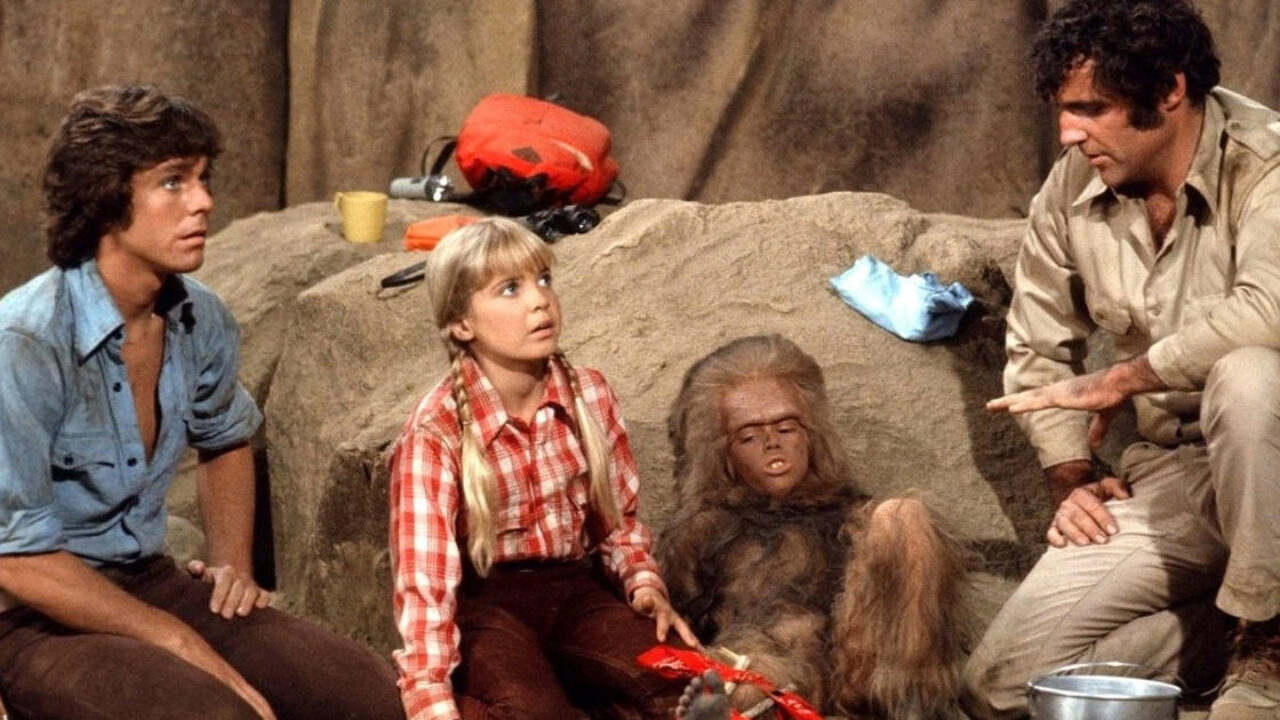
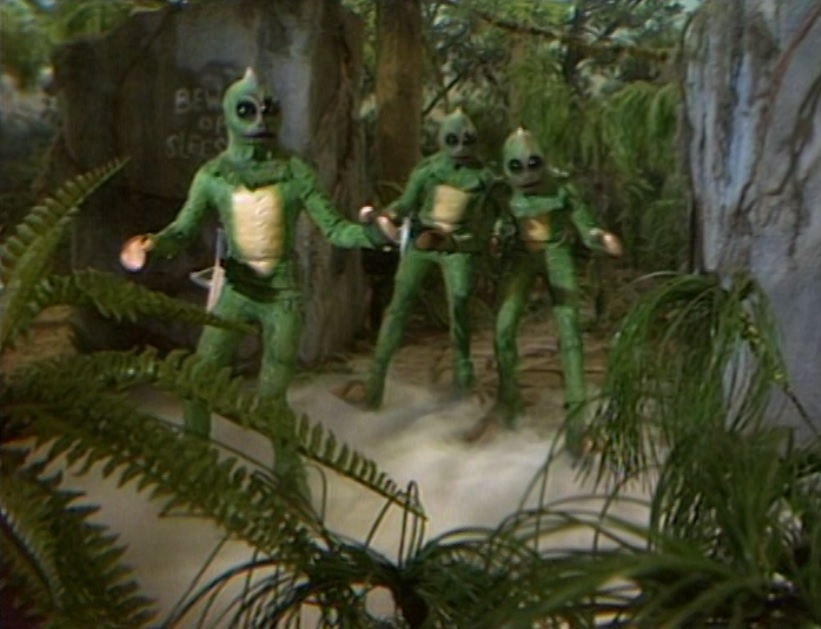
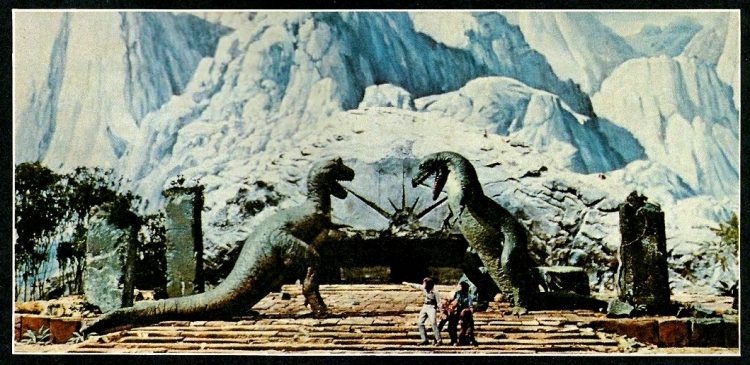
The TV show followed the adventures of the Marshall family, Rick (Spencer Milligan) and his children, Will (Wesley Eure) and Holly (Cathy Coleman), who while out whitewater rafting in the Grand Canyon fell through an interdimensional portal that transported them to a timeless world full of dinosaurs. Trapped in the lost land, the trio struggled to survive while trying to find a way home. During their adventures the Marshalls encountered many unusual denizens including Cha-Ka (Phillip Paley), a member of the Pakuni, a primitive tribe of ape-like humanoids, and Enik (Walker Edmiston), an advanced reptilian/insect-like humanoid who was also trapped in the Land of the Lost. What made Enik’s backstory so fascinating was that his race the Altrusians actually devolved into the savage Sleestaks, who were the dominant species in the Land of the Lost. The Marshalls usually met other travelers from different eras who wound up trapped in the land and often found a way to return to their own time period.

The episodes were devoted to plots about environmentalism, family strife, survival and surprisingly imaginative sci-fi concepts, especially time travel. During the show, the Marshalls discovered these interdimensional constructs called pylons that could transport anyone who entered them into different dimensions including modern-day Earth, though navigating them was difficult. These devices were used to explain why Rick Marshall left the show (in reality Mulligan was removed from the TV show due to conflicts over merchandising) as the father was whisked back to Earth unexpectedly at the start of the third season and replaced by Uncle Jack Marshall (Ron Harper). As Jack explained to his nephew and niece, he was trying to find his brother and his children and followed the same route that stranded the Marshalls in the lost land.

By the third season, the scripts were less imaginative and more geared toward children. The storylines took on more fantastical elements as Uncle Jack, Will and Holly encountered the Medusa, fire-breathing dimetrodon, a unicorn and the ghostly captain of the Flying Dutchman ship. Still the first two season were very thought provoking as the Marshalls met an eerie translucent alien called the Zarn, mysterious human visitors, and alternate versions of themselves. One of the reasons why the scripts stood out was because many of them were written by acclaimed sci-fi authors like Ben Bova, Norman Spinrad, Theodore Sturgeon and Larry Niven. Star Trek scriptwriter David Gerrold was the story editor in the first season and recruited fellow Star Trek writers like D.C. Fontana, Margaret Armen and even Walter Koenig to write a few episodes.

Thanks to its dramatic tone, the stories that focused on survival were more impactful and viewers felt the constant dangers the Marshalls faced as they dealt with carnivorous dinosaurs, environmental dangers, temporal and interdimensional dilemmas and the barbaric Sleestaks. One haunting episode, “The Search” had Will and Holly struggling to save their father who was electrocuted by crystals that operated the pylons. Anyone watching it could sense the desperation and panic from the siblings who were forced to face the possibility of their father dying. Another eerie episode “Split Personality”, had the Marshalls encountering alternate versions of themselves who were frozen in time and needed their help.

Even though the series never had a concluding episode, due to the temporal nature of Land of the Lost it can be argued that the Marshalls did find their way back home in the first season finale episode called “Circle”. Inside one of the pylons, the family was able to return back to their home but it was revealed they were trapped in a Mobius loop and another version of themselves wound up trapped in the Land of the Lost by the time the episode concluded. So in a sense, at least one version of the Marshalls returned home and subsequent episodes followed their variants.

In the decades since Land of the Lost stopped airing, the program has maintained a cult following thanks to a heavy syndication run that lasted many years. There were two attempts at remaking Land of the Lost. One included another TV show that aired for two seasons and featured the Porter family who were stranded in another dimension inhabited by dinosaurs and Sleestaks. Then there was a feature film in 2009 that starred Will Ferrell and as expected by the casting was more comedic. The film was a major dud with critics and fans and flopped at the box office. It also featured one of Leonard Nimoy’s last voice performances as he portrayed Enik. Sadly, the film ignored the dramatic survivalist aspects of the original Land of the Lost and insulted the memory of the original with its moronic humor. Regardless of how the remakes were received, Land of the Lost still has many devoted fans who appreciated the bright scripts and its imaginative, dramatic tone that engaged viewers.

José Soto