Morbius: When Trailers Deceive Us

By now, most of us have heard about Morbius and how it wildly differed from what the trailers promised. Namely, solid connections with Spider-Man or even the Marvel Cinematic Universe (MCU). But what we got was downright deceptive.

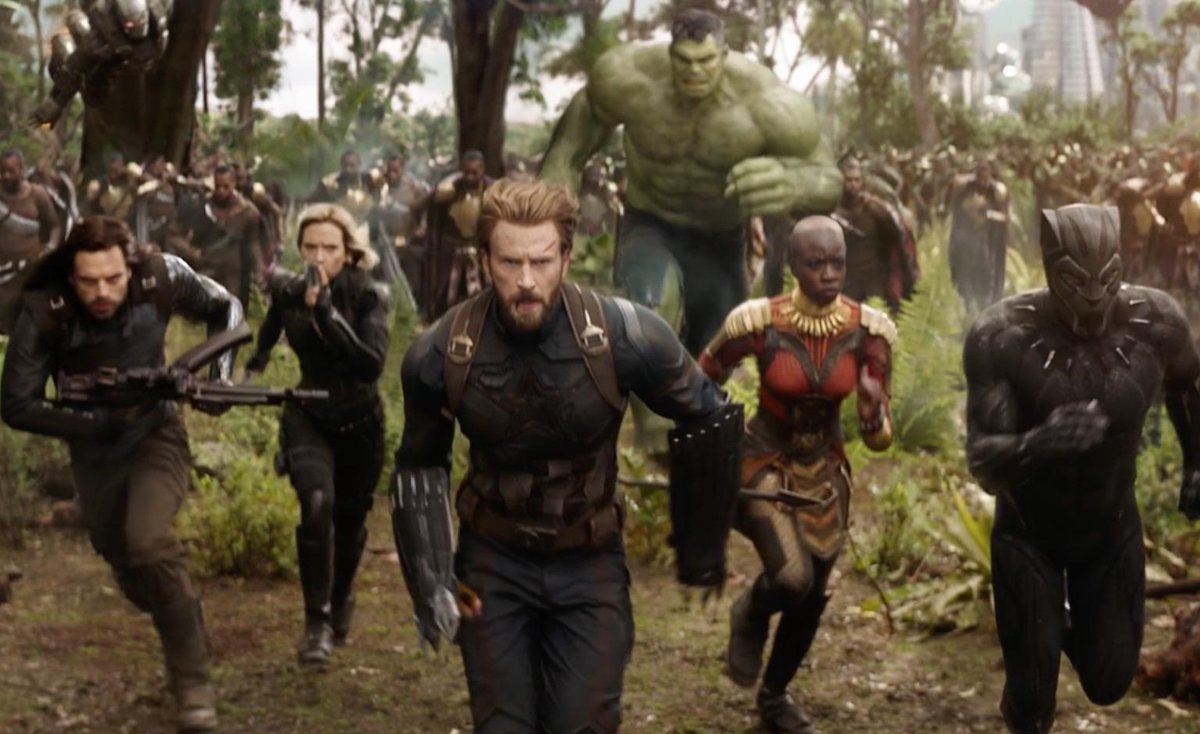
For some time now, there have been grumblings by filmgoers and fans about how what was shown in trailers never showed up in the final films. Some recent examples include the famous charge of the heroes in the first trailer for Avengers: Infinity War, which prominently showed a very large and angry Hulk charging along with the other Avengers and allies. But as we saw in the film, the Hulk only appeared briefly in the film’s opening moments and the scene of the charging Avengers was nowhere to be found.

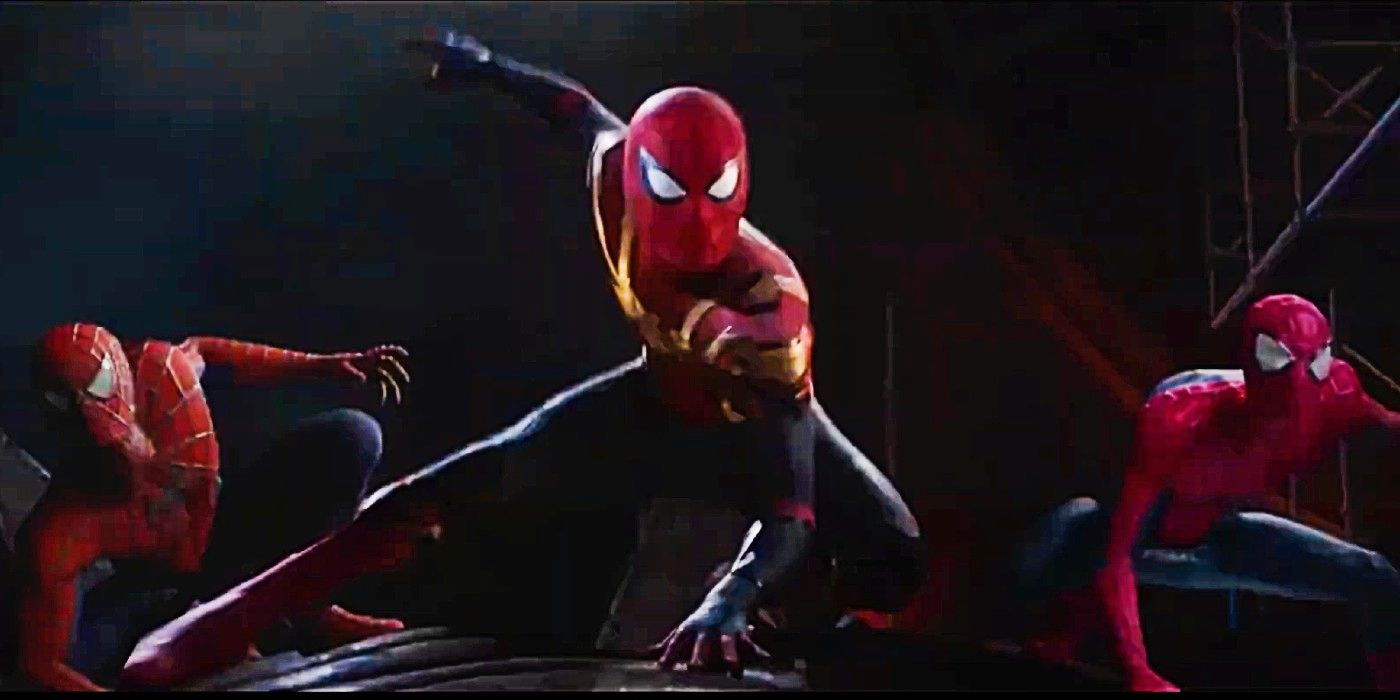
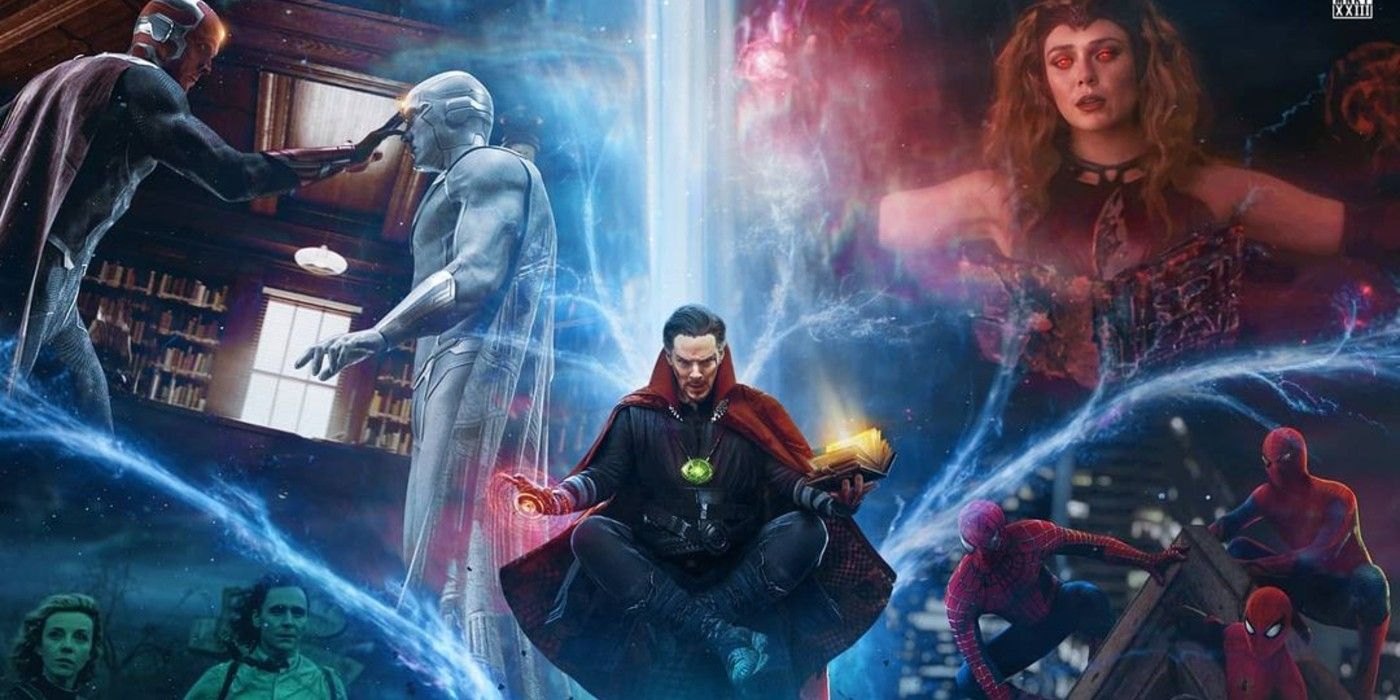
Another example was in the recent Spider-Man: No Way Home which digitally removed the other Spider-Men taking part in battling the many foes or alternate scenes with Doctor Strange that did not make it to the final film.

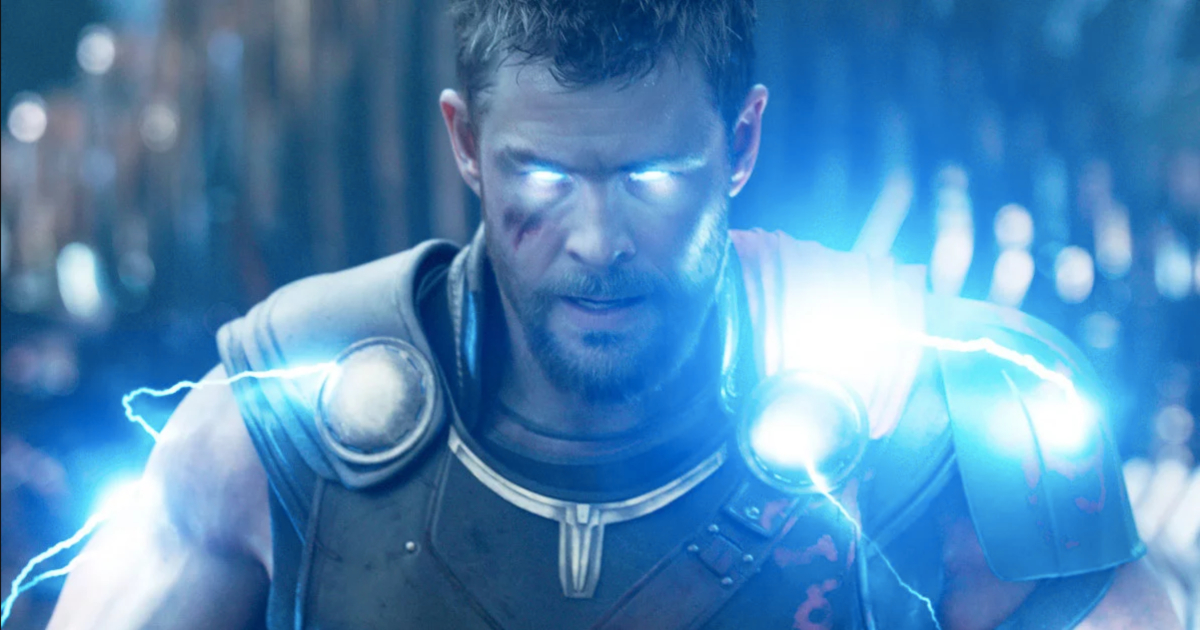
A big reason for these deceptions is because of spoilers. A decision was made for Spider-Man: No Way Home to keep the revelations about the other Spider-Men a surprise, even though this was the worst kept secret in Hollywood. In another case, for a trailer for Thor: Ragnarok, the God of Thunder was shown in channeling electricity with two eyes flaring with energy. However, when this happened in the film, Thor by this point, lost an eye while battling Hela.

Another reason for the deception is not that the films were intentionally deceiving viewers but rather the clips in the trailers failed to make the final cut of the films. This points to what probably happened with Morbius.

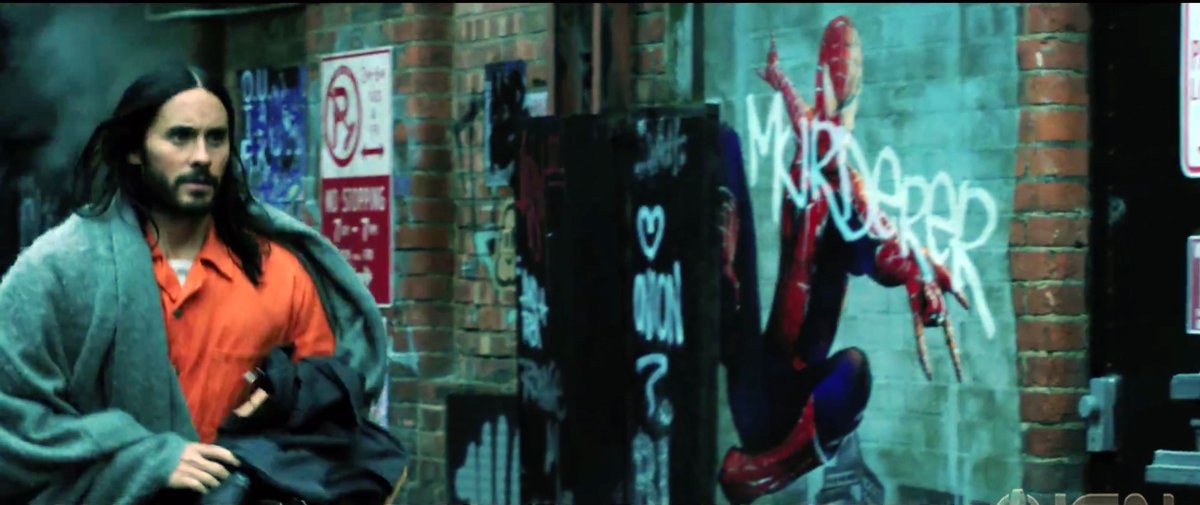
In the trailers for Morbius there were several scenes establishing the existence of Spider-Man in the world of Morbius. A great example is that clip of Morbius walking past a poster of Spider-Man with the word “Murderer” sprayed over the poster. This led to wild speculation if this film took place in the MCU given Spider-Man’s predicament or in the non-MCU Spider-Man films where the character underwent a dark chapter that we have not seen.

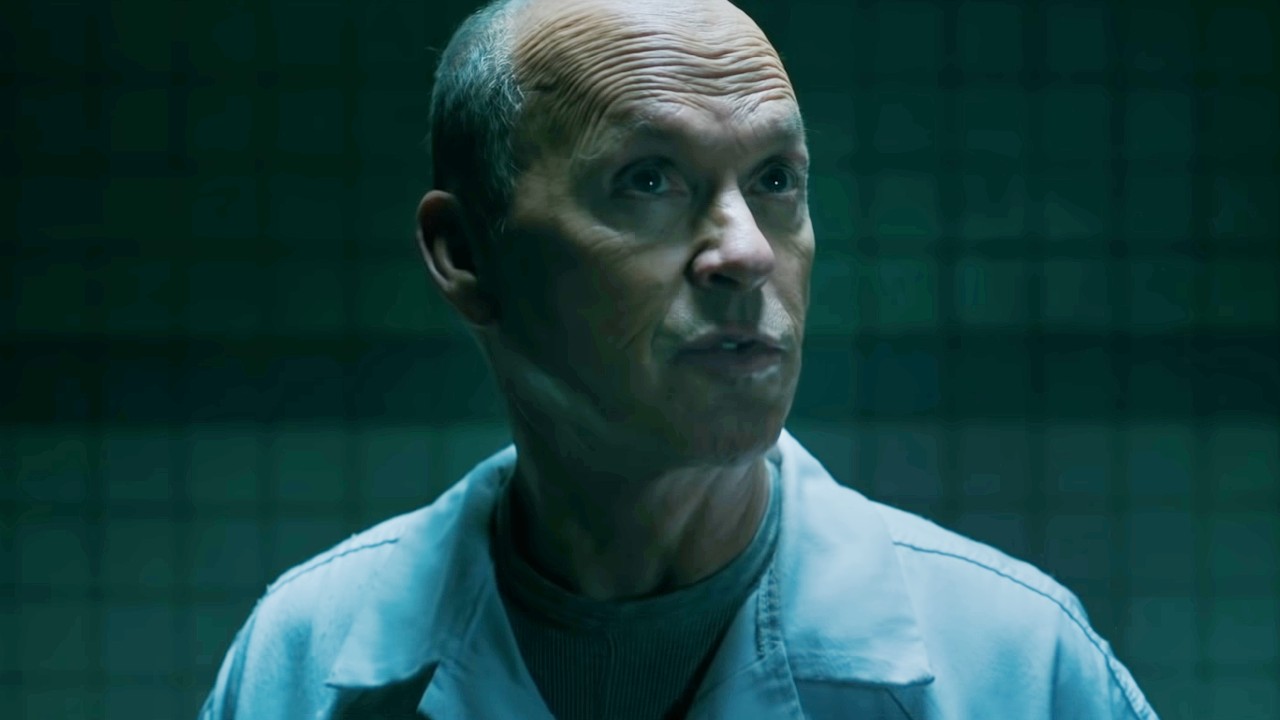
There were also a couple of scenes showing Adrian Toomes/Vulture (played by Michael Keaton) interacting with Morbius, which led to more speculation. But alas, none of this happened or was seen in the final film, which had zero Spider-Man connections until the post-credits scenes. Without going into spoilers, these scenes did not make any sense.

Obviously, eager Spider-Man fans were sorely disappointed by the final cut of Morbius. The question remains is how long will film studios and their marketing departments continue to deceive filmgoers? Yes, the audiences have to consider that usually when a trailer is released the film has not been completed, so they cannot expect to see every shot in a trailer to show up in a film. They also have to consider that studios want to leave some surprises for fans. But to outright tease connections to the world of Spider-Man and the MCU and deliver nonsenscal post-credit scenes is an insult to fans. What will happen is that fans will eventually tune out trailers and the enthusiasm for these films will diminish, and this could ultimately impact the box office. Being that this is the thing that matters most to film studios, they have to take heed about how they burn fans with deceptive trailers.

Looking Back At Silent Running

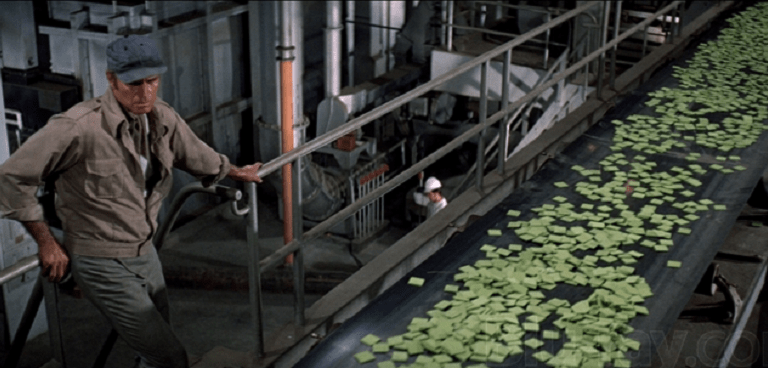
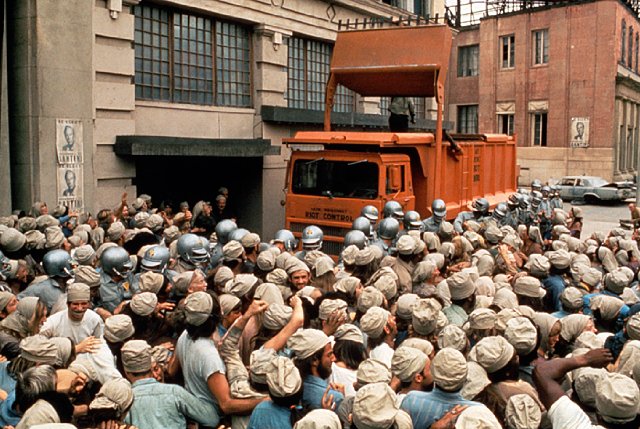
Fifty years ago this month, Silent Running was released in theaters. Right away, the sci-fi eco-drama stood out back in the 1970s thanks to its innovative special effects, set design and the ecologically driven storyline that struck chords with environmentalists everywhere.

Silent Running takes entirely onboard a spaceship near Saturn called the Valley Forge that serves as an environmental ark for the last remaining Earth ecosystems encased in giant geodesic domes that act as greenhouses.

Freeman Lowell (Bruce Dern) is a botanist and one of the four crewmen who care for the ecosystems, along with a trio of robotic drones called Huey, Louie and Dewey. The crew receives orders to destroy the domes and return to Earth, but Freeman is mortified by the orders even though the others are eager to go back home. During the operations of jettisioning and blowing up the domes, Freeman mutinies, kills his crewmates and hijacks the Valley Forge. With one dome remaining on the ship, Freeman heads out to deep space to continue caring for the last ecosystem with help from the drones. During his voyage, Freeman has to deal with loneliness, guilt and the logistics of caring for the fragile plants and small animals in the dome.

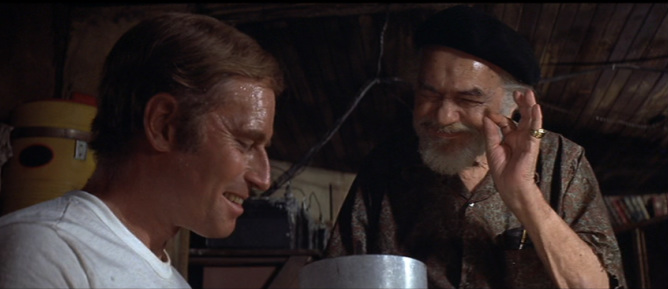
Elevated by Bruce Dern’s passionate and sensitive performance, and superior special effects, Silent Running is a contemplative and quietly emotional film. Despite its short run time and the over-the-top environmental message, the film is quite effective and leaves you thinking about it long after it is over. The late special effects guru Douglas Trumbull made his directorial debut with this film, though the only other film he directed was Brainstorm, which is a shame as he showed a lot of promise as a director. The effects truly stood out from practical effects, such as the drones which were performed by bilateral amputees, to excellent and intricate model work. The footage of the Valley Forge would pop up in other films and TV shows such as the orginal Battlestar Galactica.

Kudos has to go to Bruce Dern who largely spends the film by himself. He was able to project a kinship with the drones who despite not able to speak demonstrated emotions like bravery and loyalty. Of course, he is guilty of murdering his colleagues and his environmental rantings come off as too extreme, yet his passion for the last remaining plant and wildlife is sincere and relatable.

One nagging fault about the film has to do with unanswered questions about the domes and the film’s simplistic script. What exactly happened to the Earth and why was the Valley Forge crew told to destroy the domes and return home? What we know about the importance of plants in our complex enviroment with creating oxygen and food would mean that these domes would not be casually discarded. Did the environmental situation improve on Earth to make the domes unneccesary? In one exchange between Freeman Lowell and his crewmates, it is pointed out that humanity can now duplicate the benefits of plants. Does this mean air and food can now be easily created without vegetation? Based on the level of technology shown in the film, this does not seem likely. Even if this was true, why discard such precious resources so casually? It’s hard to imagine that all of humanity except for Freeman would be fine with this. If a remake is ever made for this film, these issues can be addressed or its premise should be updated given what we now understand about ecosystems.

There is also an unavoidable fault with Freeman’s thinking that honestly makes him out to be a complete fool. At some point, the plants are withering and the botanist spends significant time trying to figure out why, while the cause and solution are quite obvious.

Still, in spite of these lapses in logic, Silent Running truly was one of the best sci-fi films released in the 1970s and should be seen at least once by sci-fi fans. The film is a true gem with resonating message and images. The best example is Silent Running’s very last scene, which is very emotional and serves as a fitting allegory for our own fragile and special planet in the vast cosmos.

The Batman Is A Powerful, Gritty Look At The Dark Knight

The latest live-action incarnation of DC Comics’ most popular superhero, The Batman, was eagerly awaited by fans and for good reason. Director Matt Reeves promised his version of Batman would actually used his detective skills like in the comics and his film would be more of a gritty crime noir piece. For the most part, Reeves succeeded and delivered one of the most powerful Batman films of all time.

Taking elements from the film Se7en and the comic book mini-series Batman: The Long Halloween, The Batman takes place during the second year of Batman/Bruce Wayne’s (Robert Pattinson) war on crime. As the film starts, a terrifying serial killer called the Riddler (Paul Dano) is killing the rich elite of Gotham City and exposing their dark secrets. This includes crooked politicians and police officers alike. Batman and his only ally in the police department, Detective James Gordon (Jeffrey Wright), work together to capture the Riddler by solving his enigmatic clues before he claims his next victim.

Batman’s detective work leads him to the seedy, underworld empire of crime boss Carmine Falcone (John Turturro) and the criminal elements working for him, such as Oswald Cobblepot (Colin Farrel echoing Robert DeNiro in a fat suit) and Selina Kyle (Zoe Kravitz who redefines sultriness with her version of Catwoman). Their interactions expose many secrets about Gotham, including uncomfortable revelations about Bruce Wayne’s parents. At the same time, Batman starts questioning his vengeance-fueled crusade to rid crime from Gotham as he realizes the Riddler’s macabre vendetta is a dark mirror to his cause.

Unlike previous Batman films, The Batman is more grounded and gritty. Believe it or not, it feels even more realistic than the Christopher Nolan films. Gotham itself is shown to be a bleak and dreary locale without redemption and Matt Reeves revels in exposing it to the audience. Almost all the characters have dark elements in their souls and are tremendously conflicted. Batman most of all, who is at his core, a tragic figure. He is clearly emotionally damaged by the murder of his parents…thankfully this film did not bother to show us yet another version of his origin. Instead, it focuses on the aftermath of their deaths as Bruce has to learn to move past the idea of vengeance and find a more noble vision within himself.

Seeing Batman portrayed as a quiet and intimidating vigilante at odds with the police and displaying his cunning intelligence as he solves riddles was a novel approach and harken back to Batman’s Golden Age crime story roots. Pattinson does a fine job as the determined Caped Crusader and the gaunt Bruce Wayne. Unlike other versions, this Bruce Wayne is a true social recluse who has not yet adopted the outward identity of a charming billionaire playboy and it was an interesting take on the character.

The other actors were also striking in their roles, with Kravitz, Dano and Wright standing out. Dano’s horrifying take of the Riddler is truly chilling and rivals the best portrayals of the Joker. Speaking of the Joker, there is an unnecessary cameo of the Joker in the film which was distracting. We did not need to see the character and his appearance demonstrated one of the film’s weakness.

As powerful as it was, The Batman was bit too long in length, being nearly three hours long. Matt Reeves could have easily trimmed off fifteen or twenty minutes because the film dwelled too long on the intricate subplots of various villains and the corrupt elements of Gotham’s elites. Honestly, the material with the Riddler more than held up the film and those side stories were not needed. It was obvious these elements were put in to set up future films.

Regardless, from the excellent acting to the beautifully haunting cinematography to the thrilling fight scenes, The Batman is quite a neo noir achievement. It is not for everyone, especially younger children and those seeking a light-hearted superhero romp. But The Batman is one of those few films that makes you want to see again and again to discover something new with each viewing.

José Soto

Top Ten Unused Batman Villains For Future Films

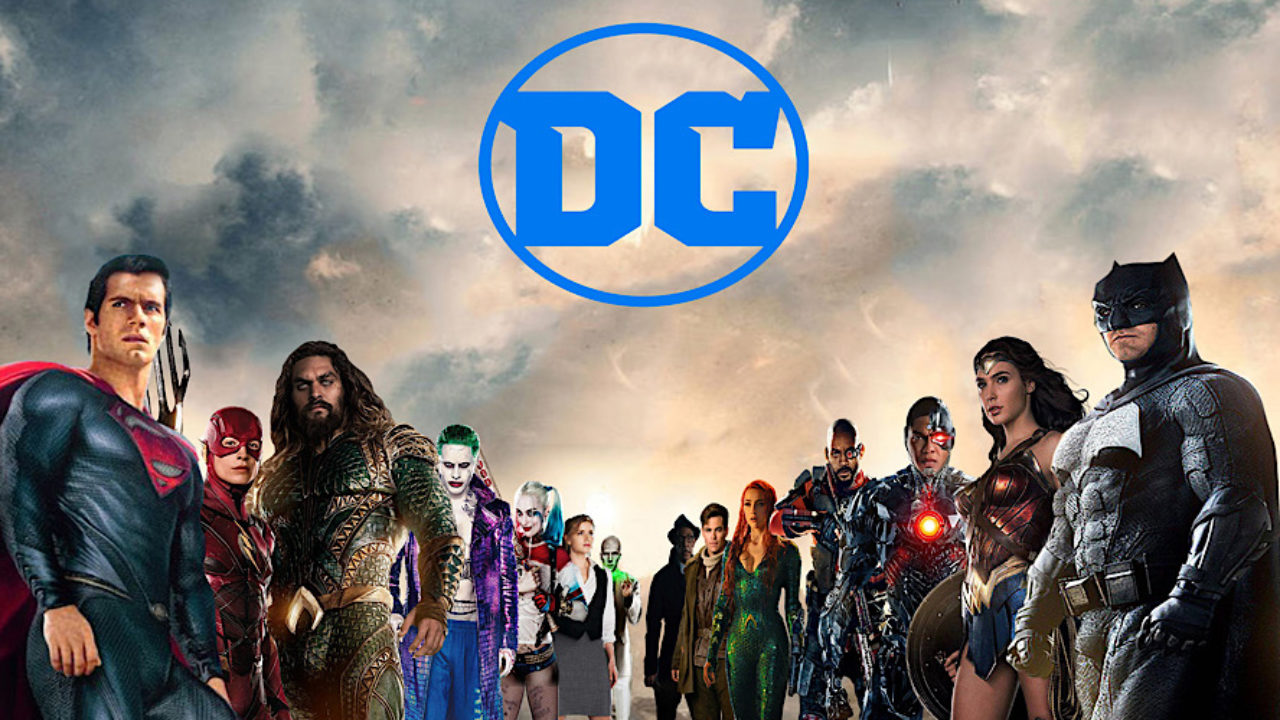
With the release of Matt Reeve’s The Batman, which features three main Batman villains (The Riddler, The Penguin, and Catwoman), it’s time to take a look at some unused antagonists of the Dark Knight who either have never been seen in live action or have only appeared on the various TV shows featuring Batman and/or the Bat Family.

10. Hugo Strange

This character is more of an intellectual threat to Batman. A psychologist and evil genius, Dr. Hugo Strange runs Arkham Asylum, but uses his intellect to commit crimes while under the guise of trying to reform criminals. Batman always sees through this and stops his plans, but Strange’s abilities and access to Arkham’s most dangerous villains allows him to evade justice many times. His appearance in the Gotham show was a highlight and he would make a great antagonist in any Batman film.

9. Solomon Grundy

Solomon Grundy is rather large, super strong villain that is basically a zombie who was resurrected in the swamps of Gotham. He appeared in the television show Gotham, as well as the various animated shows and is a great bad guy for Batman to deal with. Showing up in a grounded Batman film would be strange, but would give it a good horror movie feel and play on our fears of unknown creatures in the dark.

8. Killer Croc

This character had a prominent appearance in Suicide Squad, but didn’t interact with Batman onscreen. I liked this portrayal of Croc and would be happy to see him appear again, especially going up against Batman in the sewers of Gotham City. His gruesome reptilian look and super strength makes him a real threat to the Caped Crusader and like Solomon Grundy, evokes fears of unknown creatures in forgotten places. His appearances in Batman: The Annimated Series and other shows are always great to see.

7. Calendar Man

A criminal who kills according to the dates and significant holidays of the calendar, this villain had a great appearance in the animated movie The Long Halloween with his Hannibal Lecter-like presence while being questioned by Batman in Arkham Asylum. Batman was trying to find out about murders being committed during holidays, and turned to him for insight. Having something like this in live action would be great to see and would fit Matt Reeves’ take on the Batman universe, with his version of the Riddler being portrayed in The Batman as a serial killer trying to take down Gotham City and expose its many secrets.

6. Ventriloquist

Another unique villain, the Ventriloquist is a meek gangster named Arnold Wesker who can only commit crimes while having a dummy, named Scarface on his hand who has a violent personality and rules his gang through fear. His appearances in Batman: The Animated Series werememorable and showed an interesting split personality similar to Two-Face. The audience was kept guessing as to who was really at the center of the Ventriloquist’s schemes, the mild mannered Wesker, or the hot tempered Scarface and it would be fun to see in a film.

5. Mad Hatter

Jervis Tech is a demented villain is obsessed with the Alice in Wonderland story and is frequently shown to be determined to live out the book by kidnapping his would-be Alice and forcing her to partake in his bizarre rituals, and commit crimes using mind-control hats. Obviously, Batman always has something to say about that, but had to deal with the Mad Hatter’s insanity and overcome Tech’s schemes. Having this kind of villain in a film would be a strange but interesting take in a Batman film.

4. Clayface

A shapeshifting villain that uses his sludge-like appearance to mimic anyone he wants, Clayface has caused all kinds of problems for Batman, and his morphing attributes would be nice to see on the big screen. His ability to create various weapons with his arms evokes the T-1000 from the Terminator series and was something that was used to great effect in Batman: The Animated Series, but to date hasn’t been attempted in live action.

3. Man-Bat

This unusual villain is literally the flip side of Batman. Dr. Kirk Langstrom is a scientist who develops a serum that turns him into a huge bat-like creature that terrorizes the skies of Gotham City. Man-Bat has the distinction of being the villain that appears in the very first episode of the classic Batman: The Animated Series and is a unique take on the were-wolf mythos. Bruce Wayne eventually befriends Langstrom and helps him overcome his curse by developing a cure, but the threat of the Man-Bat reemerging is always in the background. Having a massive bat-creature duking it out with Batman on various rooftops would be thrilling to see on the big screen.

2. Deathstroke

With only a brief cameo at the end of Justice League, this master mercenary/assassin known as Slade Wilson has been a match for Batman. Deathstroke was supposed to be in the now-defunct Ben Affleck-directed Batman solo film as he battled Batfleck in Arkham Asylum. His deadly skills and mastery of weapons are shown to great effect in the Titans series as he divides the team from within, pitting them against each other and nearly destroys them in his quest for vengeance. Deathstoke also had a famous role in Arrow and became that show’s best villain. He has recently appeared in his own animated film and it would have been great to see him go up against Batfleck, but hopefully there is a future for him in any further Batman films.

1. Red Hood

The classic story “A Death In the Family”, which shows Jason Todd aka the second Robin being killed by the Joker, resulted in the emergence of a resurrected Todd as the anti-hero/villain the Red Hood. He terrorizes criminals using lethal force and goes after Batman due to his outrage at the fact that Batman let the Joker live, even after being responsible for Todd’s death. This emotional tale is told in the excellent animated adaptation Under the Red Hood and is also seen in a different form in the HBO Max series Titans. It would be great to see this adapted into a theatrical form since it strikes at the core of Batman’s code of ethics and his battle to control his demons while contrasting this with the Red Hood as a Punisher-like vigilante, who goes over the line trying to clean up Gotham City.

Batman has an iconic rogues gallery. While the most famous ones have been portrayed many times in films, there are many more that show the variety of villains that exist in his universe. Some are more serious and deadly, while others are more fantastical, but all of them are interesting characters that would be great to see in any big budget Batman film, including a sequel to The Batman.

C.S. Link

Where Are the Star Trek: Deep Space Nine Followups?

As we get ready for the second season of Star Trek: Picard to stream in a few short days and we have seen Kathryn Janeway (Kate Mulgrew), or rather her hologram, appear as a one of the main characters in Star Trek: Prodigy, these developments begs the following question. Where are the Star Trek: Deep Space Nine (DS9) followups?

Ever since DS9 aired its final episode back in 1999, we have yet to see any meaningful followup or sequel to the show. Its reputation has increased significantly over the years as fans have come to appreciate how innovative and unique DS9 was compared to other Star Trek shows.

What set Star Trek: Deep Space Nine apart were several factors. Start with its premise, it took place on a space station, not a starship. This helped develop long-running arcs and storylines over several episodes and seasons that explored the socio-political landscape of Star Trek. What was interesting was that this predated the current model of TV shows with their season-long arcs. What also set DS9 apart from other Trek shows (at least, until recently) was that it had a darker, grittier tone with more mature and grounded stories and characters. No one was purely good or evil, not even its main character Benjamim Sisko (Avery Brooks), who suffered from PTSD over a Borg attack that killed his wife. In one infamous episode “In the Pale Moonlight” he manufactured evidence to entice the Romulans to enter the Federation’s war against the Dominion. The show was riddled with anti-heroes such as Quark (Armin Shimerman), the greedy Ferengi bartender, and Garak (Andrew J. Robinson), a former Cardassian spy with a nebulous past. Many of the characters like Major Kira (Nana Visitor) struggled to adjust to a new life. In her case, Kira was a former terrorist/freedom fighter who found herself as Sisko’s second in command and operating under Federation rules. Star Trek: Deep Space Nine explored controversial issues such as racism, religion, and the impact of war. In fact, DS9 was noted for running a long storyline where the Federation was at war with the Dominion and many of its related stories had clear anti-war messages.

Even though Star Trek: Deep Space Nine was a success, it was not as well regarded by fans and critics because it deviated too much from traditional Star Trek tropes. However, over the years, more and more people have come to appreciated DS9 for its unique merits and is now considered one of the best, if not the best, Star Trek TV shows.

But, ever since “What You Leave Behind”, the final episode of DS9, aired there has not been any meaningful followup or sequels to the show, aside from other media like books and comics. There have been some minor references to the show in other Star Trek TV shows and film over the years. The most notable one was an appearance of Odo (René Auberjonois) as a holographic character in the Star Trek: Prodigy holodeck-centric episode “Kobayashi”. Meanwhile, Star Trek: The Next Generation continues in Star Trek: Picard, characters from Star Trek: Voyager such as Janeway and Seven of Nine (Jeri Ryan) are currently appearing in Star Trek: Picard and Star Trek: Prodigy, respectively.

So, why hasn’t DS9 been revisited? A full reunion is not possible anymore since Auberjonois and a couple of other DS9 actors have passed away, and Brooks is no longer actively acting. Still, it would be great if several DS9 characters could reappear in current Star Trek TV shows or have some episodes or films take place in the DS9 station or nearby locales. There are many lingering questions about Star Trek: Deep Space Nine that fans want answered. Will the Dominion return to threaten Earth and the Federation? What happened to the planet Bajor? Did it ever join the Federation? What happened to the Cardassians after they were defeated in the war? Will Sisko return after joining the Prophets in their non-linear plane of existence? Being that he now exists outside of time and space, he can in theory return to our existence at any time, including the current Star Trek shows.

OK, showrunners. We the fans of Star Trek: Deep Space Nine have been very patient. We are waiting to revisit this innovative and novel corner of the Star Trek universe. Let’s make this happen.