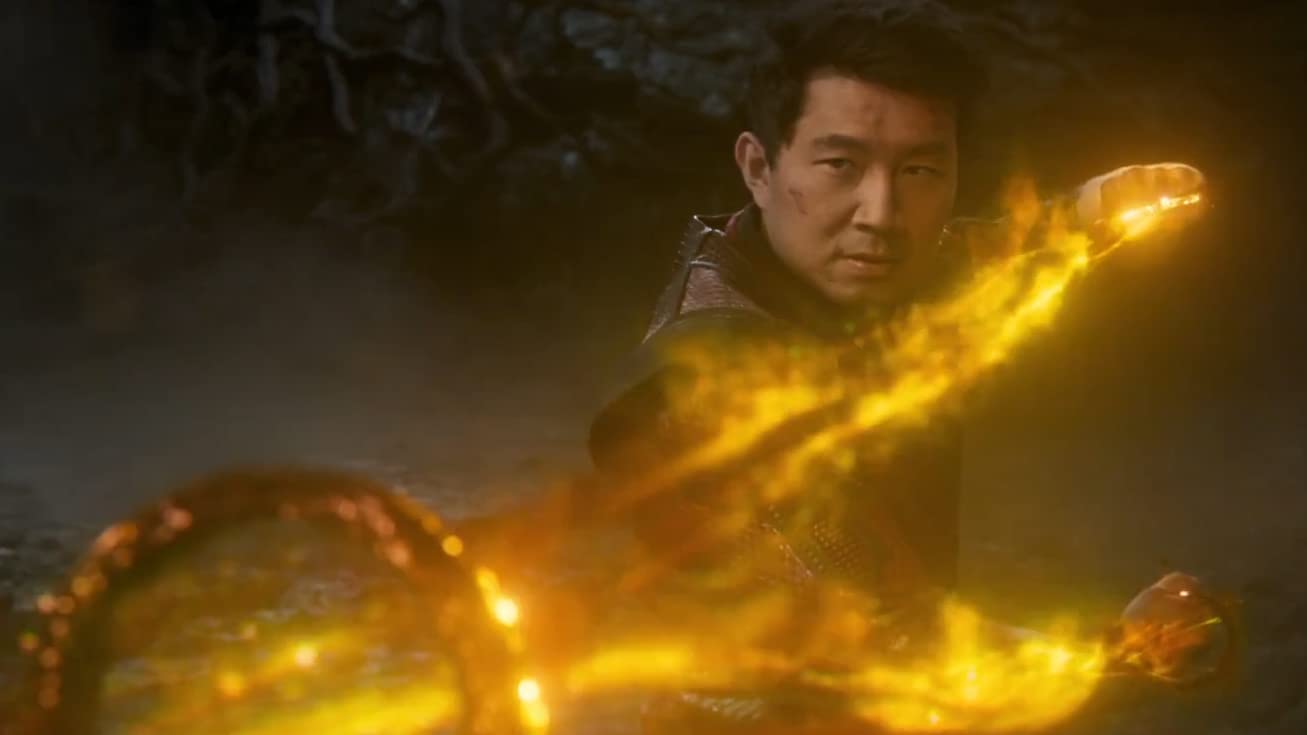
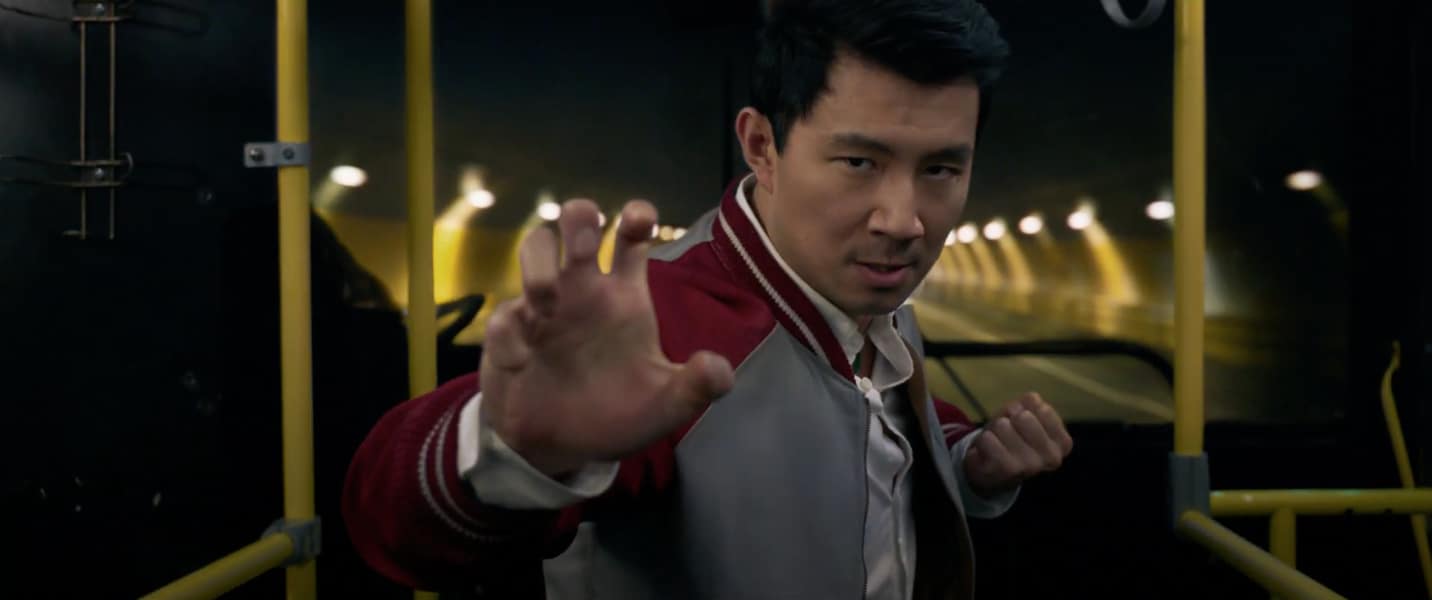
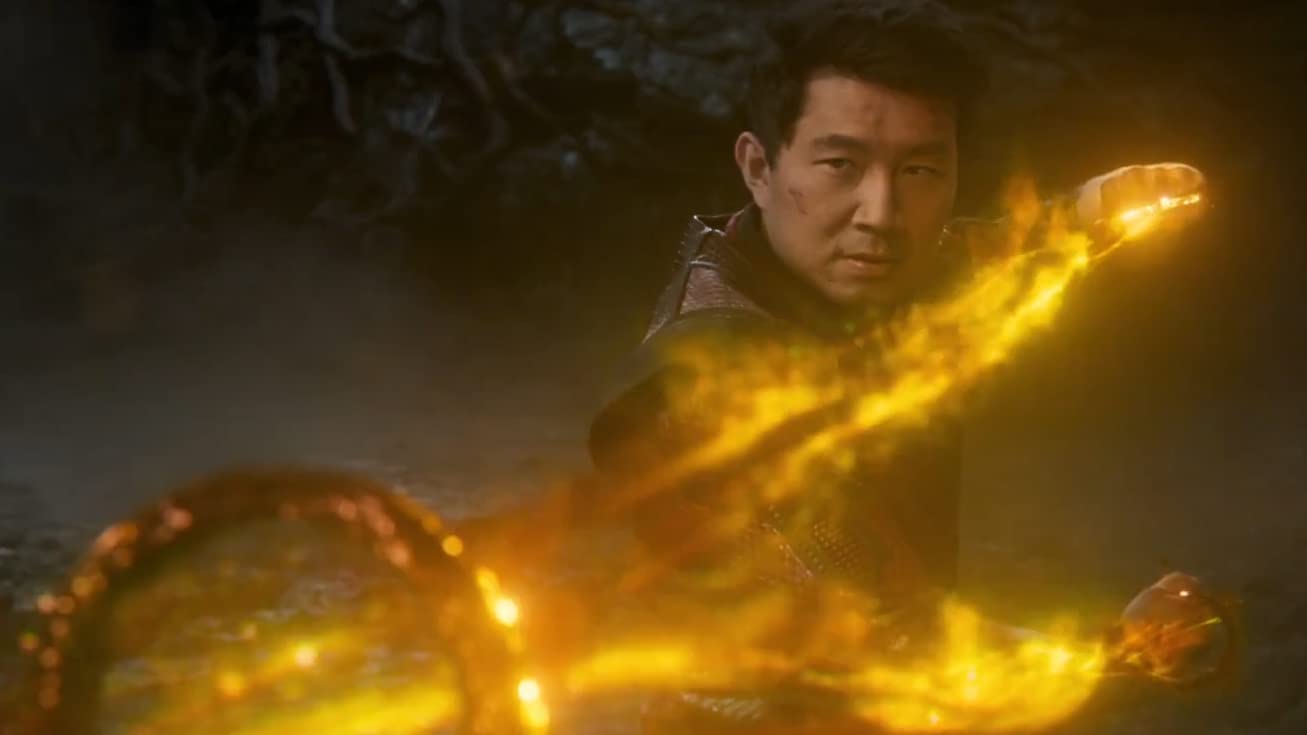
Shang-Chi and the Legend of the Ten Rings, the latest film from the Marvel Cinematic Universe (MCU), defied expectations and debuted to a stunning $71 million take at the box office this weekend and has a combined total of $90 million over the four-day Labor Day weekend. This shattered box office records not just for the year but for the Labor Day weeken in general. Usually by this time of the year the box office becomes a dumping ground for films as the summer season winds down. But Shang-Chi and the Legend of the Ten Rings upended that,
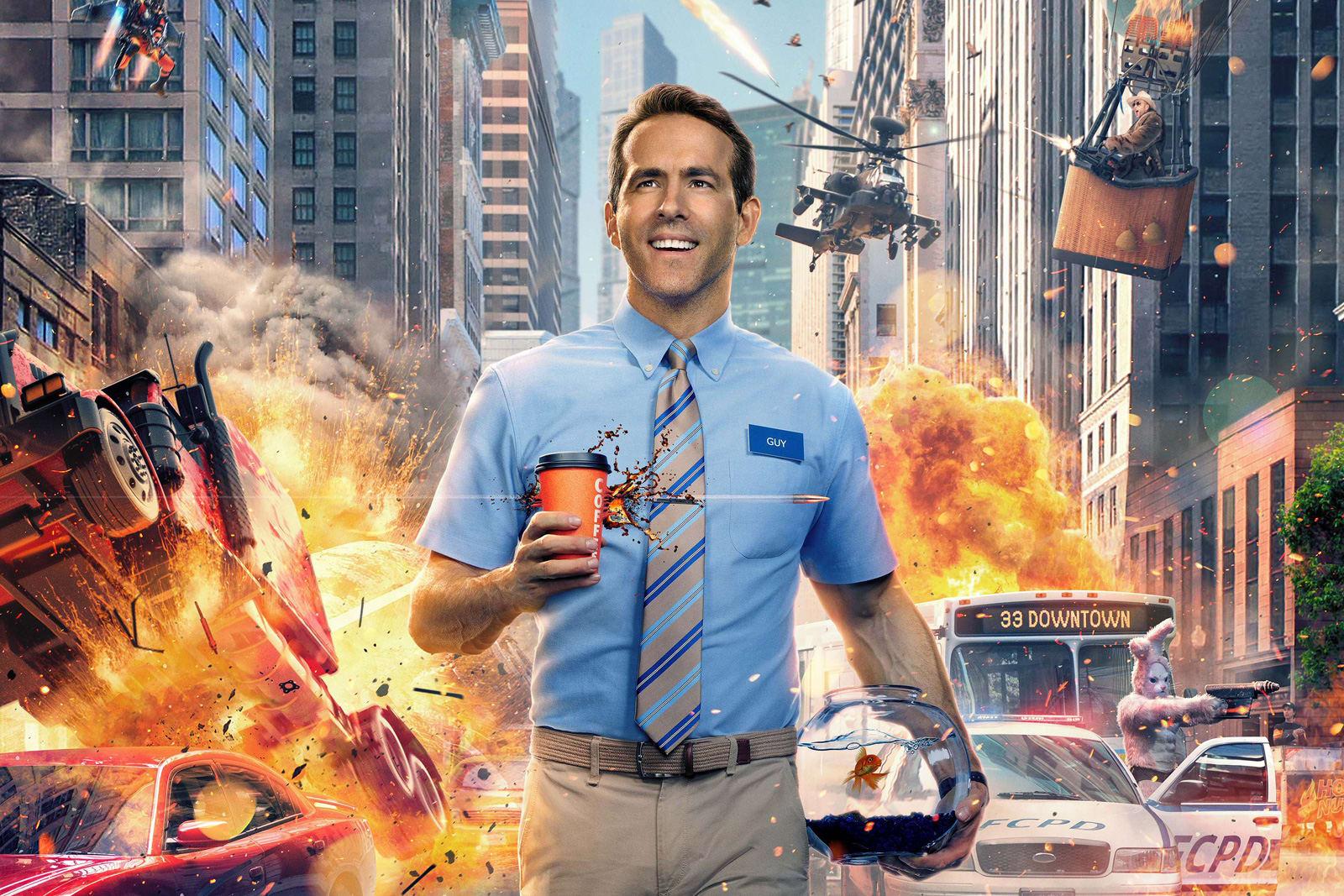
Given the pandemic the success is stunning and portends to the eventual recovery of theaters. It also supports the idea that the current hybrid model of releasing a film at the same time as it is available for home streaming has a negative impact on a film’s box office take. Just look at the failure of The Suicide Squad and to a lesser extent the disappointing earnings for Black Widow. If a film is exclusively available in theaters and it is a high-profile film, it will do well. Not as well as it could have pre-pandemic but it still successful. Another good example is Free Guy, which performed much better than expected because it was a well-made film and you only could see it in theaters.
The key factor in the success of Free Guy and Shang-Chi and the Legend of the Ten Rings is that they were well received and had good buzz, especially with the MCU film which earned rave reviews. Not only that but the public is eager for new MCU content and Shang-Chi and the Legend of the Ten Rings offered something new for fans. Namely, that the film focused on persons of color, and explored a new side of the MCU. Given that this film and Black Panther performed well, expect future MCU to feature other persons of color such as Latinos. America Chavez will appear in the next Doctor Strange film and could be spun off into her own film. Maybe the Puerto Rican hero White Tiger could be the next hot property for the MCU. What is important for these films to succeed is quality, both Shang-Chi and the Legend of the Ten Rings and Black Panther demonstrated that people will go see a film if it is well made and exciting.
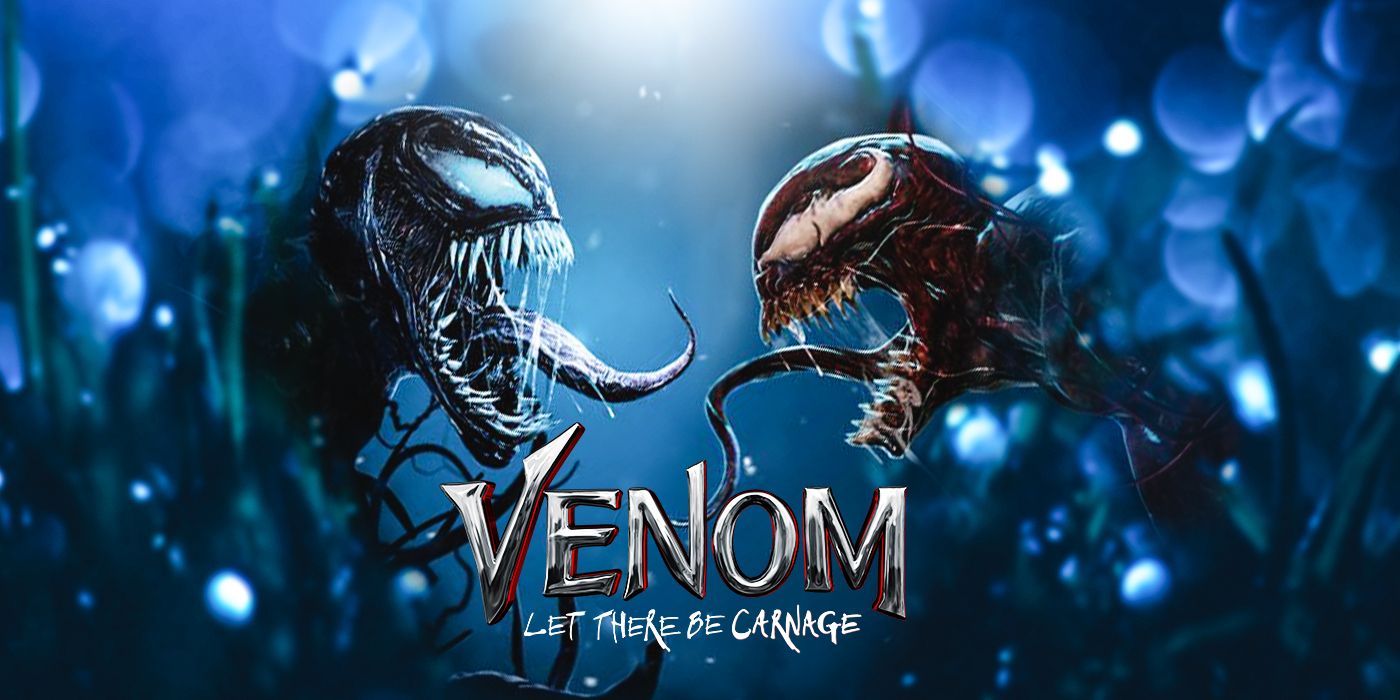
Aside from its merits, the success of Shang-Chi and the Legend of the Ten Rings has already had a positive impact with future films. Whereas Sony Pictures delayed the release of Venom: Let There Be Carnage to mid-October, the film studio has now moved up the film to October 1. There were rumors that Eternals might be delayed as well as Spider-Man: No Way Home until society recoverd more from the pandemic. We have seen the release dates for the upcoming Tom Cruise films Top Gun: Maverick and Mission: impossible 7 delayed to 2022 because of the pandemic. Those rumors for the MCU films, however, are unlikely to come to pass as more and more people are getting vaccinated and the case numbers should start to fall later this year. To date, the release dates for those films have not changed.
Of course, it will take a lot more time for theaters to achieve the earnings they enjoyed pre-pandemic, but recent releases like Shang-Chi and the Legend of the Ten Rings have shown that there is a bright future ahead for theaters and fans.
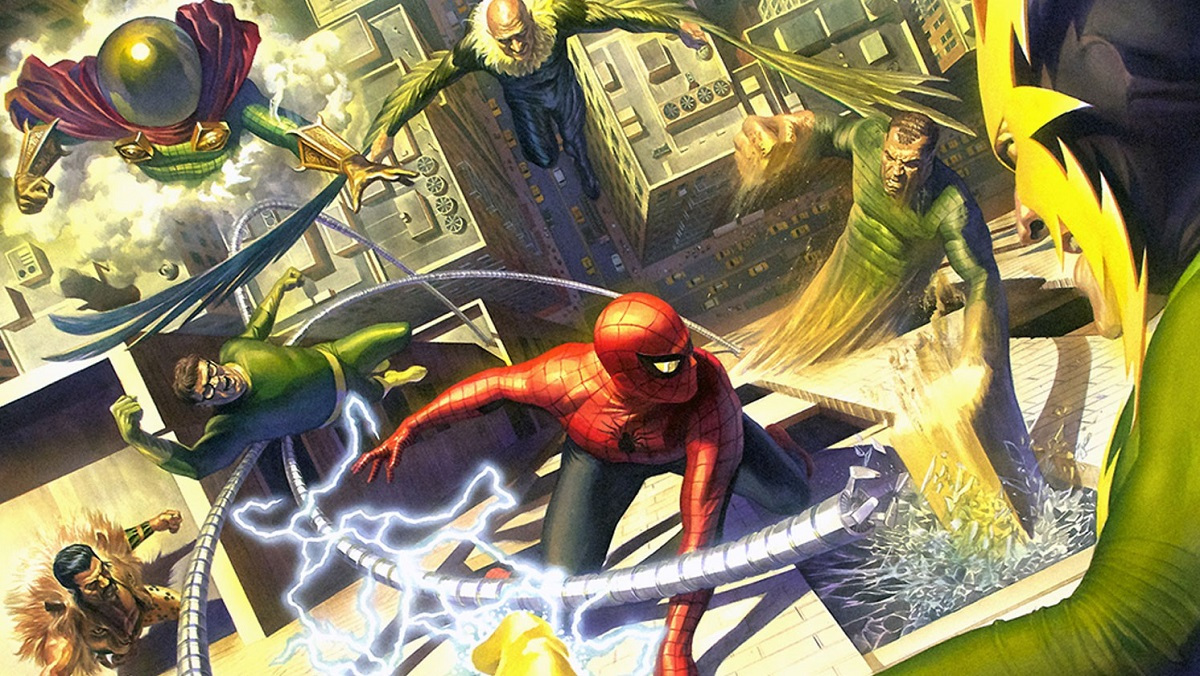
Long before the first trailer finally dropped for Spider-Man: No Way Home and people glimpsed the many villains featured in the trailer, there has been lots of speculation about the villains. Specifically, the Sinister Six, the villain group comprised of Spider-Man’s most famous enemies. The trailer showed at least one member of that group and the trailer showed evidence of other members, which came to five. So, who is the sixth member of the Sinister Six in the film?
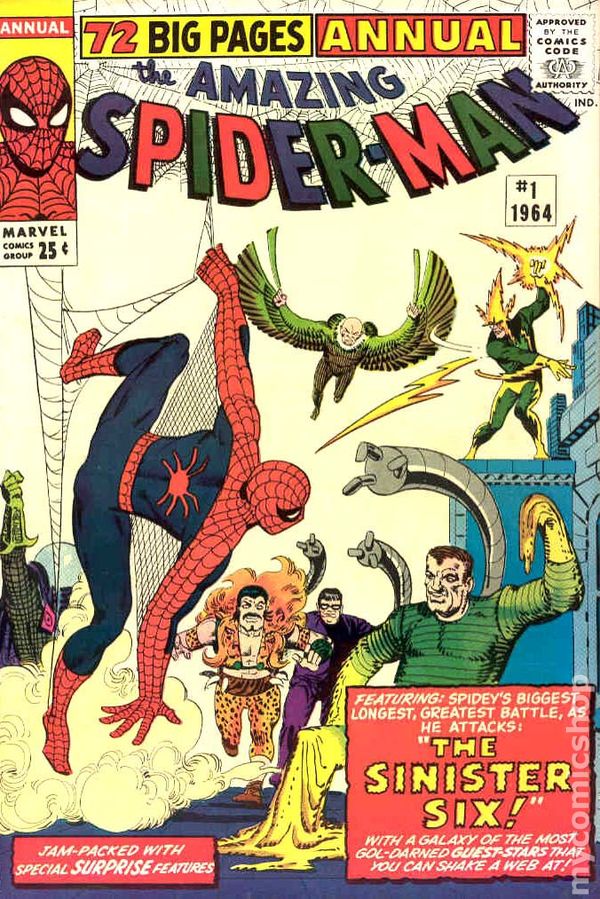
First off, let’s clear the air, it is doubtful we will get a faithful version of that group first seen in The Amazing Spider-Man Annual #1. That line-up consited of Doctor Octopus, Kraven the Hunter, Mysterio, the Vulture, Sandman and Electro and they formally combined their forces to take on their mutual enemy, though they did so rather stupidly. Instead of teaming up together and taking out Spidey at once they decided to confront him one by one during separate occasions, which gave him a chance to defeat them individually. From looking at the trailer it appears as if the Sinister Six is not a formal group, but a collection of foes that plague Spidey.
Getting back to the main question, let’s go over who will appear. According to reports, aside from Doctor Octopus who made an appearance and Green Goblin, as evidenced by a pumpkin bomb, the other three villains were Electro, the Lizard and Sandman. The latter three were only hinted at and noticed by careful examiners of the trailer. These villains were featured in previous Spider-Man films and that could provide an answer to the sixth member. The other Spider-Man films featured Venom, Rhino, Shocker, Vulture, two versions of the Green Goblin based on Harry Osborn and Mysterio.
While Spider-Man has an impressive rogues gallery with foes who have not appeared in live action yet, it’s doubtful we will see them in Spider-Man: No Way Home. To include one of them at this point would not make sense because they haven’t had the exposure to have an impact when they appear. That, unfortunately, leaves out classic foes like Kraven or Chameleon or the Scorpion. These three would have made a great impact in a more grounded Spider-Man film that followed up the events of Spider-Man: Far From Home and fully explored the ramifications of Spider-Man’s identity being exposed. Instead, the new film will explore the Multiverse concept of the Marvel Cinematic Universe (MCU) and other cinematic universes based on Marvel characters. On the other hand, the Scorpion’s alter ego, Max Gargan, was introduced in the first MCU Spider-Man film which hinted at his returning to menace Spidey. Spider-Man: No Way Home could be used to further develop Gargan after he is turned into the Scorpion.
If this doesn’t happen in Spider-Man: No Way Home then the two other logical choices for the sixth member are either the Vulture or Mysterio. This version of the Sinister Six so far includes Spider-Man enemies not seen in the MCU and needs someone from the MCU to tie the MCU version of Spider-Man more closely to the group.
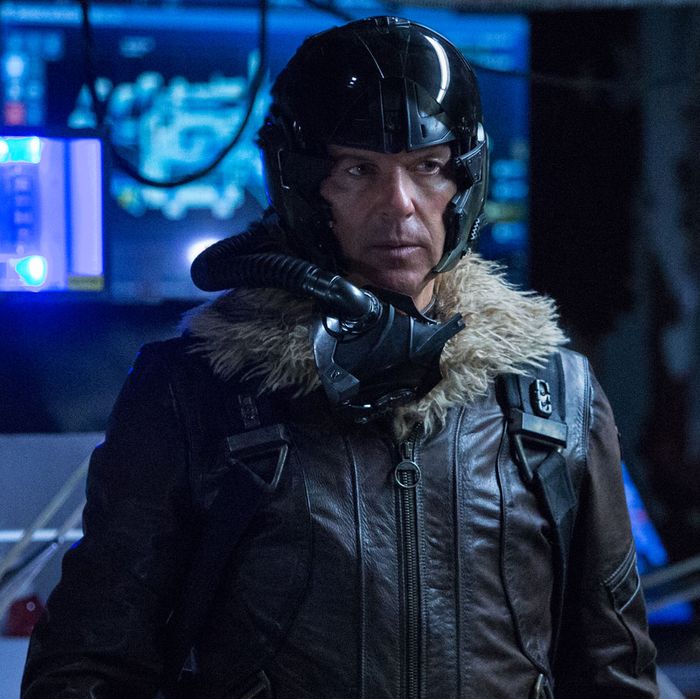
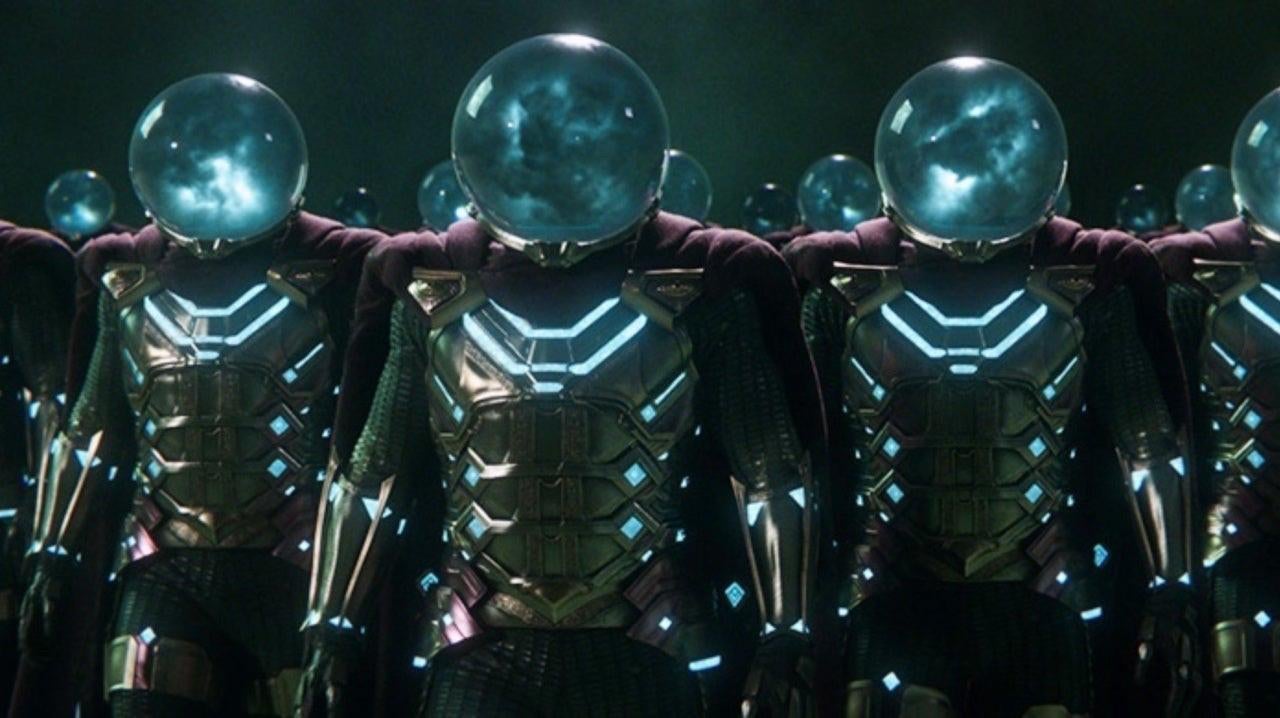
It’s possible both villains could appear in Spider-Man: No Way Home but it will most likely be just one, but who? Vulture has more personal ties to Spider-Man and his alter ego. Plus, he appeared in the trailer for the Sony/Marvel film Morbius so this film could further establish ties to Morbius. Mysterio returning would make sense, even though he was killed in Spider-Man: Far From Home. However, given his dubious nature and talent for misdirection, it is likely he faked his own death and give the MCU Spider-Man the chance to deal with him once and for all.
Then again the film could throw us off completely and give us Venom or someone completely unexpected like Morlun or the Hobgoblin. We’ll find out in just a few short months. Let the speculation continue until then!
The new animated Disney+ TV show What If…? is a dream come true for fans of the Marvel Comics and especially the Marvel Cinematic Universe (MCU) as it explores alternate timelines in the MCU. The possibilites are endless over what the show can cover based on the many ways events could have played out in the MCU films. Here are ten possible What If…? episodes for the showrunners of What If…? to consider at some point, in no particular order.
What if Iron Man formed the Guardians of the Galaxy?
At the end of The Avengers, Iron Man/Tony Stark was nearly stranded and left for dead in outer space when he used the wormhole over New York City to divert the nuclear missle launched at the city. Luckily, he fell back to Earth before the wormhole closed, but what would have happened if he was a second too late? Sure, he would have been killed in the explosion, but let’s imagine he survived. What would Stark do in outer space, stranded light years from home? Well, he could have gone on to form allies, possibly Peter Quill or Yondu, and create an earlier version of the Guardians of the Galaxy. As the recent episode of What If…? that showed what would have happened if T’Challa became Star-Lord, the outer space events could have radically changed thanks to Tony Stark’s presence. Imagine the endless quips and putdowns between Iron Man and Star-Lord as we saw in Avengers: Infinity War!
What if Spider-Man did not join Iron Man in Captain America: Civil War?
Spider-Man/Peter Parker made his scene-stealing MCU debut in Captain America: Civil War when Tony Stark recruited him to join his side against Captain America. But what would have happened if Stark never approached Peter? Or Peter turned him down? For one, he would still be in his homemade spider costume and his demeanor would be less of an Iron Man, Jr. as many rightfully complain about. Spider-Man’s personna would have more accurately matched his comic book personna where he operates as a sarcastic loner. Imagine if he joined Captain America instead. How would he have dealt with the Sokovia Accords? Such an episode would show Spider-Man being pursued and hunted by law enforcement as in the earler Spider-Man comics and be more mistrusted by the public.
What if Star-Lord did not lash out at Thanos?
There are many fans who berated Star-Lord/Peter Quill for ruining the heroes’ chance to disarm Thanos on the planet Titan during Avengers: Infinity War. The Guardians of the Galaxy, Iron Man, Doctor Strange and Spider-Man had Thanos on the ropes and were trying to yank off the Infinity Guantlet from Thanos’ hand. But after Quill learned that Thanos killed his beloved Gamora, he lashed out at Thanos and this led to the Thanos recovering and ultimately defeating the heroes. Some griped that Star-Lord ruined the best chance to defeat Thanos, but was it? Remember that earlier in the film, Doctor Strange observed several million future possibilites and noted they would lose except for one occasion. So, even if the heroes managed to yank the Infinity Guantlet from Thanos, it does not necessarily mean they would have ultimately prevail against Thanos.
What if the Hulk never left Earth after Avengers: Age of Ultron?
Following the events of Avengers: Age of Ultron a despondent Hulk left the team in an Avengers Quinjet and apparently disappeared. It turned out the Quinjet fell into a wormhole and was deposited in the distant planet Sakaar where the Hulk became a gladiator hero. But what would have happened if the Hulk never left Earth? Who would Thor have faced in Thor: Ragnarok? Beta Ray Bill? Korg? How would that film have turned out if there was no Hulk? Then there is the fact that Hulk would be still be around this world during the events of Captain America: Civil War. Which side would he be on and would he be a catalyst for the war? It’s a given one rampage too many could have led to the Sokovia Accords happening sooner. Then again, he may have adopted the Professor Hulk identity at an earlier date and had a positive impact in the Civl War. There is also his romantic relationship with Black Widow, would they still be an item?
What if Ant-Man was not stranded in the Quantum Realm?
Ant-Man/Scott Lang was very pivotal to the plot of Avengers: Endgame. When he was stranded in the Quantum Realm at the end of Ant-Man and the Wasp, he probably avoided being a victim of the Snap. When he re-emerged five years later and realized time passed differently for him in the realm, he gave the surviving Avengers the idea to use time travel to create their own Infinity Gauntlet and undo the Snap. If he emerged from the Quantum Realm seconds before the Snap would he too have been erased? If not, how would he have factored into the storyline of Avengers: Endgame and how would the heroes gone on to undo the Snap? If anything a What If…? episode about this premise would demonstrate Scott’s importance to the MCU.
What if the survivors of Avengers: Infinity War were Snapped instead?
If Spider-Man, Doctor Strange, Black Panther, most of the Guardians of the Galaxy, the Wasp, the second generation Avengers, and others were not Snapped and the OG Avengers, Captain Marvel, Rocket, Valkyrie and Nebula were instead, how would that situation have played out after Avengers: Infinity War? Could the alternate rag tag Avengers have taken on Thanos? Perhaps they would have reached Thanos’ farm planet sooner before he could destroy the Infinity Stones and defeated him. Or there still could have been a five-year time jump as the heroes concocted a scheme based on mysticism (thanks to Doctor Strange) to defeat the Mad Titan and undo the Snap. Clearly, this alternate take of Avengers: Endgame would be wildly different. There are tons of YouTube videos imagining this premise and it can go in so many ways. Check out one of them below.
What if Project: Insight in Captain America: The Winter Soldier succeeded?
The nefarious plot by Hydra to preemptively wipe out their current and future threats using S.H.I.E.L.D. helicarriers was nearly pulled off in Captain America: The Winter Soldier. If Captain America, Black Widow, Falcon and their allies did not stop them the consequences would have been terrible as many MCU heroes like Iron Man and Doctor Strange would have been killed along with millions of victims. How could Captain America and his friends recover and avenge the fallen? That is if they even survived. This What If…? episode could see the birth of a new team of Avengers featuring other heores like the Eternals or Black Panther to take on Hydra and help rebuild the world.
What if Thor became King of Asgard in the first Thor film?
As the saying goes, timing is everything. In Thor, the arrogant title character was about to ascend to the throne of Asgard in a ceremony but then a group of Frost Giants attacked his father Odin’s Vault, which stopped the ceremony. Thor was so headstrong that he led an attack against the Frost Giants in their world that led to his being banished to Earth by Odin. But what if he was crowned the king before the attack? As the ruler of Asgard how would Thor react to the Frost Giants? Would Odin stand by as the new ruler of Asgard waged all-out war against the Frost Giants? And what would Loki be doing? Given his scheming nature, he would be trying to undermine his brother Thor and even attempt to assassinate him so he could take the throne. Also, would Thor’s preoccupation with the throne prevent him from helping to form the Avengers? There are so many intriguing ways this alternate MCU timeline could develop.
What if T’Challa was actually killed in Black Panther?
Black Panther/T’Challa was defeated by Eric Killmonger in ritual combat during the Black Panther film and Killmonger briefly became the ruler of the African kingdom, Wakanda. In the fight, Killmonger threw T’Challa over a waterfall and left him for dead, but T’Challa was later found and revived. What if this did not happen? Killmonger would have carried out his mad plan to attack the outside world for conquest. Could he have succeeded? Yes, he did have the advanced Wakandan technology, but the outside world by this time had considerable sources including superheroes. At the time of the film, the Avengers had broken up, but Killmonger’s war could be the catalyst to get them to reunite and just in time to face Thanos’ forces in Avengers: Infinity War. Or if they failed, how would the world face the Mad Titan when he finally arrived?
What if Baron Mordo became the Sorcerer Supreme instead of Doctor Strange?
The original What if…? comic book series explored a similar premise in issue #40, What if Doctor Strange had not become the Master of the Mystic Arts? The What if…? episode could follow this idea with its own take. Conceited neurosurgeon Stephen Strange never gets involved in the car accident that mangles his hands and leads him to change his ways and become a sorcerer. Or he dies in the accident. Strange is taken out of the equation, and Baron Mordo remains the Ancient One’s best disciple. Would he takeover for the Ancient One after she dies and how would he fare against Kaecilius? Could he defeat him or be clever enough to trick Dormammu as Strange did? Is he worthy enough to be the Sorcerer Supreme? Perhaps he could have and it would be interesting to see Mordo being the hero in the episode.
These are just some ideas for future episodes of the MCU What If…? Anyone else have other ideas for possible episodes? Be sure to leave a comment and share your thoughts!
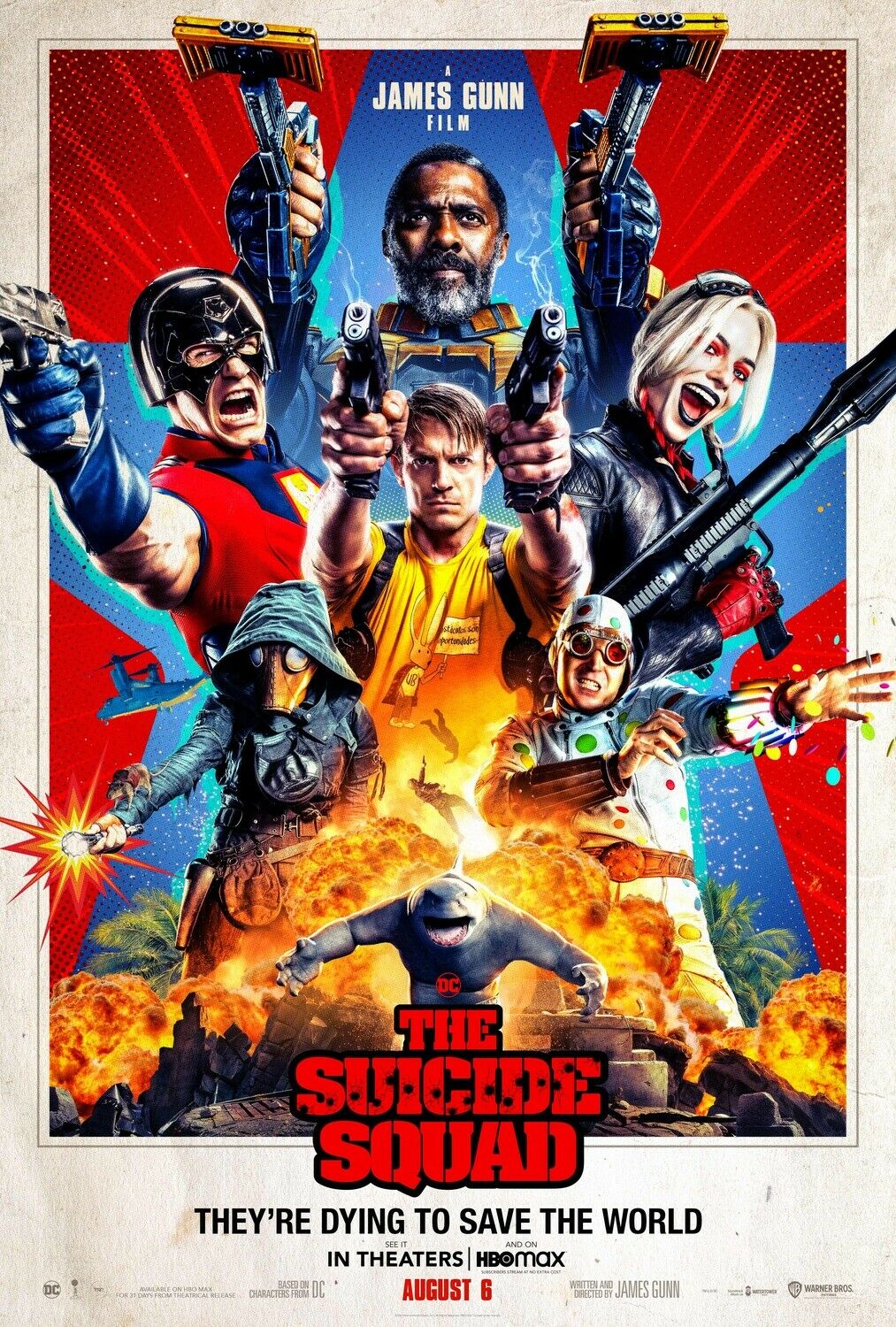
The Suicide Squad is the latest entry in the DC Extended Universe (DCEU), directed by Guardians of the Galaxy director James Gunn and is currently in theaters and streaming on HBO Max. Beware of some spoilers after this notice.
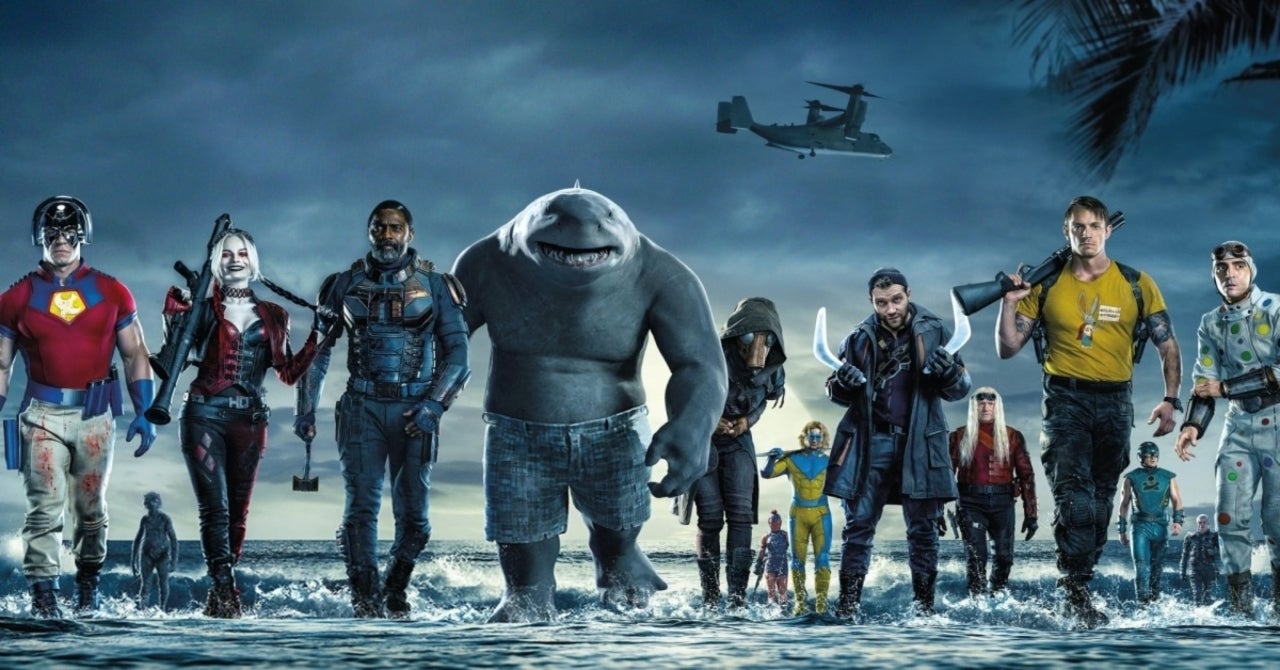
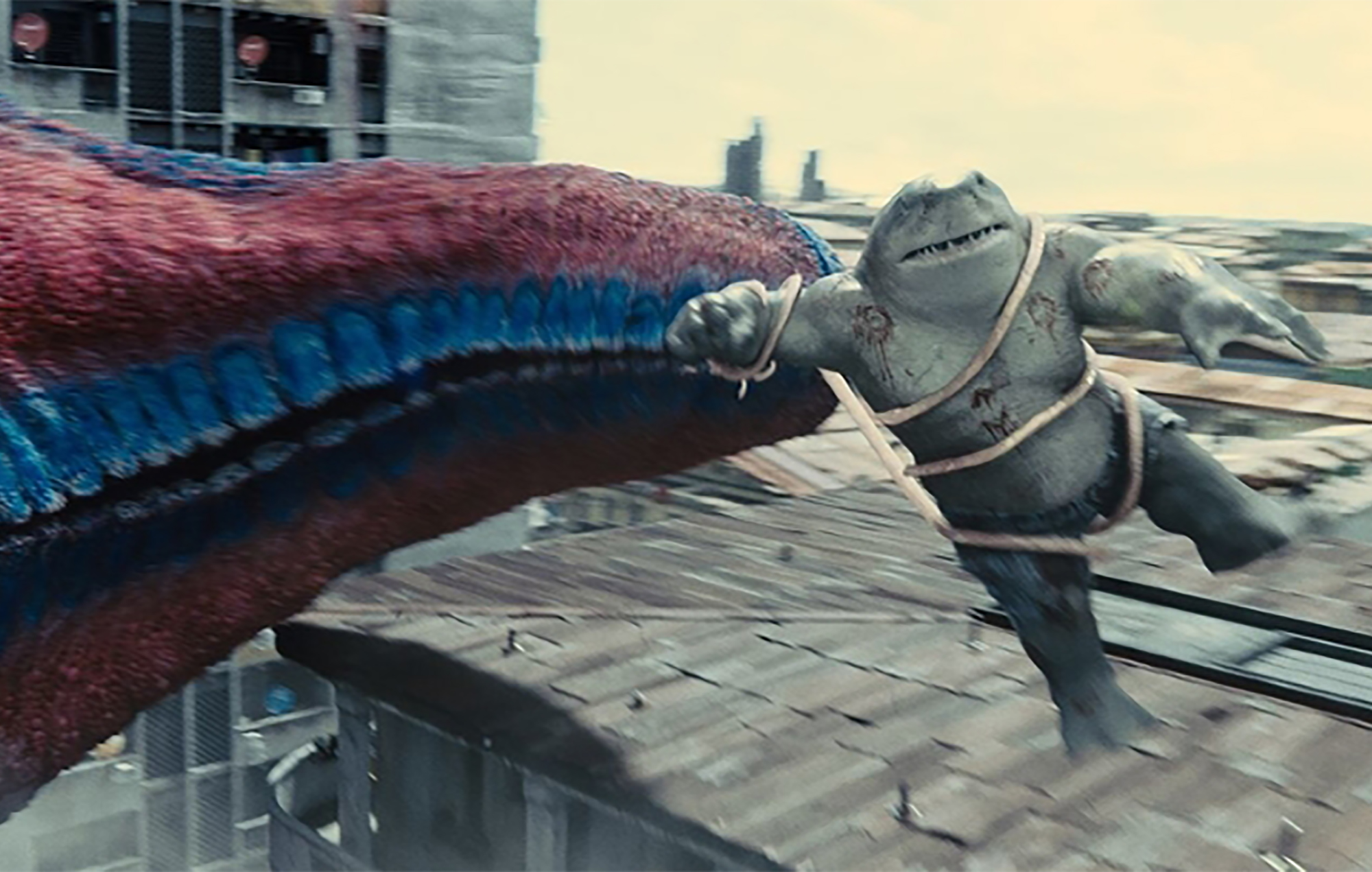
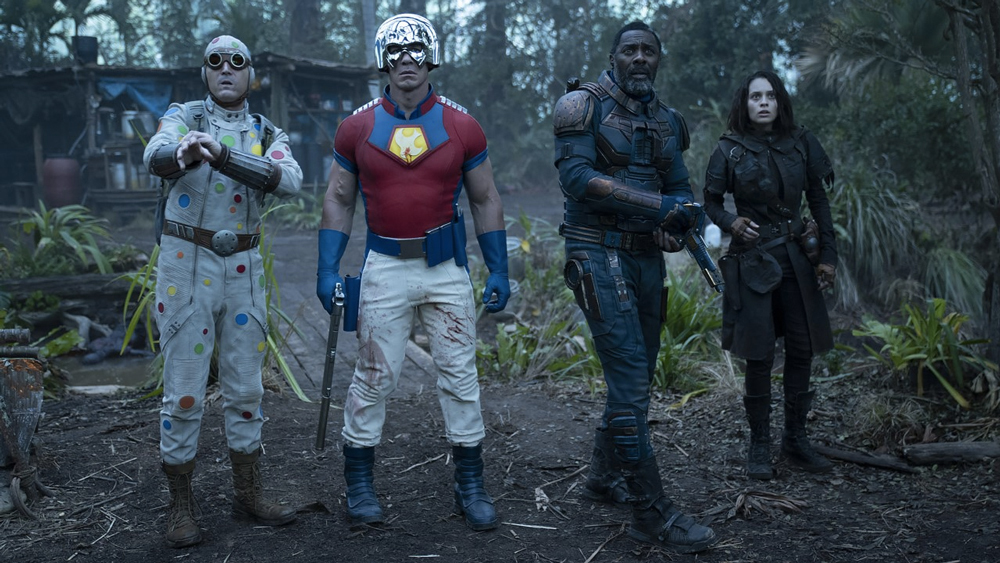
This standalone sequel to 2016’s Suicide Squad features returning characters Rick Flag (Joel Kinnaman), and captured supervillains Harley Quinn (Margot Robbie) and Captain Boomerang (Jai Courtney), who as part of the secret United States black ops group Task Force X, are sent on a literal suicide mission by U.S. operative Amanda Waller (Viola Davis) to the island nation of Corto Maltese, along with new characters such as Weasel (motion captured by Sean Gunn), and Blackguard (Pete Davison). However, this group is almost wiped out at the start of the film, with only Flag and Harley surviving and captured by the military of Corto Maltese. It’s revealed that they are a decoy team for a second team led by other captured supervillains Bloodsport (Idris Elba), King Shark (motion captured by Steve Agee and voiced by Sylvester Stallone), Ratcatcher 2 (Daniela Melchior), Peacemaker (John Cena) and Polka Dot Man (David Mastmalchian), who also arrive on the island at another location. They are supposed to destroy a secret weapon, which is later revealed to be an extraterrestrial entitiy known as Starro, a gigantic starfish that can seemingly destroy the world.
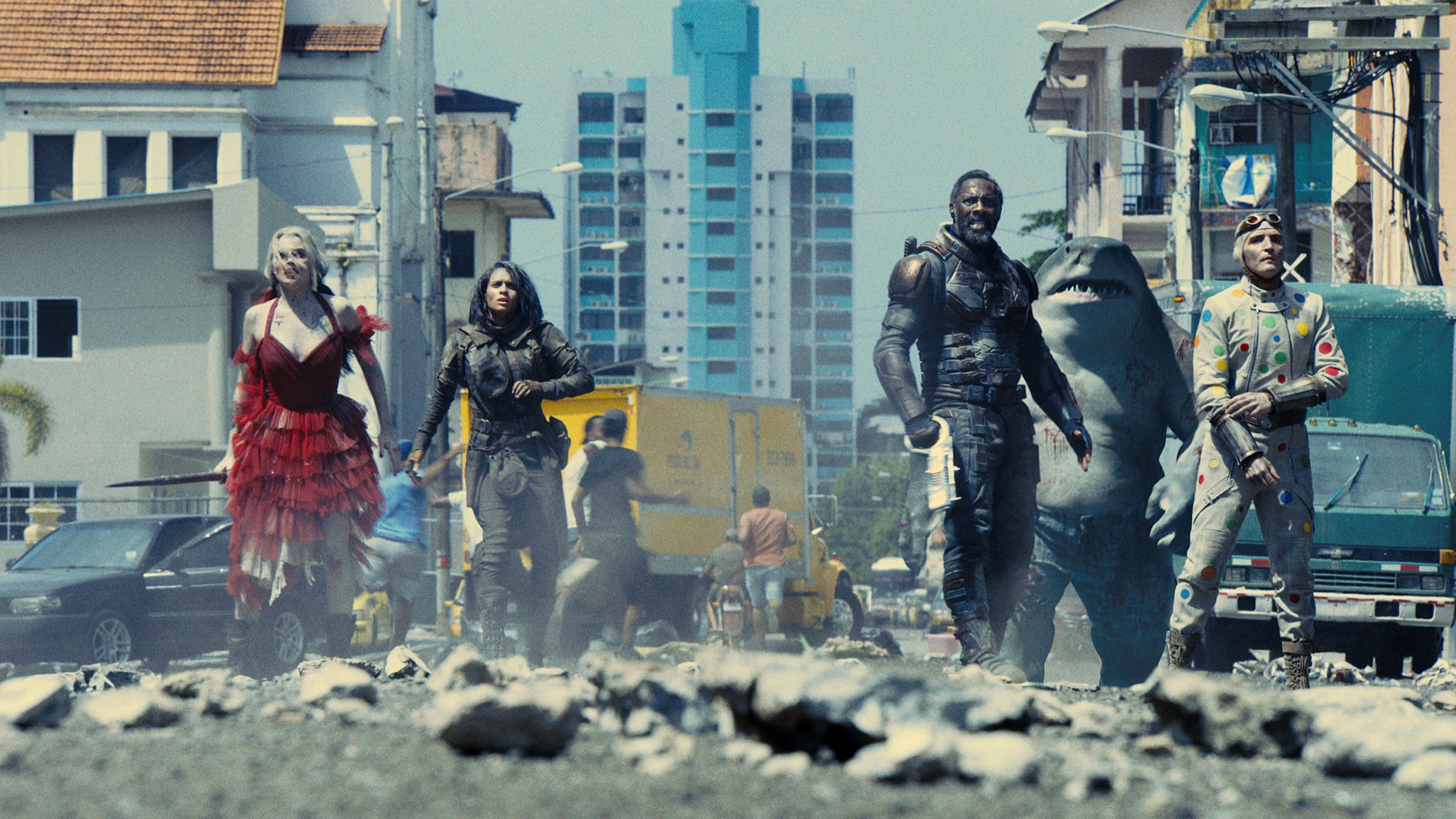
The second group eventually rescues Flag, who was actually captured by rebels intent on overthrowing the island’s military government. Harley is able to escape by herself in an exciting and colorful action sequence and then she joins up with the rest of the Suicide Squad. They eventually head to a secret research facility housing Starro, leading to the biggest action scenes in The Suicide Squad with the group showing off their abilities and a surprise confrontation when the US government’s role with Starro is revealed. The final battle features the gigantic alien starfish ready to destroy a city Godzilla style and the members of the squad fighting a seemingly hopeless battle. The conclusion is both crazy, outrageous and creepy, which demonstrates the overall feel of the movie quite well.
The interaction between the characters is a highlight with Bloodsport and Ratcatcher 2 forming a father-daughter bond, and King Shark providing good comic relief with his quest for food (namely human) and friendship. Peacemaker’s contradictory love of violence in the name of peace and his rivalries with Bloodsport and Rick Flag is also enjoyable, as is Polka Dot Man’s neurosis over his mother who he sees as literally everyone. Harley is as zany and psychotic as she has been since the first Suicide Squad, lethal one minute and a seemingly ditzy blonde the next.
The connection with the first film is minimal with this film having a separate plot, although it’s not a reboot as some earlier reports said. The tone of The Suicide Squad is somewhat lighter than the previous one with numerous musical interludes and humorous moments throughout. Some of these scenes go on too long which explains the two-hour-plus running time that does stop the momentum of the plot, but the film makes up for this during the hectic finale. The killing off of the first team at the start of the film is somewhat unfortunate as we never get to know them well, though some of them warranted more screen time. One advantage the first film had was the presence of more familiar characters, such as the Joker and Killer Croc, and a more intense feel, but the new film is still an enjoyable experience that has great action scenes and over-the-top violence. That is one thing to keep in mind if watching it with kids. There are numerous gory scenes with decapitations, King Shark devouring people with glee and faces blown off. It’s rated R and earns it, but at the same time The Suicide Squad doesn’t take itself seriously, which softens the blow and keeps things light.
Overall, The Suicide Squad is an adventurous and outrageous entry into the DCEU, which may point the way to more films like this with James Gunn returning for future unnamed movies, as well as the upcoming spin-off HBO Max series starring John Cena as Peacemaker. We are seeing more interactions like this between the streaming service and theatrical DC and DCEU films with a Gotham PD series to follow The Batman, and a Batgirl movie in the works for HBO Max. This is different than in the past when TV shows such as Gotham, and Krypton were standalone TV shows with no relation whatsoever with any films. This seems to be changing and may point to a more interconnected DC live-action universe. This was hinted at during the CW Crisis on Infinite Earths crossover that had the theatrical DCEU Flash appearing in a cameo. Having the story of The Suicide Squad continue through Peacemaker’s new show is a clear example of this interconnection.
Whether another Suicide Squad movie will be coming is not known at this time, but hopefully, based on the initial reaction to The Suicide Squad, we haven’t seen the last of Task Force X.
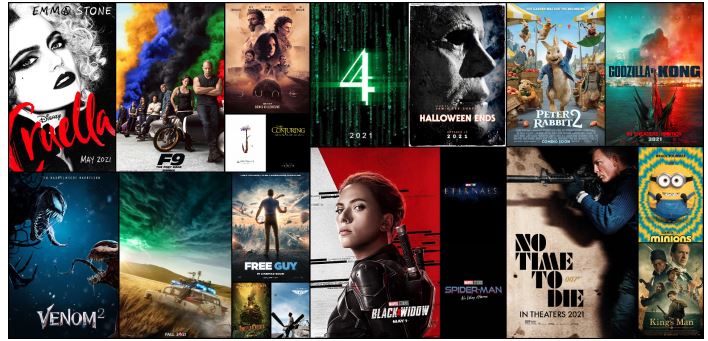
Looks like we are heading back to square one with the COVID-19 pandemic. The delta variant of the coronavirus has raised infection numbers worldwide just as it was recovering from the pandemic (thanks maskholes, covidiots, and other morons who either won’t mask up or get vaccinated for stupid reasons). As the COVID-19 cases began to explode in alarming numbers this development seems to be causing film studios to reconsider their release schedule. We all know how severely their original film schedules were thrown out the window when the pandemic first happened last year.
Already, Paramount Pictures announced that they canceled the September 17, 2021 release of Clifford the Big Red Dog to no date certain. While many adult genre fans would not care about that they have to realize the precedent this is setting. The same thing happened last year when the James Bond film No Time to Die had its release date canceled. It was the first major film to be delayed. This eventually caused a ripple effect as the pandemic worsened as we saw that Marvel Studios’ Black Widow was yanked from its May release date with just weeks to go. Can history repeat itself if the film release Shang-Chi and the Legend of the Ten Rings is delayed from September 3, 2021 to who knows when? What about Eternals? What about Spider-Man: No Way Home?
That Marvel Studios/Sony Pictures production is the most eagerly awaited offering from the Marvel Cinematic Universe (MCU) for the year. But we have yet to see a trailer or even acknowledgement about what it is about or who appears in the film. So the speculation about Tobey Maguire and Andrew Garfield will continue. This is concerning for Spider-Man fans because the film is supposed to come out this December and by this time there should have been a trailer, but Sony has not provided any updates on the film. This is fueling speculation that Spider-Man: No Way Home will be delayed.
Adding ammunition to this is that today’s trailer release of Venom: Let There Be Carnage did not have a release date, only the tag: “Exclusively in movie theaters this fall”. The Venom sequel is supposed to be released on September 24, 2021 but by the way things are going, it’s anyone’s guess if this will happen. If Venom: Let There Be Carnage is pushed to October or November this in turn will push Spider-Man: No Way Home’s release date to next year and further delay Sony’s Morbius film.
If Spider-Man: No Way Home is delayed this dominoe will affect the other MCU films slated for future release. Doctor Strange in the Multiverse of Madness is connected to the Spider-Man film and is the first MCU film of 2022. Will this impact the Disney+ MCU TV shows, as well?
Of course, the delays will create even more tension with Marvel Studios, their parent company, Disney, and Sony. Spider-Man: No Way Home is Sony’s biggest film and they want to get the most bang out of their production so they may want to hold off until next summer. As mentioned above this will disrupt Marvel Studios plans for their films creating more delays. On top of that there are reports that Marvel Studios’ president Kevin Feige is not happy with Disney over the way they handled the release of Black Widow. He did not favor its simultaneous release onto Disney+ and in theaters, which caused the film to lose money in the box office. And he was sided with Black Widow’s star Scarlett Johansson, who is suing Disney. This could be the start of the unraveling of the Golden Period of the MCU. Who knows where this will end? Perhaps Feige may eventually jump ship and go work at another film studio. Warner Brothers will take him in a second!
At least for Warner Brothers, their DC Extended Universe (DCEU) films may not be as affected as The Suicide Squad is coming out this week and they don’t have any DCEU films slated for release until next summer. Hopefully by then the unvaccinated will get a clue and we’ll be able to put this disease behind us. Their other genre films like Dune and the new sequel to The Matrix, which were slated for release this year, will also stream on HBO Max. So they might stick to the schedule for the rest of the year. As we have seen throughout the pandemic this release strategy will dampen box office returns. Keep in mind, both Warner Bros. and Disney have announced they will discontinue this practice. That could change if the pandemic doesn’t abide soon.
For now, it is too soon to say where things will end. Perhaps infection and death rates will plummet or booster shots to combat the delta variant will be distributed soon to put the vaccinated at ease. There are reports that vaccination rates are increasing so hopefully by the end of the month we can see better numbers. Of course, this grousing about delayed genre film releases cannot compare to the pain and misery that the coronavirus is causing among us. We all have to do our part, which includes continuing to mask up (even if we’re vaccinated), washing up, social distancing, and the other efforts to stop the spread of the virus. OK, PSA is over, whether or not these films we love get delayed it’s more important to stay safe and enjoy the many other media that is still available for our enjoyment.



 Starloggers